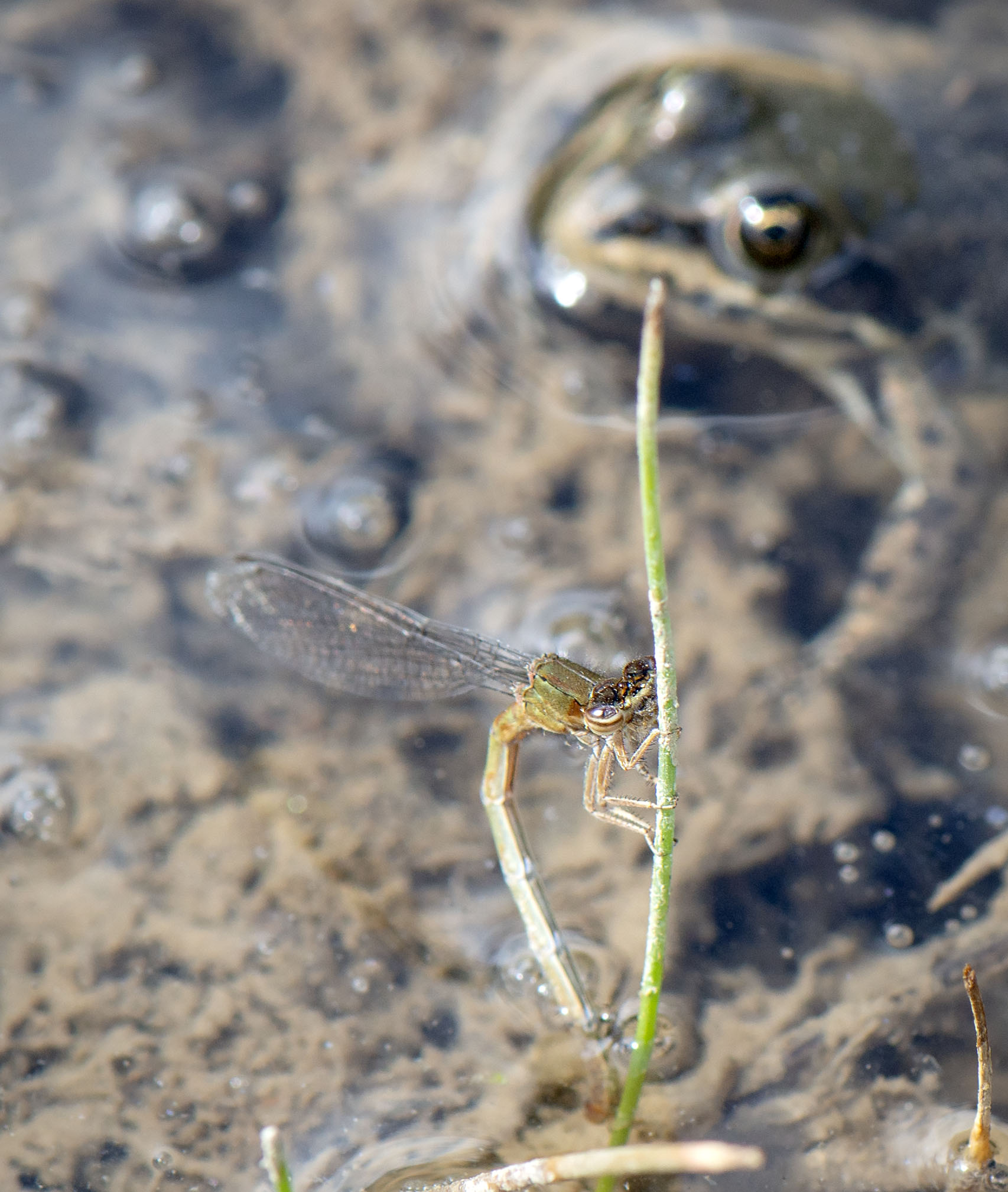
In a shallow pool a small dragonfly decides to lay their eggs under the watchful eye of a small frog. We did not see the outcome but best of luck to that little dragonfly.
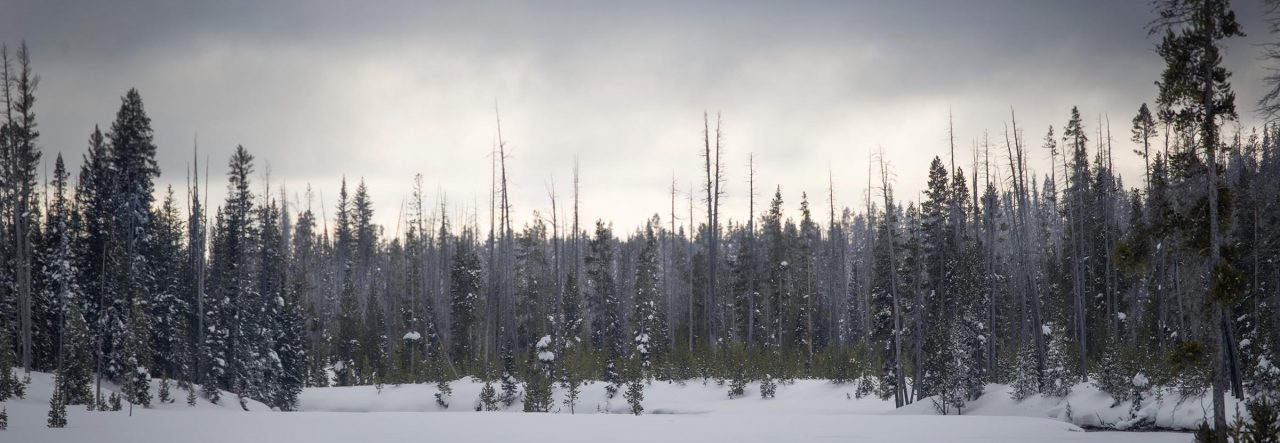
In a shallow pool a small dragonfly decides to lay their eggs under the watchful eye of a small frog. We did not see the outcome but best of luck to that little dragonfly.
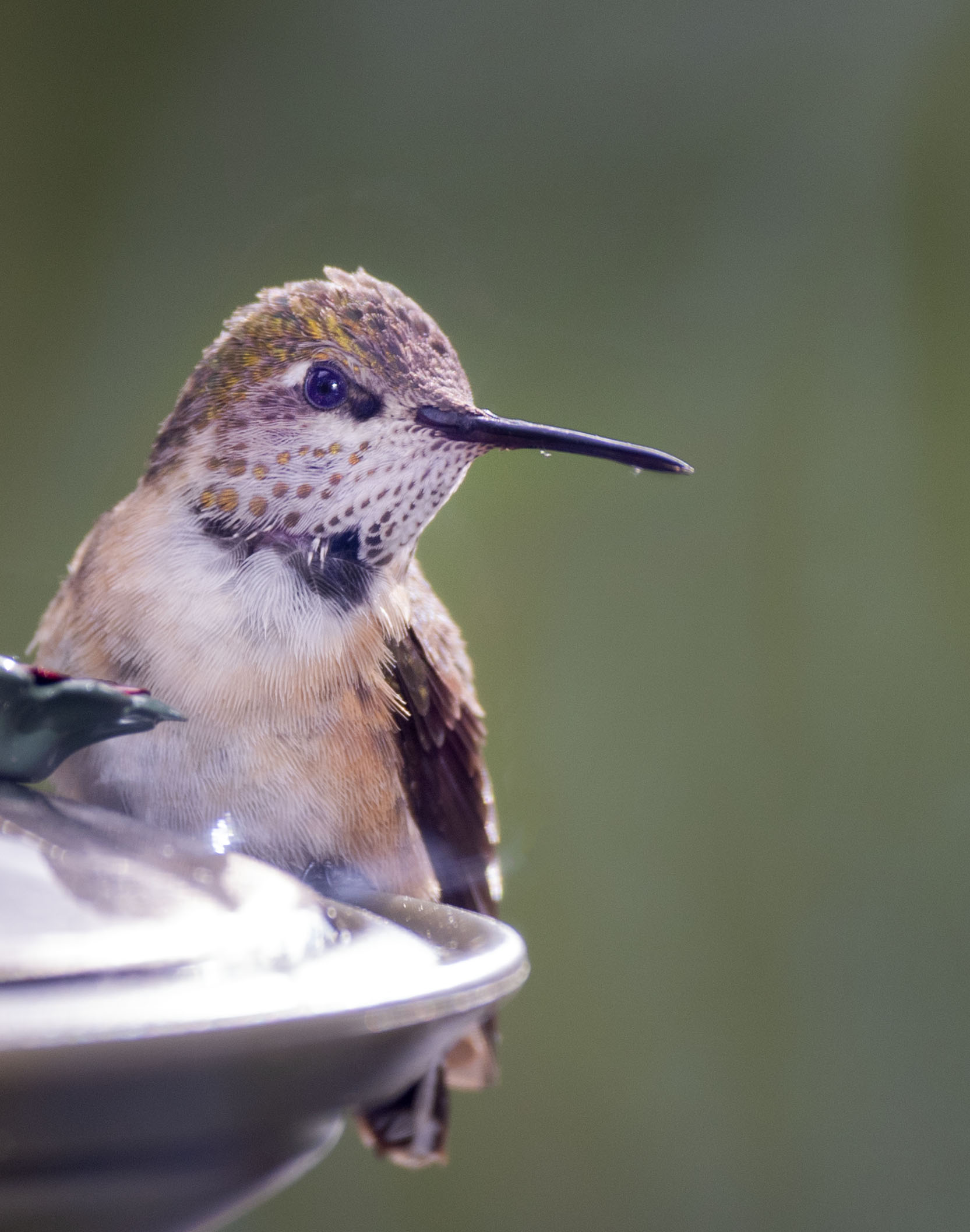
We have had the opportunity to visit with these small guys up close this summer and they are a joy to have around.
From the Cornell Laboratory of Ornithology, “This is the smallest bird in the United States, yet this tiny hummingbird breeds in meadows and open forests high in chilly Northwestern mountains, and travels more than 5,000 miles each year to pine-oak forests in Mexico and back again.”
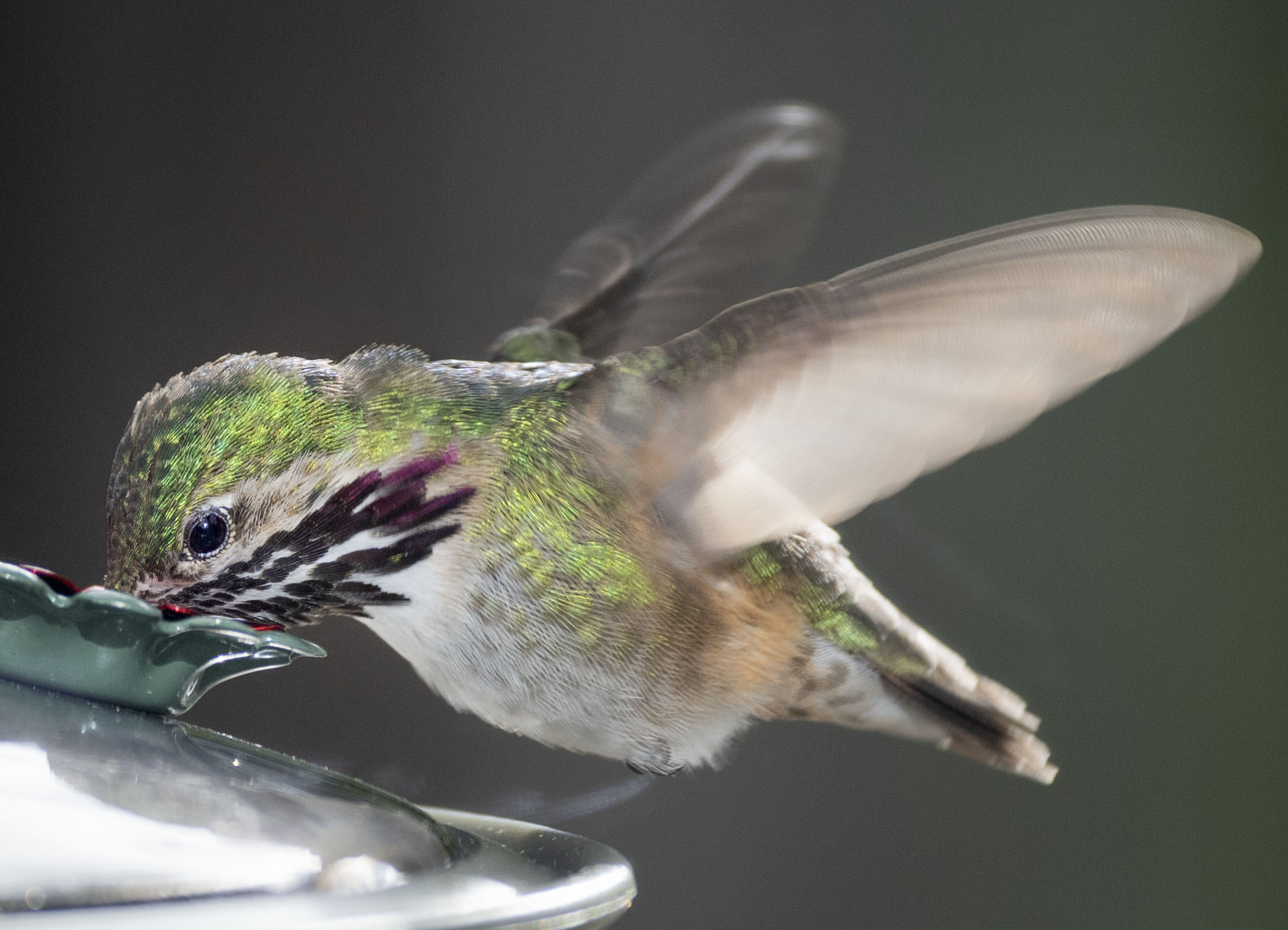
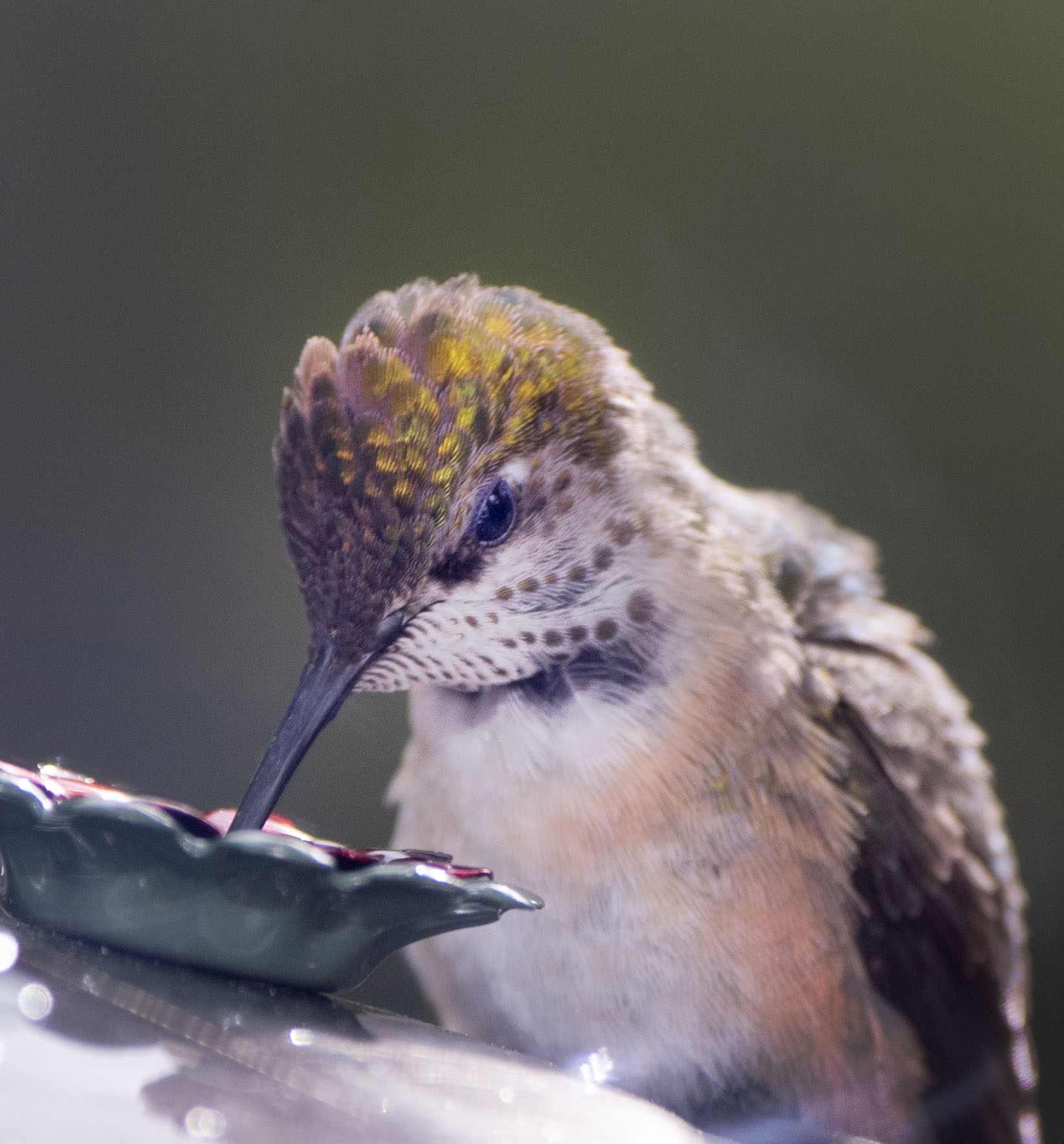
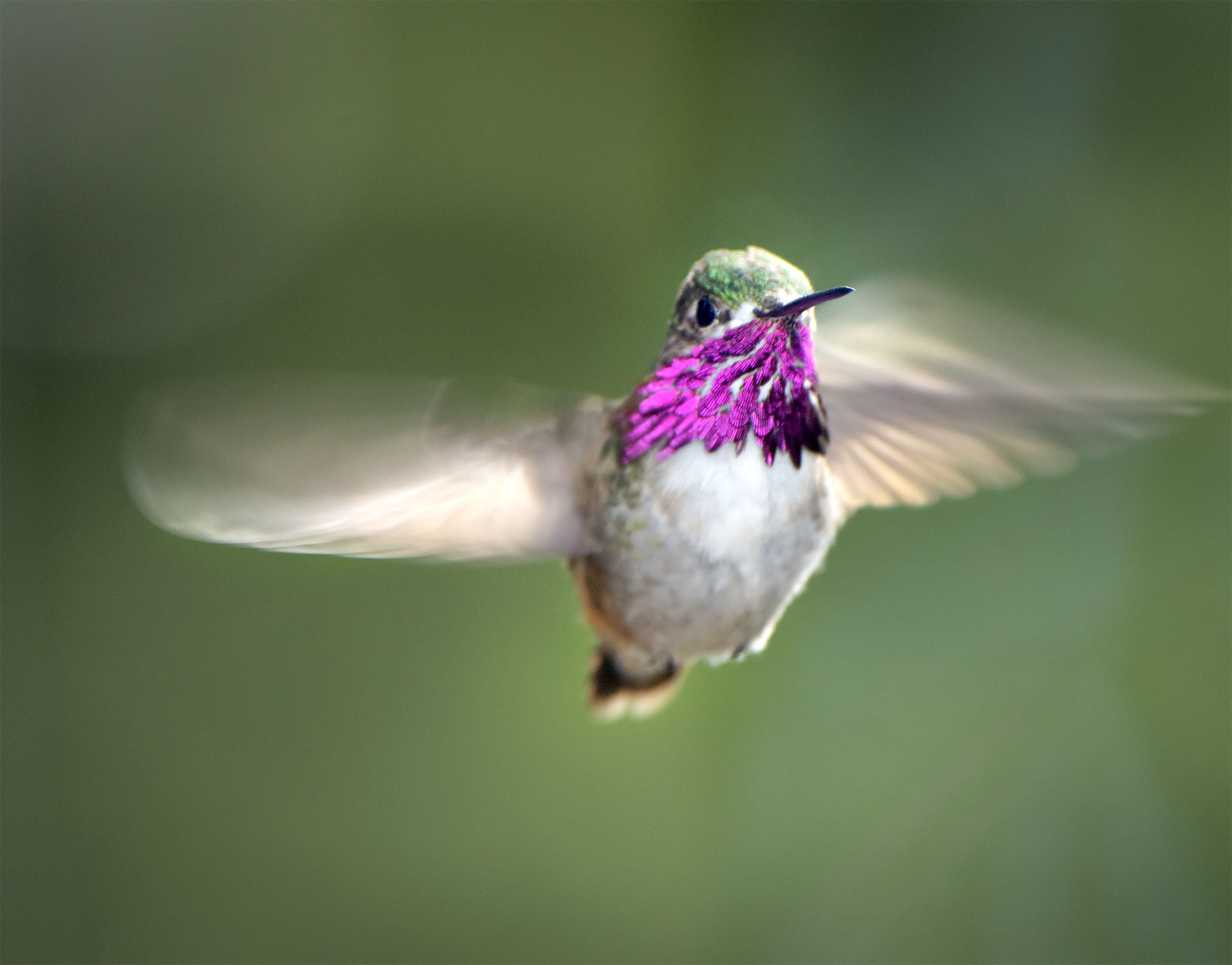
3 inches of spunkiness and color that is hard to forget.
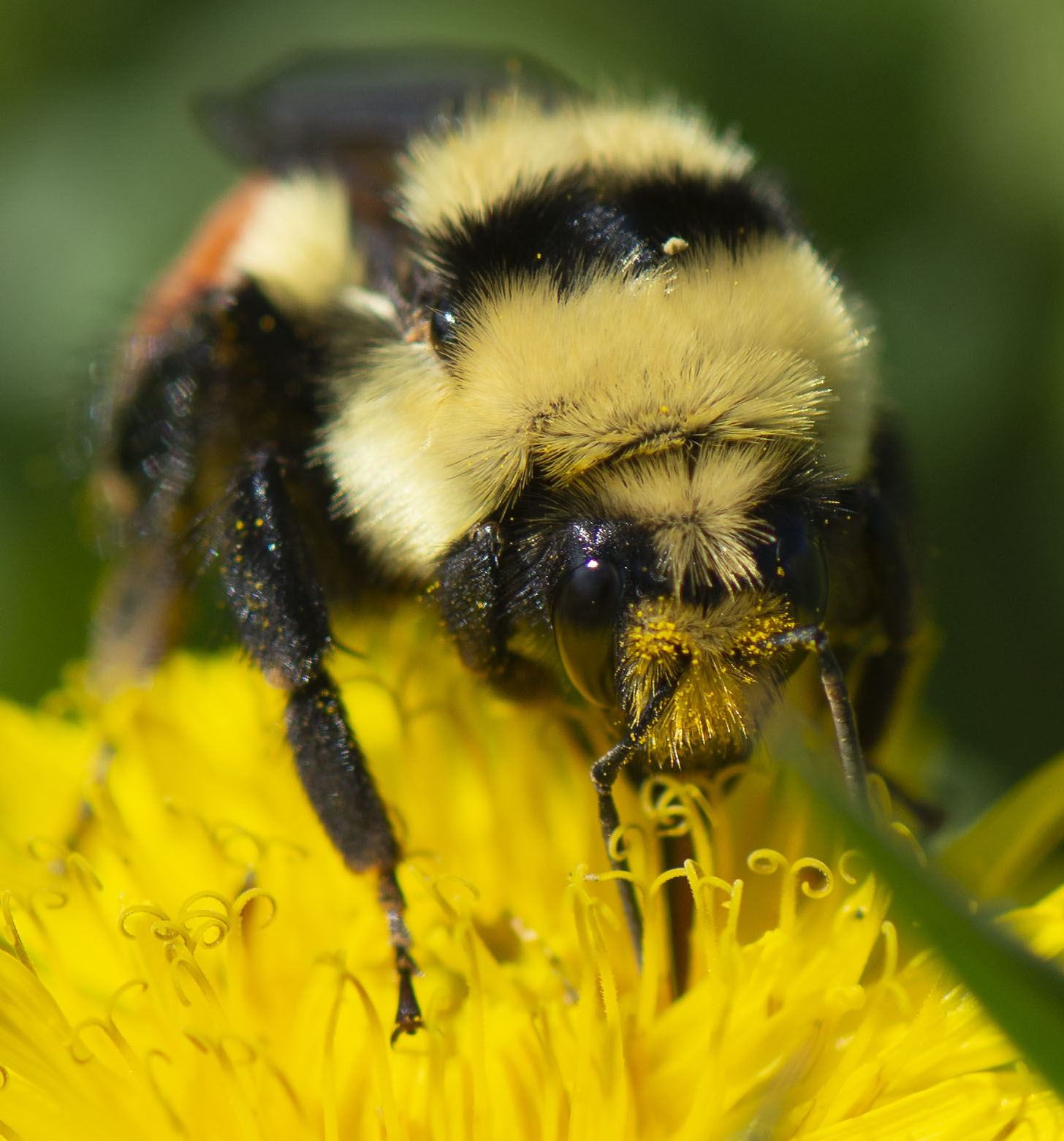
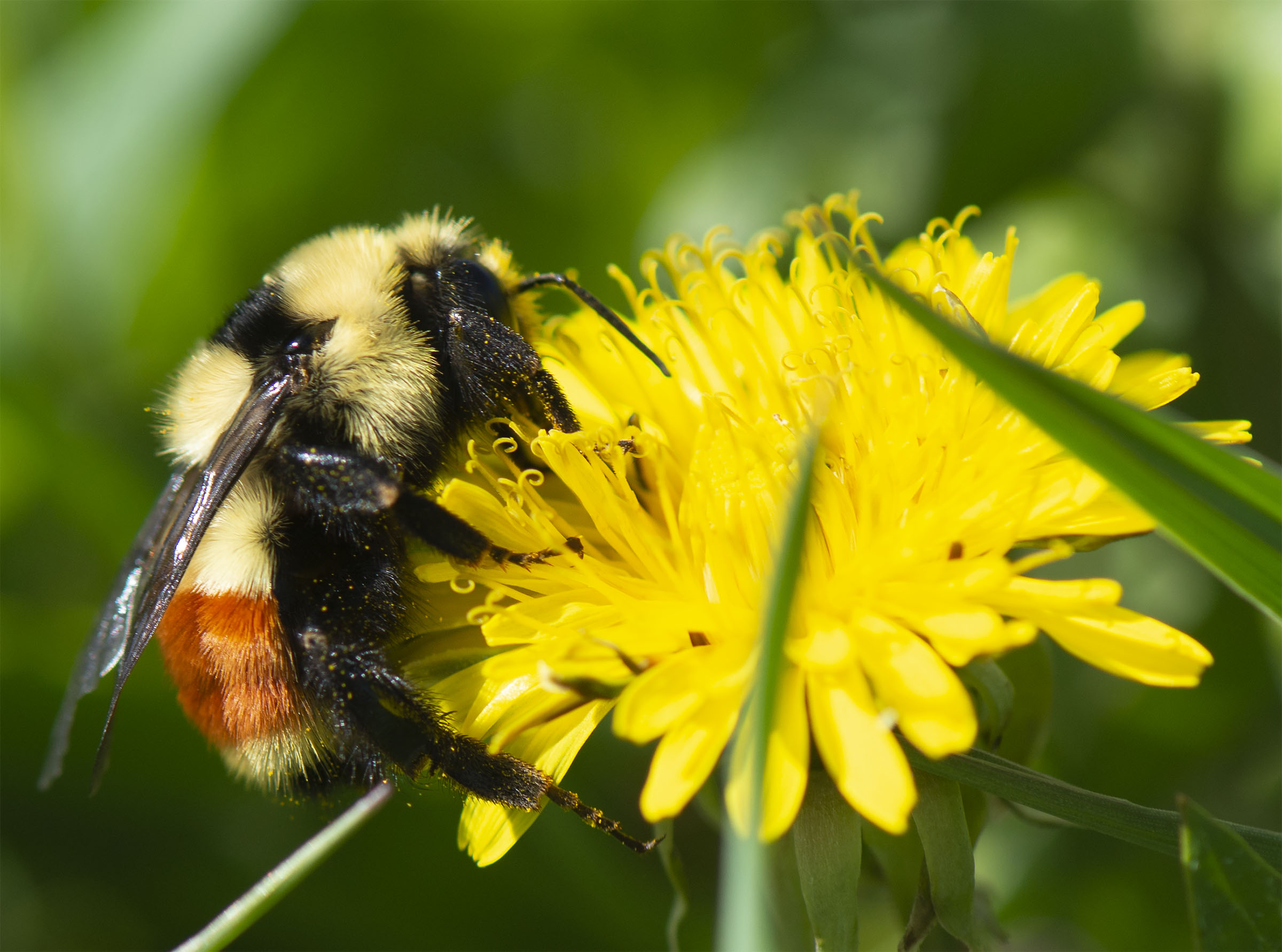
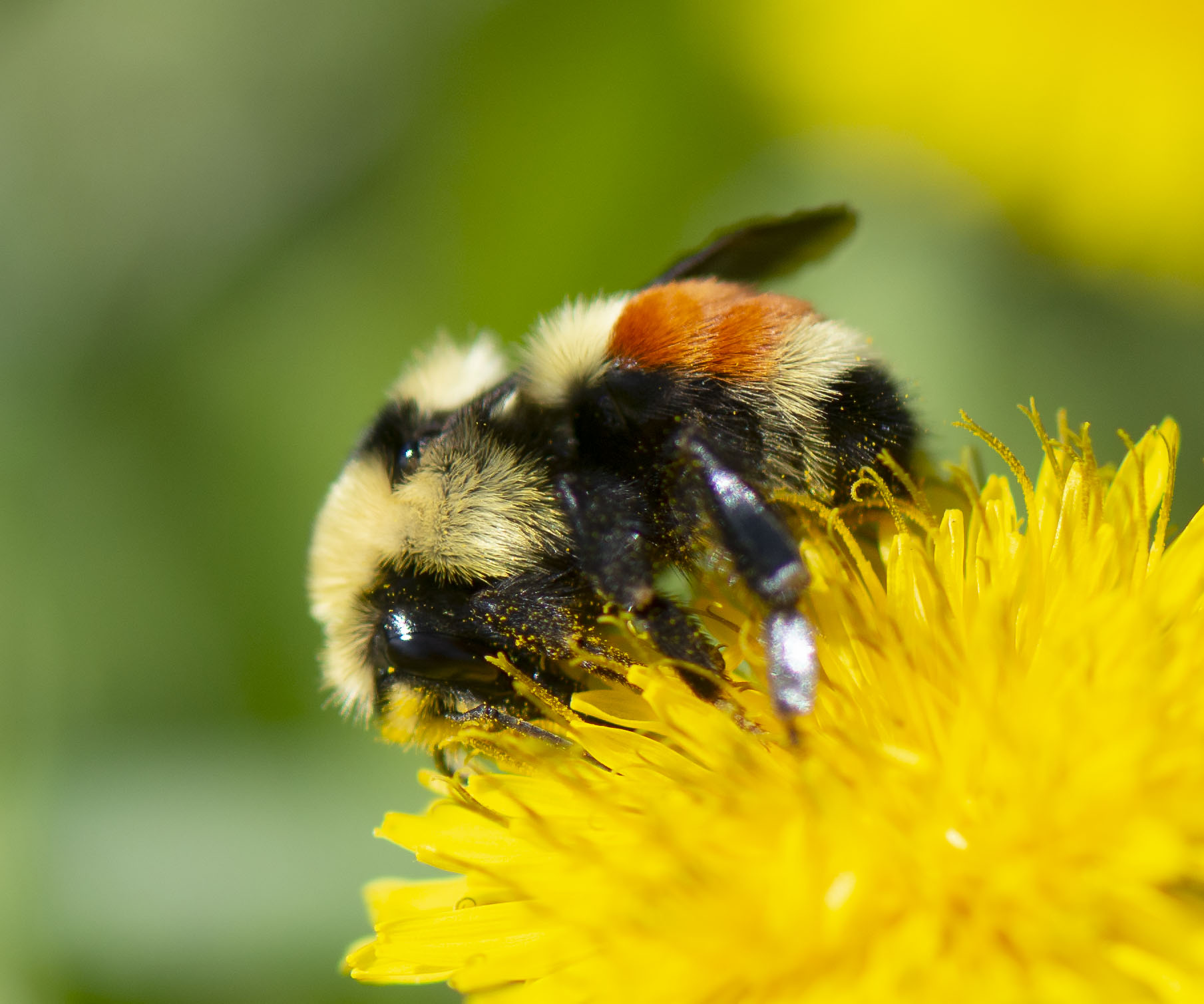
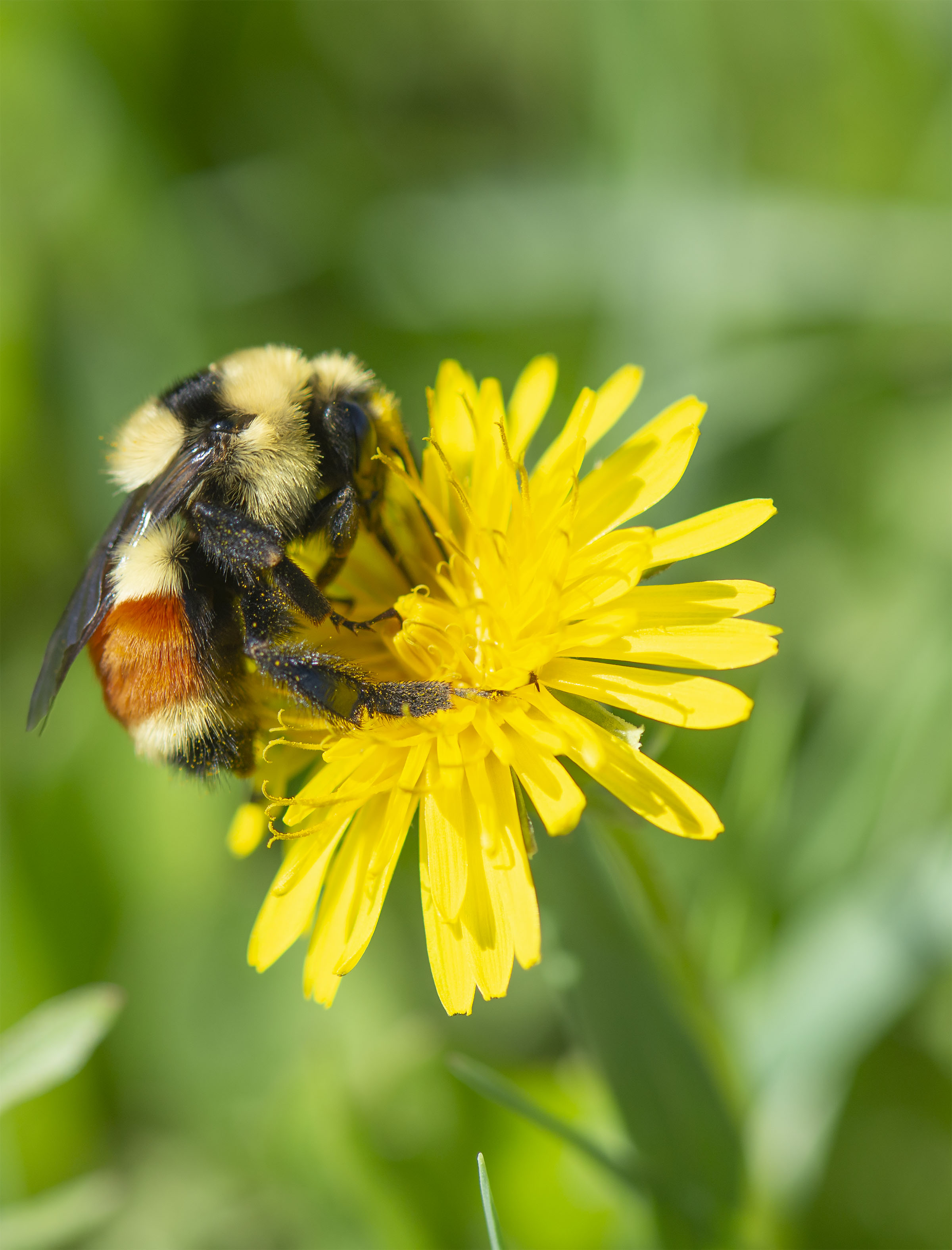
Just a few quick photos of a wonderful bumble bee Bombus ternarius the tri-colored bee. This time buzzing about on a not so dandy wildflower but the tri-colored bee is sure a marvel and any chance we can get to enjoy seeing our favorite bee close up is worth it.
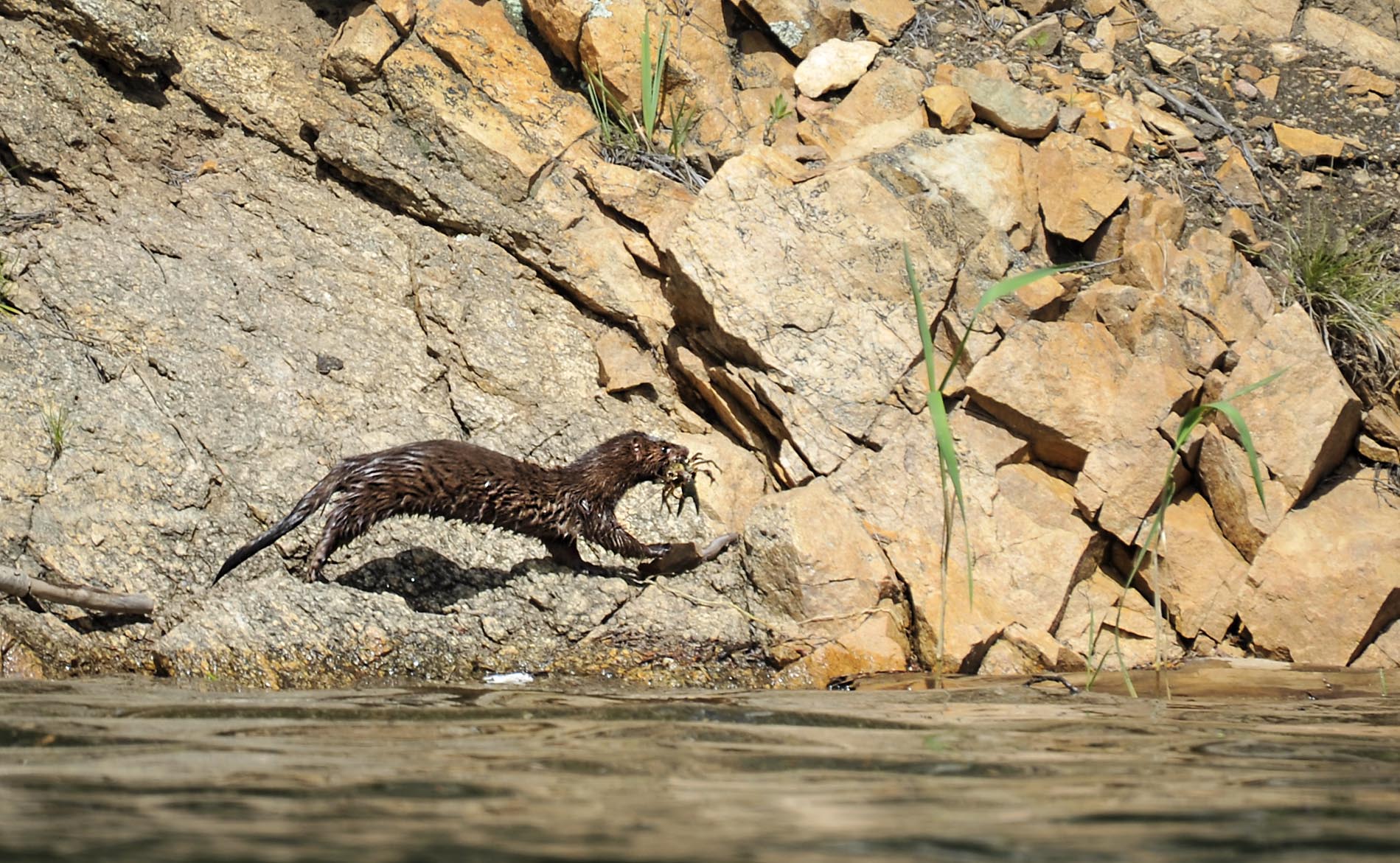
While out at a local lake on our kayaks we were treated to a very unexpected sight…a mink hunting crawfish. This guy/gal was working the shoreline and caught at least two crawfish while we watched from out in the lake on our kayaks. We had no idea mink lived along the shores of this lake and have never seen one before. Another reminder that those little moments sure can make your day.
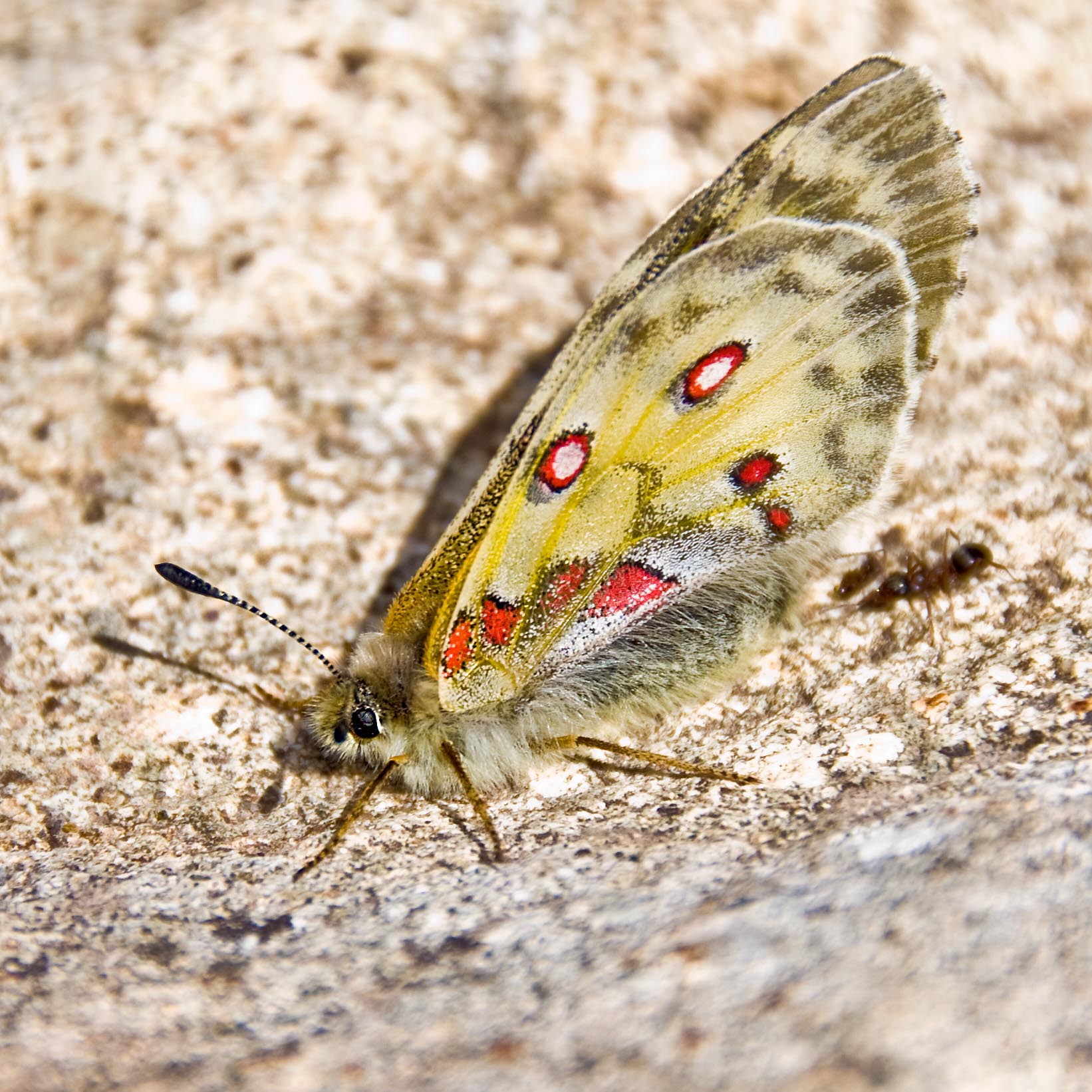
Found this beautiful fuzzy little moth warming up in the morning sun up near timberline while hiking on a cool summer morning. All that fuzz must help keep her and perhaps her little ant friend warm through the night.
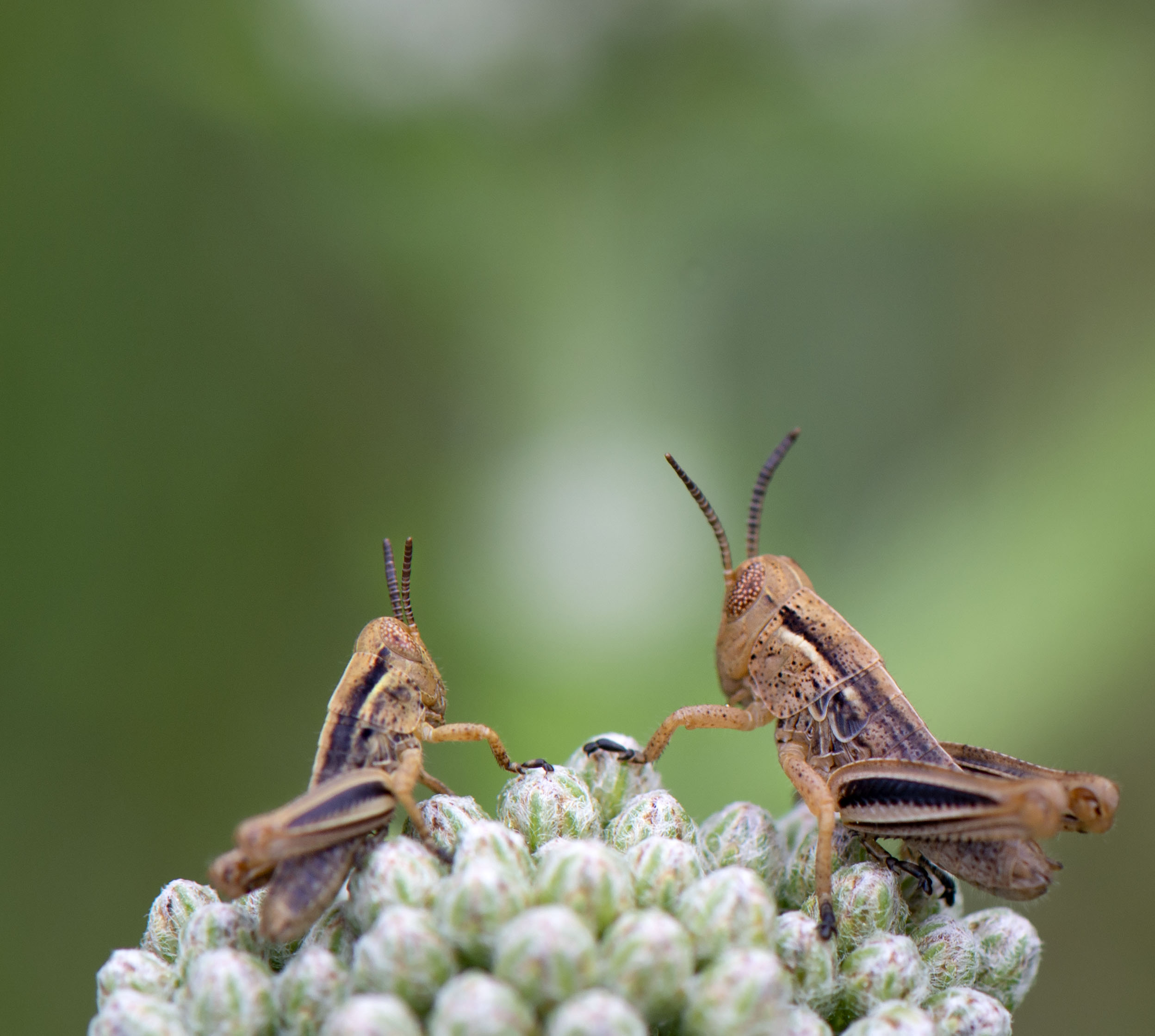
Two very little grasshopper nymphs enjoying a fine beginning to life atop a wildflower just starting to bud.
Hope you get to enjoy some time with your favorite buddy this weekend.
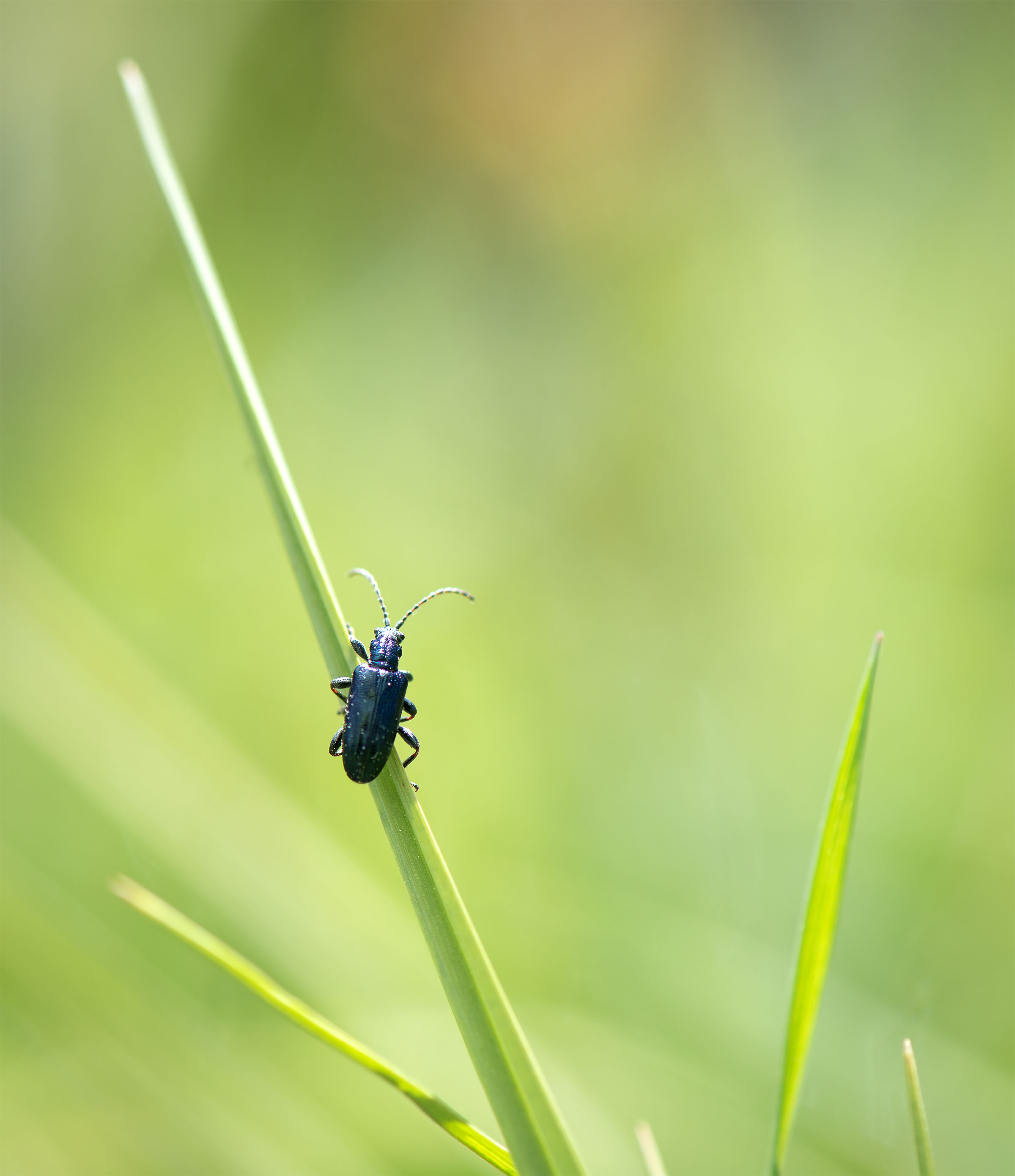
Looking closely at a blade of grass there is more than meets the eye.
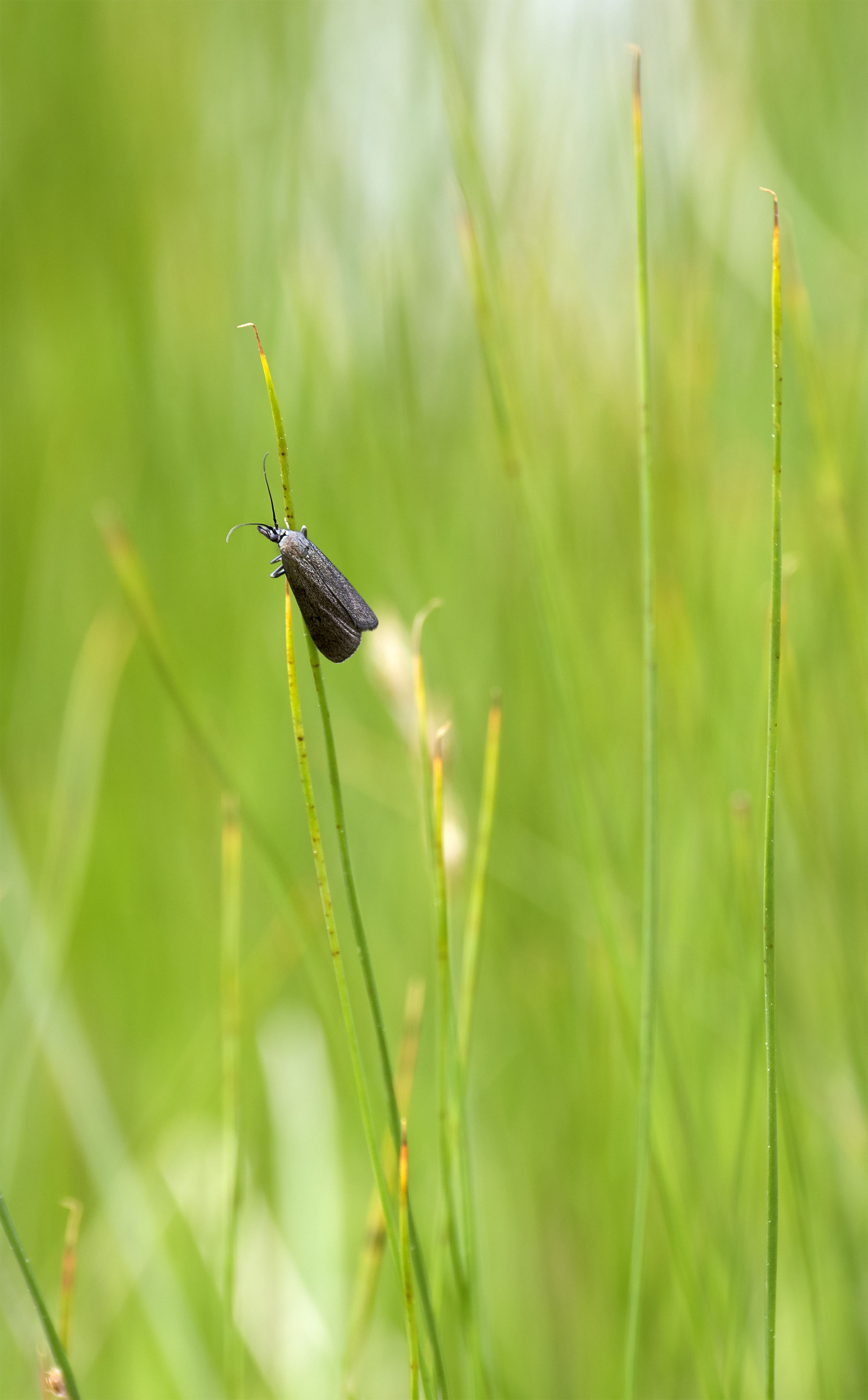
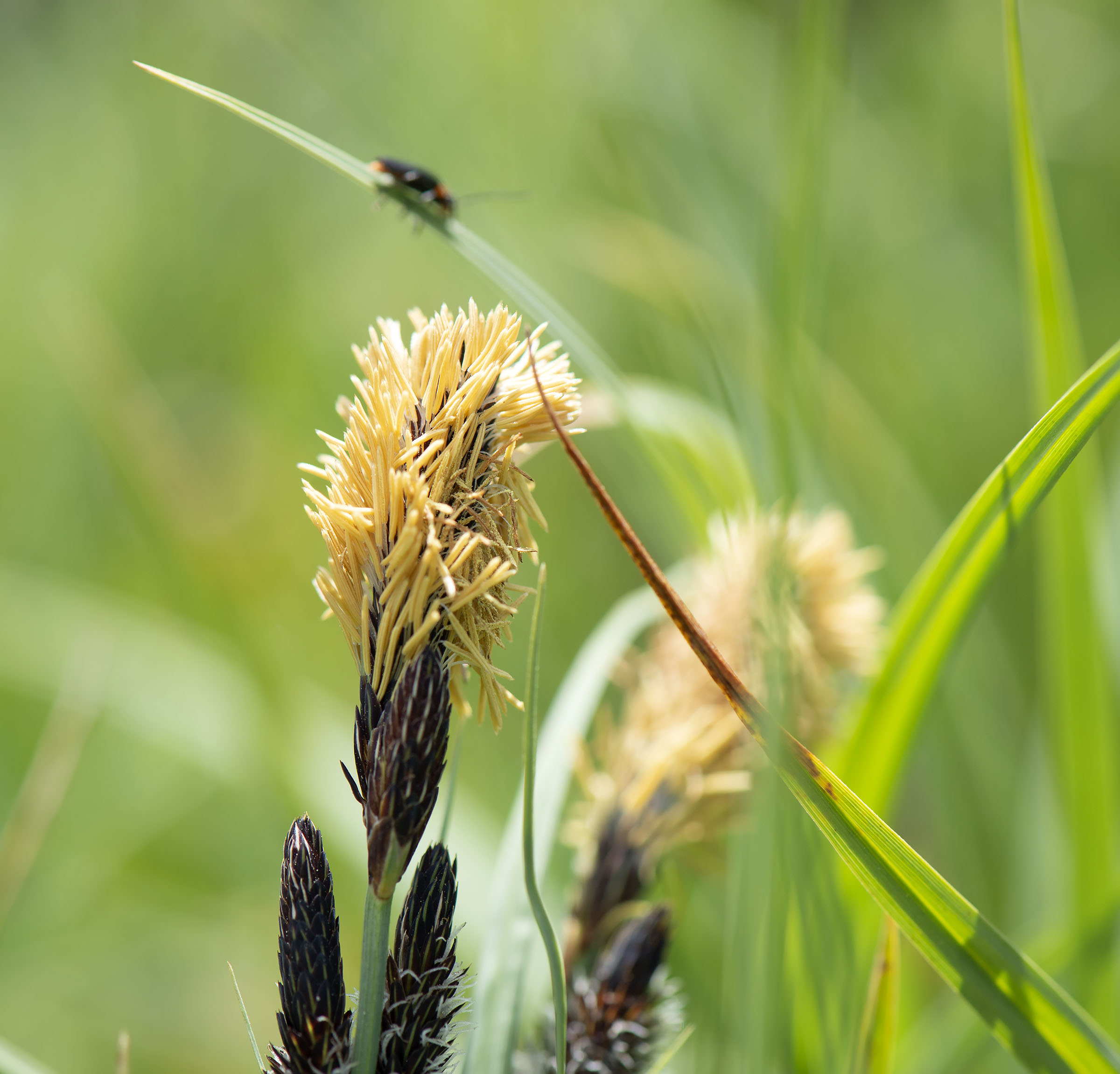
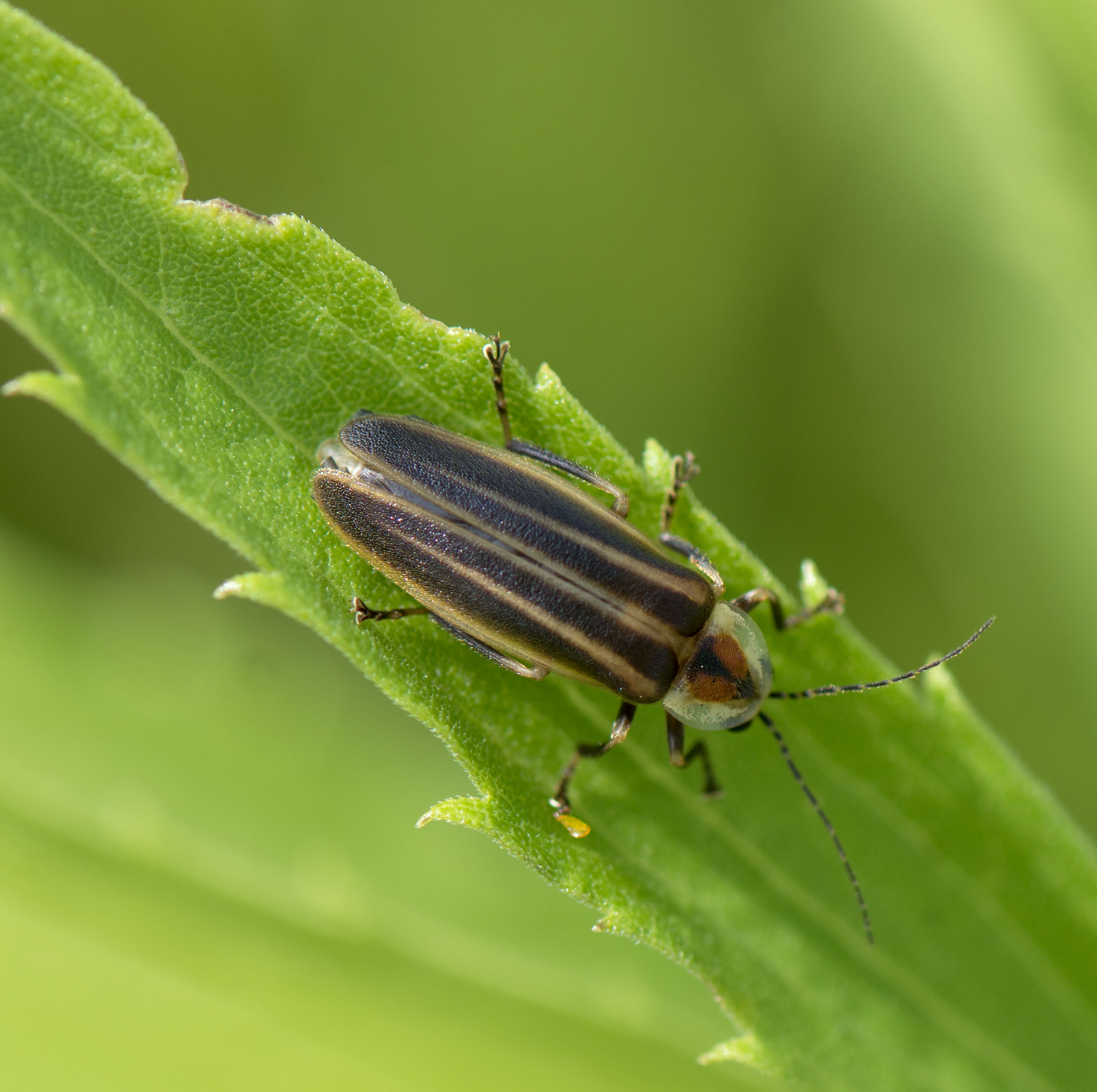
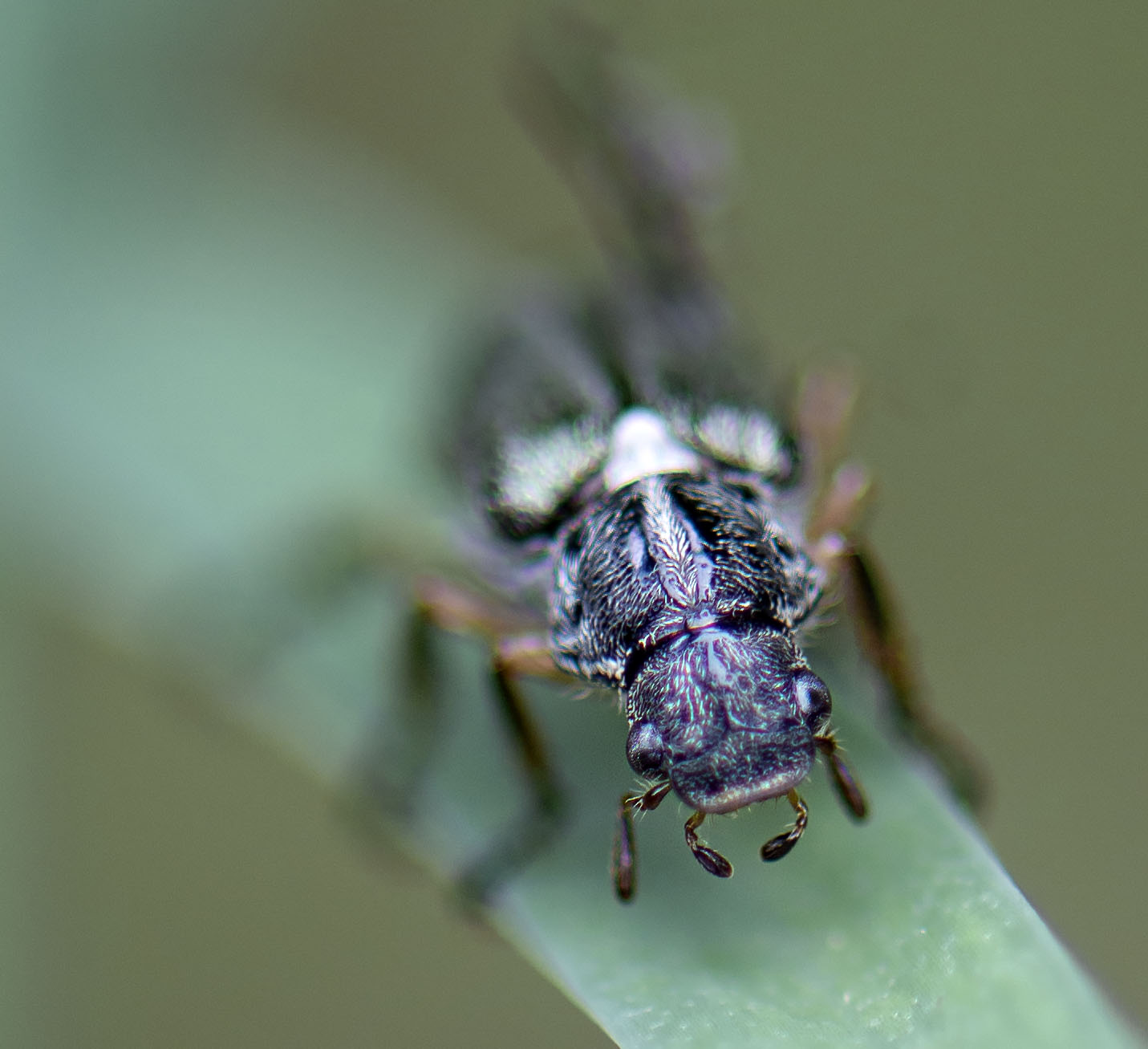
Yes, there is always more than meets the eye and it’s sure fun trying to meet it.
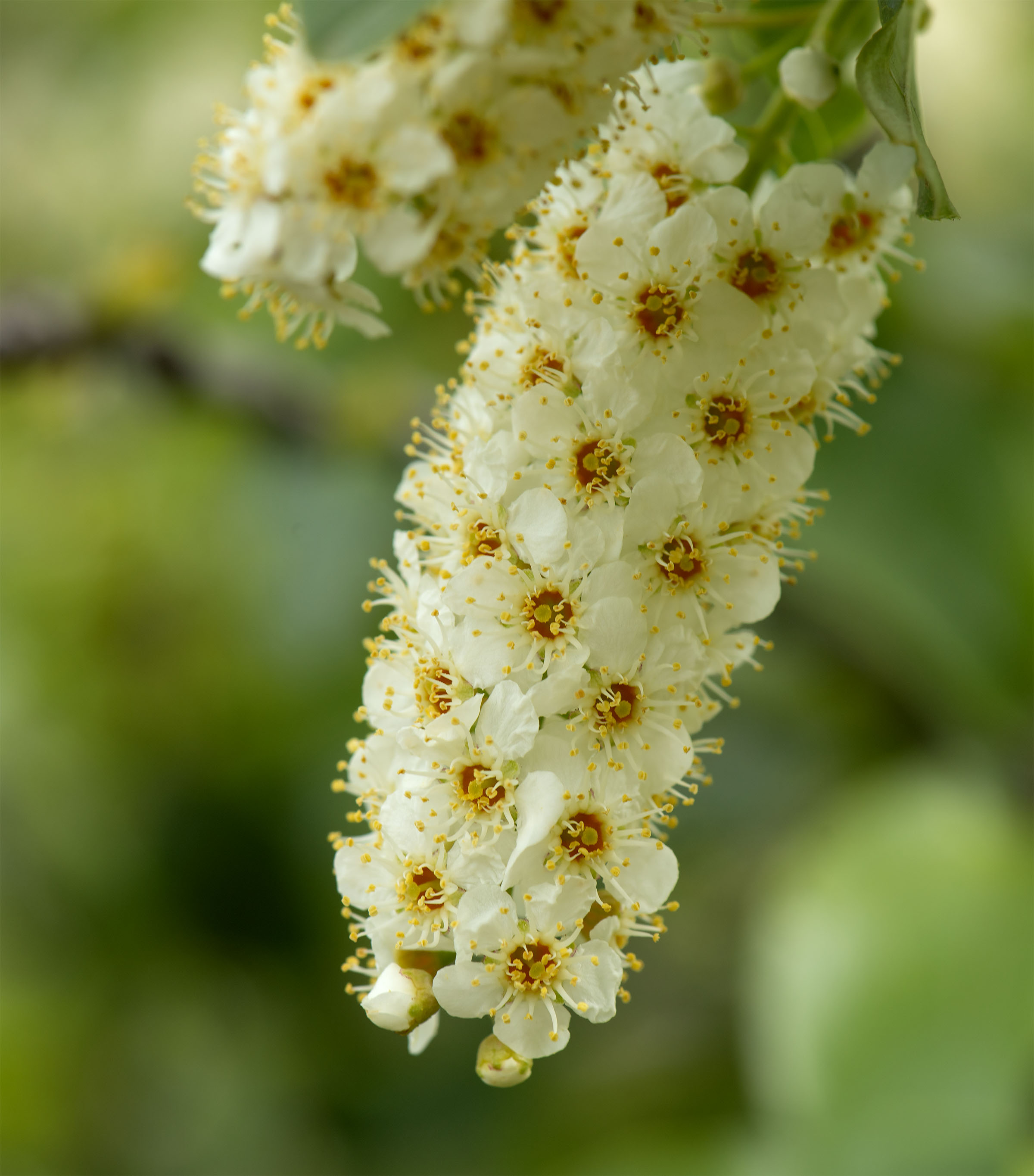
While the last blossoms of the Choke Cherry shrubs, which line the road near our home, have faded away their sweet smell still lingers in my head. Most of June was filled with that sweet smell as different bushes bloomed at different times of the month and thus we were treated to a wonderful progression of fragrance and sights.
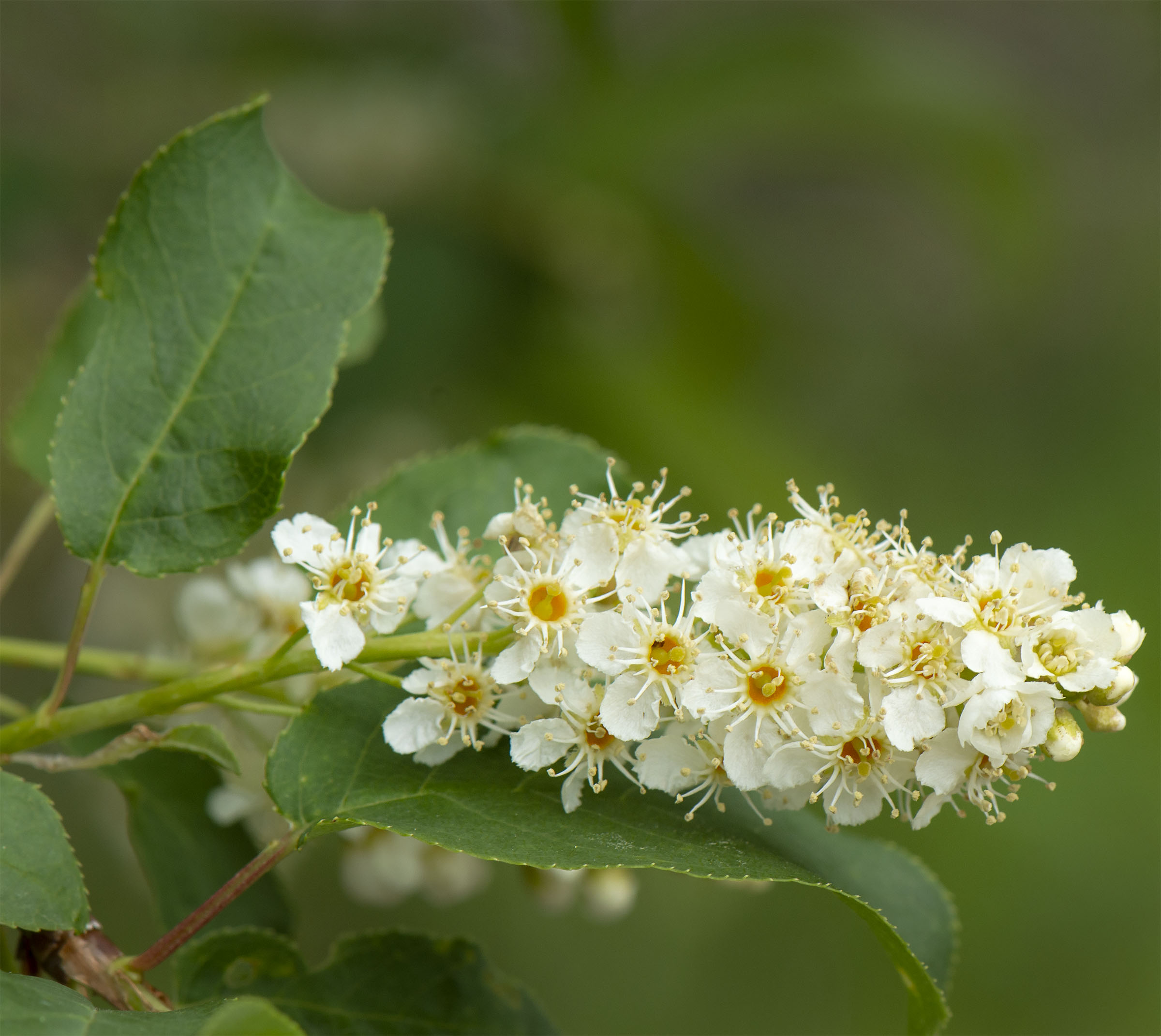
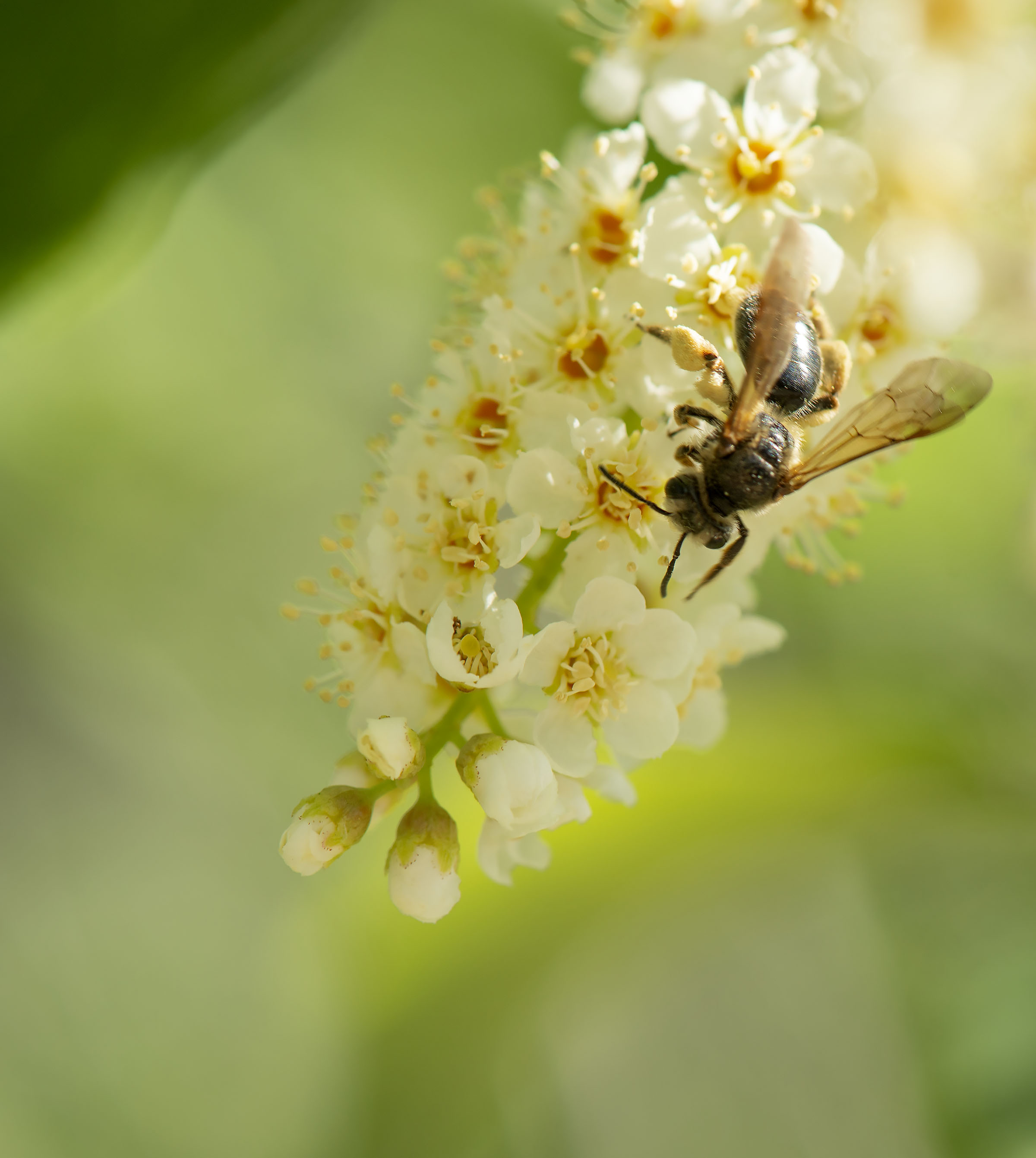
The astringent fruits and even the leaves and branches of the Choke Cherry are considered an important food plant for wildlife. Both large and small mammals as well as birds utilize Choke Cherry for food. In addition to food Choke Cherry provides wildlife habitat and protection for watershed in the areas in which it grows.
Human uses include Chokecherry Jams, wine as well a medicinal uses by native cultures. New growth on the leaves can be toxic to humans and cattle especially those leaves injured by frost or draught. So do not eat the leaves.
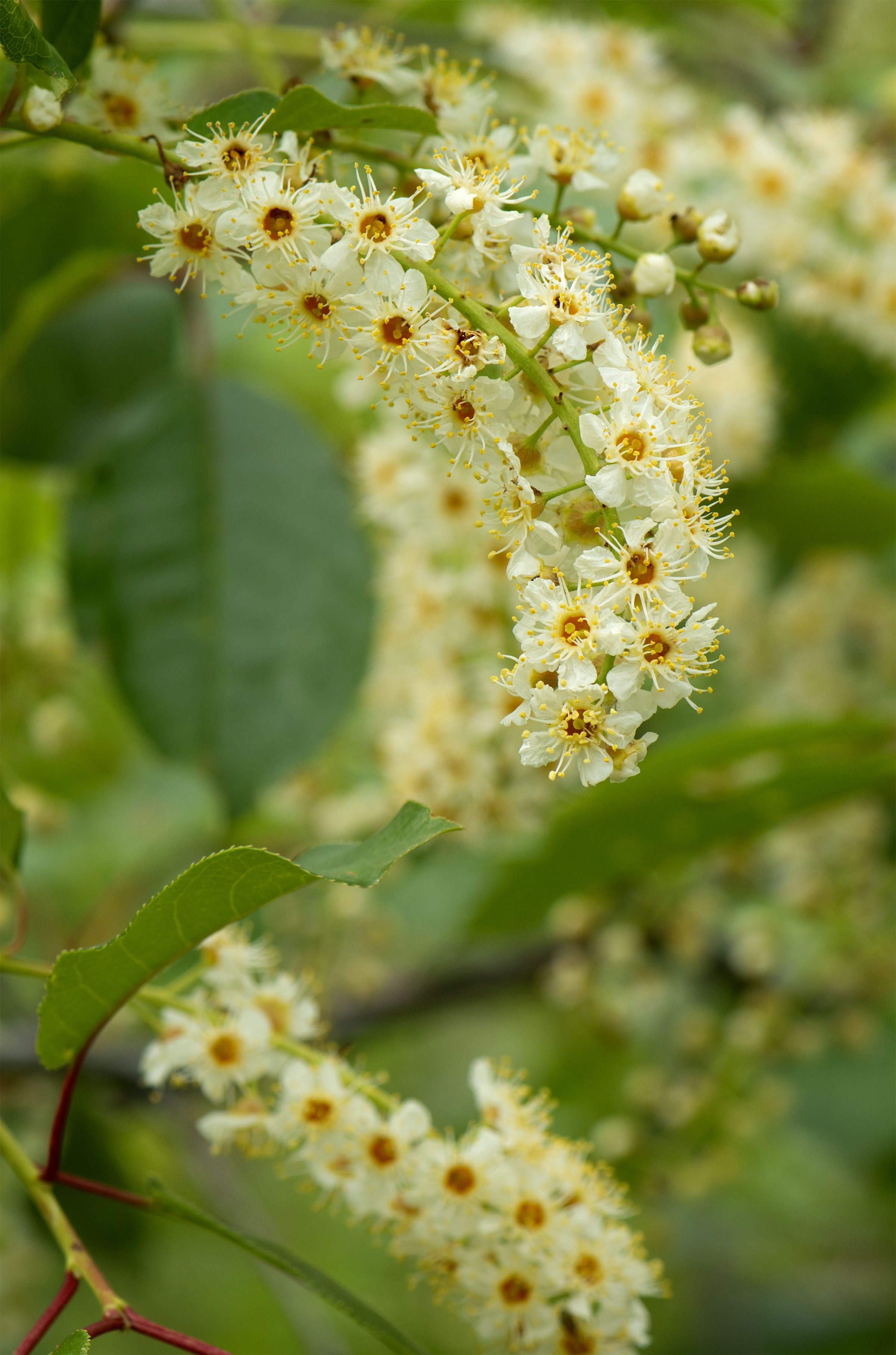
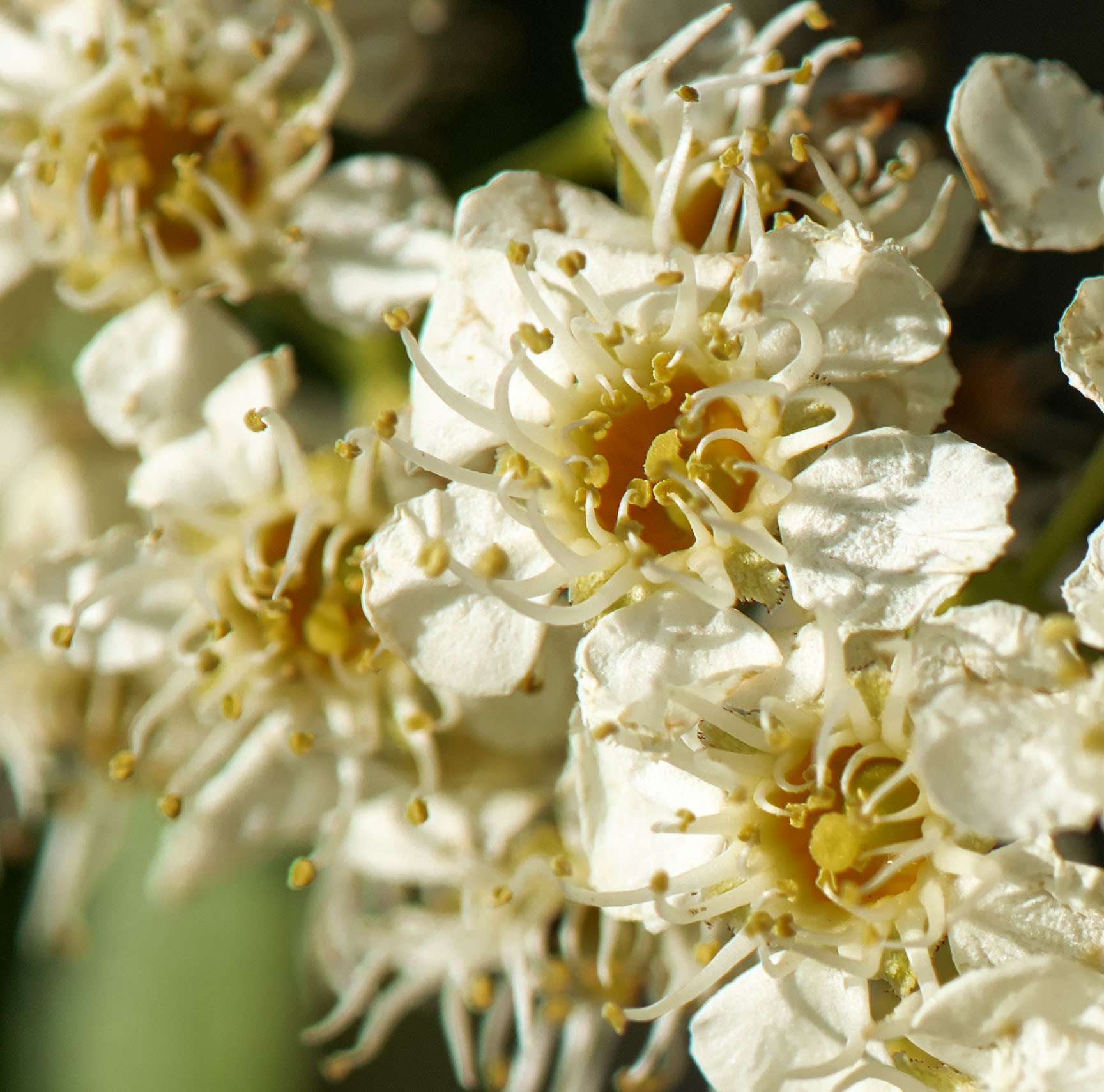
While the fruits are quite useful it is always the blossoms that take the cake for me and somehow posting on Choke Cherry seems a fitting thing to do on the forth of July.
References:
Lady Bird Johnson Wildflower Center.
United States Department of Agriculture.
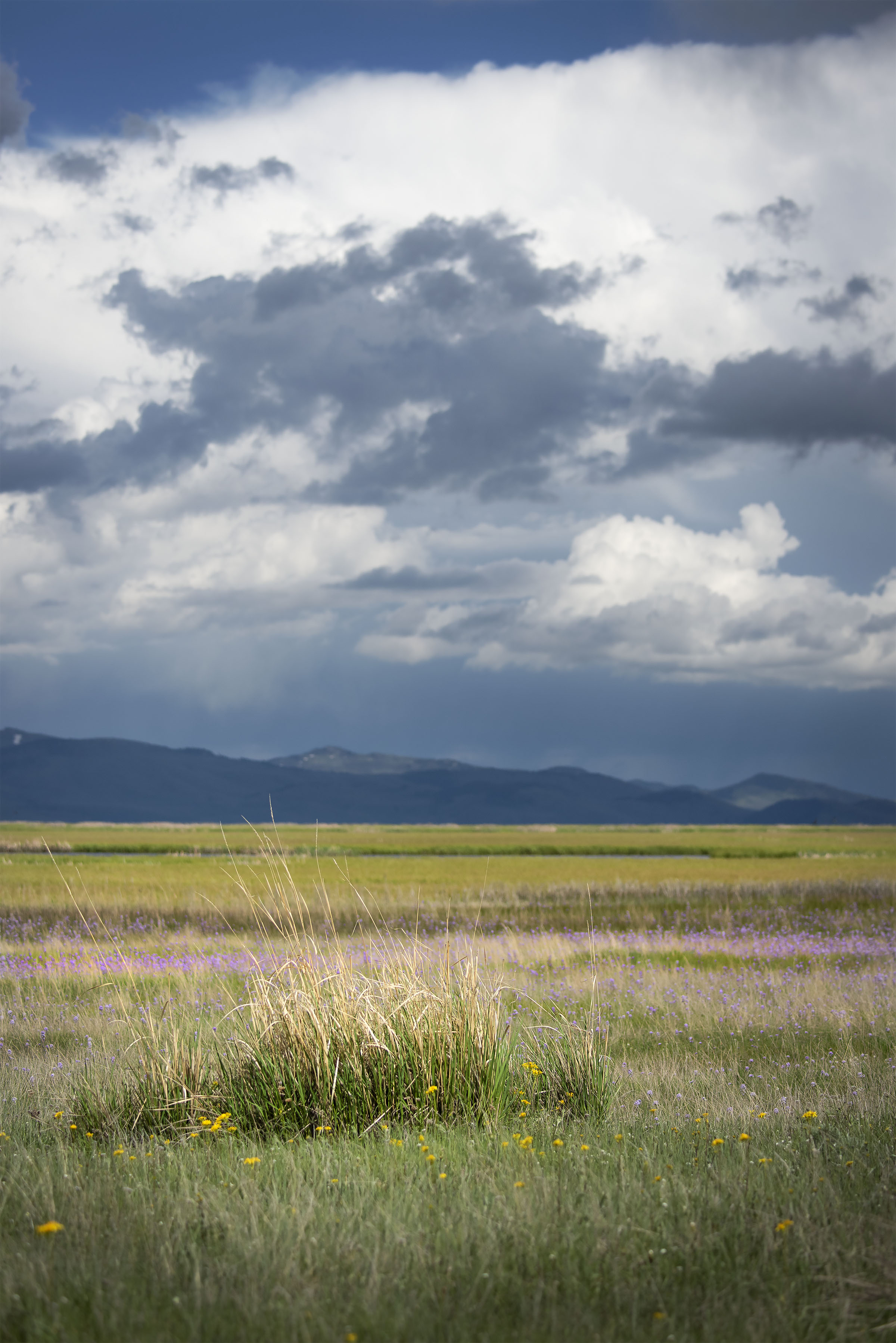
There are those places where it is said there are only three seasons, July, August and winter. While perhaps not always that way, this year, spring arrived late to this high mountain valley and when it arrived it was a welcome sight indeed.
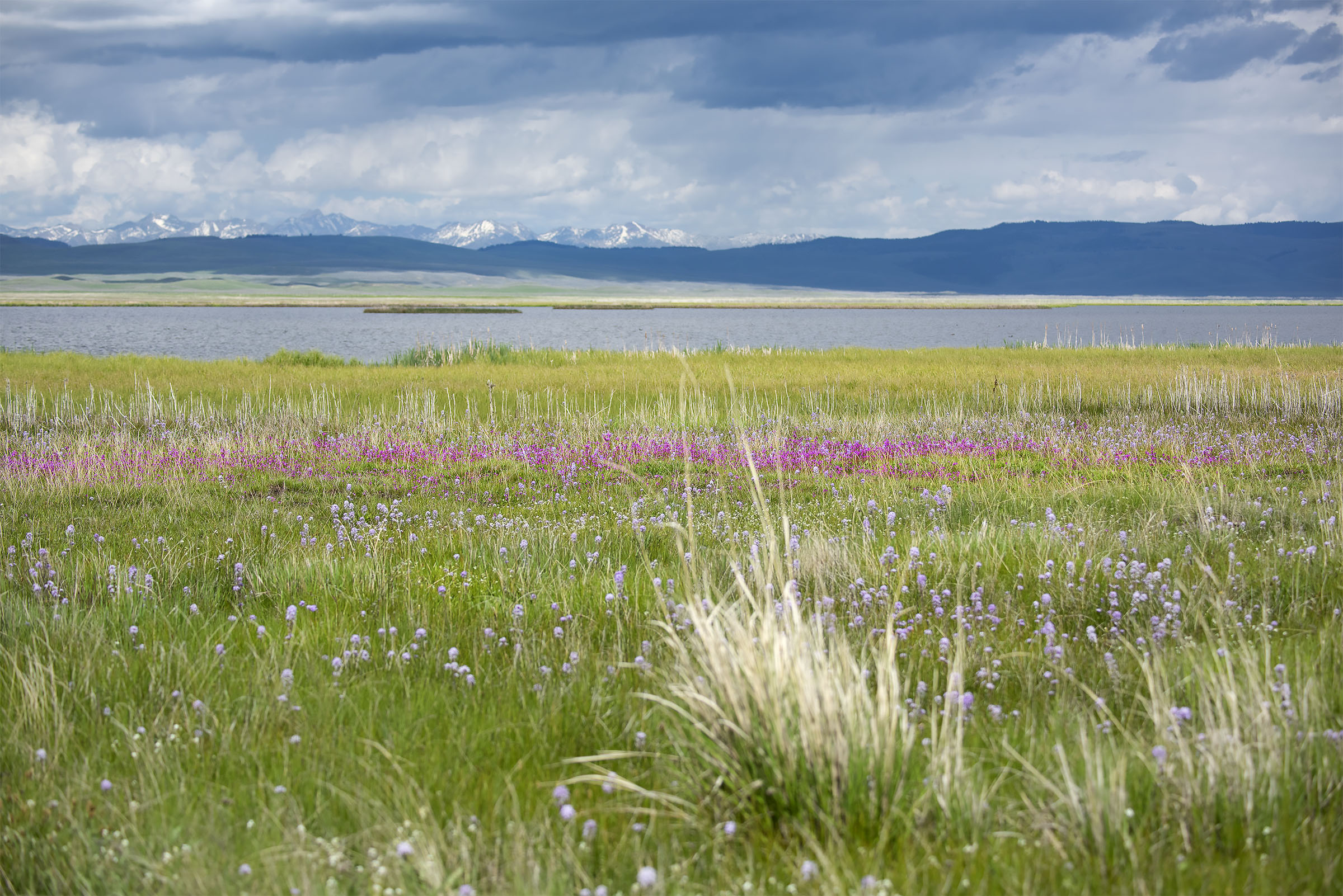
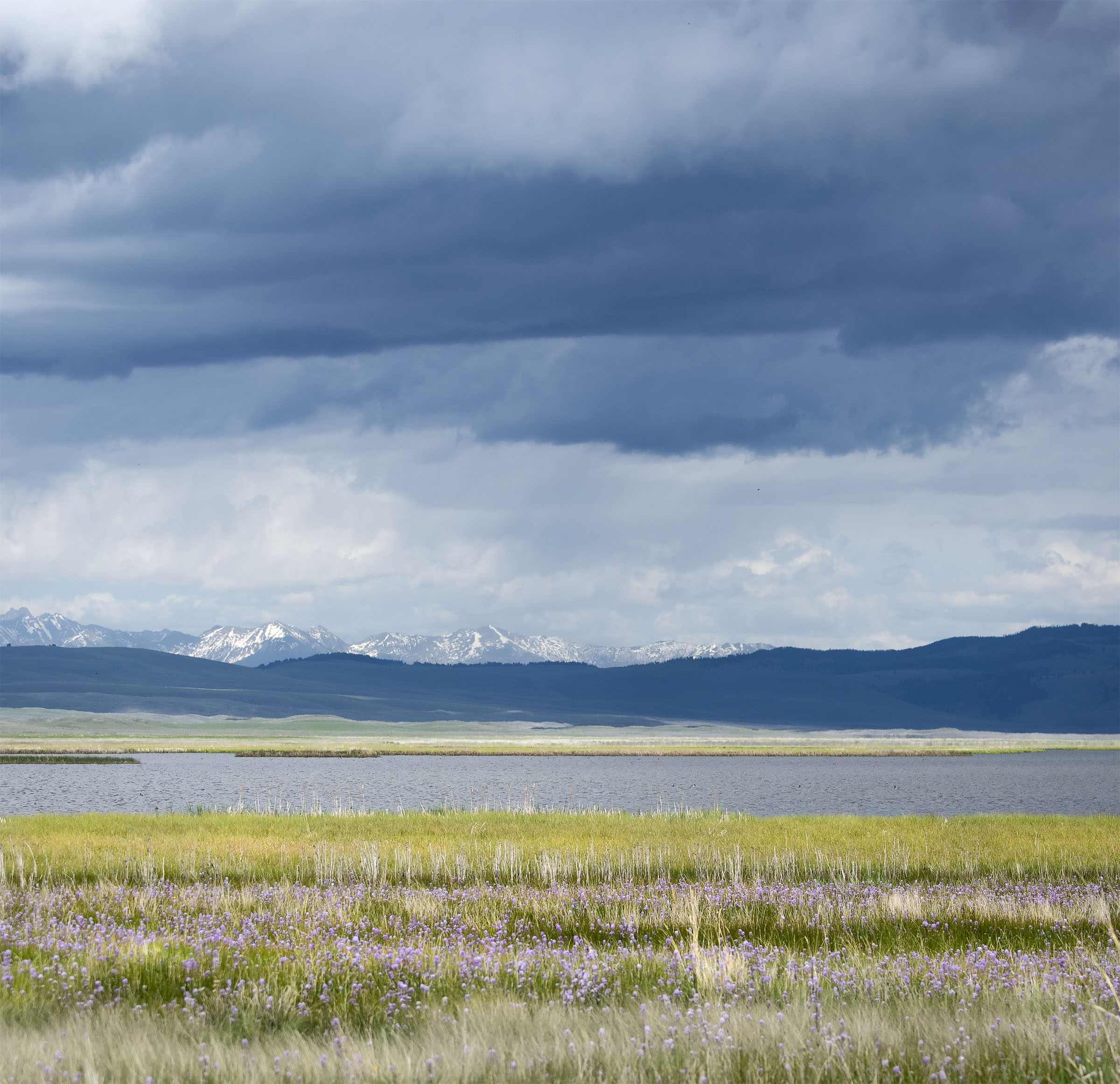
Grass grew and flowers bloomed just like it always has.
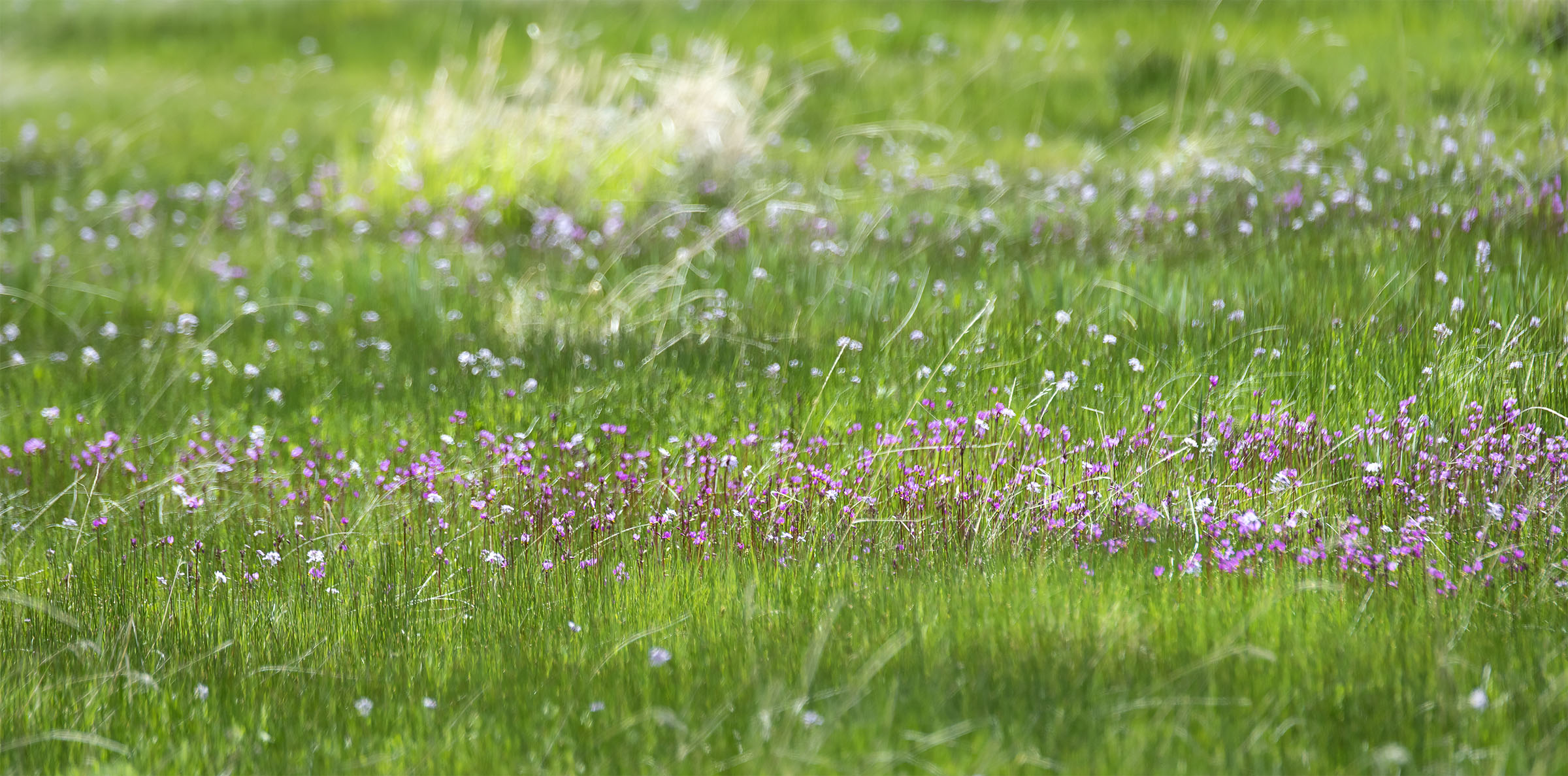
Early June 2018

Perhaps the most colorful of the summer visitors to our local tree-tops is the Western Tanager. Although the male sports conspicuous bright colors we hear him much more often than we see him. However, once or twice per day, we are treated to an occasional streak of color passing through the tress and every now and again a nice long view of these colorful birds of the summer forest.
 nature has no boss
You must be logged in to post a comment.