Bare-throated Tiger-Heron

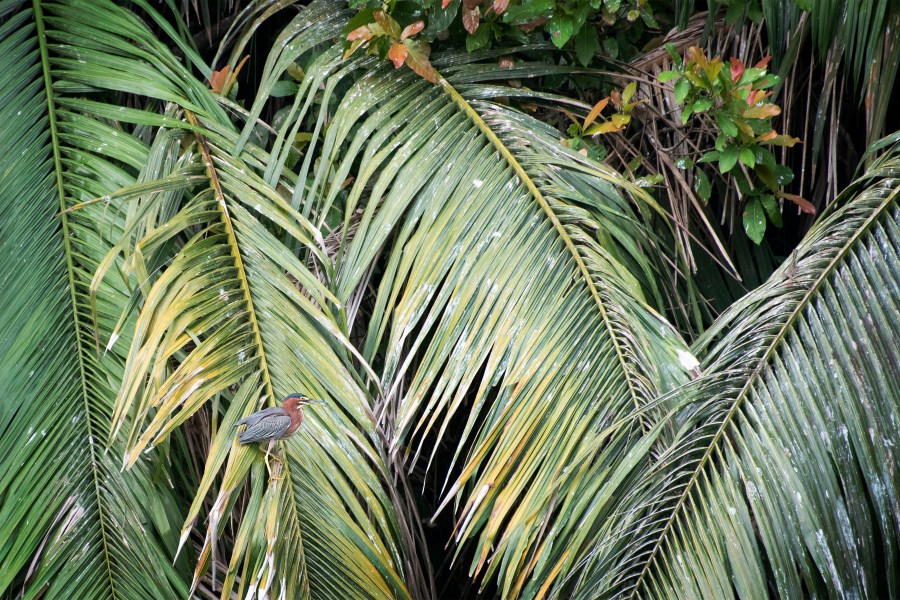
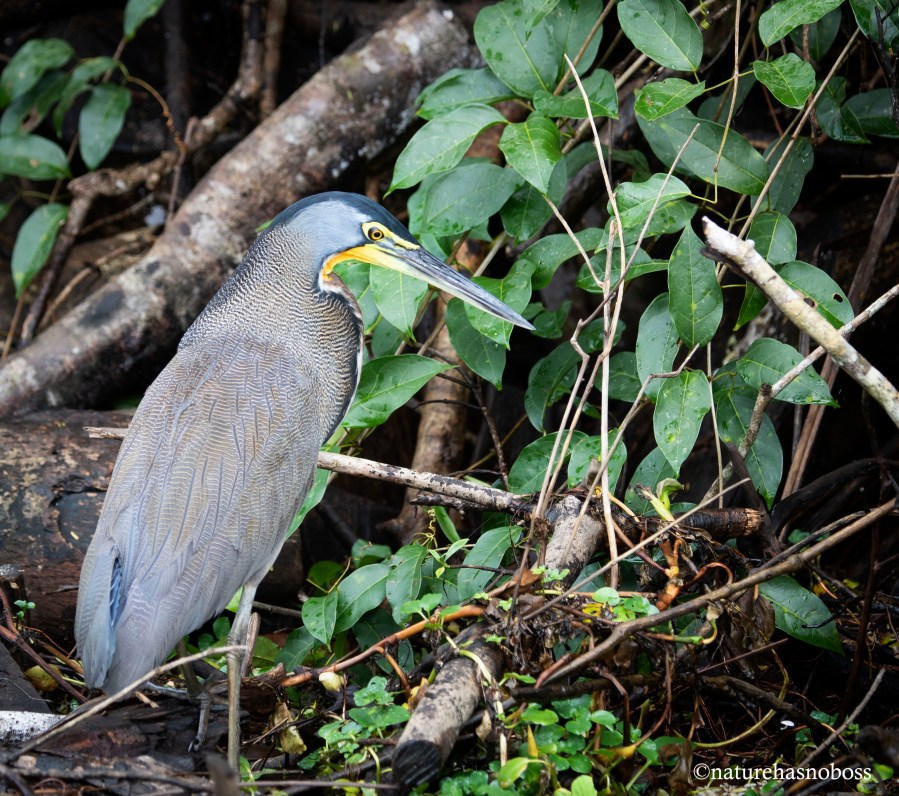
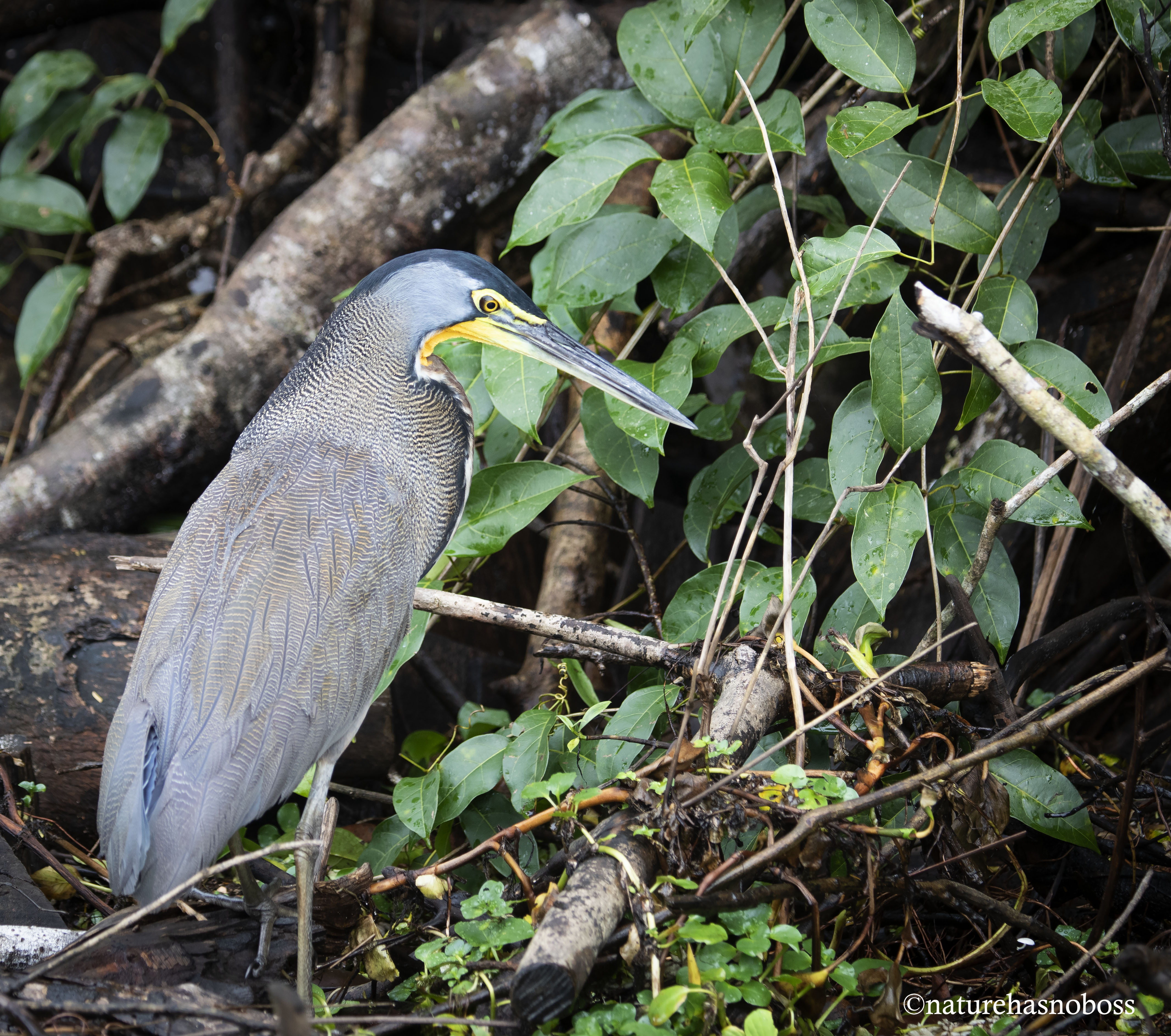
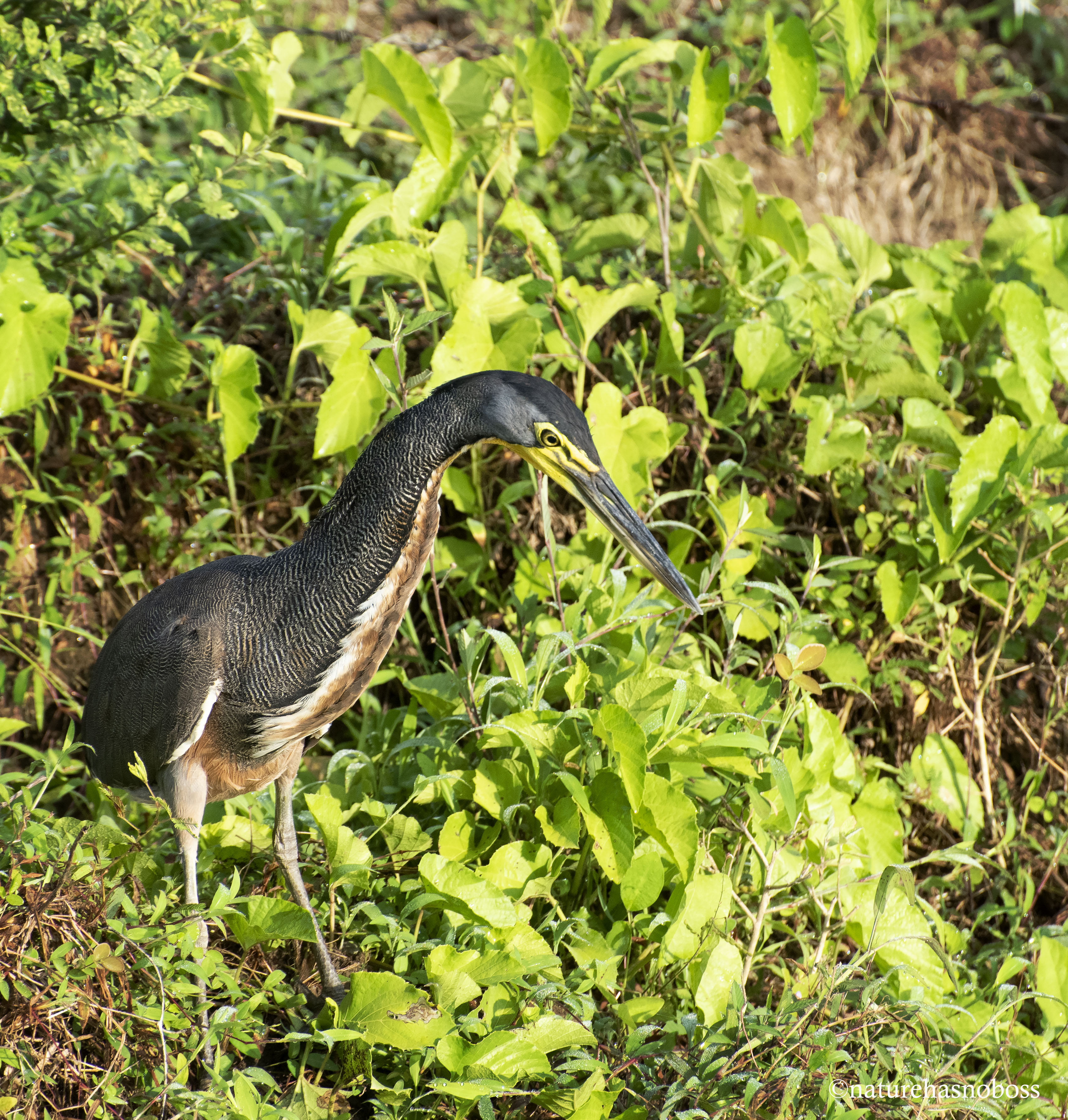
The Bare-throated Tiger Heron is a medium sized heron common to Central America. They are somewhat bulky and shaped a bit like a night-heron or Bittern with distinct baring and rufous on their breast.
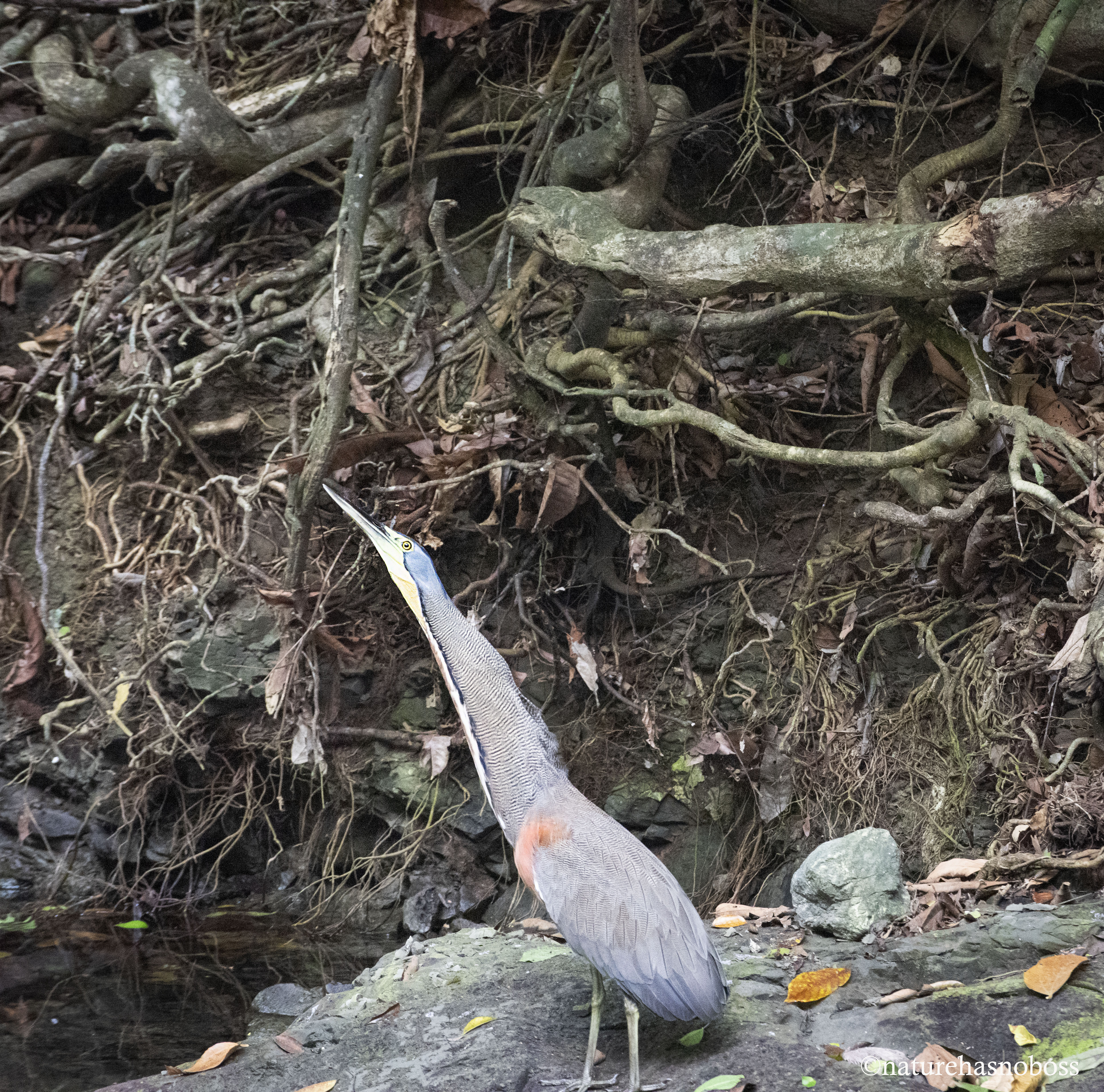
This individual was displaying a behavior that indeed reminded us of the American Bittern.
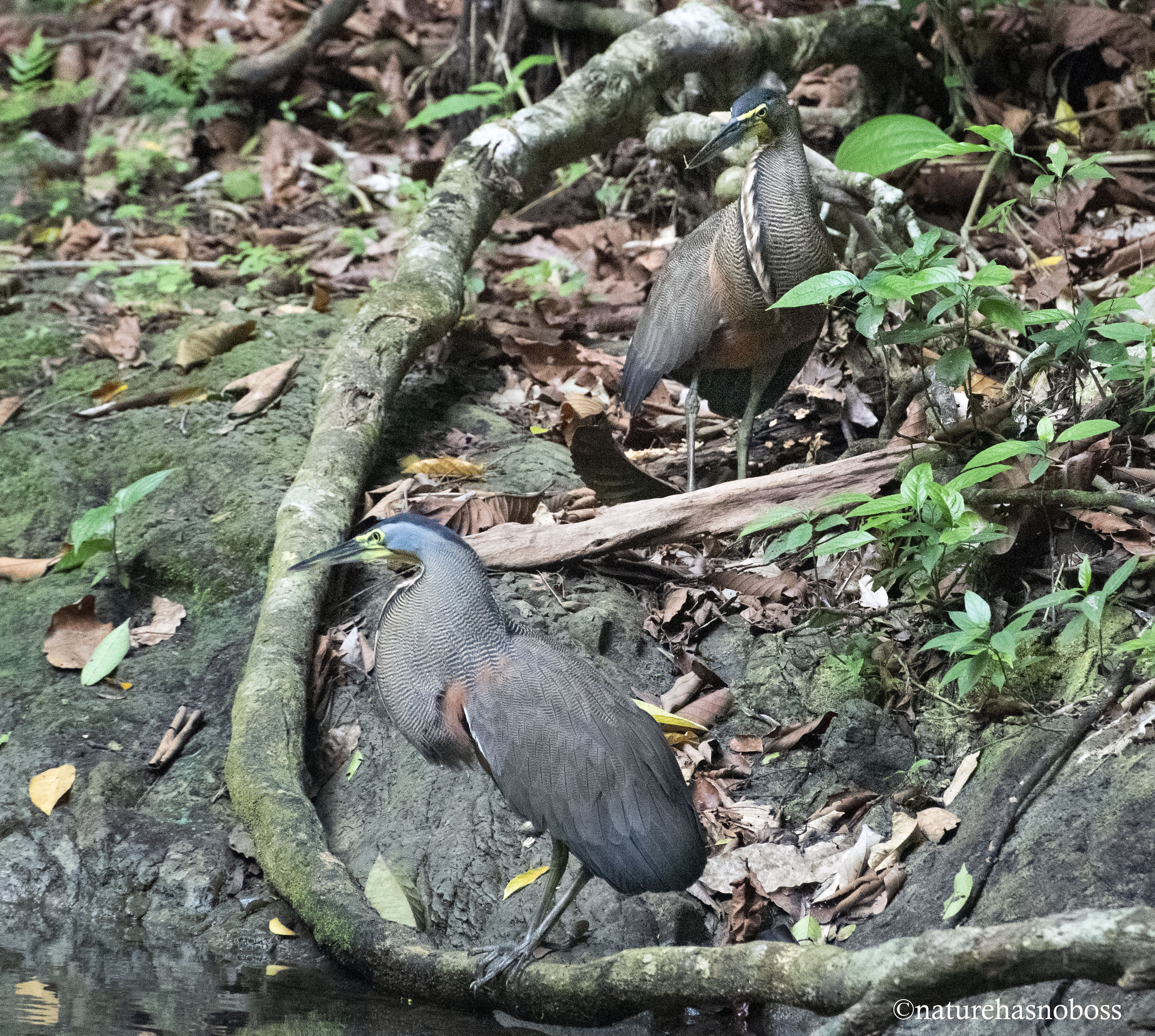
The Bare-throated Tiger Heron forages along costal zones, brackish water and in inland marshes and swamps feeding mainly eating fish, frogs and crustaceans but has been known to consume small rodents.

Like many other Herons the bare-throated Tiger Heron hunts by remaining motionless and quickly striking when prey appears.
Reference:

Martínez-Vilalta, A., A. Motis, and G. M. Kirwan (2020). Bare-throated Tiger-Heron (Tigrisoma mexicanum), version 1.0. In Birds of the World (J. del Hoyo, A. Elliott, J. Sargatal, D. A. Christie, and E. de Juana, Editors). Cornell Lab of Ornithology, Ithaca, NY, USA. https://doi.org/10.2173/bow.btther1.01

Roadside Hawk

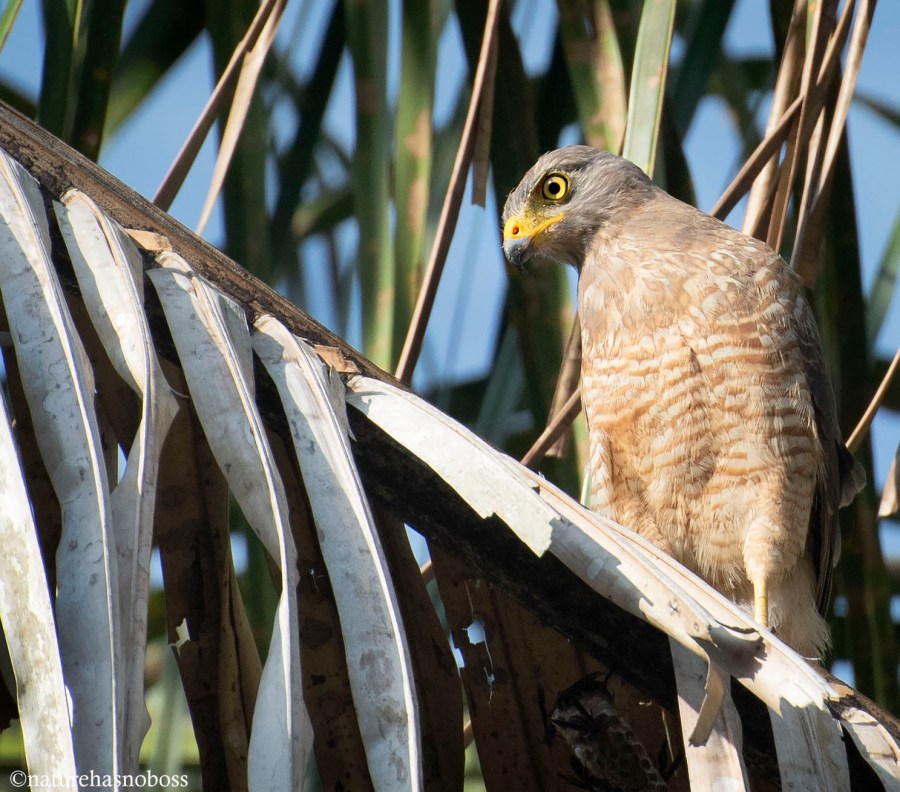
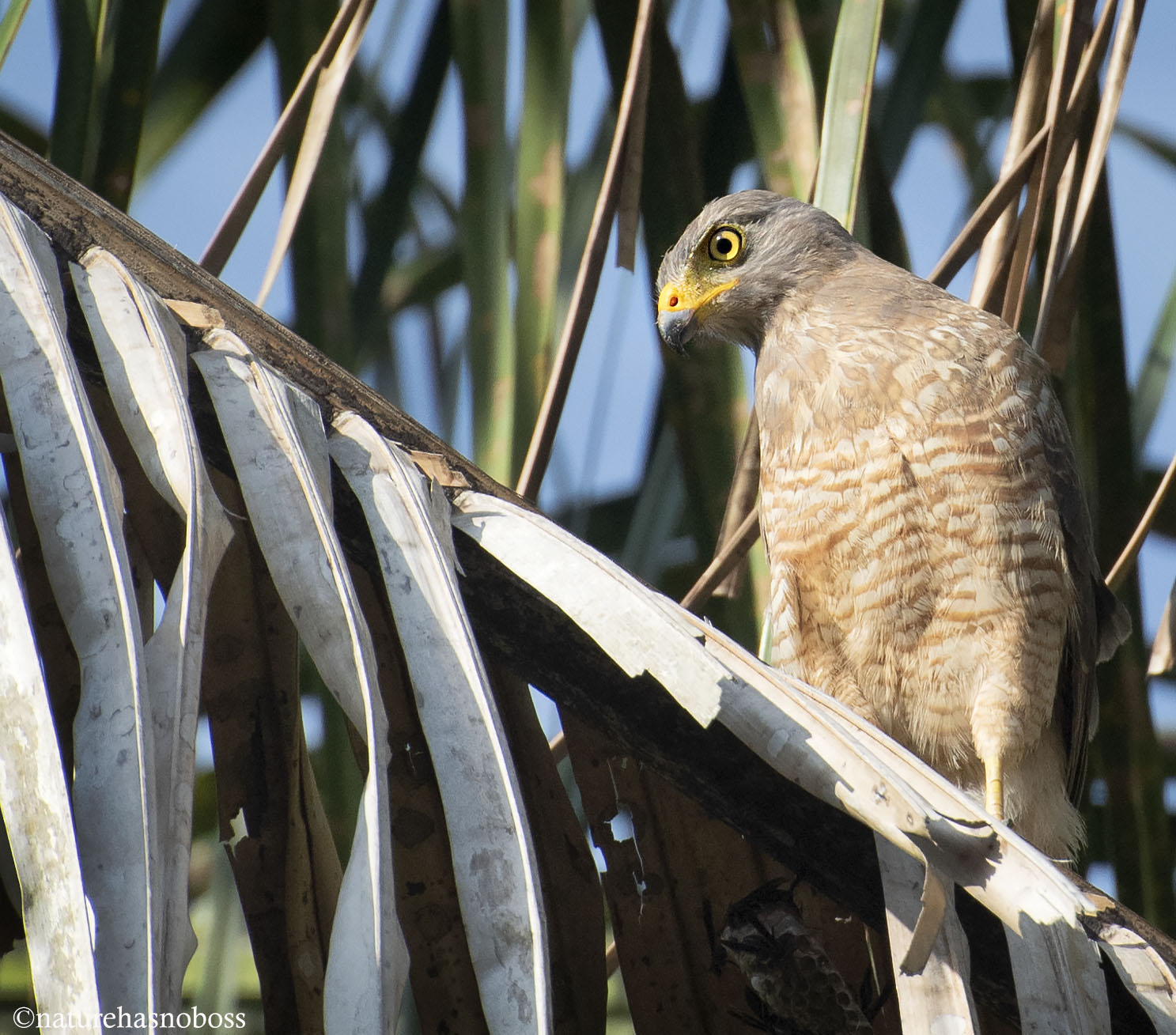
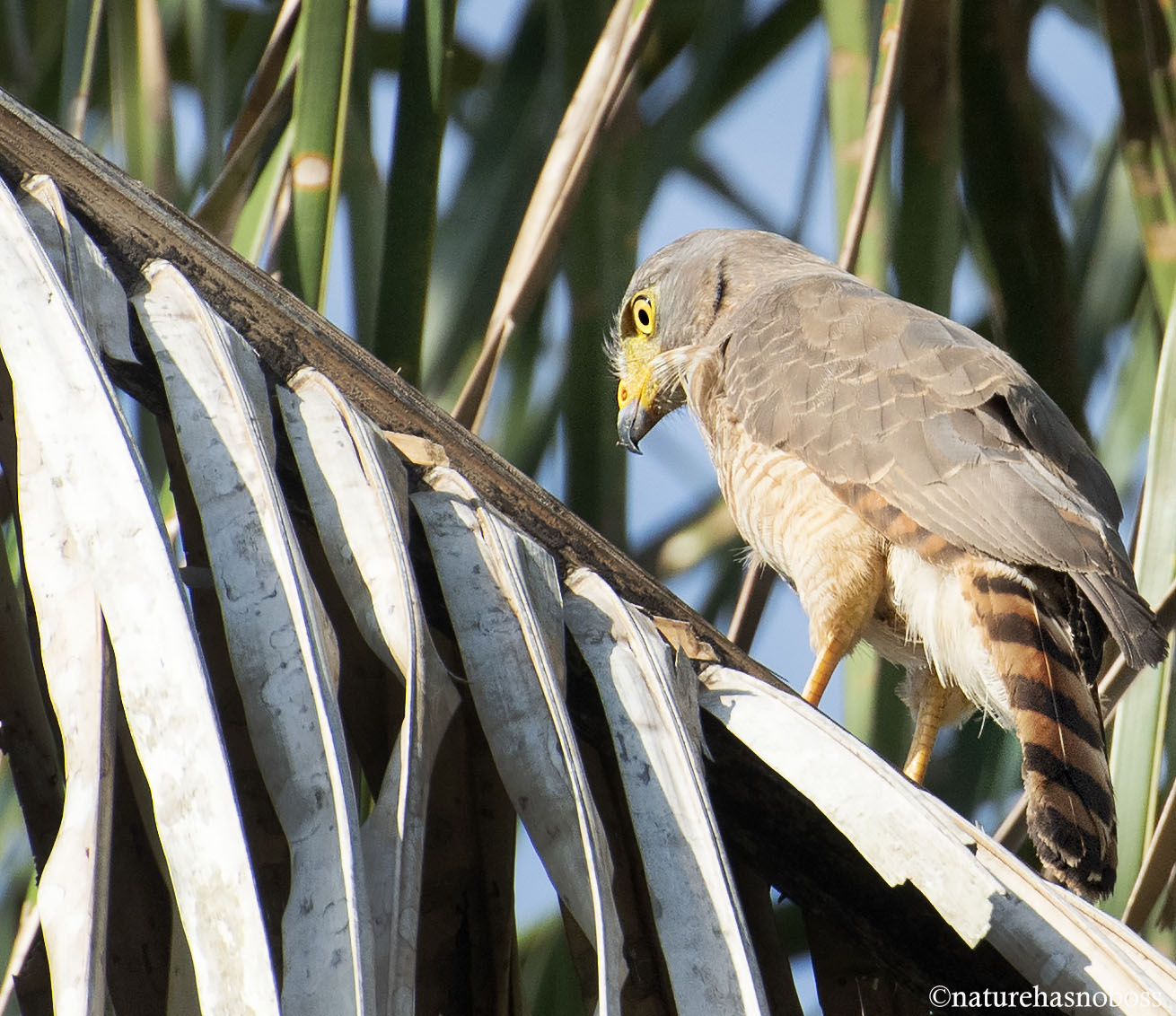
The Roadside Hawk is on the most common raptors encountered at the edge of forests and cleared fields ranging from Northern Mexico all the way south to Argentina. There are at least 12 subspecies with most being similar in appearance with a grey head, yellow cere, rufous banding across the breast and striped tail. The Roadside Hawk is opportunistic and hunts insects, reptiles and small mammals. We encountered this individual several years ago on a large palm tree peering out into some cleared pasture.

A intense looking hunter and a good look at the banded tail.

Reference:Bierregaard, R. O., P. F. D. Boesman, and G. M. Kirwan (2020). Roadside Hawk (Rupornis magnirostris), version 1.0. In Birds of the World (J. del Hoyo, A. Elliott, J. Sargatal, D. A. Christie, and E. de Juana, Editors). Cornell Lab of Ornithology, Ithaca, NY, USA. https://doi.org/10.2173/bow.roahaw.01

On the bull kelp

yellow_rumped_bull_kelp

A tiny Yellow Rumped Warbler found the bull kelp a perfect perch for hunting sand flies and other small insects on the beach. This girl would quickly dart down form the kelp to snag a small meal and quickly return to her perch. Seeing her sitting on the head of the bull kelp made us realize just how small she was. We watched a documentary about songbirds the other night called The Messenger.
It is a very timely reminder about what a world without song birds would be like.