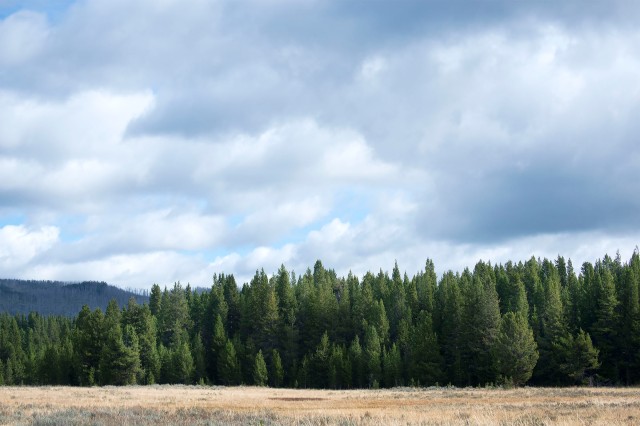
Giving thanks this day for simple things like landscapes open and wide. For food on the table and family and friends the things that bring it all to life.
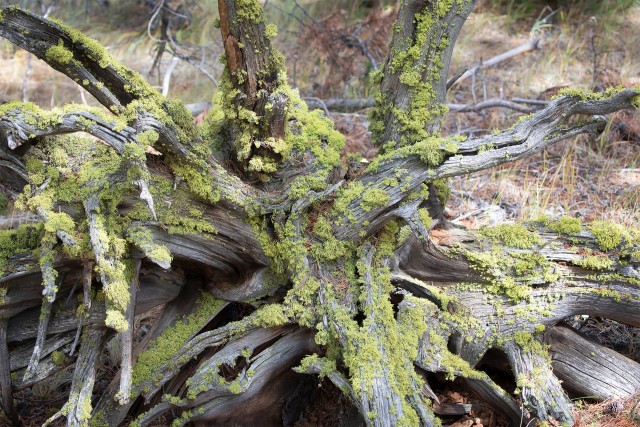
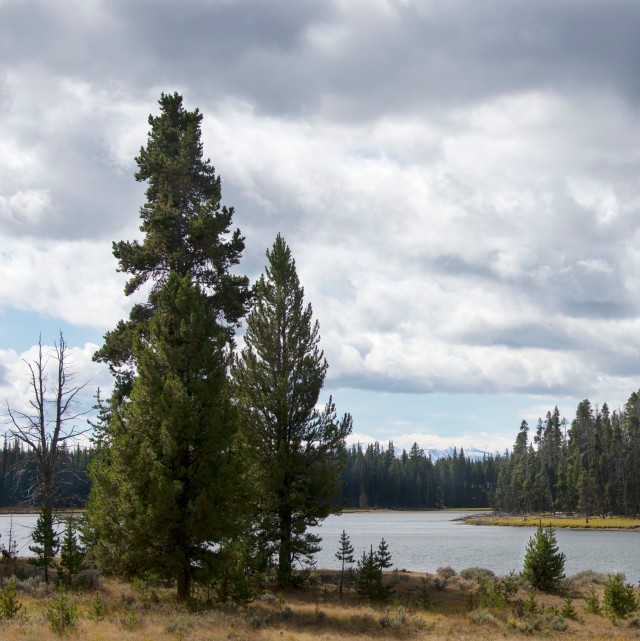
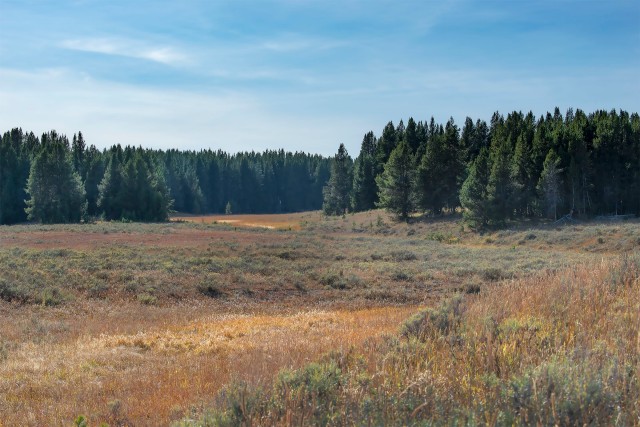
Happy Thanksgiving.
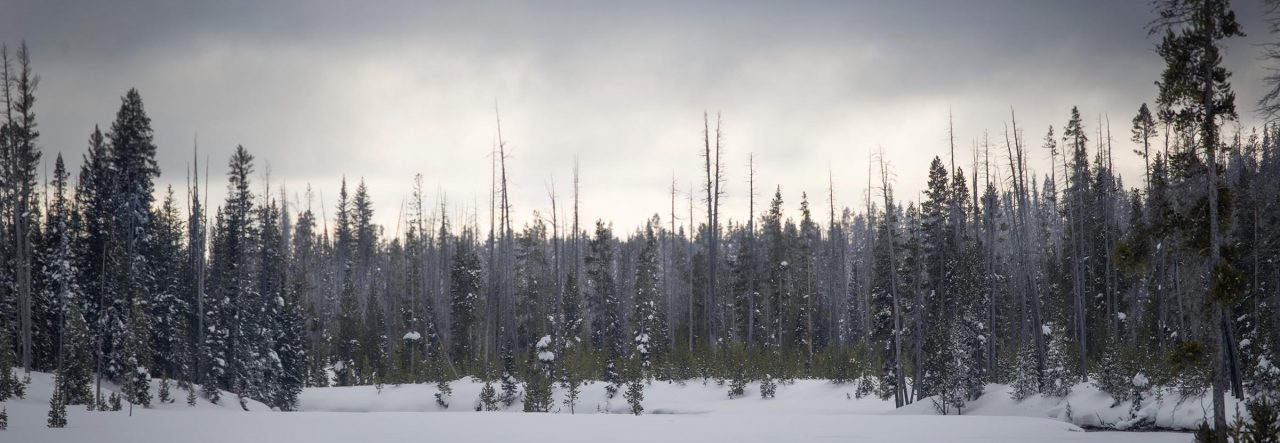
Giving thanks this day for simple things like landscapes open and wide. For food on the table and family and friends the things that bring it all to life.
Happy Thanksgiving.
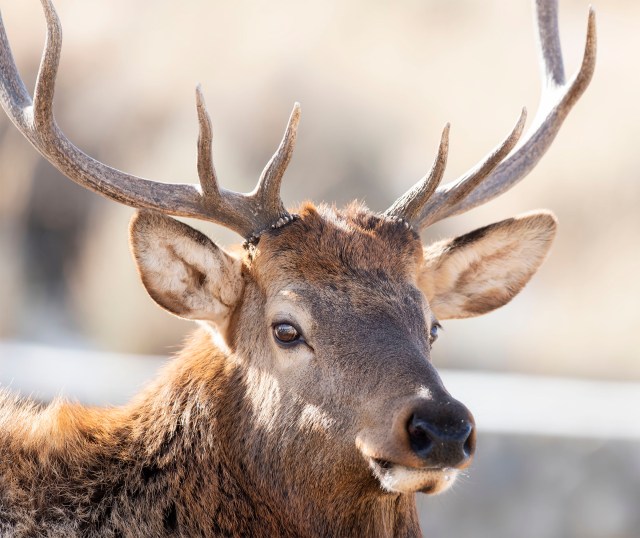
Enjoying a bit of afternoon sunlight a Bull Elk wandered slowly by.
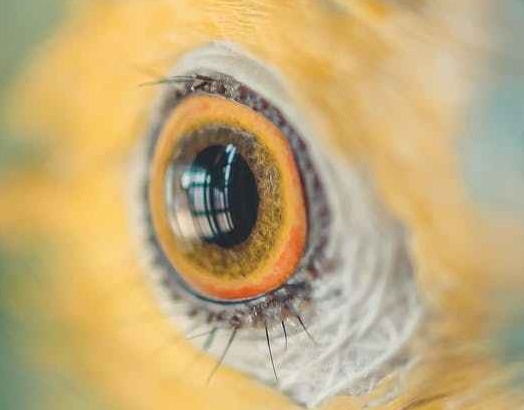
First sighted by birders in the lowland forests of Borneo over a decade ago the Spectacled Flowerpecker has now been studied and classified as a new species. The species was studied by Chris Milensky and Jacob Saucier from the Smithsonian’s National Museum of Natural History while conducting a bird diversity survey. A specimen was captured in the groups mistnet enabling the scientists to collect a DNA sample and confirm that the bird is genetically distant from other known species of flowerpeckers. It is the first new bird species to be found in Borneo for 100 years and a reminder that there are still discoveries to be made.
A quote from Milensky is also a reminder that while there are indeed innumerable scientific discoveries to be made what enables these discoveries is intact habitat for species to exist.
“the discovery of the Spectacled Flowerpecker reflects the boundless biodiversity of the Bornean forests. “Birds are pretty well-studied compared to other organisms, so whenever you find a new bird, you realize just how little you know. Who knows how many insects and invertebrates and other things are still left to be discovered in these forests?” he says. “There are so many other organisms out there that we certainly don’t even know about, that really do require habitat preservation.”
References:
1. Jacob R. Saucier, Christopher M. Milensky, Marcos A. Caraballo-Ortiz, Roslina Ragai, N. Faridah Dahlan, David P. Edwards. A distinctive new species of flowerpecker (Passeriformes: Dicaeidae) from Borneo. Zootaxa, 2019; 4686 (4): 451 DOI: 10.11646/zootaxa.4686.4.1
3.https://www.sciencedaily.com/releases/2019/10/191017141049.htm
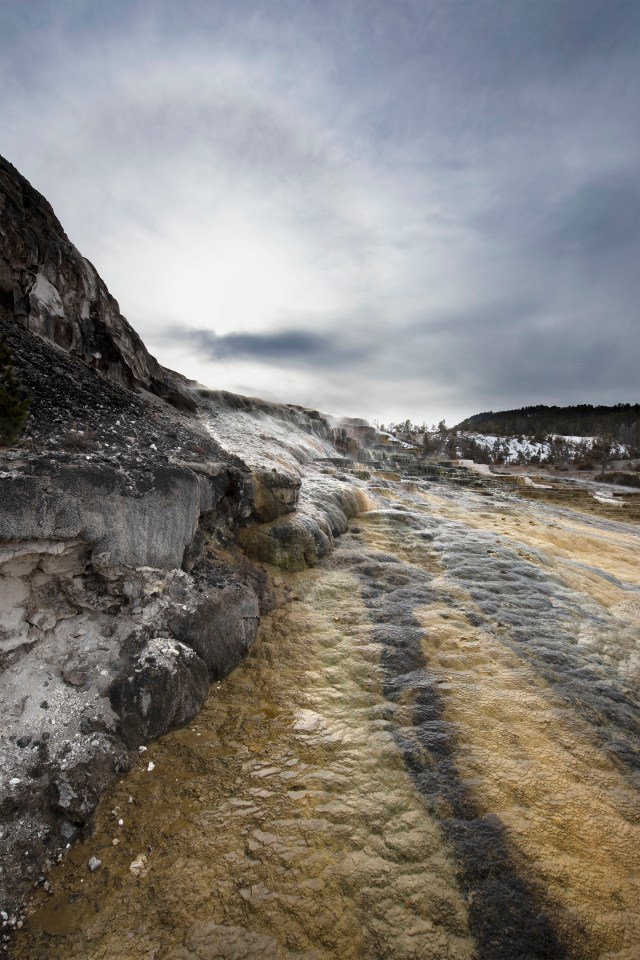
What seems like 5 is only 3 as the sun sets earlier day by day.
No longer Autumn by any means yet winter has yet to fully show it’s face.
Ahhhh…. those Late November Days.

Each winter we are kept good company by at least one and sometimes two Rocky Mountain Cottontails Rabbits which collectively go by the moniker of winter bunns. This years bunn looks happy and healthy but bunny’s beware fox and bobcat tracks have been spotted nearby.
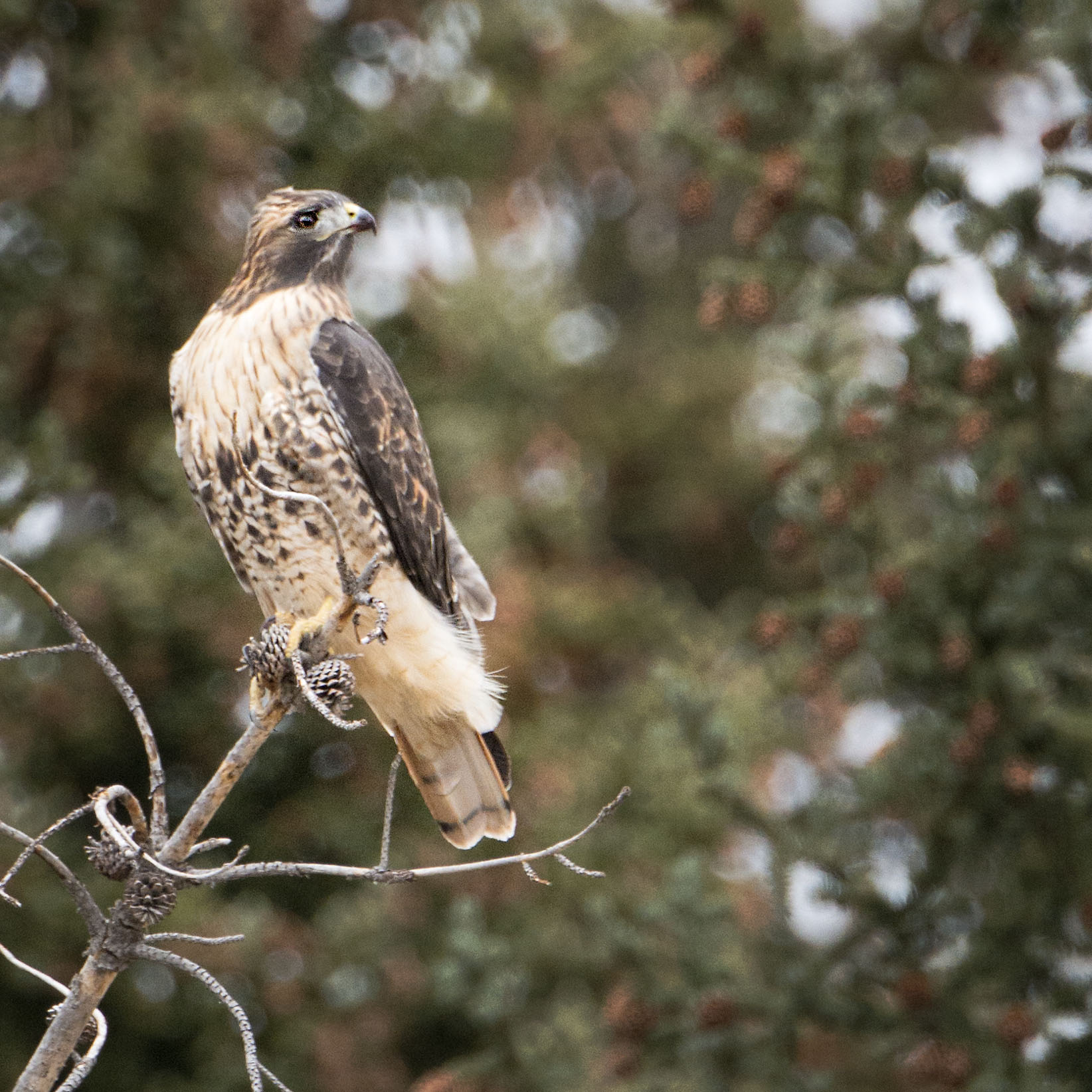
A Red-Tailed Hawk waiting patiently for a meal to appear in the field below on a very windy day. It always amazes me how birds are able to hang on to the smallest of branches even on the most windy of days. Medicine Bow National Forest, WY.
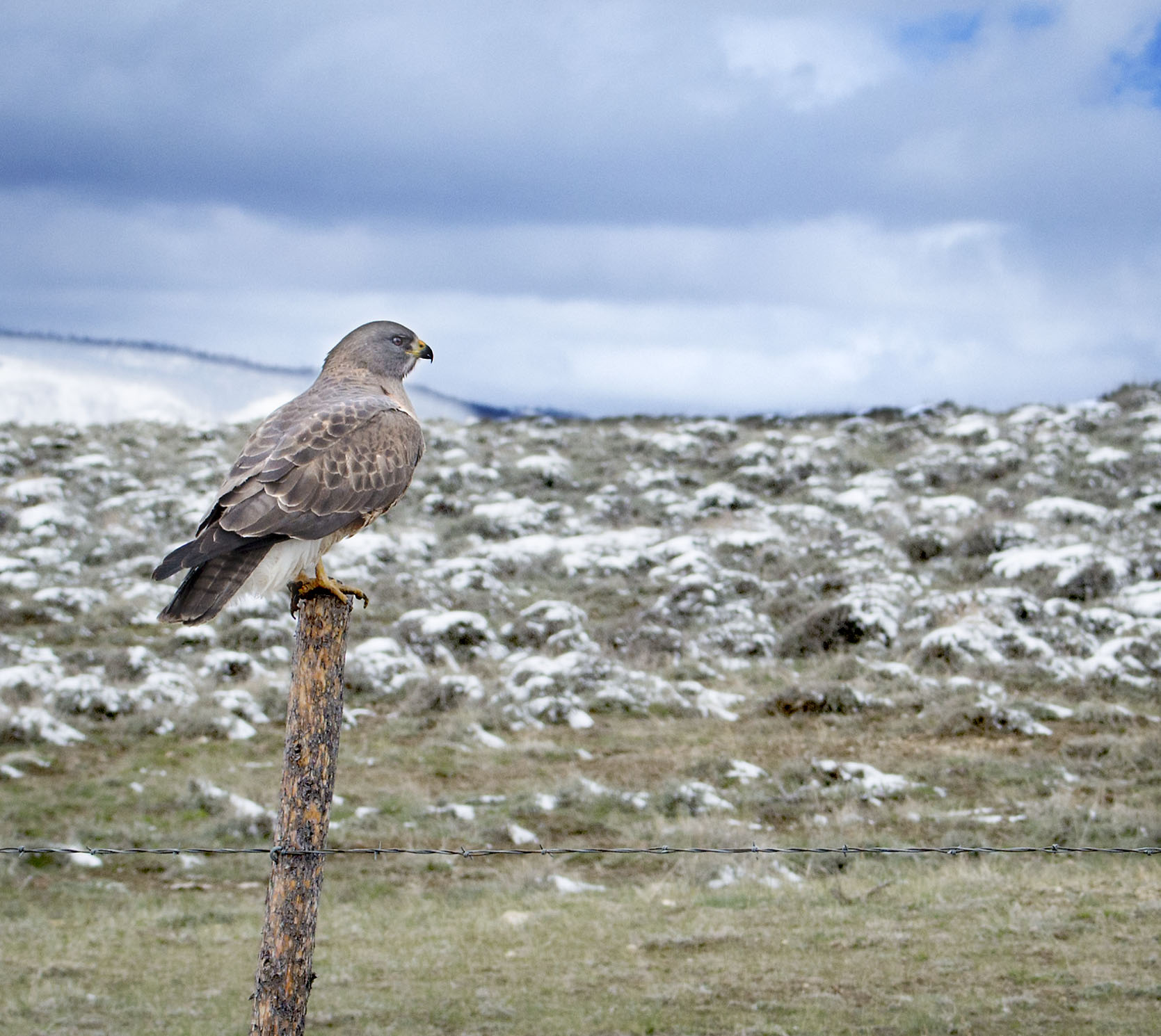
After a snowy evening and long cold night a Swainsons Hawk uses a fence post to keep an eye out for a morning meal. Photographed on a quiet stretch of road in Northern Colorado.
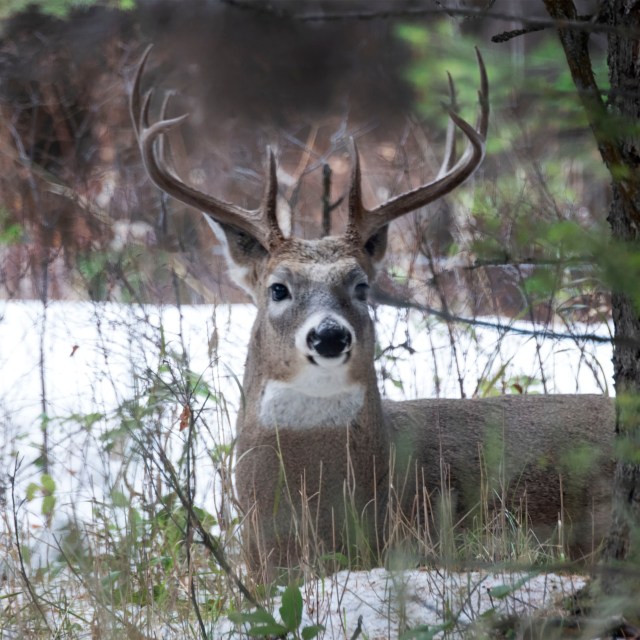
A fine looking Mule Deer Buck takes a moment to relax after a chilly night.
Wishing you a fine weekend.
“More than 30 microbiologists from 9 countries have issued a warning to humanity — they are calling for the world to stop ignoring an ‘unseen majority’ in Earth’s biodiversity and ecosystem when addressing climate change.”1

For most of us the microorganisms that fuel our planet are out of sight but definitely should not be out of mind when contemplating the outcomes of anthropogenic climate change. A recent article on Science Daily reports on recent paper published in the Journal Nature Reviews authored by 30 scientists from around the globe titled “Scientists’ warning to humanity: microorganisms and climate change”. The article is a compelling call to fully understand how climate change will effect microorganisms and how microorganisms will affect climate change. The authors lay scenarios as to how climate change may alter the marine and terrestrial biomes, alter agriculture and infectious diseases and discuss the potential use of microbes in mitigating the effects of climate change.
It is clear that in just about every scenario of any organism studies climate change will decrease the biodiversity on our planet and the authors of this study conclude the same for microorganisms.
“Extant life has evolved over billions of years to generate vast biodiversity, and microbial biodiversity is practically limitless compared with macroscopic life. Biodiversity of macroscopic organisms is rapidly declining because of human activity, suggesting that the biodiversity of host-specific microorganisms of animal and plant species will also decrease. However, compared with macroscopic organisms, we know far less about the connections between microorganisms and anthropogenic climate change.”2
If you can find the time and are science minded this is one article you can not miss.
References:
1.University of New South Wales. “Leaving microbes out of climate change conversation has major consequences, experts warn.” ScienceDaily. ScienceDaily, 18 June 2019.
2. Ricardo Cavicchioli, William J. Ripple, Kenneth N. Timmis, Farooq Azam, Lars R. Bakken, Matthew Baylis, Michael J. Behrenfeld, Antje Boetius, Philip W. Boyd, Aimée T. Classen, Thomas W. Crowther, Roberto Danovaro, Christine M. Foreman, Jef Huisman, David A. Hutchins, Janet K. Jansson, David M. Karl, Britt Koskella, David B. Mark Welch, Jennifer B. H. Martiny, Mary Ann Moran, Victoria J. Orphan, David S. Reay, Justin V. Remais, Virginia I. Rich, Brajesh K. Singh, Lisa Y. Stein, Frank J. Stewart, Matthew B. Sullivan, Madeleine J. H. van Oppen, Scott C. Weaver, Eric A. Webb, Nicole S. Webster. Scientists’ warning to humanity: microorganisms and climate change. Nature Reviews Microbiology, 2019; DOI: 10.1038/s41579-019-0222-5

A stroll up the trail on a November afternoon. Will it be warm will it be cold, sunny or cloudy? Probably all of the above.
The trail was covered with a light layer of snow yet the creek flowed freely.
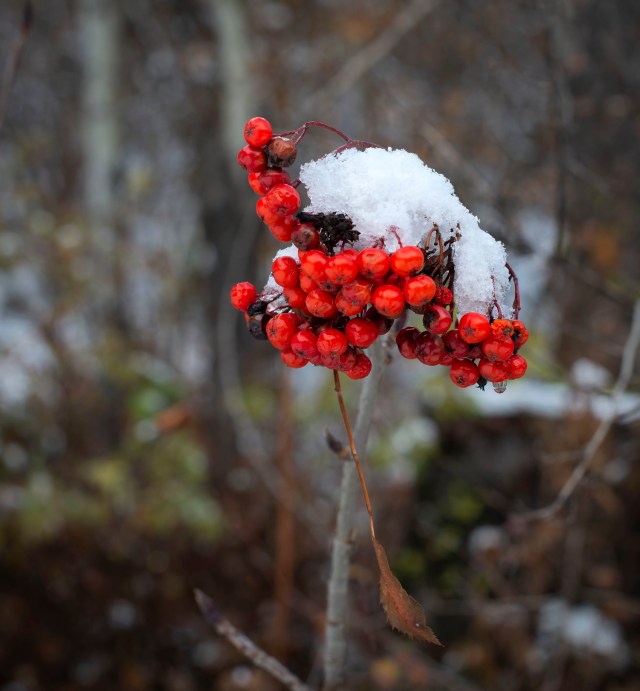
Mountain Ash berries glowing a brilliant orange seem to scream “hey birds…what are you waiting for.”
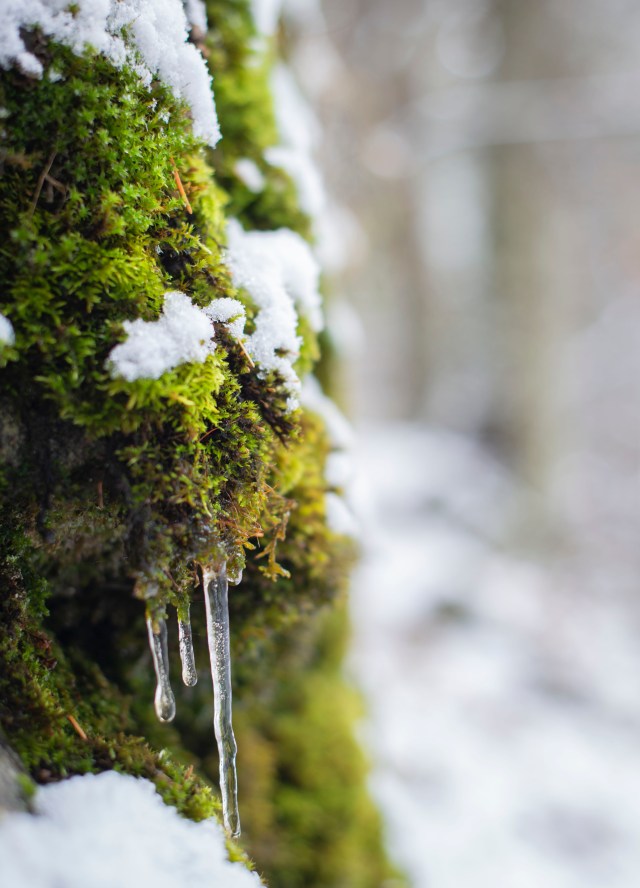
Temperatures warmed along the way as icicles glued to moss began to thaw.
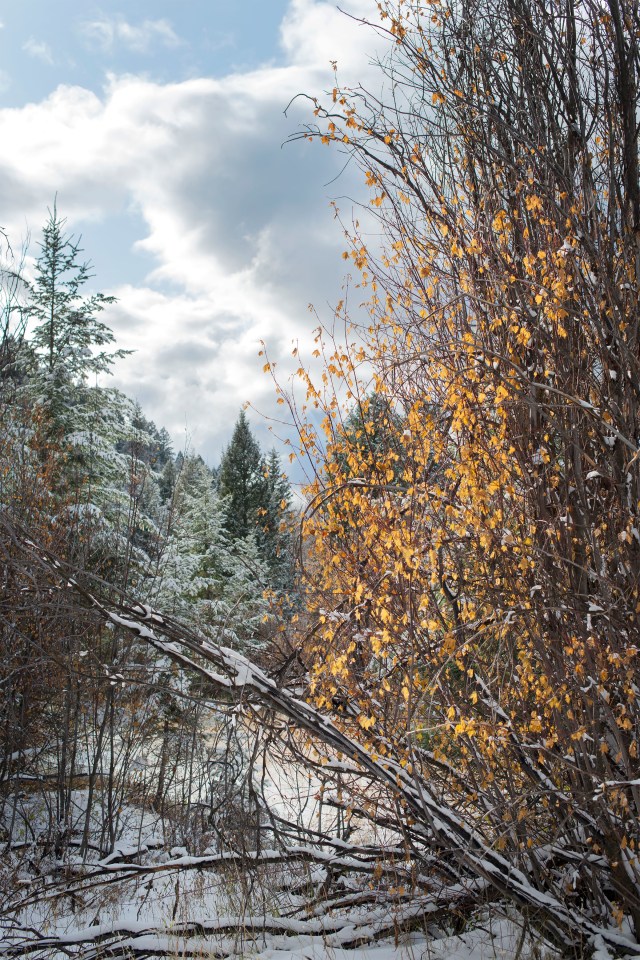
…and what started a cloudy day become much less so on a slow and quiet afternoon stroll.
 nature has no boss
You must be logged in to post a comment.