Rare is common?
A recent report published in Science Advances suggests that up to 40% of plant species are actually very rare and these rare species are extremely vulnerable to extinction via climate change as well as destruction of native ecosystems for human land use.
In the introduction to the paper the authors state:
“Why some species are common and others are rare has intrigued ecologists at least, since Darwin. Rare species are orders of magnitude more likely to go extinct, making it puzzling how so many rare species can be maintained.”
To make their conclusions thirty-five research teams form over 20 institutions complied 20 million observational records of plants from around the globe. Their analysis revealed over 435,00 plant species with about 36.5% being classified are rare.
The rare species were clustered in regions around the globe that through time have had more stable climates especially during the planets last ice-age. These rare plant hotspots included regions of the Northern Andes, Costa Rica, Madagascar and regions of Southeast Asia. However as the planet warms and the ever present march of human conversion of land for agriculture, housing and tourism continues these rare plant regions are threatened.
The authors state that:
“If nothing is done, this all indicates that there will be a significant reduction in diversity — mainly in rare species — because their low numbers make them more prone to extinction.”
A very interesting report and a short summary can be found at Science Daily.
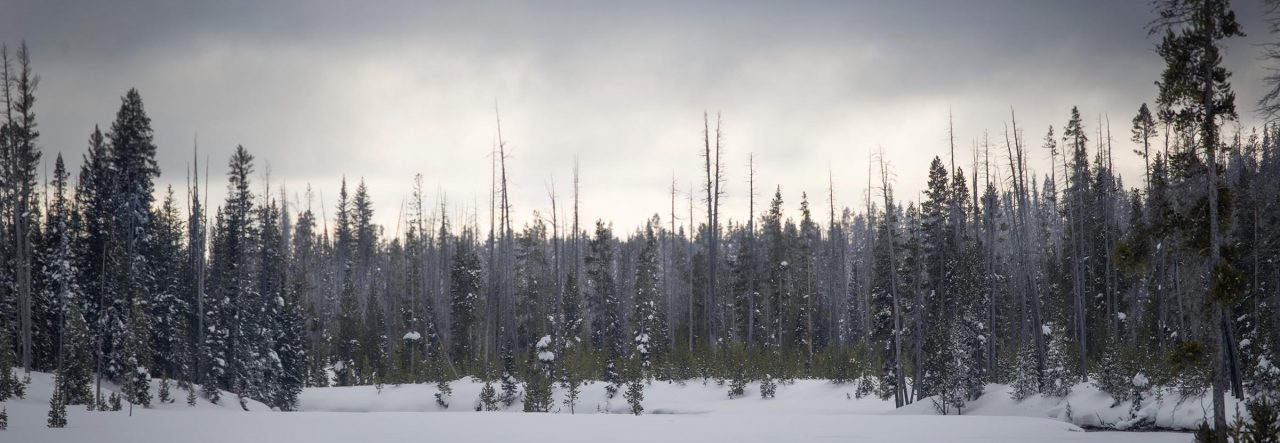
While none of these photos depict rare plants, or so I think, these are the types of places rare plants might live.
What will be lost when we only have the common left?
Click Image for slide show
References:
- Brian J. Enquist, Xiao Feng, Brad Boyle, Brian Maitner, Erica A. Newman, Peter Møller Jørgensen, Patrick R. Roehrdanz, Barbara M. Thiers, Joseph R. Burger, Richard T. Corlett, Thomas L. P. Couvreur, Gilles Dauby, John C. Donoghue, Wendy Foden, Jon C. Lovett, Pablo A. Marquet, Cory Merow, Guy Midgley, Naia Morueta-Holme, Danilo M. Neves, Ary T. Oliveira-Filho, Nathan J. B. Kraft, Daniel S. Park, Robert K. Peet, Michiel Pillet, Josep M. Serra-Diaz, Brody Sandel, Mark Schildhauer, Irena Šímová, Cyrille Violle, Jan J. Wieringa, Susan K. Wiser, Lee Hannah, Jens-Christian Svenning, Brian J. McGill.The commonness of rarity: Global and future distribution of rarity across land plants. Science Advances, 2019; 5 (11): eaaz0414 DOI: 1126/sciadv.aaz0414
- University of Arizona. “Nearly 40% of plant species are very rare and are vulnerable to climate change.” ScienceDaily. ScienceDaily, 27 November 2019. <www.sciencedaily.com/releases/2019/11/191127161235.htm>.





 nature has no boss
You must be logged in to post a comment.