Song birds are shrinking

Bergmann’s rule posits that populations and species of larger sizes are found in colder regions while in warmer regions species are smaller.

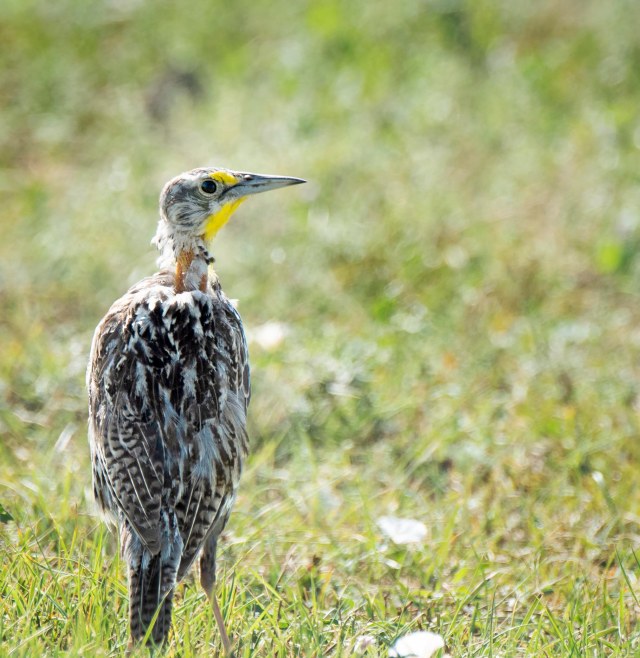
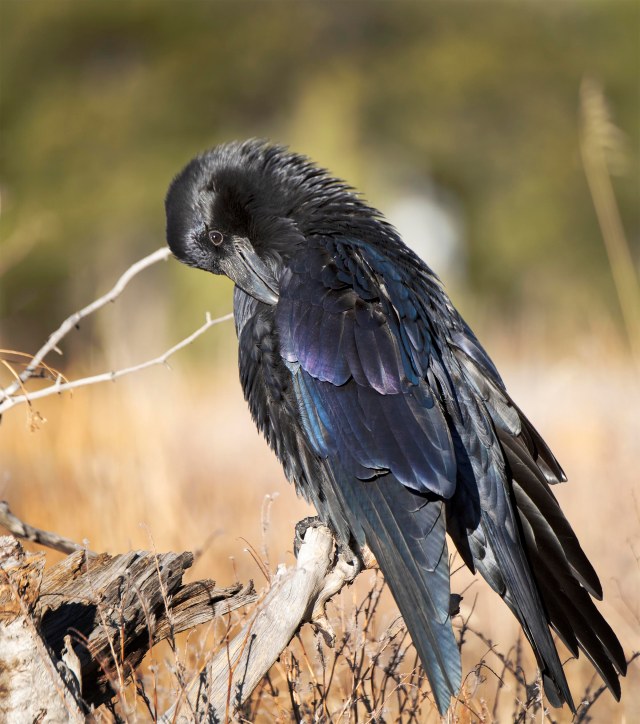
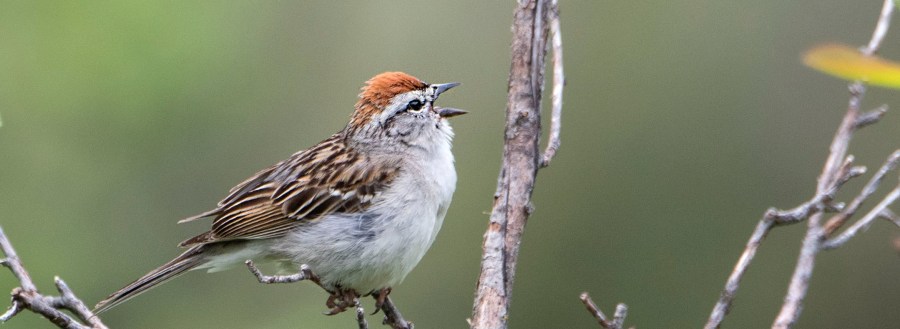
A study published yesterday in the Journal Ecology Letters reports that over the pervious four decades there has been, on average, a 2.4 percent decrease in the size of the length of the tarsus bone, a standard marker for bird size,  in a sample population of over 70,000 birds from 52 species. The changes in tarsus length were correlated with the increase temperature. The lead authors of the study suggested two explanations for the decrease in body size.

“The first is developmental plasticity, in which individuals that mature in warmer temperatures tend to develop into smaller adults,” Weeks explained. “The second is natural selection, in which smaller birds tend to do better — in survival, reproduction, or both — in warmer temperatures, leading to a shift in the average size of individuals in a population.”

In addition, the study found consistent increases in the wing length of 1.3 percent in 40 of the species. The reason for in increase in wing length is unclear  but the authors hypothesized that increasing wing length may represent a compensatory adaptation to maintain migration as reductions in body size have increased the metabolic cost of flight. Like many of the consequences of climate change, the changes measured in bird size, are not perceptible to the naked eye.

There is a good summary of the study here by the Audubon society.

Click any image for slide show.


Seeking Solutions: Half-Earth Project

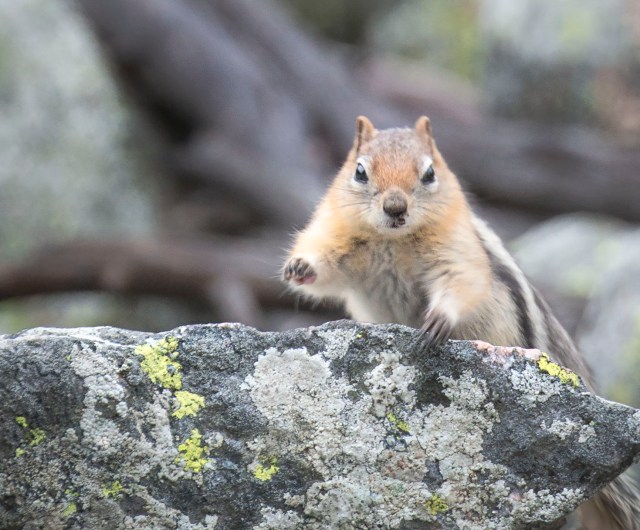
Golden_mantled_2314

In recent posts we have highlighted findings from a couple of recent studies describing the dramatic decline in avian populations in North America over the last  last 30-40 years. Like many of you, we see the decrease in avian population as a harbinger for the rest of life on earth predicting  a massive decline in biodiversity resulting from the mass extinction of species of all kinds. Protecting  ecosystems and thus the species that inhabit them will be no small task and indeed feels overwhelming.

IMG_6541

One group that is attempting to protect and preserve biodiversity is The Half Earth project founded by Edward O Wilson. Their stated mission is to:

“conserve half the land and sea in order to safeguard the bulk of biodiversity and ensure the long-term health of our planet.”

Half-Earth recently held their annual conference and have posted videos of the lectures on their website. We are working our way through the lectures and hope you can find the time to view a couple that interest you. Be it large or small we need to find time to seek solutions even though we may feel overwhelmed.

YRW_34567


The importance of wilderness

“Wilderness areas act as a buffer against species loss, as the extinction risk for species within wilderness communities is—on average—less than half that of species in non-wilderness communities.” 1

A recent study published in the Journal Nature titled “Wilderness Areas Half The Extinction Risk of Terrestrial Biodiversity” mapped several locations around the world where maintaining wilderness areas should be a priority. The first statement the authors make in the abstract in this paper really hit the nail on the head for me.

“Reducing the rate of global biodiversity loss is a major challenge facing humanity, as the consequences of biological annihilation would be irreversible for humankind. 1

In this single sentence the authors make clear that the steady march of human activity, as currently, conducted could potential be catastrophic to all life on earth.

“Wilderness areas act as a buffer against species loss, as the extinction risk for species within wilderness communities is—on average—less than half that of species in non-wilderness communities.” 1

The paper points to several locations on the plant especially important to protect yet the authors also state that all wilderness areas have intrinsic conservation value thus we can all play a role by supporting local conservation efforts of wilderness area near to each of us. Below we showcase a few wilderness area we have recently spent time in. They are both beautiful as well as safe havens for biodiversity.

Click any photo for slide show.

Absoroka-Beartooh and Lee Metcalf wilderness areas.

References:

1. Reference: Di Marco, M., Ferrier, S., Harwood, T.D. et al. Wilderness areas halve the extinction risk of terrestrial biodiversity. Nature 573, 582–585 (2019) doi:10.1038/s41586-019-1567-7

For a short summary of the article visit Science daily.

A couple of groups that support the missions of wilderness as a buffer for biological diversity are:
The Wilderness Society
The Half-Earth Project

Swimming through air

An interesting new study by V. B. Baliga, I. Szabo, D. L. Altshuler entitled Range of motion in the avian wing is strongly associated with flight behavior and body mass suggests that rather than the shape of a birds wing per se it is the range of motion in the elbow and wrist joints that determine how a bird swims though the air. Some birds glide smoothly like a bald eagle while other can hover like a hummingbird and this paper suggest range of motion in the joint is the key. A interesting read for those who are interested both in biomechanics and evolutionary biology.

You can find a short summary in Science Daily here.

First Leaves

Along the creek with buds just breaking out a trees first leaves of spring were not leaves at all.

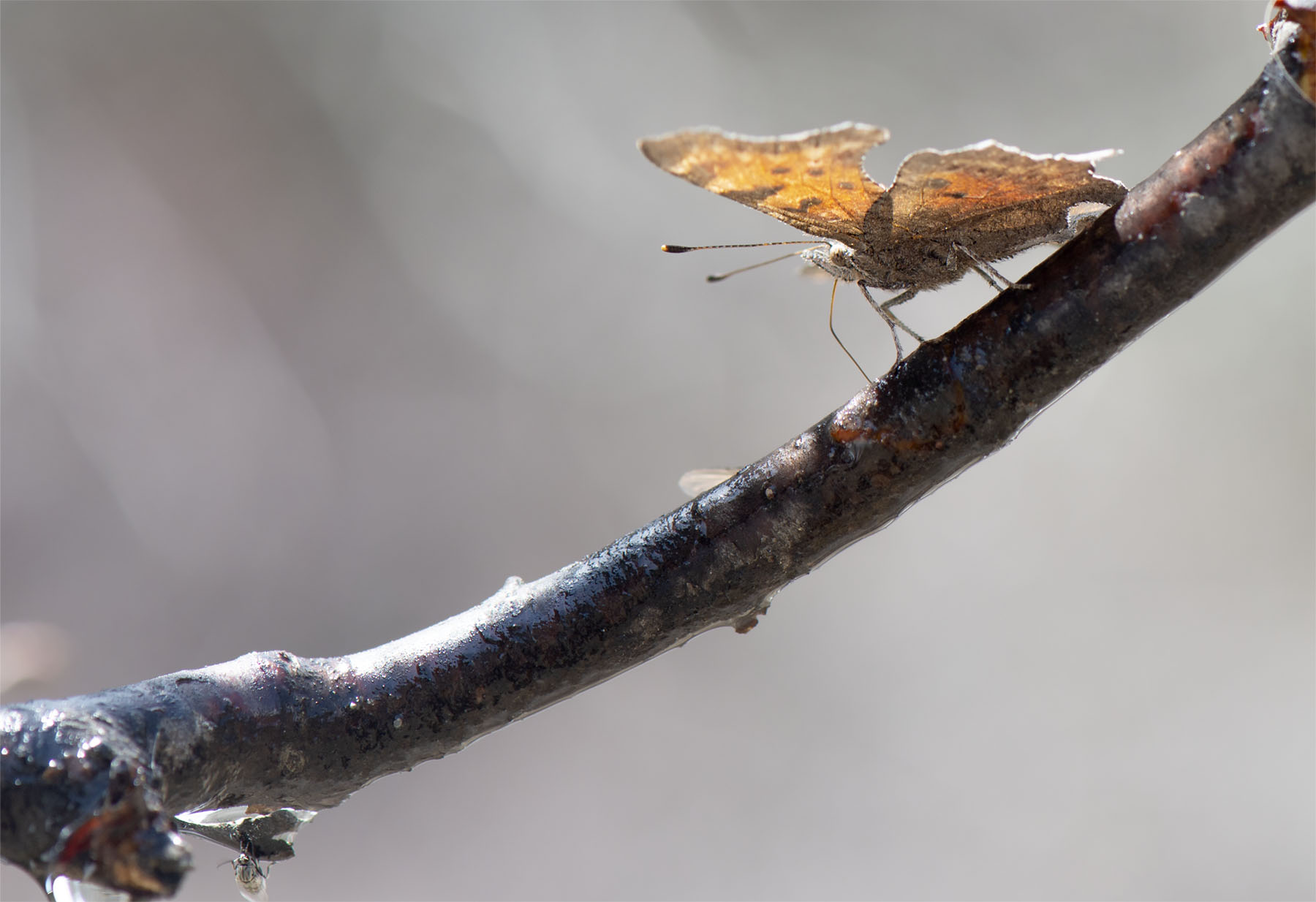
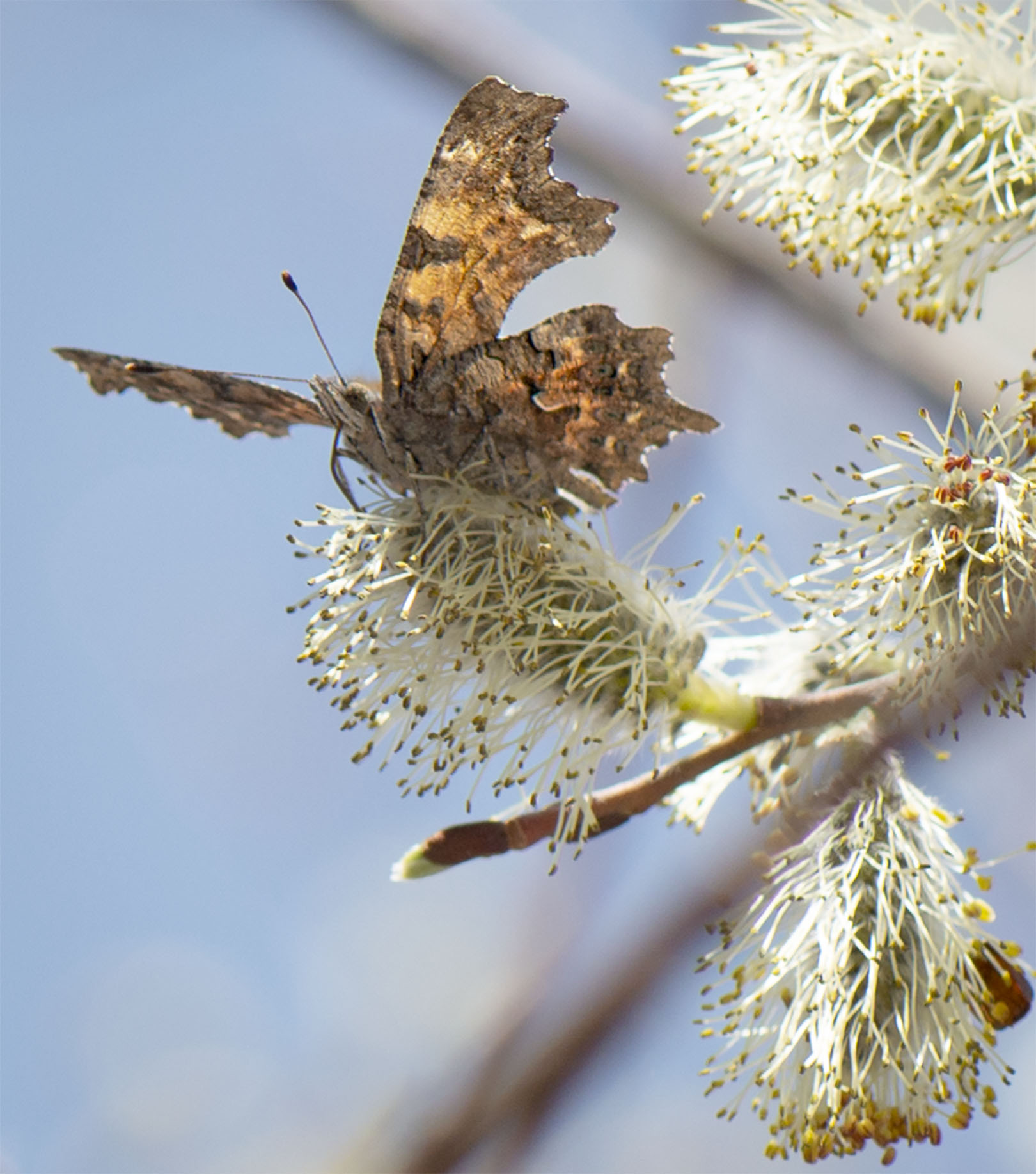
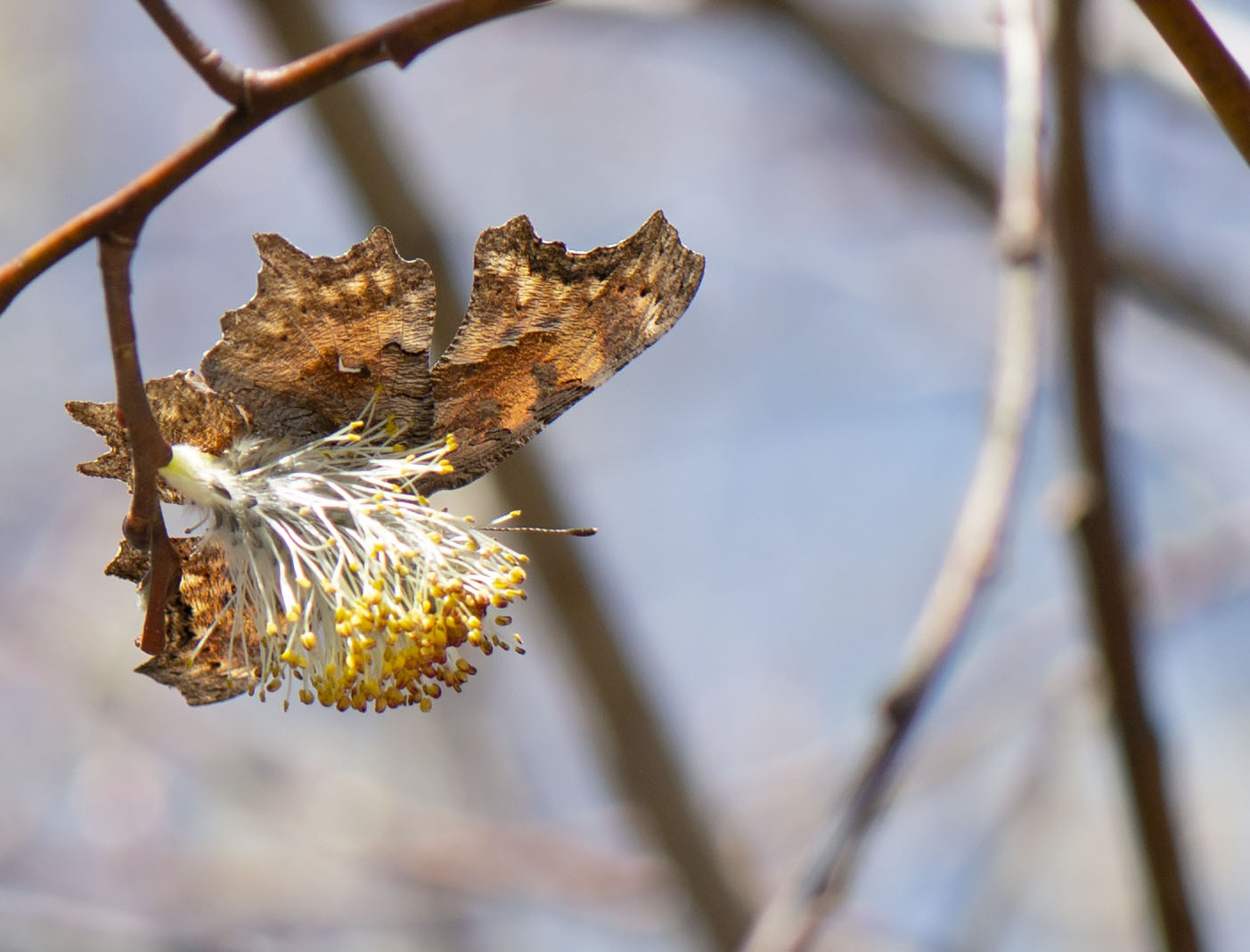
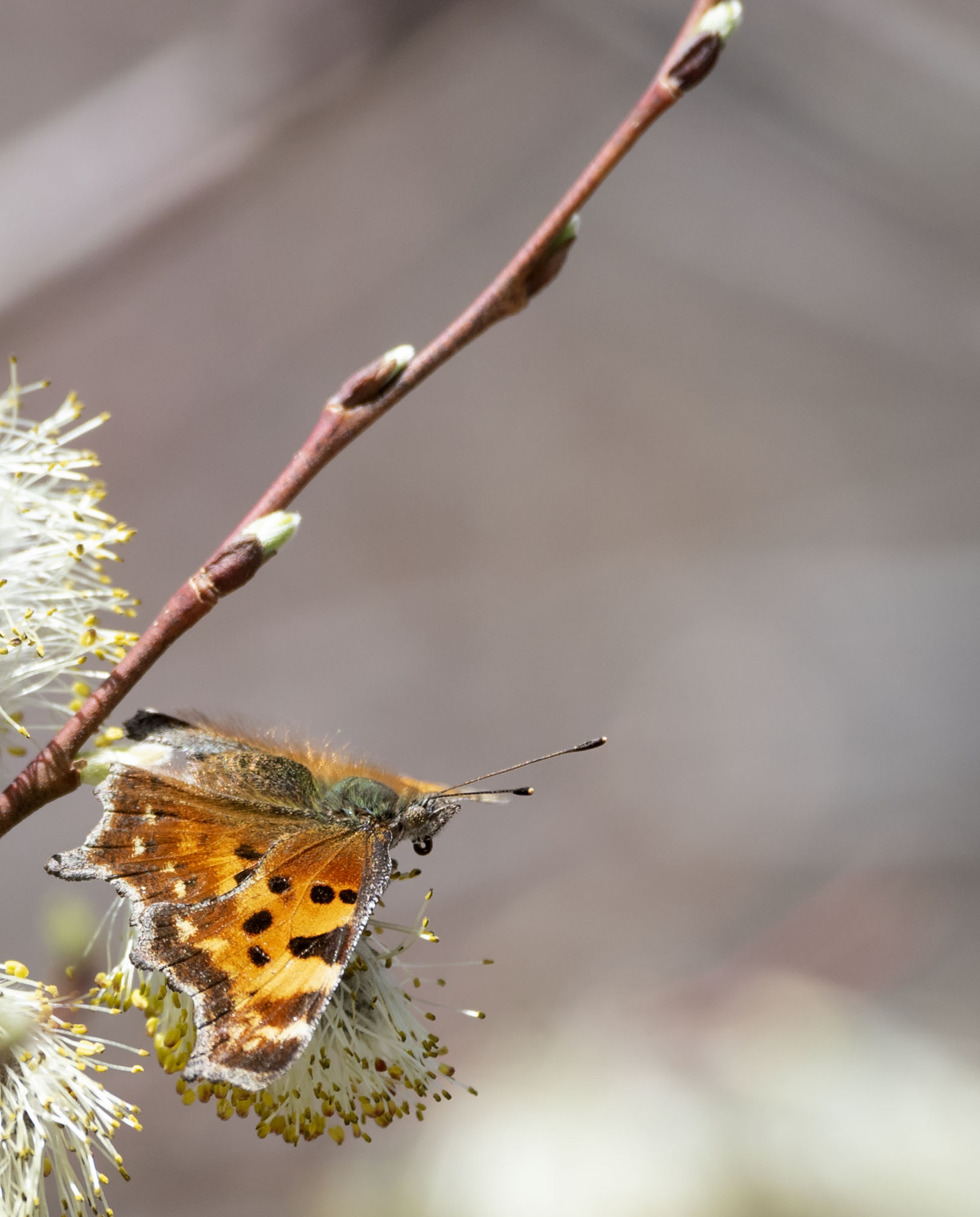
It appeared that sap was flowing and attracting Comma Butterflies (Polygonia comma) of either the Eastern, Satyr or Hoary varieties to these willows just a few weeks ago. In addition to sap the leafless Pussy Willows further up the road were providing an early spring meal of pollen and nectar for the pollinators as well.

The namesake comma, or little c,is visible on both of these guys above.

… and the star of the show and a beautiful lift leaf on any plant.

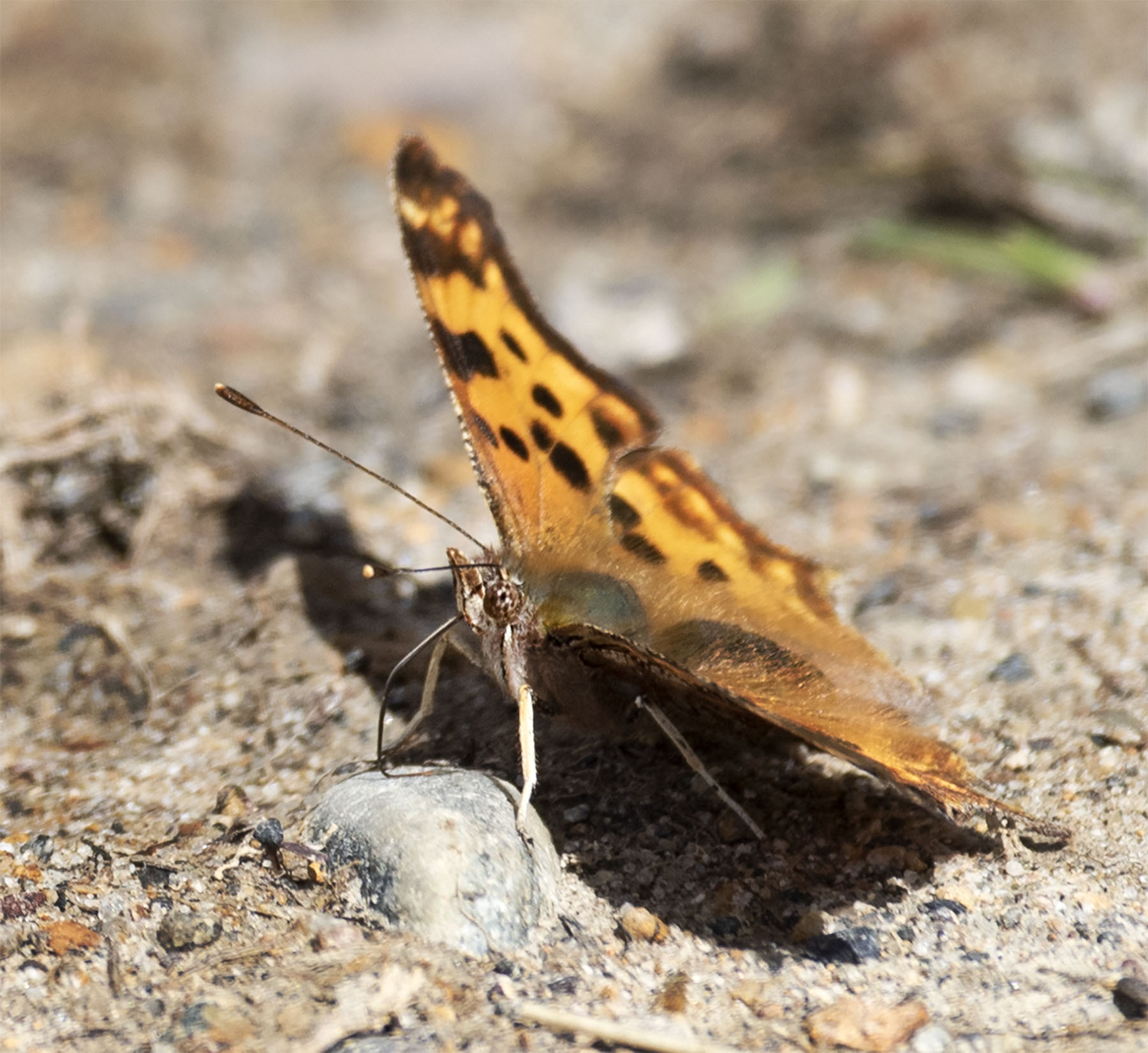
And after a meal full of nectar a well balanced butterfly diet should include a little mineral as well. This Comma is engaging in a behavior known as puddling which I have observed over and over again but first read about on Piotr Naskrecki’s blog the Smaller Majority in an article entitles What Butterflies Like.

Anyway those first leaves of spring were not leaves at all.

More Sounds of Silence

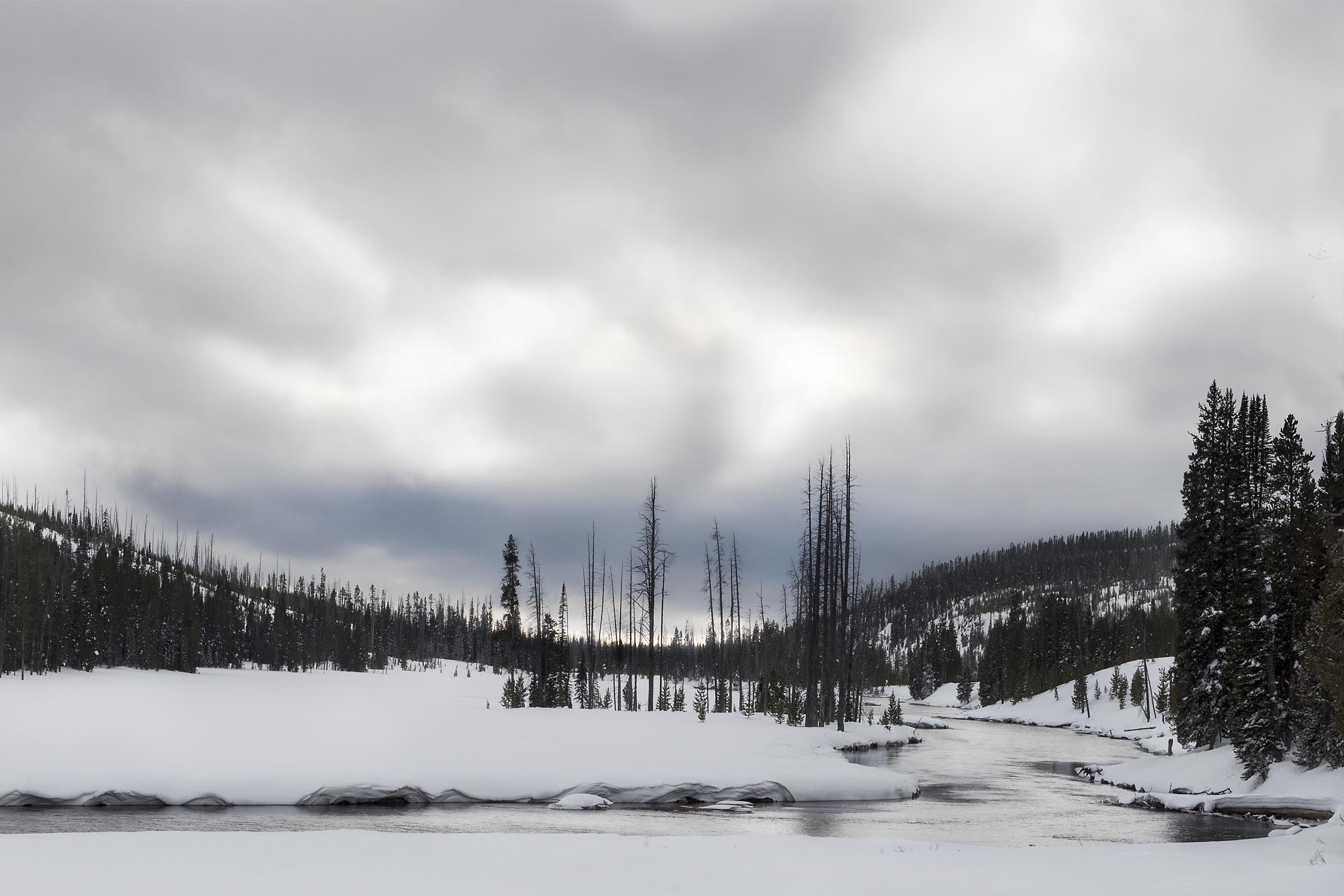
Sound to take in without sound to block out.

Although I posted this  a week ago I just became aware of this new study on noise in our national parks and thought it important to pass along. The link is below.
https://www.nationalparkstraveler.org/2017/06/sounds-nature-national-parks-are-being-trampled-noise

Yes it is more than just a feeling ….Noise levels in our wild places are increasing at a rapid pace and what the consequences are only time will tell. Unless we respect that silence it seems it will soon be gone.
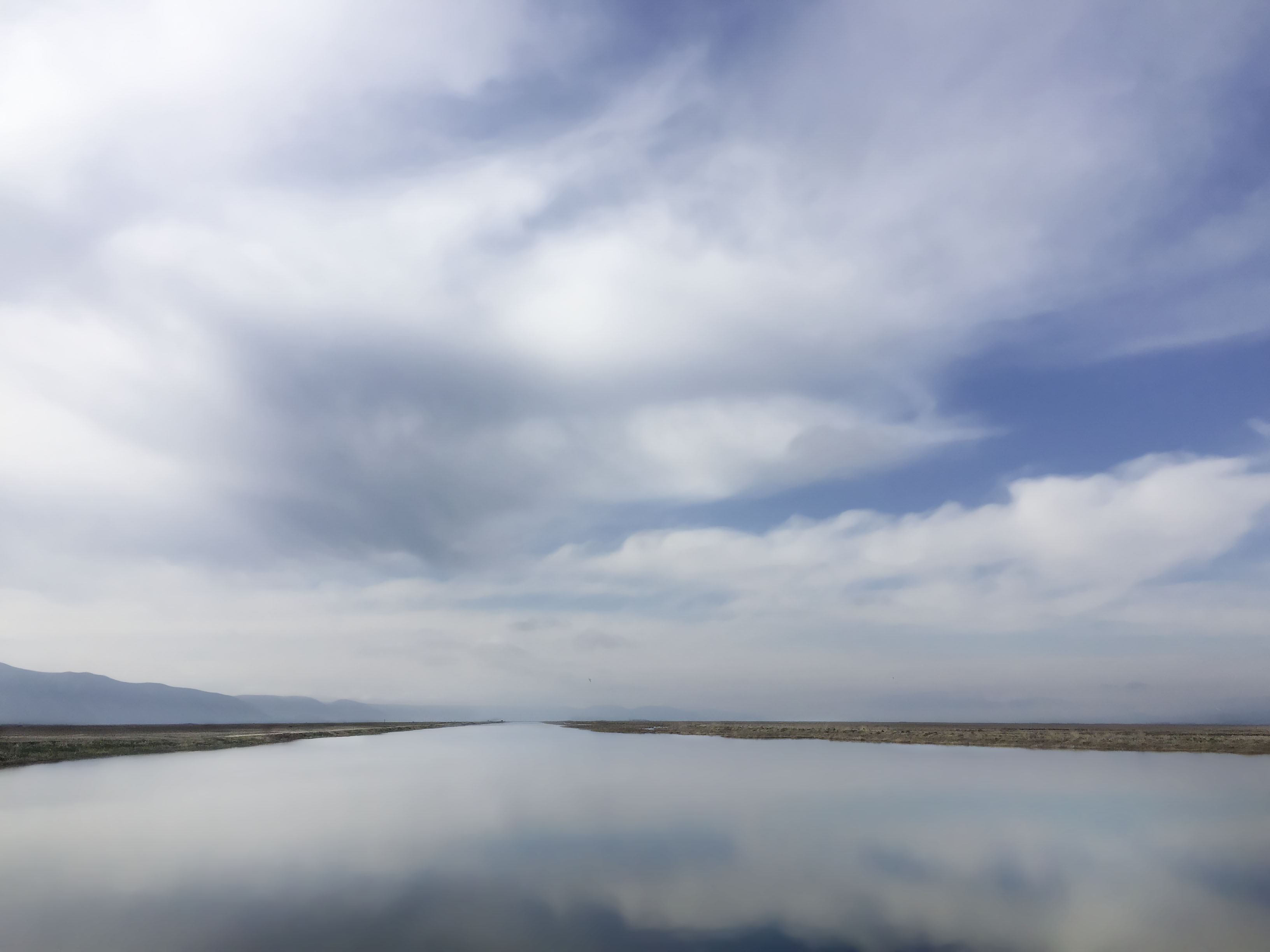
IMG_2515

Yes, Silence has a sound that is becoming silenced.
Looking_south_1

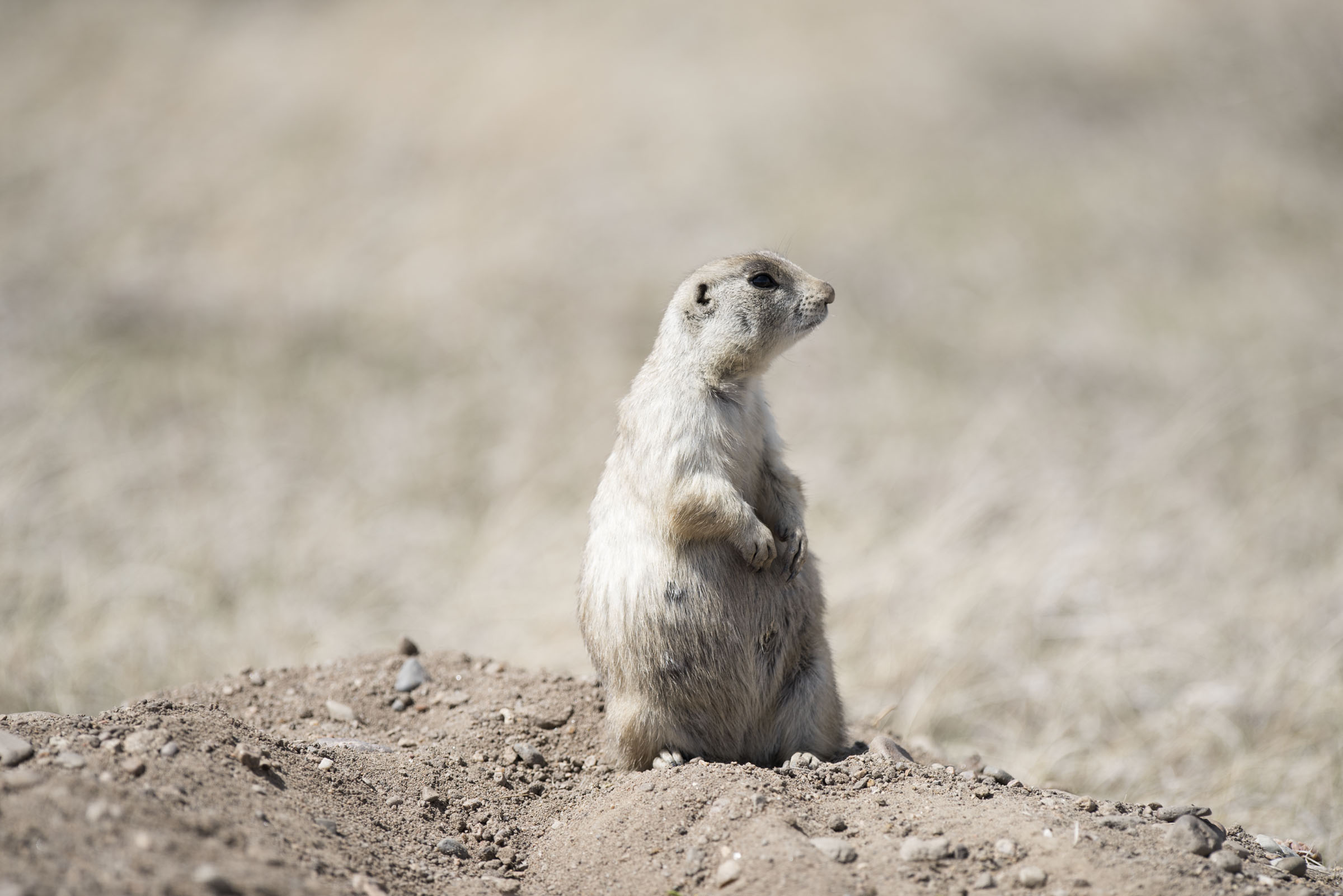
A Prairie Dog’s Song

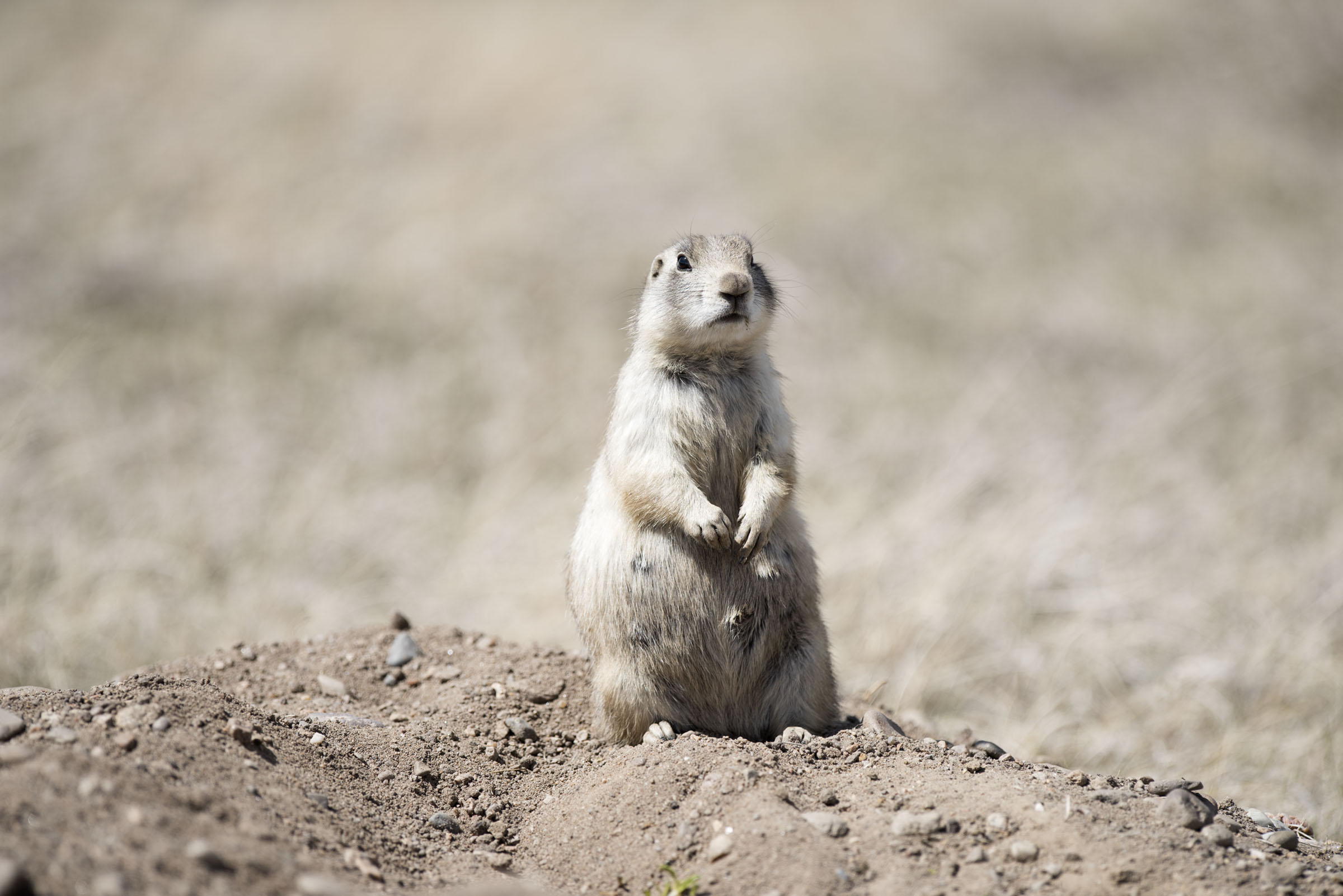
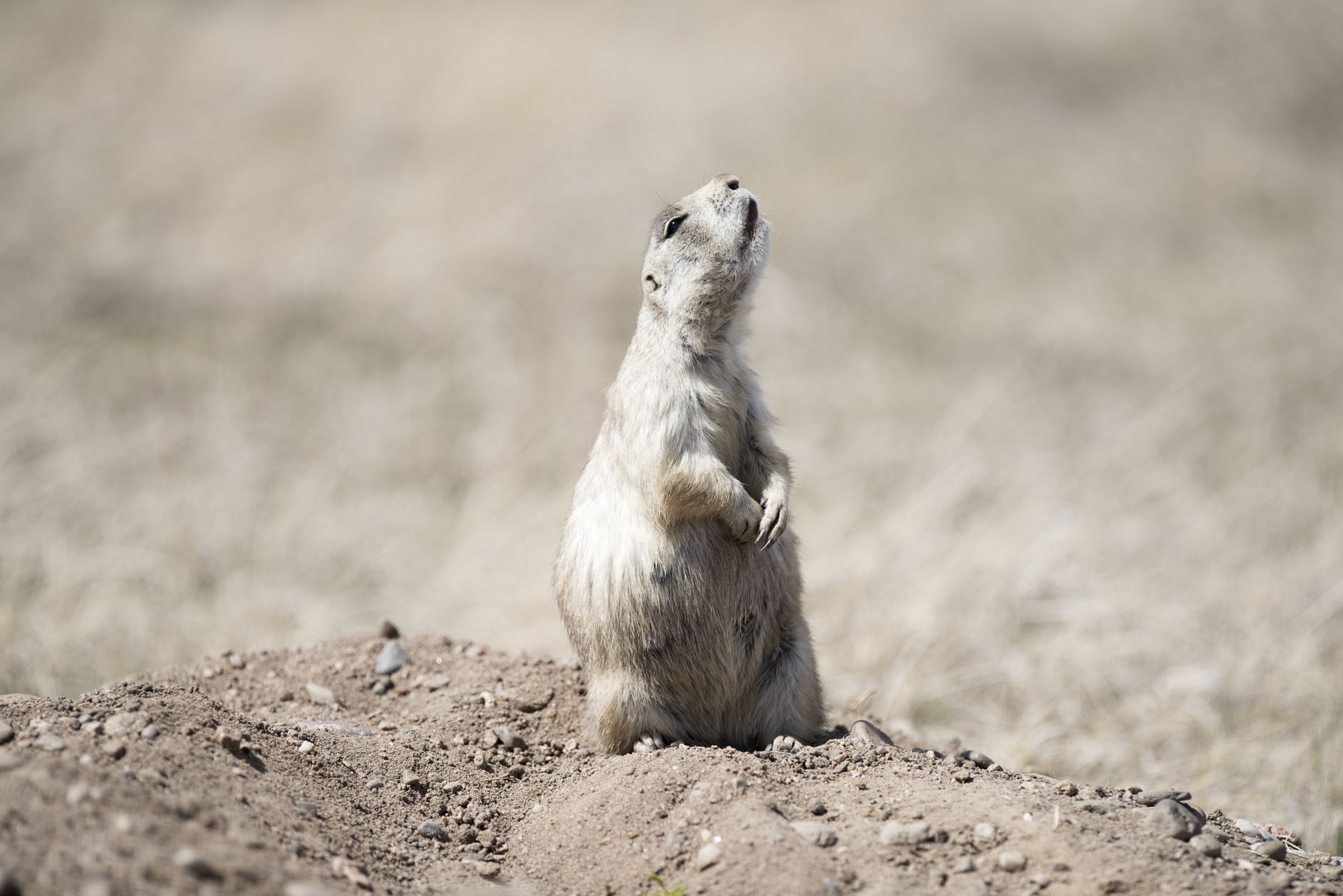
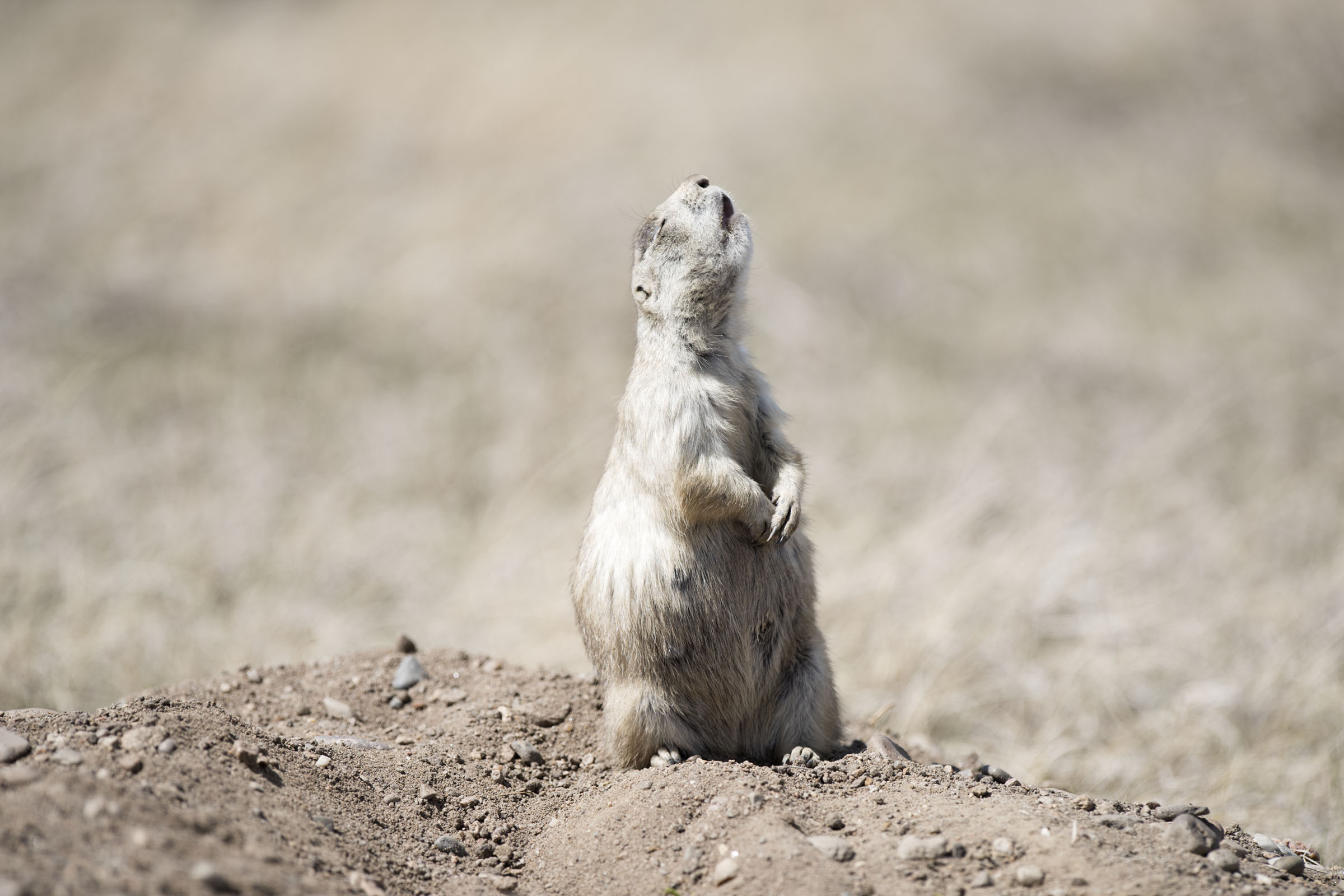
This song seemed to be a gentle warning call but I could be wrong. However, biologists studying Prairie Dogs have discovered they have a complex language and perhaps one day we will understand it. Another discovery that suggest we are less different and more alike on this planet.

Pawnee National Grasslands, CO.