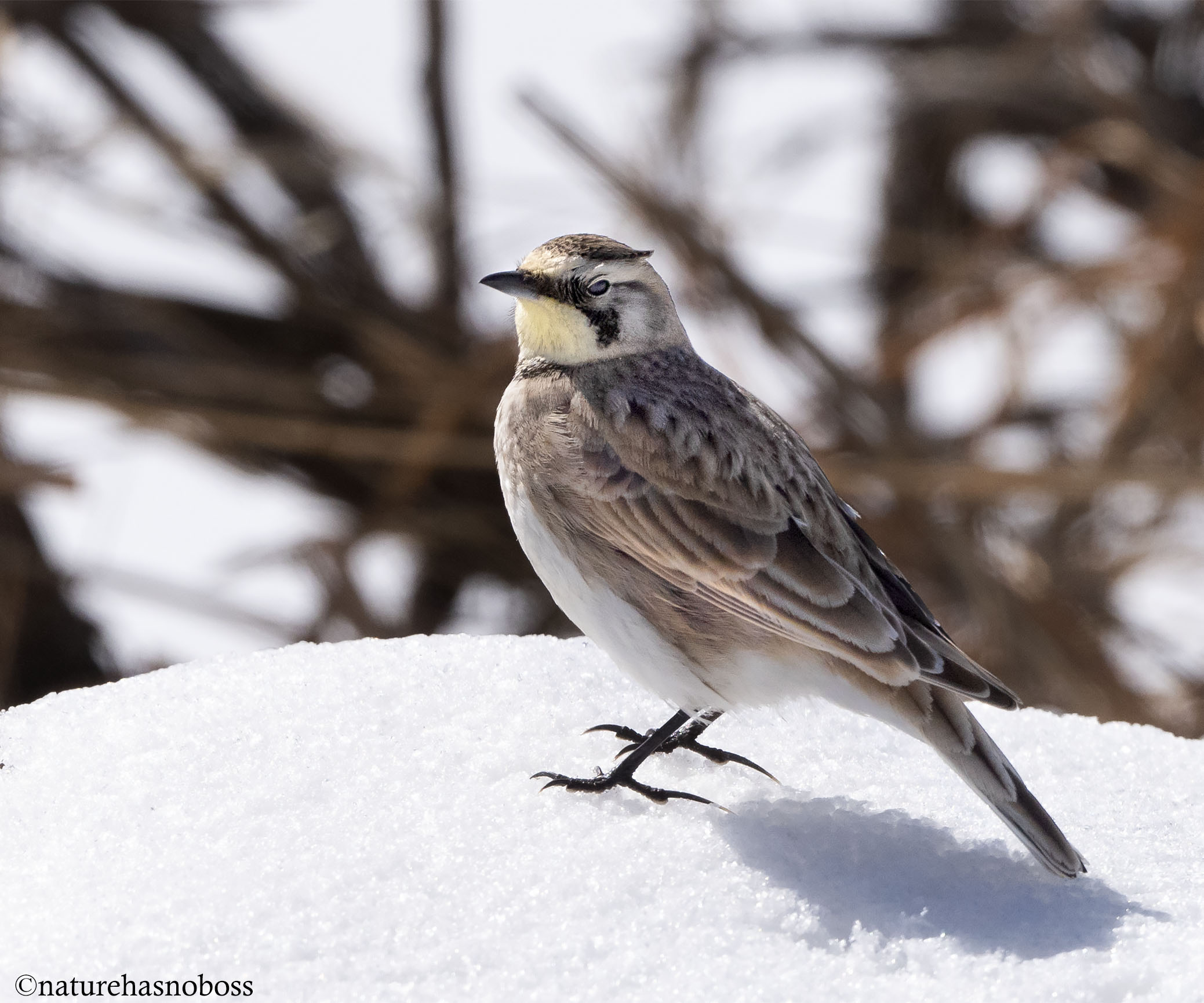
Horned Lark 2021

Although snow is still piled high in the farm fields outside of town and night-time temperatures are well below freezing. Just like clockwork the Horned Larks have returned to grace the roadsides the second week of March. While most darted off into those snow filled fields as we gingerly drove the country roads this guy perched on a little snow mound and posed for a minute and two. It was nice to get a good long look at this guy and when the Horned larks return it is another sure sign spring is on its way.
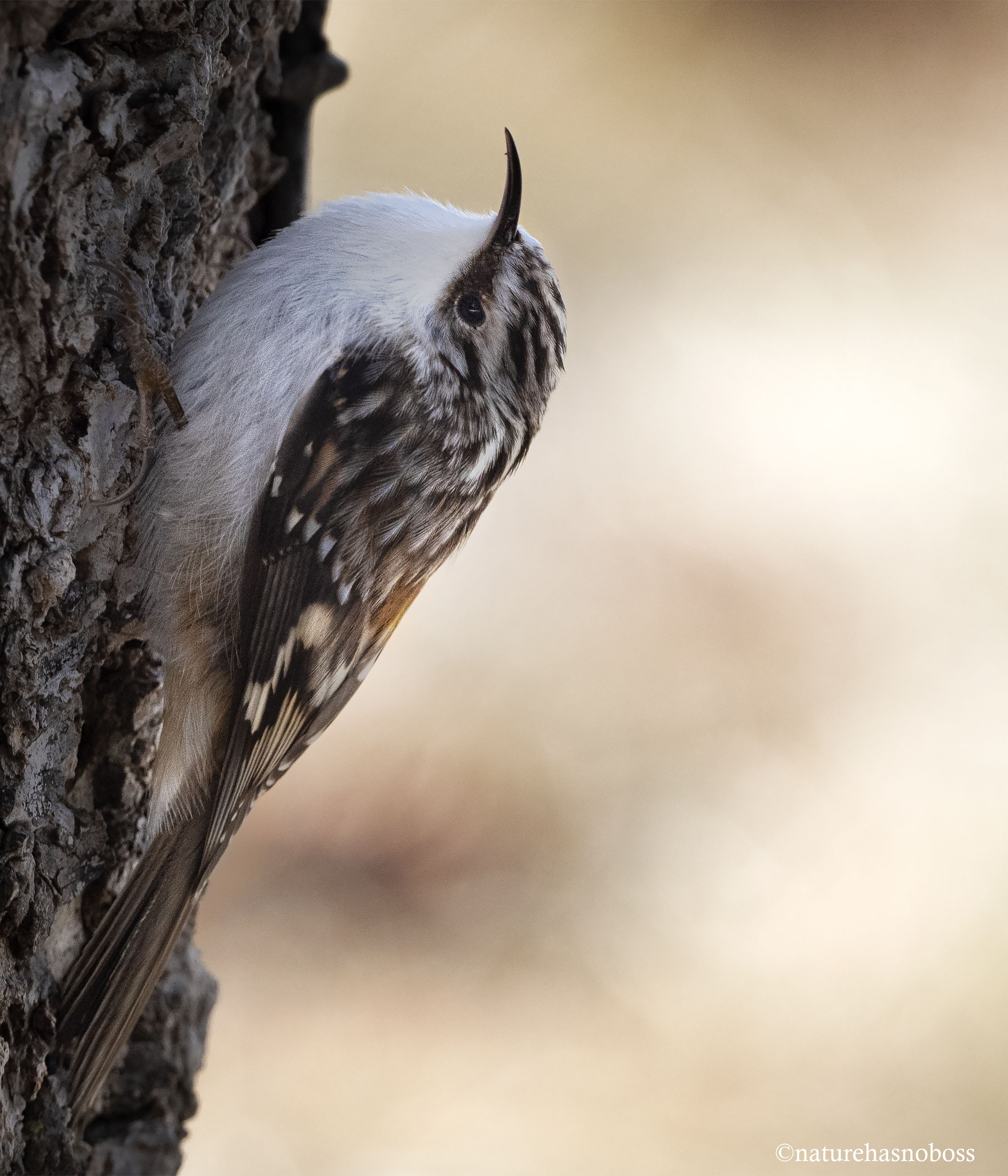
Just Creeping Along

Sometimes just creeping along is the way to go.

Our local population of Brown Creepers will soon disperse to higher elevations and deeper forests not far away but also not close to home. We have enjoyed having a few around this winter and many migrant birds arrive for summer some will go.

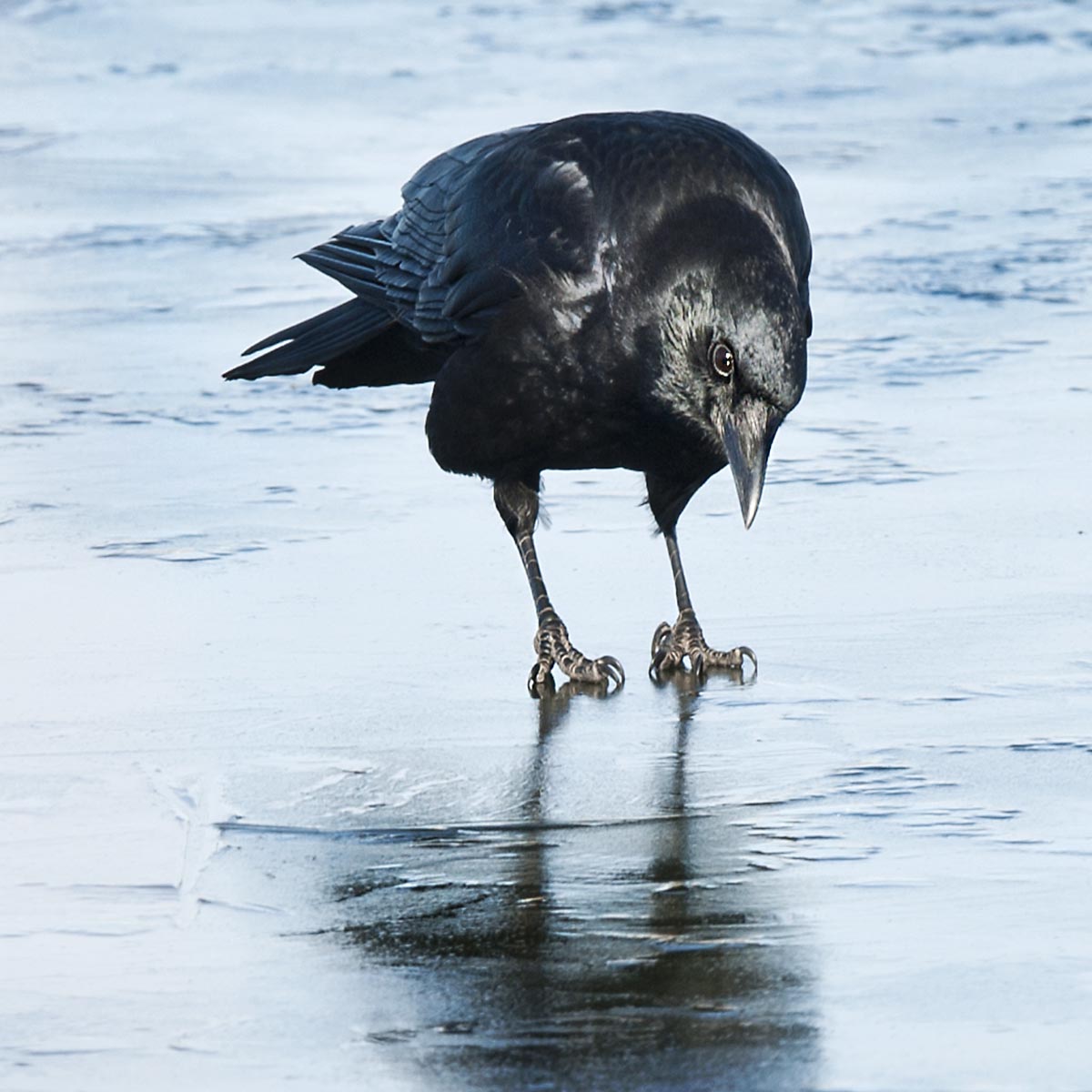
Black on Blue

Black_and_blue

On a crisp and sunny February morning we spent some time watching a group of Crows playing around on an iced over lake. We were unable to tell what they were doing even after half an hour of observation. Could it have been looking for food, either embedded into the ice, or under it? Or were they just admiring their handsome reflections on the ice? Or who knows what. Anyway, it was fun to observe them walking ever so gingerly to avoid slipping around and peering into the ice for a reason we were unable to determine.

Strutting their stuff

Strutting their stuff

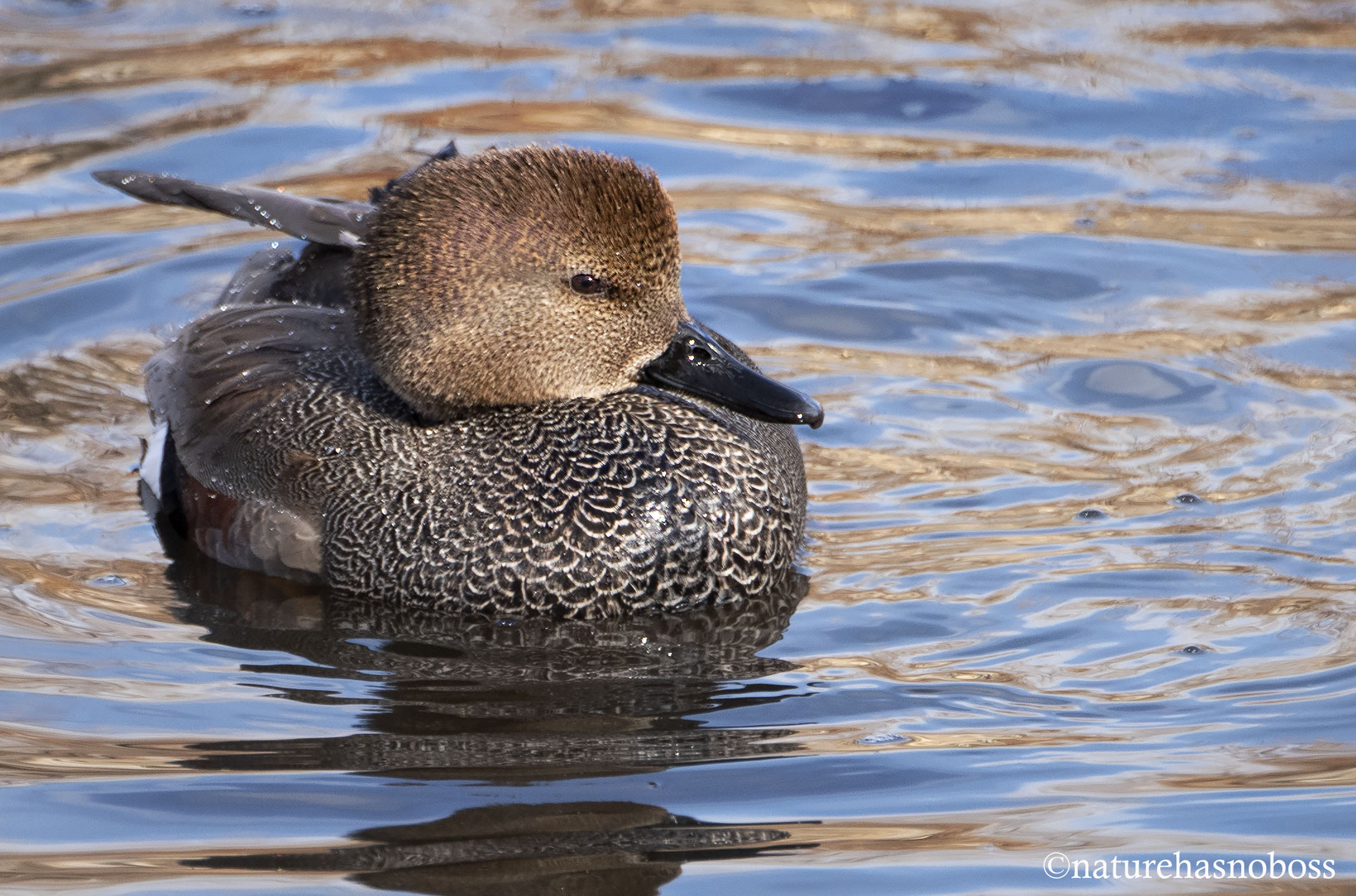
Two male goldeneyes working hard to impress a female in the late afternoon light. These guys will likely only be around here a few more weeks. As spring arrives most of the waterfowl leave my area. Their yearly coming and going gives rhythm to life. Have a great trip north and someday I hope to join you.

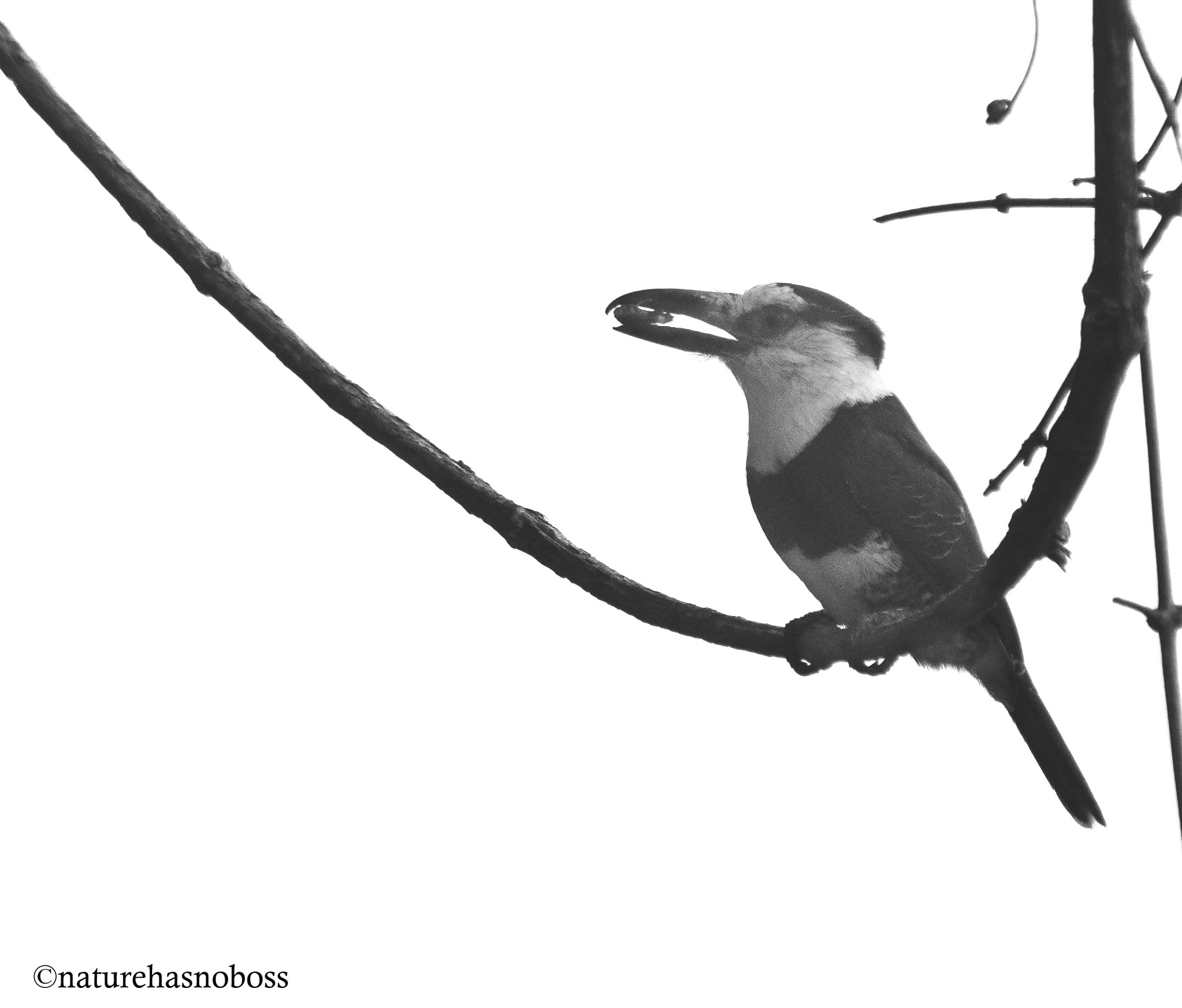
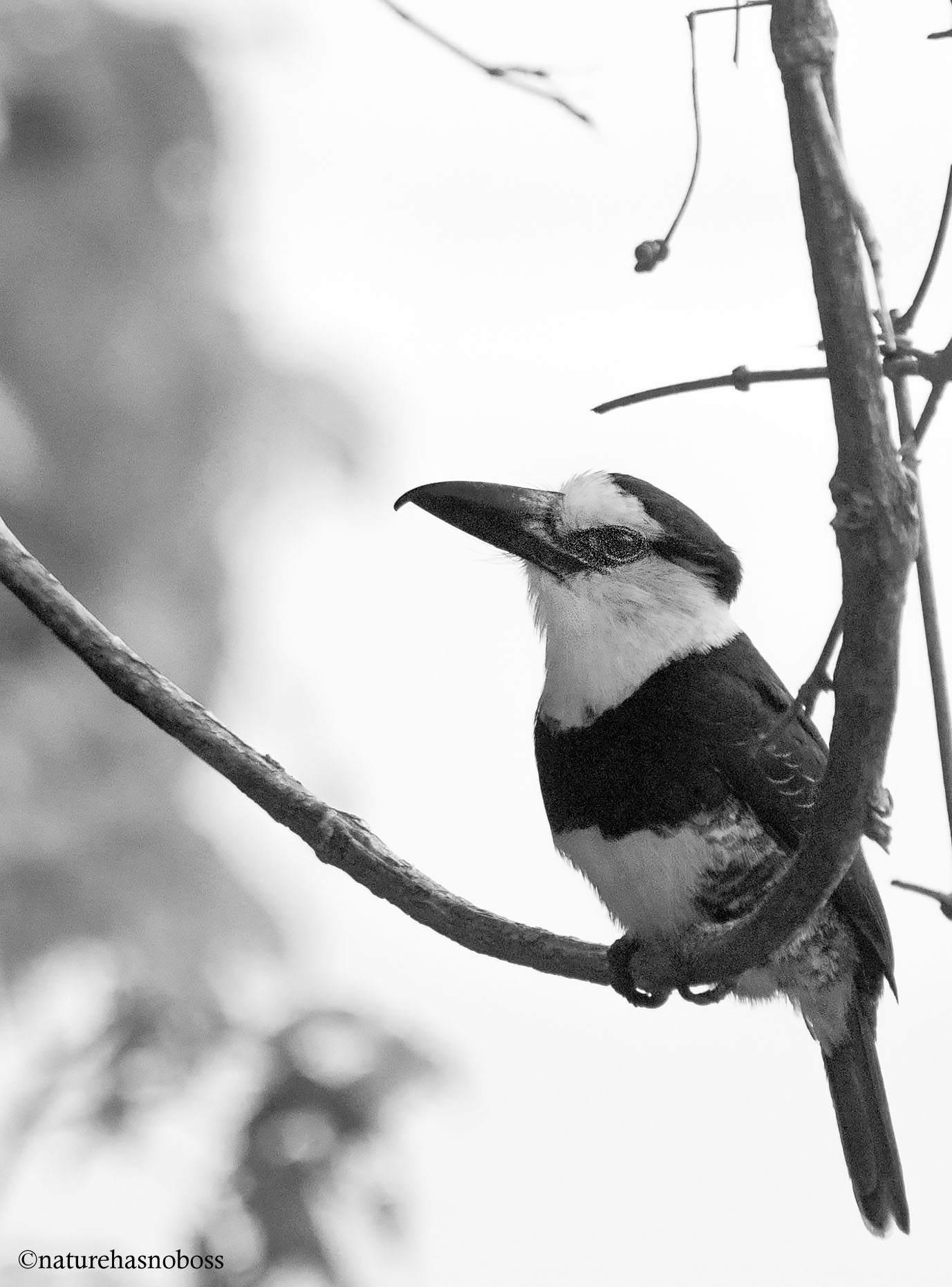
White-necked Puffbird

The White-necked Puffbird is one of the largest puffbirds to roam the forests from Southern Mexico all the way to Amazonia. While the White-necked Puffbird can be found from ground level to the top of the forest canopy it is more frequently found in the canopies making it more often seen than heard. The White-necked Puffbird forages mainly on insects although they will take both vegetable matter from time to time.

This bird was perched in the forest canopy and sallying out to forage. It was a very gray day and good light was not to be found but we had a good time trying to capture a photo or two of this interesting bird.

Reference:

del Hoyo, J., N. Collar, and G. M. Kirwan (2020). White-necked Puffbird (Notharchus hyperrhynchus), version 1.0. In Birds of the World (J. del Hoyo, A. Elliott, J. Sargatal, D. A. Christie, and E. de Juana, Editors). Cornell Lab of Ornithology, Ithaca, NY, USA. https://doi.org/10.2173/bow.whnpuf2.01

Sweet

Unlike previous winters where Mountain Chickadees were the predominant species of chickadee in our neck of the woods this winter the Black-capped Chickadees seem to be the most abundant. We have come to affectionately refer to the Mountain Chickadee simply as spunky wheras the word “sweet” seems to be the best descriptor of the the neighborhood Black-caps. It’s fun to have both species around and to be able to really get to know their personalities and who doesn’t like a bit of sweet to liven up a winters day.

Down the hatch

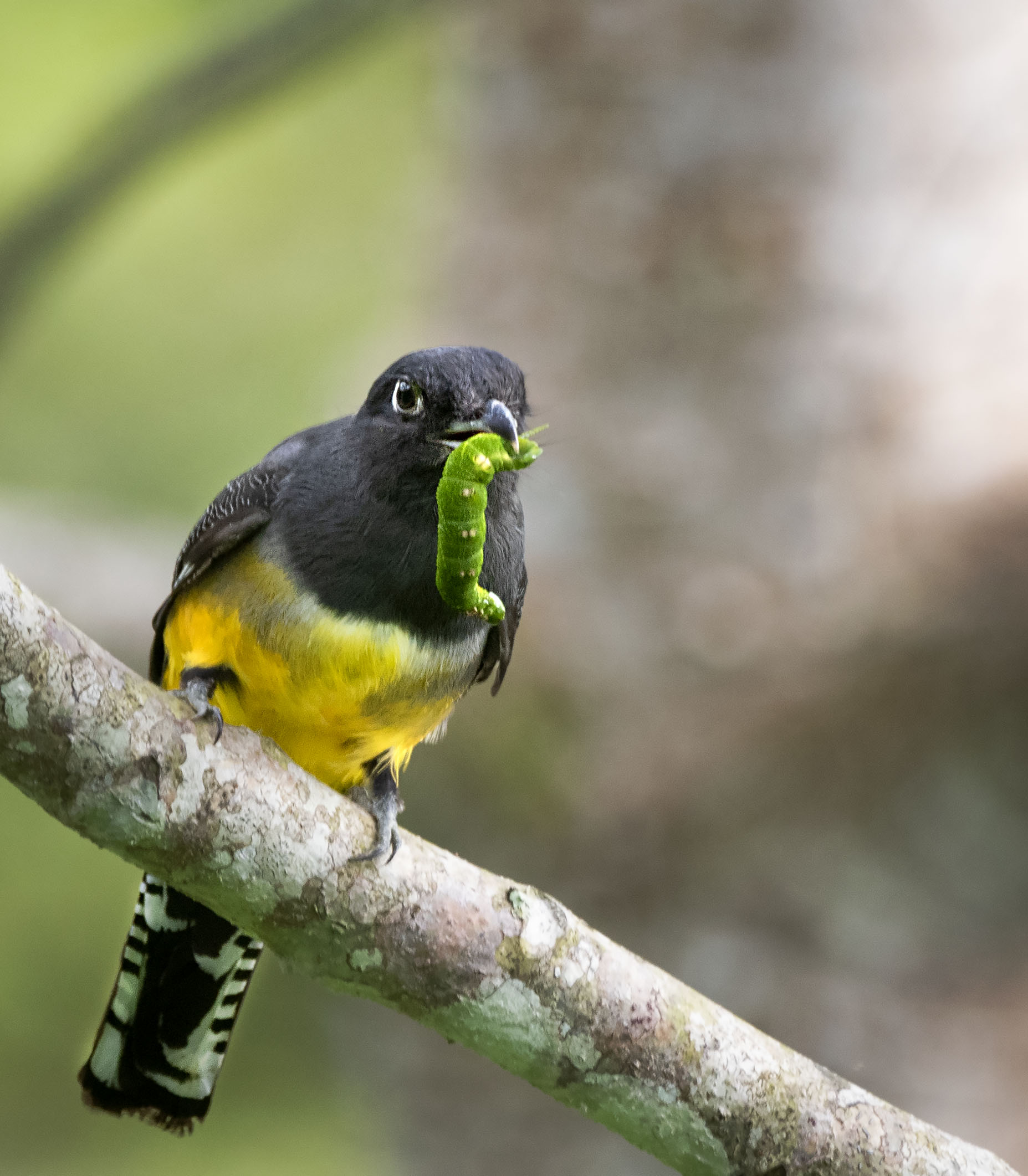
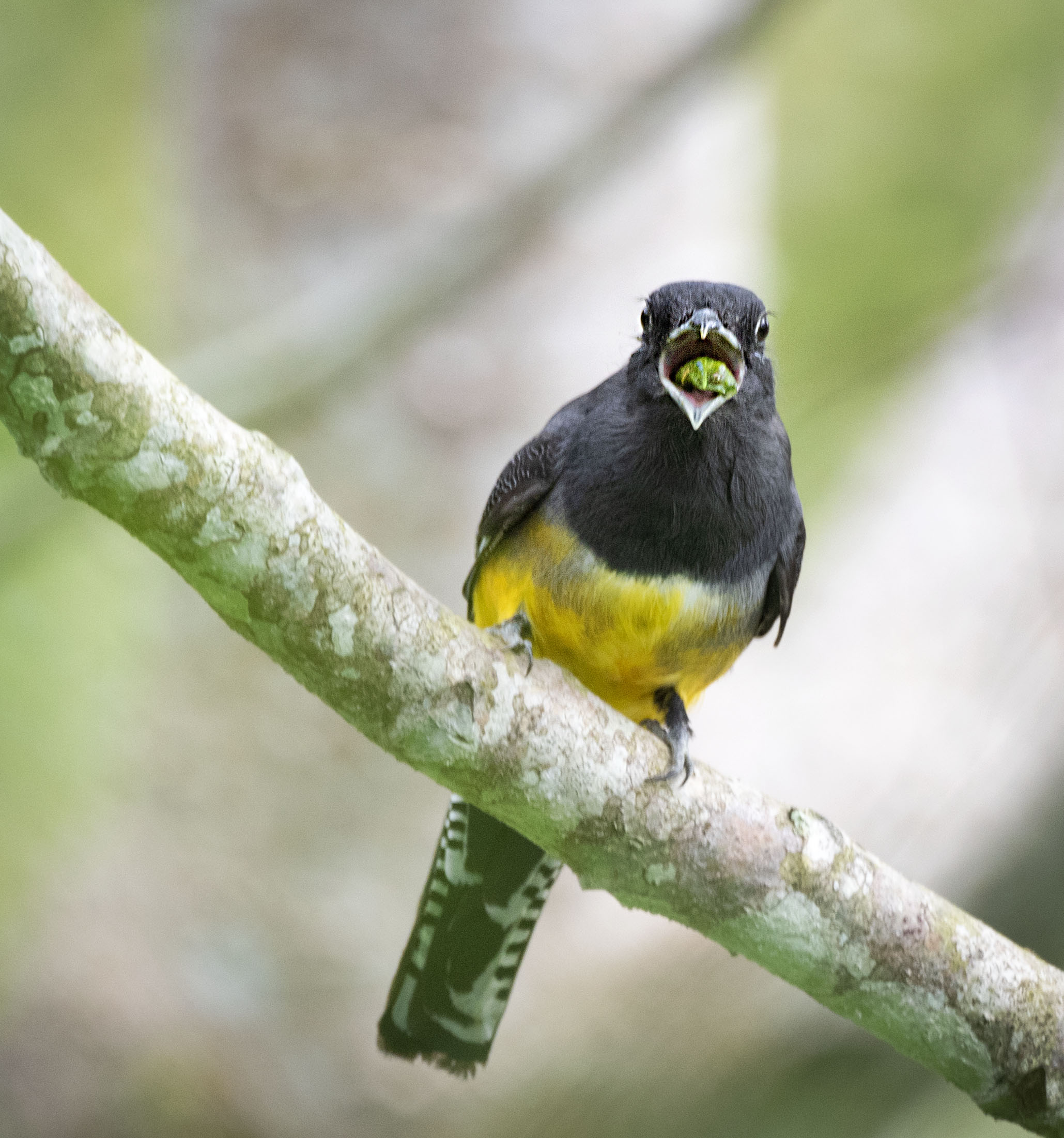
We watched for a awhile as a Gartered Trogon perched on a branch intently watching the forest floor below. After a few minutes the bird flew down to forest floor and returned to their perch with prize in beak. It took them a minute or so to correctly position their catch but once they did it was….

…down the hatch it goes.

Quite a mouthful if I can say so myself.