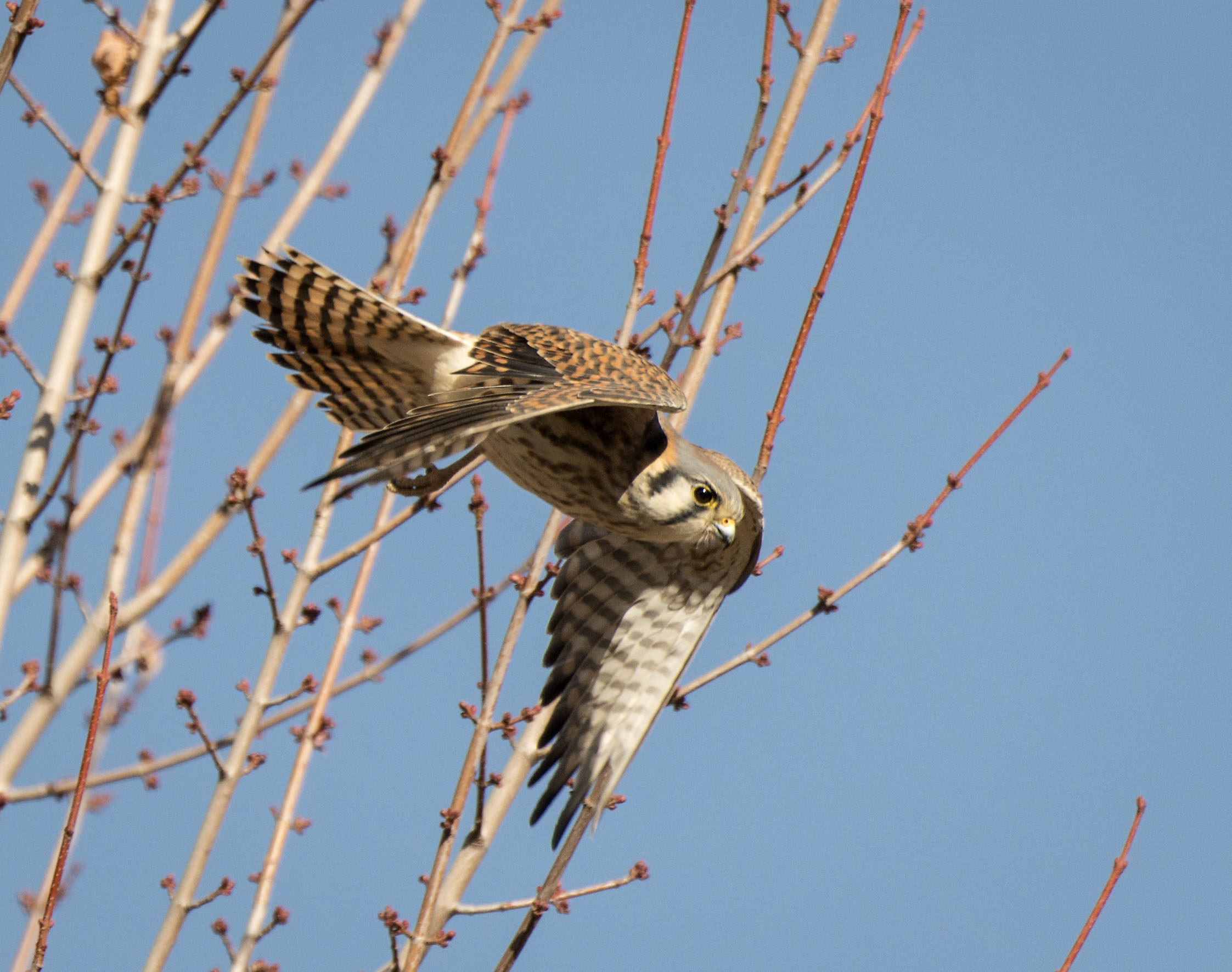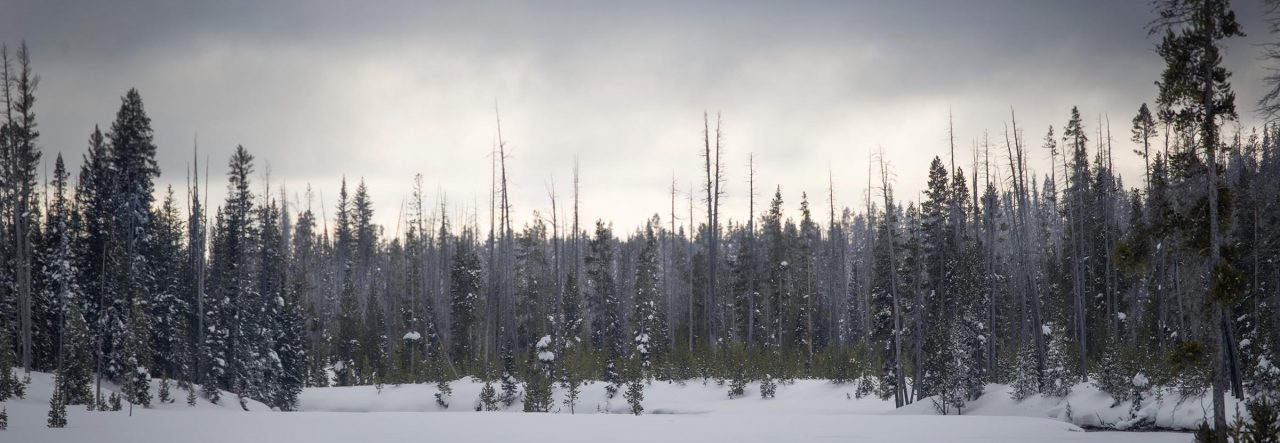
Sweet

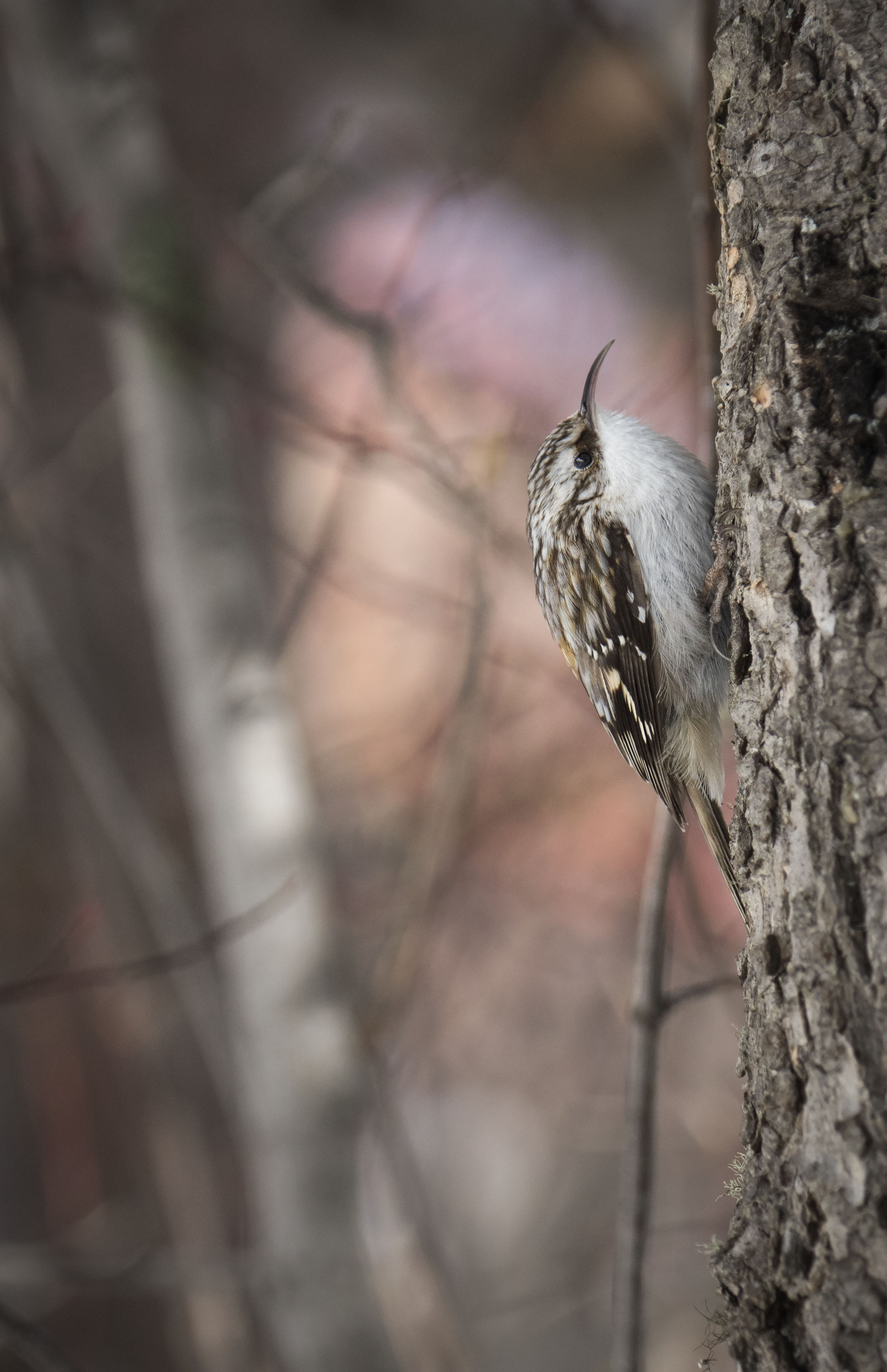
Unlike previous winters where Mountain Chickadees were the predominant species of chickadee in our neck of the woods this winter the Black-capped Chickadees seem to be the most abundant. We have come to affectionately refer to the Mountain Chickadee simply as spunky wheras the word “sweet” seems to be the best descriptor of the the neighborhood Black-caps. It’s fun to have both species around and to be able to really get to know their personalities and who doesn’t like a bit of sweet to liven up a winters day.

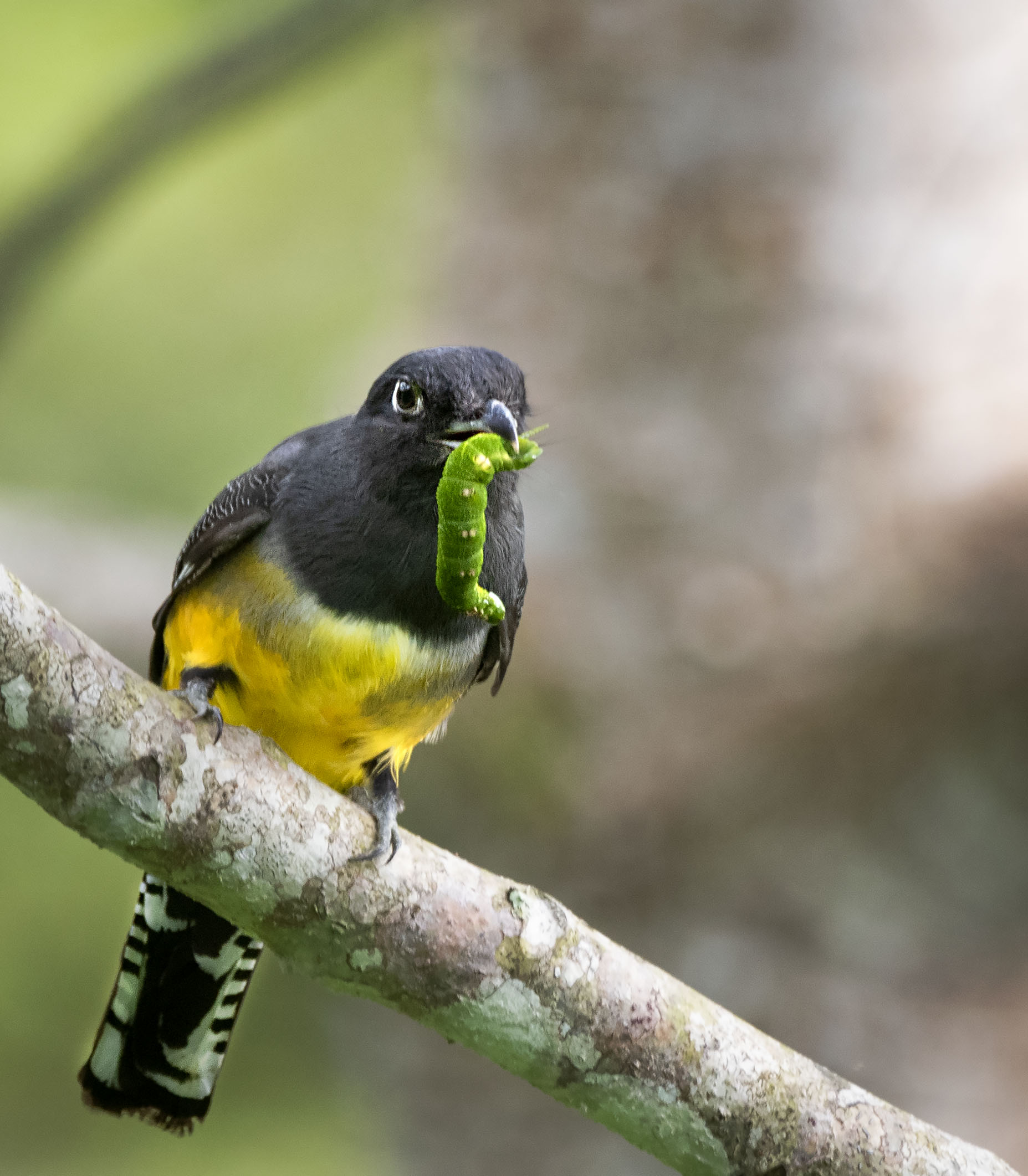
Down the hatch

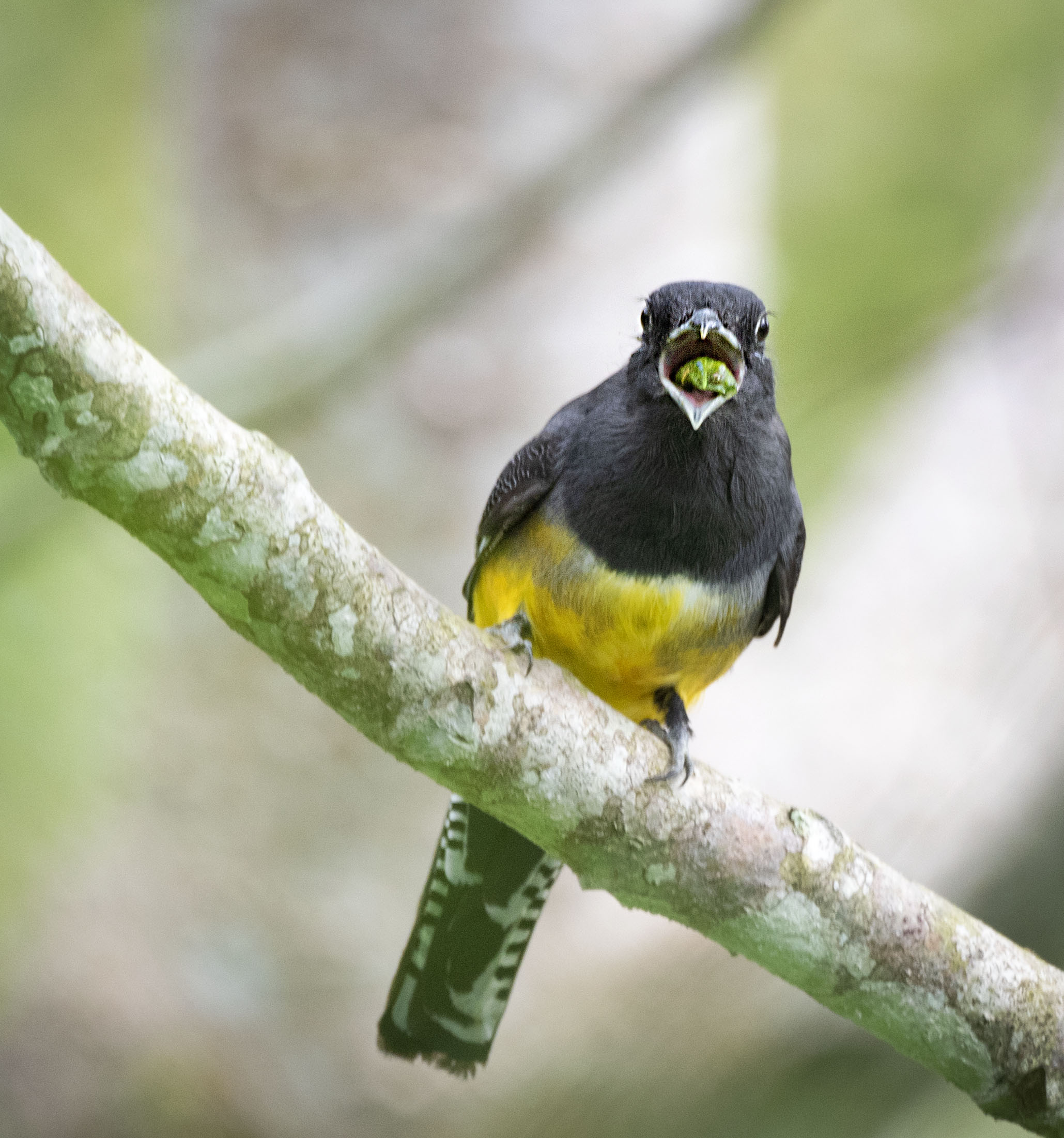
We watched for a awhile as a Gartered Trogon perched on a branch intently watching the forest floor below. After a few minutes the bird flew down to forest floor and returned to their perch with prize in beak. It took them a minute or so to correctly position their catch but once they did it was….

…down the hatch it goes.

Quite a mouthful if I can say so myself.

Cygnet

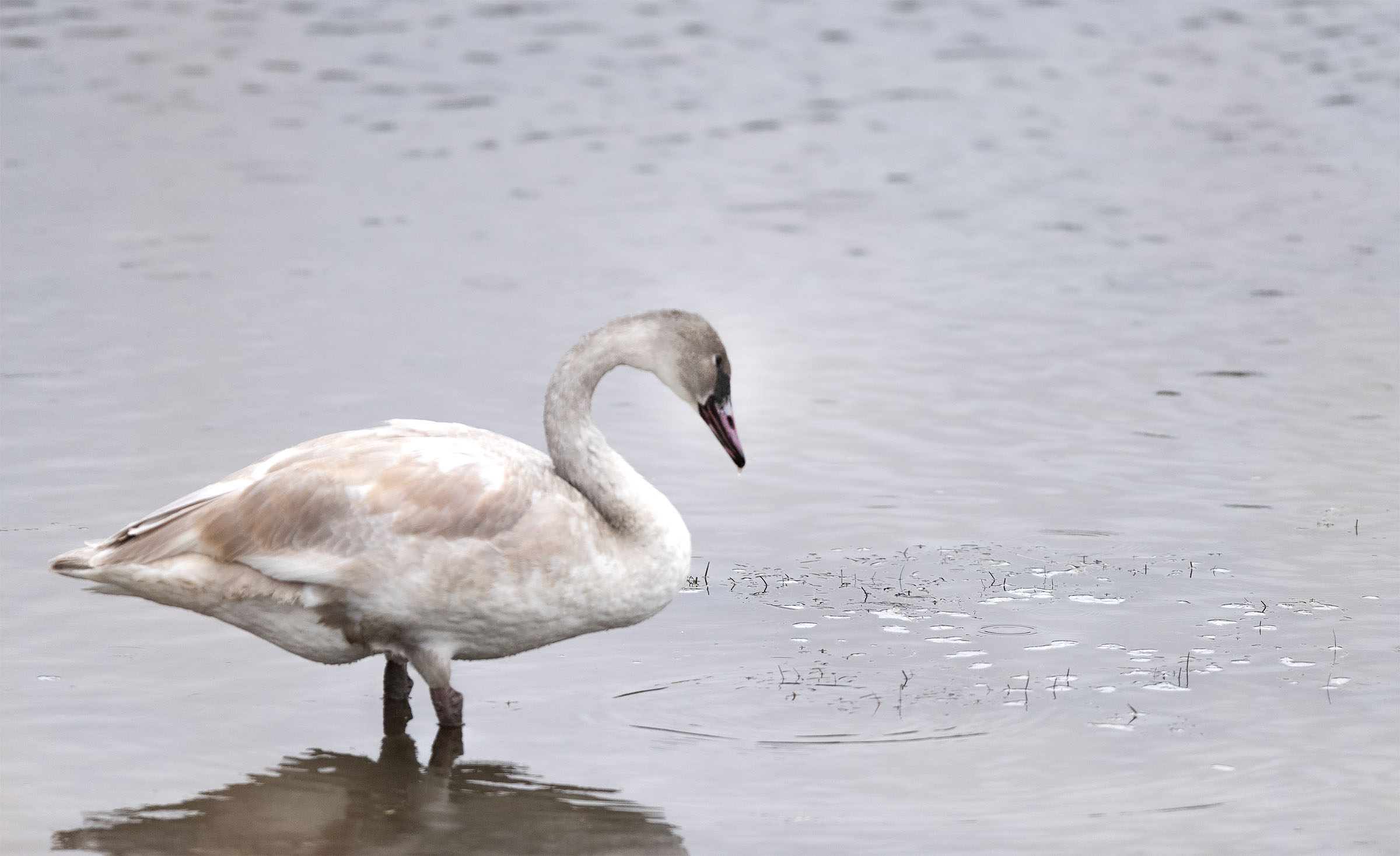
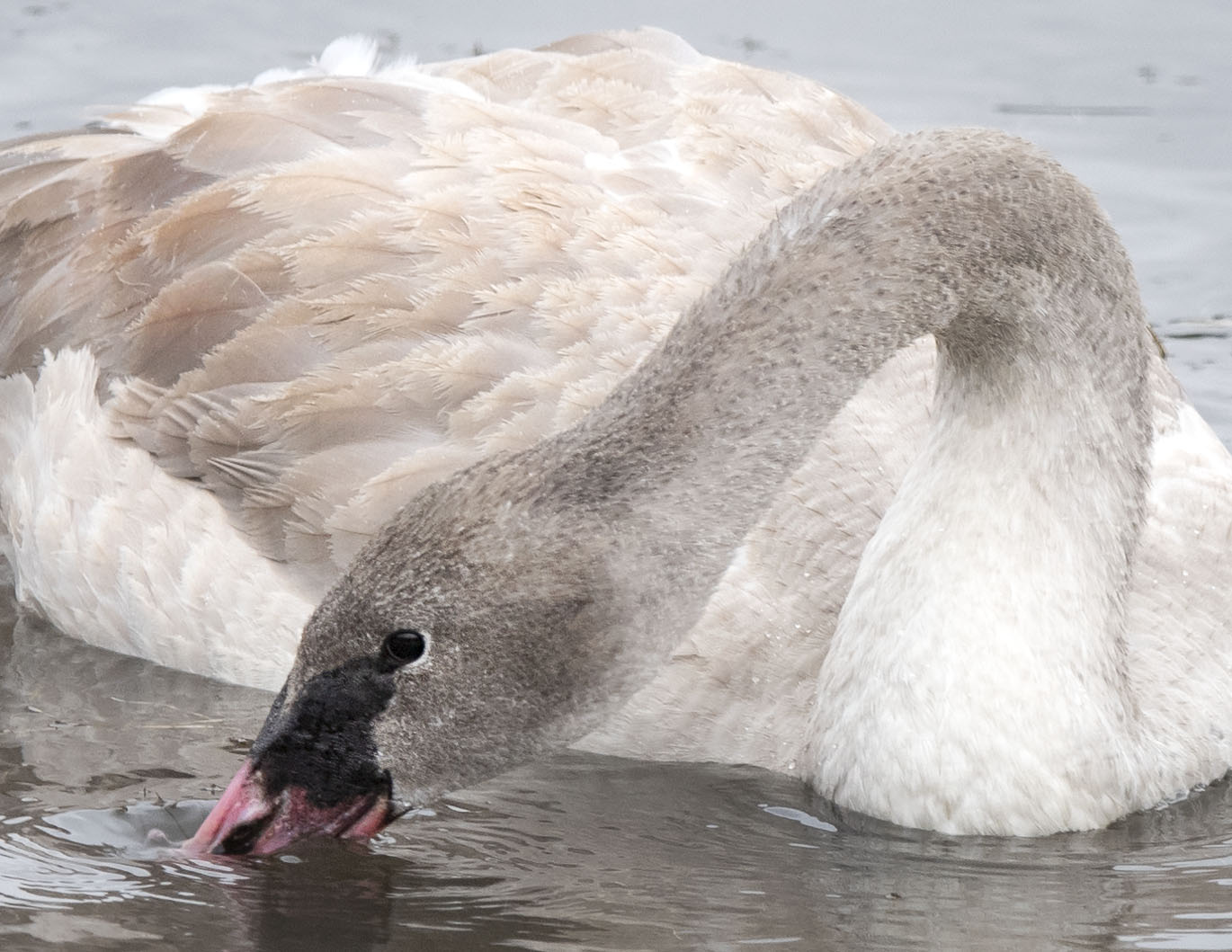
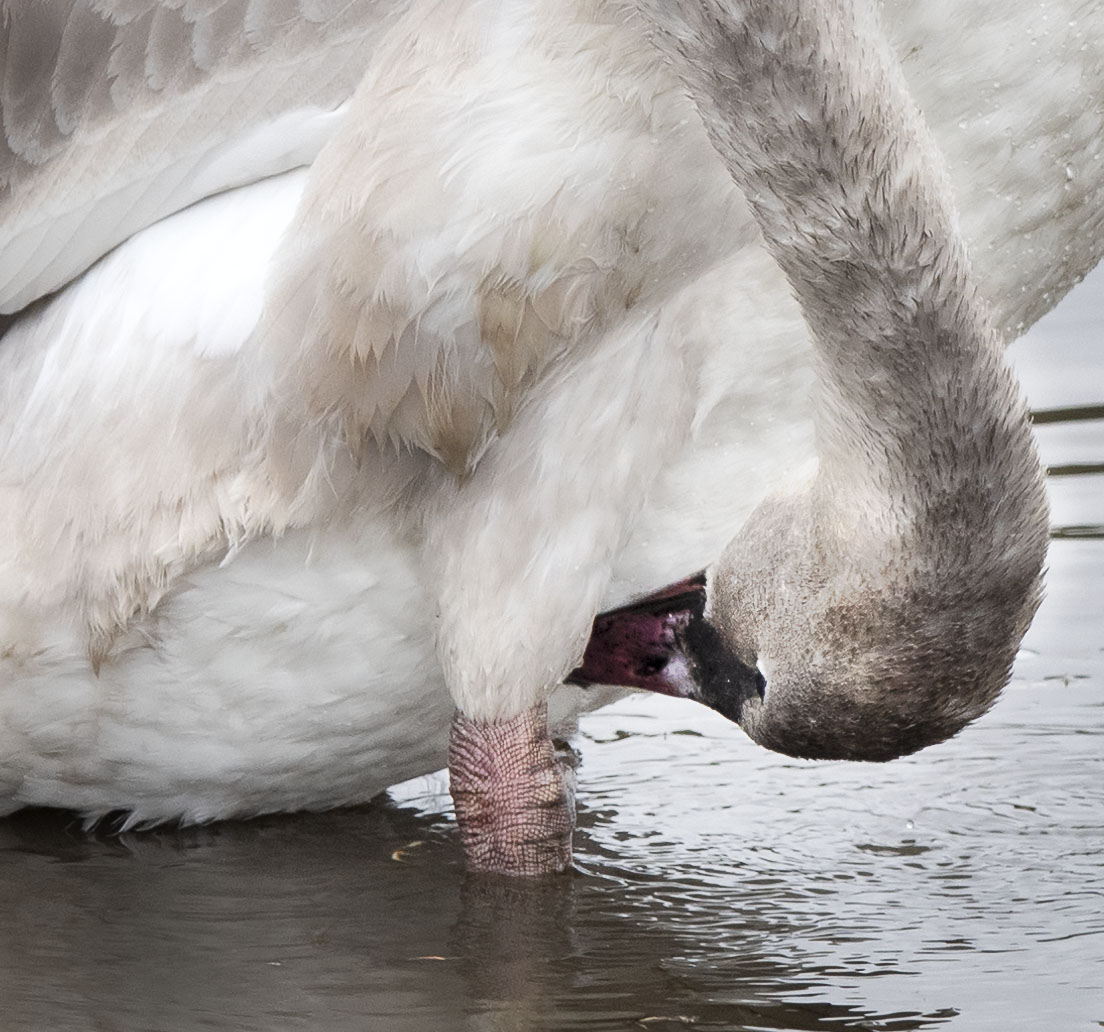
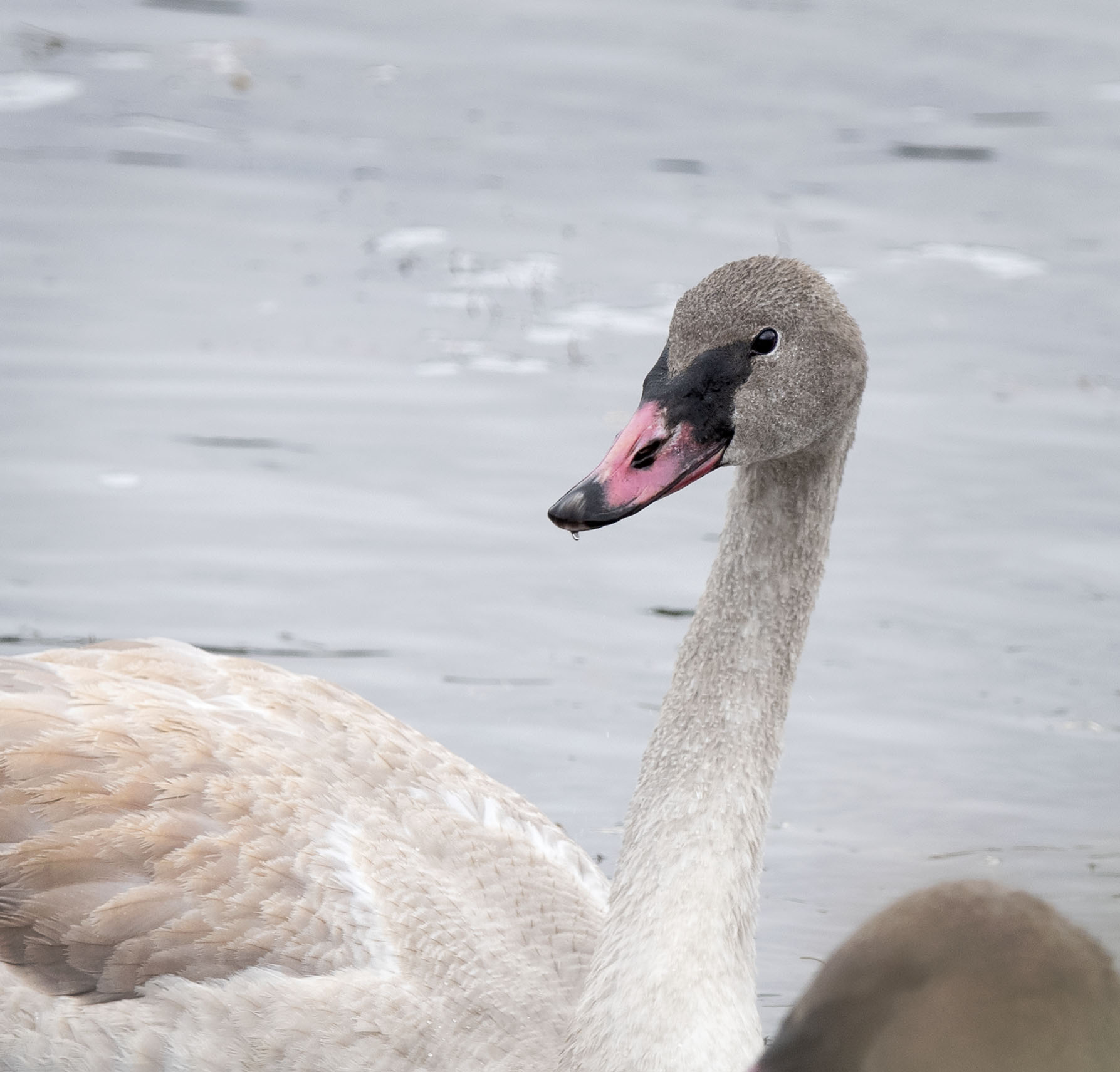
A Cygnet Trumpeter Swan going about their daily routine on an overcast late fall afternoon. The weather this day sure seemed to be saying it was time to move along further south soon. Yet this Cygnet seemed content and we watched as they went on..


drinking and feeding…

…and preening supported by dinosaur legs.

Have a great day and a wonderful weekend.

Northern Flicker

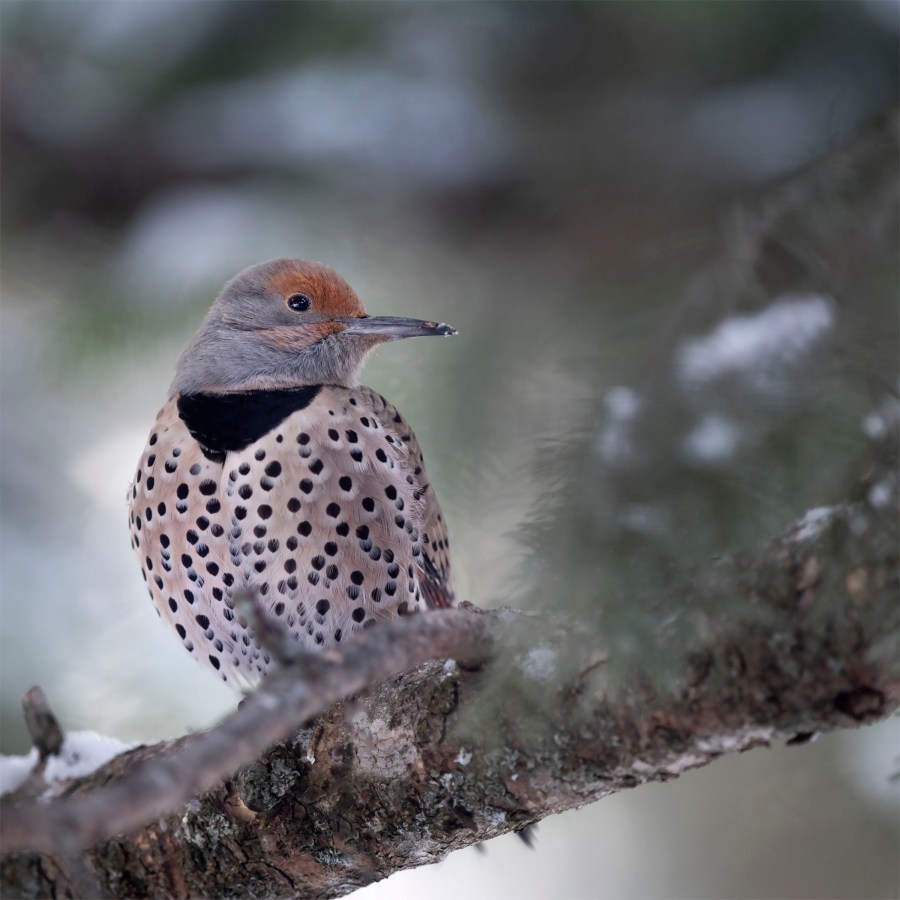
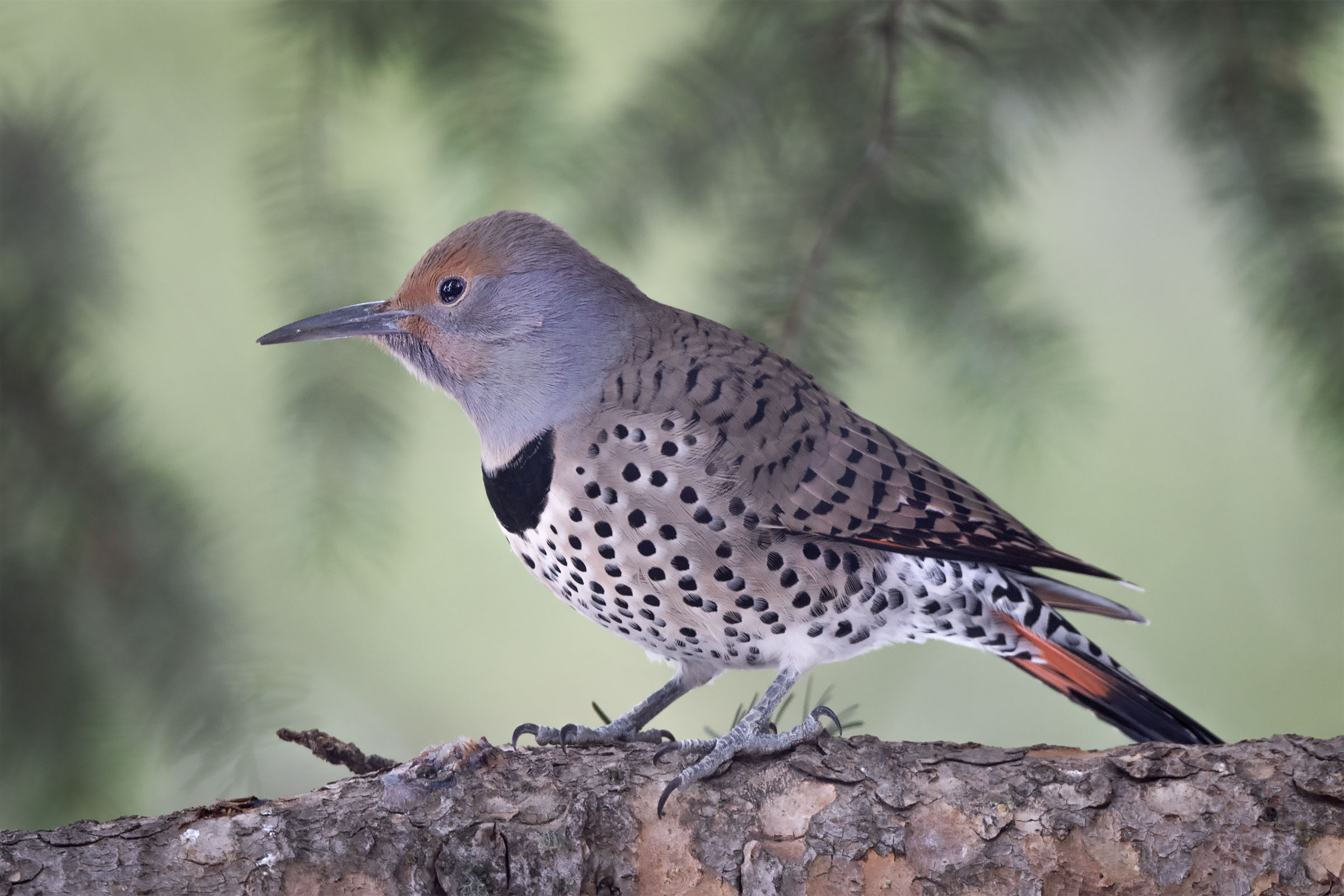
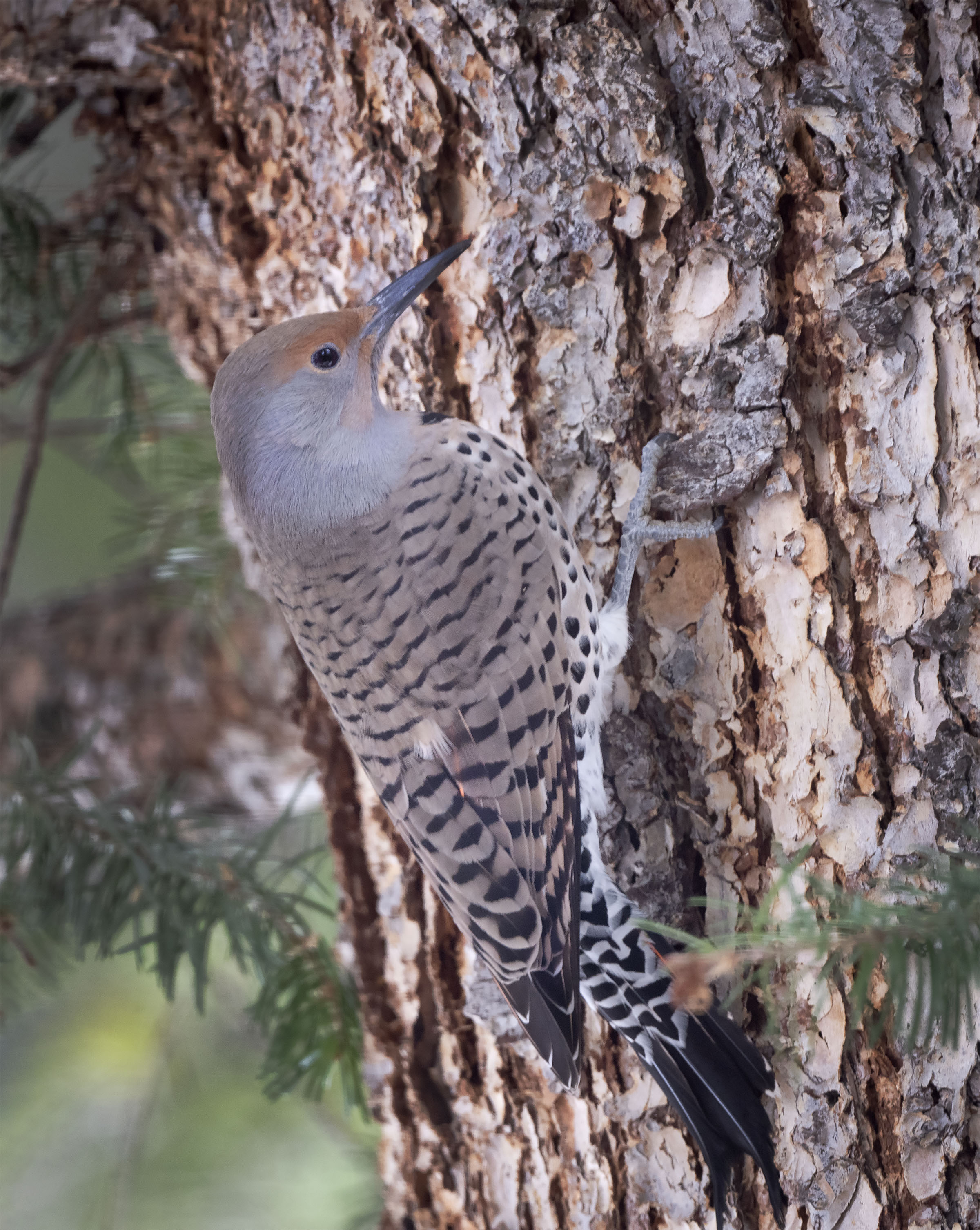
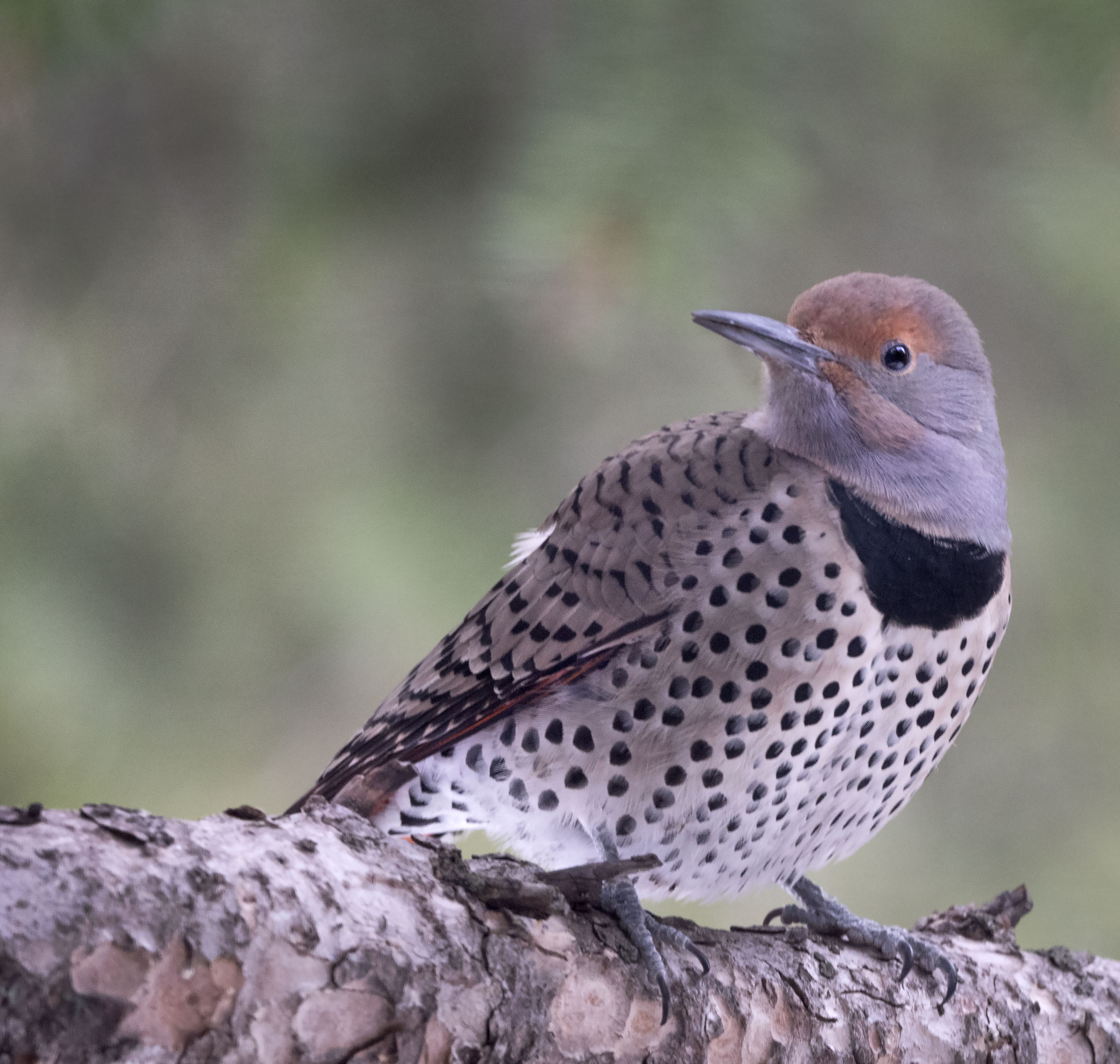
A quick visit with a Northern Flicker. This fine looking bird flew into a tree filled with a mixed flock of small songbirds foraging away on a cold November morning and we are glad she did.

She made a quick check to see what all the commotion was about checking to see if there was food of her liking on and old fir tree.

But alas, after a quick check of both limbs and trunk she decided to move on. A nice splash of color on a quiet fall day.

American Three Toed Woodpecker: Picoides dorsalis

While out on a hike we followed the sound of a woodpecker pecking in the forest fully expecting to find a Downy Head or Hairy. When we finally spotted the source of the pecking we were thrilled to find an American Three Toed Wooedepcker: Picoides dorsalis working away looking for a meal. Why this species evolved to have only three toes instead of the typical four seems to be a matter for debate however the Cornell Lab of Ornithology suggest that three toes may help deliver stronger blows with the beak while foraging.