American Pipit

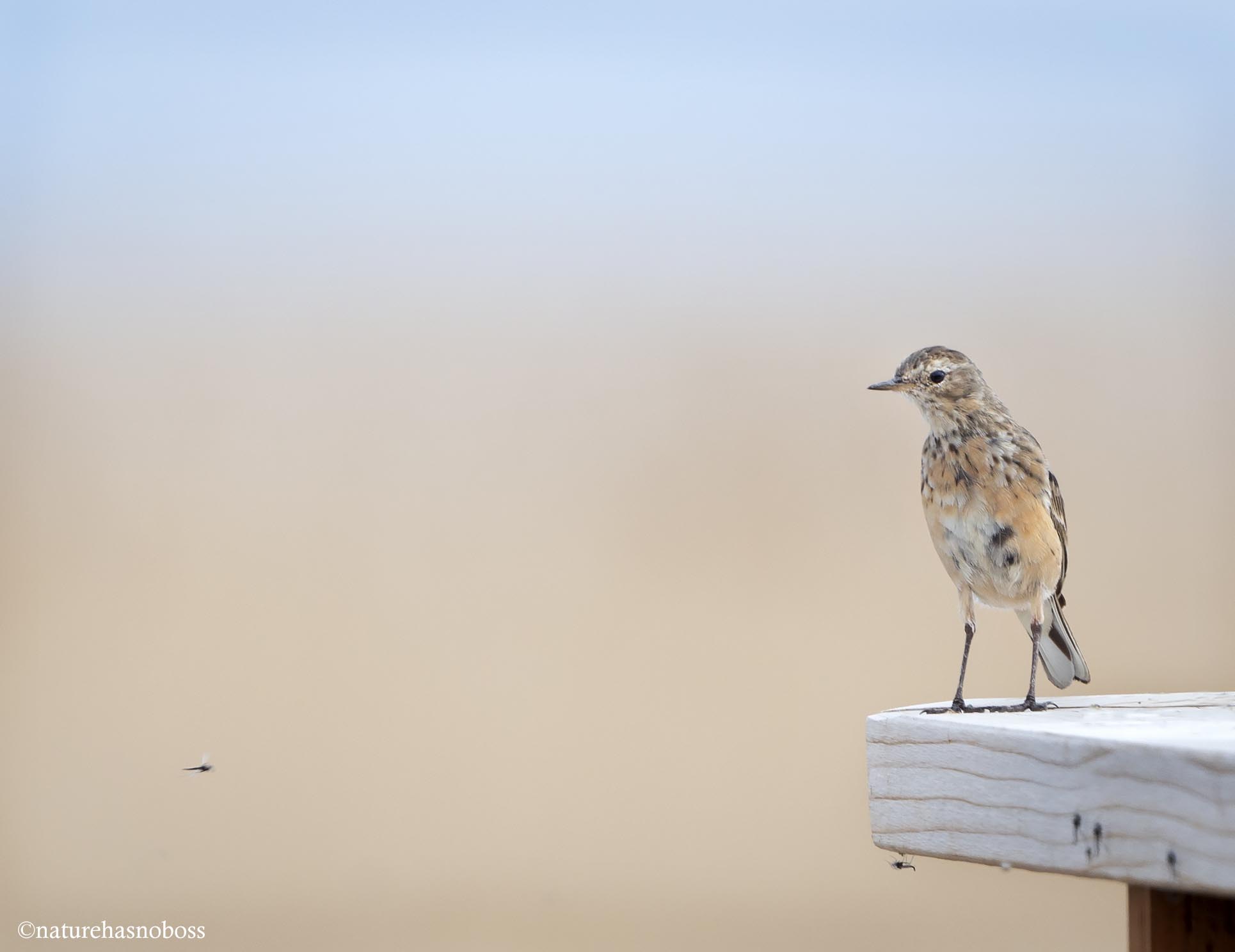
Bugs and plenty of them kept this American Pipit busy and well feed.

American Pipits breed on the arctic tundra as well high alpine meadows yet can regularly be observed during winter and spring migration, as was the case this day. While they sometime can be an inconspicuous looking bird the touch of peachy-orange on this bird certainly drew our attention her way as she foraged contently on a fresh hatch of spring insects.

Everybody likes water

Water_1

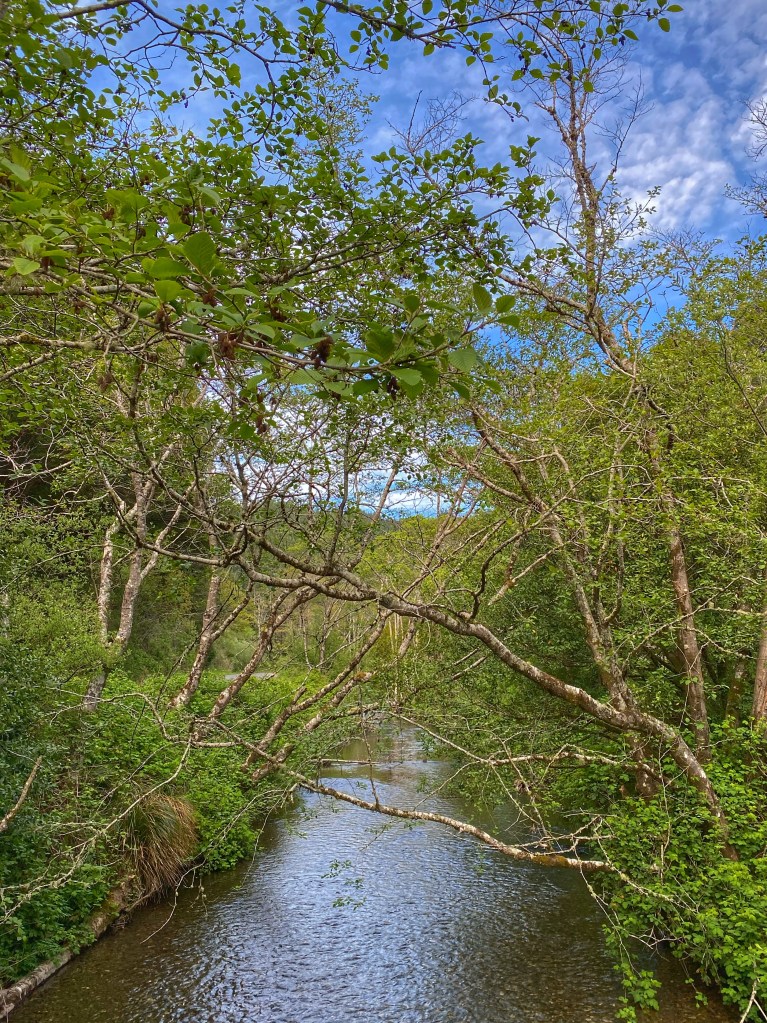
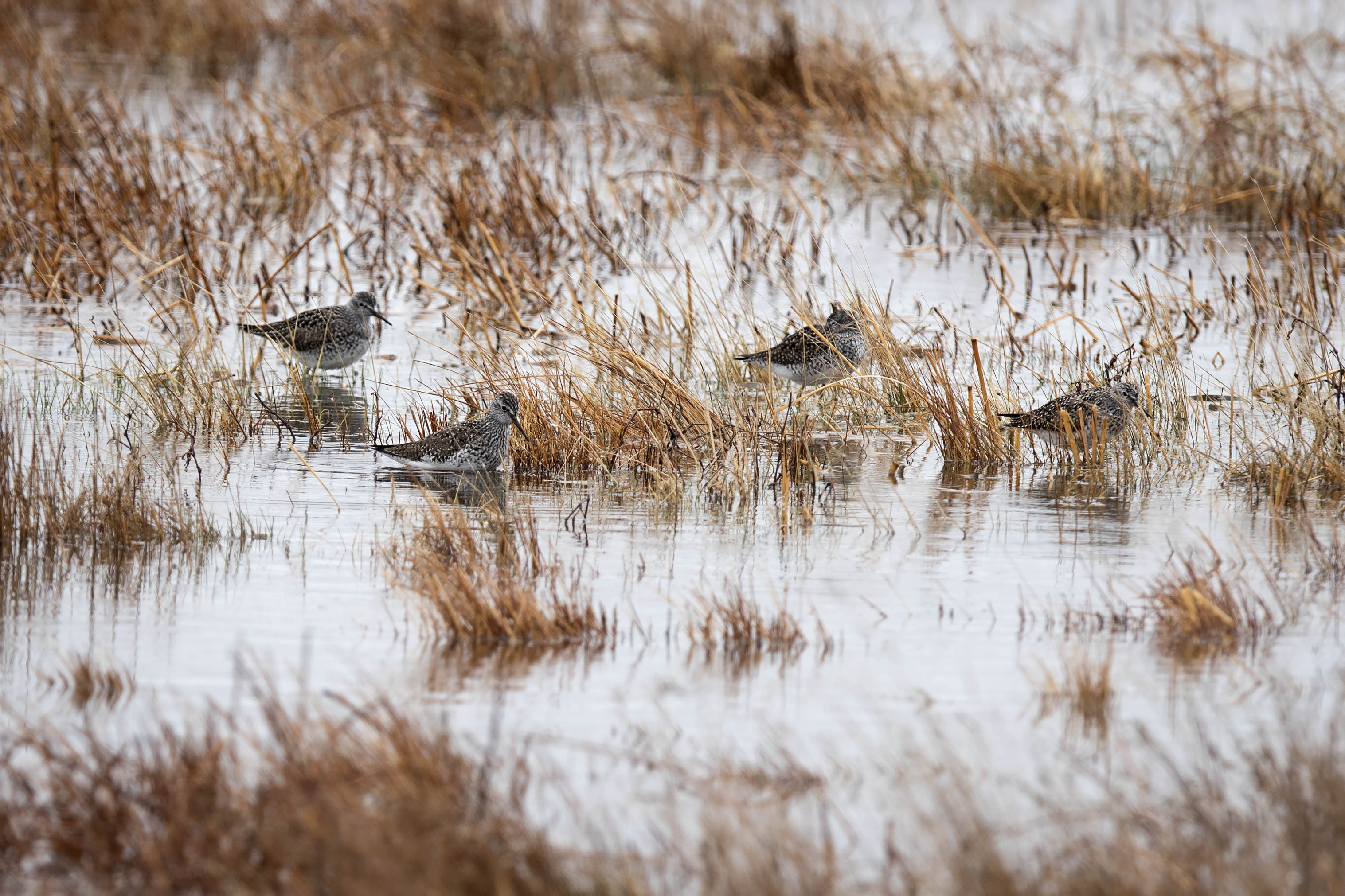
Along an old county road where the snowmelt and recent rains have made temporary wetlands a variety of birds enjoy a cloudy spring afternoon.

Water_2

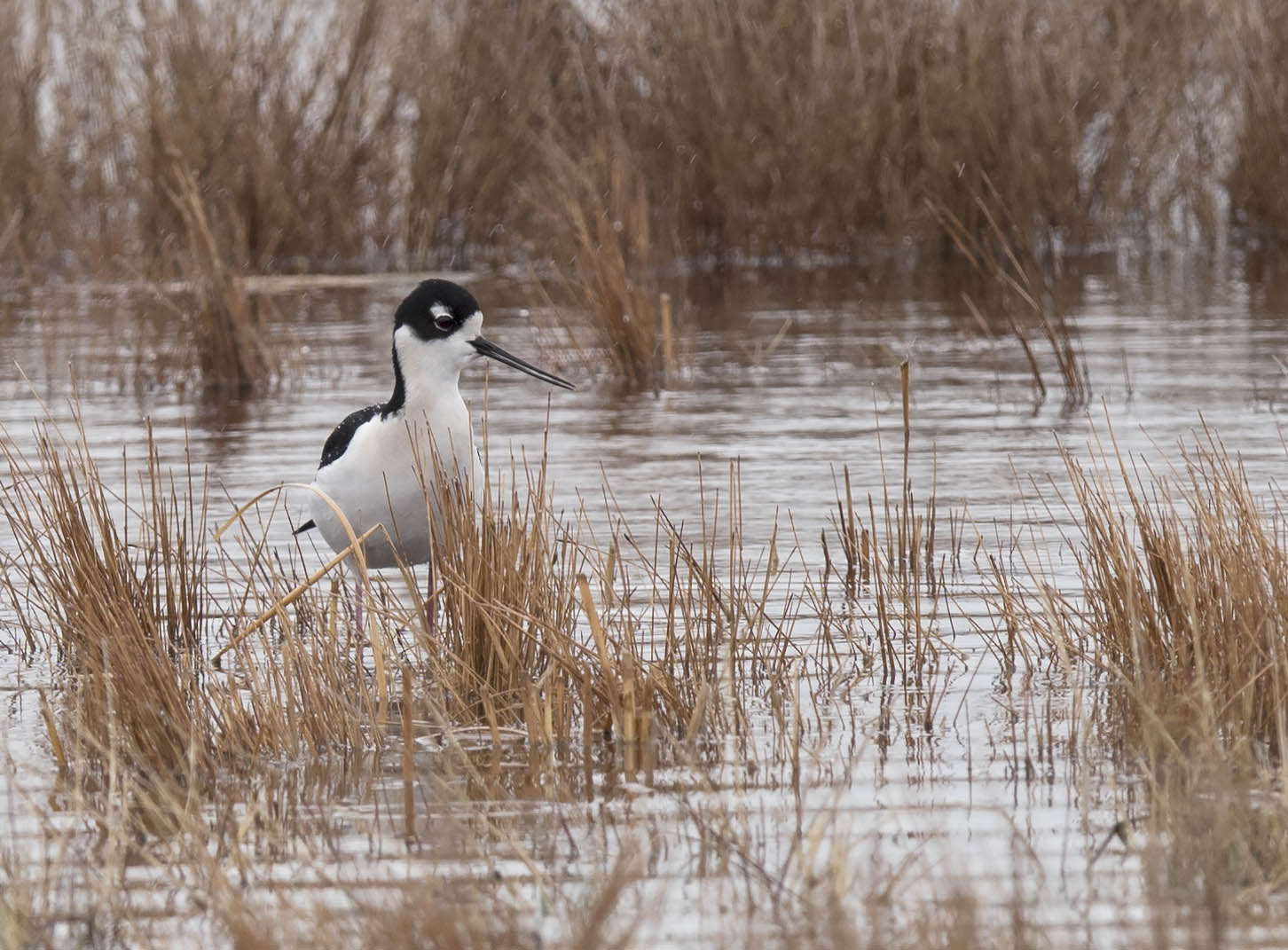
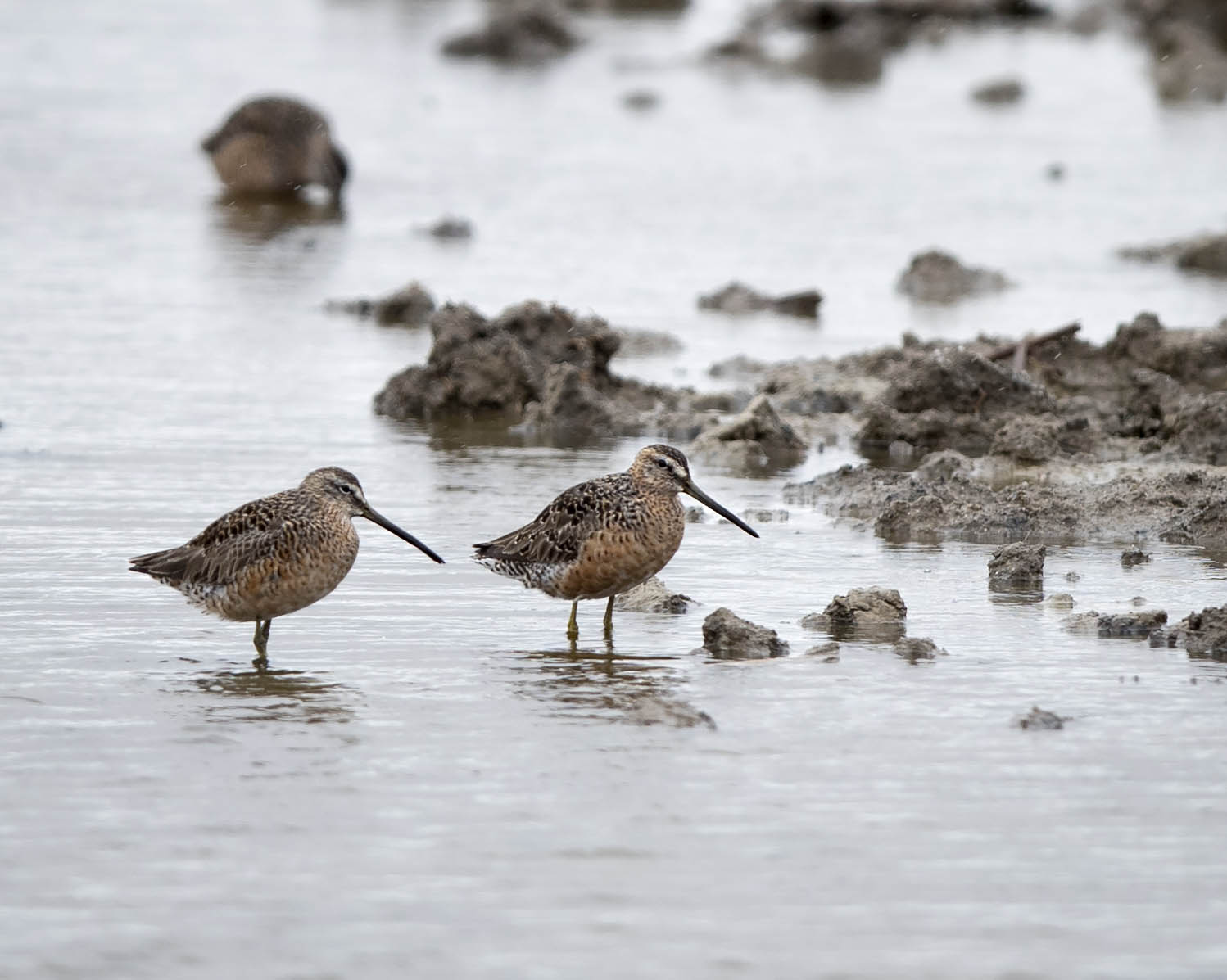
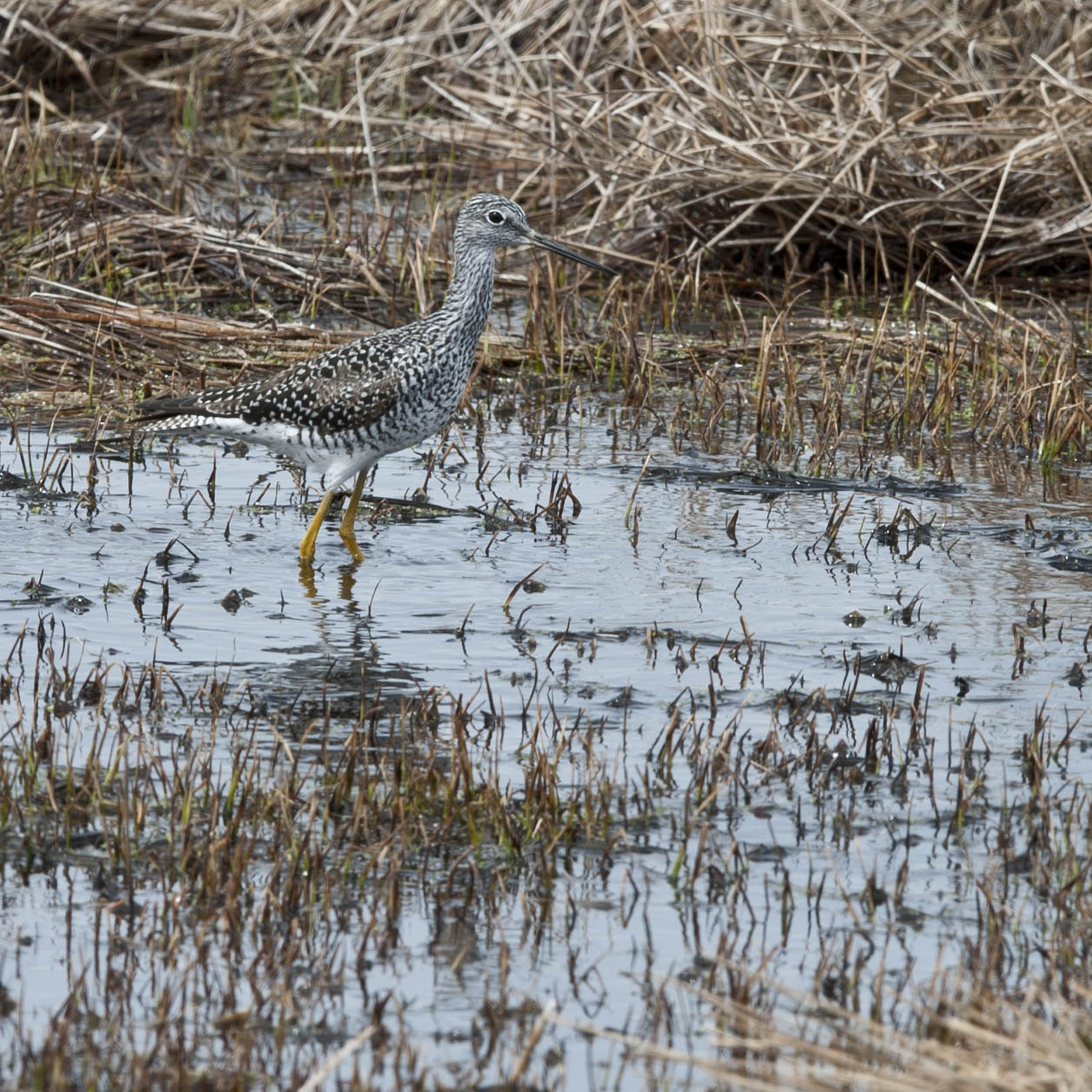
Yellowlegs, dowitchers, stilts and even a great tailed grackle enjoyed some time in the pool.
Water_3

Having open lands and bit of available water is vital for many migratory birds making the spring journey to their breeding grounds. With development of open farmlands and ranches for housing, business parks and the wonderful strip mall birds lose both land and water in which they need and humans in turn lose another connection to the other creatures we share the planet with.
Water_5

These farmers fields will dry up in the blink of an eye but for now support life not only for bird habitat in the spring but they also grow food for us humans as well. Less farmland, more development. Virtual reality birds and lab grown food. The future is looking bright.
Water_6

Time to get out and enjoy what we still have.
Common Grackle

Grackle

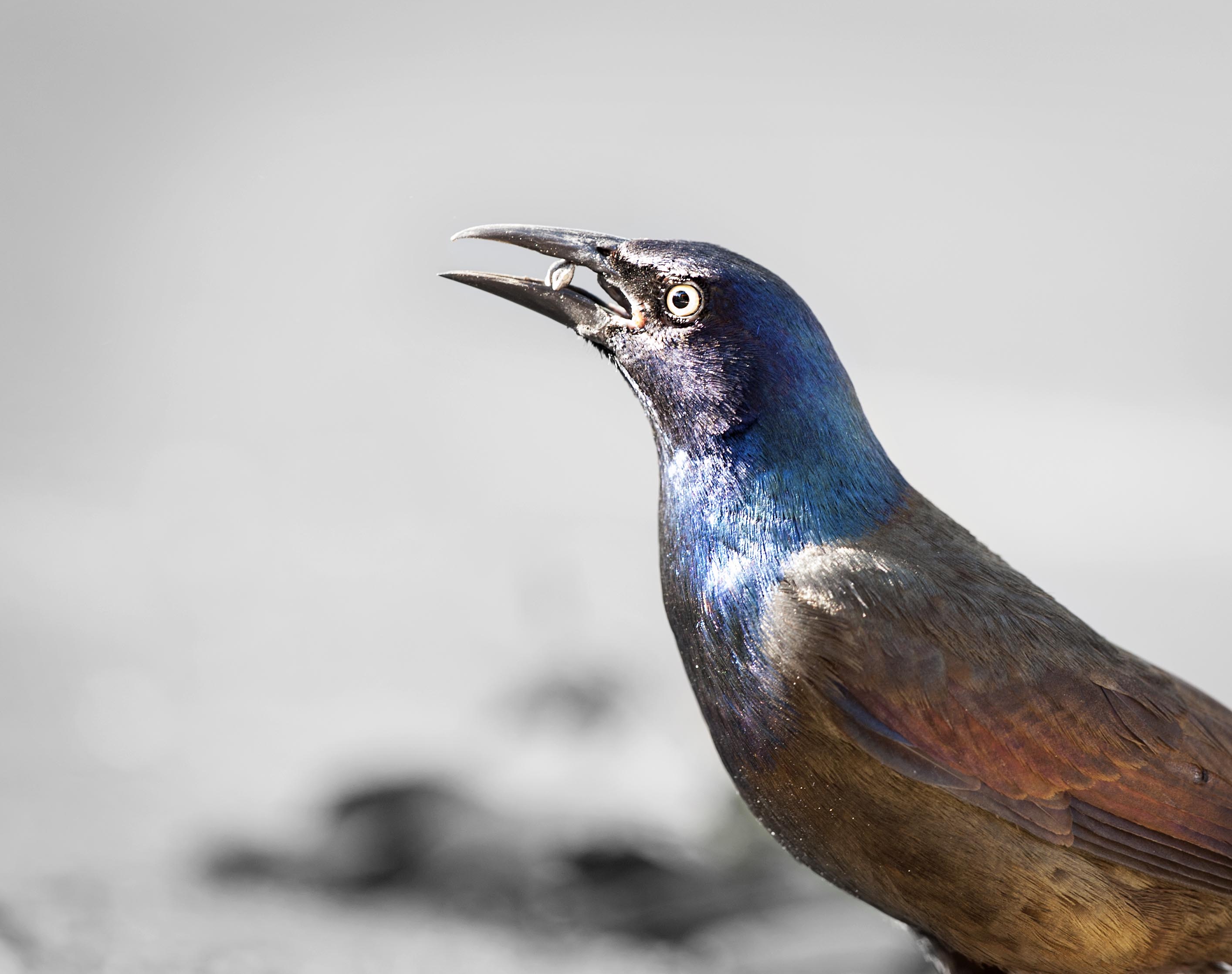
Announcing their presence with those wonderful squeaky sounds the Grackles are back in town. Isn’t it amazing that when photographed, in just the right light, a bird that looks jet black to your eyes is actually a multi-colored work of art. And eyes as cute as buttons…or are they buttons?

Puffed Out

Swallow_1

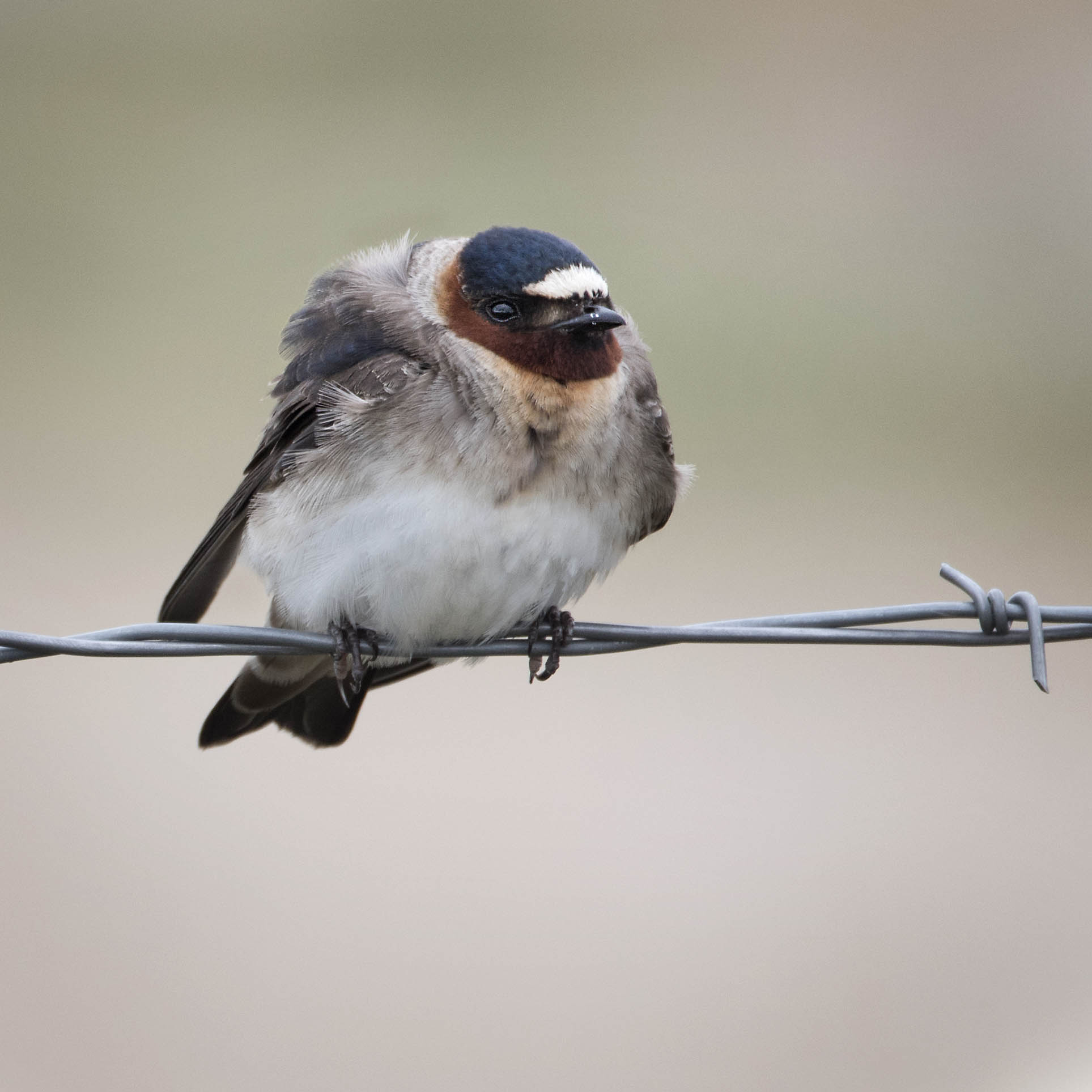
All puffed out and waiting for the sun to warm things up before hitting the lake to collect bugs.

There were literally billions, well OK, there were a boat load of swallows buzzing around the lakes in North Park last weekend collecting bugs off the top of the water. We went out early one morning to catch the action but it was cold and most of the swallows were hunkered down and puffed out trying to keep warm and the sun to come out.

Sage Thrasher

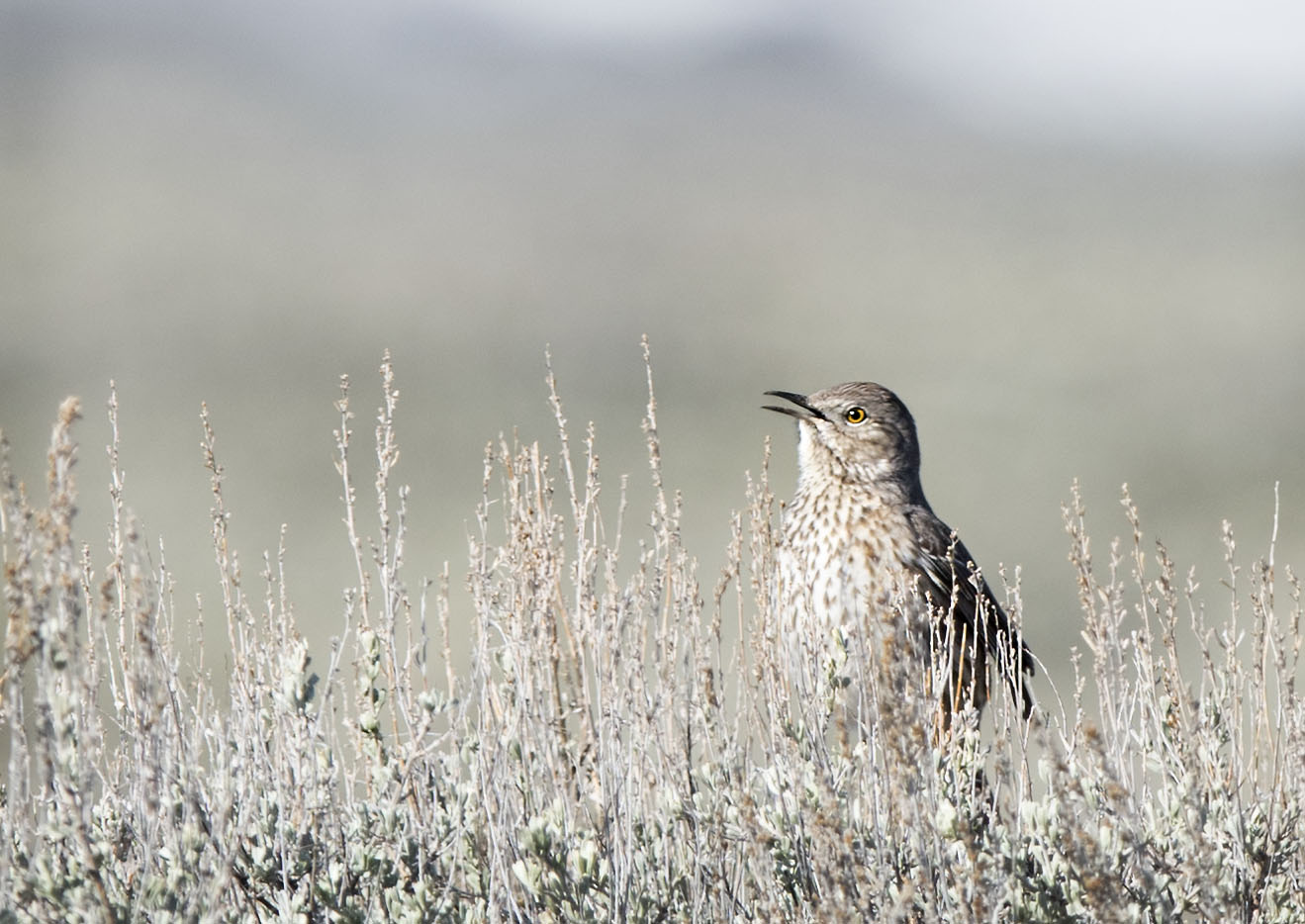
We watched and mostly listened as this male Sage Thrasher sang his long and complex song from the top a the sage brush on a quiet dirt road near Walden, CO.

According to All About Birds “males have long, complex, melodic songs, with remarkable variety. The rambling series of phrases, often preceded by soft clucking notes, is continuous and interspersed with moments of repetition and mimicry. Songs can be very long indeed; one male was recorded singing for 22 minutes straight.”

While this guys song was not a whopping 22 minutes it did go on and on leaving me out of breath just listening.

https://www.allaboutbirds.org/guide/Sage_Thrasher/sounds