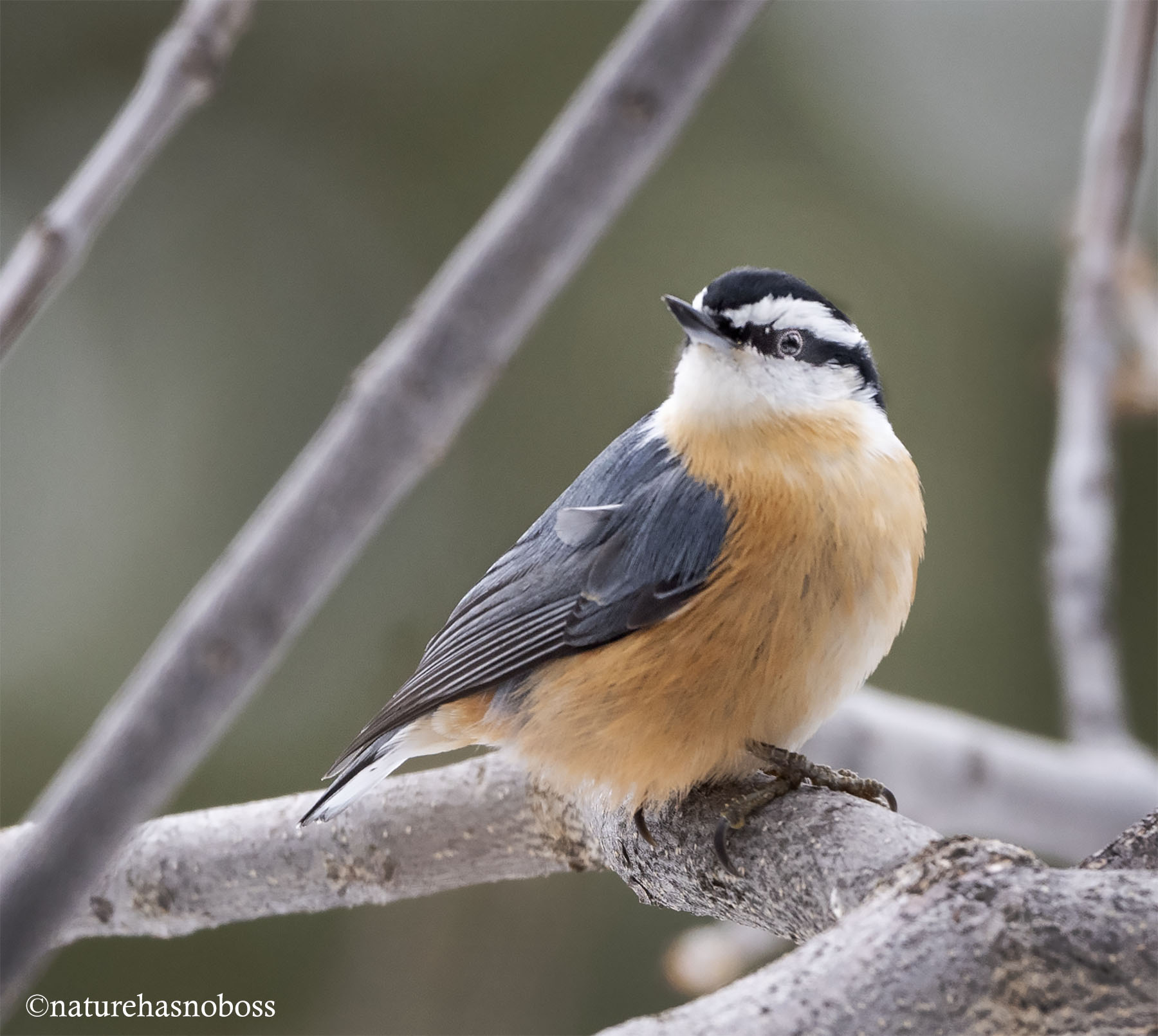
One of our locals we know quite well a Red-Breasted Nuthatch we call Hatchmo. In winter, when the doors are closed, and the windows shut, it sure is comforting to open the door and be treated with that familiar honk-honk-honk. A wonderful break from that pandemic isolation.
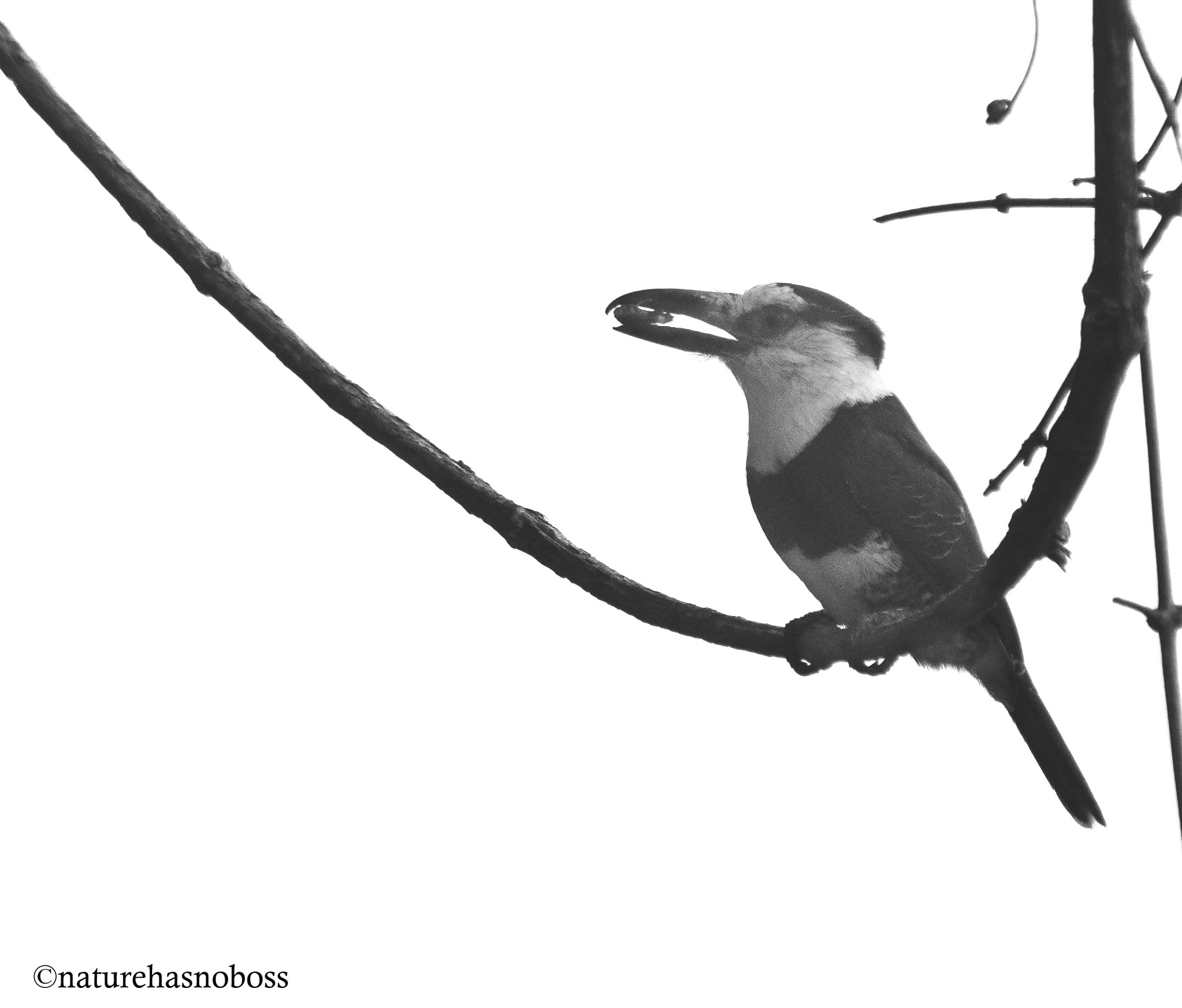
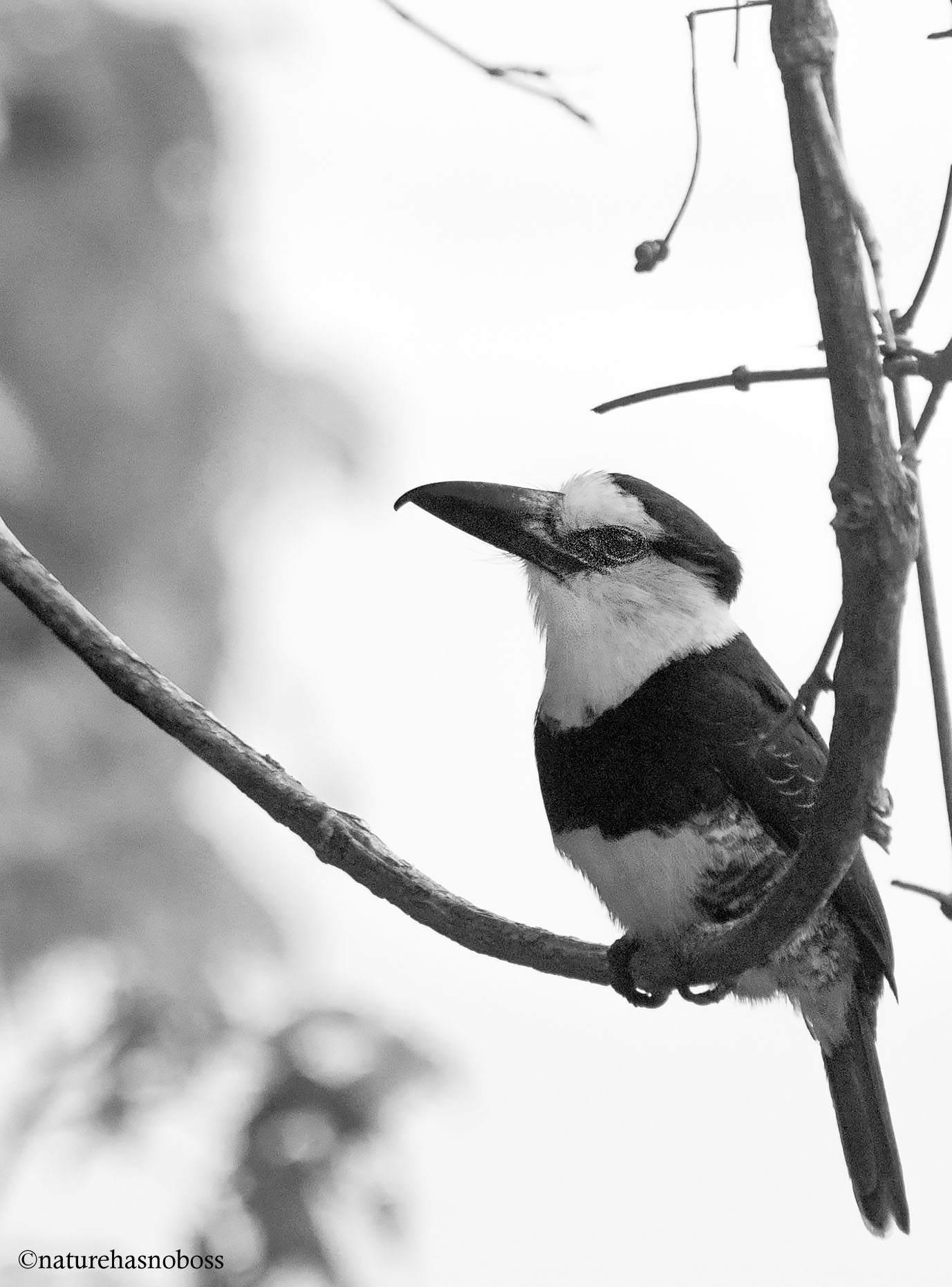
The White-necked Puffbird is one of the largest puffbirds to roam the forests from Southern Mexico all the way to Amazonia. While the White-necked Puffbird can be found from ground level to the top of the forest canopy it is more frequently found in the canopies making it more often seen than heard. The White-necked Puffbird forages mainly on insects although they will take both vegetable matter from time to time.
This bird was perched in the forest canopy and sallying out to forage. It was a very gray day and good light was not to be found but we had a good time trying to capture a photo or two of this interesting bird.
Reference:
del Hoyo, J., N. Collar, and G. M. Kirwan (2020). White-necked Puffbird (Notharchus hyperrhynchus), version 1.0. In Birds of the World (J. del Hoyo, A. Elliott, J. Sargatal, D. A. Christie, and E. de Juana, Editors). Cornell Lab of Ornithology, Ithaca, NY, USA. https://doi.org/10.2173/bow.whnpuf2.01
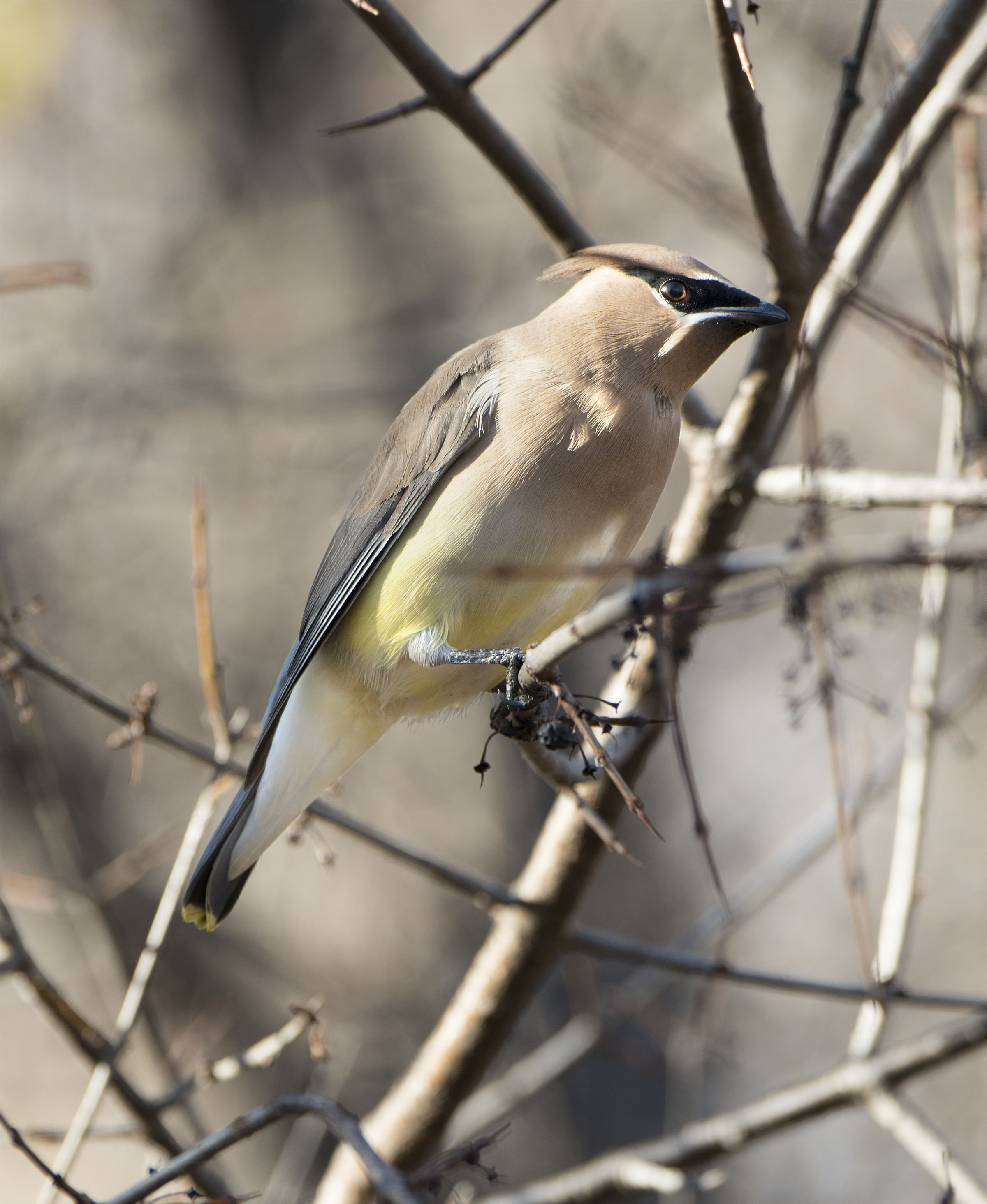
Cedar Waxwings picking over the same patch of dried berries that the Robins found appealing in yesterdays post. We only see the Waxwings for a week each year and only in the fall. This year they were right on schedule and arrived sometime during the last week of November and had departed by last weekends walk through the woods.
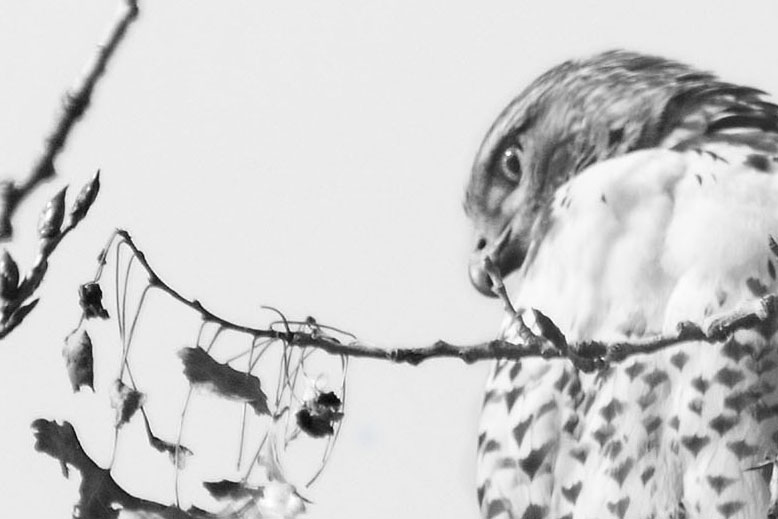
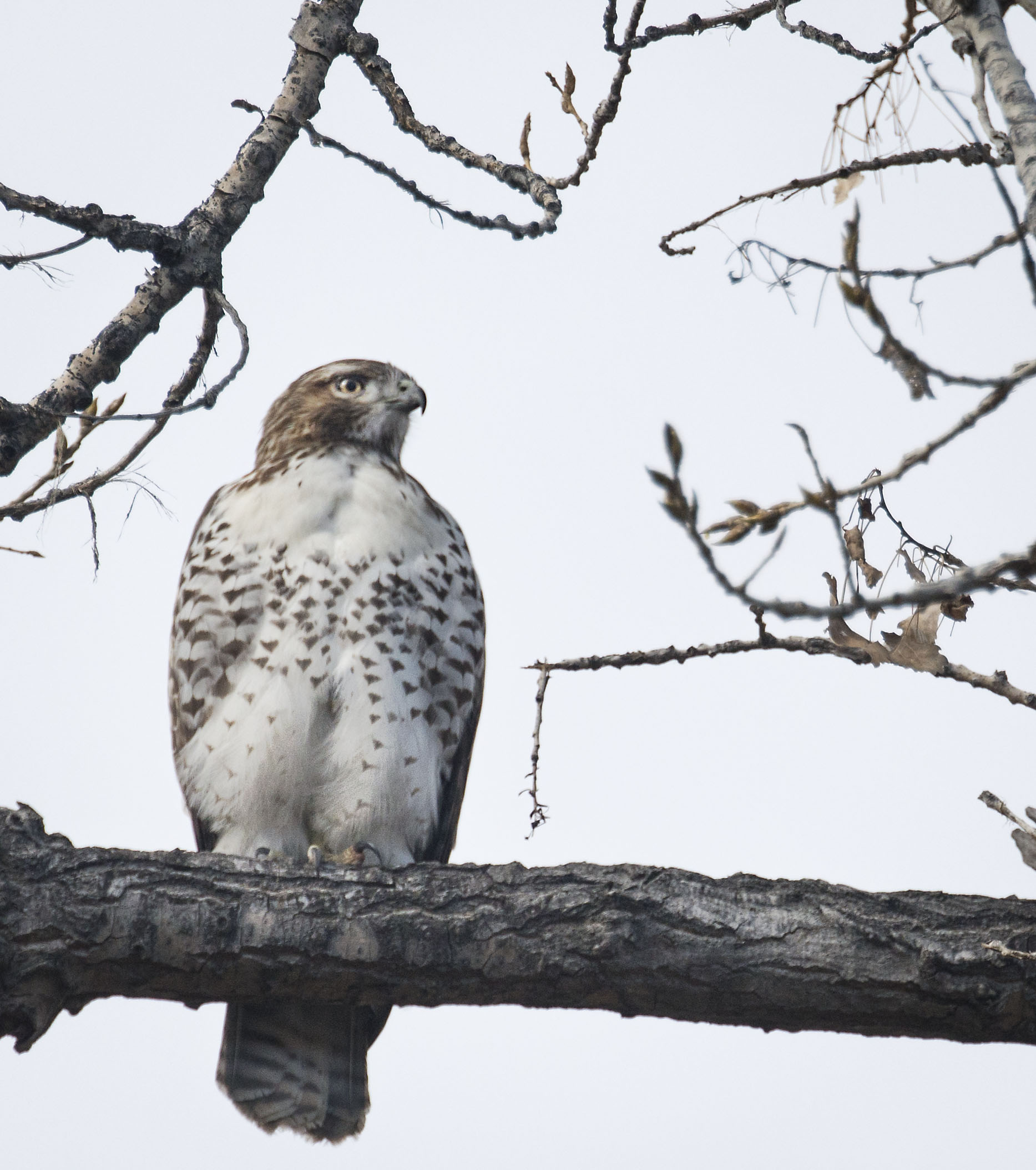
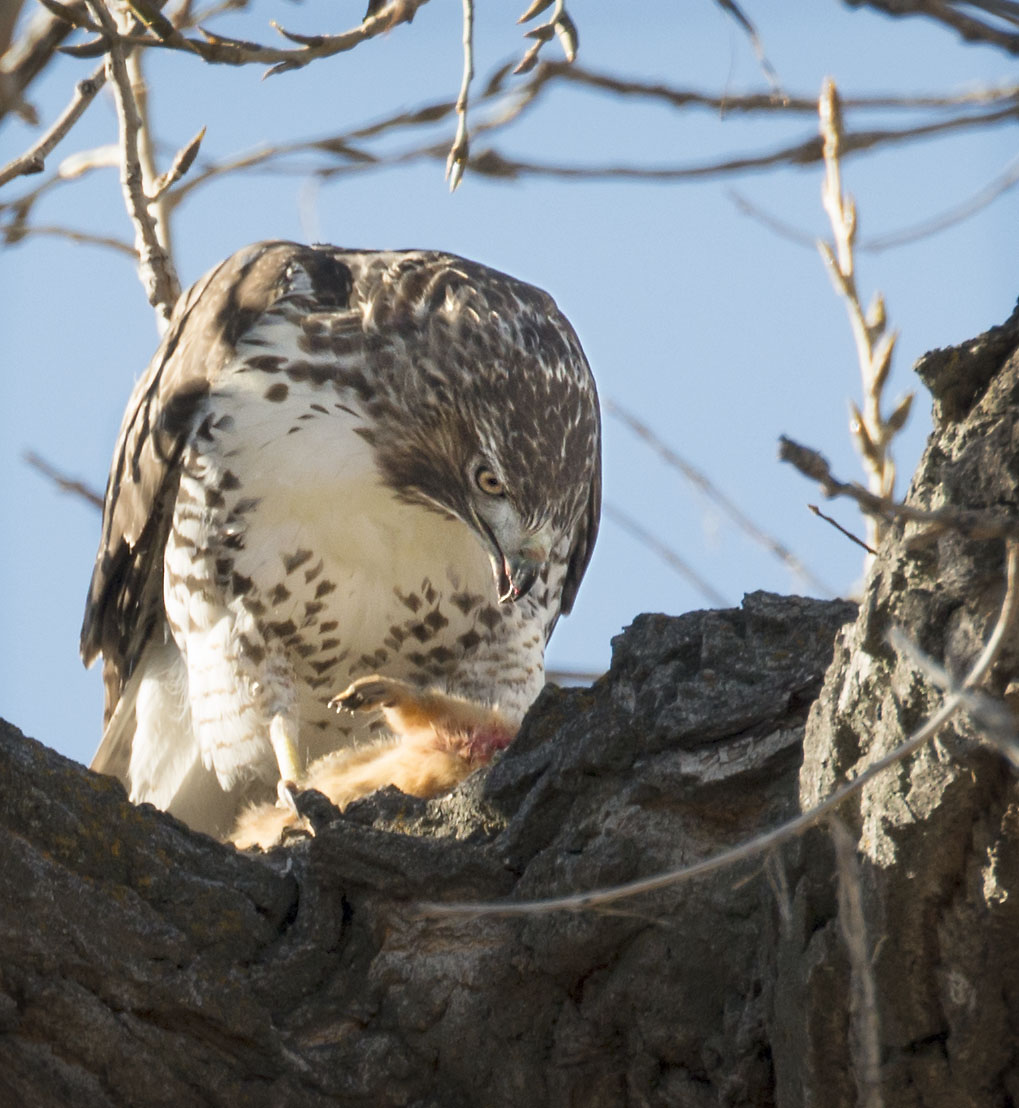
We watched this Coopers Hawk move move about from tree to tree ever vigilant for and aware of their potential next meal. Although we did not see the chase we saw the result as squirrel was on this Hawks menu.
Unlike previous winters where Mountain Chickadees were the predominant species of chickadee in our neck of the woods this winter the Black-capped Chickadees seem to be the most abundant. We have come to affectionately refer to the Mountain Chickadee simply as spunky wheras the word “sweet” seems to be the best descriptor of the the neighborhood Black-caps. It’s fun to have both species around and to be able to really get to know their personalities and who doesn’t like a bit of sweet to liven up a winters day.
A Clay Colored Thrush like many other thrushes has an understated beauty. A wonderful singer and you can hear why it was previously named the clay colored robin.
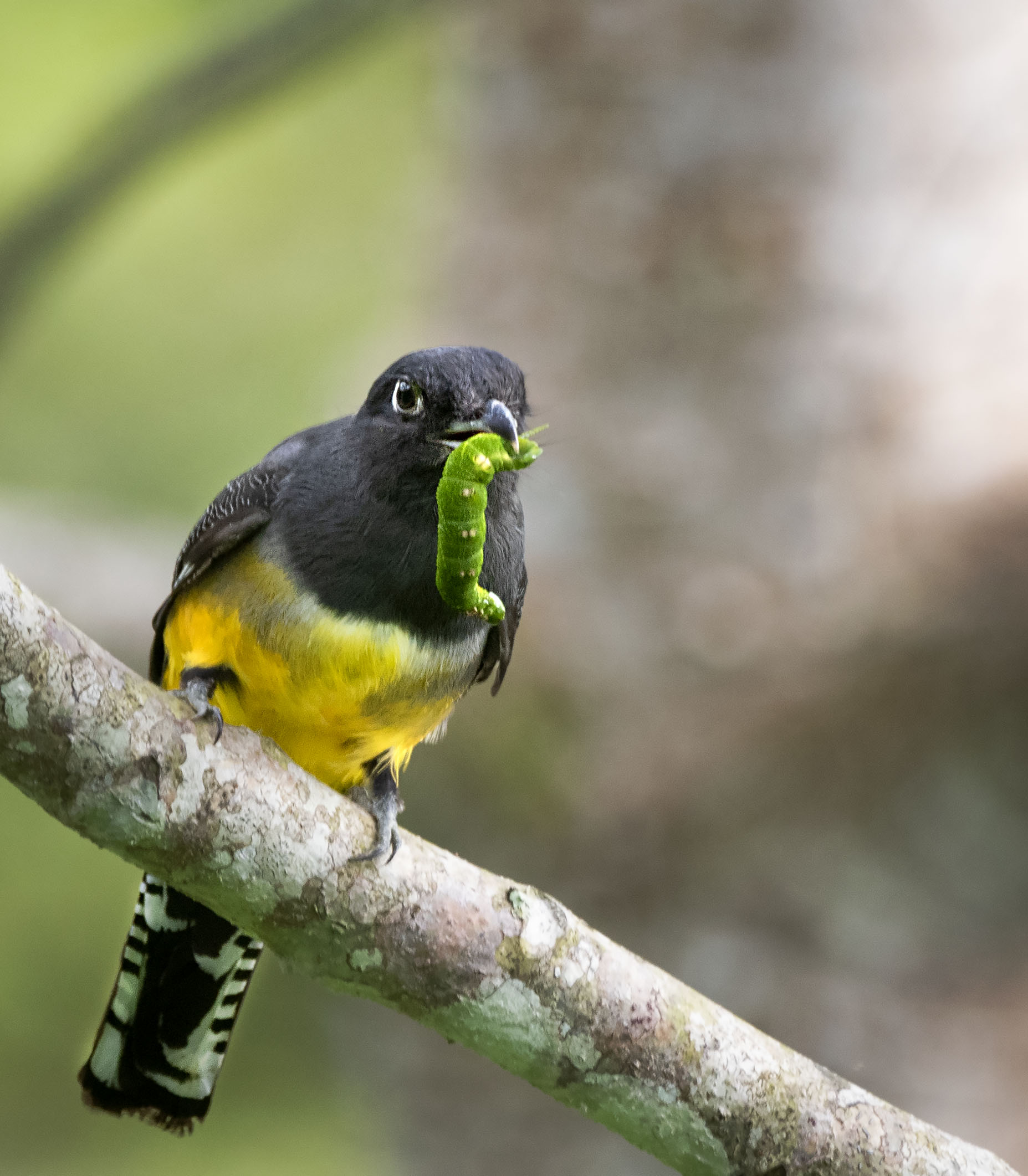
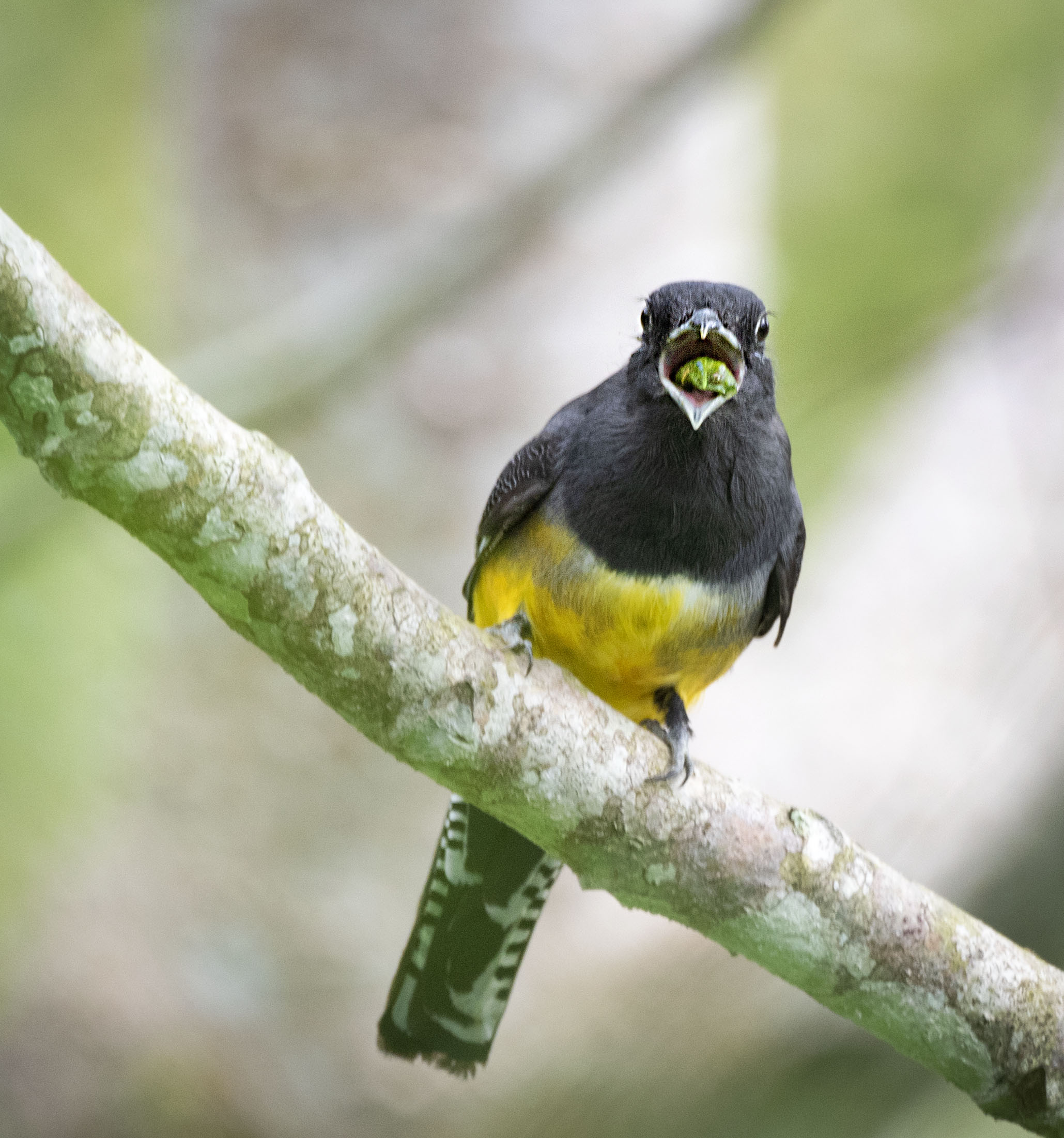
We watched for a awhile as a Gartered Trogon perched on a branch intently watching the forest floor below. After a few minutes the bird flew down to forest floor and returned to their perch with prize in beak. It took them a minute or so to correctly position their catch but once they did it was….
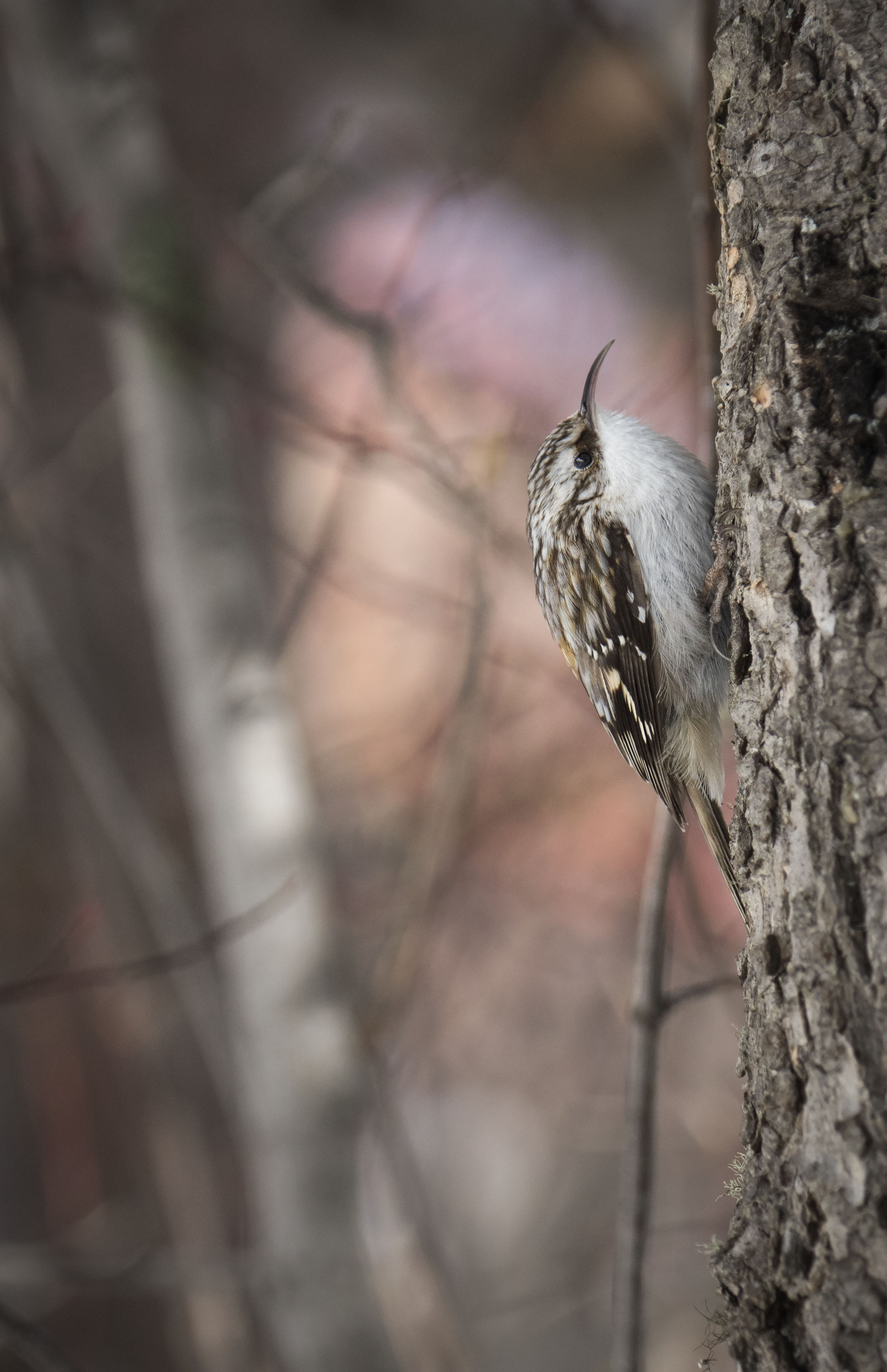
While the nuthatches and chickadees visit the spruce trees in droves each winter we typically see only one or maybe two Brown Creepers busy foraging in the trees. We suspect they are after the seed that the nuthatches have just hidden.
Easy pickings or are they still searching for insects?
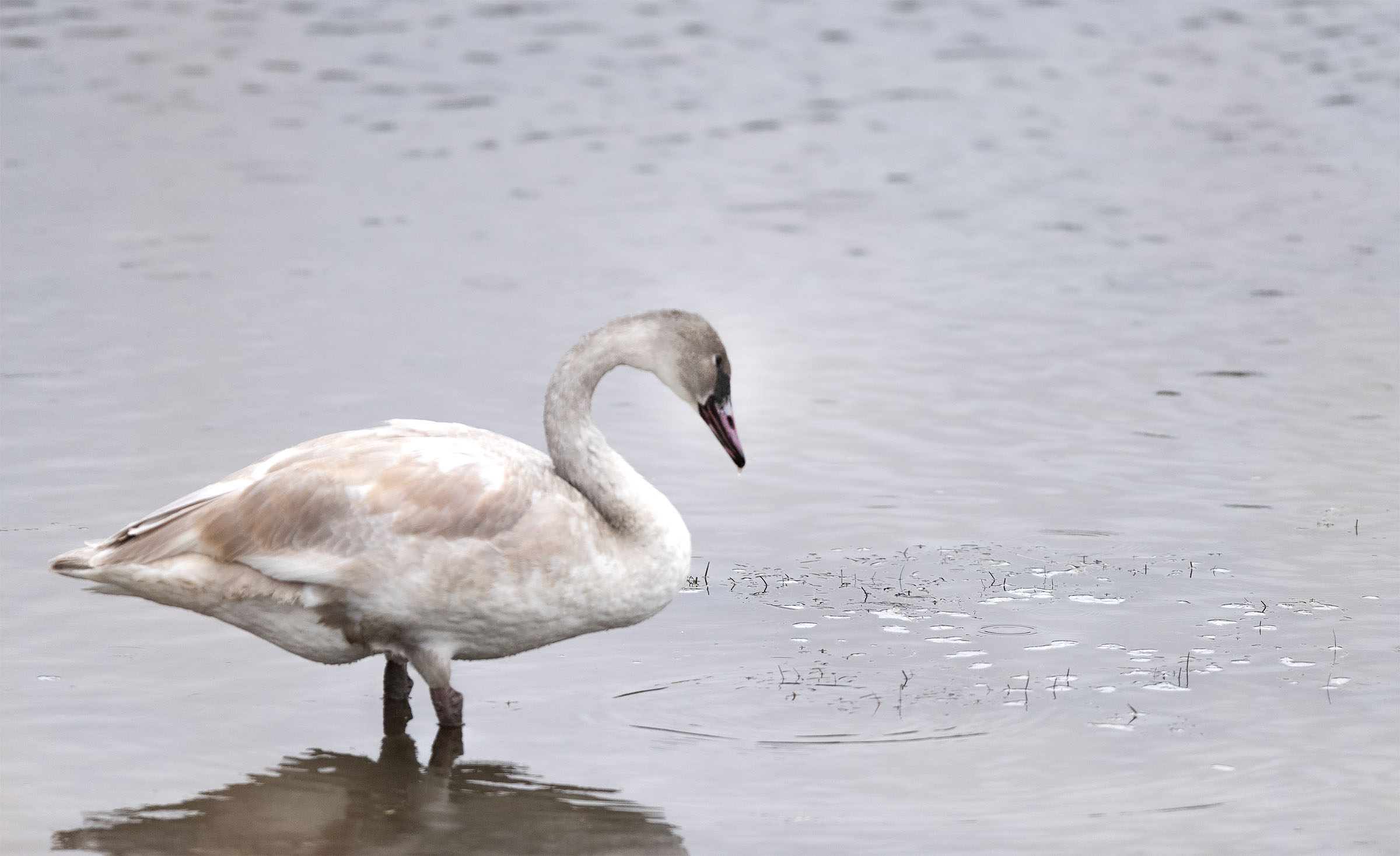
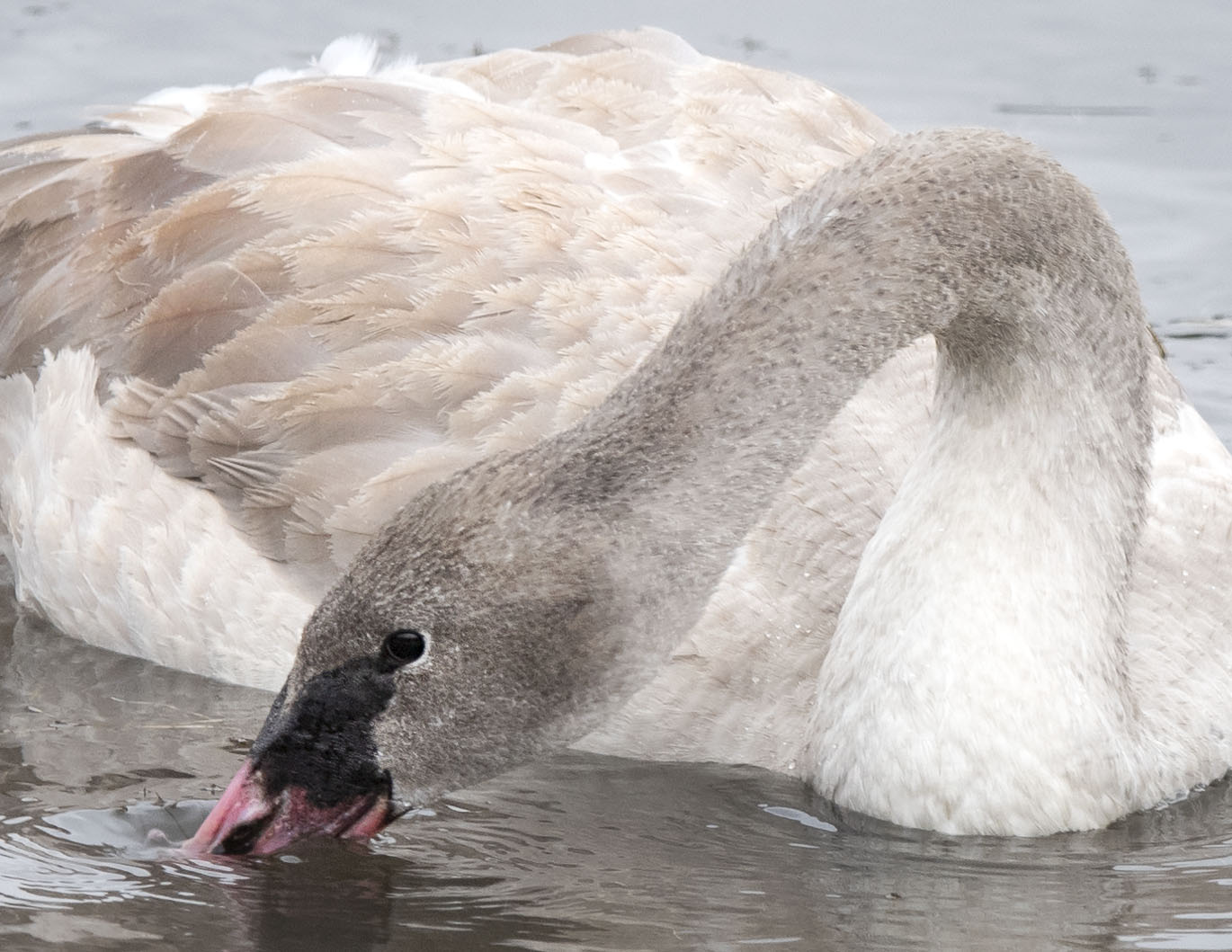
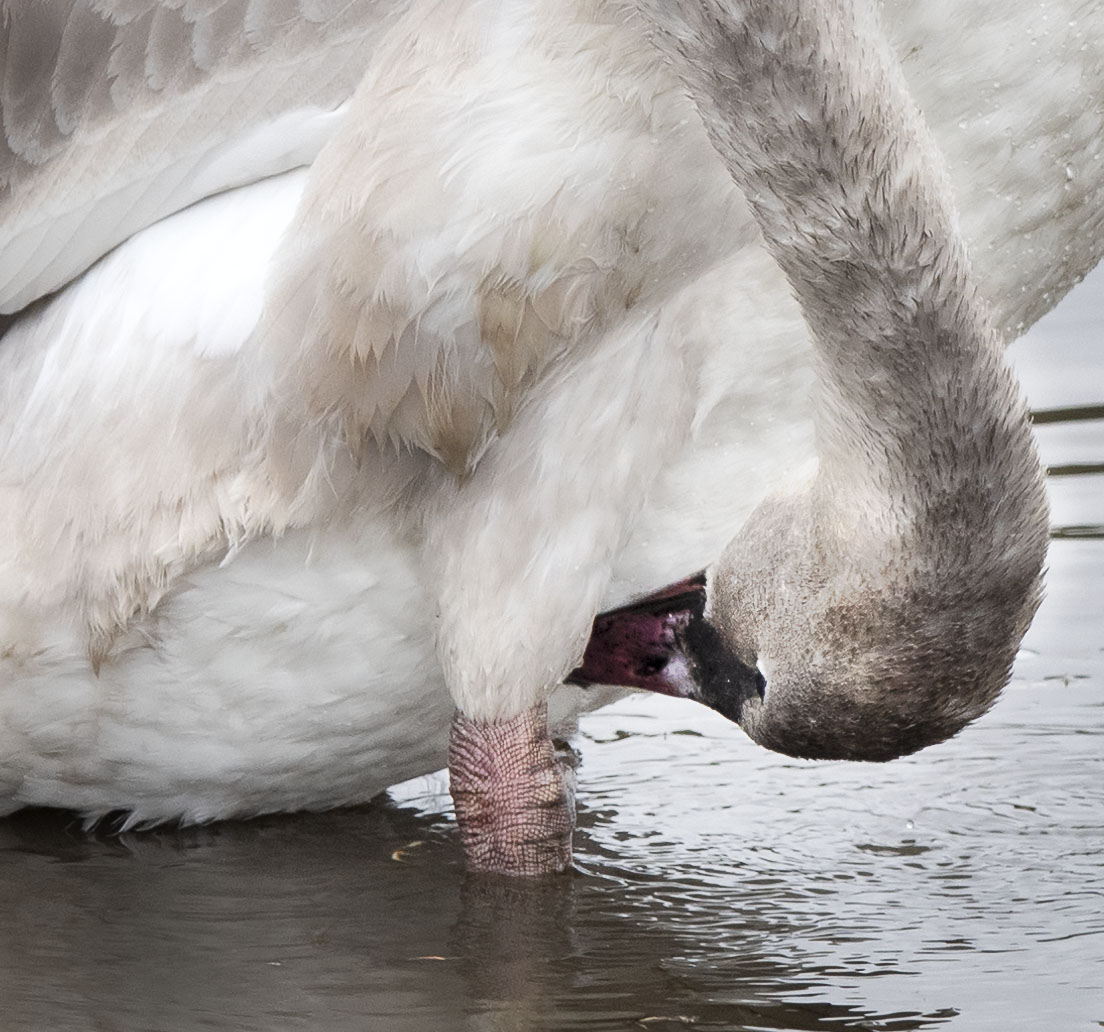
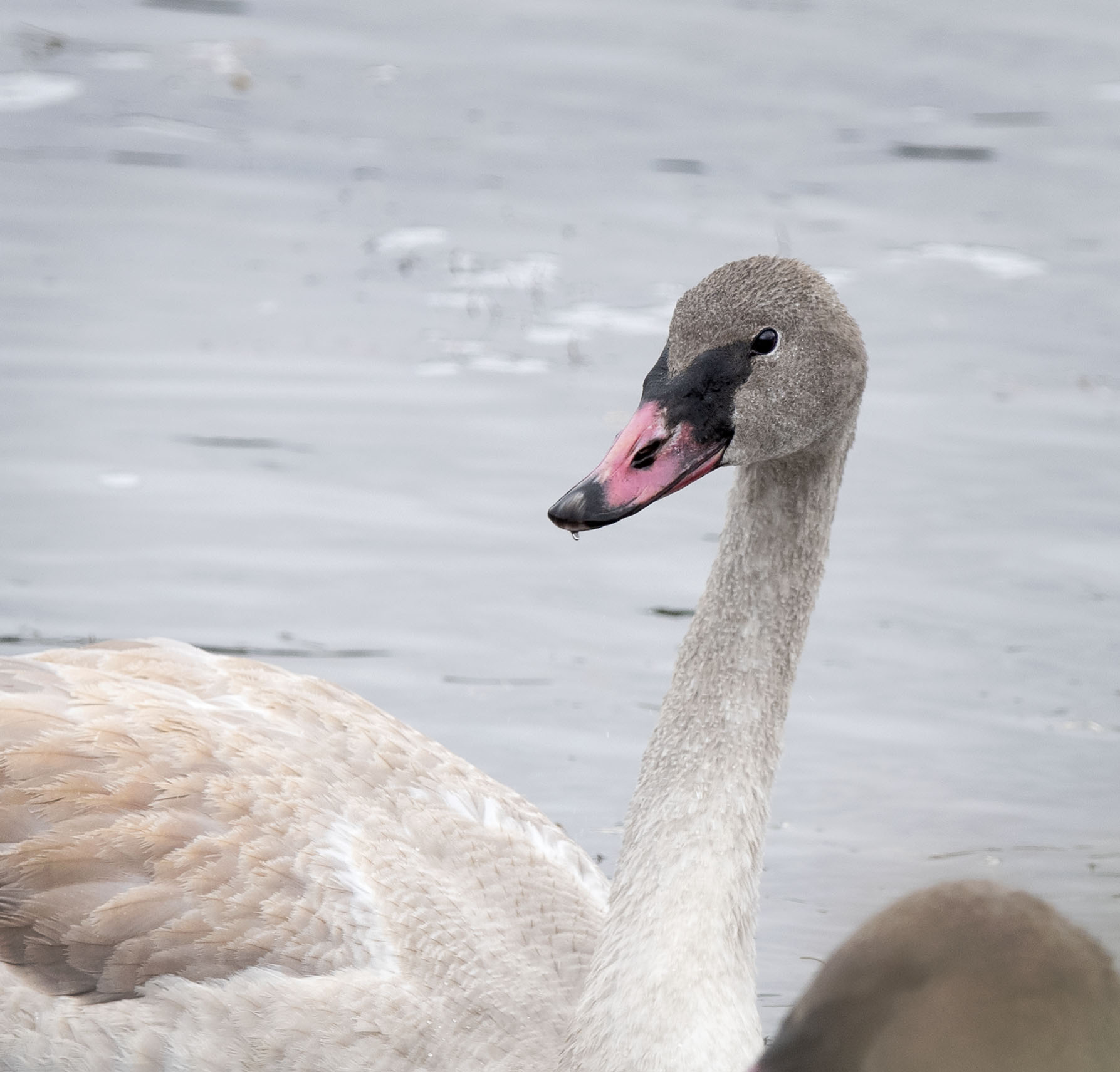
A Cygnet Trumpeter Swan going about their daily routine on an overcast late fall afternoon. The weather this day sure seemed to be saying it was time to move along further south soon. Yet this Cygnet seemed content and we watched as they went on..
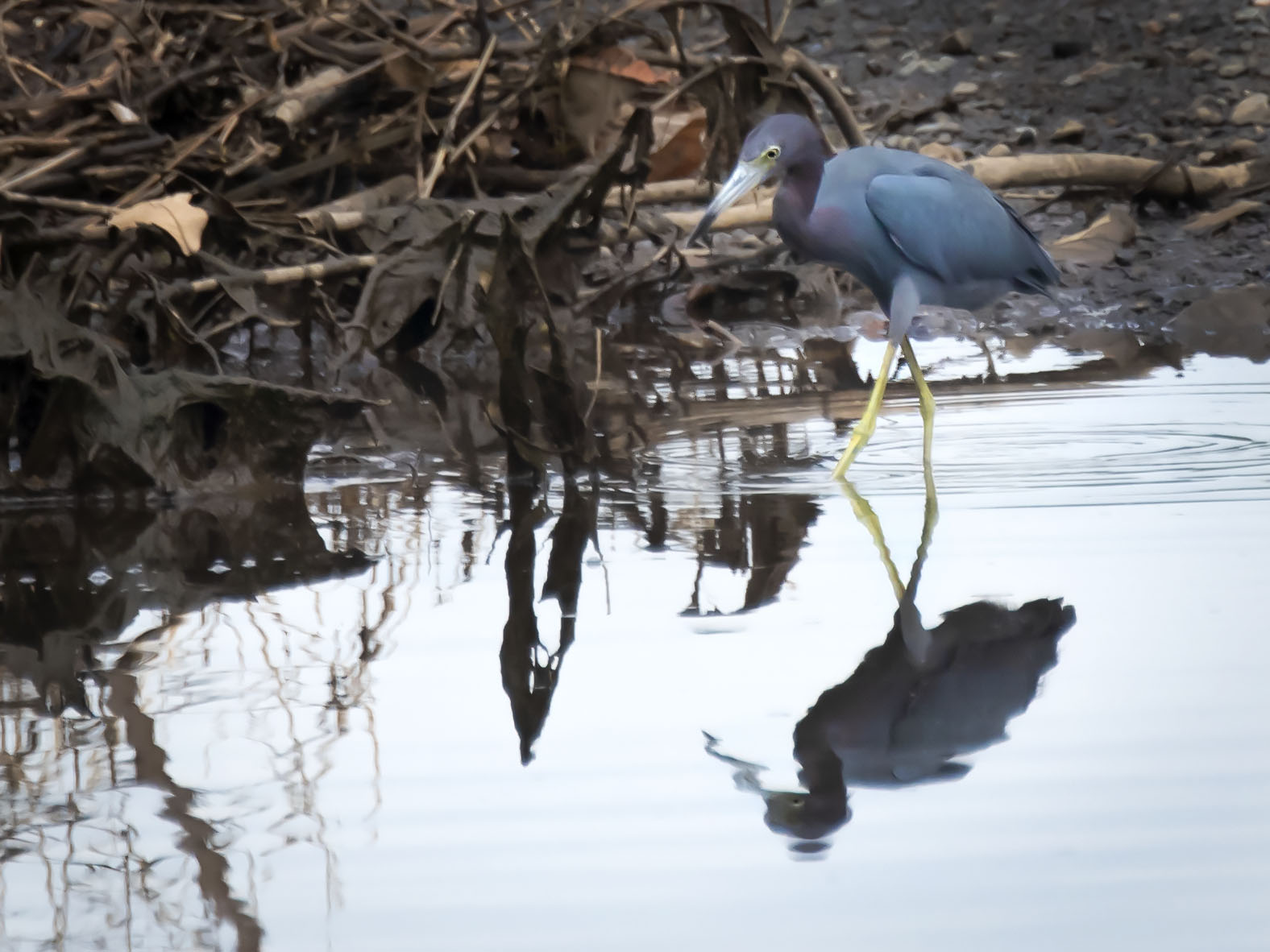
A solitary Little Blue Heron foraging on an overcast day. While the Juveniles are white this adult displays a beautiful purple-blue plumage distinct to this species. With their dark plumage these birds are a bit more difficult to notice foraging around the waters edge.




 nature has no boss
You must be logged in to post a comment.