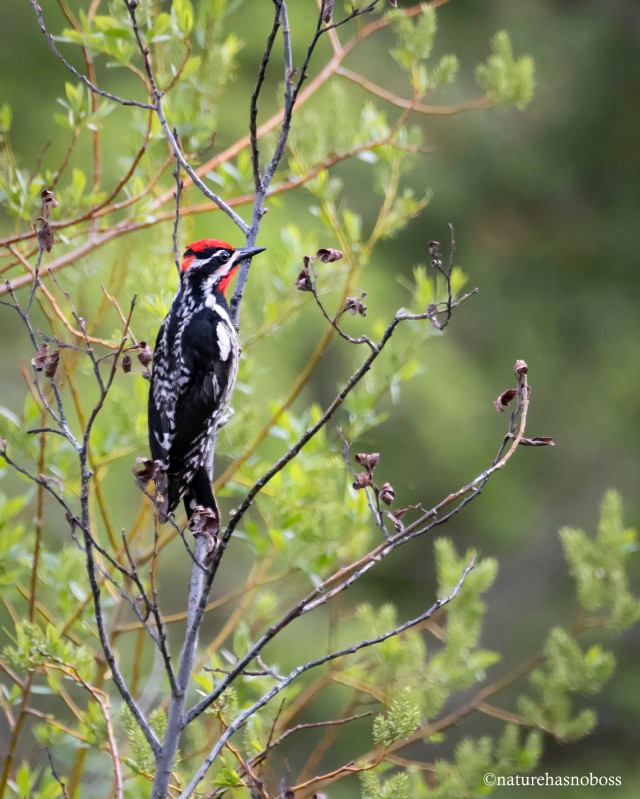
Red-naped Sapsucker

Red_naped_sapsucker_2314 copy

A Red-naped Sapsucker appeared out of the aspen forest to perch on the shrubs for just a moment before flying off into the forest.

“Red-naped Sapsucker nest holes make good homes for other species. Many species that nest in holes don’t have a specialized bill needed to carve out their own home, including Mountain Bluebirds, nuthatches, and chickadees. The small holes excavated by sapsuckers provide safe places for smaller hole-nesting birds to nest.1

Reference:

  1. All about birds: Red-naped Sapsucker.
Atomic Fireball: aka Flame

Atomic_fireball_7823

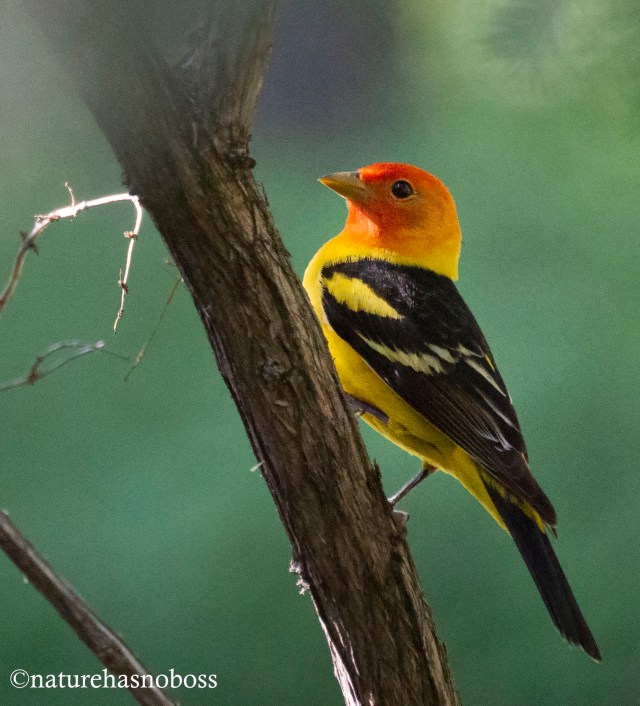
We hear the Western Tanagers calling every morning and evening from late May until early August and despite the brilliant colors of the males good looks are few and far between as they move quickly in the upper story of the conifers nearby.

The brilliant red color of the Males is unique.

“While most red birds owe their redness to a variety of plant pigments known as carotenoids, the Western Tanager gets its scarlet head feathers from a rare pigment called rhodoxanthin. Unable to make this substance in their own bodies, Western Tanagers probably obtain it from insects in their diet.”1

This day we got a nice look at this male, which we have fondly dubbed flame, perched in the midlevel of the trees.  What a beautiful bird.


Reference:

1.https://www.allaboutbirds.org/guide/Western_Tanager/overview

Fresh

Junco_portrait_126734

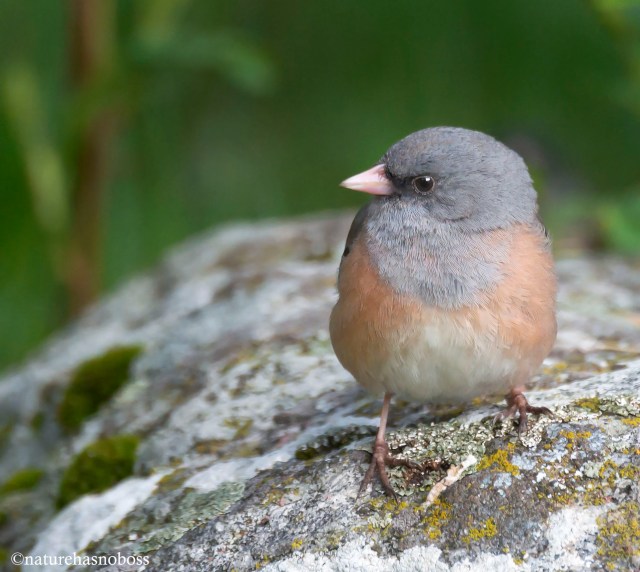
After a winter taking Dark-eyed Junco portraits in the snow a fresh view of this cute little guy as well…refreshing. Green leaves in the background as well as soft looking, clean and very spring like feathers made for a nice portrait.