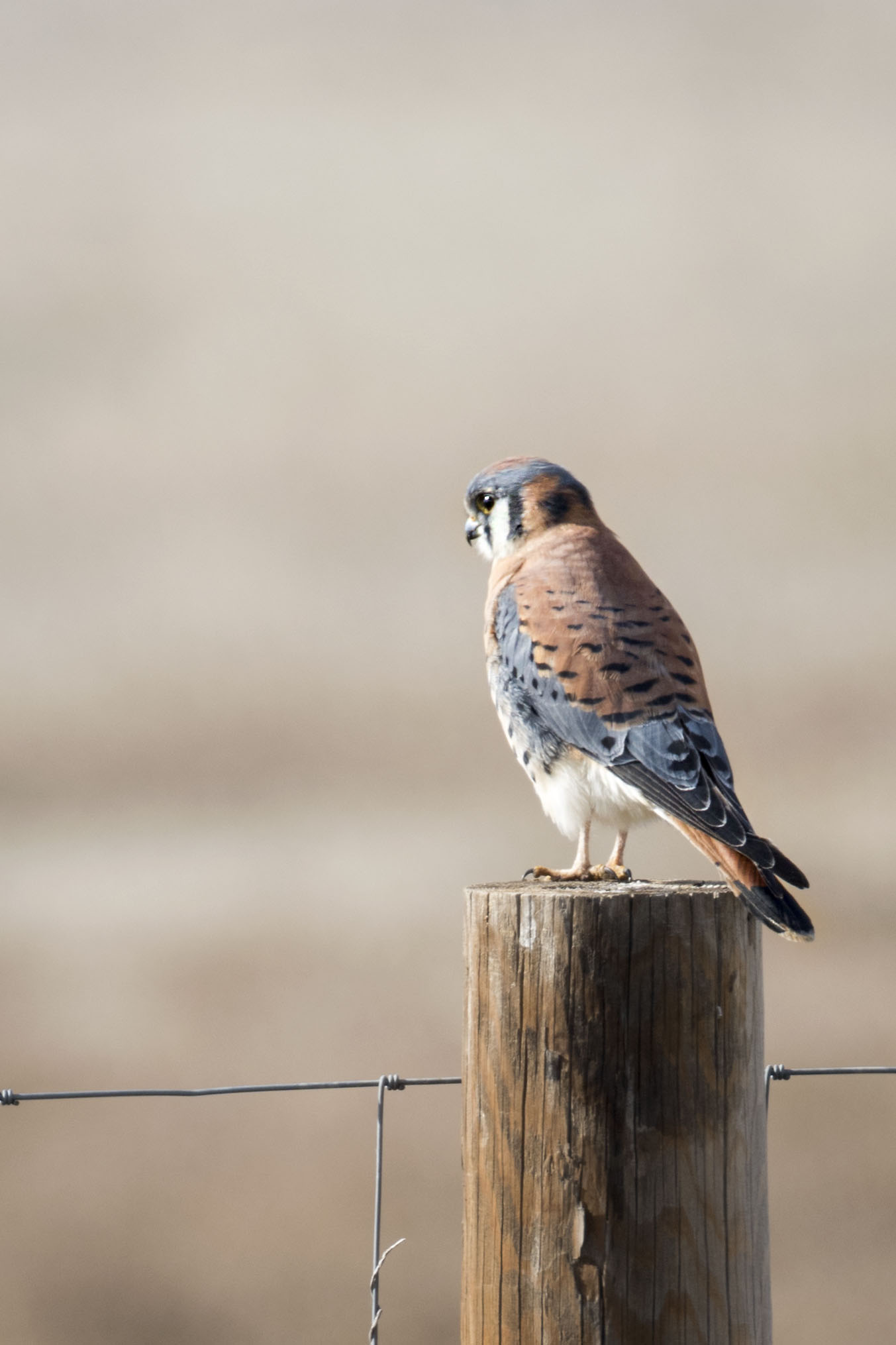
American Kestrel

An American Kestrel sat quietly surveying the field on a late November day out in the Rocky Mountain Arsenal National Wildlife Refuge near Denver, CO.
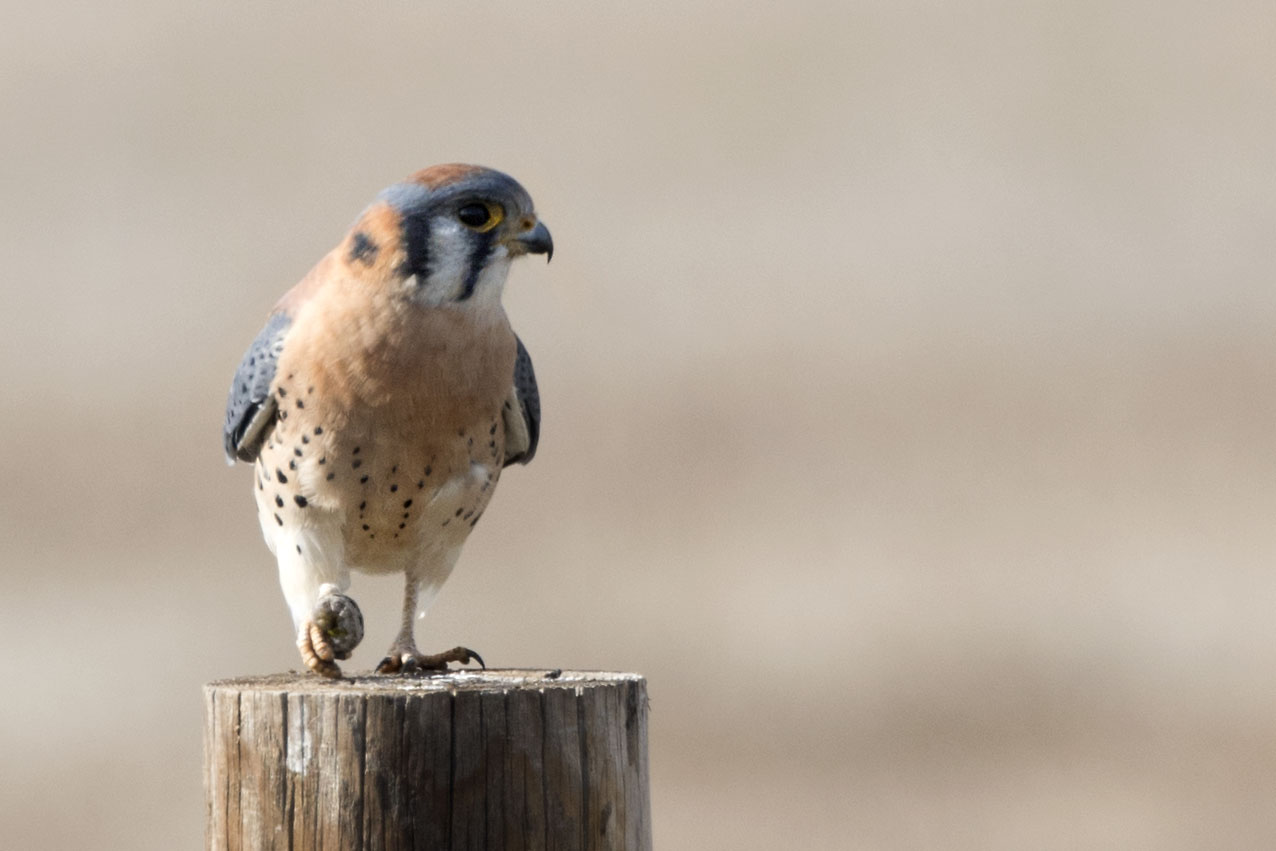
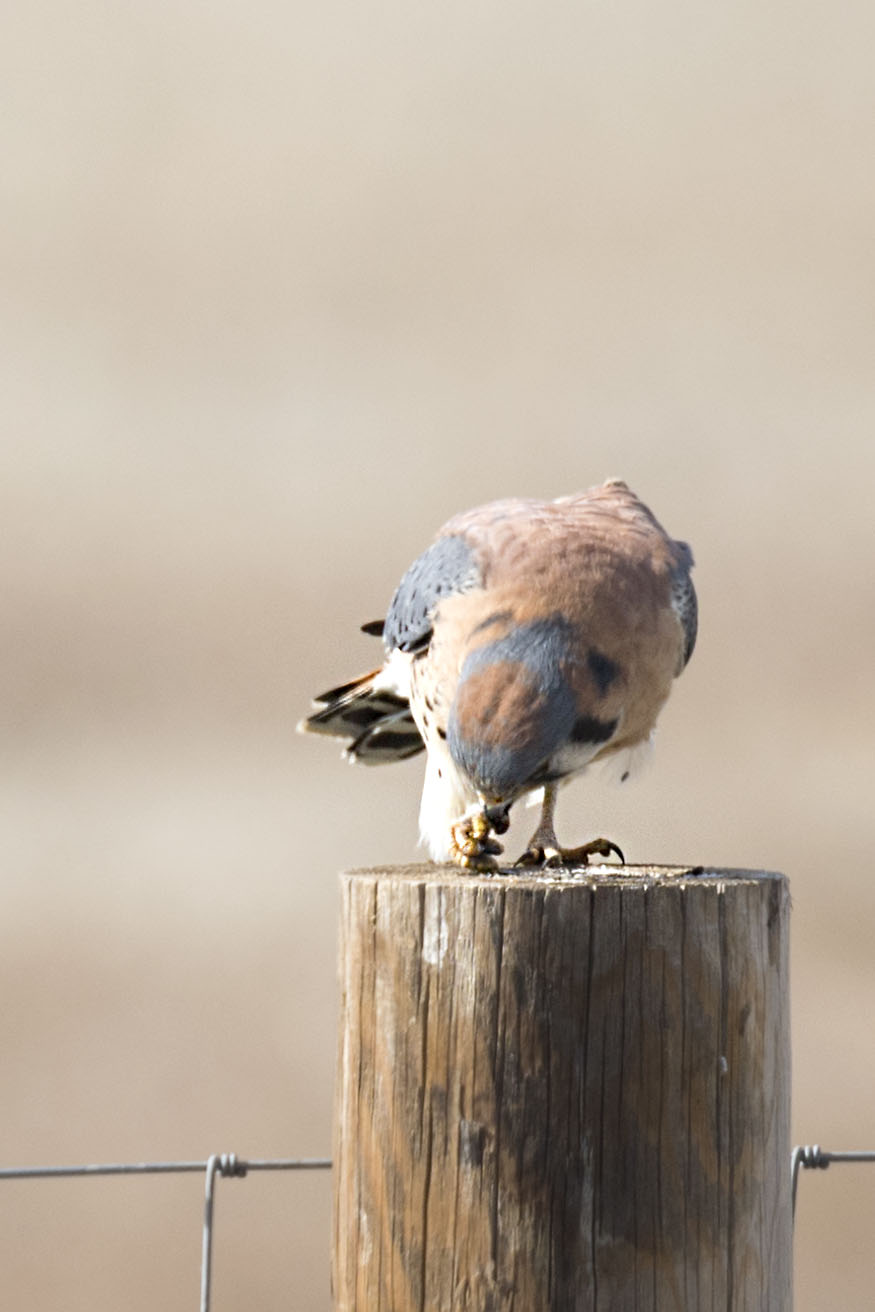
We watched as the Kestrel quickly swooped down into the dried brown fall grass and pulled up small juicy meals which looked to be caterpillars easily held in their toe.

After a few successful hunts from this one fence post the Kestrel glanced back to see how we had liked the show and then flew off down the road to find another hunting spot.

Swimming through air

An interesting new study by V. B. Baliga, I. Szabo, D. L. Altshuler entitled Range of motion in the avian wing is strongly associated with flight behavior and body mass suggests that rather than the shape of a birds wing per se it is the range of motion in the elbow and wrist joints that determine how a bird swims though the air. Some birds glide smoothly like a bald eagle while other can hover like a hummingbird and this paper suggest range of motion in the joint is the key. A interesting read for those who are interested both in biomechanics and evolutionary biology.

You can find a short summary in Science Daily here.

Will Most Birds Go Extinct?

Earlier this fall it was reported that over 3 billion birds or almost 1/3 the bird population has been lost in North America due to human enterprises. A new report from the Audubon Society demonstrates that about 66% of bird species in North America may be threatened with extinction resulting from anthropogenic climate change. The full report can be found here. The findings of this study are bleak to say the least. When you consider the fact that this report only focuses on climate change and does not consider other anthropogenic factors such as habitat destruction, pollution etc. a dark picture of a world with no birds could certainly be painted. Mass extinction events like the one we are in typically don’t end well for most species humans included. The report indicates that if we take action ASAP to reduce the rate and extent of warming there may be a ray of hope. How do you feel about living in a world without birds?

Click photo for slide show.

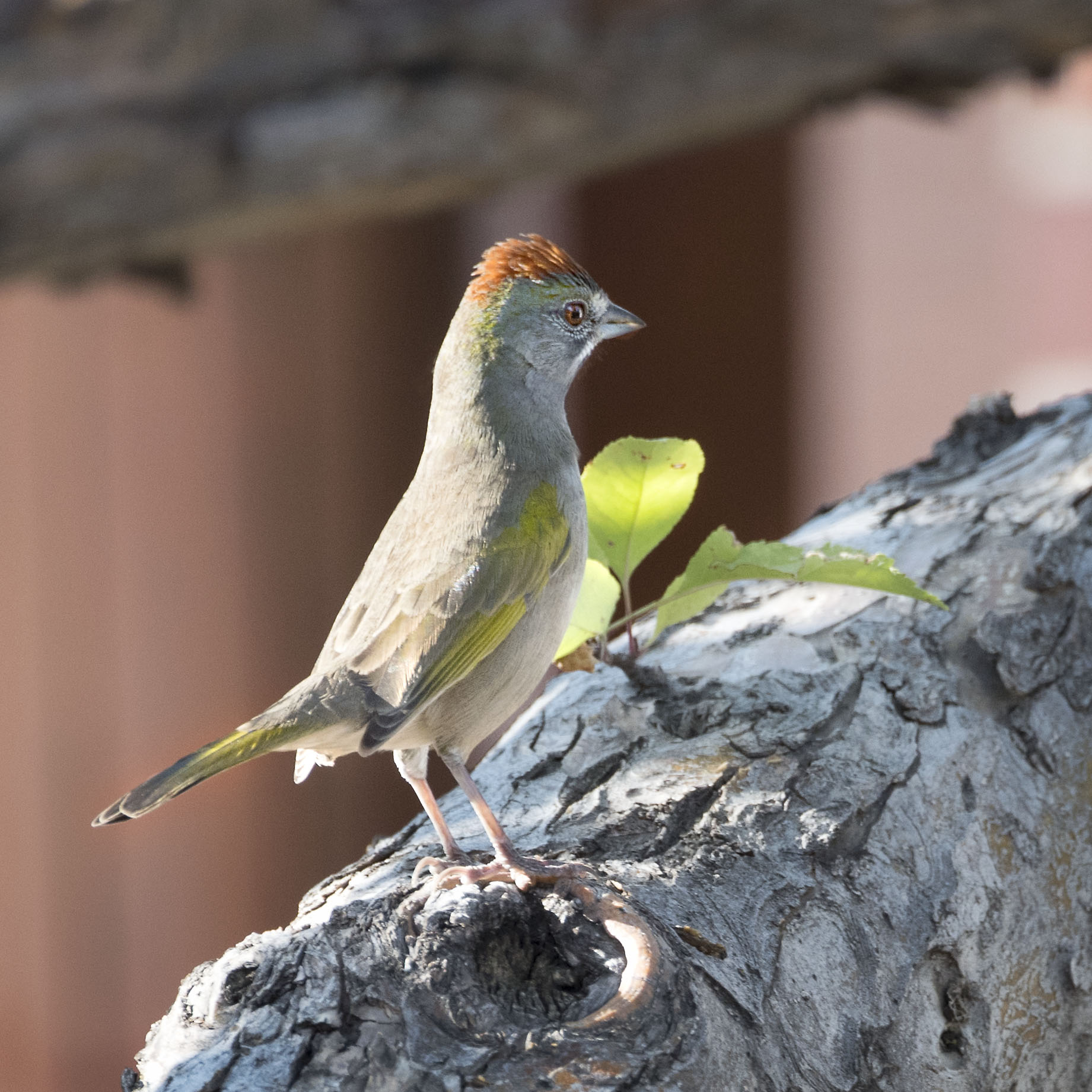
Green Tailed Towhee

The Green Tailed Towhee spends most of its time in dense low thickets, where it forages on the ground. Like other towhees, it scratches in the leaf-litter with both feet as it searches for food. It is somewhat secretive and difficult to see so we were thrilled to get a quick glimpse at this bird when it quickly flew from a berry thicket and landed on this tree for a few seconds.

https://www.allaboutbirds.org/guide/Green-tailed_Towhee/id
http://www.audubon.org/field-guide/bird/green-tailed-towhee

on a swivel

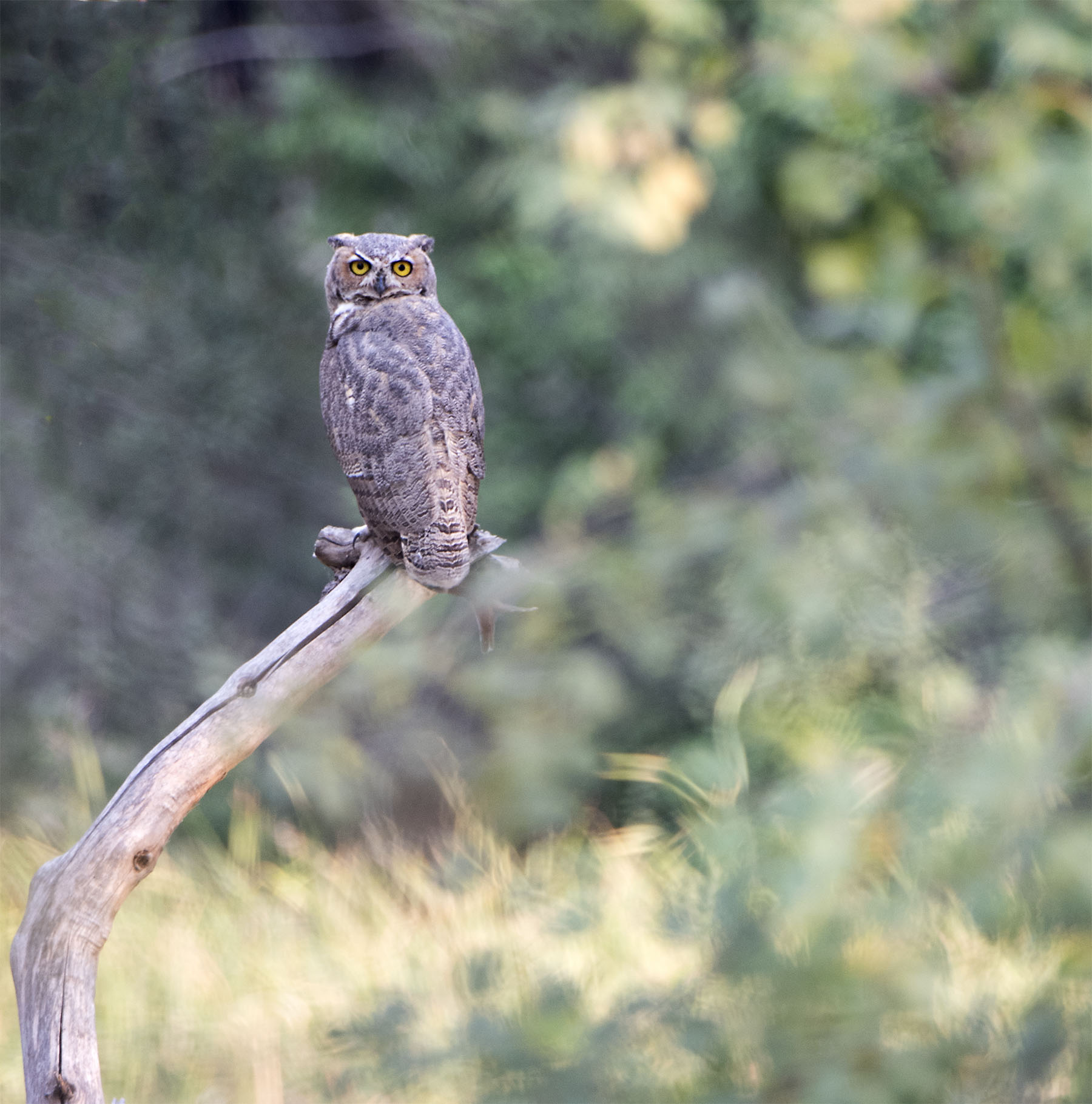
Quietly perched and giving us the 180 degree head turn like only an owl can give a Great Horned Owl waits in the early evening light for their day to begin.

Happy hunting to the owl and have a great weekend to all.

One nut at a time

RBNM_2904

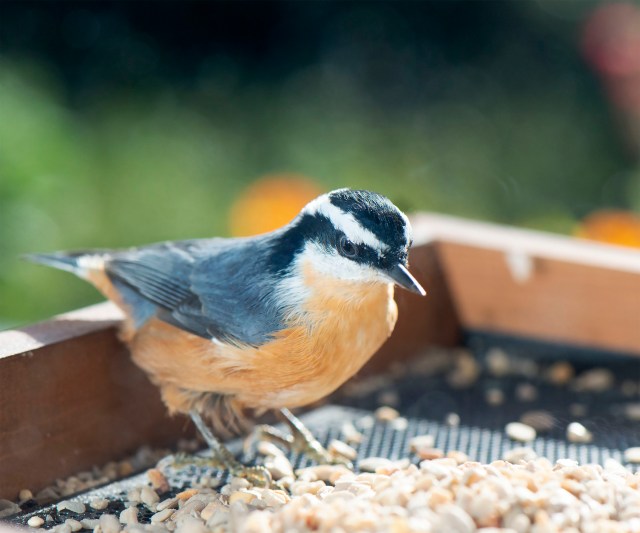
Working their way through a pile of sunflower seed one nut at a time. We love having the Red Breasted Nuthatches around as company. By mid-October  most of the migrating species have flown the coop for warmer climates but these little guys stick around all year long. Everything about them from their song to their perky behavior helps to brighten even the cloudiest day.