Simply Spring

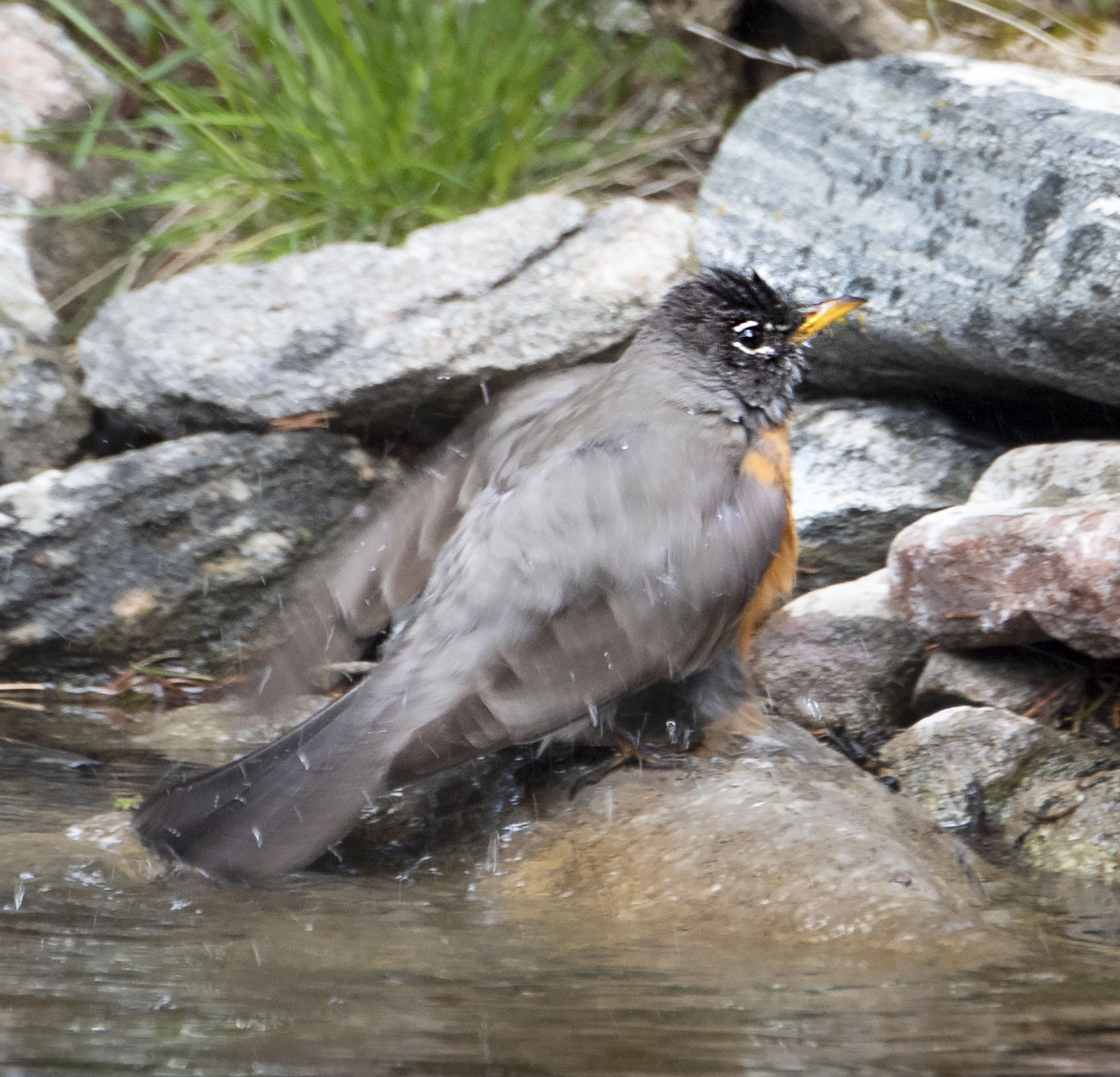
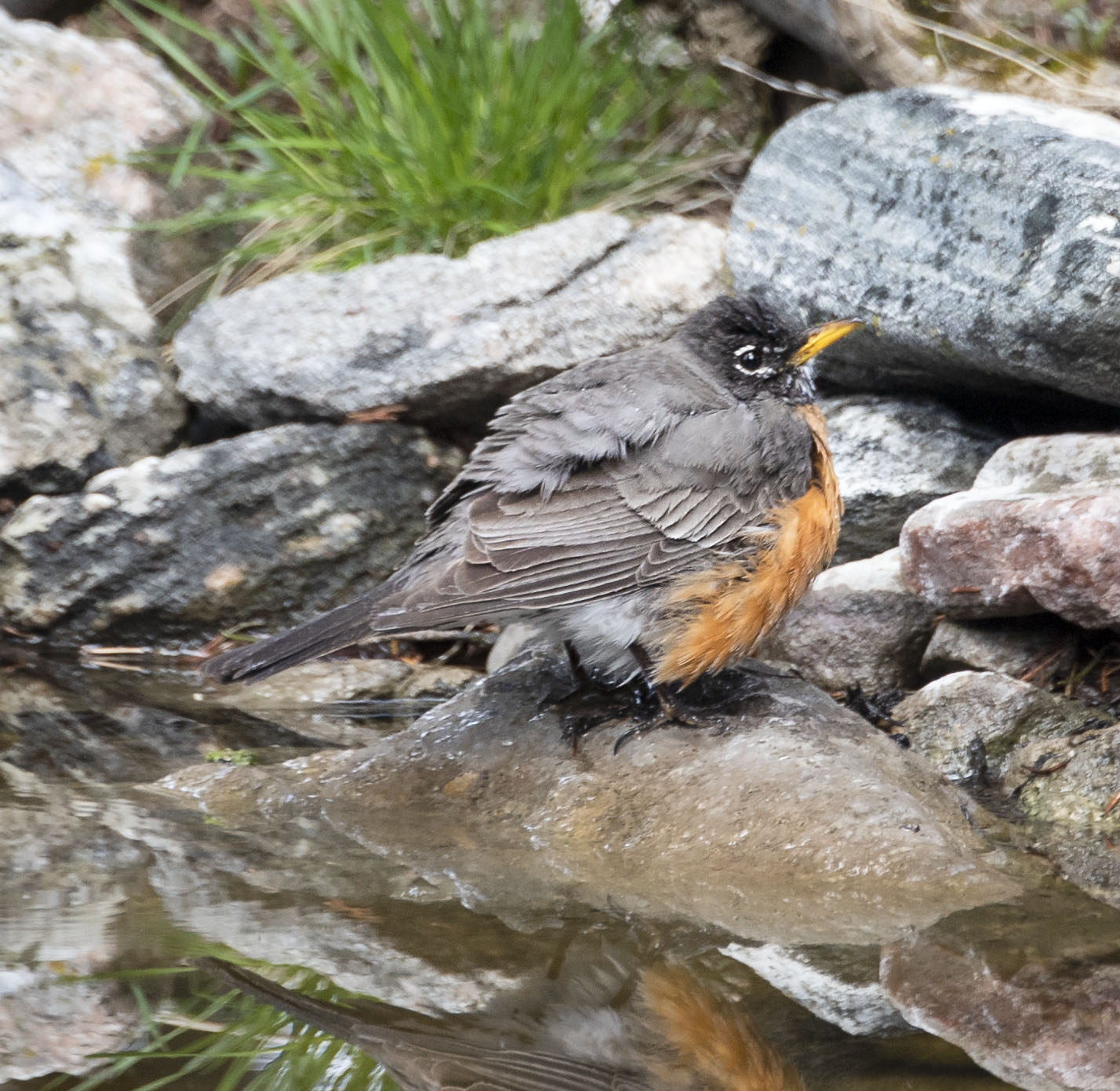
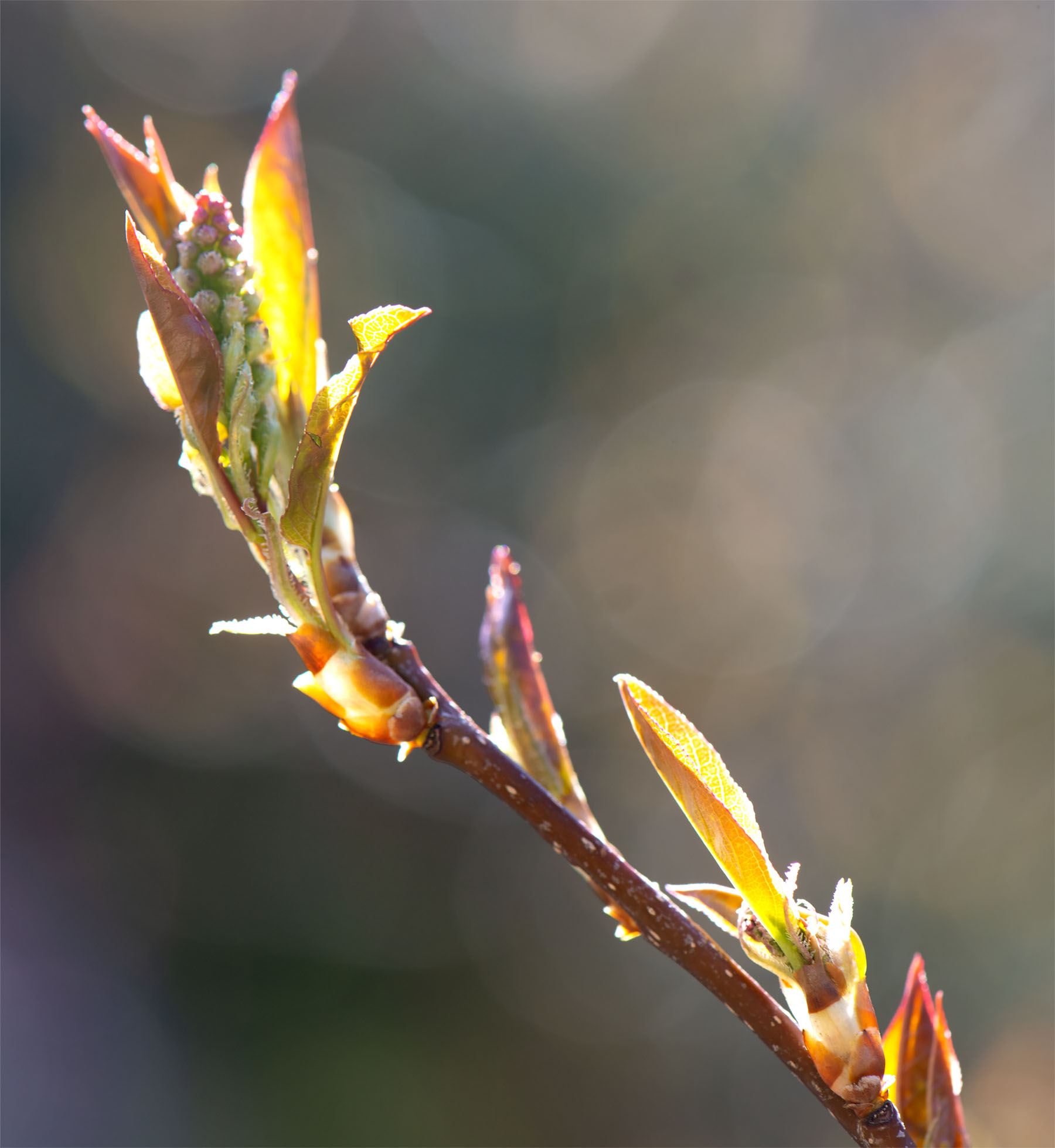
A morning walk springs to life as fresh new leaves and vibrant colors paint the still brisk morning air.

The surprise of the day was a Dragonfly lurking about on wild roses trimmed short by the deer. Not much prey for this little predator so early in the season but don’t worry the bugs will come.

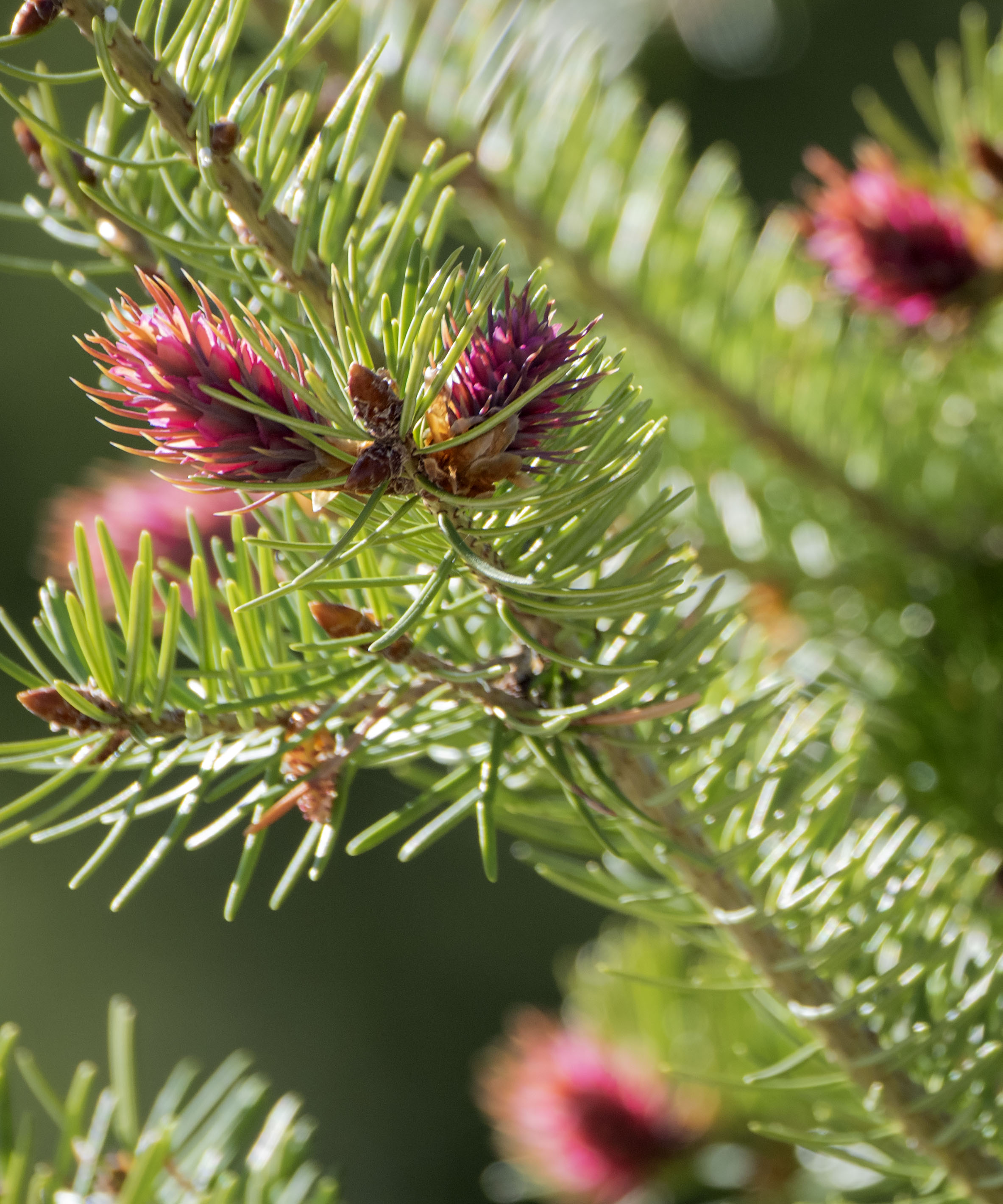
And even the coniferous trees were getting in on the action this morning.

Nothing fancy today….simply spring.

First Leaves

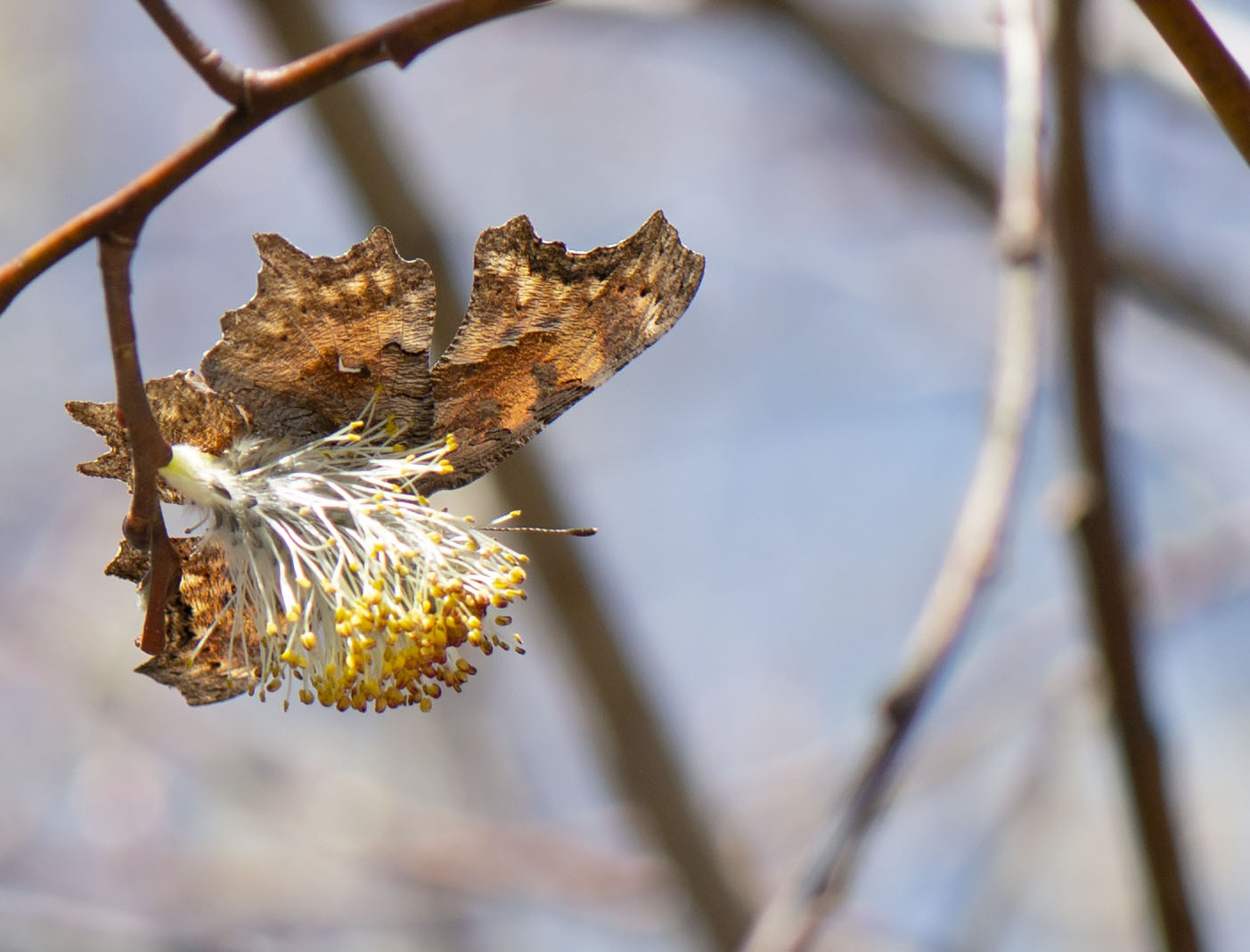
Along the creek with buds just breaking out a trees first leaves of spring were not leaves at all.

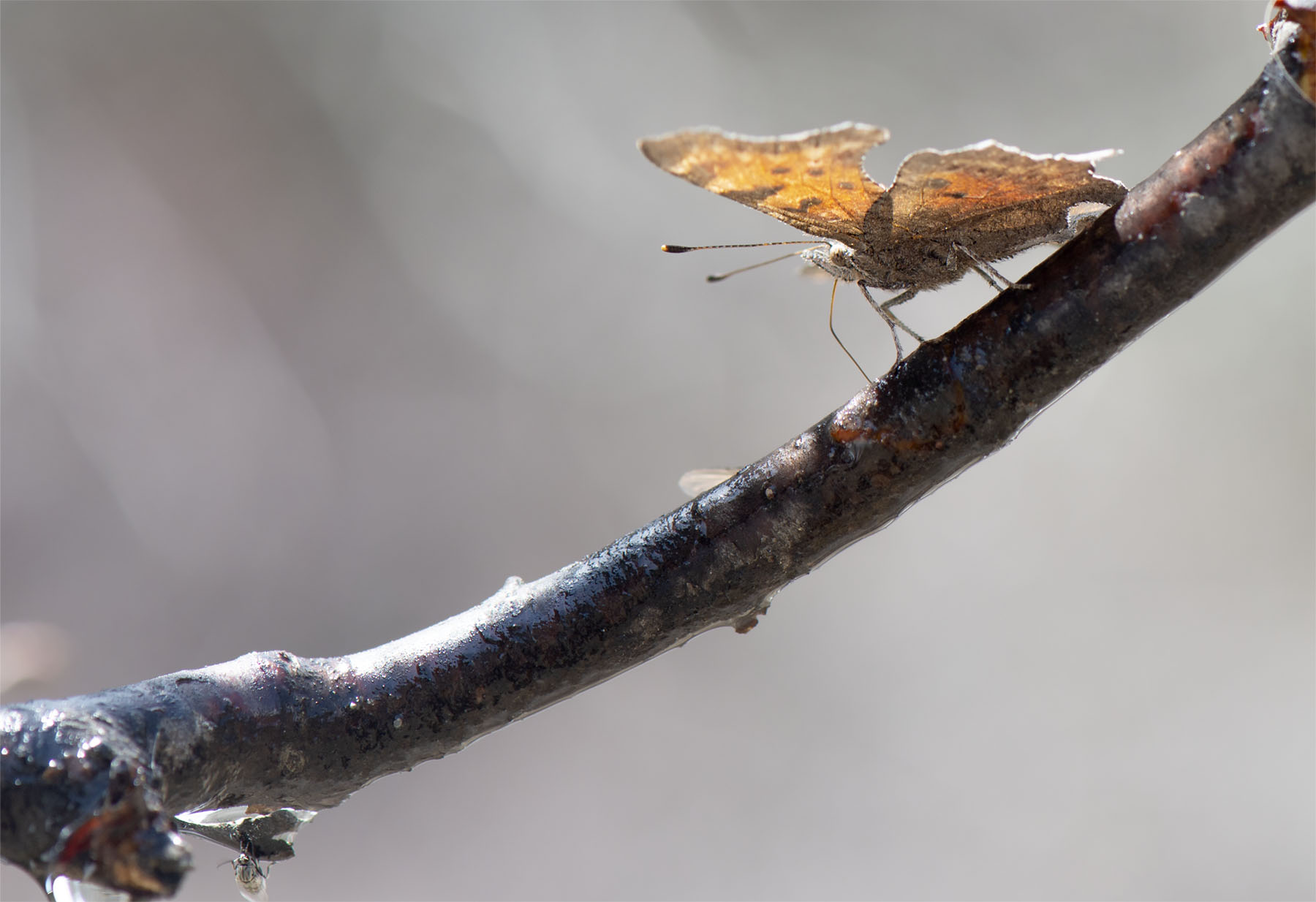
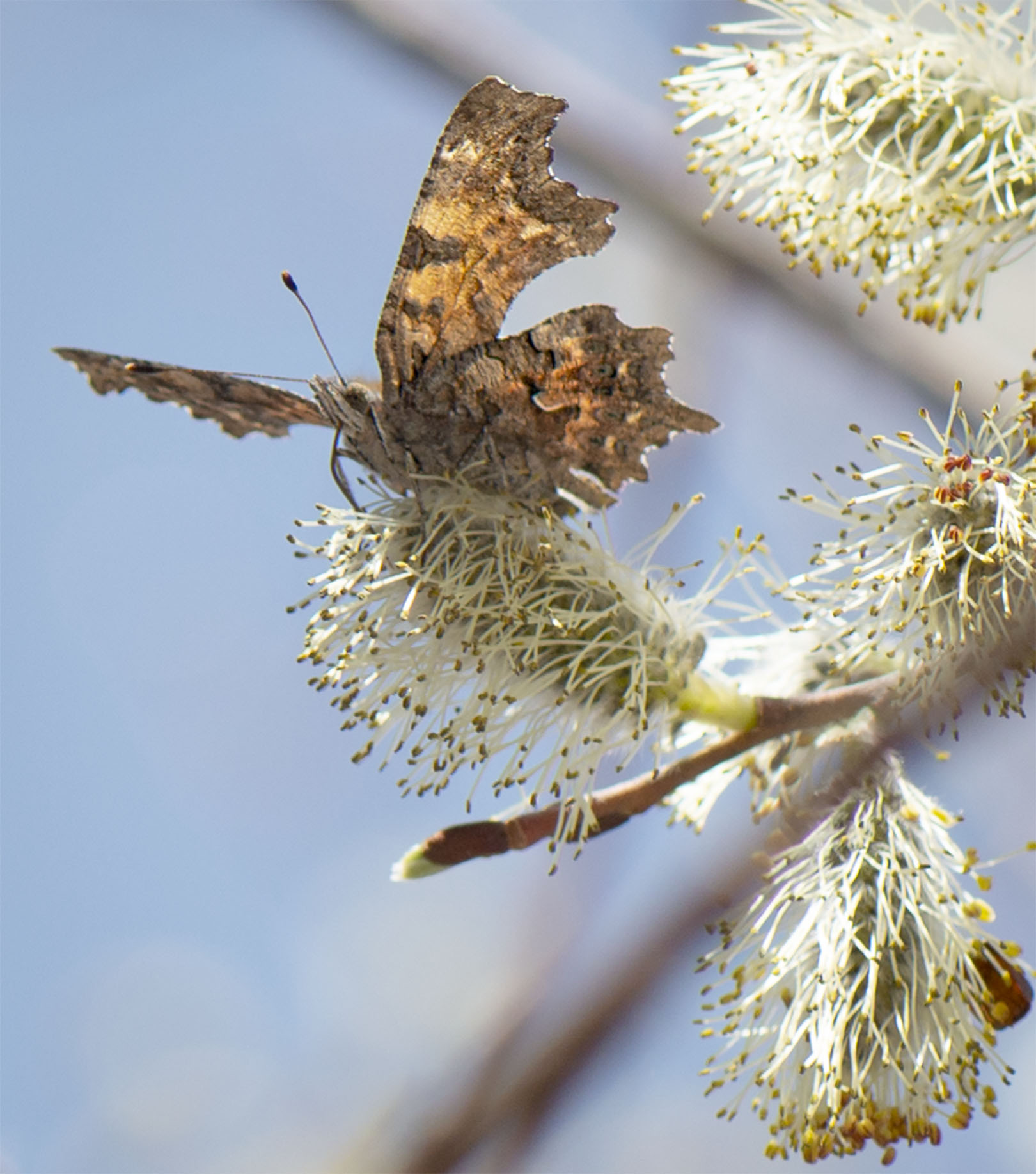
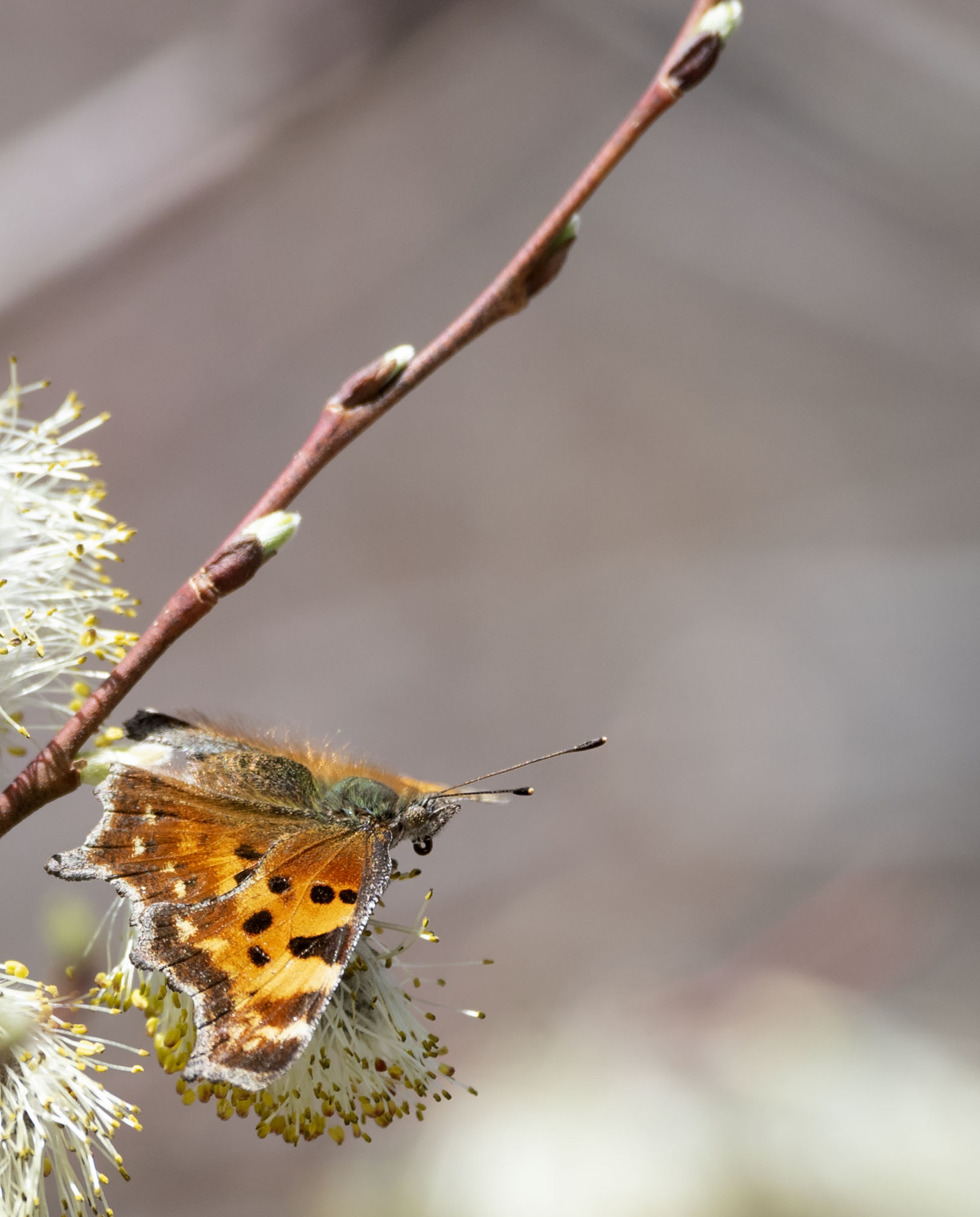
It appeared that sap was flowing and attracting Comma Butterflies (Polygonia comma) of either the Eastern, Satyr or Hoary varieties to these willows just a few weeks ago. In addition to sap the leafless Pussy Willows further up the road were providing an early spring meal of pollen and nectar for the pollinators as well.

The namesake comma, or little c,is visible on both of these guys above.

… and the star of the show and a beautiful lift leaf on any plant.

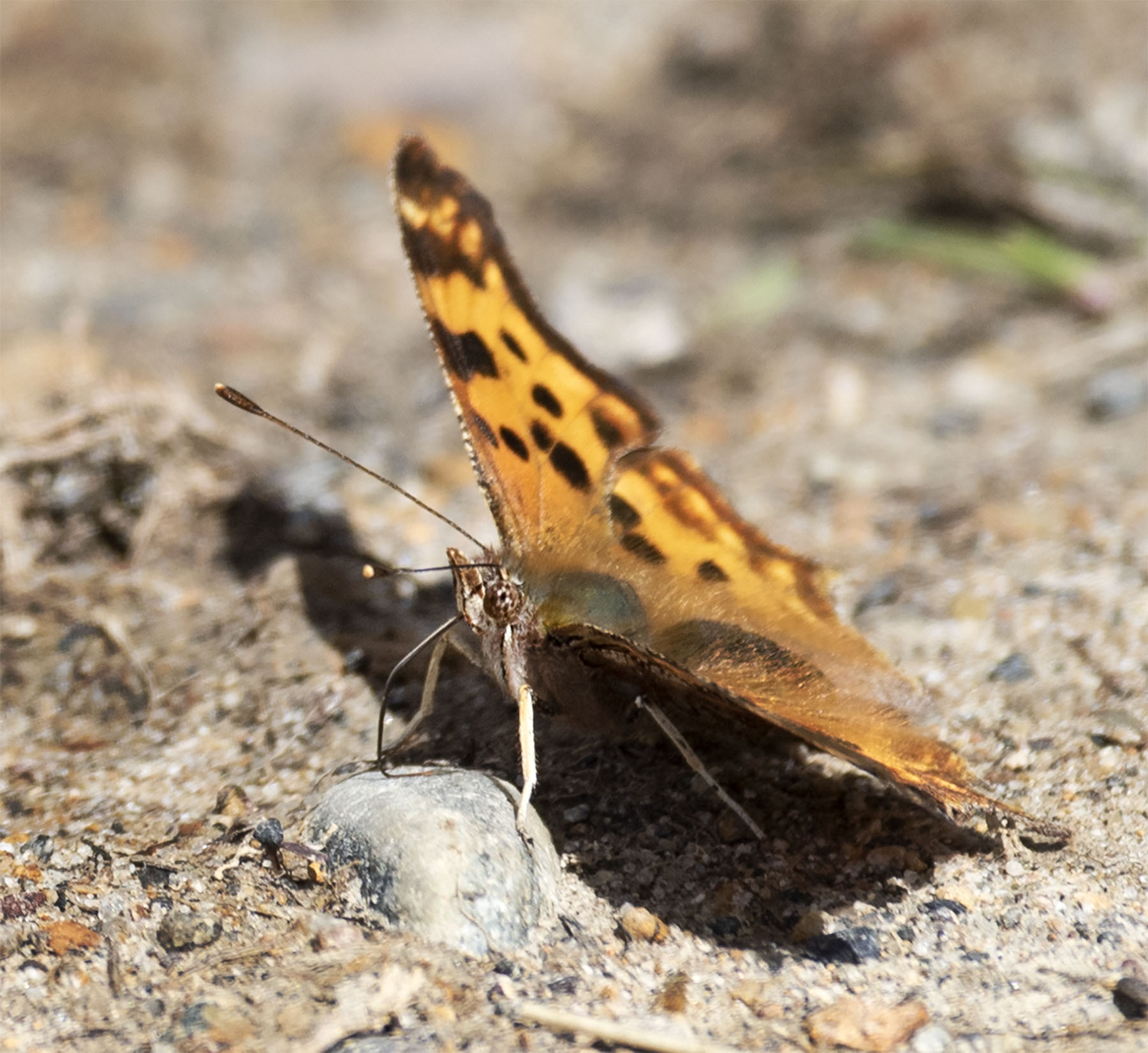
And after a meal full of nectar a well balanced butterfly diet should include a little mineral as well. This Comma is engaging in a behavior known as puddling which I have observed over and over again but first read about on Piotr Naskrecki’s blog the Smaller Majority in an article entitles What Butterflies Like.

Anyway those first leaves of spring were not leaves at all.

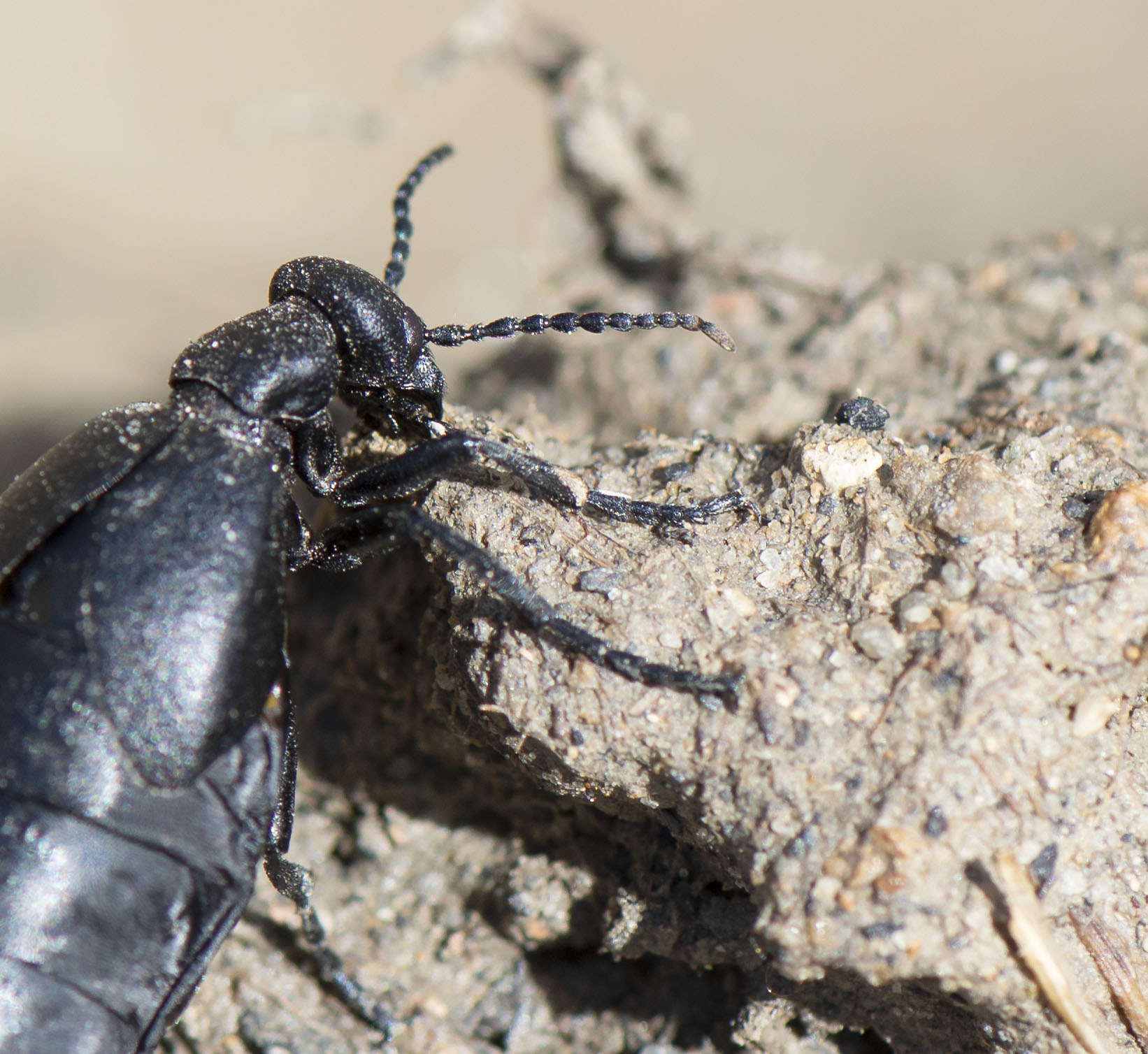
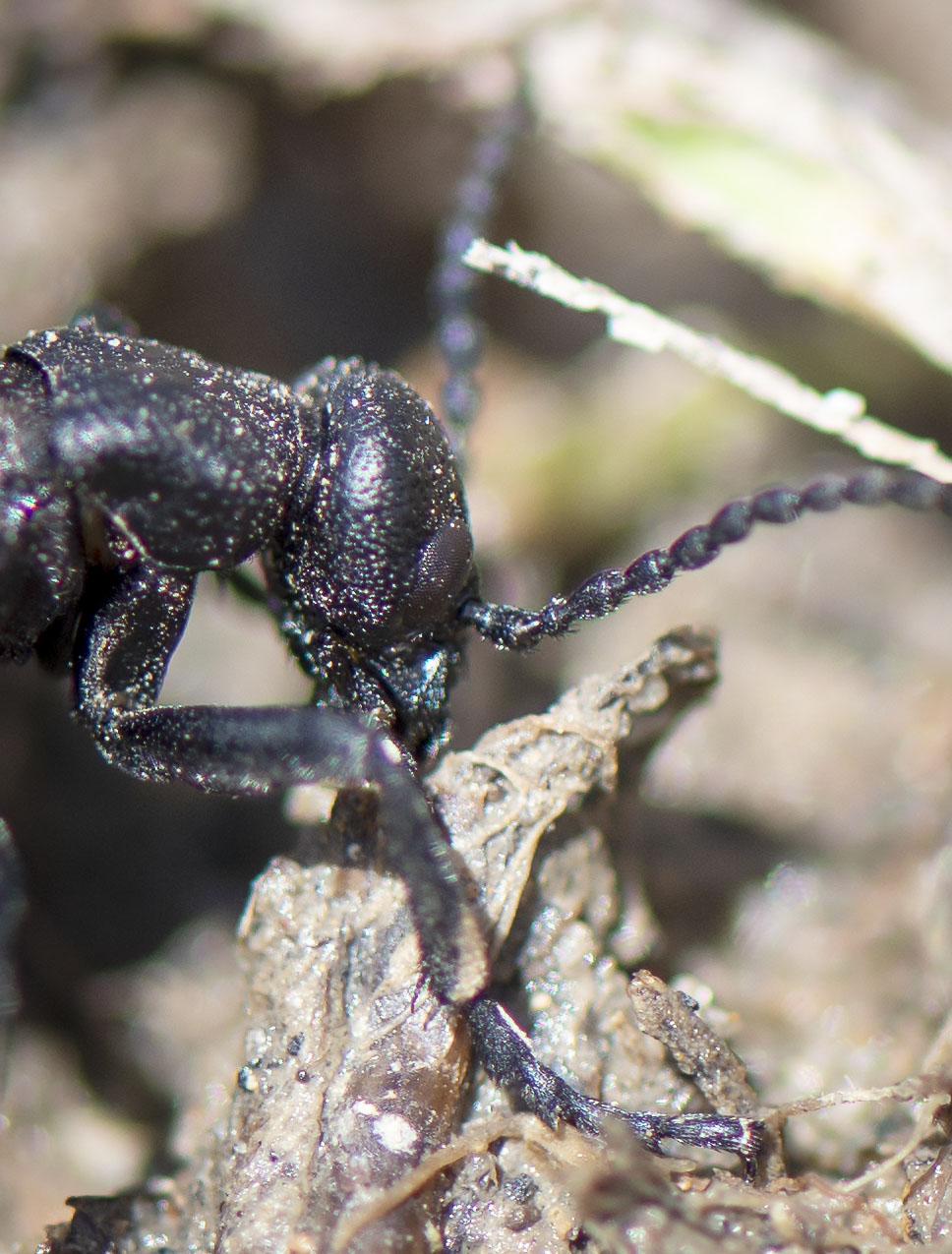
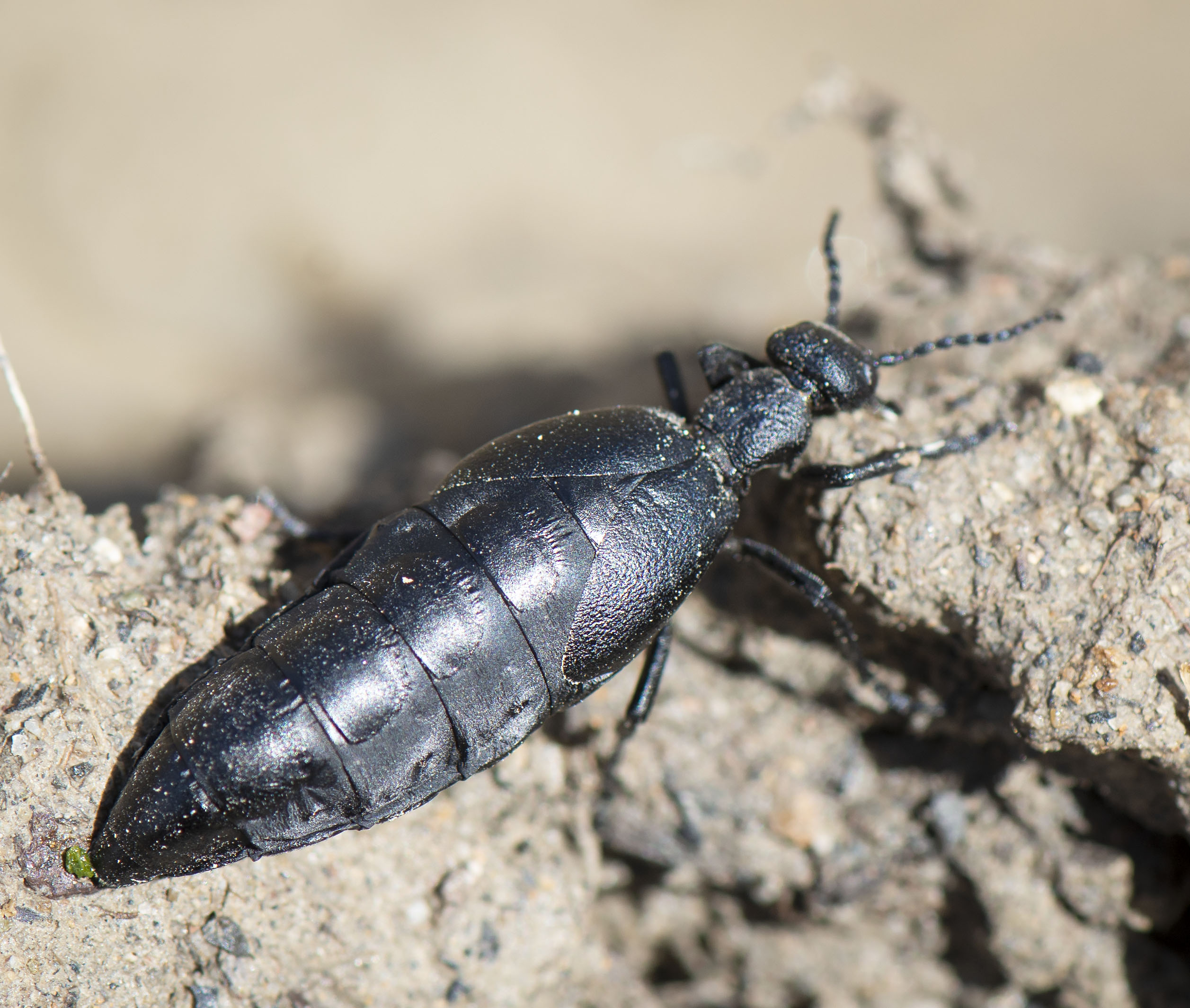
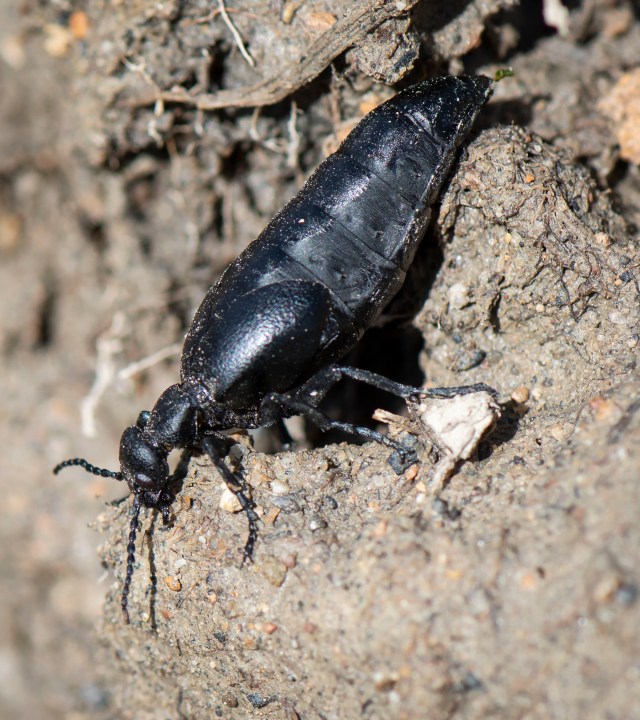
American Black Oil Beetle-Meloe americanus

Last week on our daily walks we noticed several of these black oil beetles along the road side and in the open fields near our home. They are very large and we were not sure what they were. A strange beetle or extremely strange ants?
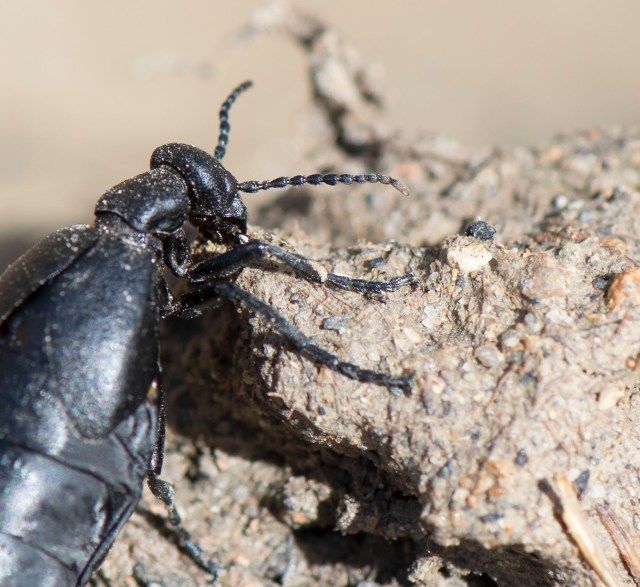
Upon researching what we found we were amazed to find these are flightless Beetles with a truly fascinating life cycle.

Encyclopedia of life describes the lifecycle as follows:

“Oil beetles have fascinating life-cycles. The larvae are parasites of a number of species of ground-nesting solitary bee. Towards the end of spring, female oil beetles dig burrows in the ground close to colonies of host bees, into which they lay around 1000 eggs. These eggs usually hatch the following year in order to coincide with the emergence of the bees. The oil beetle larvae (known as tringulins) are very active, and climb up onto flowers where they wait for a host bee. They attach themselves to the bee, and if they are lucky and attach to the right type of species they will be flown to the host’s burrow, where the tringulin oil beetle turns into a grub-like larva, and develops, feeding upon the pollen stores and eggs of the host. The larva pupates and the resulting adult beetle spends the winter inside the host’s burrow before emerging the following spring.”

We think this female might have been building a nest to lay her eggs?
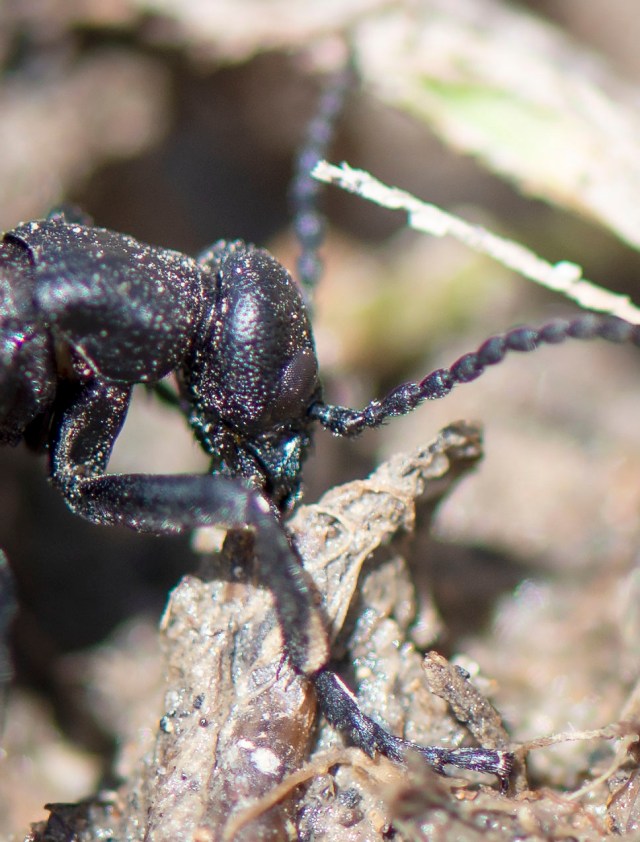
Piotr Nasckrecki wrote a wonderful article on them on his blog The Smaller Majority which is altogether fascinating.
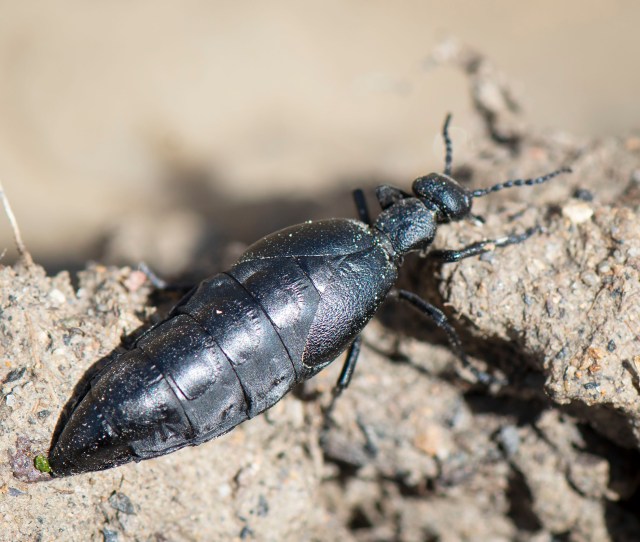

While we saw several oil beetles last week we only had the opportunity to photograph one, which like the others, was constantly on the move but moving slow enough for us to photograph.
Pika

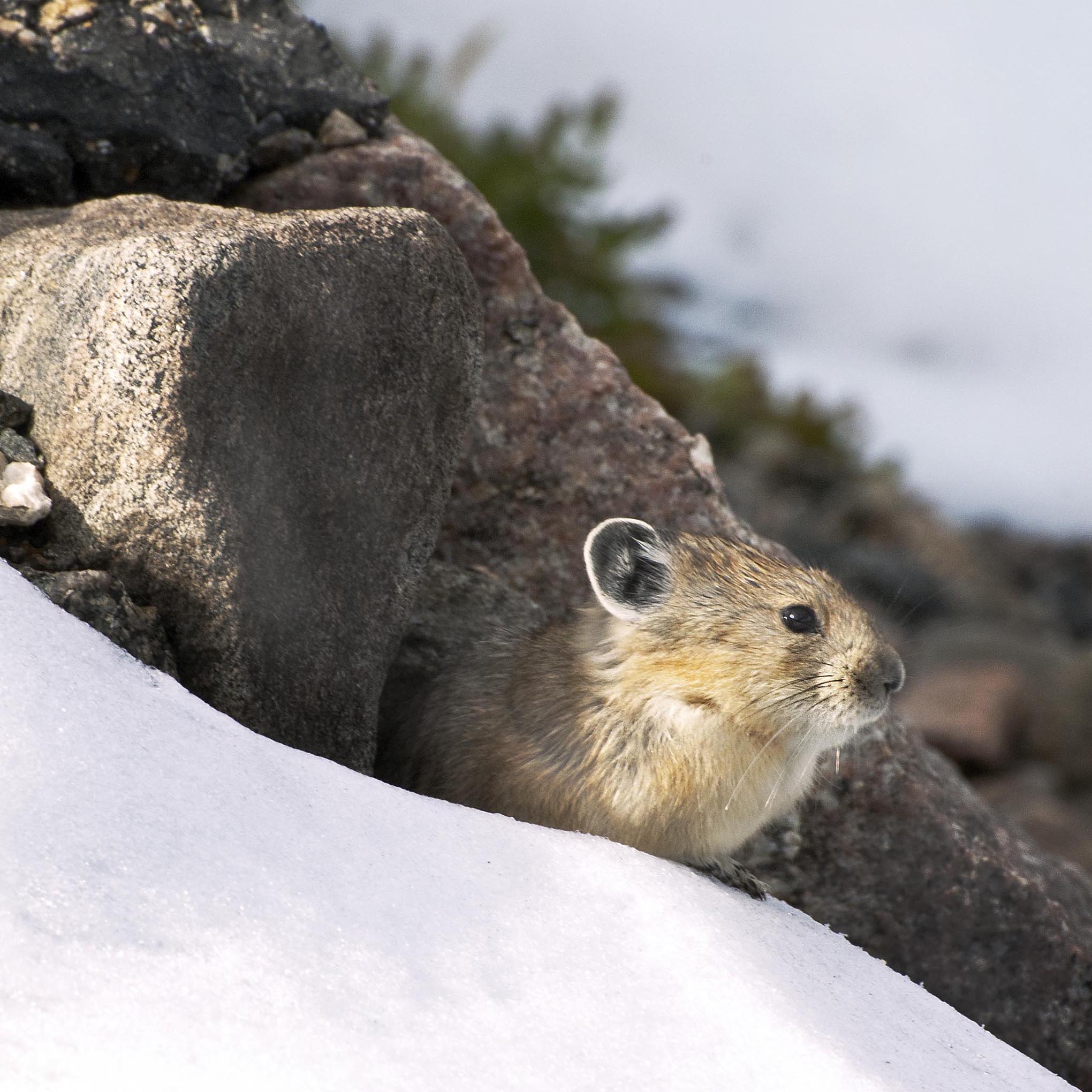
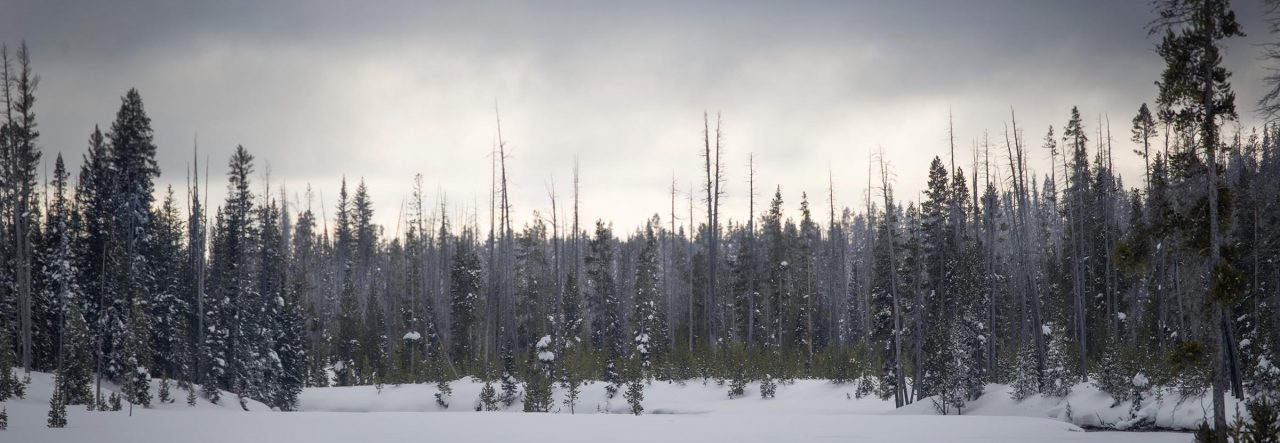
A little Pika peeking out from the last of winters snow surveying his domain.

The numbers of Pika are decreasing across the Western United States and climate change, habitat loss and other factors are likely involved. Hearing their chirps while hiking in the mountains is a sound I enjoy and I hope it does not just become a memory.

https://academic.oup.com/jmammal/article/97/6/1495/2628942
https://www.sciencedaily.com/releases/2018/05/180501085303.htm

Springing

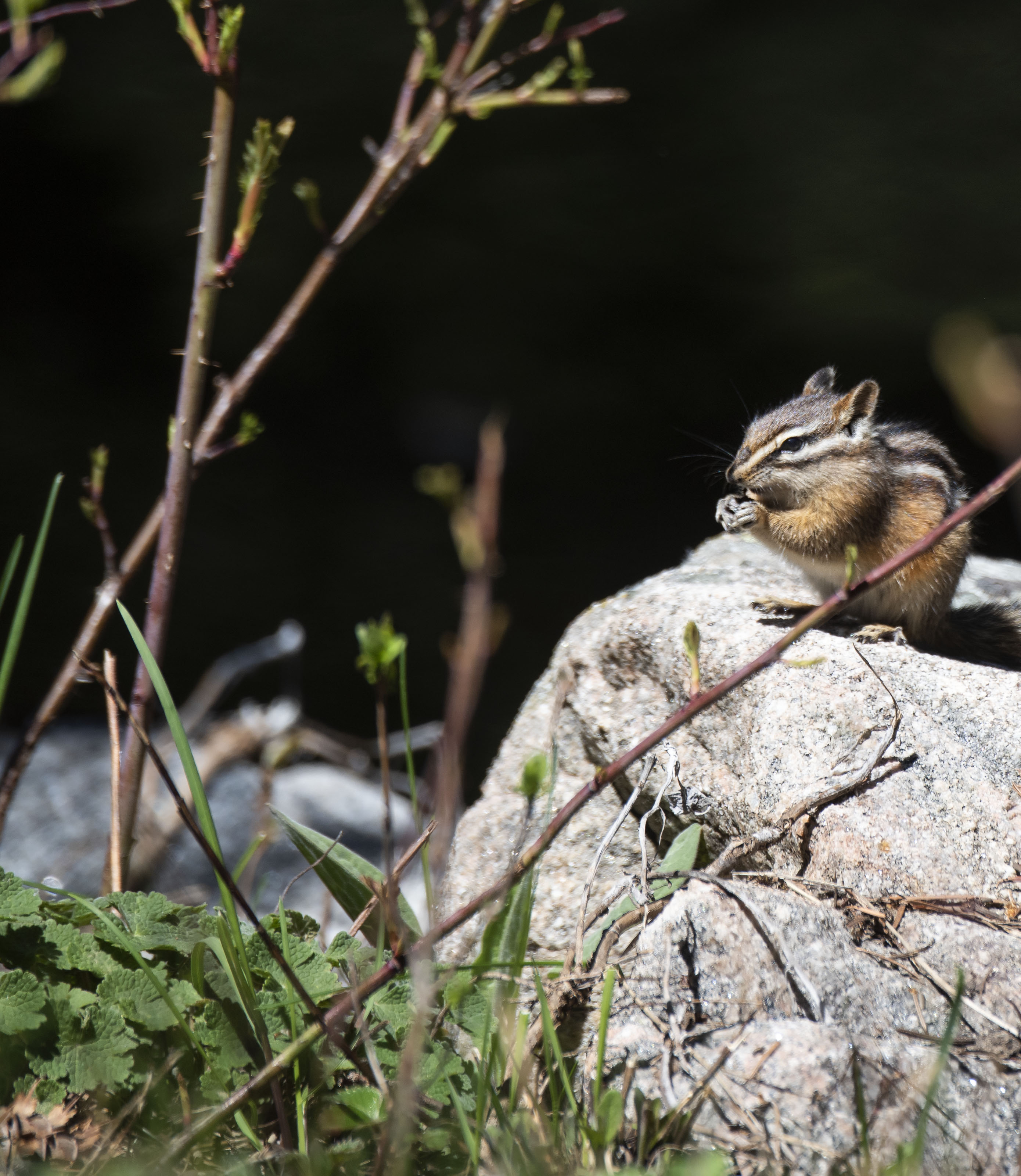
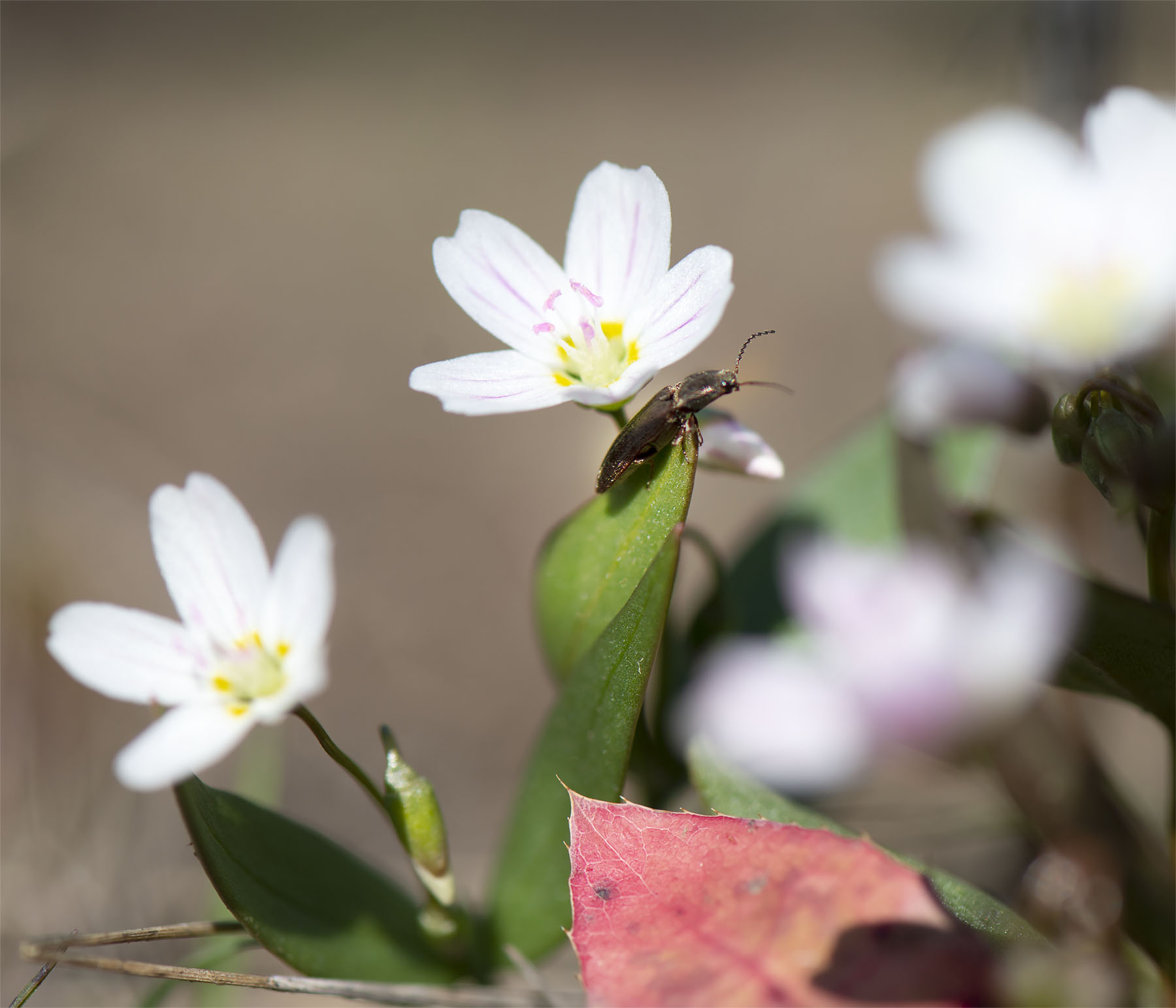
With the last of the snow melted life is springing up in all shapes and sizes. Flowers, tress, grasses and water rushing to fill the streams. In addition we sighted the first Chipmunk of the year a few days ago taking a break and enjoying their lunch as the sun warms the rocks.

Have a wonderful weekend.