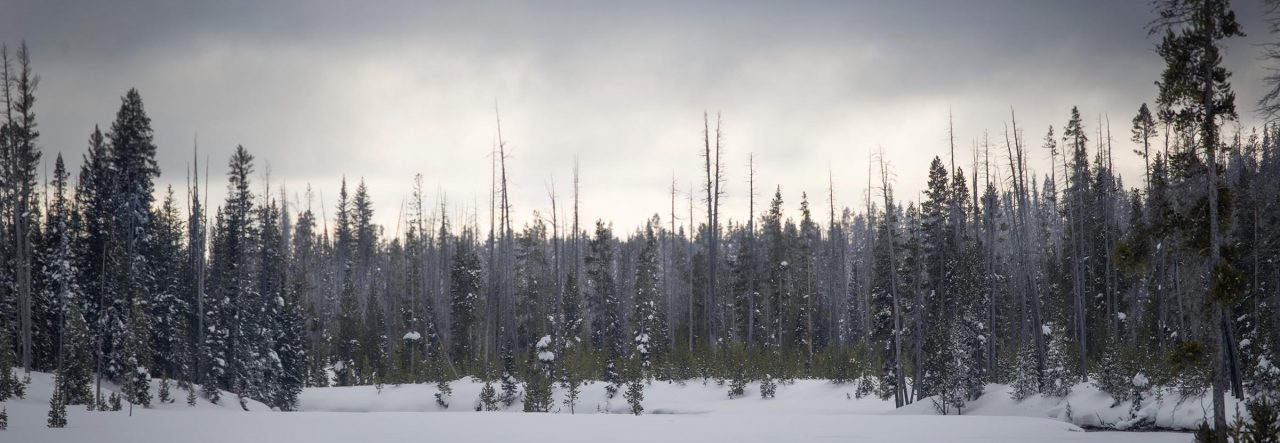
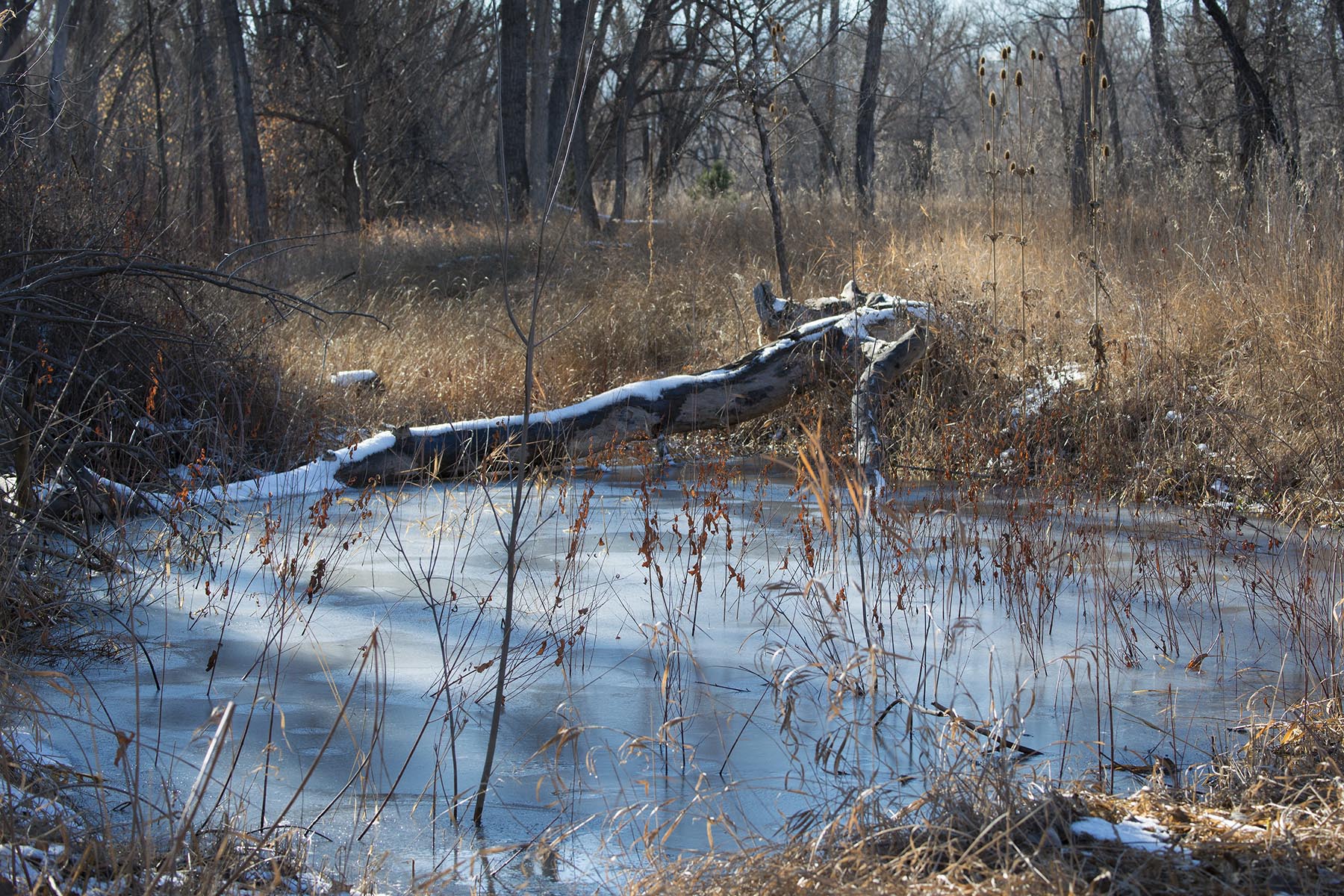
The mid-December sun, traveling low across southern sky casts long shadows on the icey blue face of a small pond and gently lights the landscape beyond. Decembers light is like no other and helps me keep track of the time like no wall calendar or wristwatch can.
Tag: ecology
More Dried Fruit

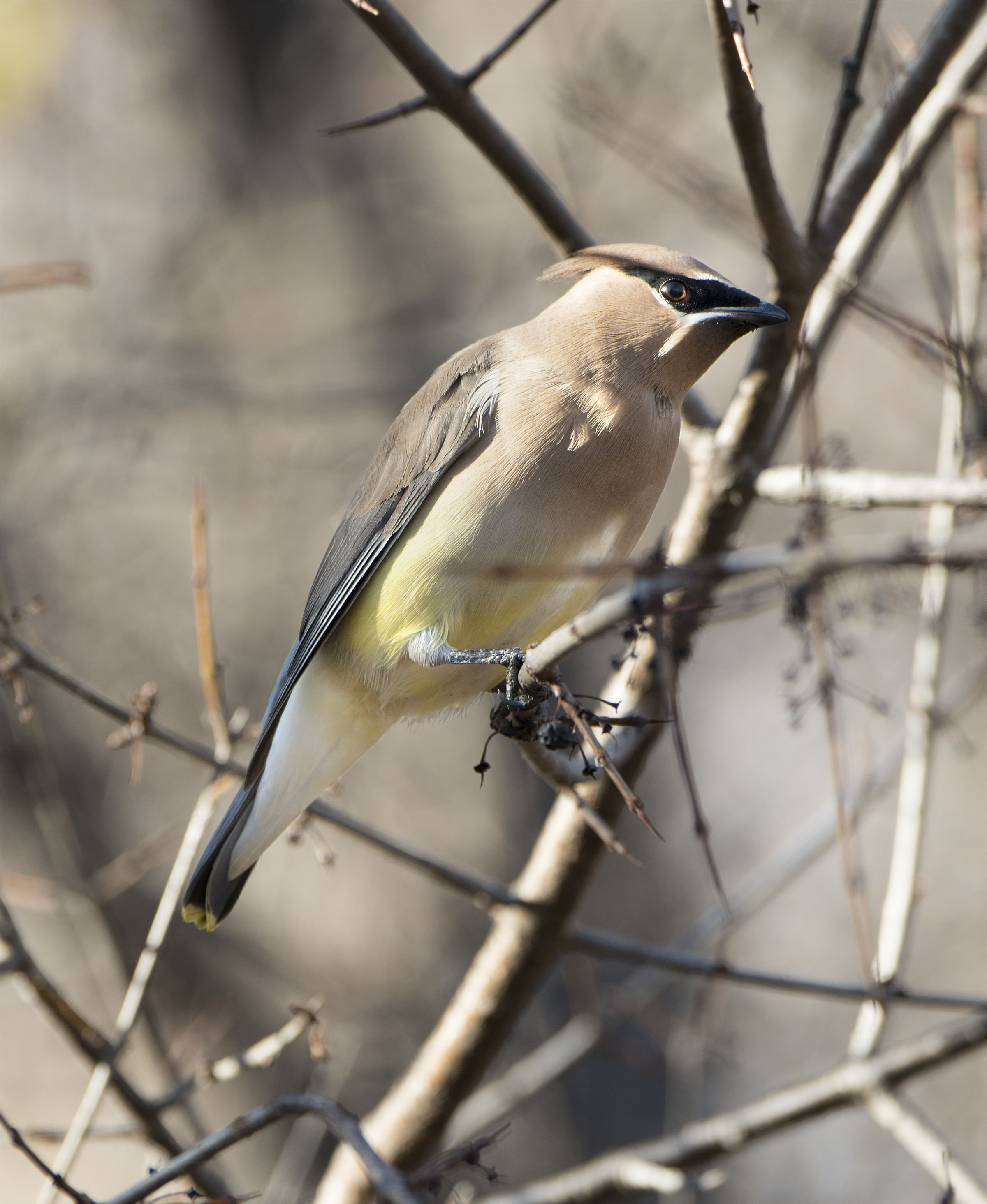
Cedar Waxwings picking over the same patch of dried berries that the Robins found appealing in yesterdays post. We only see the Waxwings for a week each year and only in the fall. This year they were right on schedule and arrived sometime during the last week of November and had departed by last weekends walk through the woods.
Greased lightning
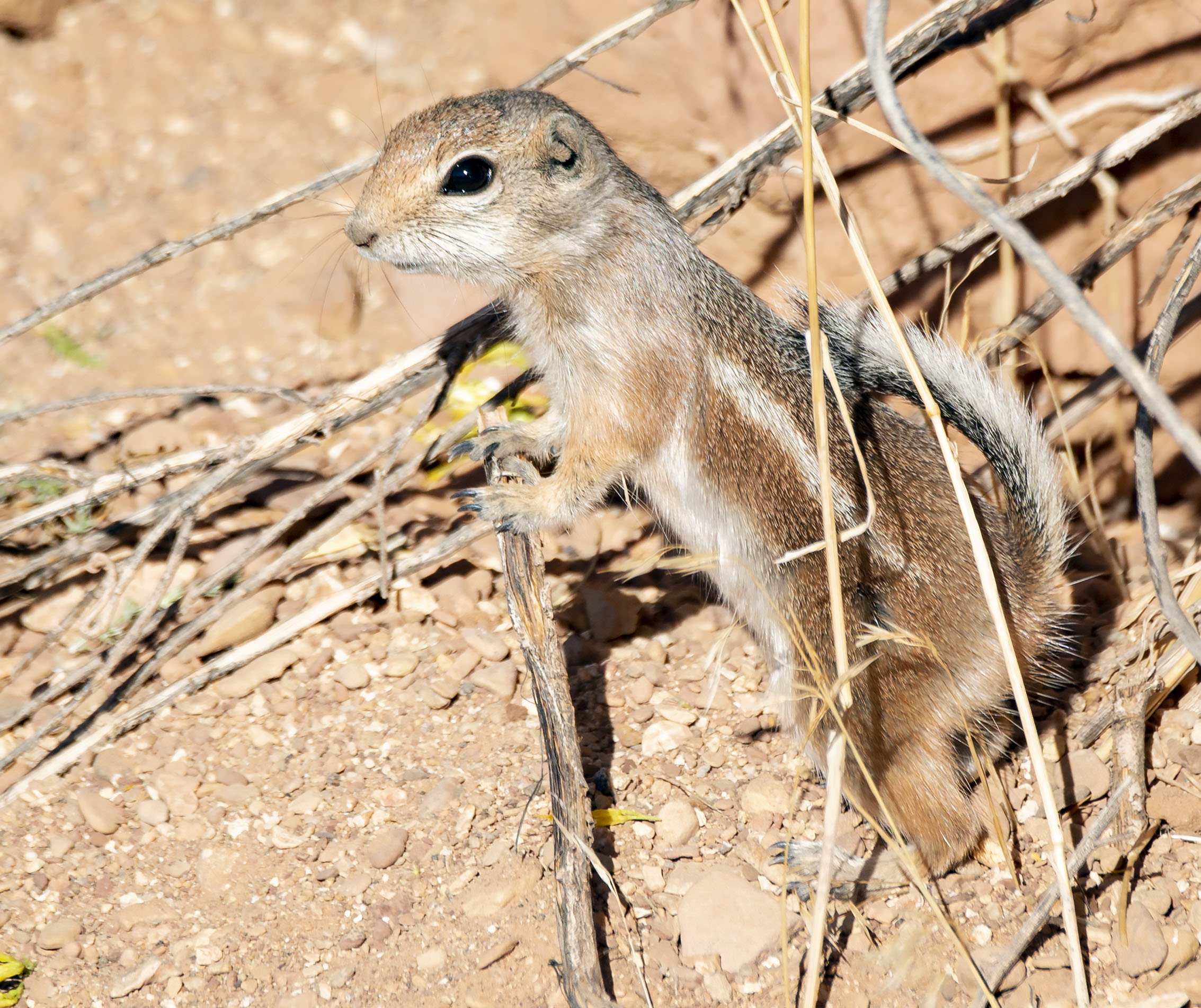
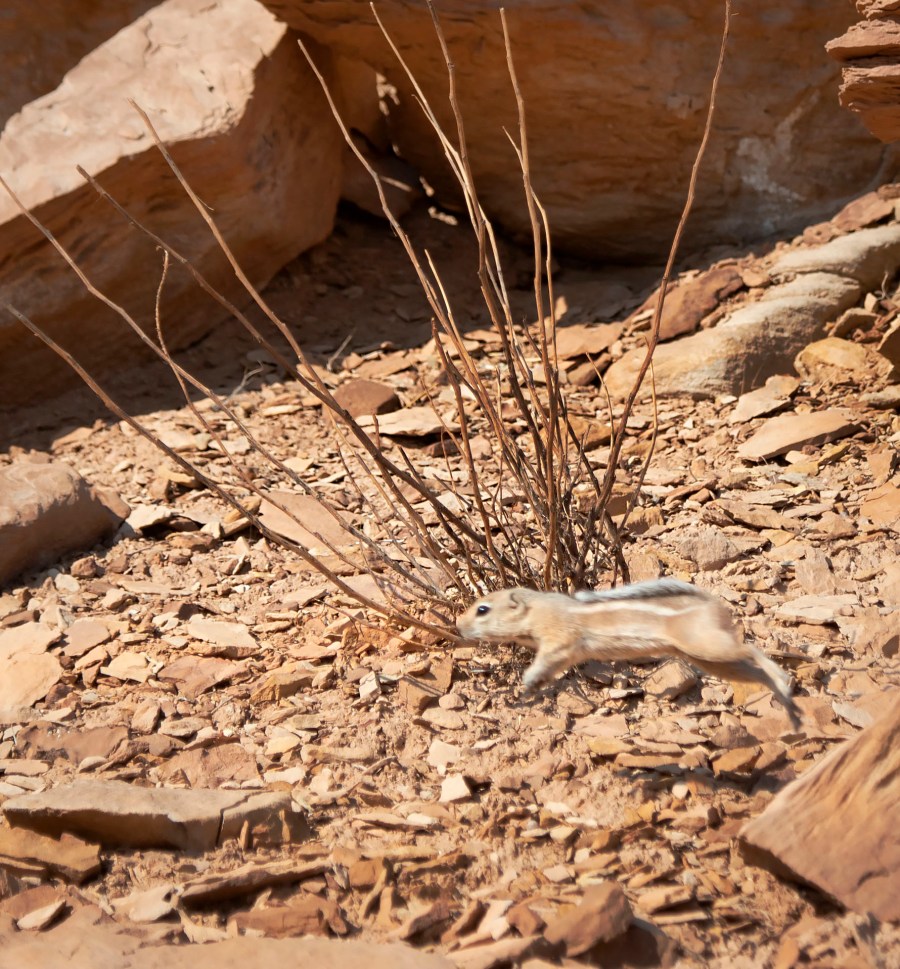
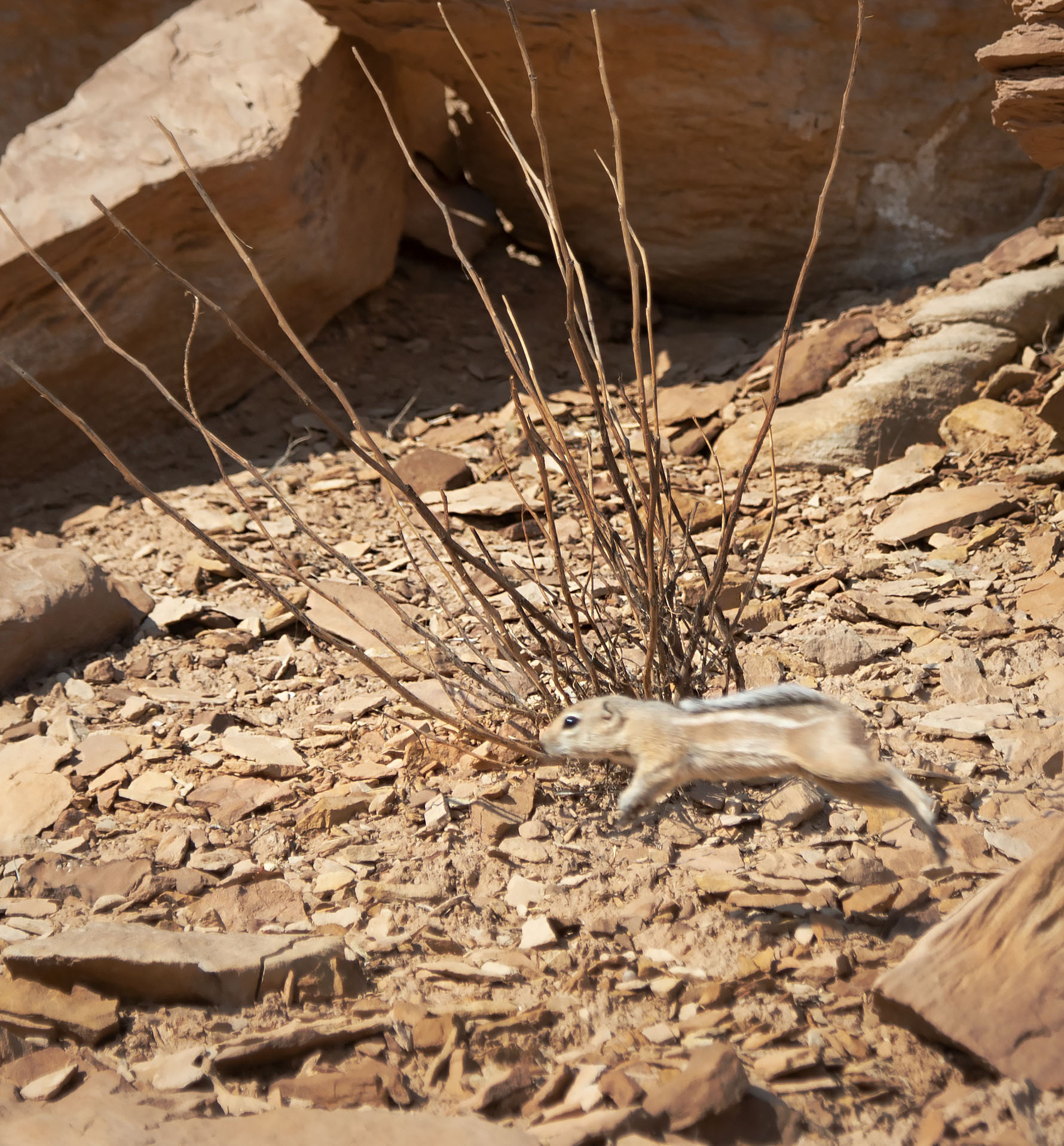
Greased lightning is the nickname we gave to these little rodents as they shot across the desert landscape foiling many of our attempts at photographing them. The White-tailed Antelope Ground Squirrel is a common to abundant desert dweller across the southwestern United States.
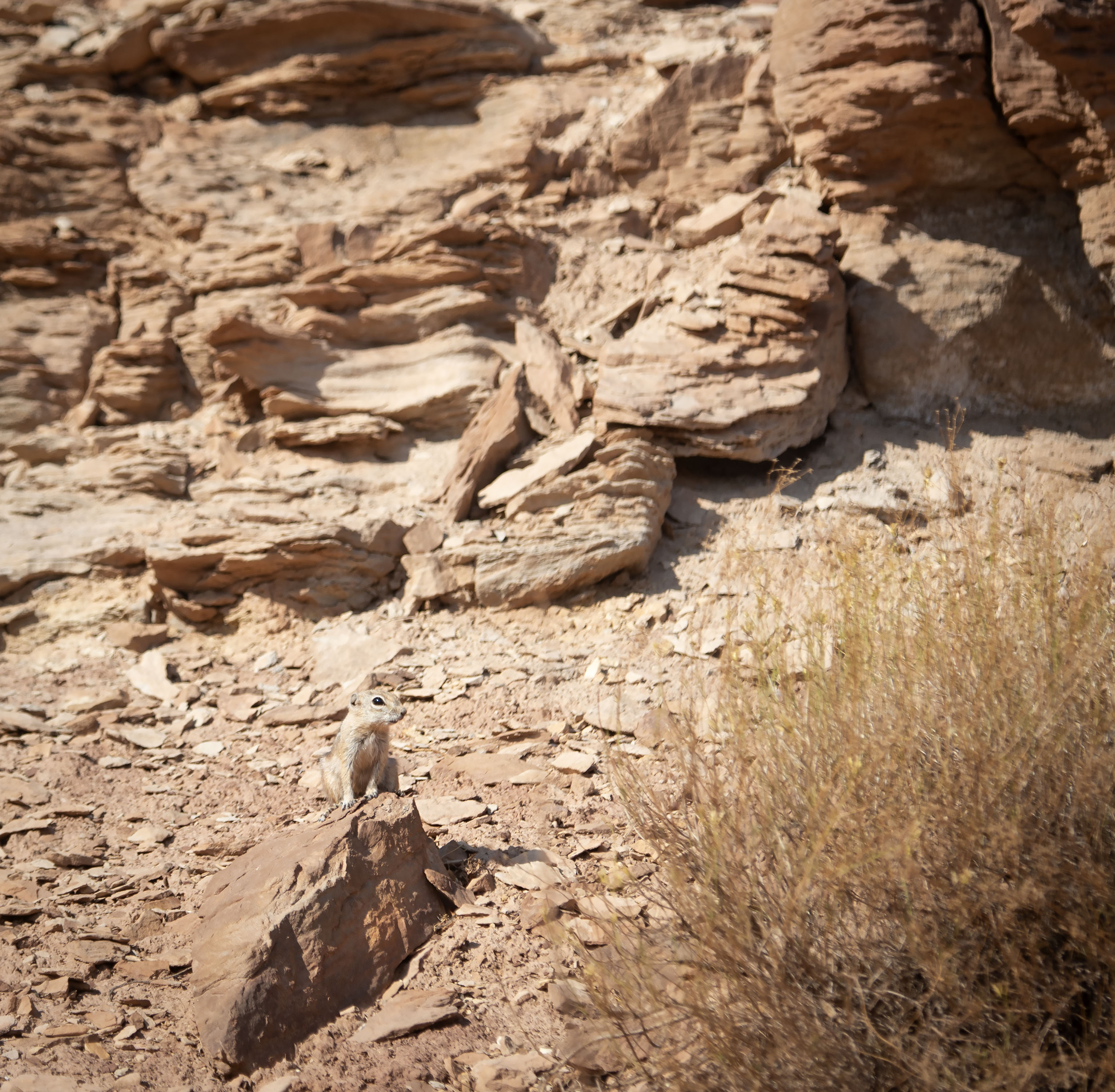
Right at home in this desert landscape the White-tailed Antelope is a diurnal mammal that feeds on a fairly omnivorous diet including seed, plants, arthropods and other insects as well as carrion.
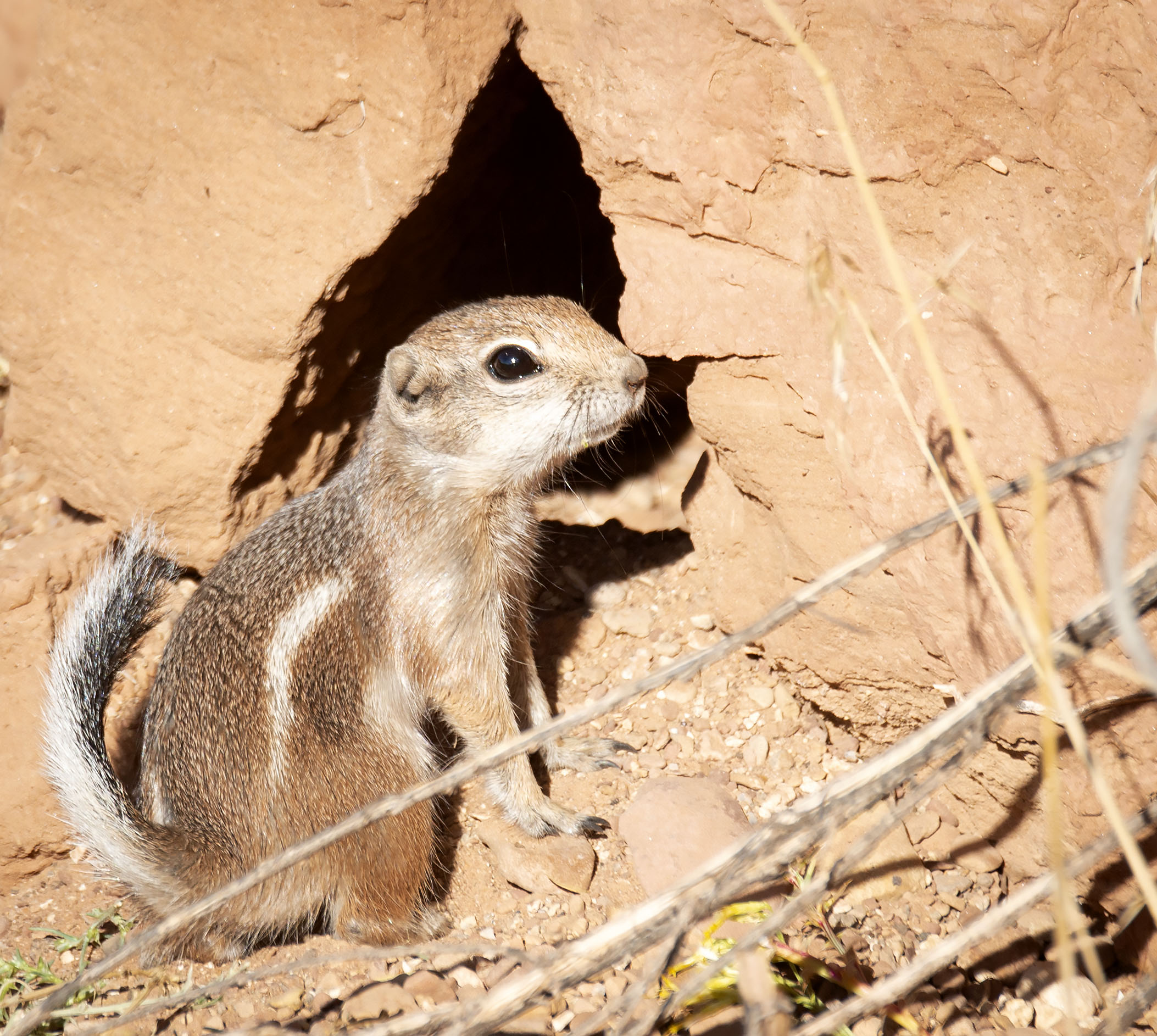
They nest in underground burrows dug into the soft desert soil and use the burrow both as protection from predators and too keep cool during periods of extreme heat and cold.
Take a look at those little critters scurrying around the desert and you may just notice some greased lightning aka the White-tailed Antelope Ground Squirrel.
In the Wild
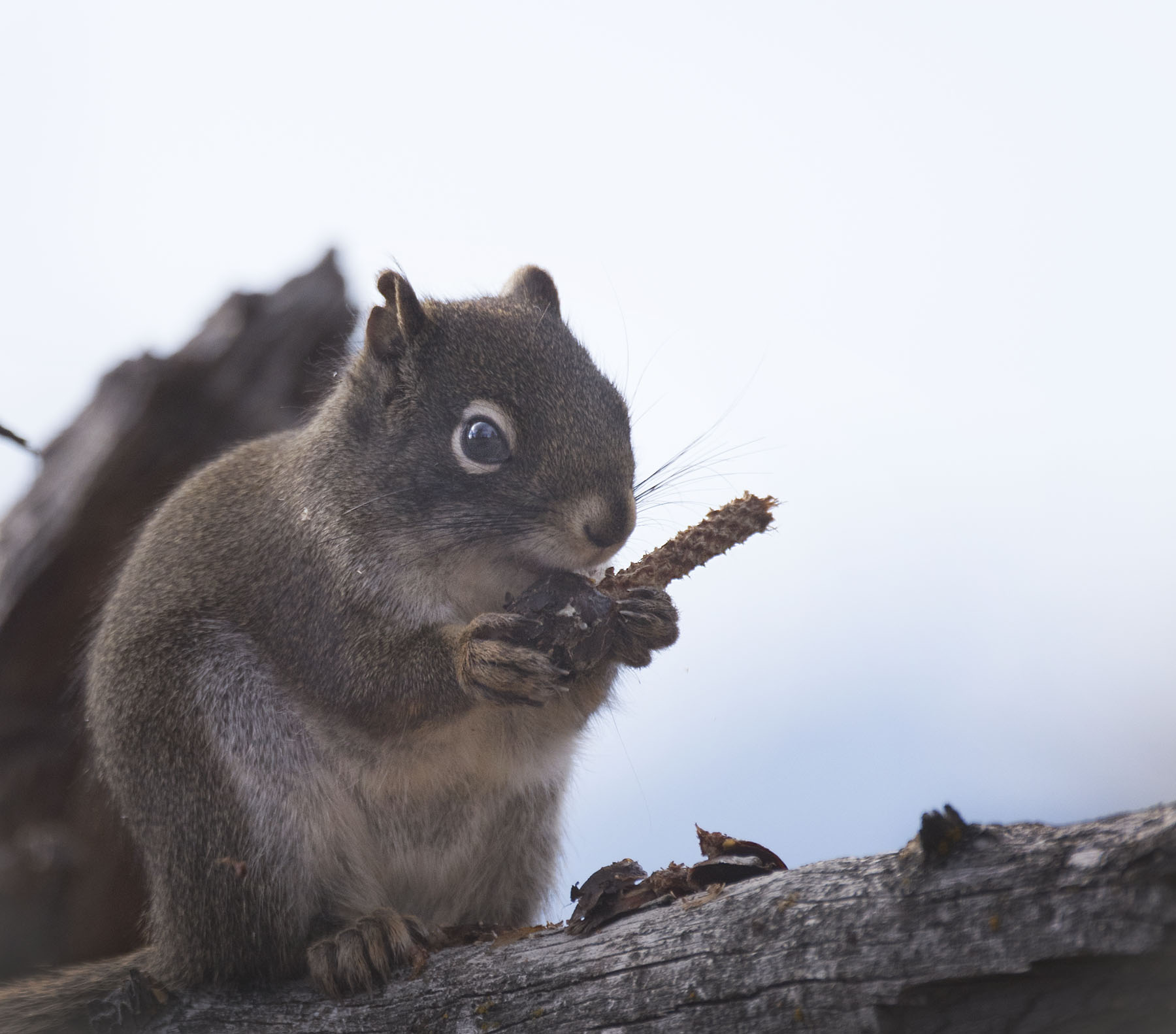
Oh the Squirrel. Our nemesis in the yard pillaging the bird feeders and outsmarting my attempts to keep them off. In the wild away from the city they are (serious hesitation) cute and this guy munching a pine cone as the November sky says time to fatten up brought a smile to our face.
Onward and upward

A small Brown Creeper eyes the way onward and upward with the hopes of finding a small grub along the sloping landscape of a cottonwood tree.
Score
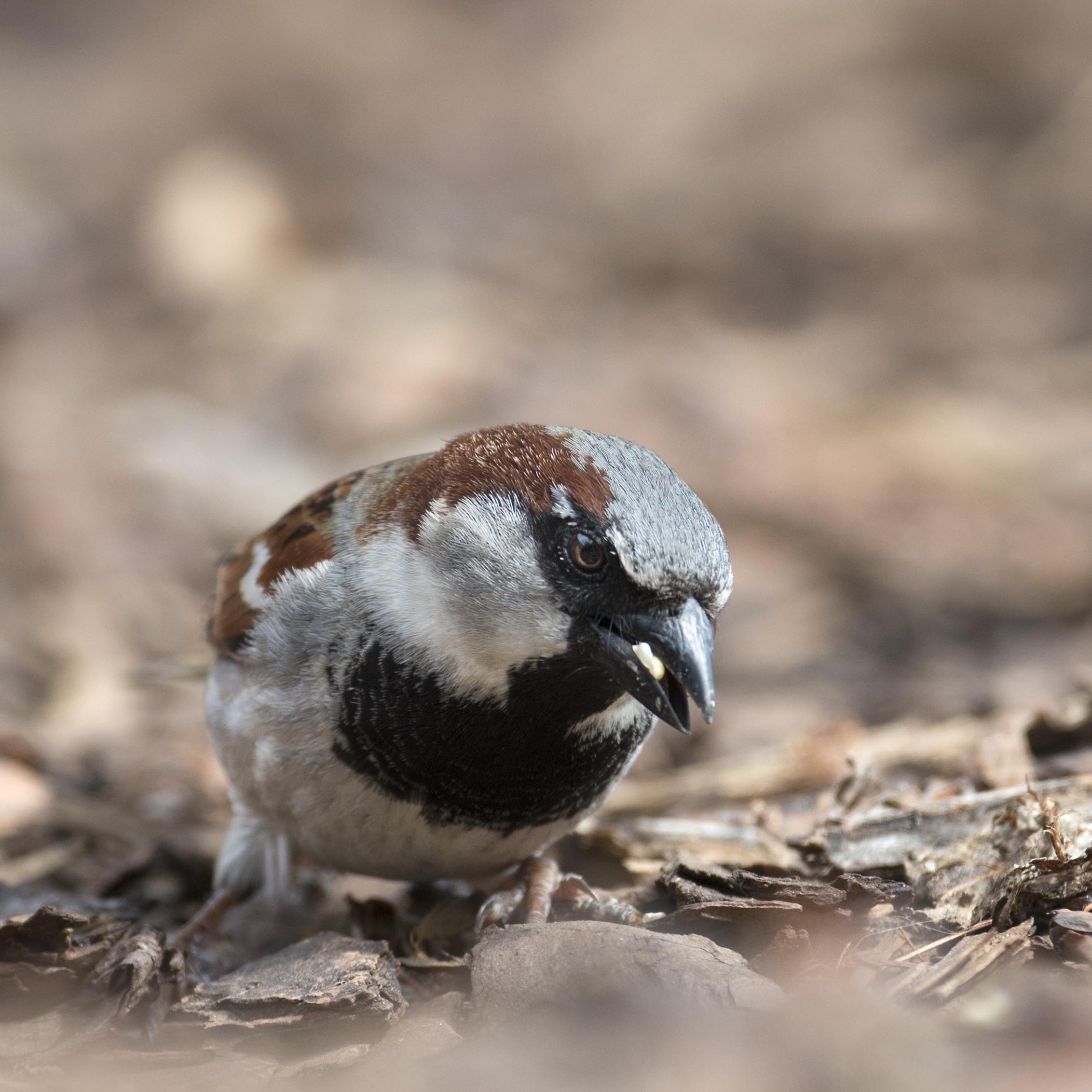
Finding food sure can be hard work. Which reminds us it’s time to put out the feeder for these guys as winter is heading our way.
We were watching this House Sparrow search intently through the gravel and forest debris and score with what appears to be a tasty little seed.
A bite well earned.
Before November
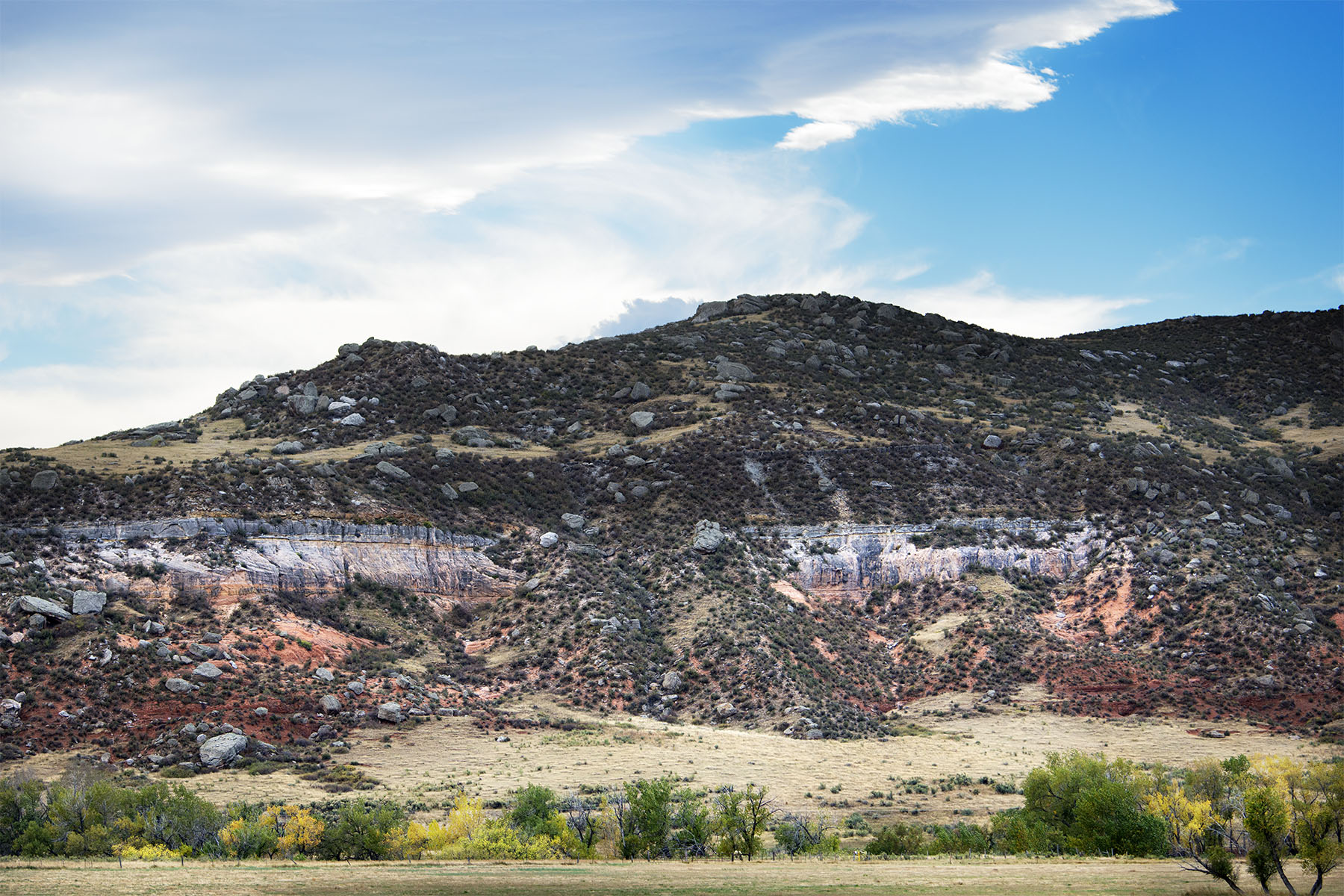
Before the leaves blew down.
Before it was dark too soon.
Before November in a place not far from home.
Leaves and Lake

Golden fall colors reflecting upon a very calm lake. Silence is golden.
Mormon Cricket: Anabrus simplex
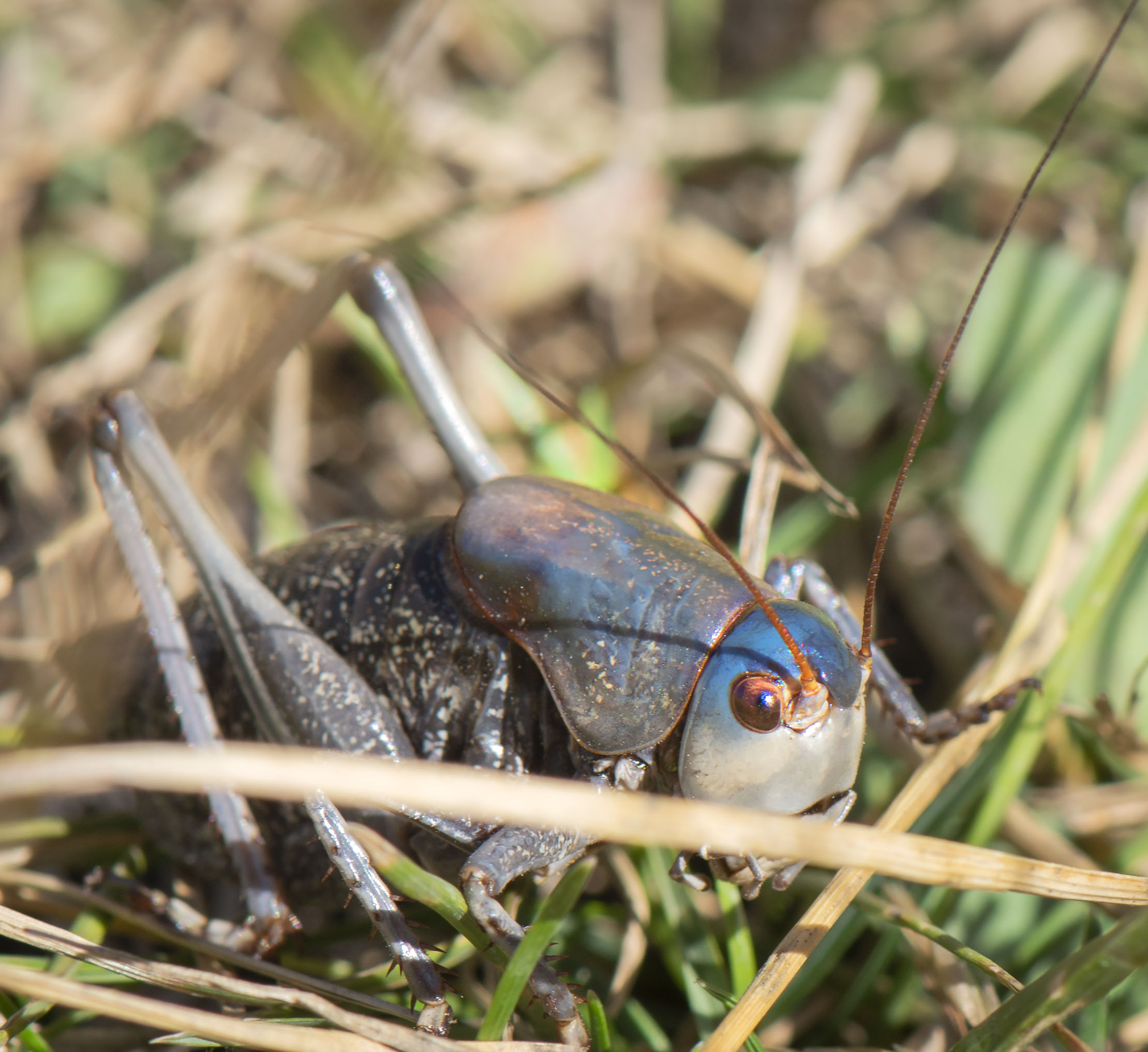
The Mormon cricket is actually not a true cricket, but rather a shield-backed katydid. The common name derives from an invasion of the crops of Mormon settlers in the Salt Lake area in the mid-1800s.
We ran across plenty of these katydids on a recent hike although not in the numbers depicted in this video https://www.youtube.com/watch?v=Yy3dQJYquoY. While these insects can be quite destructive to crops they do eat the grasses and plants in natural rangelands much as large grazing mammals do (or did). I also find them quite interning to look at as each has subtle color variations.

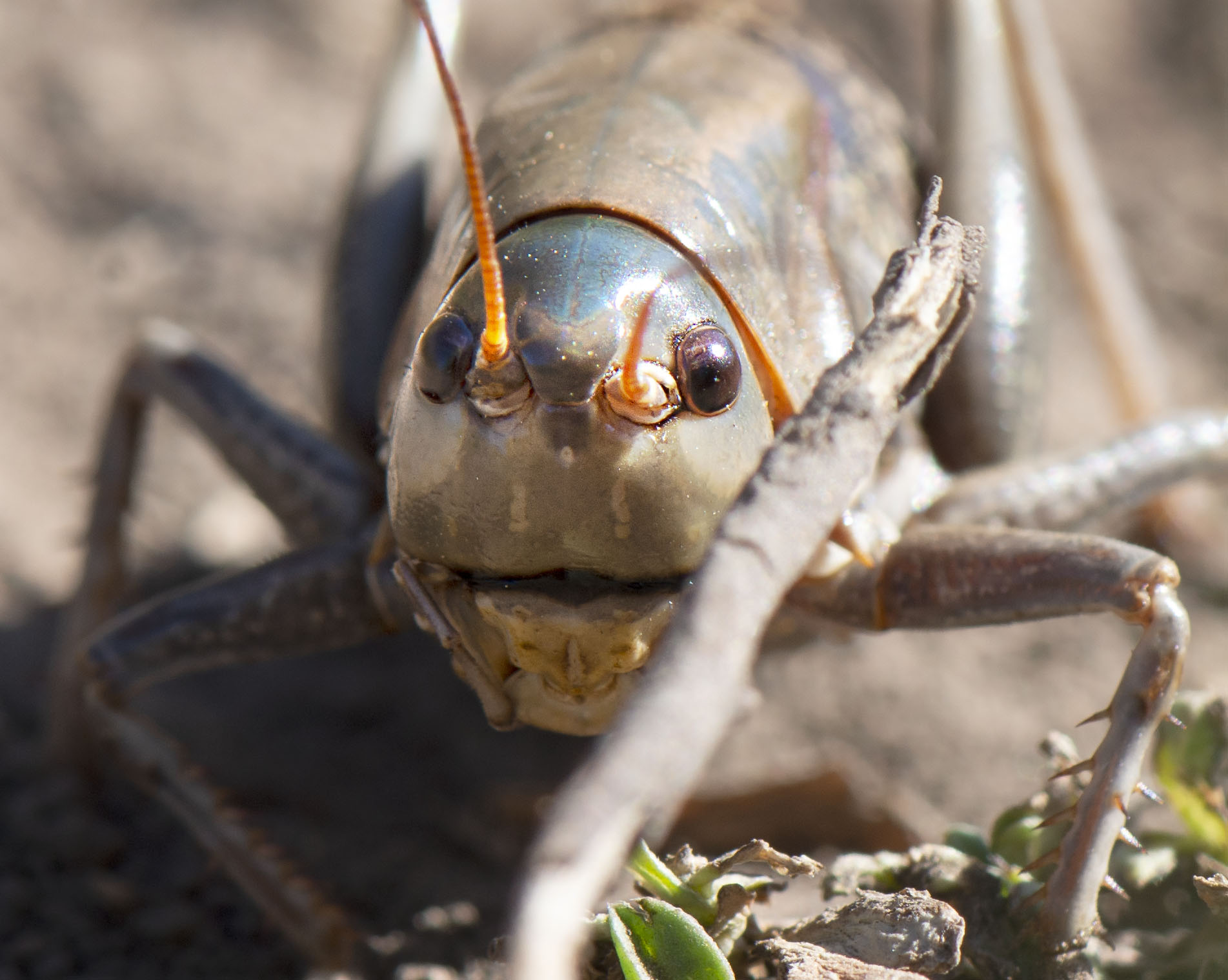
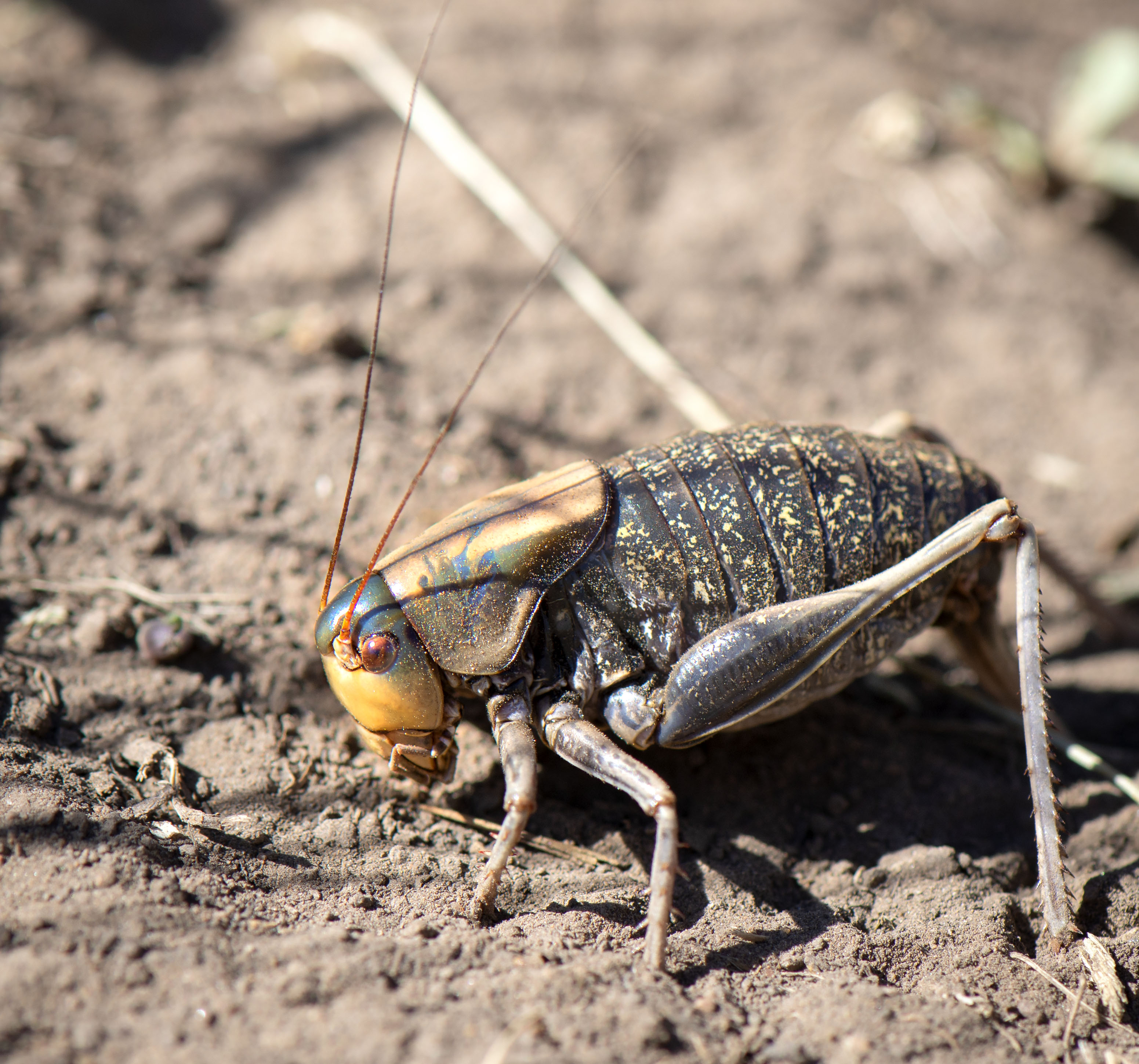
Given these were not marching across our hiking trail in plague proportions I enjoyed seeing them on a late fall afternoon moving through the already dry grasses.
on a swivel
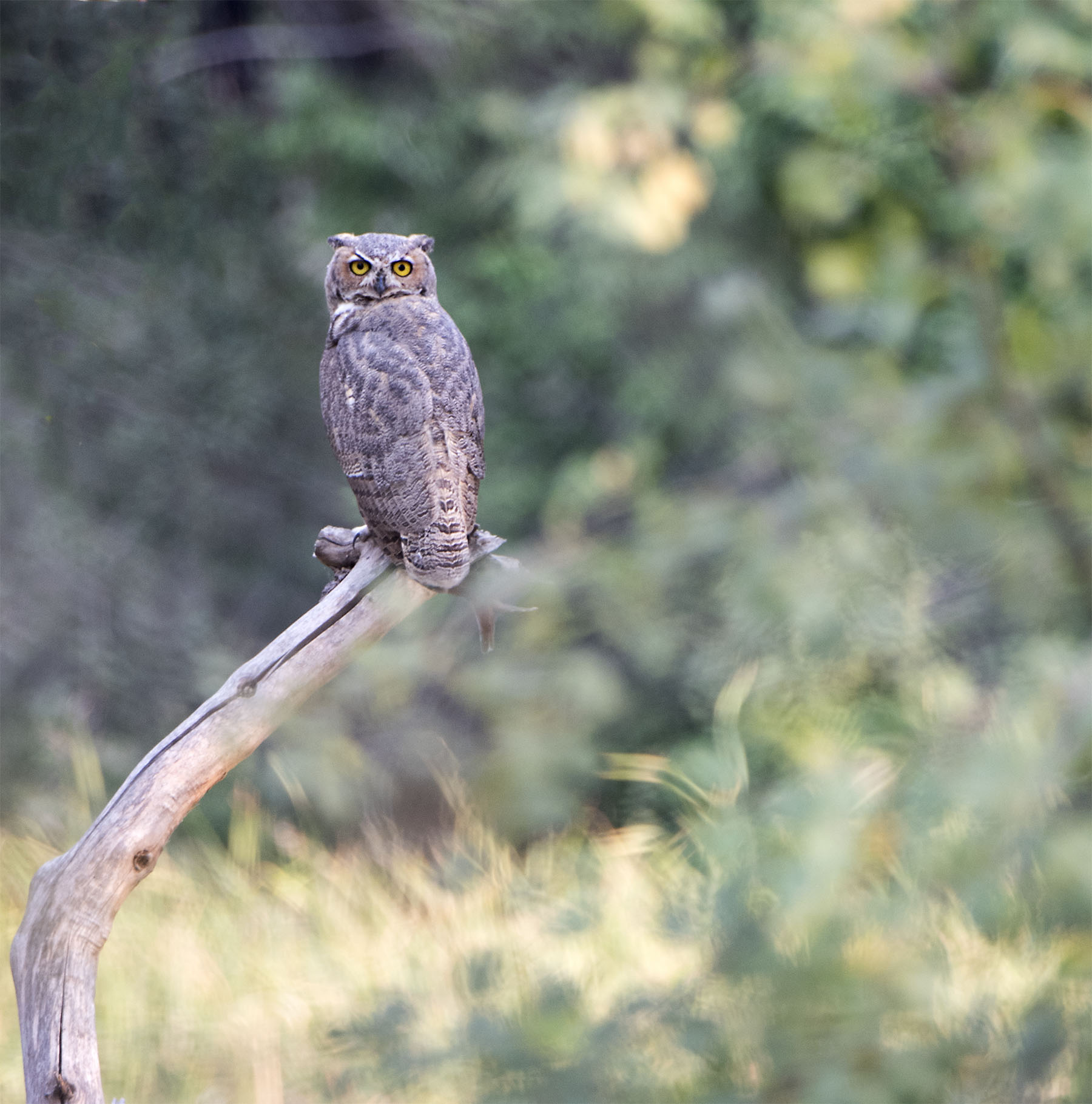
Quietly perched and giving us the 180 degree head turn like only an owl can give a Great Horned Owl waits in the early evening light for their day to begin.
 nature has no boss
You must be logged in to post a comment.