Chipping Sparrow: Spizella passerina

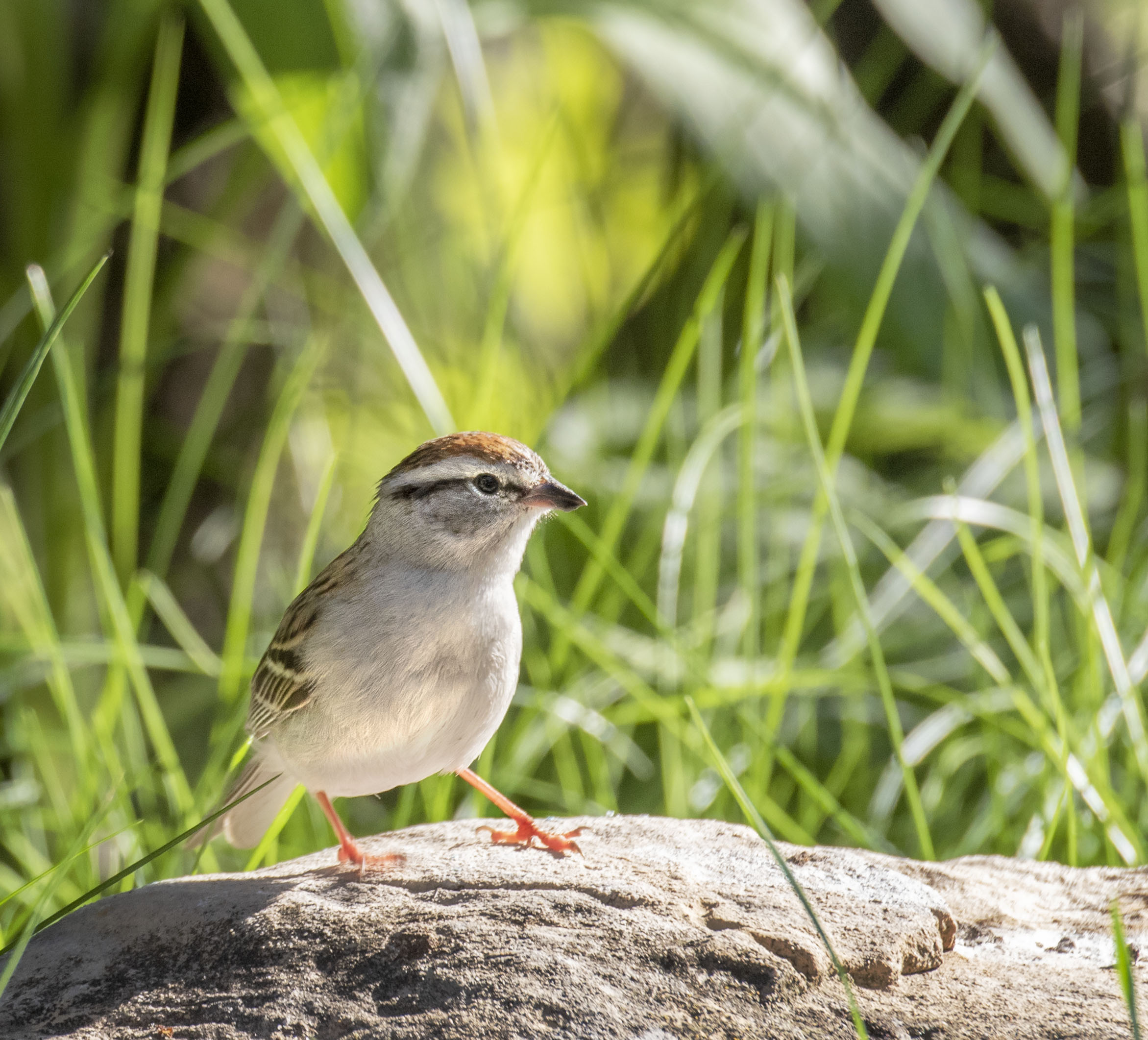
It wouldn’t seem like summer without the sounds of the Chipping Sparrows echoing through the trees in our area. A beautiful little sparrow with their rufous crown. We see the Chipping Sparrow foraging on branches, jumping around on the ground and hopping about in the both pine and deciduous tress each summer.
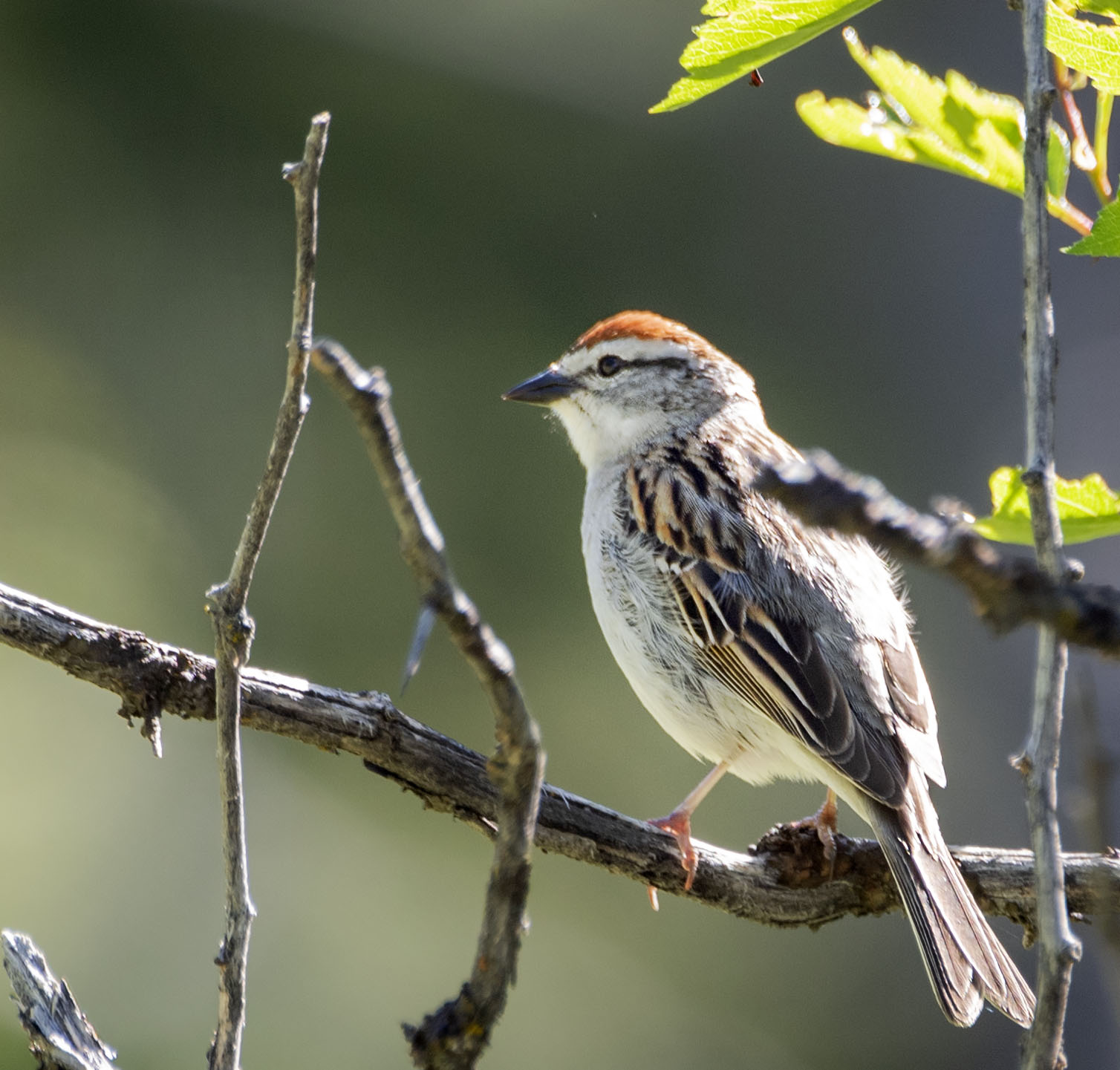
More often than not a hike through the forest in July is accompanied by their song echoing through the woods. A song we thoroughly enjoy.
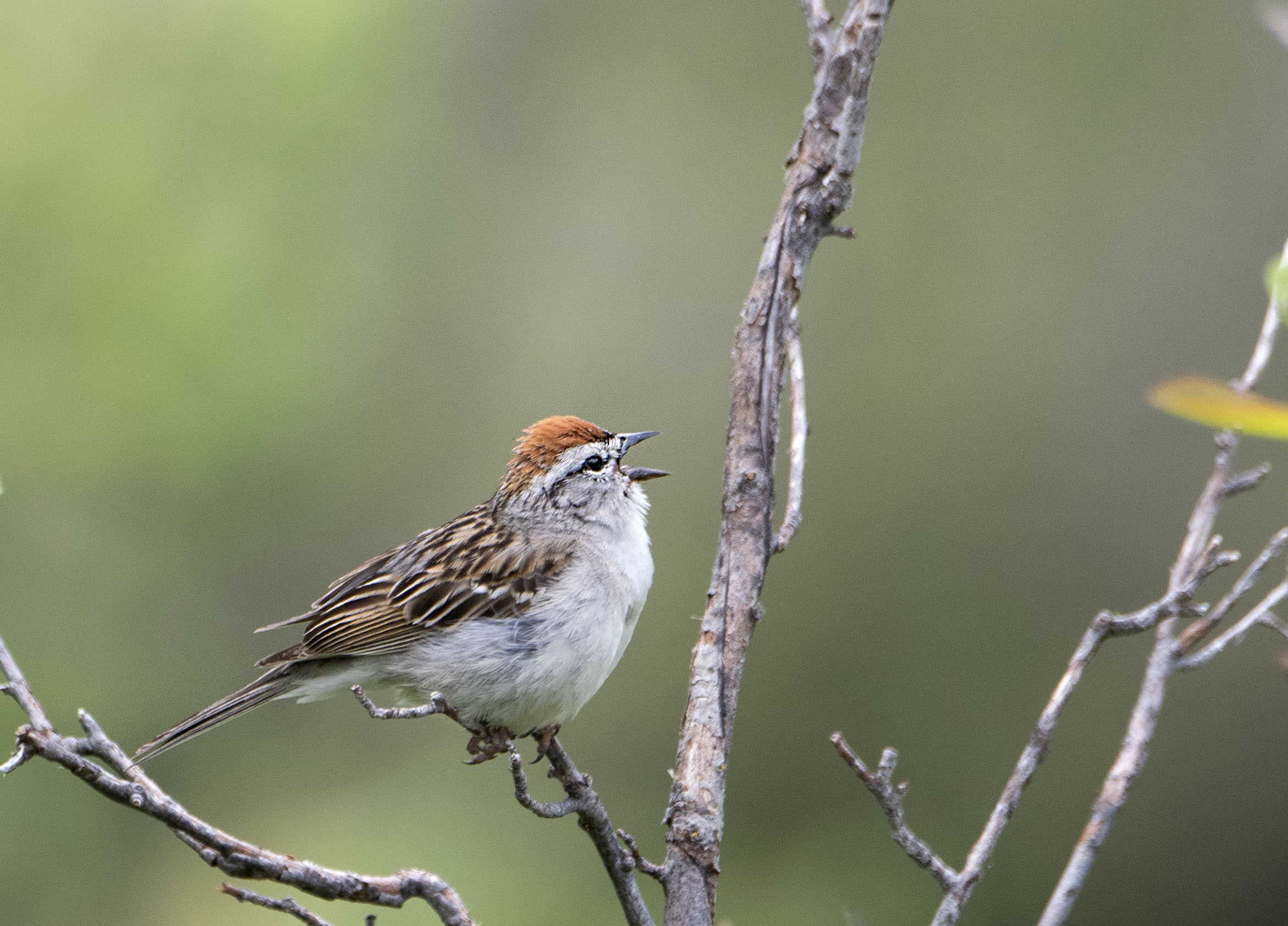
So here’s to the Chipping Sparrow a widespread, modest and wonderful summer companion.
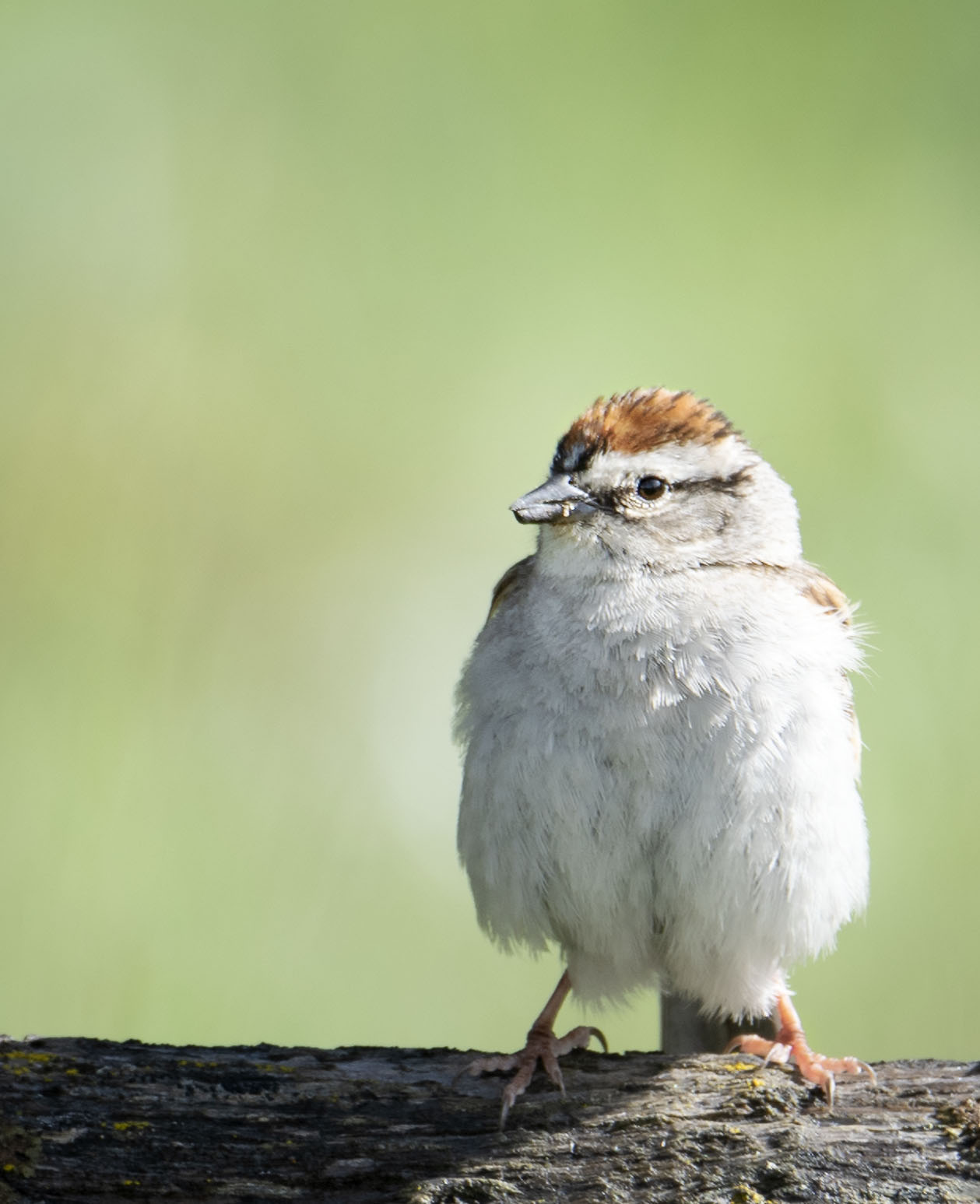
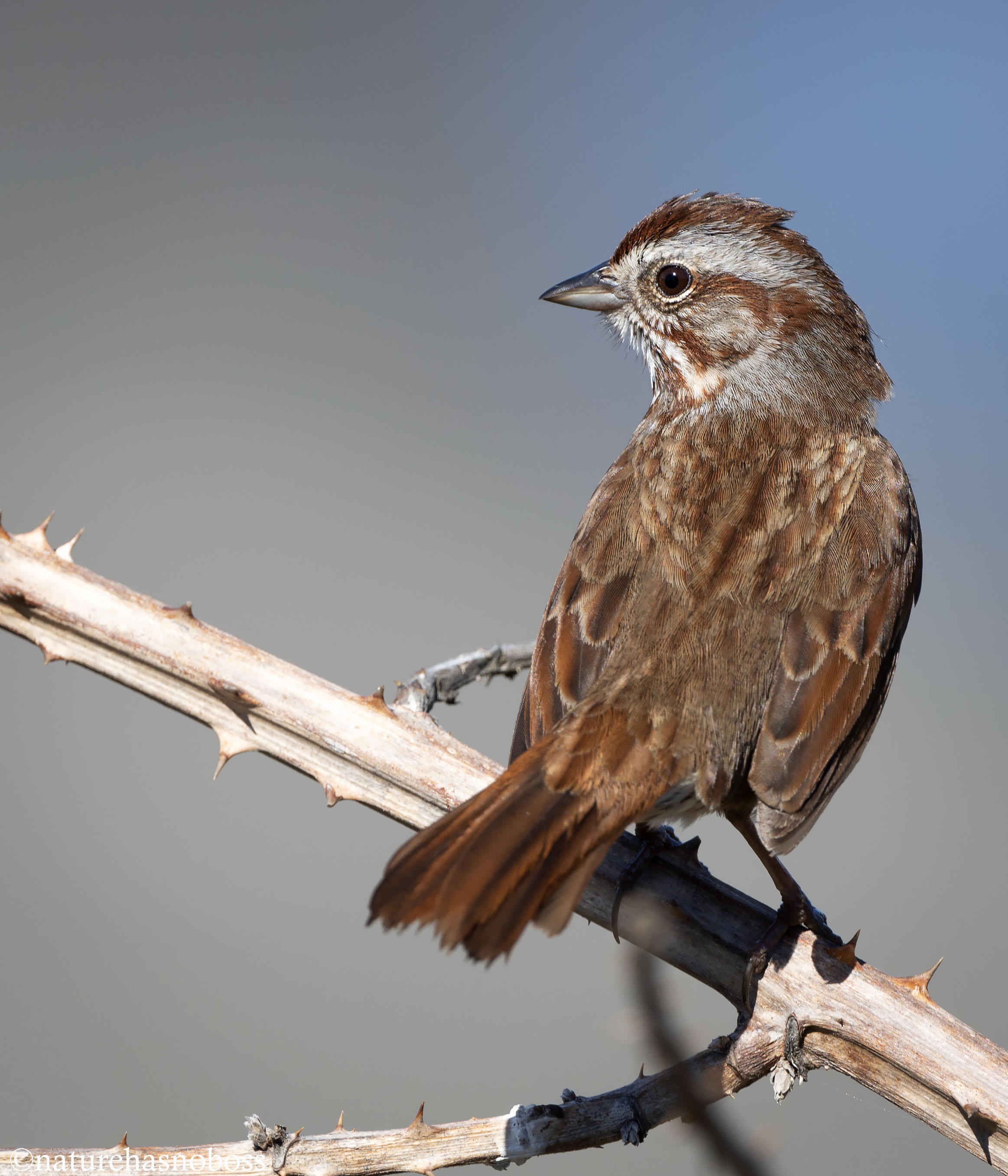
Song Sparrow: Melospiza melodia

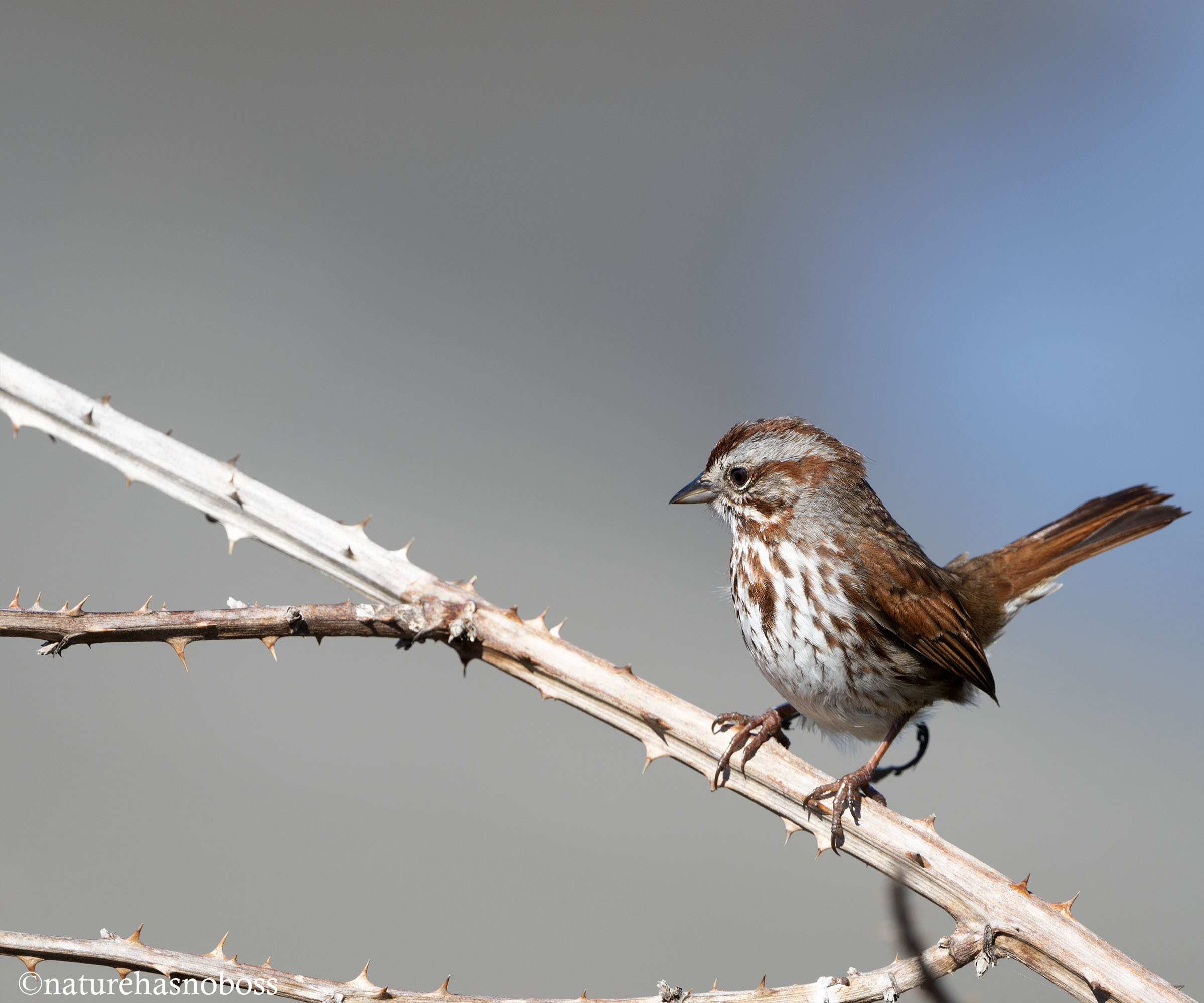
Given the enormous variety of regional differences it took a few looks and luckily photographs, to be certain this indeed was a Song Sparrow. And what a fine looking Song Sparrow it was.

For quite some time this birds perched upon a thorny branch of a small shrub. Moving back and forth and allowing us a nice long look during which were were able to inch ever closer.

After a few minutes this bird moved just a few yards away to a shrub containing leaves. While it was the same bird the image seemed to take on a different feeling. From pure blue sky and thorny shrub to a fresh field of green.

Wishing you a wonderful weekend.

Young and old

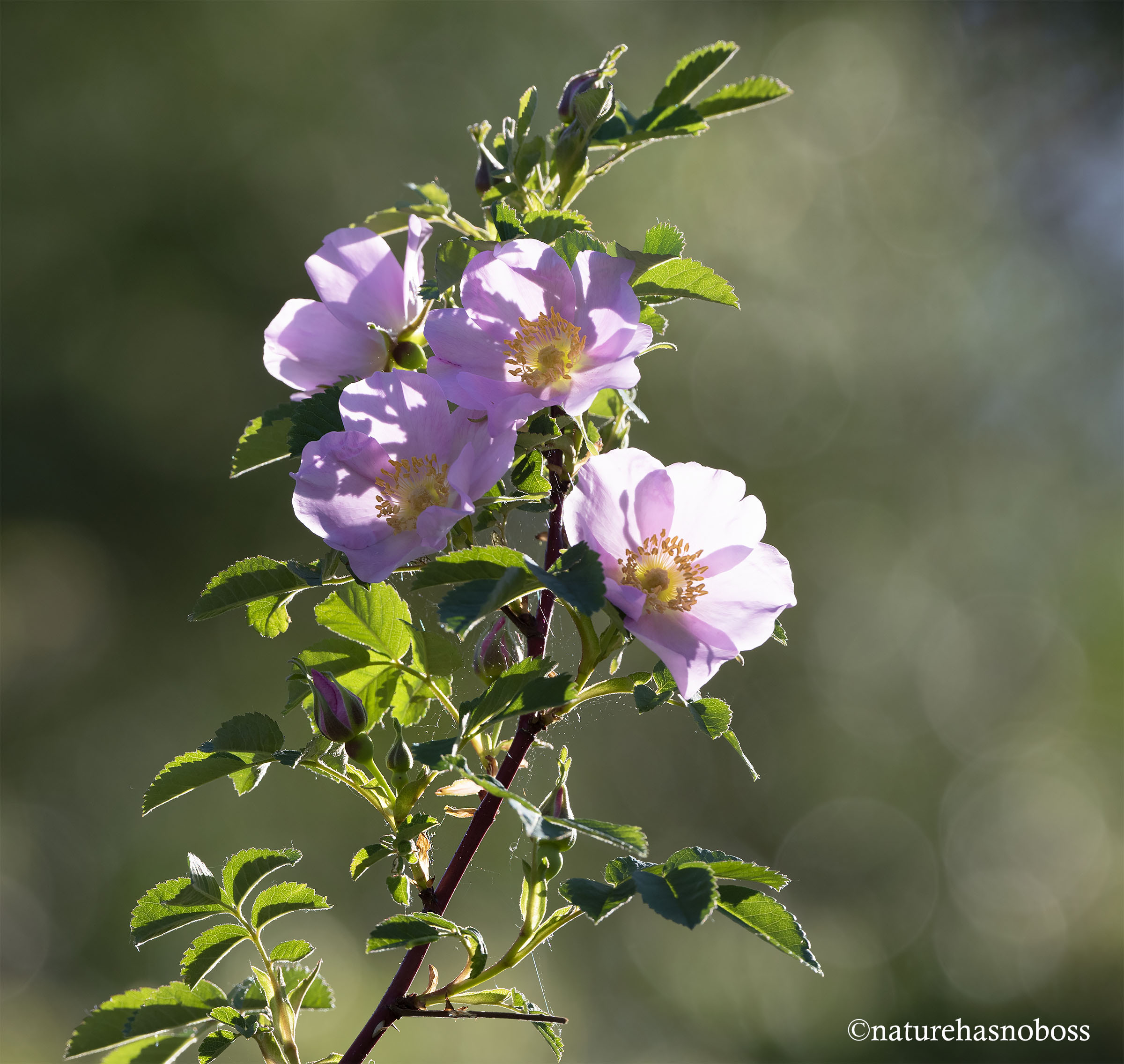
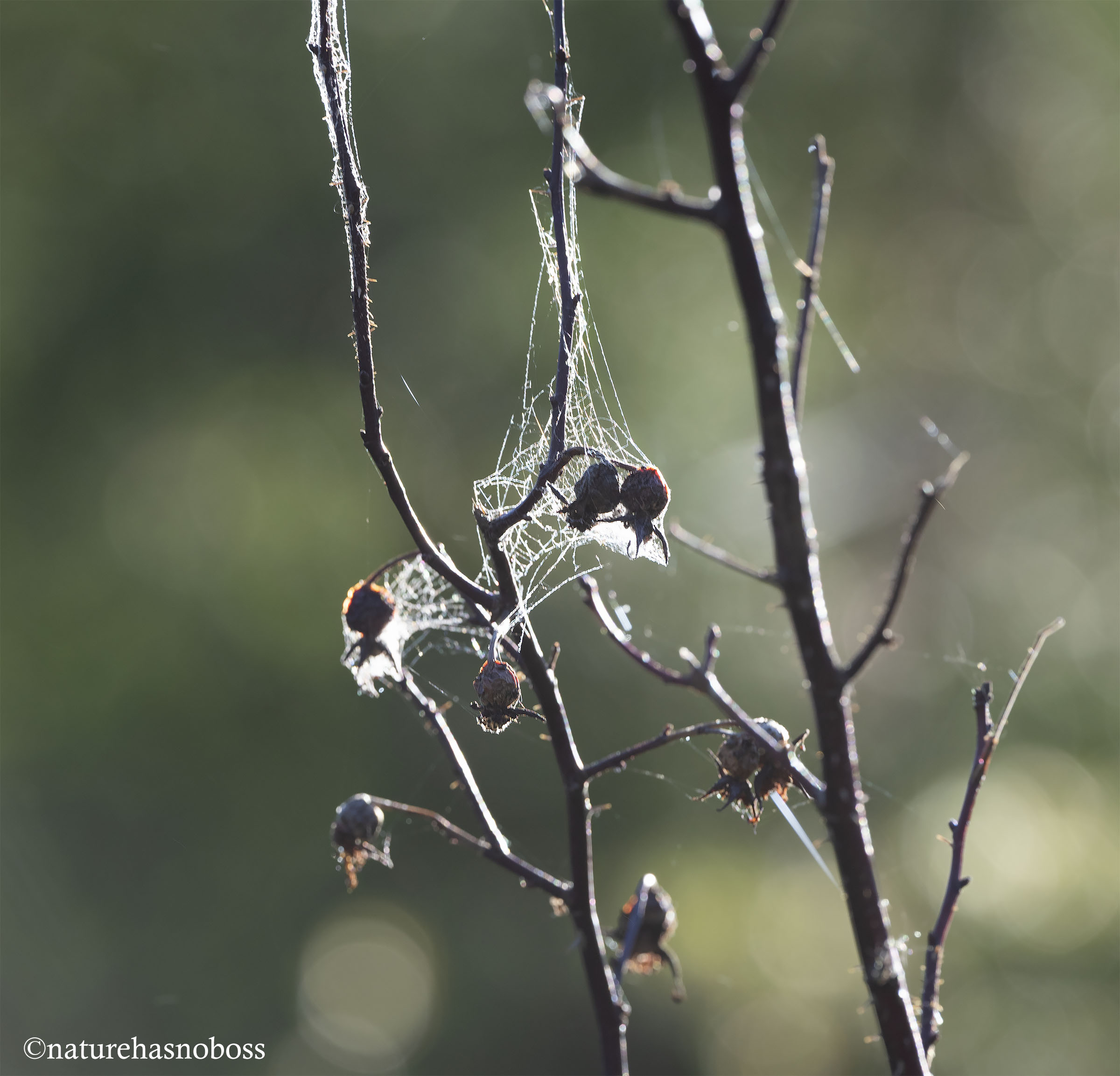
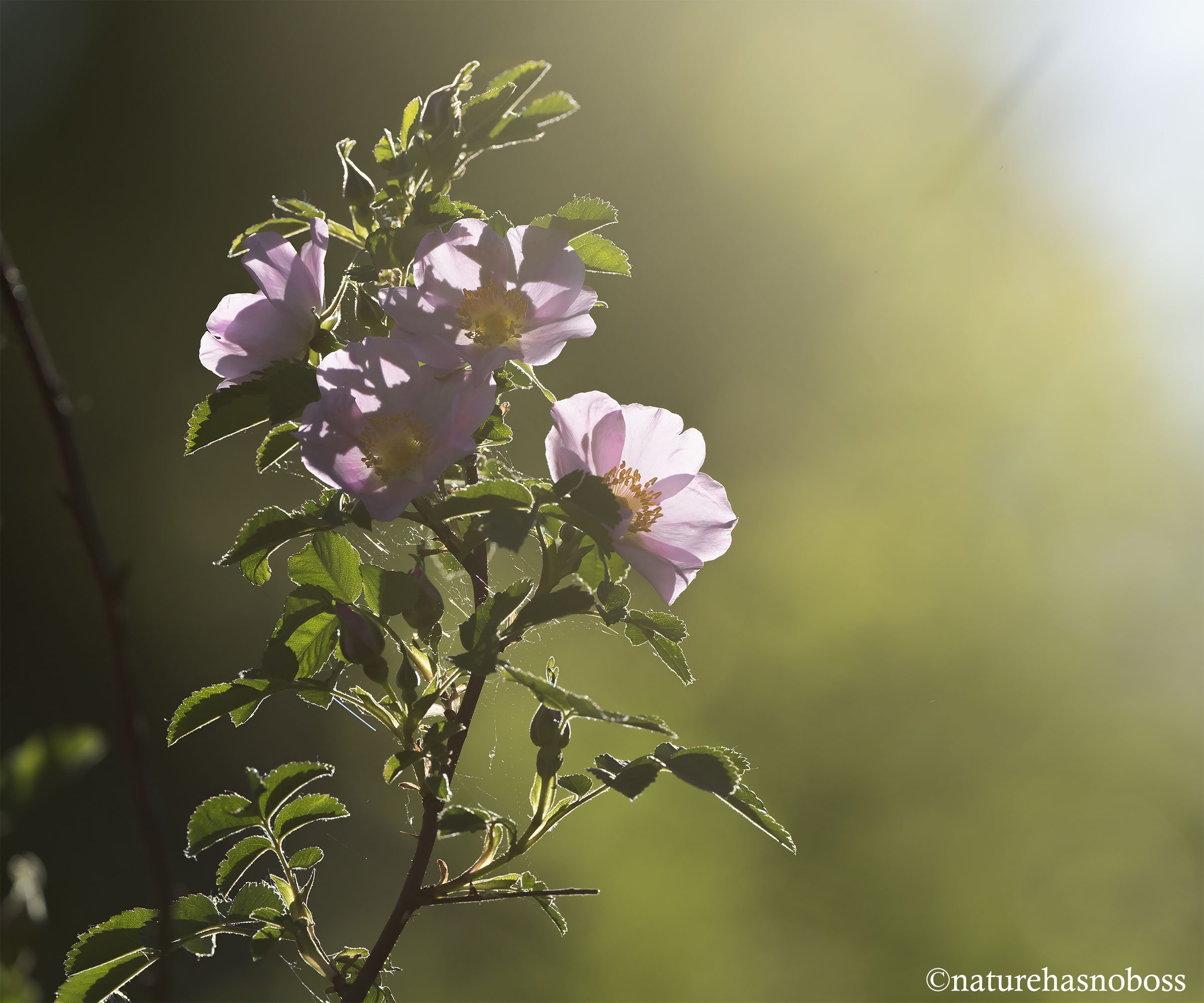
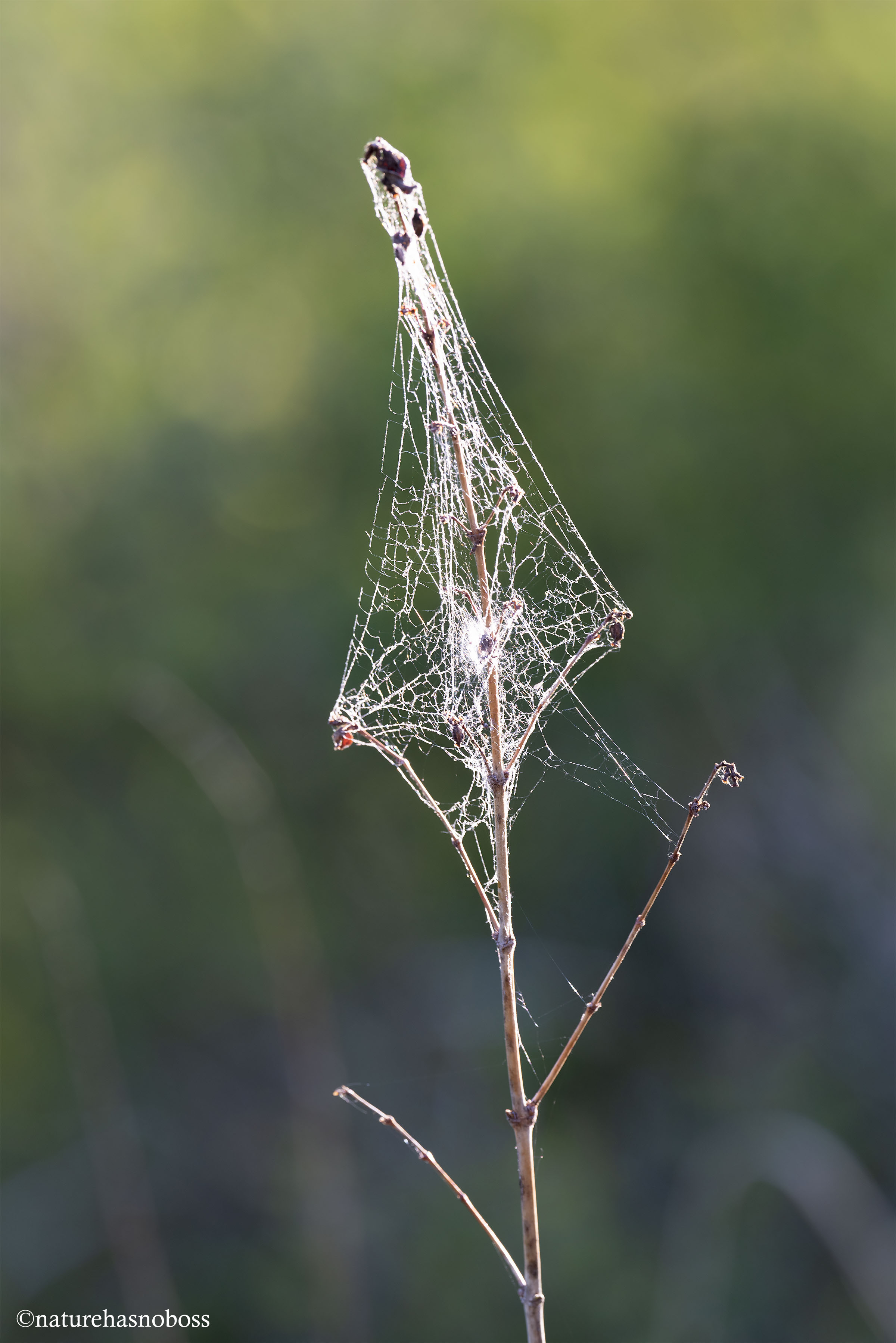
Just a couple of weeks ago the wild roses along the road were in full bloom and evening light made them oh so appealing. Yet just a few steps away were older rose bushes rose-hips still attached and full of cobwebs.

As we walked this road the pattern seems to repeat young and old, new and old over and over again.

A fine study in contrast yet none really exists.

A Small Bouquet

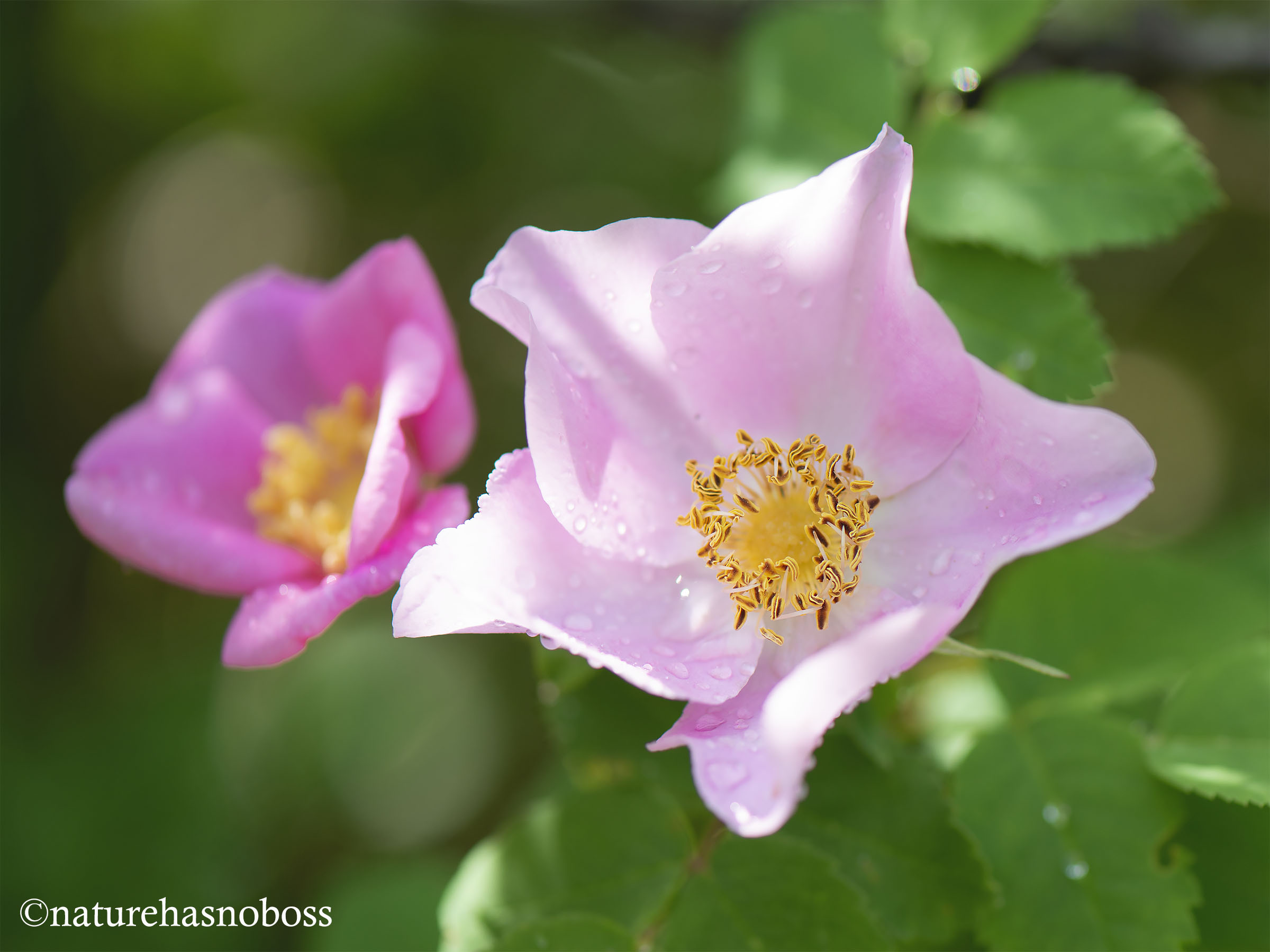
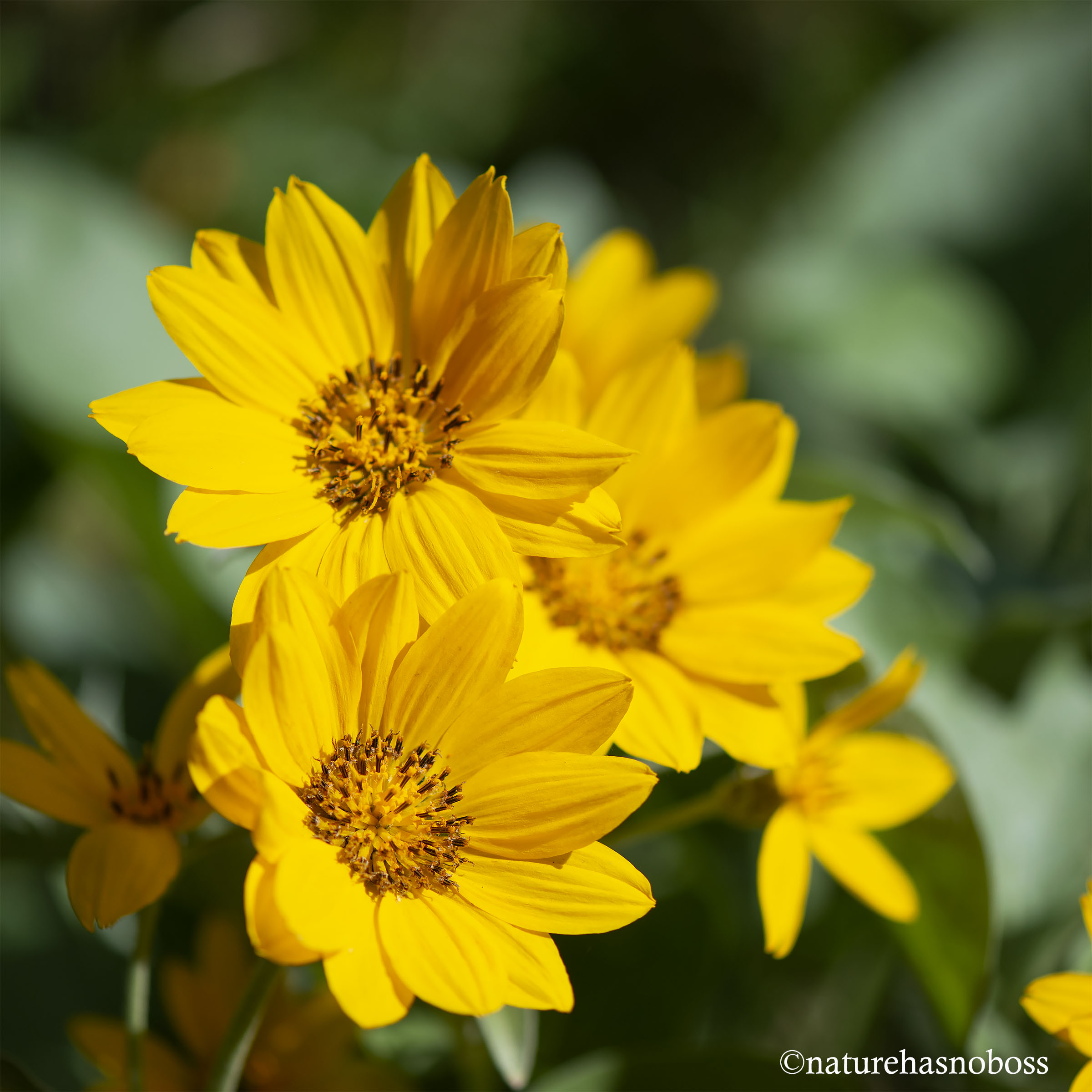
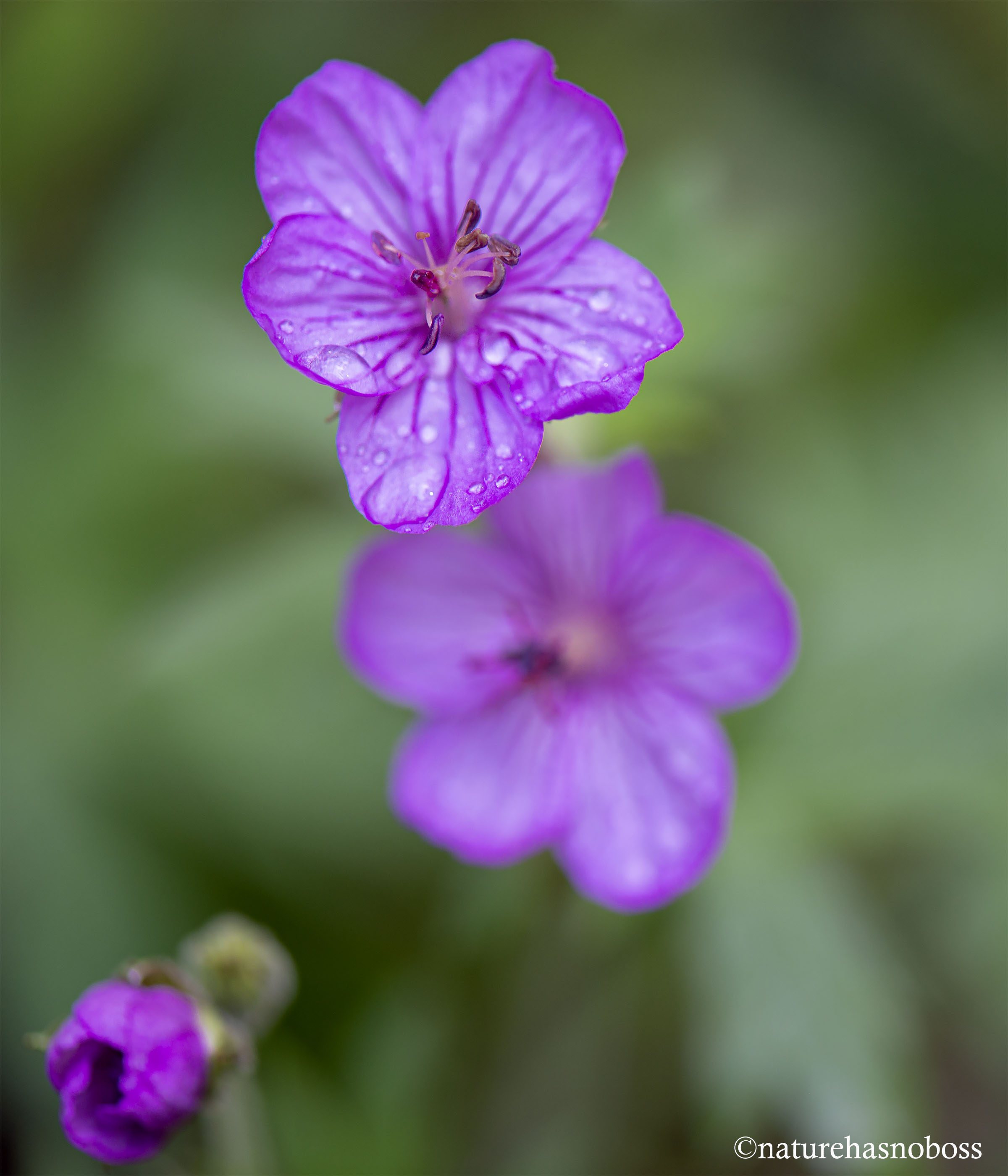
With summer chugging along at breakneck speed a small bouquet of wildflowers, picked via camera, from a recent mornings walk feels a fitting way to start another week.

oh, and don’t forget to stop and smell the roses. They just don’t last that long.

Lupine, Wild Rose, Arrowleaf-Balsamroot and Sticky Geranium.

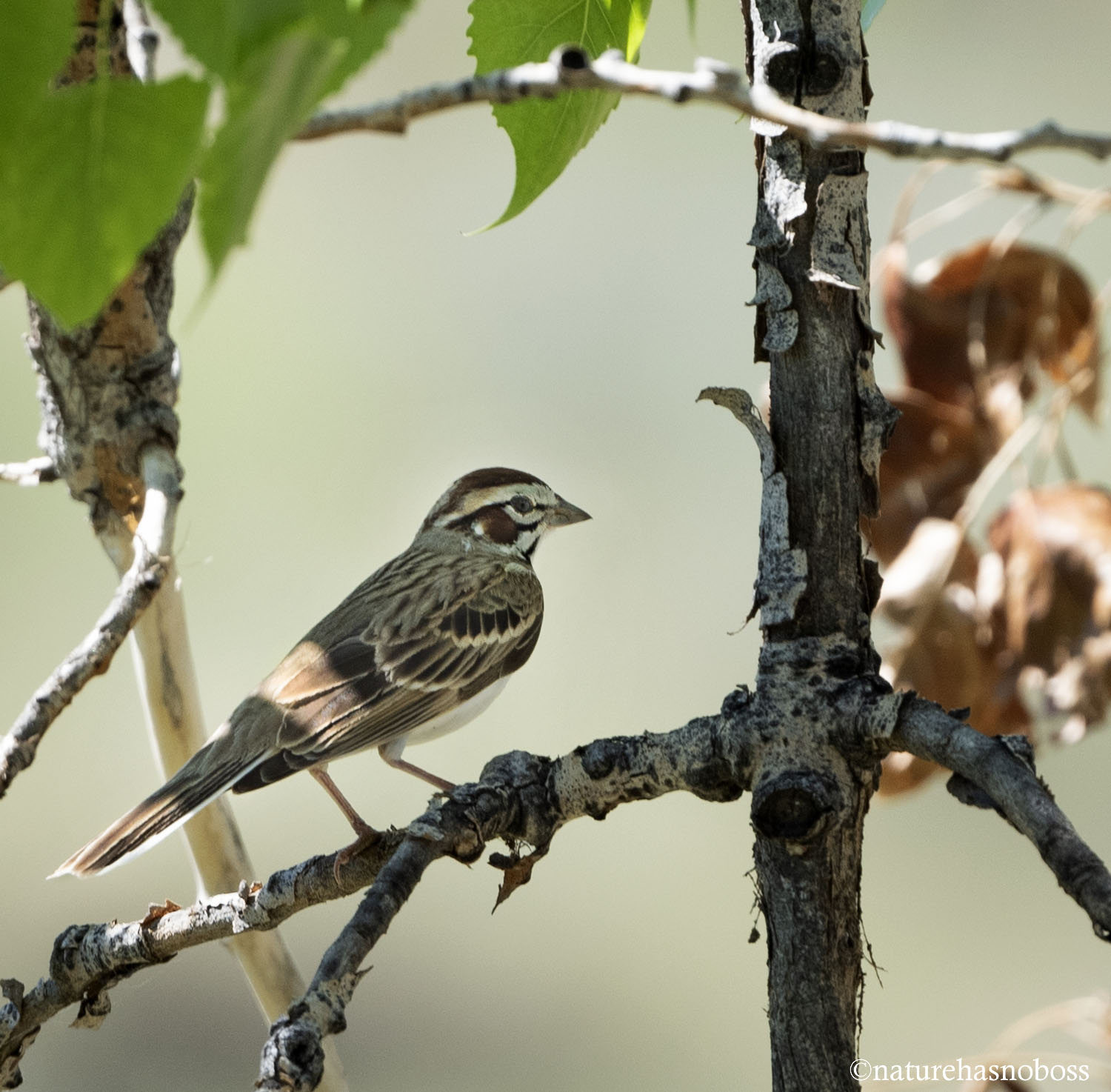
Lark Sparrow

At least there is one sparrow that is always easy for us to identify.

The Lark Sparrow.

This large sparrow may be brown, but its harlequin facial pattern and white tail spots make it a standout among sparrows. Males sing a melodious jumble of churrs, buzzes, and trills reminiscent of an Old World lark. Their courtship is also unusual, involving a hopping and crouching display unlike other sparrows. Lark Sparrows occur in the West and the Great Plains in prairies, grasslands, and pastures with scattered shrubs. In winter, look for them in small flocks in brushy areas.

https://www.allaboutbirds.org/guide/Lark_Sparrow

Getting a nice long look at Lark Sparrows always makes the long drive out to visit to the grasslands and prairies complete.

However on a more serious note, prairie and grassland birds and their habitats are perhaps the most threatened birds and ecosystems in North America. A recent article in Forbes, yes Forbes, brings this problem to light and how one major bird conservation group is working to address it.

Lazuli

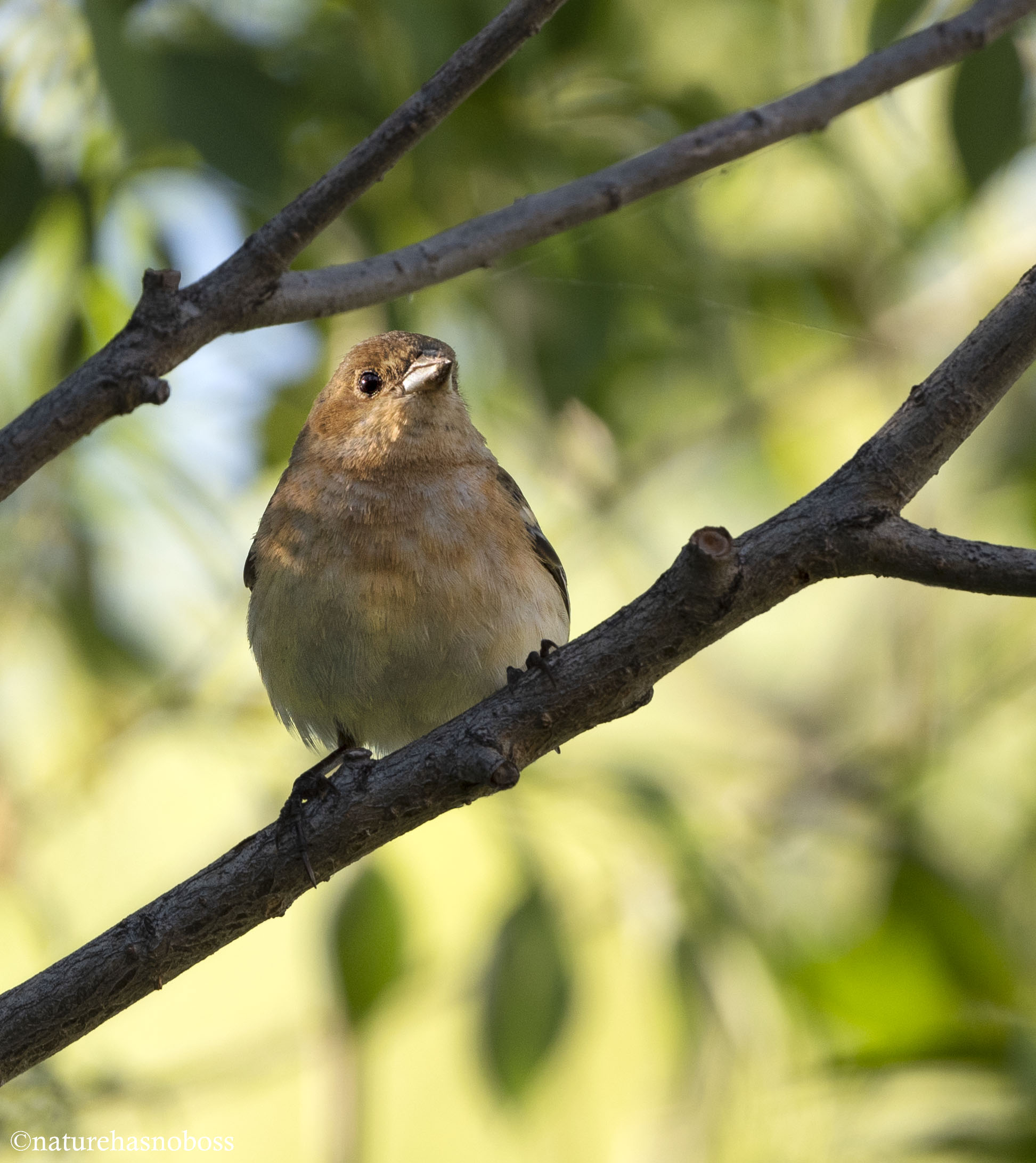
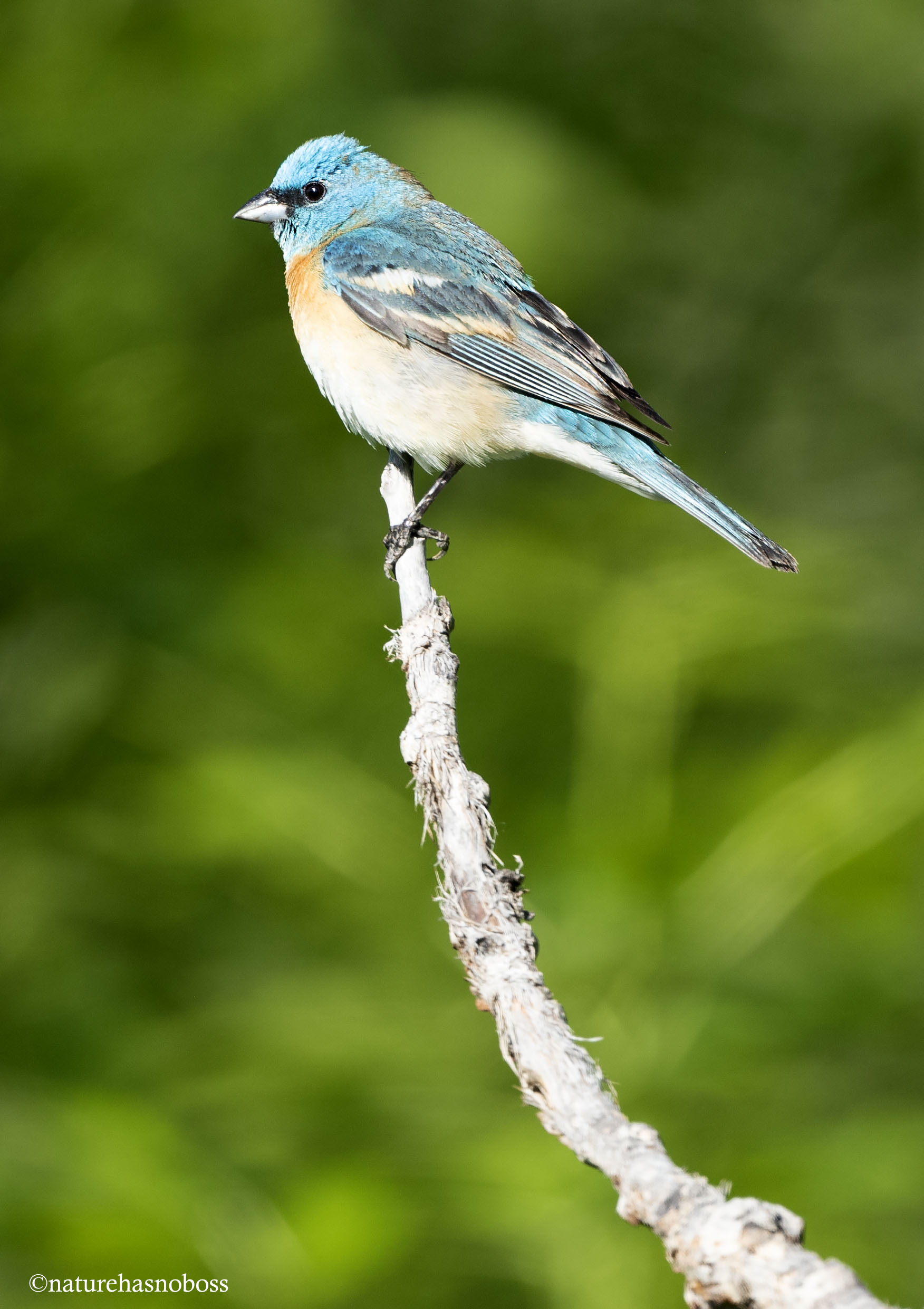
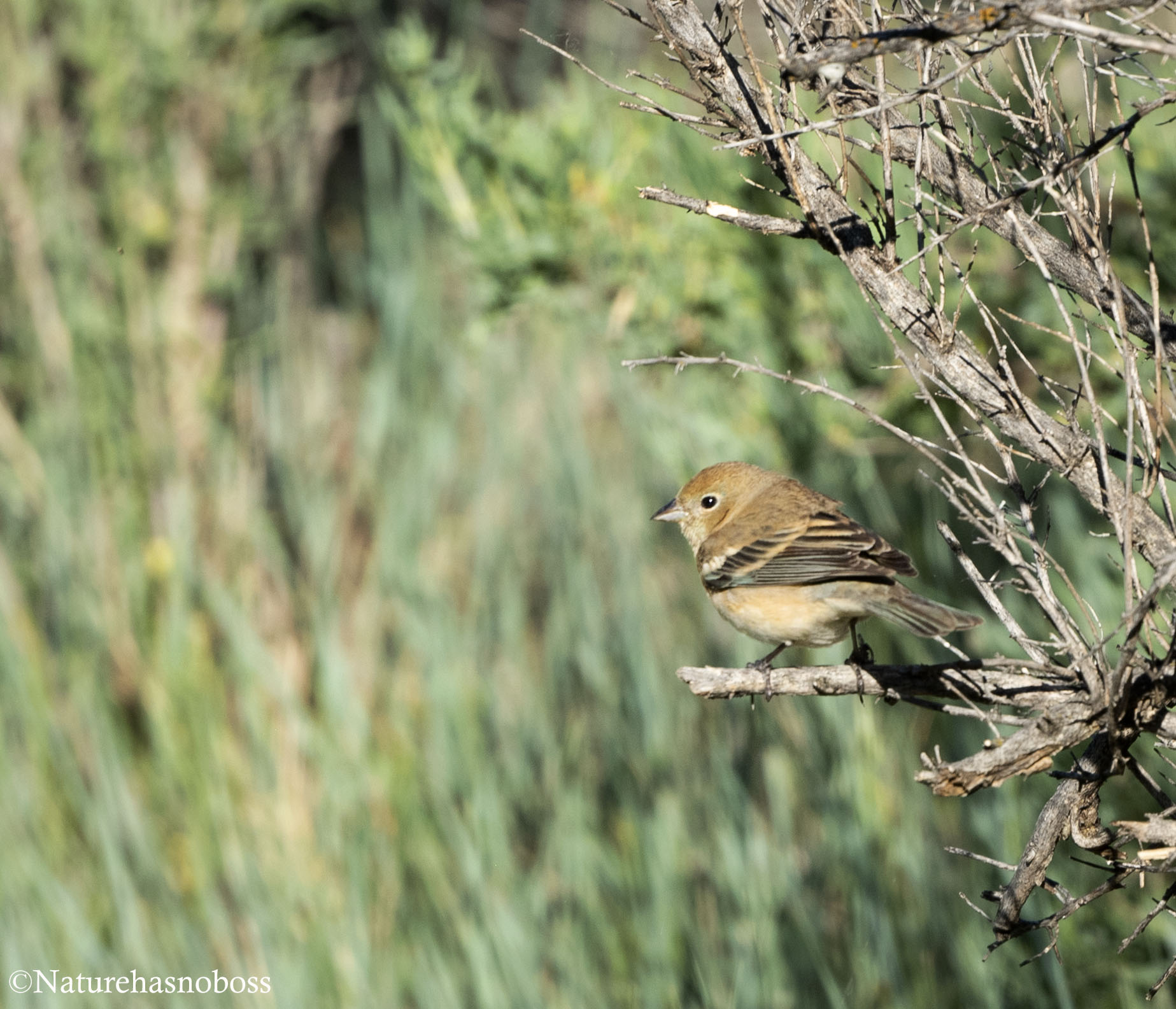
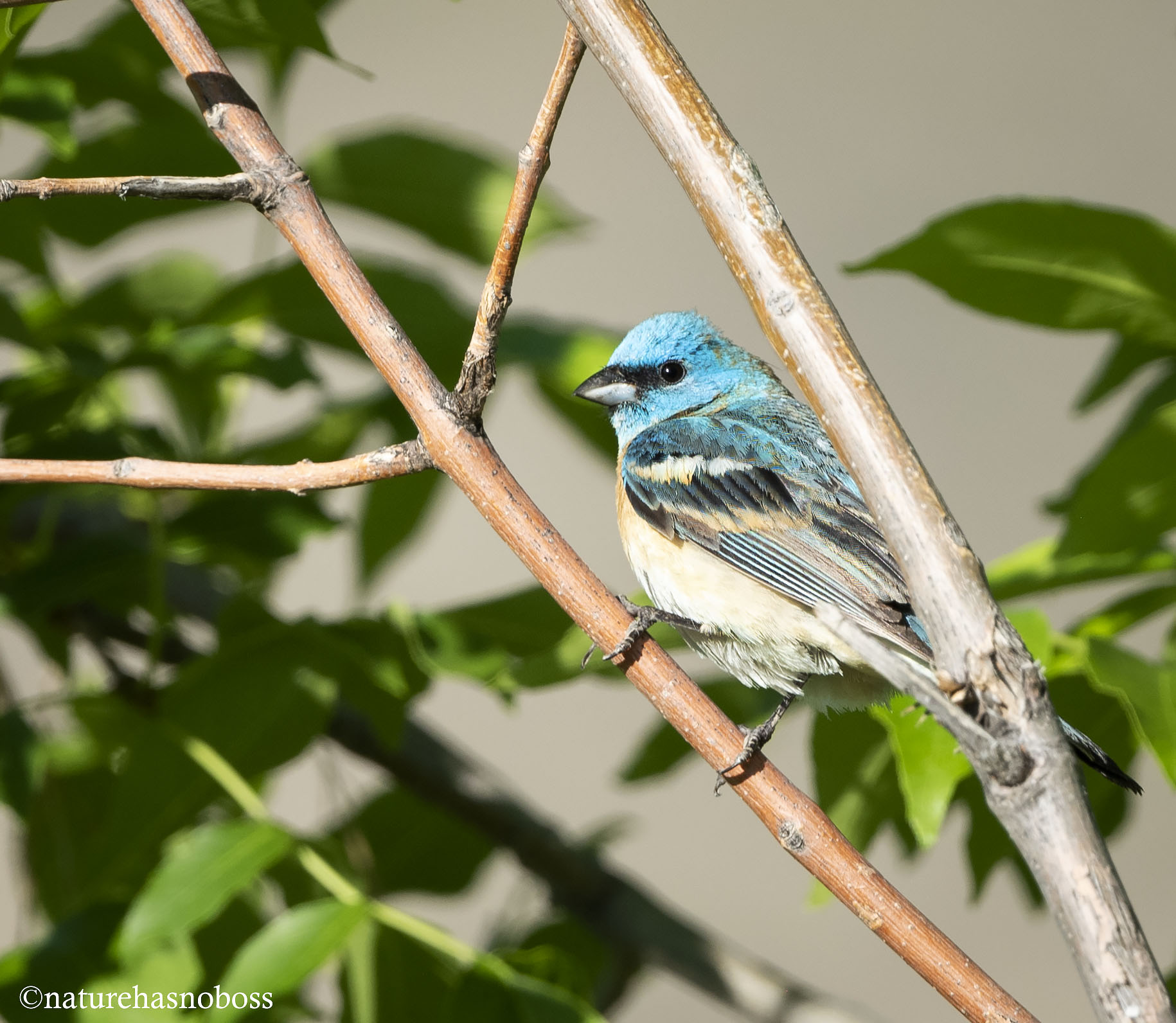
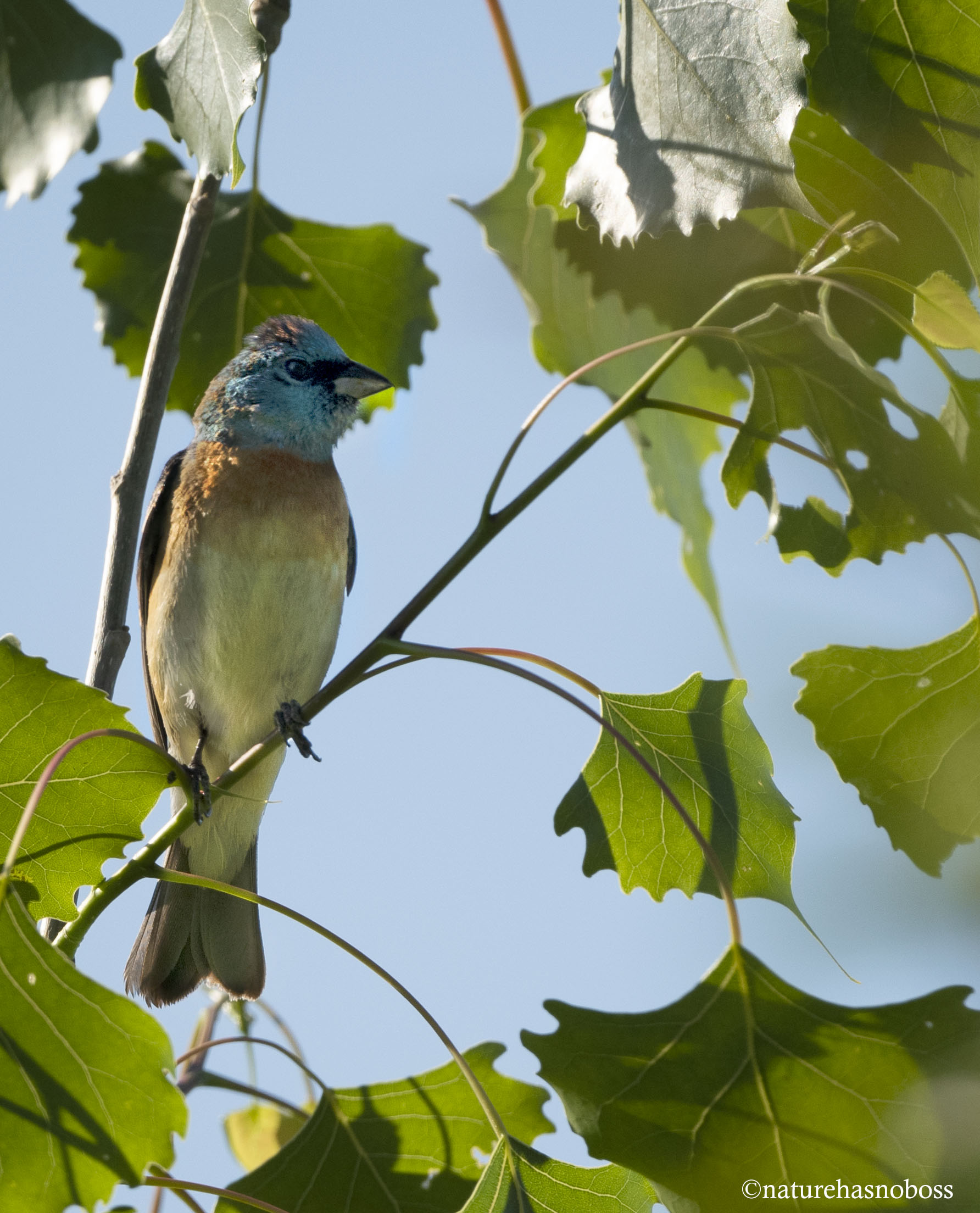
While we regularly see and hear the brightly colored male Lazuli Bunting singing his somewhat squeaky song from the tops of bushes and trees at the edge of open fields we see and have had the opportunity to photograph the female only on rare occasion. Softly colored with a light cinnamon breast the female was quietly hanging out in dense foliage listening as a nearby male sang his heart out.

The beauty of the Lazuli Bunting did not escape the early naturalist who named it Passerina amoena, meaning beautiful sparrow.

https://www.allaboutbirds.org/guide/Lazuli_Bunting/overview

While it was indeed named beautiful sparrow the Lazuli Bunting is actually in the family Cardinaliadae being more related to Cardinals or Grossbeaks.

It was indeed our lucky morning as another female peeks out from a thick tangle of shrub with her best man nearby.

And just for fun, one more shot of the male perched nearby in a cottonwood tree.

And by the way… isn’t Lazuli a fun word to say?

Orange-crowned Warbler

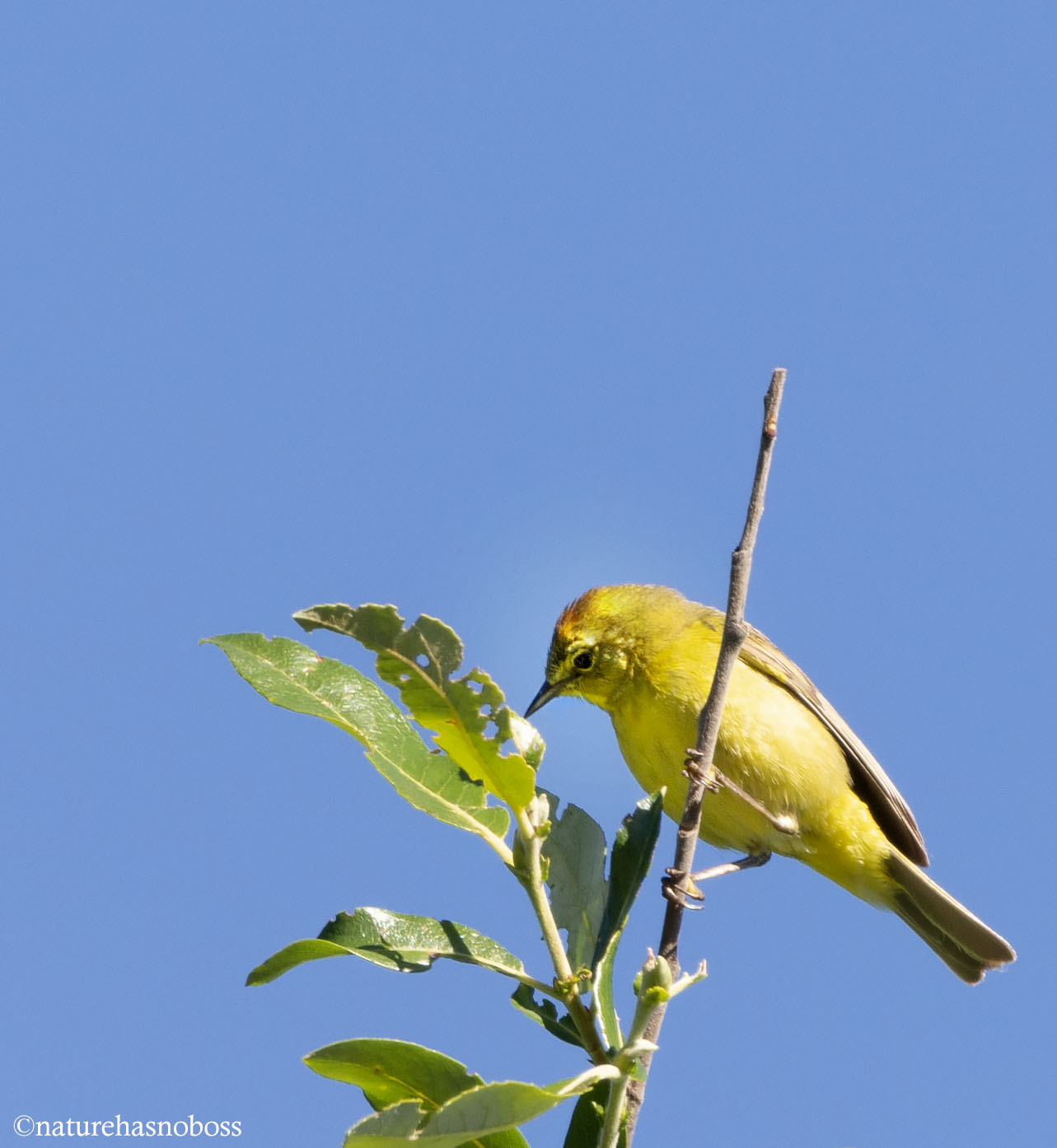
An Orange-crowned Warbler with orange crown actually showing forages high up in a stand of shrubs with nothing but a blue sky behind.

These grayish to olive-green birds vary in color geographically and have few bold markings. There’s rarely any sign of an orange crown, which is usually only visible when the bird is excited and raises its head feathers. They might have you scratching your head until you recognize their slim shape, sharply pointed bill, and warmer yellow under the tail. 

https://www.allaboutbirds.org/guide/Orange-crowned_Warbler/overview

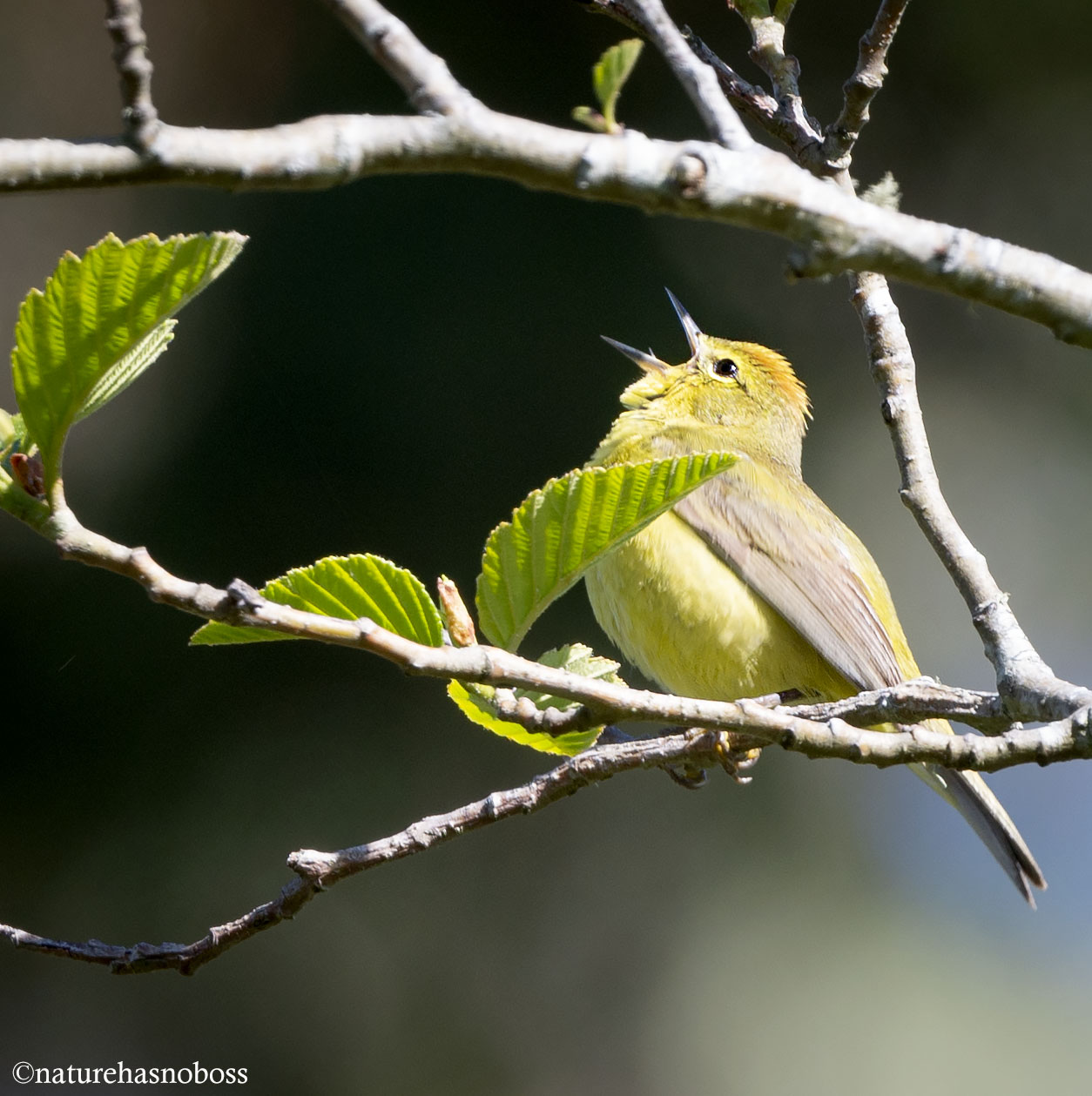
An excited male sang this morning moving from shrub to shrub and tree to tree as we intently listen and tried to learn his song.

The male Orange-crowned Warbler’s song is far more variable than that of other wood warblers—so much so that the males can be told apart by their distinctive song patterns. Breeding males often form “song neighborhoods,” where two to six birds in adjacent territories learn and mimic each other’s songs. These “neighborhood” songs can persist for years.

https://www.allaboutbirds.org/guide/Orange-crowned_Warbler/overview

A true burst of sunshine was a nice start to the day.

Mighty Mink

Mighty_mink_1

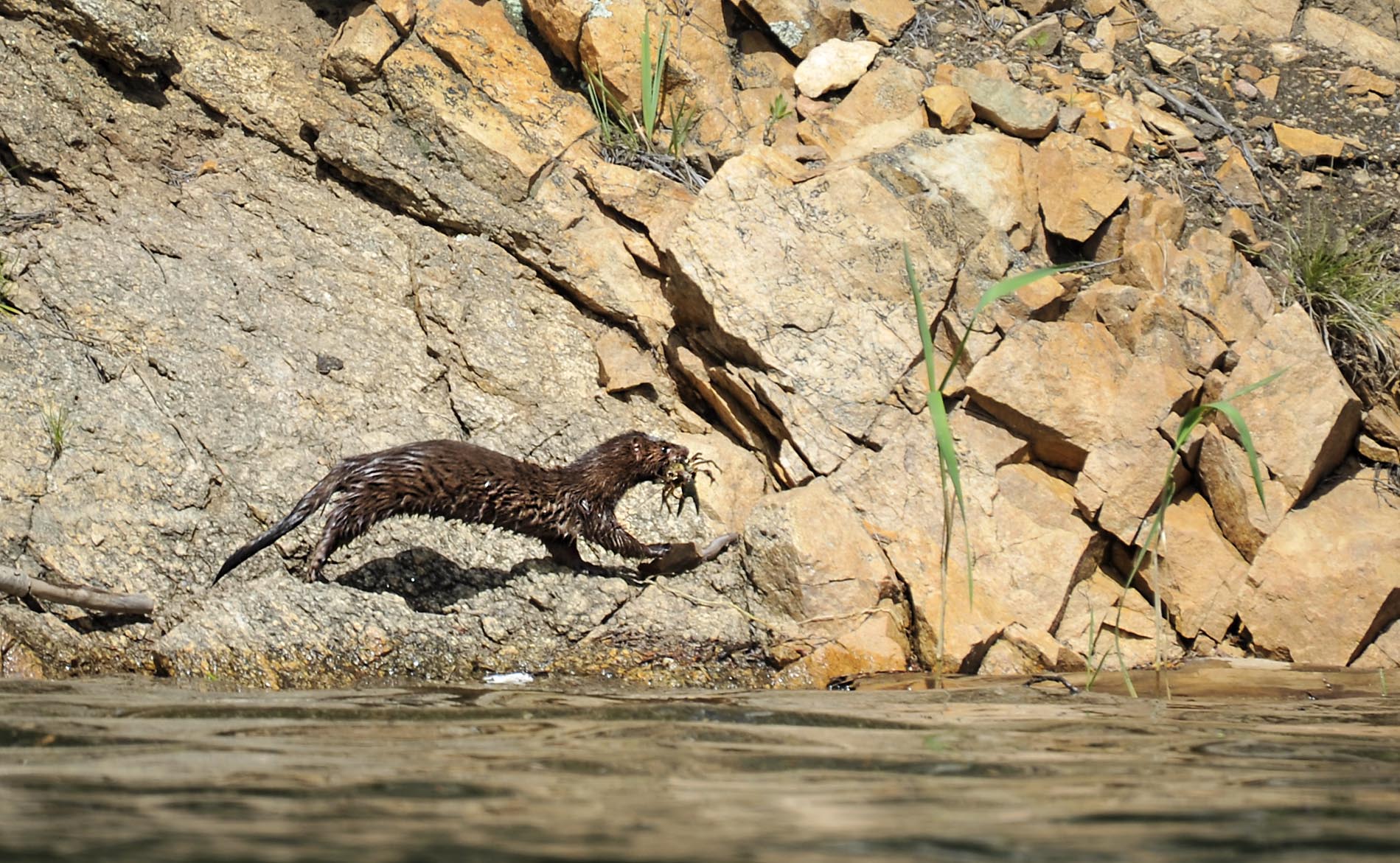
While out at a local lake on our kayaks we were treated to a very unexpected sight…a mink hunting crawfish. This guy/gal was working the shoreline and caught at least two crawfish while we watched from out in the lake on our kayaks. We had no idea mink lived along the shores of this lake and have never seen one before. Another reminder that those little moments sure can make your day.