Towards meadows edge

GIbbon_meadows_1

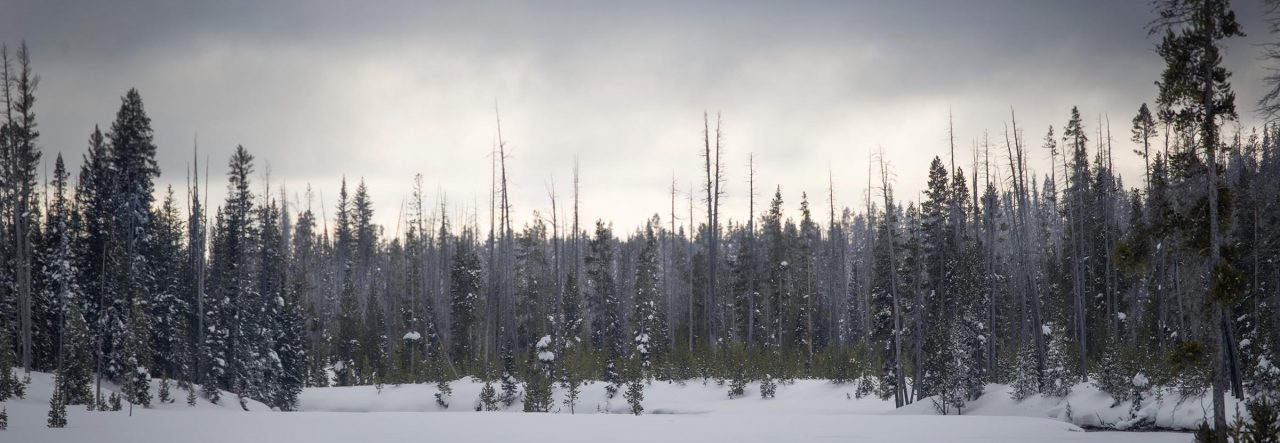
On a silent morning we stopped and spent some time in the heart of a meadow looking out towards the edge.  To the northwest, mountains rise as skies clear all the while  clouds and snow roll in right above.

Gibbon_meadows_3

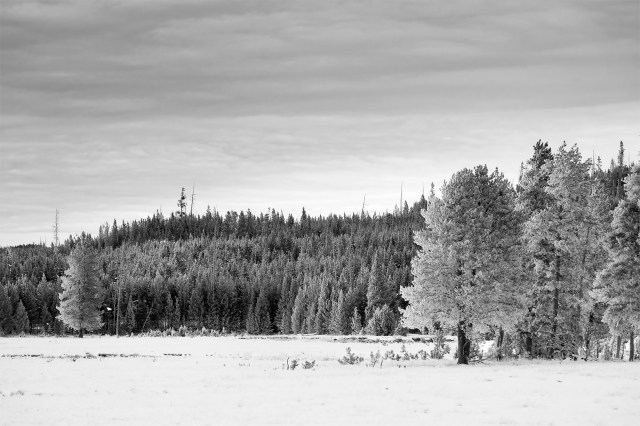
With just a slight turn the mood quickly changes with a dusting of white to the north…

Gibbon_meadows_2

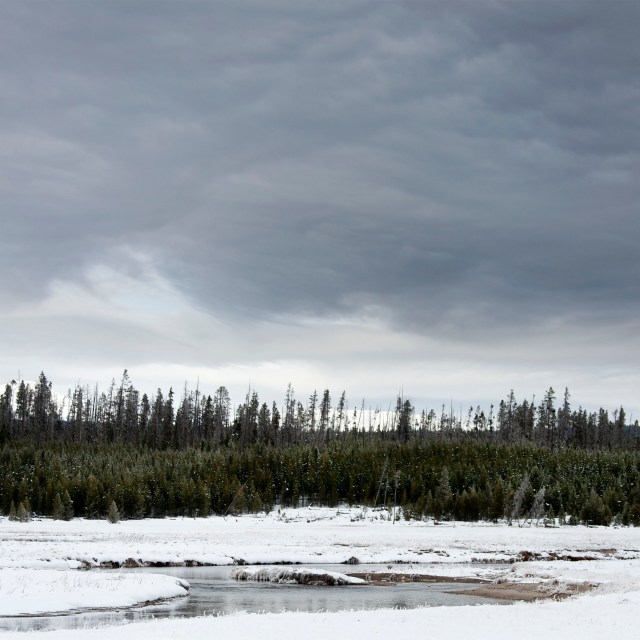
…and to the west a river meanders south and heavy clouds lie overhead…

Gibbon_meadows_4

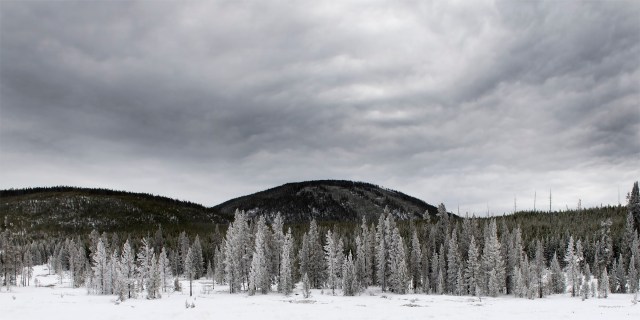
…to the east the hills rolled as the skies above.

As the day progressed the skies cleared and sun shone bright yet what lingers inside is the views towards the meadows edge.

Statistic of the decade

Rare_6
As this decade comes to a close we ran across an interesting statistic produced by the Royal Statistical Society in the UK. In fact it was the societies statistic of the decade and one that is nothing to write home about-deforestation of the Amazon rainforest.
Rare_10

The estimated accumulated deforestation of the Amazon being equivalent to around 8.4 million football pitches or about 24,000 square miles. In a decade!

A recent article in the Conversation provides further insight into this statistic describing some of the more obvious consequences of this deforestation and rebutting arguments that conversion of the rainforest to ranching, resource extraction and farming is required for economic benefits of nations and the people within those nations. In fact there is data to suggest that if left alone the economic benefits of the amazon rainforest outweigh its destruction for short-term profits. However, another recent article suggests the worst is yet to come in the deforestation of the Amazon. With the cost of  reforestation at over $2,000 an acre cost alone, not to mention political forces, make restoration less likely day by day.rae_8

The amazon rainforest has been called the lungs of the earth breathing in carbon dioxide and stabilizing the earth’s climate and exhaling oxygen-oxygen that fuels life animal life in all its myriad forms.

  • One in ten known species on our planet including over 2,000 species of animals and probably more plant species than can be counted.
  • Half of the earths remaining tropical rain forests.
  • Over 4,000 river
  • Over 2.6 million square miles.

A grim statistic to have won the honor of statistic of the decade but one we ought to heed as we move forward into the next.

It is hard to appreciate this fact for us living far from the Amazon in places already striped of natural landscapes.  However, when we drive past a once fertile farm field just down the road now being plowed over for a new round of strip malls we get an inkling of what the future holds. A planet impoverished for the enrichment of a few, until it all falls apart.

Perhaps the statistic of the next decade in 2030 will something like this “the decade humanity work together to solve the climate crisis for the good of all”.I know it’s not really a statistic but we will be able to quantify the results and turn that into the next statistic of the decade.

THe_bully_1

More Dried Fruit

dried_fruit_2

dried_fruit_3

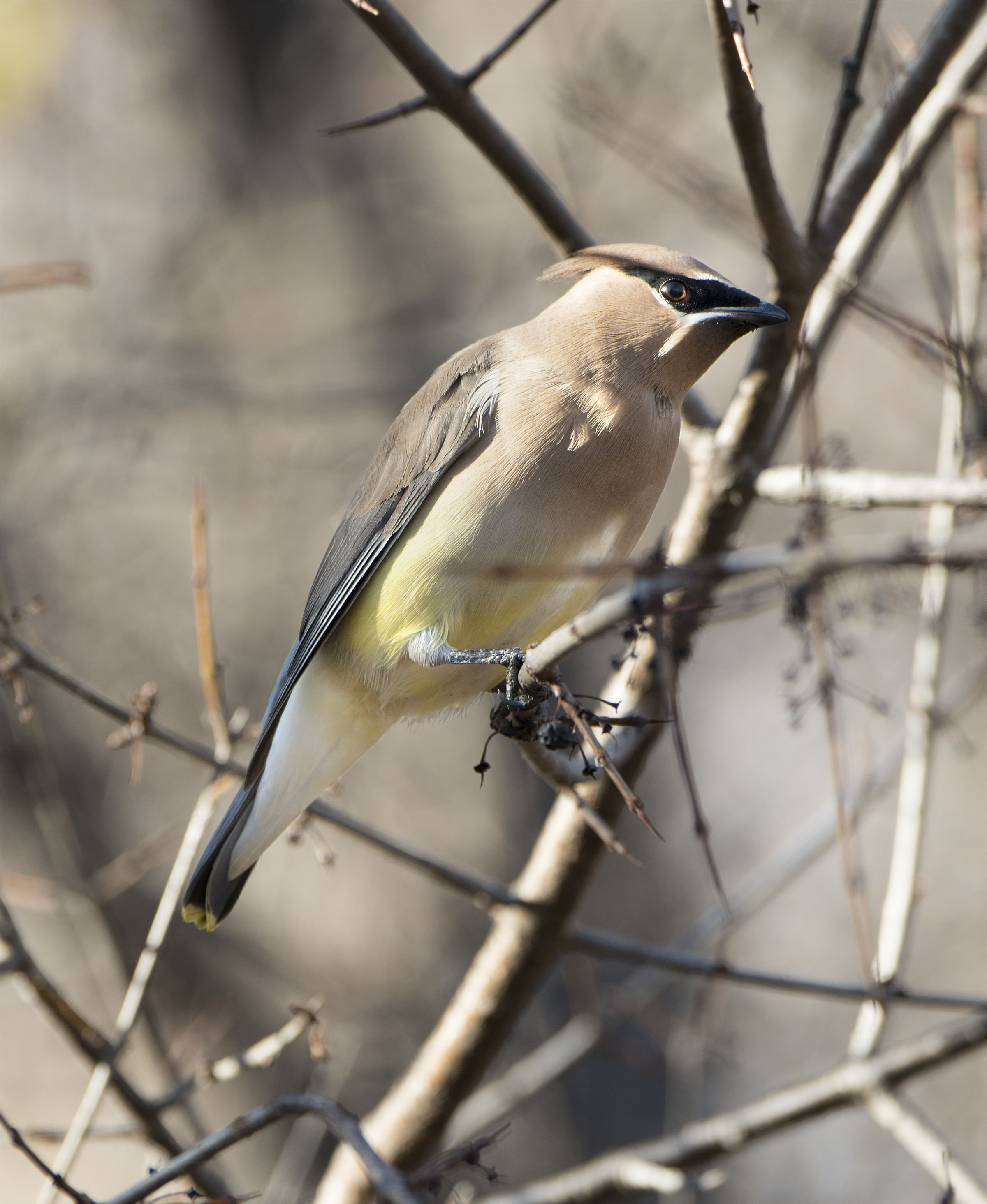
Cedar Waxwings picking over the same patch of dried berries that the Robins found appealing in yesterdays post. We only see the Waxwings for a week each year and only in the fall. This year they were right on schedule and arrived sometime during the last week of November and had departed by last weekends walk through the woods.

Spring loaded

Ermine_021345psd

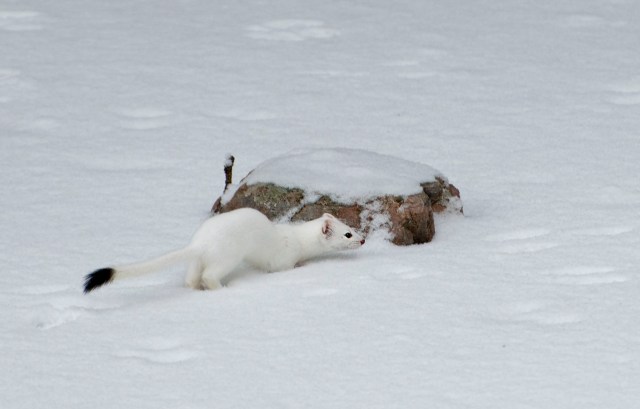
Spring loaded and tightly wound may be an understatement.

Back and forth and all around following the rabbit tracks this Ermine moved so fast it made us dizzy. As he hunted rabbits darted with lightening speed in every direction gravity would allow. Excitedly we watched yet feared for the rabbits lives. Yet when all was said and done we think the Winter Bunn made it out alive.  How she escaped this mighty hunter is a testament to the difficulty of finding a meal even for a hunter as fierce as the Ermine.

Rare is common?

Rare is common?

A recent report published in Science Advances suggests that up to 40% of plant species are actually very rare and these rare species are extremely vulnerable to extinction via climate change as well as destruction of native ecosystems for human land use.

In the introduction to the paper the authors state:

“Why some species are common and others are rare has intrigued ecologists at least, since Darwin. Rare species are orders of magnitude more likely to go extinct, making it puzzling how so many rare species can be maintained.”

To make their conclusions thirty-five research teams form over 20 institutions complied 20 million observational records of plants from around the globe. Their analysis revealed over 435,00 plant species with about 36.5% being classified are rare.

The rare species were clustered in regions around the globe that through time have had more stable climates especially during the planets last ice-age. These rare plant hotspots included regions of the Northern Andes, Costa Rica, Madagascar and regions of Southeast Asia. However as the planet warms and the ever present march of human conversion of land for agriculture, housing and tourism continues these rare plant regions are threatened.

The authors state that:

“If nothing is done, this all indicates that there will be a significant reduction in diversity — mainly in rare species — because their low numbers make them more prone to extinction.”

A very interesting report and a short summary can be found at Science Daily.


While none of these photos depict rare plants, or so I think, these are the types of places rare plants might live.

What will be lost when we only have the common left?

Click Image for slide show

References:

  1. Brian J. Enquist, Xiao Feng, Brad Boyle, Brian Maitner, Erica A. Newman, Peter Møller Jørgensen, Patrick R. Roehrdanz, Barbara M. Thiers, Joseph R. Burger, Richard T. Corlett, Thomas L. P. Couvreur, Gilles Dauby, John C. Donoghue, Wendy Foden, Jon C. Lovett, Pablo A. Marquet, Cory Merow, Guy Midgley, Naia Morueta-Holme, Danilo M. Neves, Ary T. Oliveira-Filho, Nathan J. B. Kraft, Daniel S. Park, Robert K. Peet, Michiel Pillet, Josep M. Serra-Diaz, Brody Sandel, Mark Schildhauer, Irena Šímová, Cyrille Violle, Jan J. Wieringa, Susan K. Wiser, Lee Hannah, Jens-Christian Svenning, Brian J. McGill.The commonness of rarity: Global and future distribution of rarity across land plantsScience Advances, 2019; 5 (11): eaaz0414 DOI: 1126/sciadv.aaz0414
  2. University of Arizona. “Nearly 40% of plant species are very rare and are vulnerable to climate change.” ScienceDaily. ScienceDaily, 27 November 2019. <www.sciencedaily.com/releases/2019/11/191127161235.htm>.


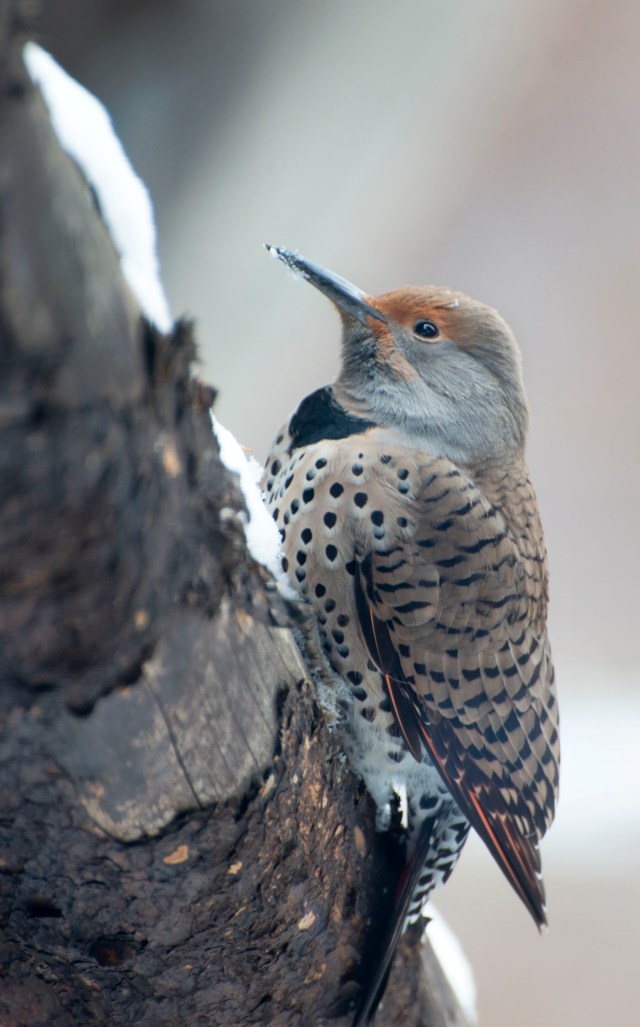
Northern Flicker

Flicker_1

A Northern Flicker adding a wonderful splash of color to a December afternoon.

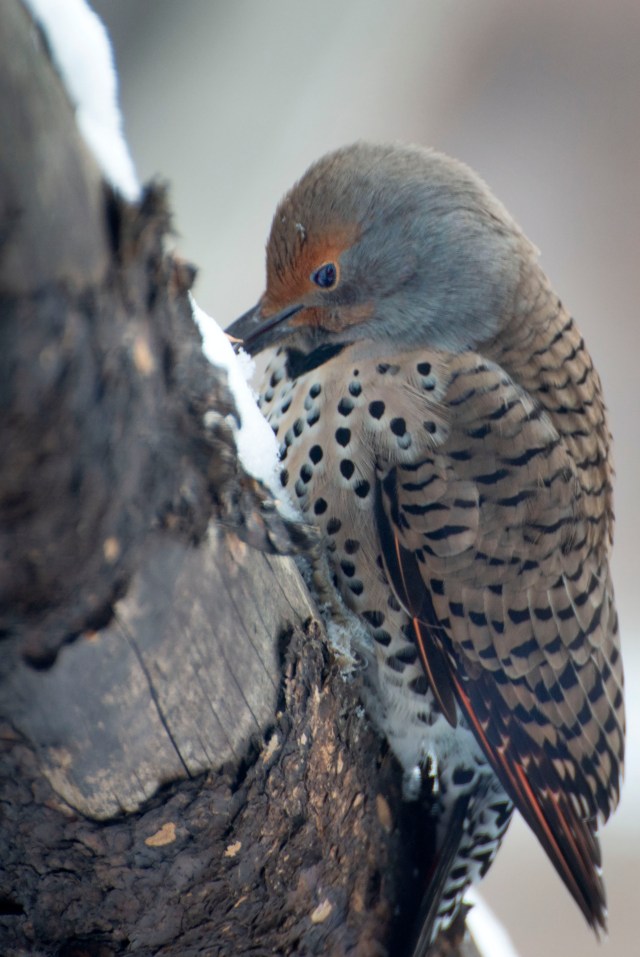
Flicker_2

Foraging away…

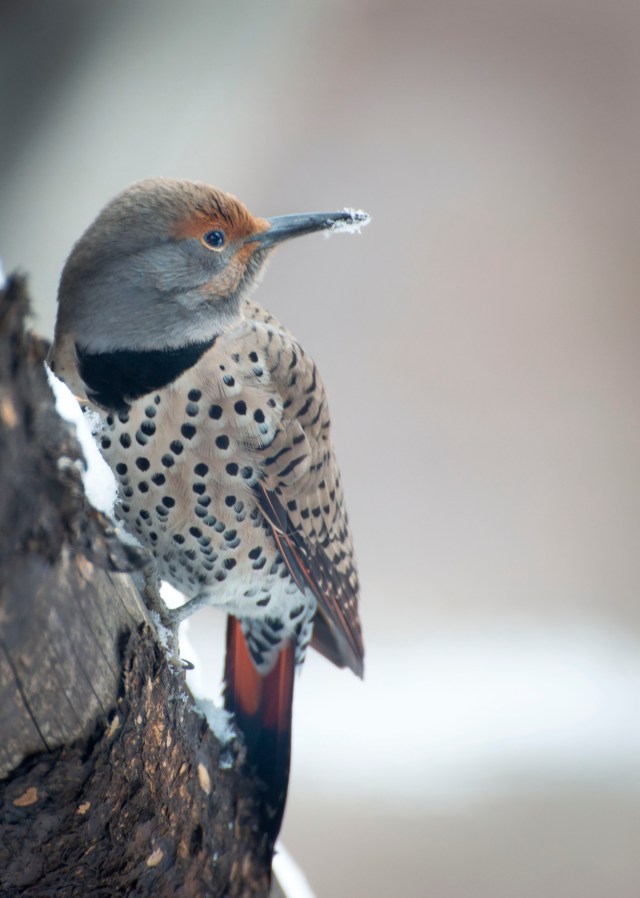
Flicker_3

or just sitting quietly brightening up the day.

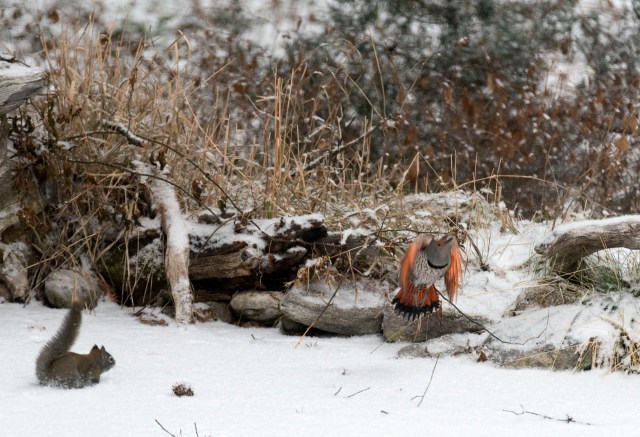
FLicker_4

Side note: It appears the flicker has the same frenemy as we do.  This day the flicker landed within the territory of one very aggressive red squirrel who charged the flicker from a distance of at least ten feet forcing the Flicker to quickly take flight. The upside of the altercation was we got a nice view of those very colorful wing and tail feathers on the underside of the Flicker.

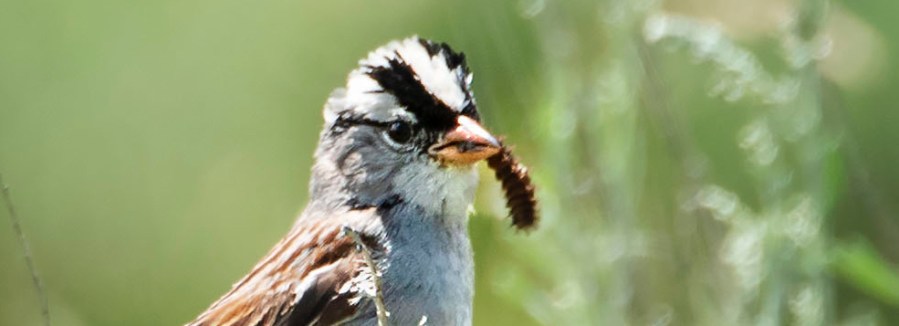
A common pesticide delays migration and causes significant weight loss in white crowned sparrows.

Neonicotinoids are the most commonly used class of pesticides in the world protecting crops from insects but not without untoward side effects including killing beneficial insects that pollinate the crops we need. Additionally this class of pesticides has been show to have negative effects on songbirds in laboratory studies.1 Migrating songbirds frequently forage and ingest seeds treated with these pesticides during their migrations. Until now the effects of neonicotinoids on free living wild birds had not been studied.

As reported by Kristine Liao in Audubon:

“A new study published online today in Science provides the first evidence that neonics harm songbird populations in the wild. University of Saskatchewan researchers found that White-crowned Sparrows that consumed small doses of a neonic called imidacloprid suffered rapid weight loss and delayed migration, both of which can hinder birds’ survival and ability to reproduce.”2

This is an interesting study where researches captured free-living White Crowned Sparrow and feed them them either a low dose, high dose pesticide or a control meal as well as fitting them with a tiny radio transmitter that allowed  the freed birds to be tracked over a 100,000 square-kilometer area.

The sparrows fed the highest dose lost on average 6% of their body weight and 17% of their fat reserves both of which are vital for fueling successful migrations.3 Sparrows who consumed the pesticide then delayed their migration between 2-4 days compared to the control fed birds.

As for the potential consequences of songbirds delaying their migration in response to pesticide intake, one of the studies authors, Bridget Stuchbury,was quoted in a report by Smithsonian as saying:

“that extended rest stops can leave birds—already disoriented by the toxic chemical—vulnerable to predators. At the same time, she explains, late arrival to a final migration destination may reduce a bird’s chances of finding a mate, particularly if it has a shorter breeding season.”

Neonicotinoids are considered cheap insurance against insect-pests for many crops including corn, canola and soybeans and one of the most widely-applied pesticides in the world. The scientific evidence is now clear that these pesticides have harmful effects on bees, fish and now bird populations. How much more evidence will be required before we stop using these chemical willy-nilly… Before, or after,  we loose innumerable bees, birds and fish?

References:
1. https://www.sciencemag.org/news/2019/09/common-pesticide-makes-migrating-birds-anorexic

2. https://www.audubon.org/news/a-widespread-pesticide-causes-weight-loss-and-delayed-migration-songbirds

3. A neonicotinoid insecticide reduces fueling and delays migration in songbirds. Margaret L. Eng, Bridget J. M. Stutchbury,  Christy A. Morrissey, Science  13 Sep 2019:Vol. 365, Issue 6458, pp. 1177-1180.  DOI: 10.1126/science.aaw9419