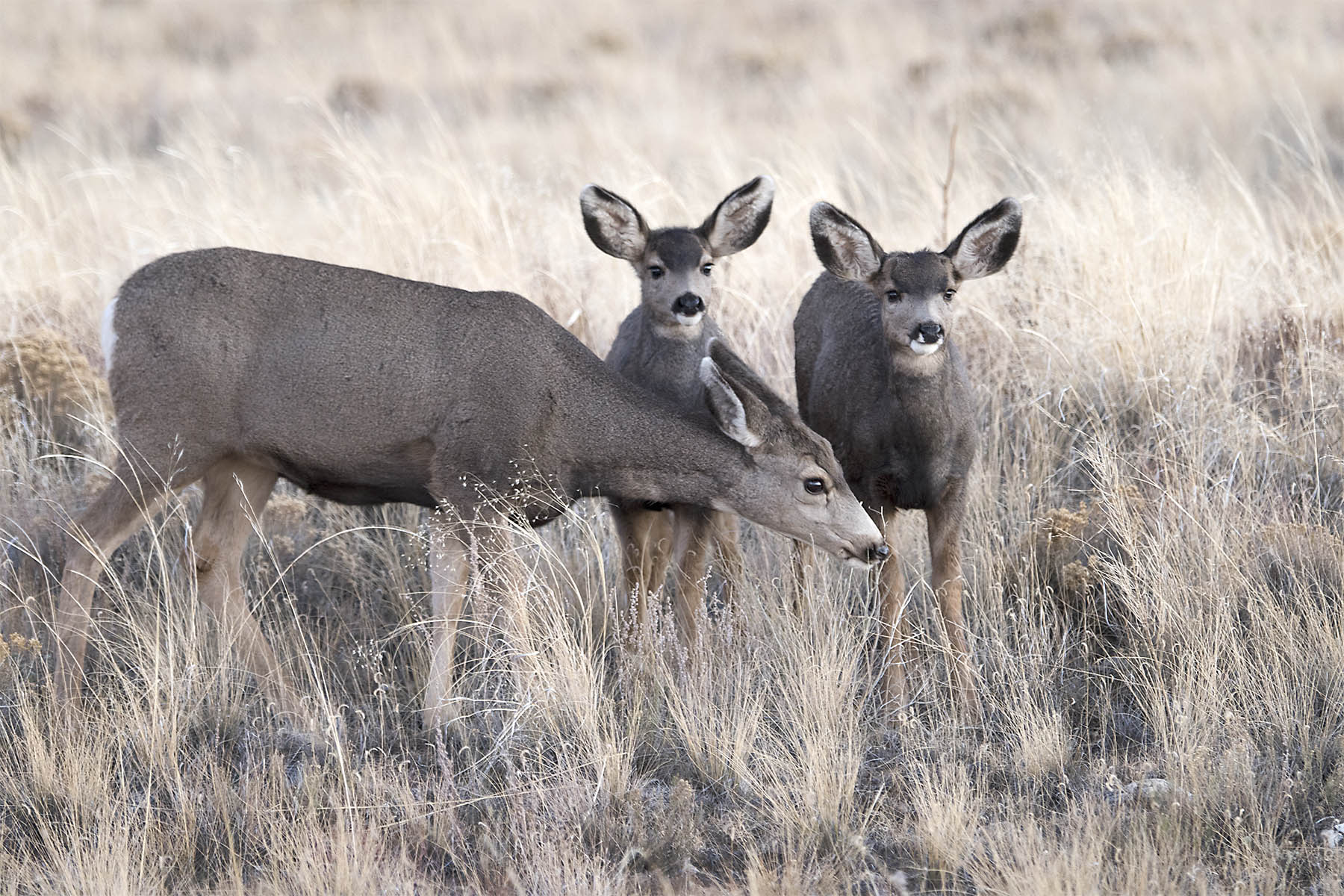
Even with ears up and eyes peeled Mom still assumes the role of crossing guard for two adolescent Mule Deer. Great Sand Dunes National Park, 2015. So much to learn so little time.
Even with ears up and eyes peeled Mom still assumes the role of crossing guard for two adolescent Mule Deer. Great Sand Dunes National Park, 2015. So much to learn so little time.
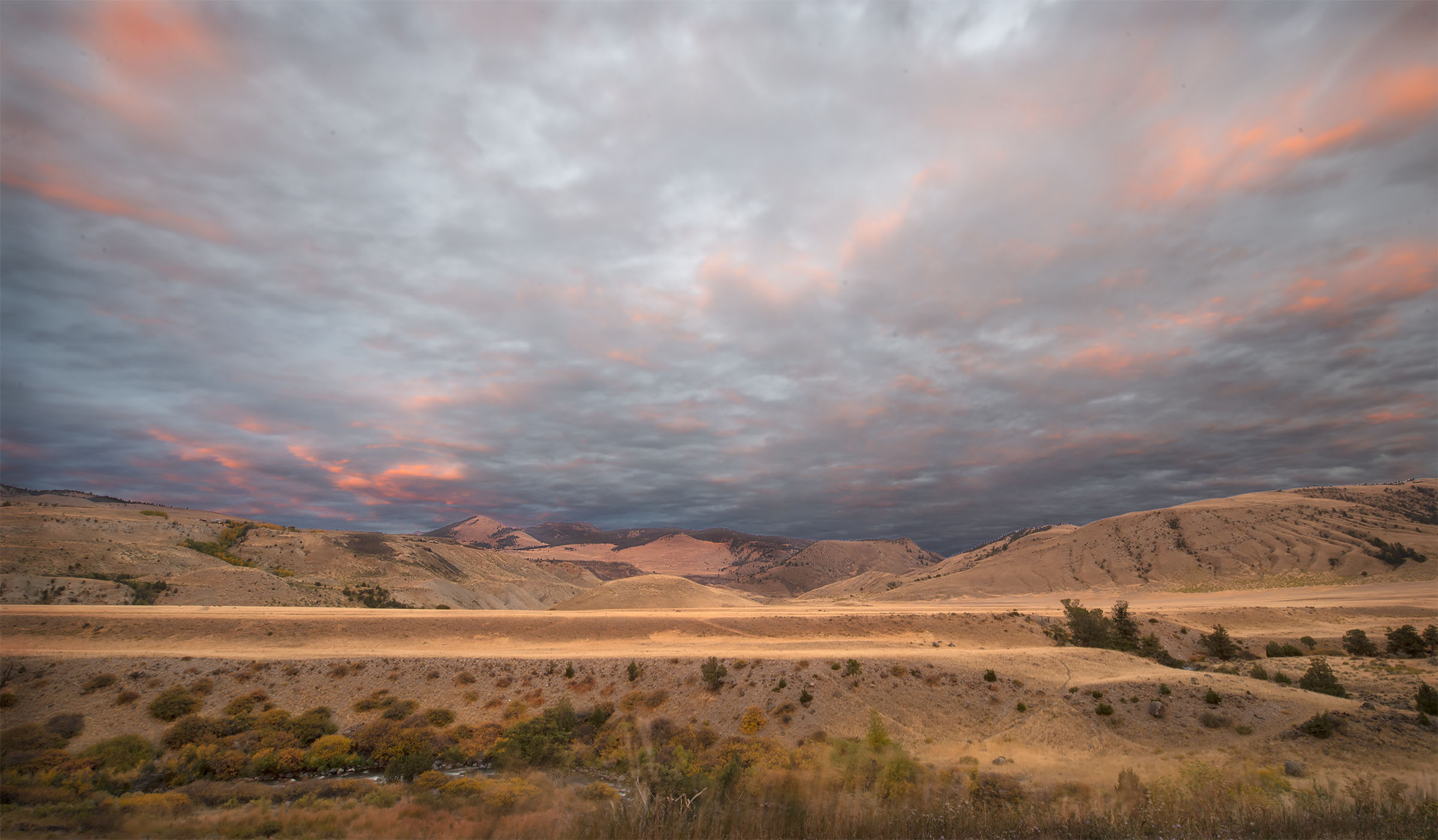
Earlier and earlier with each passing day. A beautiful fall sunset as the week draws to a close.
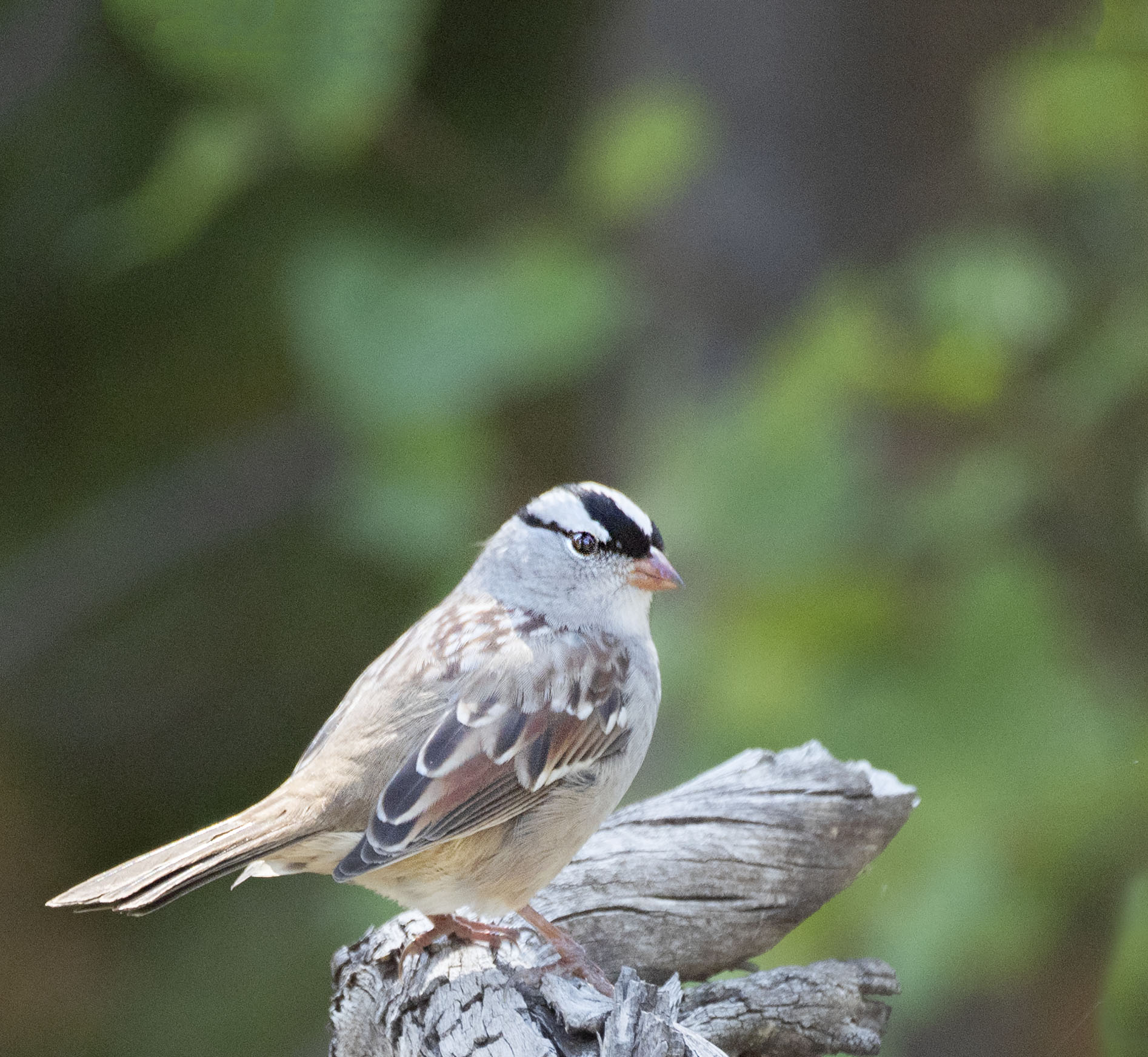
Although the White Crowned Sparrows have long migrated south and the green grass has turned to gold it’s fun to look back at remember them singing away and look forward to their return next spring.
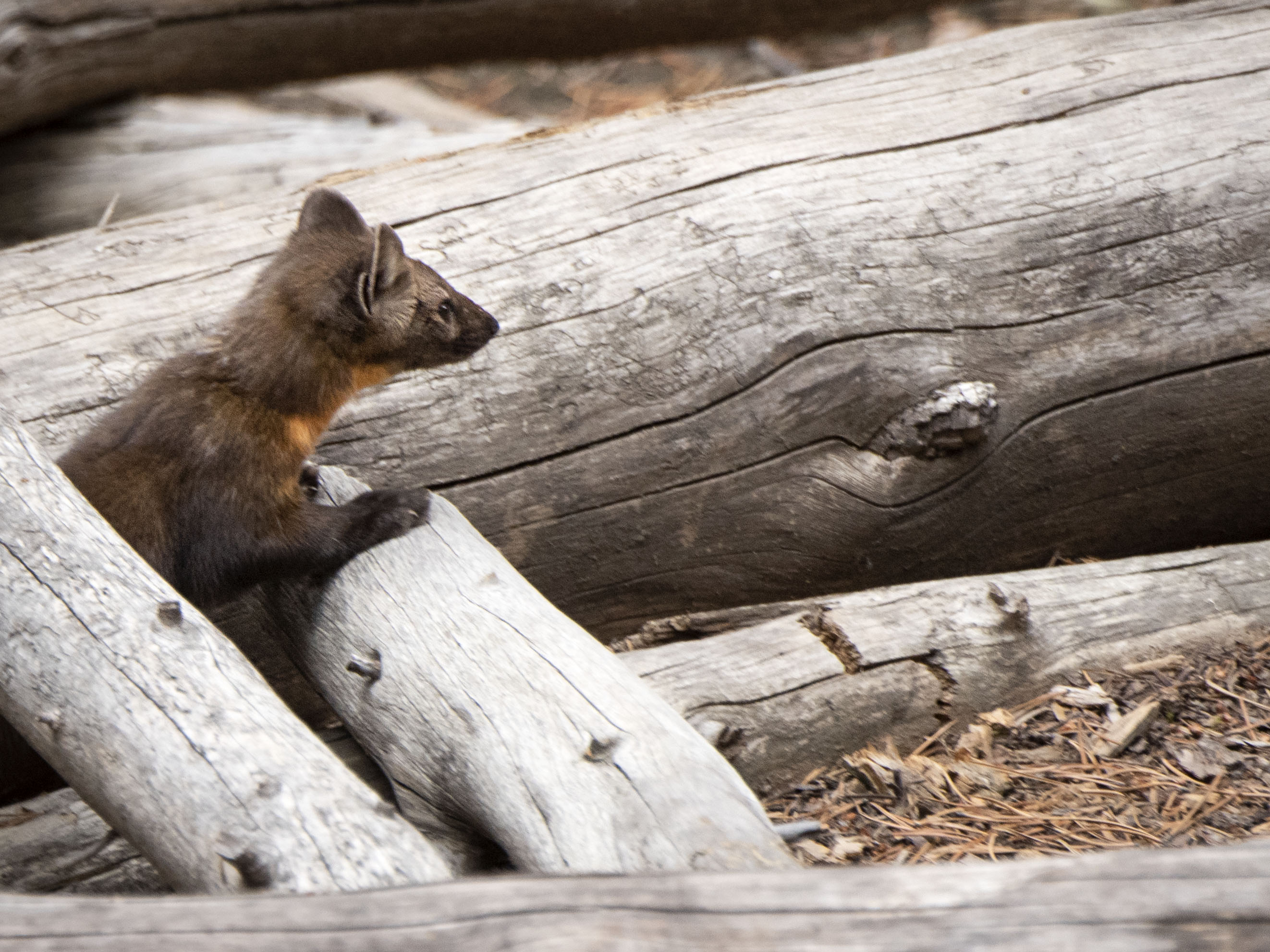
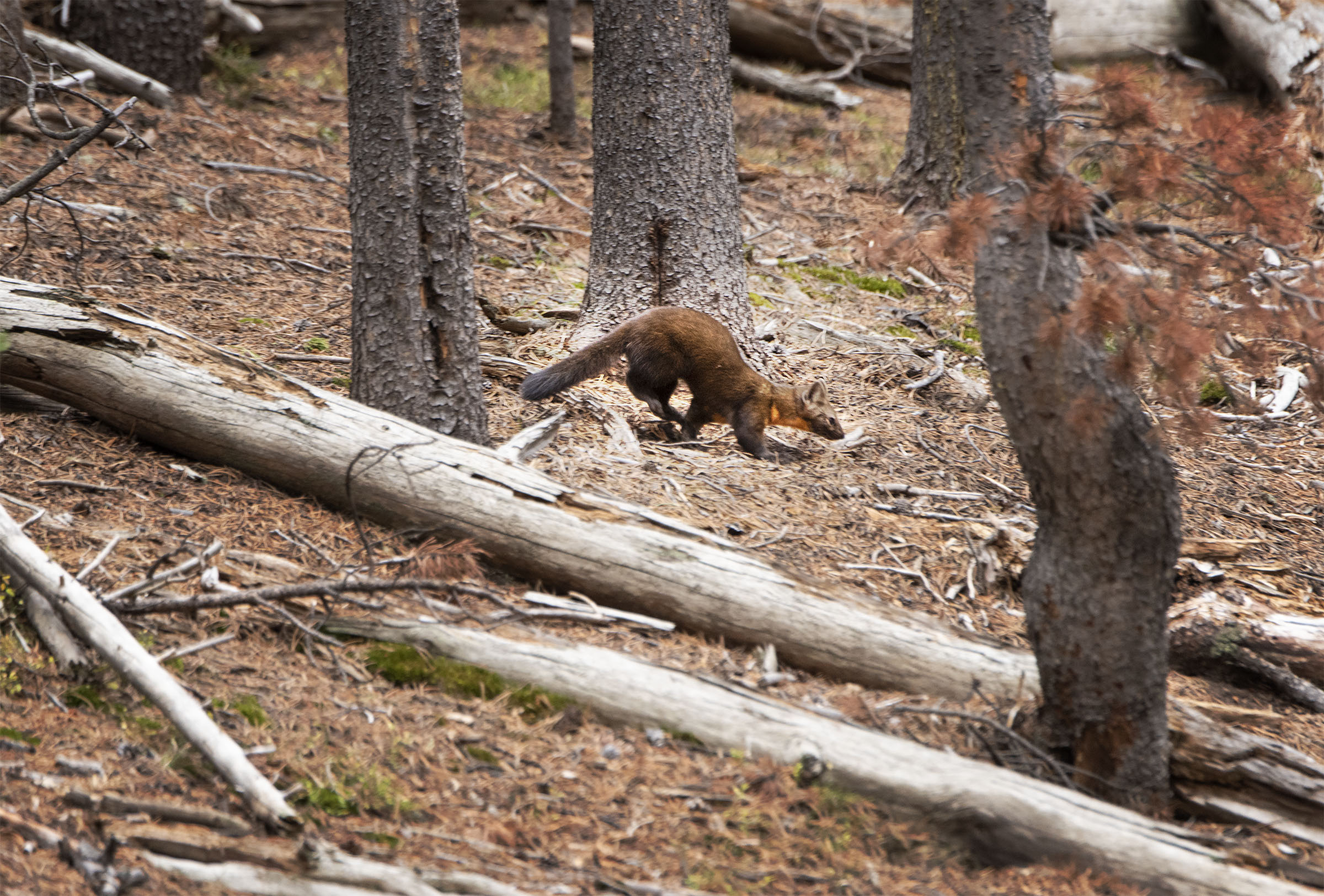
The squirrels in the forest we sure making a racket this day and for good reason as this Pine Marten was on the prowl.
Natures garden grows many things.
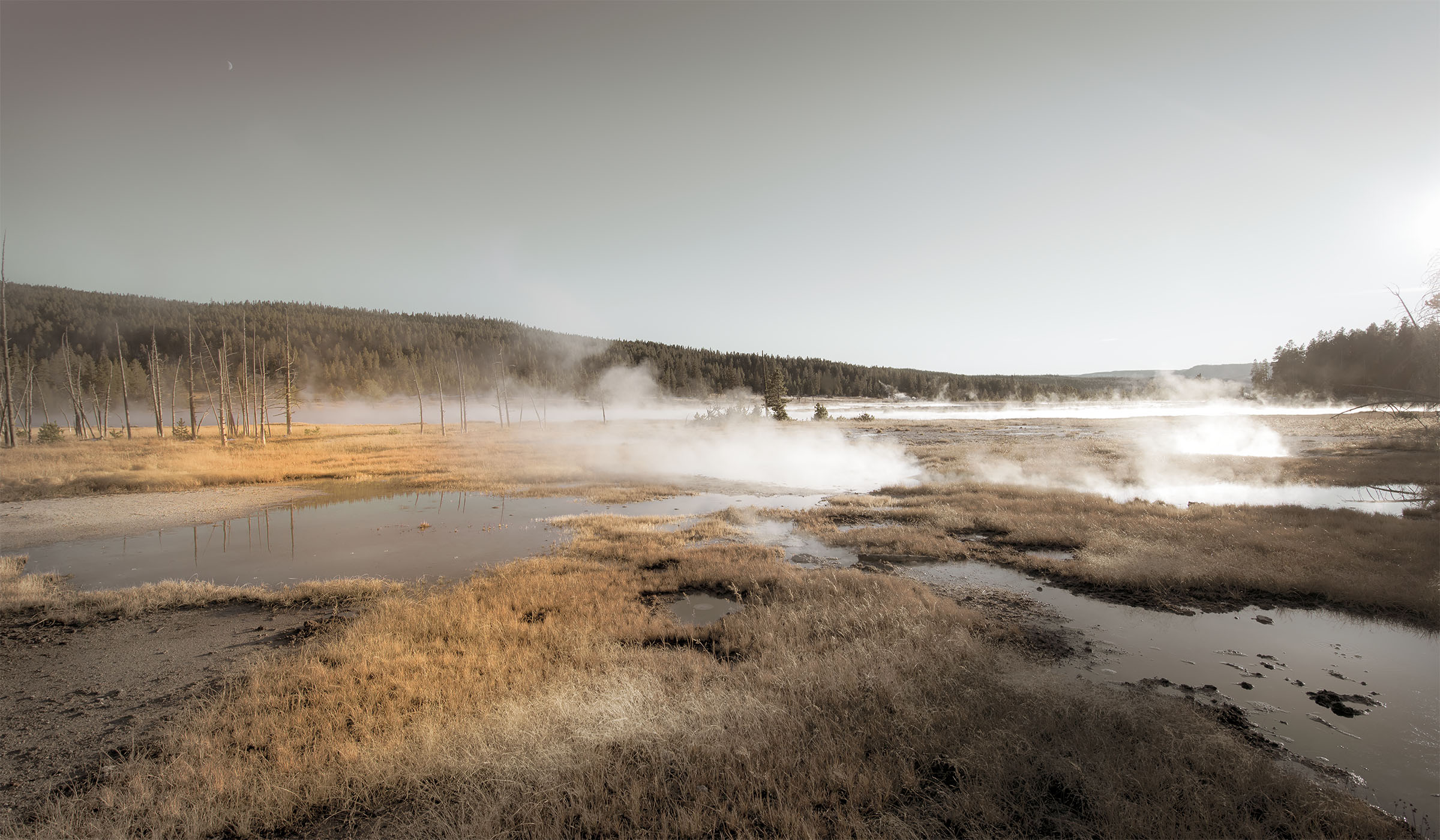
Steam, sun and grass were on full display and just as wondrous as a field of flowers near Firehole Lake in Yellowstone National Park.
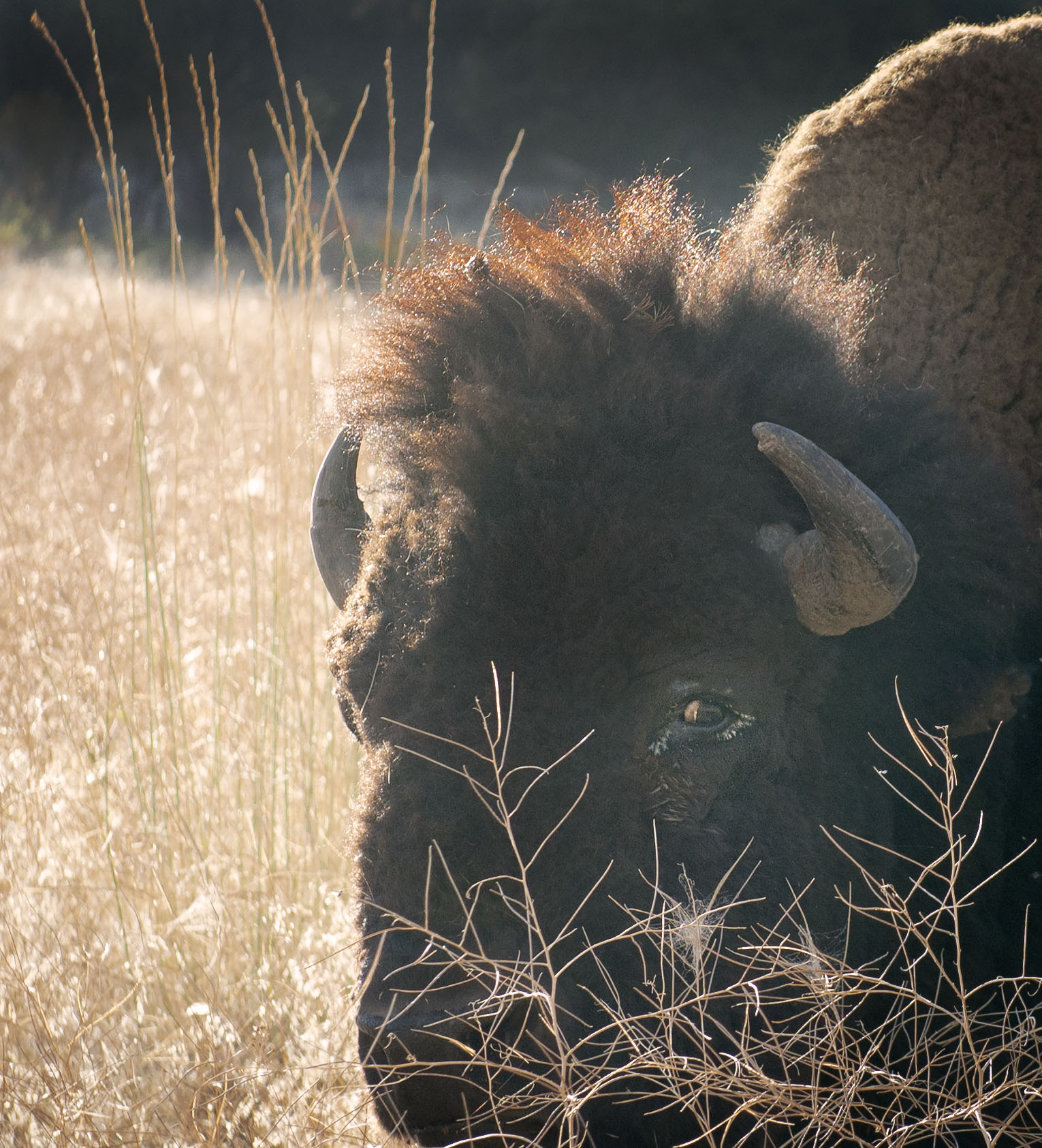
Even at 6′ tall and weighing over 1,000 lbs this American Bison: Bison bison keeps an eye on us as we hike through their terrain in the morning light.
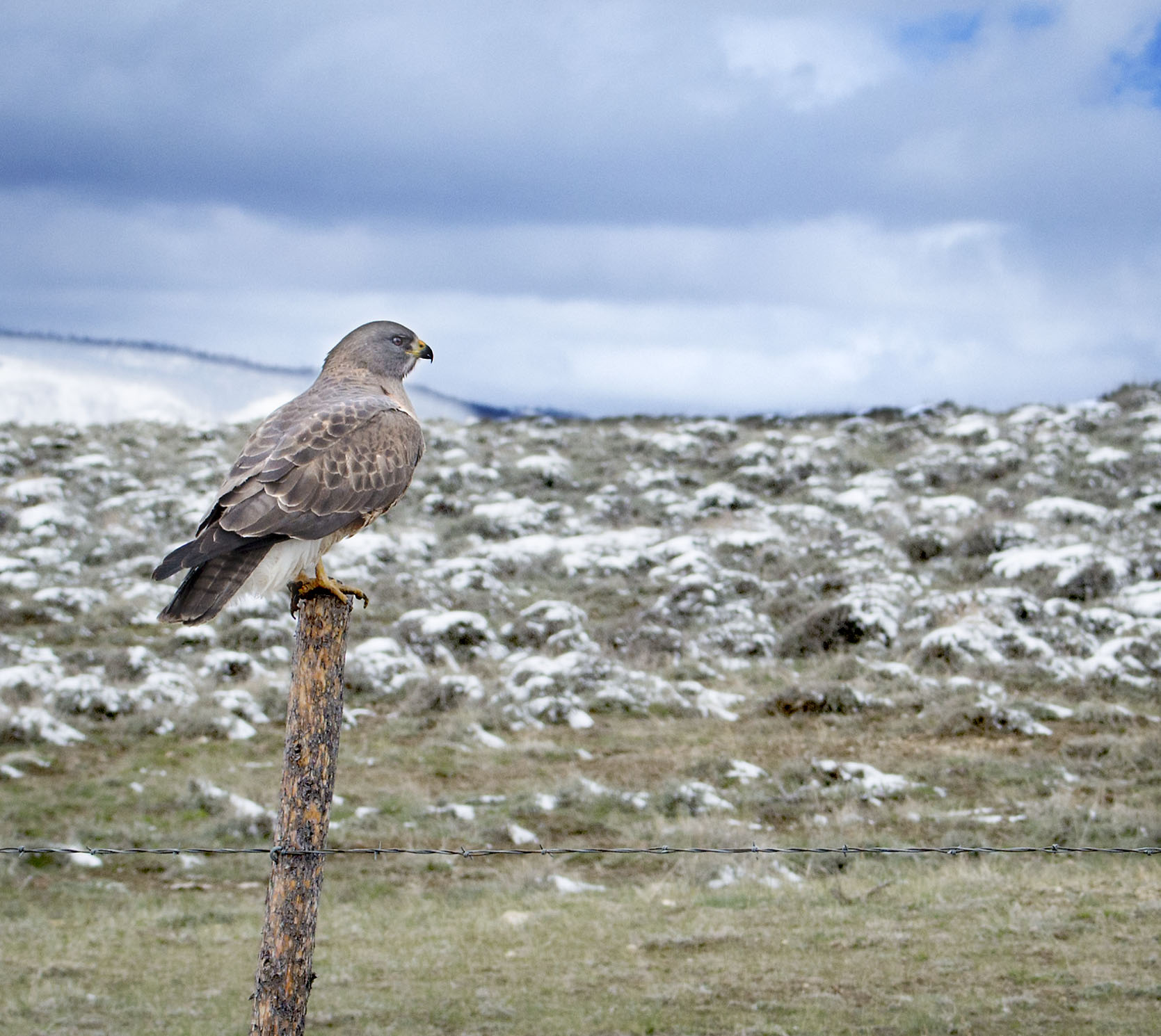
After a snowy evening and long cold night a Swainsons Hawk uses a fence post to keep an eye out for a morning meal. Photographed on a quiet stretch of road in Northern Colorado.

A Rocky Mountain Bighorn Sheep grazing in the Rio Grande Gorge in NM. These guys were reintroduced to the region around 10 years ago and seem to be doing very well. We were surprised to observe several on recent hike in that area including one youngster grazing along with their Mom.
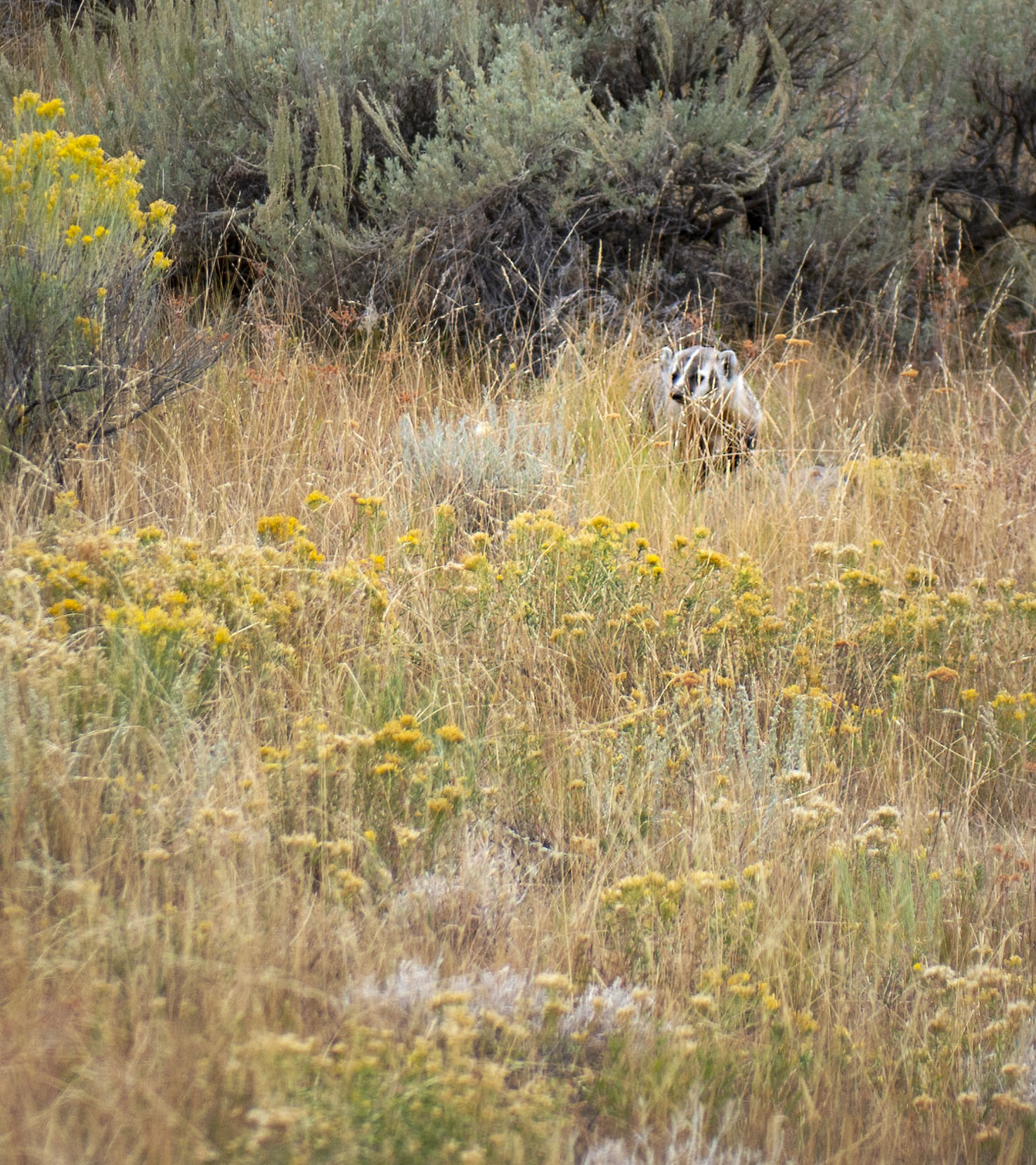
Out on a hike amongst the fully blooming rabbit and sage brush we noticed numerous holes along the trail. Were they Marmot or perhaps Badger. Finally near the end of the hike the question was answered when we spotted this Badger off in the distance.

It was nice to see this Badger out foraging.
Badgers dig after and feed on ground squirrels and pocket gophers, and also eat toads, frogs, birds, snakes, insects and insect grubs, wasps, bees, and worms. They sleep through most of the winter in a den, spending about 29 hours at a time in a state of torpor, rousing briefly, and then sleeping again. In torpor, which is not true hibernation, the Badger’s heartbeat slows to about half the normal rate and its temperature drops.

Even with this great camouflage the Badger is at risk mostly from human activities such as habitat loss as well as hunting and trapping.

Enjoy your winter Mr. badger and we will see you after your Torpor.
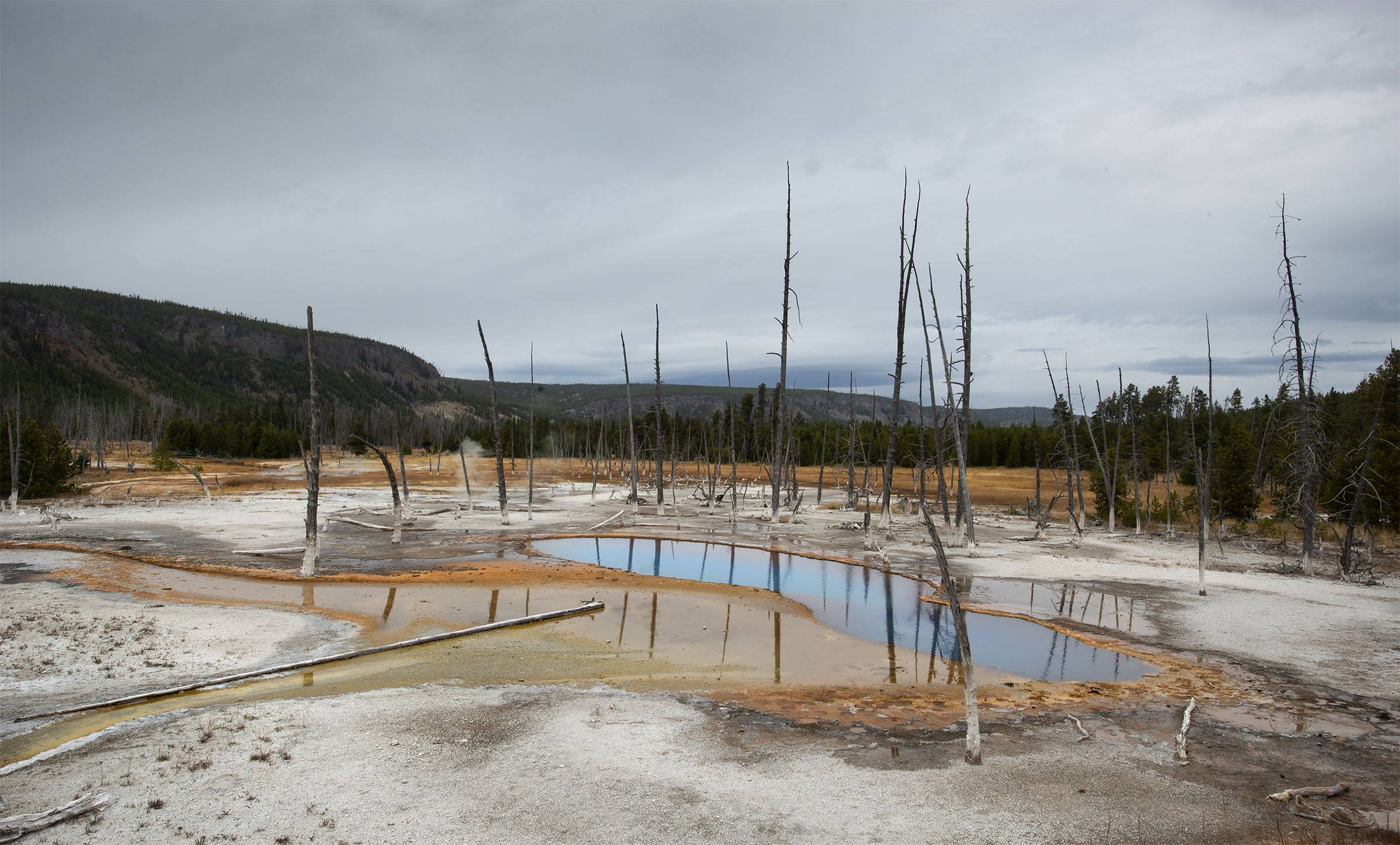
Opalescent pool adding a bit of color to an other wise cloudy day.
Yellowstone National Park.
 nature has no boss
You must be logged in to post a comment.