
enjoying a bit of late afternoon sunlight peeking through… soft and warm on a cold winters day.
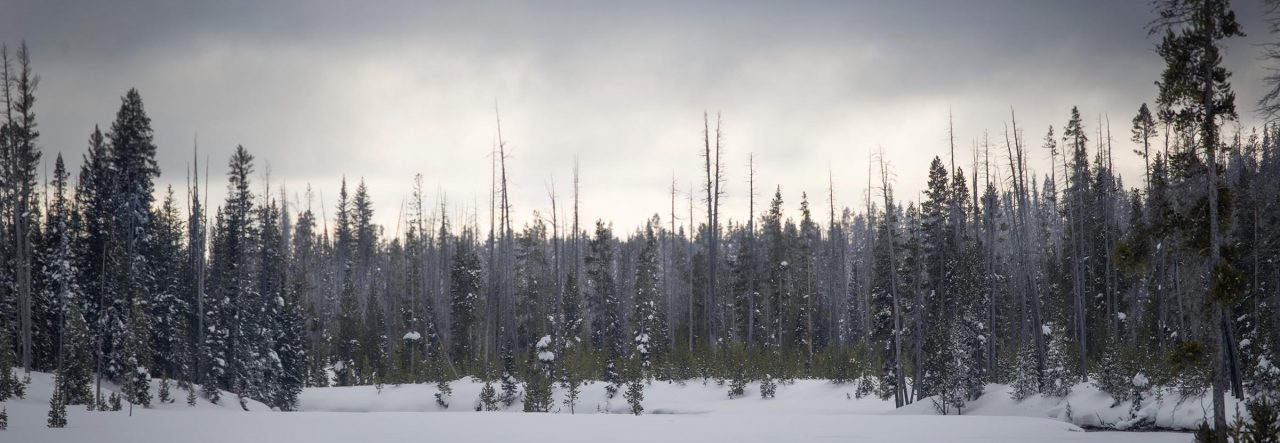
enjoying a bit of late afternoon sunlight peeking through… soft and warm on a cold winters day.

Walking the snow covered sagebrush on the Blacktail Plateau looking for the next opportunity. Yellowstone National Park.
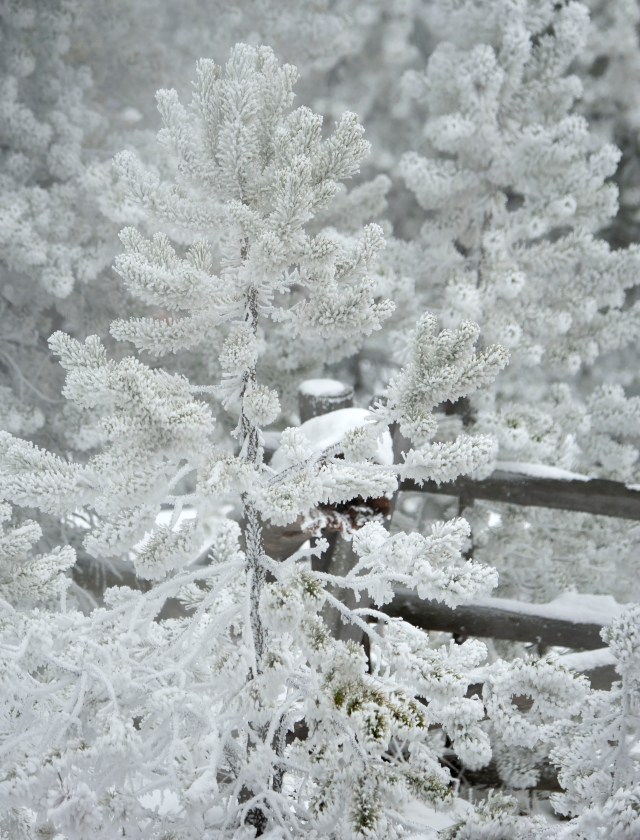
A bit of moisture in the air made for a wonderful frosty morning.
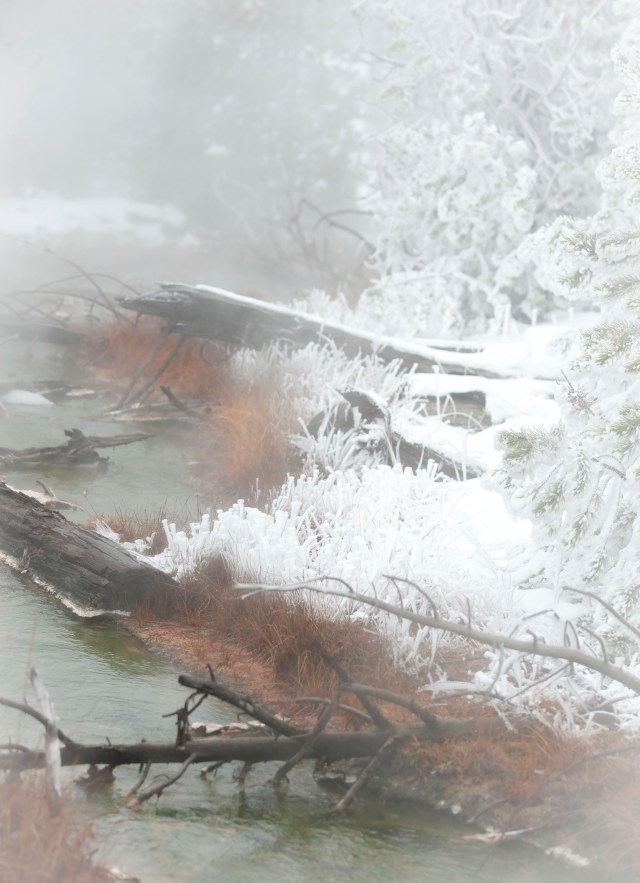
Warm water and cold air combined to give quite the show on a frosty Friday morning.

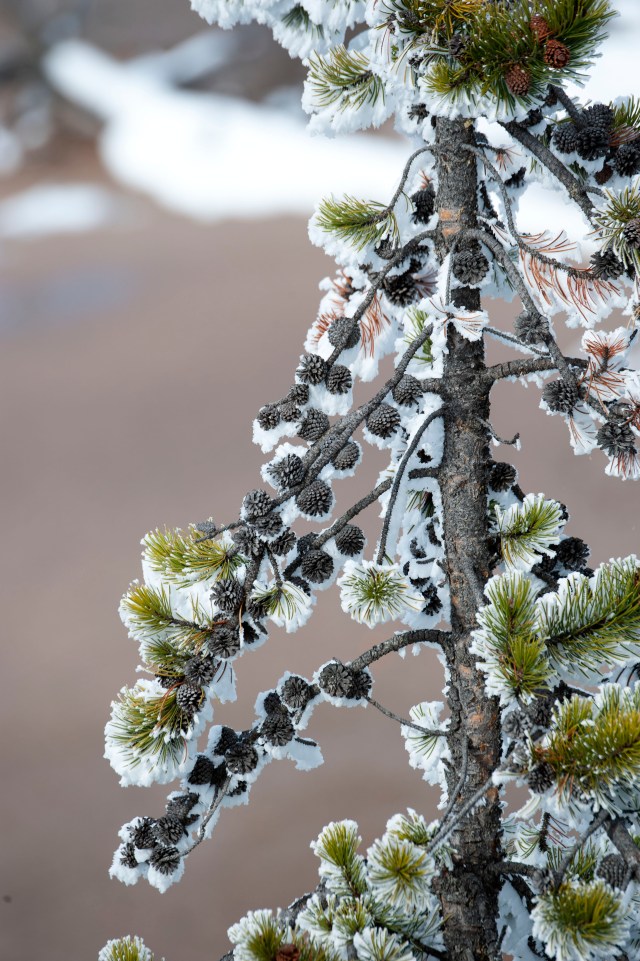
Happy Friday and a wonderful weekend to all.

Rare is common?
A recent report published in Science Advances suggests that up to 40% of plant species are actually very rare and these rare species are extremely vulnerable to extinction via climate change as well as destruction of native ecosystems for human land use.
In the introduction to the paper the authors state:
“Why some species are common and others are rare has intrigued ecologists at least, since Darwin. Rare species are orders of magnitude more likely to go extinct, making it puzzling how so many rare species can be maintained.”
To make their conclusions thirty-five research teams form over 20 institutions complied 20 million observational records of plants from around the globe. Their analysis revealed over 435,00 plant species with about 36.5% being classified are rare.
The rare species were clustered in regions around the globe that through time have had more stable climates especially during the planets last ice-age. These rare plant hotspots included regions of the Northern Andes, Costa Rica, Madagascar and regions of Southeast Asia. However as the planet warms and the ever present march of human conversion of land for agriculture, housing and tourism continues these rare plant regions are threatened.
The authors state that:
A very interesting report and a short summary can be found at Science Daily.
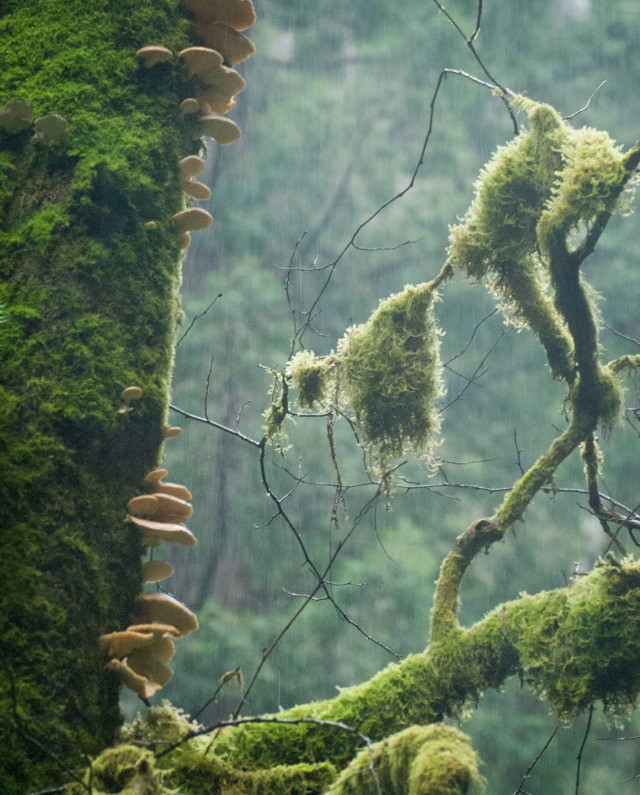
While none of these photos depict rare plants, or so I think, these are the types of places rare plants might live.
What will be lost when we only have the common left?
Click Image for slide show


References:
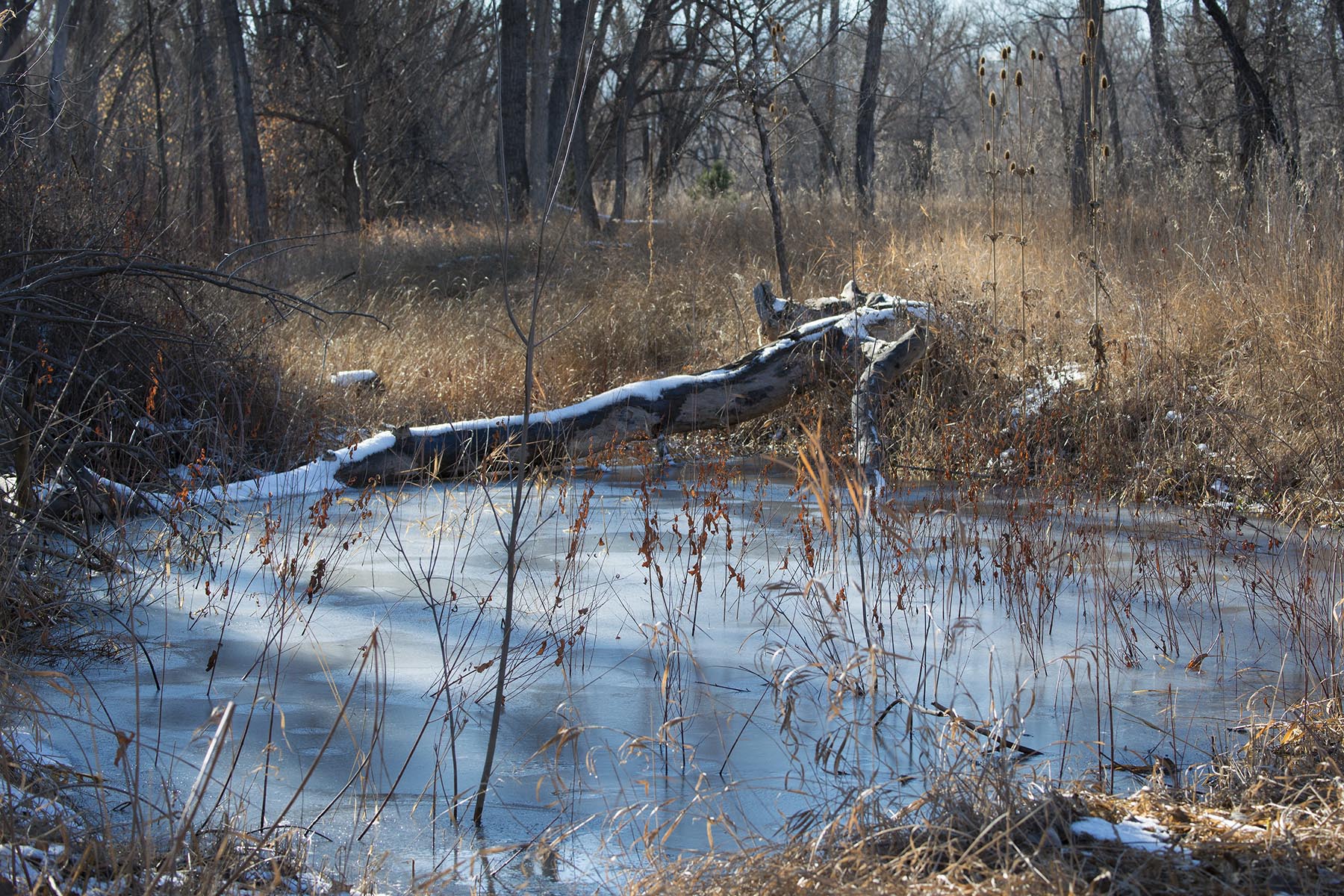
The mid-December sun, traveling low across southern sky casts long shadows on the icey blue face of a small pond and gently lights the landscape beyond. Decembers light is like no other and helps me keep track of the time like no wall calendar or wristwatch can.

On Saturday at mid-morning we spotted this Coopers hawk tidying up a bit on a broken old Cottonwood branch. He looked like he has had a bit of a rough time lately with his feathers looking downright scruffy. After a half hour or so of preening his feathers were back in fine order and he was off again hunting in nearby woods.
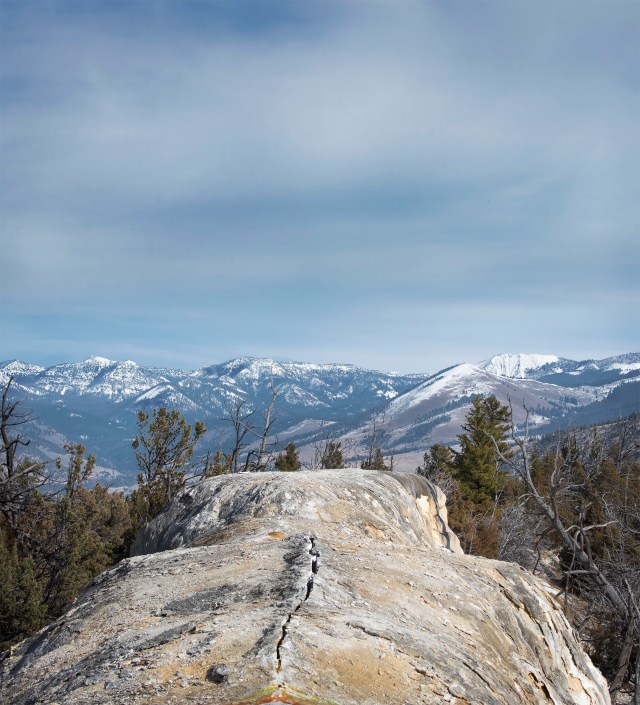
I think there is a geology lesson, or three, to be learned here. Looking out towards the Absaroka mountains along the backbone of earth cracked open from the forces within.
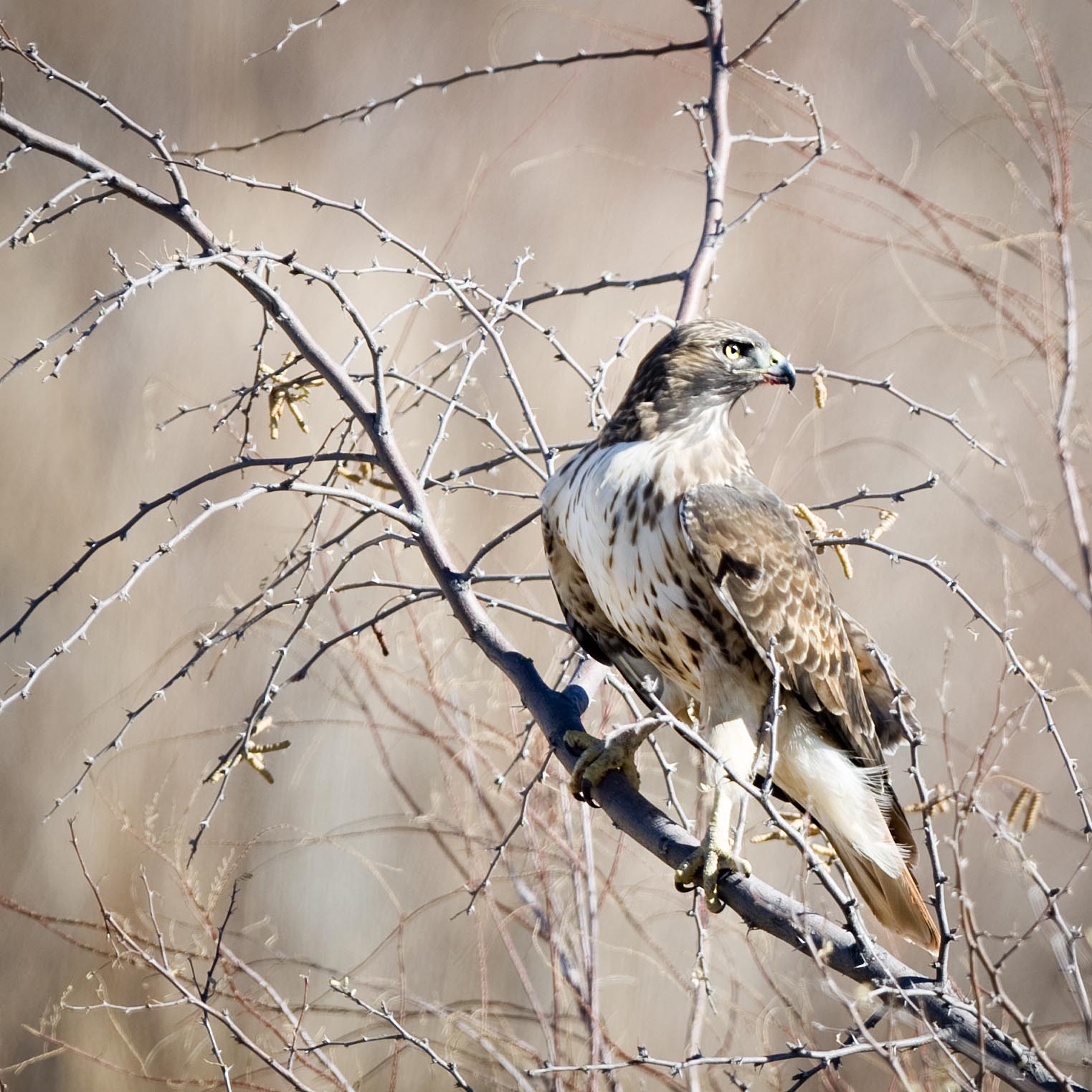
Looking like it just finished a meal this Red tailed Hawk was right back at it. Watching the fields intently for a mouse to stir and trying to make the most of the short days this time of year.
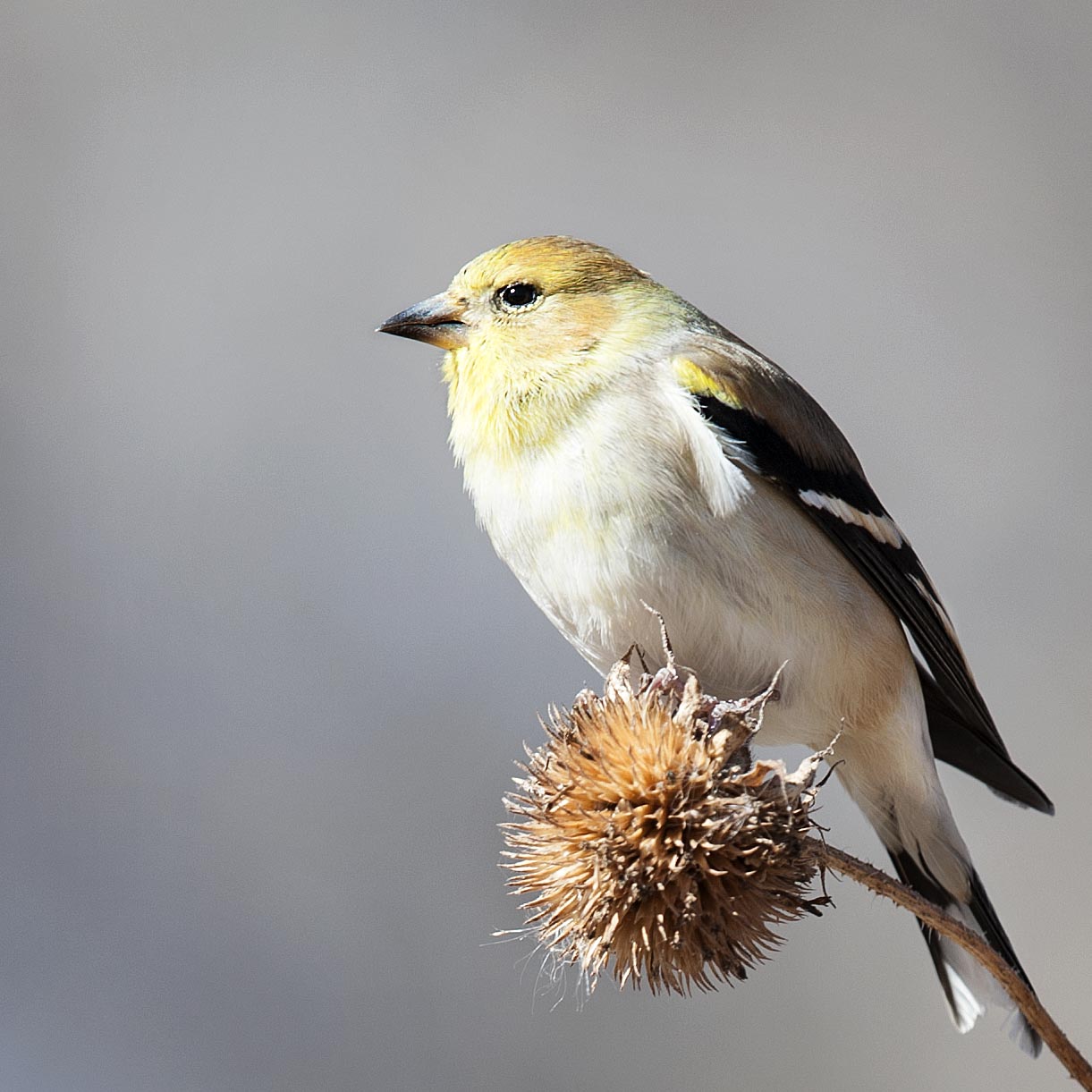
An American Goldfinch was working over these thistle plant pretty good for an afternoon meal and from the looks of it this chubby guy is well versed at extracting thistle seeds.
As humanity marches on seemingly ignorant, yet keenly aware, the earths climate continues to warm faster than predicted and the sixth-extinction event picks up momentum like a snowball rolling down hill one group of scientists recently published a paper titled “A Global Deal For Nature: Guiding principles, milestones, and targets” in the journal Science Advances proposing a solution to put a halt to our global crises. In this paper the authors make the case that:
“the most logical path to avoid the approaching crisis is maintaining and restoring at least 50% of the Earth’s land area as intact natural ecosystems, in combination with energy transition measures.”
The authors clearly state that measures to protect ecosystems, biodiversity and any aversion or mitigation of anthropogenic climate change is a time bound matter and action must come sooner than later.
The paper lists five major goals of the project:
(3) maintain ecological function and ecosystem services
(4) maximize carbon sequestration by natural ecosystems
In addition the paper gives clear scientific evidence for their proposal and priorities that include: protecting biodiversity, mitigating climate change and reducing future threats. This is a well presented paper and one clearly worth reading.
A short article summarizing the project can be found here and is a good jumping off point prior to reading the whole study. It’s a beautiful world and diverse world and something too important to loose.
Click image to view slideshow.


 nature has no boss
You must be logged in to post a comment.