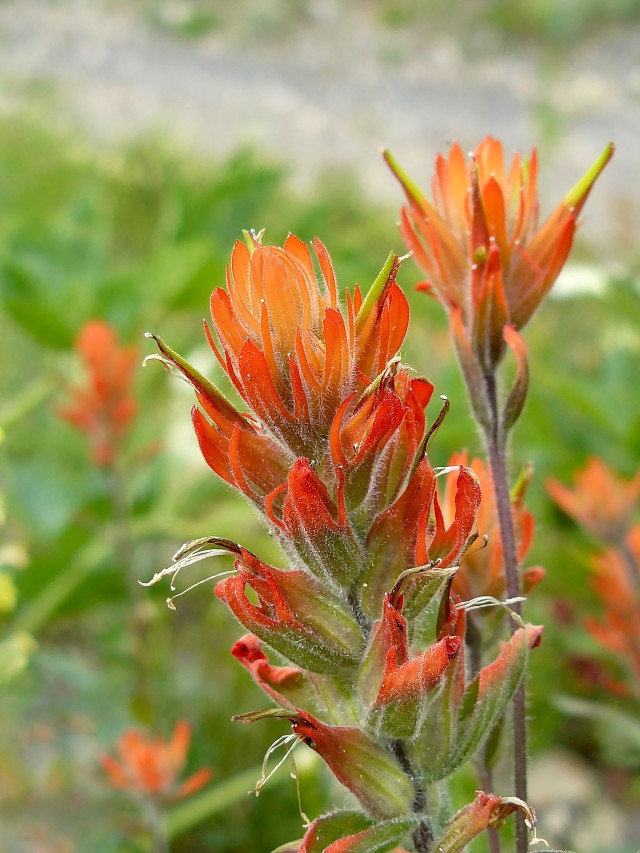
This summers bounty of Indian Paint Brush was like getting that big box of crayons you always wanted as a child. So many colors, so much fun to be had.
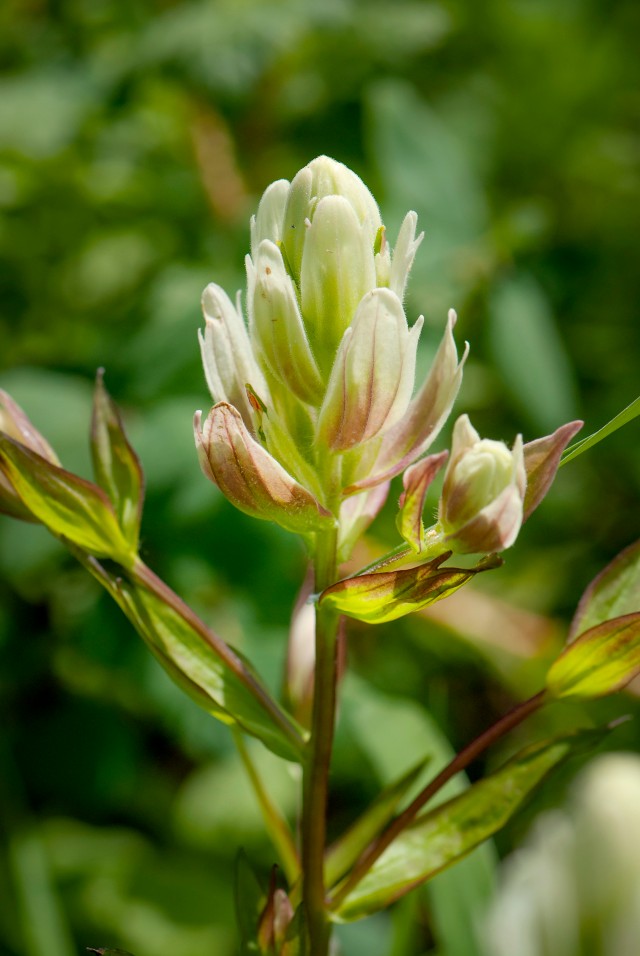
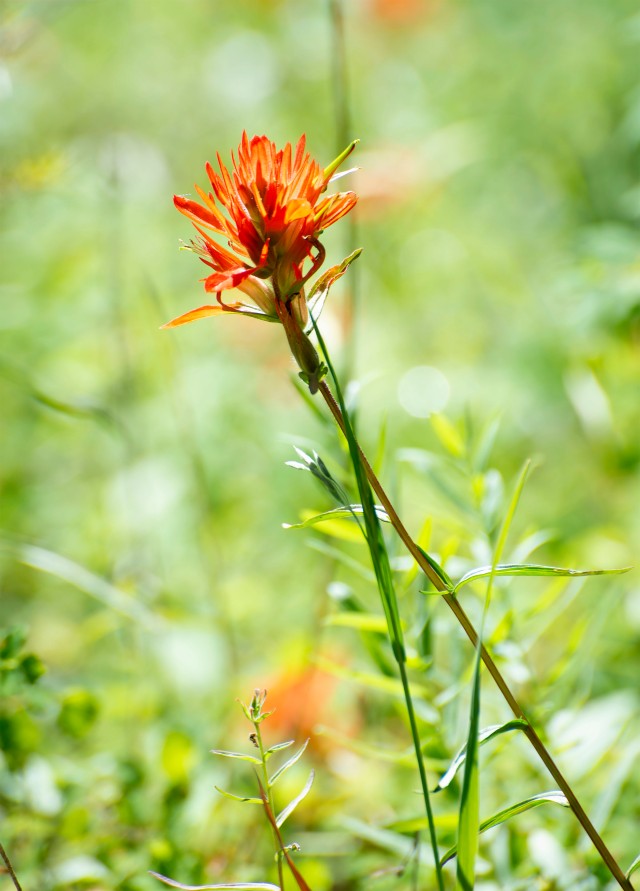
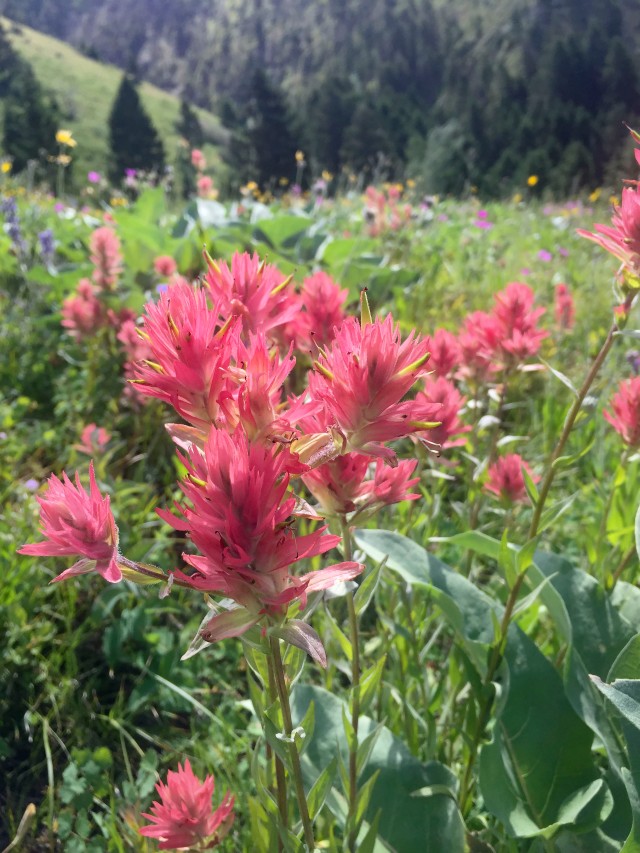
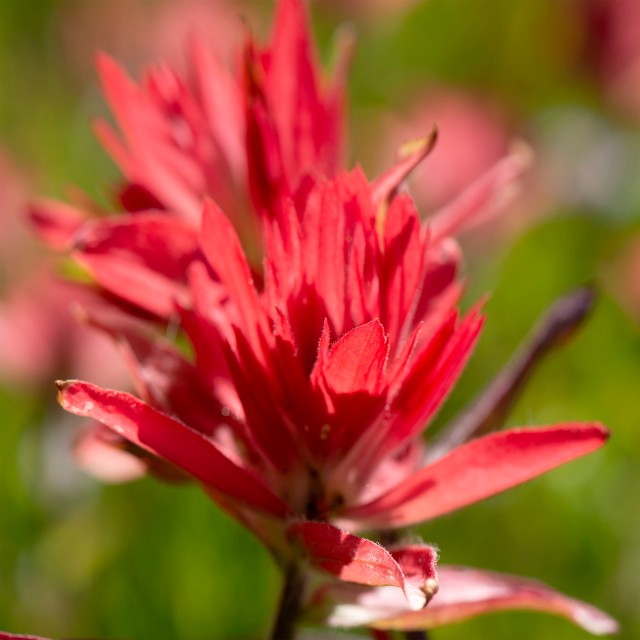
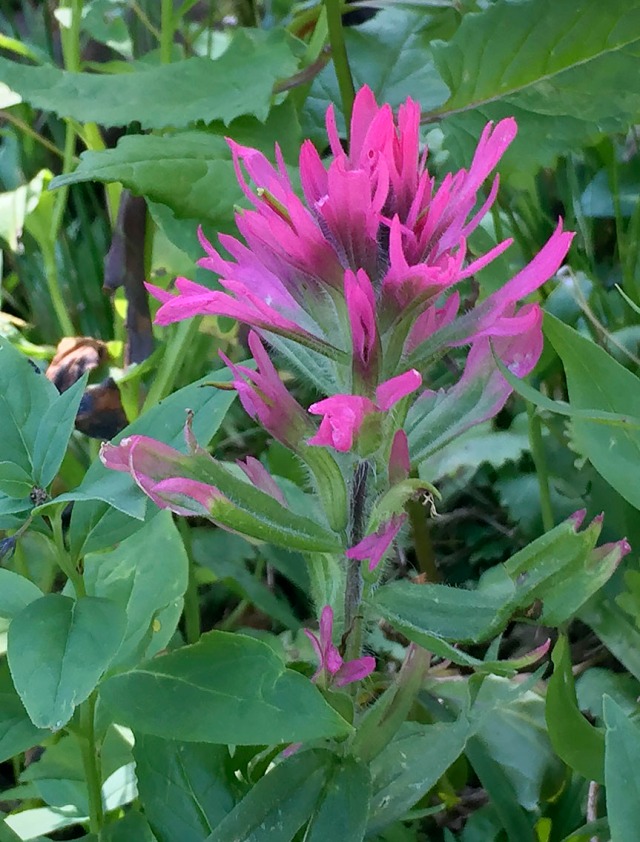
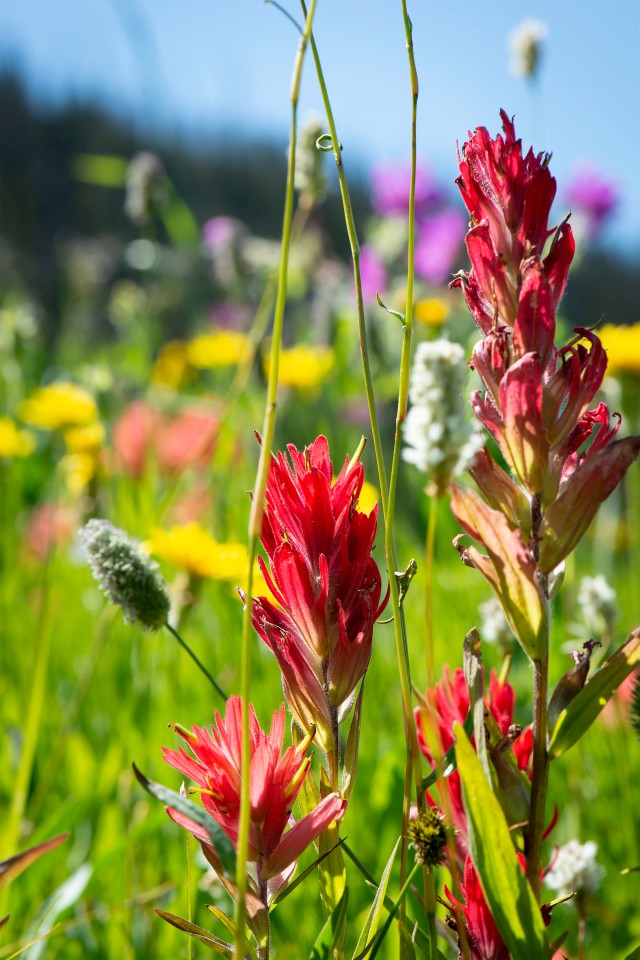
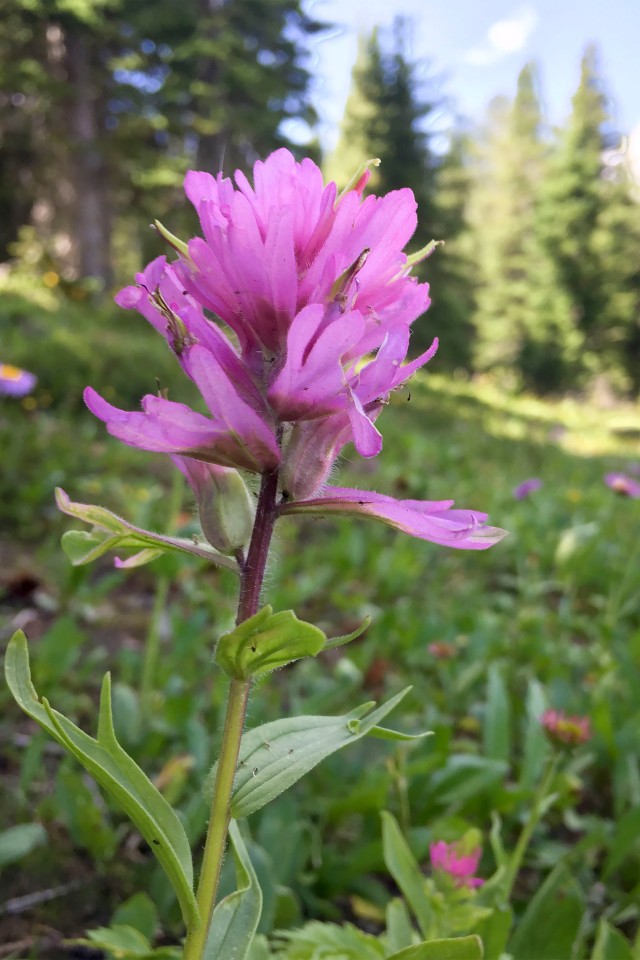
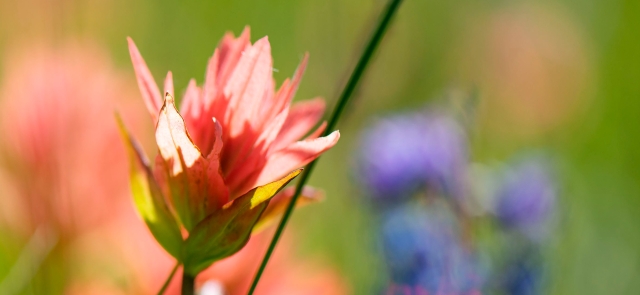
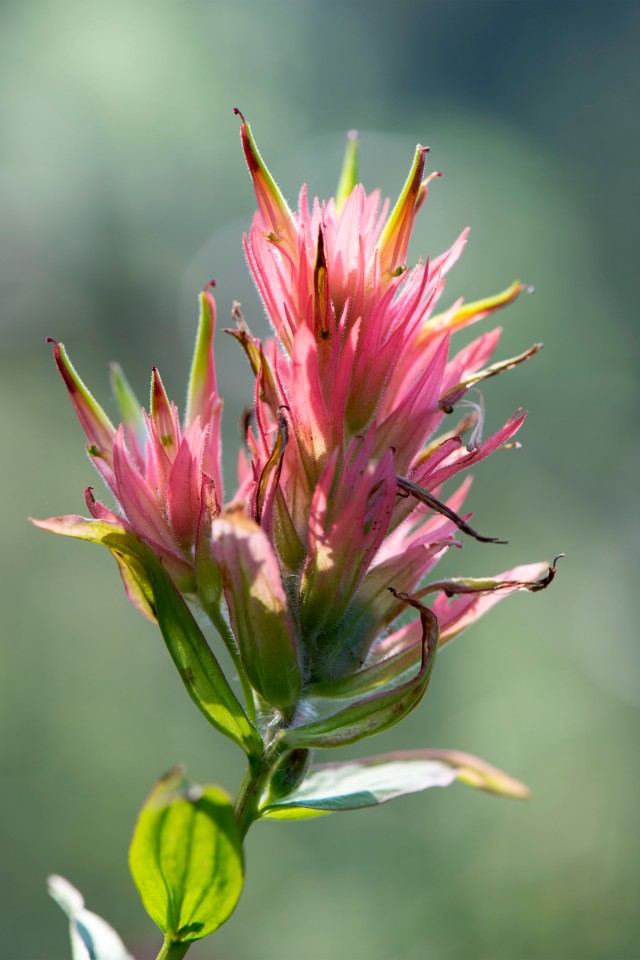
And the best thing about getting the big box is that there are plenty of crayons to share.
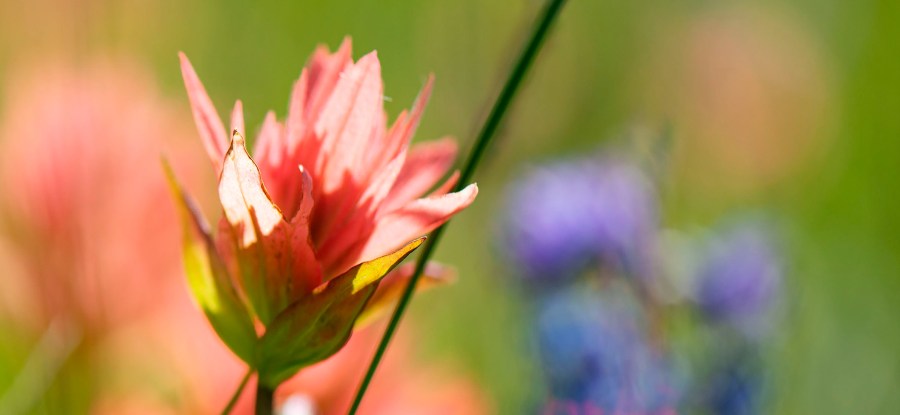
This summers bounty of Indian Paint Brush was like getting that big box of crayons you always wanted as a child. So many colors, so much fun to be had.
And the best thing about getting the big box is that there are plenty of crayons to share.

Which came first the butterfly or the caterpillar?
We are not sure but they both seem to enjoy spending time on the coneflowers.

A fuzzy caterpillar makes their way through the Coneflowers.
Nibbling away one flower petal at a time enjoying a meal as they go gathering nutrients and the proteins they will need for their next stage of life.
Whenever we see a caterpillar it never ceases to amaze us that next time we see them they will be flying through the air as a butterfly or moth.
Metamorphosis is an amazing process.

Alas, while most of the summers wildflowers have come and gone there is still a bit of color to be found. The Dotted Gayfeather have done well this year and are in full bloom in the fields and along the roadside near our home and it looks like other besides ourselves are enjoying them as a little Skipper Butterfly enjoys a late summers sip of nectar.

I can’t say it better than it is stated in this NY Times article “There’s simply no way to talk about the beauty of Orobanche uniflora without raising a lot of eyebrows.”
Commonly called Naked Broomrape or sometimes Flowered Cancer Root this wonderful flower with unflattering common names was a new one to us when we came across it in meadow on a recent hike.

It is a short leafless plant unable to photosynthsize thus gaining it’s nutrients by parasitism. Often using sedum, saxifrages and asters as a host plant. Typically growing only up to 3 inches tall we found this cluster buried deep in the grass.
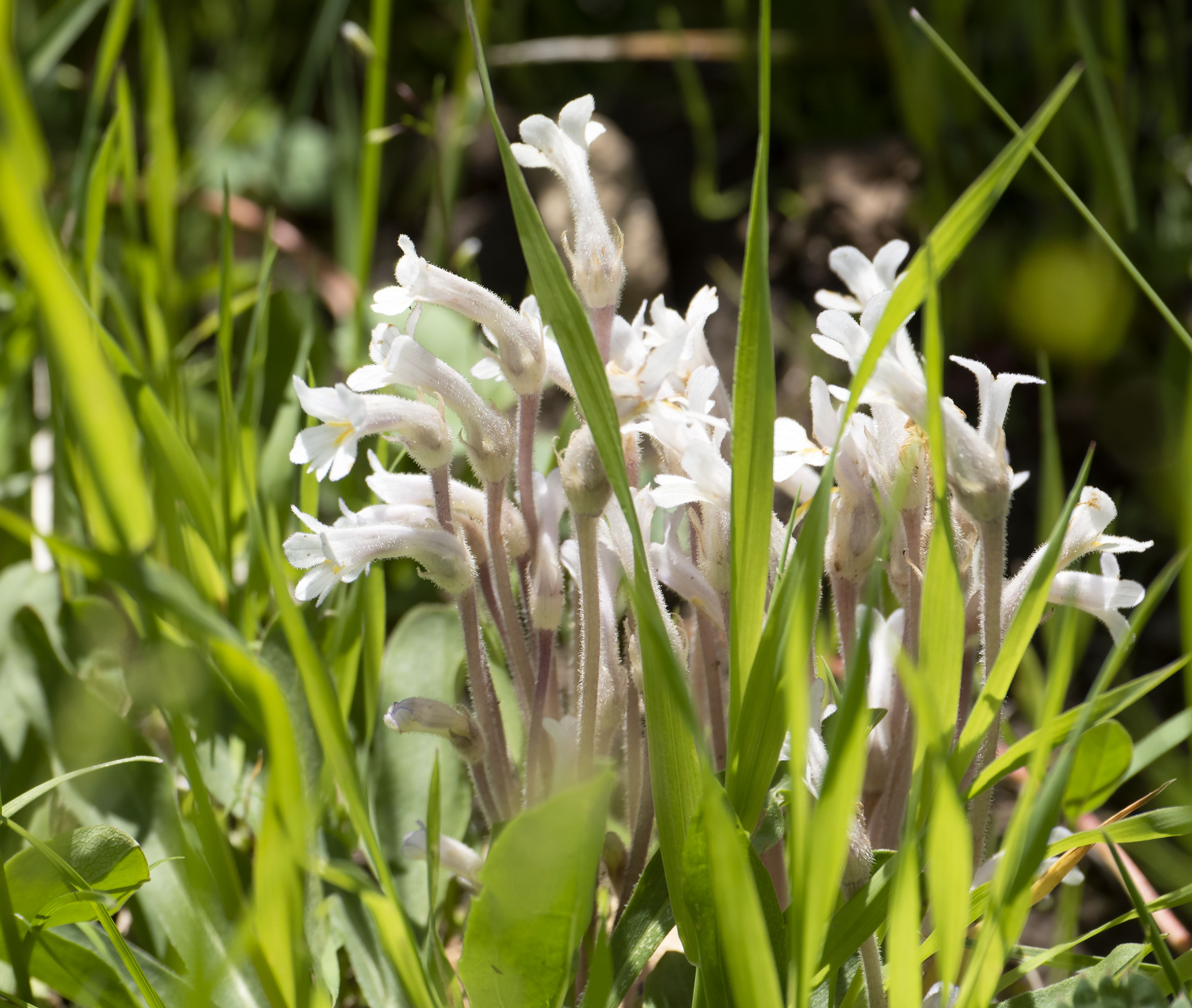
It is a beautiful little flower and very unique to say the least.

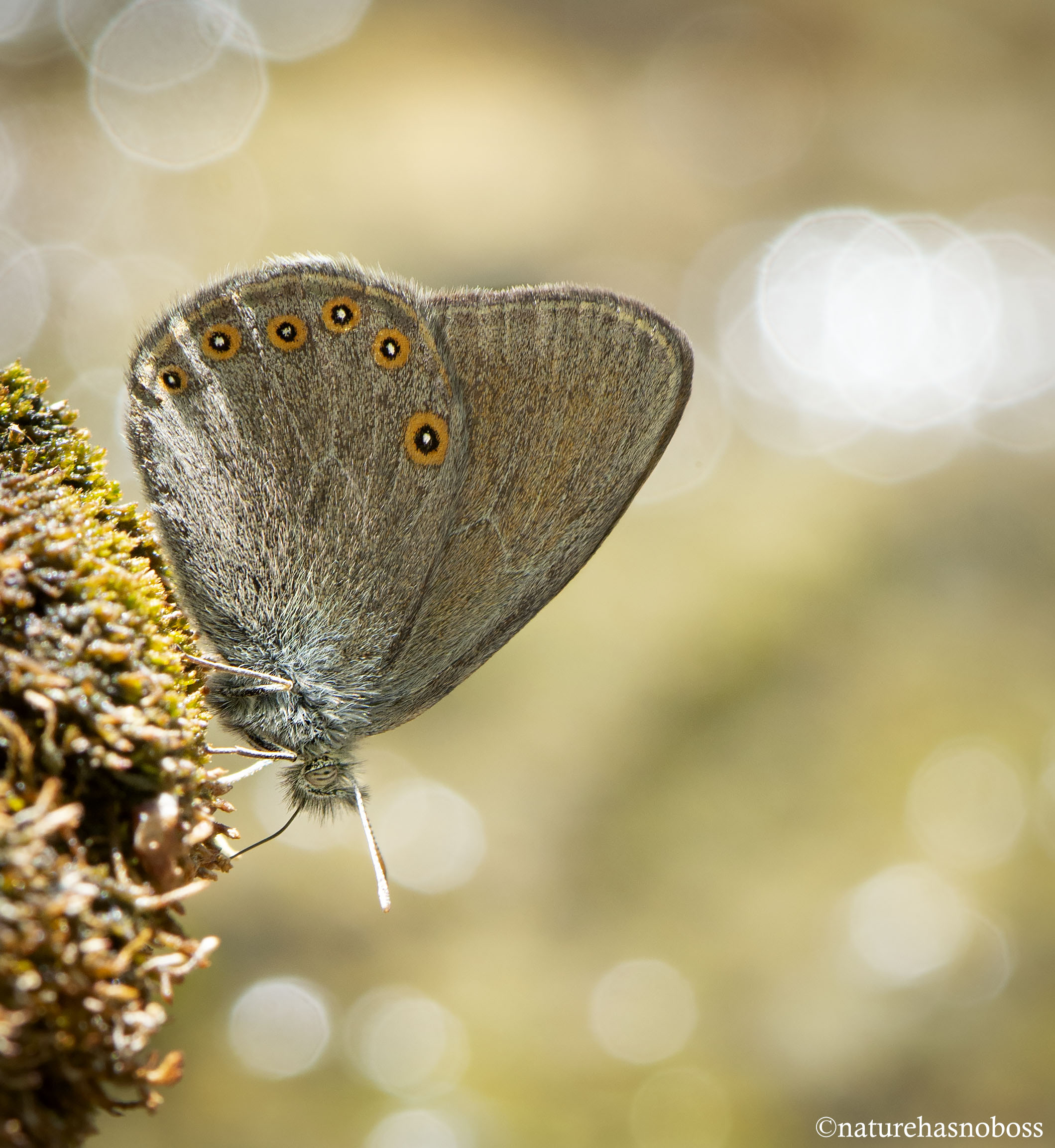
I wonder if this beautiful butterfly we have named the Common Wood-nymph calls us the Common-Humans?
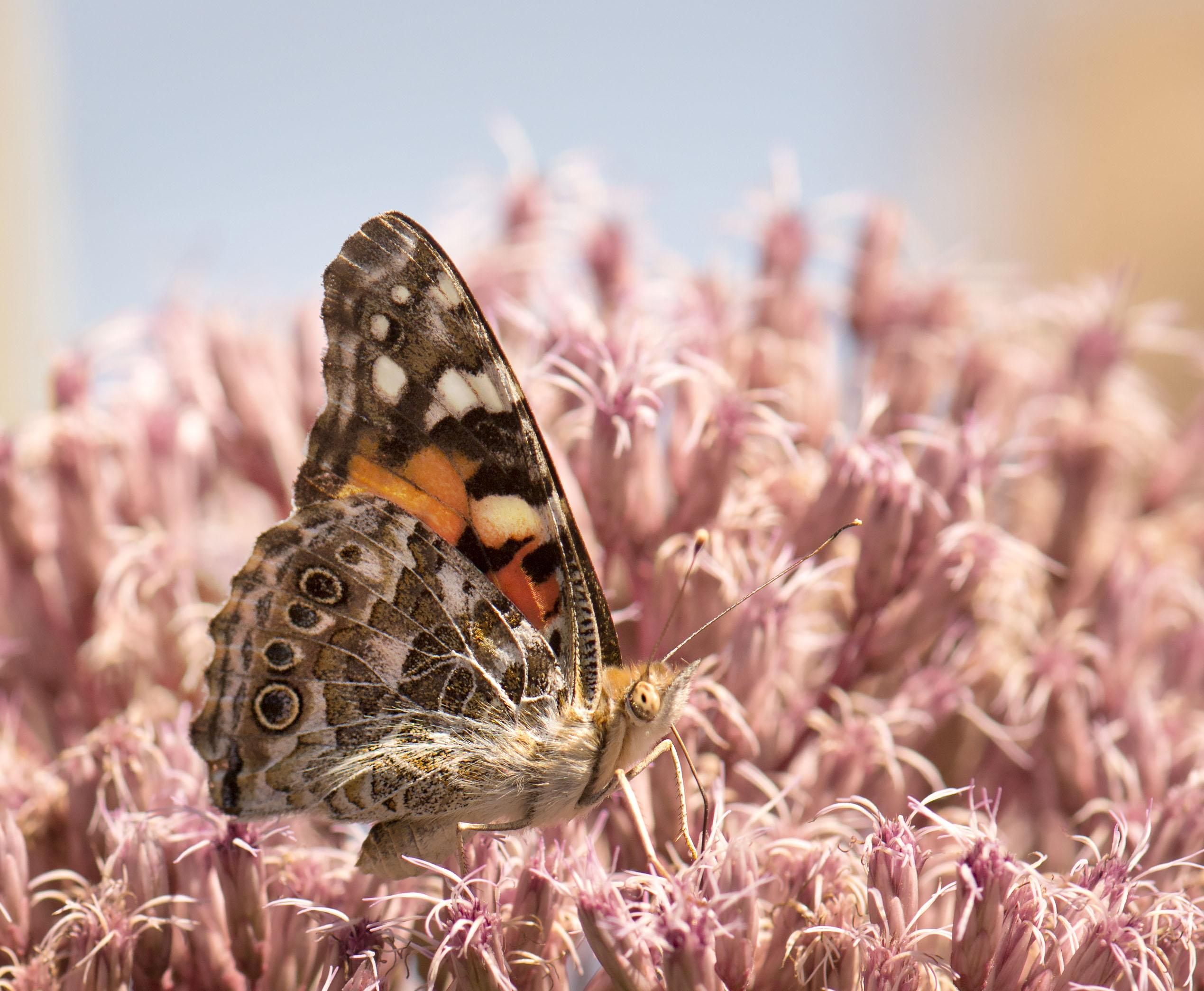
The Joe Pye Weed is in full bloom and this painted Lady Butterfly is happy about that. Although known for attracting butterflies we have noticed others to find Joe Pye quite to their liking as well.
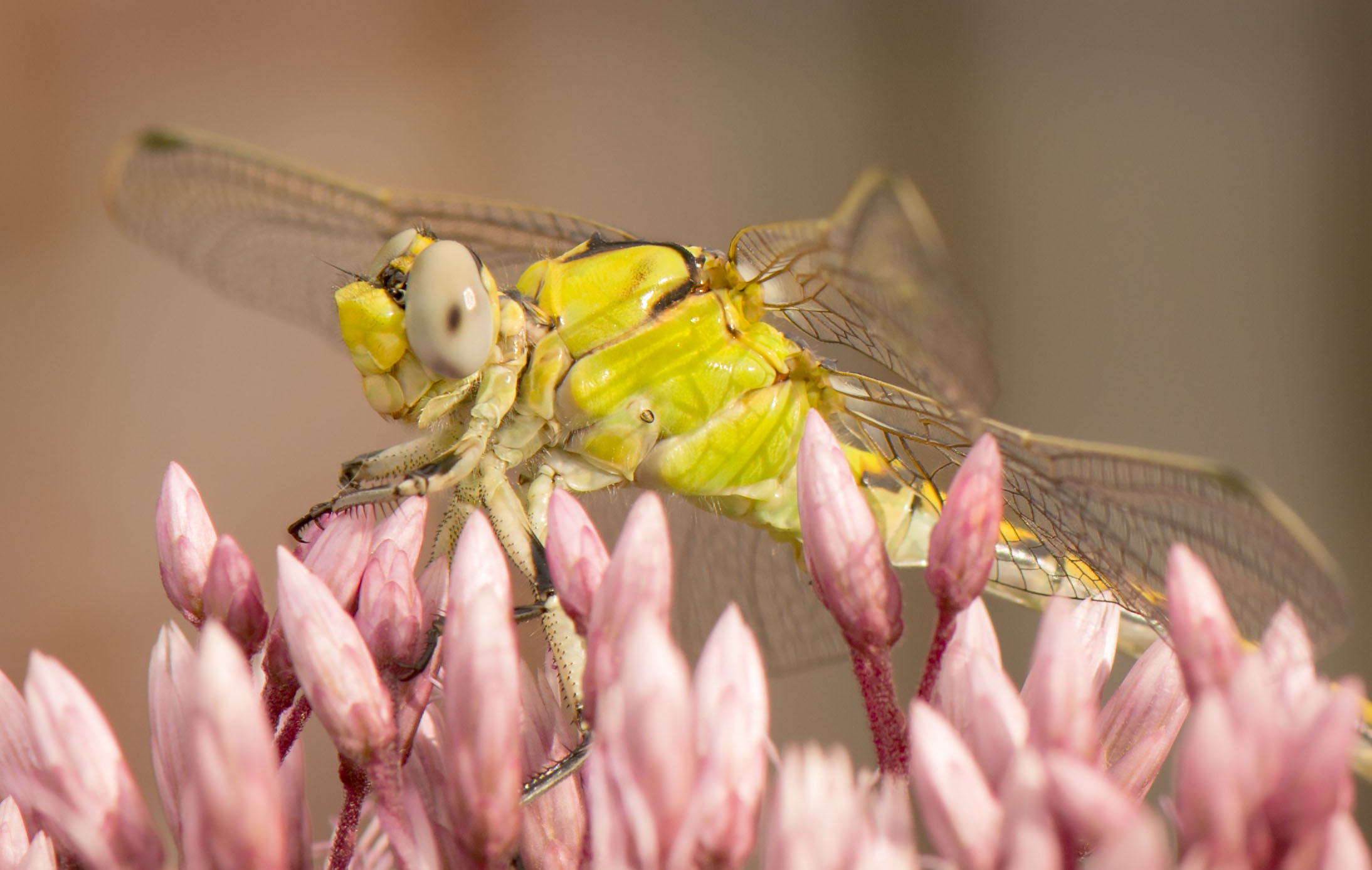
Dragonflies like Joe Pye.

As well as this wasp.

And this lovely looking bee with pincers you don’t want to mess with like Joe Pye.
A hub of activity with lovely flower to boot.
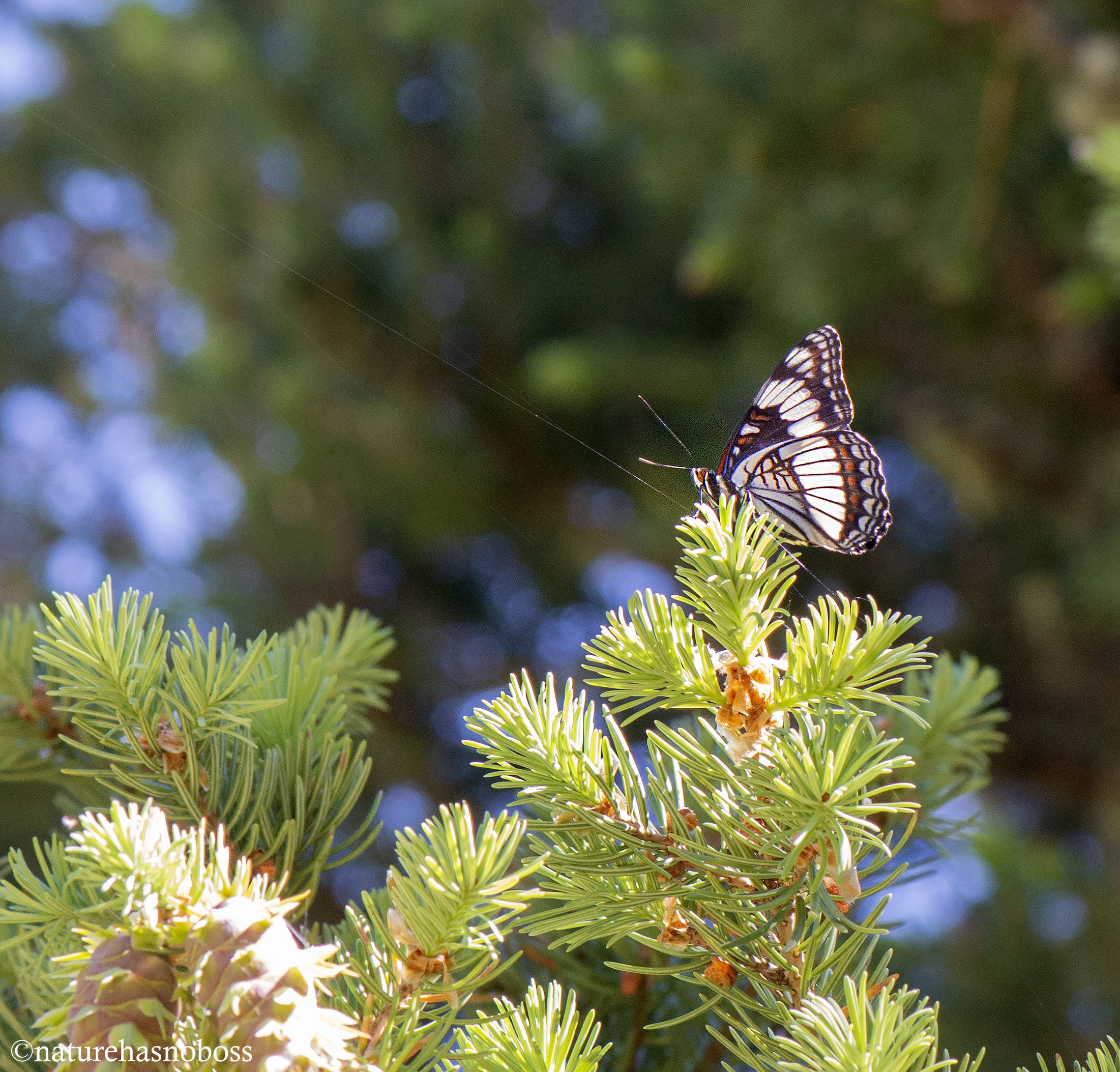
The Lorquin’s Admiral is one of those butterflies you see flittering through the air all summer. Flying nearby but not to near heading left then heading right but one you half-heartedly chase around while eon the trail hoping they will land close enough for a halfway descent photo and if they do land and you chose not to have the wrong lens on your camera it will be a photo well rewarded. This was one of those days we were rewarded. We spotted The Lorquins perched near the top of a small pine tree and as soon as we could get the shutter clicked they flew down to a small streamed for a quick drink.

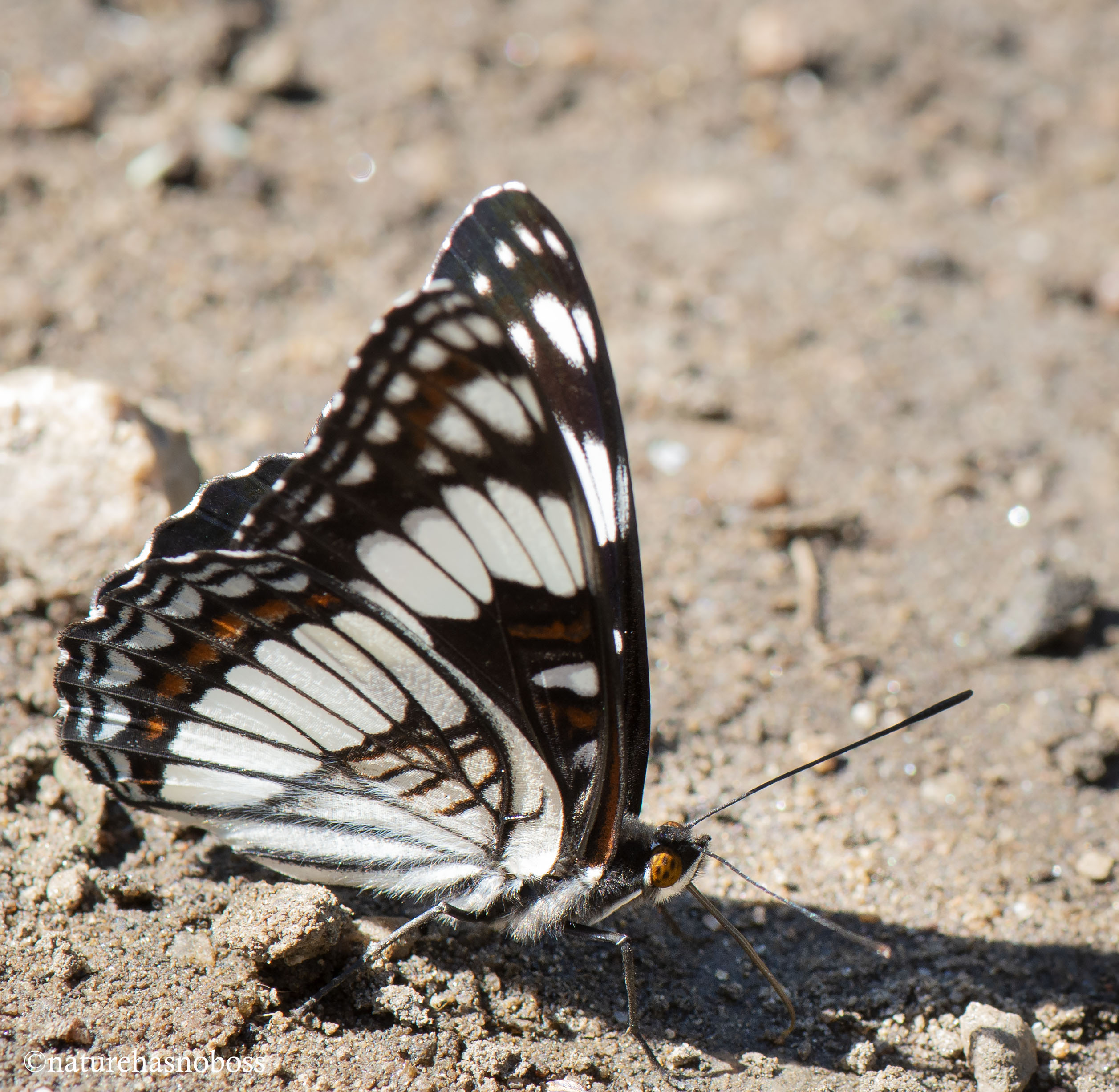
Isn’t amazing how many colors butterflies eyes come in?

A few weeks back the wild Buckwheat plants we in full bloom along a trail we were hiking and they proved irresistible to a wide variety of butterflies seeking a nice sip of nectar on a hot summer afternoon. With both the Sulfur-flowered and Yellow-flowered species both in full bloom there was a buckwheat to meet the tastes of even the most discriminating species. While the Acadain Blue and Juniper Hairstreak we more partial to the Sulfur-flowered buckwheat….


The Fritillaries, Checkerspots and this beautiful Field Crescent favored the Yellow-flowered variety.

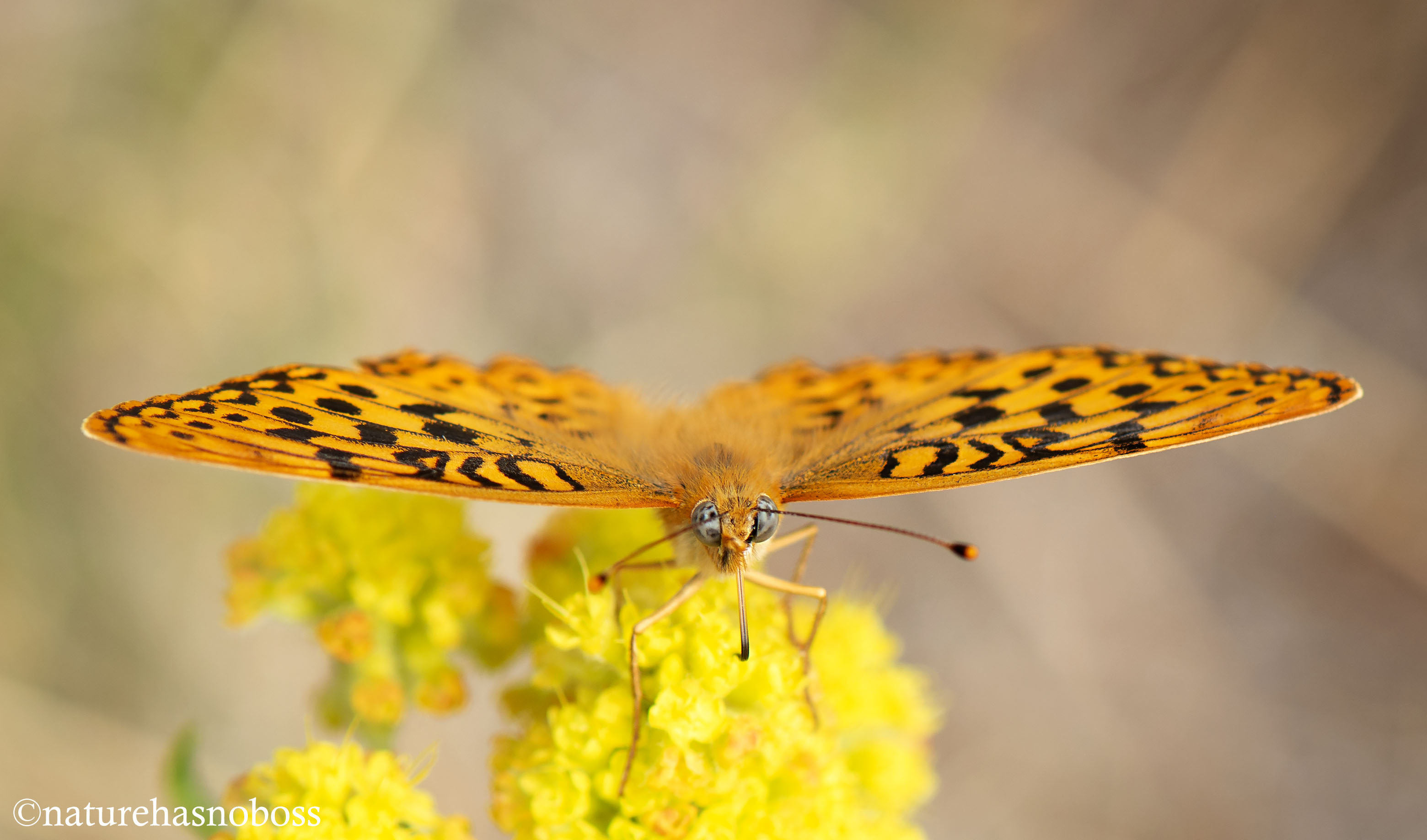

A beautiful collection of butterflies all within the span of 50 meters along the trail.
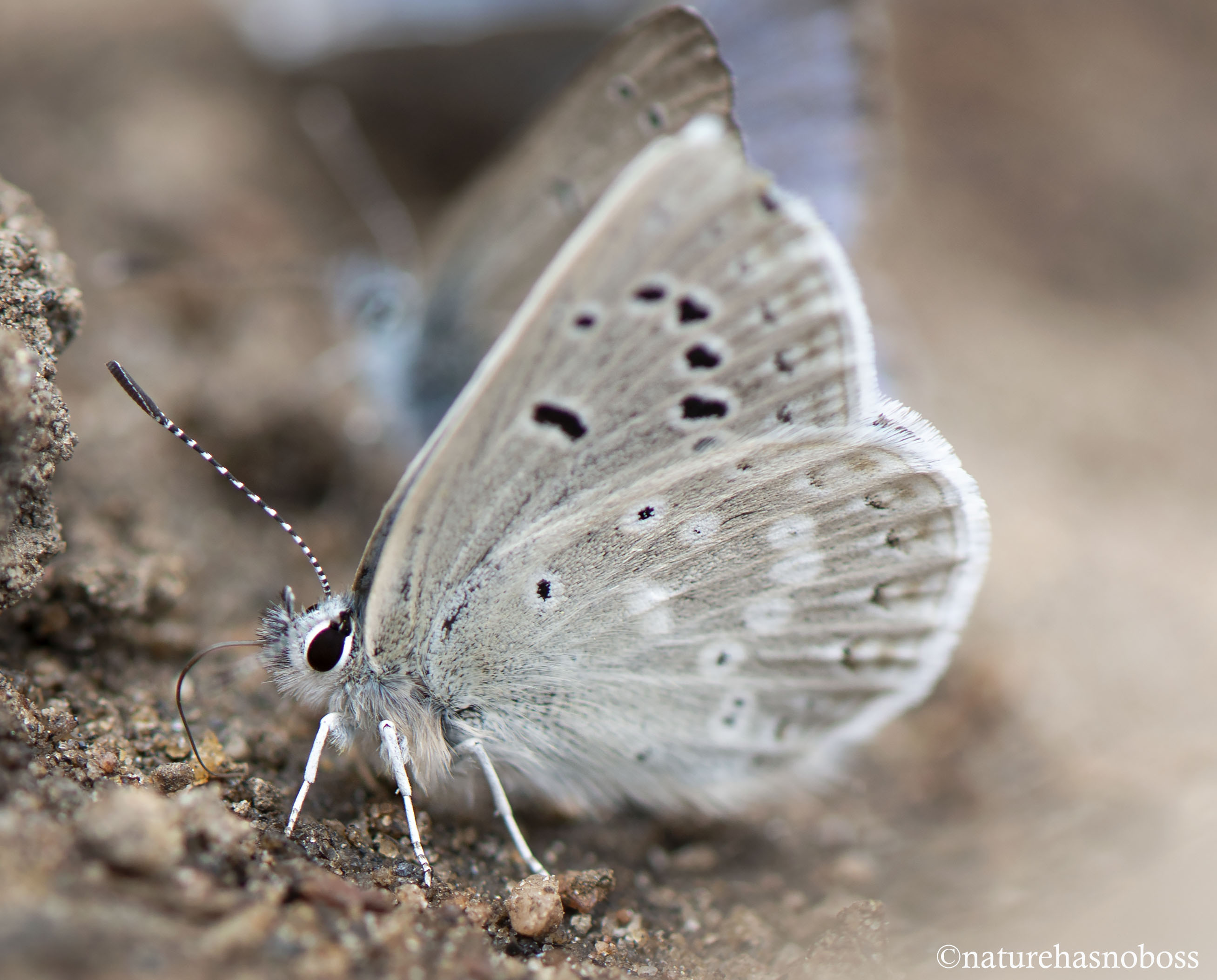
It’s always an amazement to us how different so many butterflies look with wings up versus wings open and this little Blue Copper is no exception yet just as perfect on the outside and on the inside so to speak. A subtle color or specific pattern on one side to avoid predation or perhaps signal toxicity to predators and a more showy side thought to function predominantly to signal availability to mate.

Wow!
 nature has no boss
You must be logged in to post a comment.