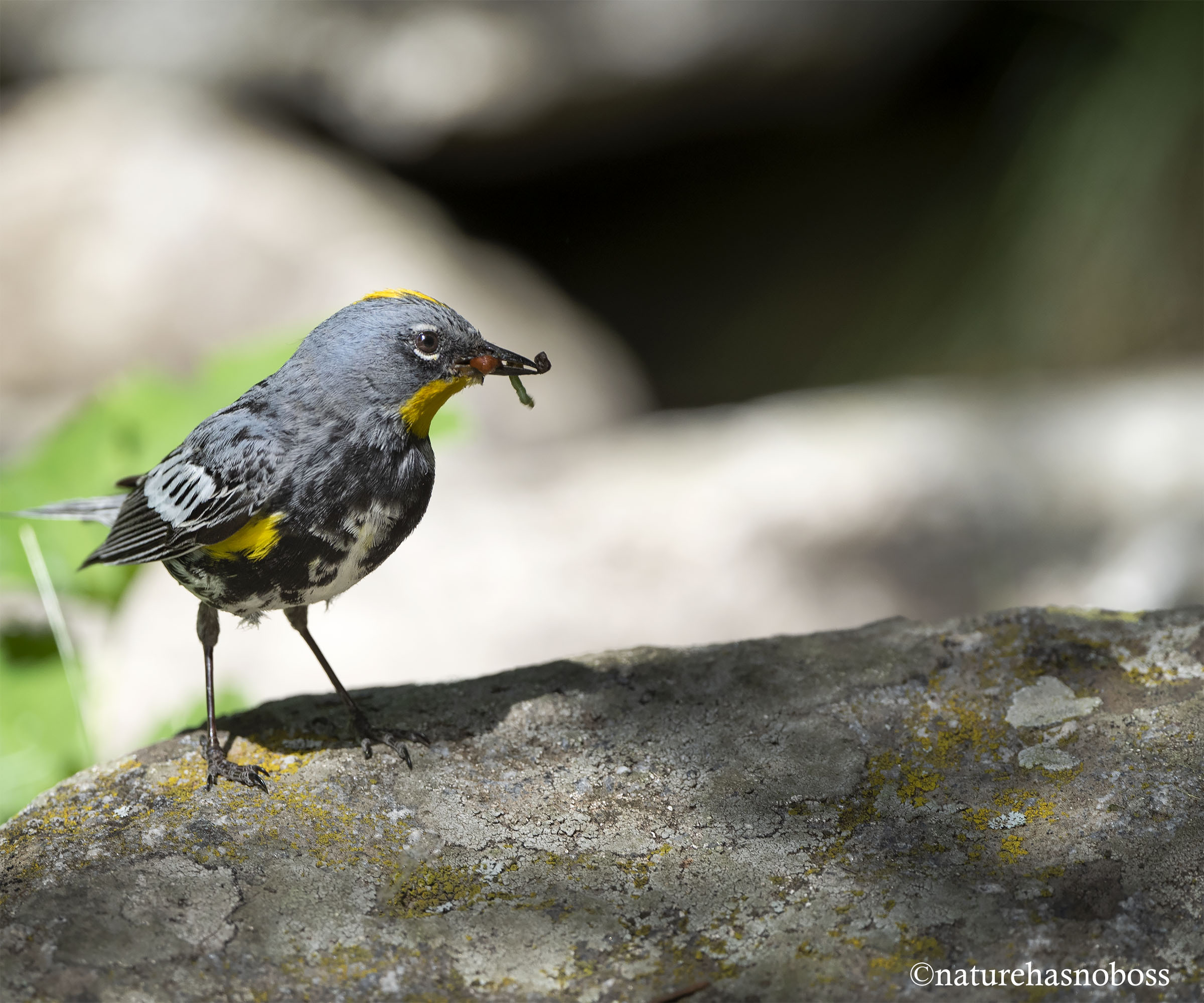
A male Yellow-rumped Warbler bringing home a mouthful to feed the family. It’s hard to believe that while this photo was only taken just a few weeks ago the Yellow-rumped Warblers have already left our forests for the season. August is always a strange month and now that most of the migratory birds have left just seems stranger.
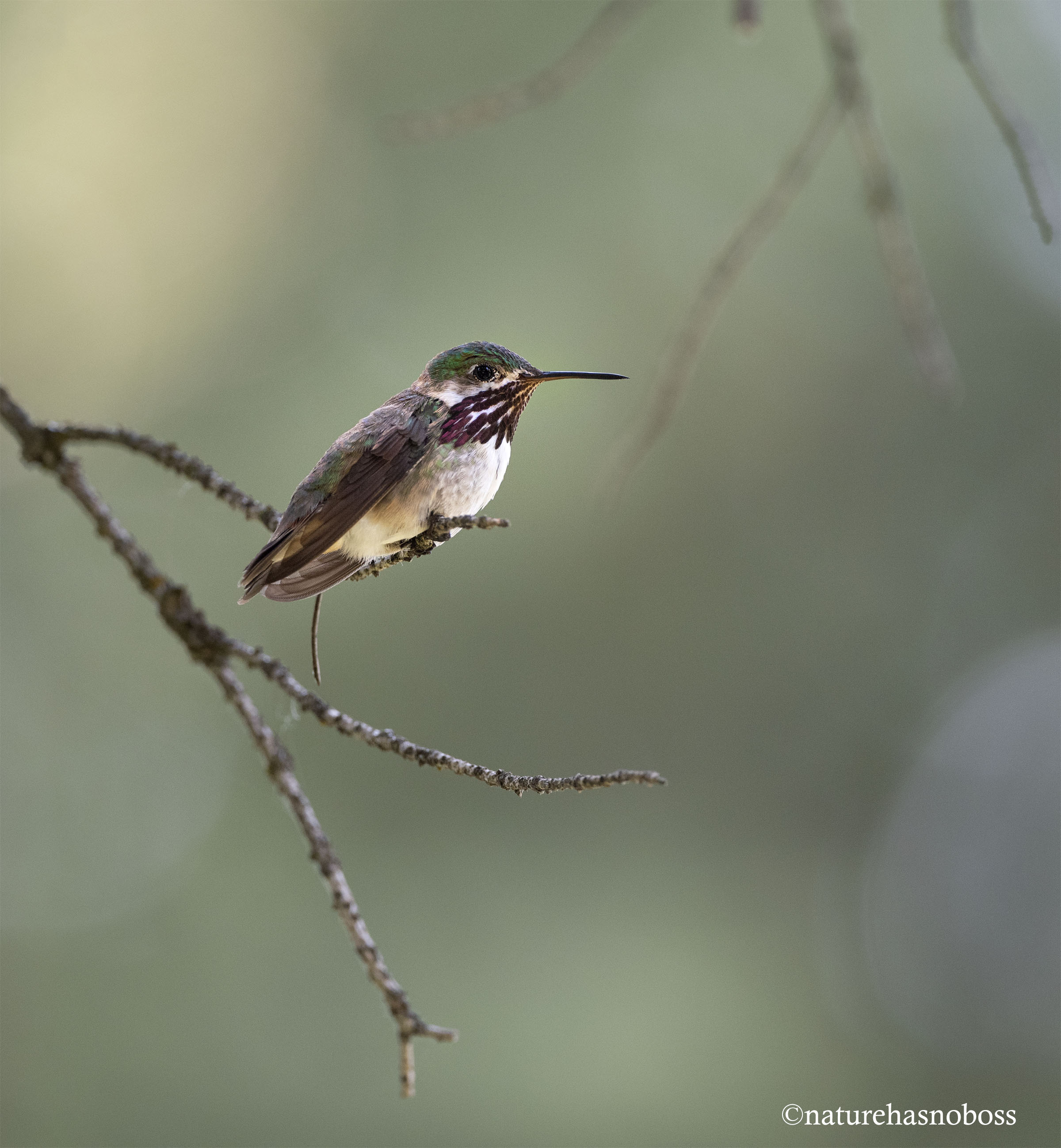
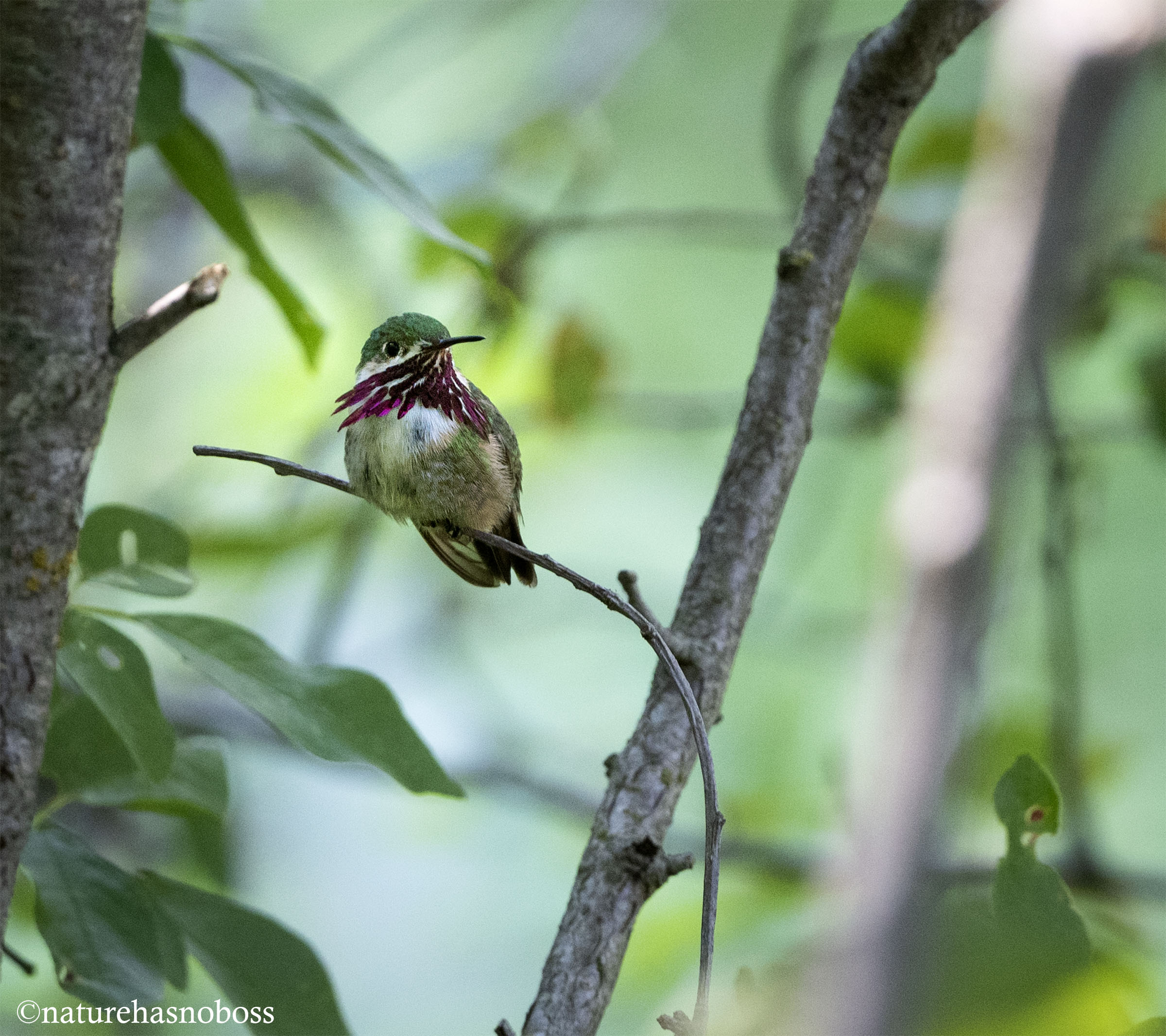
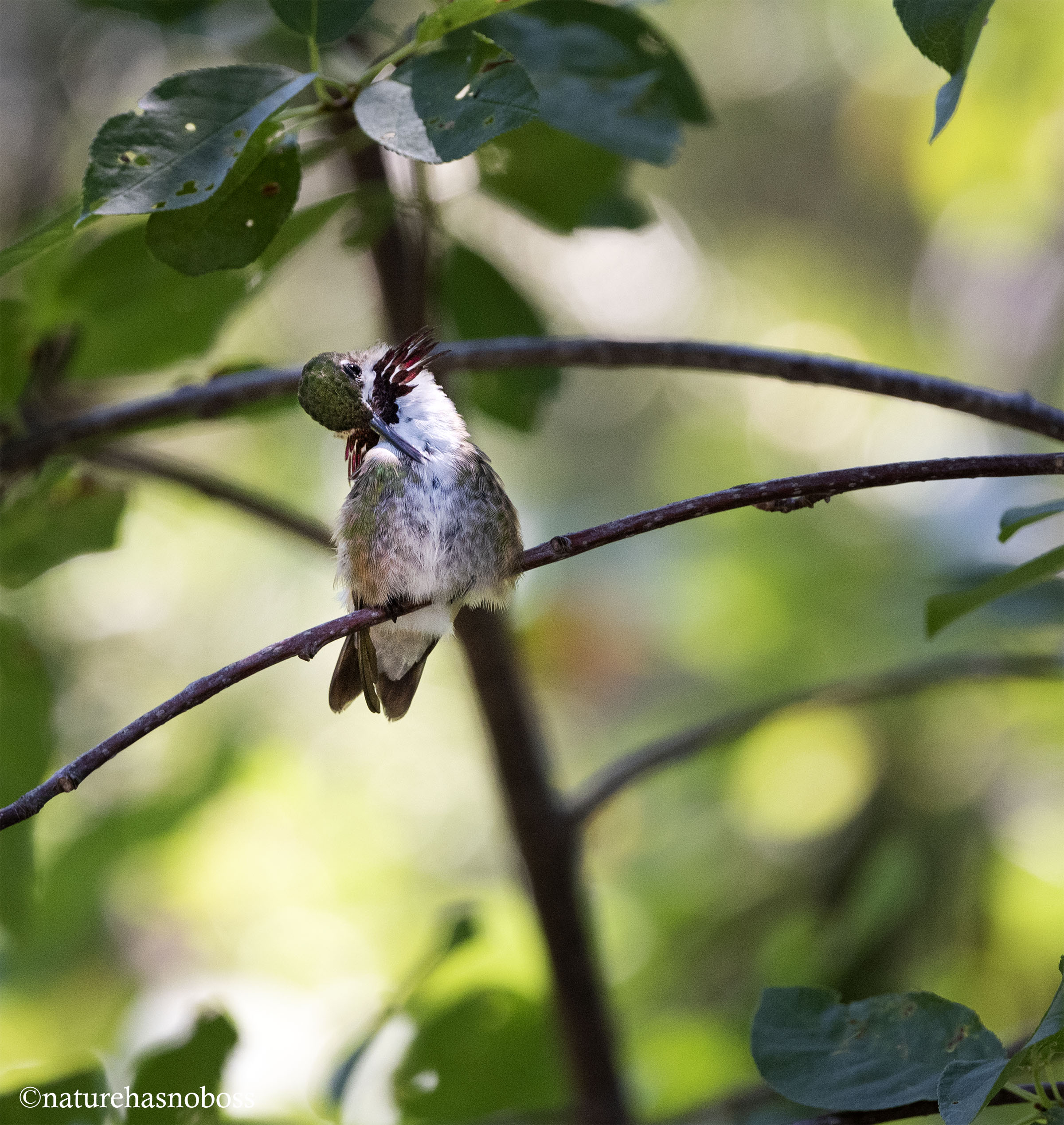
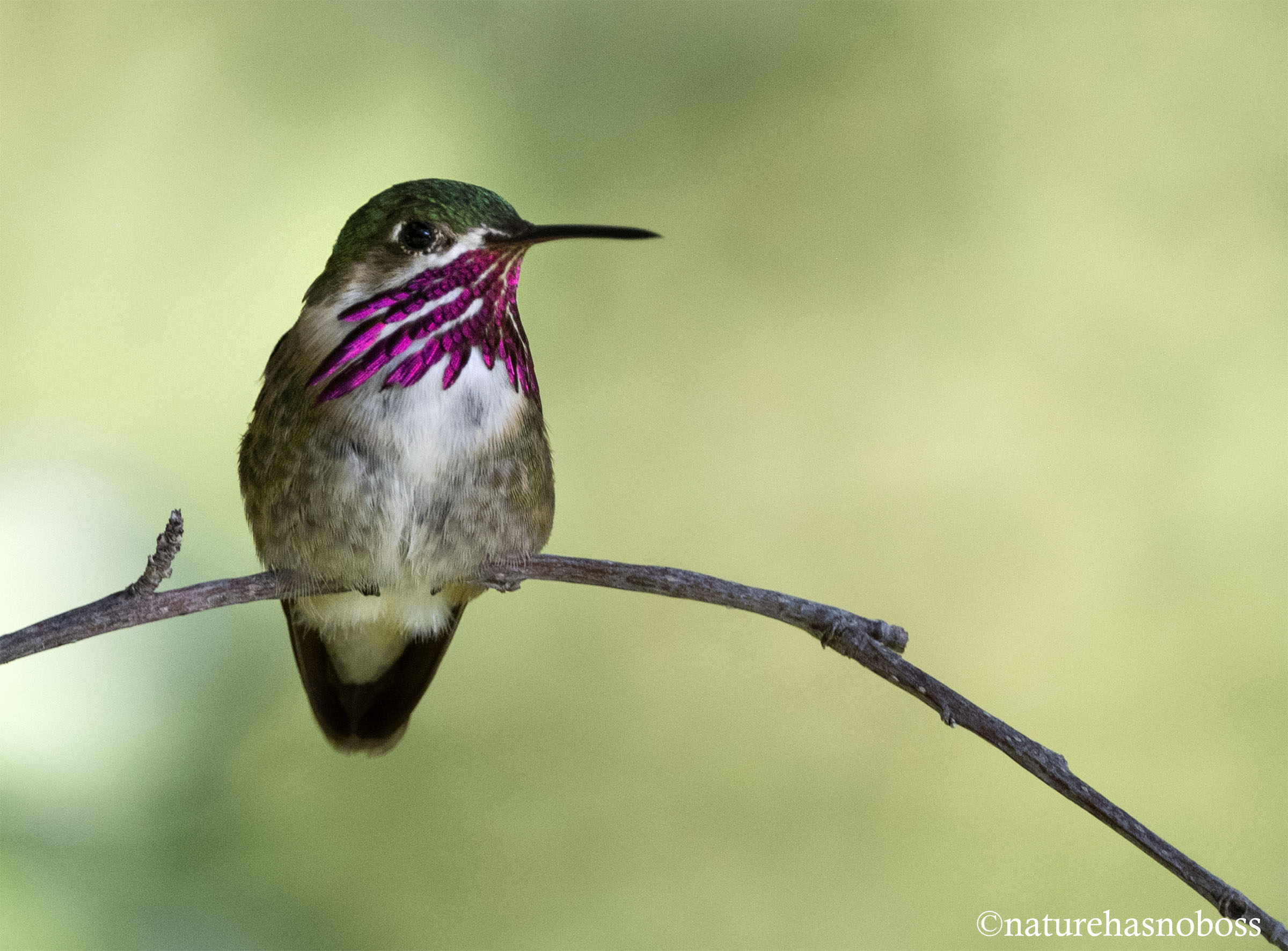
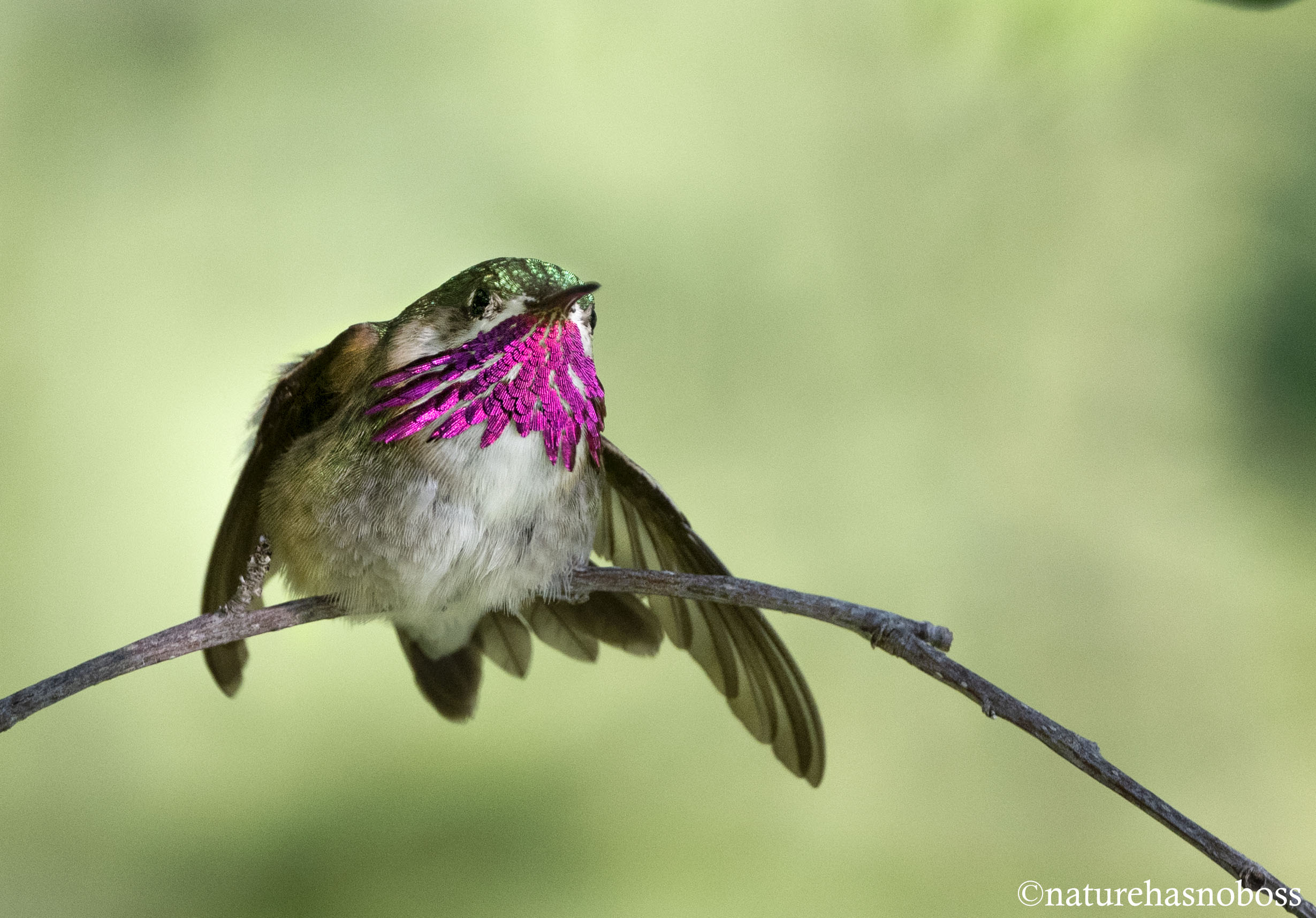
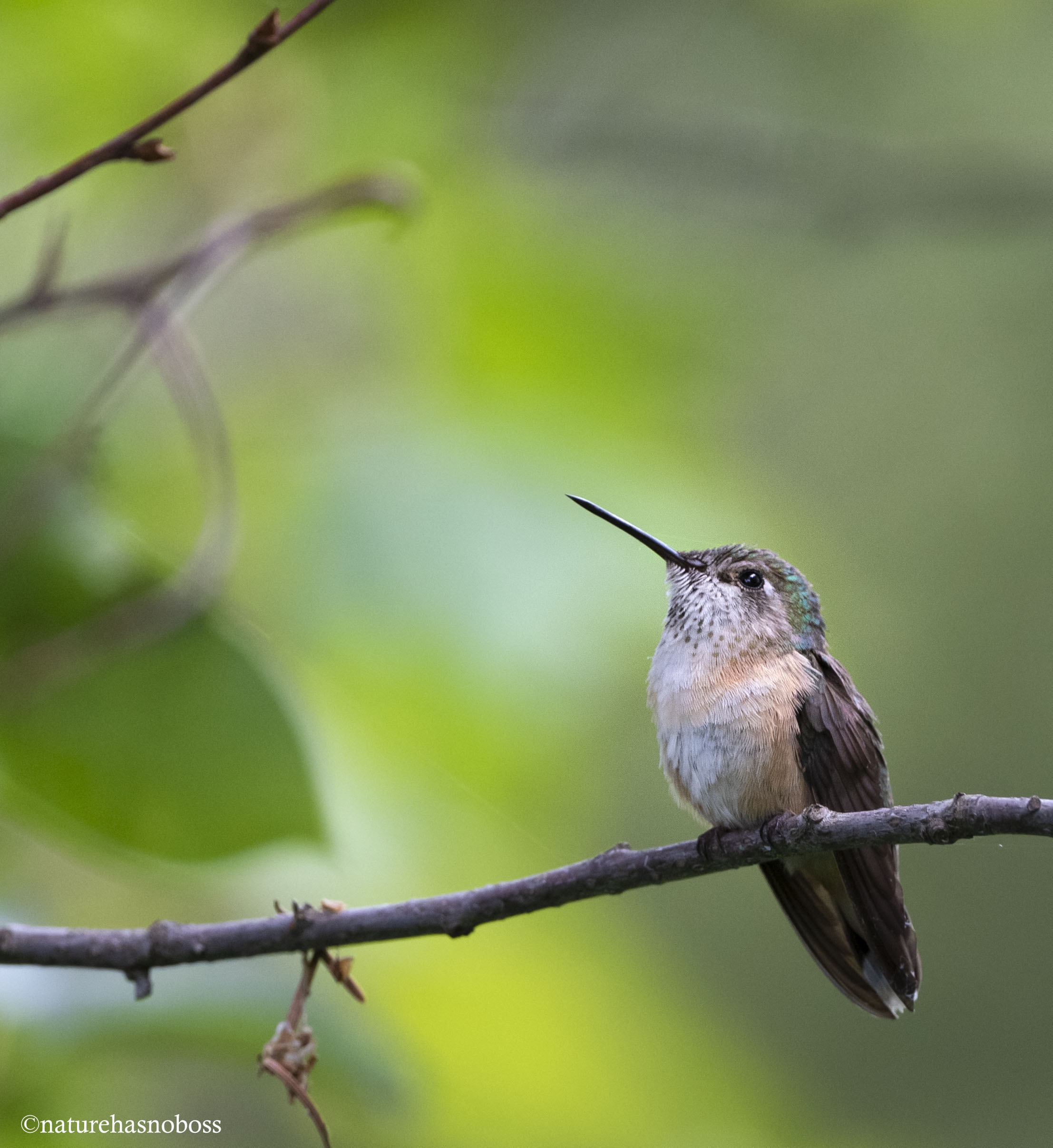
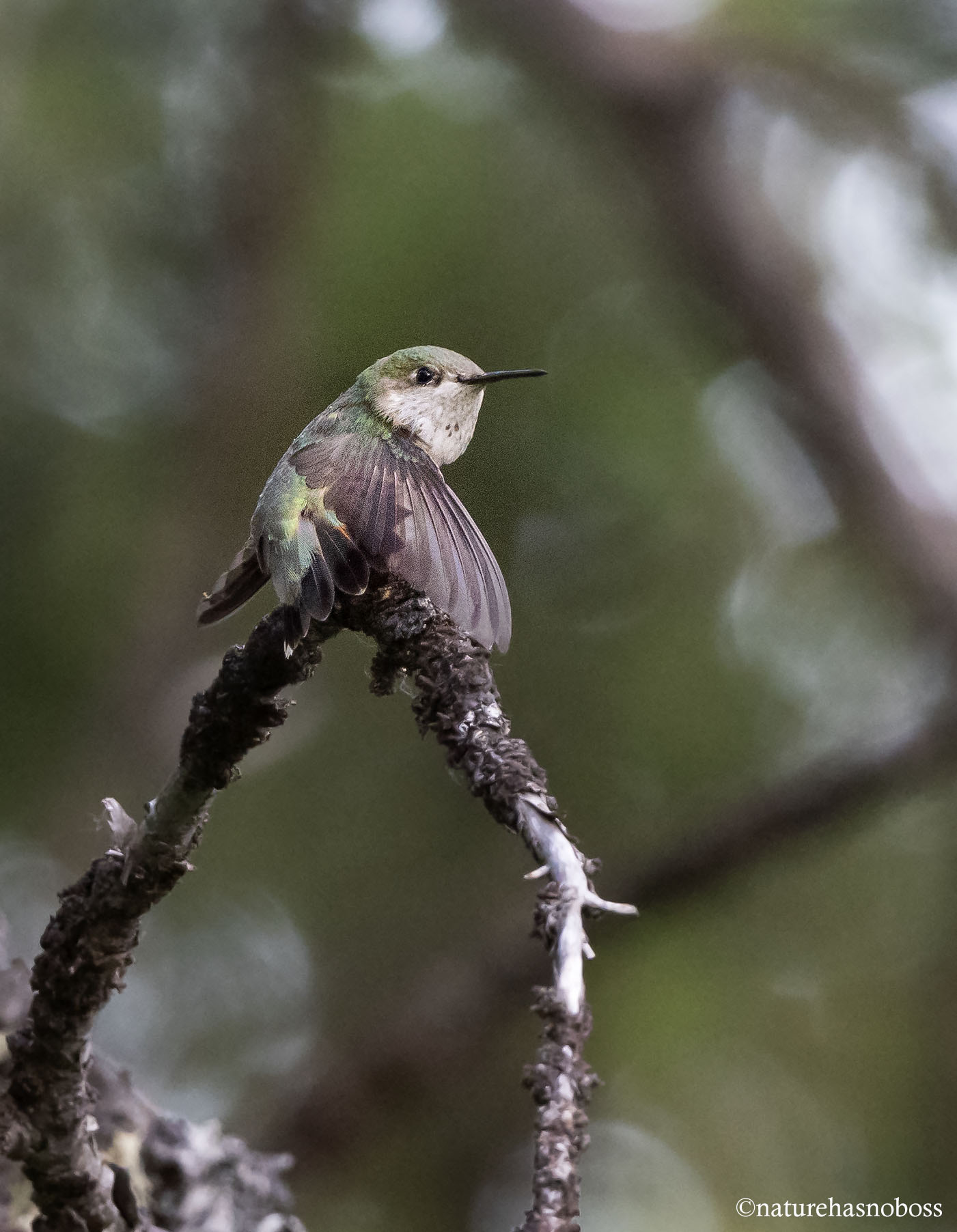
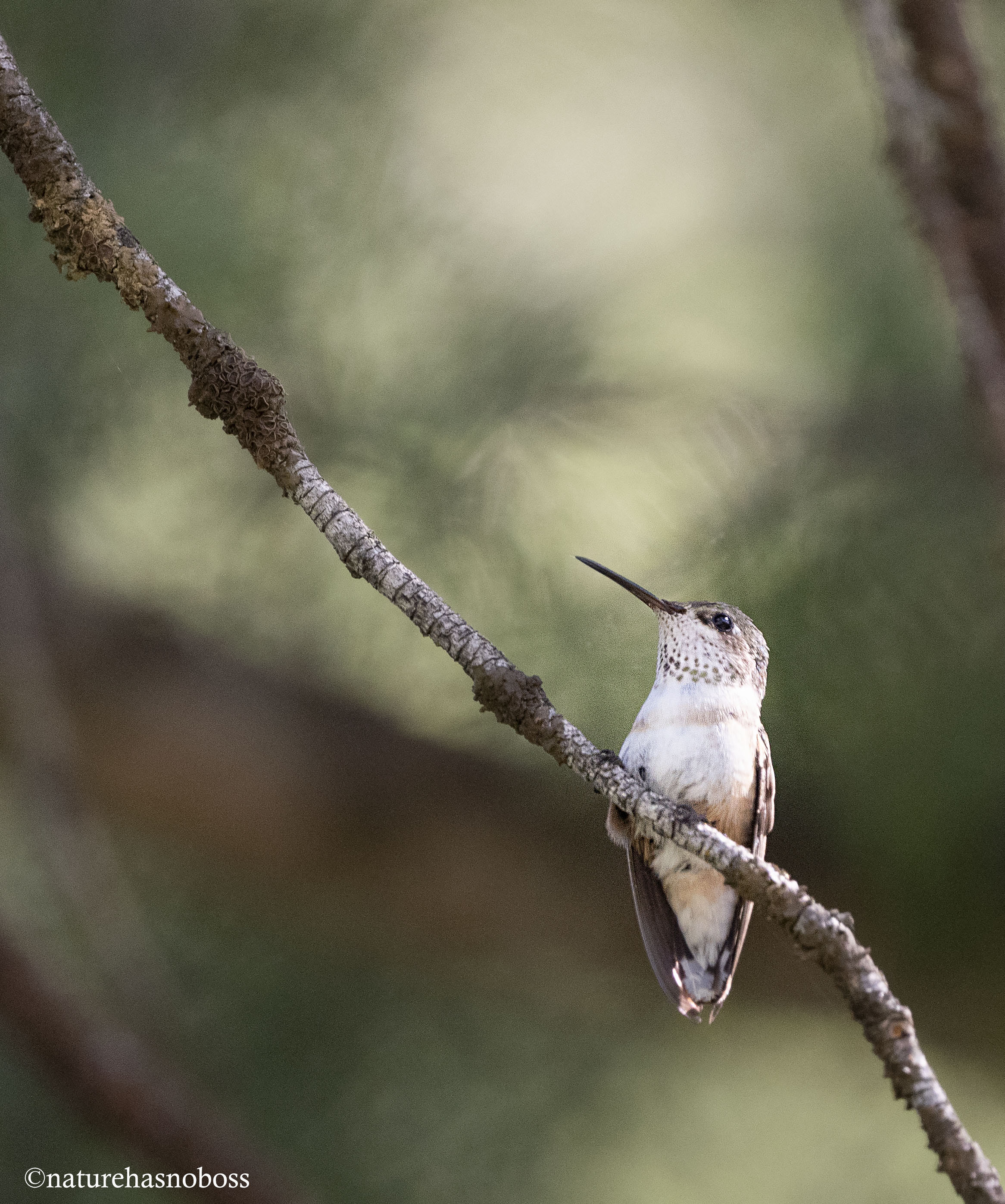
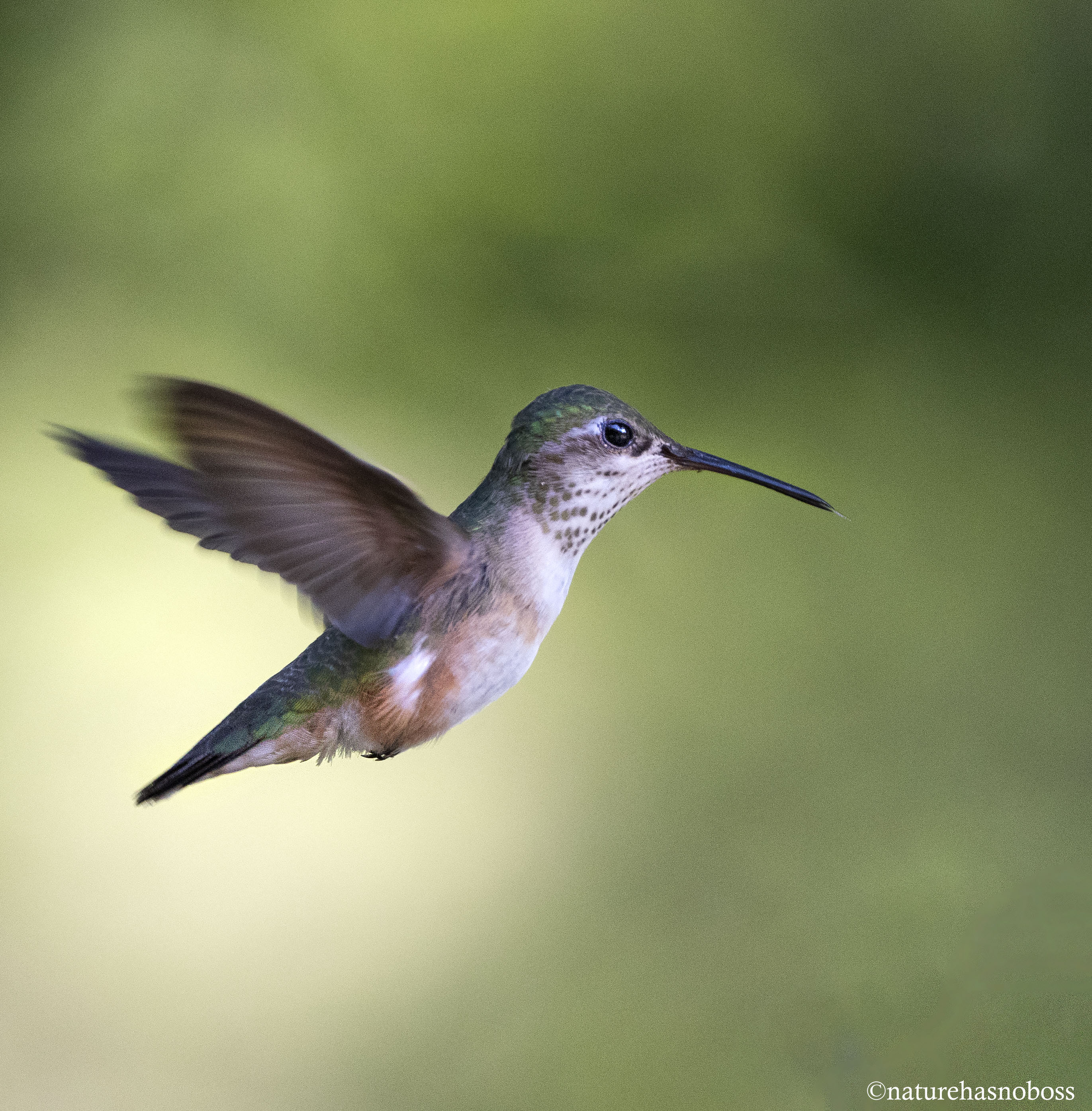
Well another week has come and gone and while a few Calliope Hummingbirds are hanging around the neighborhood the number have decreased significantly this past week. By all accounts we have only observed two this week. Therefore another tribute to this mighty little hummingbird is in order. While last week we featured the females this week we feature a handful of the many photos of the boys we collected over the summer.
We sure will miss that little flash of brilliant color.
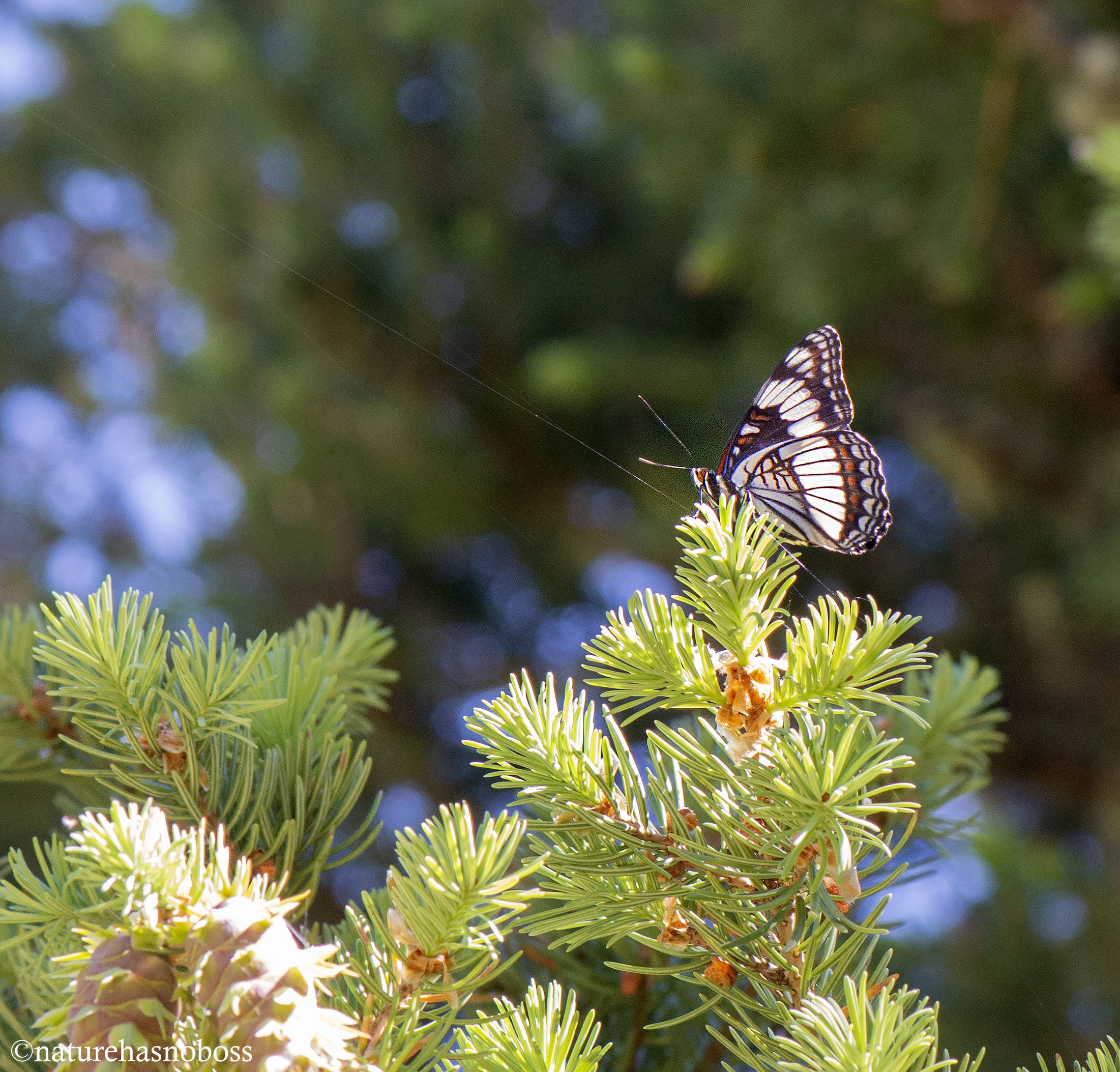
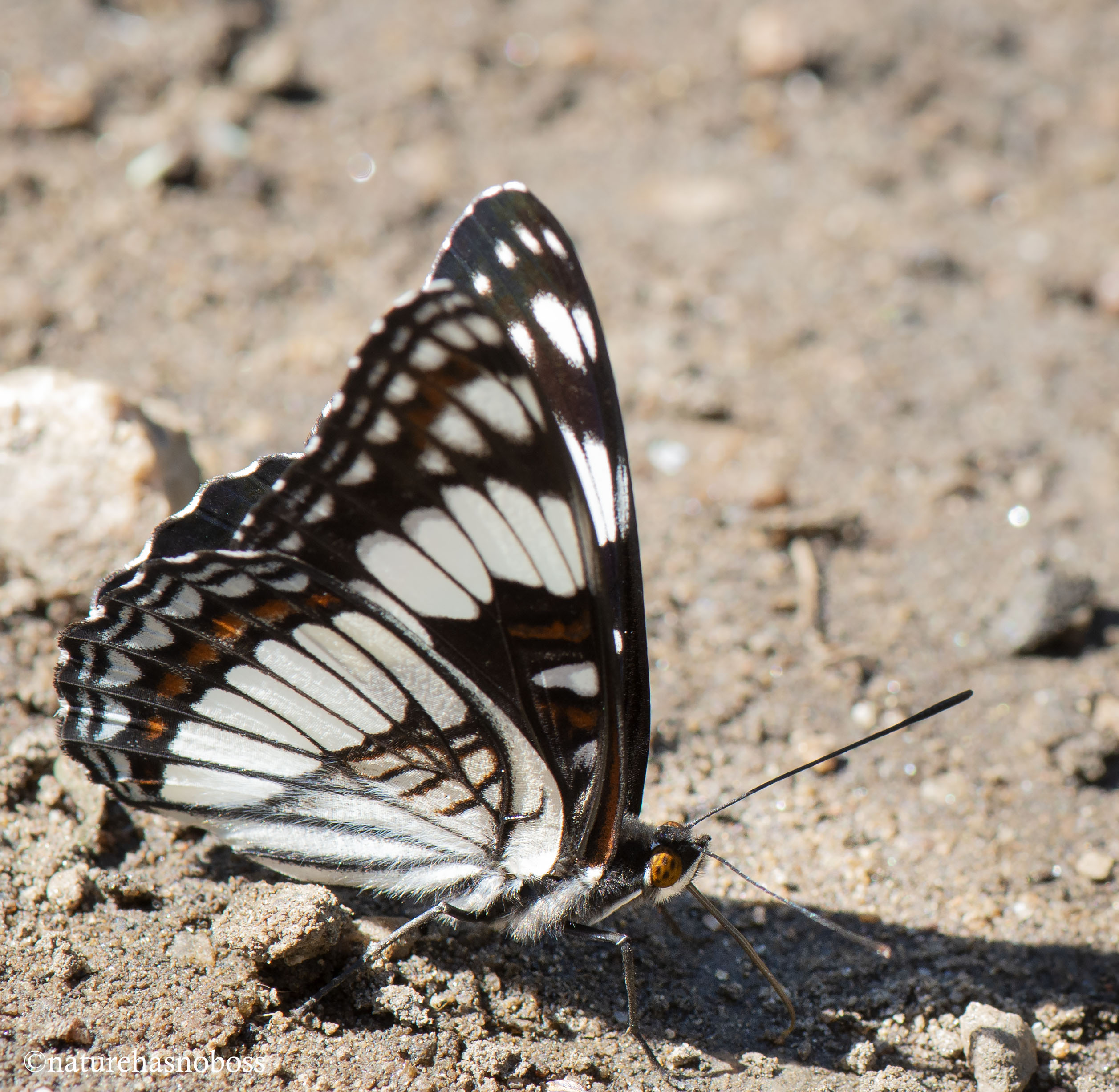
The Lorquin’s Admiral is one of those butterflies you see flittering through the air all summer. Flying nearby but not to near heading left then heading right but one you half-heartedly chase around while eon the trail hoping they will land close enough for a halfway descent photo and if they do land and you chose not to have the wrong lens on your camera it will be a photo well rewarded. This was one of those days we were rewarded. We spotted The Lorquins perched near the top of a small pine tree and as soon as we could get the shutter clicked they flew down to a small streamed for a quick drink.
We always like when butterflies give you both a wings open and wings closed photo for identification and reference purposes.
Isn’t amazing how many colors butterflies eyes come in?
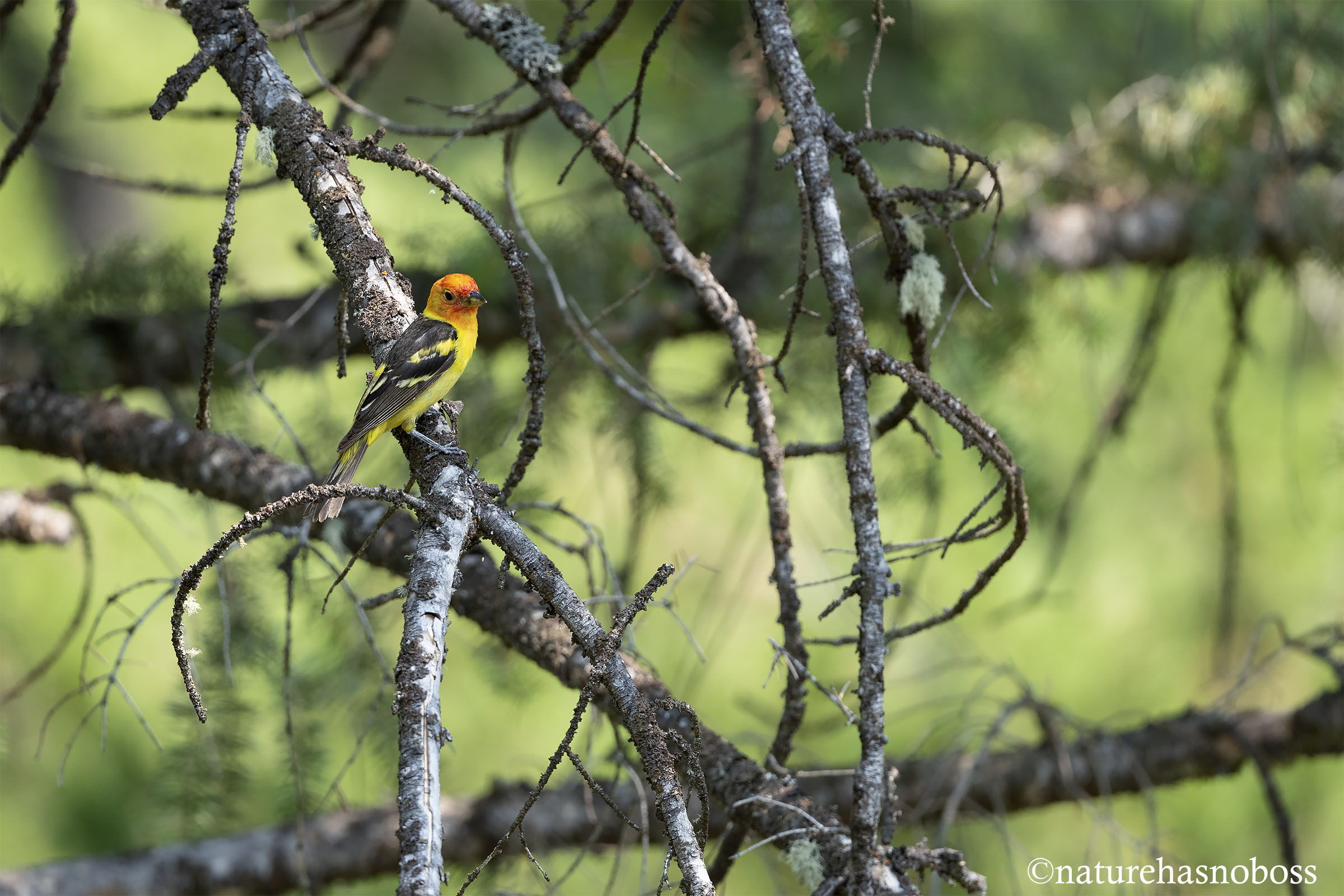
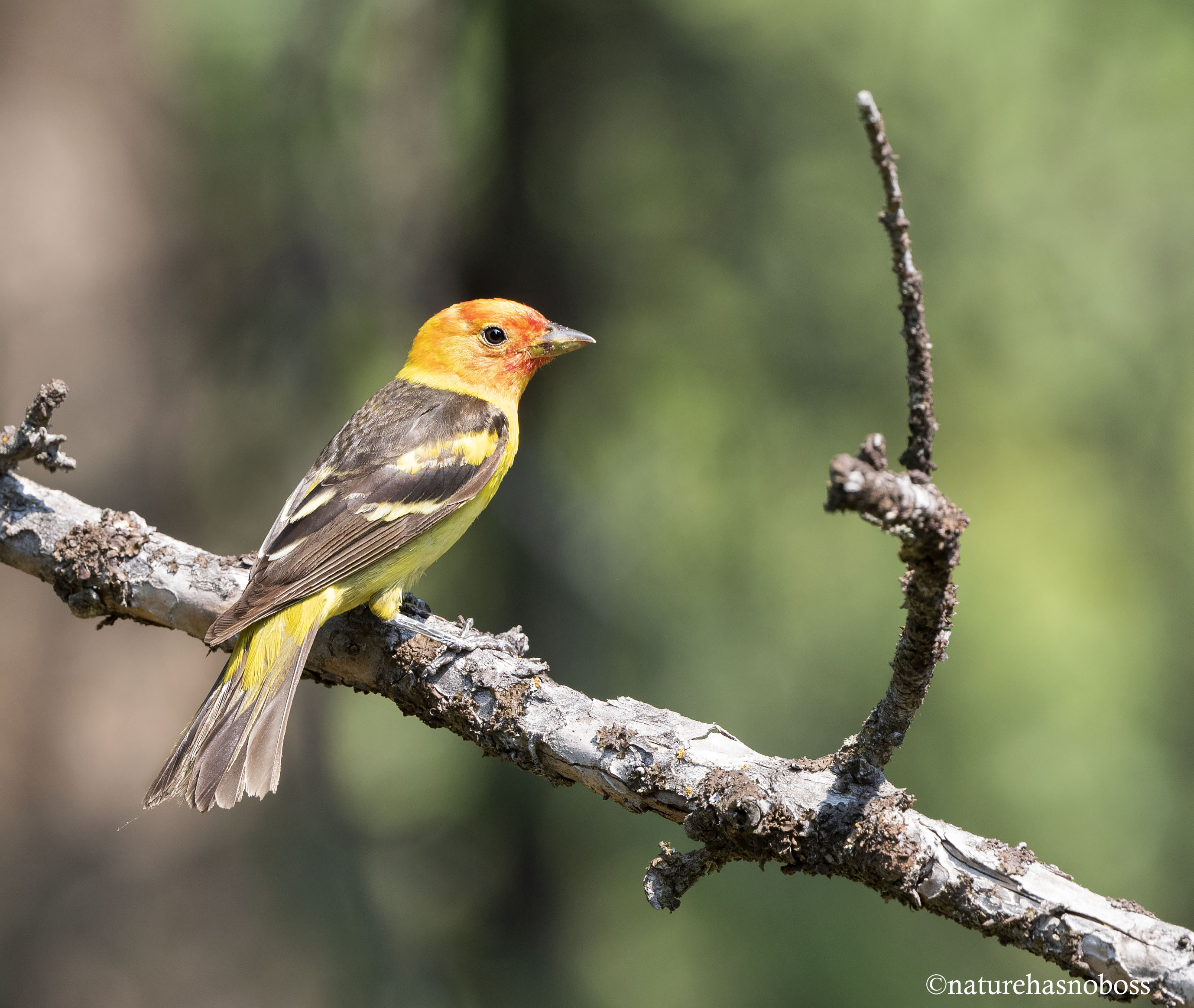
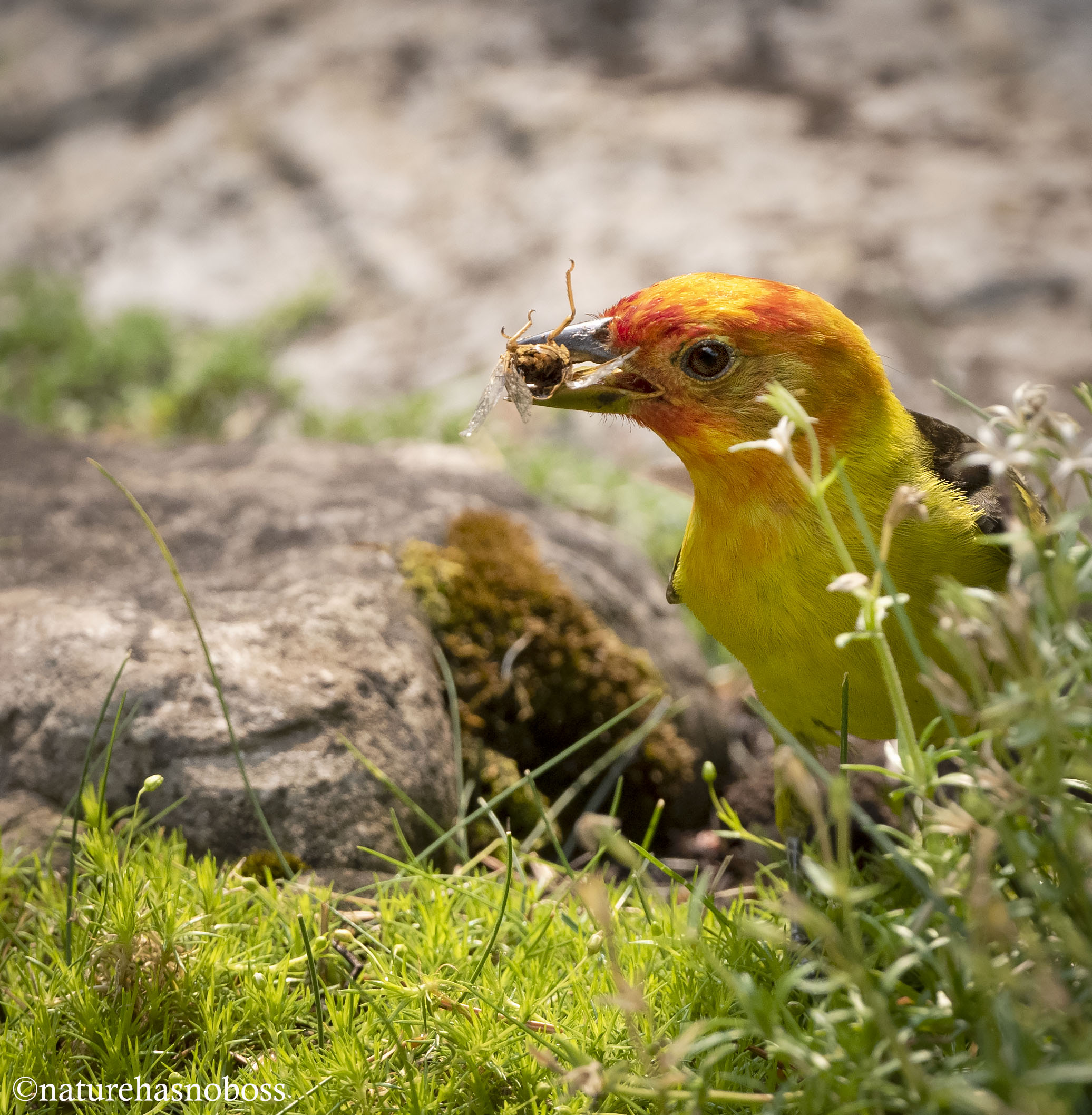
It’s a been a summer filled with smoky skies and when the sun was out it seemed dulled and lacking that cheery-summery feeling. However, even when skies were hazy and the sunlight dimmed, there were always male Western Tanagers to illuminate the haze filled skies .
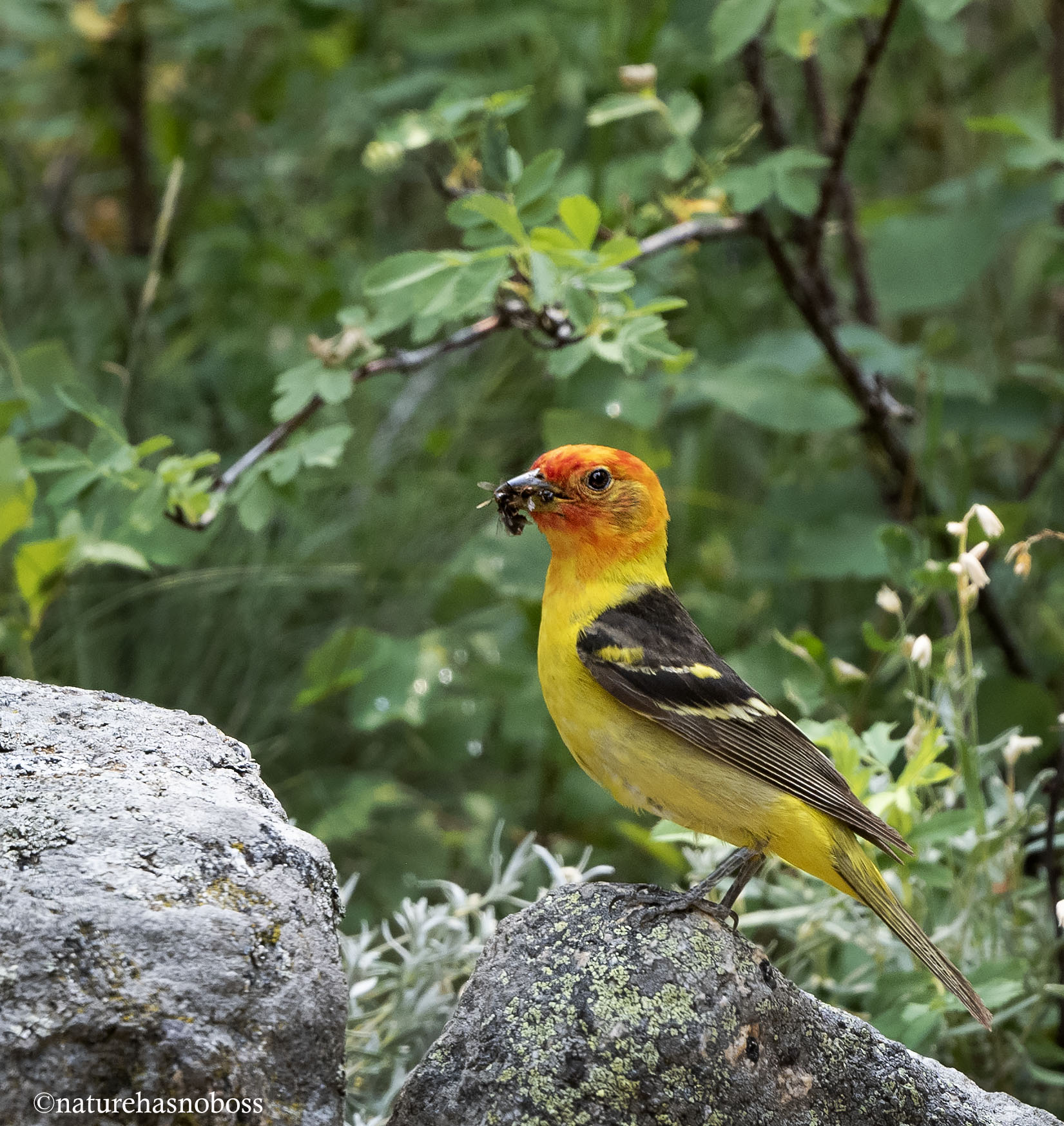
With a brood to feed this male was busy collecting mouthfuls of flying ants to bring to the nest. We watched him make several trips to an ant nest a black bear had recently exposed behind a pile of rocks.
Like an atomic fireball they filled the summer skies with an yellower-yellow and orange-orange. Even when we could only hear their “Chib-it” sounds from the treetops above we knew the sun was in the sky.
And when the ants had retreated into their nest wasp was on the menu.
We are not sure how much longer you will be around but based upon previous years it will only be a week or two but one thing is certain. You have provided us with a ray of bright crisp sunshine this summer and we can’t thank you enough.
It’s hard to fathom but the time for one of our closest summer friends to depart for their annual journey south is very near. Typically by mid-August the small in size yet large in personality Calliope Hummingbirds begin their fall migration. This summer we have been blessed to have a handful of Calliopes living in the forest nearby and have enjoyed seeing them buzzing about the forest and also visiting the feeders in our yard.
Today we feature a few photographs of the females. Quiet and strong in every way.
The Calliope Hummingbird is the smallest bird in the United States. It weighs about one-third as much as the smallest North American warblers and about the same as a ping pong ball.
This tiny hummingbird is the smallest long-distance migrant in the world. Calliope Hummingbirds travel around 5,000 miles each year in a big oval from the breeding to wintering grounds. They migrate north along the Pacific Coast in the spring, but return to the wintering grounds in Mexico via an inland route along the Rocky Mountains.
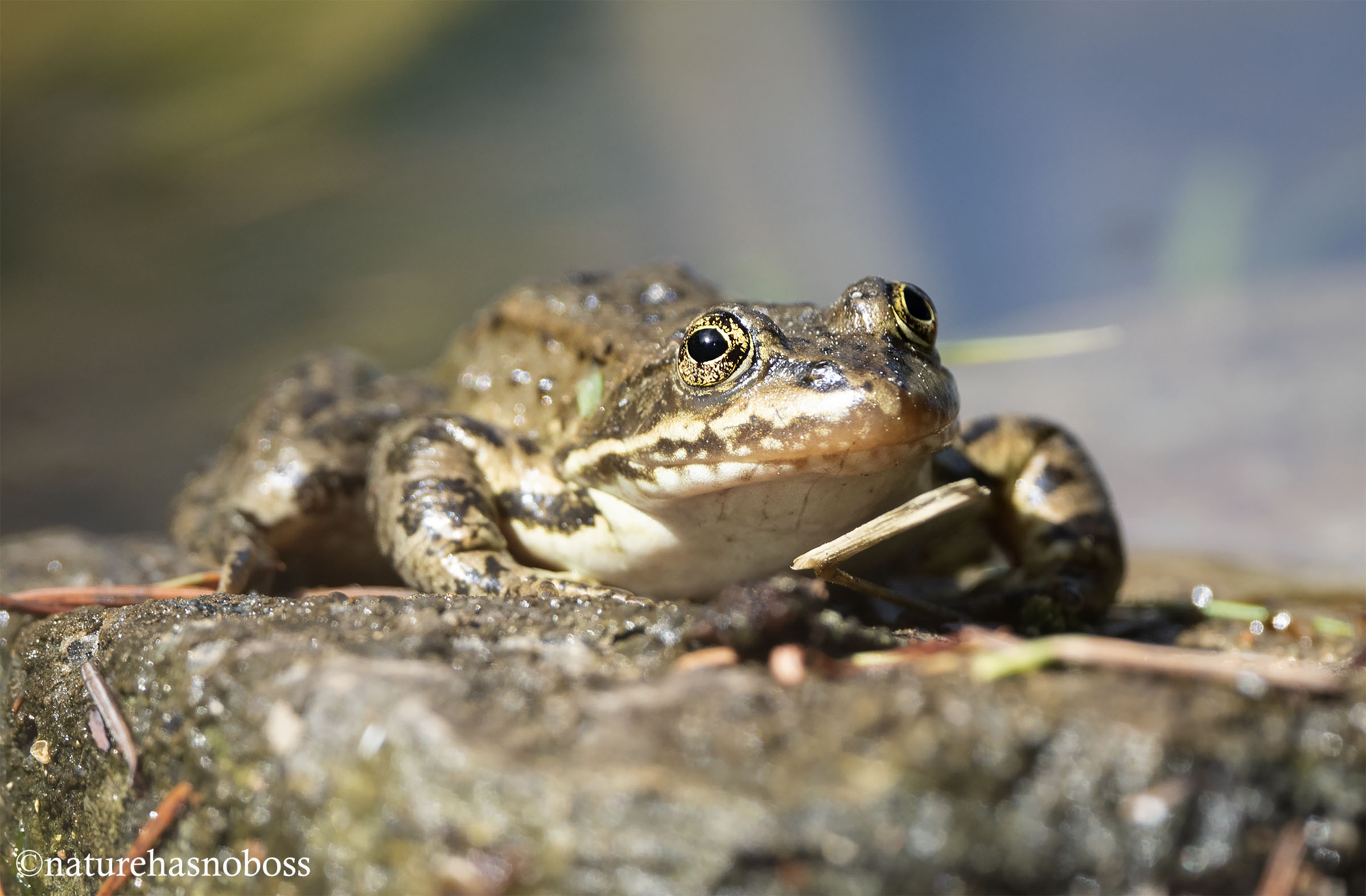
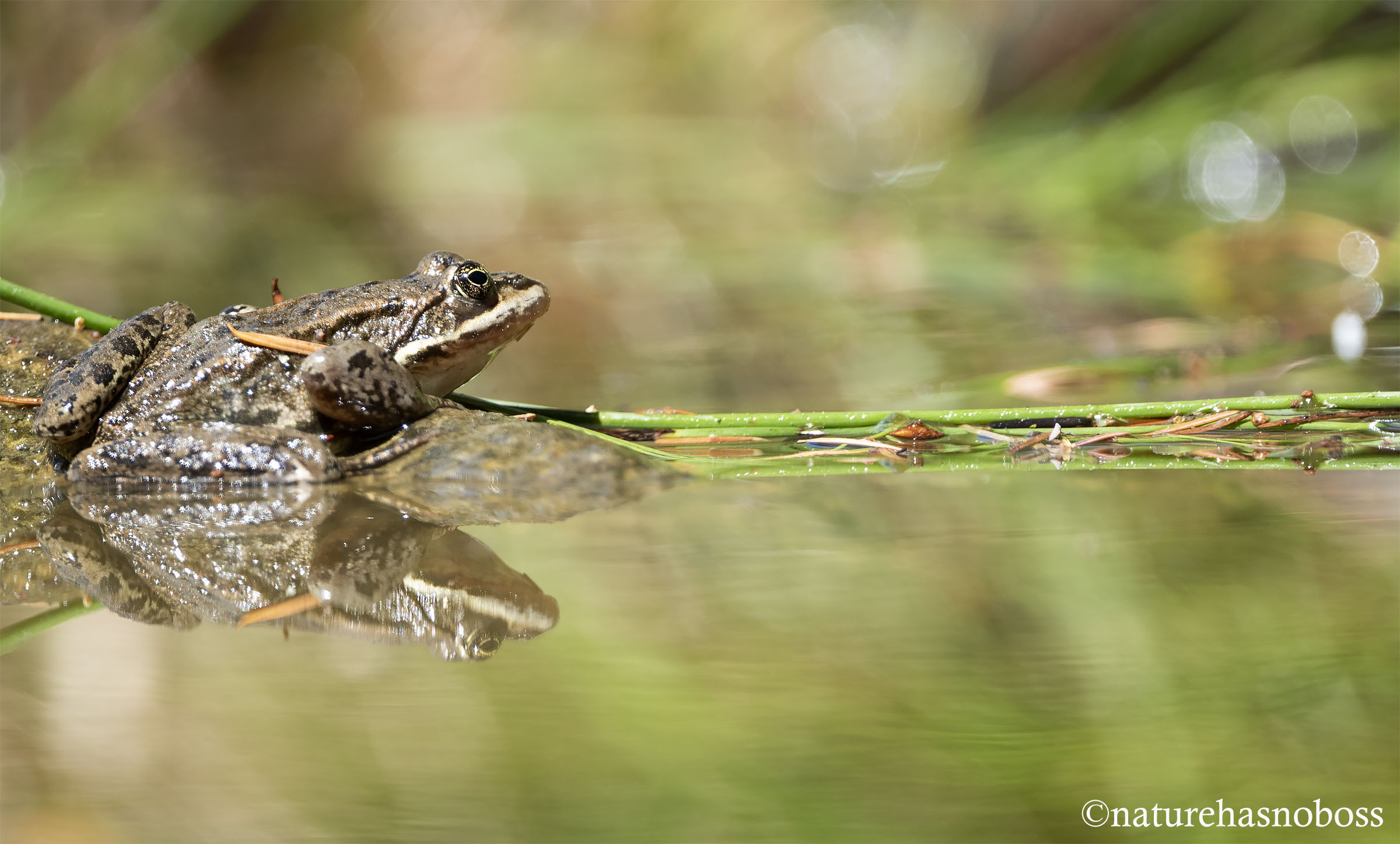
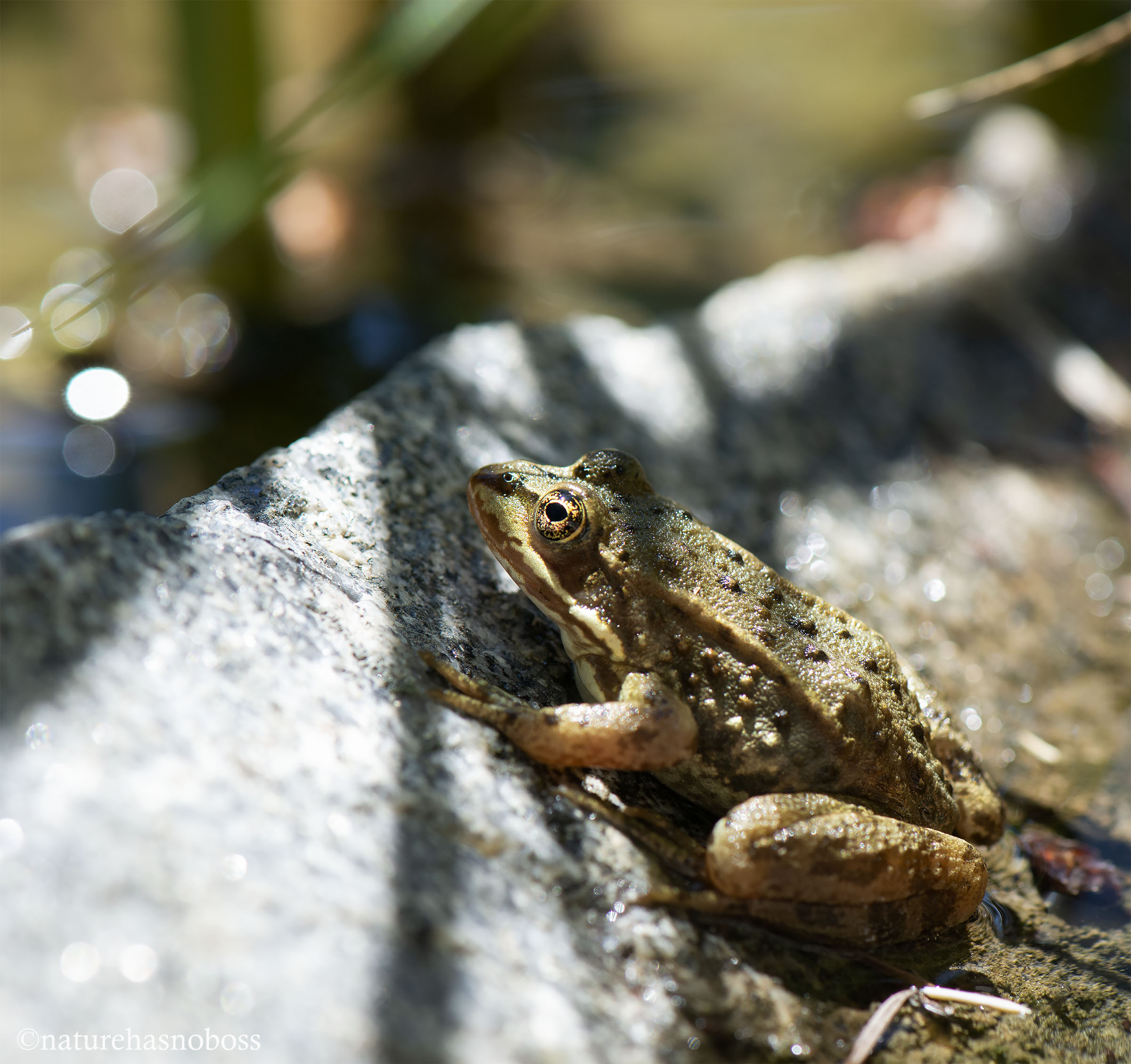
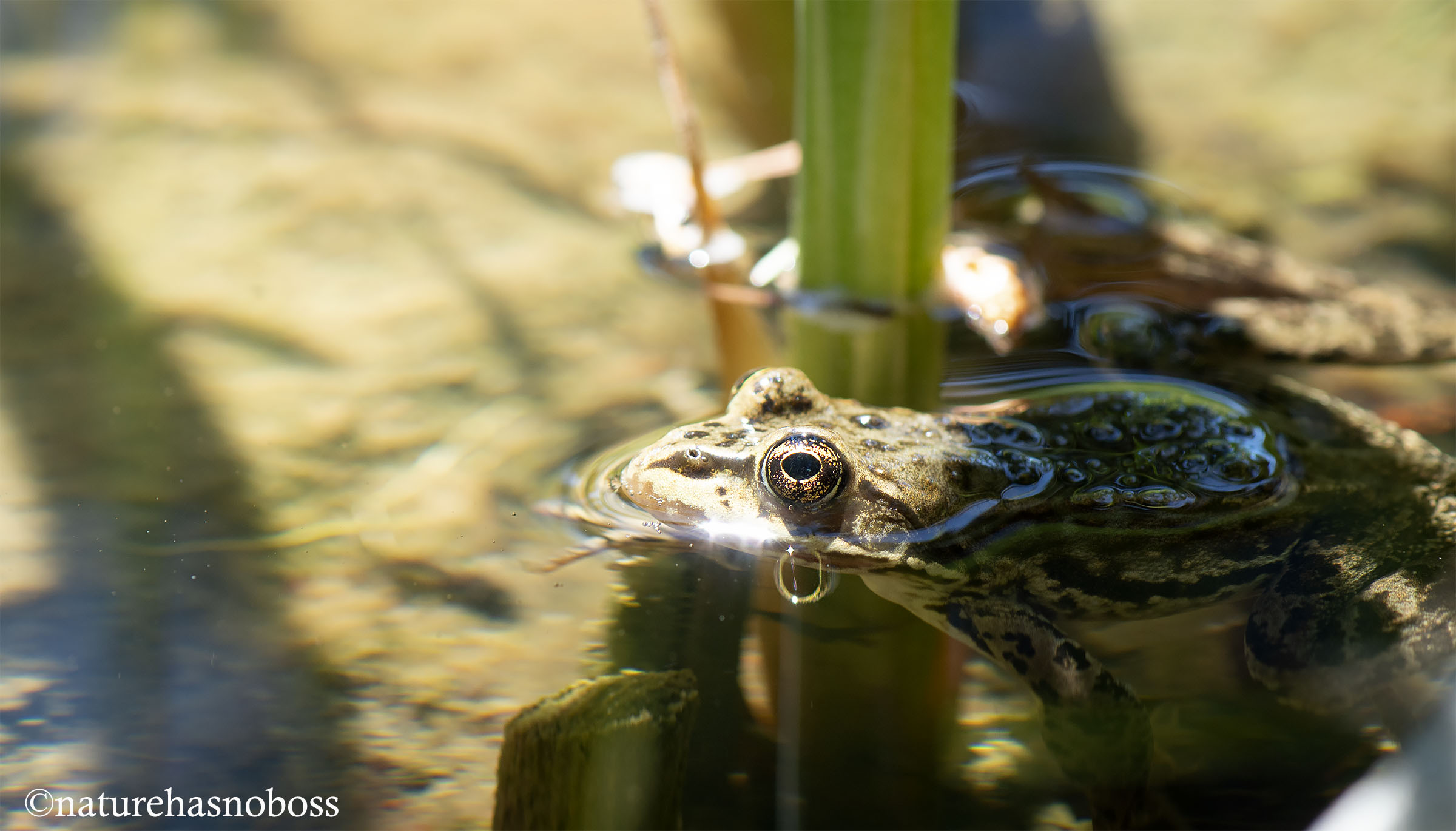
While it is certain some of the frogs who inhabit the local pond are female frogs just seem to say boys. Maybe it’s all Kermit’s fault but anyway here is just smattering of the photos of our amphibian friends we have collected so far this summer and who can resist one of these fine princes in disguise.
Our last frog count revealed at least a dozen, plus a few toads to boot, so stay tuned for more frog photos before summer gives way to fall.
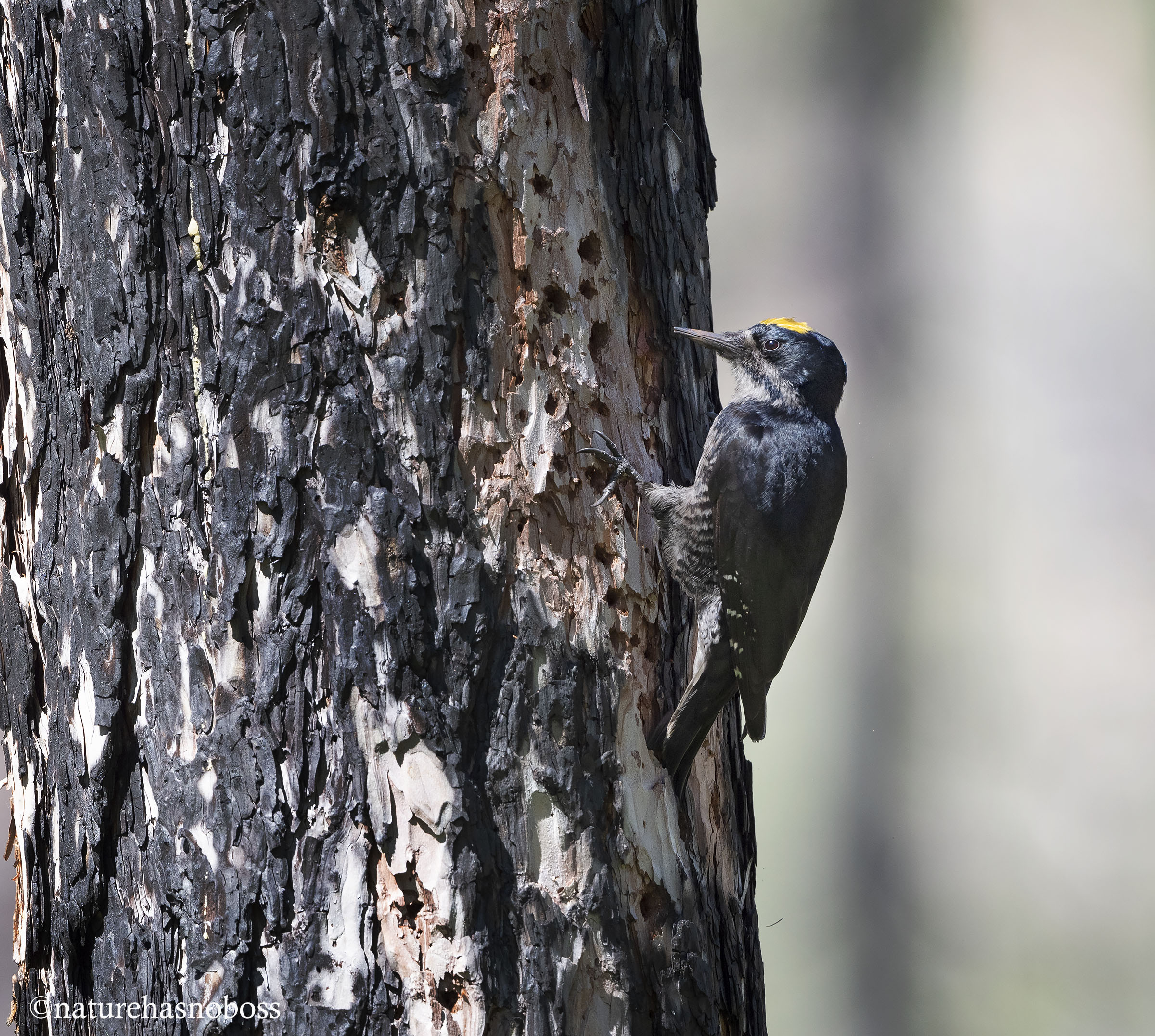
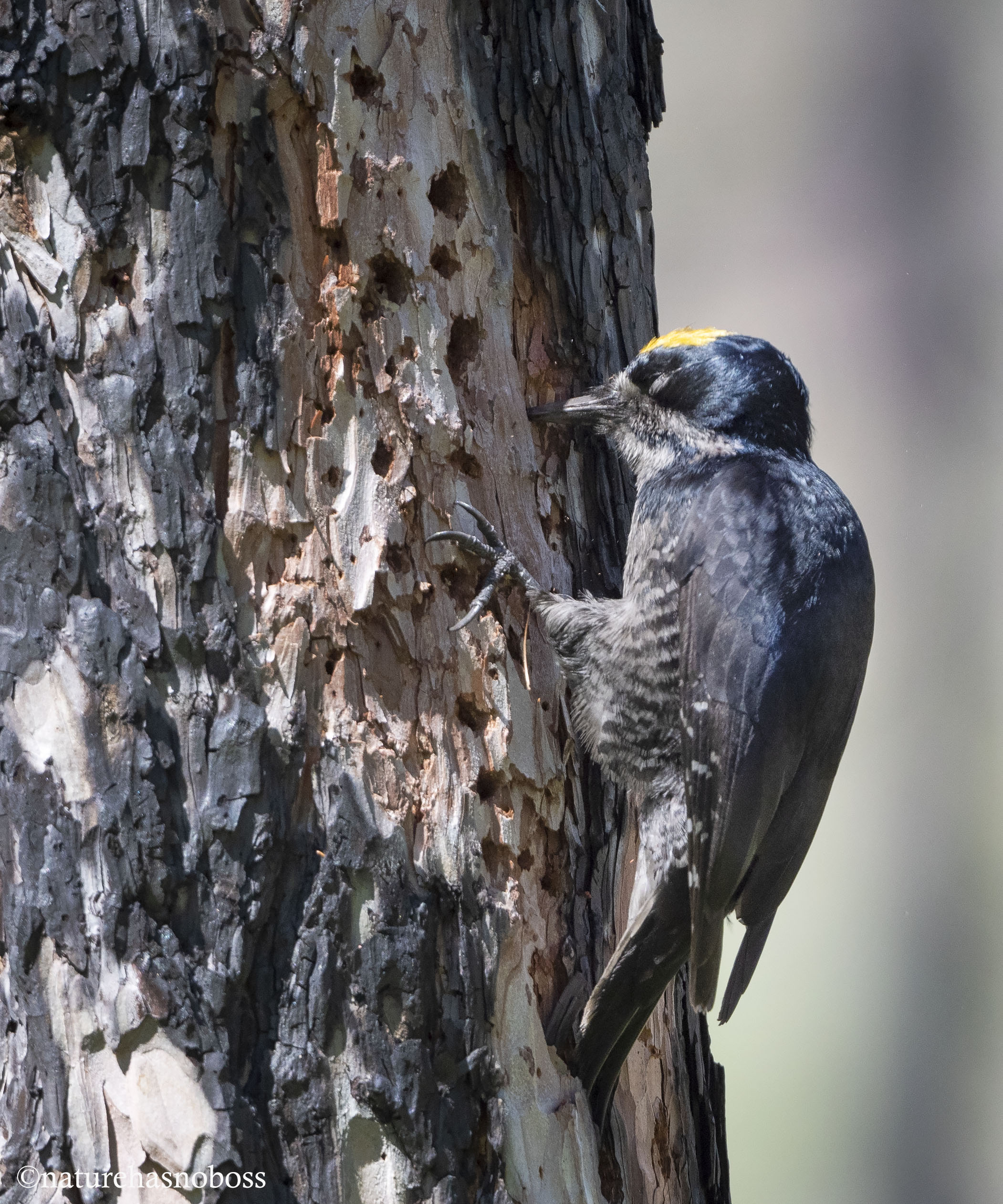
On a recent hike that took us through a long stretch of a recently burnt forest we heard the sound of a woodpecker pecking away in search of a meal. When we finally got close enough we were surprised and rewarded with a male American Three-toed Woodpecker drilling away.
The American Three-toed Woodpecker’s small stature is deceptive. One study of its musculature and skeleton revealed that this woodpecker can deliver especially powerful blows. It’s been suggested this is due to the evolutionary loss of the fourth toe—an unusual trait shared only by the Eurasian Three-toed and Black-backed Woodpeckers. With only three toes, these species may be able to lean farther away from the tree and thereby hit the tree harder than other woodpeckers, all of which have four toes.
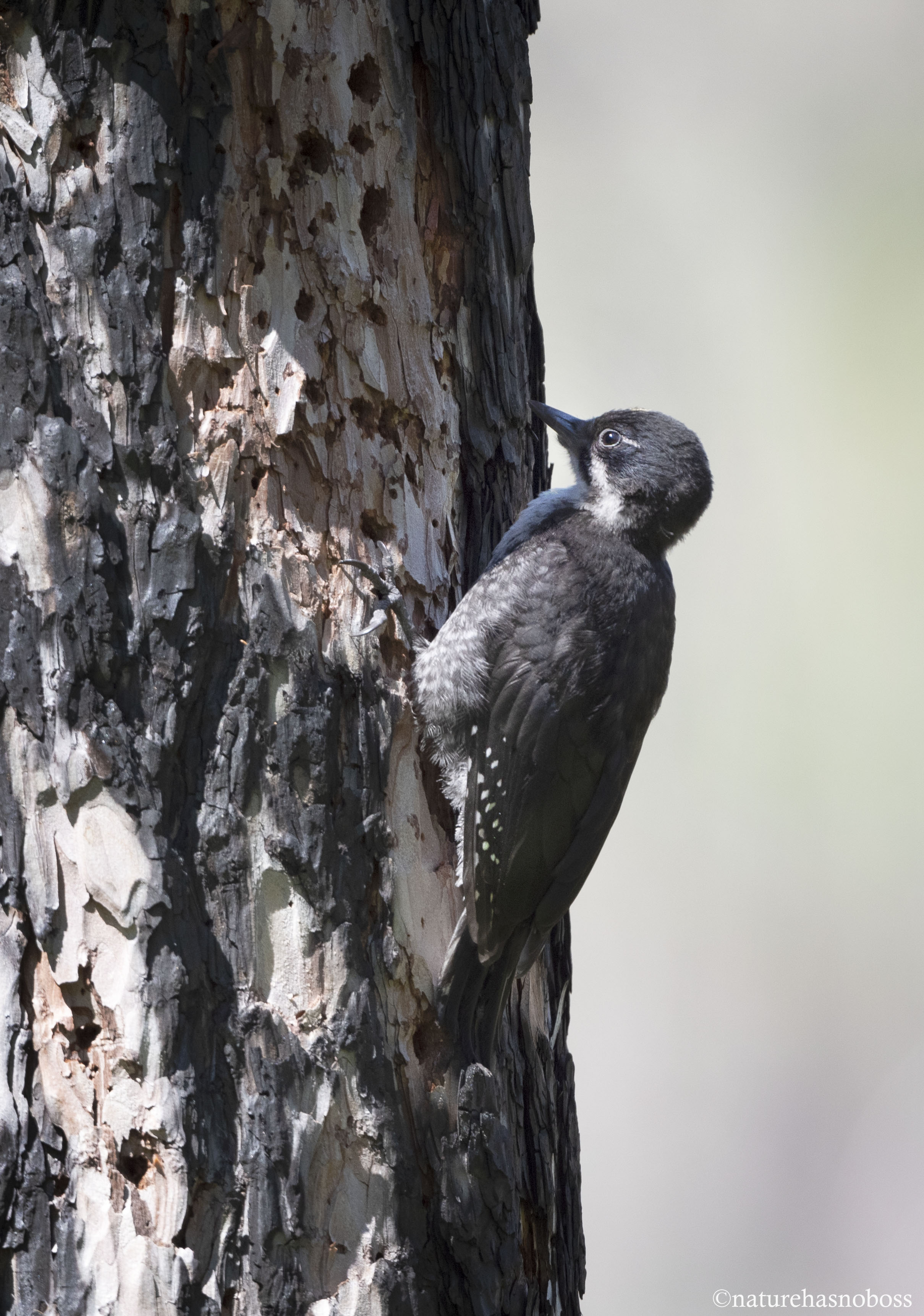
While we were watching this guy drill away it became clear that there must be another individual out of sight on the other side of the tree given as we heard drumming even when this male was holding still and within a few minutes a female emerged from the hidden side of the tree.
American Three-toed Woodpeckers are much more numerous in disturbed forests than in mature green forest, so look for them in bark beetle outbreaks, recently burned areas (up through about 8 years after a wildfire), and other places with dead and dying trees.
There was only a short moment when both the female and male were visible in the viewfinder together but they do make a mine pair and 4 legs with three toes each well…that’s twelve toes.
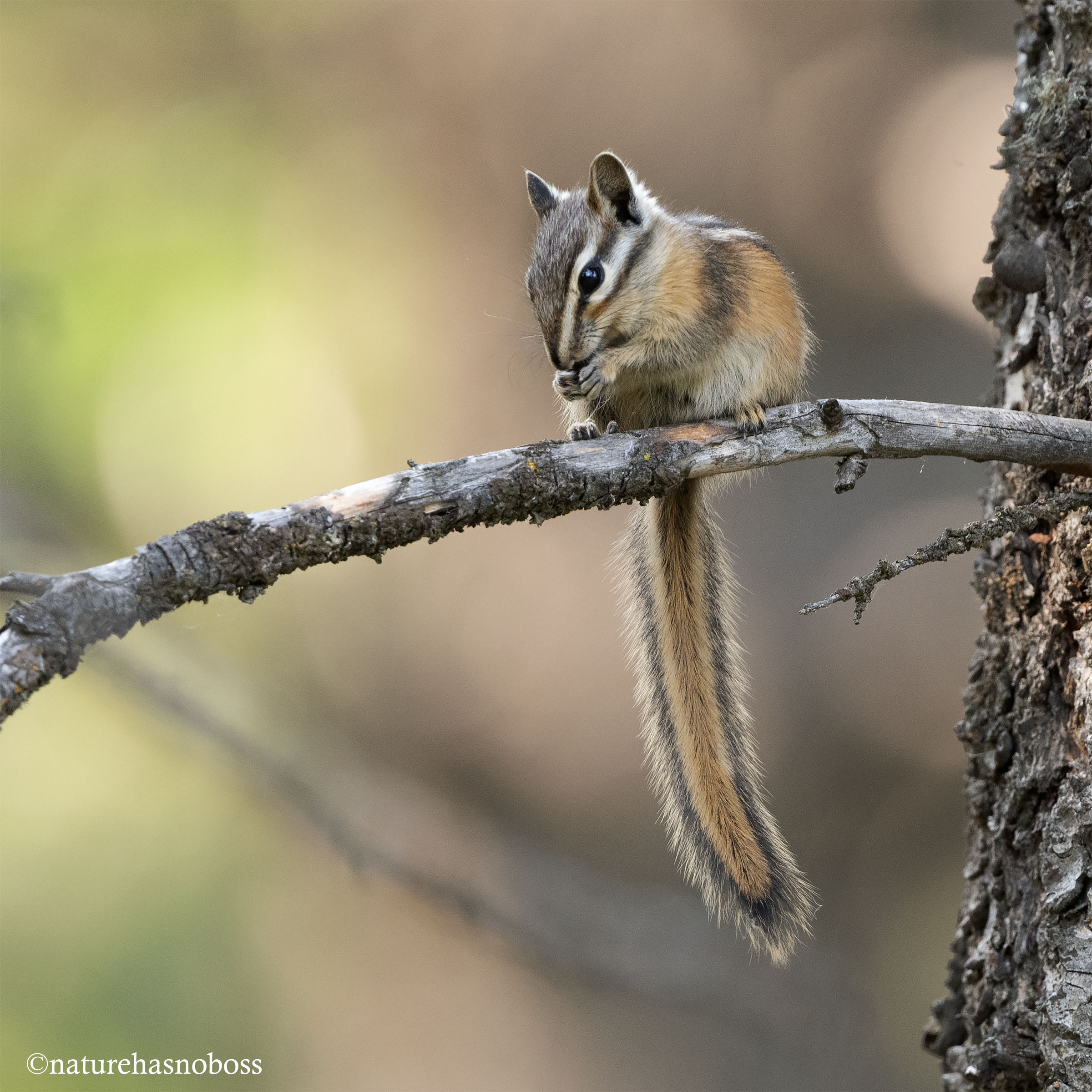
Spending a little time with Chip. This summer a Chipmunk family seems to have made a home nearby and we were happy to spend some time observing them feeding, playing and just hanging out doing what Chipmunks do.
Play was on the menu this afternoon under the shade of an old Douglas Fir.
After expending all the energy a quick snack of Service Berry was in order. Better save a few for winter.
We all know what follows a big meal. Yes, a little afternoon snooze. Who wouldn’t like that on s sultry summer afternoon.
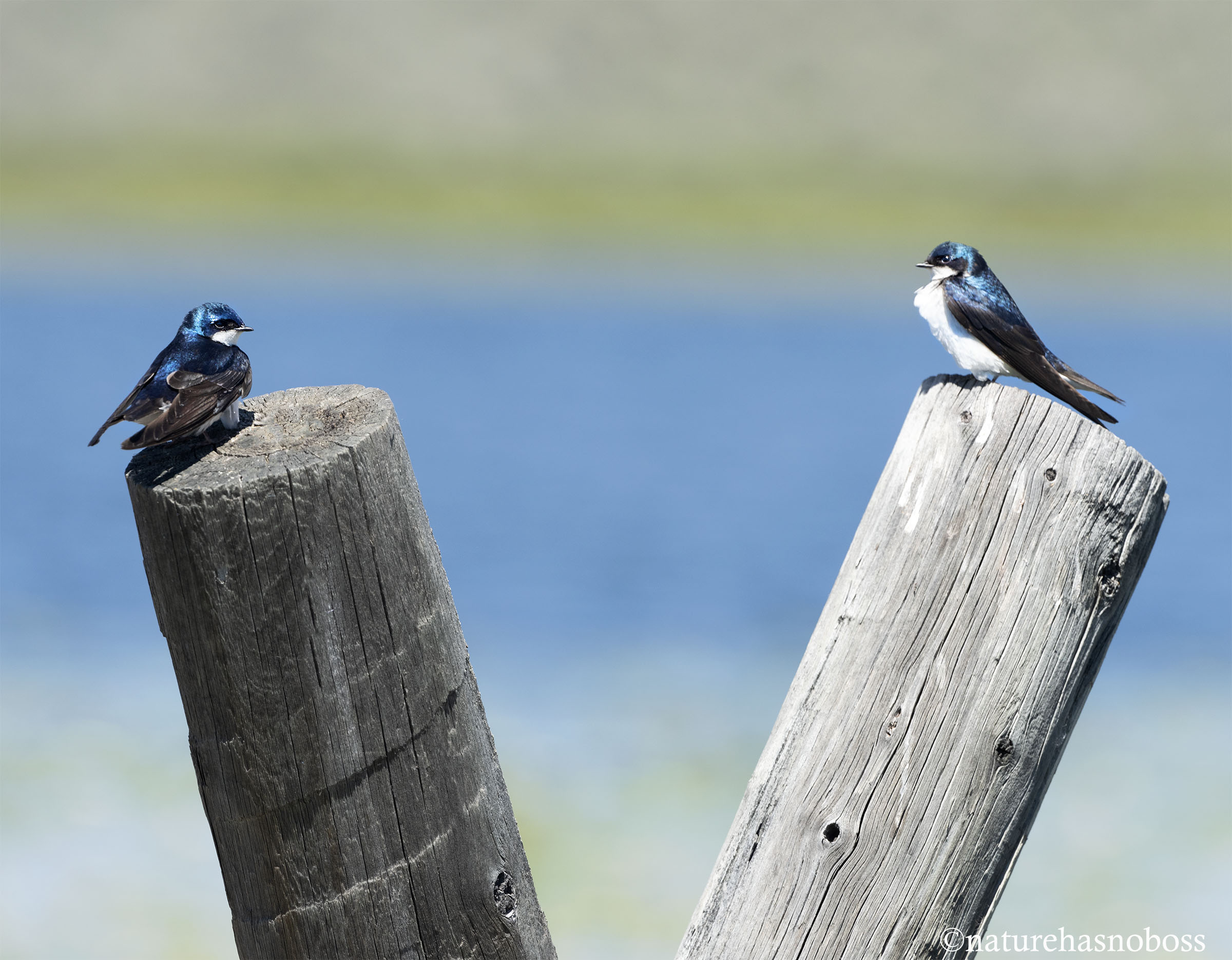
It’s always nice when you get a look at a Tree Swallow taking a break form their wonderful aerobatic maneuvers and two swallows resting, well, it’s definitely twice as nice.
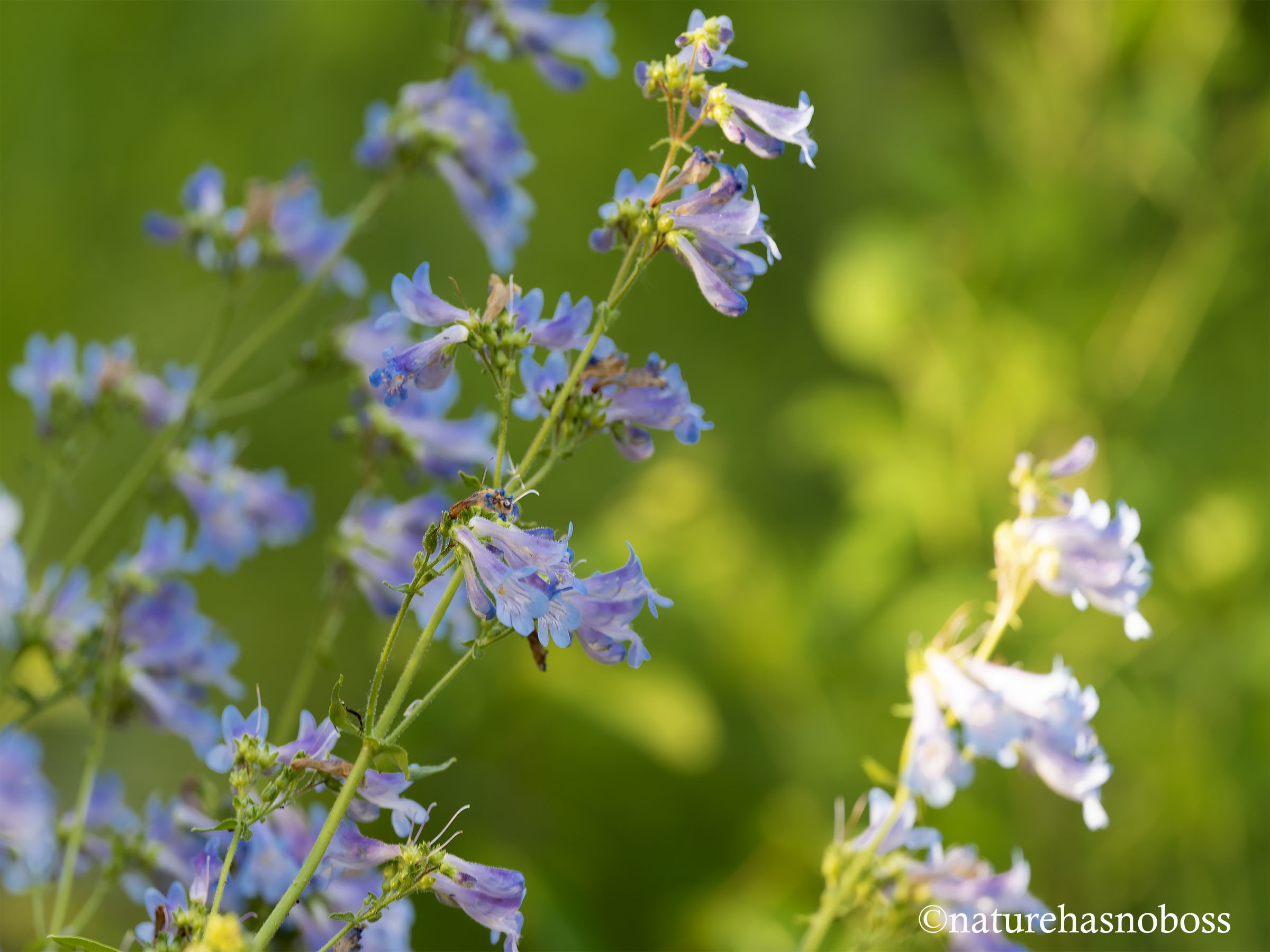
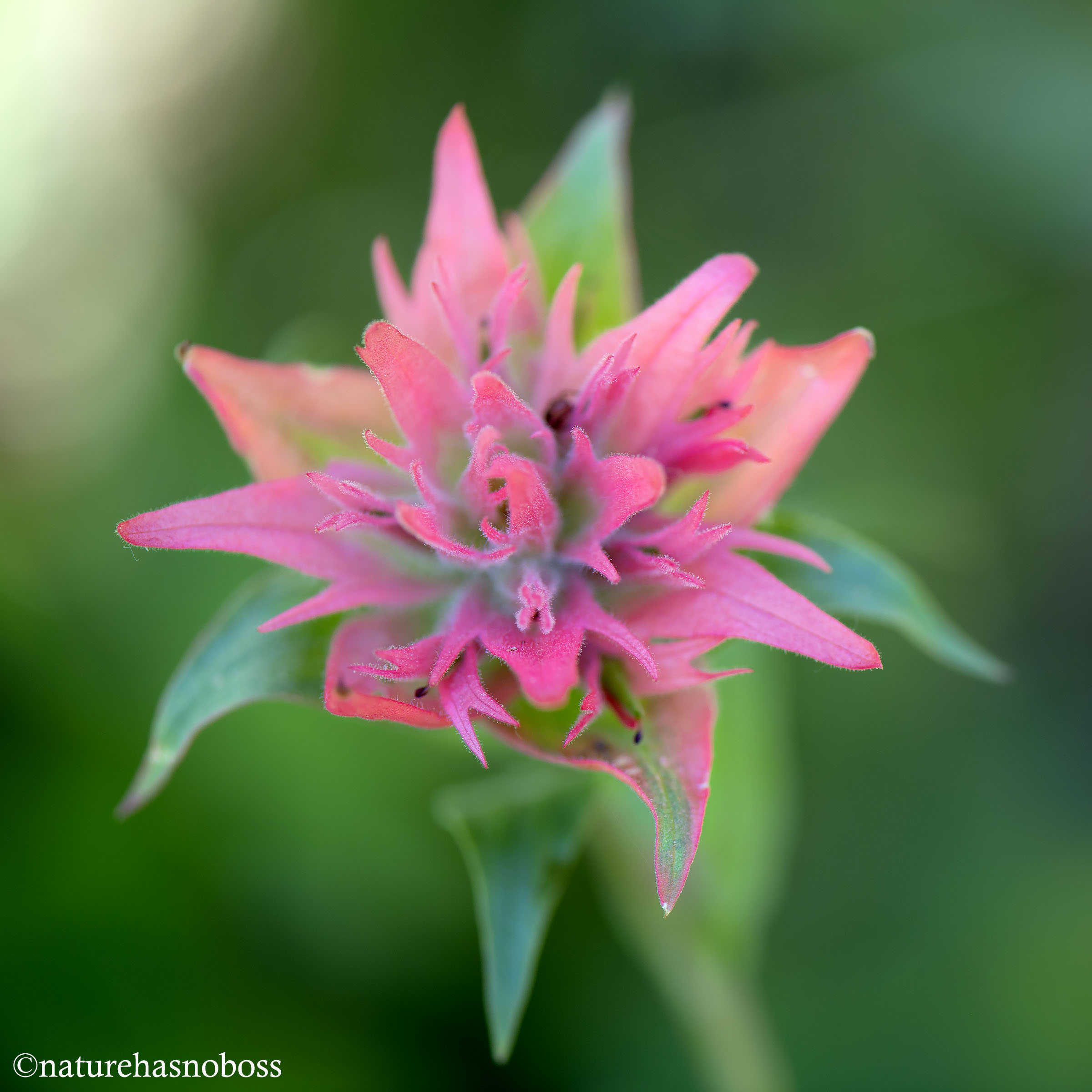
Another small bouquet freshly picked and delivered just in time to usher in another week. It ’s hard to believe but The last week in July already. My oh my how time does fly.
Wishing you a great week.
Rocky Mountain Penstemon, Firecracker Penstemon, Yellow Columbine and a lovely pinkish painted Brush.








 nature has no boss
You must be logged in to post a comment.