Hello Neighbor

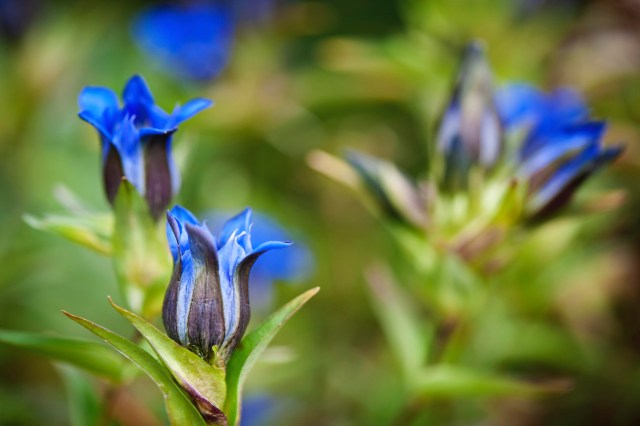
Blue_flowers_1

A recent report published in Science Daily describes the results of a recent research study published in the journal Current Biology supporting the hypothesis that when under attack from insect herbivores plants indeed communicate with each other.1

No, they don’t scream, but use chemicals called Volatile Organic Compounds and release them into the atmosphere and are detected by their neighbors.

One of the major findings from the study is that when plants are under attack the compounds released become more similar between species suggesting a type of cross species communication.

The Author of the study Andre Kessler describes the results of the study as follows:

“What we very often see when plants get attacked by pathogens or herbivores is, they change their metabolism,” Kessler said. “But it’s not a random change — in fact, those chemical and metabolic changes are also helping them cope with those attackers. It’s very much like our immune system: though plants don’t have antibodies like we have, they can fight back with pretty nasty chemistry.” 2

Interesting stuff.

The article in Science Daily is an easy read and a little splash of color to beat back a dull January day might be just what the doctor ordered.

Courtesy of none other than….Plants!

References:
1. Aino Kalske, Kaori Shiojiri, Akane Uesugi, Yuzu Sakata, Kimberly Morrell, André Kessler. Insect Herbivory Selects for Volatile-Mediated Plant-Plant Communication. Current Biology, 2019; 29 (18): 3128 DOI: 10.1016/j.cub.2019.08.011

2.Cornell University. “Plants alert neighbors to threats using common ‘language’.” ScienceDaily. ScienceDaily, 3 October 2019. .
Spring loaded

Ermine_021345psd

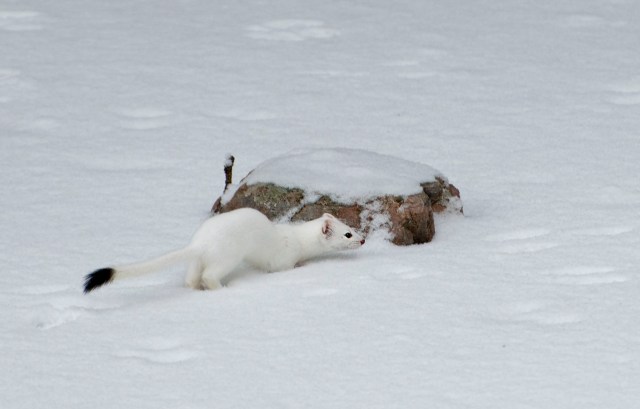
Spring loaded and tightly wound may be an understatement.

Back and forth and all around following the rabbit tracks this Ermine moved so fast it made us dizzy. As he hunted rabbits darted with lightening speed in every direction gravity would allow. Excitedly we watched yet feared for the rabbits lives. Yet when all was said and done we think the Winter Bunn made it out alive.  How she escaped this mighty hunter is a testament to the difficulty of finding a meal even for a hunter as fierce as the Ermine.

Rare is common?

Rare is common?

A recent report published in Science Advances suggests that up to 40% of plant species are actually very rare and these rare species are extremely vulnerable to extinction via climate change as well as destruction of native ecosystems for human land use.

In the introduction to the paper the authors state:

“Why some species are common and others are rare has intrigued ecologists at least, since Darwin. Rare species are orders of magnitude more likely to go extinct, making it puzzling how so many rare species can be maintained.”

To make their conclusions thirty-five research teams form over 20 institutions complied 20 million observational records of plants from around the globe. Their analysis revealed over 435,00 plant species with about 36.5% being classified are rare.

The rare species were clustered in regions around the globe that through time have had more stable climates especially during the planets last ice-age. These rare plant hotspots included regions of the Northern Andes, Costa Rica, Madagascar and regions of Southeast Asia. However as the planet warms and the ever present march of human conversion of land for agriculture, housing and tourism continues these rare plant regions are threatened.

The authors state that:

“If nothing is done, this all indicates that there will be a significant reduction in diversity — mainly in rare species — because their low numbers make them more prone to extinction.”

A very interesting report and a short summary can be found at Science Daily.


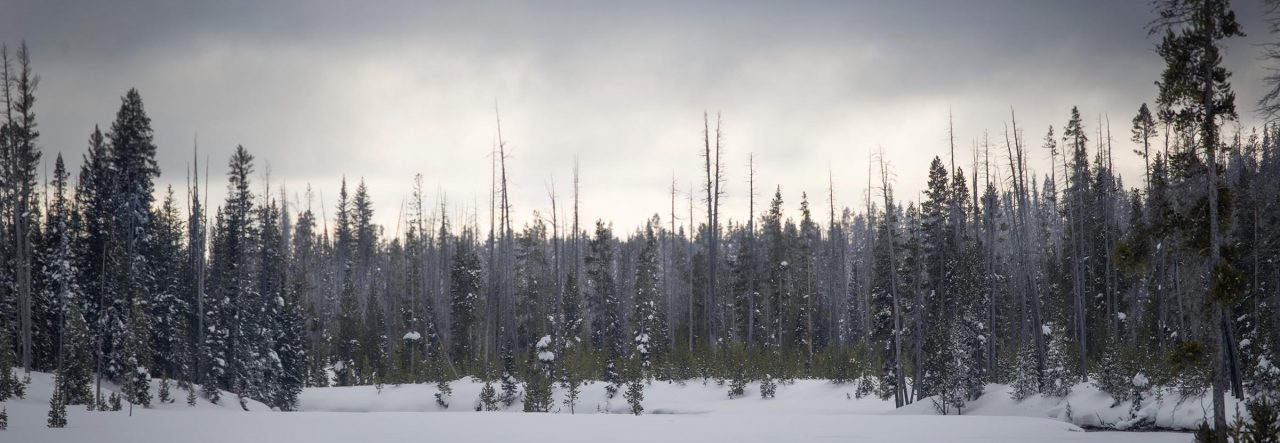
While none of these photos depict rare plants, or so I think, these are the types of places rare plants might live.

What will be lost when we only have the common left?

Click Image for slide show

References:

  1. Brian J. Enquist, Xiao Feng, Brad Boyle, Brian Maitner, Erica A. Newman, Peter Møller Jørgensen, Patrick R. Roehrdanz, Barbara M. Thiers, Joseph R. Burger, Richard T. Corlett, Thomas L. P. Couvreur, Gilles Dauby, John C. Donoghue, Wendy Foden, Jon C. Lovett, Pablo A. Marquet, Cory Merow, Guy Midgley, Naia Morueta-Holme, Danilo M. Neves, Ary T. Oliveira-Filho, Nathan J. B. Kraft, Daniel S. Park, Robert K. Peet, Michiel Pillet, Josep M. Serra-Diaz, Brody Sandel, Mark Schildhauer, Irena Šímová, Cyrille Violle, Jan J. Wieringa, Susan K. Wiser, Lee Hannah, Jens-Christian Svenning, Brian J. McGill.The commonness of rarity: Global and future distribution of rarity across land plantsScience Advances, 2019; 5 (11): eaaz0414 DOI: 1126/sciadv.aaz0414
  2. University of Arizona. “Nearly 40% of plant species are very rare and are vulnerable to climate change.” ScienceDaily. ScienceDaily, 27 November 2019. <www.sciencedaily.com/releases/2019/11/191127161235.htm>.


Discoveries

Our world is vast and much is still to be discovered and described by science.

A recent article published in Science Daily reports on the discovery of 71 new species by researchers at the California Academy of Sciences in 2019. The article provides a nice overview of the species discovered and includes the following quote remaining us that there is much work to do to identify what we have on this wonderful planet. A nice short read if you can find the time.

“Despite decades of tirelessly scouring some of the most familiar and remote places on Earth,” says Shannon Bennett, PhD, and Academy Chief of Science, “biodiversity scientists estimate that more than 90% of nature’s species remain unknown. A rich diversity of plants and animals is what allows life on our planet to thrive: the interconnectedness of all living systems provides collective resilience in the face of our climate crisis. Each newly discovered species serves as an important reminder of the critical role we play in better understanding and preserving these precious ecosystems.”

References:

1.California Academy of Sciences. (2019, December 5). Scientists at the California Academy of Sciences describe 71 new species in 2019. ScienceDaily. Retrieved December 10, 2019 from http://www.sciencedaily.com/releases/2019/12/191205155818.htm

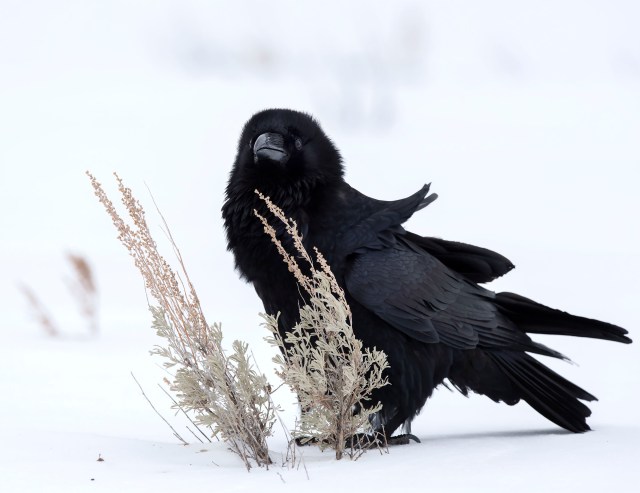
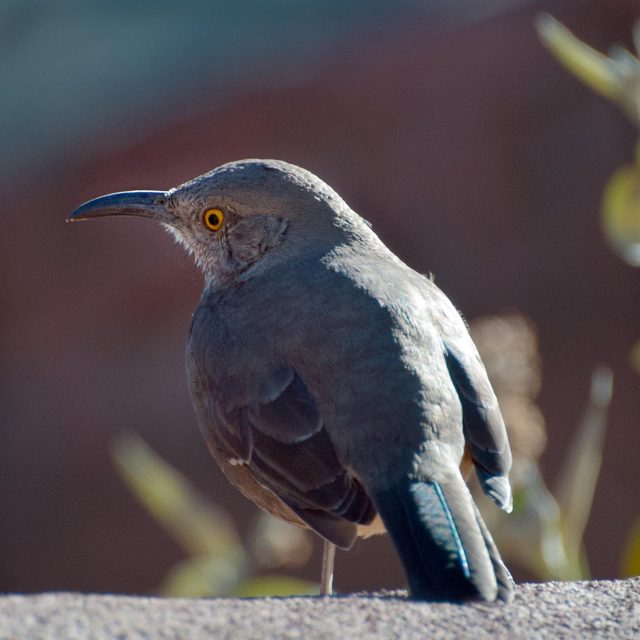
And just for fun a smattering of those species we already know.