The importance of wilderness

“Wilderness areas act as a buffer against species loss, as the extinction risk for species within wilderness communities is—on average—less than half that of species in non-wilderness communities.” 1

A recent study published in the Journal Nature titled “Wilderness Areas Half The Extinction Risk of Terrestrial Biodiversity” mapped several locations around the world where maintaining wilderness areas should be a priority. The first statement the authors make in the abstract in this paper really hit the nail on the head for me.

“Reducing the rate of global biodiversity loss is a major challenge facing humanity, as the consequences of biological annihilation would be irreversible for humankind. 1

In this single sentence the authors make clear that the steady march of human activity, as currently, conducted could potential be catastrophic to all life on earth.

“Wilderness areas act as a buffer against species loss, as the extinction risk for species within wilderness communities is—on average—less than half that of species in non-wilderness communities.” 1

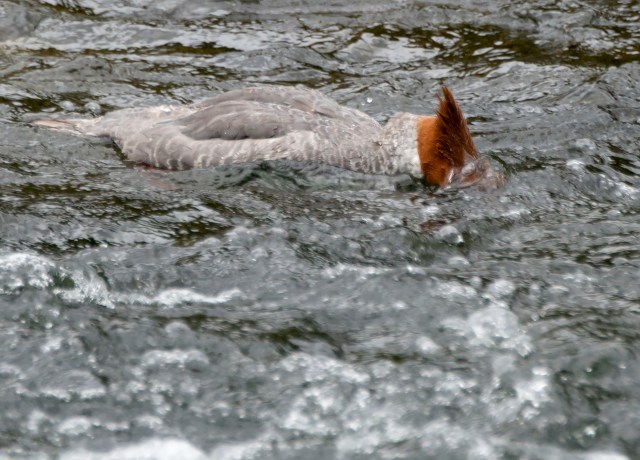
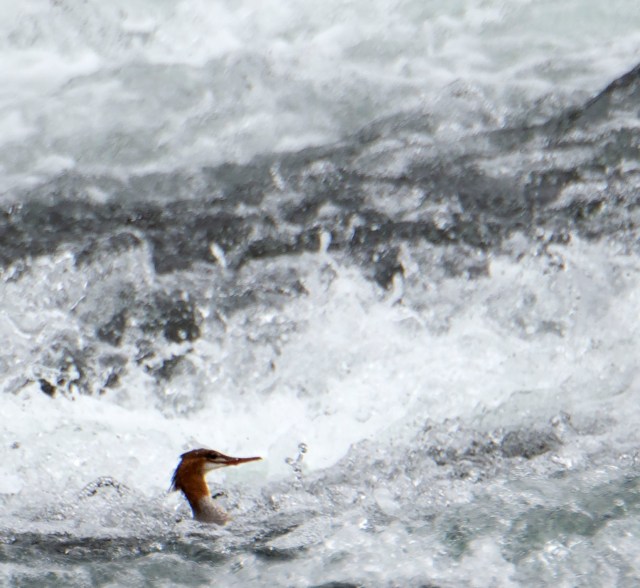
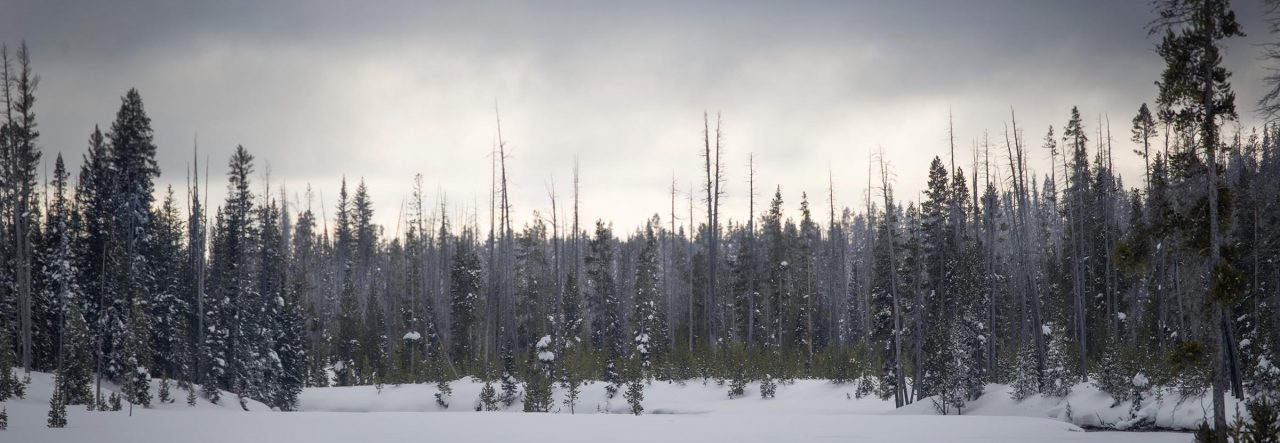
The paper points to several locations on the plant especially important to protect yet the authors also state that all wilderness areas have intrinsic conservation value thus we can all play a role by supporting local conservation efforts of wilderness area near to each of us. Below we showcase a few wilderness area we have recently spent time in. They are both beautiful as well as safe havens for biodiversity.

Click any photo for slide show.

Absoroka-Beartooh and Lee Metcalf wilderness areas.

References:

1. Reference: Di Marco, M., Ferrier, S., Harwood, T.D. et al. Wilderness areas halve the extinction risk of terrestrial biodiversity. Nature 573, 582–585 (2019) doi:10.1038/s41586-019-1567-7

For a short summary of the article visit Science daily.

A couple of groups that support the missions of wilderness as a buffer for biological diversity are:
The Wilderness Society
The Half-Earth Project
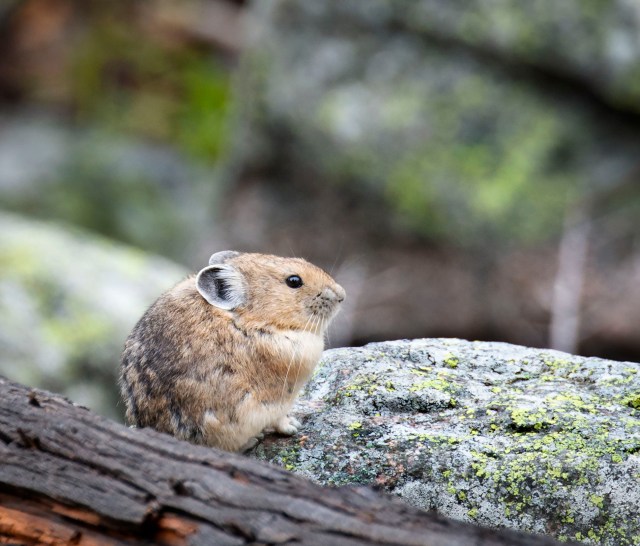
On the talus slope

Pika_201934

I never get disappointed when I hear the little chirp of a Pika moving about on the talus slopes. Always spotting us before we spot them. usually sitting still and looking out into their environment then scurrying off to collect plants for winter larder. The Pika is yet another species threaten by climate change and the focus of this short video in Smithsonian Magazine.

It is encouraging that some Pika may be showing behavior adaptation to a loss of habitat resulting from climate change but as the authors of a recent study concludes “while many species have a clear capacity to modulate behavior in relation to variations in climate parameters,much remains to be learned about the trade-offs, fitness implications, and limitations of behavioral flexibility in the context of novel climate dynamics.”

I sure hope these little guys are able to adapt to the new reality imposed upon them by our species. A walk on the talus slopes without them would be a lonely walk indeed.

Swimming through air

An interesting new study by V. B. Baliga, I. Szabo, D. L. Altshuler entitled Range of motion in the avian wing is strongly associated with flight behavior and body mass suggests that rather than the shape of a birds wing per se it is the range of motion in the elbow and wrist joints that determine how a bird swims though the air. Some birds glide smoothly like a bald eagle while other can hover like a hummingbird and this paper suggest range of motion in the joint is the key. A interesting read for those who are interested both in biomechanics and evolutionary biology.

You can find a short summary in Science Daily here.

Little Bear

Little_bear_1

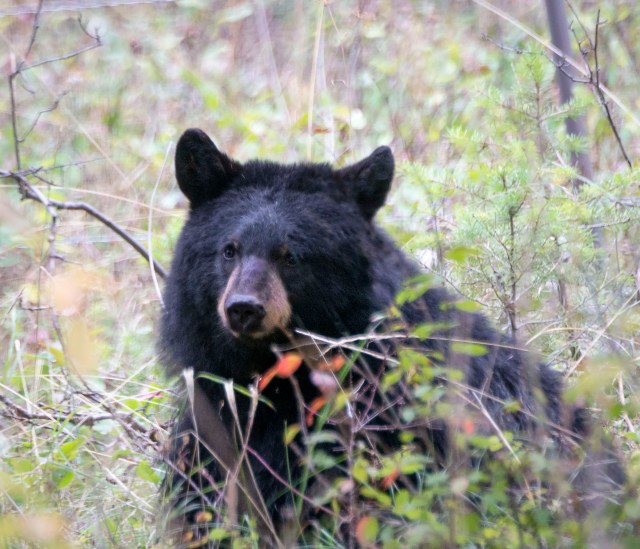
We watched as this little Black bear foraged through the forest nimbley picking Oregon Grape Berries. We did not know Bears ate these little berries but given most of the Choke Cheery bushes had been picked clean this little bear needed to find a few last meals before they retired for the winter and Oregon grape was on the menu that evening.

The first graders

Youth_1

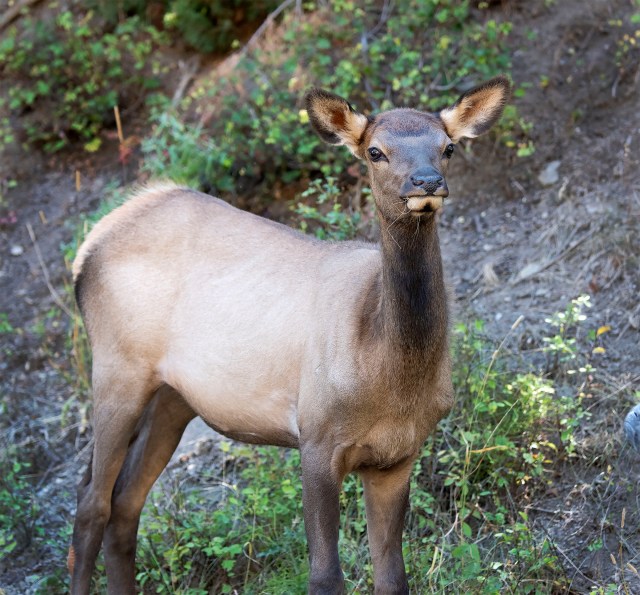
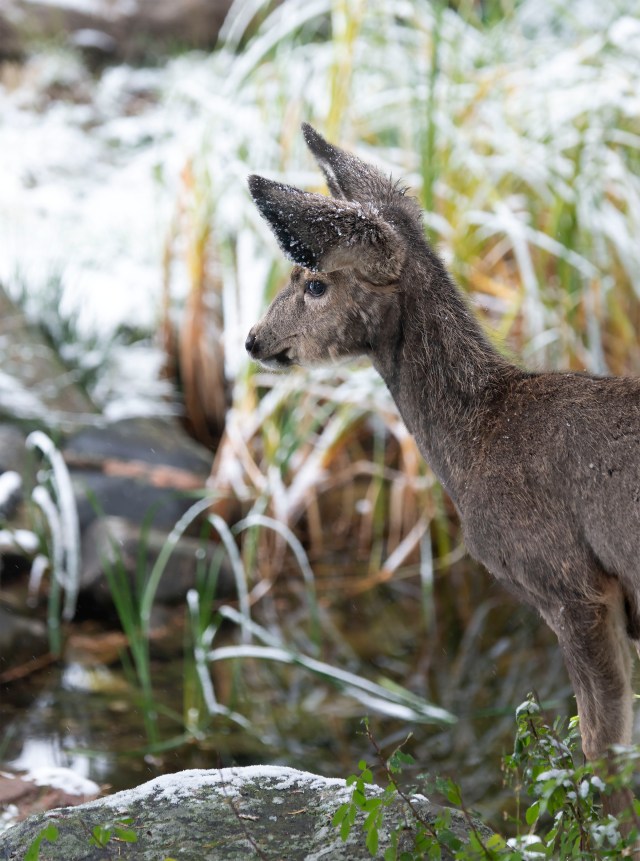
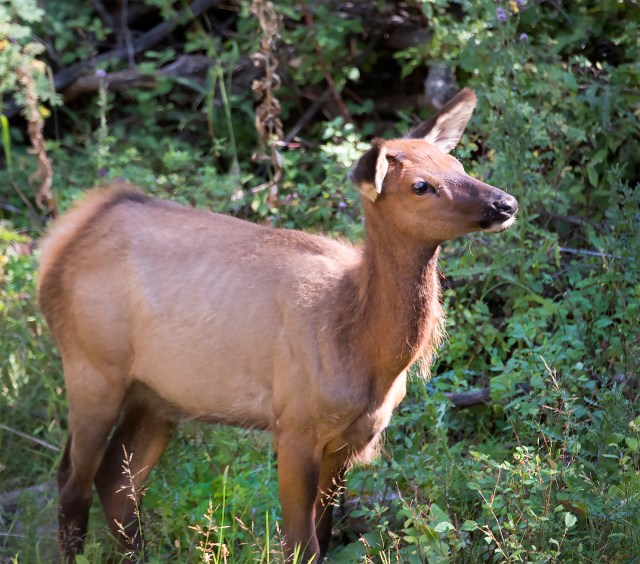
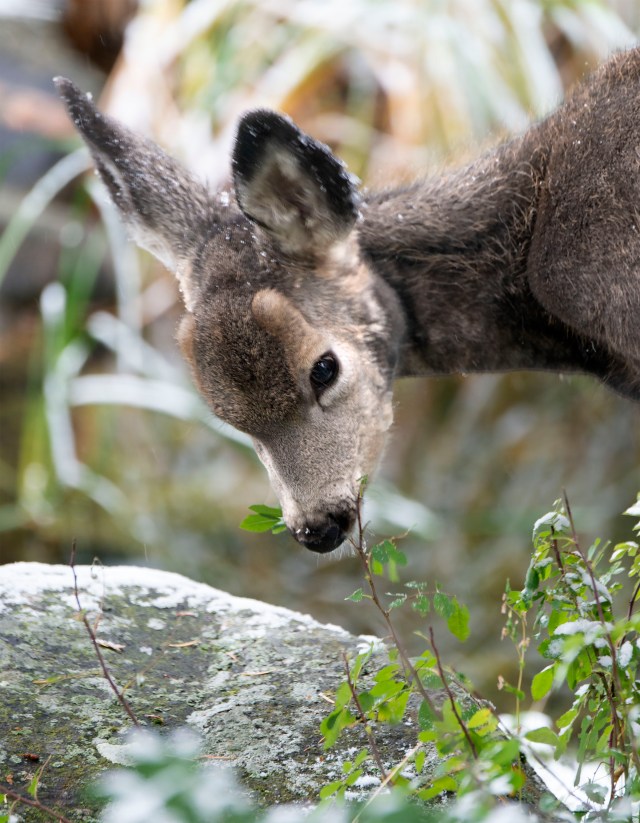
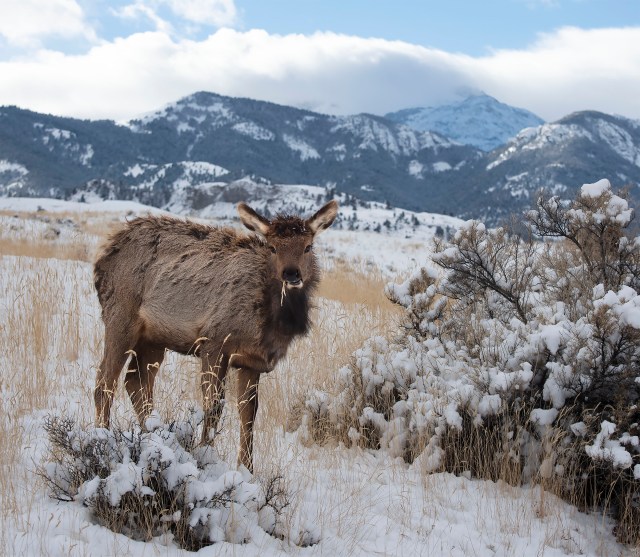
These kids made it through kindergarten and are now on to first grade. Elk and mule deer that were only Fawns and calves just a short time ago are heading into winter as the first snows have hit the ground.

Youth_2

A young mule deer wondering what this white stuff is all about.

Youth_3

An elk calf ponders their next move just a short time ago when the plants still were rich with green.

Youth_4

Perhaps a few leaves from this wild rose will do.

Youth_5

Good luck kids and we hope you make it to second grade next spring.


Happy weekend to all.

One last look

More_chippy_2345

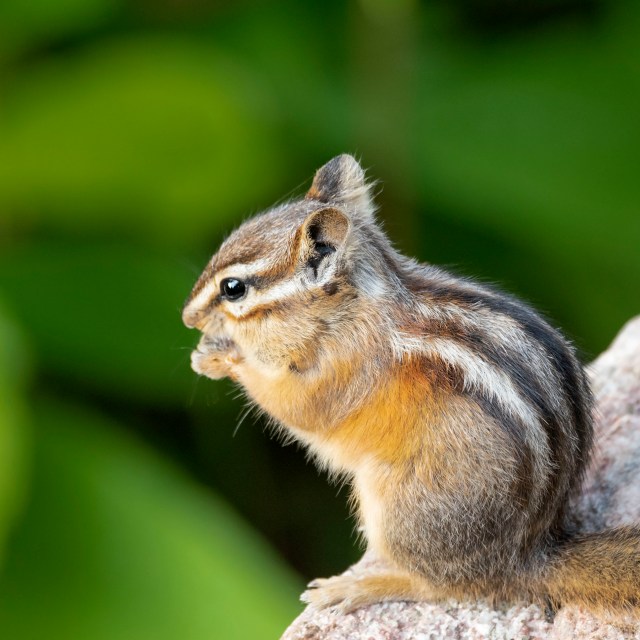
This year Chippy was a constant companion around the yard. Darting back and forth and to and fro collecting morsels to munch on and them finding the perfect perch to munch them on. We don’t see much of this guy as the temperatures cool and the flakes begin to fly so one last look was in order.

Hey Daddy-O

Long_daddy_legs_1

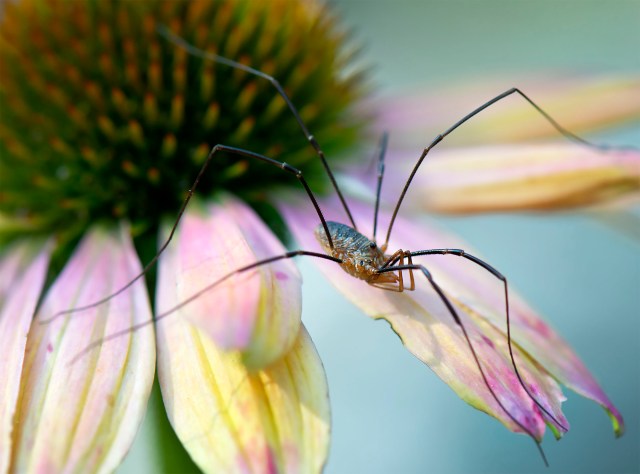
Hey daddy-o what’s up?

Just hanging out enjoying the flowers in the garden.

Daddy Long Legs belong to a family of spiders Pholcidae, commonly known as cellar spiders, daddy long-legs spider, granddaddy long-legs spider, carpenter spider, daddy long-legger, vibrating spider and skull spider, is a family of araneomorph spiders first described by Ludwig Carl Christian Koch in 1850. It contains over 1800 species divided in 94 genera.”

Given the huge number of species might explain why we see them running about everywhere in the yard and often in the house all the time.

One nut at a time

RBNM_2904

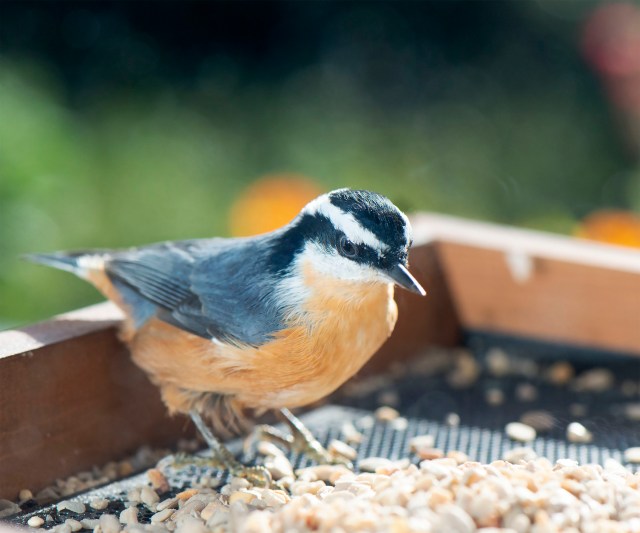
Working their way through a pile of sunflower seed one nut at a time. We love having the Red Breasted Nuthatches around as company. By mid-October  most of the migrating species have flown the coop for warmer climates but these little guys stick around all year long. Everything about them from their song to their perky behavior helps to brighten even the cloudiest day.