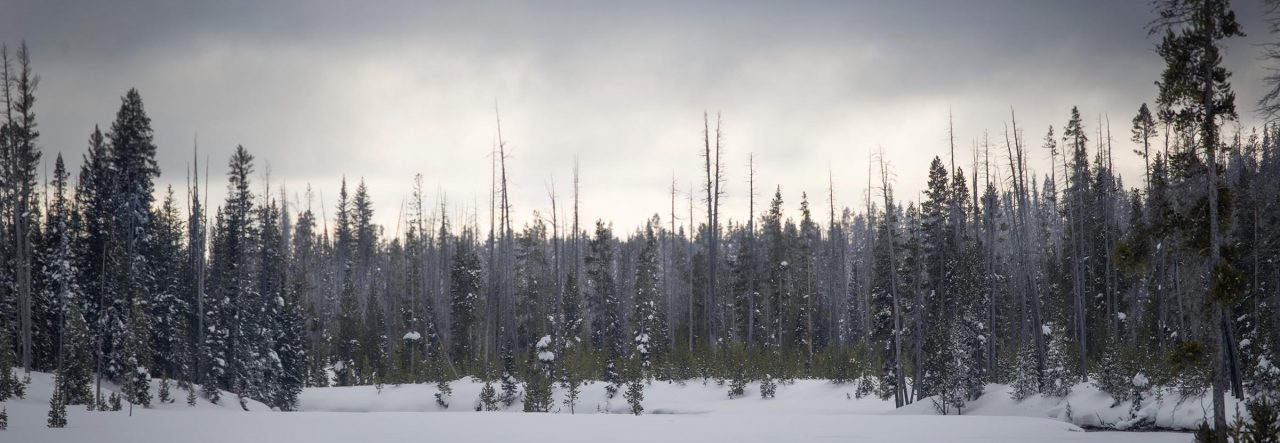
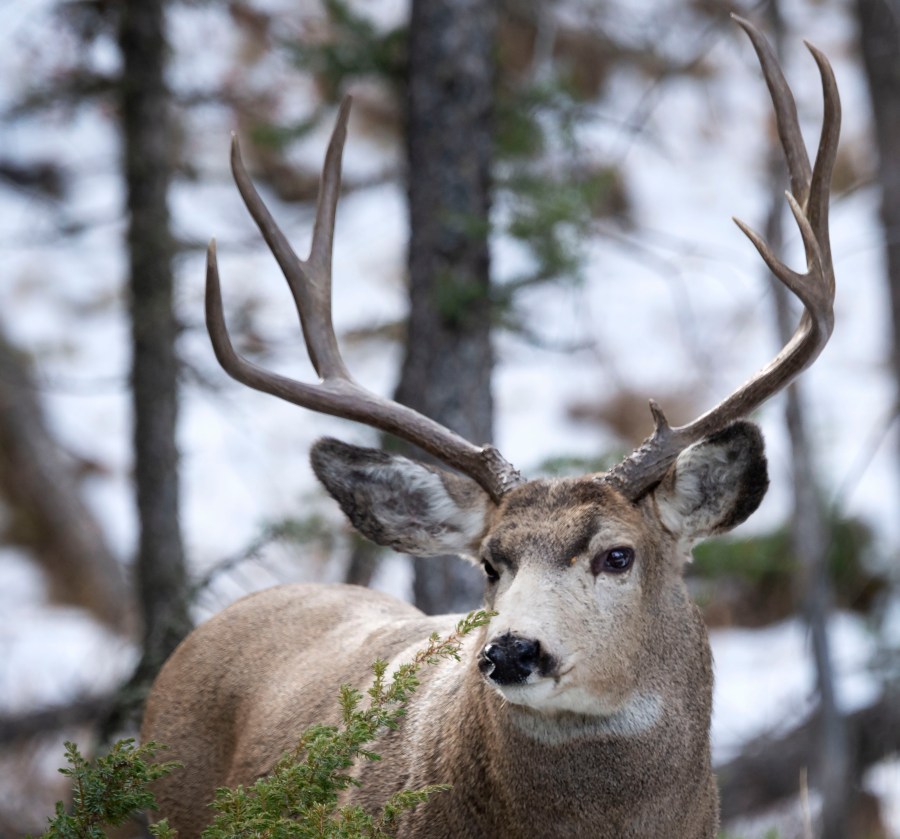
Buck!

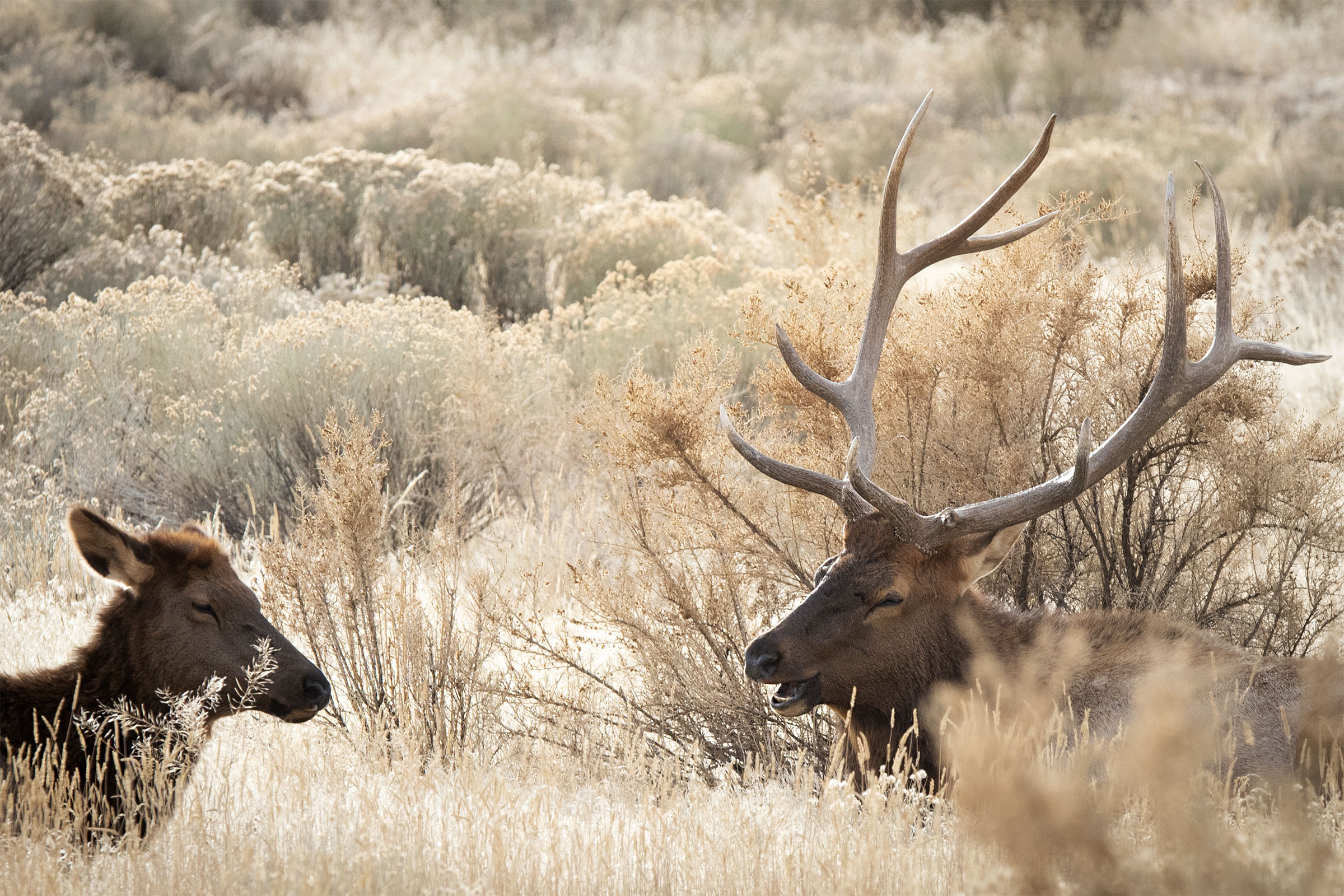
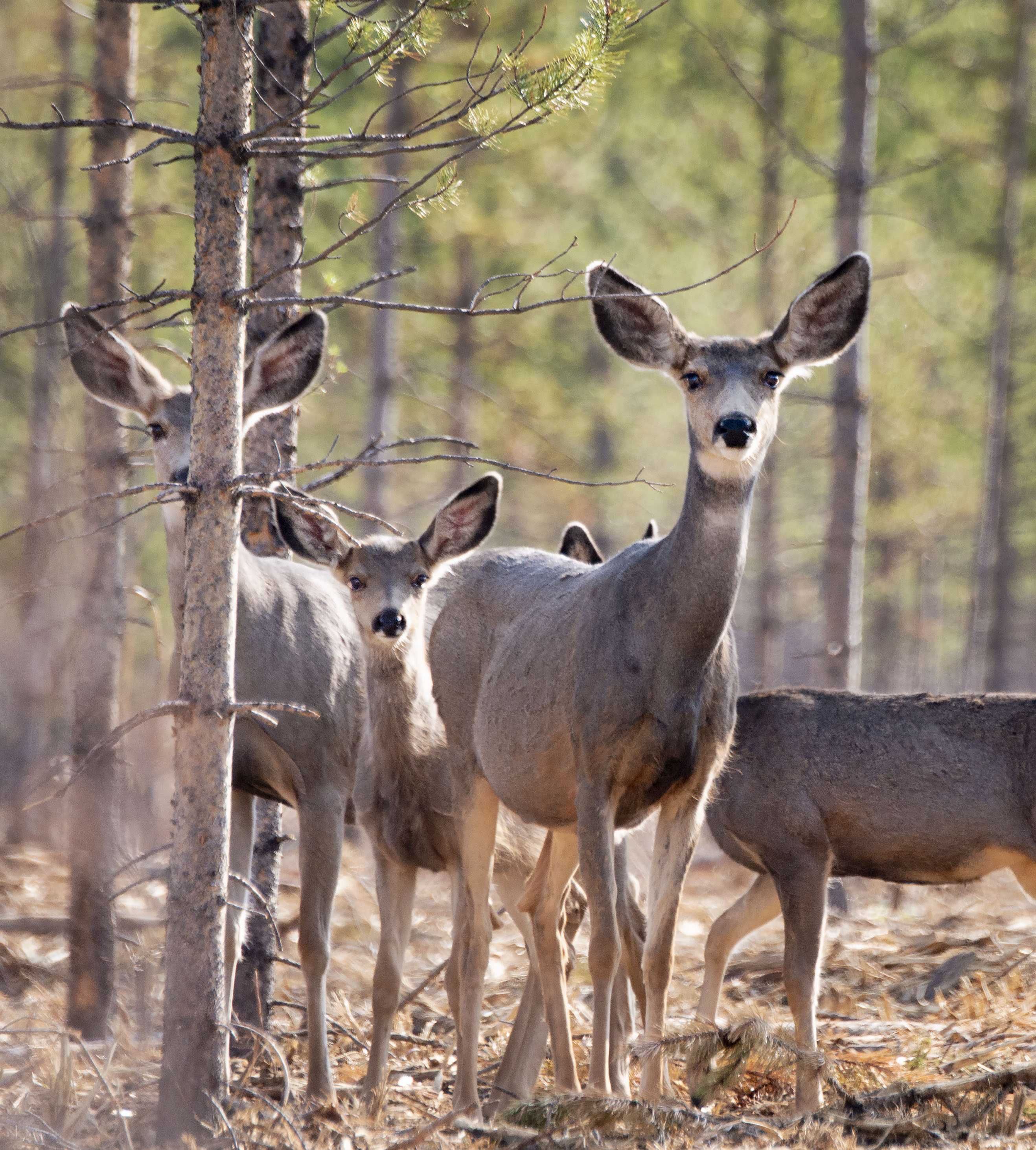
On a recent walk we were lucky enough to be able spend a fair amount of time observing and watching a very handsome Mule Deer Buck escorting his harem through the forest.
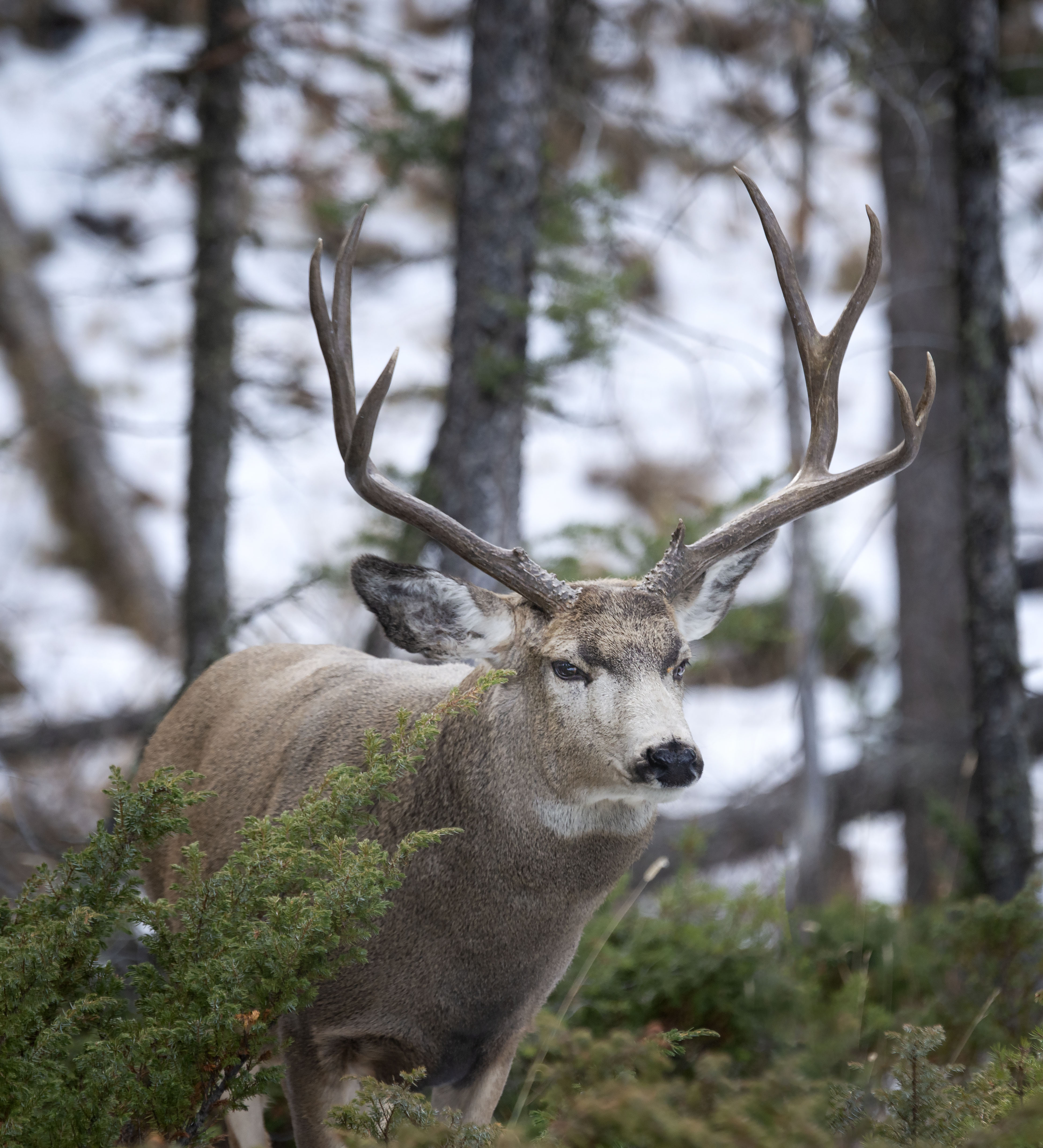
While we hung out and watched the whole group of deer pass through the male stood watch curious yet calm and quiet.
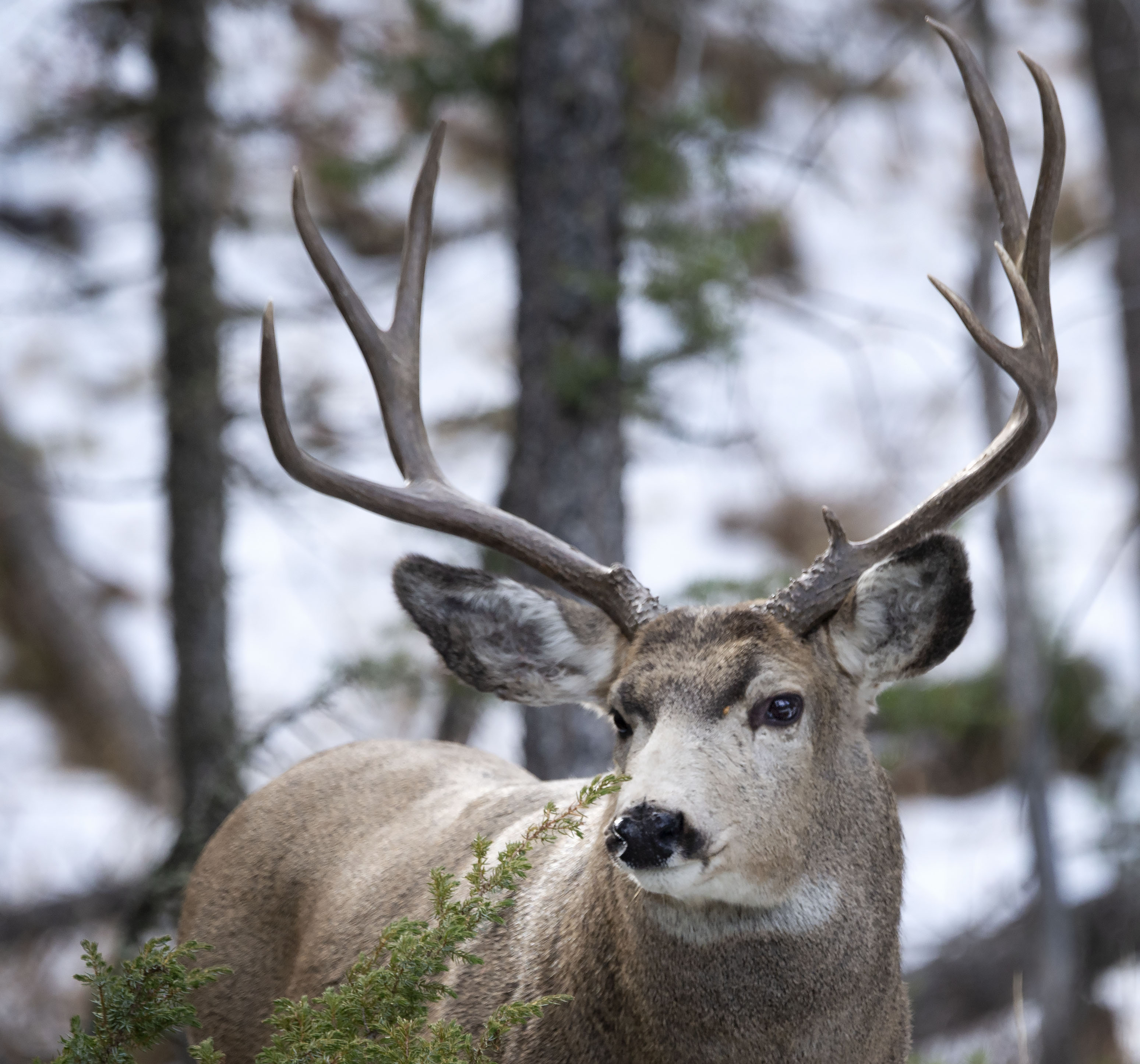
Before the group moved away and into the deeper reaches of the forest the male put his nose to the sky to make sure all were present and accounted for.
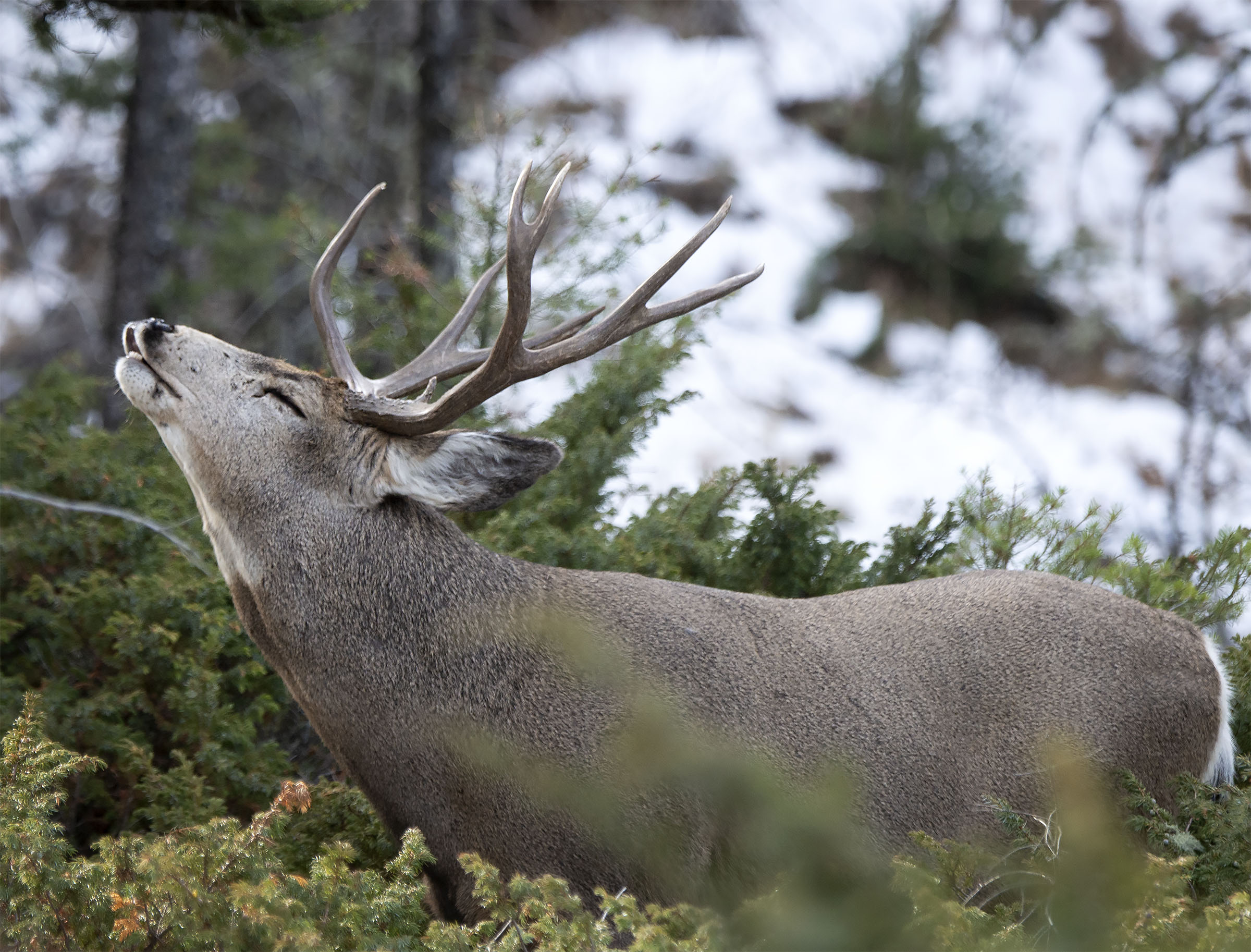
A nice surprise and the highlight of the stroll.
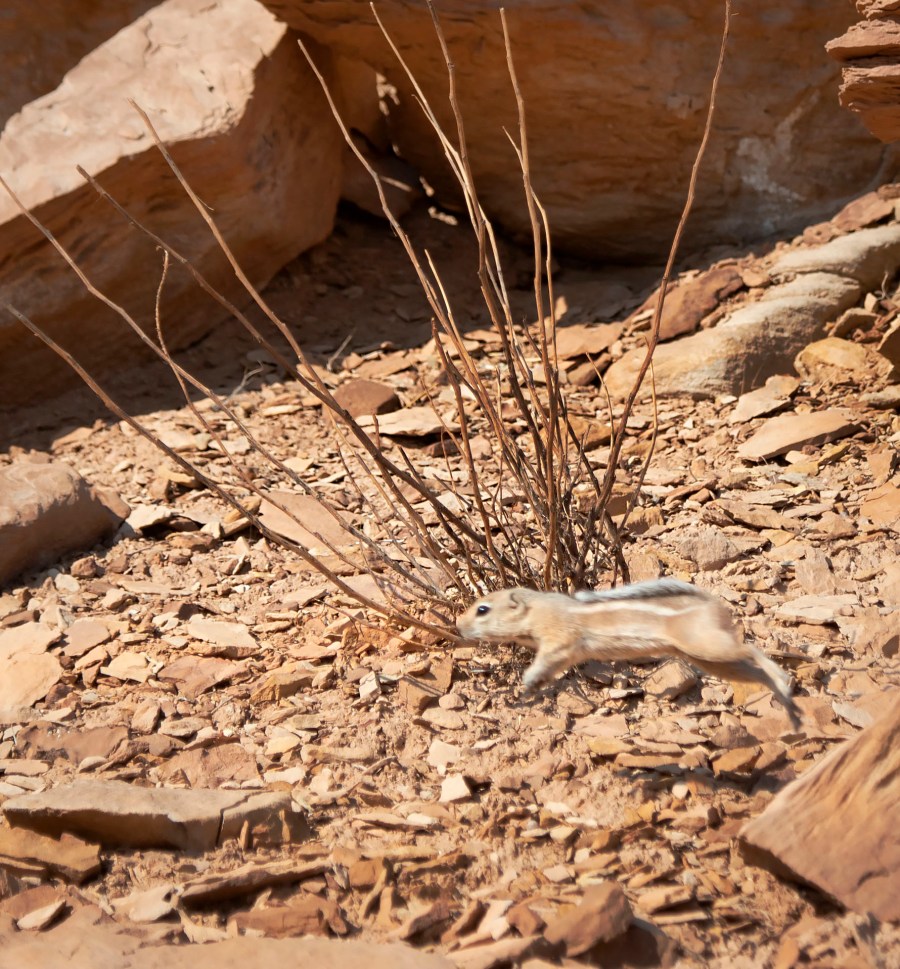
Greased lightning

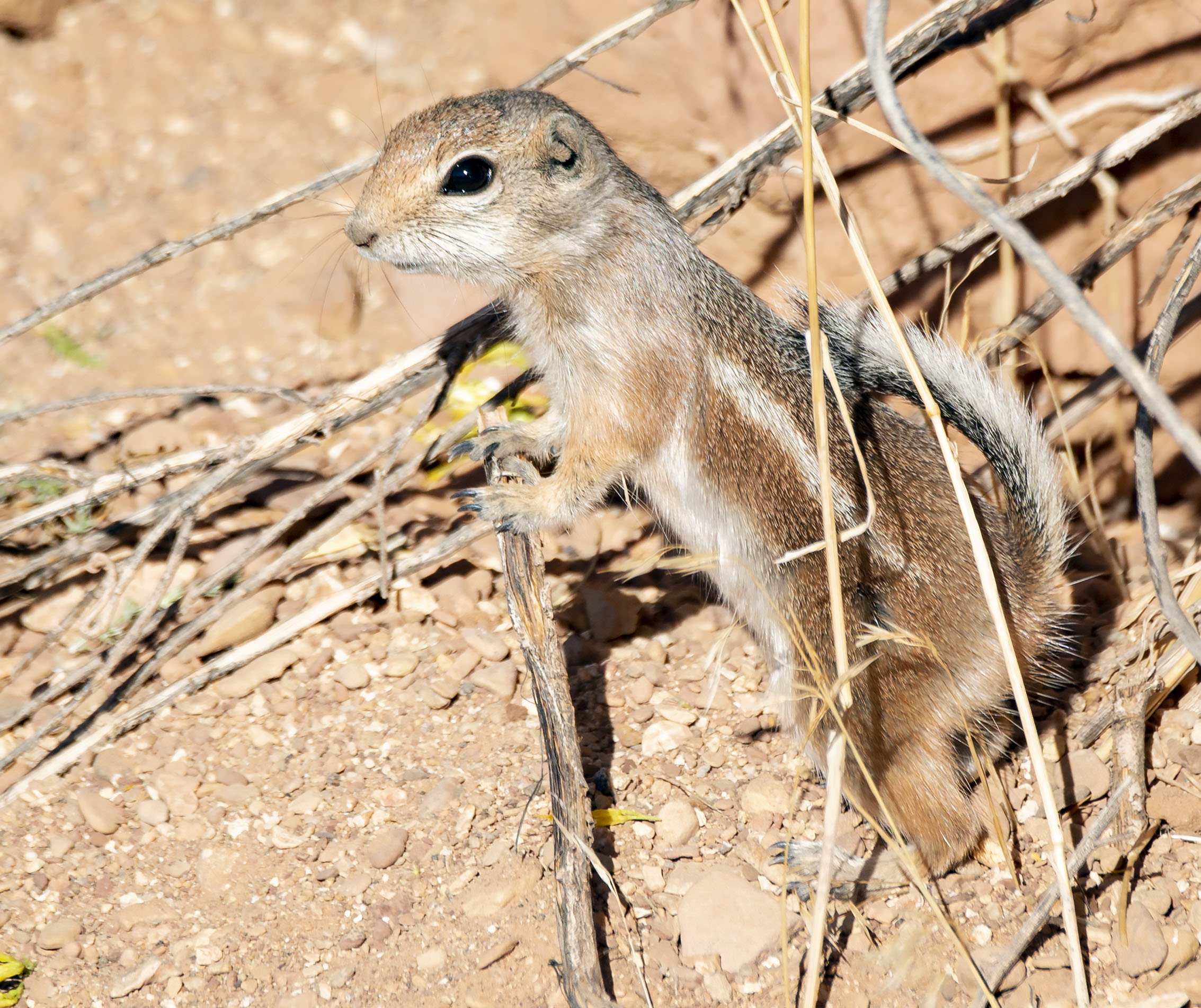
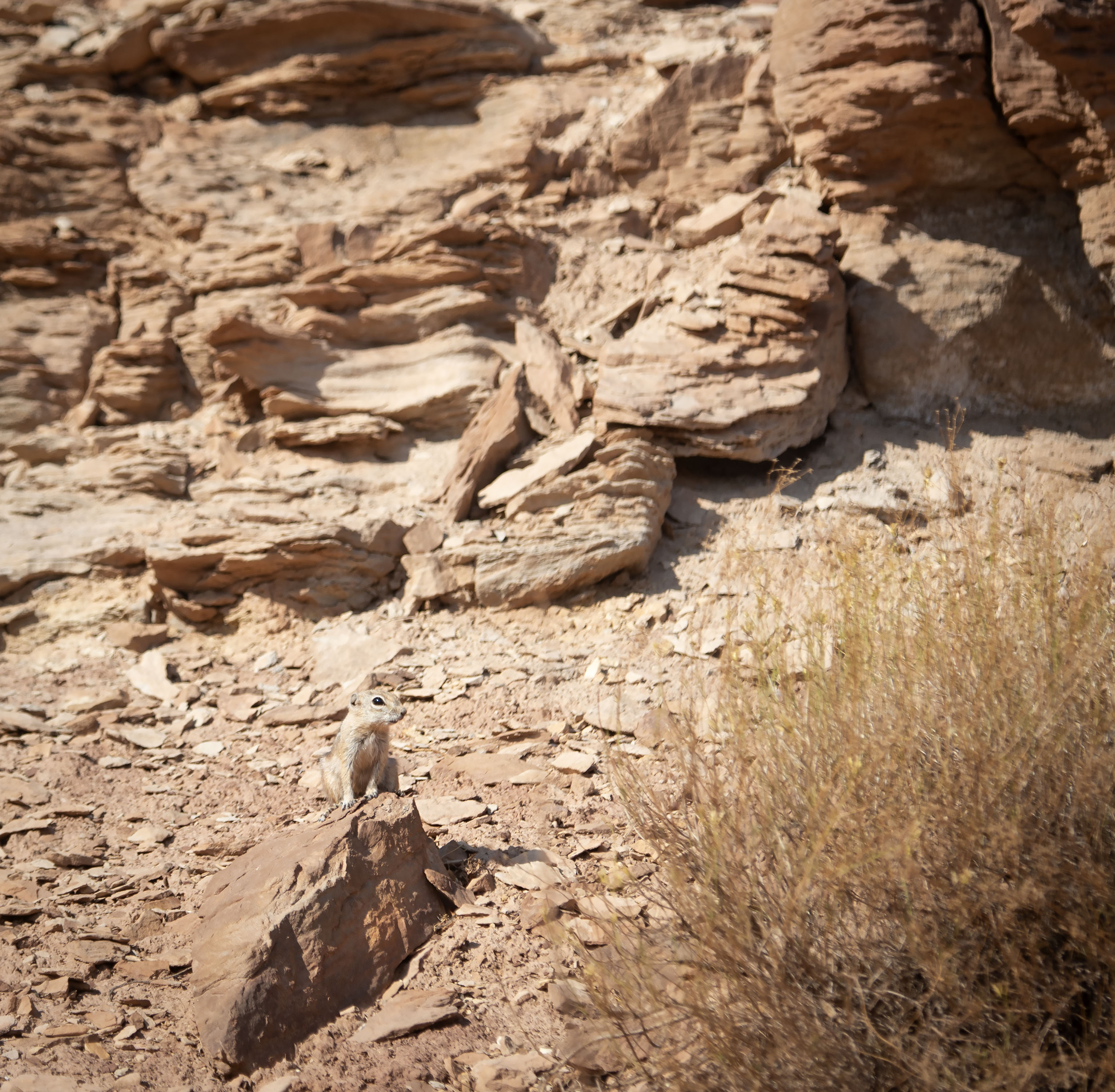
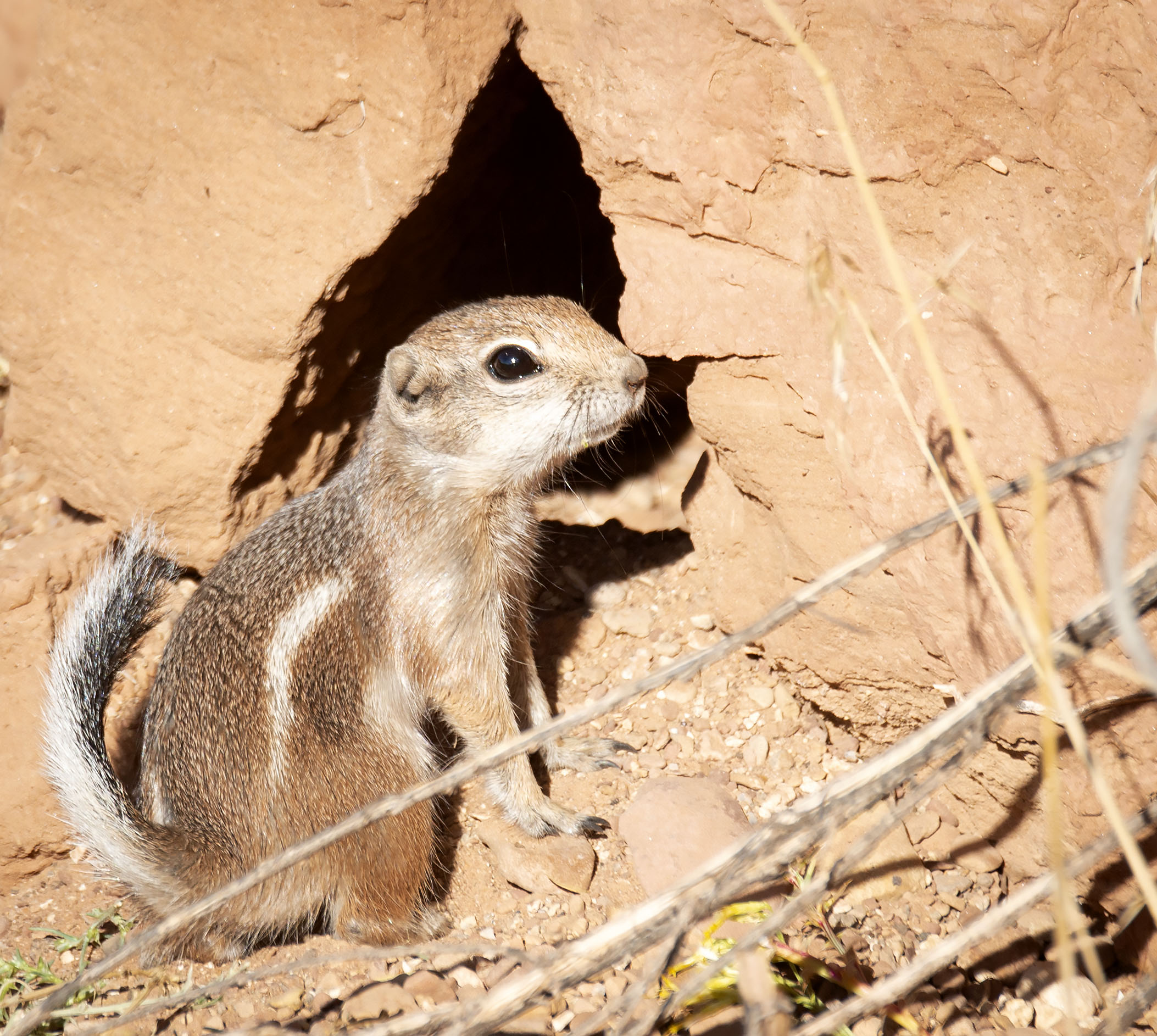
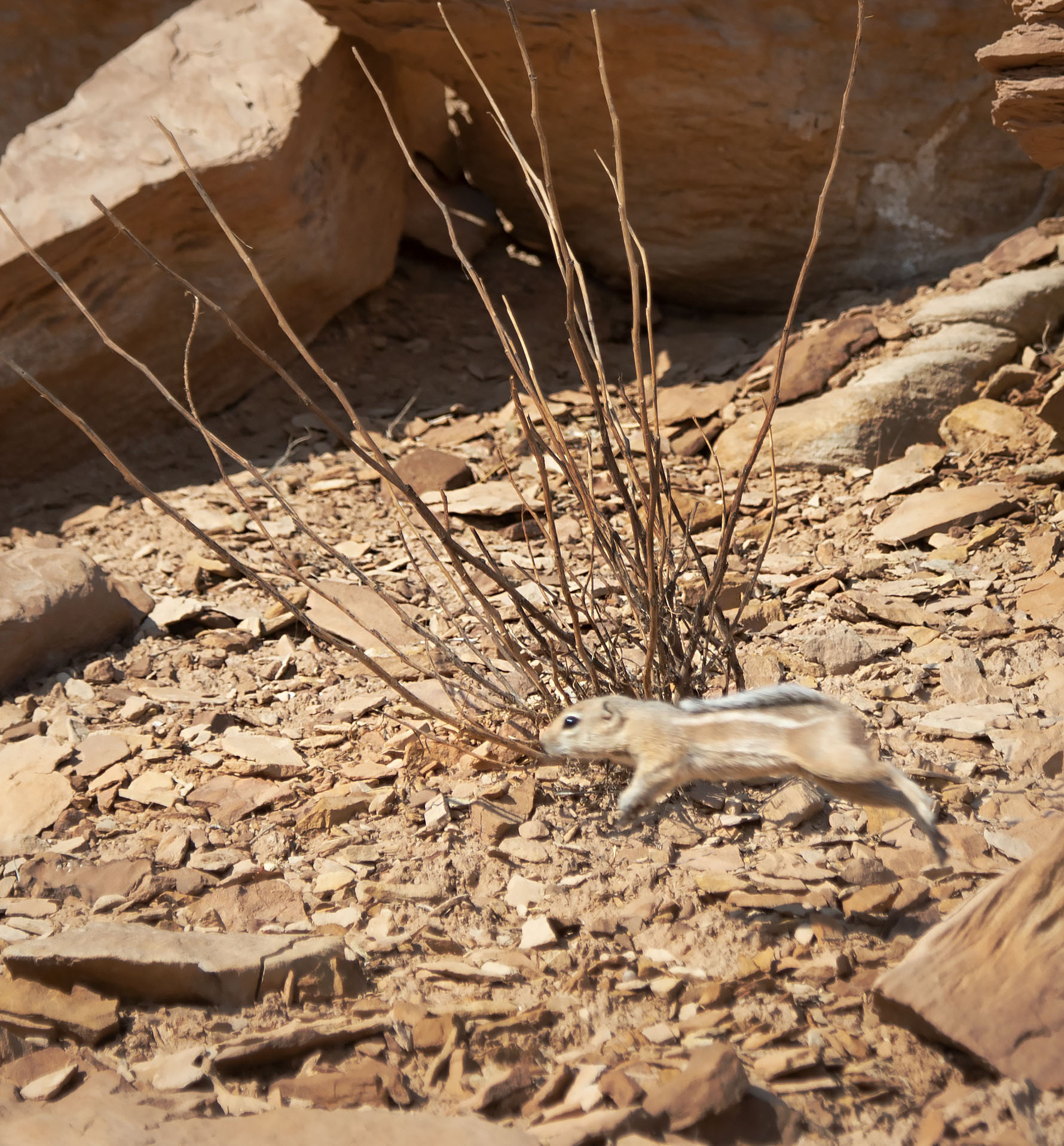
Greased lightning is the nickname we gave to these little rodents as they shot across the desert landscape foiling many of our attempts at photographing them. The White-tailed Antelope Ground Squirrel is a common to abundant desert dweller across the southwestern United States.

Right at home in this desert landscape the White-tailed Antelope is a diurnal mammal that feeds on a fairly omnivorous diet including seed, plants, arthropods and other insects as well as carrion.

They nest in underground burrows dug into the soft desert soil and use the burrow both as protection from predators and too keep cool during periods of extreme heat and cold.

Take a look at those little critters scurrying around the desert and you may just notice some greased lightning aka the White-tailed Antelope Ground Squirrel.

Greased Lightning in action.

Just one thing…

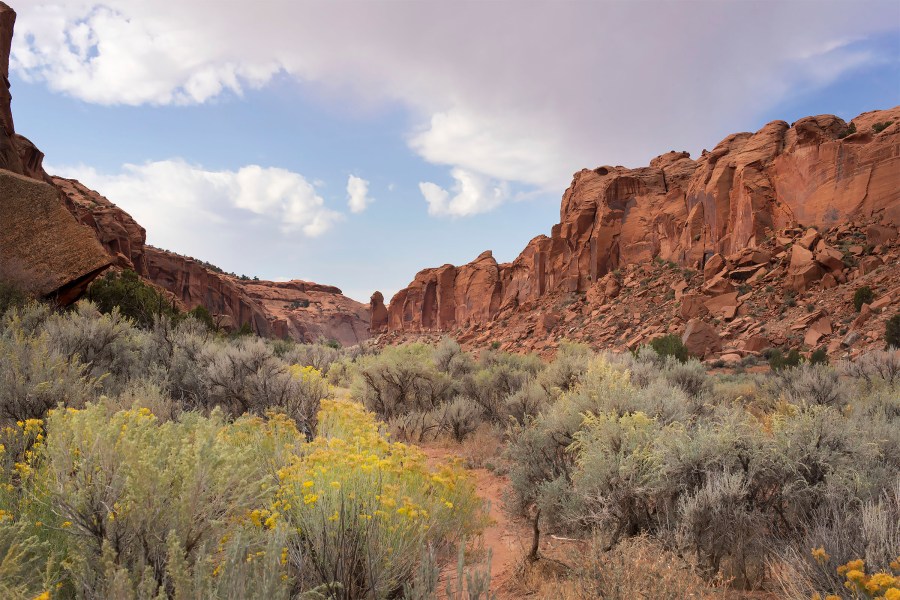
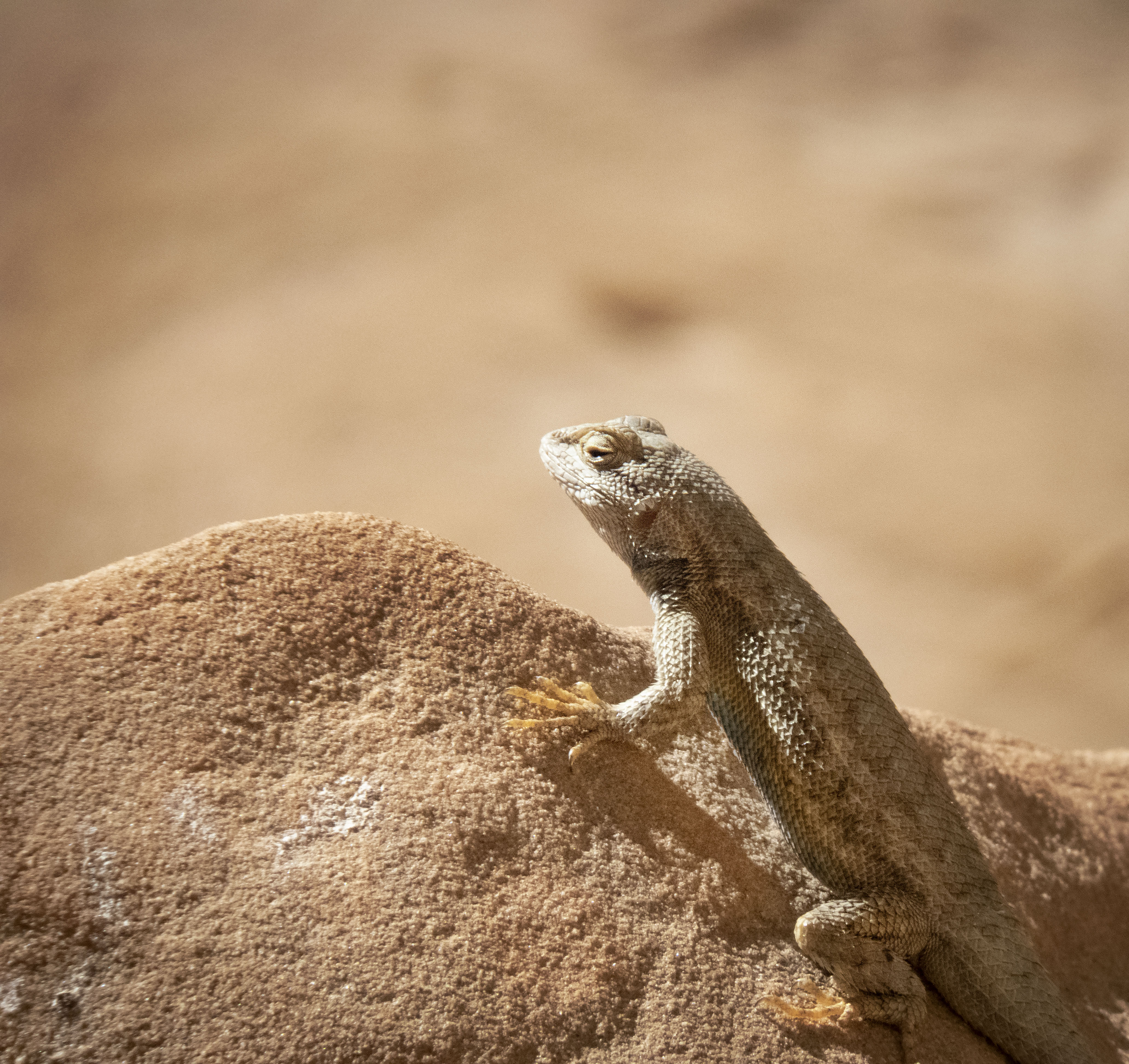
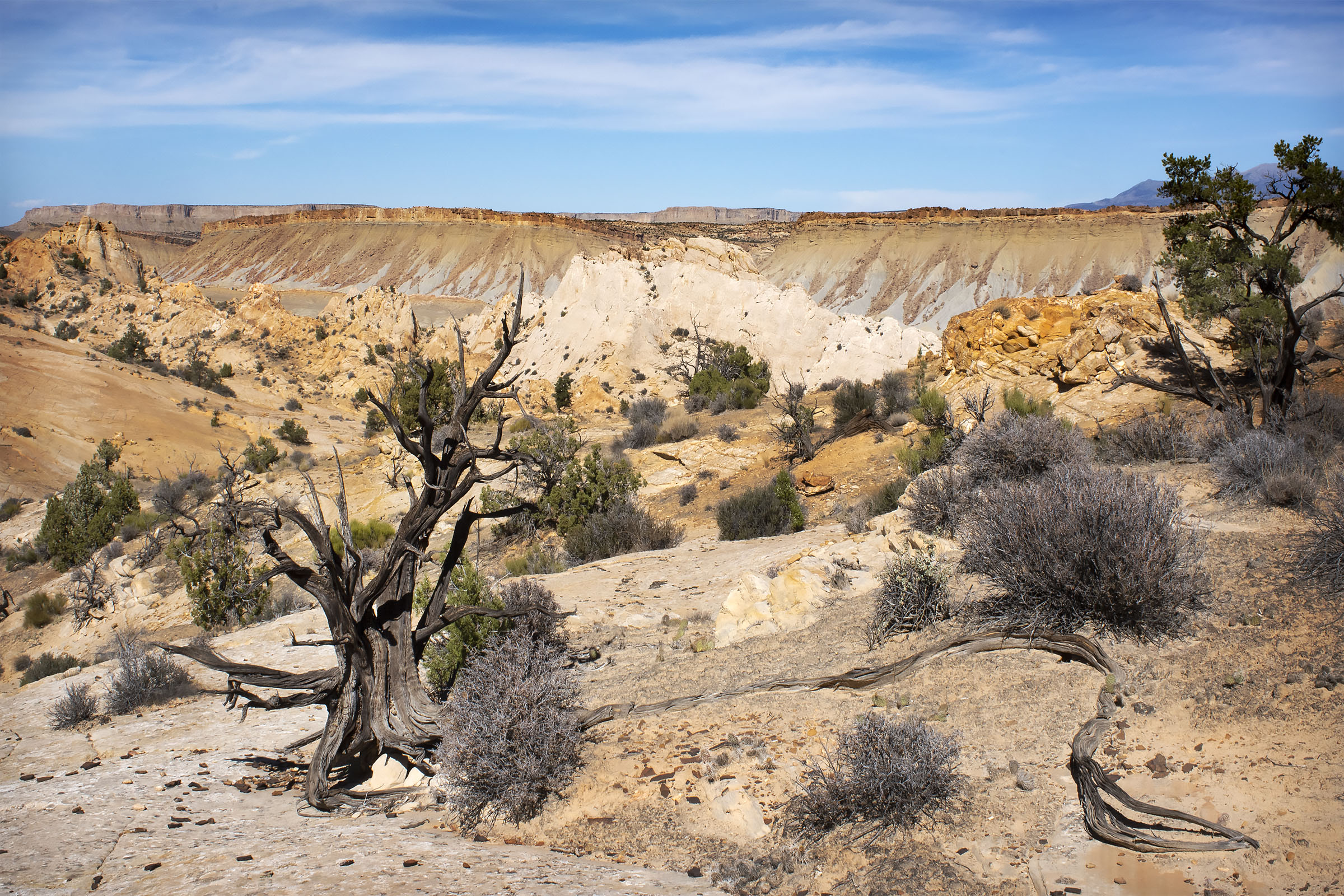
There are days when the distinctions between between plants and rock, rock and animals and earth and sky seemingly disappear and all become just one thing. Lizards take on the colors and textures of the rocks in which they make their homes.

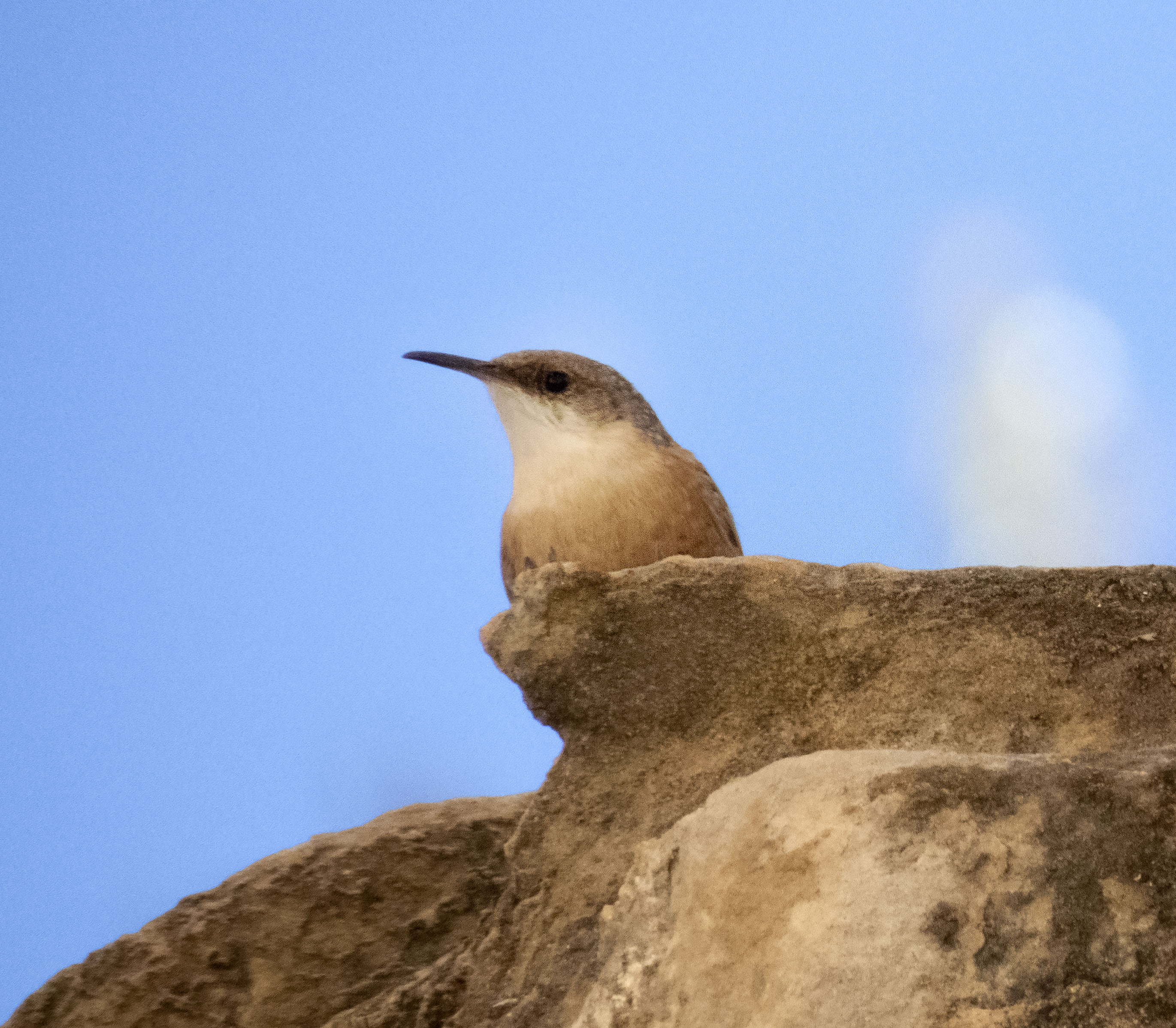
The song of a Canyon Wren fills the air along a canyon rim where bird stone and sky meld into one.

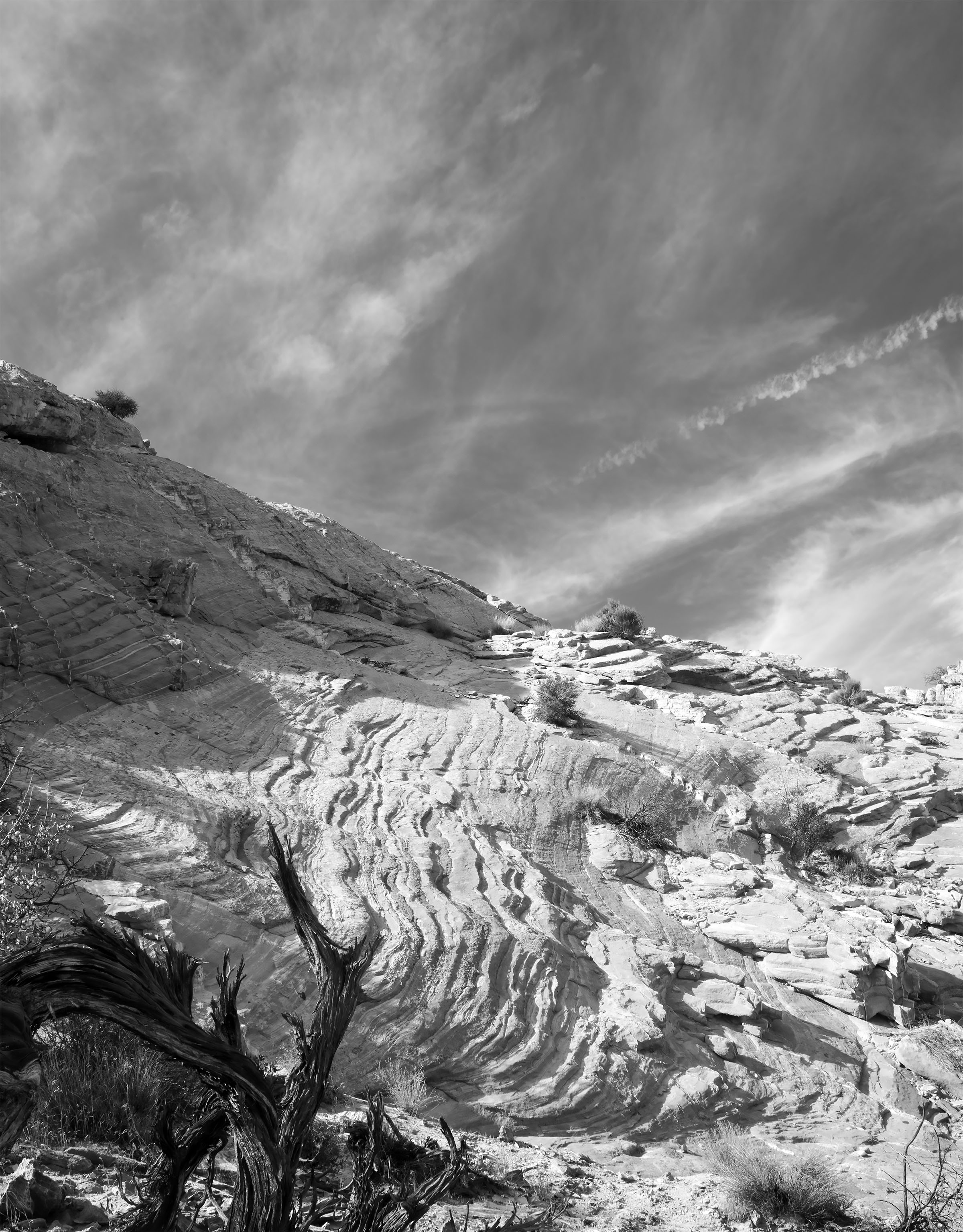
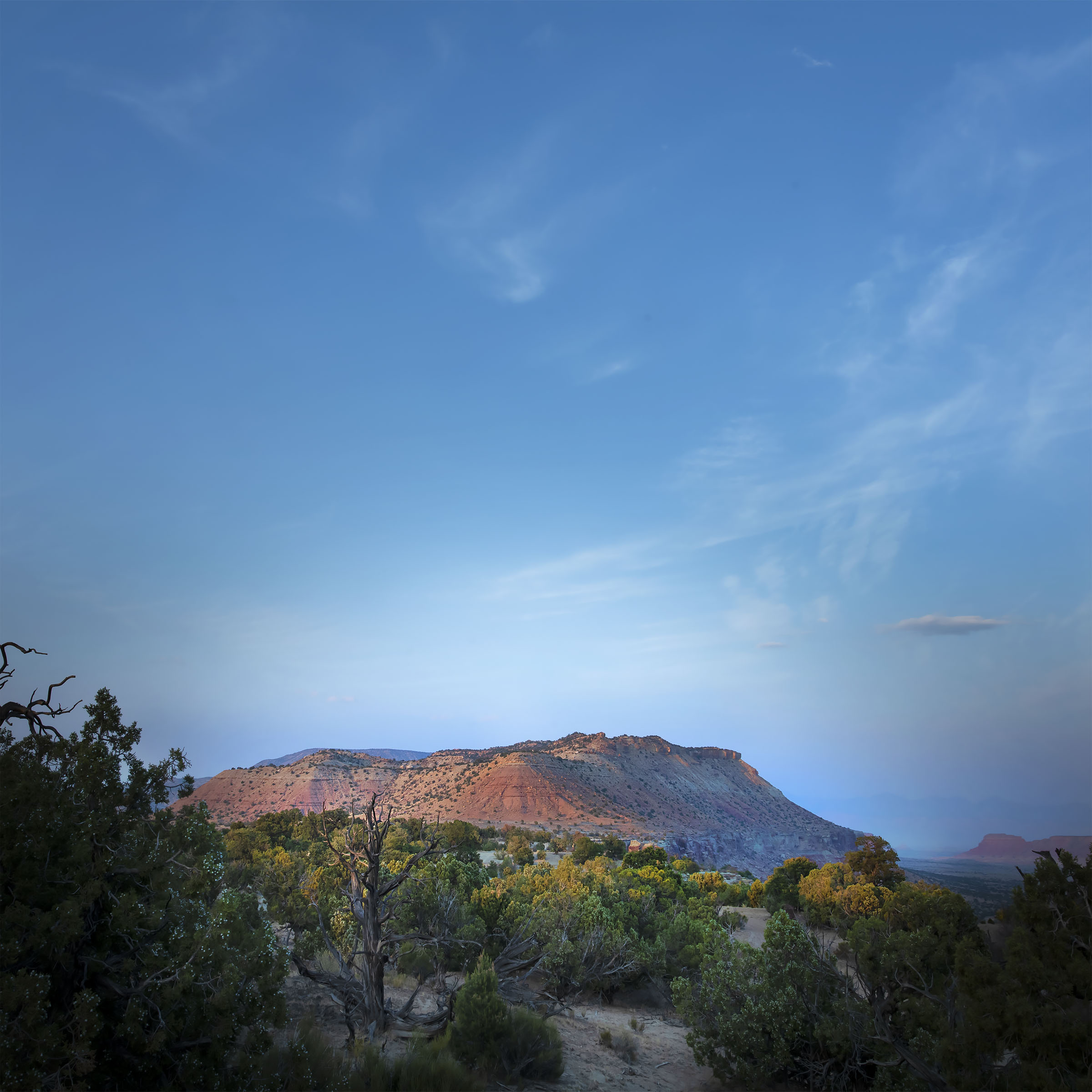
The stone of the landscapes waves as if water and becomes one with sky.

Textures, colors and shapes all just patterns in the landscape becoming a single thing.

Happy Friday and wishing you a wonderful weekend.

Here, there and everywhere

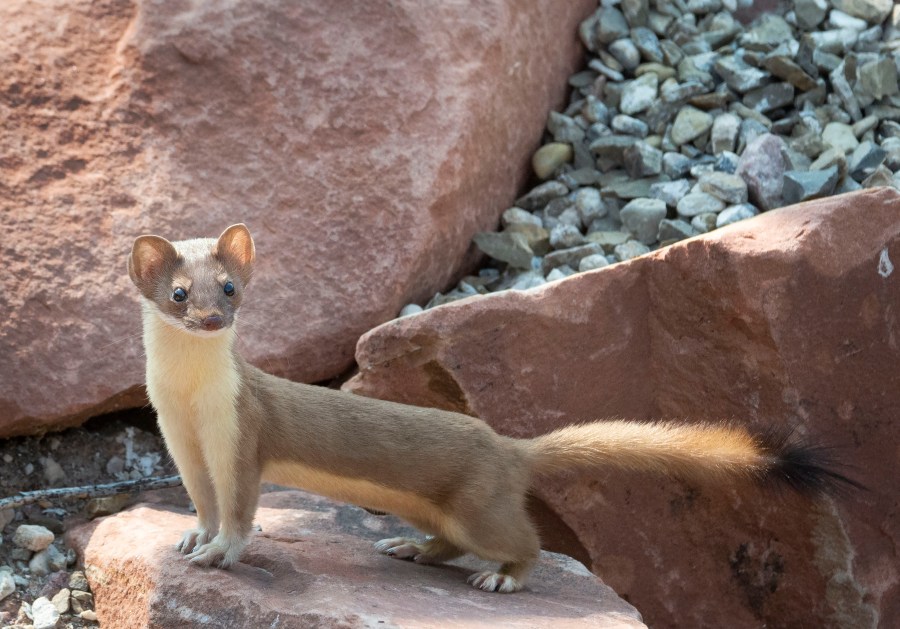
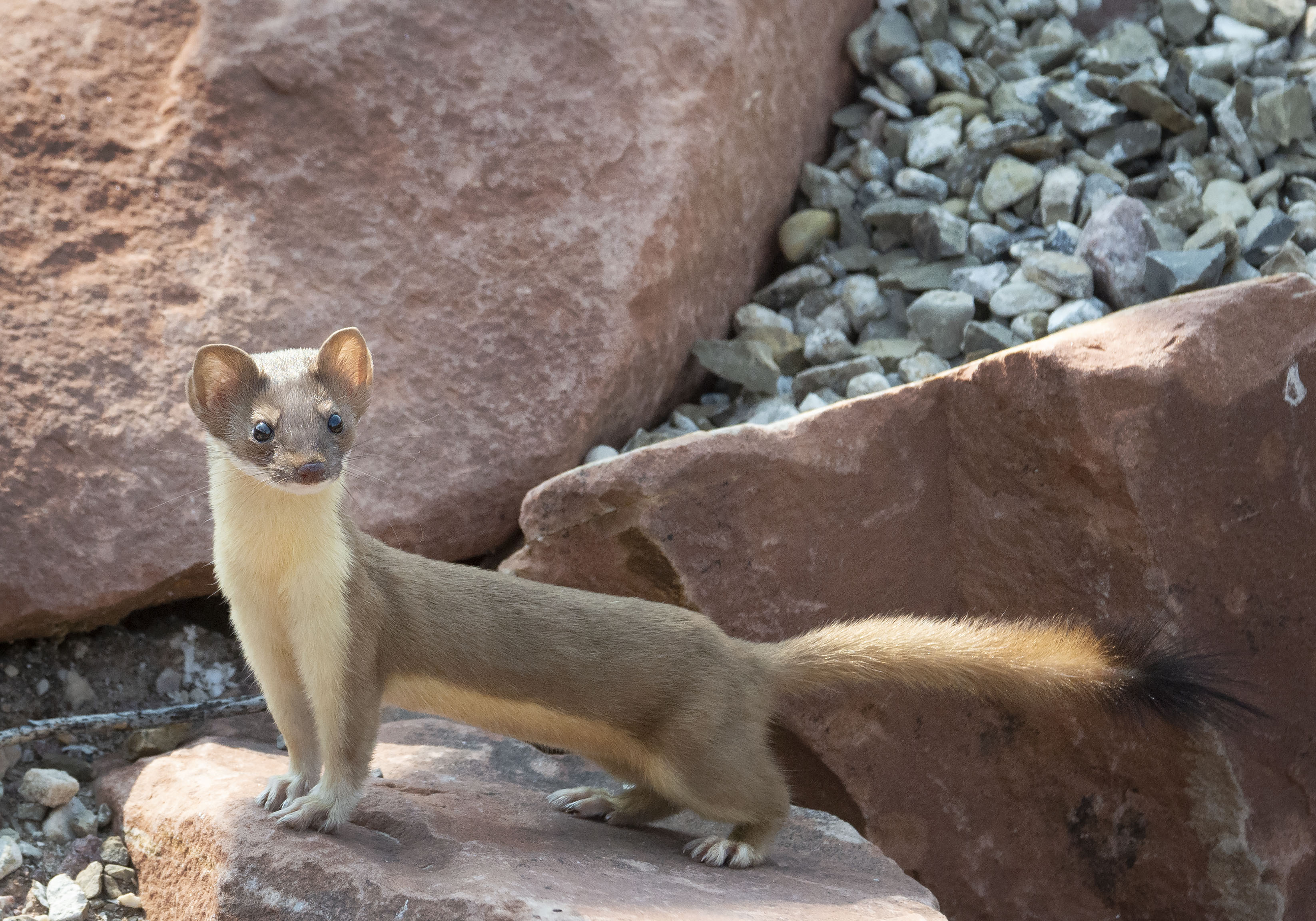
Still dressed in their summer coat this Ermine was doing what Ermines do. Looking and running and looking and running over here, over there just about everywhere in search of their next meal. Because an Ermine has such a long slender body and high metabolism they rapidly loose body heat needing a fairly constant caloric input. This means an Ermine needs to eat about 75% of their body weight in food every day. Thus they spend most of their waking hours in search of the next meal.

Anything over there?

When the hunting is good Ermines store food in their dens for the lean times.

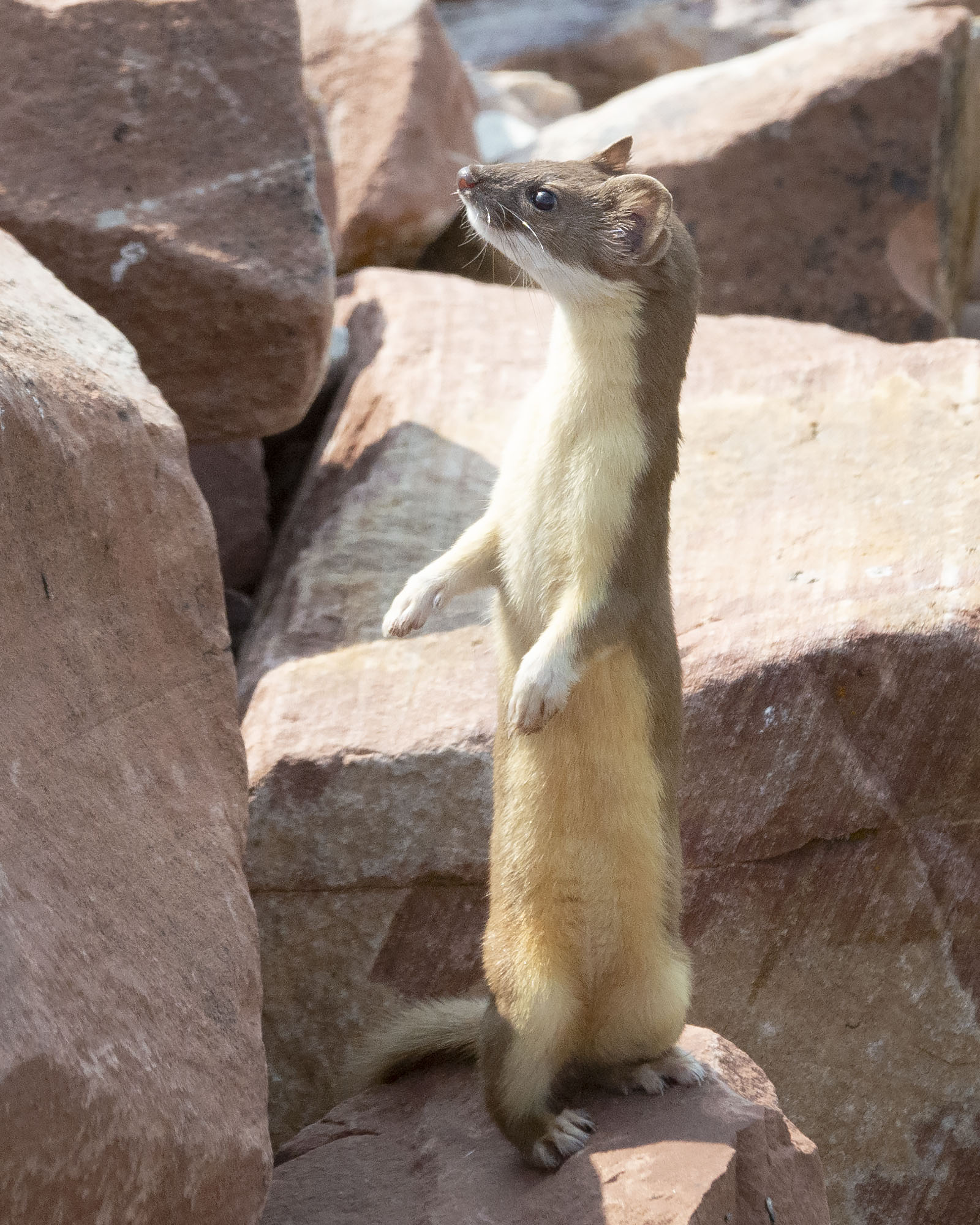
Maybe over there?

Just about now this guy should have changed into their winter coat of pure white except for that black-tip on the tail. Seeing them bounding through the snow on a snowy winter day is a sight we look forward to.