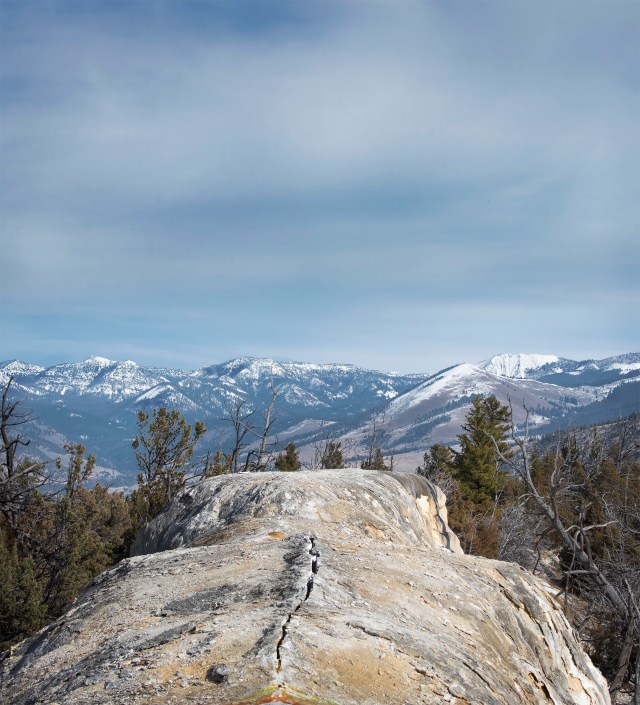
I think there is a geology lesson, or three, to be learned here. Looking out towards the Absaroka mountains along the backbone of earth cracked open from the forces within.
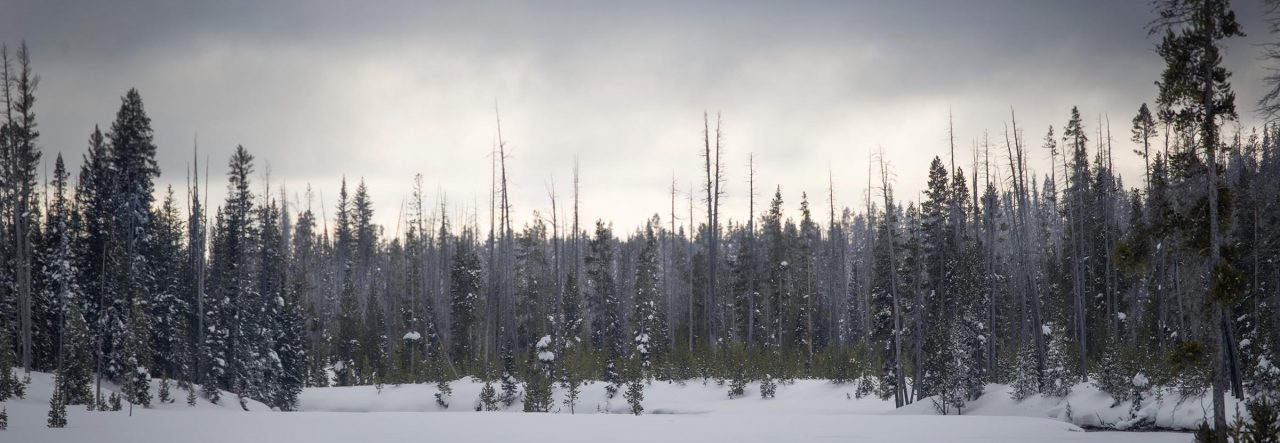
I think there is a geology lesson, or three, to be learned here. Looking out towards the Absaroka mountains along the backbone of earth cracked open from the forces within.
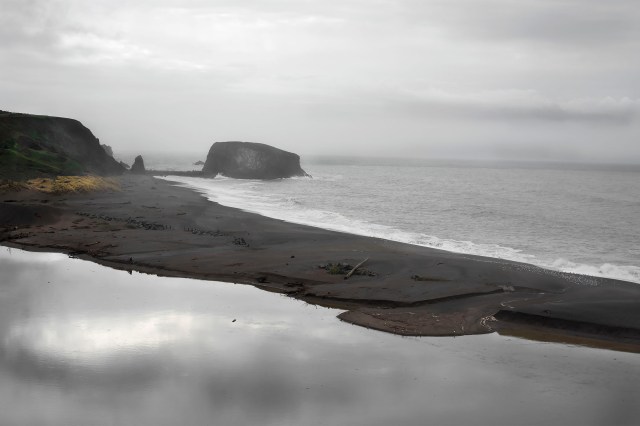
A quiet morning where the river meets the sea. All is good. The grass is green, the rain has stoped and life in many forms hauled up on the beech to spend a quiet day.
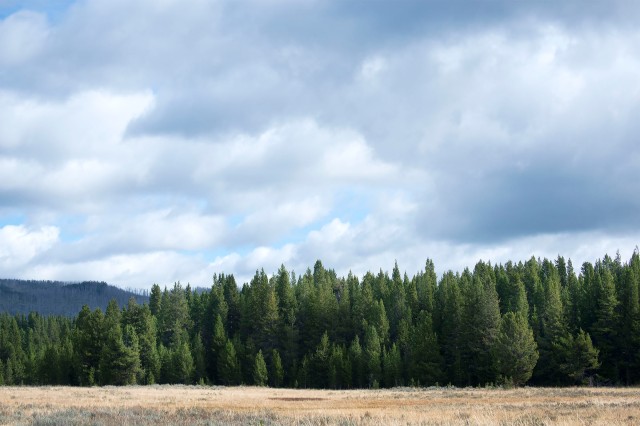
Giving thanks this day for simple things like landscapes open and wide. For food on the table and family and friends the things that bring it all to life.
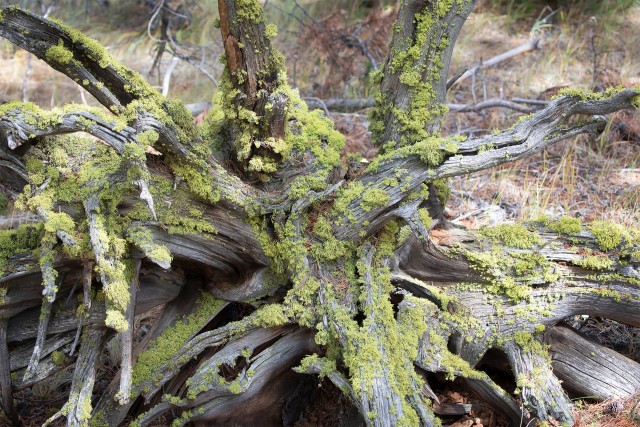
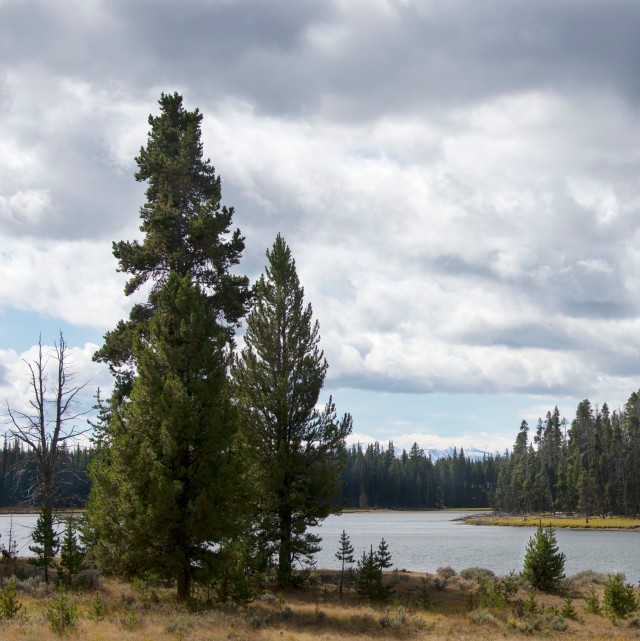
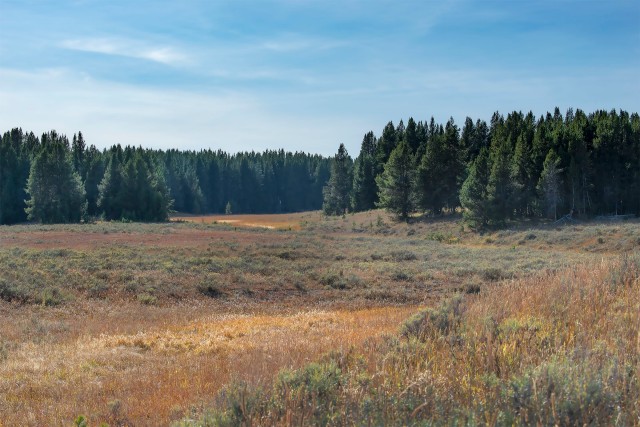
Happy Thanksgiving.
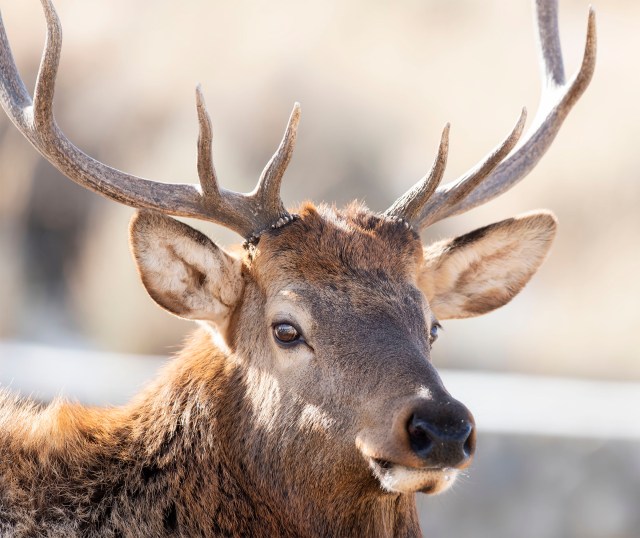
Enjoying a bit of afternoon sunlight a Bull Elk wandered slowly by.

A stroll up the trail on a November afternoon. Will it be warm will it be cold, sunny or cloudy? Probably all of the above.
The trail was covered with a light layer of snow yet the creek flowed freely.
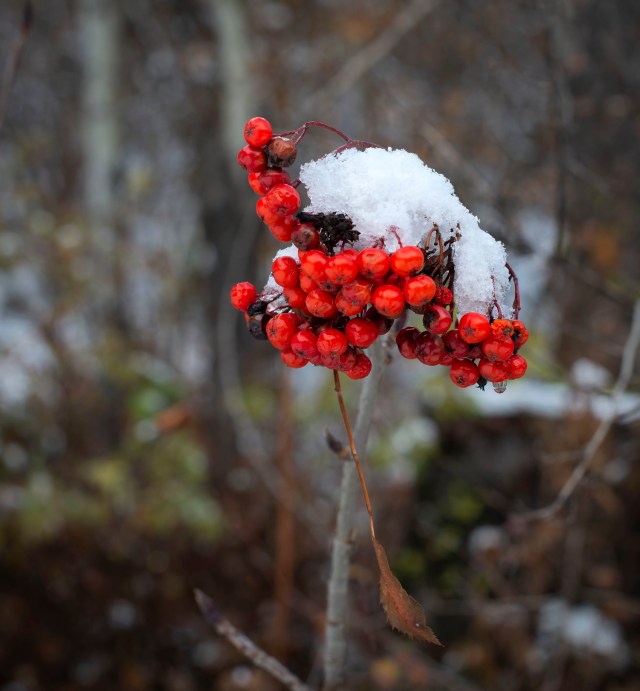
Mountain Ash berries glowing a brilliant orange seem to scream “hey birds…what are you waiting for.”
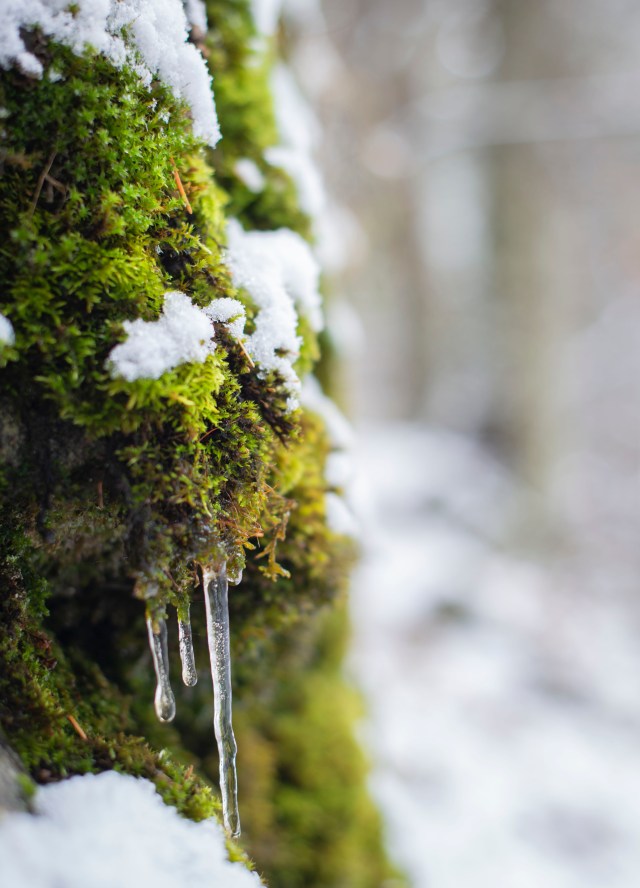
Temperatures warmed along the way as icicles glued to moss began to thaw.
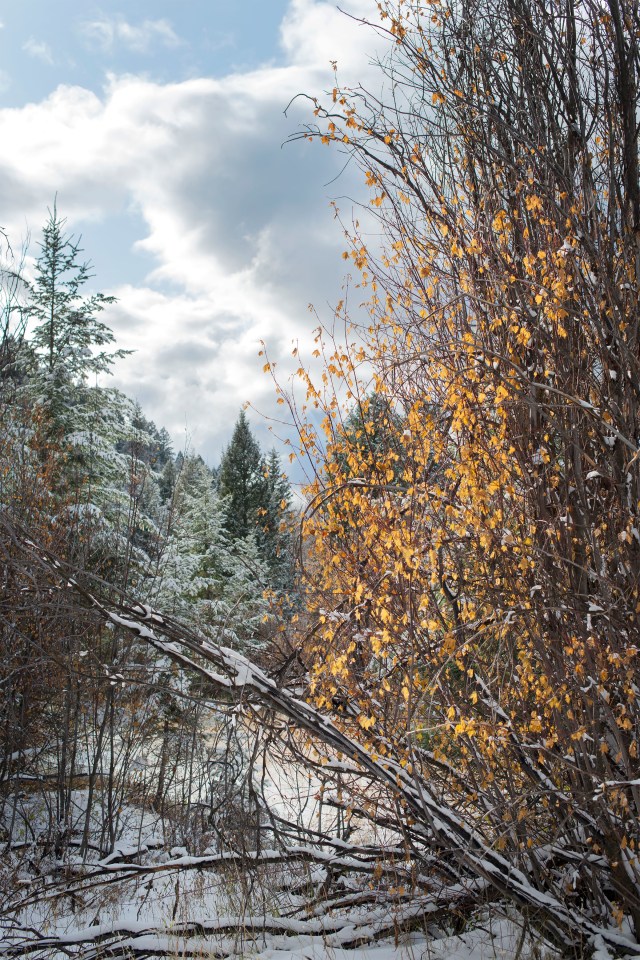
…and what started a cloudy day become much less so on a slow and quiet afternoon stroll.

In recent posts we have highlighted findings from a couple of recent studies describing the dramatic decline in avian populations in North America over the last last 30-40 years. Like many of you, we see the decrease in avian population as a harbinger for the rest of life on earth predicting a massive decline in biodiversity resulting from the mass extinction of species of all kinds. Protecting ecosystems and thus the species that inhabit them will be no small task and indeed feels overwhelming.

One group that is attempting to protect and preserve biodiversity is The Half Earth project founded by Edward O Wilson. Their stated mission is to:
“conserve half the land and sea in order to safeguard the bulk of biodiversity and ensure the long-term health of our planet.”
Half-Earth recently held their annual conference and have posted videos of the lectures on their website. We are working our way through the lectures and hope you can find the time to view a couple that interest you. Be it large or small we need to find time to seek solutions even though we may feel overwhelmed.

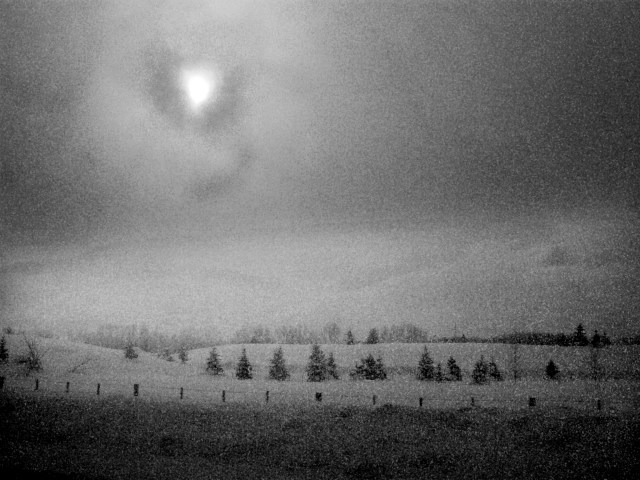
The moon was bright and full last night brightening the sky and even making the snow sparkle with color. Seeing the bright moonlight got us to wondering how moonlight nights might effect animal behavior.
There have been many studies effects so we thought it might be interesting to pass along just a few more recent observations we are aware of.
Several phenomenon related to animal behavior have been attributed to the full moon including increased spawning of corals and other reproductive behavior.
The Barau’s petrel, a tropical seabird species, uses the lunar cycle., unlike many other birds with use the sun or length of day, to time mating.
A recent study by Norevik et al. describes how the full moon synchronizes the initiation of the fall migration in the European Nightjar. The abstracts states:
We found that the daily foraging activity more than doubled during moonlit nights, likely driven by an increase in light-dependent fuelling opportunities. This resulted in a clear cyclicity also in the intensity of migratory movements, with occasionally up to 100% of the birds migrating simultaneously following periods of full moon. We conclude that cyclic influences on migrants can act as an important regulator of the progression of individuals and synchronize pulses of migratory populations, with possible downstream effects on associated communities and ecosystems.1
So as we enjoy another night of moonlight skies we can all ponder what other effects the lunar cycles have on the other inhabitants we share the planet with. So much to study and so much still unknown. Do we need to expand our ecosystem to include the moon? the show universe?
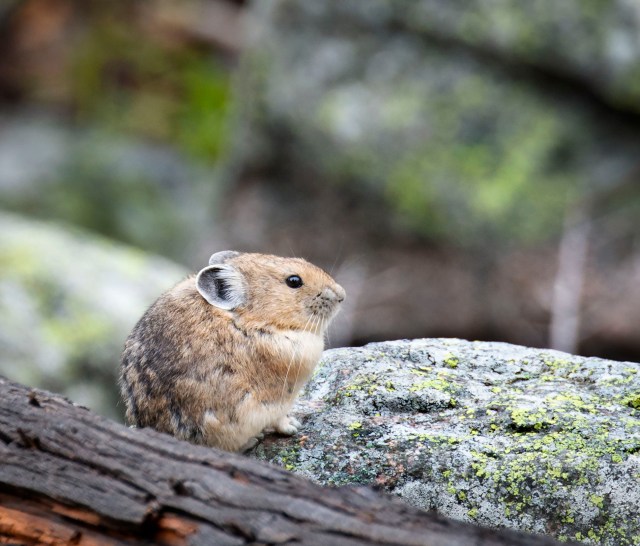
I never get disappointed when I hear the little chirp of a Pika moving about on the talus slopes. Always spotting us before we spot them. usually sitting still and looking out into their environment then scurrying off to collect plants for winter larder. The Pika is yet another species threaten by climate change and the focus of this short video in Smithsonian Magazine.
It is encouraging that some Pika may be showing behavior adaptation to a loss of habitat resulting from climate change but as the authors of a recent study concludes “while many species have a clear capacity to modulate behavior in relation to variations in climate parameters,much remains to be learned about the trade-offs, fitness implications, and limitations of behavioral flexibility in the context of novel climate dynamics.”
I sure hope these little guys are able to adapt to the new reality imposed upon them by our species. A walk on the talus slopes without them would be a lonely walk indeed.
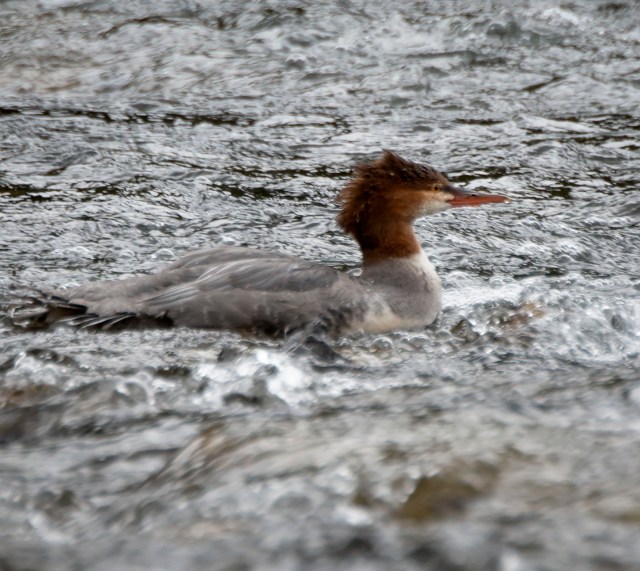
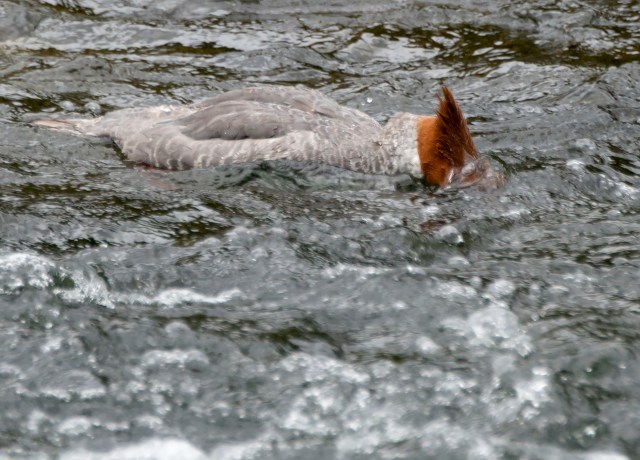
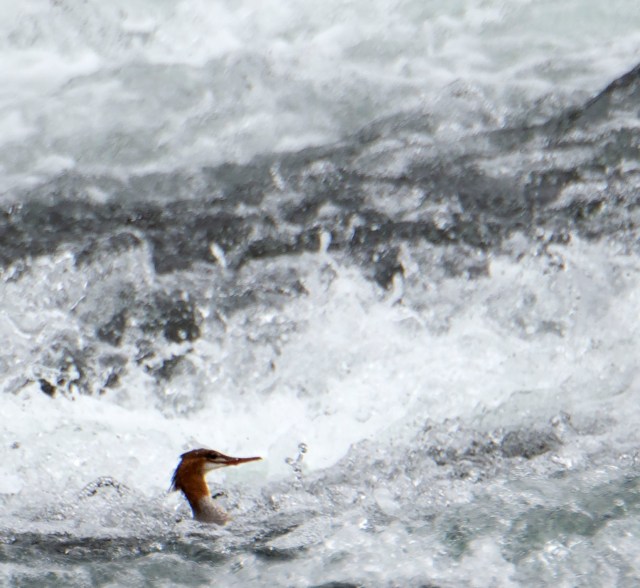
When the water gets rough you can always count on finding Common Mergansers riding the rapids, foraging and having a great time doing it.
An interesting new study by V. B. Baliga, I. Szabo, D. L. Altshuler entitled Range of motion in the avian wing is strongly associated with flight behavior and body mass suggests that rather than the shape of a birds wing per se it is the range of motion in the elbow and wrist joints that determine how a bird swims though the air. Some birds glide smoothly like a bald eagle while other can hover like a hummingbird and this paper suggest range of motion in the joint is the key. A interesting read for those who are interested both in biomechanics and evolutionary biology.


You can find a short summary in Science Daily here.
 nature has no boss
You must be logged in to post a comment.