Yellow-rumped

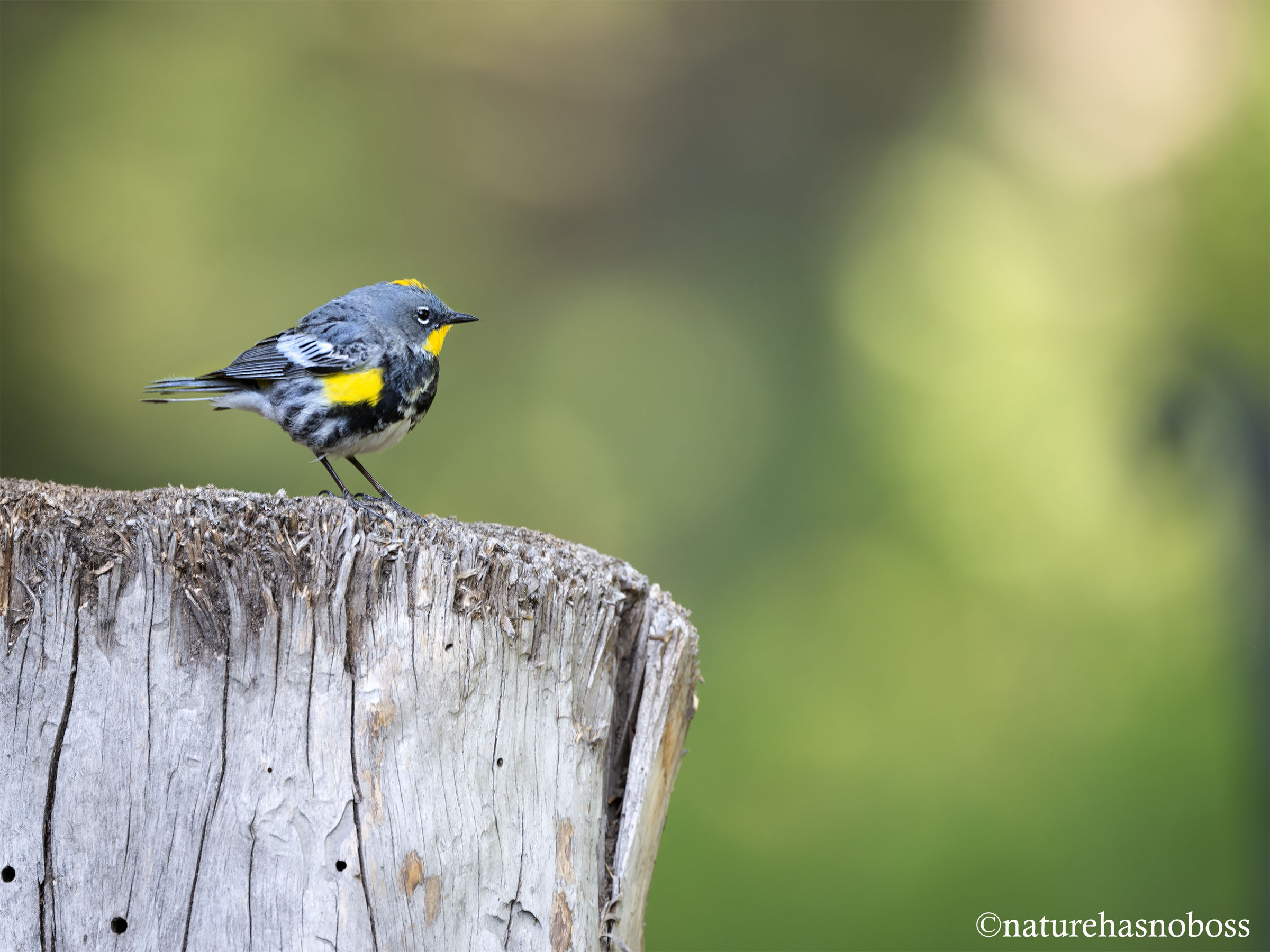
A male Yellow-rumped Warbler makes a rare appearance from the forest canopy to rest on the firewood chopping block. Although we here them all day long in the spring and early summer we only get glimpses of them moving in the canopy of the fir trees high above.
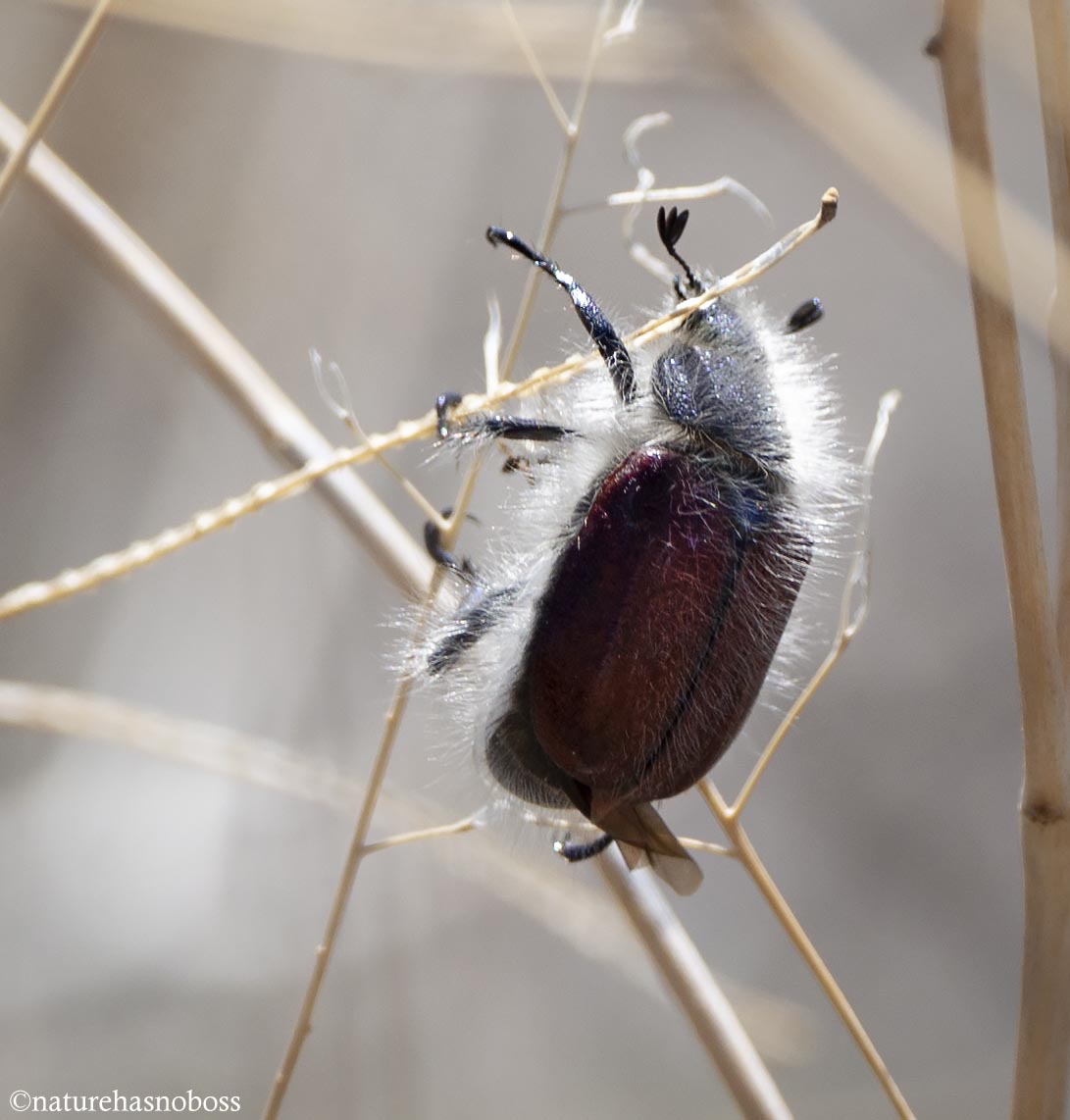
Little Bear Scarab Beetle

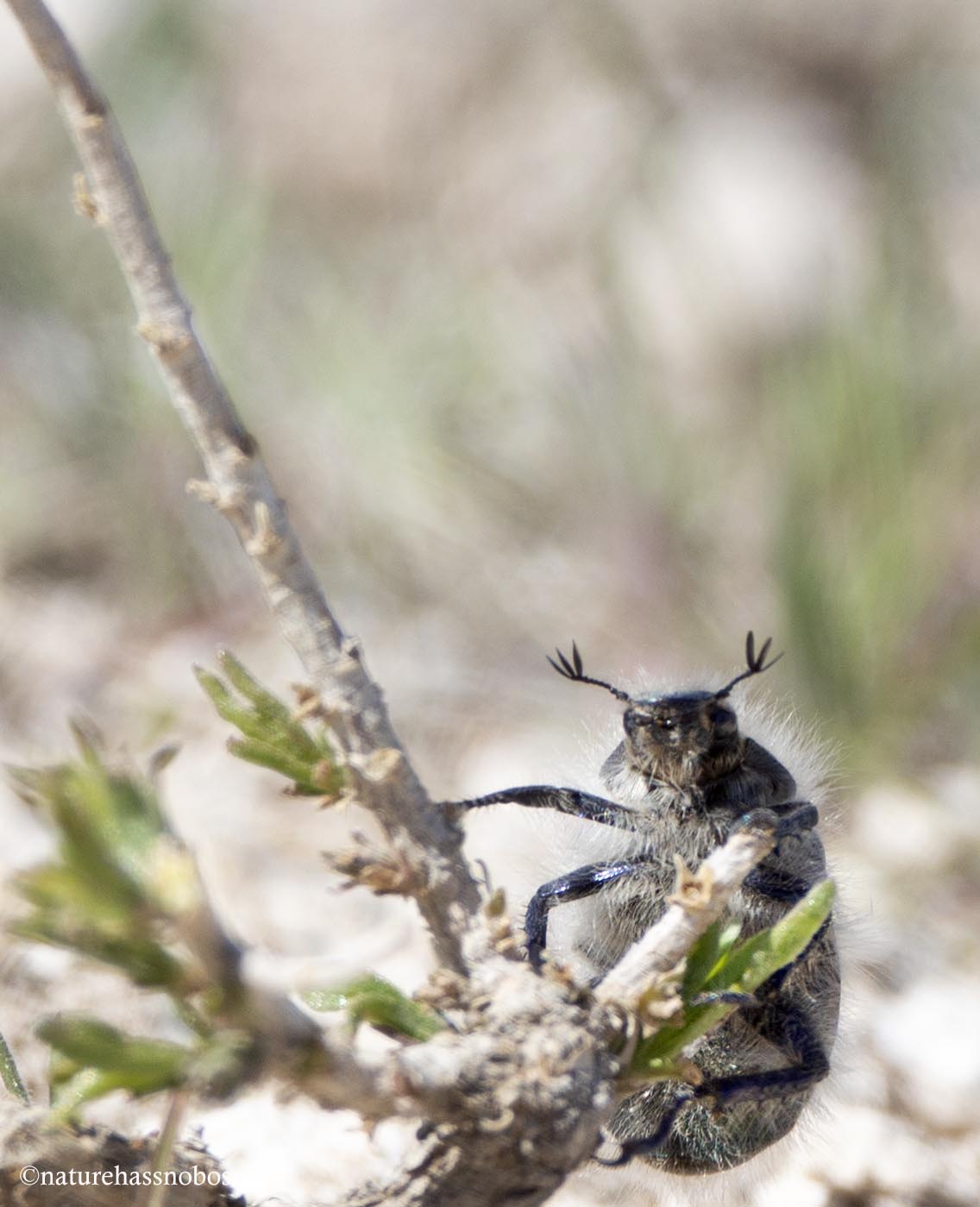
The Little Bear Beetle is in the genus Paracotalpa and ranges throughout the western united states principally in the drier regions of the great basin from Southern Washington south to Northern California and Nevada.

That Fuzzy body is what gave them the common name Little-Bear.

Little-Bear in a little bush on a early spring day.

Just minding your own business

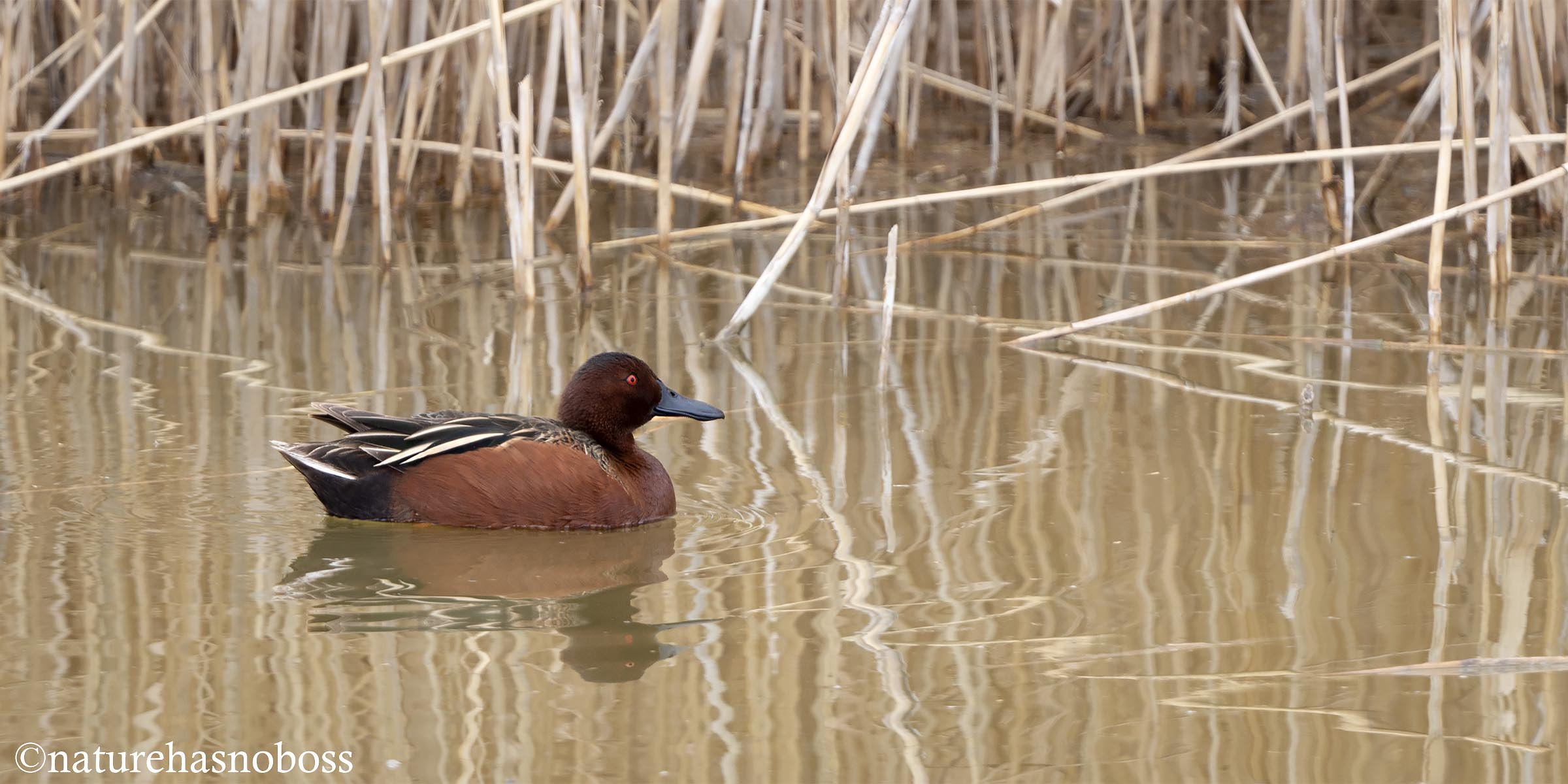
A male Cinnamon Teal swims by looking ahead while we quietly sit and enjoy the view. Those days spent photographing wildlife, just sitting letting things swim, fly or walk by are some of our favorites.

Observing and being observed yet each going about their own business so to speak.

Quiet days in noisy times make for respite we all need.

Wishing you a wonderful and quiet weekend.

Common Side-blotched Lizard

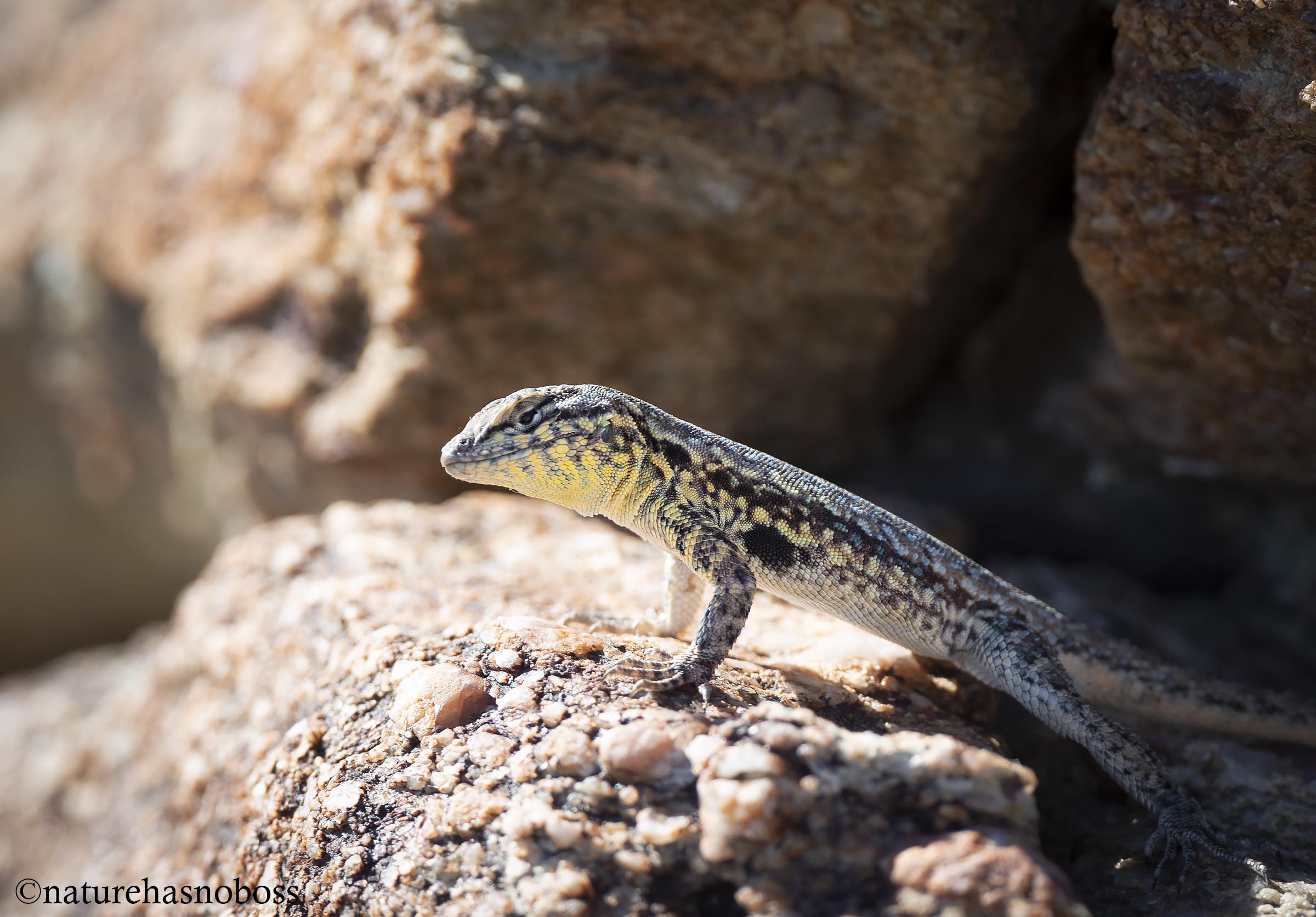
Although they may had been just a bit too large I felt like reaching down and handing this little Side-blotched Lizard my sunglasses as they made their way out from the dark crevasse in the rocks into the bright afternoon sunlight. The Side-blotched lizard is one of the most commonly seen lizards in the drier regions of the western United State. These small lizards are between 4-6 inches in length and coloration can vary greatly.

Sue and Lou return

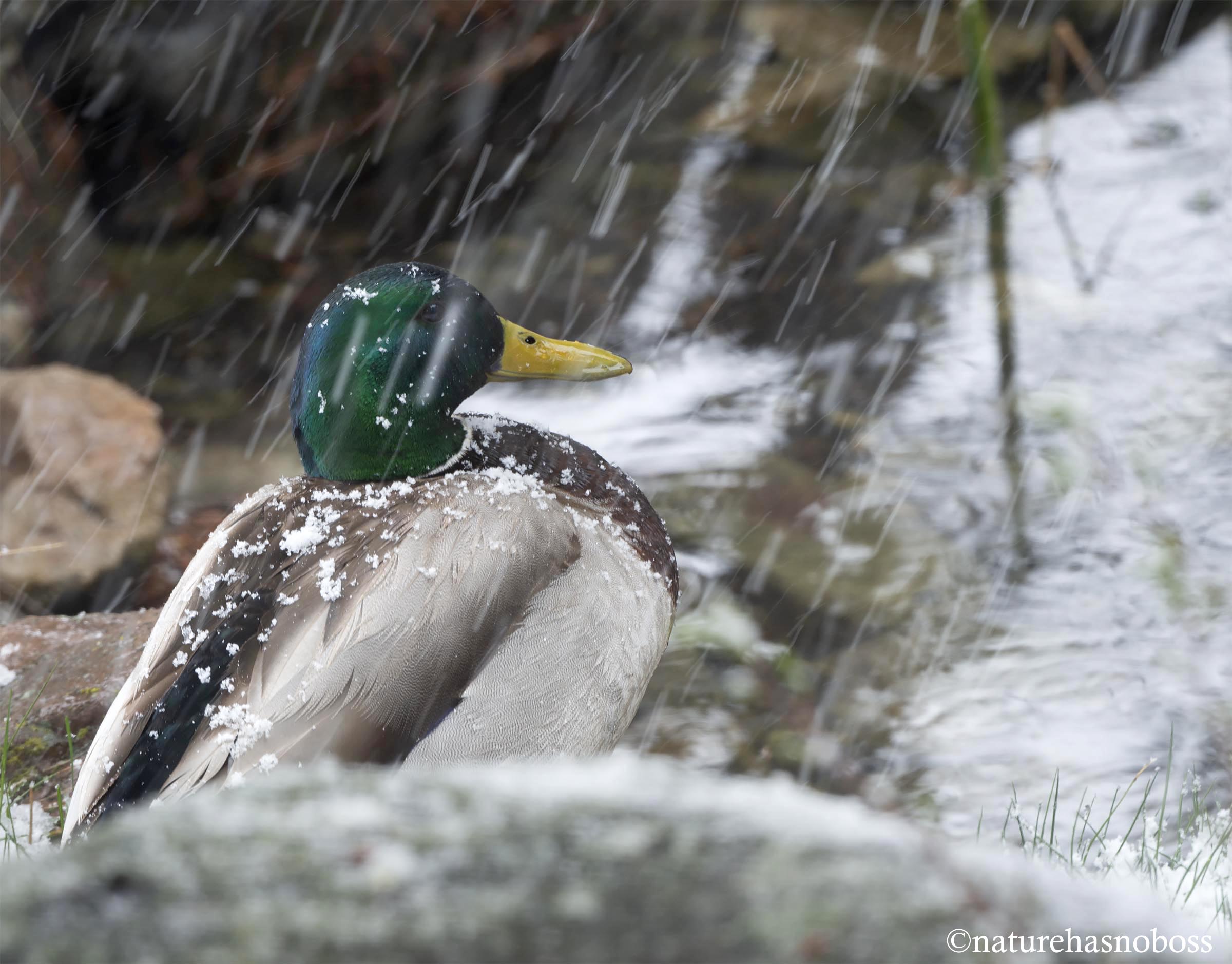
For the last few years a fine pair of Mallard Ducks have chosen to share a small local pond with us. We have named the pair Sue and Lou and they have become fine friends indeed. This day we found Lou sitting quietly waiting out a middle-May snow storm.

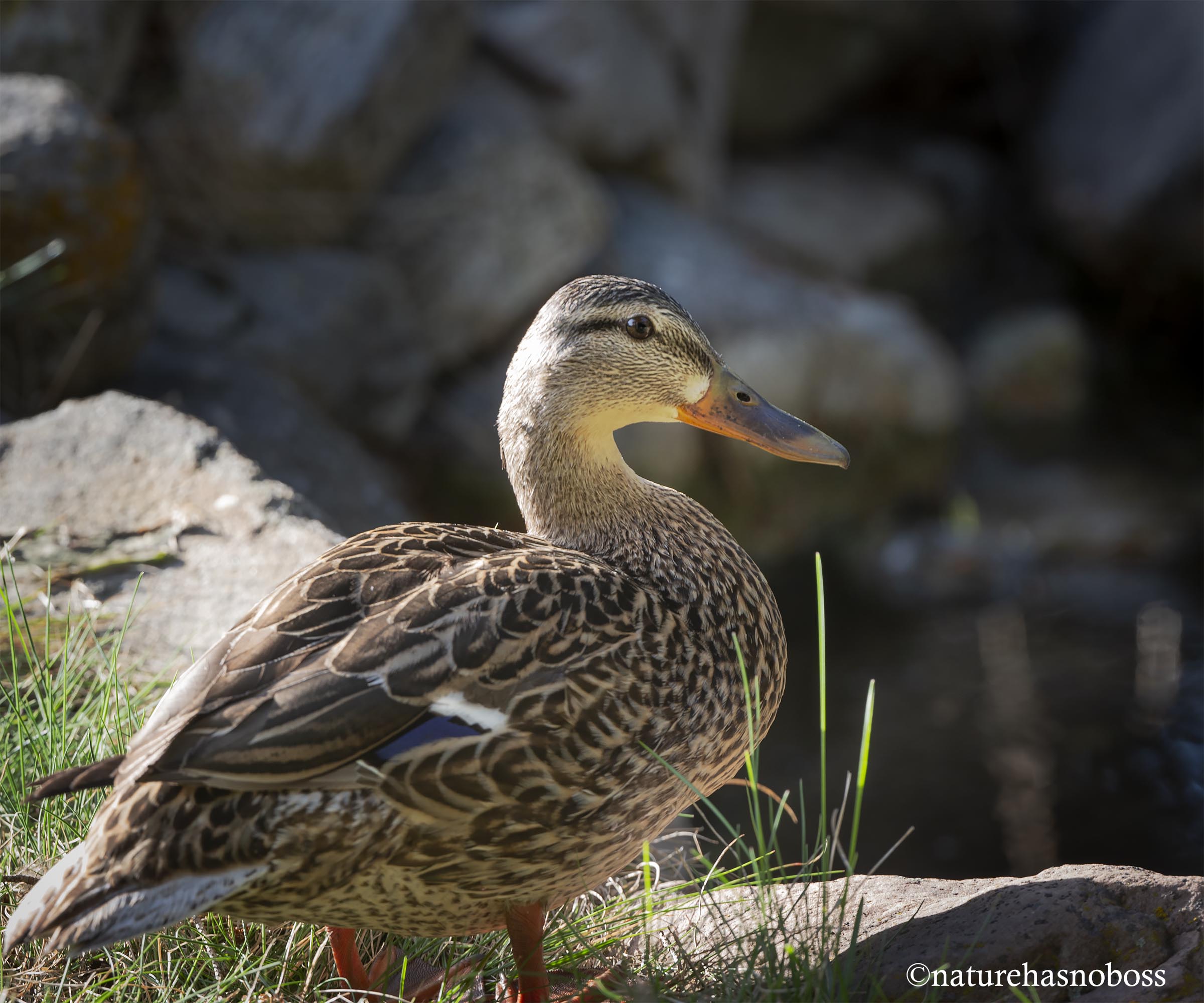
Sue enjoying the early evening light just a few days after the snow.

Welcome back and here’s to a fine summer.

Wrentit

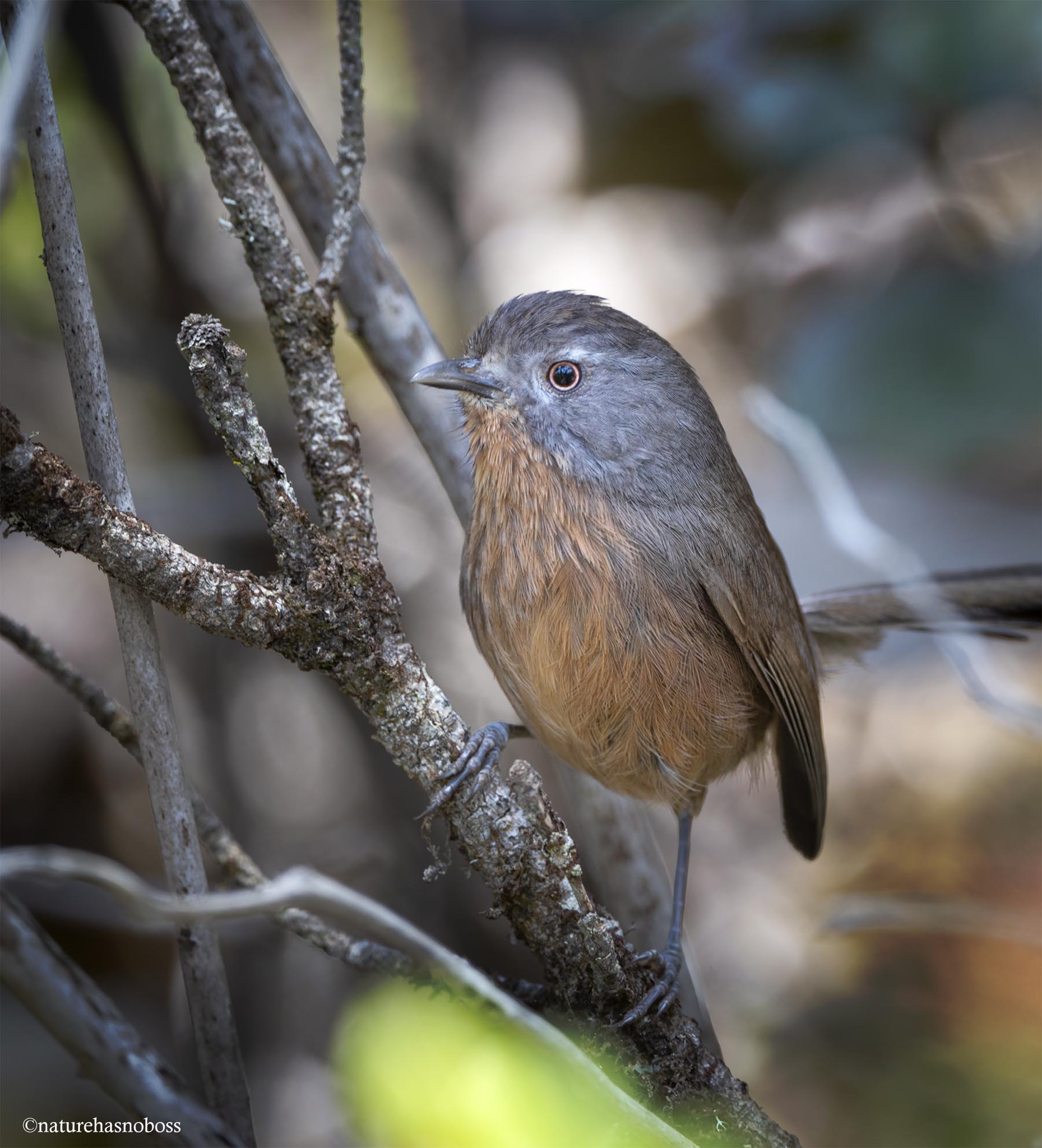
Peeking into the shrubs to get a view of the ever-present but what seemed to be always-hidden singer of a wonderful back and forth duet of sound that guided us on our walks in a costal forest. The Wrentit is a beautiful bird with a piercing eye that inhabits the costal scrub and chaparral along the west coast of the United States. They are prolific singers the fill the forests with song at all hours of the day making it easy to know they are present even if seeing them is a chore. Wrentits are non-migratory and it is reported that they may not travel further than half a mile from where they were born.

Reference:  Geupel, G. R. and G. Ballard (2020). Wrentit (Chamaea fasciata), version 1.0. In Birds of the World (P. G. Rodewald, Editor). Cornell Lab of Ornithology, Ithaca, NY, USA. https://doi.org/10.2173/bow.wrenti.01