
Filling those cheek pouches to capacity was the task at hand and a task well accomplished.
This little Chipmunk definitely needs a full tank of fuel as well as a full larder to make it house to those far away spring days.

Filling those cheek pouches to capacity was the task at hand and a task well accomplished.
This little Chipmunk definitely needs a full tank of fuel as well as a full larder to make it house to those far away spring days.
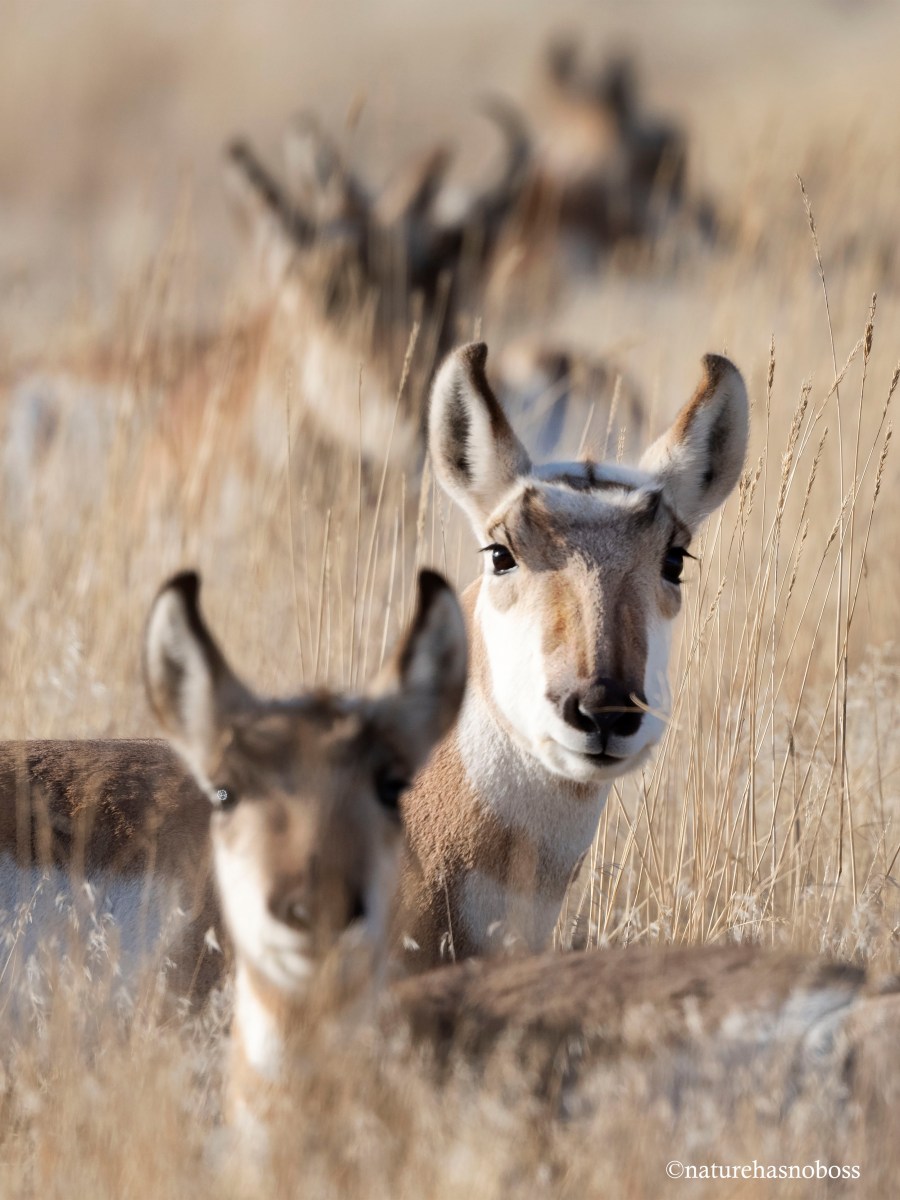
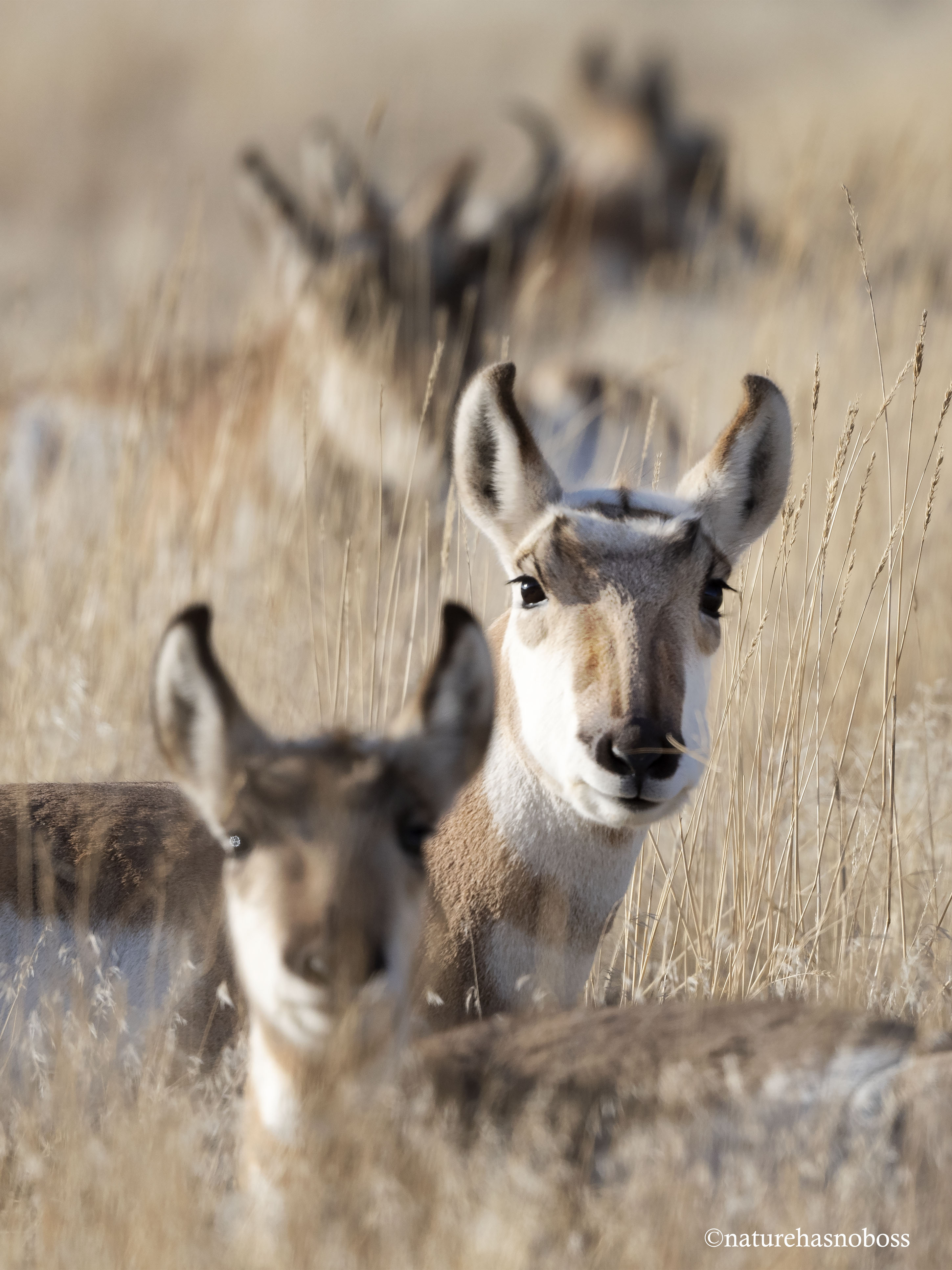
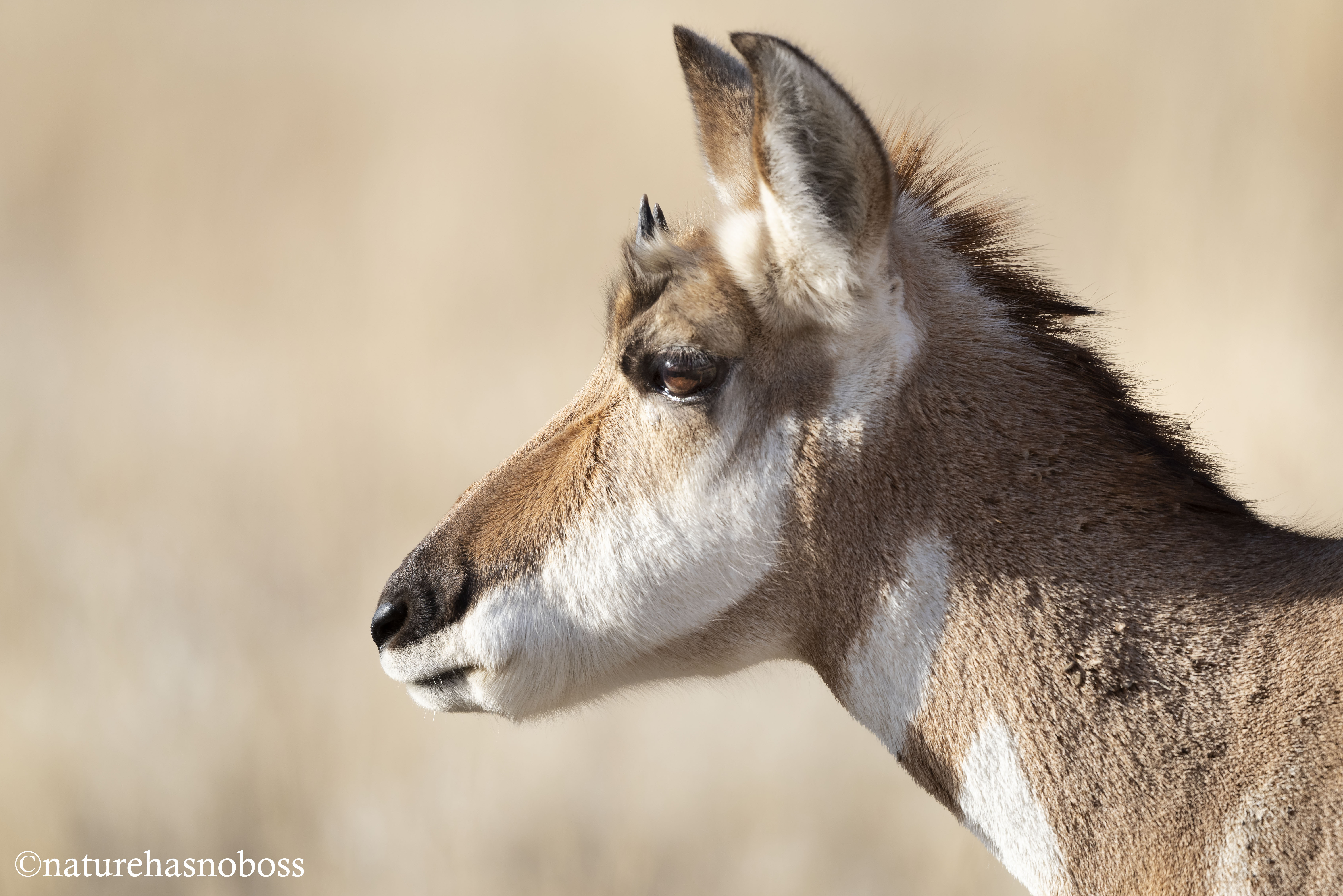
On a recent drive through grasslands close to home we encountered a nice sized herd of Pronghorn enjoying the morning sun. Looking at them looking back at us you could just feel their different expressions whispering a bit of that Pronghorn personality.
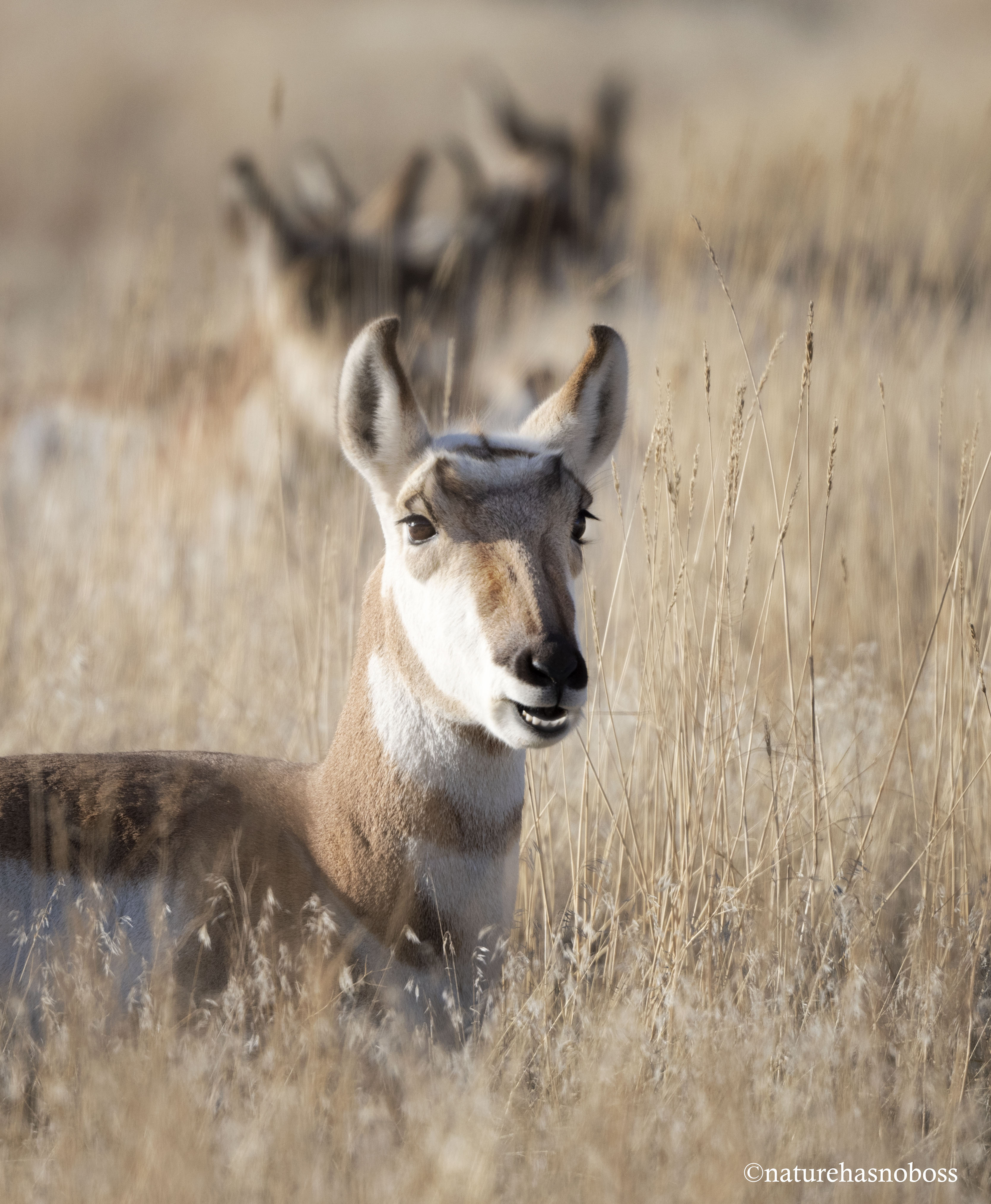
No dental work needed here.
Chubby cheeks!
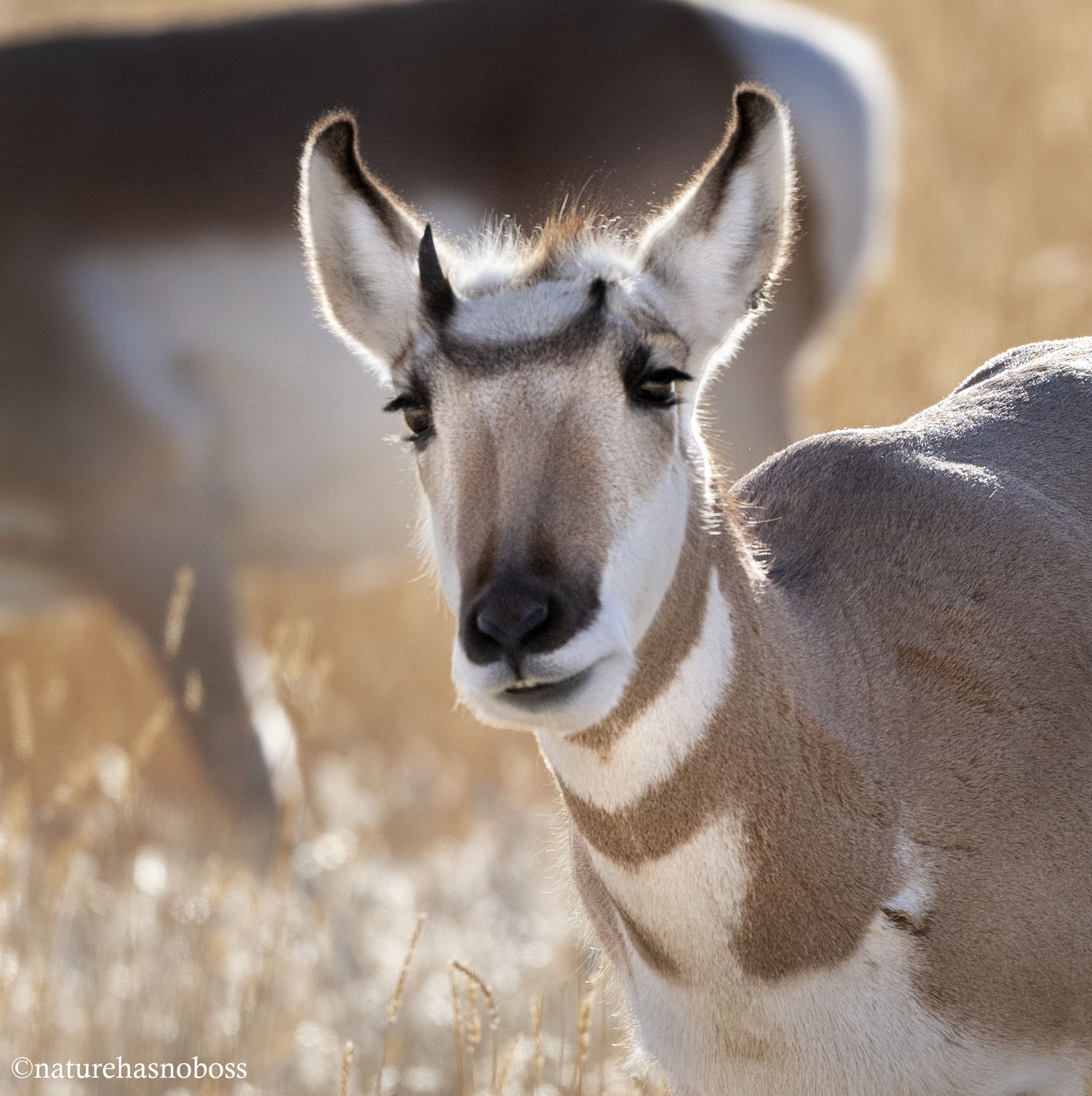
Only one horn!
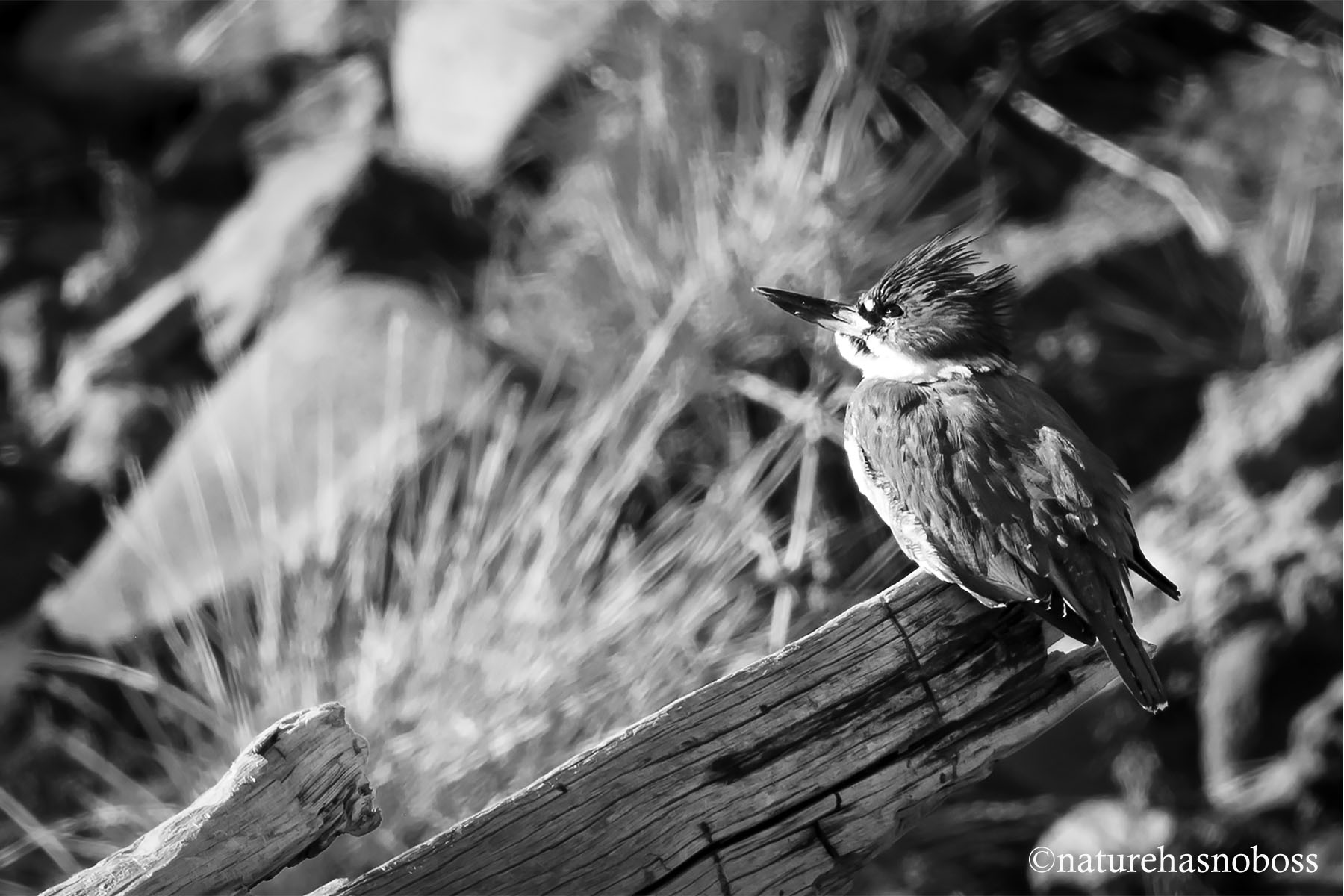
A Belted Kingfisher perches above the river soaking up a bit of morning light.
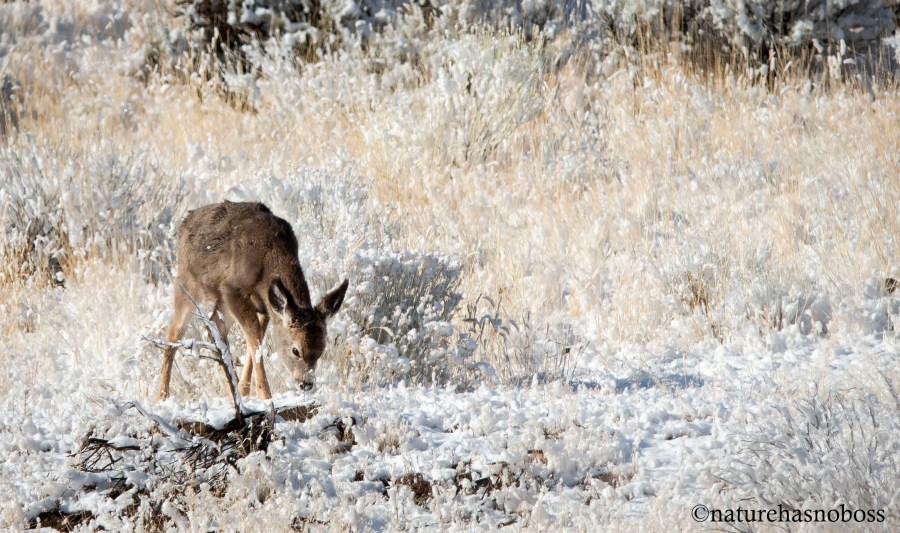
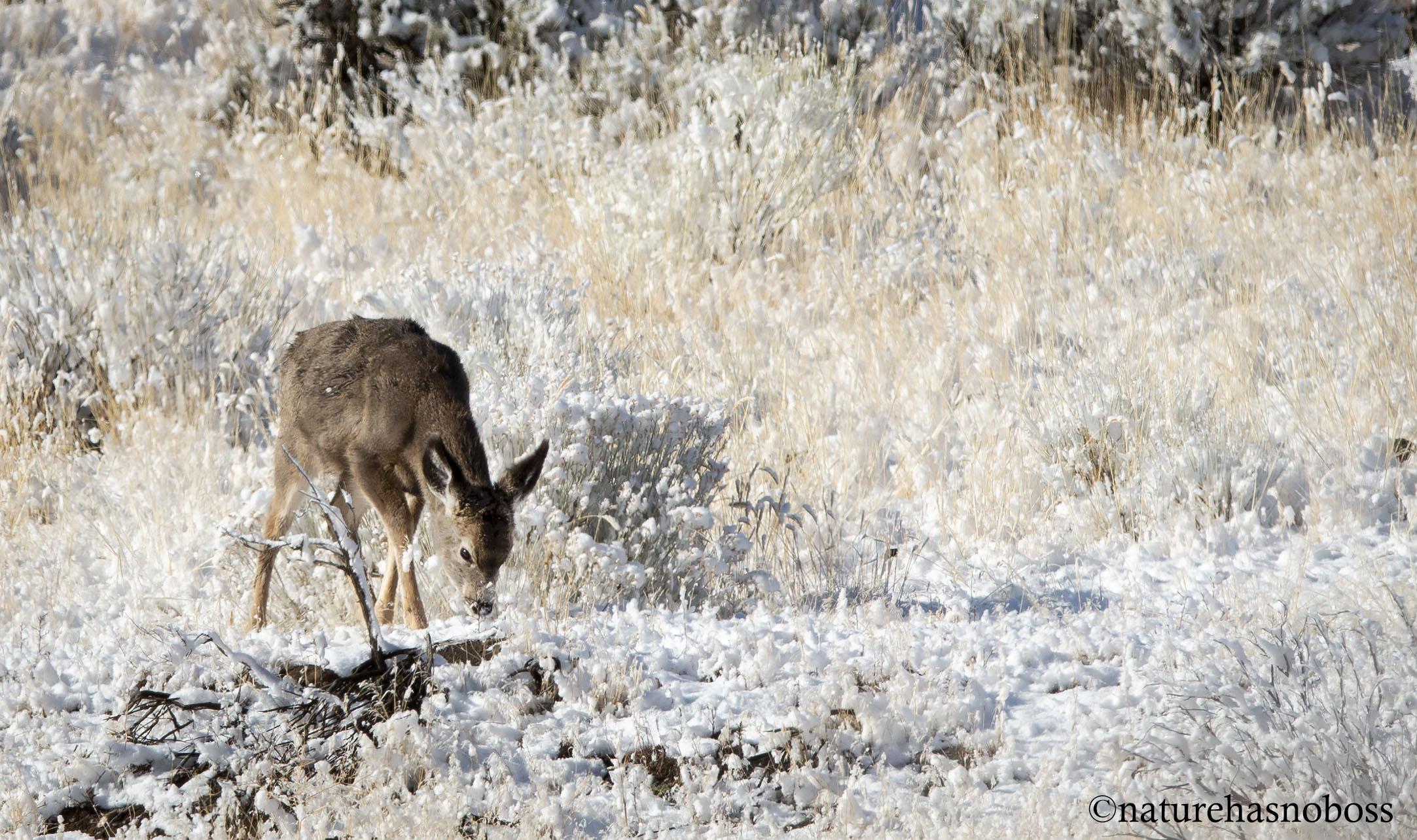
Hey what’s this?
The world dusted in snow.
To wake up and find the world anew.
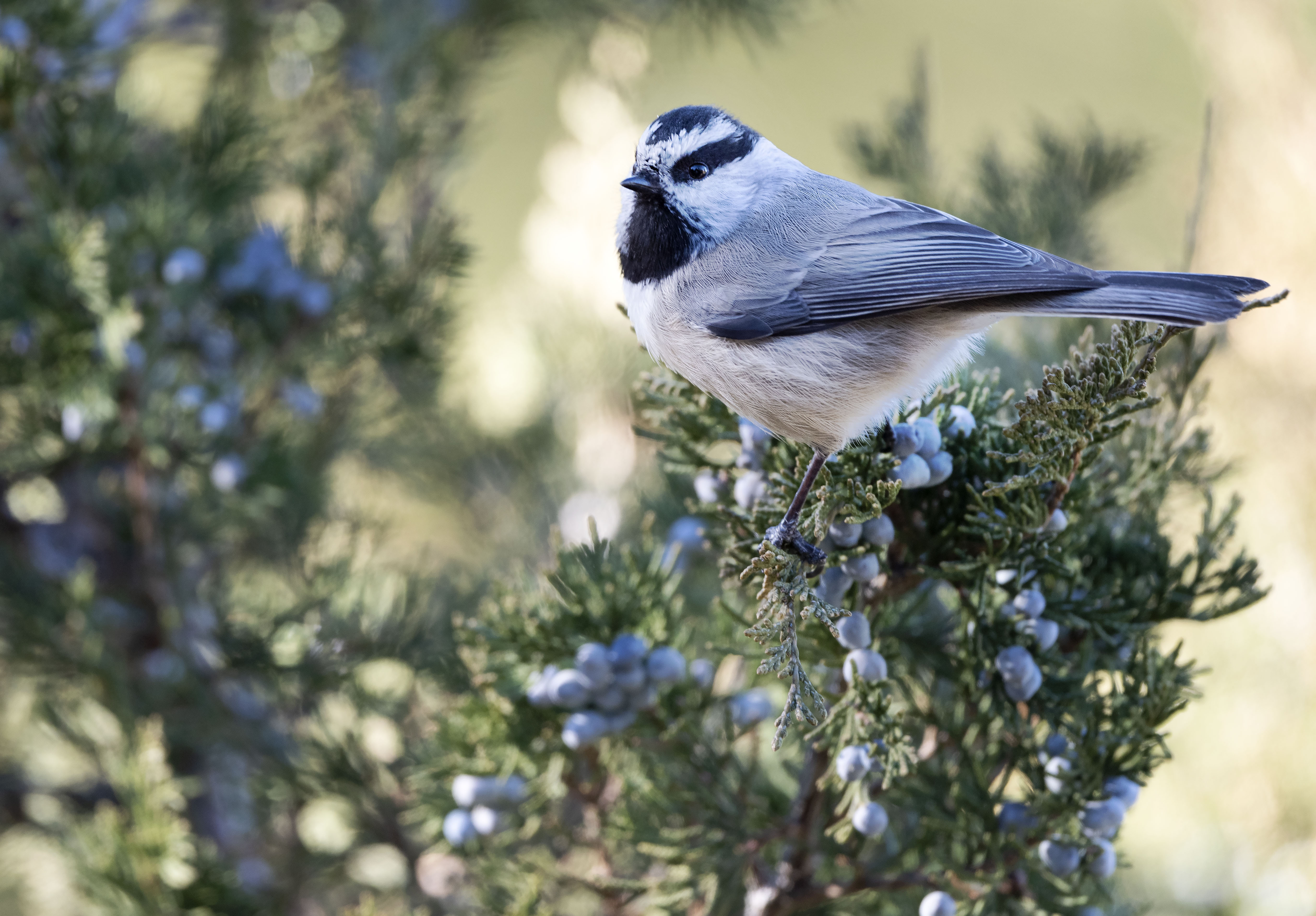
A mountain Chickadee pauses in the junipers as the sun shines bright on what to now has been a much drier and warmer winter than usual. We suspect the snow will come and temperatures will drop but until then the birds are catching a break and we can all use a break from time to time.
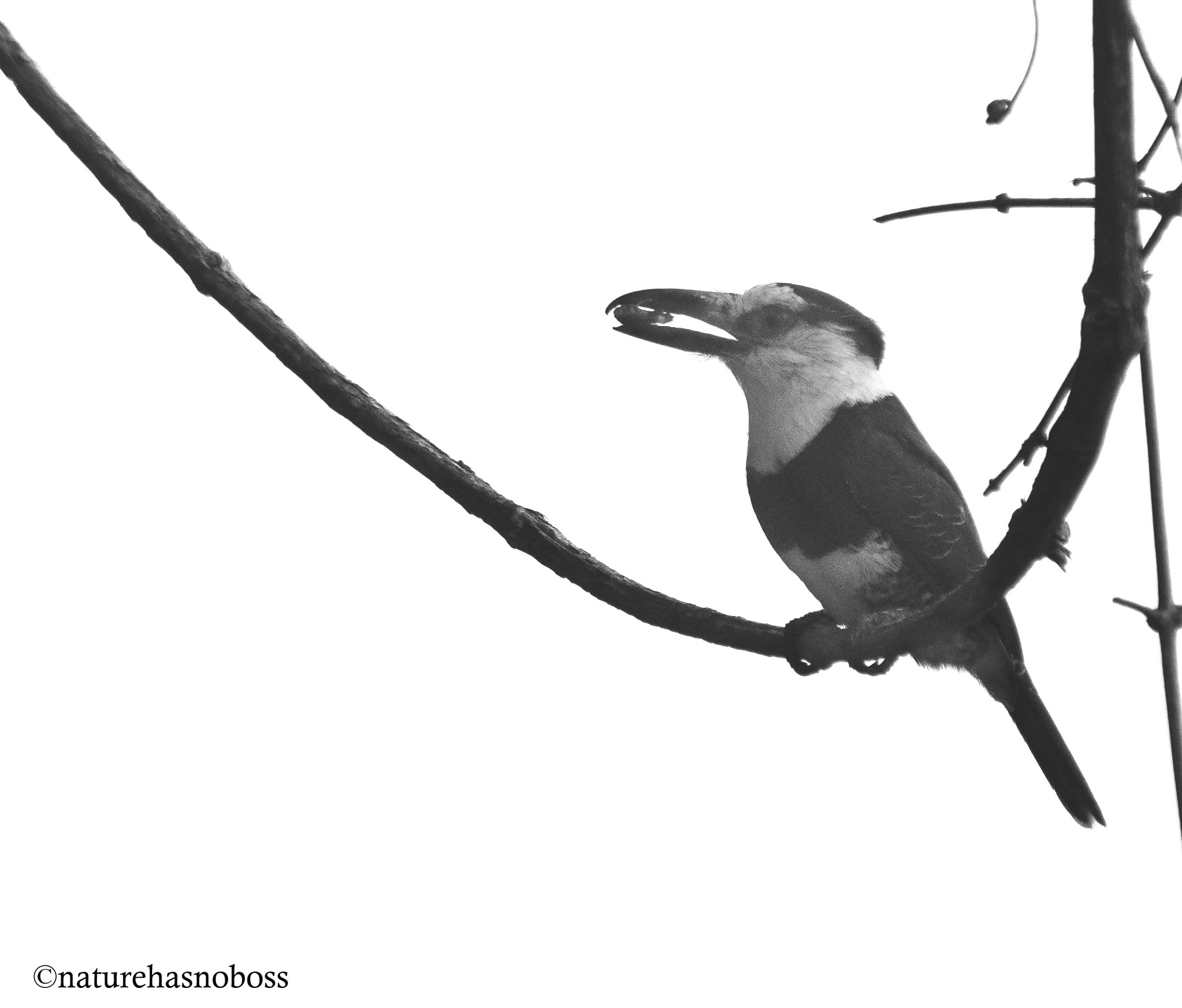
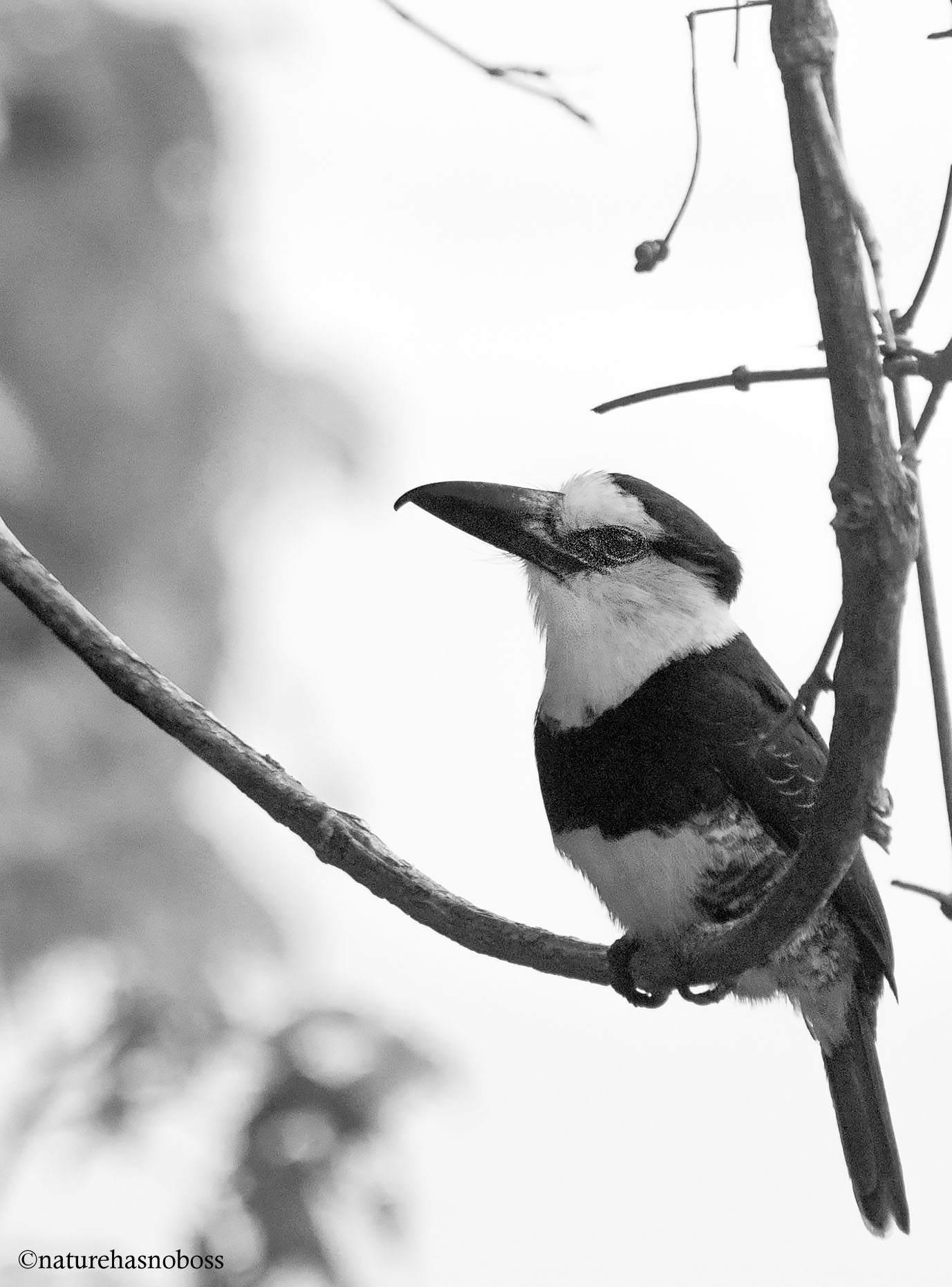
The White-necked Puffbird is one of the largest puffbirds to roam the forests from Southern Mexico all the way to Amazonia. While the White-necked Puffbird can be found from ground level to the top of the forest canopy it is more frequently found in the canopies making it more often seen than heard. The White-necked Puffbird forages mainly on insects although they will take both vegetable matter from time to time.
This bird was perched in the forest canopy and sallying out to forage. It was a very gray day and good light was not to be found but we had a good time trying to capture a photo or two of this interesting bird.
Reference:
del Hoyo, J., N. Collar, and G. M. Kirwan (2020). White-necked Puffbird (Notharchus hyperrhynchus), version 1.0. In Birds of the World (J. del Hoyo, A. Elliott, J. Sargatal, D. A. Christie, and E. de Juana, Editors). Cornell Lab of Ornithology, Ithaca, NY, USA. https://doi.org/10.2173/bow.whnpuf2.01

A Clay Colored Thrush like many other thrushes has an understated beauty. A wonderful singer and you can hear why it was previously named the clay colored robin.
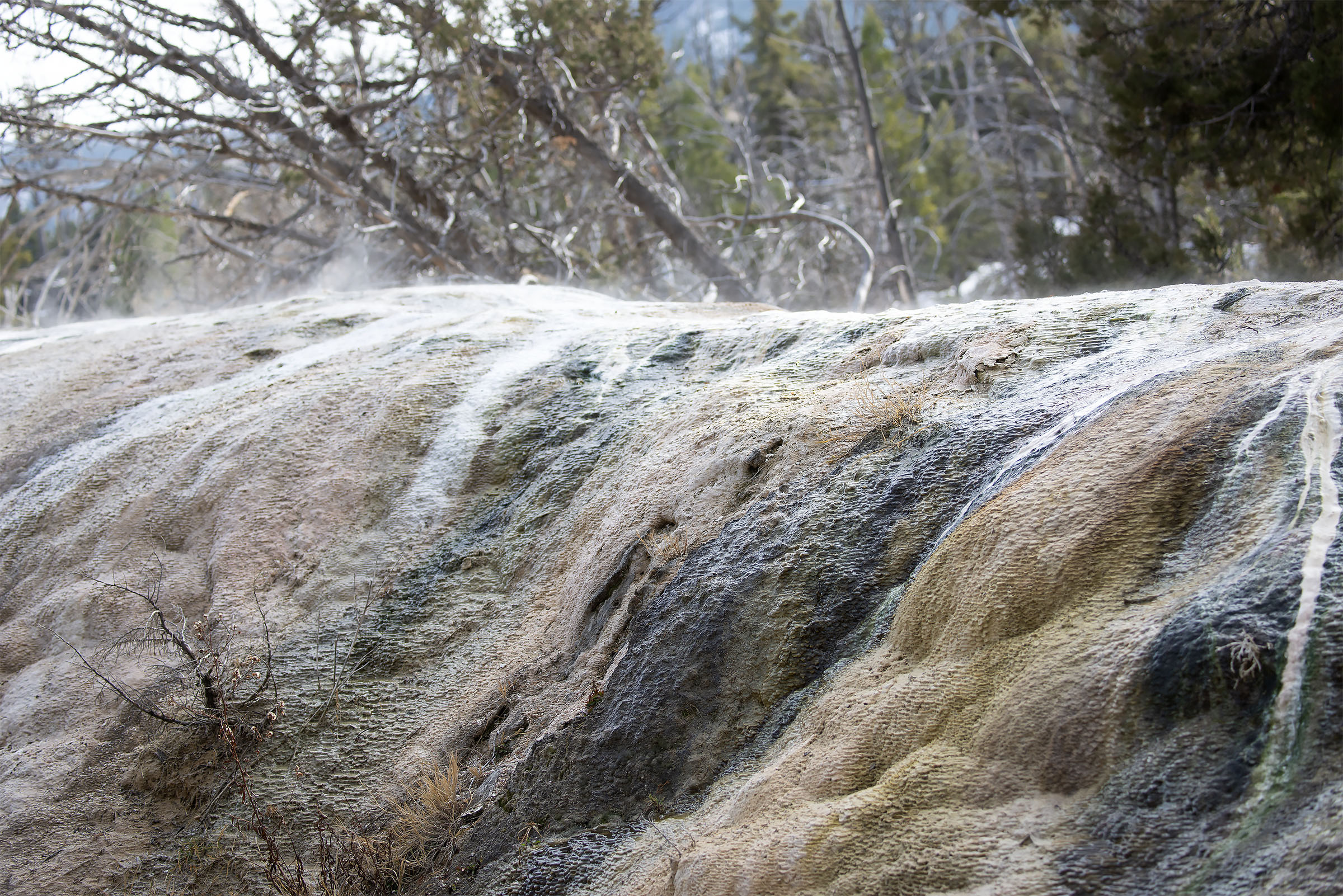
Soaking up color on a typical November day. Cloudy skies gave way to intermittent beams of sunlight filtering through the forest. Warm layers on when the breeze blew and of when the wind was calm.

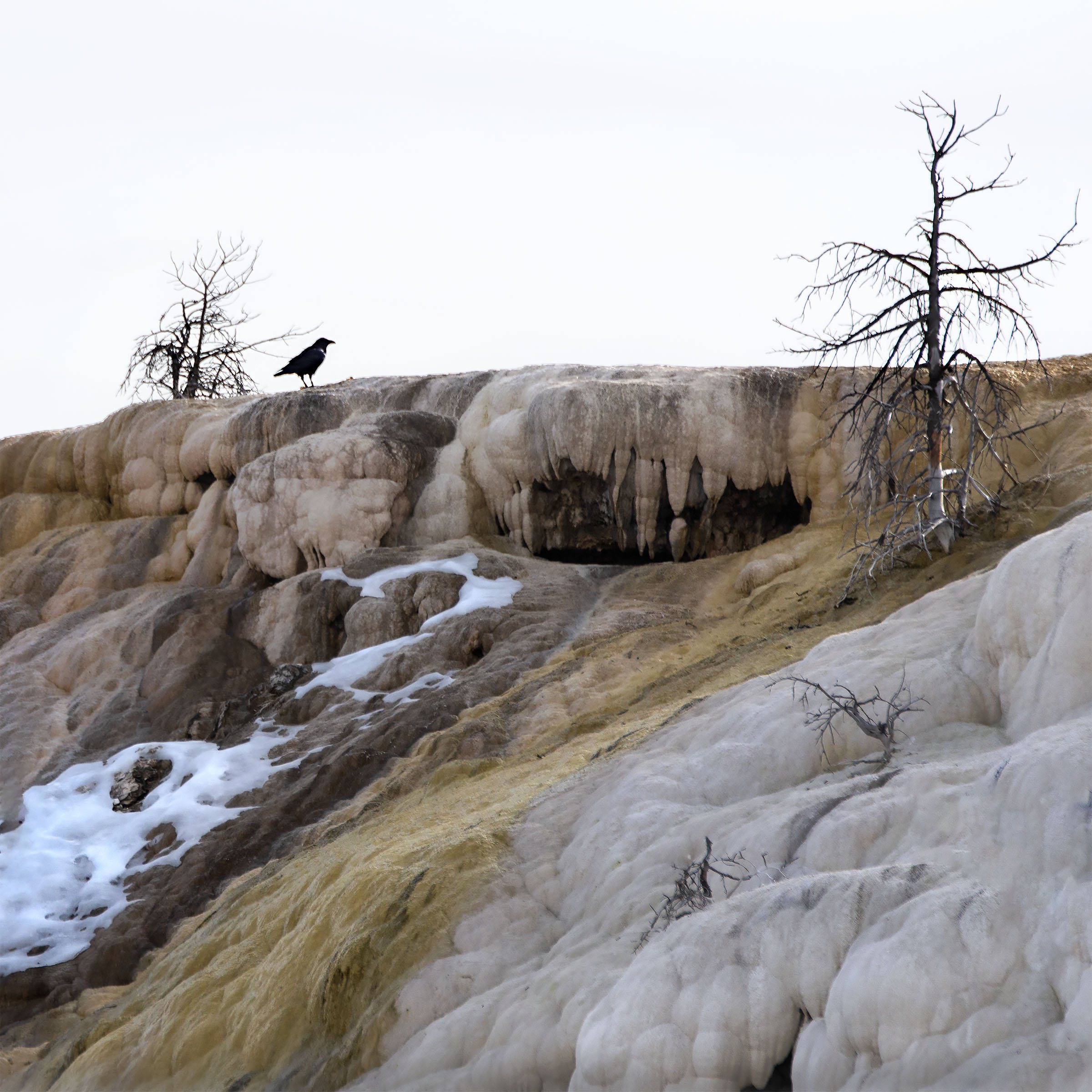
A Raven called and flew overhead and in the distance they touched down.
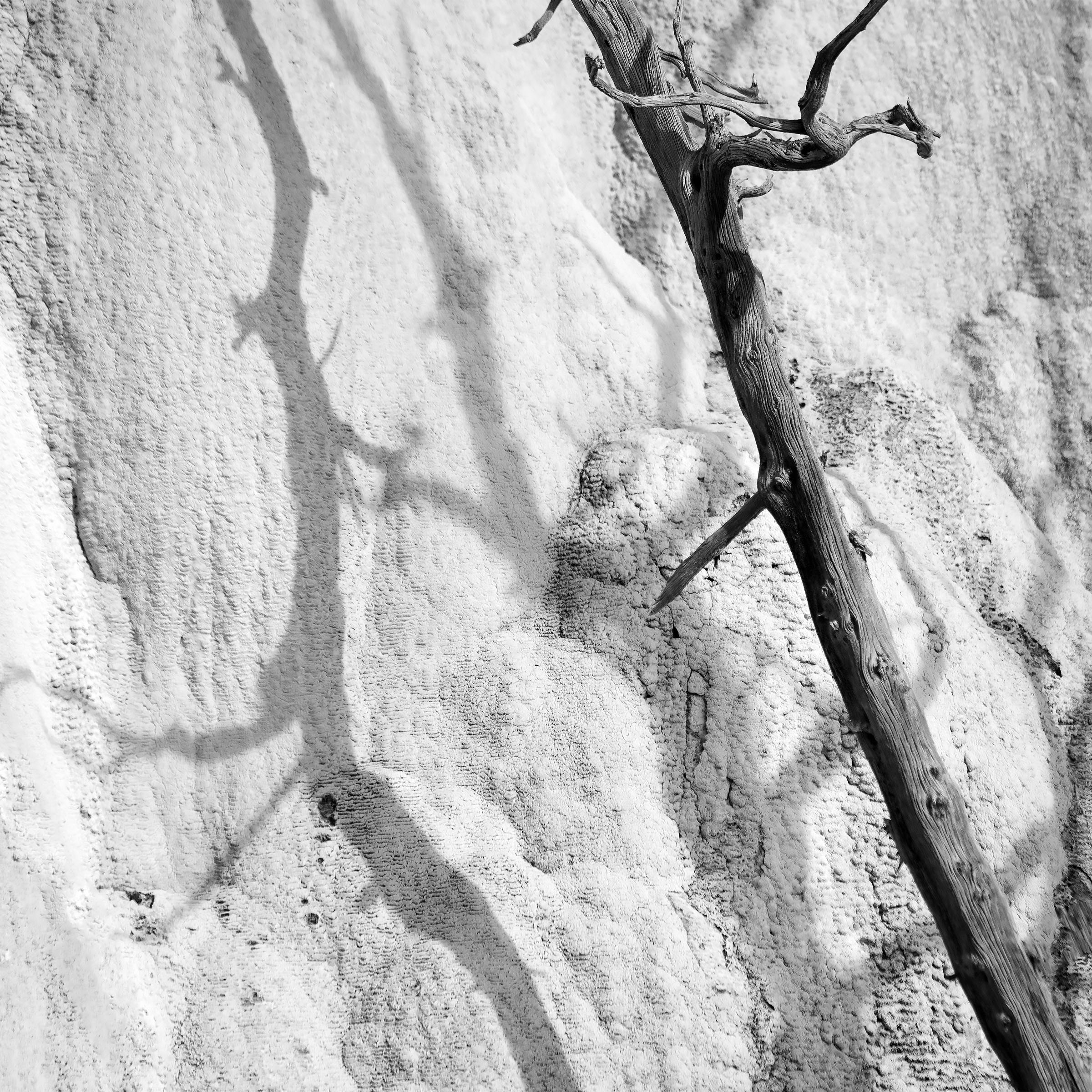
Gray trees cast a shadow on white-white stone as the sunlight filtered through.
Color, a raven and light kept things warm on this November day.
Happy Friday and have a wonderful weekend.

Perhaps the fattest little chipmunk we have ever seen feasts on some late season flowers.
While our gatherings may be smaller this year they will not be any less festive and given what we have experienced this year we do have much to be thankful for.
Cheers and wishing you a wonderful day.
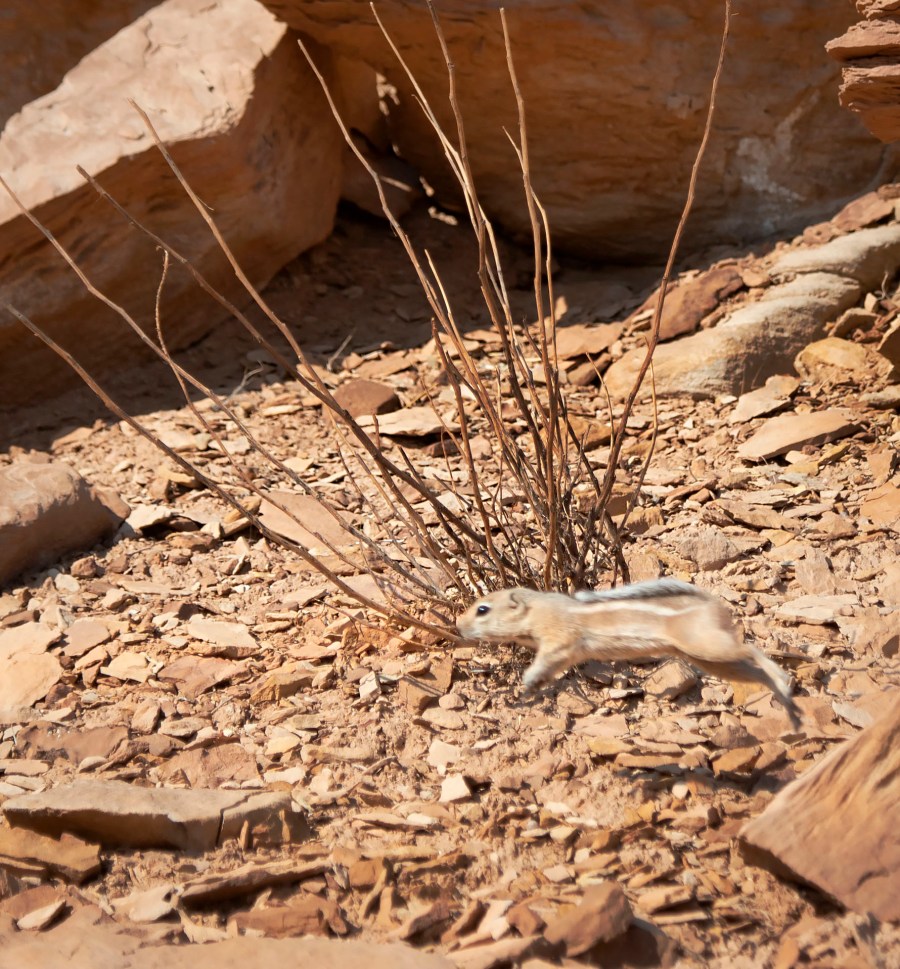
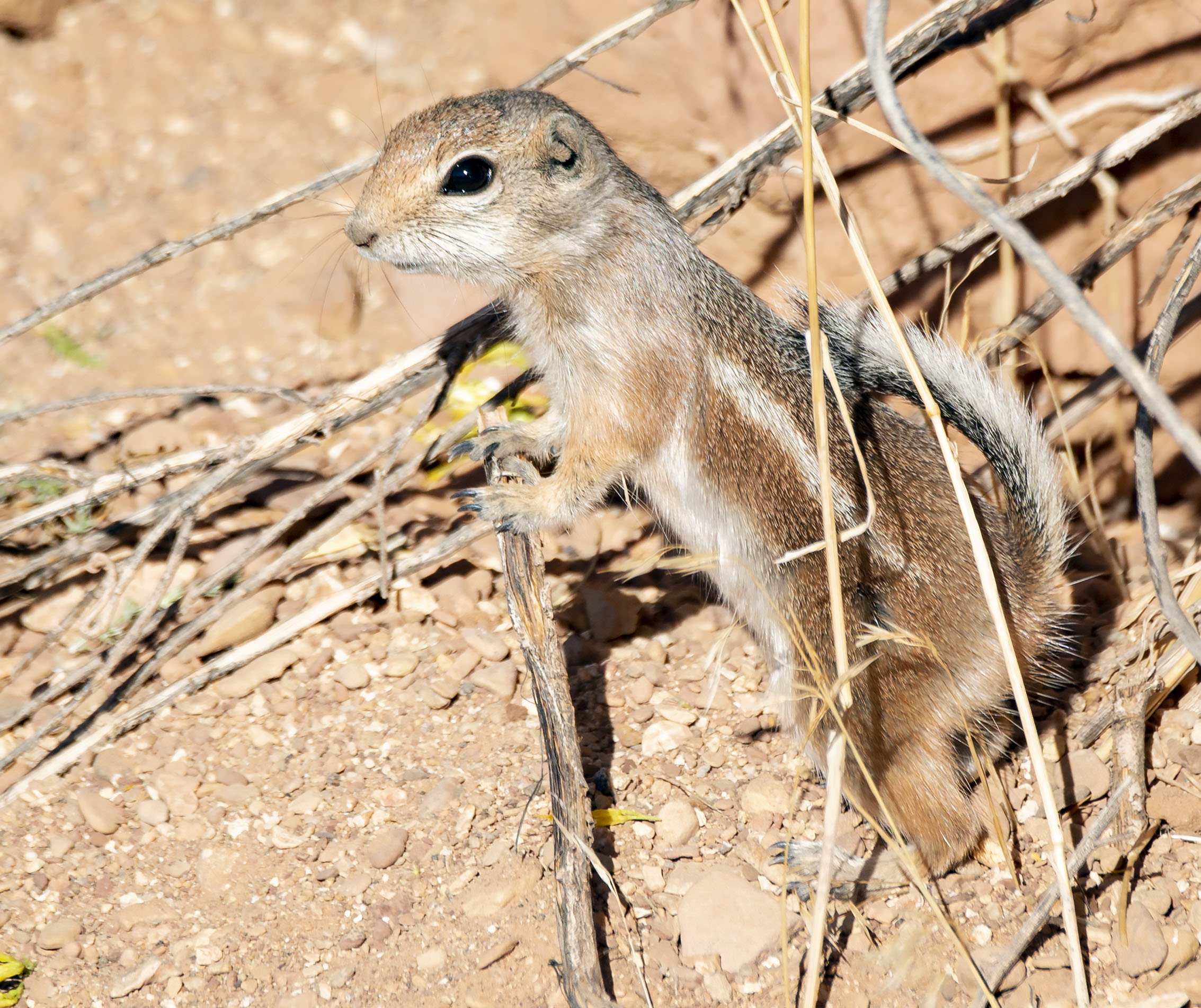
Greased lightning is the nickname we gave to these little rodents as they shot across the desert landscape foiling many of our attempts at photographing them. The White-tailed Antelope Ground Squirrel is a common to abundant desert dweller across the southwestern United States.
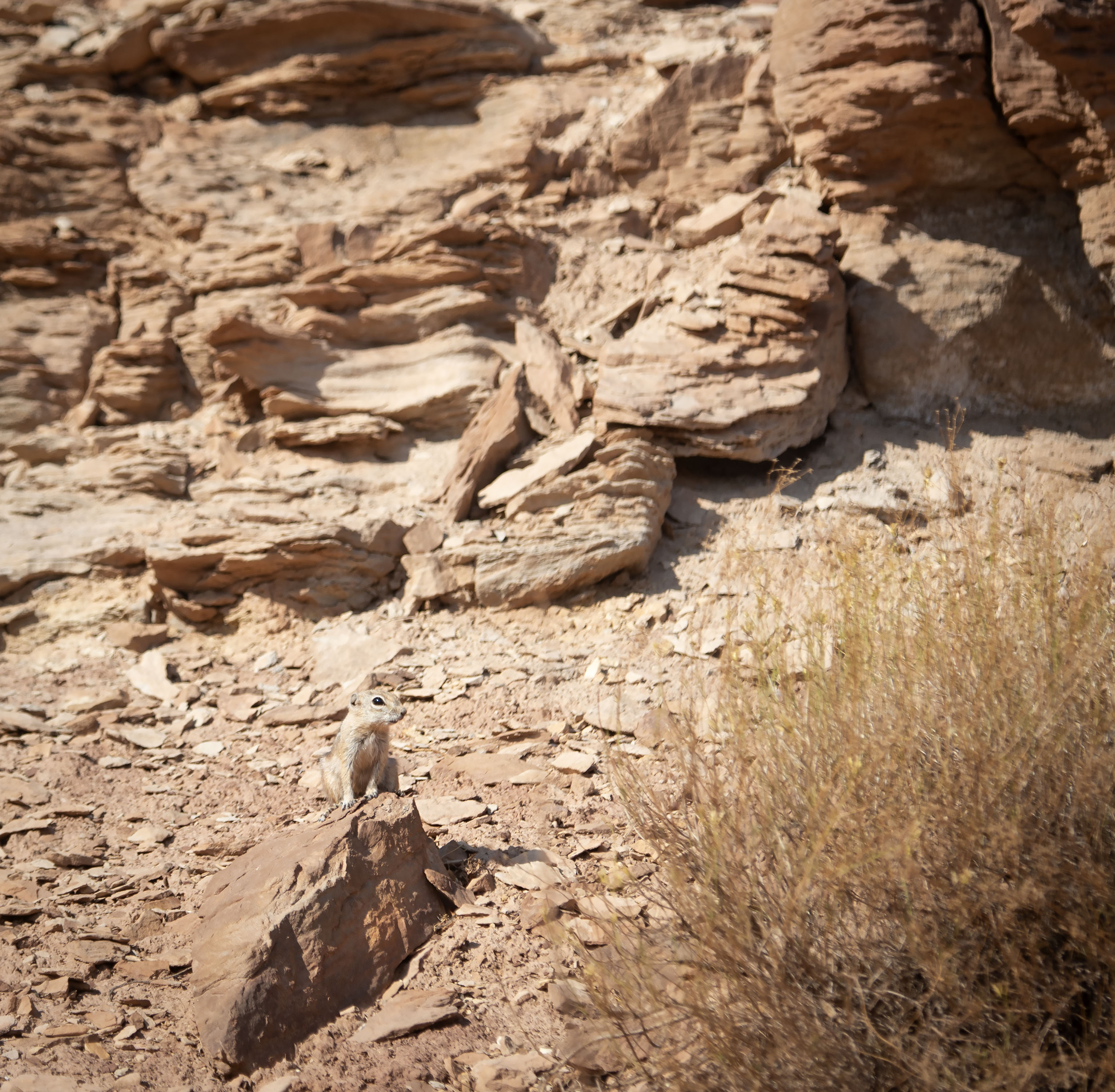
Right at home in this desert landscape the White-tailed Antelope is a diurnal mammal that feeds on a fairly omnivorous diet including seed, plants, arthropods and other insects as well as carrion.
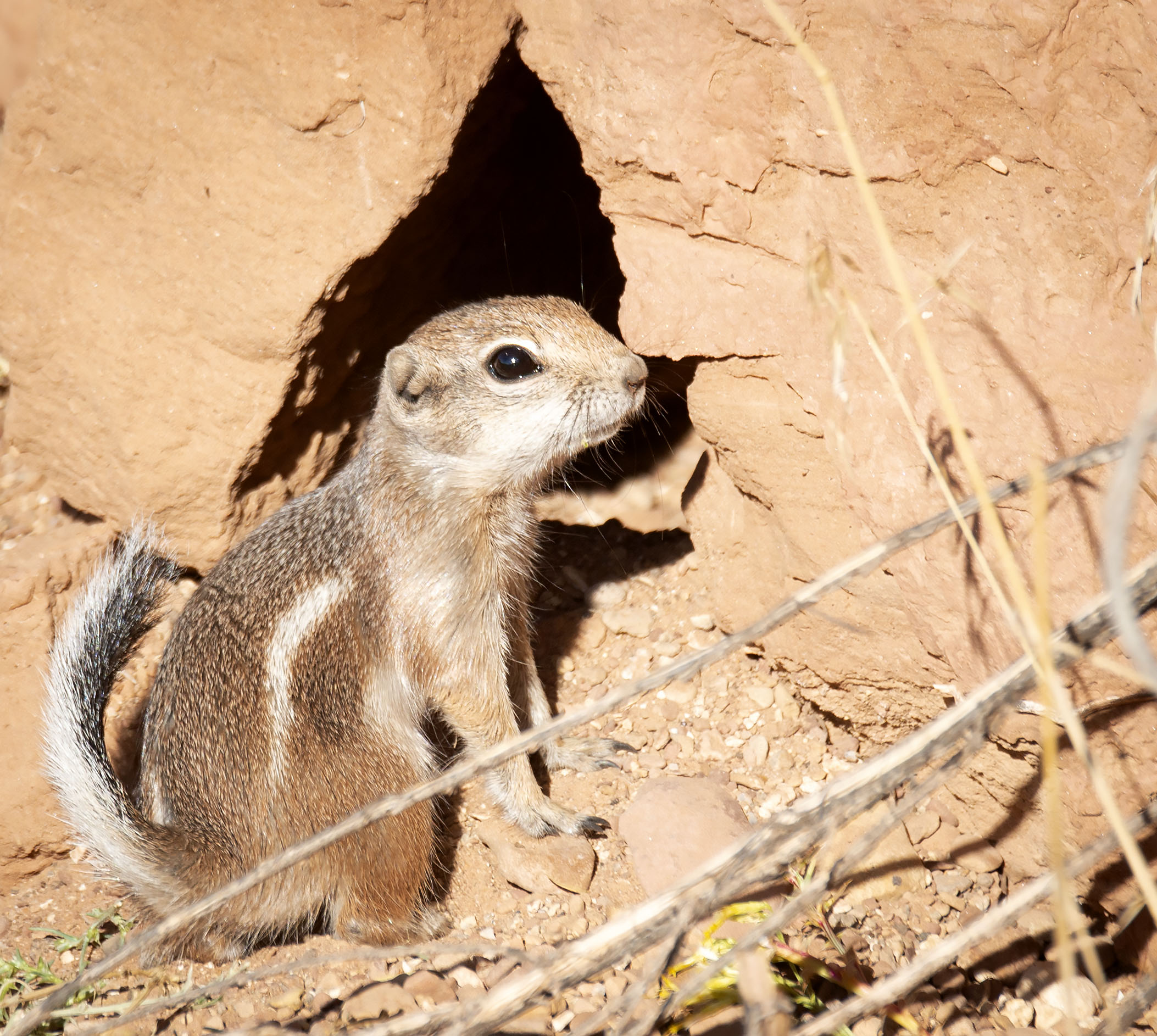
They nest in underground burrows dug into the soft desert soil and use the burrow both as protection from predators and too keep cool during periods of extreme heat and cold.
Take a look at those little critters scurrying around the desert and you may just notice some greased lightning aka the White-tailed Antelope Ground Squirrel.
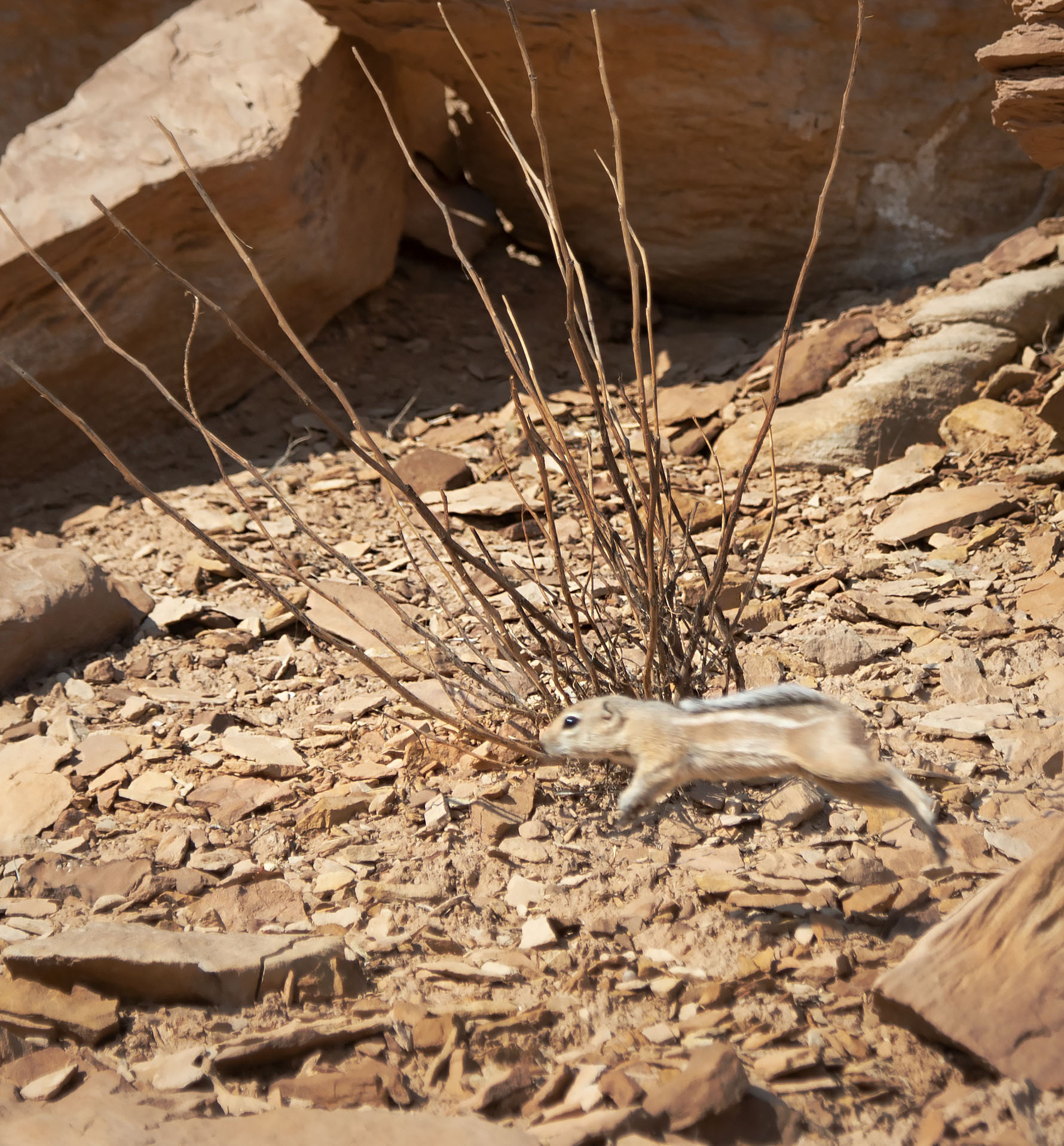
 nature has no boss
You must be logged in to post a comment.