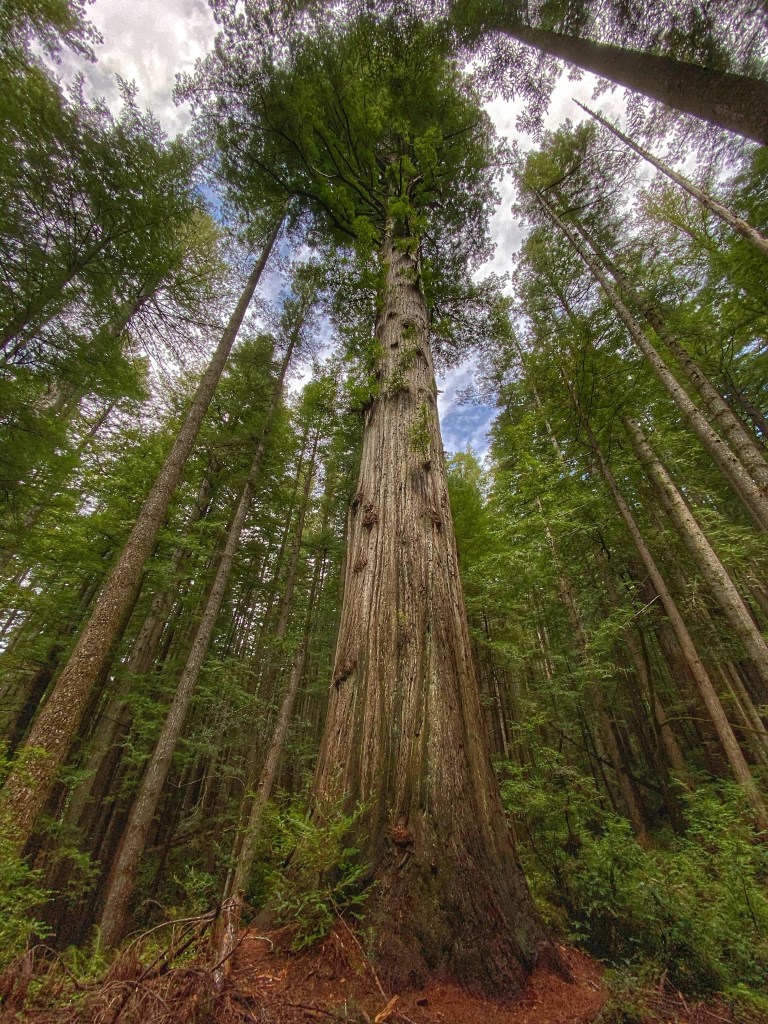
Conversing with giants kinda makes your neck sore but oh what stories they can tell.
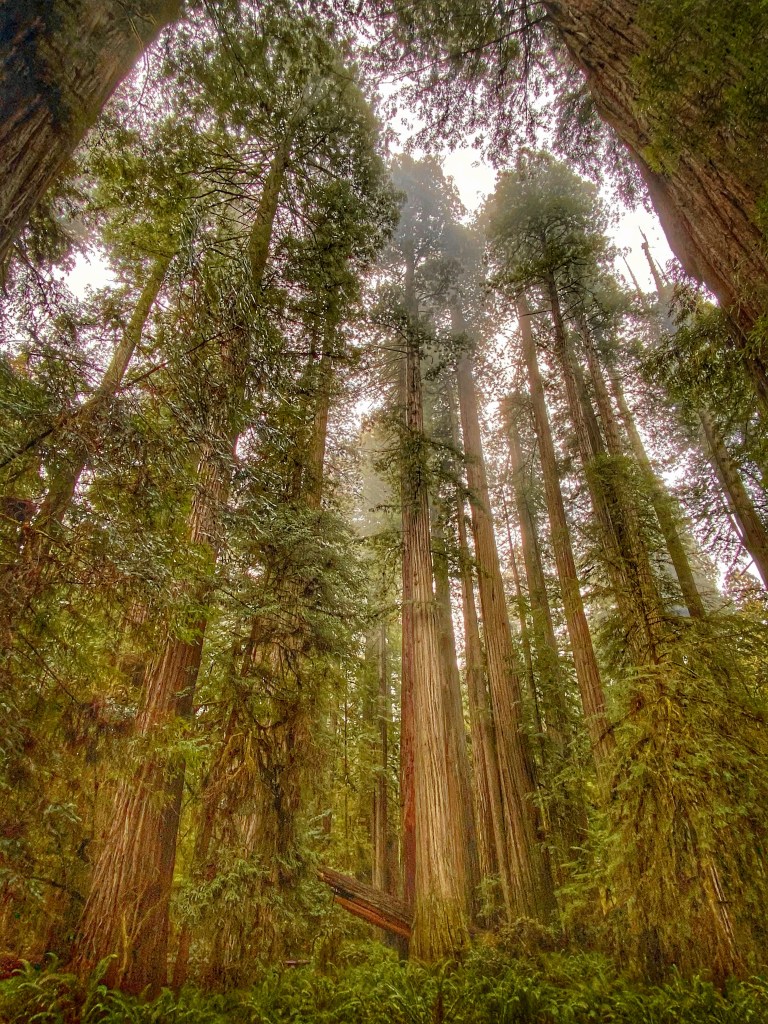
Conversing with giants kinda makes your neck sore but oh what stories they can tell.
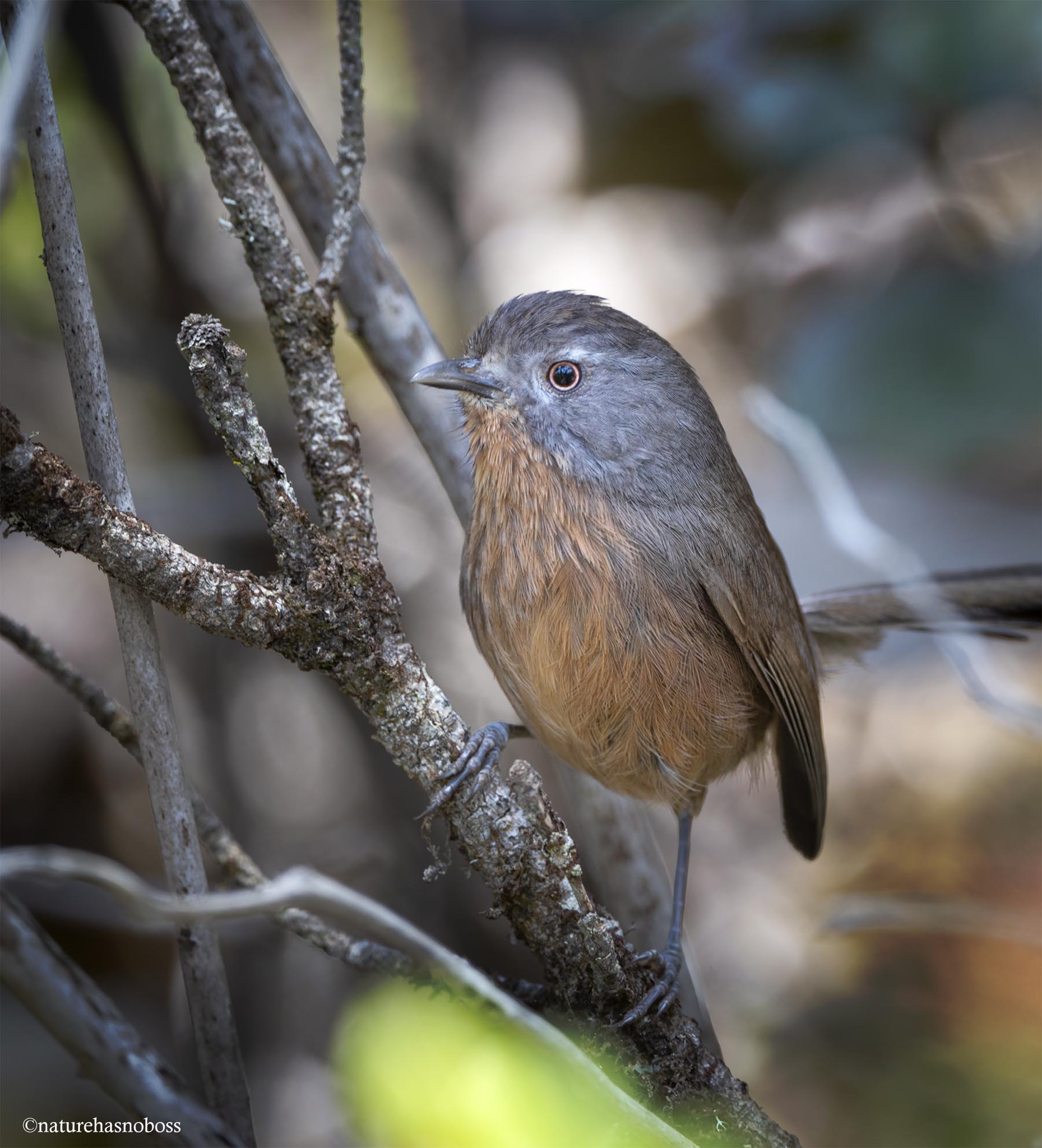
Peeking into the shrubs to get a view of the ever-present but what seemed to be always-hidden singer of a wonderful back and forth duet of sound that guided us on our walks in a costal forest. The Wrentit is a beautiful bird with a piercing eye that inhabits the costal scrub and chaparral along the west coast of the United States. They are prolific singers the fill the forests with song at all hours of the day making it easy to know they are present even if seeing them is a chore. Wrentits are non-migratory and it is reported that they may not travel further than half a mile from where they were born.

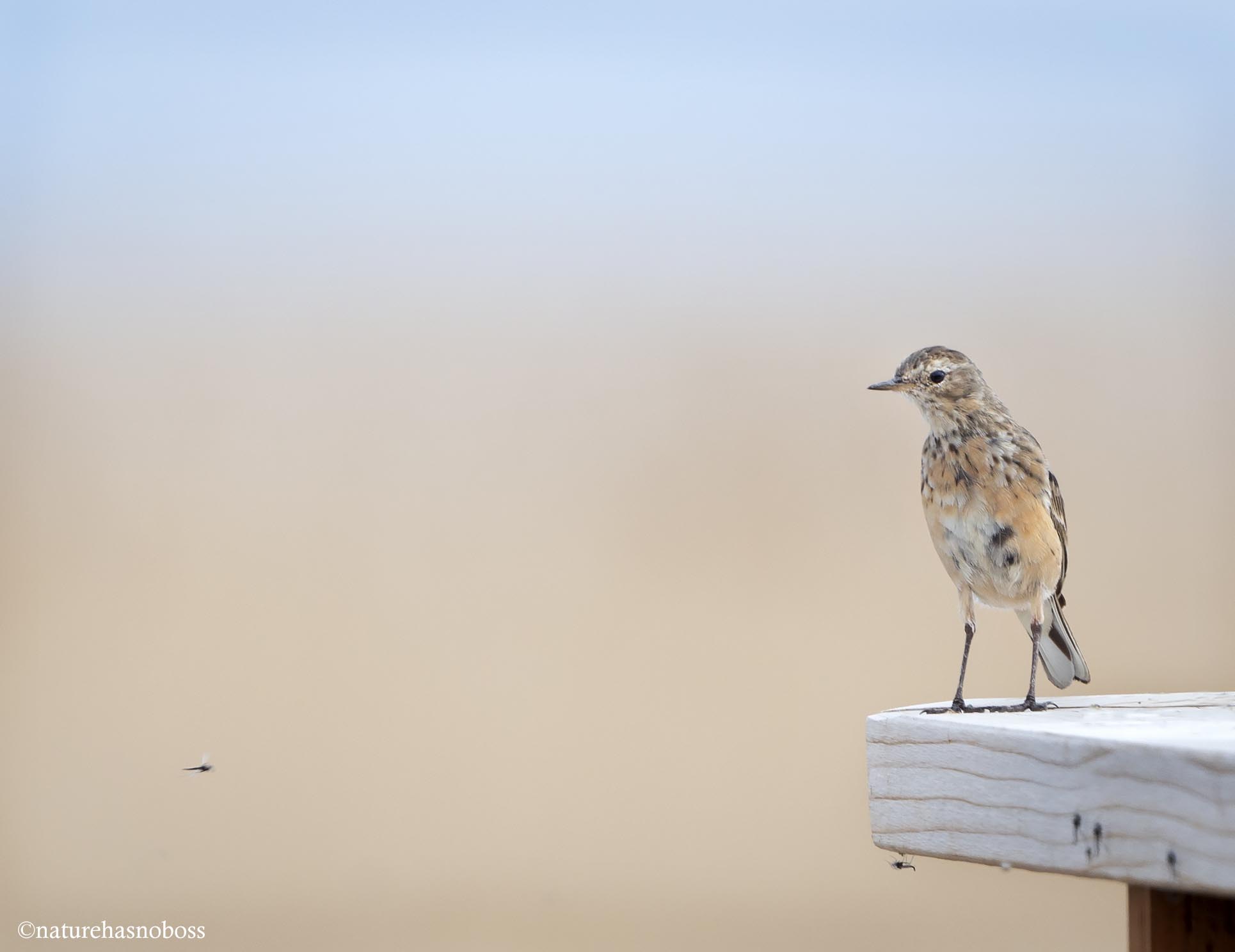
American Pipits breed on the arctic tundra as well high alpine meadows yet can regularly be observed during winter and spring migration, as was the case this day. While they sometime can be an inconspicuous looking bird the touch of peachy-orange on this bird certainly drew our attention her way as she foraged contently on a fresh hatch of spring insects.
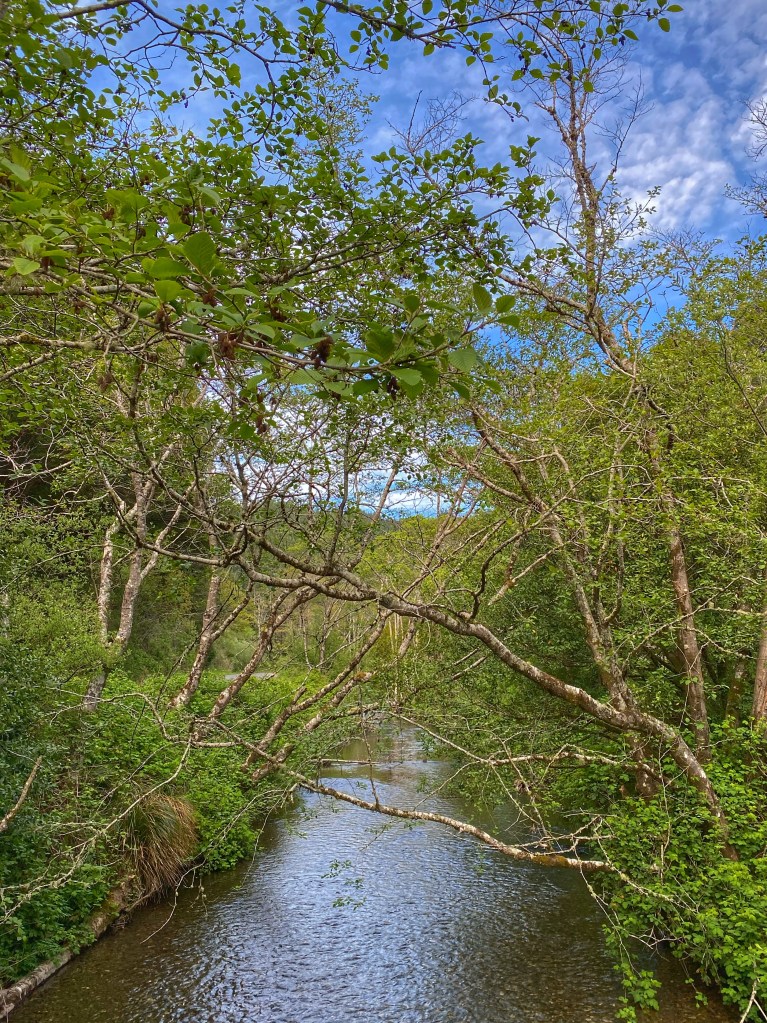
Up and down a little stream a kingfisher rattles in flight.
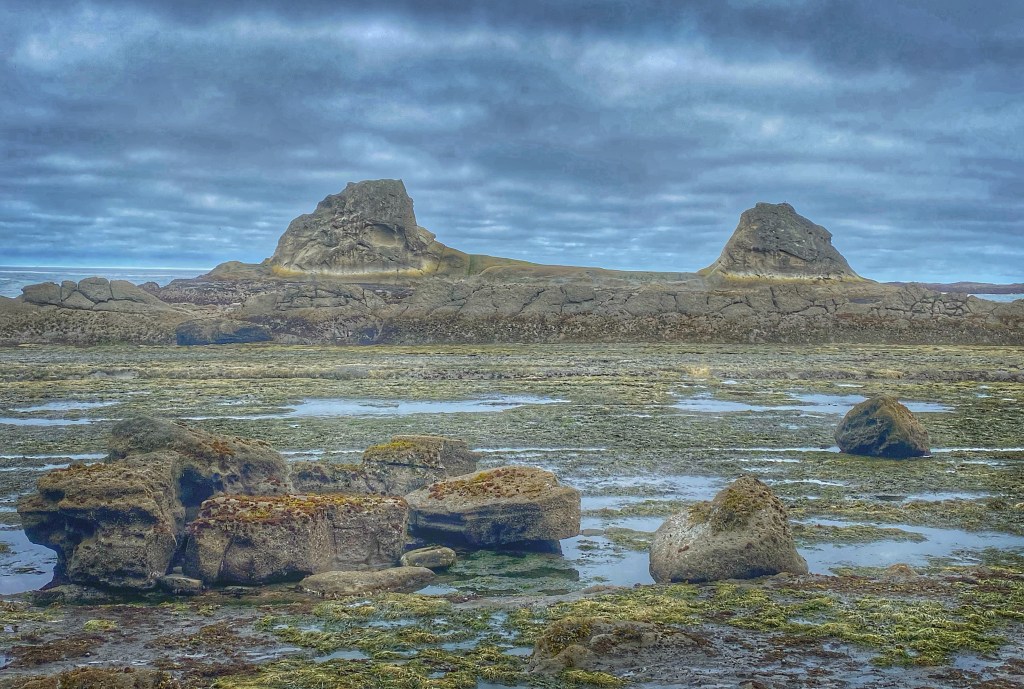
Life forms often overlooked become revealed.
A humbling experience appreciated.
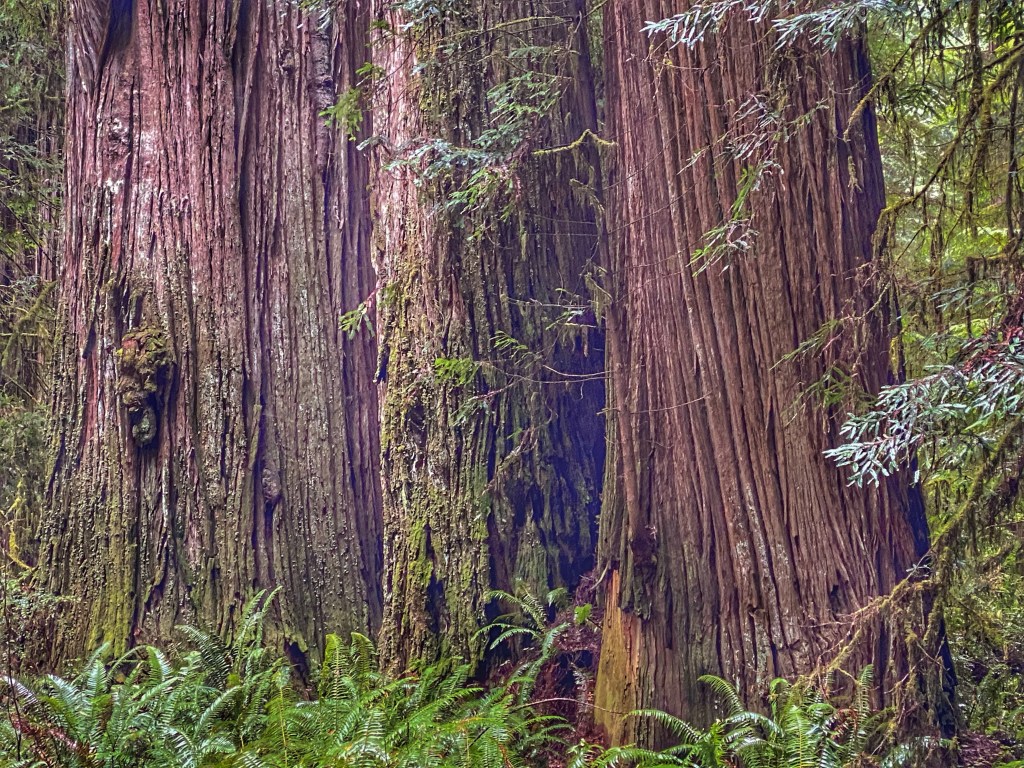
Trees in threes.
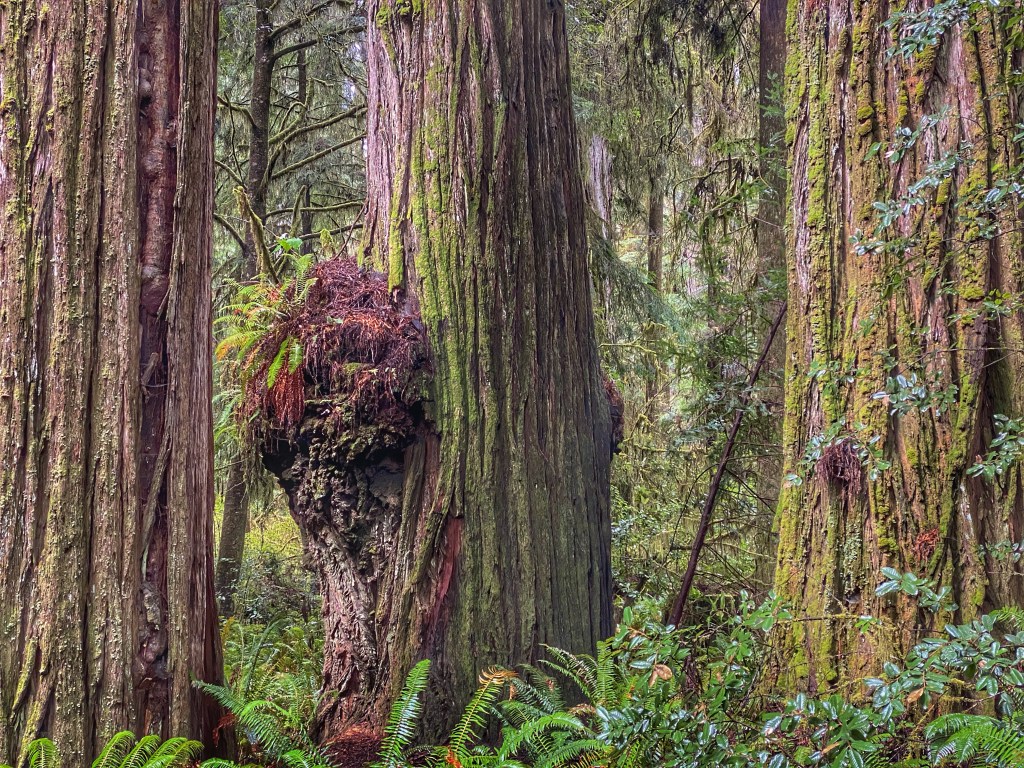
Just seem to please the eye.
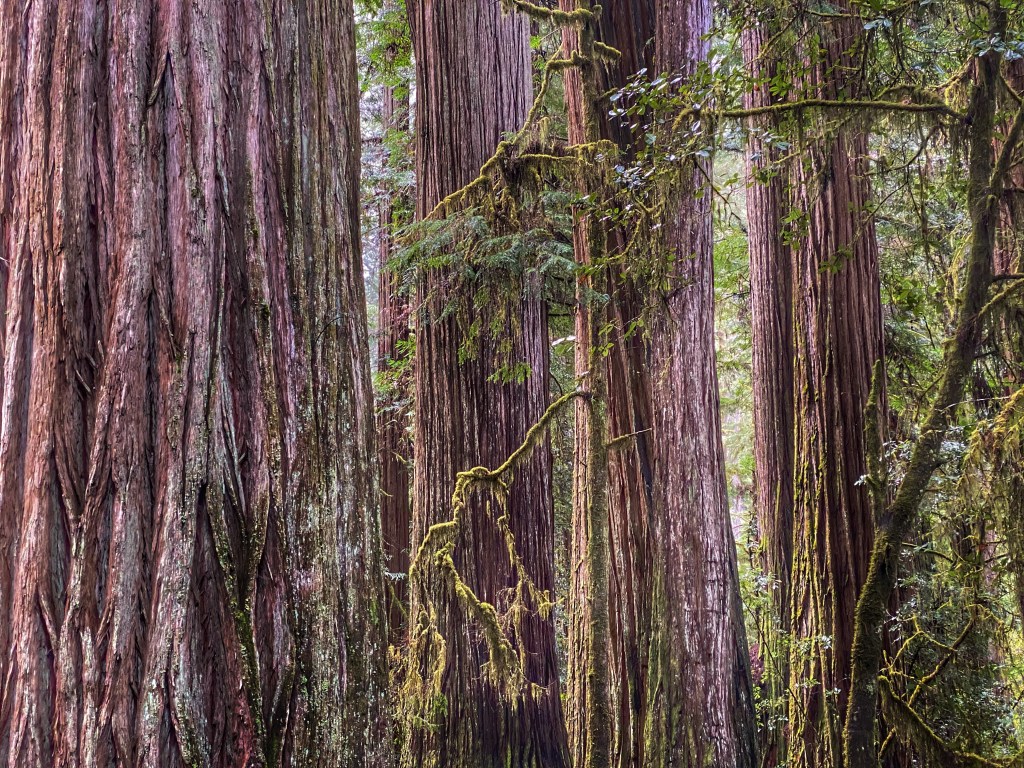
As well as instill a sense of wonder and awe.
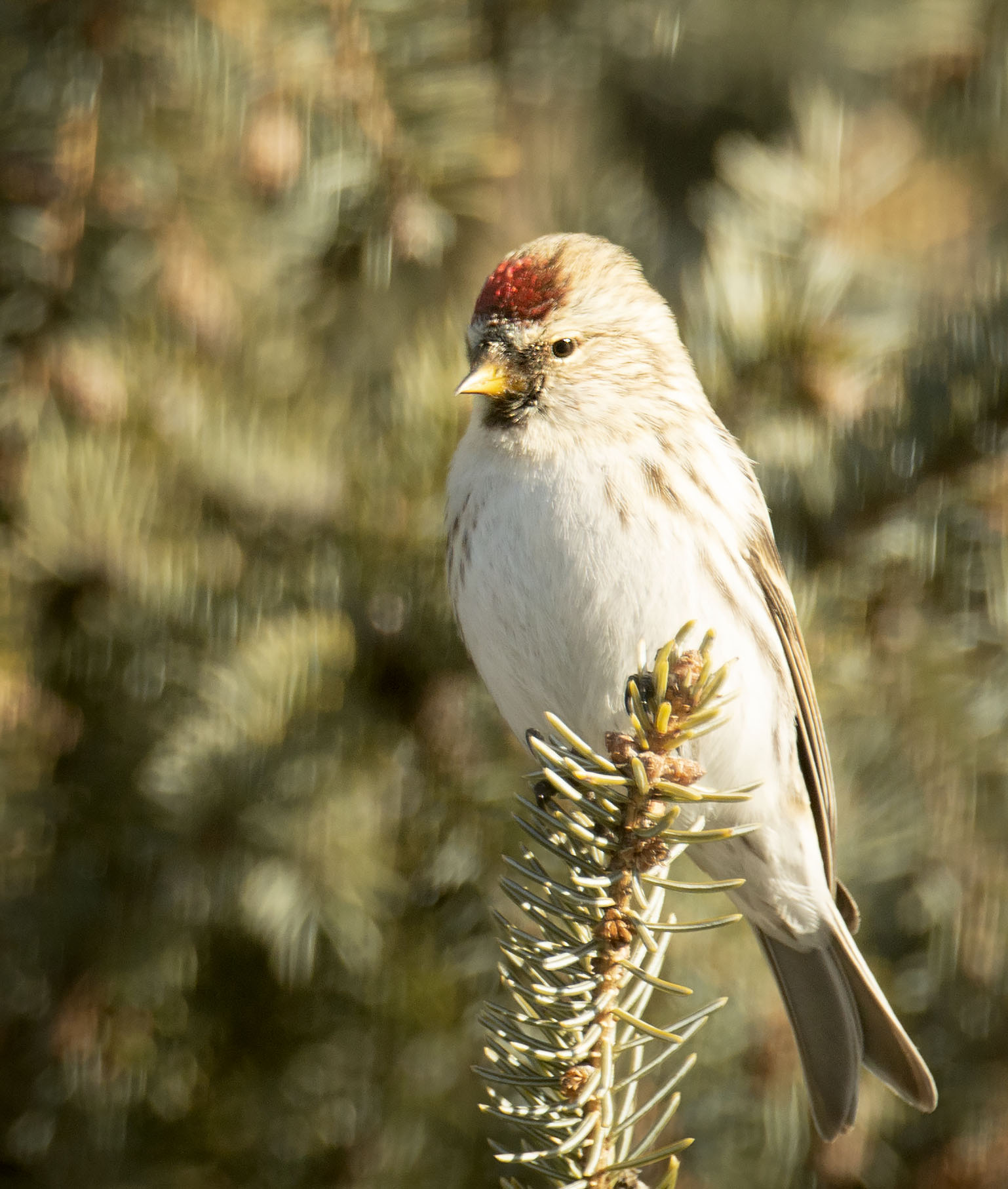
Sitting in the tree-tops with a group of Pine Siskins and other small song birds was a beautiful looking small bird we decided was a female Hoary Redpoll. She was at the southern edge of her winter range and it was a pleasure to get a glimpse of her before she returns to the high arctic tundra for the summer.
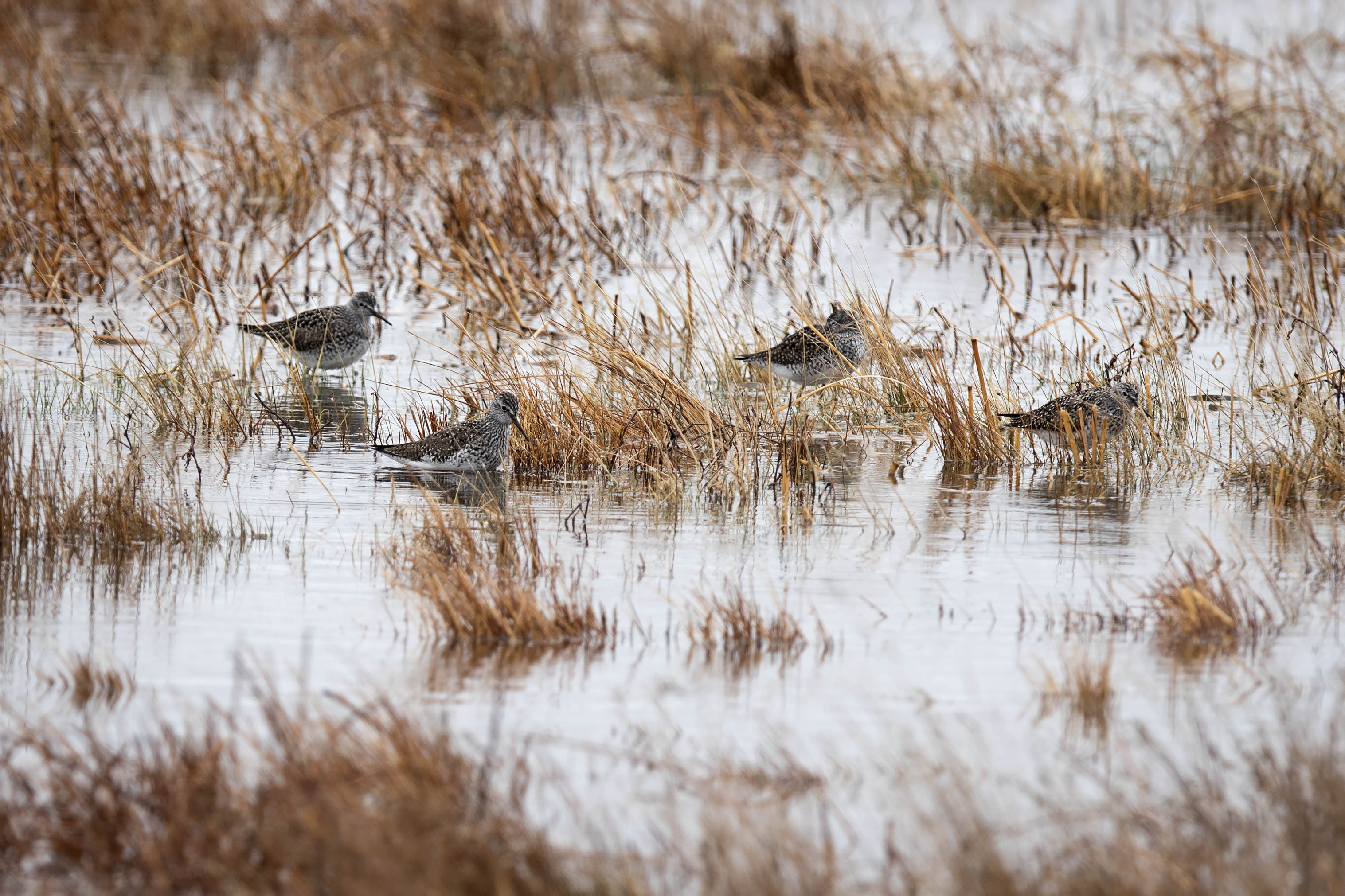
Along an old county road where the snowmelt and recent rains have made temporary wetlands a variety of birds enjoy a cloudy spring afternoon.

Yellowlegs, dowitchers, stilts and even a great tailed grackle enjoyed some time in the pool.
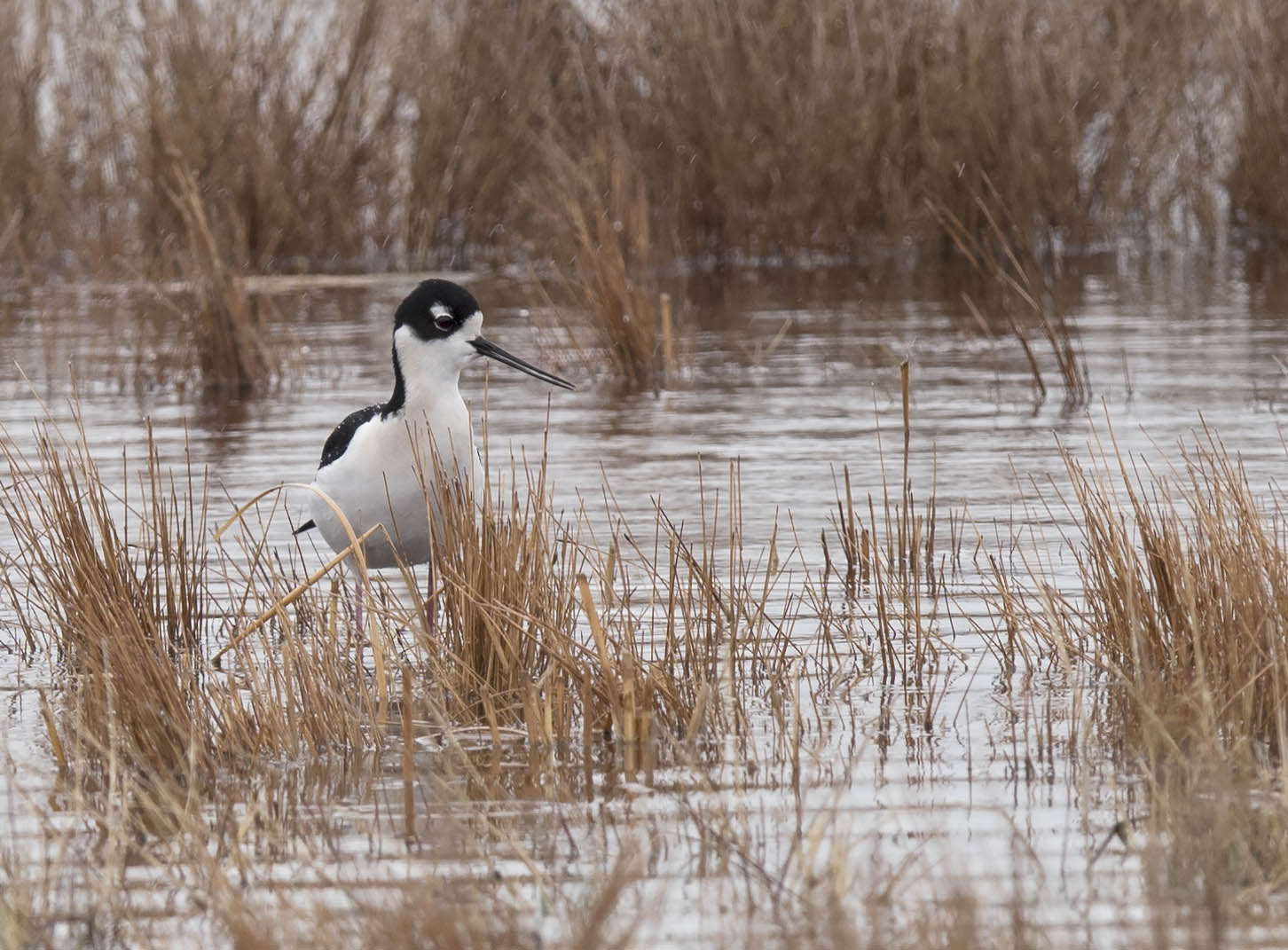
Having open lands and bit of available water is vital for many migratory birds making the spring journey to their breeding grounds. With development of open farmlands and ranches for housing, business parks and the wonderful strip mall birds lose both land and water in which they need and humans in turn lose another connection to the other creatures we share the planet with.
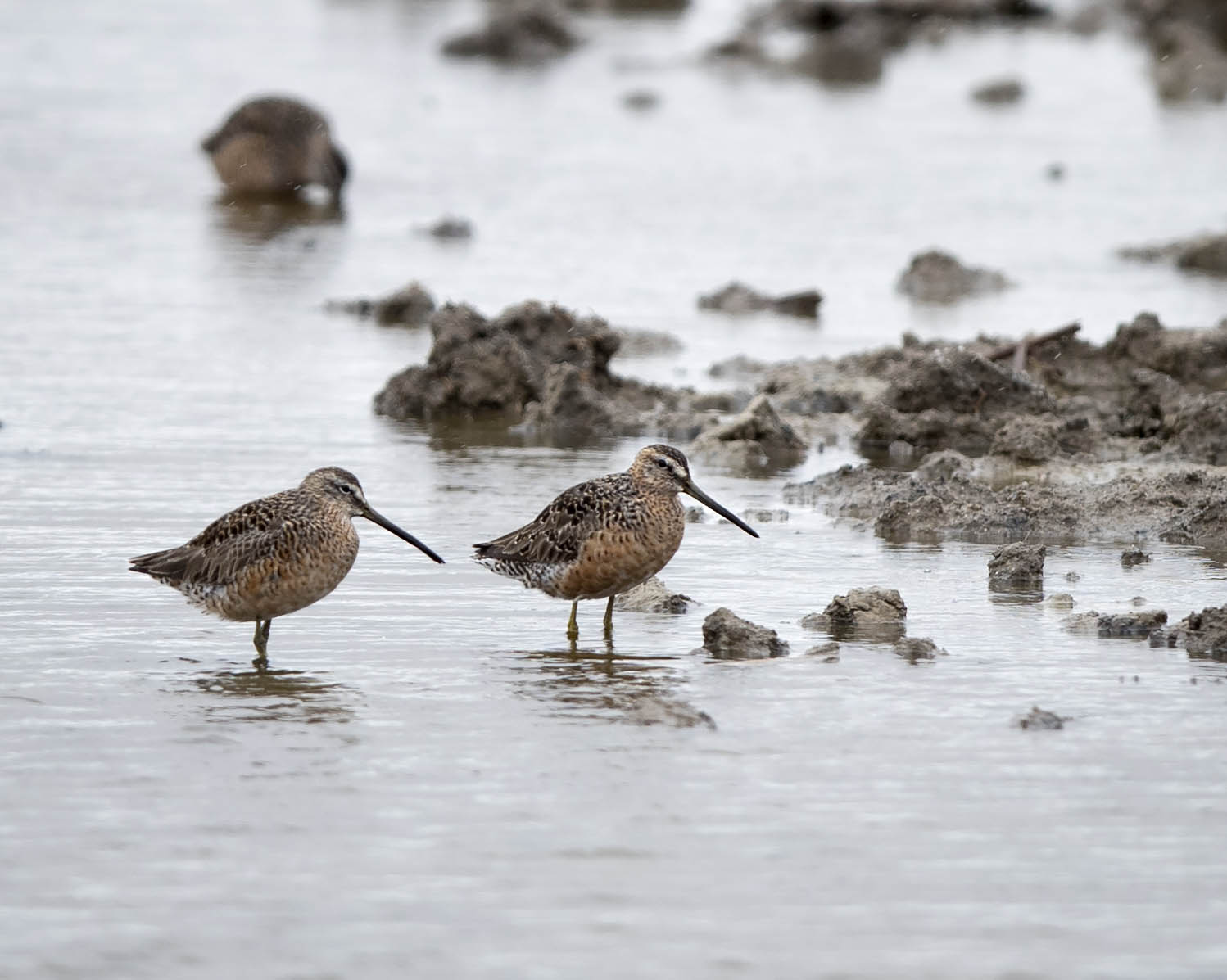
These farmers fields will dry up in the blink of an eye but for now support life not only for bird habitat in the spring but they also grow food for us humans as well. Less farmland, more development. Virtual reality birds and lab grown food. The future is looking bright.
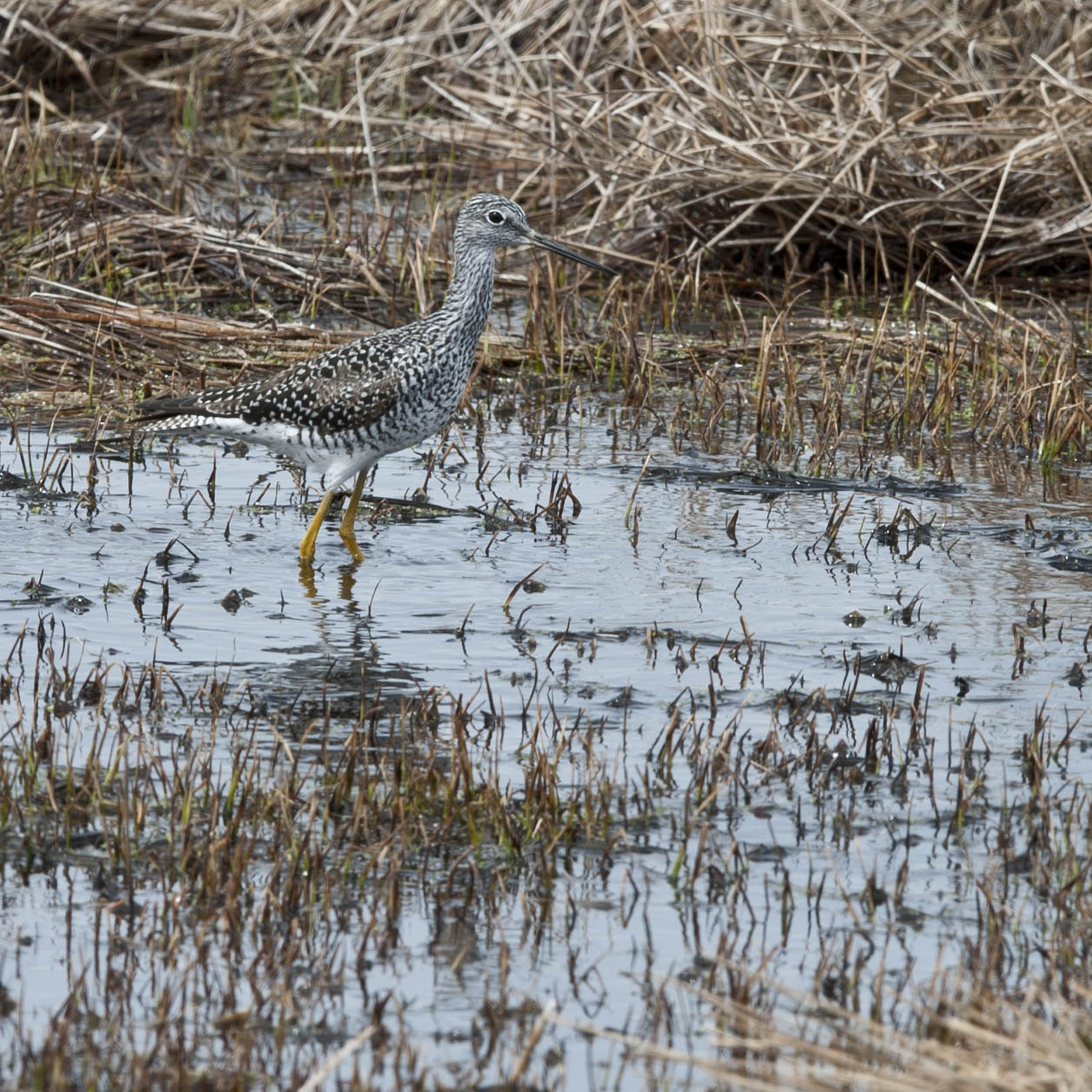
Time to get out and enjoy what we still have.

Prairie Dog warming up the engines on a chilly spring morning with some wonderful solar power. Hope your enjoying the sunshine if you have it.
 nature has no boss
You must be logged in to post a comment.