
A quiet start
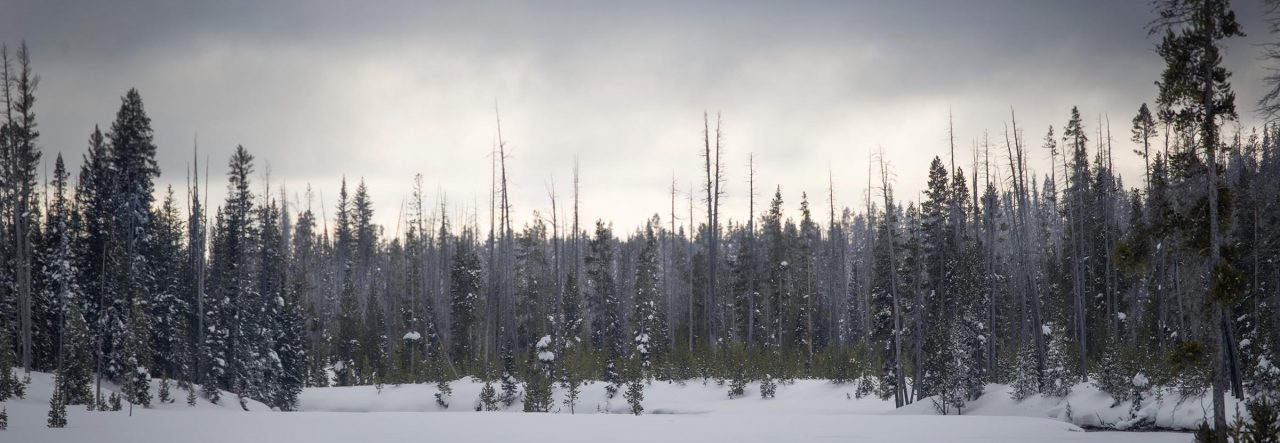
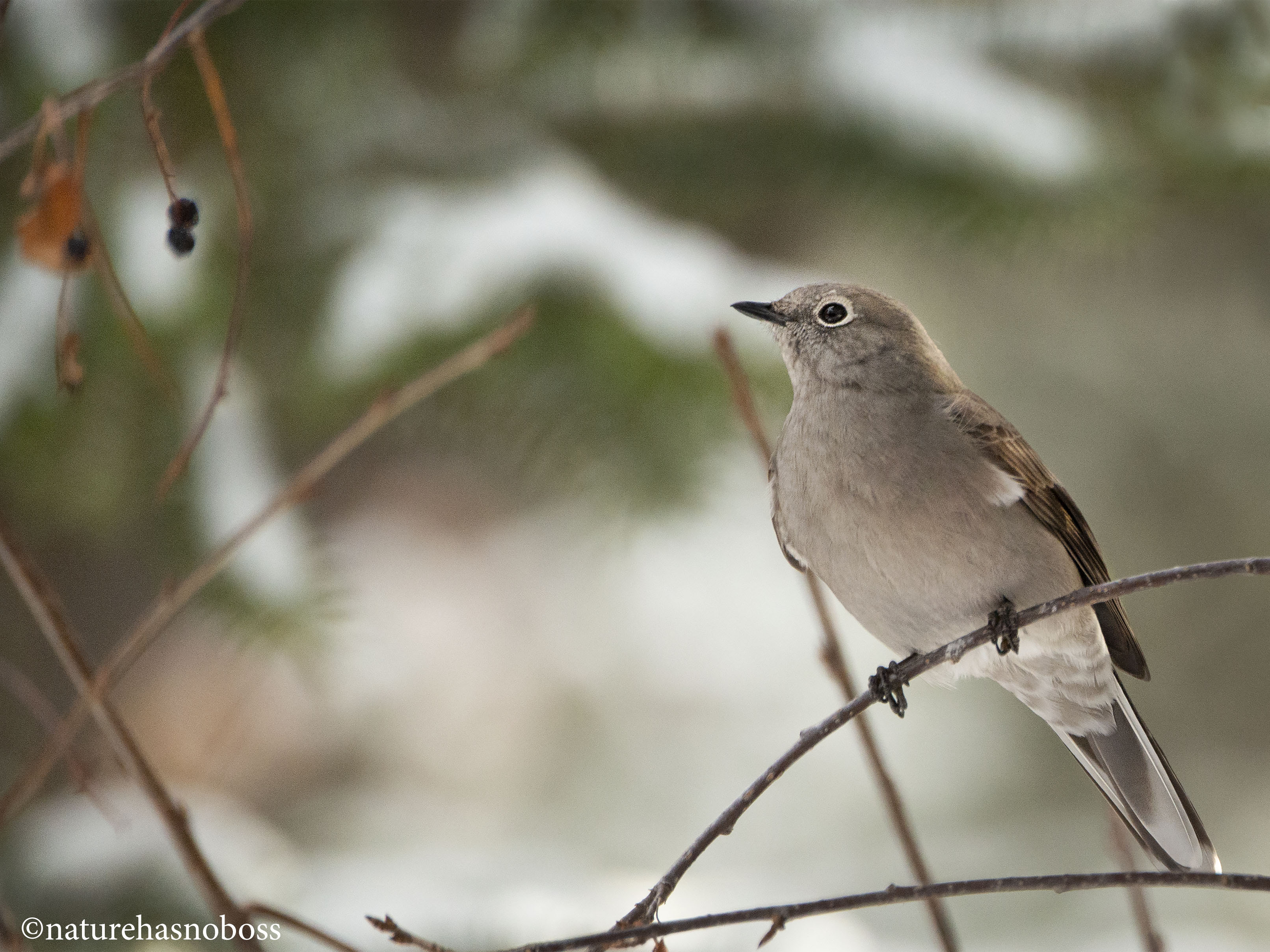
While this winters light, what little there has been, has been mostly the grey variety sometimes the sun does indeed shine. This morning a Townsend’s Solitaire rests quietly in the choke cherry bush illuminated by a wonder filtered light just poking over the Southern horizon.

Always moving, always working and always bringing a smile to our faces.

Well, we can all agree 2021 has been a strange and unordinary year in many respects and one event that has us scratching our heads and has just turned the strange-o-meter up to 11 is the absence of Hatchmo this winter.
As long as we can remember Red-Breasted Nuthatches have been a neighborhood fixture. Not just in winter but all year long. Their honking a constant reminder that someone is out there in the trees and their visits to the feeders in winter are sure to bring a smile to our faces when the sun is low and temperatures are cold. Perhaps they have all gotten together and moved south this year or perhaps they have just moved to the next valley over.
Whatever the reason it has left of scratching your heads, searching the web for explanations and feeling just a little lonely this winter.
So if you see Hatchmo tell them the feeders are full and it’s OK to come home.

A Male Downey Woodpecker brought a quick splash of color to a quiet winter walk.

Put on the jacket and head outside. Nothing like a little walk in the rain to keep the weekend rolling.
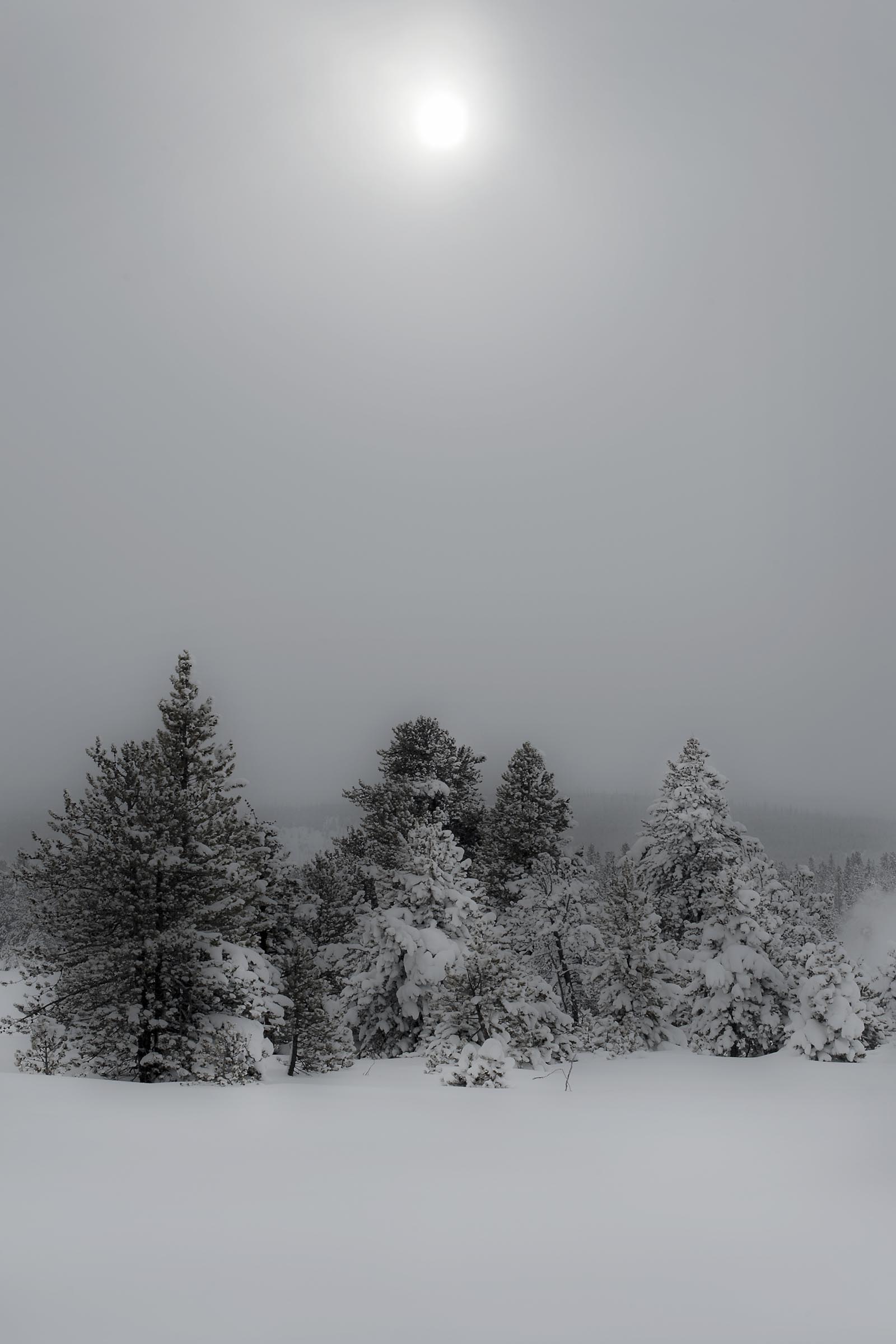
Wishing you all a very merry Christmas and a happy holiday, even if it’s not a holiday for you, wherever you are on this wonderful planet.
Christy and Mike

Seeking Solitude as snow quietly falls.
Wishing you a very merry Christmas.
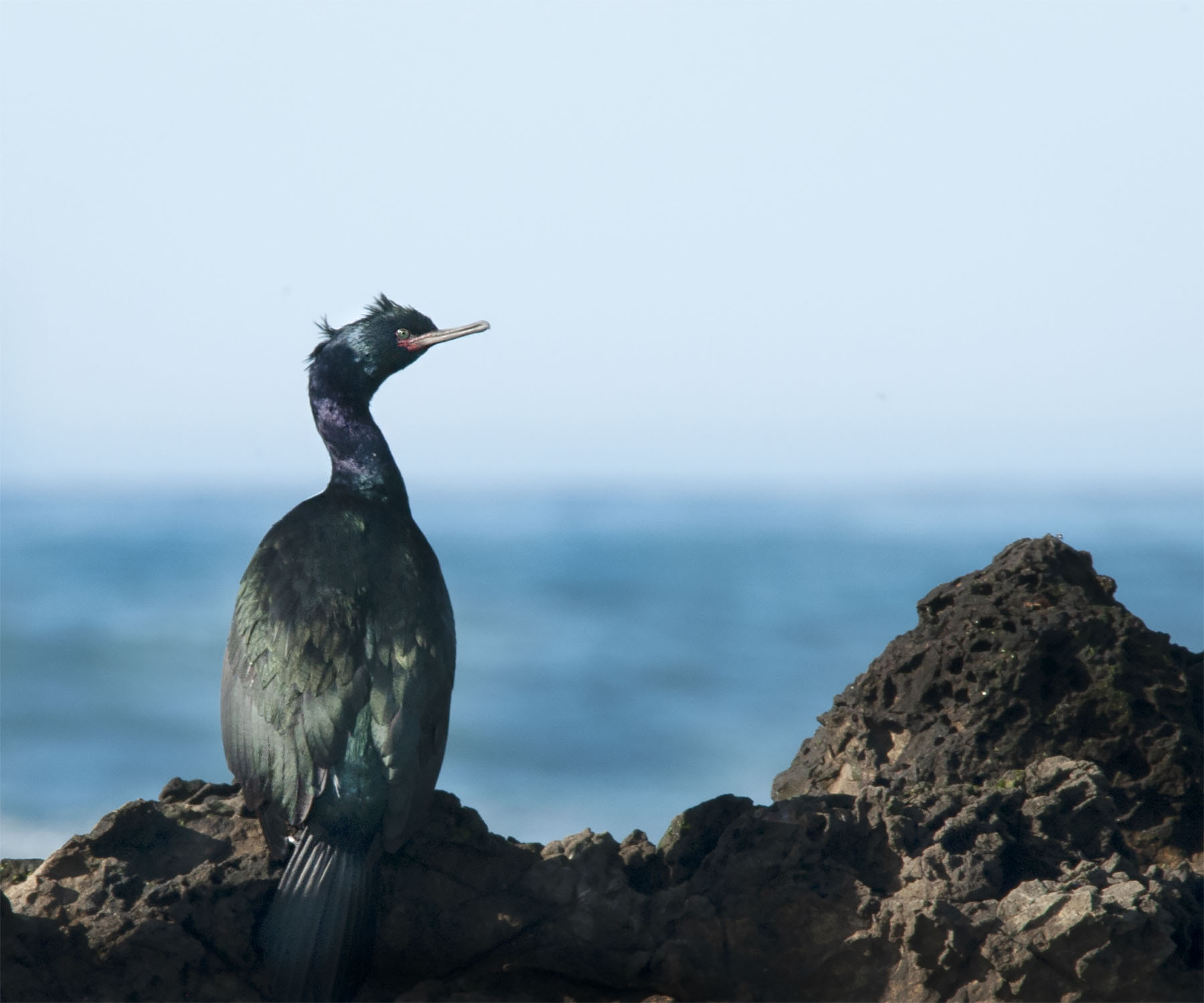
Watching, listening and right at home this Pelagic Cormorant enjoys a sunny winters afternoon.
Among the cormorants of North America’s Pacific Coast, the Pelagic is a small and slender species that flies with a thin, straight neck often compared to a broomstick. Breeding adults are black with glossy purple-green highlights. They have a coral-red throat patch and neat white patches on the flanks. They nest on coastal cliffs and forage in rocky water, rarely traveling far from shore despite their name.
https://www.allaboutbirds.org/guide/Pelagic_Cormorant/overview
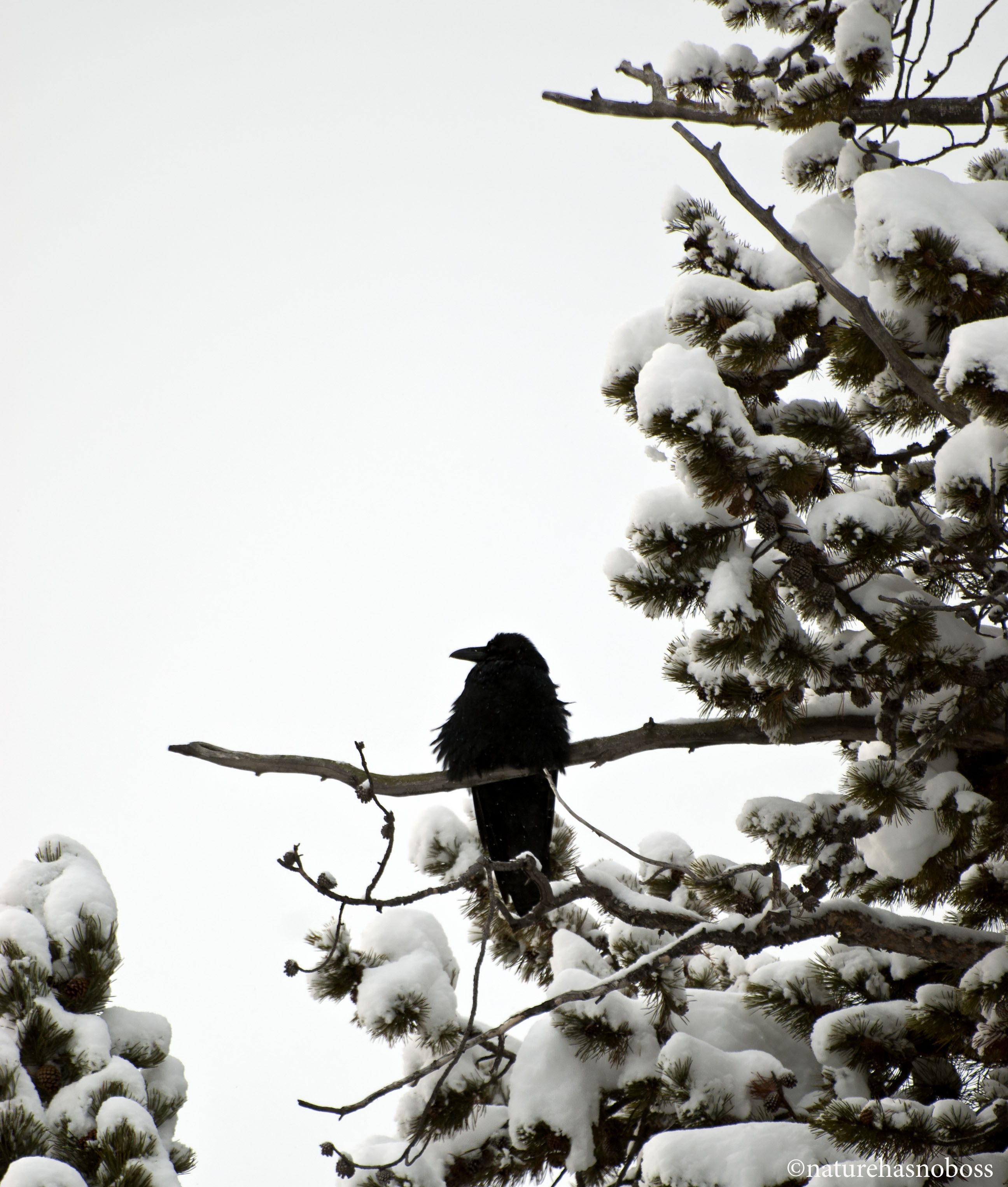
A blanket of snow covers the ground.
All the world settles down.
Listening is in our nature.
 nature has no boss
You must be logged in to post a comment.