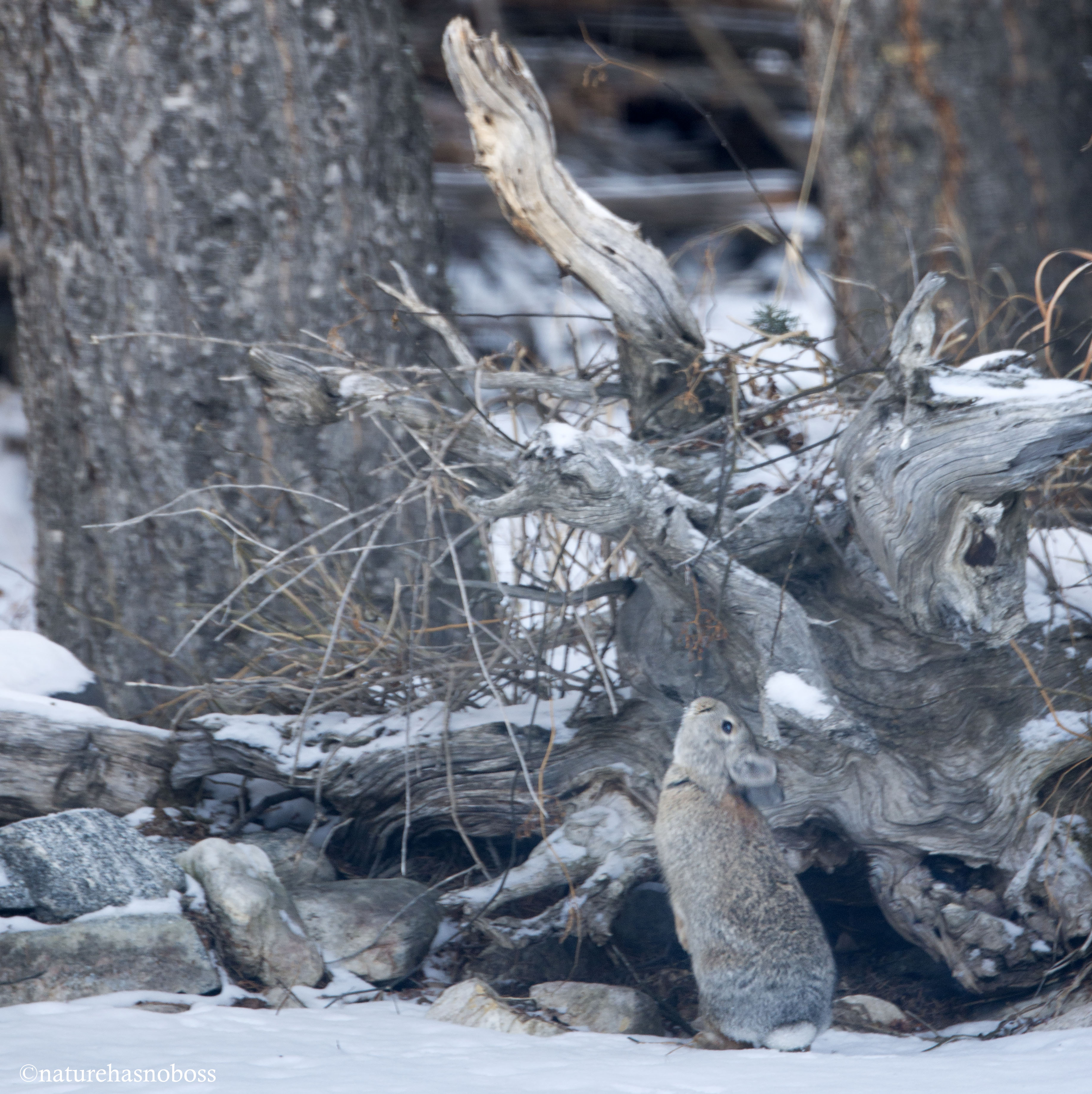
One of our favorite companions reaching for just a nibble of long dried out bitter nightshade berries. We are glad to have Bunn around and thankfully avoiding the predators as winter moves along.
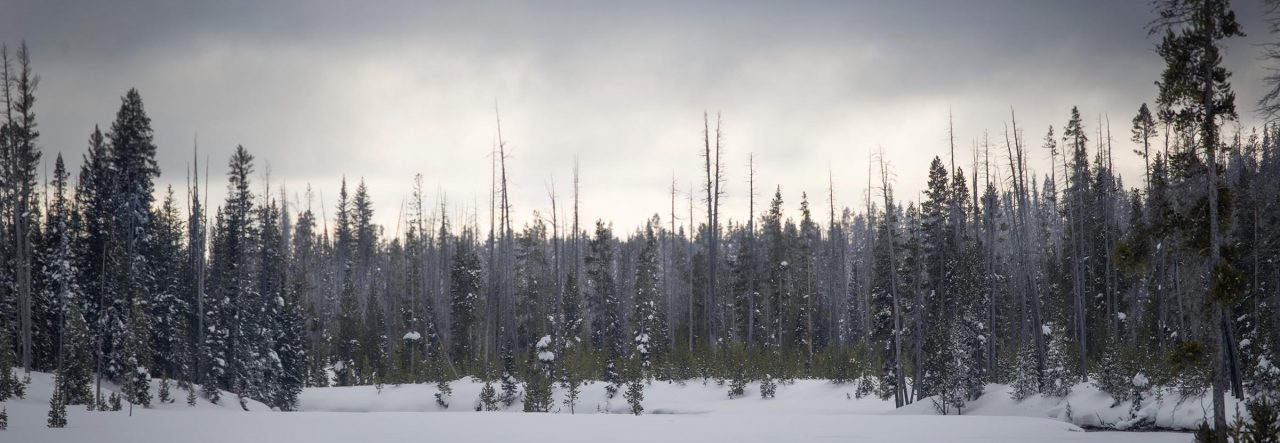
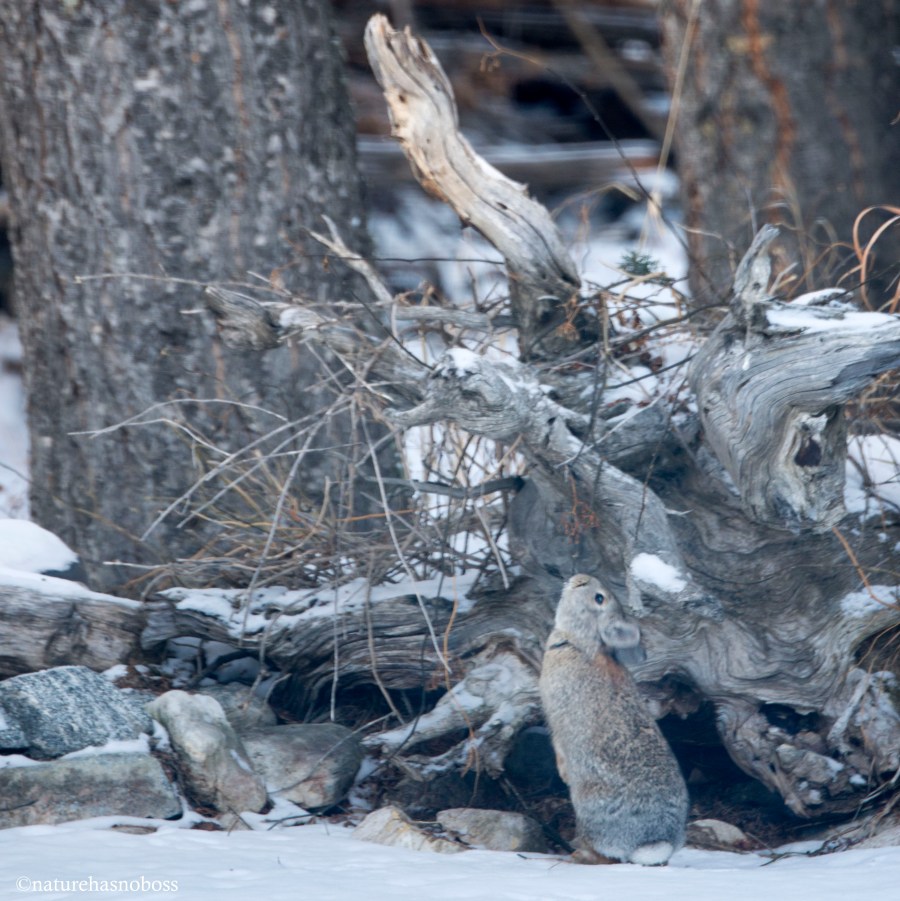
One of our favorite companions reaching for just a nibble of long dried out bitter nightshade berries. We are glad to have Bunn around and thankfully avoiding the predators as winter moves along.
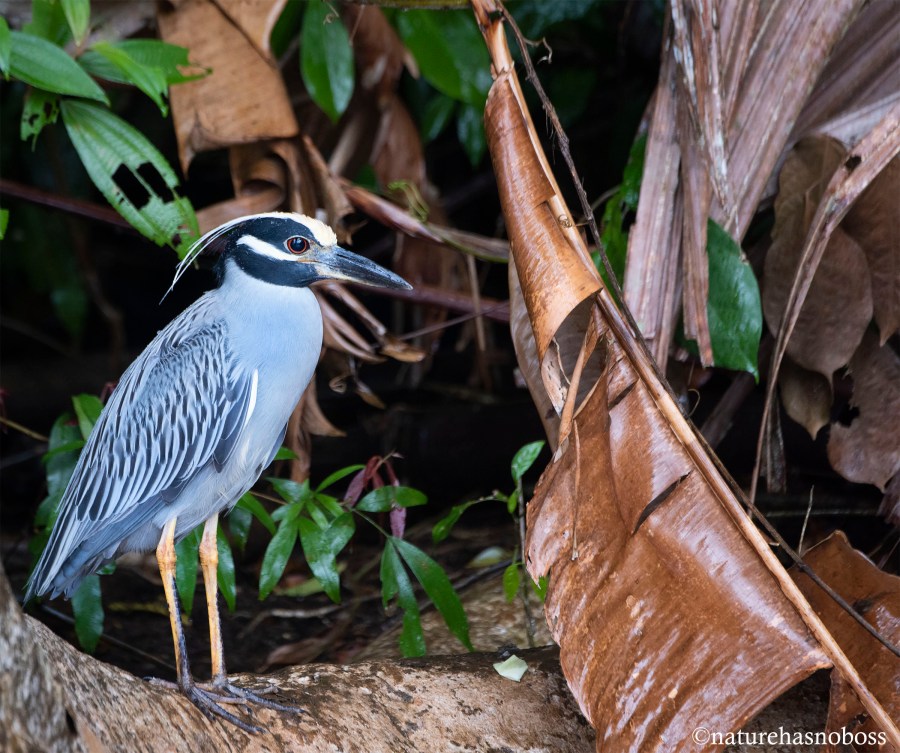
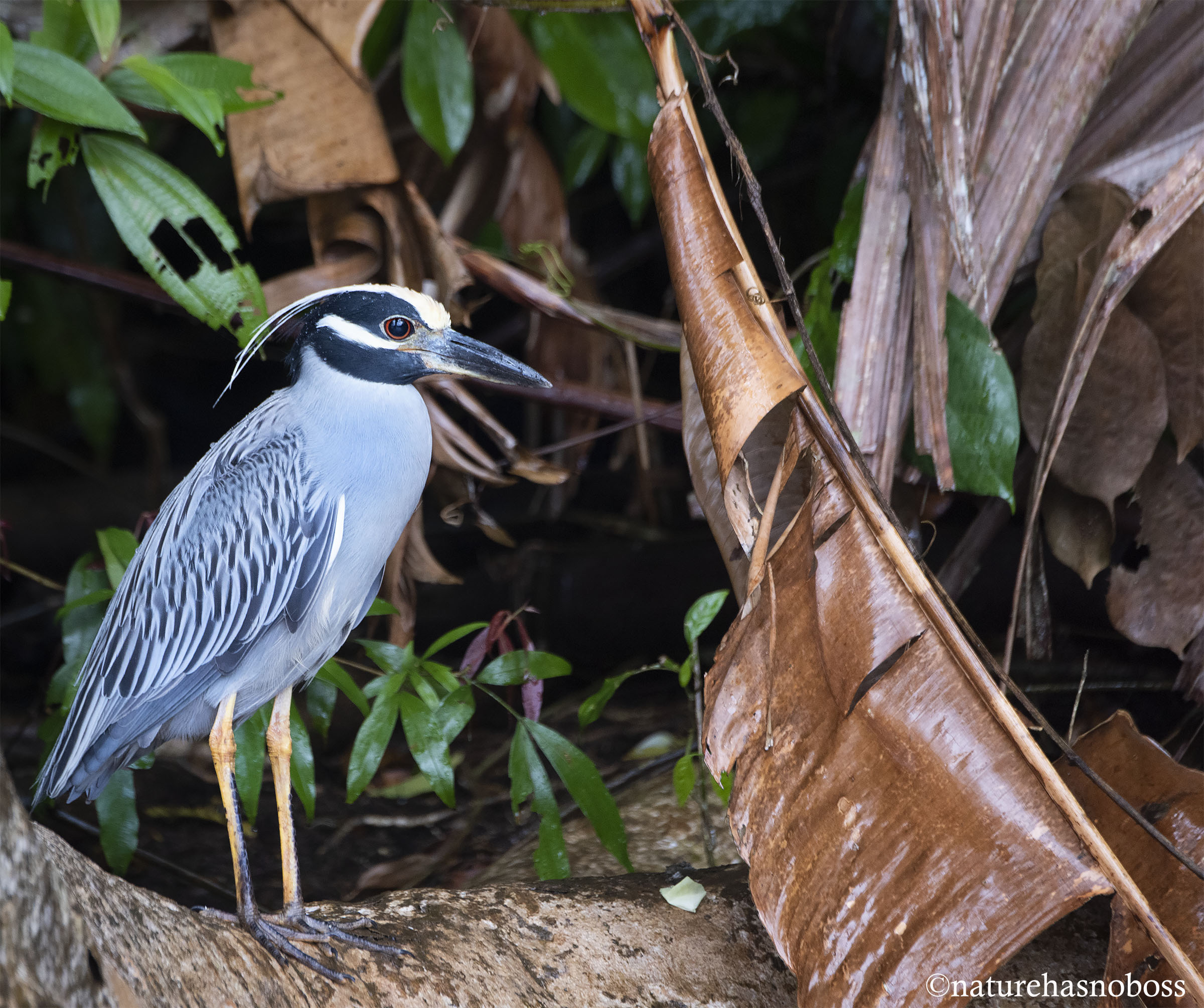
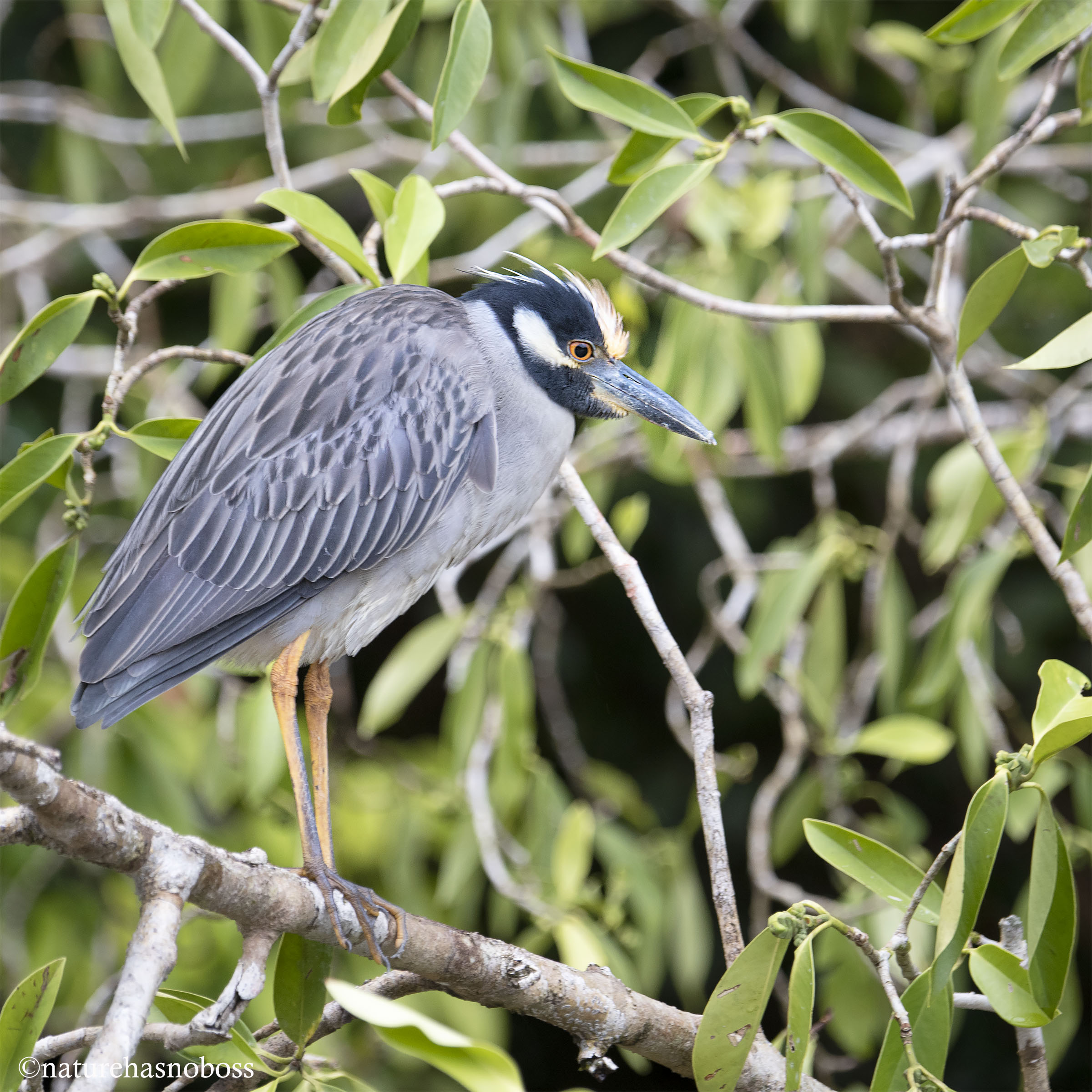
A dapper Yellow-crowned Night Heron along the edge of a costal marsh patiently waiting for their next meal (preferentially crab) to appear. These wonderful birds breed in coastal and inland lowlands, wooded swamps, mangroves, and lagoons. Feeding and foraging areas almost always are associated with high concentrations of crustaceans, their food of choice.
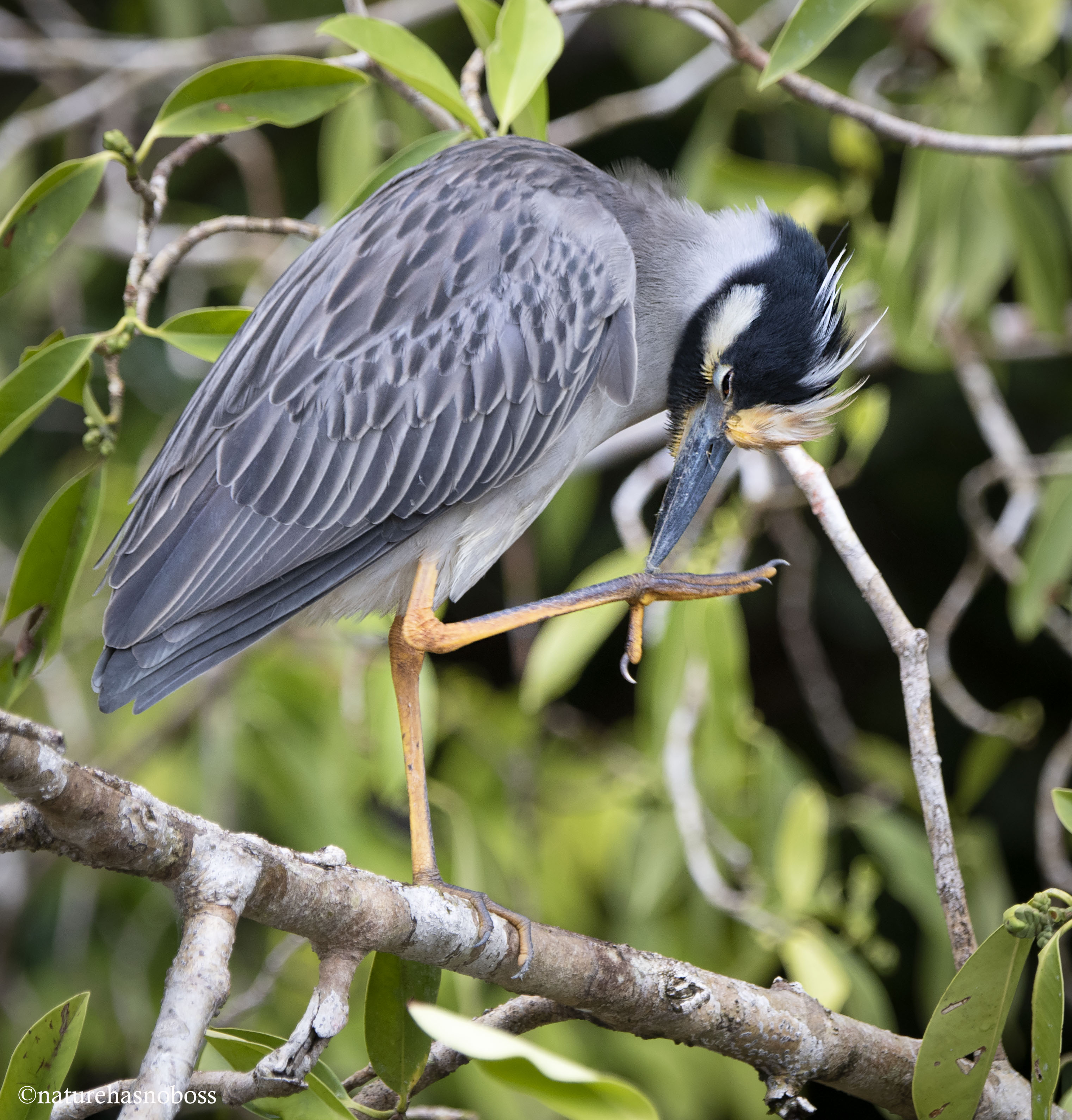
This bird preening which is a common behavior after foraging and feeding. Full adult plumage like that in birds we photographed this day may take 3-4 years to develop. Along the way Yellow-Crowned Night Herons may display 4-5 distinct plumages.
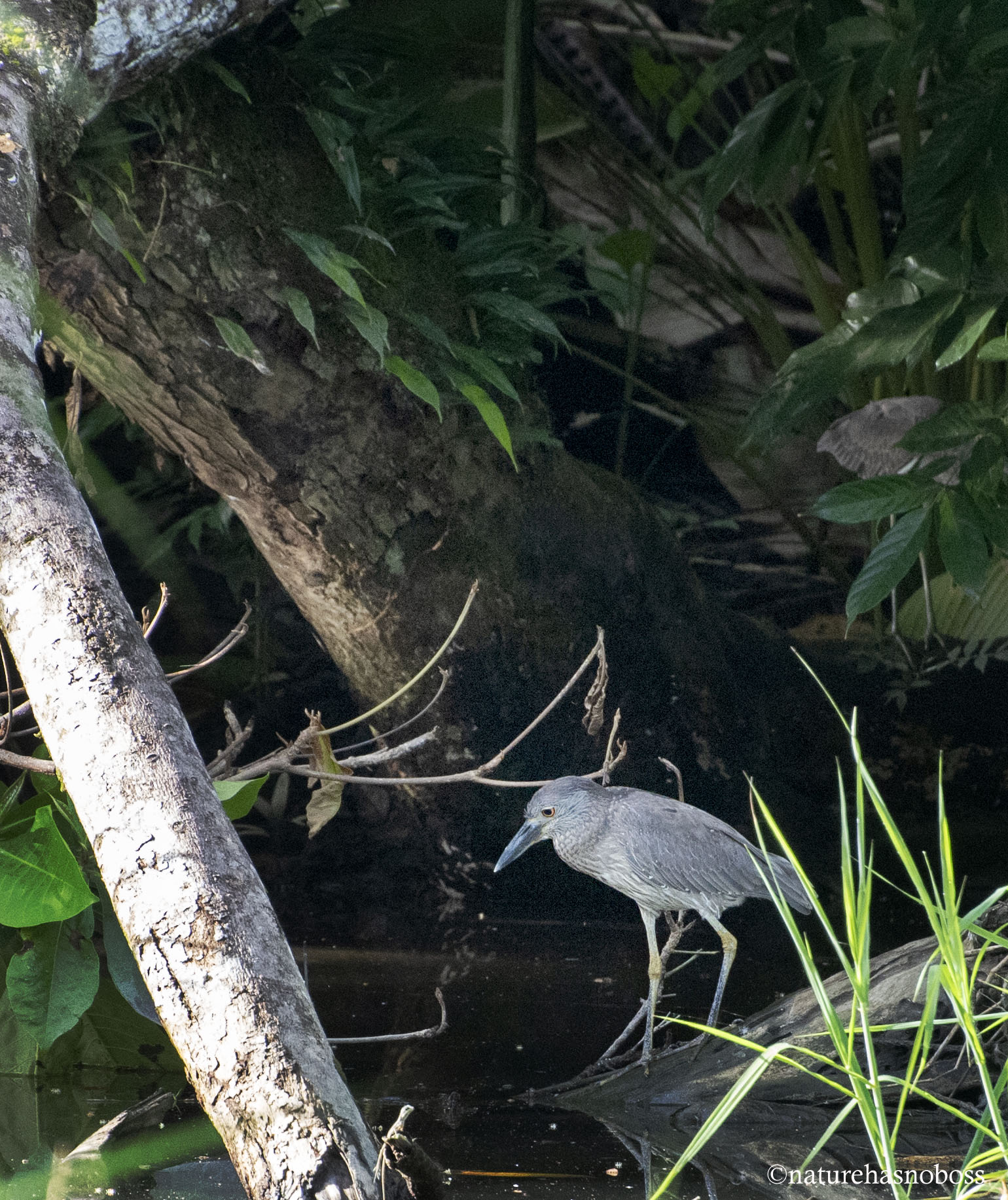
Juvenile Yellow-crowned Night Heron foraging in brackish waters.
Reference:
Watts, B. D. (2020). Yellow-crowned Night-Heron (Nyctanassa violacea), version 1.0. In Birds of the World (A. F. Poole, Editor). Cornell Lab of Ornithology, Ithaca, NY, USA. https://doi.org/10.2173/bow.ycnher.01


Ushering in February with a little ahhhhh.
The days are getting longer and the sun just a little stronger.
Happy February and a good week ahead to all.

The sky and sea waving good morning to each other on a grey but beautiful winters day.
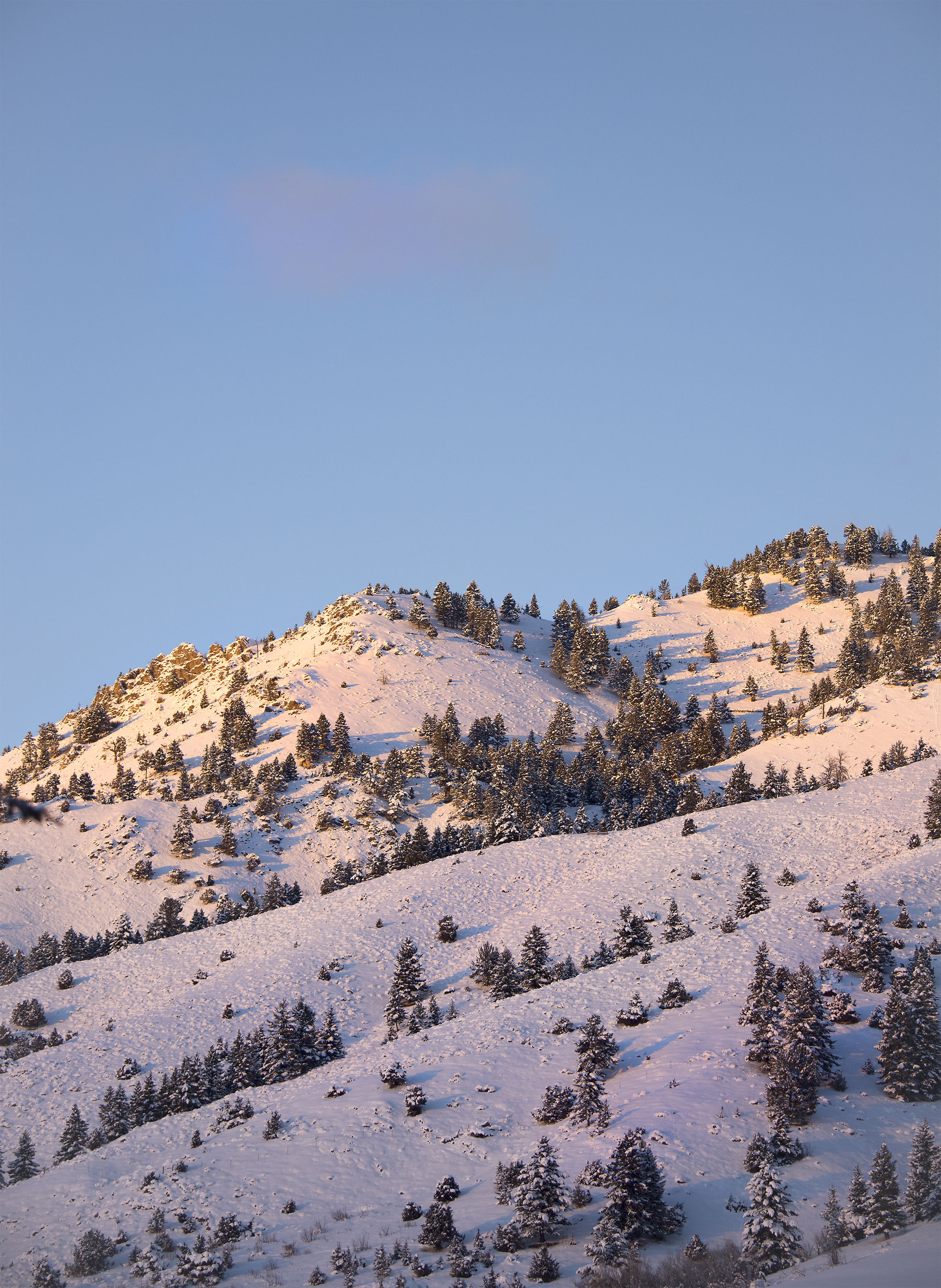
As silently as the sun comes up it goes down.
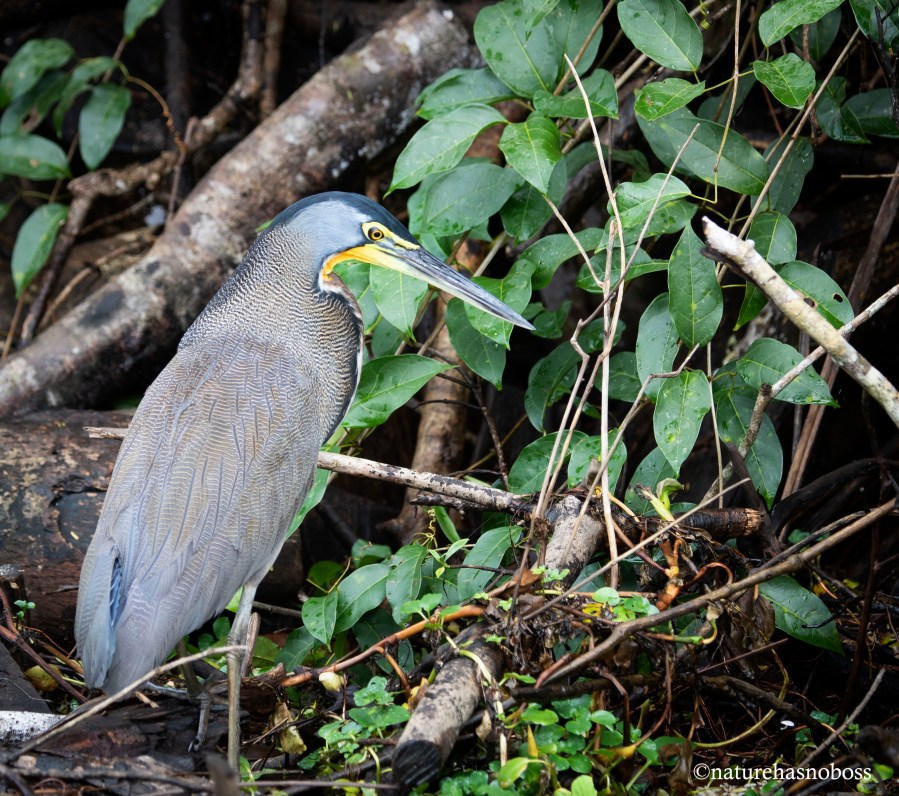
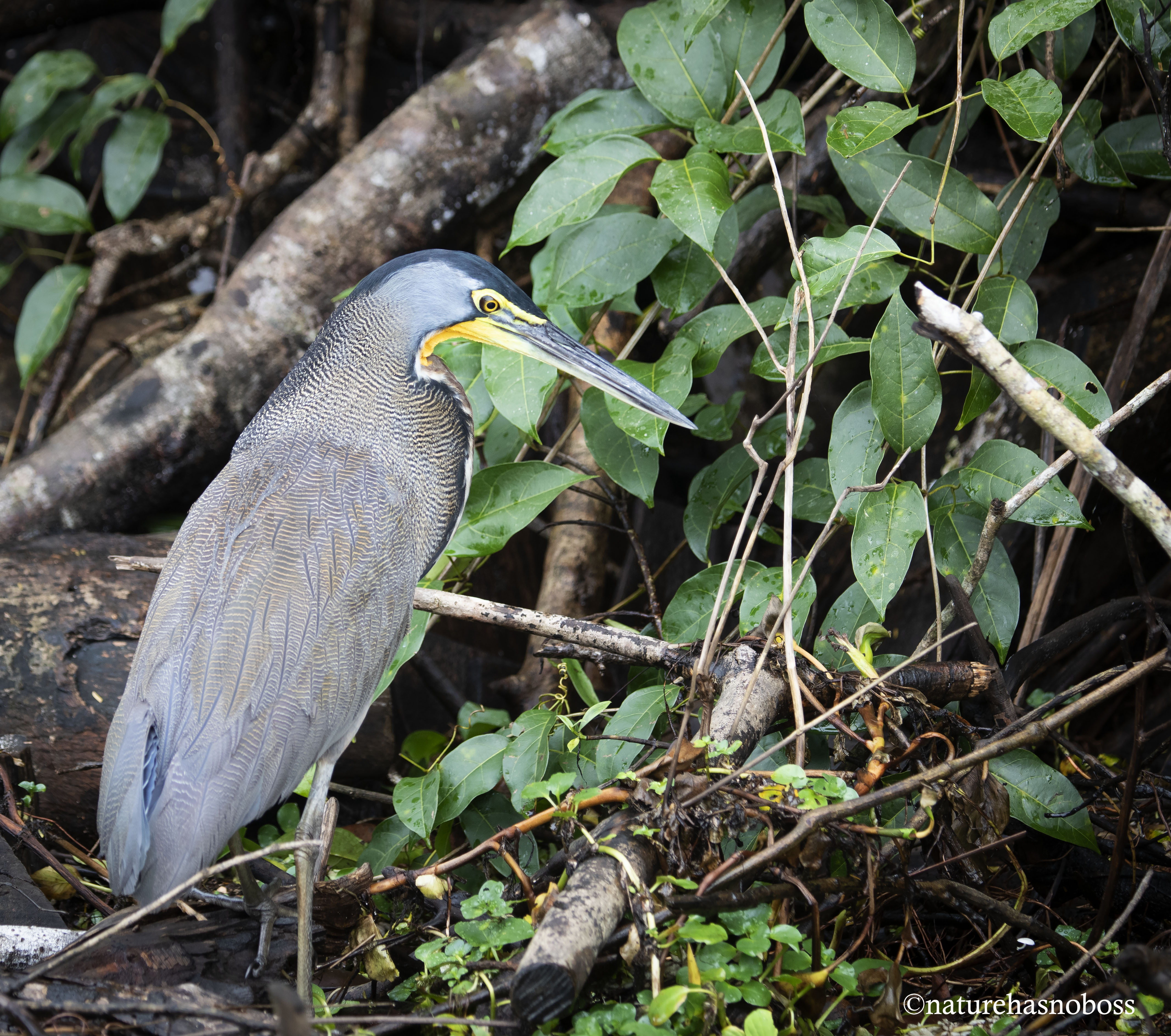
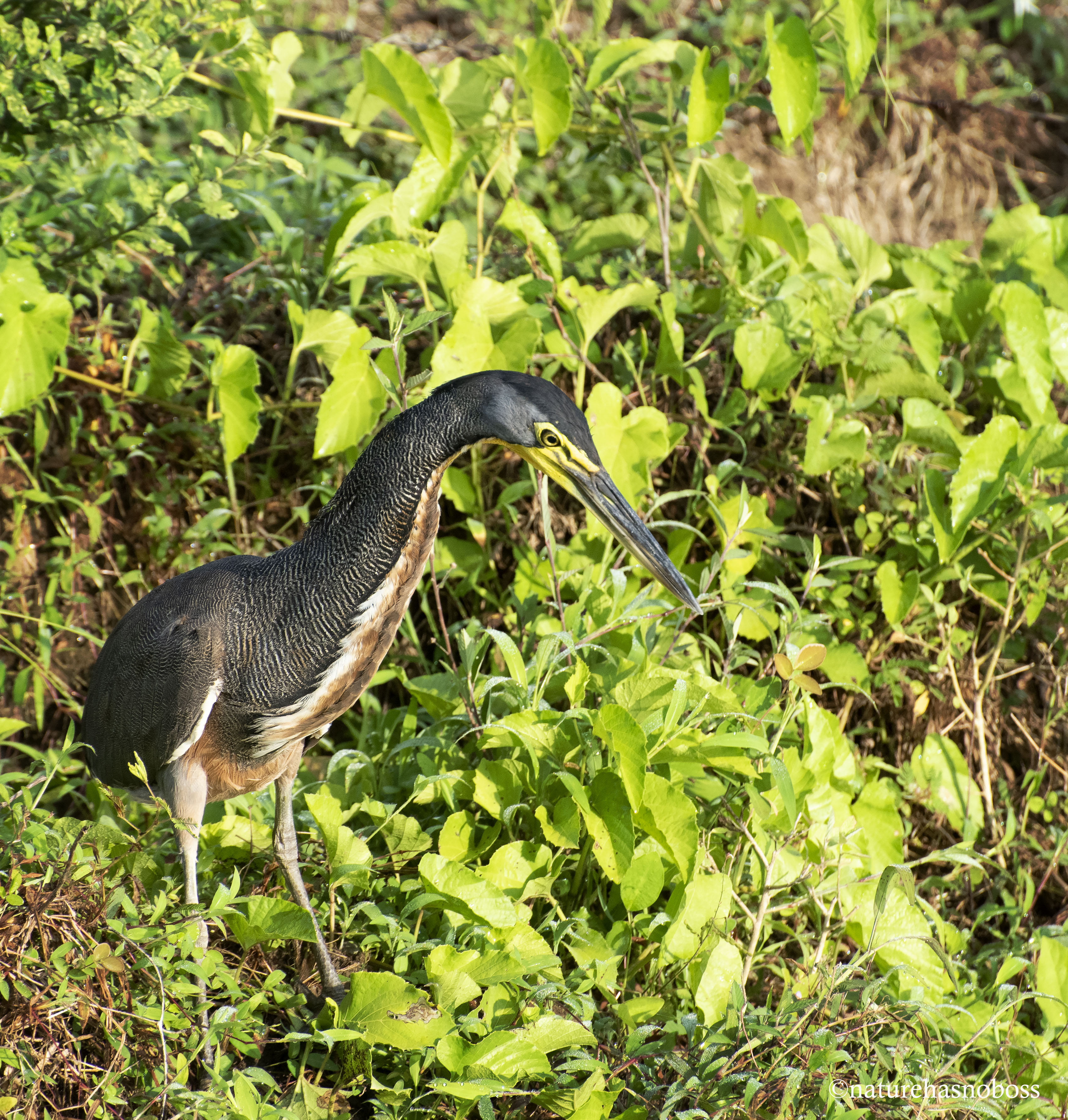
The Bare-throated Tiger Heron is a medium sized heron common to Central America. They are somewhat bulky and shaped a bit like a night-heron or Bittern with distinct baring and rufous on their breast.
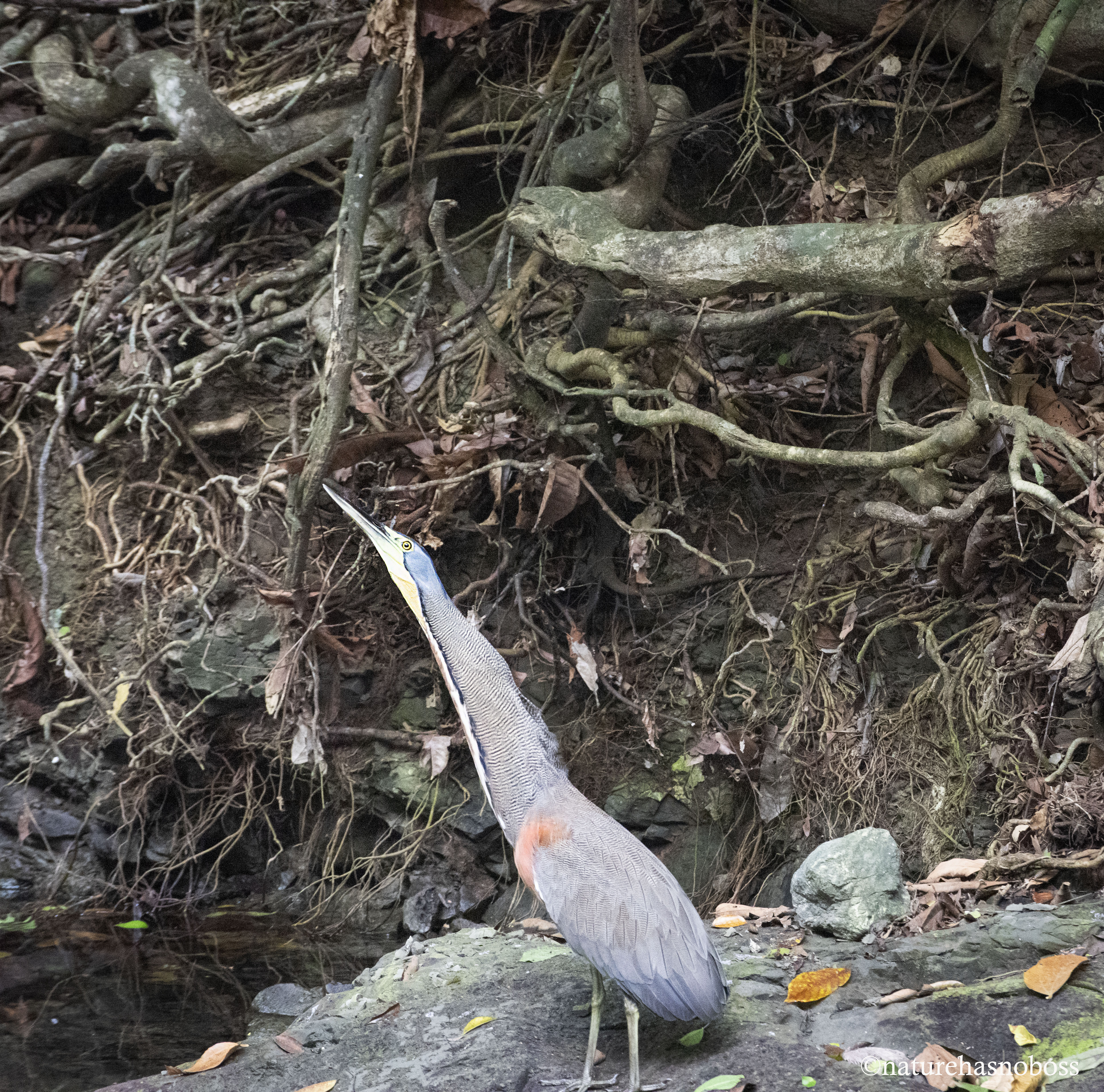
This individual was displaying a behavior that indeed reminded us of the American Bittern.
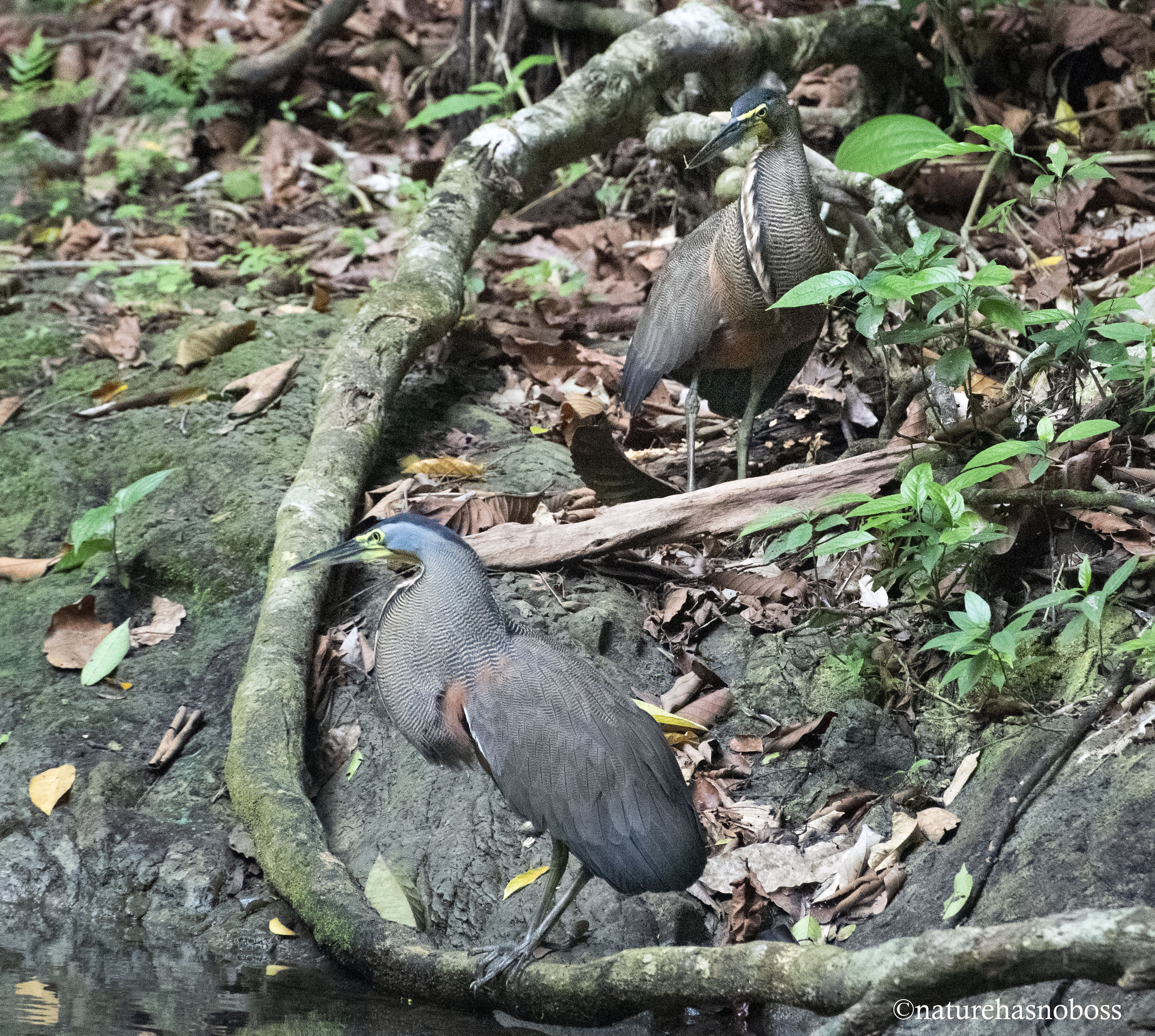
The Bare-throated Tiger Heron forages along costal zones, brackish water and in inland marshes and swamps feeding mainly eating fish, frogs and crustaceans but has been known to consume small rodents.
Like many other Herons the bare-throated Tiger Heron hunts by remaining motionless and quickly striking when prey appears.
Reference:
Martínez-Vilalta, A., A. Motis, and G. M. Kirwan (2020). Bare-throated Tiger-Heron (Tigrisoma mexicanum), version 1.0. In Birds of the World (J. del Hoyo, A. Elliott, J. Sargatal, D. A. Christie, and E. de Juana, Editors). Cornell Lab of Ornithology, Ithaca, NY, USA. https://doi.org/10.2173/bow.btther1.01


When the moon.
The clouds will sing.
A silent nocturne.
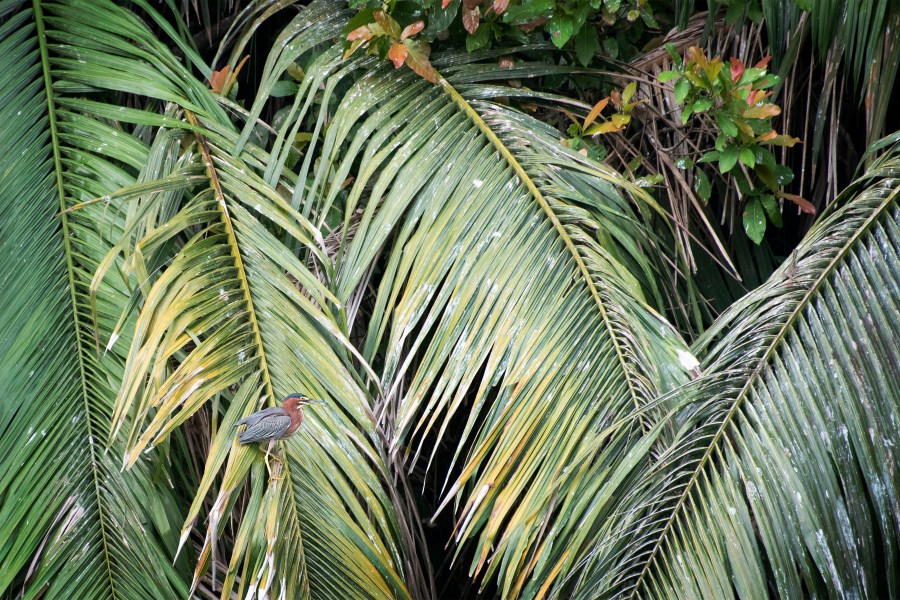

Not alone, not in isolation.
A Green Heron perches upon a gigantic palm frond making what we consider a fairly large bird look small by comparison. Photographing the Flora and Fauna as one always presents quite a challenge yet tells a story that’s important to hear.
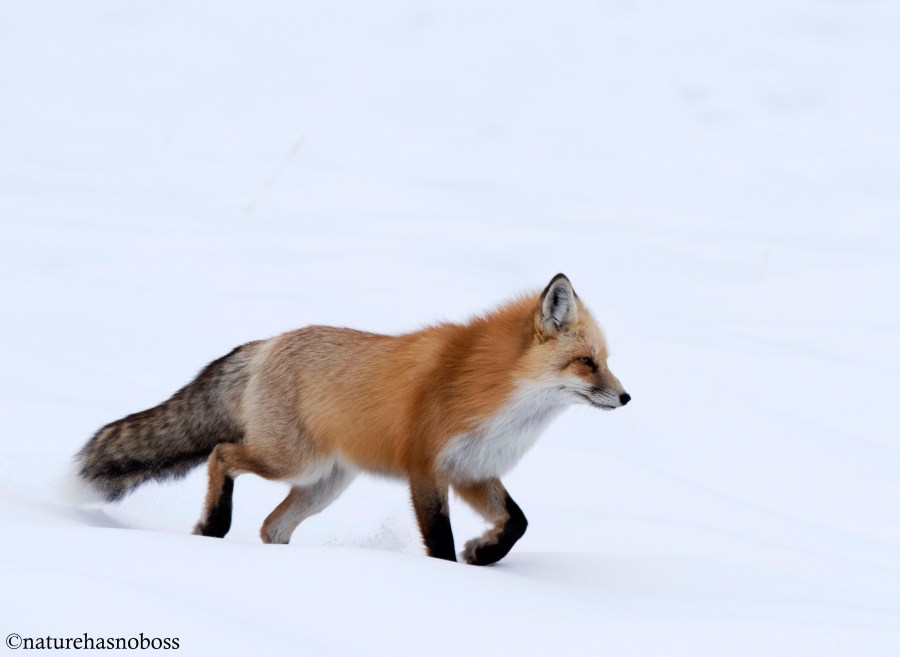
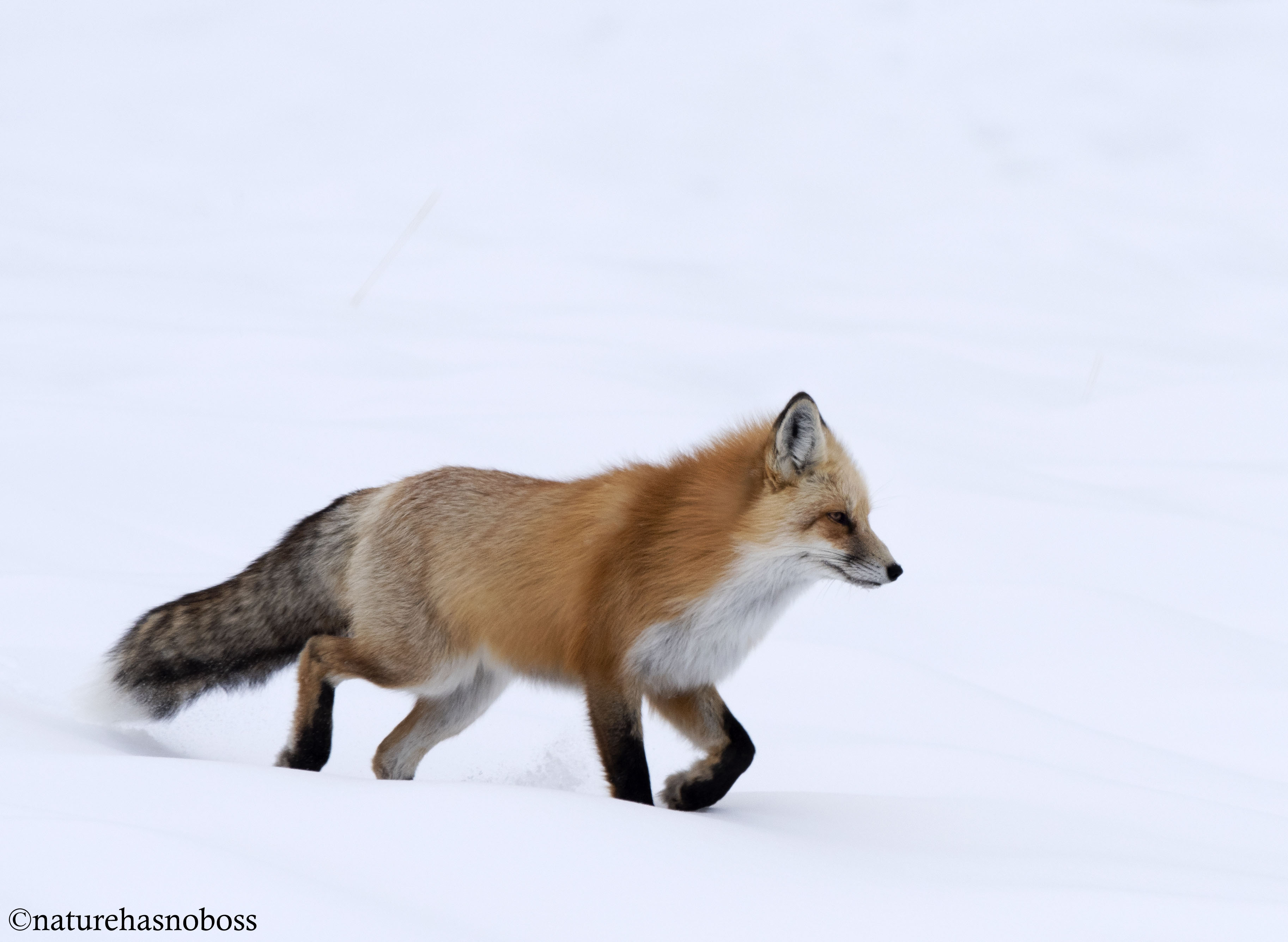
A Red Fox quickly passes by on a snowy winter afternoon. Dressed in a wonderful winter coat. A coat that is not just beautiful but one that keeps them warm on those cold winter nights.
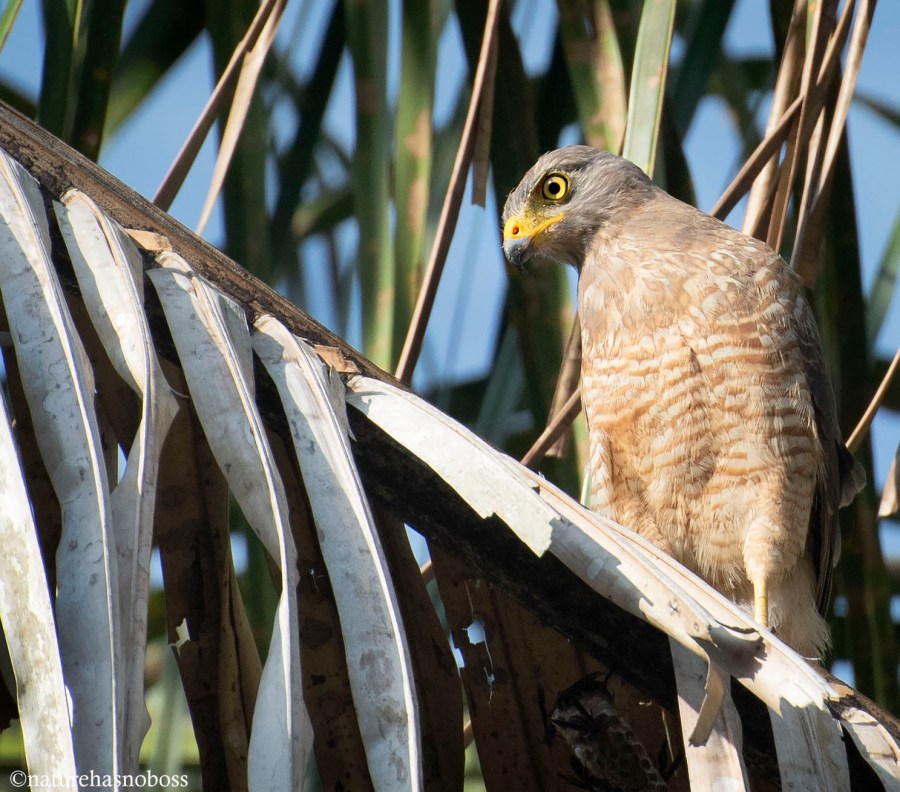
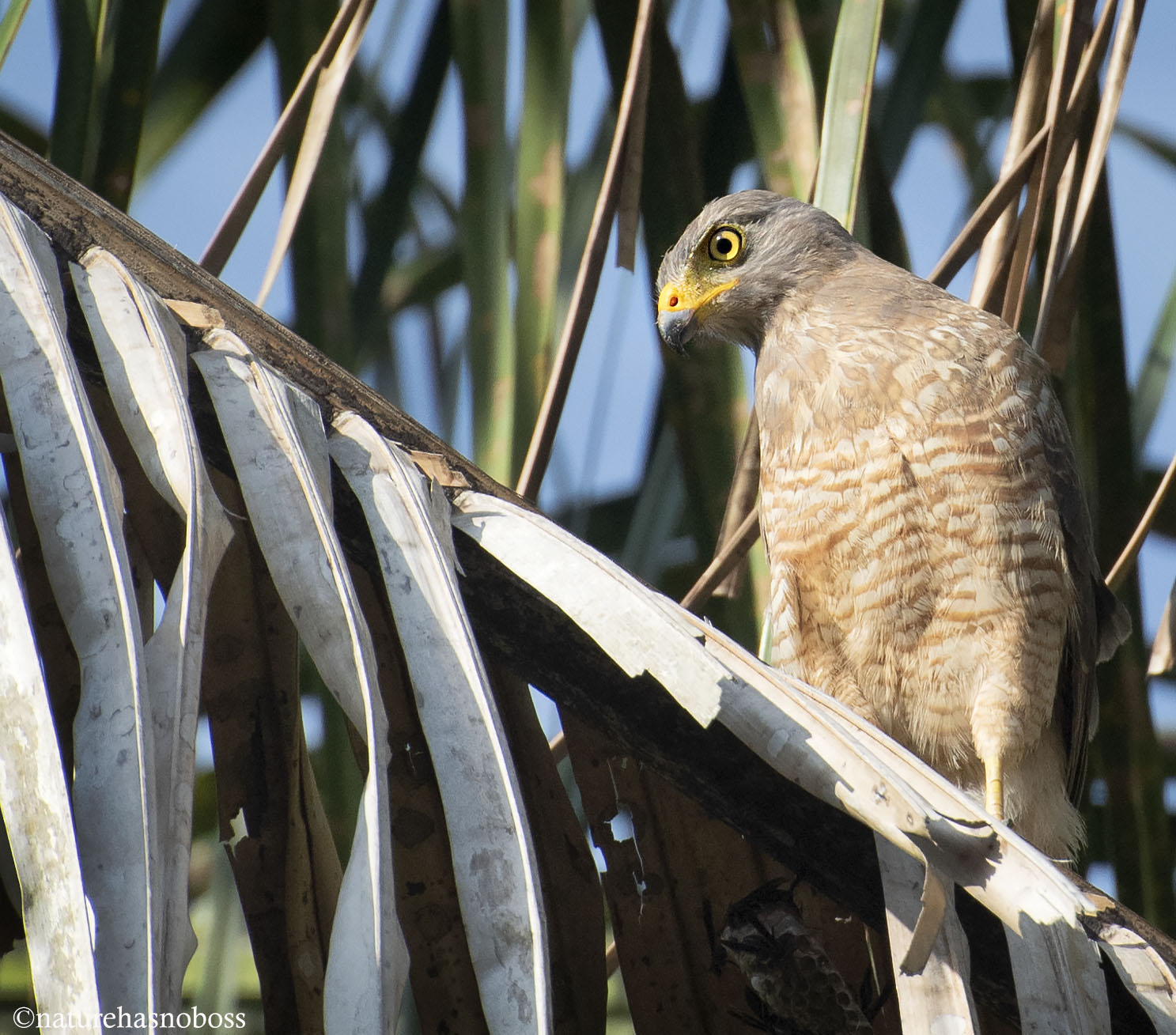
The Roadside Hawk is on the most common raptors encountered at the edge of forests and cleared fields ranging from Northern Mexico all the way south to Argentina. There are at least 12 subspecies with most being similar in appearance with a grey head, yellow cere, rufous banding across the breast and striped tail. The Roadside Hawk is opportunistic and hunts insects, reptiles and small mammals. We encountered this individual several years ago on a large palm tree peering out into some cleared pasture.
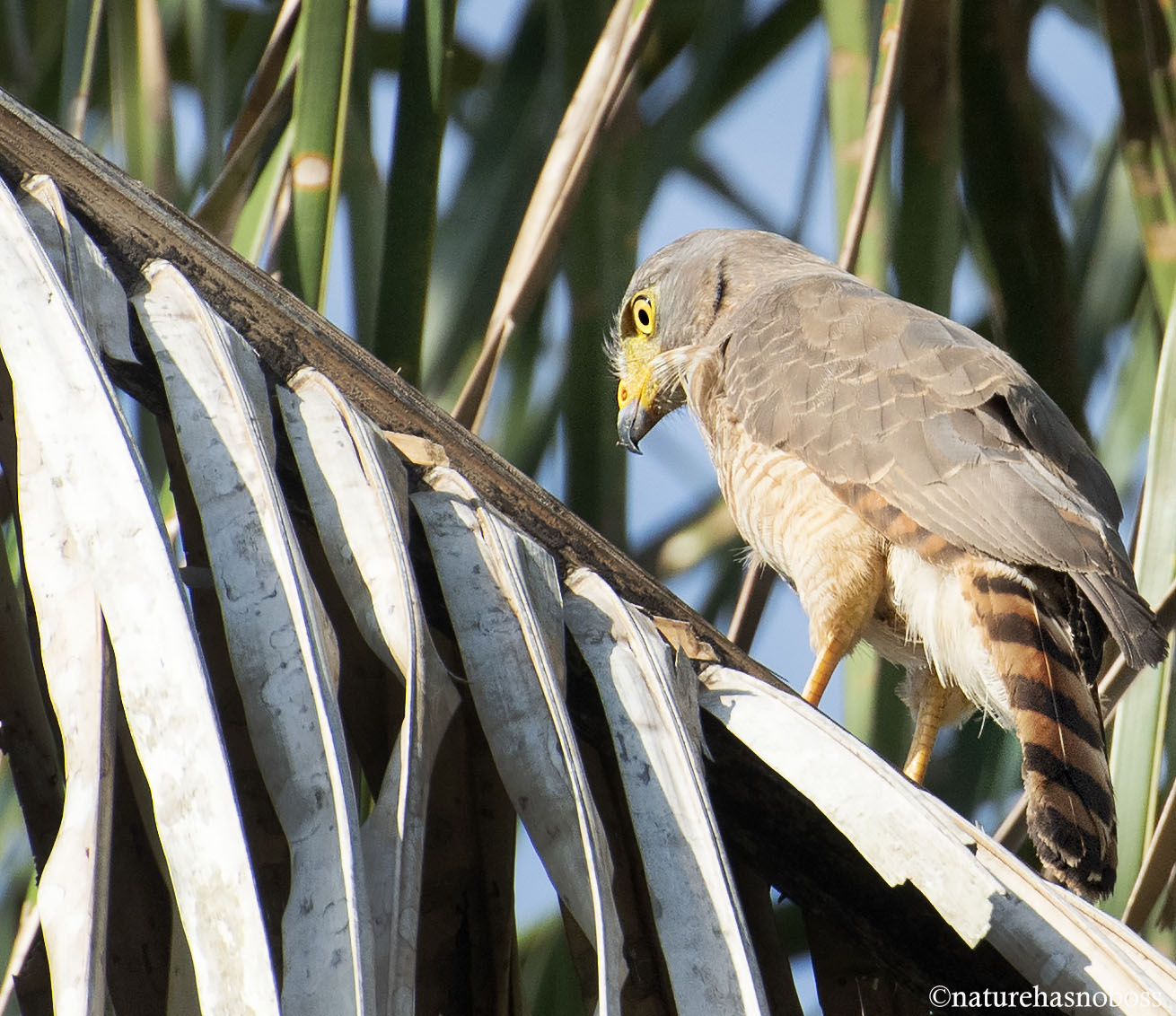
A intense looking hunter and a good look at the banded tail.
Reference:Bierregaard, R. O., P. F. D. Boesman, and G. M. Kirwan (2020). Roadside Hawk (Rupornis magnirostris), version 1.0. In Birds of the World (J. del Hoyo, A. Elliott, J. Sargatal, D. A. Christie, and E. de Juana, Editors). Cornell Lab of Ornithology, Ithaca, NY, USA. https://doi.org/10.2173/bow.roahaw.01
 nature has no boss
You must be logged in to post a comment.