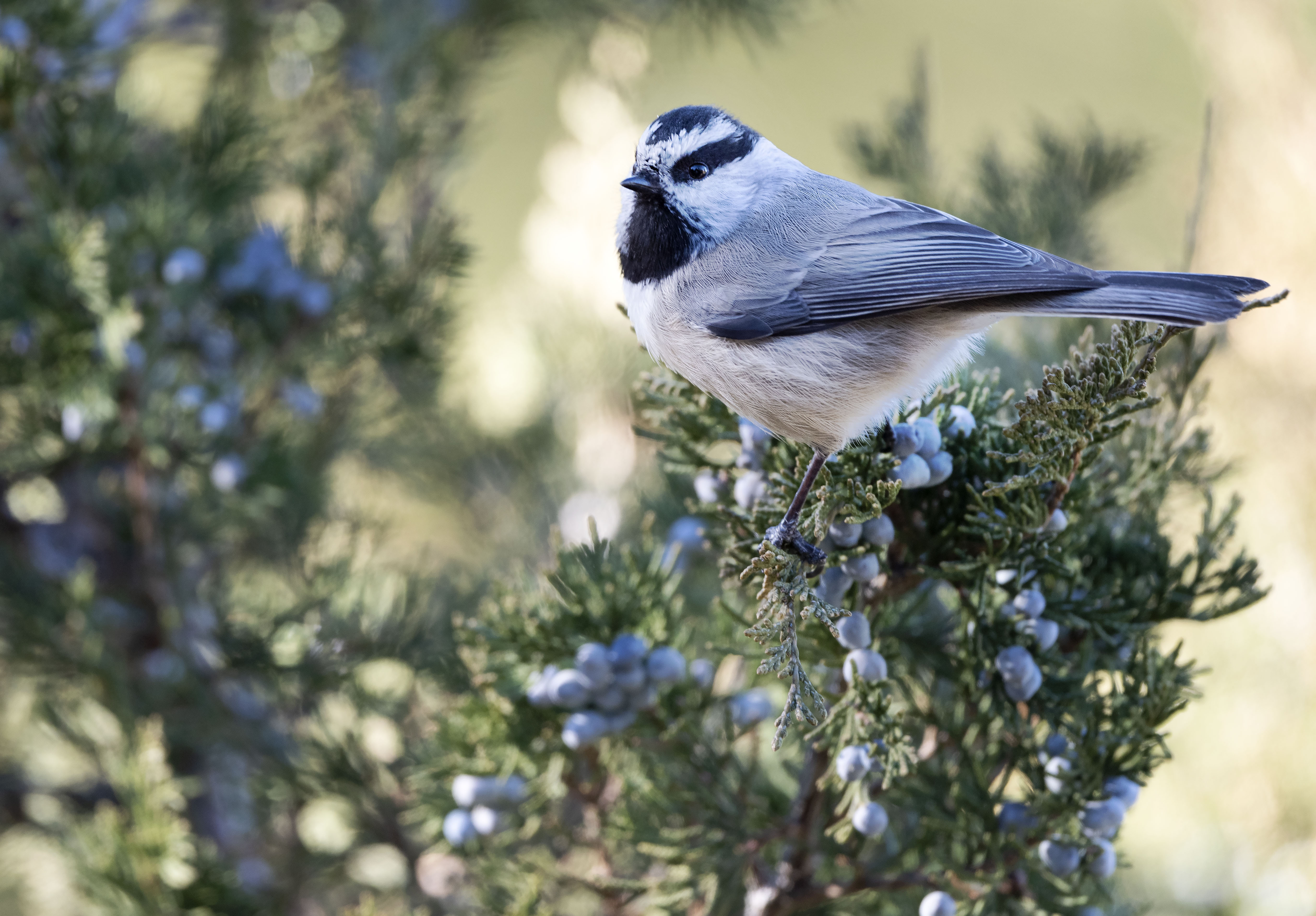
A mountain Chickadee pauses in the junipers as the sun shines bright on what to now has been a much drier and warmer winter than usual. We suspect the snow will come and temperatures will drop but until then the birds are catching a break and we can all use a break from time to time.
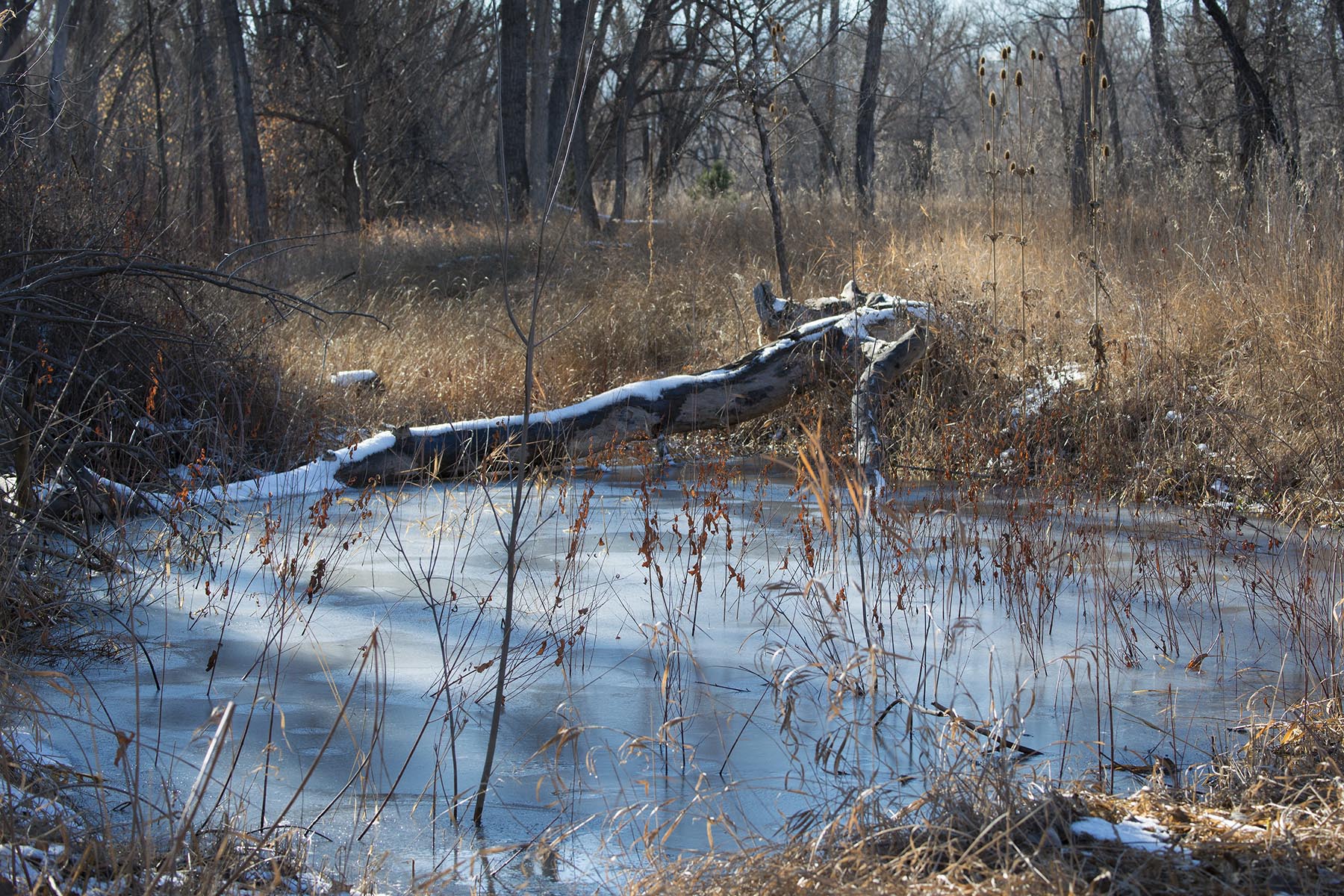
The mid-December sun, traveling low across southern sky casts long shadows on the icey blue face of a small pond and gently lights the landscape beyond. Decembers light is like no other and helps me keep track of the time like no wall calendar or wristwatch can.
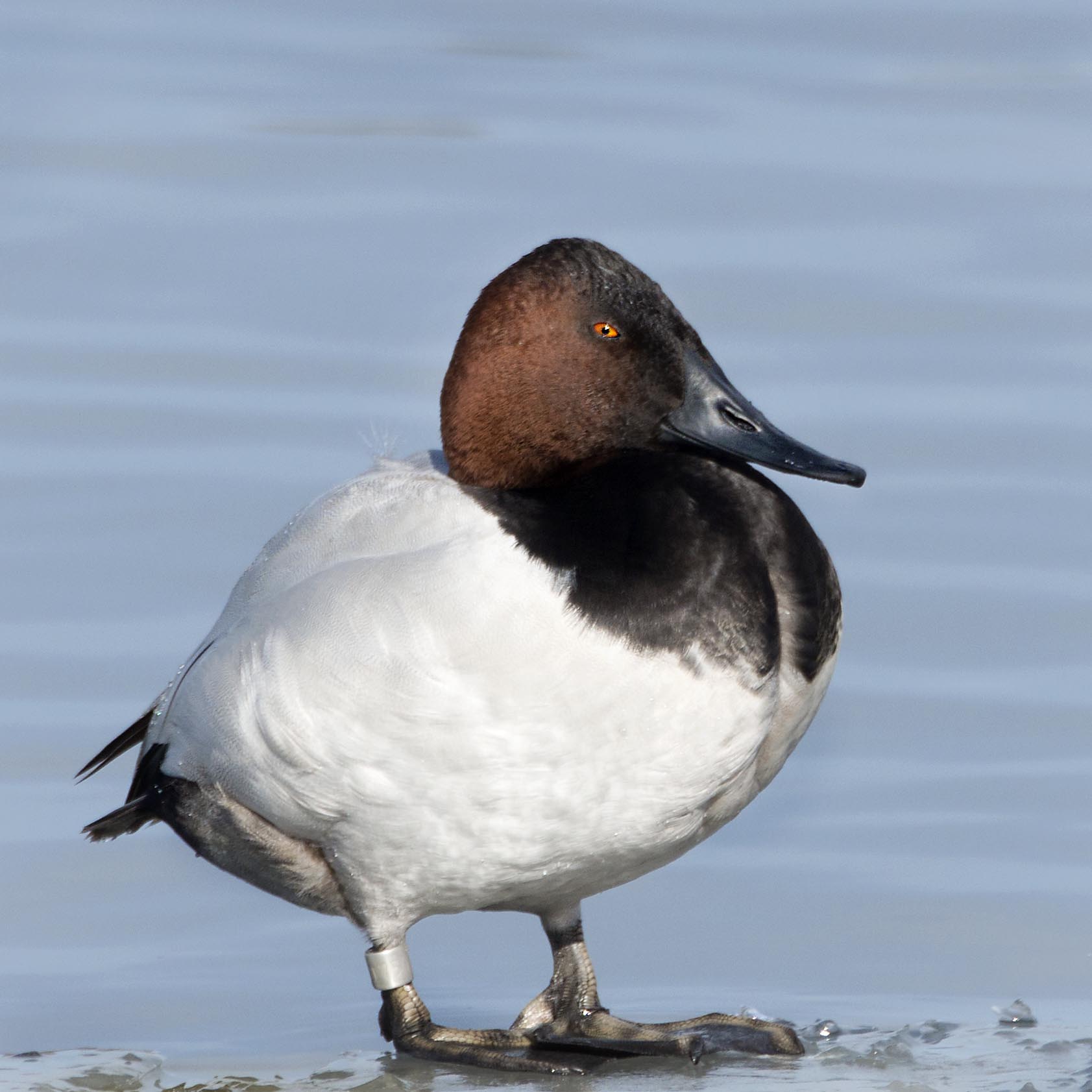
Looking a little sly this Male Canvasback seemed to be taking a break form the water yet poised to hop back in while resting at the edge of the ice. Notice the band on this guy, he is special and I wonder what story his band will tell.
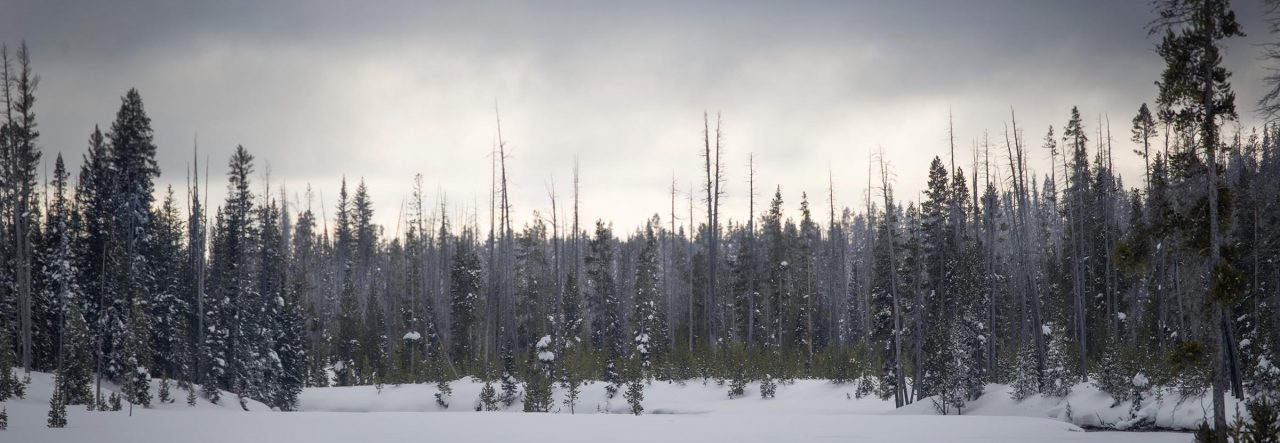
On this day clouds were oftens thick and at other times just filled the sky. A splash of color always present and a December mood, a special mood, filled the air.
A December mood, a quiet mood,a special mood was there.
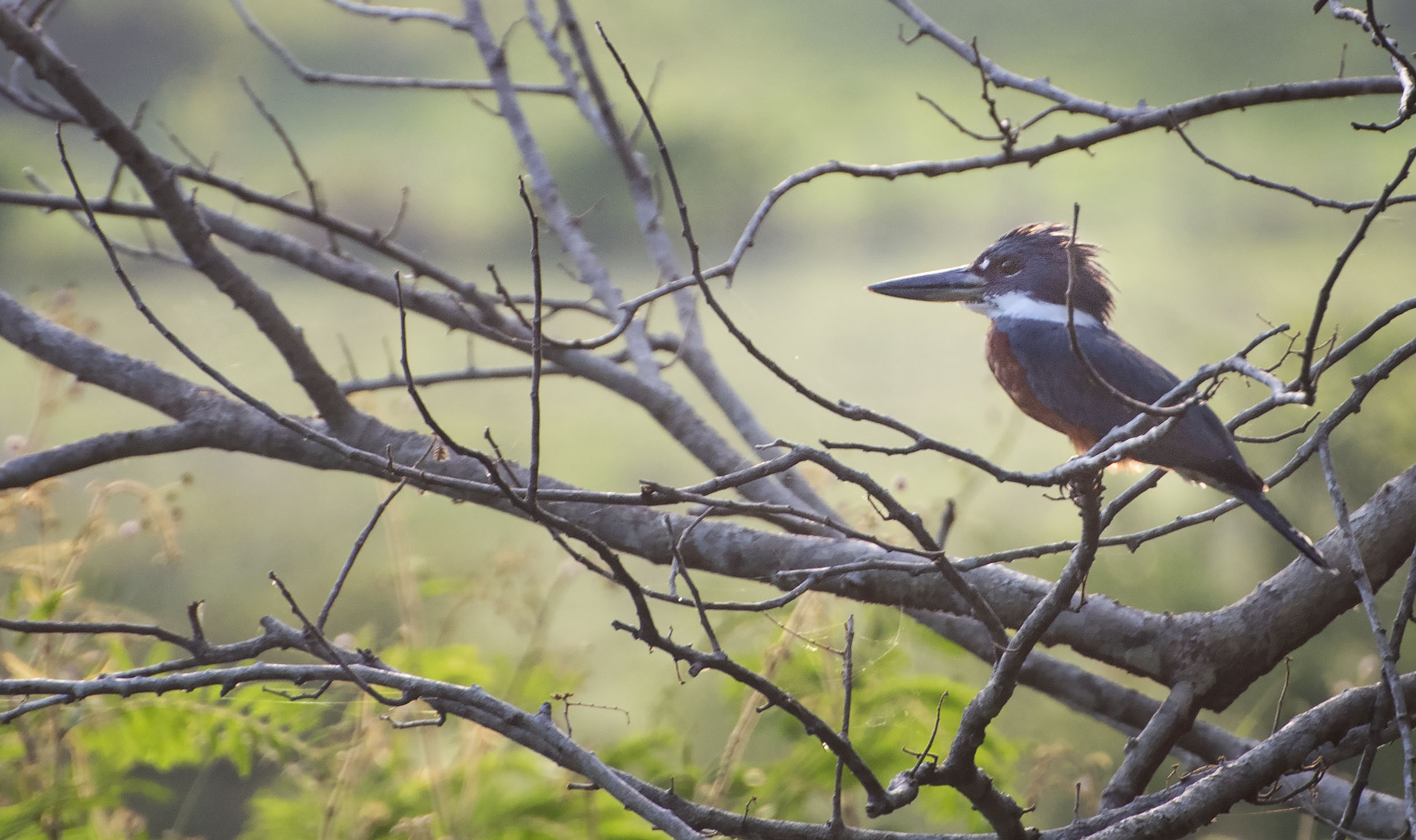
A couple of fine fishermen, just hanging out, doing what fine fishermen do. Waiting patiently and strike when the time is right. Above is the Ringed Kingfisher which is the largest species of Kingfisher in the Americas measuring about 16 inches making it about 2-3 inches larger than the similar looking Belted Kingfisher. The Ringed Kingfisher has gradually expended their habitat Northwards and now can be commonly seen along the lower Rio Grande in Texas.
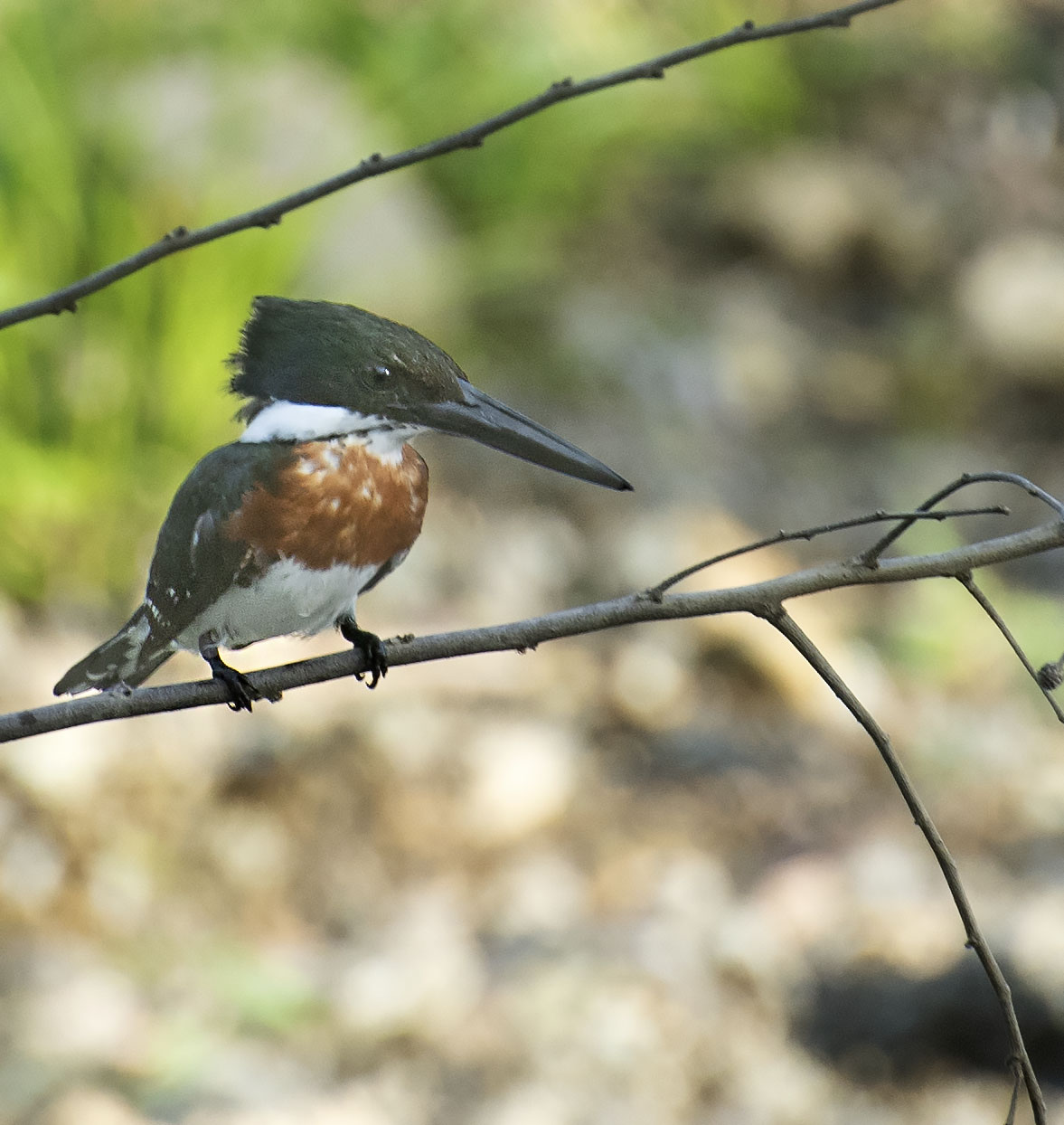
Another fine fisherman is the relatively small Green Kingfisher which is less than half the size of the Ringed Kingfisher photographed above. Unlike the Ringed Kingfisher the Green Kingfisher number may be on the decline as stream habitat is decreasing. A small bird with a large bill to say the least.
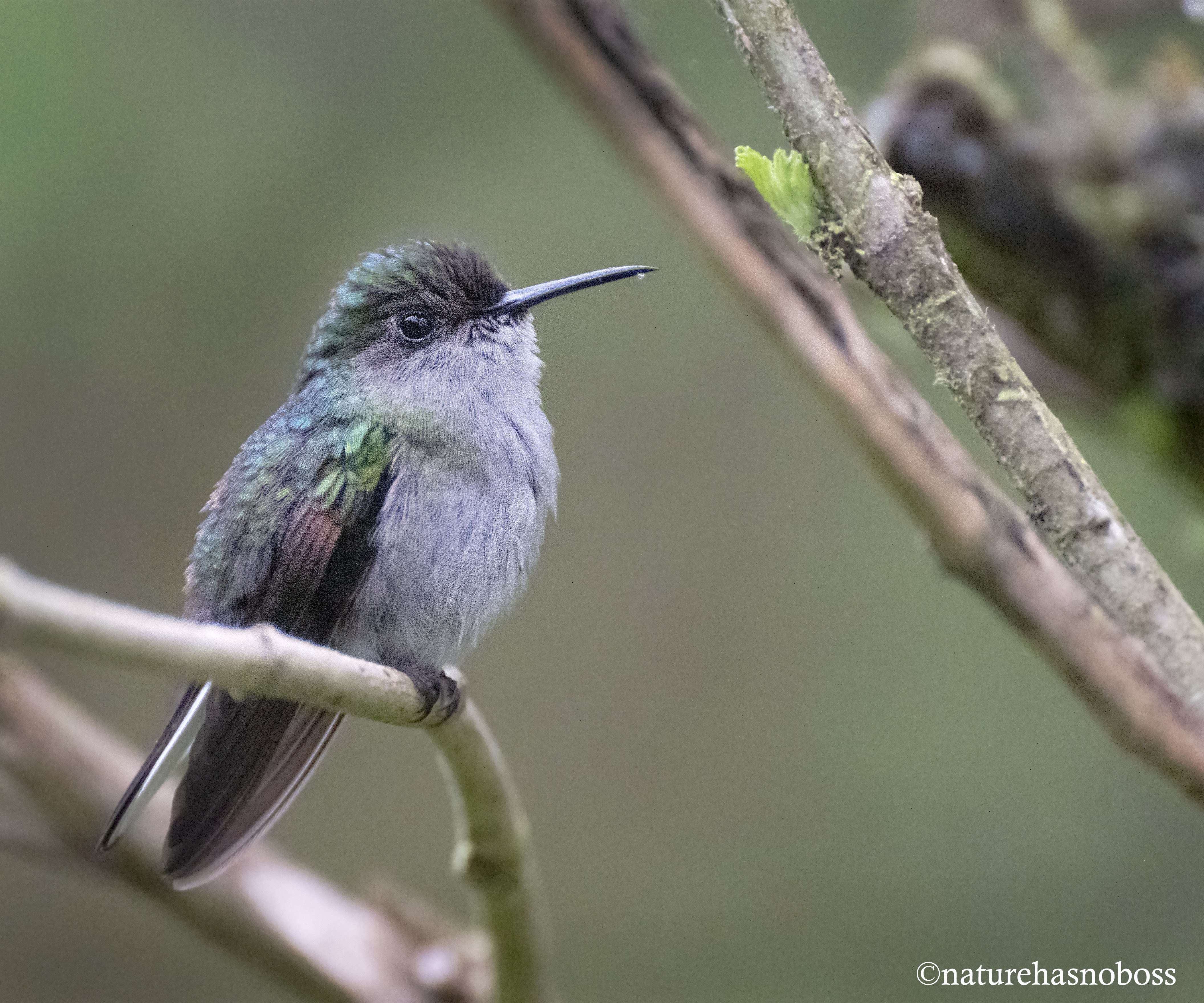
In this corner weighing in at 3.5 grams and a diminutive 7-8 centimeters in length is the Black-bellied Hummingbird. The female (above) lacks the distinctive black plumage that gives this Hummingbird it’s name. Black-bellied Hummingbirds are found in humid montane forests in Central America with males spending most of their time foraging in epiphytes in canopy whereas females are more frequently found along forest edges and garden clearings.
A male Black-bellied Hummingbird all puffed up on a cool morning.
Reference:
Schulenberg, T. S. and C. W. Sedgwick (2020). Black-bellied Hummingbird (Eupherusa nigriventris), version 1.0. In Birds of the World (T. S. Schulenberg, Editor). Cornell Lab of Ornithology, Ithaca, NY, USA. https://doi.org/10.2173/bow.blbhum1.01
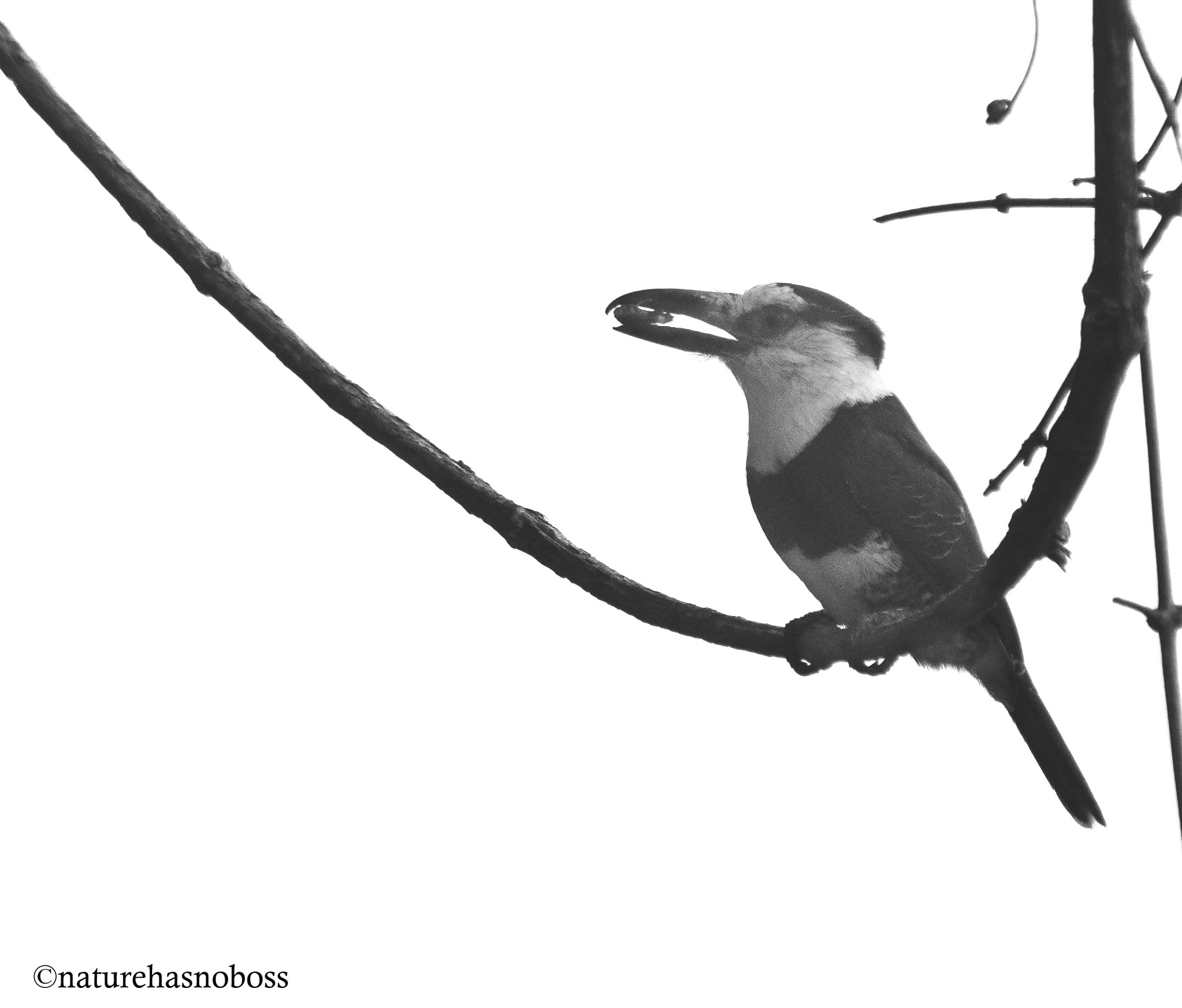
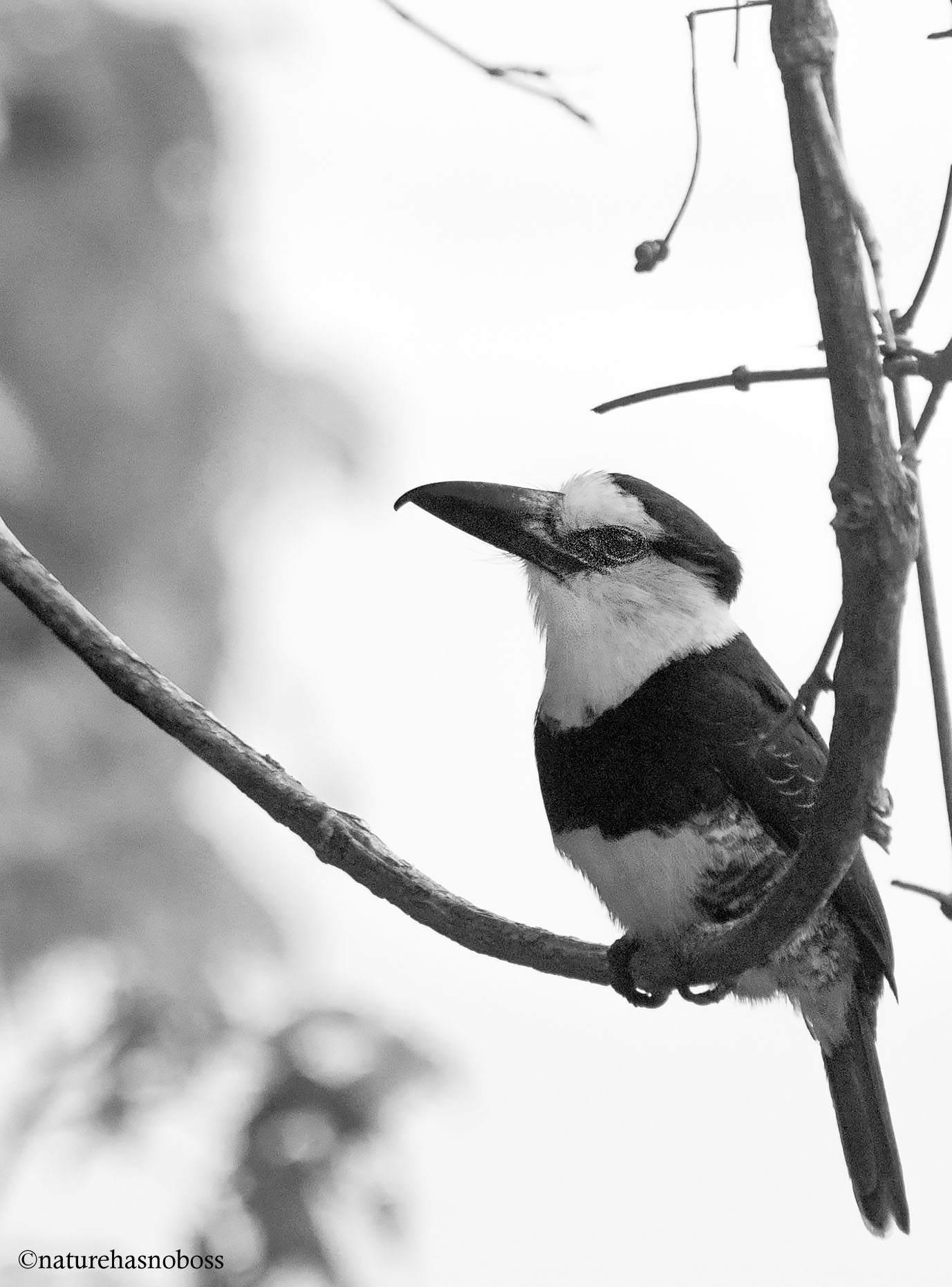
The White-necked Puffbird is one of the largest puffbirds to roam the forests from Southern Mexico all the way to Amazonia. While the White-necked Puffbird can be found from ground level to the top of the forest canopy it is more frequently found in the canopies making it more often seen than heard. The White-necked Puffbird forages mainly on insects although they will take both vegetable matter from time to time.
This bird was perched in the forest canopy and sallying out to forage. It was a very gray day and good light was not to be found but we had a good time trying to capture a photo or two of this interesting bird.
Reference:
del Hoyo, J., N. Collar, and G. M. Kirwan (2020). White-necked Puffbird (Notharchus hyperrhynchus), version 1.0. In Birds of the World (J. del Hoyo, A. Elliott, J. Sargatal, D. A. Christie, and E. de Juana, Editors). Cornell Lab of Ornithology, Ithaca, NY, USA. https://doi.org/10.2173/bow.whnpuf2.01
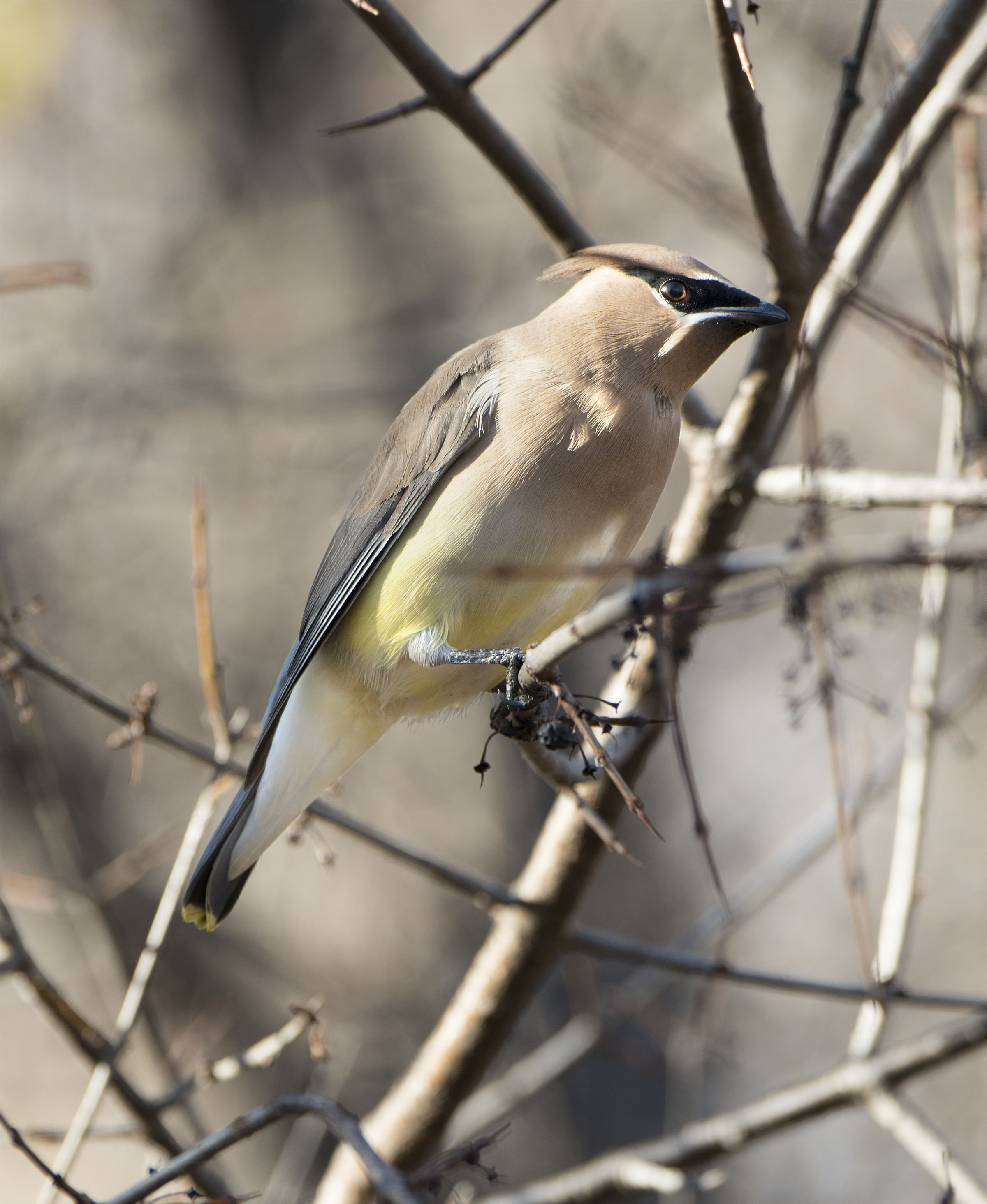
Cedar Waxwings picking over the same patch of dried berries that the Robins found appealing in yesterdays post. We only see the Waxwings for a week each year and only in the fall. This year they were right on schedule and arrived sometime during the last week of November and had departed by last weekends walk through the woods.
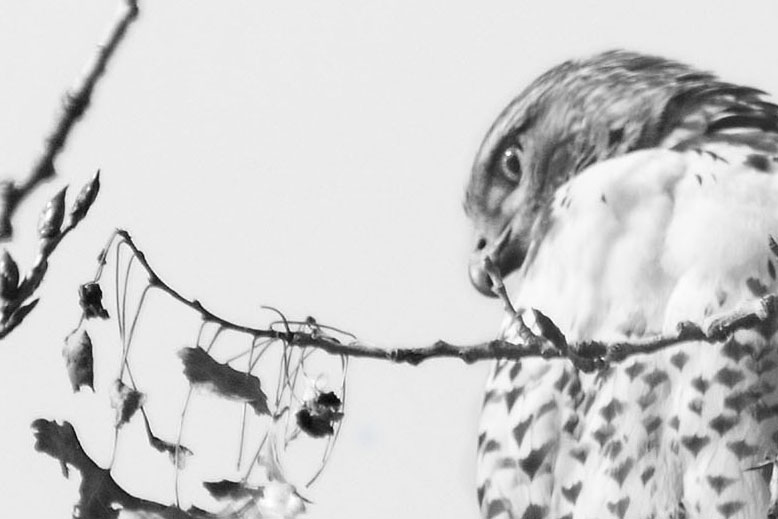
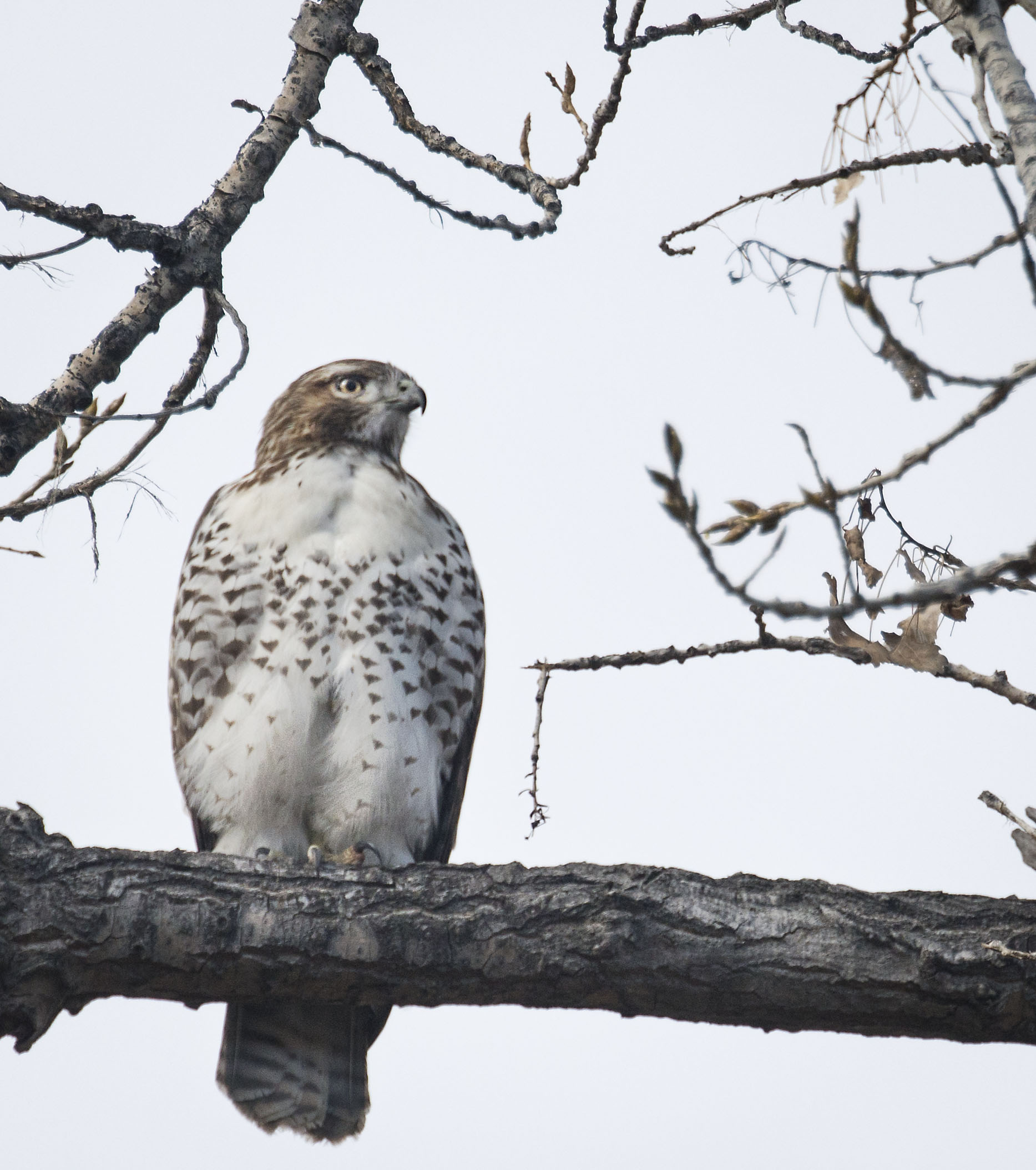
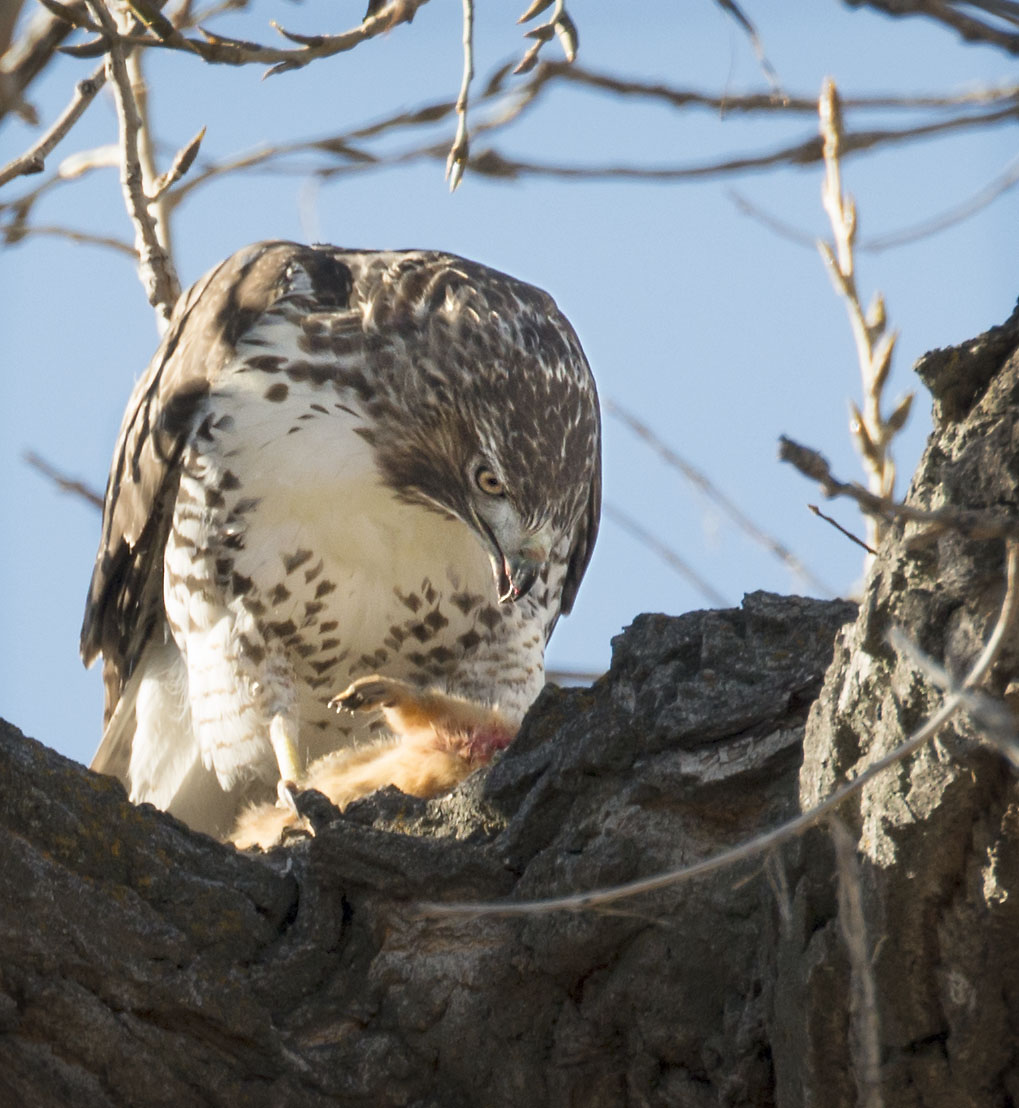
We watched this Coopers Hawk move move about from tree to tree ever vigilant for and aware of their potential next meal. Although we did not see the chase we saw the result as squirrel was on this Hawks menu.
Unlike previous winters where Mountain Chickadees were the predominant species of chickadee in our neck of the woods this winter the Black-capped Chickadees seem to be the most abundant. We have come to affectionately refer to the Mountain Chickadee simply as spunky wheras the word “sweet” seems to be the best descriptor of the the neighborhood Black-caps. It’s fun to have both species around and to be able to really get to know their personalities and who doesn’t like a bit of sweet to liven up a winters day.









 nature has no boss
You must be logged in to post a comment.