
Another round of sun and steam to warm a winters day.

Happy Friday and have a wonderful weekend.


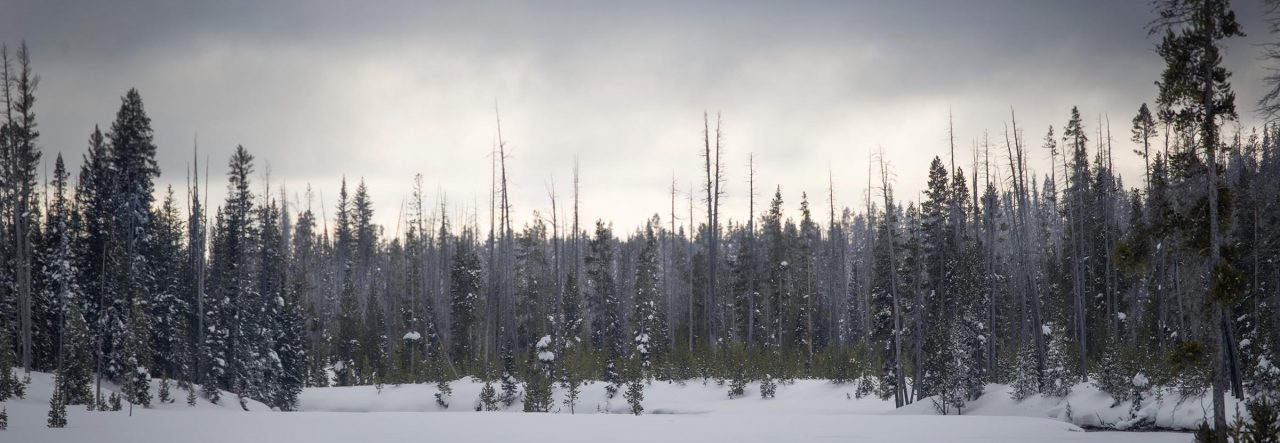
Another round of sun and steam to warm a winters day.
Happy Friday and have a wonderful weekend.

Yes it’s winter and for most of us in the Northern Hemisphere butterflies are few and far between this time of year. However summer will arrive soon enough and the skies will once again graced with these butterflies large and small.
Butterflies are vital pollinators and their populations strongly affected by climate change. Research funding to study how climate change amongst other things effects butterflies is in short supply so researchers have created an online platform called E-Butterfly which allow individuals to log their butterfly sightings and photos into a database much like the platform E-Bird used by many in the birding community.
A recent interview with entomologist Kathleen Prudic the co-director of E-Butterfly was published in the Conversation. The data entered into E-Butterfly is used for numerous research projects including butterfly conservation and much like the data used on E-Bird can be used to visualize the migration of several butterfly species. E-Butterfly also contains informative articles any butterfly enthusiast would find interesting to read. It is a great way for us all to get involved in conservation and another addition to the ever expanding role of citizen science in conservation research.
Browsing the site is a fine way to spend a minute or two on a dreary winter day.
And for more information on Citizen Science visit Citizen Science. org


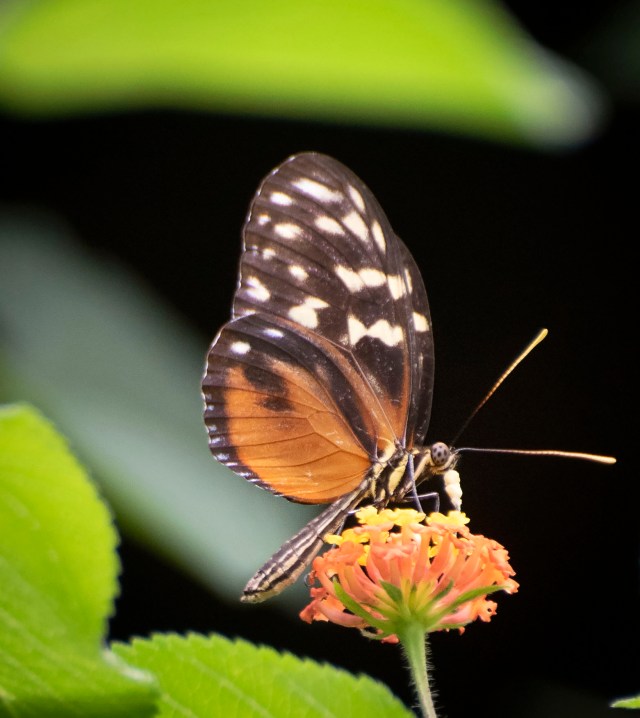
A January day spent dreaming of what is yet to come.
Yet living life in the present day.
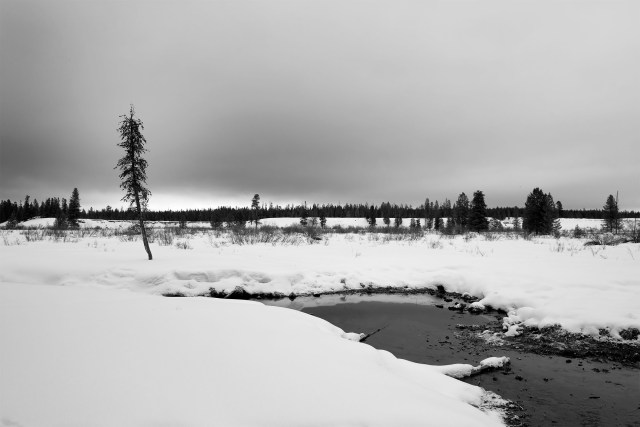

Standing behind the steam with sun above color filled the landscape.
With rusty orange…
and sometimes blue…
and often all of that and more with steam and sun in front and color all around.
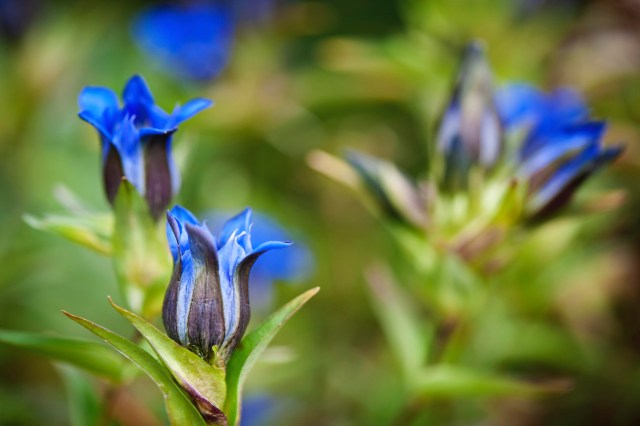
A recent report published in Science Daily describes the results of a recent research study published in the journal Current Biology supporting the hypothesis that when under attack from insect herbivores plants indeed communicate with each other.1
No, they don’t scream, but use chemicals called Volatile Organic Compounds and release them into the atmosphere and are detected by their neighbors.
One of the major findings from the study is that when plants are under attack the compounds released become more similar between species suggesting a type of cross species communication.
The Author of the study Andre Kessler describes the results of the study as follows:
“What we very often see when plants get attacked by pathogens or herbivores is, they change their metabolism,” Kessler said. “But it’s not a random change — in fact, those chemical and metabolic changes are also helping them cope with those attackers. It’s very much like our immune system: though plants don’t have antibodies like we have, they can fight back with pretty nasty chemistry.” 2
Interesting stuff.
The article in Science Daily is an easy read and a little splash of color to beat back a dull January day might be just what the doctor ordered.
Courtesy of none other than….Plants!


References:
1. Aino Kalske, Kaori Shiojiri, Akane Uesugi, Yuzu Sakata, Kimberly Morrell, André Kessler. Insect Herbivory Selects for Volatile-Mediated Plant-Plant Communication. Current Biology, 2019; 29 (18): 3128 DOI: 10.1016/j.cub.2019.08.011
2.Cornell University. “Plants alert neighbors to threats using common ‘language’.” ScienceDaily. ScienceDaily, 3 October 2019. .
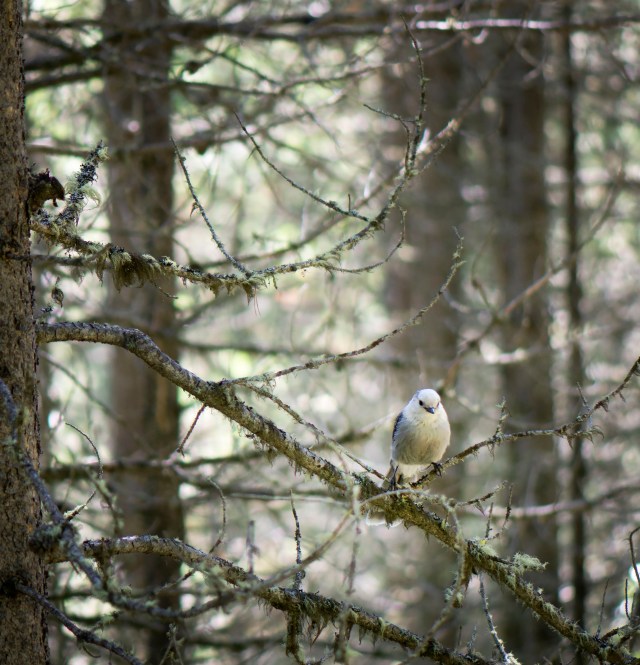
Feeling right at home in a lichen filled forest.
Both us and the Canada Jay.

On a silent morning we stopped and spent some time in the heart of a meadow looking out towards the edge. To the northwest, mountains rise as skies clear all the while clouds and snow roll in right above.
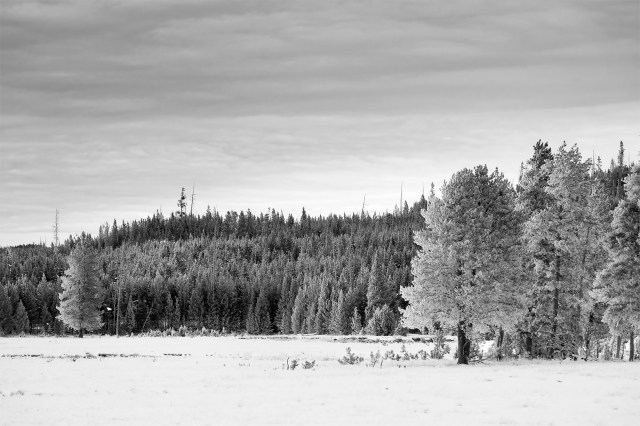
With just a slight turn the mood quickly changes with a dusting of white to the north…
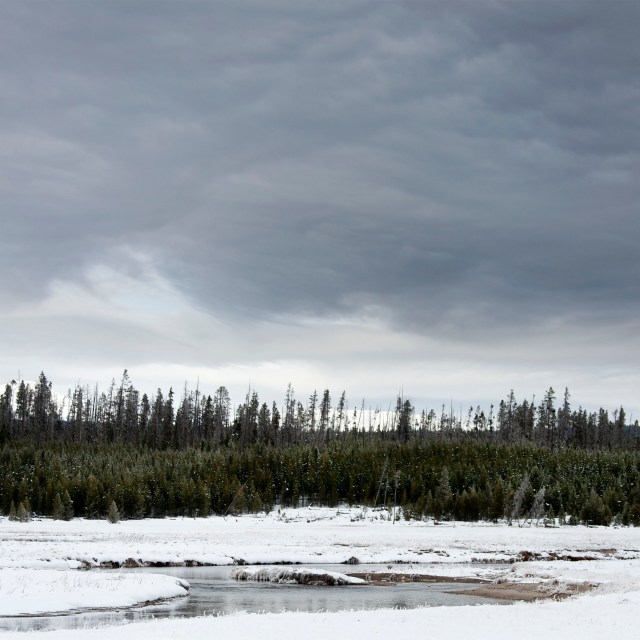
…and to the west a river meanders south and heavy clouds lie overhead…
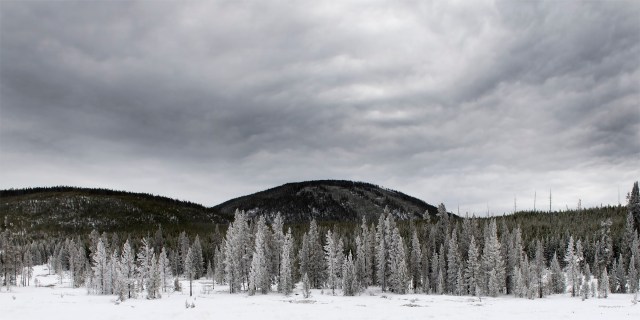
…to the east the hills rolled as the skies above.
As the day progressed the skies cleared and sun shone bright yet what lingers inside is the views towards the meadows edge.
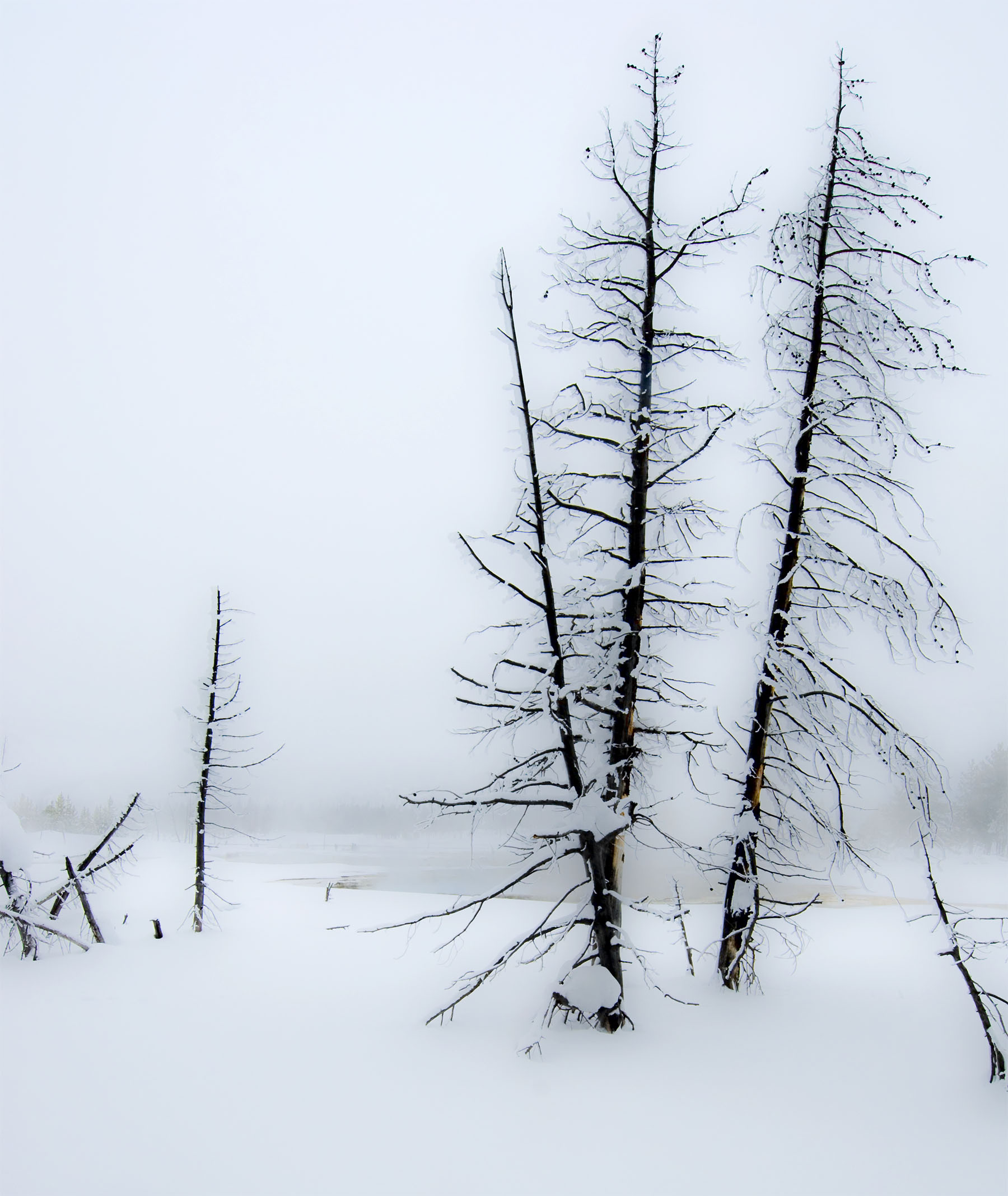
Two trees speaking softly through the mists created by our planets inner heat. Yellowstone National Park.
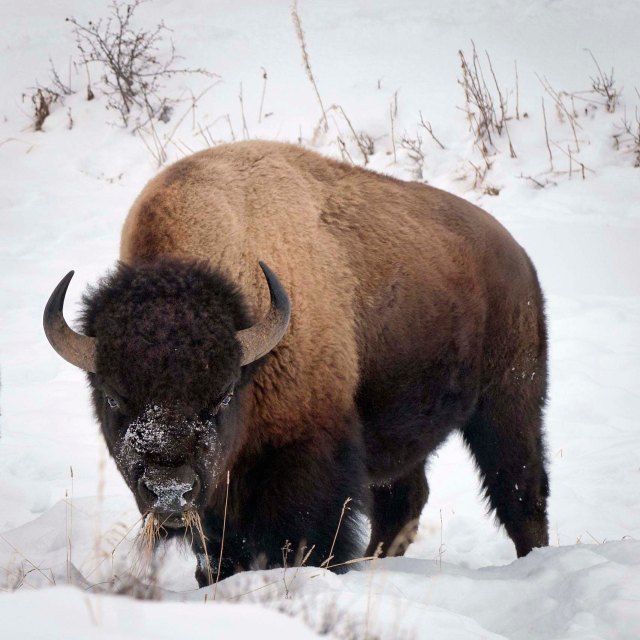
Just as we turned a corner while skiing on the Blacktail plateau we came across this guy having breakfast. We watched him for a minute but when he stomped his front hoof and gave us a grunt knew it was time for Quick U turn. We did not get to ski to our planned destination but it was a good day nonetheless.
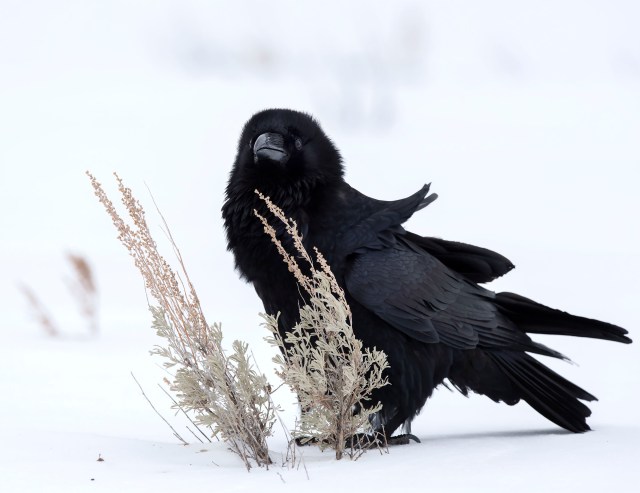
With the tips of a sage bush just poking above the snow a Raven endures the winter winds and cold while searching for the next meal.
From afar a black and white scene yet bursting with color the closer we got.
Happy Friday and a great weekend to all.
 nature has no boss
You must be logged in to post a comment.