Juniper Hairstreak

Juniper_hairstreak_901276 copy

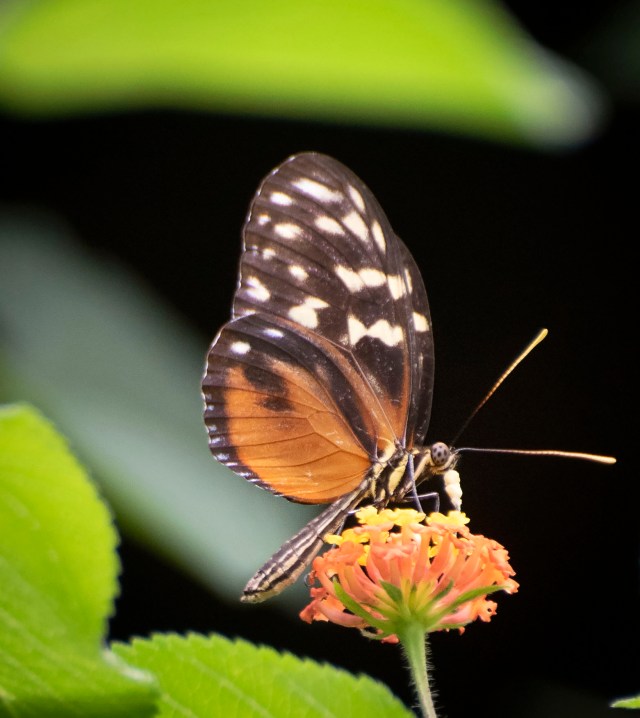
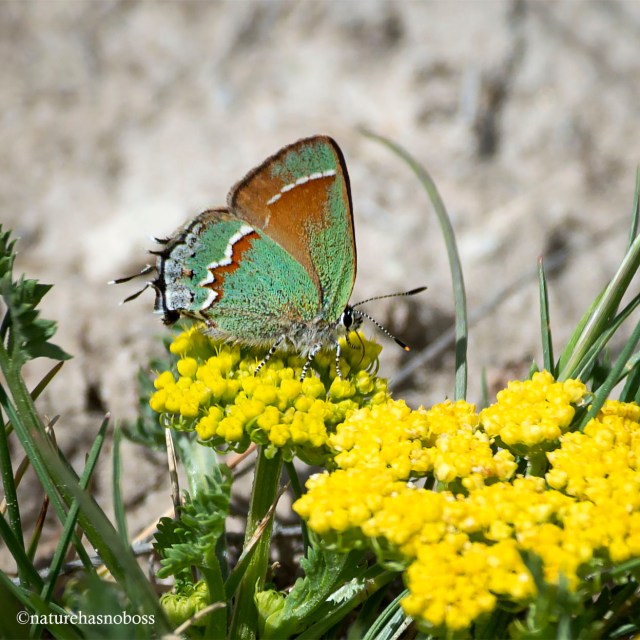
One of the most interesting butterflies found in our area is the beautiful and fancy in a non-fancy sort of way Juniper Hairstreak.  Widely distributed across the United States this butterfly is often seen in old fields, bluffs, barrens, juniper and pinyon-juniper woodlands, and cedar breaks. This one was photographed feeding on biscuit root along the base of a cliff that had several areas of Juniper growing. The male will sit all day upon the ends of juniper branches to attract a female.

Mr. White

Dressed_in_white_2314

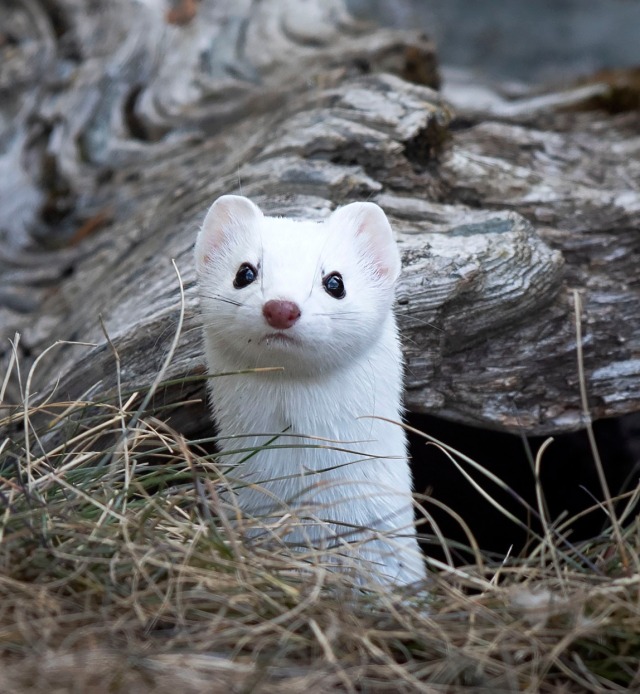
An Ermine still dressed in their winter whites peeks out from under a log. Seasons are changing and soon Mr. White will become Mr. Brown and we will have a hard time seeing him as he forages in the tall grasses of the fields nearby.

Boundless energy in such a small package makes them such a wonder to observe.

a “band”, “cast”, “party”, or perhaps a “scold”.

Stellers_jay_782314

Well that’s a mouthful.

The names given to groups of particular birds are always interning, and sometimes head-scratching to say the least, but with a little imagination these do seem to fit the bill.

So let’s begin.

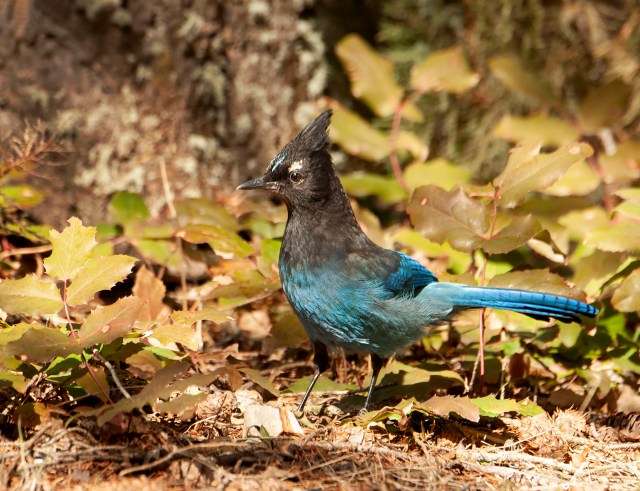
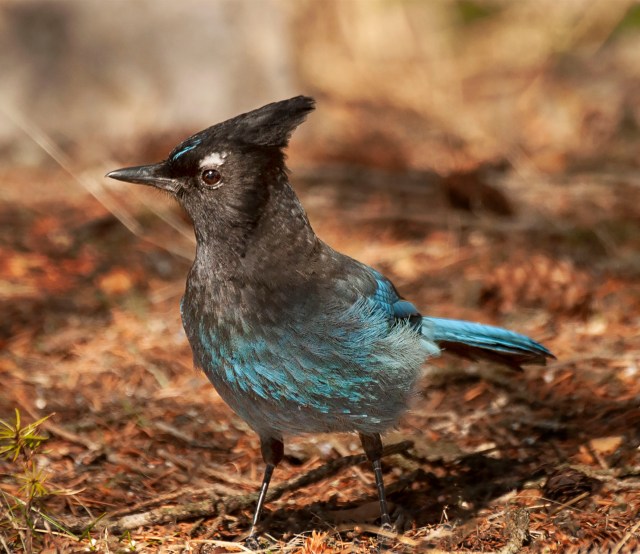
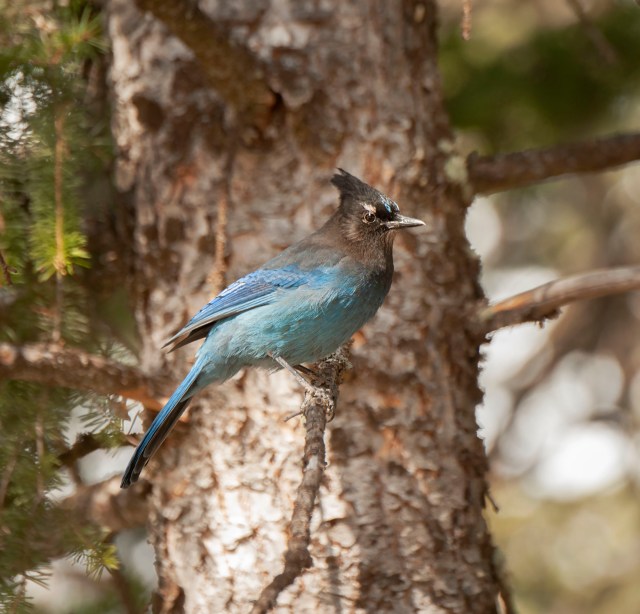
Last week we got paid a visit by a group of six Stellar’s Jays. While it is typical for perhaps two or three to hang around the nearby forest six at once was a new experience. All six seemed friendly enough towards each other and curious enough about us so a “band” of jays…well perhaps.

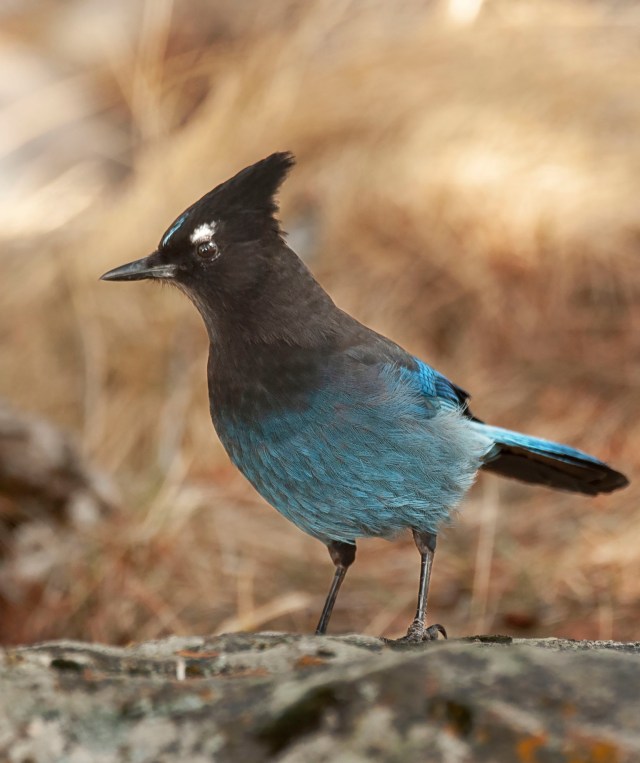
A cast….ummmm….maybe. They each did seem to play a role in the whole show. Some were boisterous and bold others a bit more shy like this guy below who hung around on the edge of the forest while other paraded by quite close to us. Unfortunately they did not congregate or come close enough together for a nice group shot but we caught at least three or four individuals who all seemed to strike a similar pose and looked remarkably similar as well.

Stellers_jay_23143

All seemed to be having a good time and displayed quite a range of vocalizations ranging for the usual scolding Jay sounds to songbird initiations and one Jay was quite adept a imitating the sounds of a pair of Golden Eagles we have heard all winter calling from the tops of the trees. So in their very own Stellar’s Jay way it was indeed a party.

Stellers_jay_6720122

And while we were indeed scolded every now and again for hanging around in their forest it was a gentle scolding and one we could easily accept for invading their space.

Stellers_jay_901232

So there you have it a nice visit with a “band”, “cast”, “party”, or perhaps a “scold” of Stellar’s Jays on a April afternoon.

As Spring Begins

BW_snowscape_c

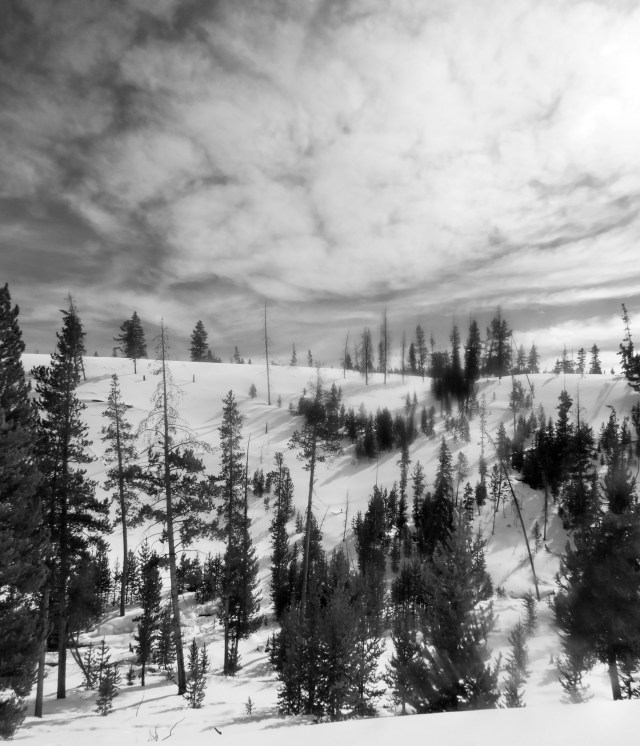
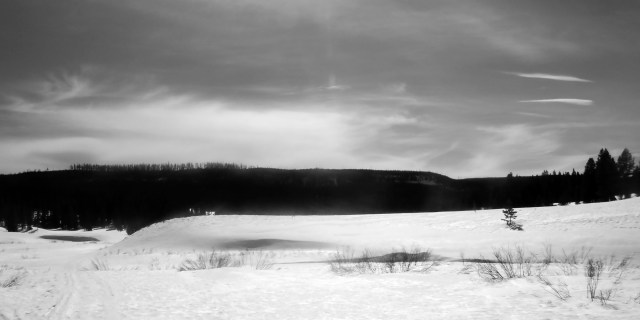
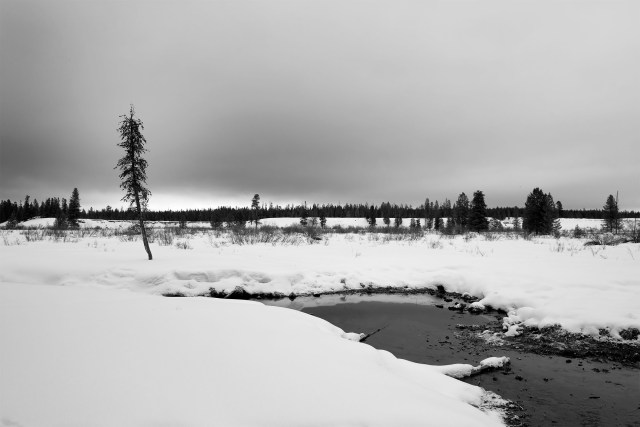
As spring begins snow still blankets the landscape. Yet it is not mid-winter snow. Transformed by wind and sun and then the cold of night this was a day to wander along and enjoy the season before it’s gone.

BW_snowscape_9012a

Wind and sun and even more wind have given this snow covered hill a dune like quality.

BW_snowscape_b

On this day the wind blew strong yet the sun was warm as we made our way along the trail and softening the thin veil of clouds along the distant horizon line.

BW_snowscape_e

Streams began to flow some exposed and running free while others were still hidden beneath a blanket of snow.

BW_snowscape_d

BW_snowscapes_f

A seasons long drift formed what we called the ear.

BW_snowscapes_g To end the day the wind bid us adieu while crossing a final open valley as spring begins yet winter remain.

Have a wonderful weekend.


A curious case: The Color of Baby Coots.

Coots_1

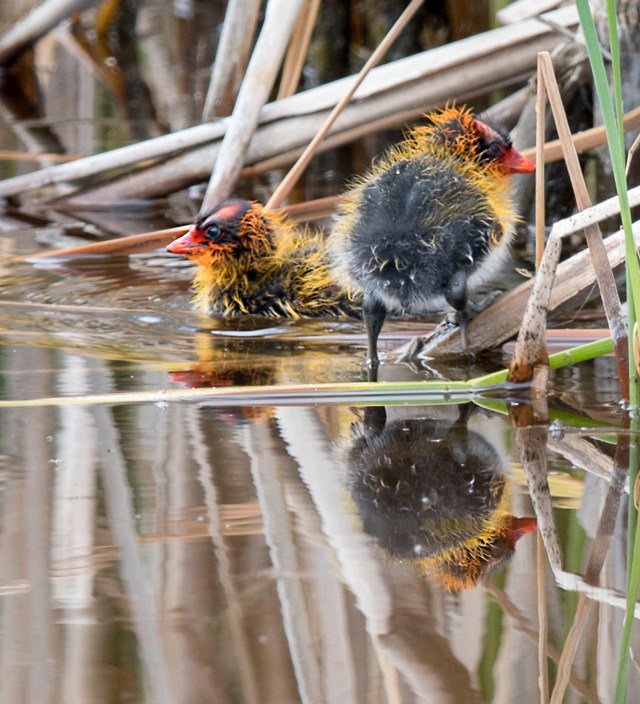
Why do American Coot chicks who develop into mainly greyish-black birds as adults begin their lives with such a splash of color? 1

That is a question a team of biologists have been asking for quite some time and, as is typical in science, the answer was not what they first expected. Previous studies conducted by this same laboratory concluded that coot parents preferentially feed chicks that display brighter coloration. The goal of the present study was to determine why this was the case.

The researchers noted that coots lay between 8-10 eggs and these eggs hatch in the order they were laid. Additionally coots are nest predators and lay eggs in other coots nests. One hypothesis was that the chicks hatched from predatory eggs were the more brightly colored chicks and thus would have gotten fed more. This turned out to be false. The researchers discovered that the chicks hatched from the latter laid eggs were the more brightly colored. Typically chicks hatched latter in a brood have to catch-up to their larger siblings if they are to survive. The researcher noted that if these smaller and brightly colored latecomers survived the parents would use their coloration as a way to preferentially feed these chicks more and allow them to catch-up to their earlier siblings. 2

A wonderful survial strategy reveled in a nicely done study. Hat’s off to science and to the coot.

References:

1. University of California – Santa Cruz. “The mysterious case of the ornamented coot chicks has a surprising explanation: The bright colors of the chicks of American coots help their parents choose favorites, according to a new study.” ScienceDaily. ScienceDaily, 31 December 2019. www.sciencedaily.com/releases/2019/12/191231111817.htm.

2. Bruce E. Lyon, Daizaburo Shizuka. Extreme offspring ornamentation in American coots is favored by selection within families, not benefits to conspecific brood parasites. Proceedings of the National Academy of Sciences, 2019; 201913615 DOI: 10.1073/pnas.1913615117


Hello Neighbor

Blue_flowers_1

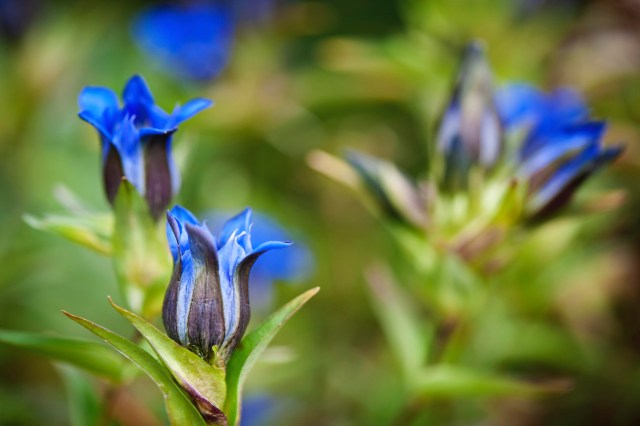
A recent report published in Science Daily describes the results of a recent research study published in the journal Current Biology supporting the hypothesis that when under attack from insect herbivores plants indeed communicate with each other.1

No, they don’t scream, but use chemicals called Volatile Organic Compounds and release them into the atmosphere and are detected by their neighbors.

One of the major findings from the study is that when plants are under attack the compounds released become more similar between species suggesting a type of cross species communication.

The Author of the study Andre Kessler describes the results of the study as follows:

“What we very often see when plants get attacked by pathogens or herbivores is, they change their metabolism,” Kessler said. “But it’s not a random change — in fact, those chemical and metabolic changes are also helping them cope with those attackers. It’s very much like our immune system: though plants don’t have antibodies like we have, they can fight back with pretty nasty chemistry.” 2

Interesting stuff.

The article in Science Daily is an easy read and a little splash of color to beat back a dull January day might be just what the doctor ordered.

Courtesy of none other than….Plants!

References:
1. Aino Kalske, Kaori Shiojiri, Akane Uesugi, Yuzu Sakata, Kimberly Morrell, André Kessler. Insect Herbivory Selects for Volatile-Mediated Plant-Plant Communication. Current Biology, 2019; 29 (18): 3128 DOI: 10.1016/j.cub.2019.08.011

2.Cornell University. “Plants alert neighbors to threats using common ‘language’.” ScienceDaily. ScienceDaily, 3 October 2019. .
This year: One book at a time.


We don’t know about you but we tend to get over ambitious at times with books, especially reading them. Five or six books sitting proudly on the coffee table in living room each with a bookmark placed about 1/3 into the book. Each book calling your name when you plop down on the sofa to relax. You sit and stare back at them silently wondering how you will finish them all before they are due at the library. You get through one or two wonderful books but always feel like your not reading enough as you solemnly remove the bookmarks form the remaining three and whisk them off and into the return slot at the library. So this year it’s only one book at a time- from front to back- all the way though.

We recently came across a wonderful four part series on the best nature books of 2019 written by the Chicago Review of Books

. It is a very diverse list of nature books that will provide us some guidance in choosing and reading our one-book-at-a time in 2020.

Here are links to each of the four posts. The author of the articles Amy Brady stated in the part four of this series that this year has been the best in recent memory for nature writing. Looking though the lists is almost as fun as reading the books listed.
Part Four
Part Three
Part Two
Part One

Anything catch your eye as a first read from these lists. Maybe because it’s winter and darkness comes early the book Dark Skies: a journey into the wild night By Tiffany Francis-Baker sounds like it might be first up this year.