Song birds are shrinking

Bergmann’s rule posits that populations and species of larger sizes are found in colder regions while in warmer regions species are smaller.

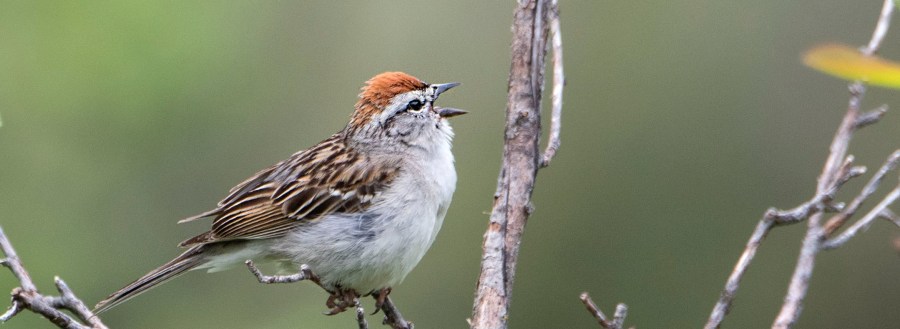
A study published yesterday in the Journal Ecology Letters reports that over the pervious four decades there has been, on average, a 2.4 percent decrease in the size of the length of the tarsus bone, a standard marker for bird size,  in a sample population of over 70,000 birds from 52 species. The changes in tarsus length were correlated with the increase temperature. The lead authors of the study suggested two explanations for the decrease in body size.

“The first is developmental plasticity, in which individuals that mature in warmer temperatures tend to develop into smaller adults,” Weeks explained. “The second is natural selection, in which smaller birds tend to do better — in survival, reproduction, or both — in warmer temperatures, leading to a shift in the average size of individuals in a population.”

In addition, the study found consistent increases in the wing length of 1.3 percent in 40 of the species. The reason for in increase in wing length is unclear  but the authors hypothesized that increasing wing length may represent a compensatory adaptation to maintain migration as reductions in body size have increased the metabolic cost of flight. Like many of the consequences of climate change, the changes measured in bird size, are not perceptible to the naked eye.

There is a good summary of the study here by the Audubon society.

Click any image for slide show.


Seeking Solutions: A global deal for nature

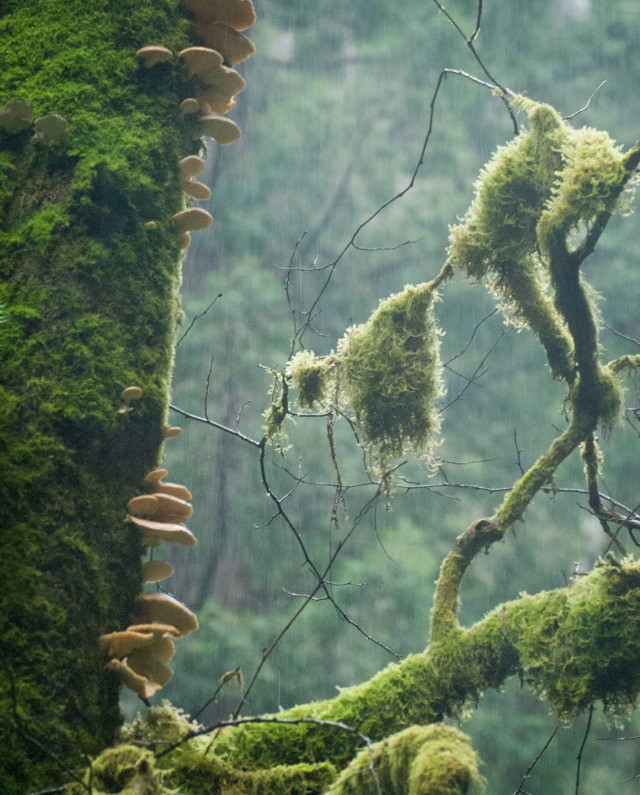
Wet_23

As humanity marches on seemingly ignorant, yet keenly aware, the earths climate continues to warm faster than predicted and the sixth-extinction event picks up momentum like a snowball rolling down hill one group of scientists recently published a paper titled “A Global Deal For Nature: Guiding principles, milestones, and targets” in the journal Science Advances proposing a solution to put a halt to our global crises.  In this paper the authors make the case that:

 “the most logical path to avoid the approaching crisis is maintaining and restoring at least 50% of the Earth’s land area as intact natural ecosystems, in combination with energy transition measures.”

The authors clearly state that measures to protect ecosystems, biodiversity and any aversion or mitigation of anthropogenic climate change is a time bound matter and action must come sooner than later.

The paper lists five major goals of the project:

(1) represent all native ecosystem types and successional stages across their natural range of variation—or “representation”

(2) maintain viable populations of all native species in natural patterns of abundance and distribution—or “saving species”

(3) maintain ecological function and ecosystem services

(4) maximize carbon sequestration by natural ecosystems

(5) address environmental change to maintain evolutionary processes and adapt to the impacts of climate change 

In addition the paper gives clear scientific evidence for their proposal and priorities that include: protecting biodiversity, mitigating climate change and reducing future threats. This is a well presented paper and one clearly worth reading.

A short article summarizing the project can be found here and is a good jumping off point prior to reading the whole study. It’s a beautiful world and diverse world and something too important to loose.

Click image to view slideshow.

References:
1) A Global Deal For Nature: Guiding principles, milestones, and targets.


New Discoveries

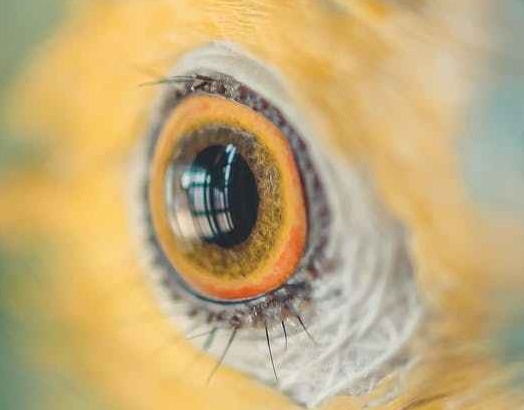
First sighted by birders in the lowland forests of Borneo  over a decade ago the Spectacled Flowerpecker has now been studied and classified as a new species. The species was studied by Chris Milensky and Jacob Saucier from the Smithsonian’s National Museum of Natural History while conducting a bird diversity survey. A specimen was captured in the groups mistnet enabling the scientists to collect a DNA sample and confirm that the bird is genetically distant from other known species of flowerpeckers. It is the first new bird species to be found in Borneo for 100 years and a reminder that there are still discoveries to be made.

A quote from Milensky is also a reminder that while there are indeed innumerable scientific discoveries to be made what enables these discoveries is intact habitat for species to exist.

“the discovery of the Spectacled Flowerpecker reflects the boundless biodiversity of the Bornean forests. “Birds are pretty well-studied compared to other organisms, so whenever you find a new bird, you realize just how little you know. Who knows how many insects and invertebrates and other things are still left to be discovered in these forests?” he says. “There are so many other organisms out there that we certainly don’t even know about, that really do require habitat preservation.” 

References:

1.  Jacob R. Saucier, Christopher M. Milensky, Marcos A. Caraballo-Ortiz, Roslina Ragai, N. Faridah Dahlan, David P. Edwards. A distinctive new species of flowerpecker (Passeriformes: Dicaeidae) from Borneo. Zootaxa, 2019; 4686 (4): 451 DOI: 10.11646/zootaxa.4686.4.1

2. https://www.si.edu/newsdesk/releases/first-scientific-description-elusive-bird-illuminates-plight-borneos-forests

3.https://www.sciencedaily.com/releases/2019/10/191017141049.htm

At what cost?

A recent article presented on CNN titled “The insect apocalypse is coming: Here’s what you can do about it.” reports that up to 41% of insect species may face extinction in the coming decades. A major source for this article was a study authored by Dave Goulson at the University of Sussex in the UK. His report is titled “Insect Declines and Why They Matter.
Dr Goulsons report begins with a statement which will likely hit home to many of you

“In the last fty years, we have reduced the abundance of wildlife on Earth dramatically. Many species that were once common are now scarce. Much attention focusses on declines of large, charismatic animals, but recent evidence suggests that abundance of insects may have fallen by 50% or more since 1970. This is troubling, because insects are vitally important, as food, pollinators and recyclers amongst other things. Perhaps more frightening, most of us have not noticed that anything has changed. Even those of us who can remember the 1970s, and who are interested in nature, can’t accurately remember how many butterflies or bumblebees there were when we were children.”

We all know that insects, like em or leave em, are responsible for pollination of three quarters of our food crops. Thus we can expect to pay dearly if insect populations decline as predicted.

Dr Goulson is not alone in his assessment of the rate of potential insect decline. A review published by Francisco Sánchez-Bayo and Kris A.G.Wyckhuys titled “Worldwide decline of the entomofauna: A review of its drivers” reaches similar conclusions citing habitat loss, pesticide use, invasive species and climate change as primary drives of insect loss.1

Both studies suggest we can do a few things to stem the decline in insect populations like:

1 Plant a garden using plants that attract pollinators like bees and butterflies.

2.Create more insect habitat like a log or brush pile. These attract humble insects and invertebrates like woodlice, which recycle nutrients and act as food for birds and small mammals.

3.Voice your opinion to your local authorities. Push for planting native trees that flower on streets and parks and plant wildflowers in road medians.

4. Avoid using pesticides and encourage your friends, family and local government to do the same.

Besides their role in a functional ecosystem insects are darn cool to observe and photograph as well. At what cost we will begin see the beauty of life on earth.

Click on any photo to play slide show.

Reference:
1.https://doi.org/10.1016/j.biocon.2019.01.020

A few links on creating a pollinator friendly garden. Yes we are going into winter but it’s never too early to think about next years garden.

https://www.fws.gov/midwest/news/PollinatorGarden.html
https://www.fs.fed.us/wildflowers/pollinators/gardening.shtml
Seeking Solutions: Half-Earth Project

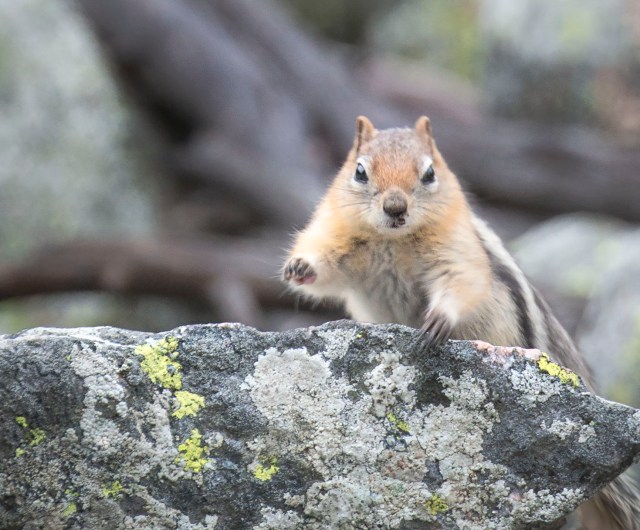
Golden_mantled_2314

In recent posts we have highlighted findings from a couple of recent studies describing the dramatic decline in avian populations in North America over the last  last 30-40 years. Like many of you, we see the decrease in avian population as a harbinger for the rest of life on earth predicting  a massive decline in biodiversity resulting from the mass extinction of species of all kinds. Protecting  ecosystems and thus the species that inhabit them will be no small task and indeed feels overwhelming.

IMG_6541

One group that is attempting to protect and preserve biodiversity is The Half Earth project founded by Edward O Wilson. Their stated mission is to:

“conserve half the land and sea in order to safeguard the bulk of biodiversity and ensure the long-term health of our planet.”

Half-Earth recently held their annual conference and have posted videos of the lectures on their website. We are working our way through the lectures and hope you can find the time to view a couple that interest you. Be it large or small we need to find time to seek solutions even though we may feel overwhelmed.

YRW_34567


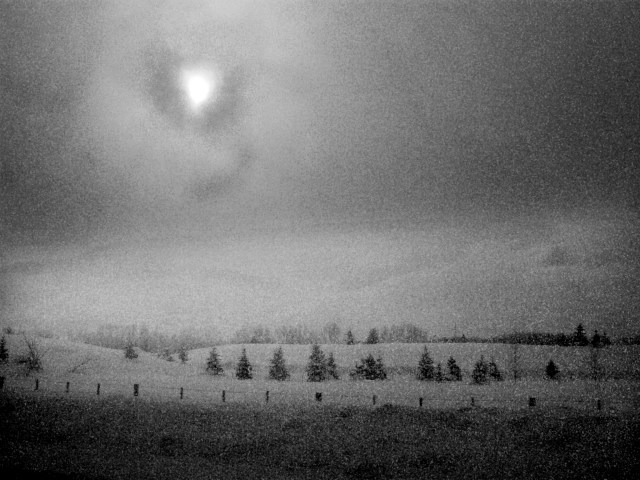
Under a full moon

Crested_butte_winter_2008

The moon was bright and full last night brightening the sky and even making the snow sparkle with color. Seeing the bright moonlight got us to wondering how moonlight nights might effect animal behavior.

There have been many studies effects so we thought it might be interesting to pass along just a few more recent observations we are aware of.

Several phenomenon related to animal behavior have been attributed to the full moon including increased spawning of corals and other reproductive behavior.

The Barau’s petrel, a tropical seabird species, uses the lunar cycle., unlike many other birds with use the sun or length of day, to time mating.

A recent study by Norevik et al. describes how the full moon synchronizes the initiation of the fall migration in the European Nightjar. The abstracts states:

We found that the daily foraging activity more than doubled during moonlit nights, likely driven by an increase in light-dependent fuelling opportunities. This resulted in a clear cyclicity also in the intensity of migratory movements, with occasionally up to 100% of the birds migrating simultaneously following periods of full moon. We conclude that cyclic influences on migrants can act as an important regulator of the progression of individuals and synchronize pulses of migratory populations, with possible downstream effects on associated communities and ecosystems.1

So as we enjoy another night of moonlight skies we can all ponder what other effects the lunar cycles have on the other inhabitants we share the planet with. So much to study and so much still unknown. Do we need to expand our ecosystem to include the moon? the show universe?

1) Norevik G, Åkesson S, Andersson A, Bäckman J, Hedenström A (2019) The lunar cycle drives migration of a nocturnal bird. PLoS Biol 17(10): e3000456. https://doi.org/10.1371/journal.pbio.3000456

The importance of wilderness

“Wilderness areas act as a buffer against species loss, as the extinction risk for species within wilderness communities is—on average—less than half that of species in non-wilderness communities.” 1

A recent study published in the Journal Nature titled “Wilderness Areas Half The Extinction Risk of Terrestrial Biodiversity” mapped several locations around the world where maintaining wilderness areas should be a priority. The first statement the authors make in the abstract in this paper really hit the nail on the head for me.

“Reducing the rate of global biodiversity loss is a major challenge facing humanity, as the consequences of biological annihilation would be irreversible for humankind. 1

In this single sentence the authors make clear that the steady march of human activity, as currently, conducted could potential be catastrophic to all life on earth.

“Wilderness areas act as a buffer against species loss, as the extinction risk for species within wilderness communities is—on average—less than half that of species in non-wilderness communities.” 1

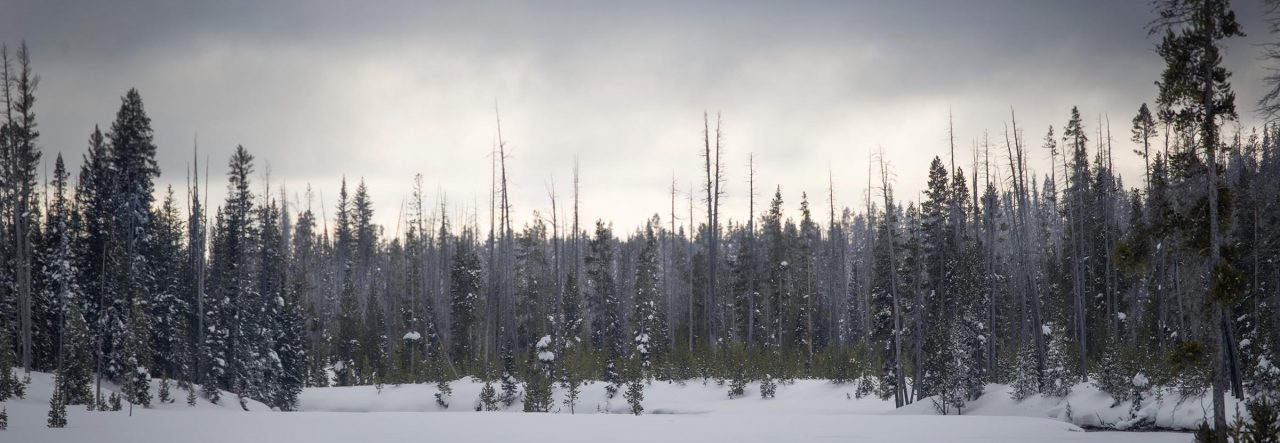
The paper points to several locations on the plant especially important to protect yet the authors also state that all wilderness areas have intrinsic conservation value thus we can all play a role by supporting local conservation efforts of wilderness area near to each of us. Below we showcase a few wilderness area we have recently spent time in. They are both beautiful as well as safe havens for biodiversity.

Click any photo for slide show.

Absoroka-Beartooh and Lee Metcalf wilderness areas.

References:

1. Reference: Di Marco, M., Ferrier, S., Harwood, T.D. et al. Wilderness areas halve the extinction risk of terrestrial biodiversity. Nature 573, 582–585 (2019) doi:10.1038/s41586-019-1567-7

For a short summary of the article visit Science daily.

A couple of groups that support the missions of wilderness as a buffer for biological diversity are:
The Wilderness Society
The Half-Earth Project

Three Billion Birds: follow-up.

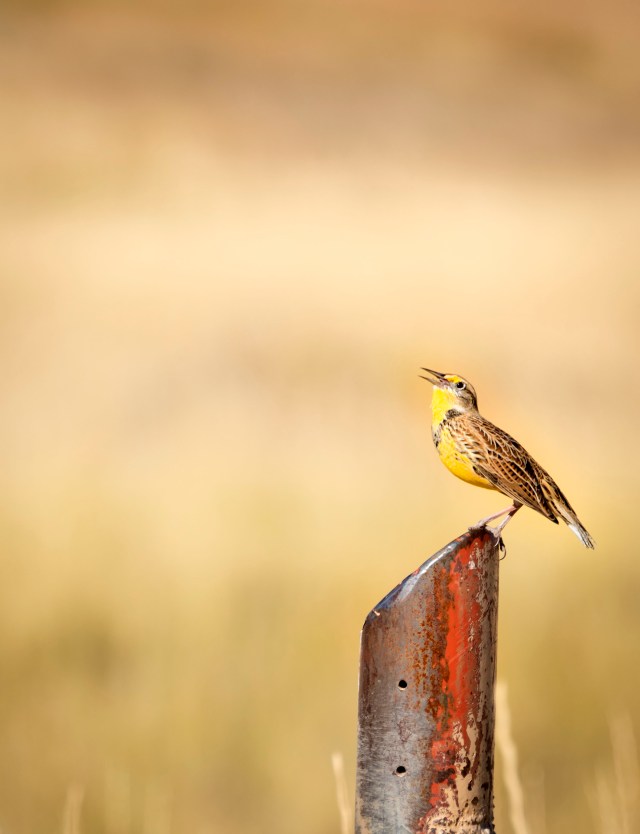
Fall_meadowlark_1

We recently linked to a study finding that over 3 billion birds have been lost from the ecosystem in North America as well as a study indicating that perhaps 66% of North American Birds are threatened with extinction resulting form anthropogenic climate change.

For those who are interested we just received an email informing us of an online presentation this Monday evening Nov, 4th at 7pm EST by Dr. Ken Rosenberg of the Cornell Laboratory of Orinthology titled “3 Billion Birds Gone: The Bird Crisis and What We Can Do About It“. Importantly it looks like this presentation will focus on the broader implication of the results of these findings beyond birds.

Looks to be an interesting presentation.

Swimming through air

An interesting new study by V. B. Baliga, I. Szabo, D. L. Altshuler entitled Range of motion in the avian wing is strongly associated with flight behavior and body mass suggests that rather than the shape of a birds wing per se it is the range of motion in the elbow and wrist joints that determine how a bird swims though the air. Some birds glide smoothly like a bald eagle while other can hover like a hummingbird and this paper suggest range of motion in the joint is the key. A interesting read for those who are interested both in biomechanics and evolutionary biology.

You can find a short summary in Science Daily here.

Orobanche uniflora

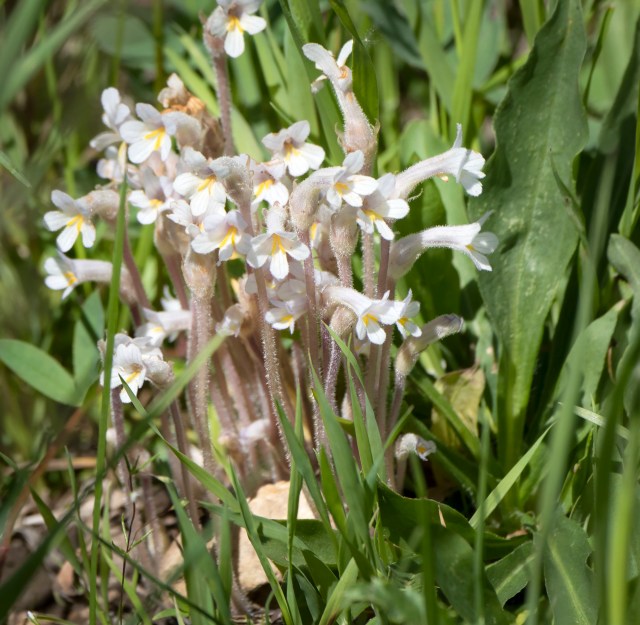
Broomrape_1

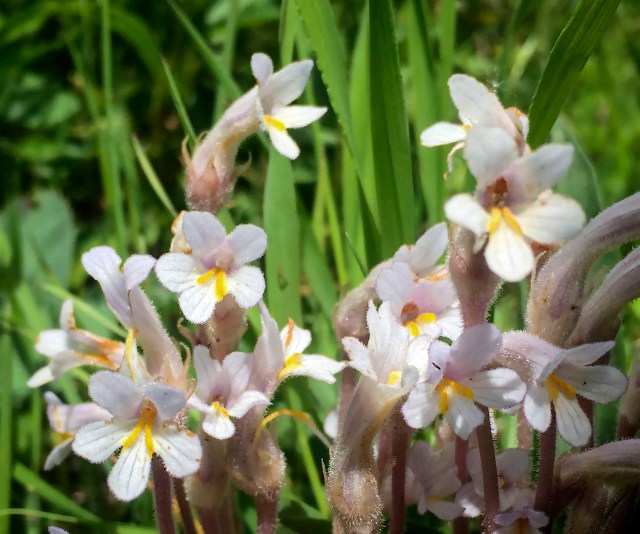
I can’t say it better than it is stated in this NY Times article “There’s simply no way to talk about the beauty of Orobanche uniflora without raising a lot of eyebrows.”

Commonly called Naked Broomrape or sometimes Flowered Cancer Root this wonderful flower with unflattering common names was a new one to us when we came across it in meadow on a recent hike.

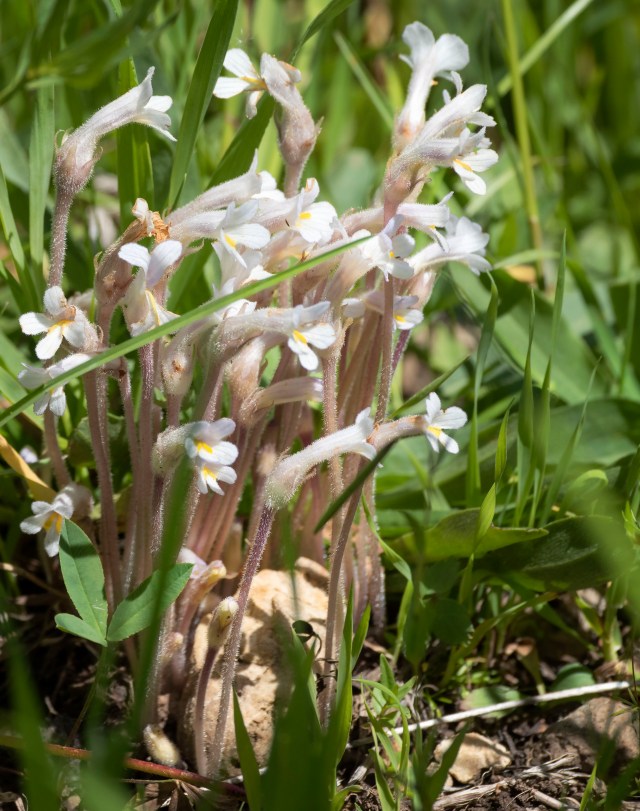
Broomrape_2

It is a short leafless plant unable to photosynthsize thus gaining it’s nutrients by parasitism. Often using sedum, saxifrages and asters as a host plant. Typically growing only up to 3 inches tall we found this cluster buried deep in the grass.

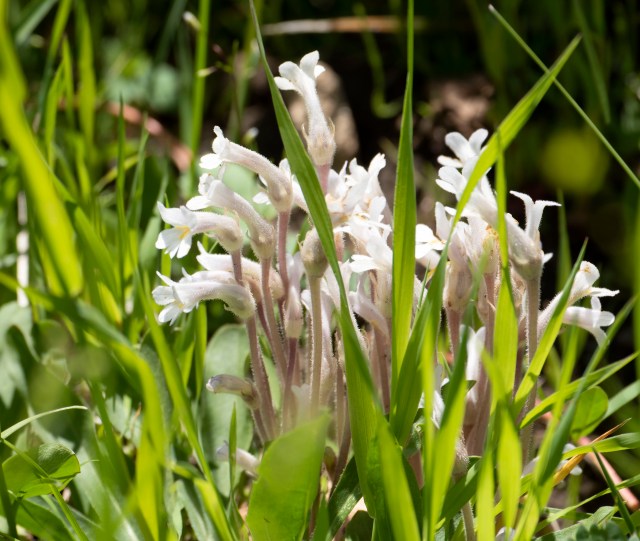
Broomrape_3

It is a beautiful little flower and very unique to say the least.

Broomrape_4