The importance of wilderness

“Wilderness areas act as a buffer against species loss, as the extinction risk for species within wilderness communities is—on average—less than half that of species in non-wilderness communities.” 1

A recent study published in the Journal Nature titled “Wilderness Areas Half The Extinction Risk of Terrestrial Biodiversity” mapped several locations around the world where maintaining wilderness areas should be a priority. The first statement the authors make in the abstract in this paper really hit the nail on the head for me.

“Reducing the rate of global biodiversity loss is a major challenge facing humanity, as the consequences of biological annihilation would be irreversible for humankind. 1

In this single sentence the authors make clear that the steady march of human activity, as currently, conducted could potential be catastrophic to all life on earth.

“Wilderness areas act as a buffer against species loss, as the extinction risk for species within wilderness communities is—on average—less than half that of species in non-wilderness communities.” 1

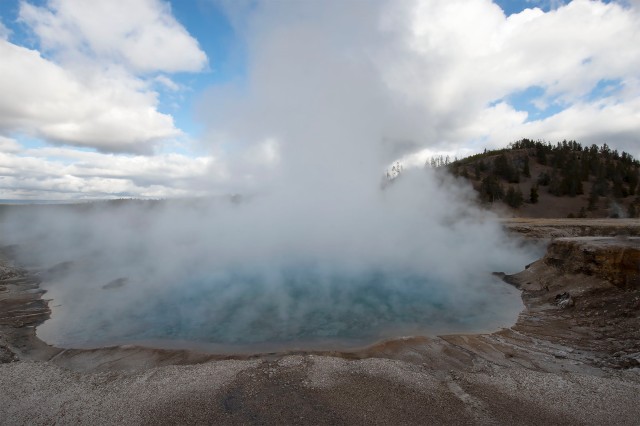
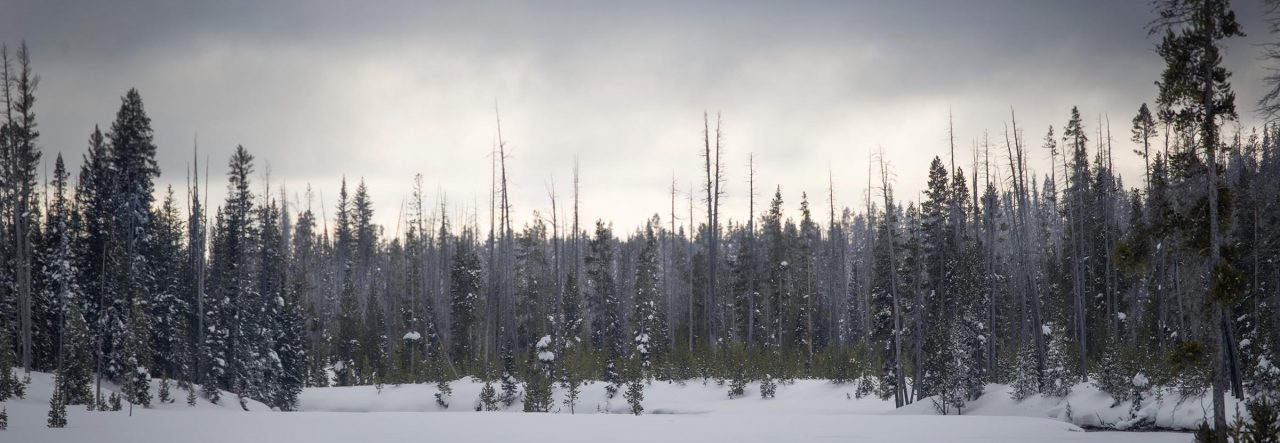
The paper points to several locations on the plant especially important to protect yet the authors also state that all wilderness areas have intrinsic conservation value thus we can all play a role by supporting local conservation efforts of wilderness area near to each of us. Below we showcase a few wilderness area we have recently spent time in. They are both beautiful as well as safe havens for biodiversity.

Click any photo for slide show.

Absoroka-Beartooh and Lee Metcalf wilderness areas.

References:

1. Reference: Di Marco, M., Ferrier, S., Harwood, T.D. et al. Wilderness areas halve the extinction risk of terrestrial biodiversity. Nature 573, 582–585 (2019) doi:10.1038/s41586-019-1567-7

For a short summary of the article visit Science daily.

A couple of groups that support the missions of wilderness as a buffer for biological diversity are:
The Wilderness Society
The Half-Earth Project
On the talus slope

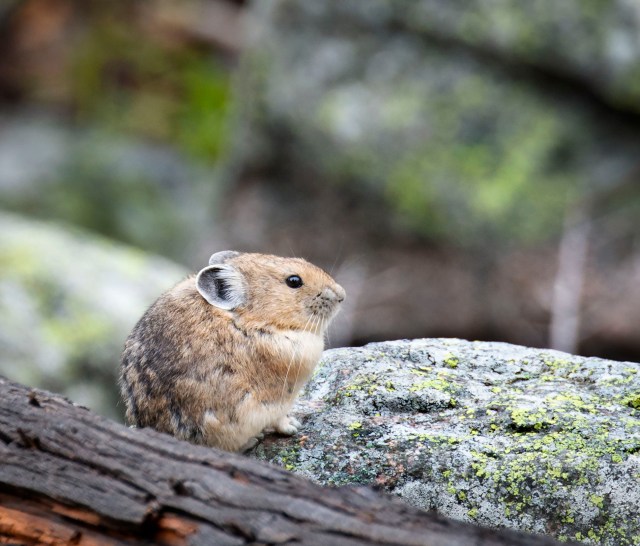
Pika_201934

I never get disappointed when I hear the little chirp of a Pika moving about on the talus slopes. Always spotting us before we spot them. usually sitting still and looking out into their environment then scurrying off to collect plants for winter larder. The Pika is yet another species threaten by climate change and the focus of this short video in Smithsonian Magazine.

It is encouraging that some Pika may be showing behavior adaptation to a loss of habitat resulting from climate change but as the authors of a recent study concludes “while many species have a clear capacity to modulate behavior in relation to variations in climate parameters,much remains to be learned about the trade-offs, fitness implications, and limitations of behavioral flexibility in the context of novel climate dynamics.”

I sure hope these little guys are able to adapt to the new reality imposed upon them by our species. A walk on the talus slopes without them would be a lonely walk indeed.

Tour Guide

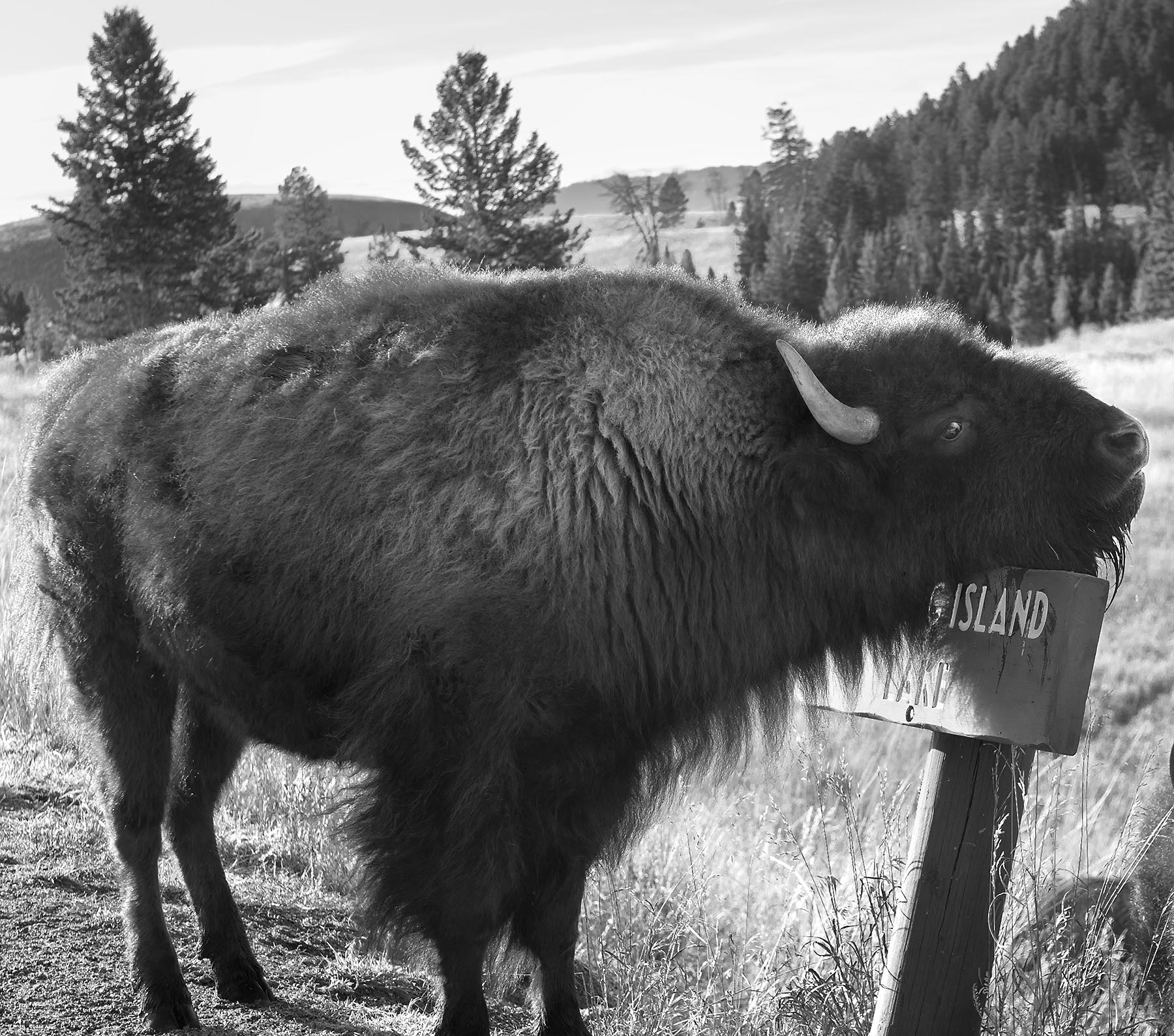
Tour_guide_1

One of Yellowstone National Parks wonderful tour guides pointing out Floating Island Lake in the morning light. A little past due but November 1st was National Bison Day. We sure are lucky to still have these guys walking around free in a few spots on the globe.

Monochromes From The Park

Yellowstone_BW_32987

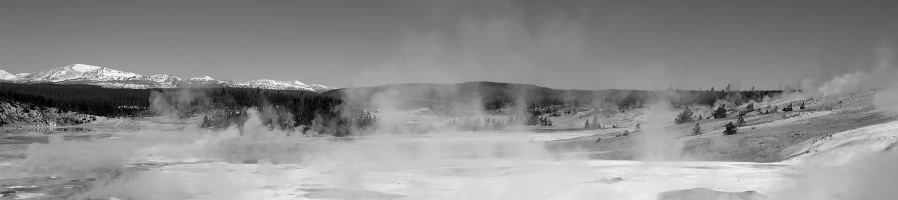
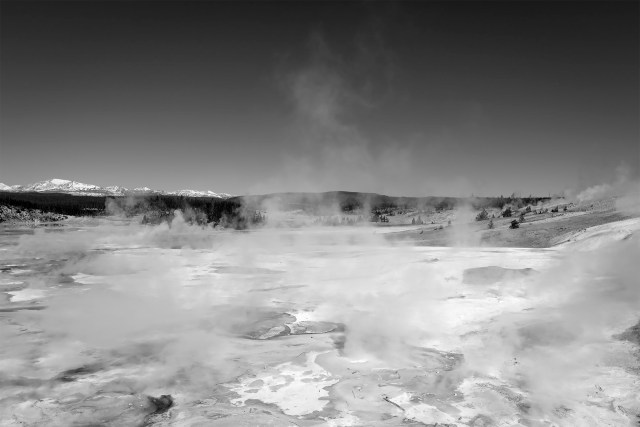
The long view from the Norris Hot Springs area looking out towards the Gallatin Mountain range.

Yellowstone_bw_34198

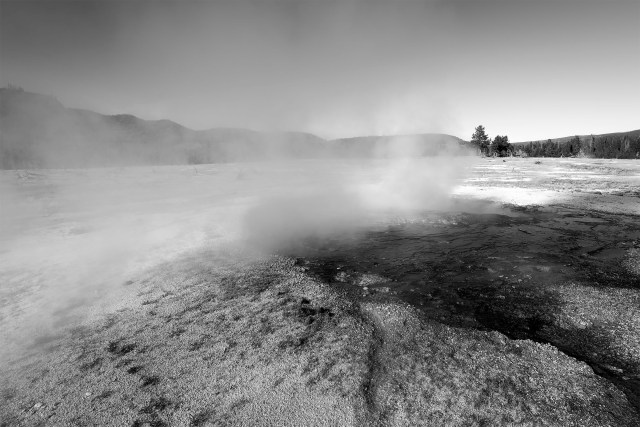
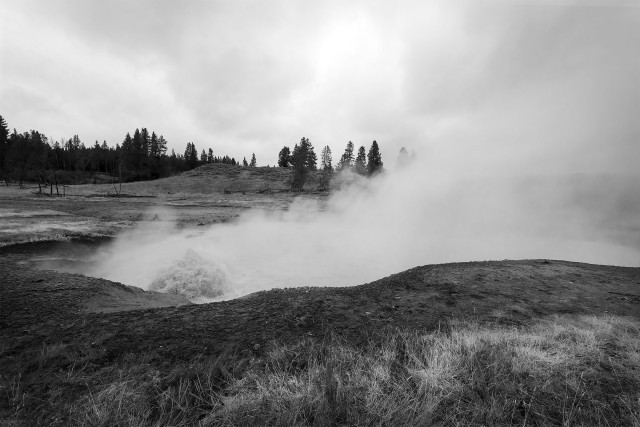
Facing into the ever changing wind as steam heads our way at Biscuit Basin.

Yellowstone_bw_34168

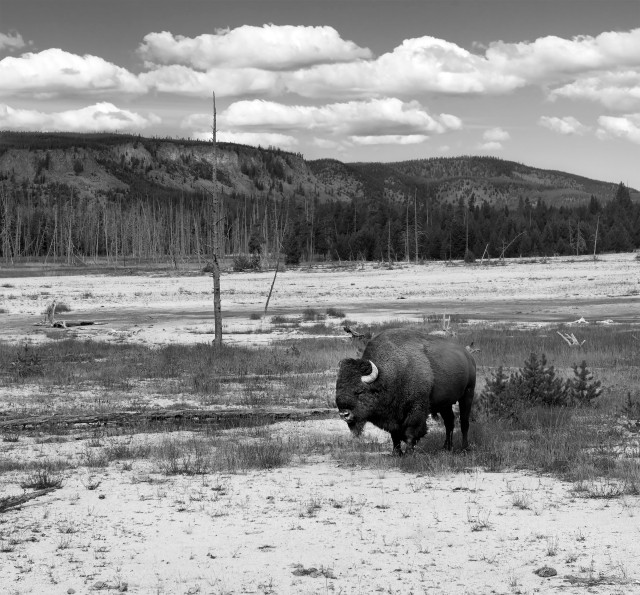
A Bison enjoying some open space around Black Sand basin.

Yellowstone_bw_32167

Hot water pouring into the Firehole rive as steam clouds the lodgepole forest behind at Midway Geyser Basin.

Green Tailed Towhee

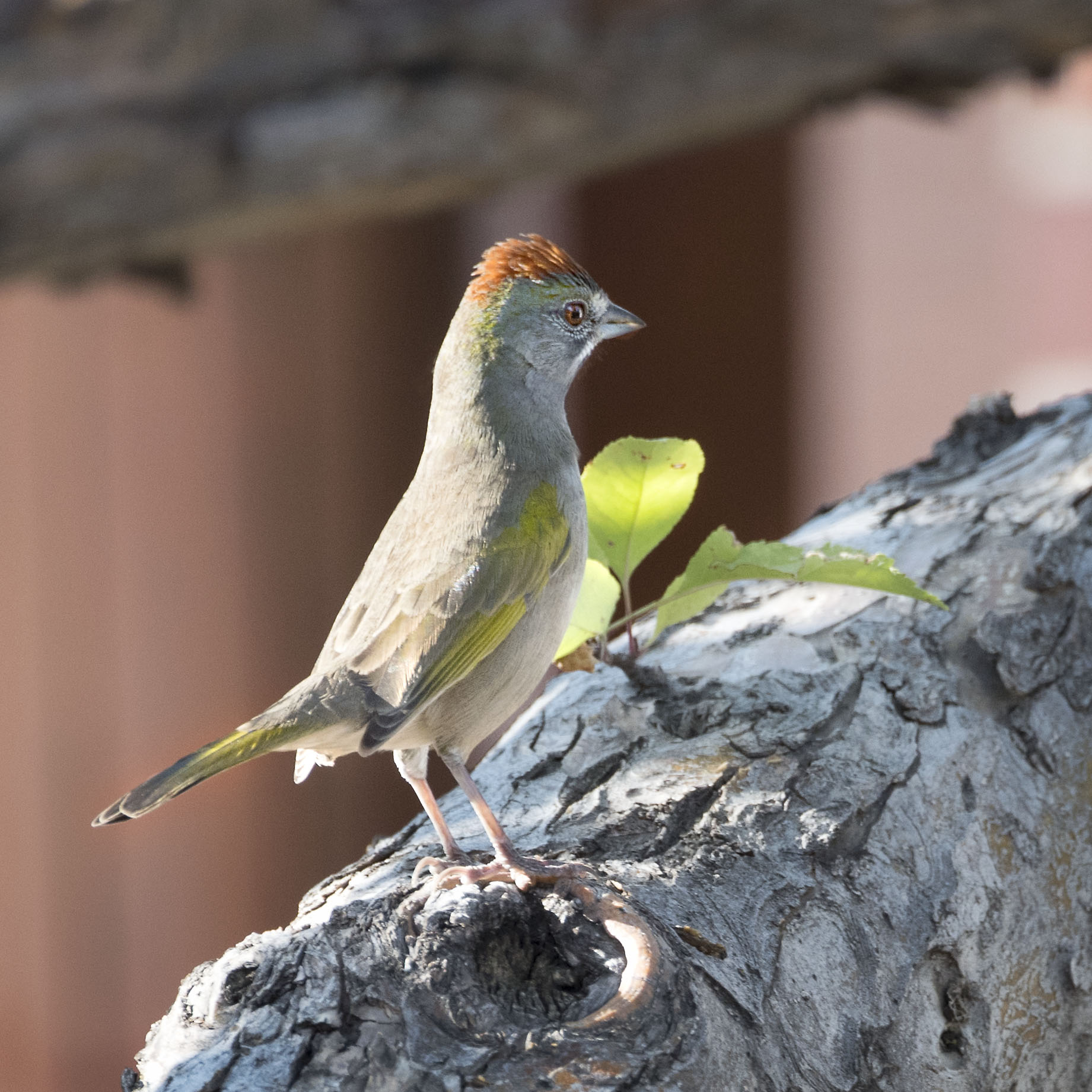
The Green Tailed Towhee spends most of its time in dense low thickets, where it forages on the ground. Like other towhees, it scratches in the leaf-litter with both feet as it searches for food. It is somewhat secretive and difficult to see so we were thrilled to get a quick glimpse at this bird when it quickly flew from a berry thicket and landed on this tree for a few seconds.

https://www.allaboutbirds.org/guide/Green-tailed_Towhee/id
http://www.audubon.org/field-guide/bird/green-tailed-towhee

Living Color

Living_color_1

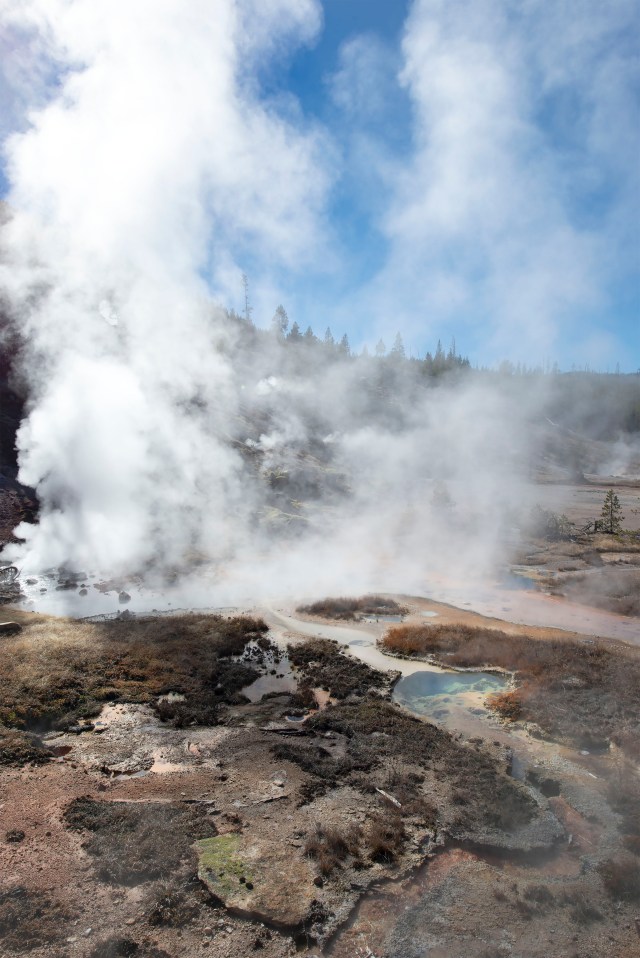
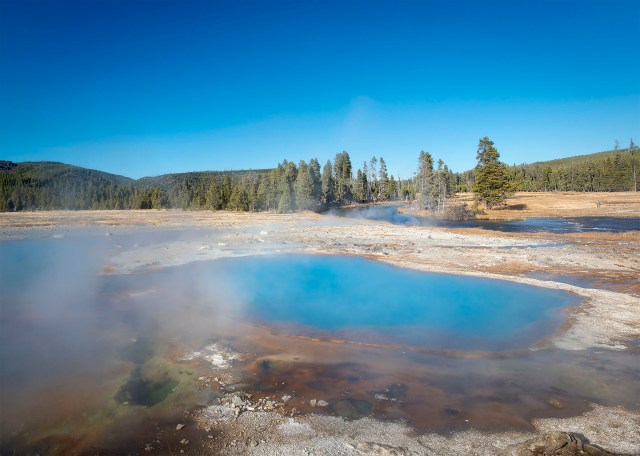
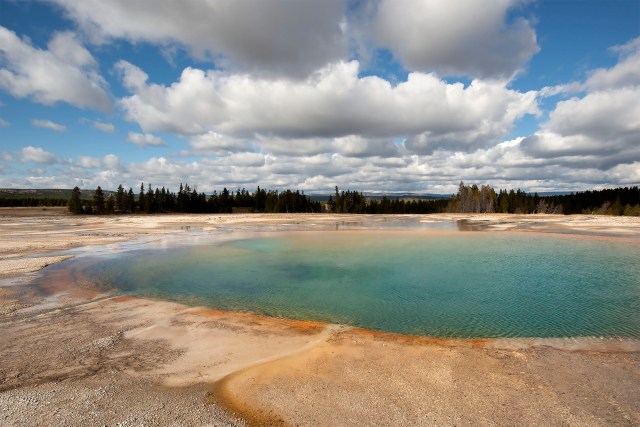
Hot pools sparkle with color on a mostly cloudless autumn day. Blue pools ringed with living color in the form of thermophilic bacteria mix with a bluebird sky at Biscuit Basin.

Living_color_2

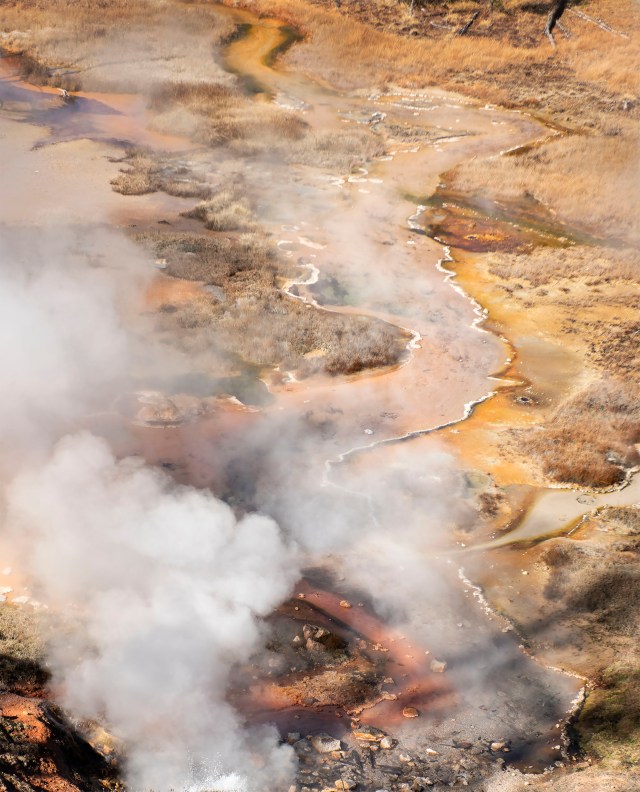
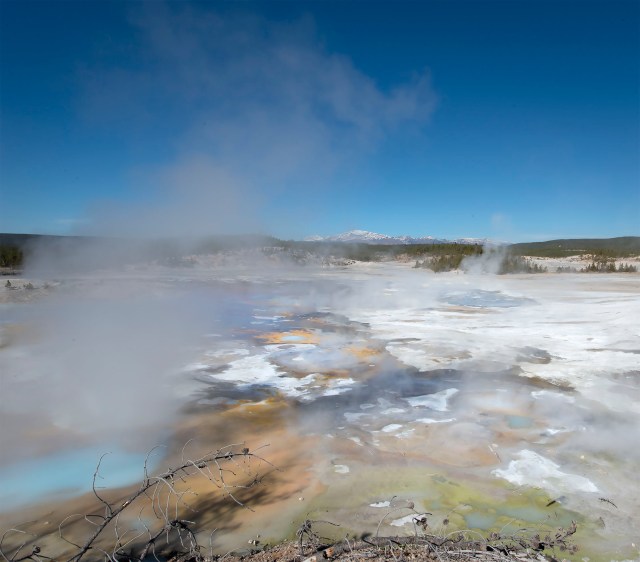
At Norris the color palette is extensive and the views expansive.

Living_color_3

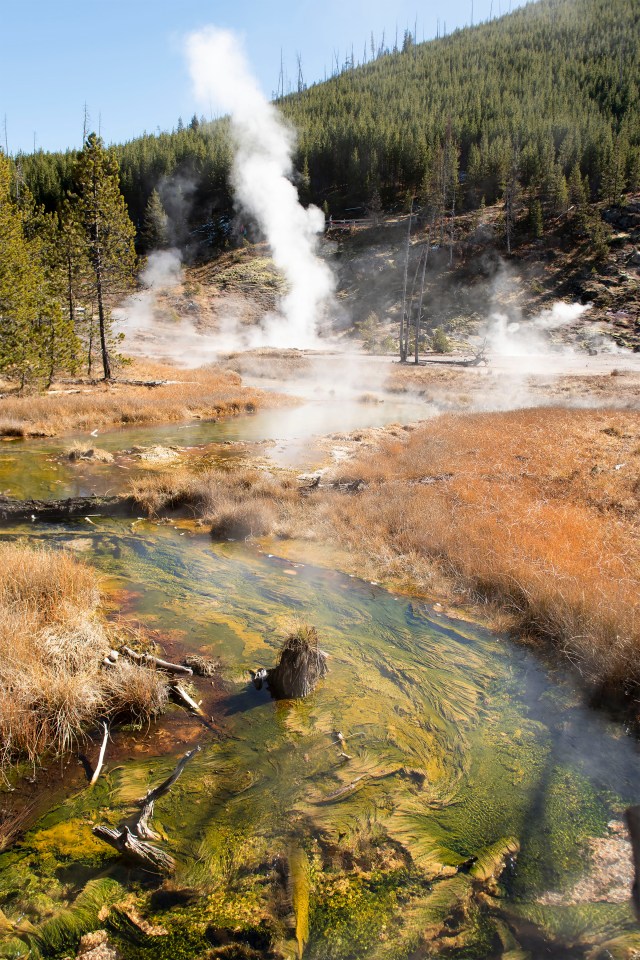
Many species of Bacteria form the colorful mats found in many geyser basins.  Thriving in temperatures that range from a comfortable 30C all the way up to 80C and providing a visual confirmation that life is indeed varied and diverse.

Living_color_4

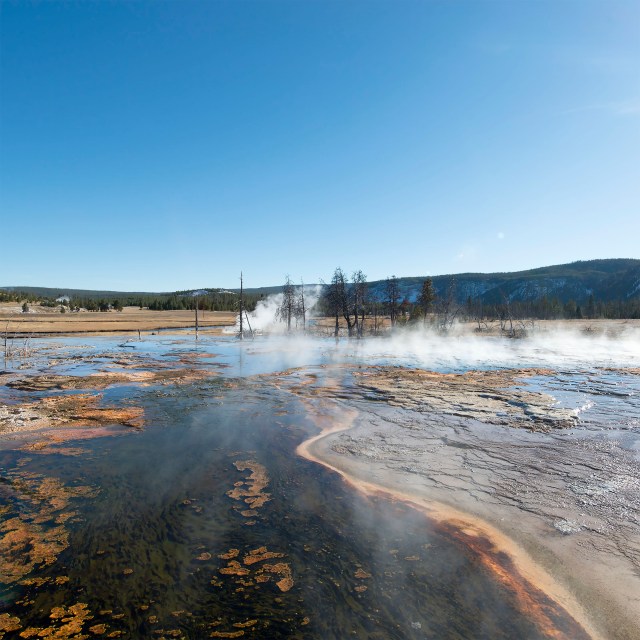
Afternoon clouds rolled though and dotted the sky adding another layer of color to the wonderful landscape below.

Boil…boil

Boil_boil_1

Sitting, waiting and watching the earth doing it’s thing on a cloudy October day.

Boil_boil_2

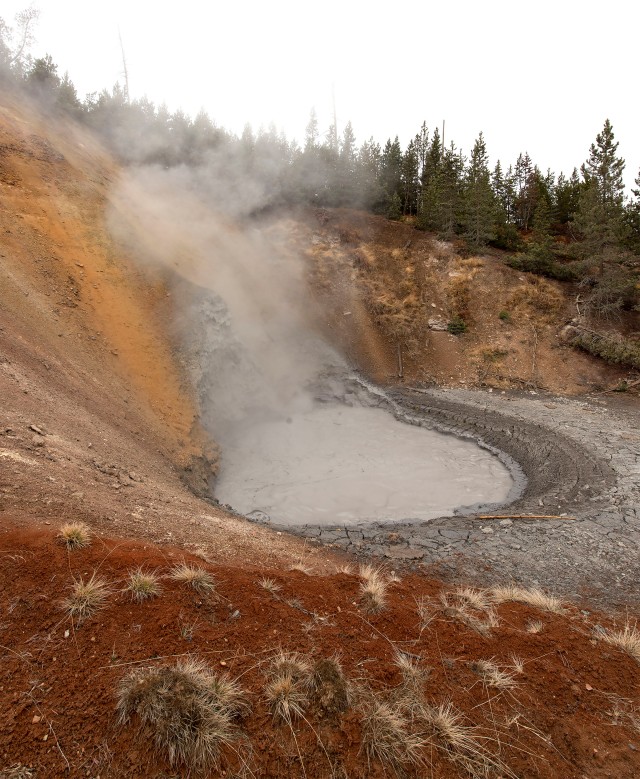
The mud volcano bubbles and the colors tell a story. Getting a first hand glimpse of the processes that make this planet help bring geology alive.

Boil_boil_3

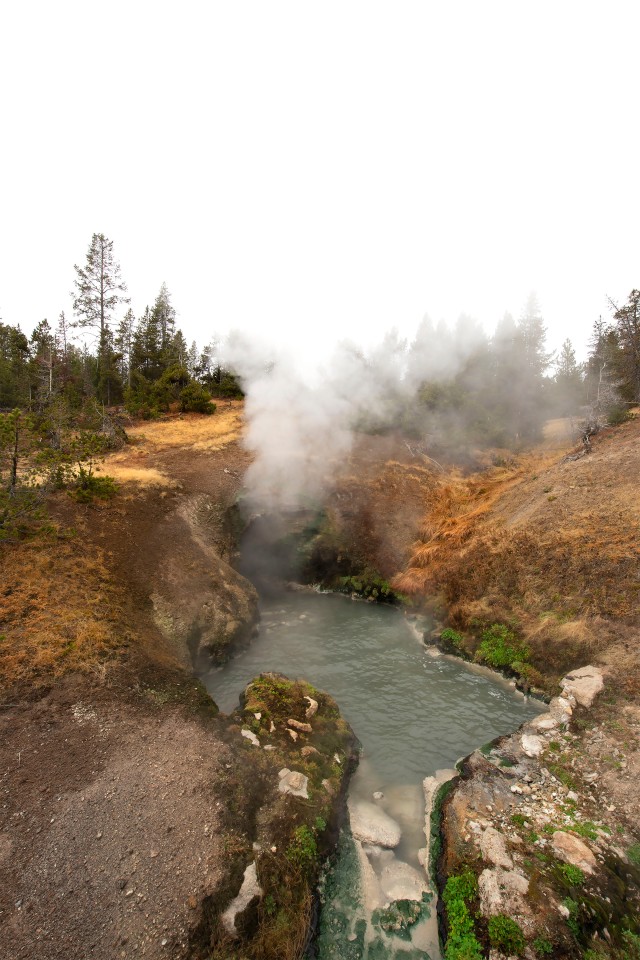
Looking into dragon mouth springs for the dragon to appear.

Boil_boil_4

As the skies clear the clouds whizz by and earth and sky seemingly become one.