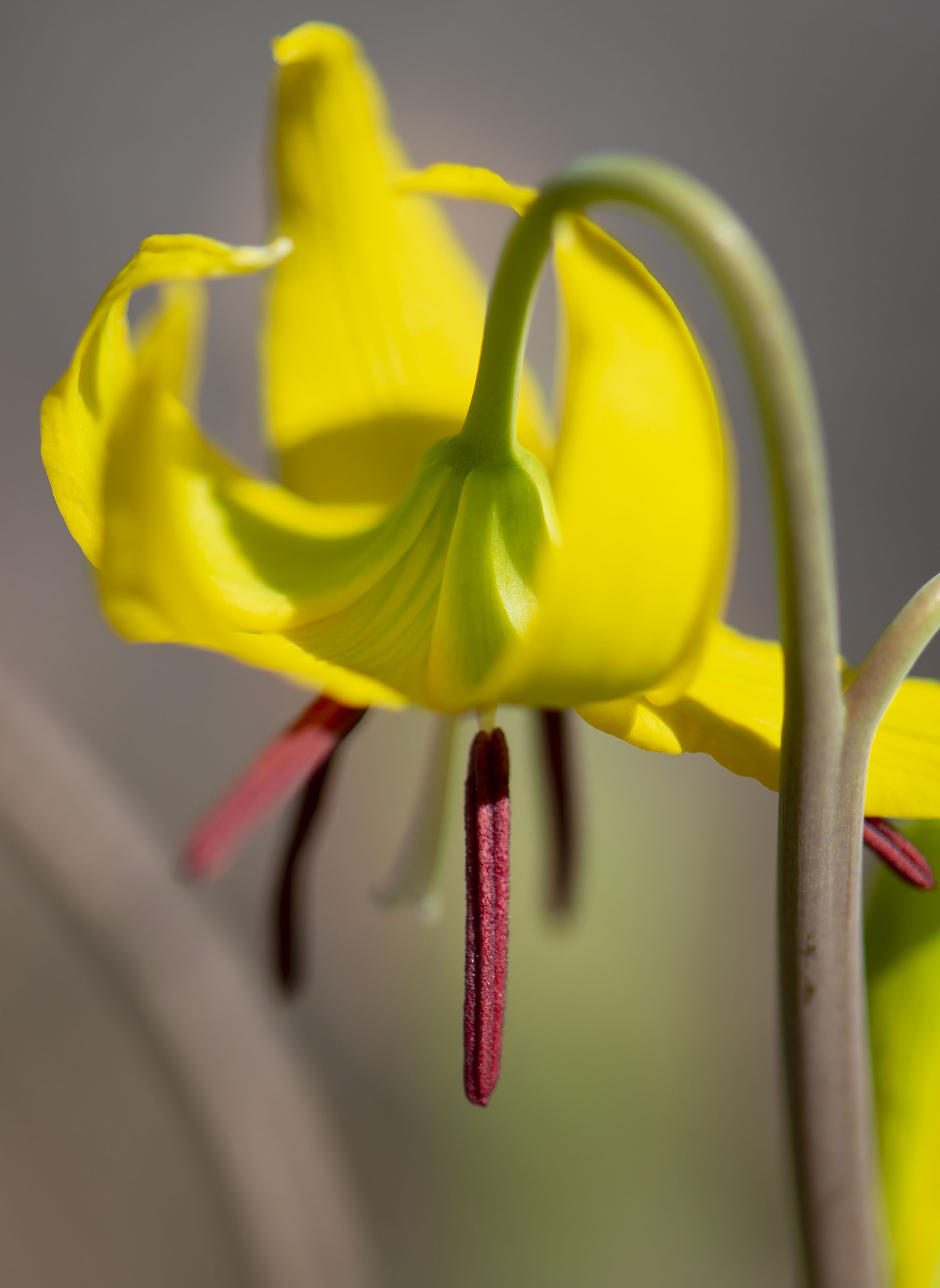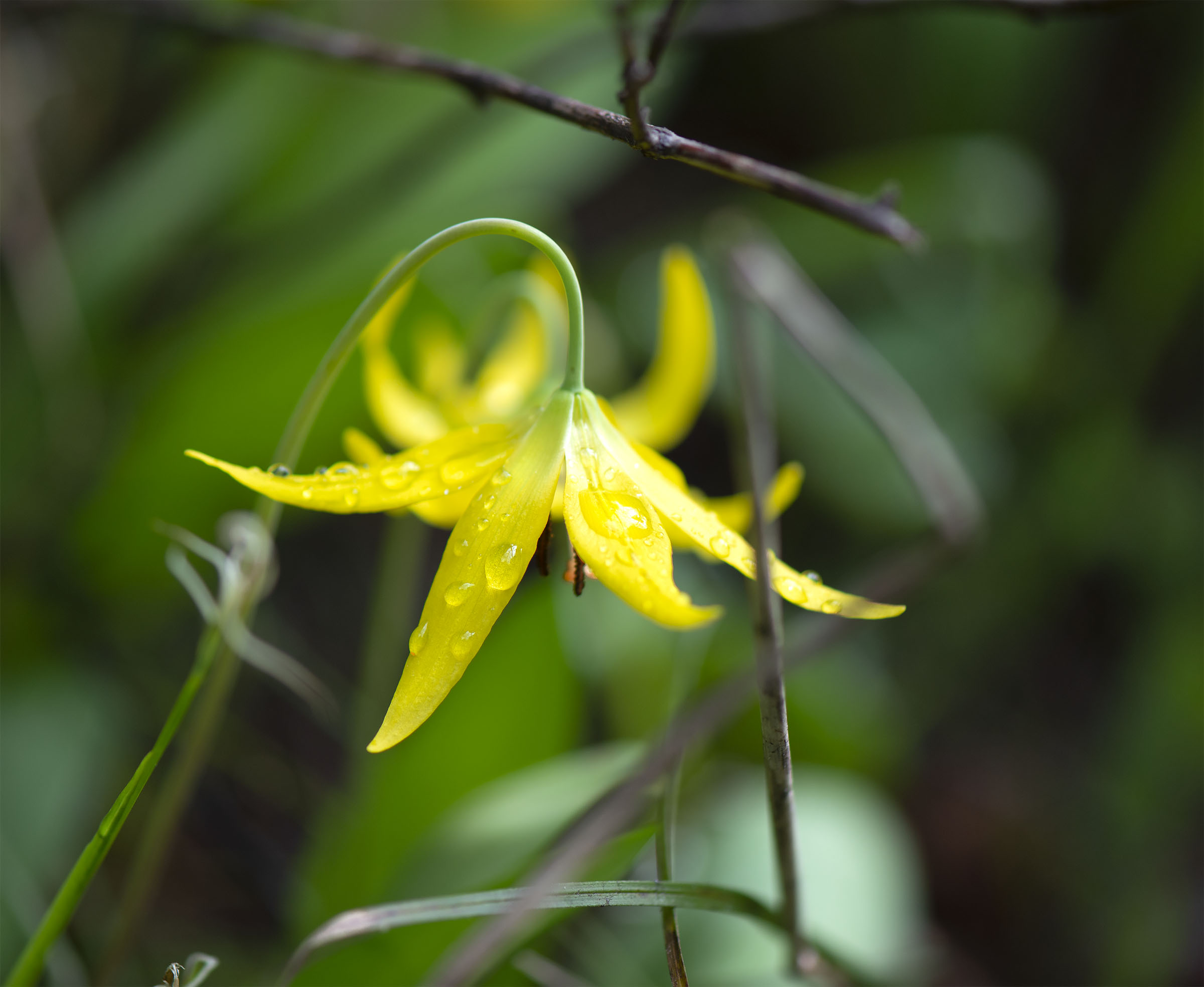
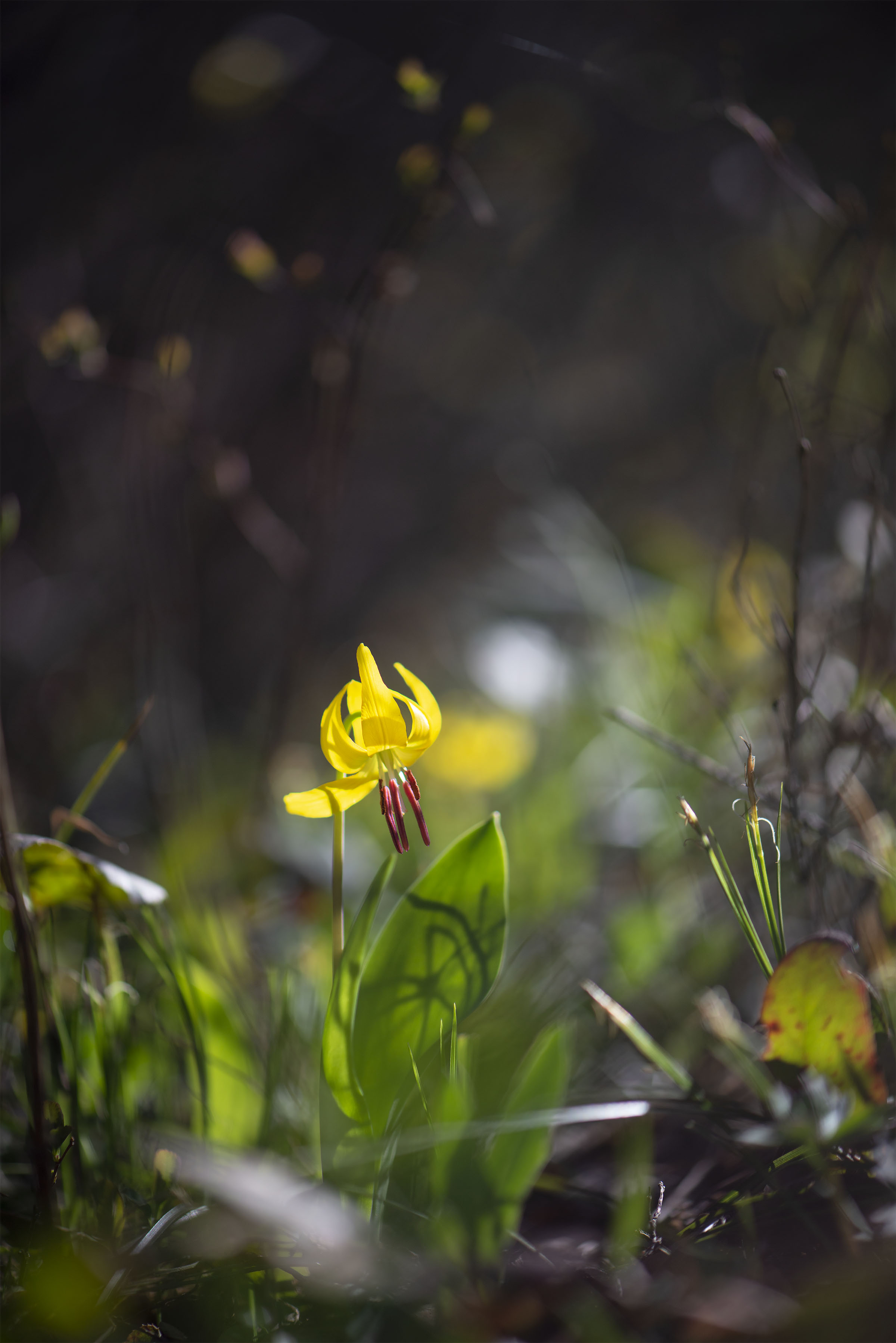
Glacier Lily: Erythronium grandiflorum

As quickly as the snow receded in early May the Glacier Lilies appeared to carpet the forest floor a beautiful yellow even before the grasses greened. Now only a month latter they have bloomed and done their thing. It’s hard to say how many photos we took of these wonderful flowers in just a few short weeks but they kept coming back to photograph them just a wee bit more more each and every day.

Here are a few chosen somewhat at random presented as a tribute to a wonderful wildflower.

All through May they kept us company on rainy days
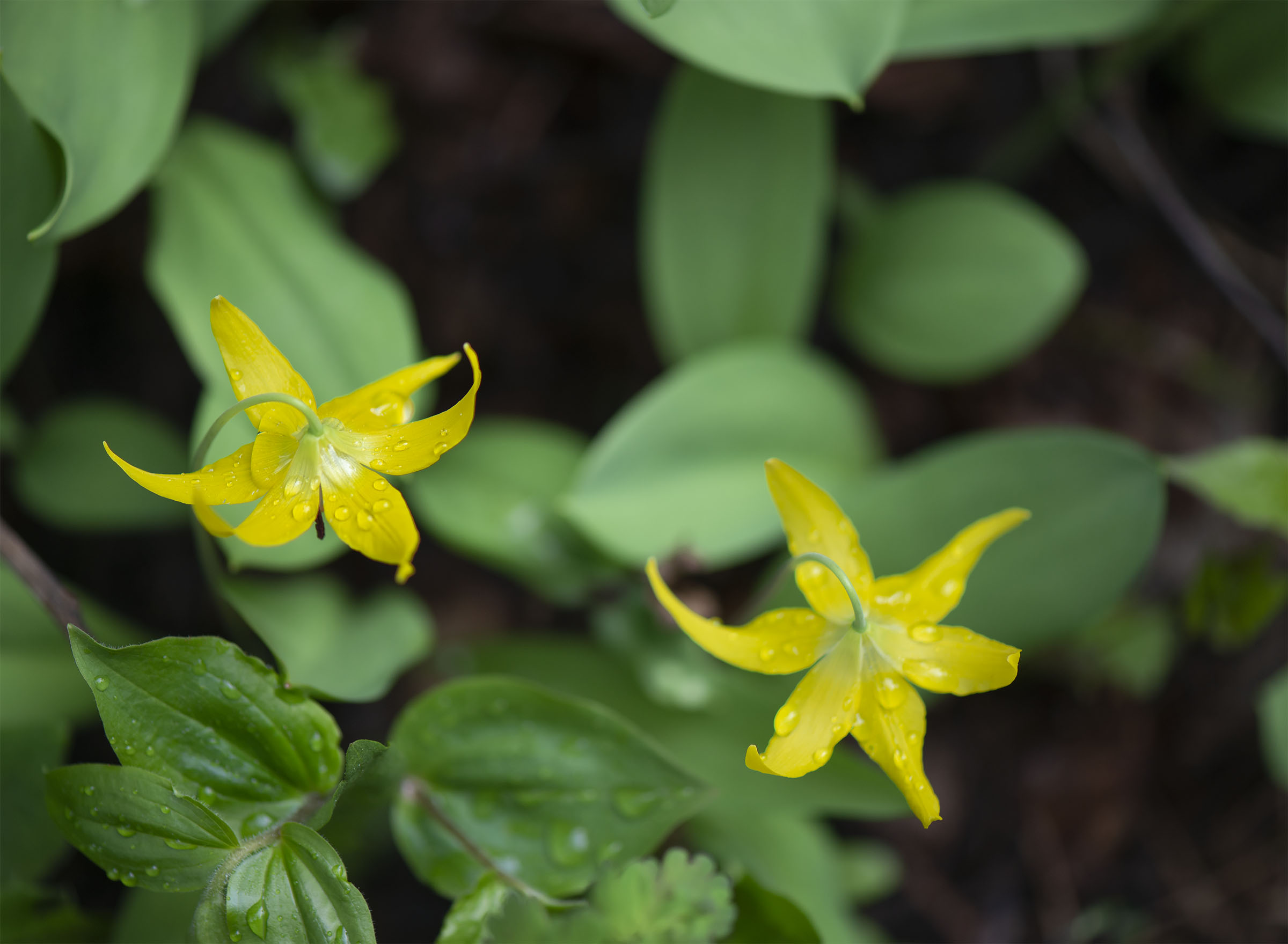
And sunny days as well.
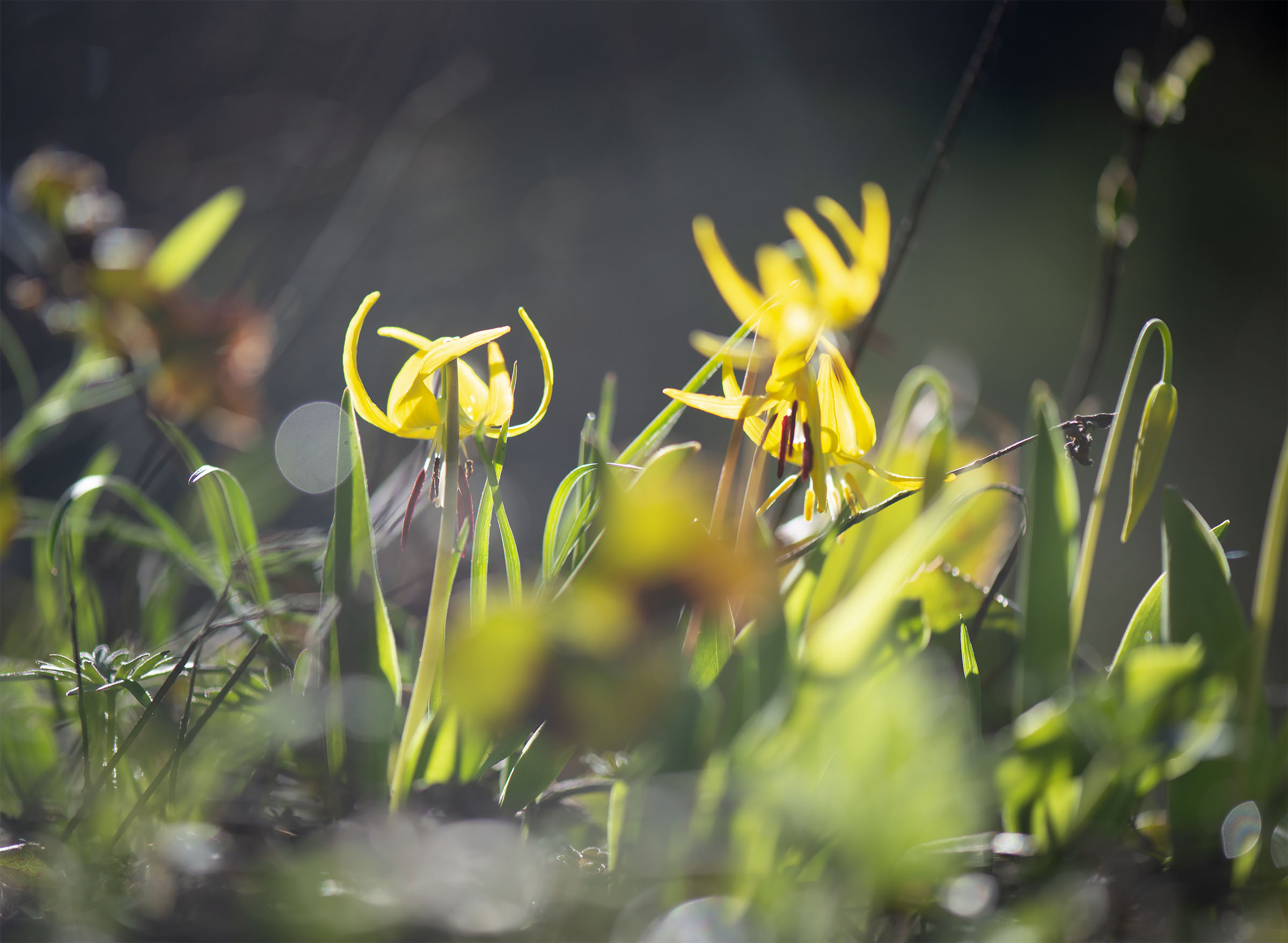
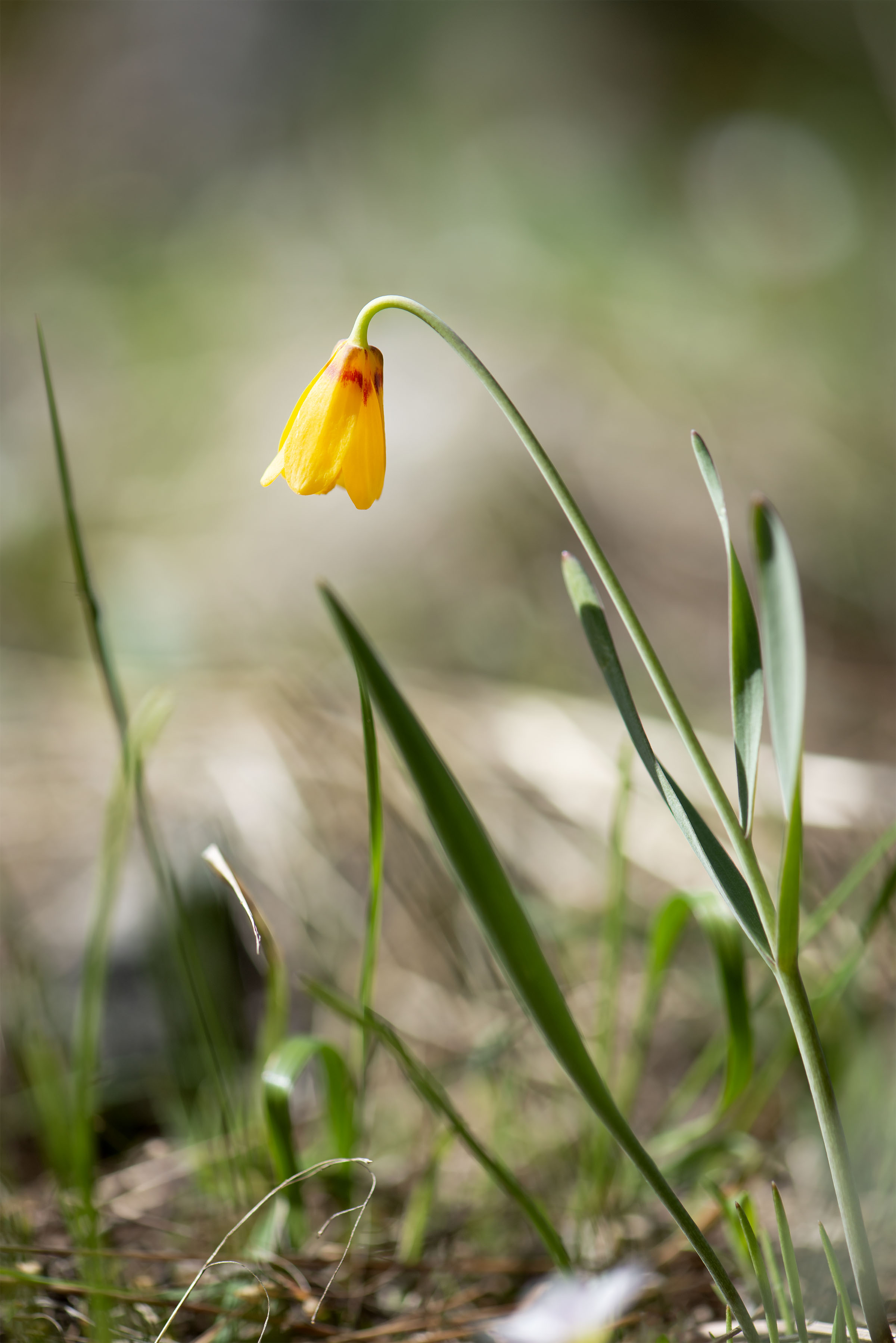
Yellow Bells:Fritillaria pudica

In addition to the Glacier Lillies carpeting the forest floor these small Yellow Bells, which are also in the Lilly family, have kept us company this spring. The plants are only 10-30cm tall and usually contain a single flower. They grow scattered in patches both in open areas as shown below and in more forested areas as well.

The bulb of yellowbells is edible, raw or cooked. It can also be dried for later use. Since it is rich in starch, it is best used in the autumn, however, many tribes picked them in May and boiled them alone or with bitterroot. The raw bulb tastes like potatoes, when cooked it tastes like rice. It can be eaten as a vegetable or be added to soups etc. Several tribes used them for food. The green seedpods can be eaten, boiled as a wild green, but are said to be bitter.

We found flowers that ranged from the typical yellow to some that were a deep orange.

A small treasure that springs from the ground and one to look forward to again.

Wabbit

wabbit

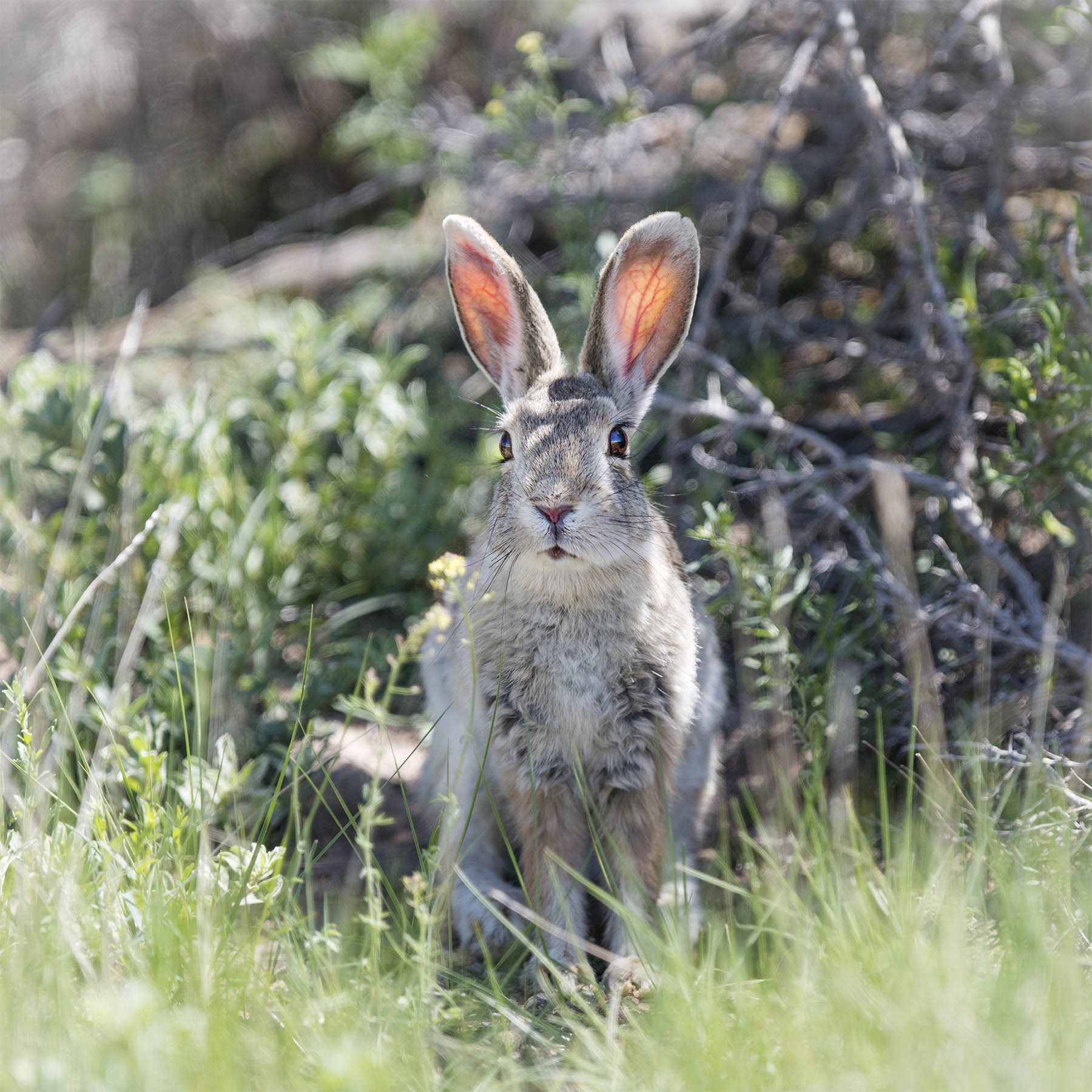
Spring time is Rabbit time. Last weekend we saw plenty of healthy rabbits roaming the sagebrush and grasslands of the Arapahoe Wildlife Refuge as well as plenty of Hawks looking for an easy meal. Luckily for this guy he stayed on guard and was reluctant to stray too far from the cover of the sage.

Pasque morning

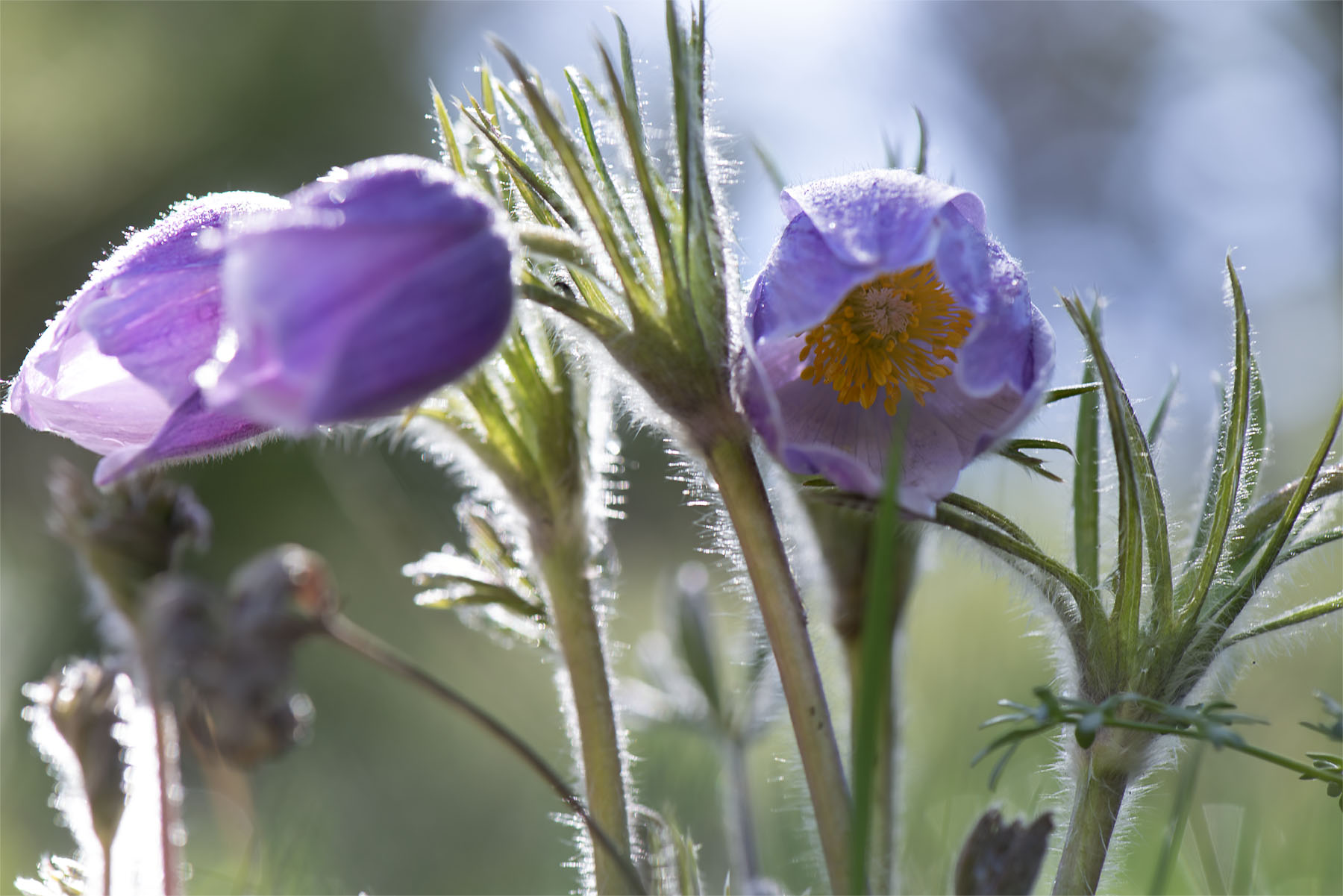
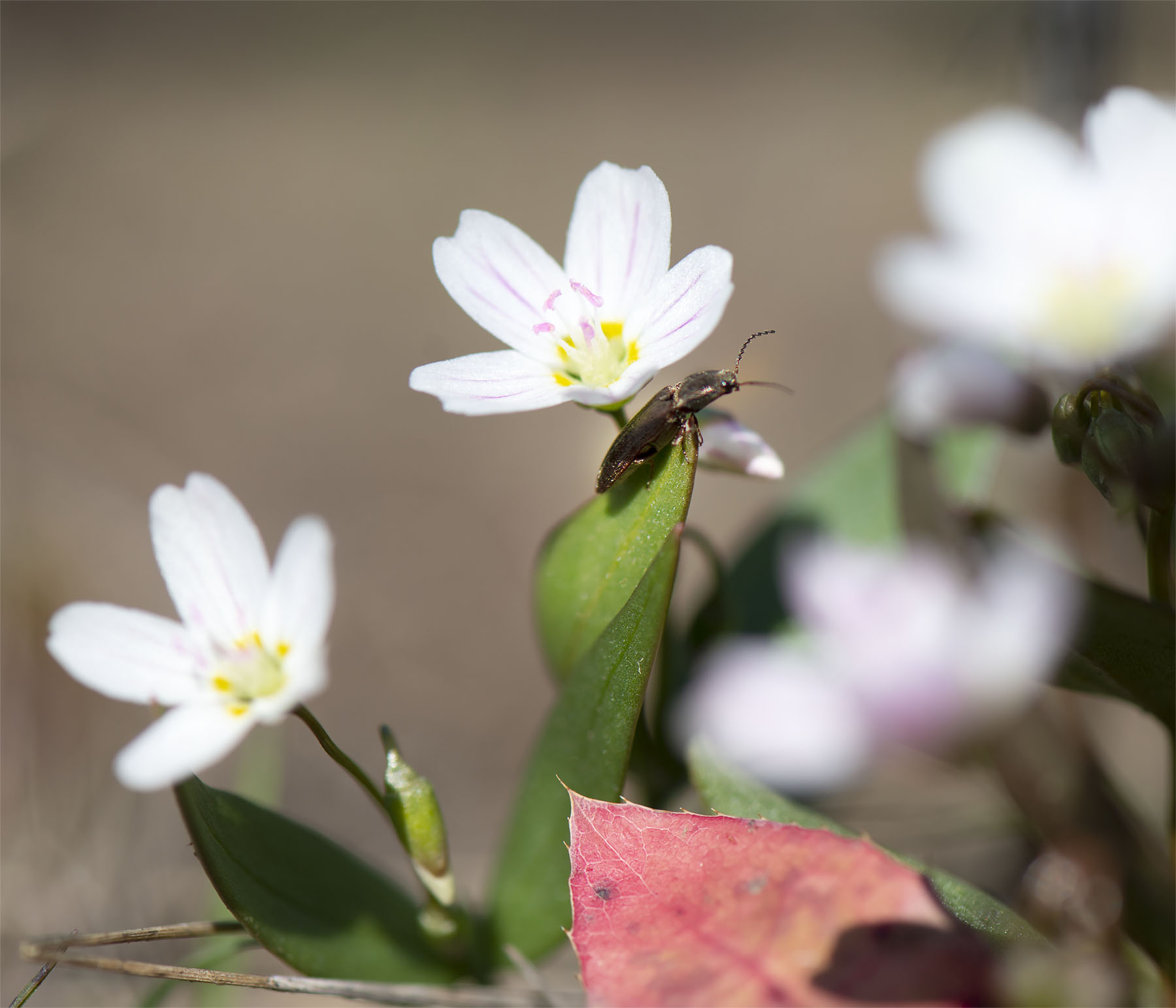
This is the time of year for the magnificent Pasqueflowers to bloom and brighten the hillsides, forests and meadows near town.

These flowers are part of the genus Pulsitilla family which contains numerous species spread across the globe and are the state flower of South Dakota. We noticed two distinct species while on a recent walk with both growing along the sunny hillsides and one growing just about everywhere in both sun and shade.

Hope we can get back out before they are done blooming and wishing you all a Pasque morning.

Pika

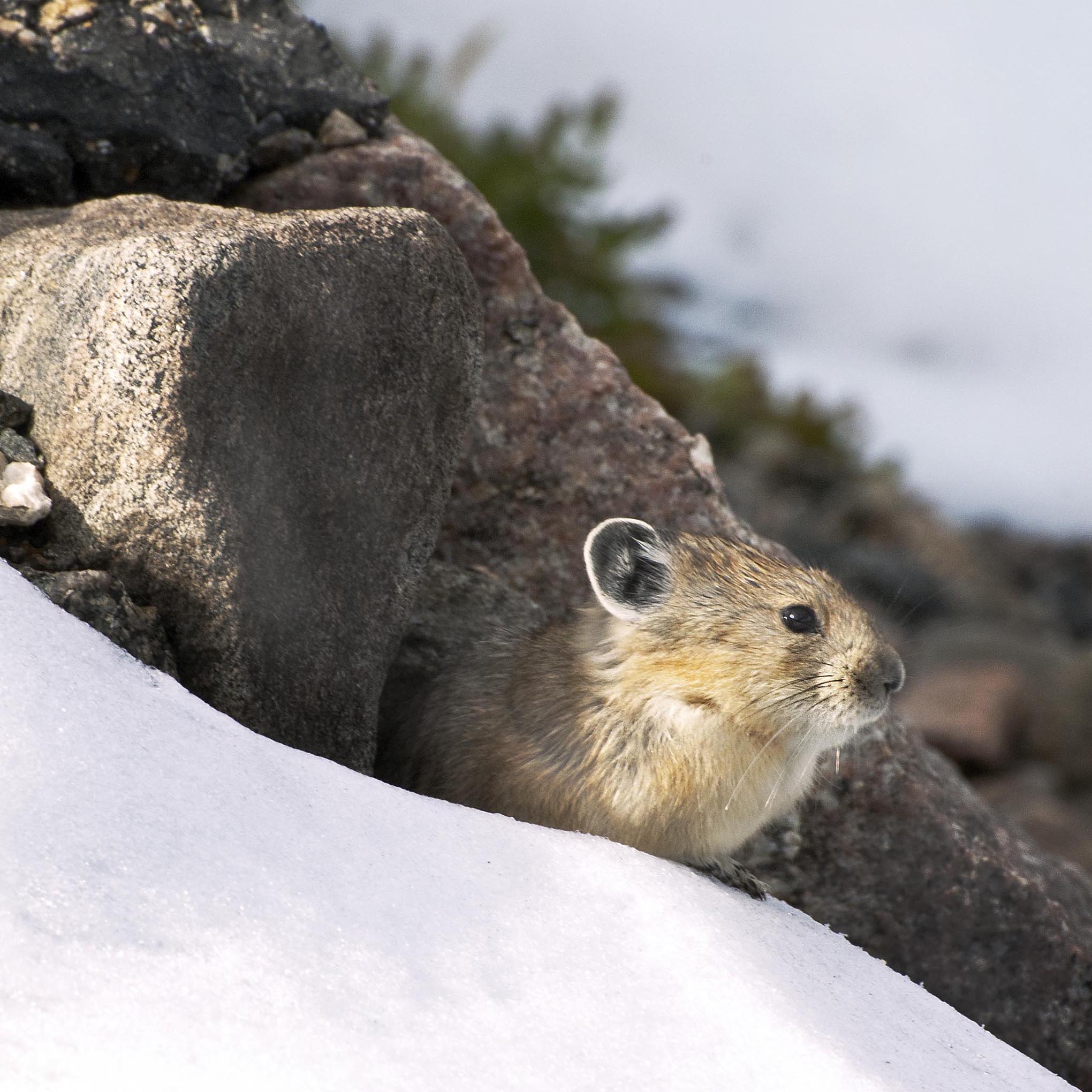
A little Pika peeking out from the last of winters snow surveying his domain.

The numbers of Pika are decreasing across the Western United States and climate change, habitat loss and other factors are likely involved. Hearing their chirps while hiking in the mountains is a sound I enjoy and I hope it does not just become a memory.

https://academic.oup.com/jmammal/article/97/6/1495/2628942
https://www.sciencedaily.com/releases/2018/05/180501085303.htm

Springing

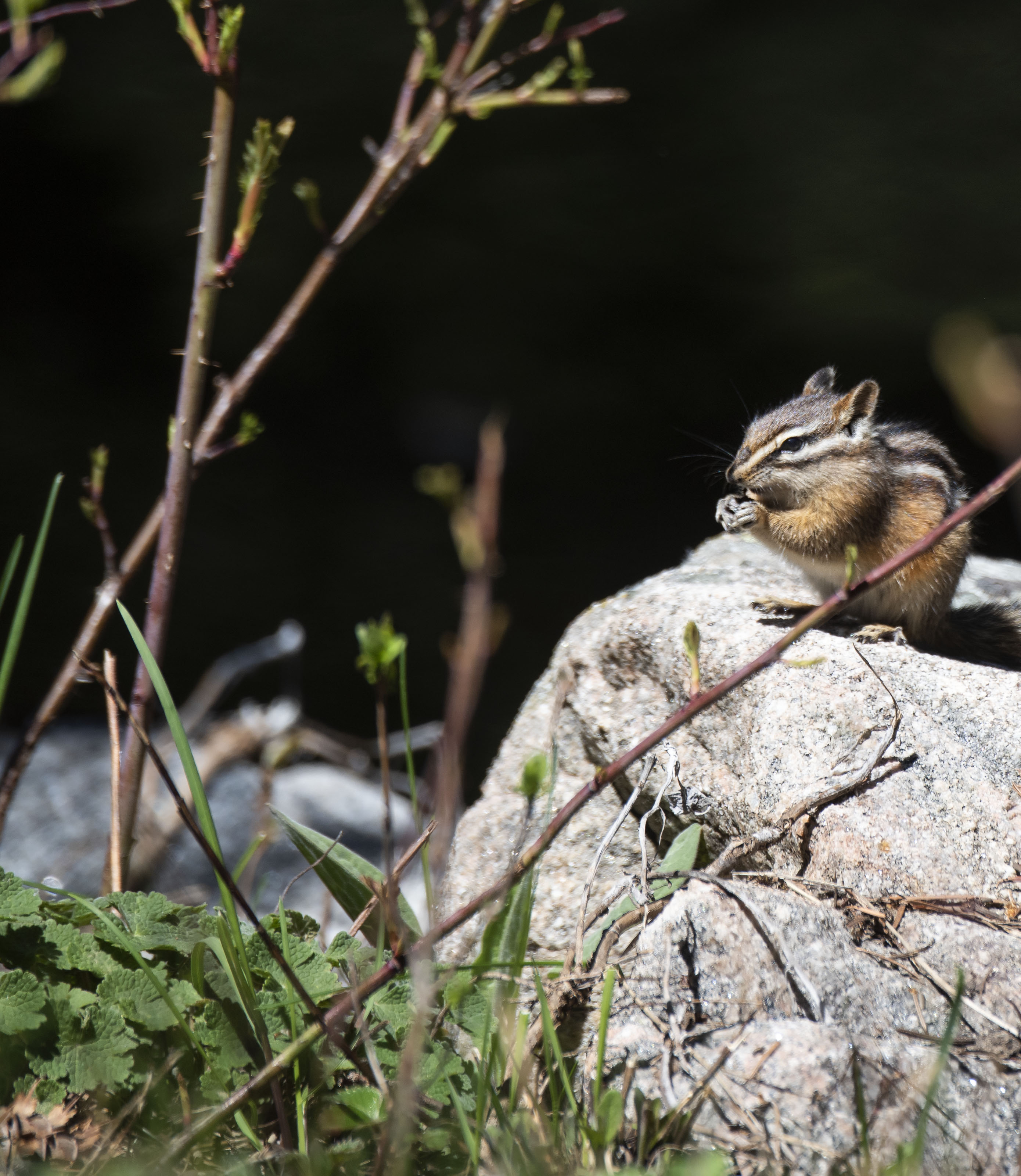
With the last of the snow melted life is springing up in all shapes and sizes. Flowers, tress, grasses and water rushing to fill the streams. In addition we sighted the first Chipmunk of the year a few days ago taking a break and enjoying their lunch as the sun warms the rocks.

Have a wonderful weekend.

Small and smaller

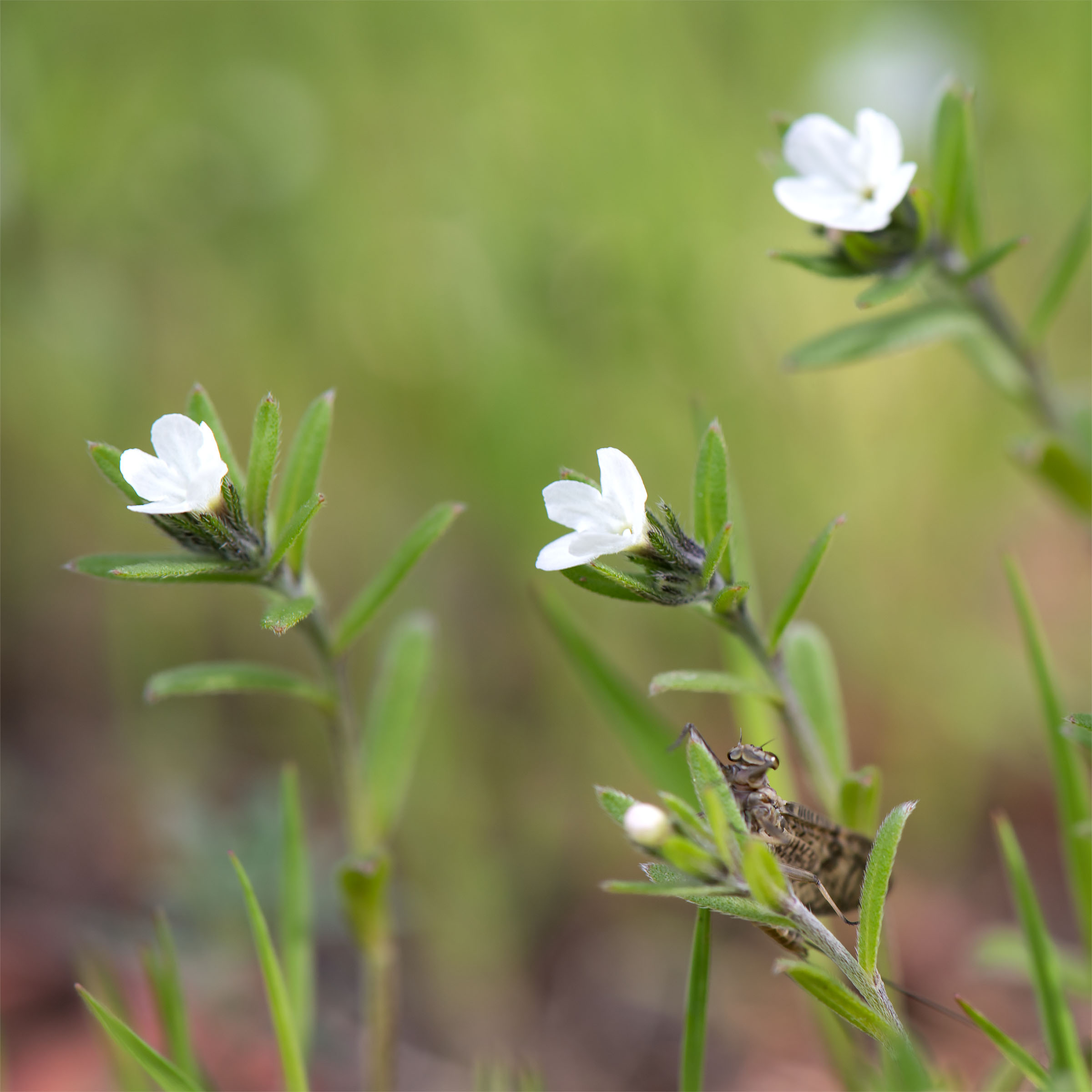
Tiny white wildflowers gracing the forest floor measuring no more than a quarter inch in diameter become a great big world to this tiny mantis that I did not even notice in the photograph until I downloaded the photos. just another reminder that the abundance of life one our wonderful planet is small and sometimes even smaller than we see.