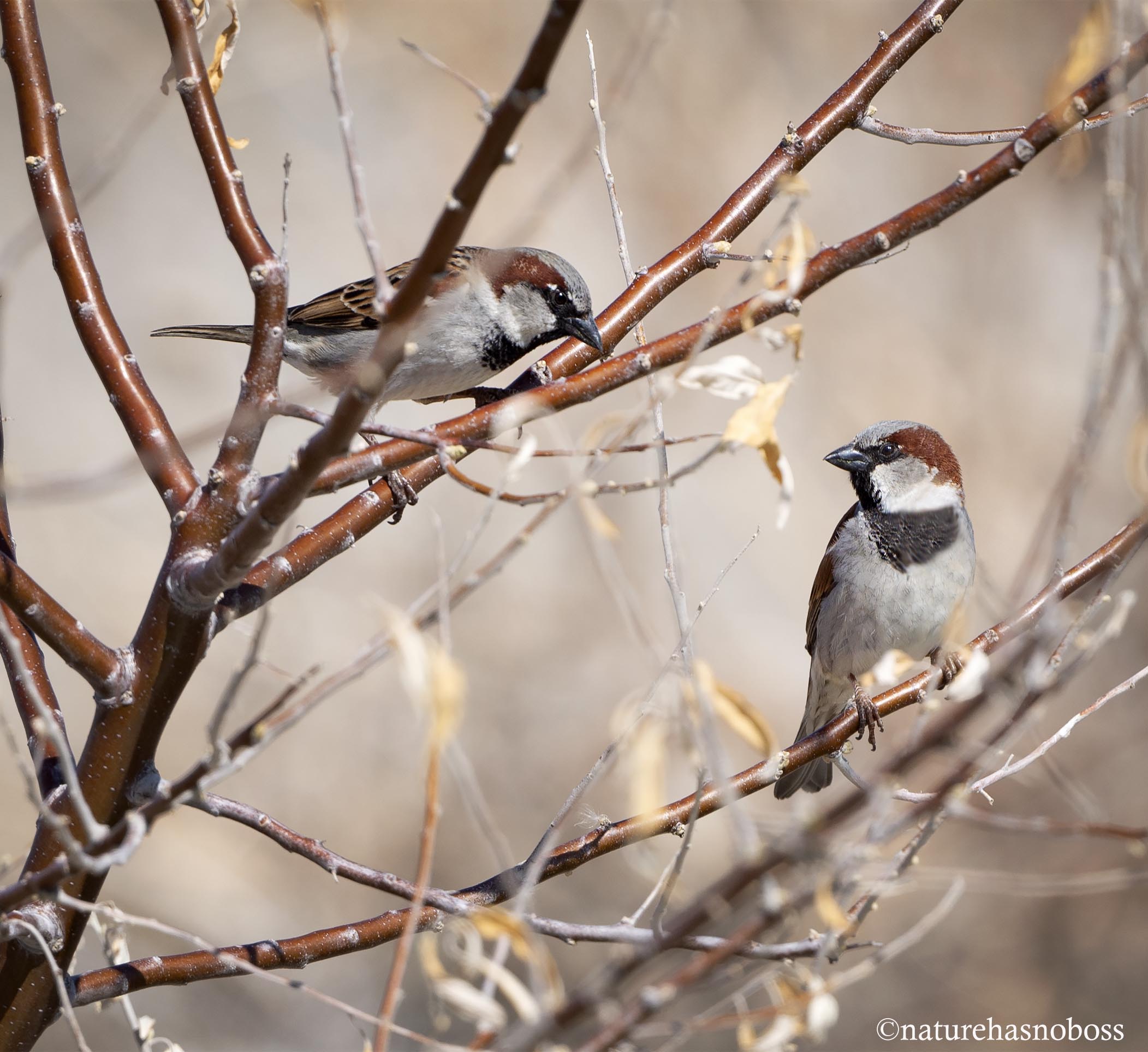
You know what we mean.
Happy Friday to all and wishing you a wonderful weekend.

You know what we mean.
Happy Friday to all and wishing you a wonderful weekend.
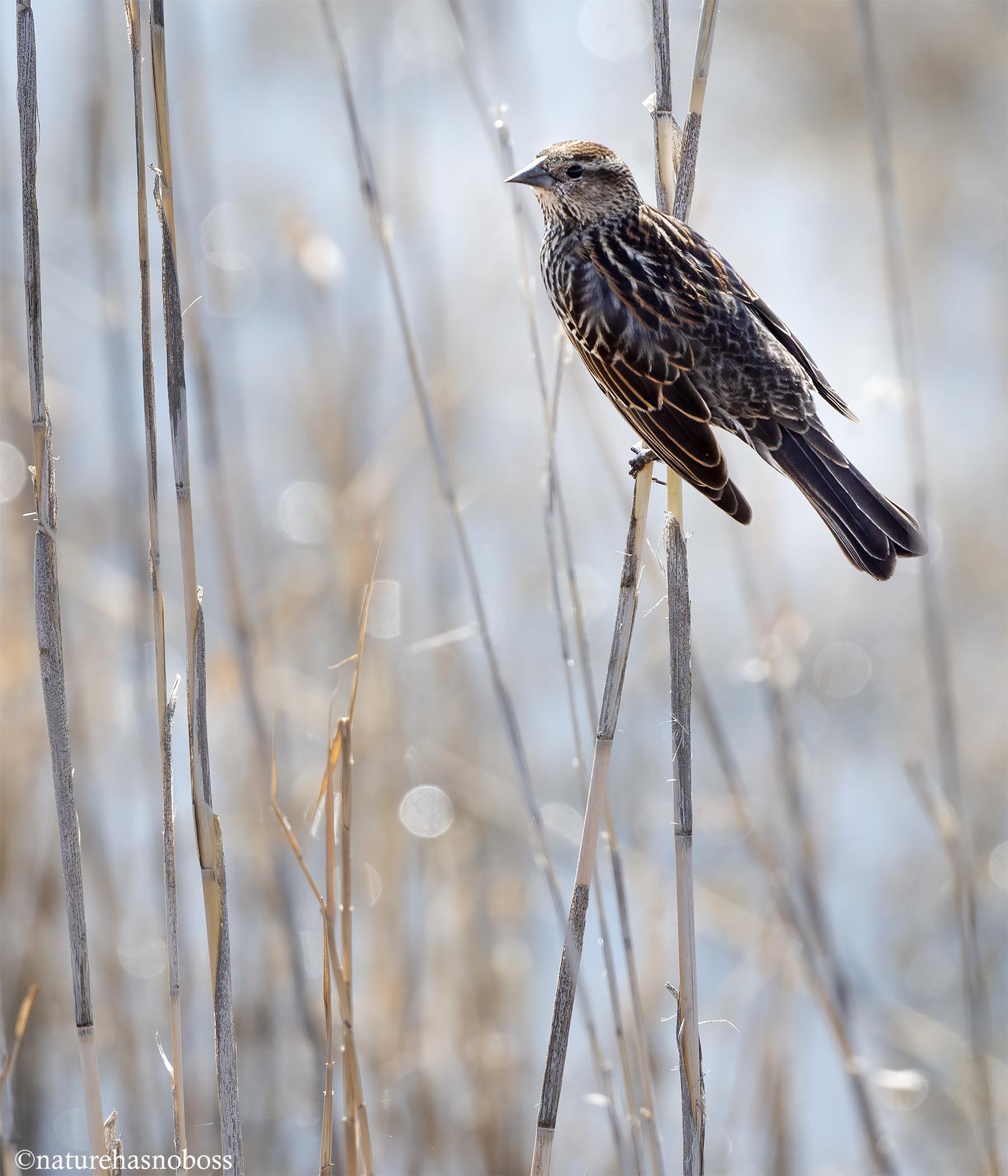
A female Red-winged Blackbird perches in a sea of cattails as she listens to the males sing.

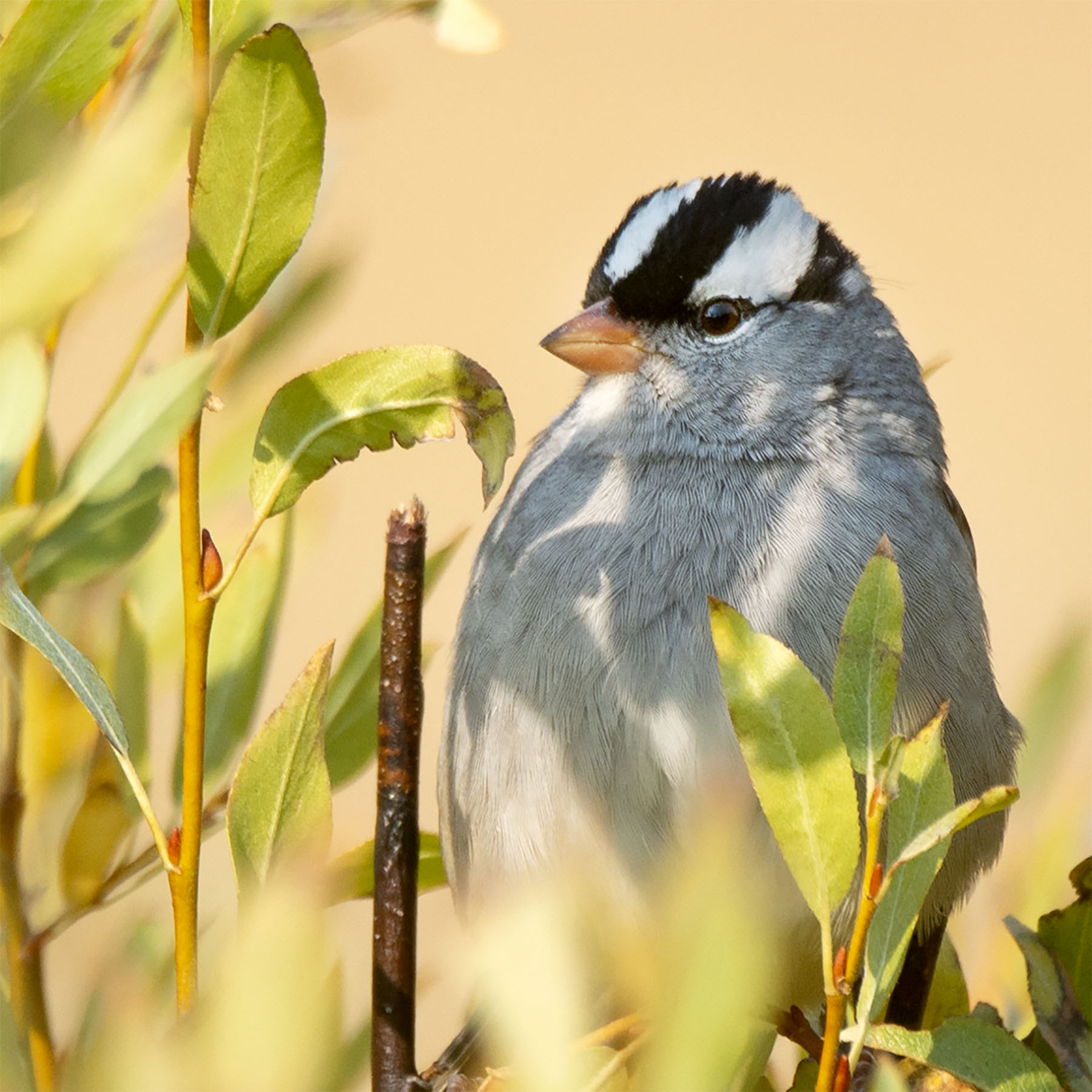
An immature White-crowned Sparrow soaking in some of the golden morning sunlight.
We love listening to adults sing their songs each spring and according to the All About Birds website:
A young male White-crowned Sparrow learns the basics of the song it will sing as an adult during the first two or three months of its life. It does not learn directly from its father, but rather from the generalized song environment of its natal neighborhood.bird
https://www.allaboutbirds.org/guide/White-crowned_Sparrow/overview
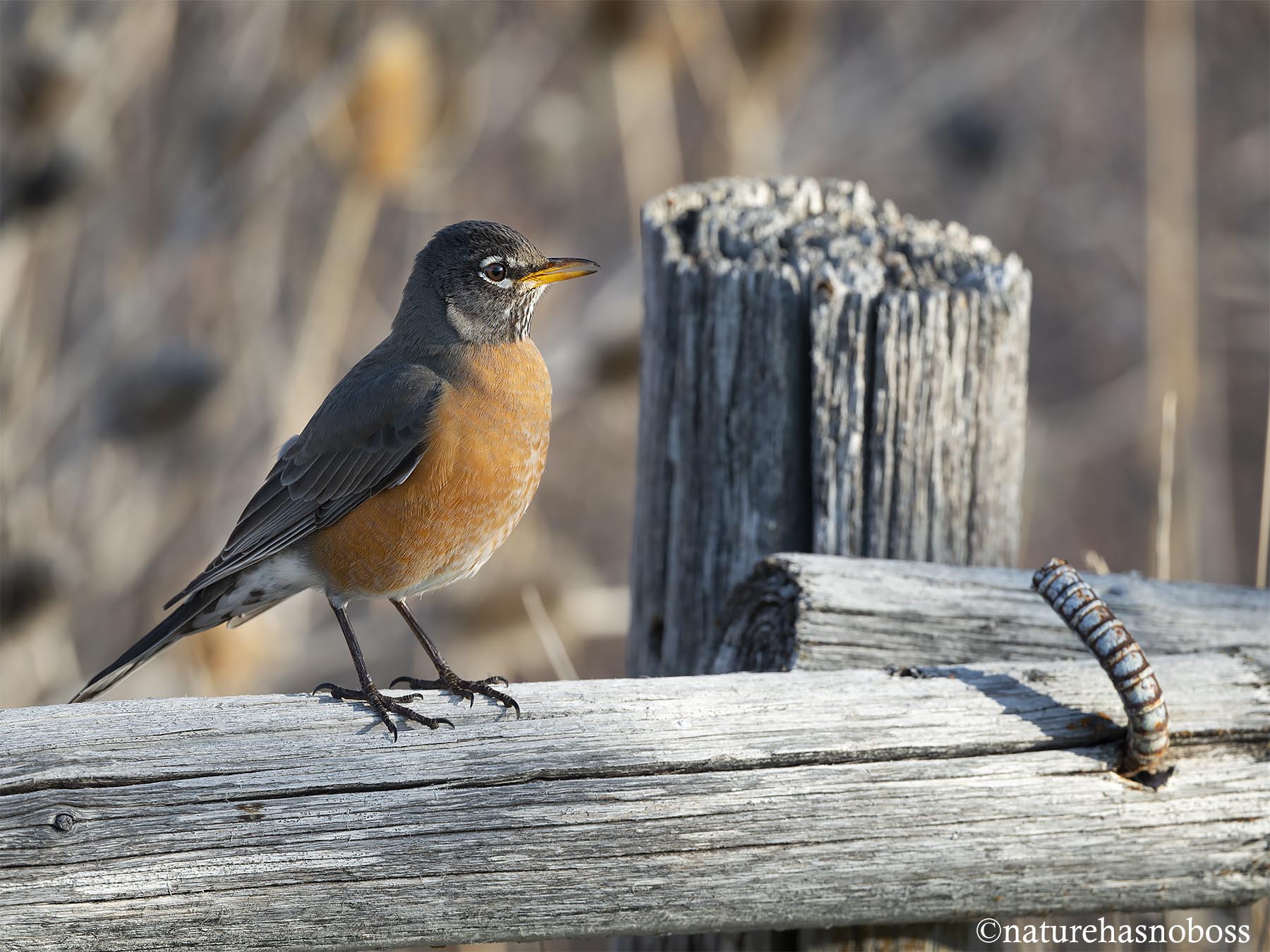
All across North America from north to south and east to west spring would feel incomplete without a Robin’s Song.

Thanks Mom.
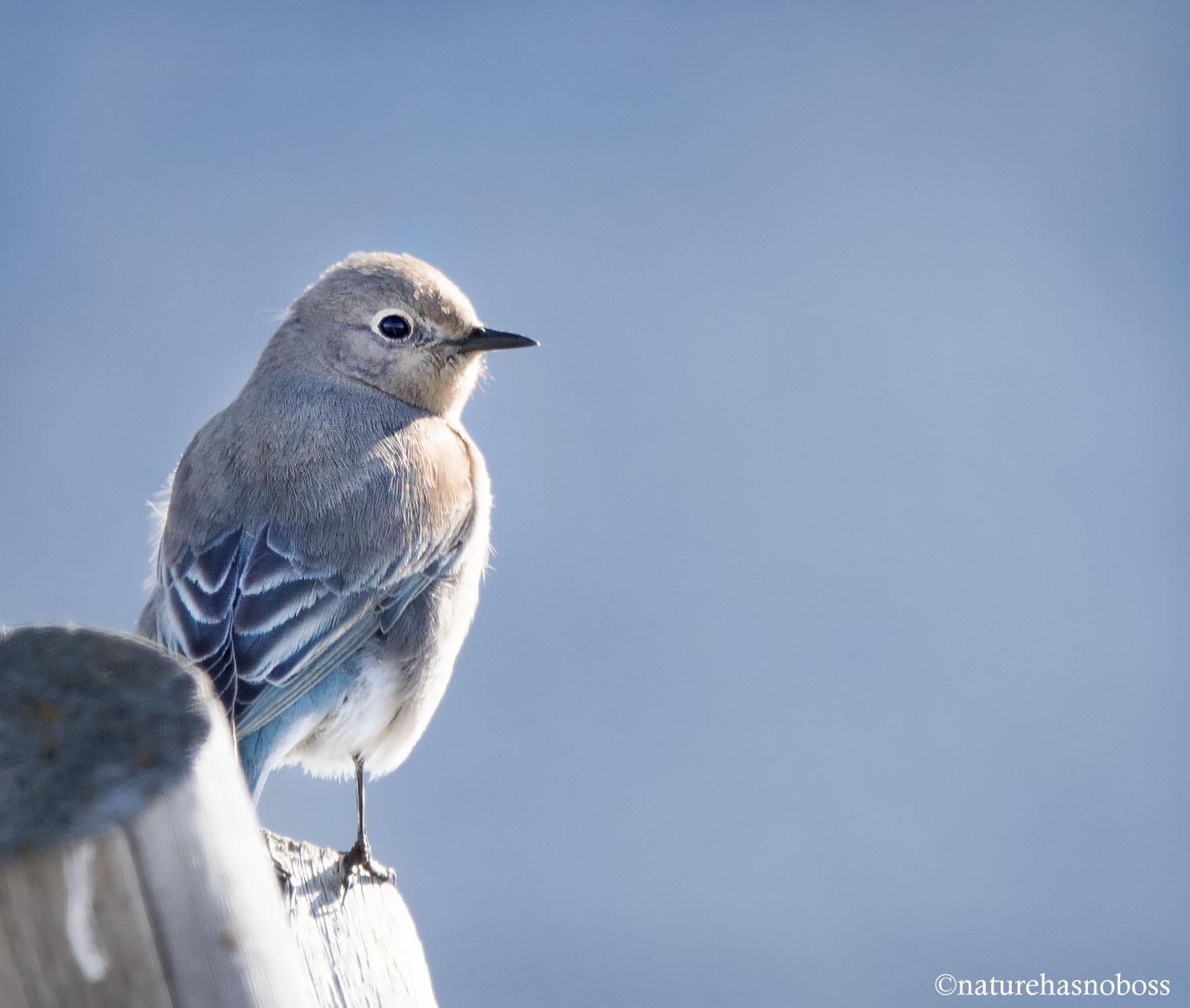
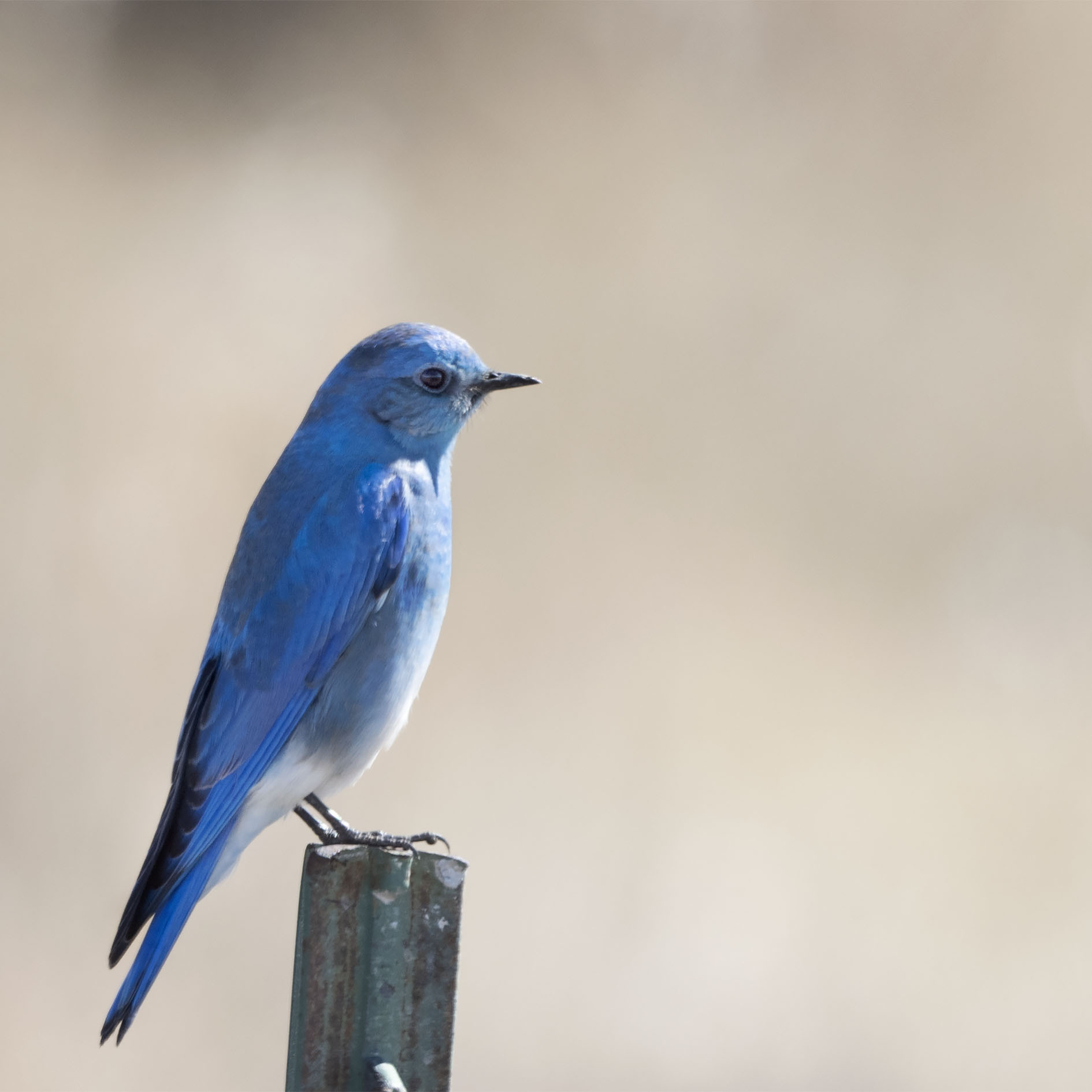
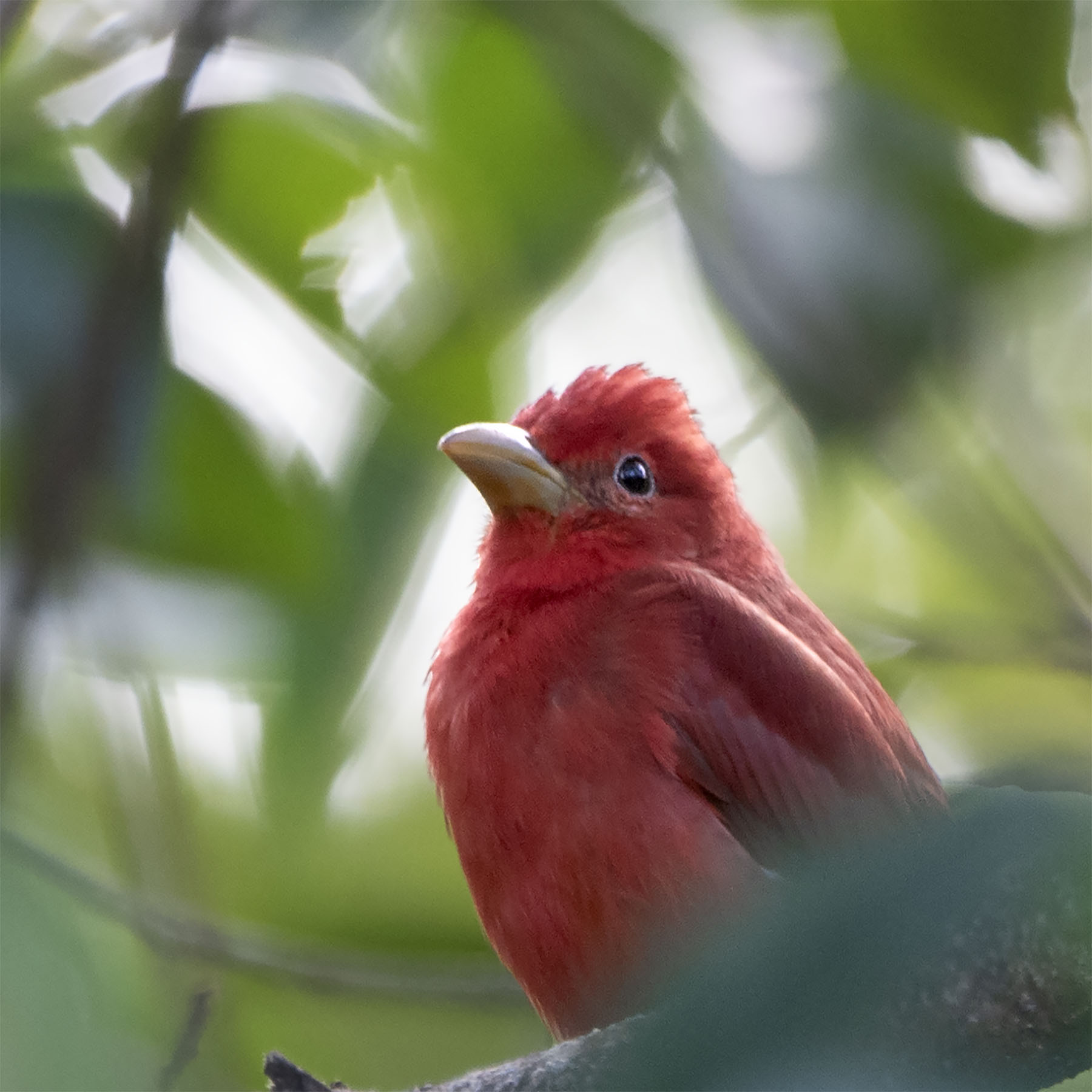
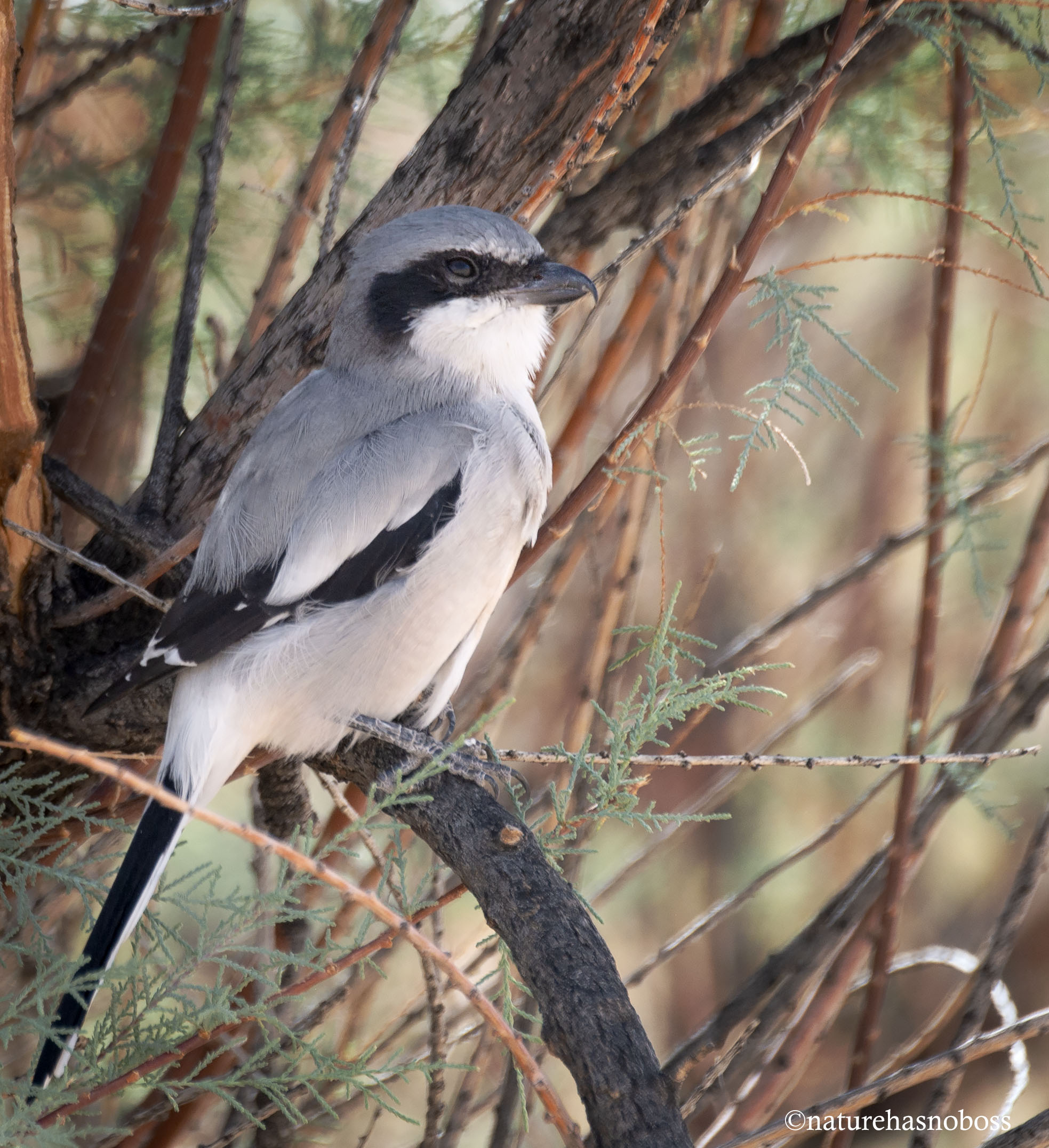
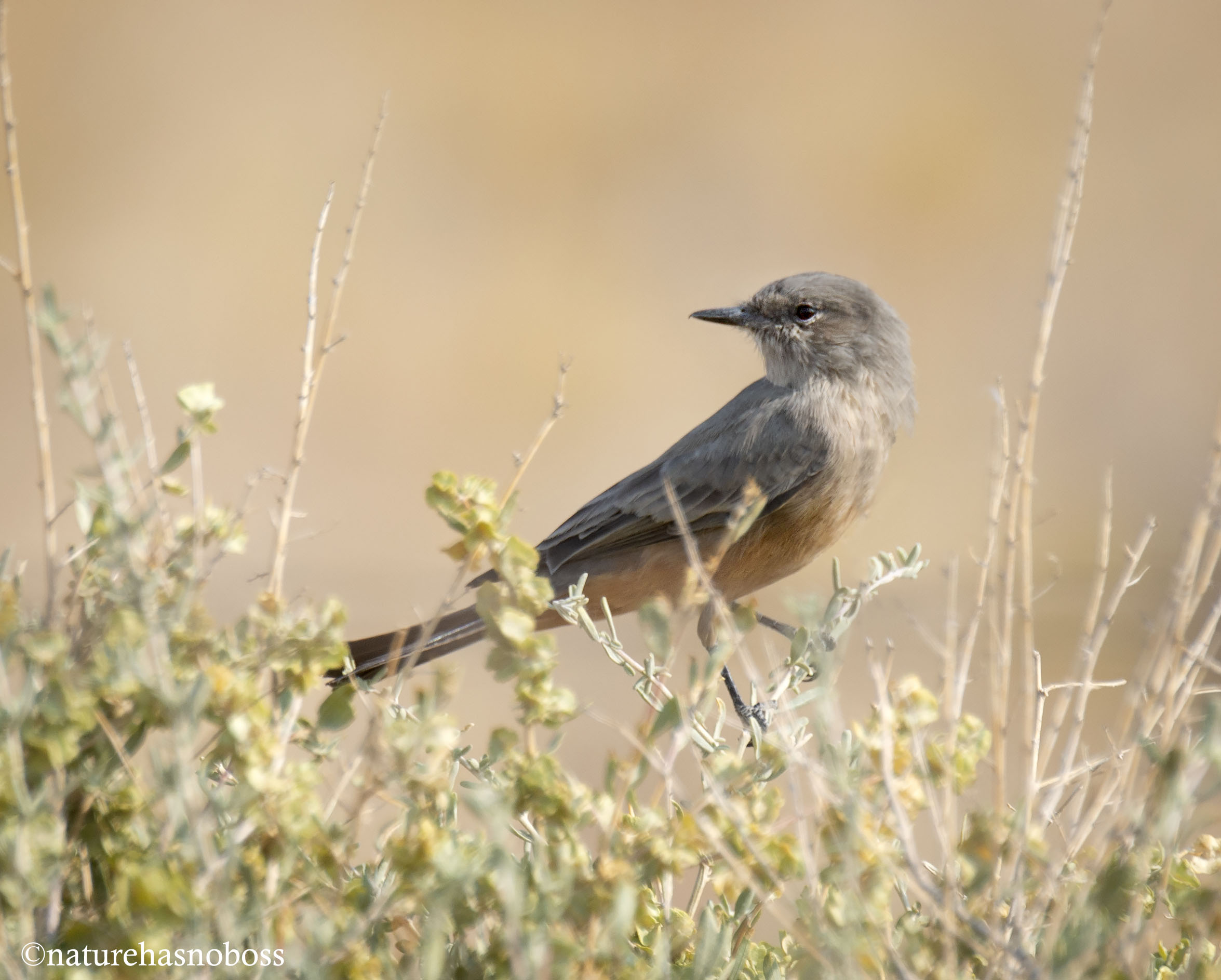
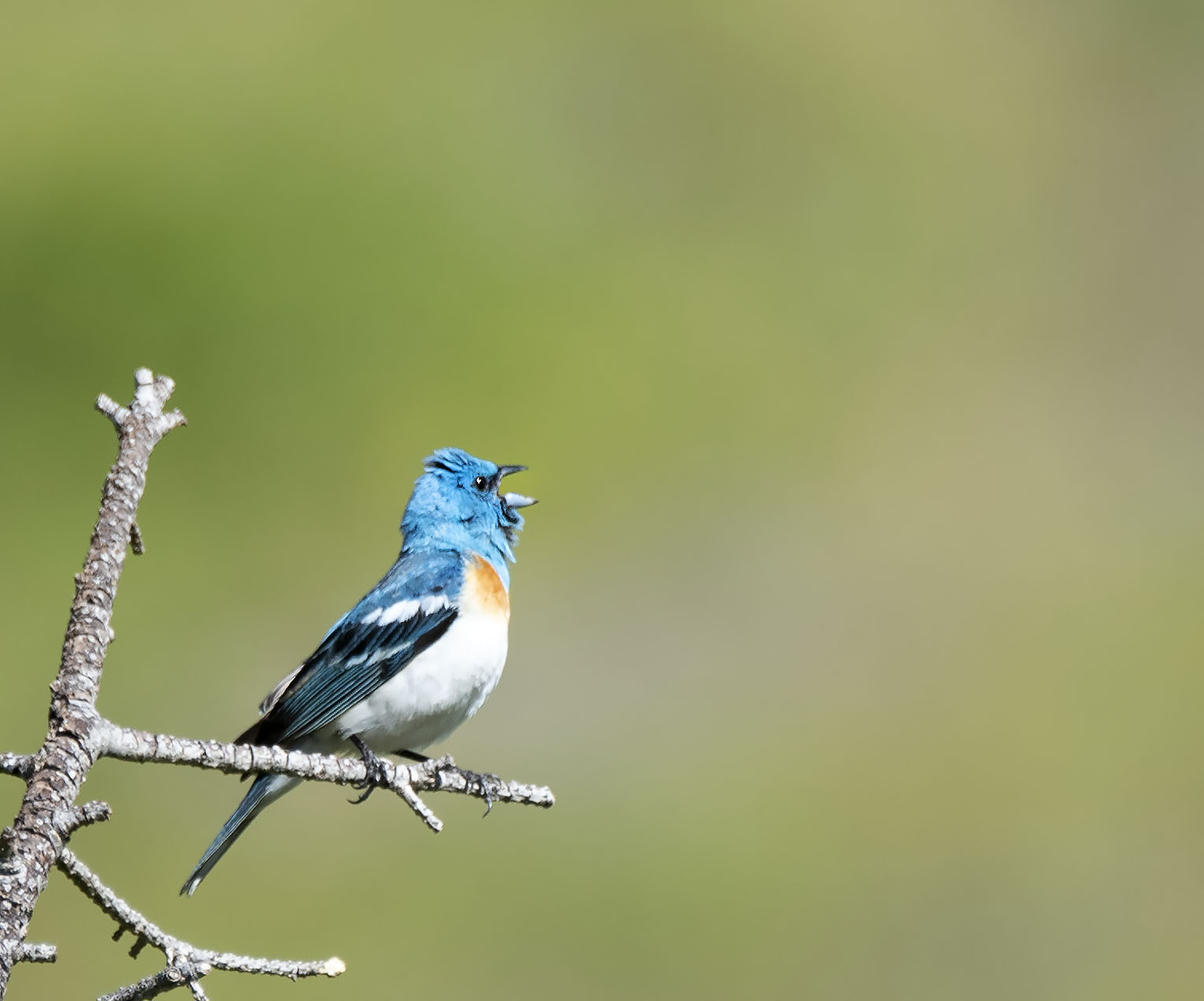
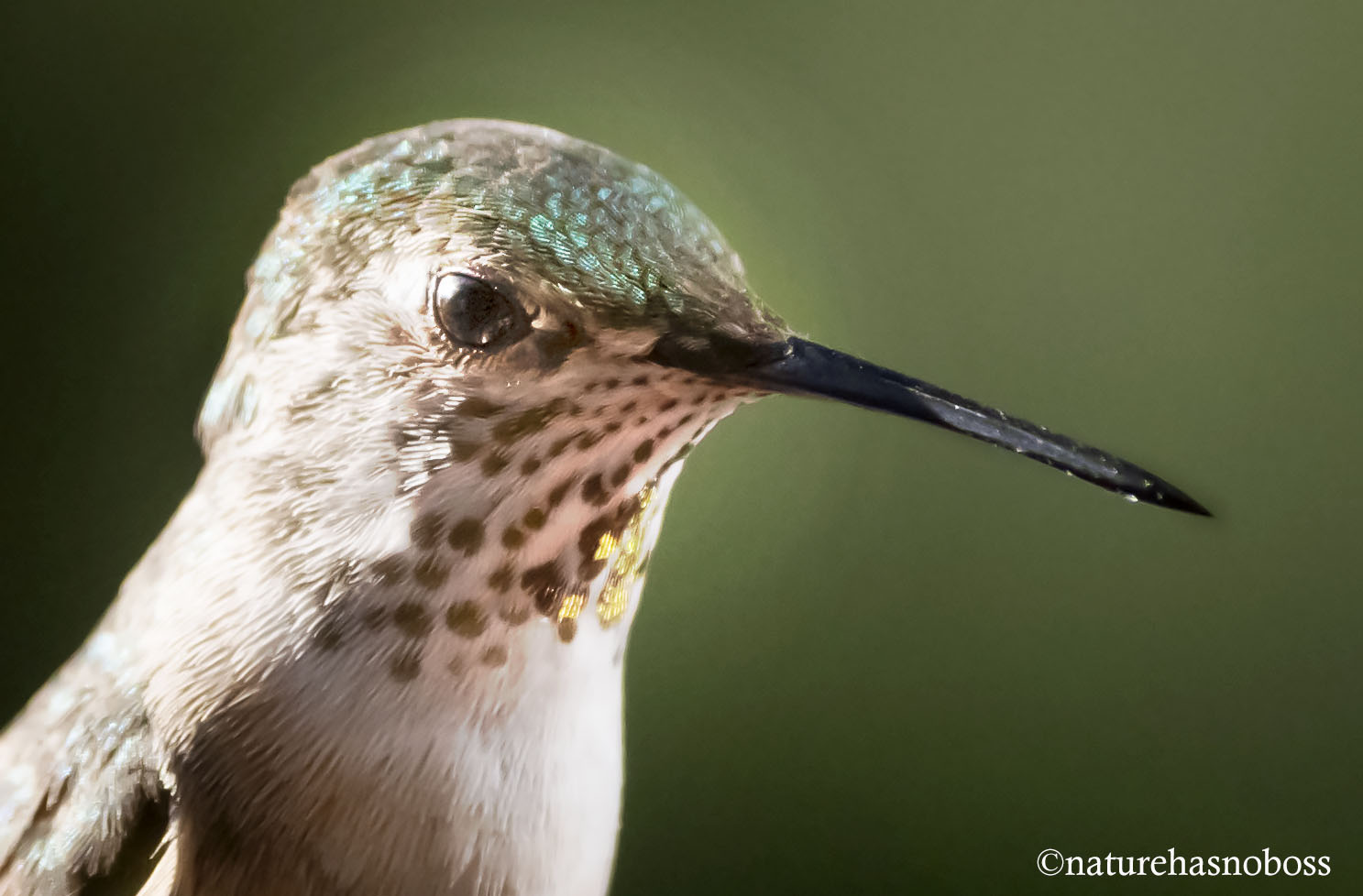
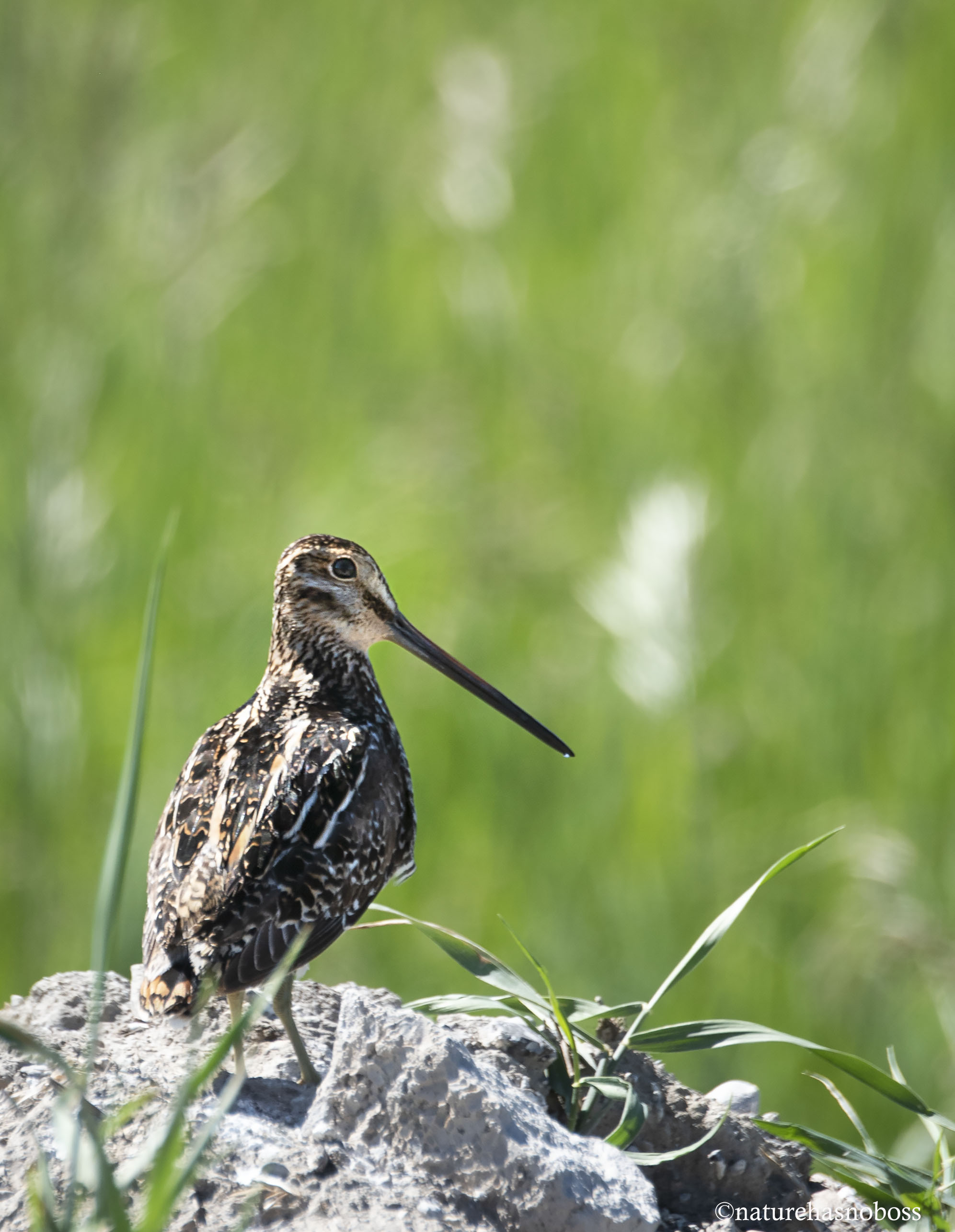
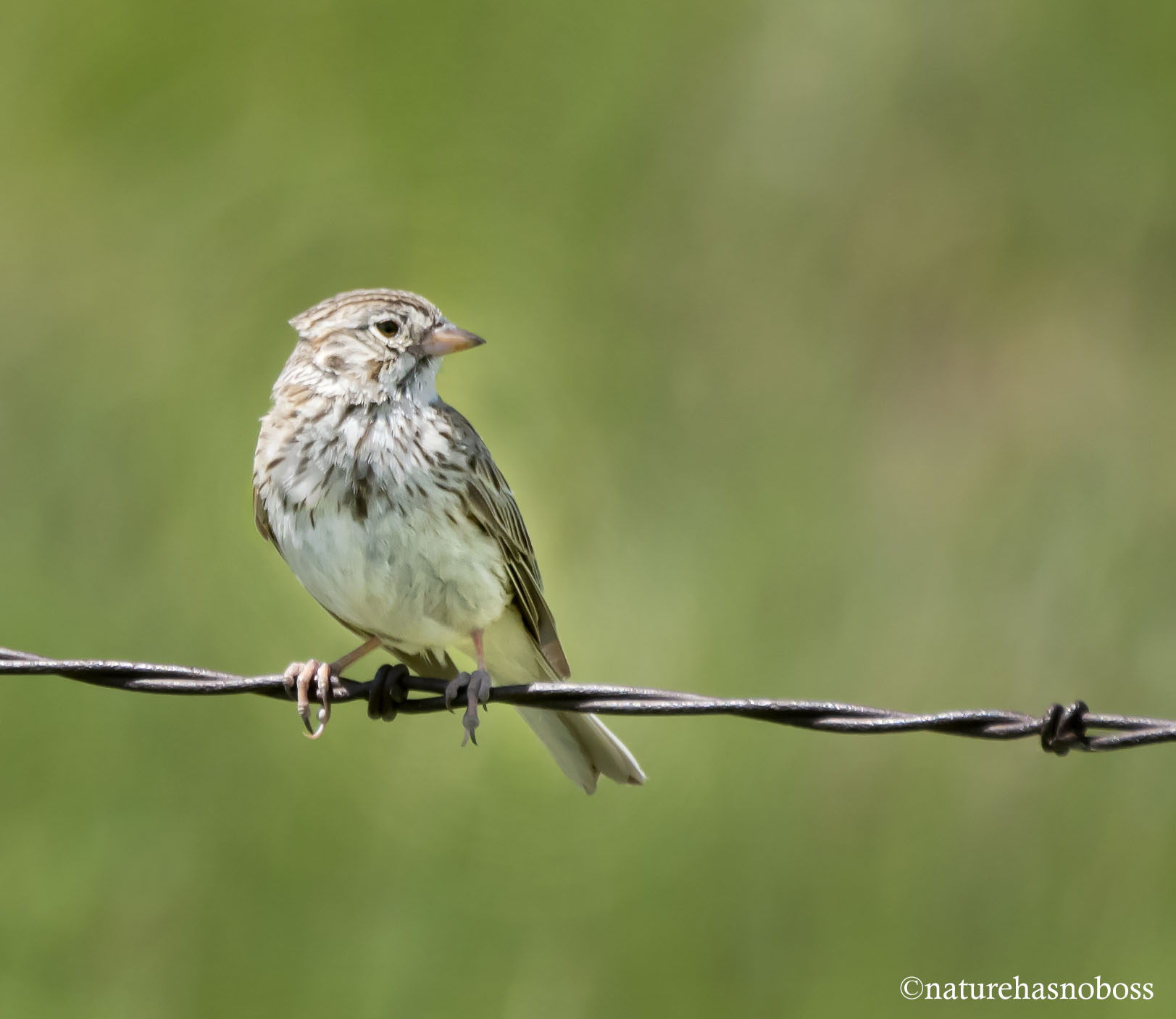
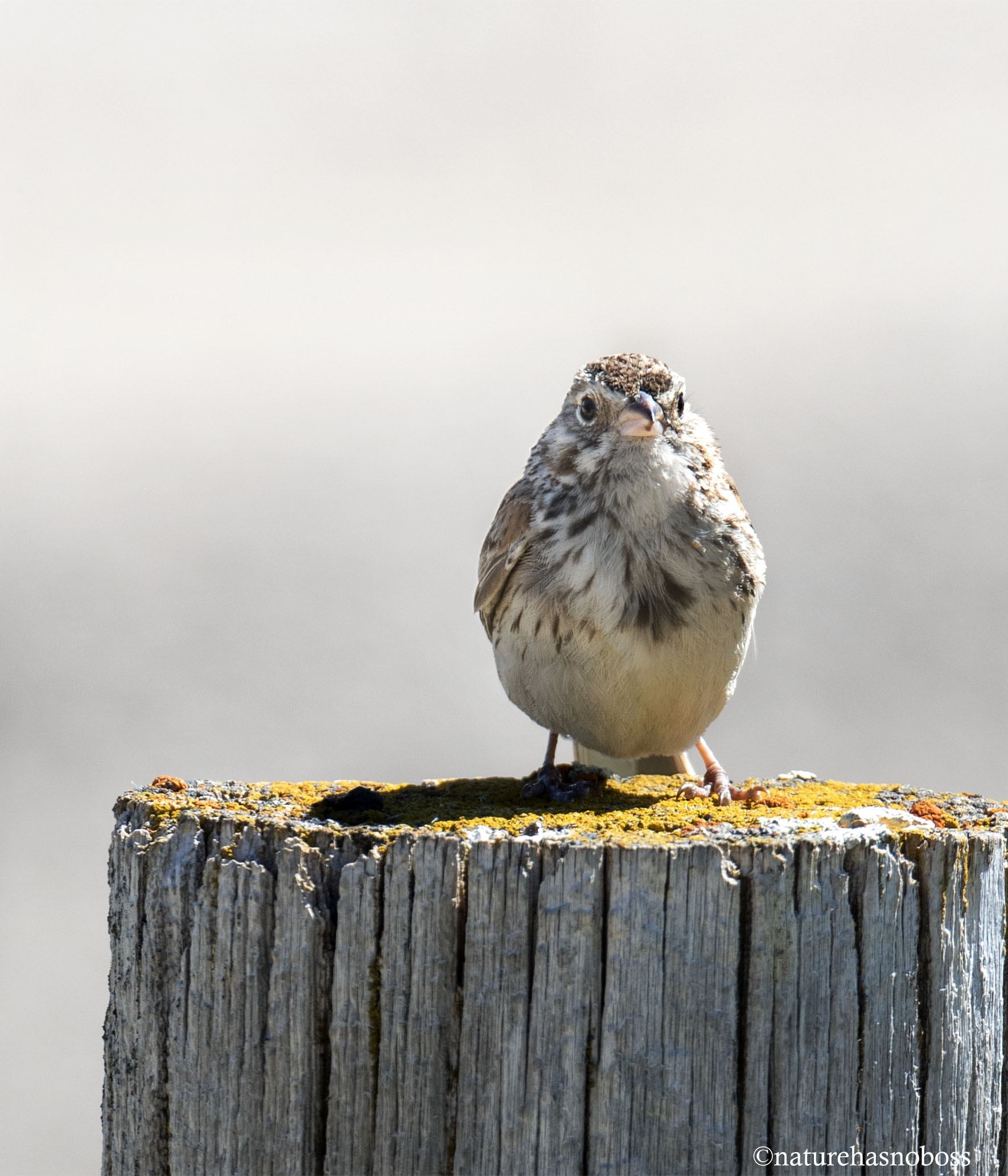
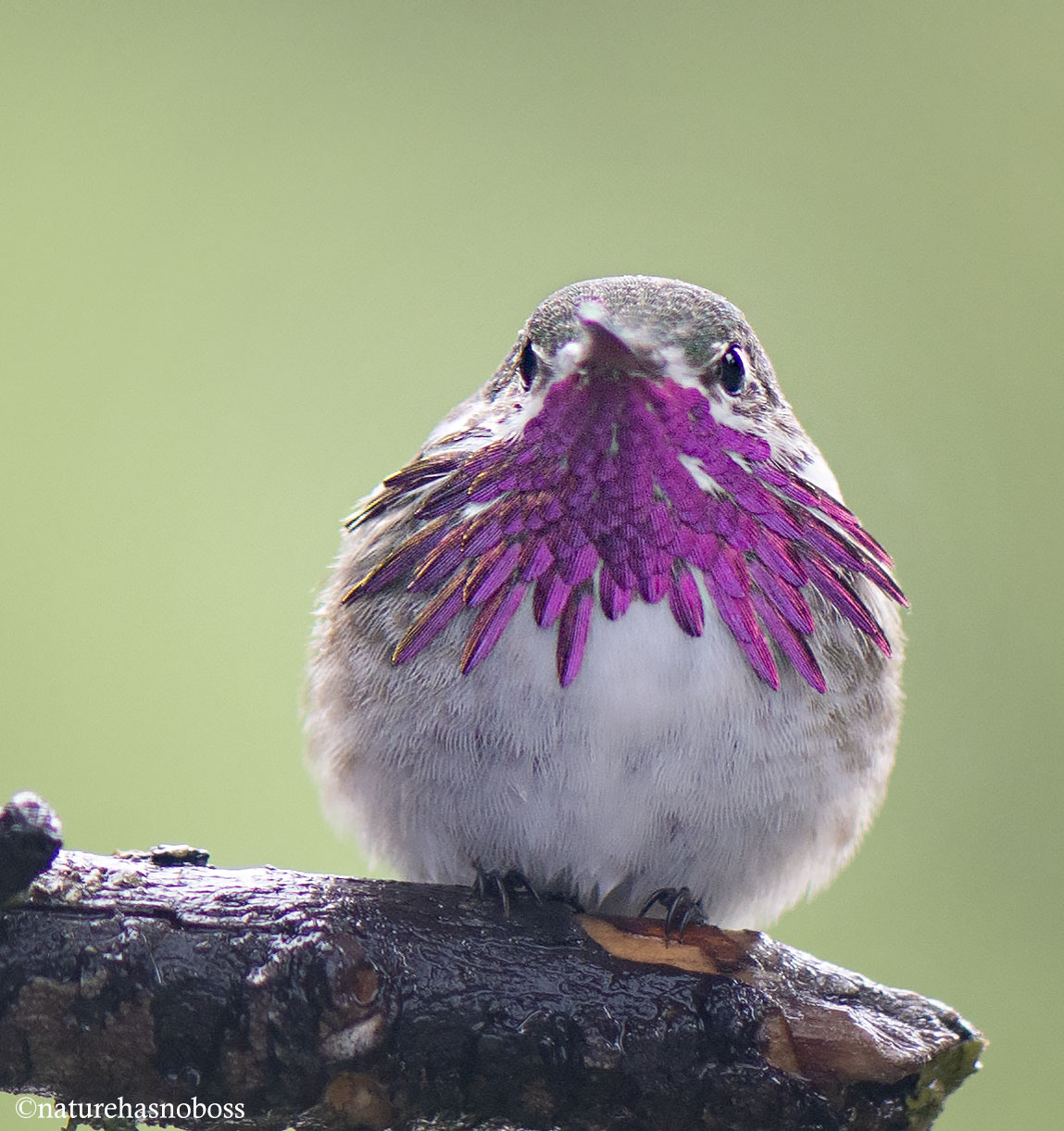

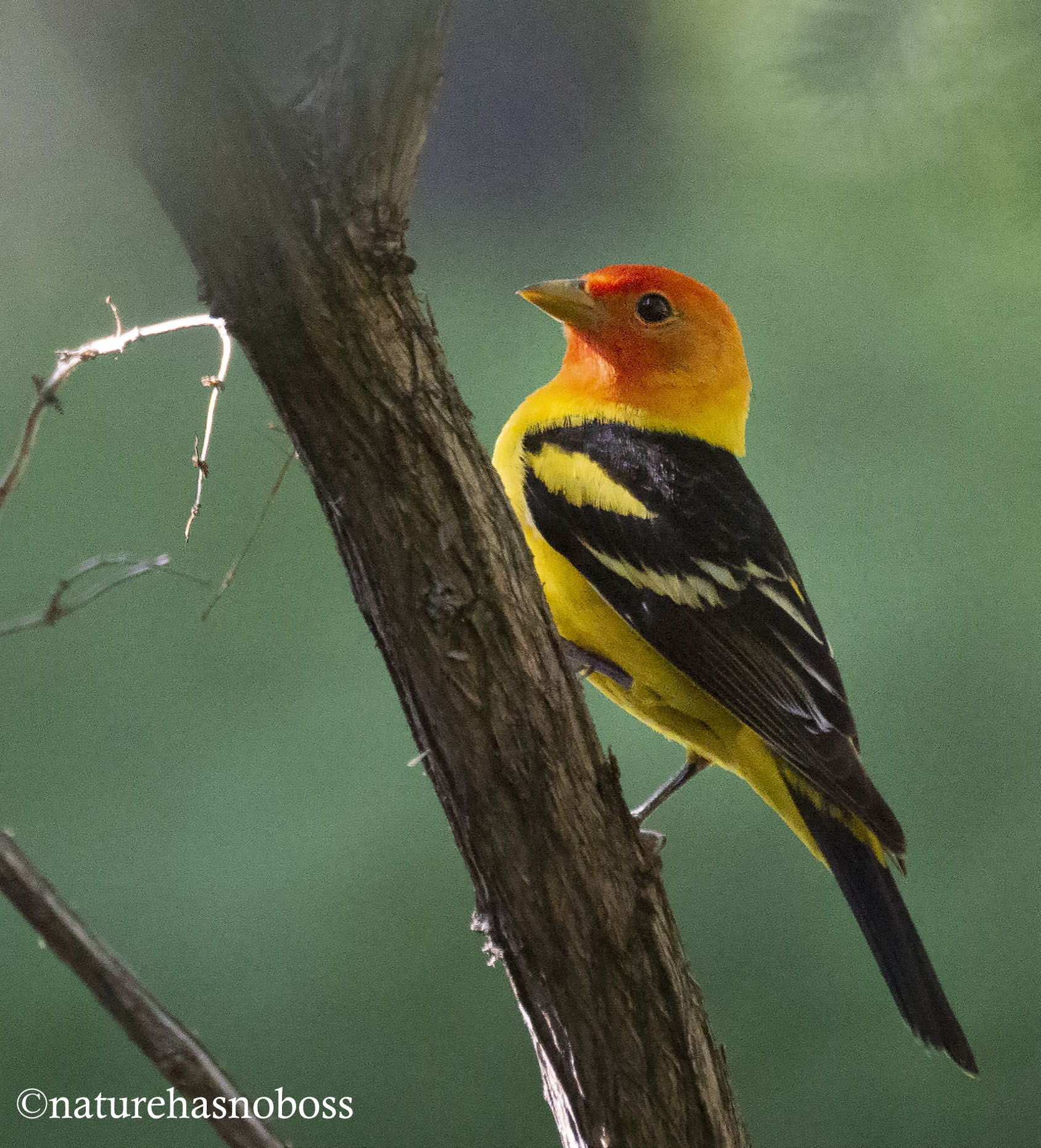
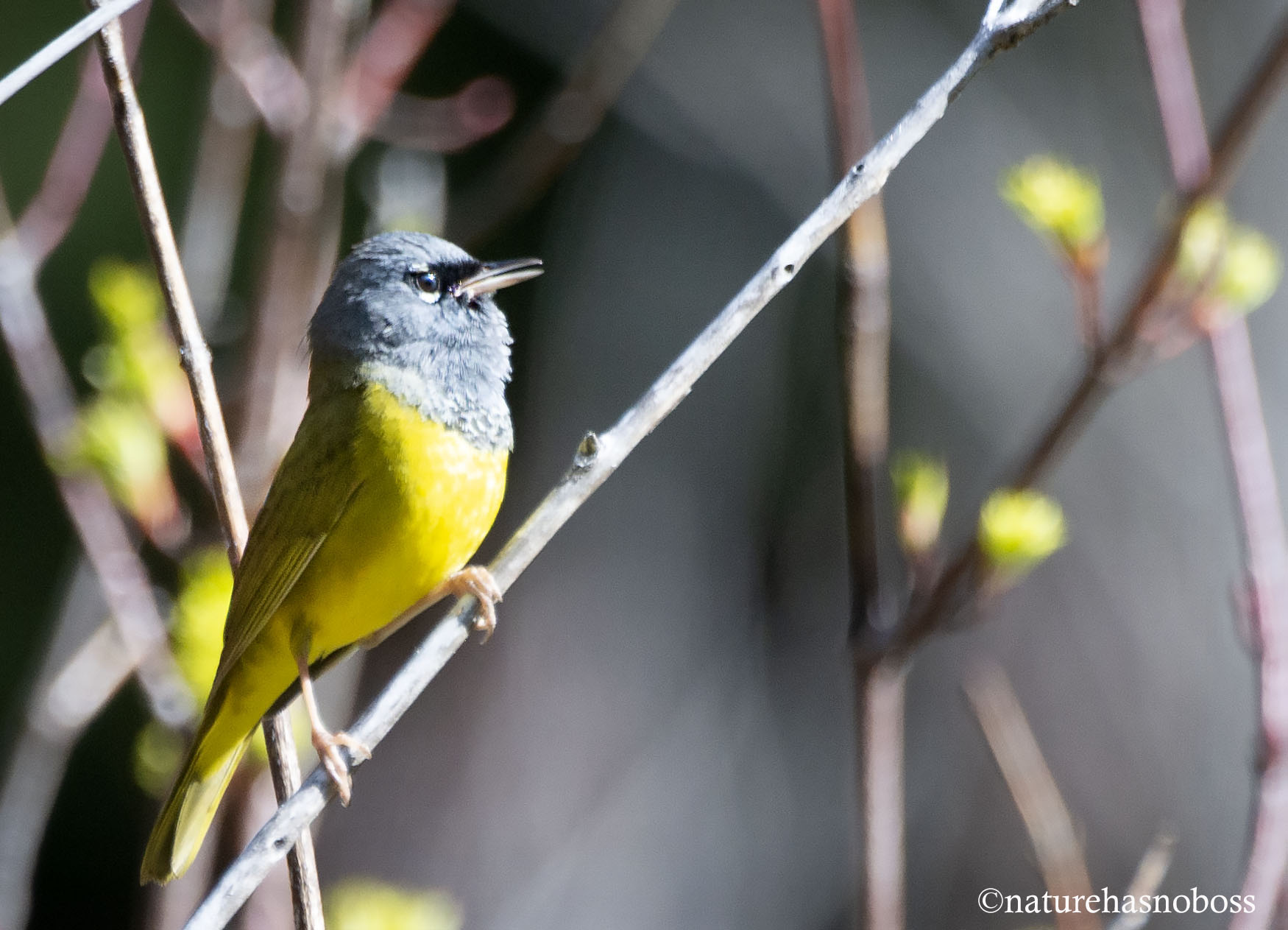
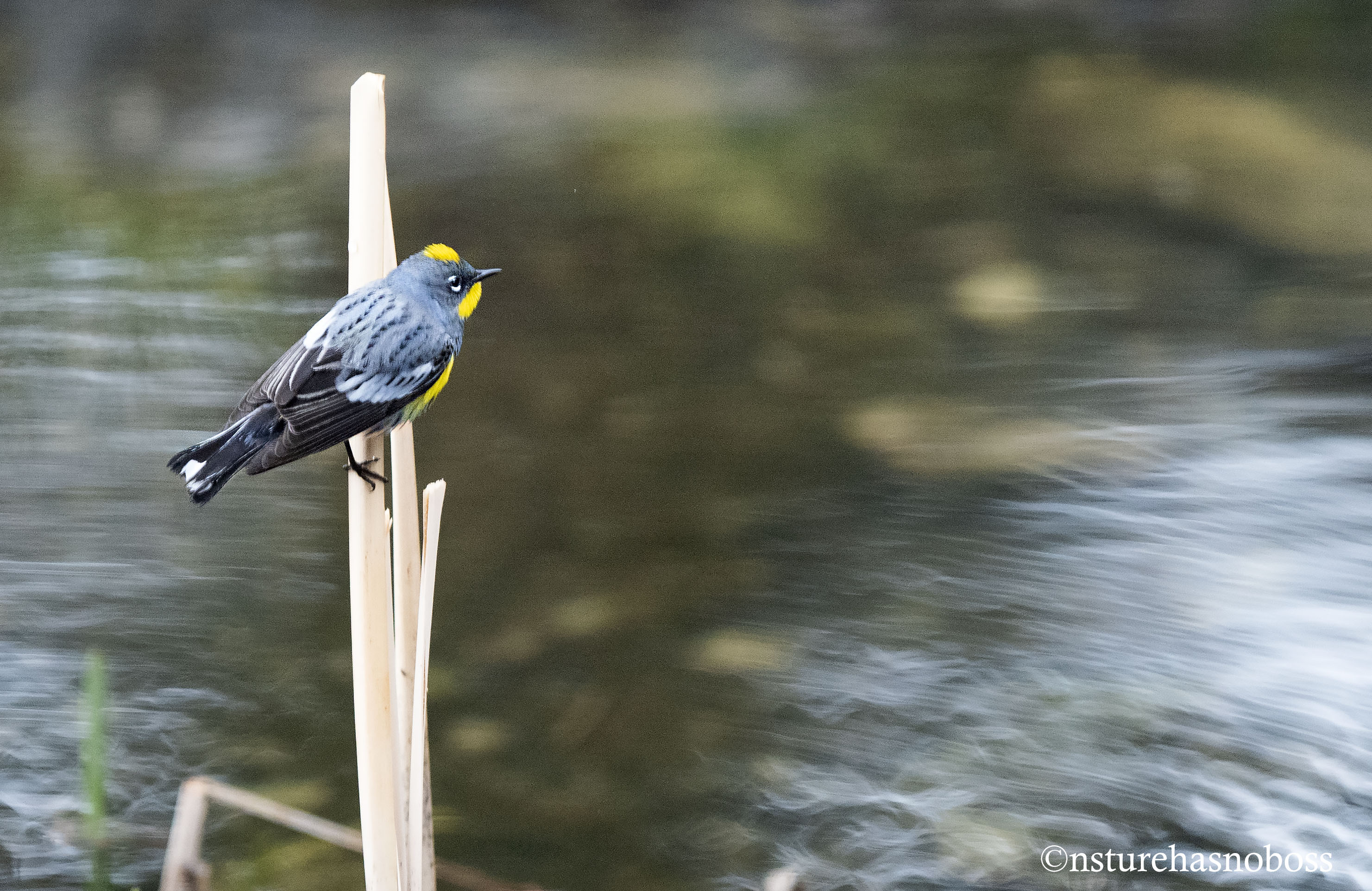
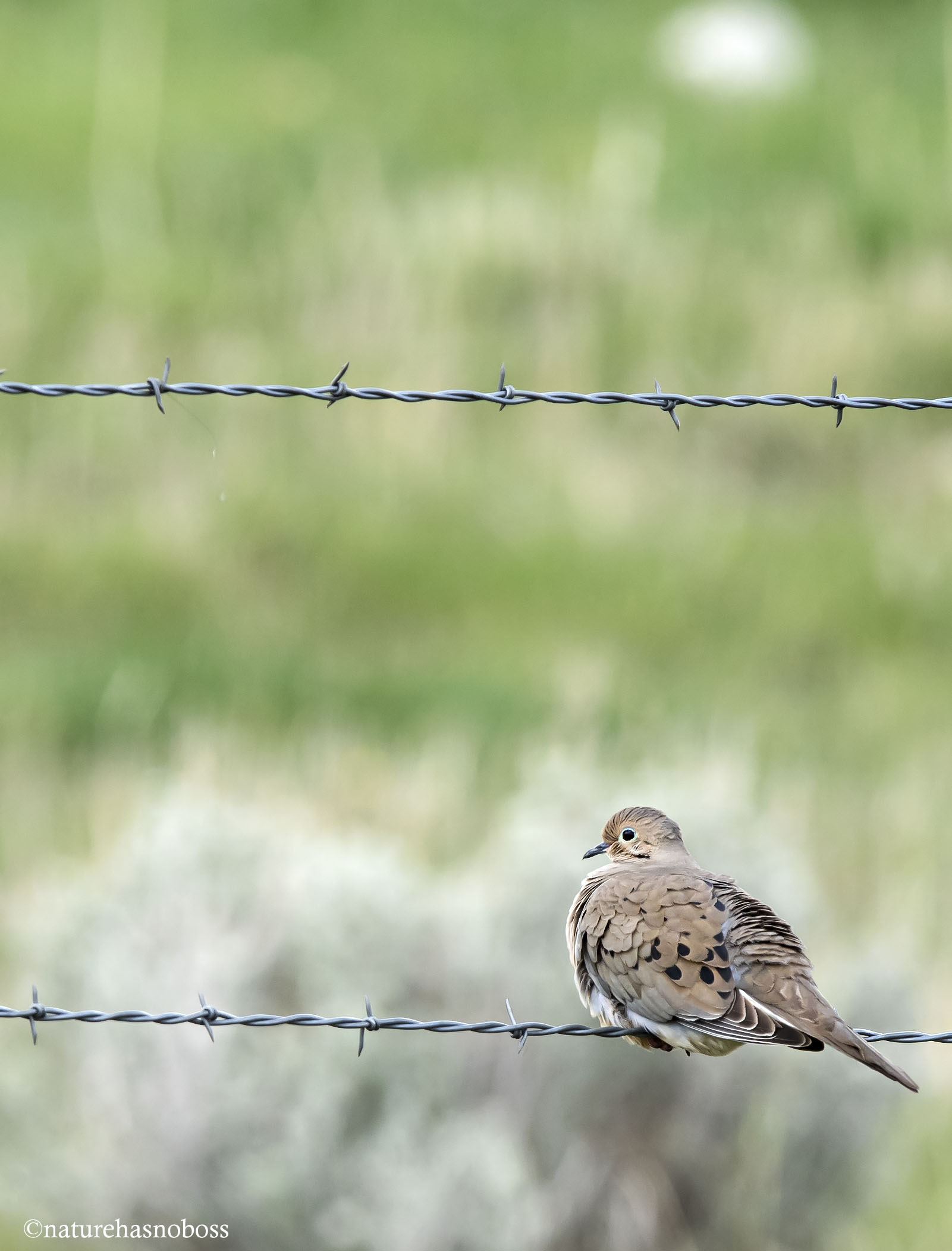
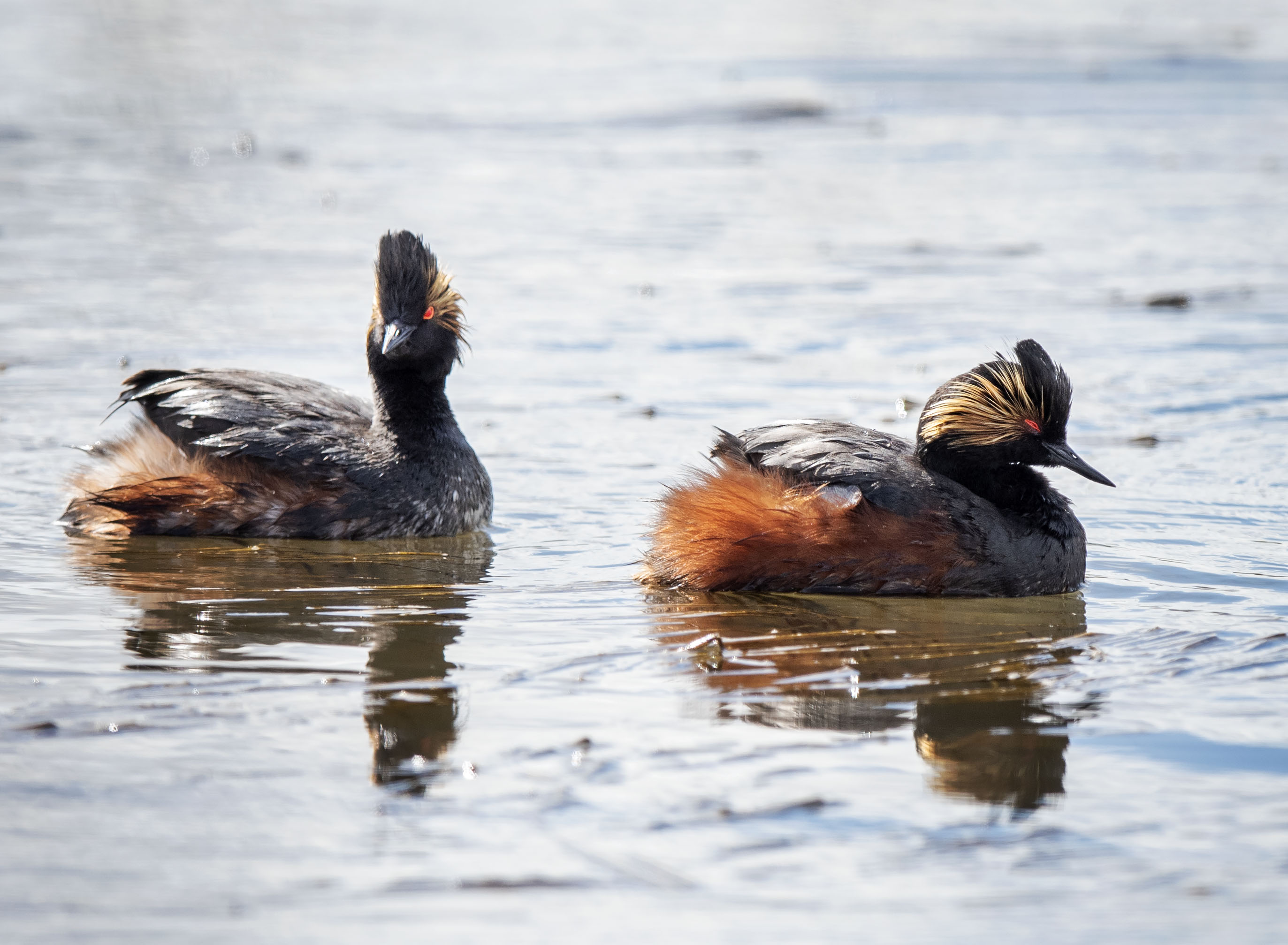
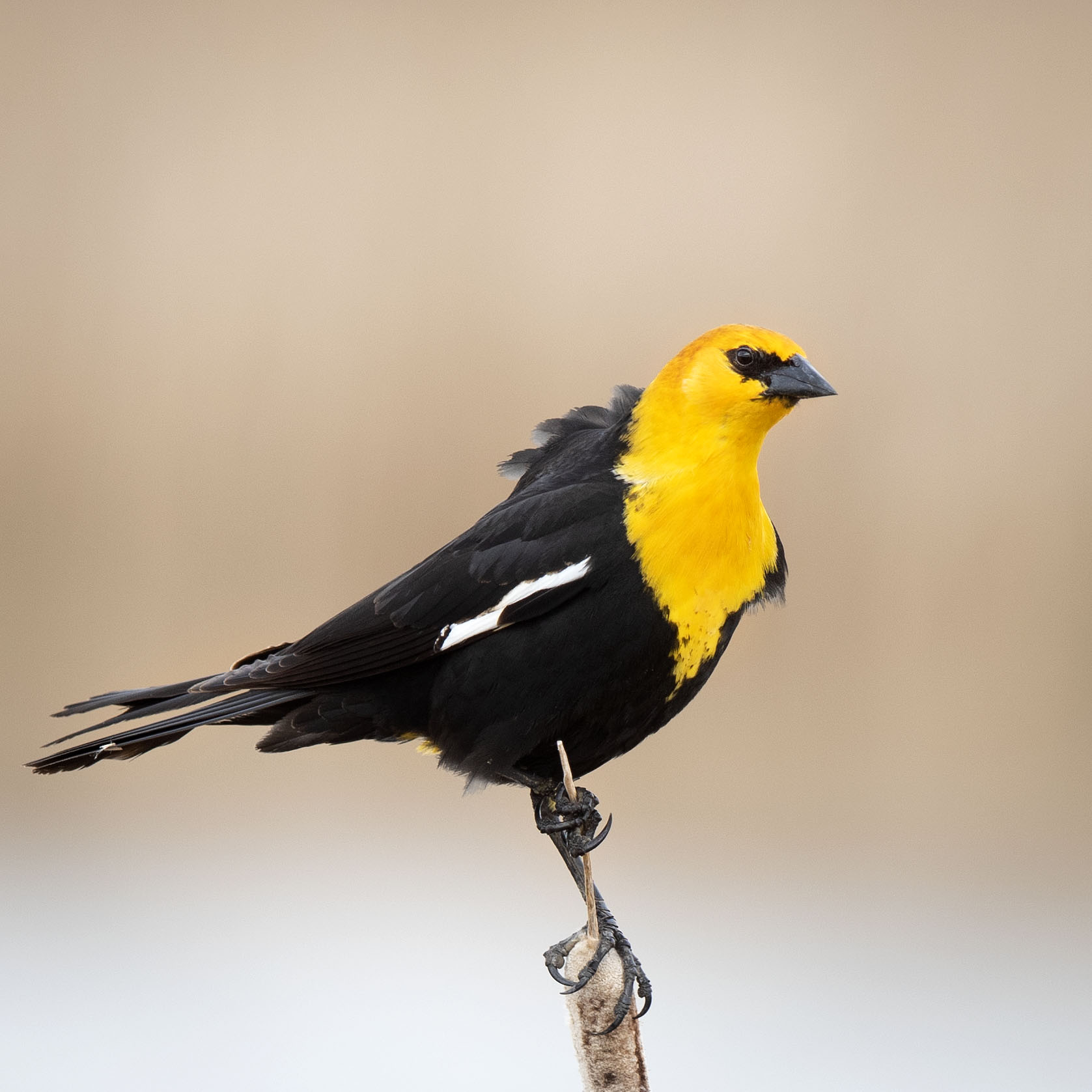
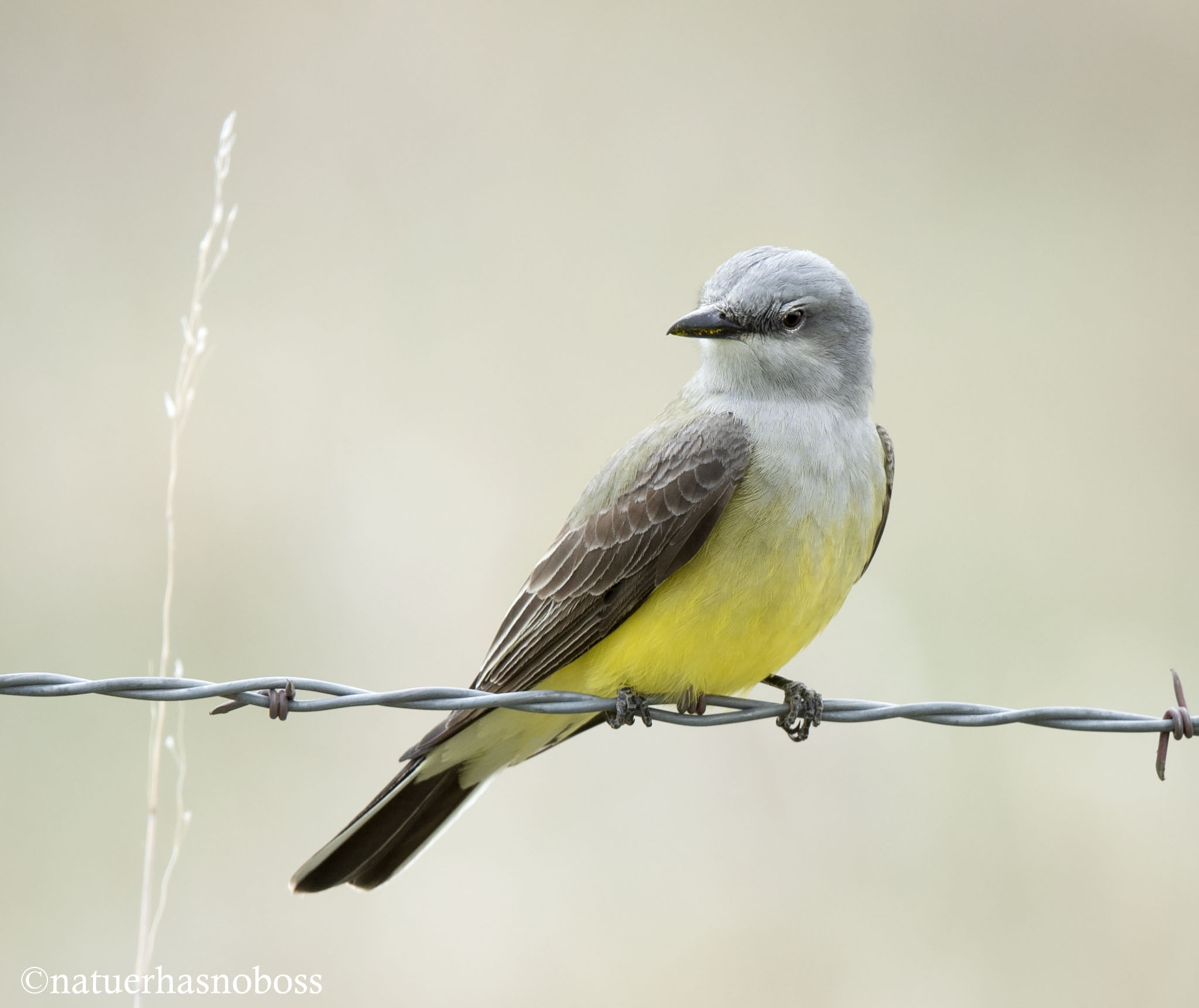
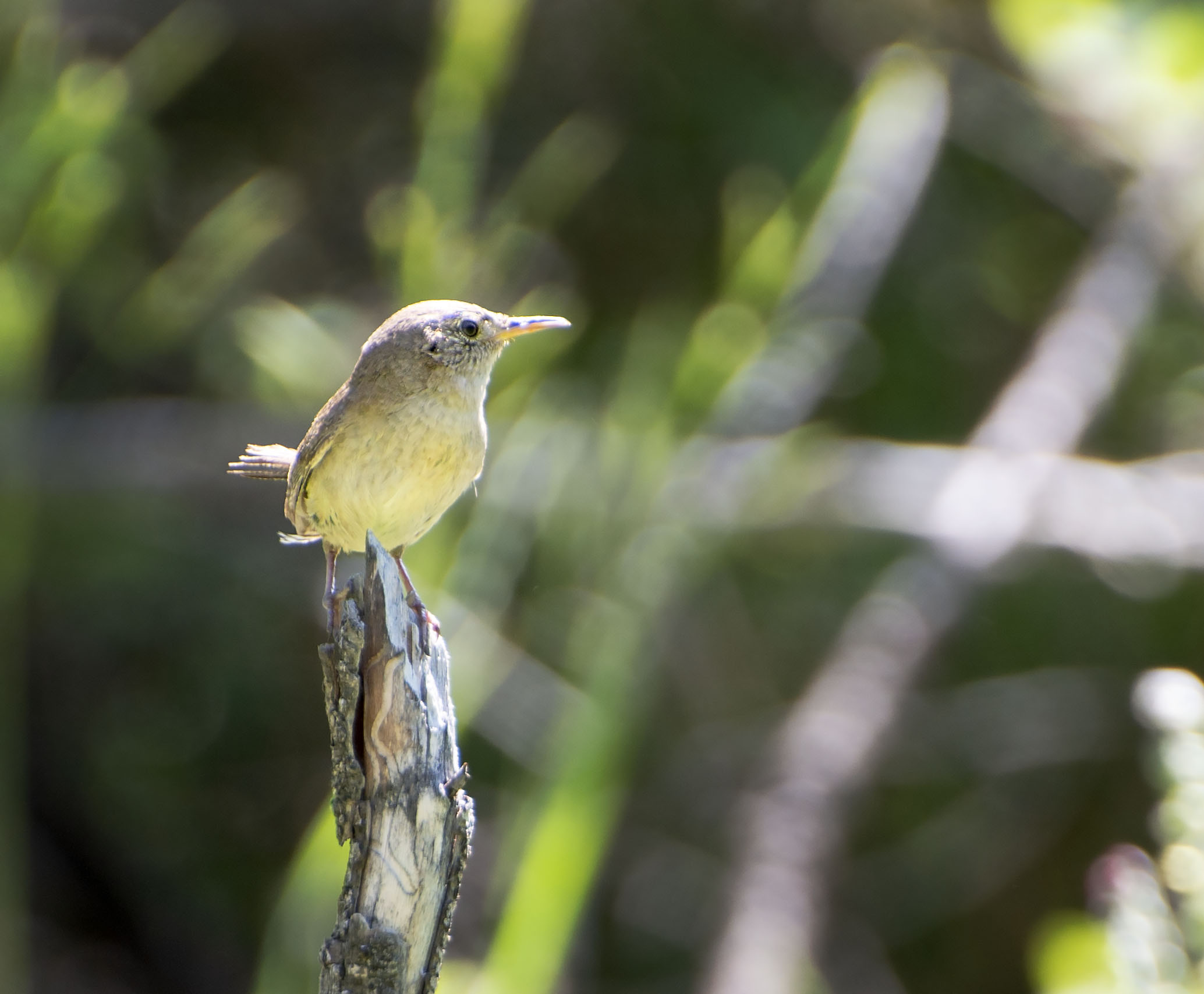
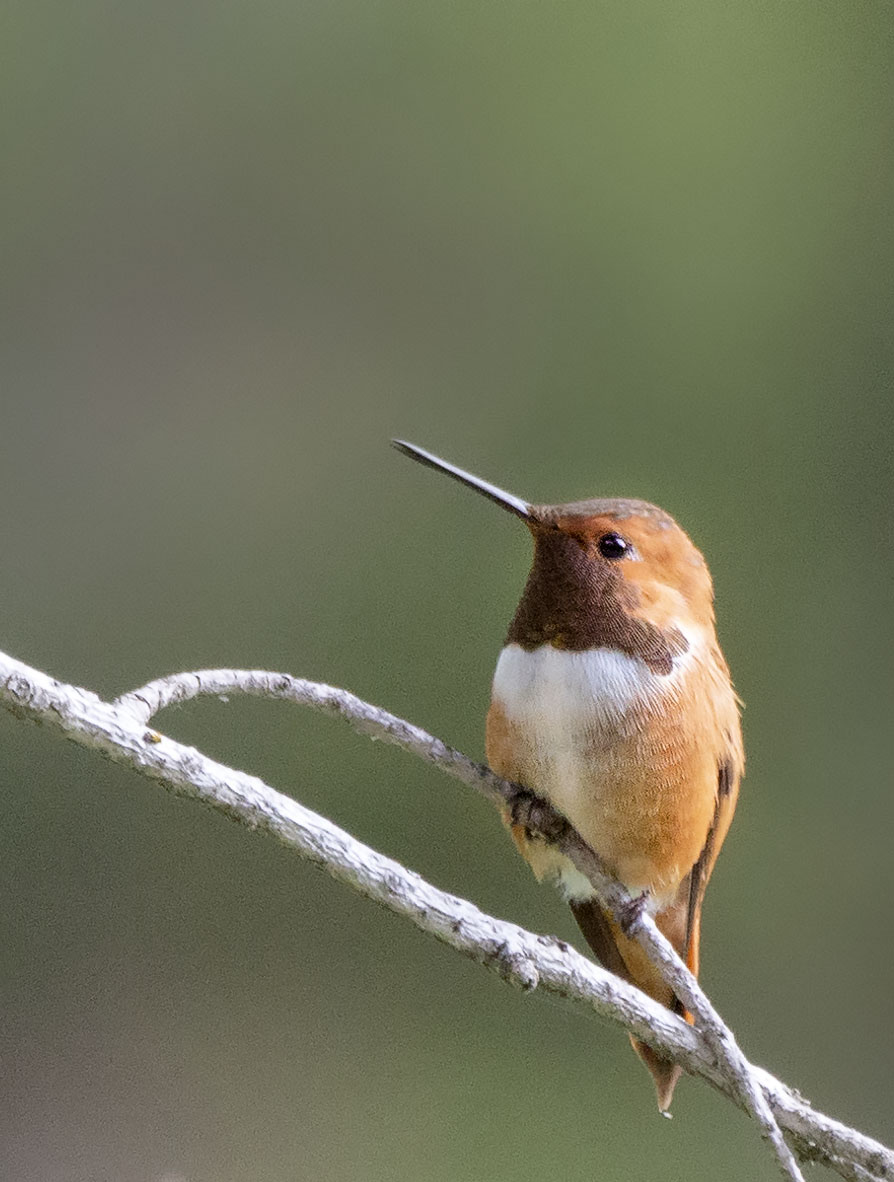
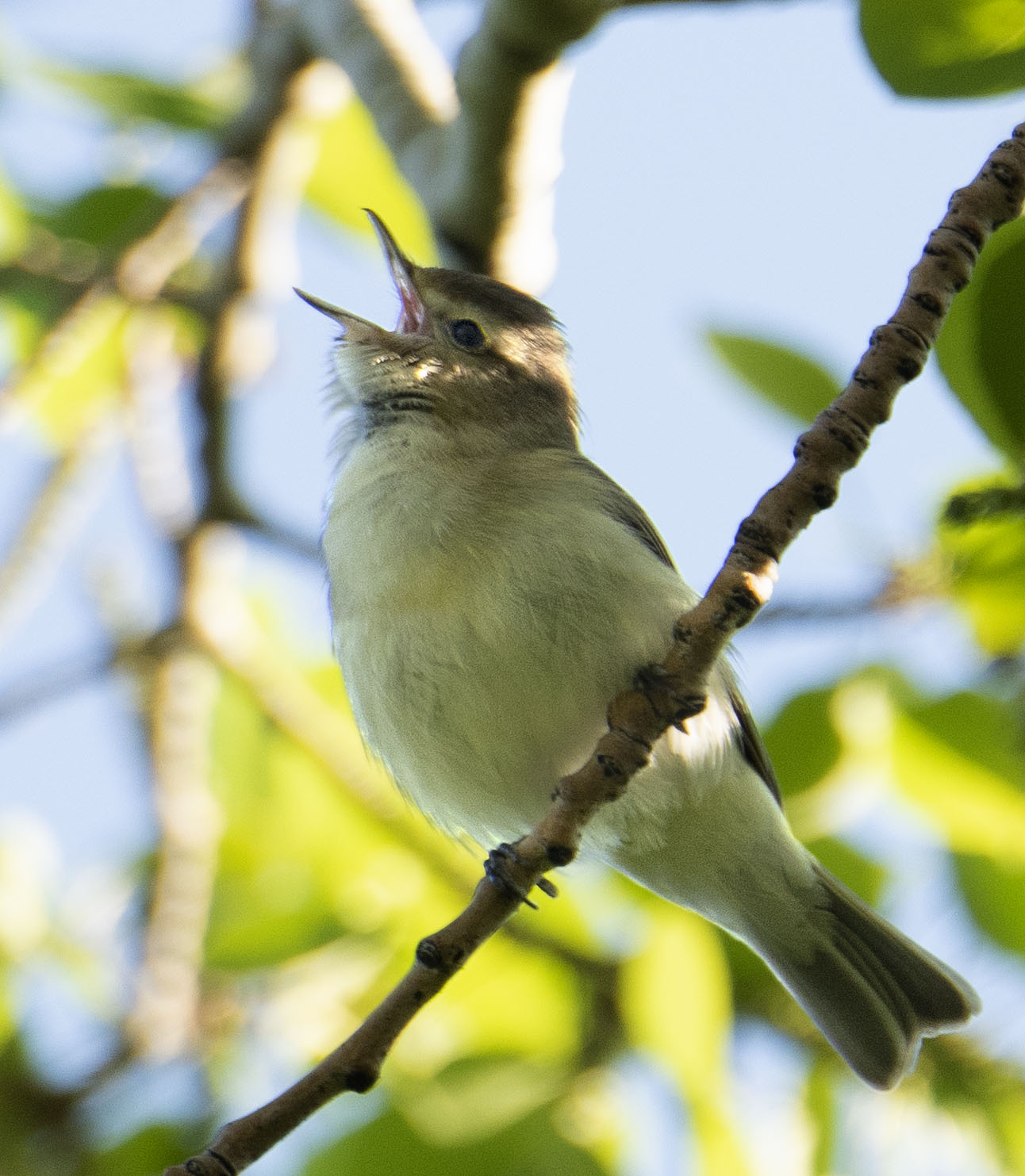
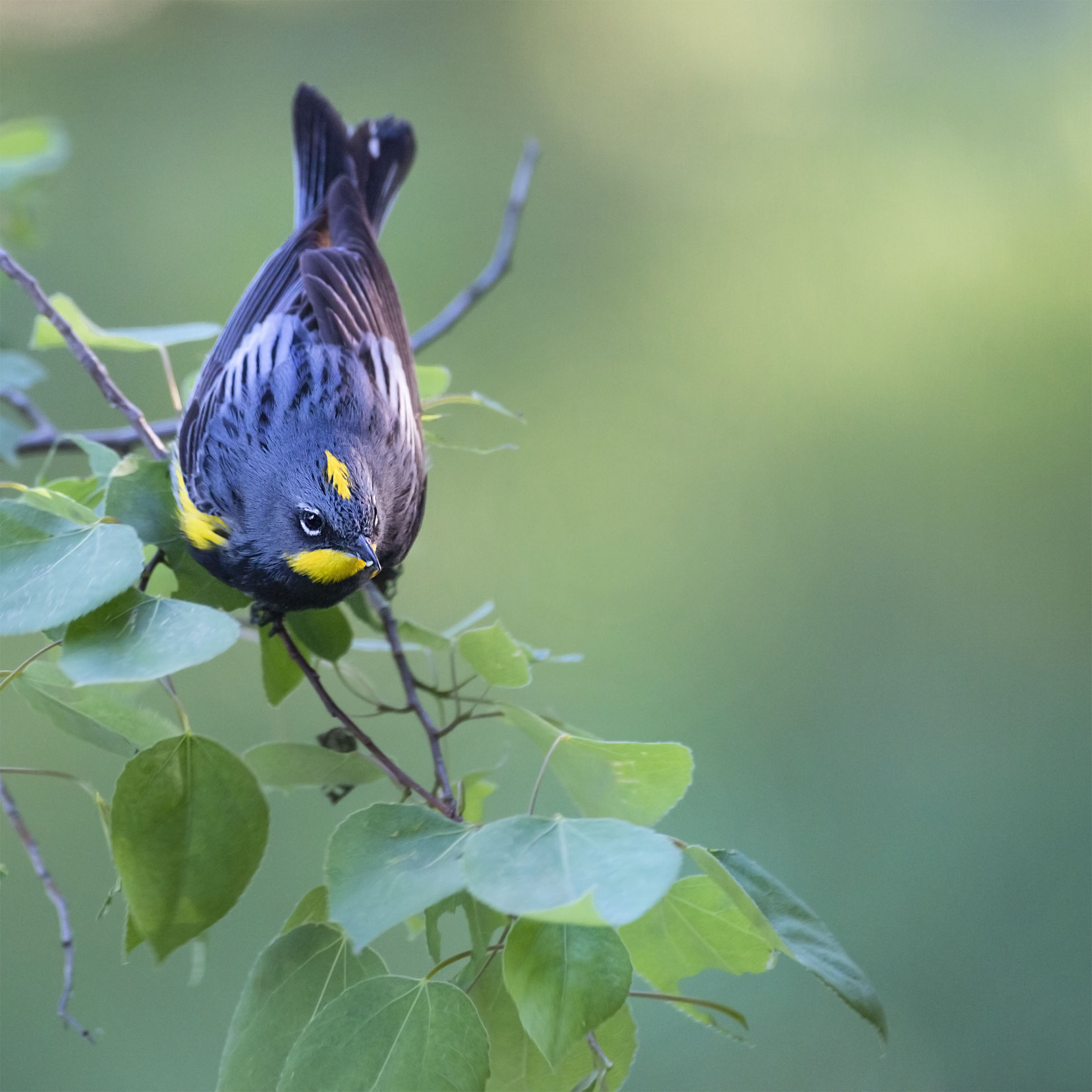
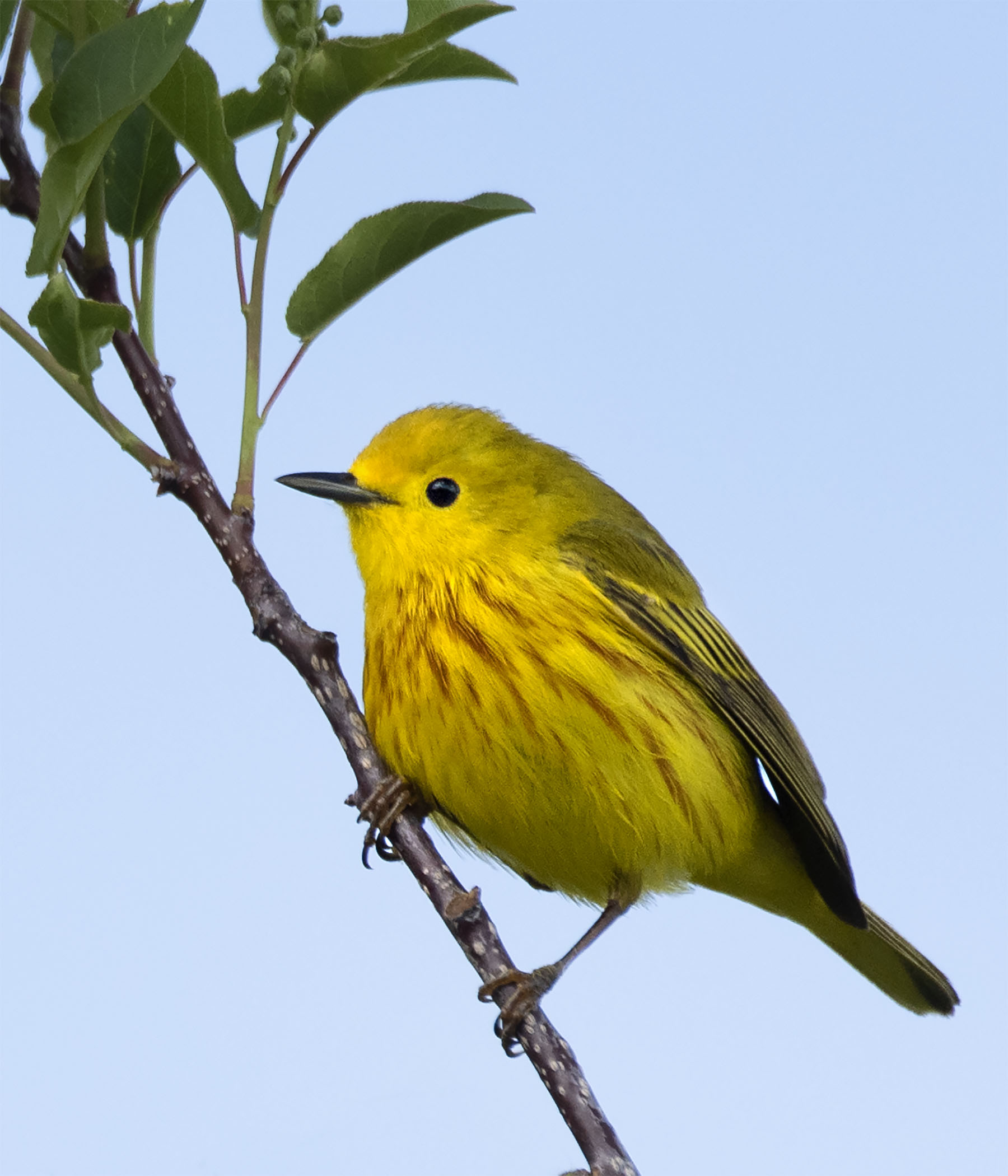
Imagine moving twice a year in a changing landscape that presents you with constant danger.
A new article published on all about birds titled “Is Bird Migration Getting More dangerous” details the dangers birds overcome and the challenges they face during the most dangerous time of the year for birds. A piece well worth the read as a tribute to the avian world on a celebratory day.
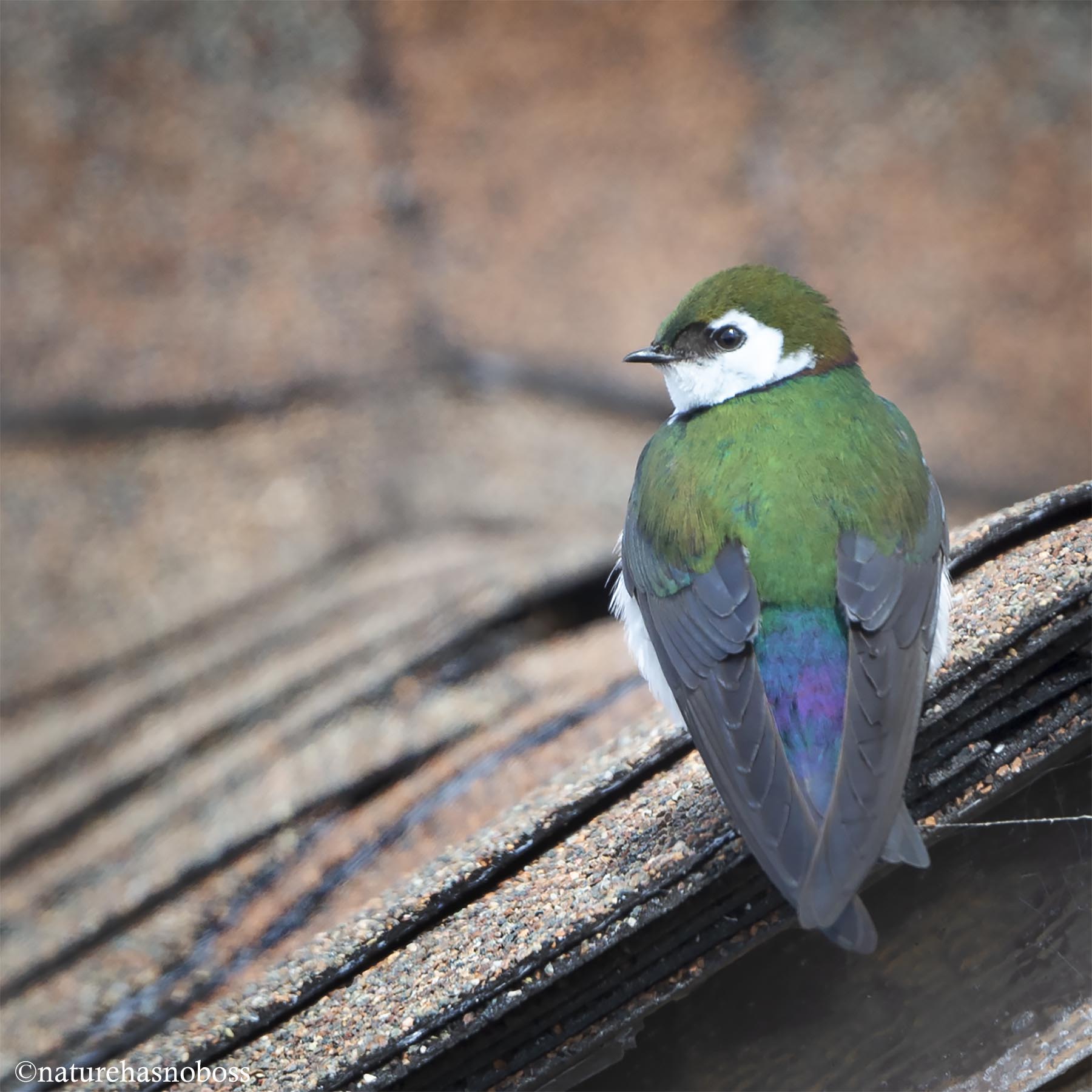
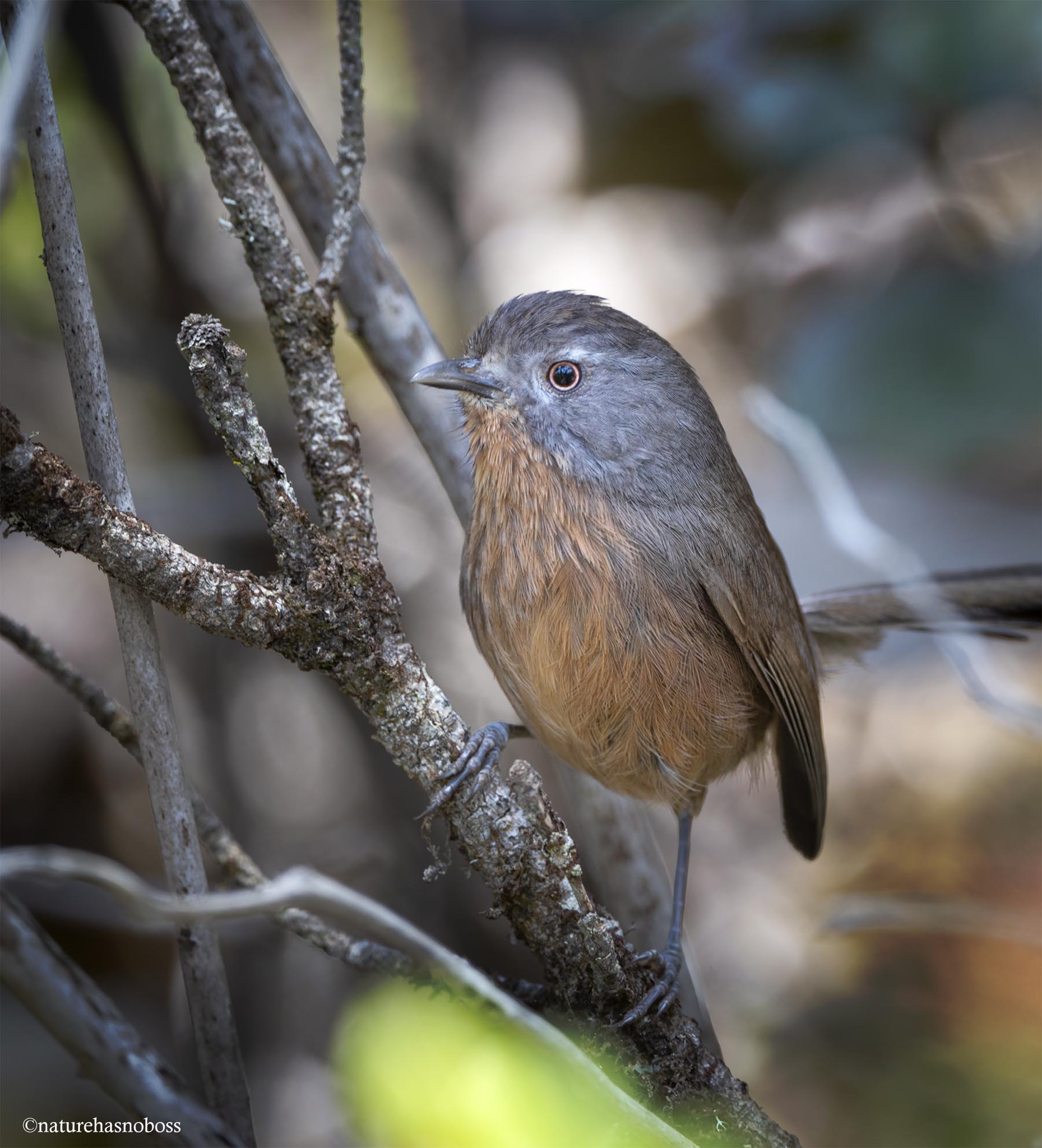
Peeking into the shrubs to get a view of the ever-present but what seemed to be always-hidden singer of a wonderful back and forth duet of sound that guided us on our walks in a costal forest. The Wrentit is a beautiful bird with a piercing eye that inhabits the costal scrub and chaparral along the west coast of the United States. They are prolific singers the fill the forests with song at all hours of the day making it easy to know they are present even if seeing them is a chore. Wrentits are non-migratory and it is reported that they may not travel further than half a mile from where they were born.

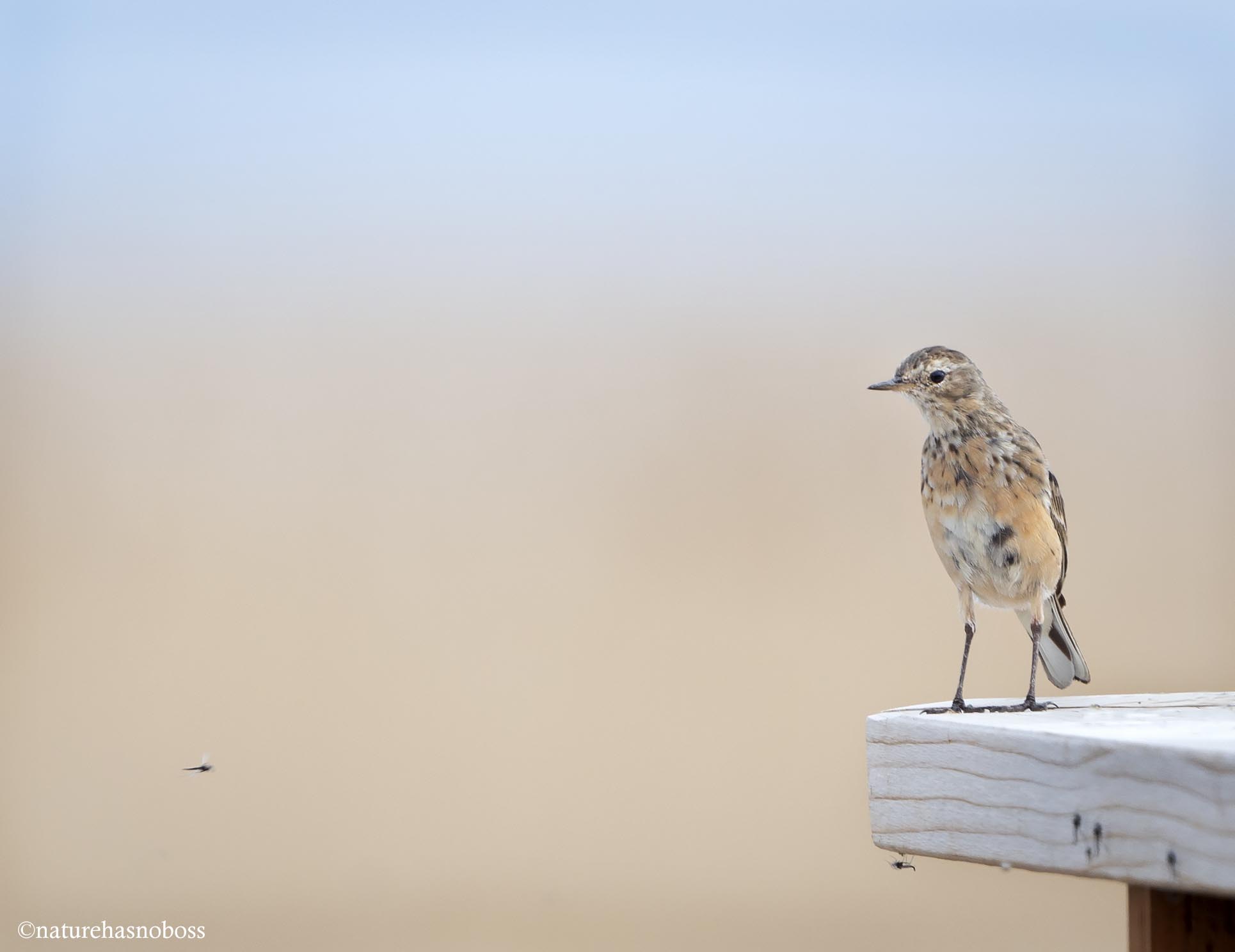
American Pipits breed on the arctic tundra as well high alpine meadows yet can regularly be observed during winter and spring migration, as was the case this day. While they sometime can be an inconspicuous looking bird the touch of peachy-orange on this bird certainly drew our attention her way as she foraged contently on a fresh hatch of spring insects.
 nature has no boss
You must be logged in to post a comment.