
A bull Elk enjoys the suns warming rays as well as an early morning meal to help get the day off to a wonderful start.
Wishing you a great weekend.
A bull Elk enjoys the suns warming rays as well as an early morning meal to help get the day off to a wonderful start.
Wishing you a great weekend.
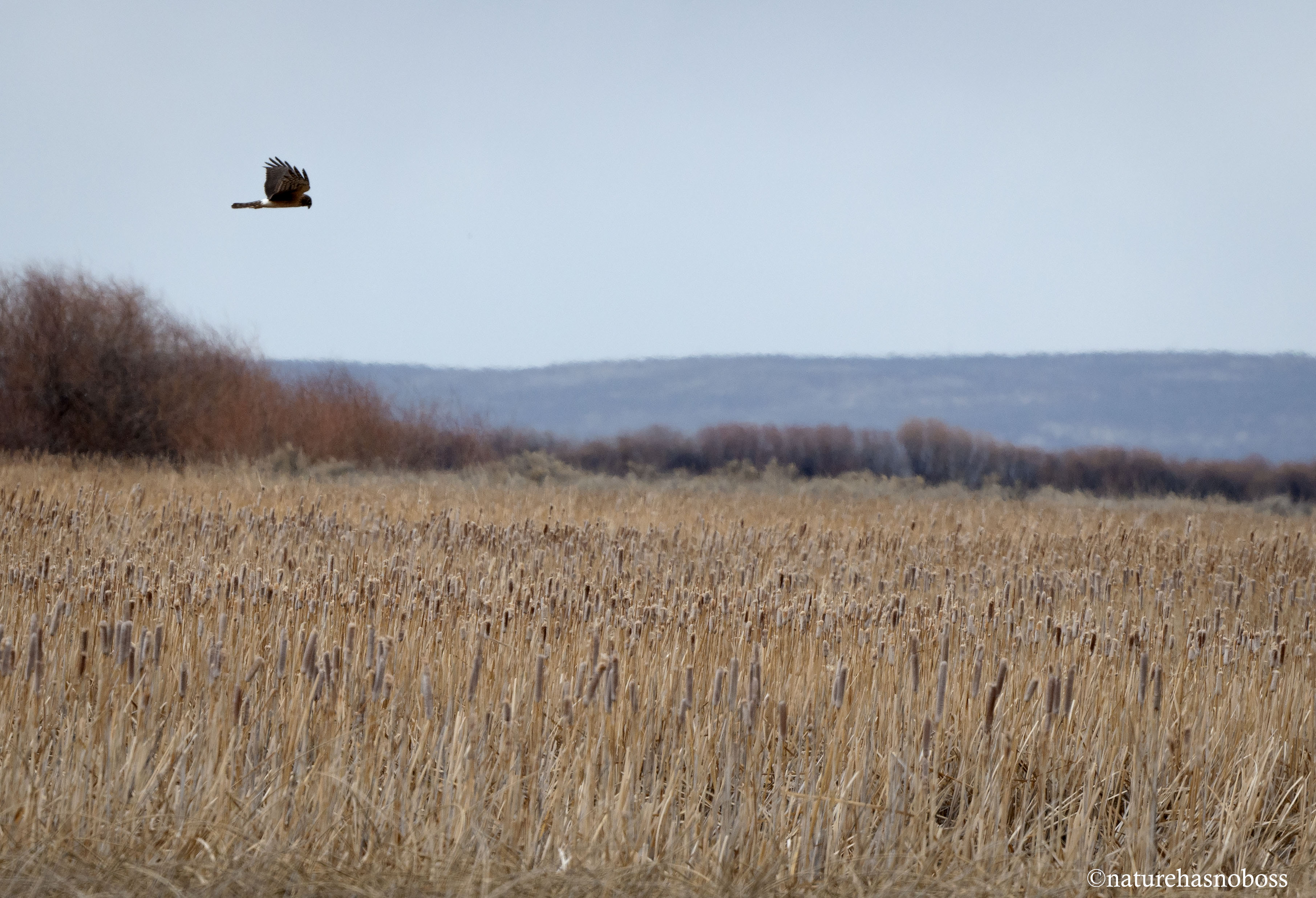
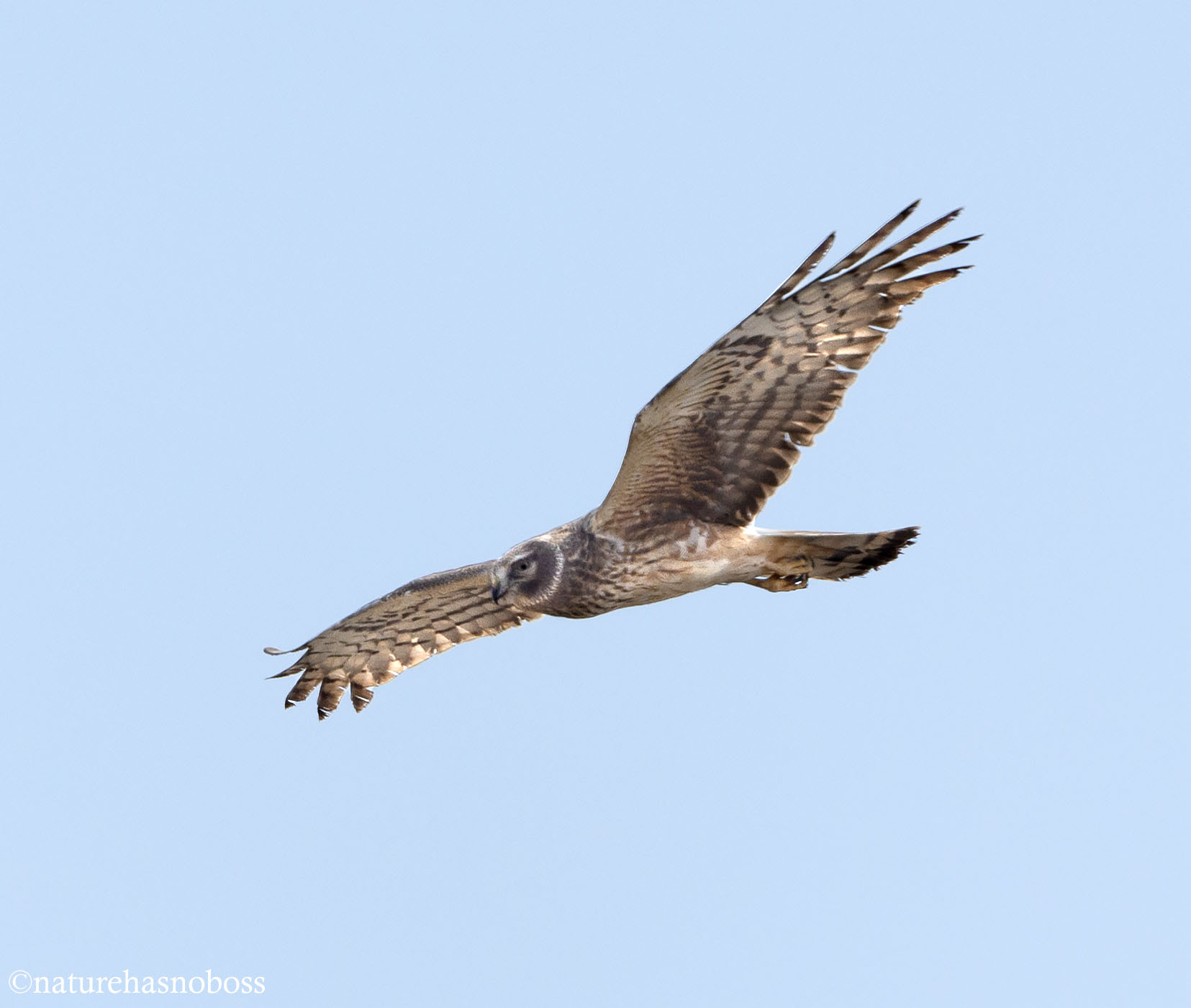
Elegant and precise are words that always seem to come to mind when watching Northern Harriers fly the fields in search of a meal. The Northern Harrier is a very distinct looking hawk hawk with their owl-like face and easily identifiable in flight by a white patch at the base of their tails.
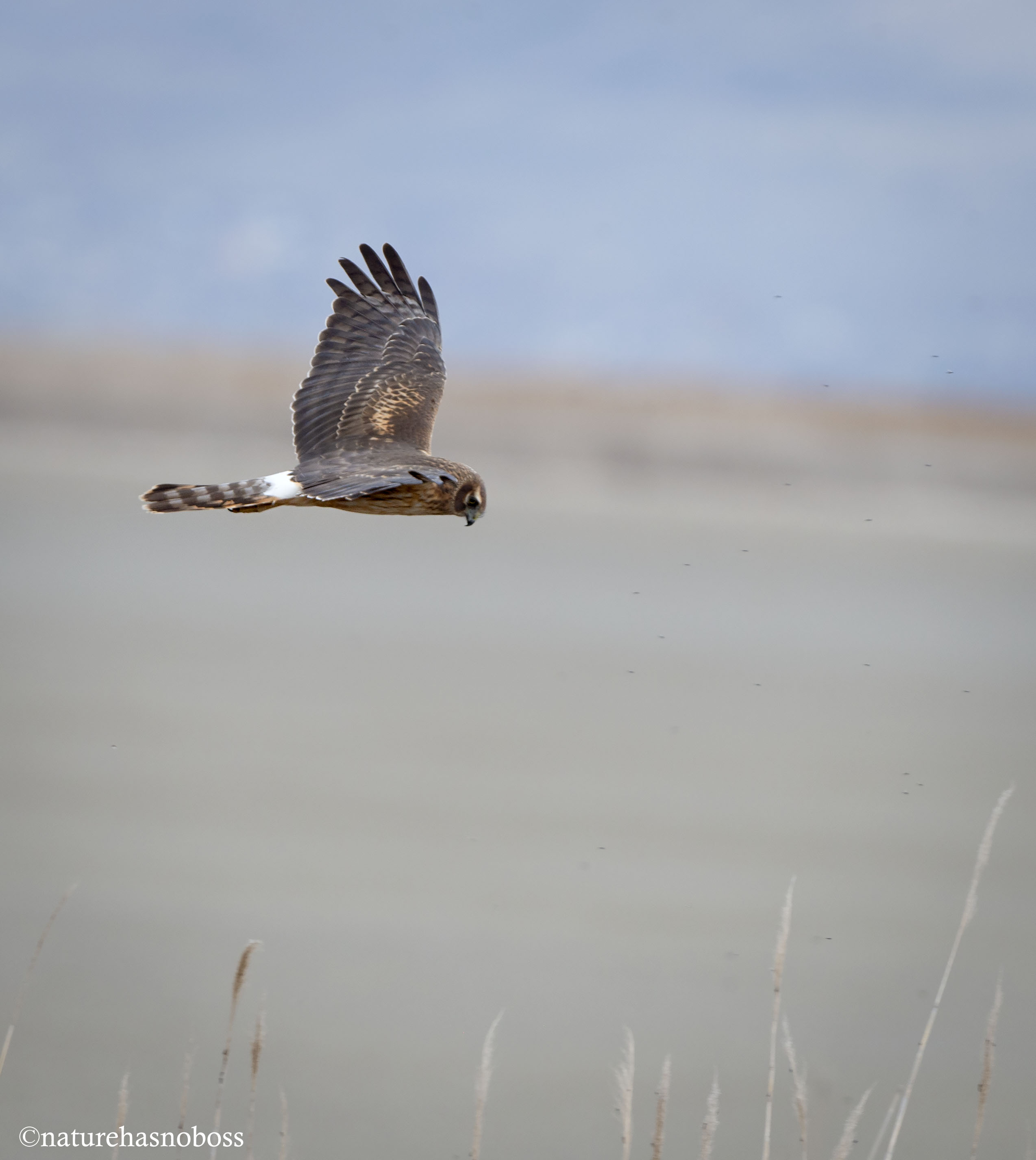
Northern Harriers are the most owl-like of hawks (though they’re not related to owls). They rely on hearing as well as vision to capture prey. The disk-shaped face looks and functions much like an owl’s, with stiff facial feathers helping to direct sound to the ears.
https://www.allaboutbirds.org/guide/Northern_Harrier/overview

Northern Harriers hunt mostly small mammals and small birds, but they are capable of taking bigger prey like rabbits and ducks. They sometimes subdue larger animals by drowning them.
https://www.allaboutbirds.org/guide/Northern_Harrier/overview
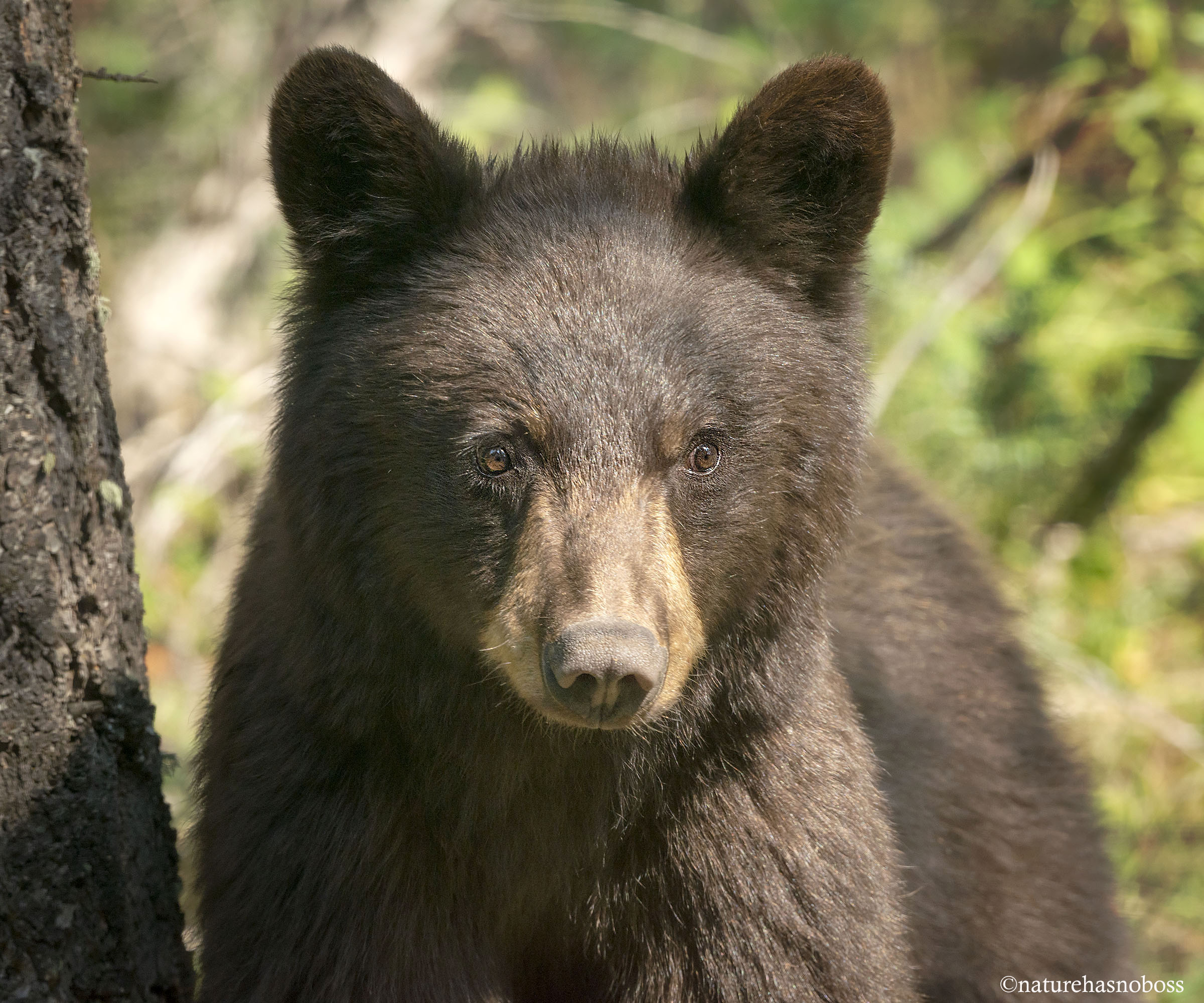
Curious…you bet.
Sweet…yep!
Little Bear 2021 making her rounds earlier this fall.
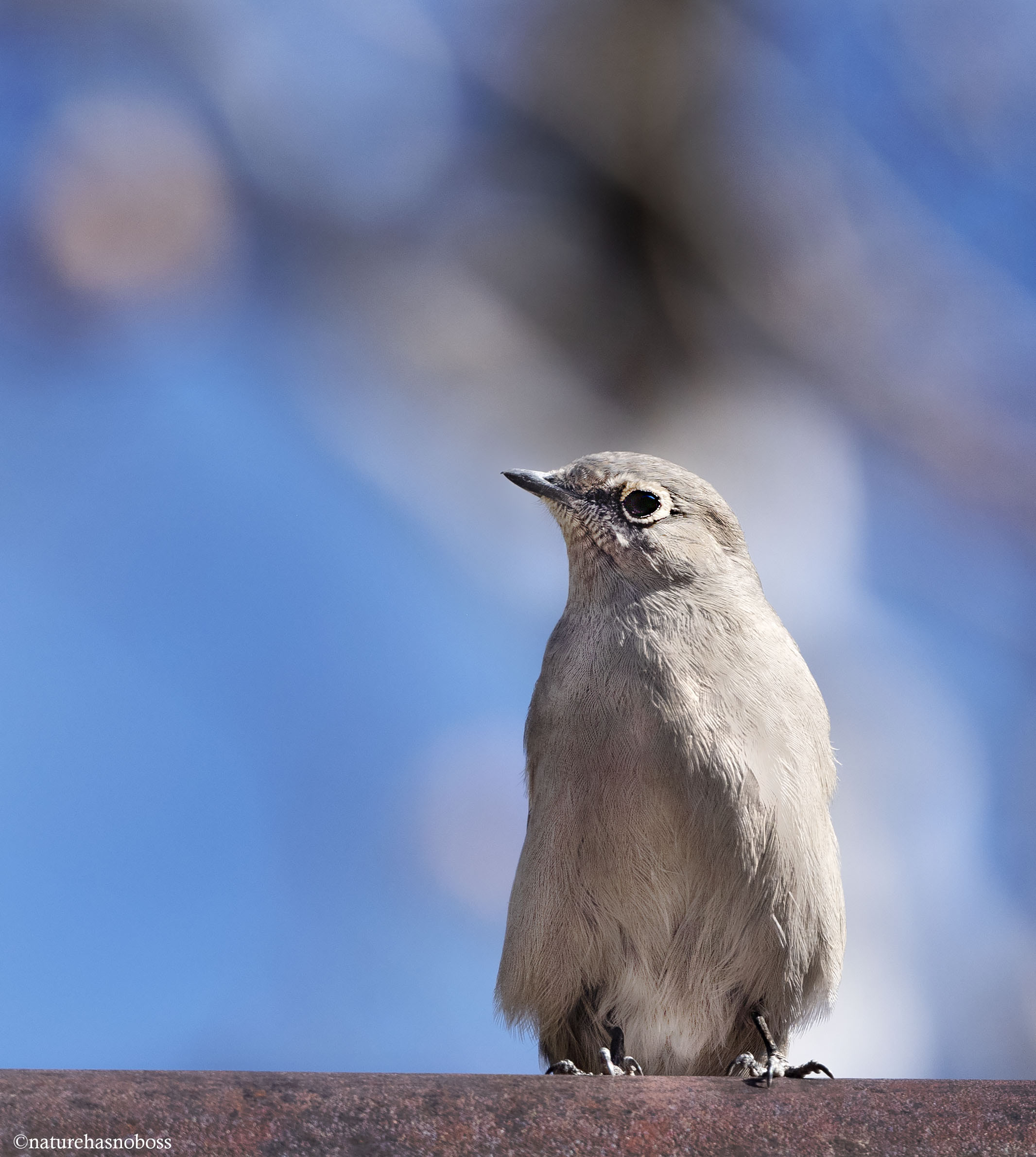
Just about everywhere we have gone this fall we have a the Townsend’s Solitaire as our companion. Wether sitting in coniferous tree-tops belting out their wonderful and at times complex tunes, perched in a Juniper bush giving a call claiming their domain or just sitting silently giving us the eye we have enjoyed having them around.
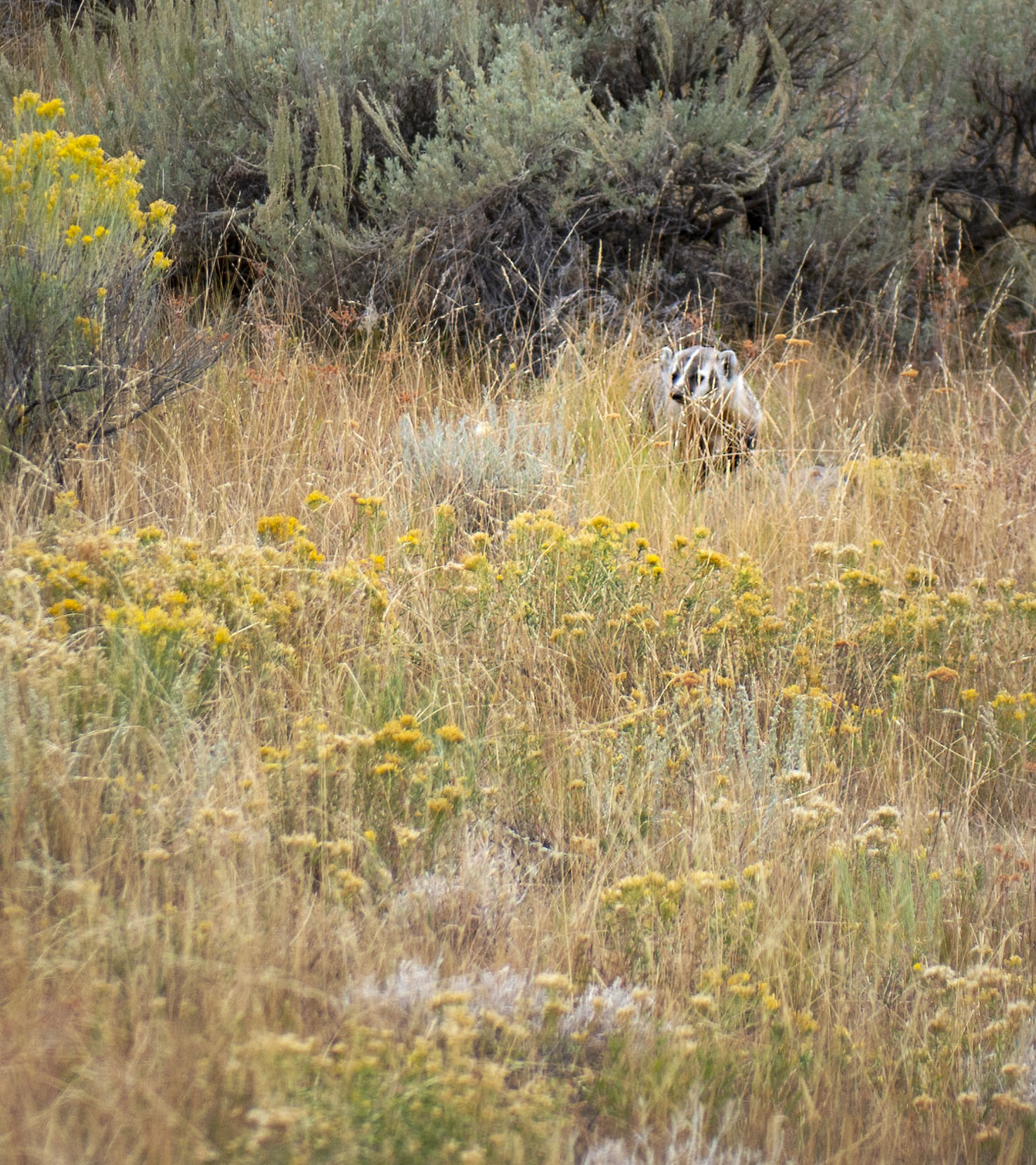
Out on a hike amongst the fully blooming rabbit and sage brush we noticed numerous holes along the trail. Were they Marmot or perhaps Badger. Finally near the end of the hike the question was answered when we spotted this Badger off in the distance.

It was nice to see this Badger out foraging.
Badgers dig after and feed on ground squirrels and pocket gophers, and also eat toads, frogs, birds, snakes, insects and insect grubs, wasps, bees, and worms. They sleep through most of the winter in a den, spending about 29 hours at a time in a state of torpor, rousing briefly, and then sleeping again. In torpor, which is not true hibernation, the Badger’s heartbeat slows to about half the normal rate and its temperature drops.

Even with this great camouflage the Badger is at risk mostly from human activities such as habitat loss as well as hunting and trapping.

Enjoy your winter Mr. badger and we will see you after your Torpor.
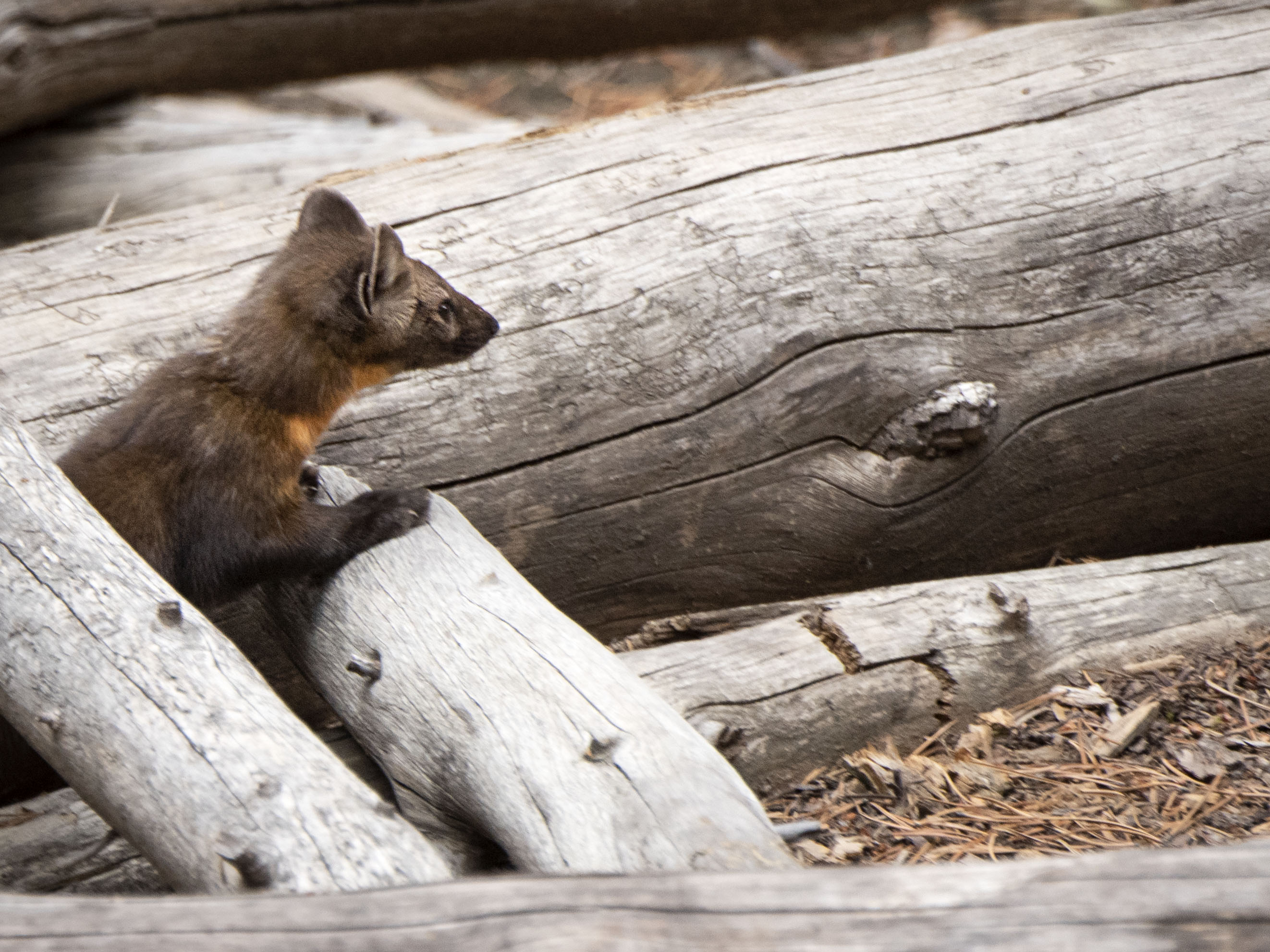
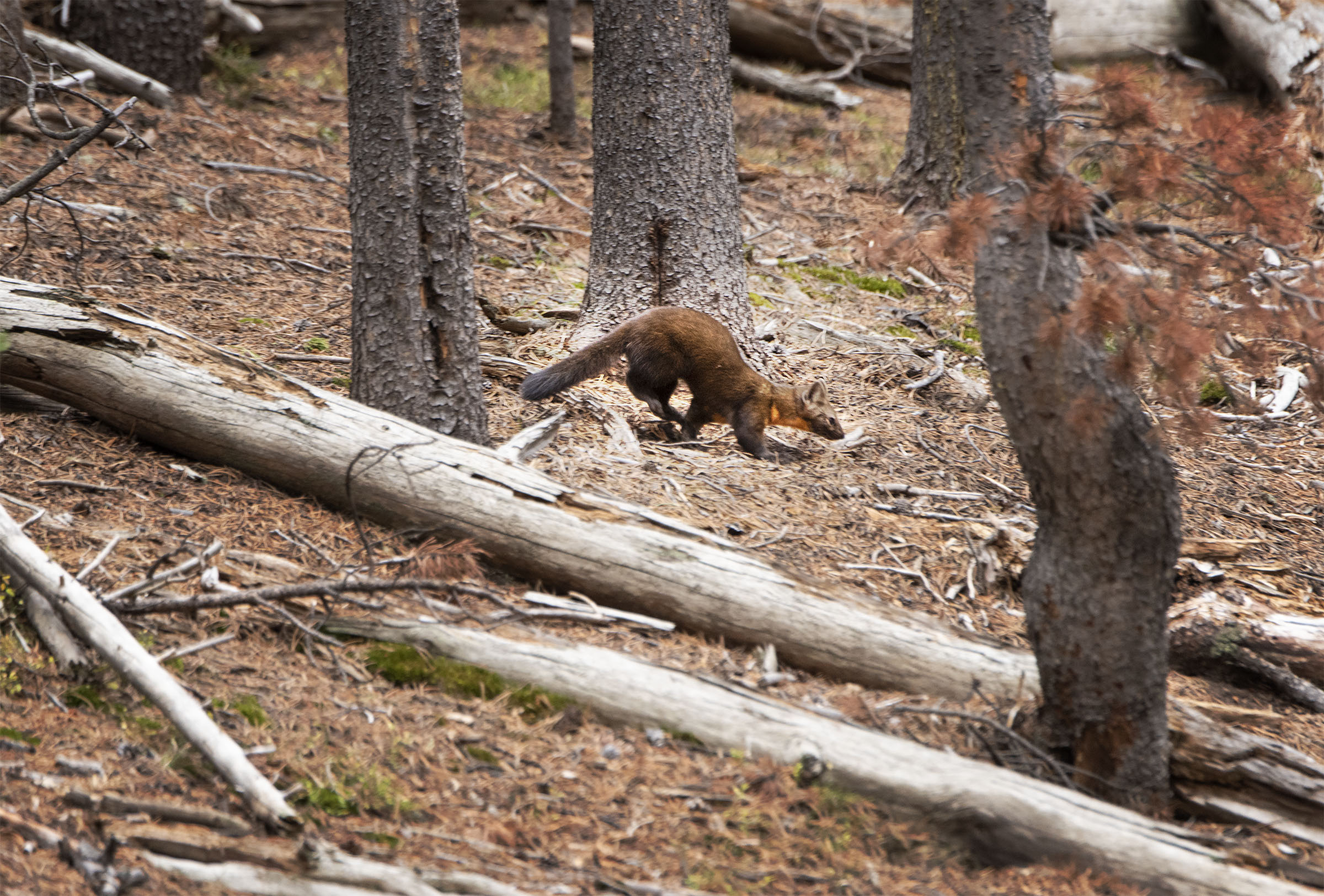
The squirrels in the forest we sure making a racket this day and for good reason as this Pine Marten was on the prowl.

Exuding quiet and cutting through the noise a Dark-eyed Junco sits backlight as the sun starts to warm the day.
Quiet, yes, we like quiet.

Boy do they grow up fast.
With just a hint of those youthful spots left behind this curious youngster looks us over as sit and watch on a fall morning not so long ago.
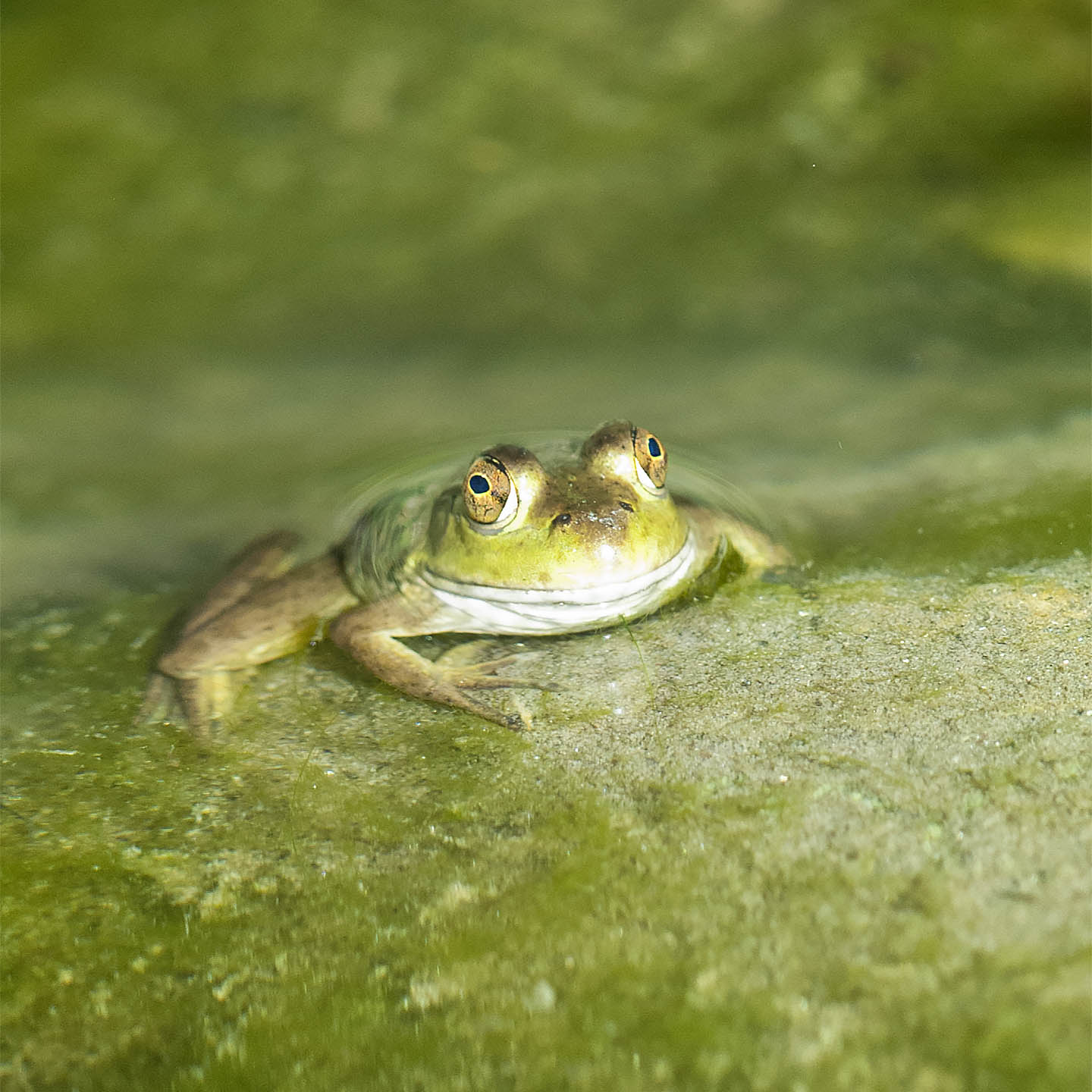
A late fall surprise. A bit of green still hanging on where warm water emptied into much colder pond. Where there is a will there is a way.

It was one of those days days where you can hear the pecking from afar. A noise from high atop the trees peaking your curiosity as to who is up there. A Downy, a Hairy?
On this afternoon it was an unexpected visitor a handsome Red-naped Sapsucker. While not extremely uncommon they are a species we only see a few times a year which made all that neck-craning and staring into the sun all the more worthwhile.
 nature has no boss
You must be logged in to post a comment.