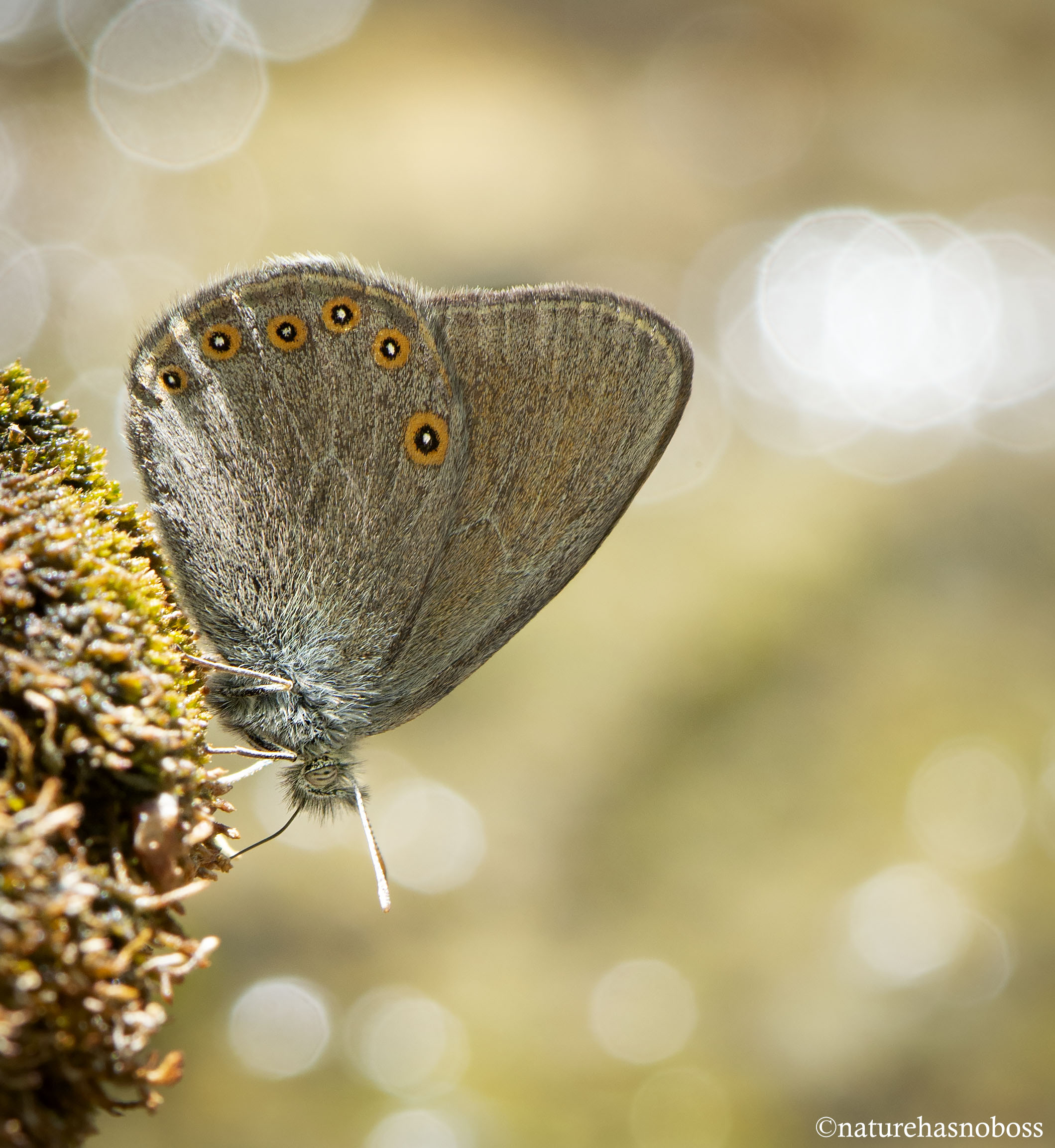
I wonder if this beautiful butterfly we have named the Common Wood-nymph calls us the Common-Humans?
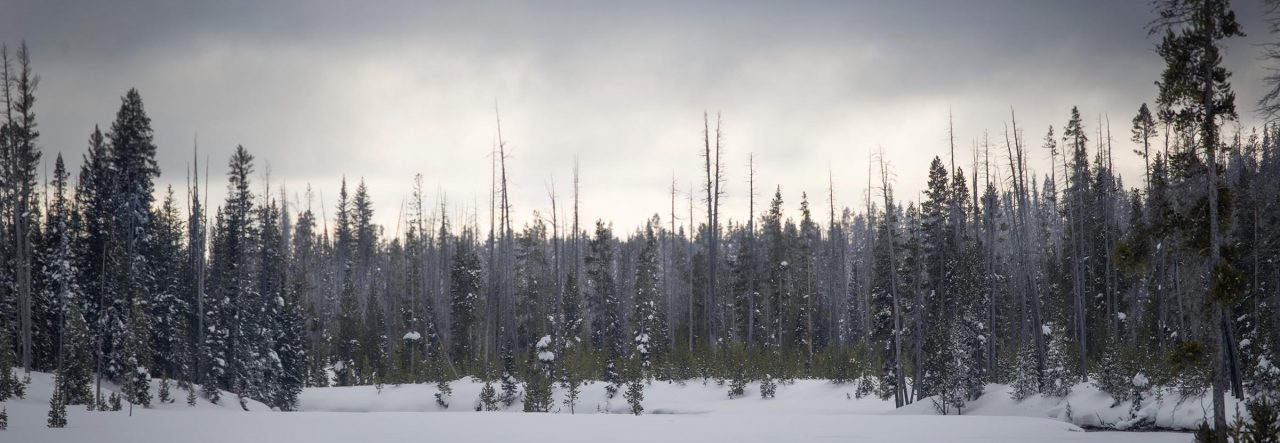
I wonder if this beautiful butterfly we have named the Common Wood-nymph calls us the Common-Humans?
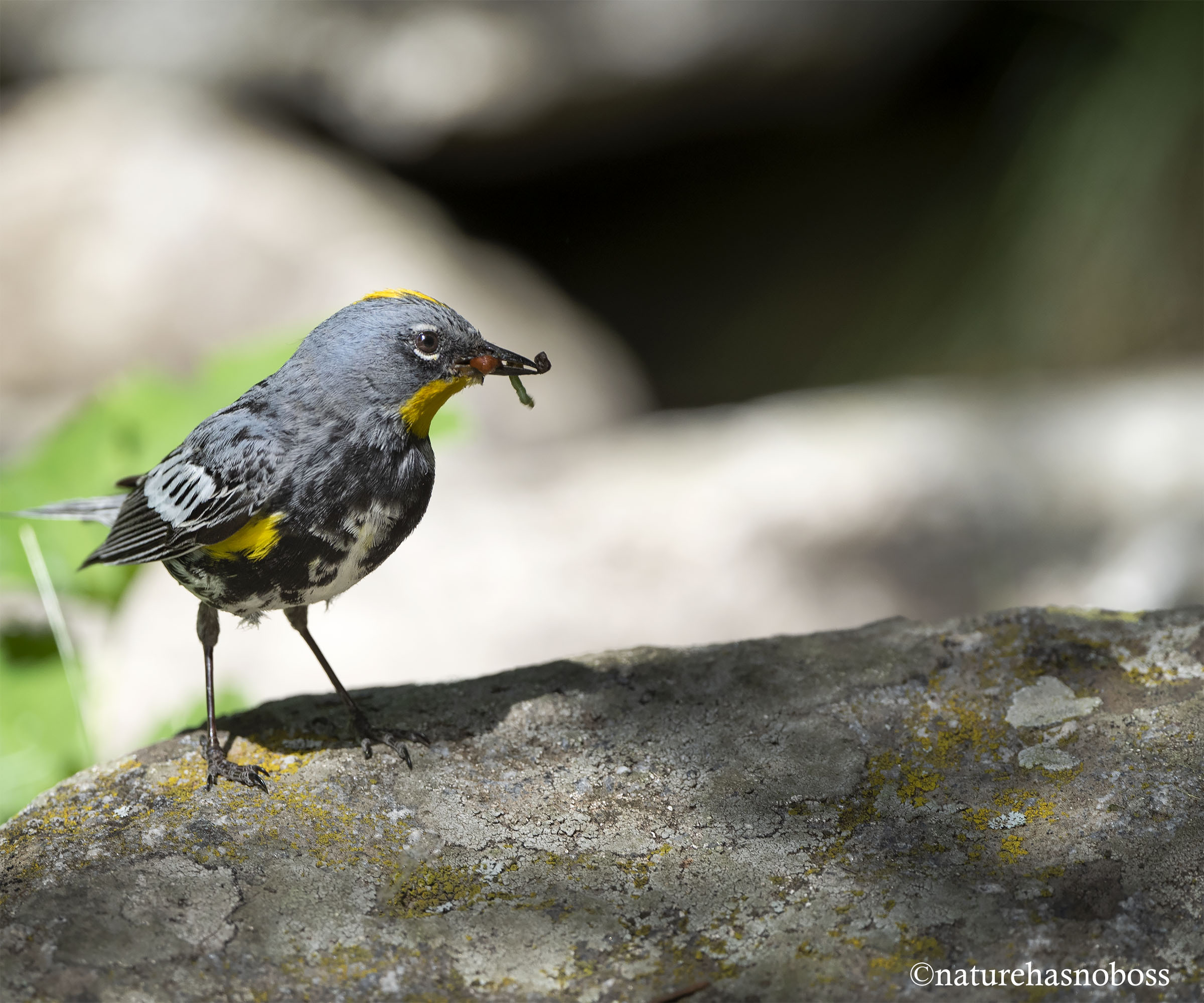
A male Yellow-rumped Warbler bringing home a mouthful to feed the family. It’s hard to believe that while this photo was only taken just a few weeks ago the Yellow-rumped Warblers have already left our forests for the season. August is always a strange month and now that most of the migratory birds have left just seems stranger.
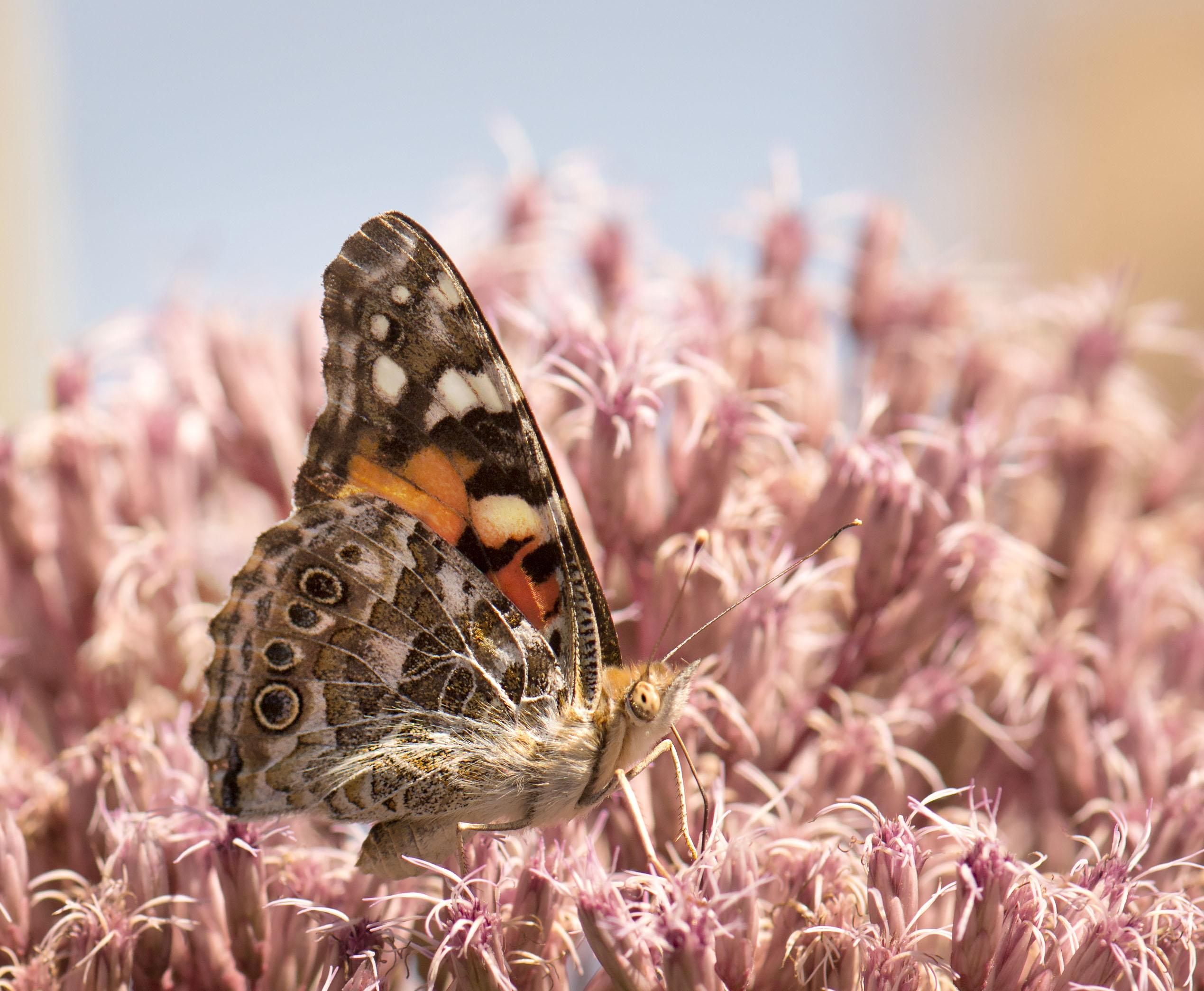
The Joe Pye Weed is in full bloom and this painted Lady Butterfly is happy about that. Although known for attracting butterflies we have noticed others to find Joe Pye quite to their liking as well.
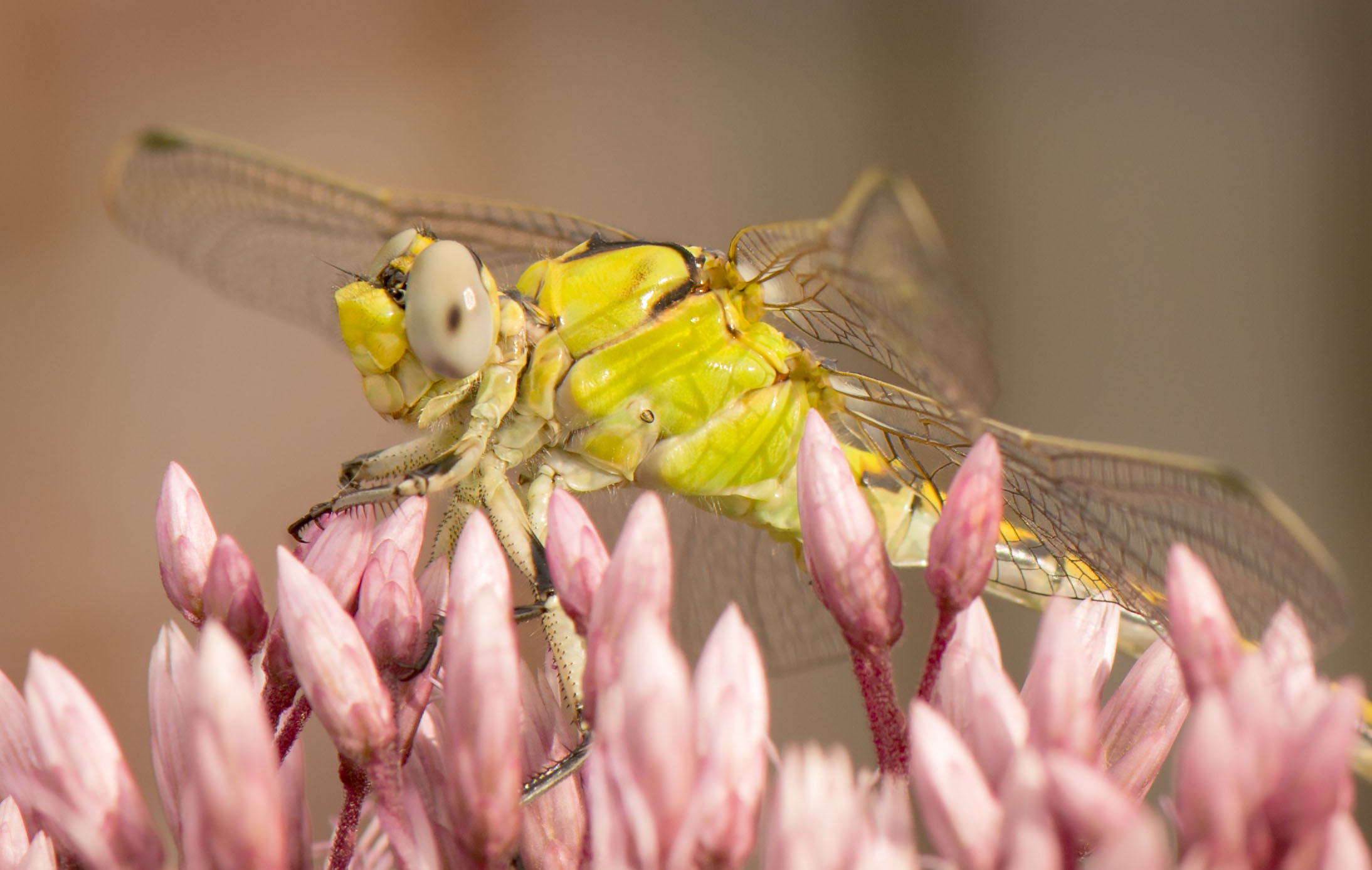
Dragonflies like Joe Pye.

As well as this wasp.

And this lovely looking bee with pincers you don’t want to mess with like Joe Pye.
A hub of activity with lovely flower to boot.
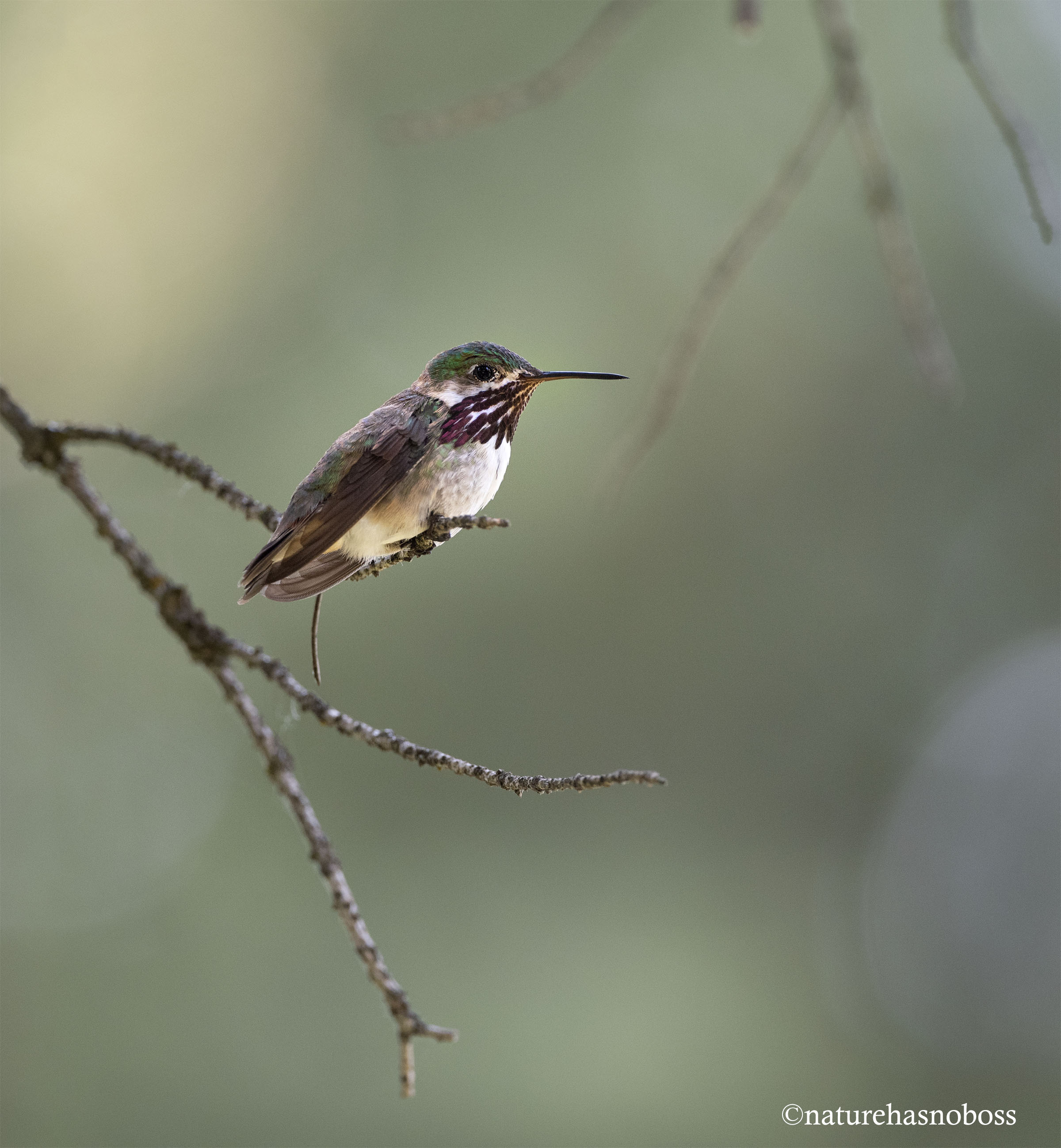
Well another week has come and gone and while a few Calliope Hummingbirds are hanging around the neighborhood the number have decreased significantly this past week. By all accounts we have only observed two this week. Therefore another tribute to this mighty little hummingbird is in order. While last week we featured the females this week we feature a handful of the many photos of the boys we collected over the summer.

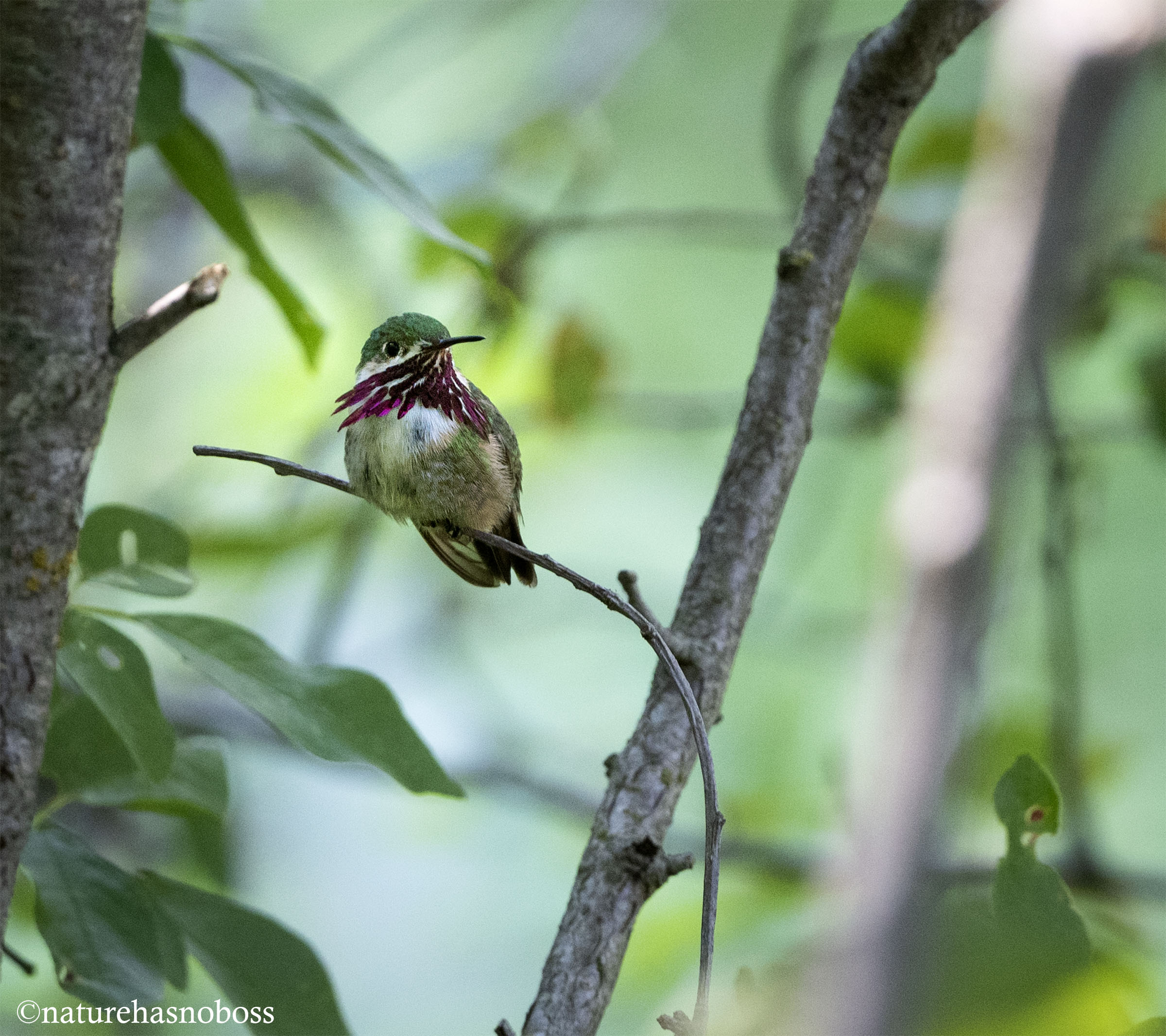
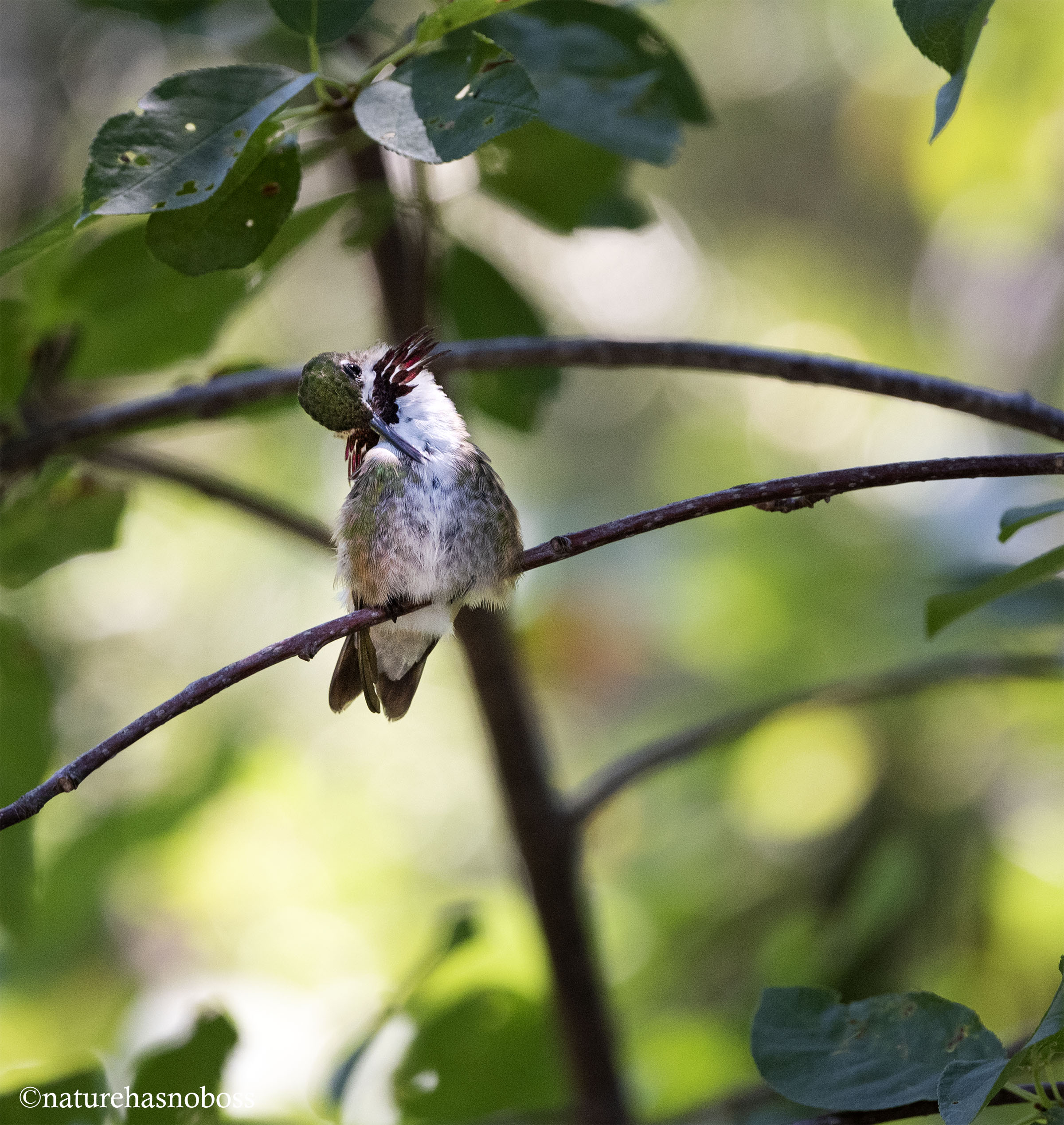
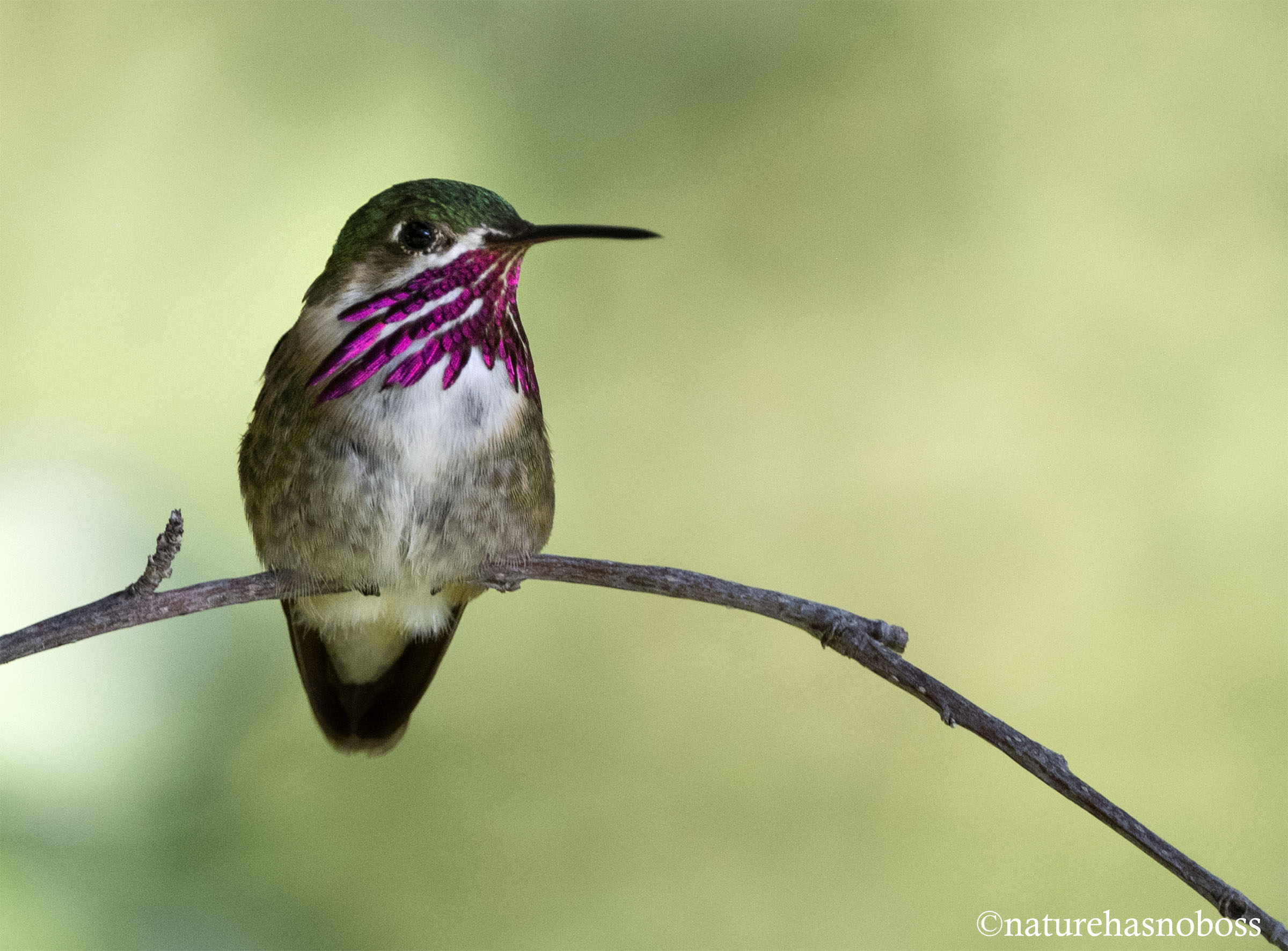
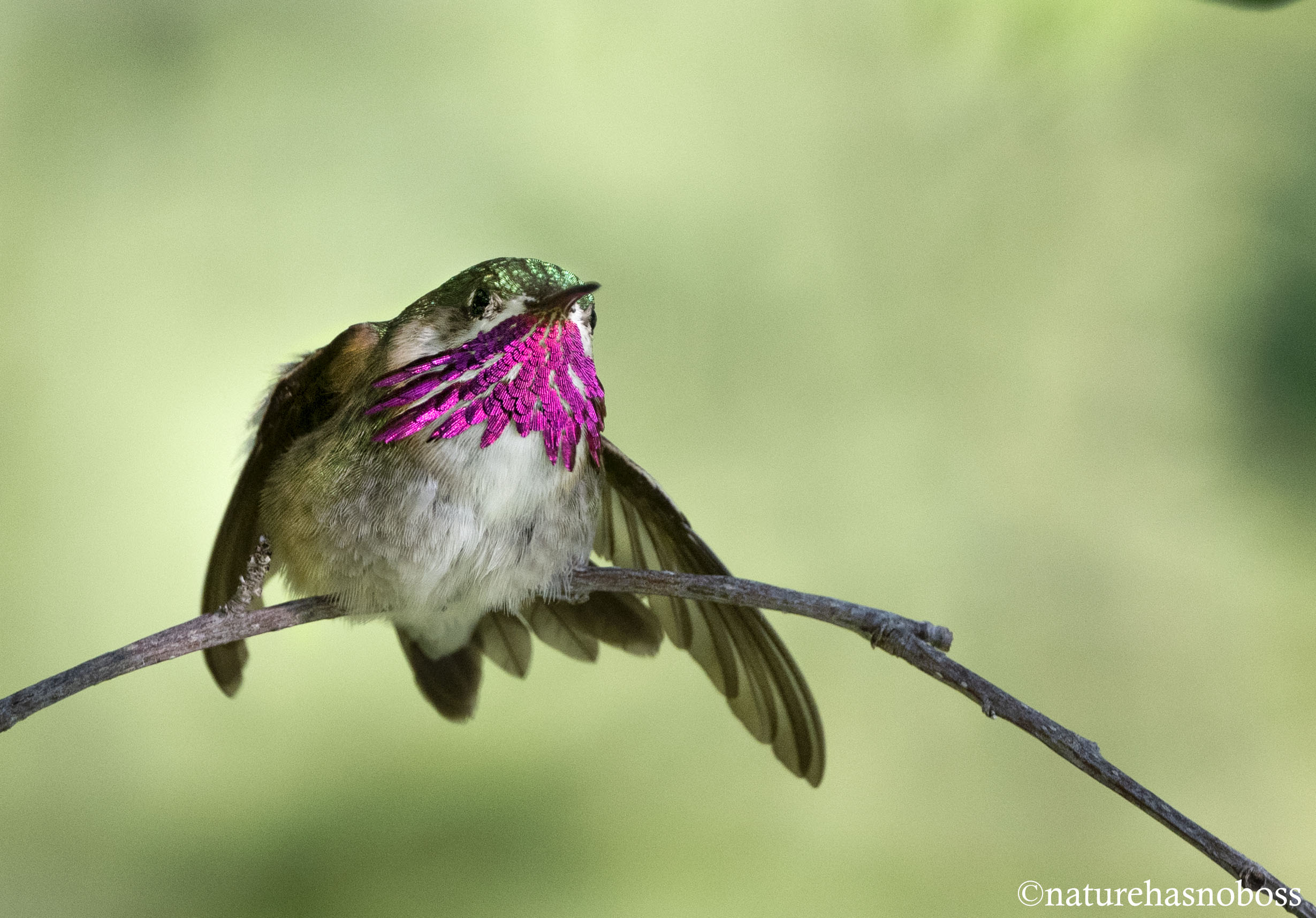
We sure will miss that little flash of brilliant color.
Until next year we bid you adieu.
We sit you a wonderful weekend.
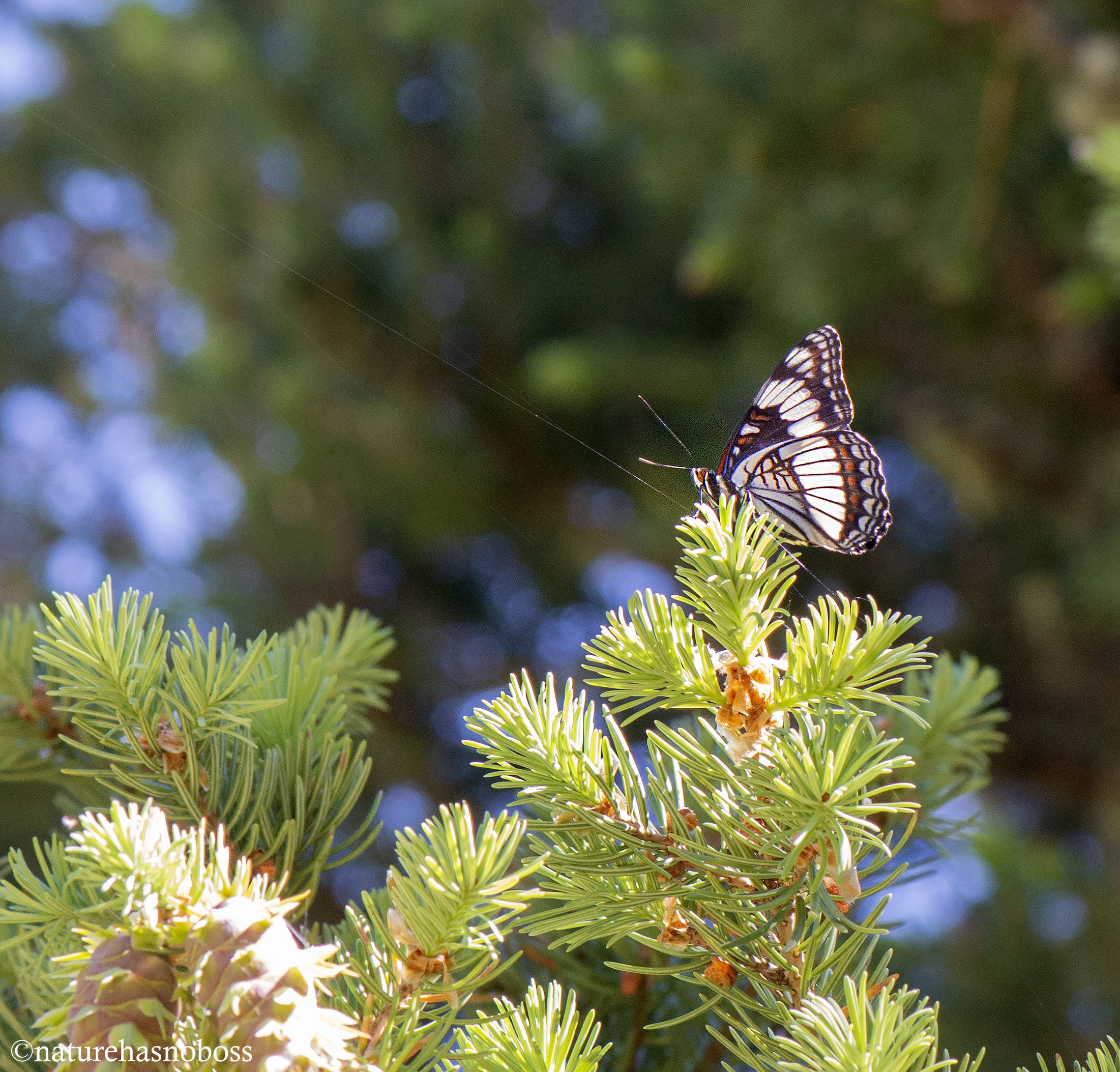
The Lorquin’s Admiral is one of those butterflies you see flittering through the air all summer. Flying nearby but not to near heading left then heading right but one you half-heartedly chase around while eon the trail hoping they will land close enough for a halfway descent photo and if they do land and you chose not to have the wrong lens on your camera it will be a photo well rewarded. This was one of those days we were rewarded. We spotted The Lorquins perched near the top of a small pine tree and as soon as we could get the shutter clicked they flew down to a small streamed for a quick drink.

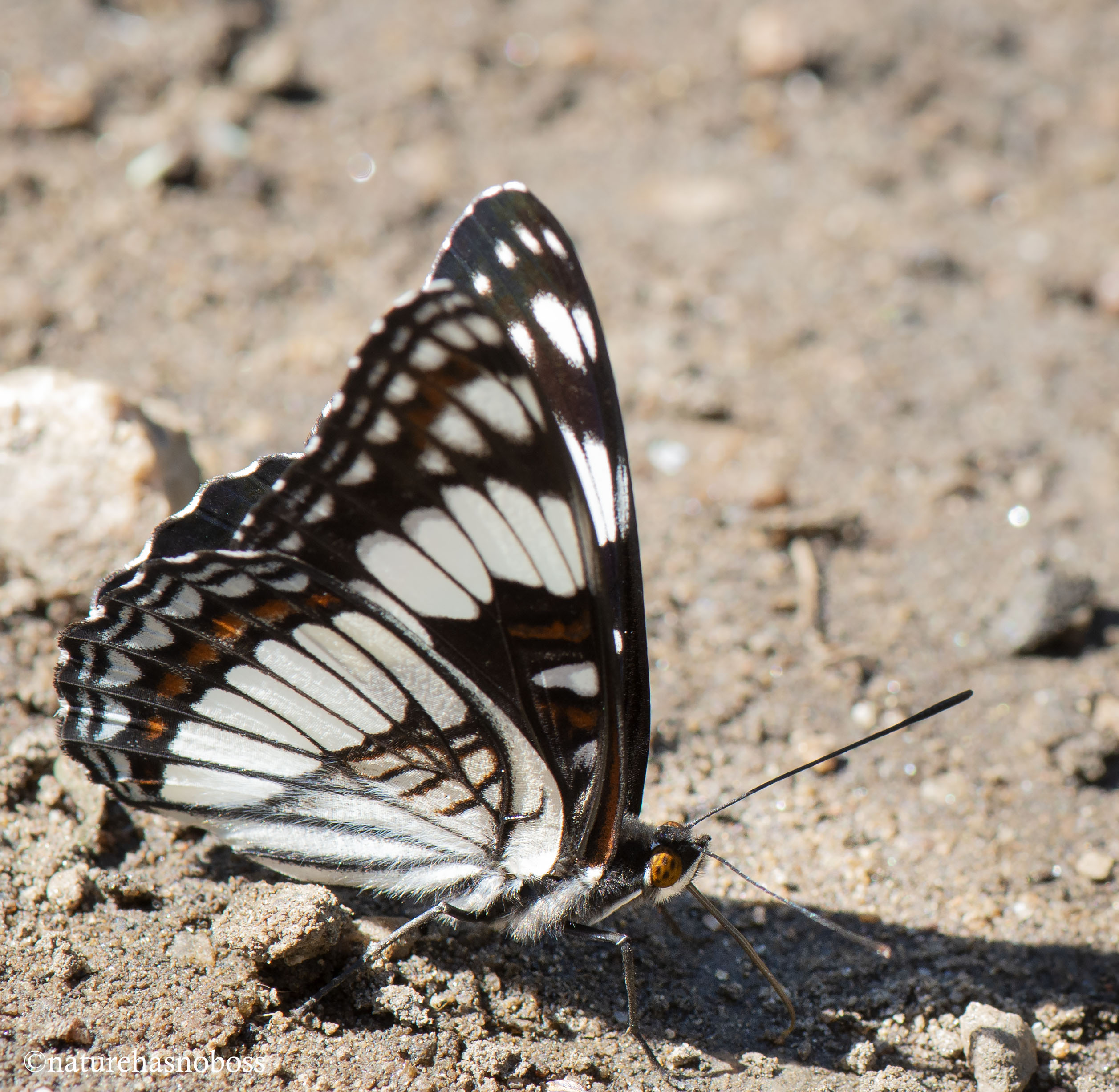
Isn’t amazing how many colors butterflies eyes come in?

A few weeks back the wild Buckwheat plants we in full bloom along a trail we were hiking and they proved irresistible to a wide variety of butterflies seeking a nice sip of nectar on a hot summer afternoon. With both the Sulfur-flowered and Yellow-flowered species both in full bloom there was a buckwheat to meet the tastes of even the most discriminating species. While the Acadain Blue and Juniper Hairstreak we more partial to the Sulfur-flowered buckwheat….


The Fritillaries, Checkerspots and this beautiful Field Crescent favored the Yellow-flowered variety.

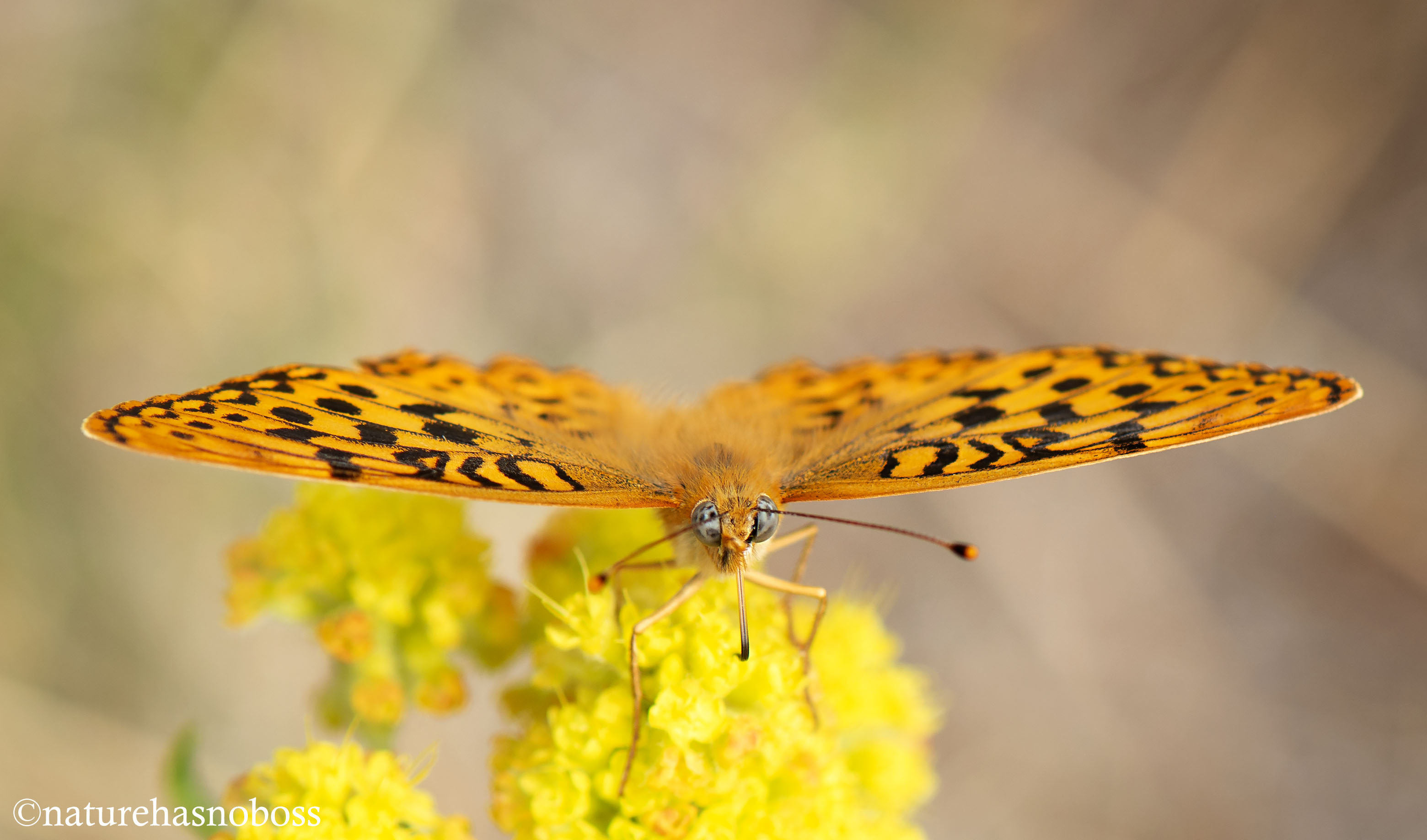

A beautiful collection of butterflies all within the span of 50 meters along the trail.
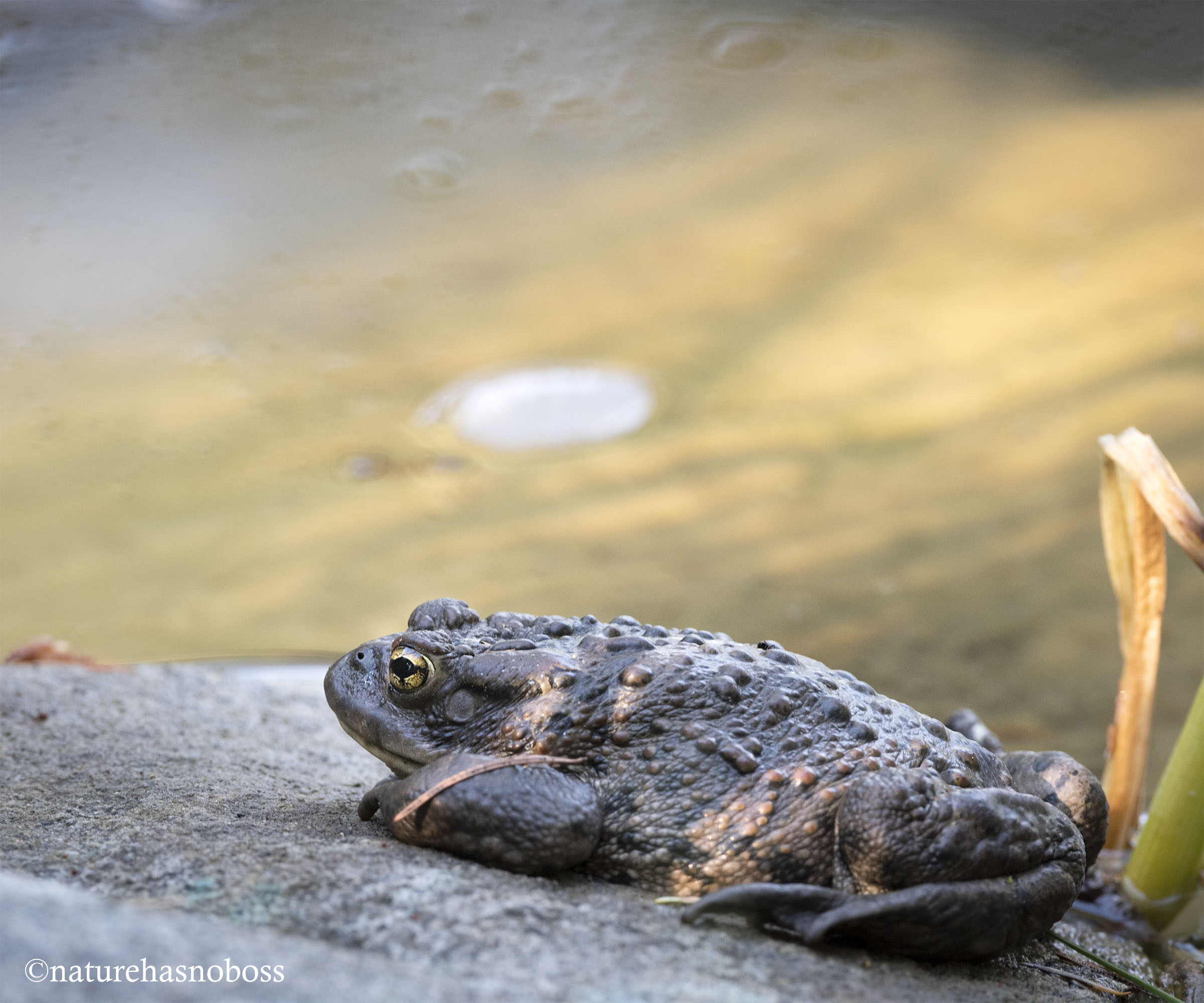
Meet “El Rey” the biggest baddest toad on the pond this summer. Happily surveying their domain from the comfort of a well placed rock along the waters edge. Easily a giant to the more numerous frogs that inhabit his kingdom yet a benevolent ruler by any standard.
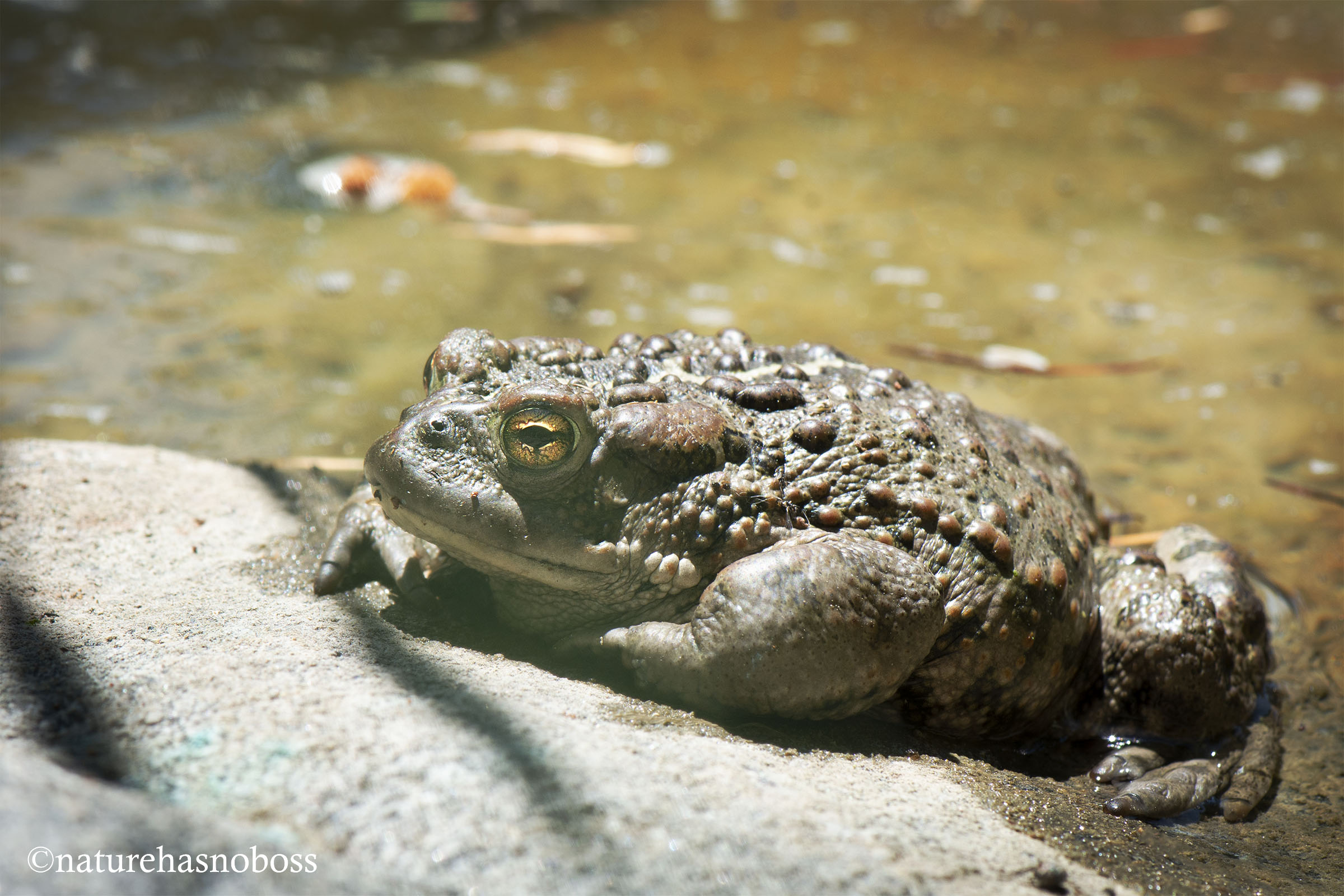
While we usually see the king along the shady side of the water every once in a while a nice sunbath is in order.
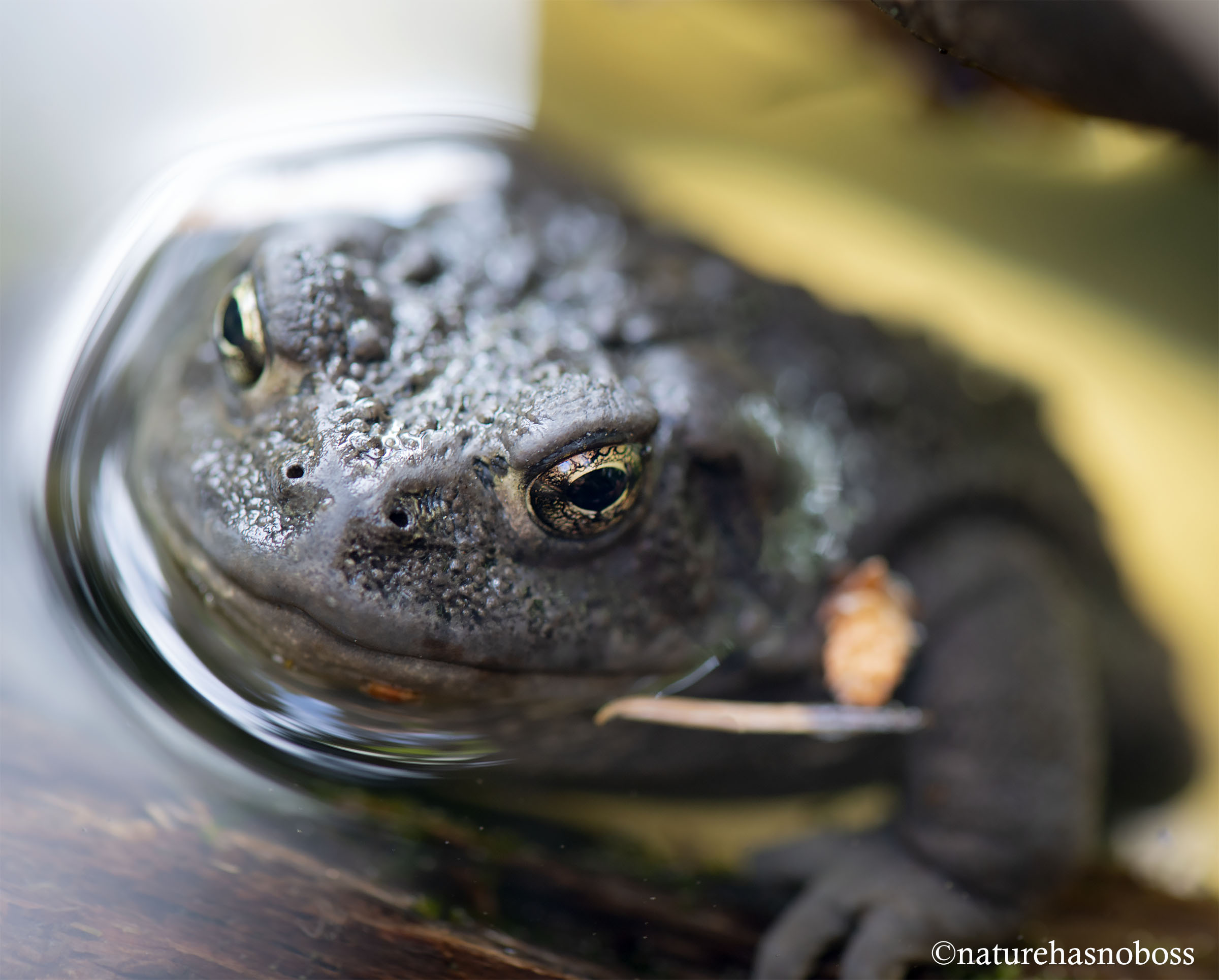
After a sun bath a little dip in the pool is always a good way to cool down and moisturize the skin.

“El Rey” truly king of the pond and a good king at that.
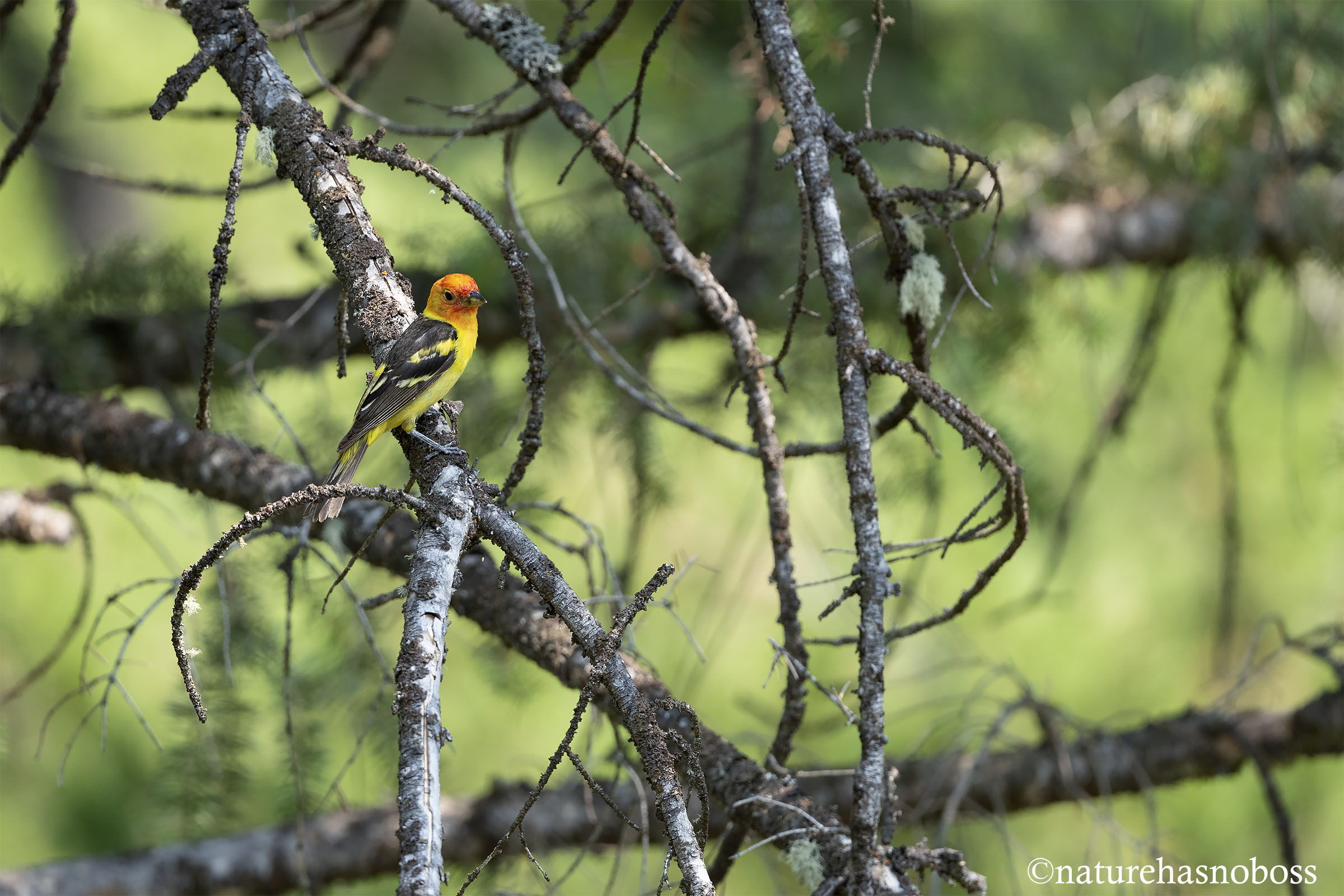
It’s a been a summer filled with smoky skies and when the sun was out it seemed dulled and lacking that cheery-summery feeling. However, even when skies were hazy and the sunlight dimmed, there were always male Western Tanagers to illuminate the haze filled skies .
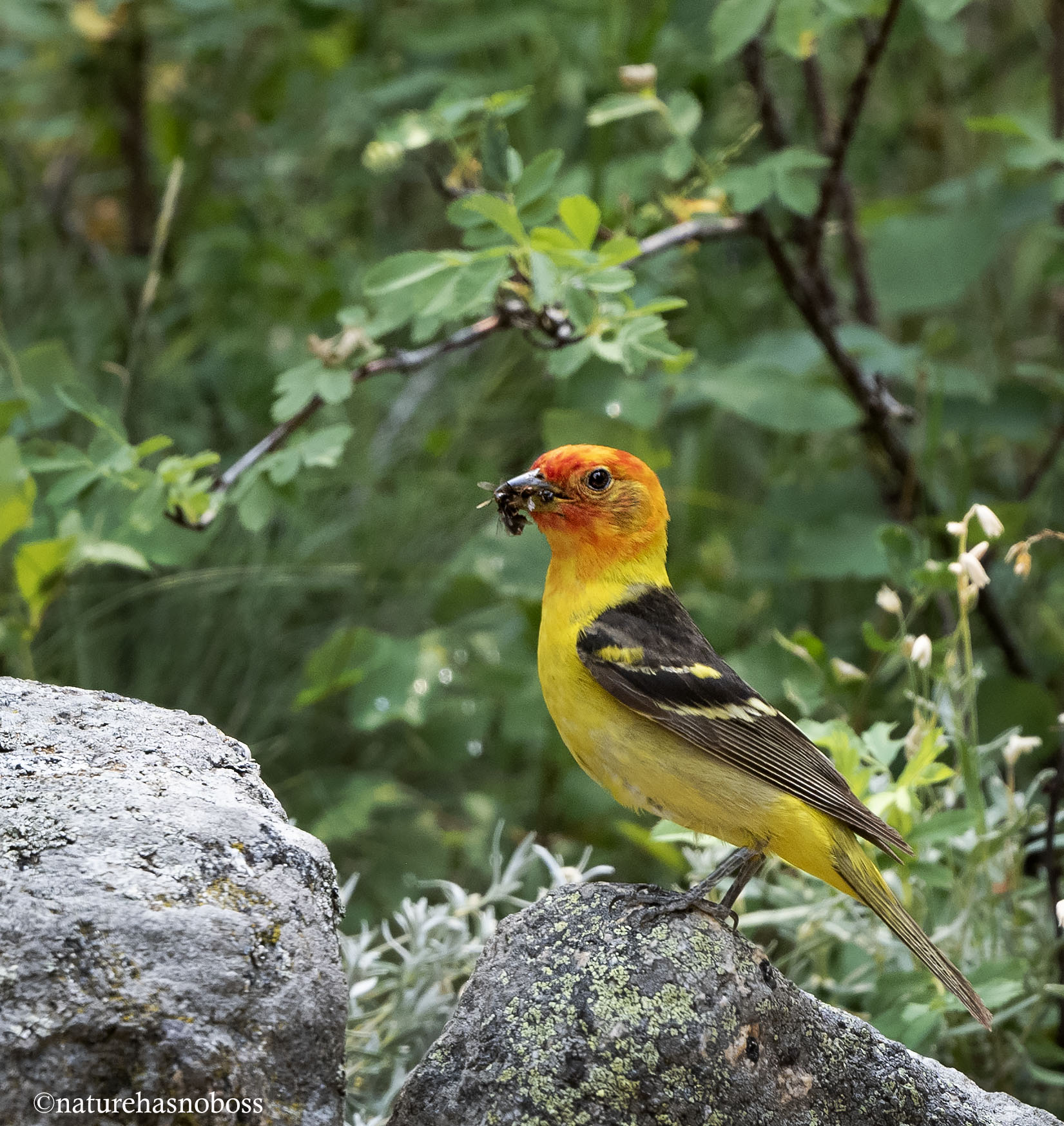
With a brood to feed this male was busy collecting mouthfuls of flying ants to bring to the nest. We watched him make several trips to an ant nest a black bear had recently exposed behind a pile of rocks.
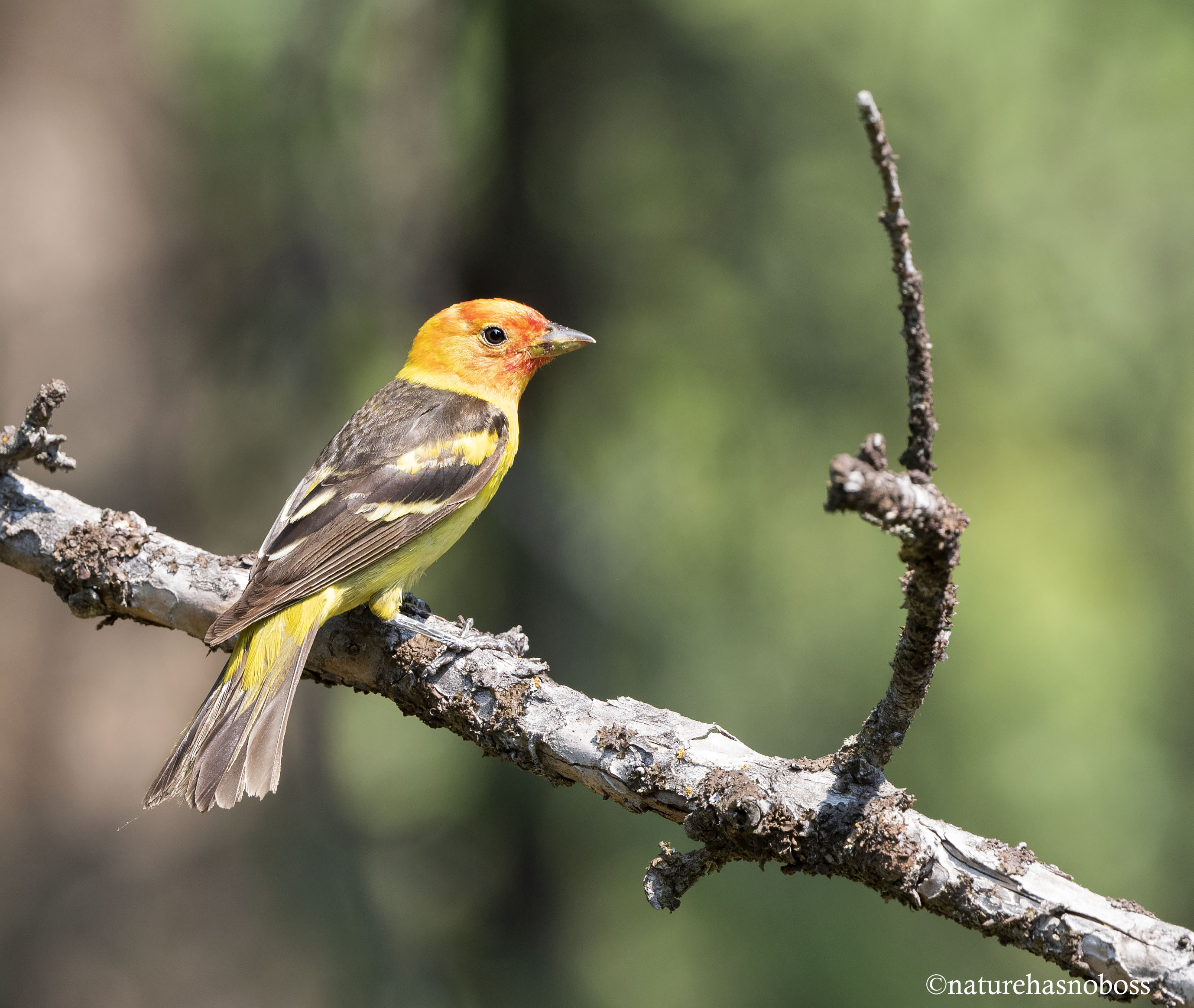
Like an atomic fireball they filled the summer skies with an yellower-yellow and orange-orange. Even when we could only hear their “Chib-it” sounds from the treetops above we knew the sun was in the sky.
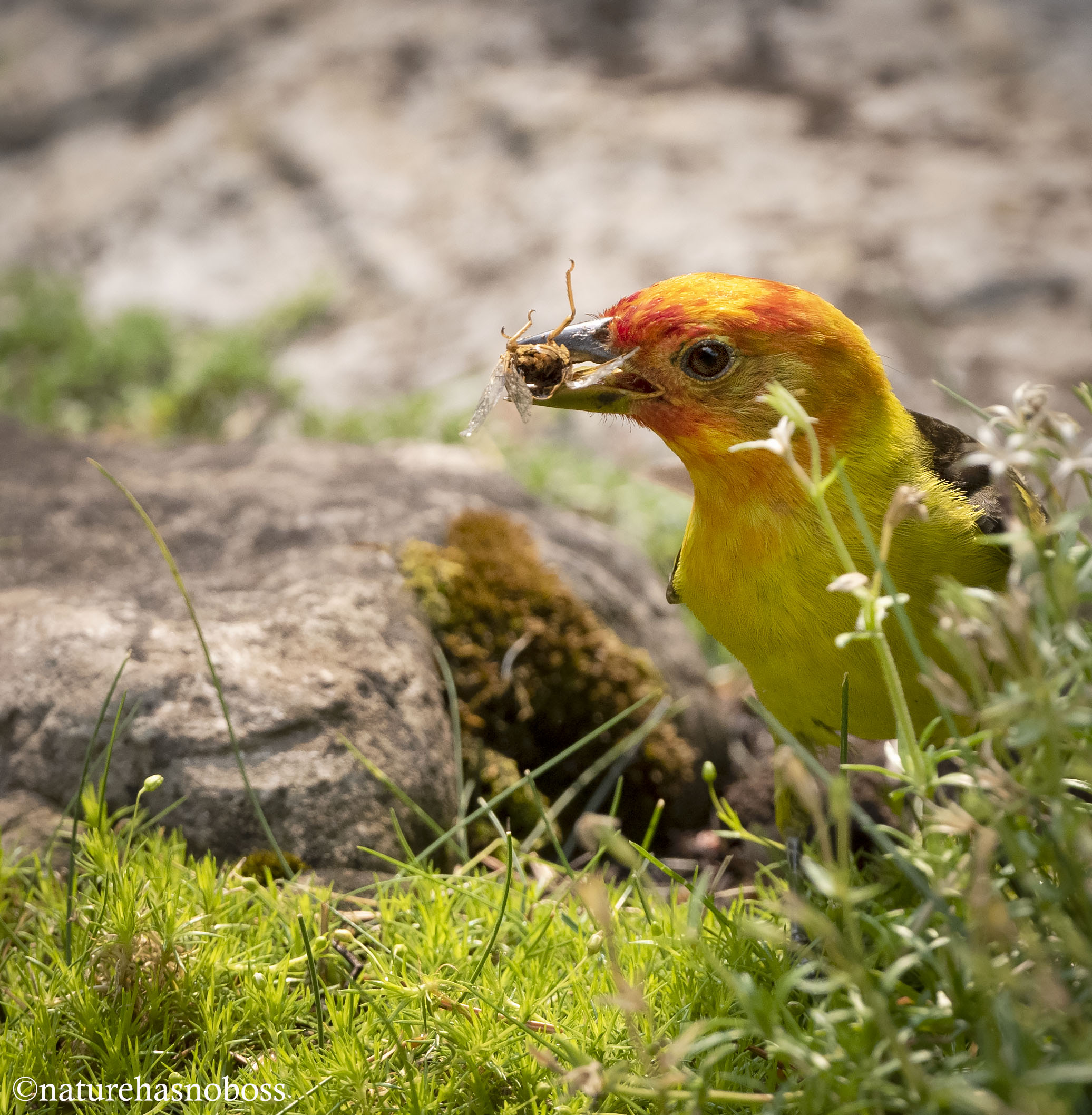
And when the ants had retreated into their nest wasp was on the menu.

We are not sure how much longer you will be around but based upon previous years it will only be a week or two but one thing is certain. You have provided us with a ray of bright crisp sunshine this summer and we can’t thank you enough.
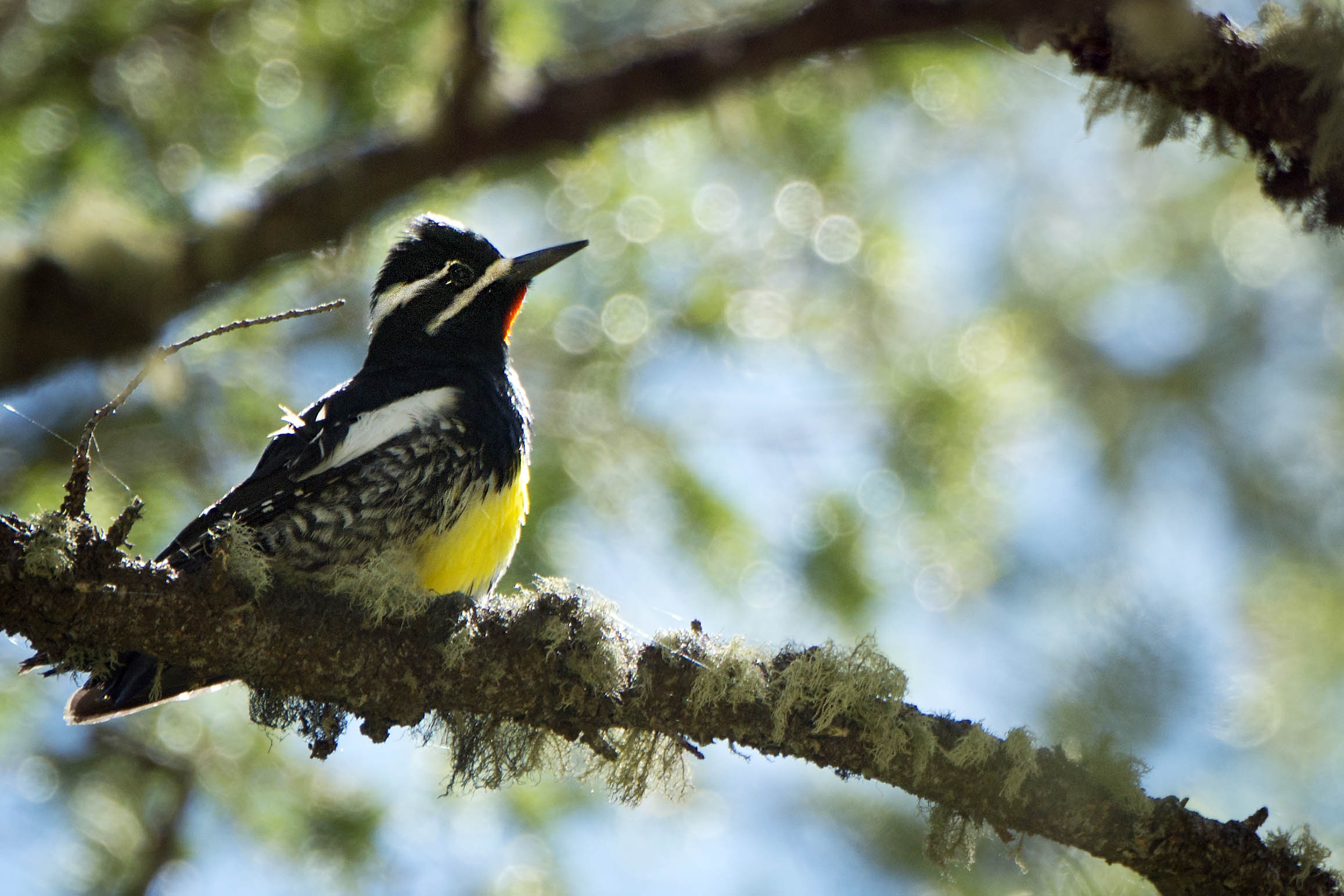
A wonderful looking Williamson’s Sapsucker rests in a dimly light forest .
Not a common sighting for us so we sure felt lucky to see him that day and had to sped a little trying to correctly ID this guy.
For more info: https://www.allaboutbirds.org/guide/Williamsons_Sapsucker/id
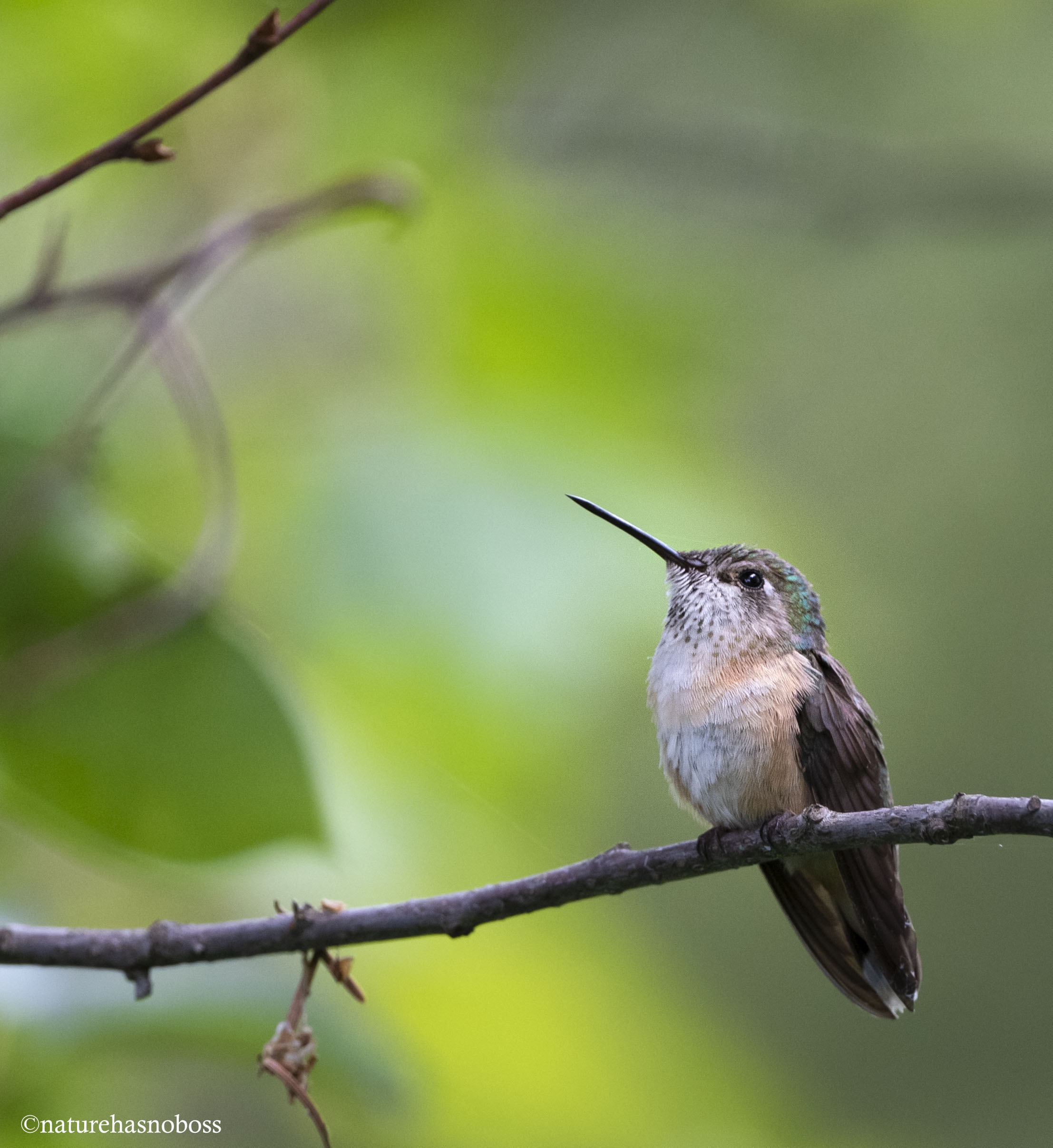
It’s hard to fathom but the time for one of our closest summer friends to depart for their annual journey south is very near. Typically by mid-August the small in size yet large in personality Calliope Hummingbirds begin their fall migration. This summer we have been blessed to have a handful of Calliopes living in the forest nearby and have enjoyed seeing them buzzing about the forest and also visiting the feeders in our yard.
Today we feature a few photographs of the females. Quiet and strong in every way.
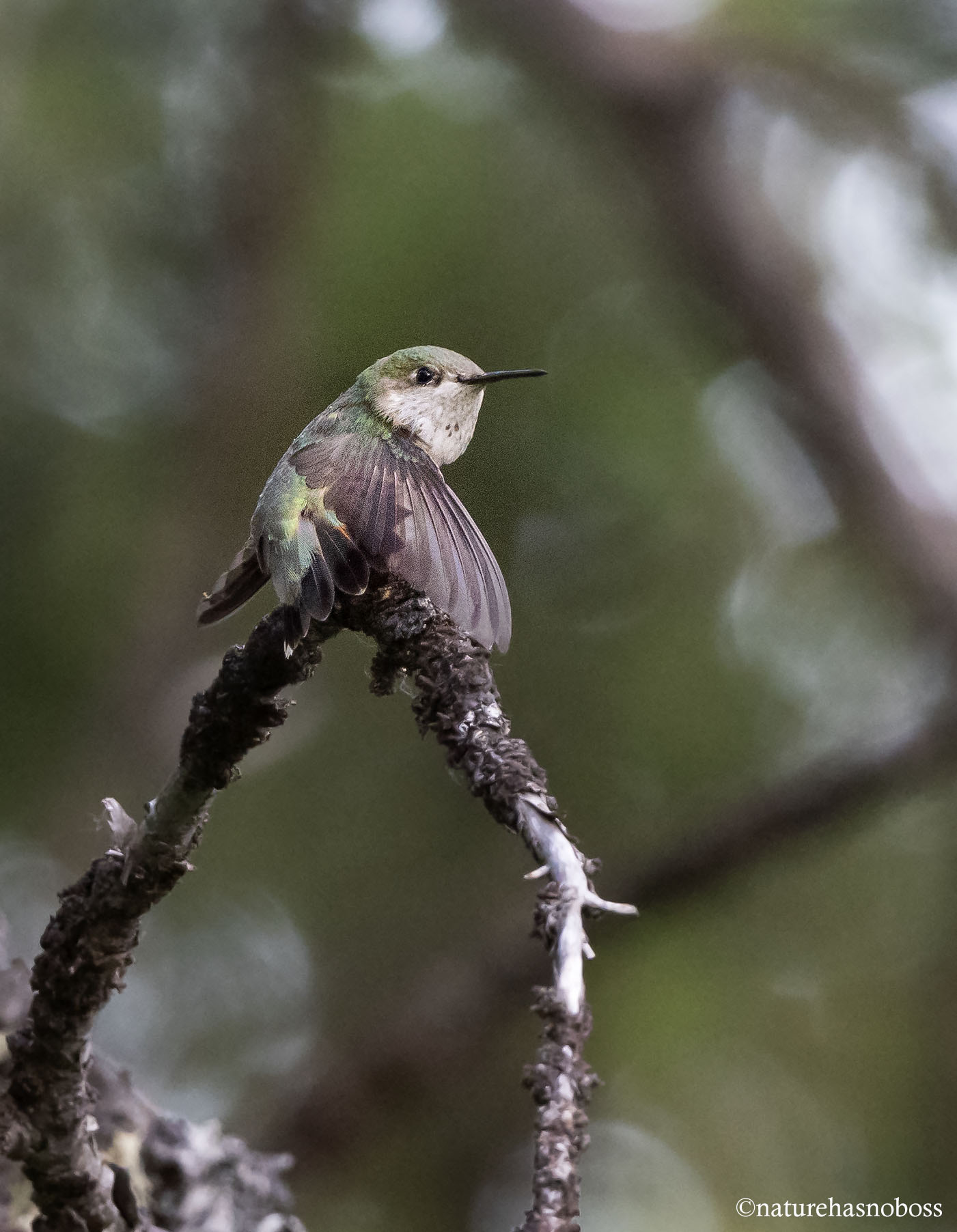
The Calliope Hummingbird is the smallest bird in the United States. It weighs about one-third as much as the smallest North American warblers and about the same as a ping pong ball.
https://www.allaboutbirds.org/guide/Calliope_Hummingbird/overview
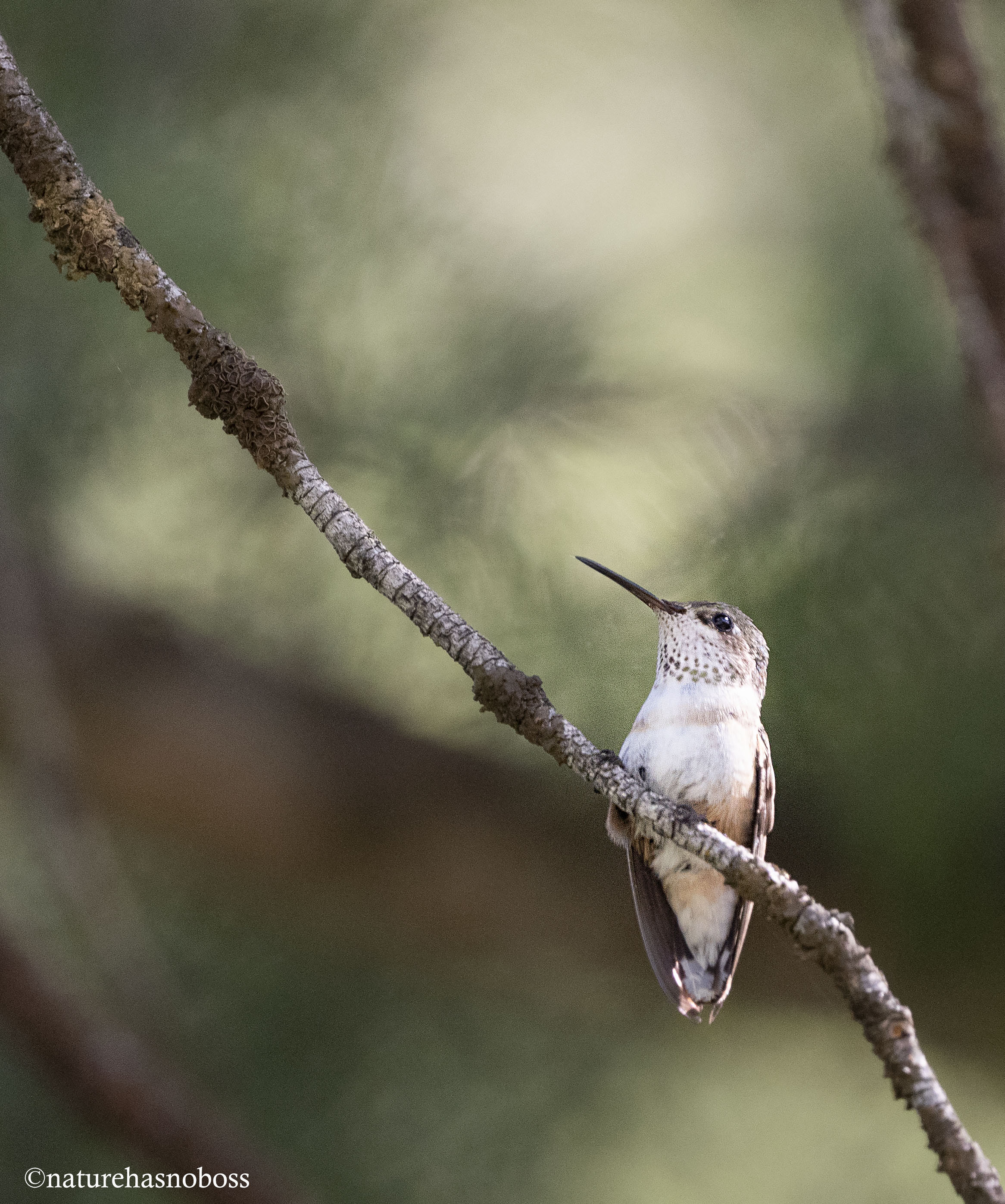
This tiny hummingbird is the smallest long-distance migrant in the world. Calliope Hummingbirds travel around 5,000 miles each year in a big oval from the breeding to wintering grounds. They migrate north along the Pacific Coast in the spring, but return to the wintering grounds in Mexico via an inland route along the Rocky Mountains.
https://www.allaboutbirds.org/guide/Calliope_Hummingbird/overview
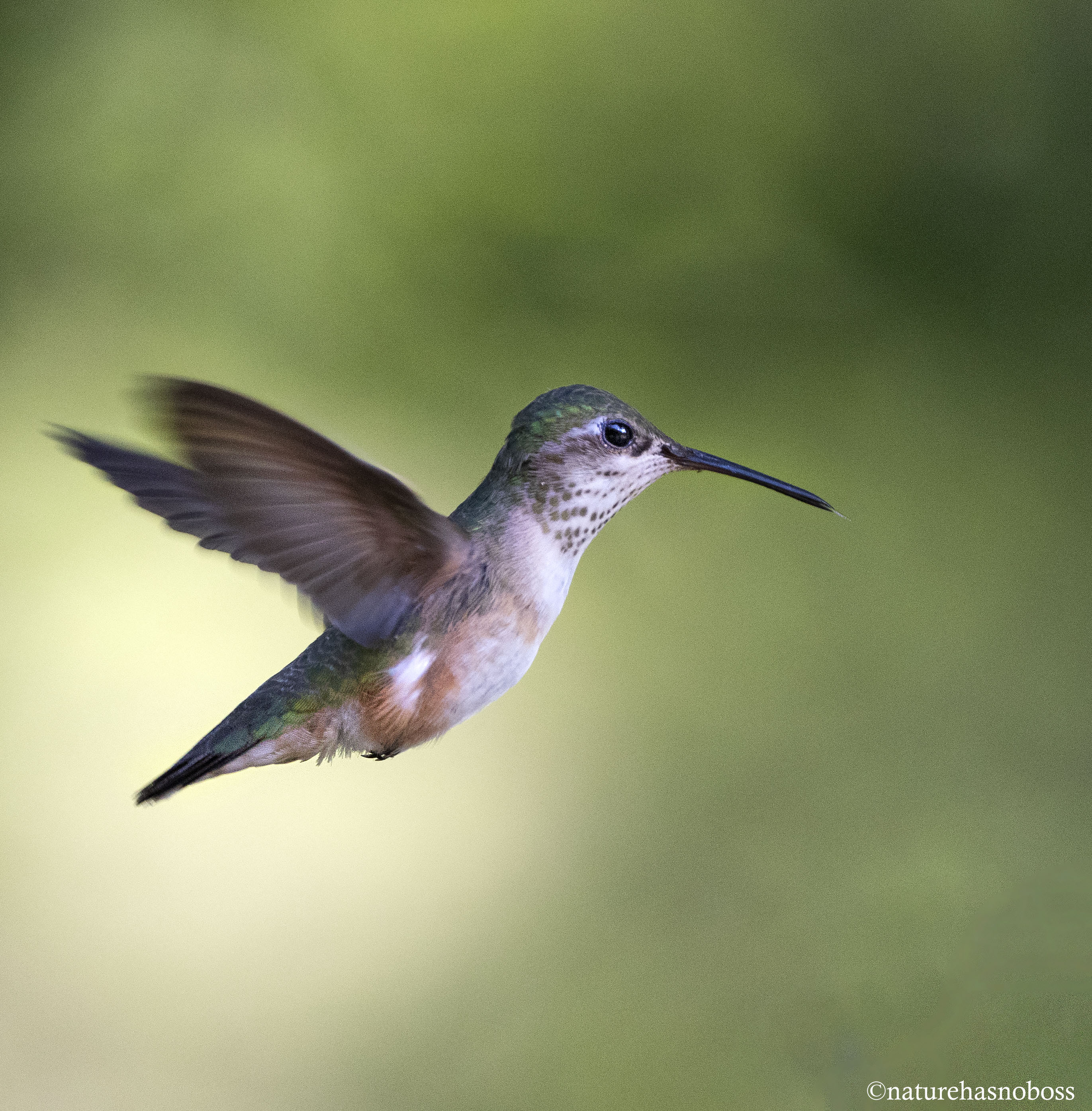
We bid you adieu and look forward to seeing you soon. Perhaps we could visit you this winter?
Wising you a wonderful weekend.
 nature has no boss
You must be logged in to post a comment.