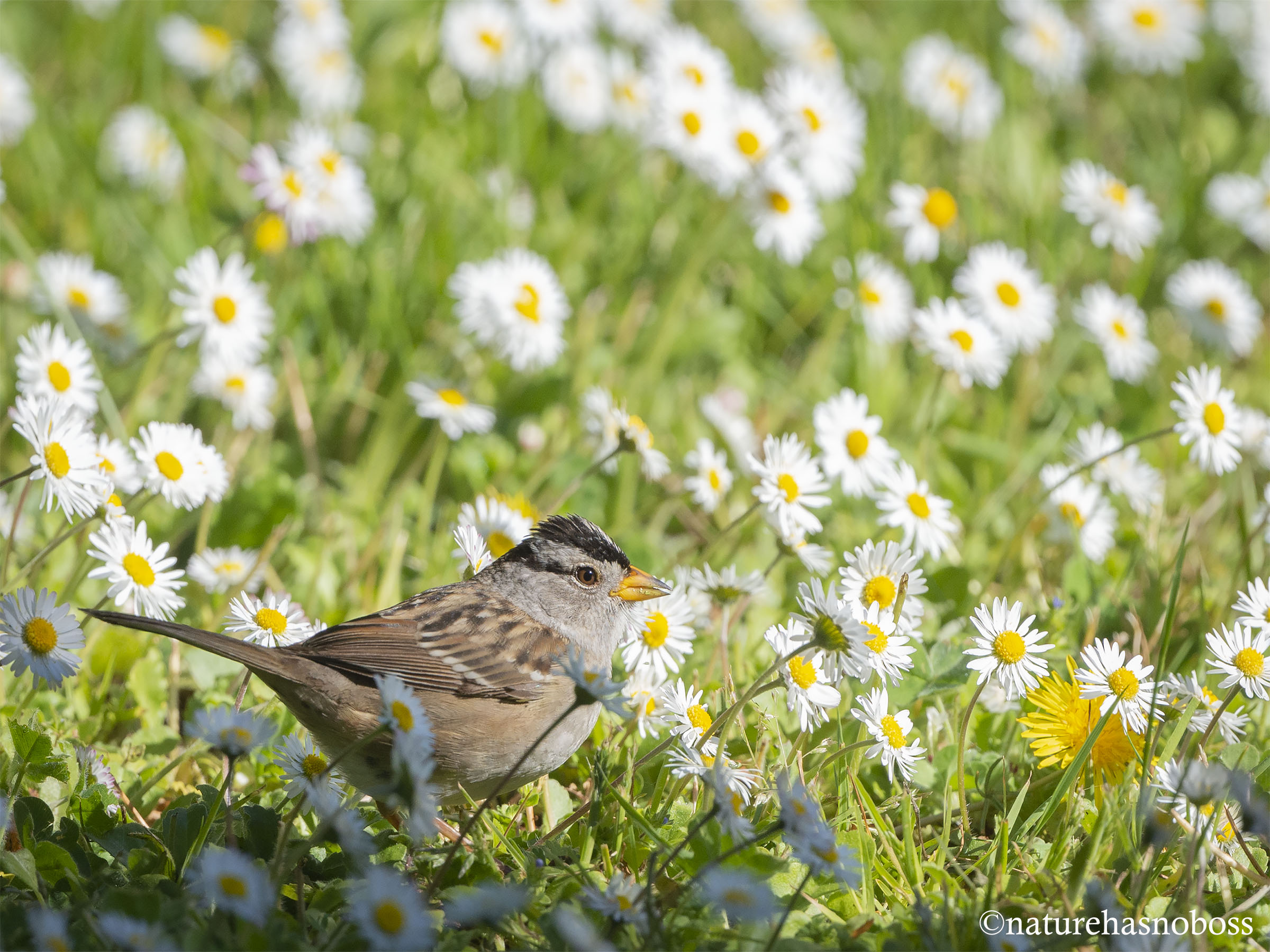
A field of white wildflowers with yellow centers welcomes a beautiful White Crowned Sparrow with yellow beak. Each right at home with each other.
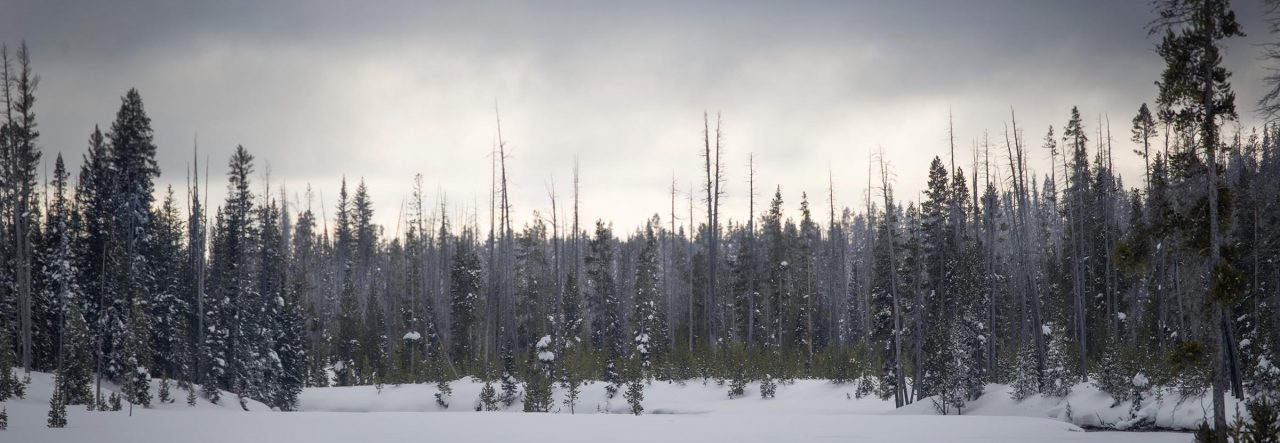
A field of white wildflowers with yellow centers welcomes a beautiful White Crowned Sparrow with yellow beak. Each right at home with each other.
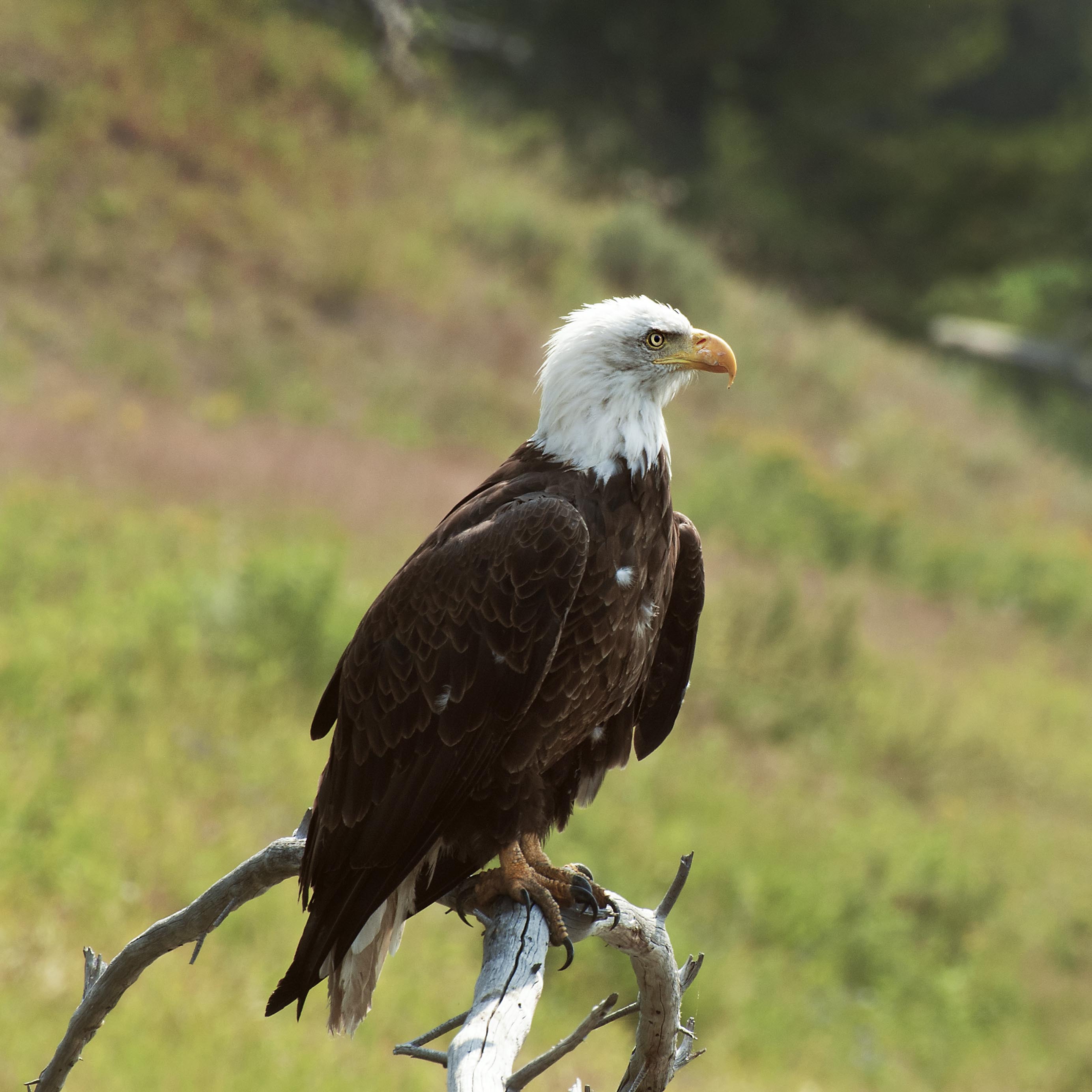
A mature Bald Eagle poised and ready yet relaxed and resting on a branch overlooking the river. Grand Teton National Park.

Moving slowly down the trail and looking remarkably like the earth he walked on we found this American Toad. He did look a bit grumpy and reluctant for us to take his photo so we let him be as he moved along into the grass beyond.
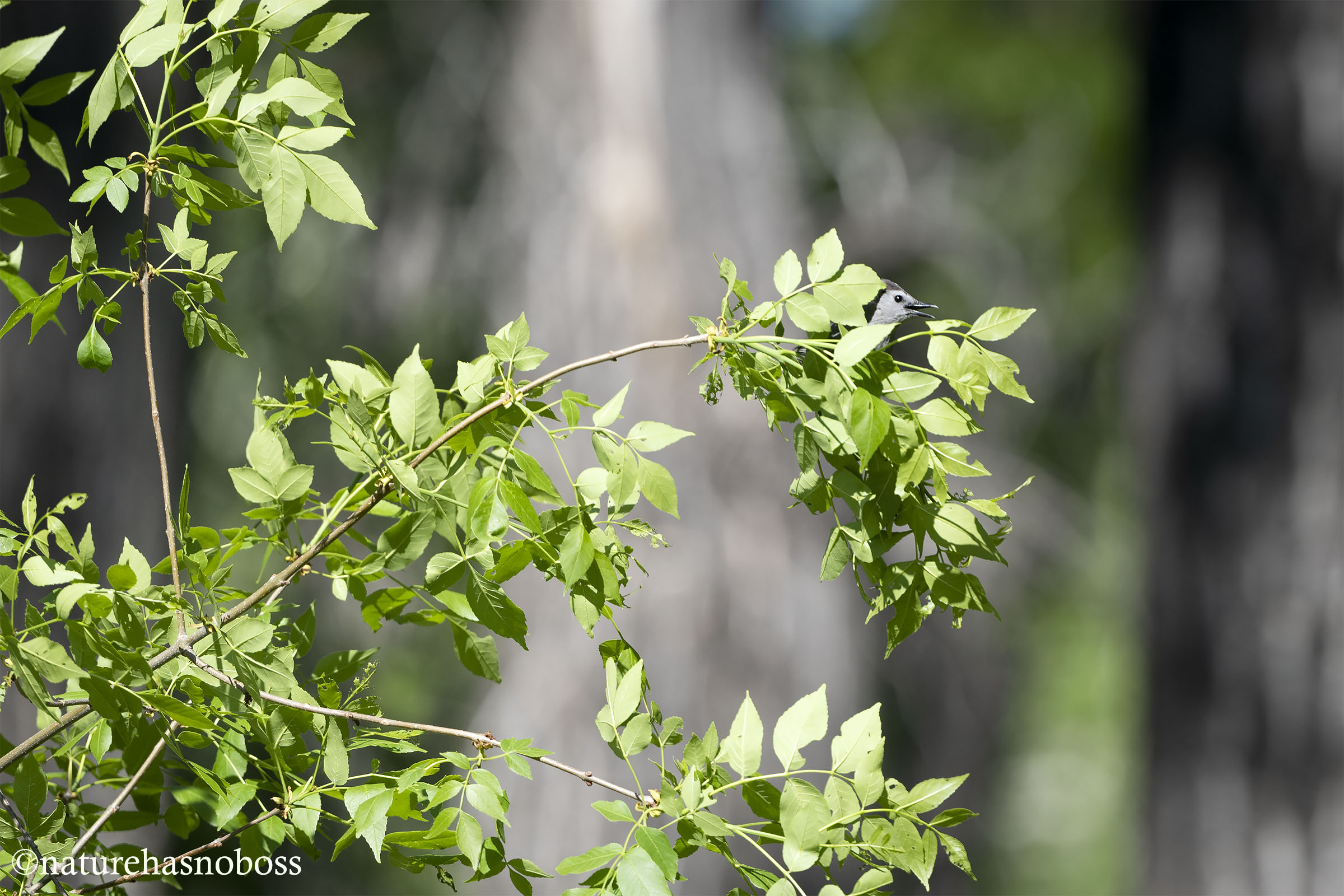
Peeking out from behind the leaves and doing it with their typical style we proudly present ….the Gray Catbird.
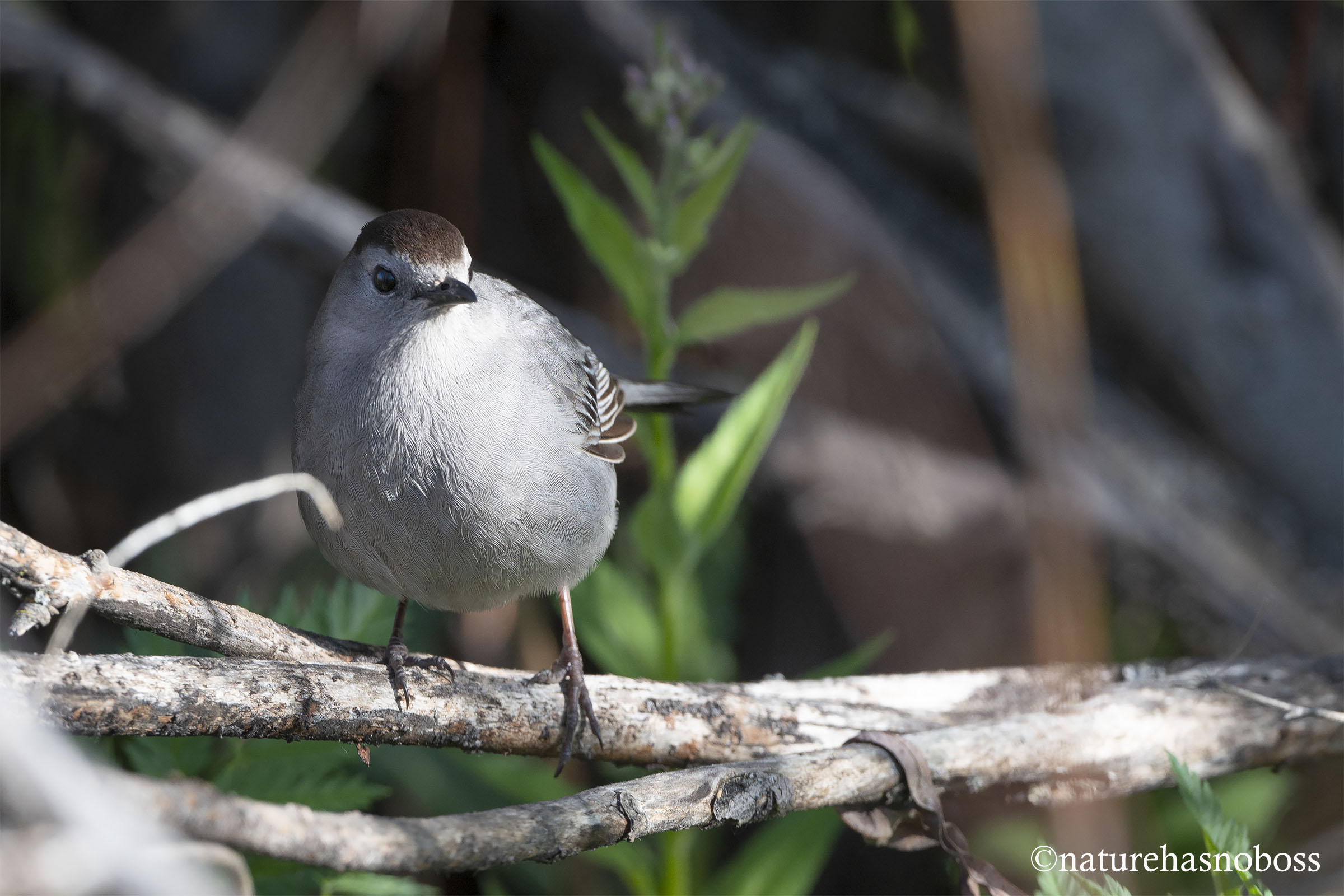
With it’s distinctive cat like mew call radiating out from the dense undergrowth we knew if we waited just a little bit we might get a nice look at one of our favorite songsters and with a little patience we were rewarded.
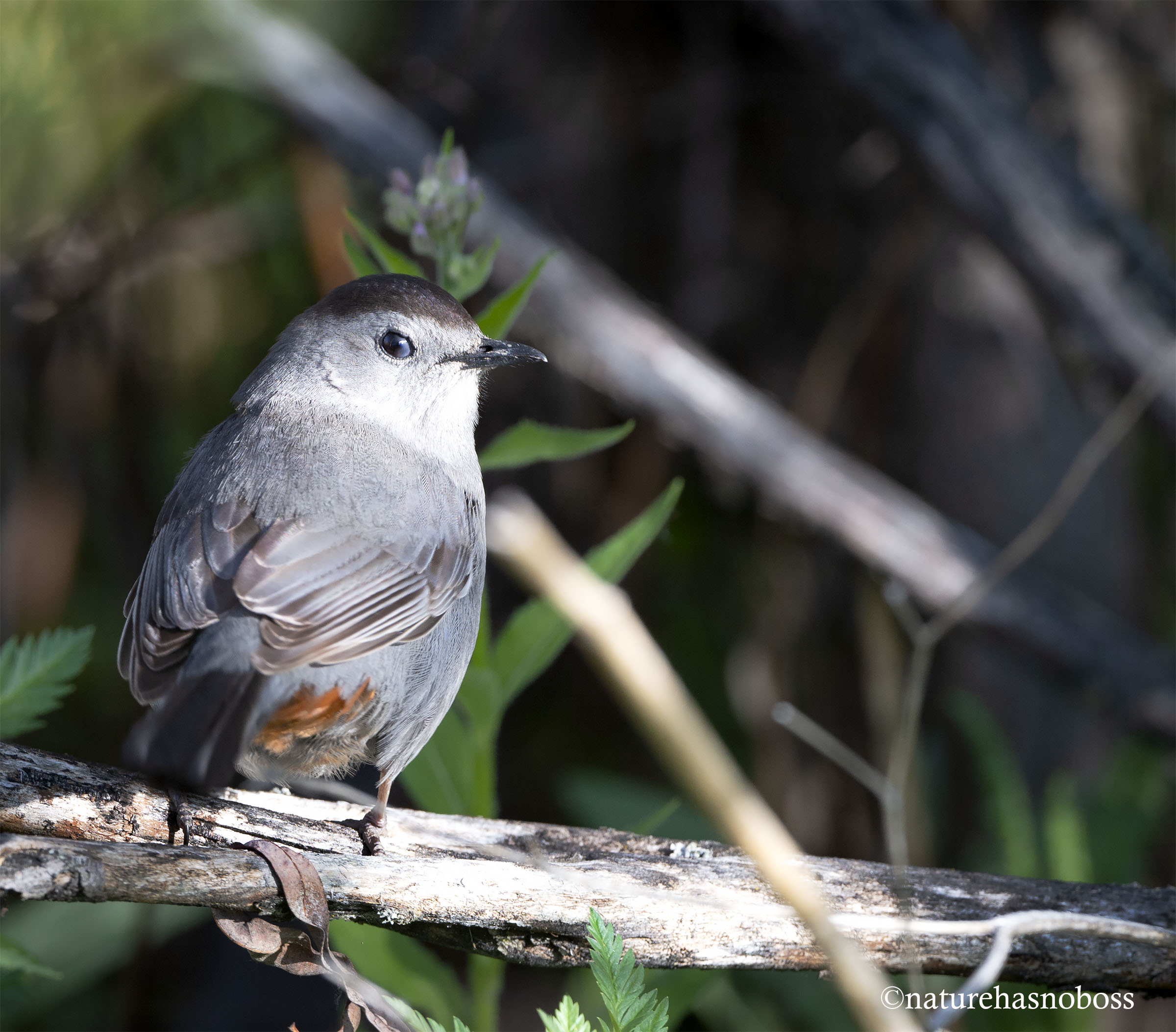
This morning a pair of Catbirds emerged from the thick undergrowth into a nicely lit clearing. Although from a distance these birds look completely gray a closer look reveals a black cap and black-tipped tail and a bit of rufous under the tail.
“The Gray Catbird belongs to the genus Dumetella, which means “small thicket.” And that’s exactly where you should go look for this little skulker.”1
https://www.allaboutbirds.org/guide/Gray_Catbird/overview
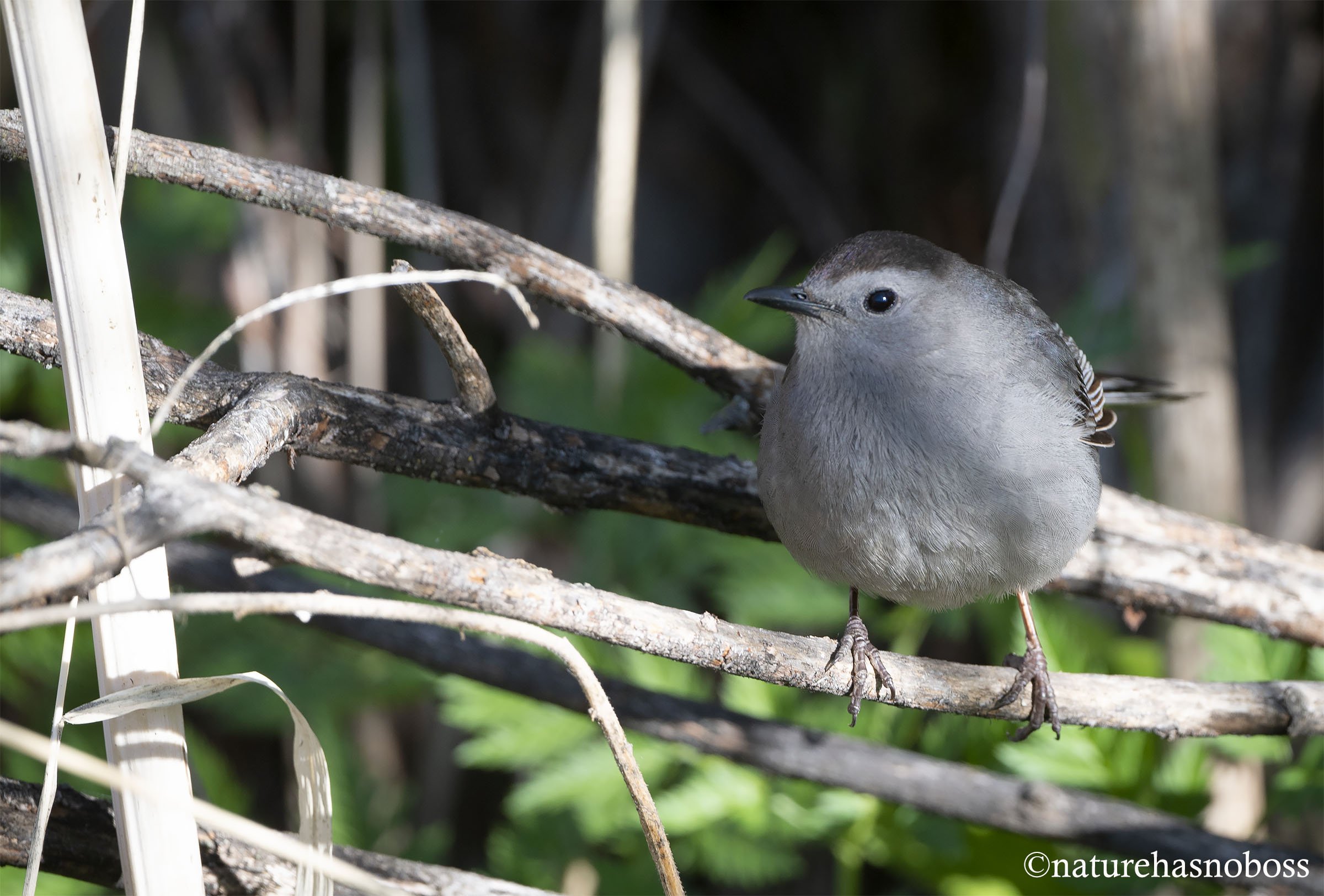
Perhaps this pair were building their nest in this tangle of benches as Catbirds regularly nest in deep tangles building open cup type nests lined with inner cup of tightly woven grass, hair and small rootletts of plants.The nest is then used to incubated between 1-6 eggs which typically hatch in 12-15 days.
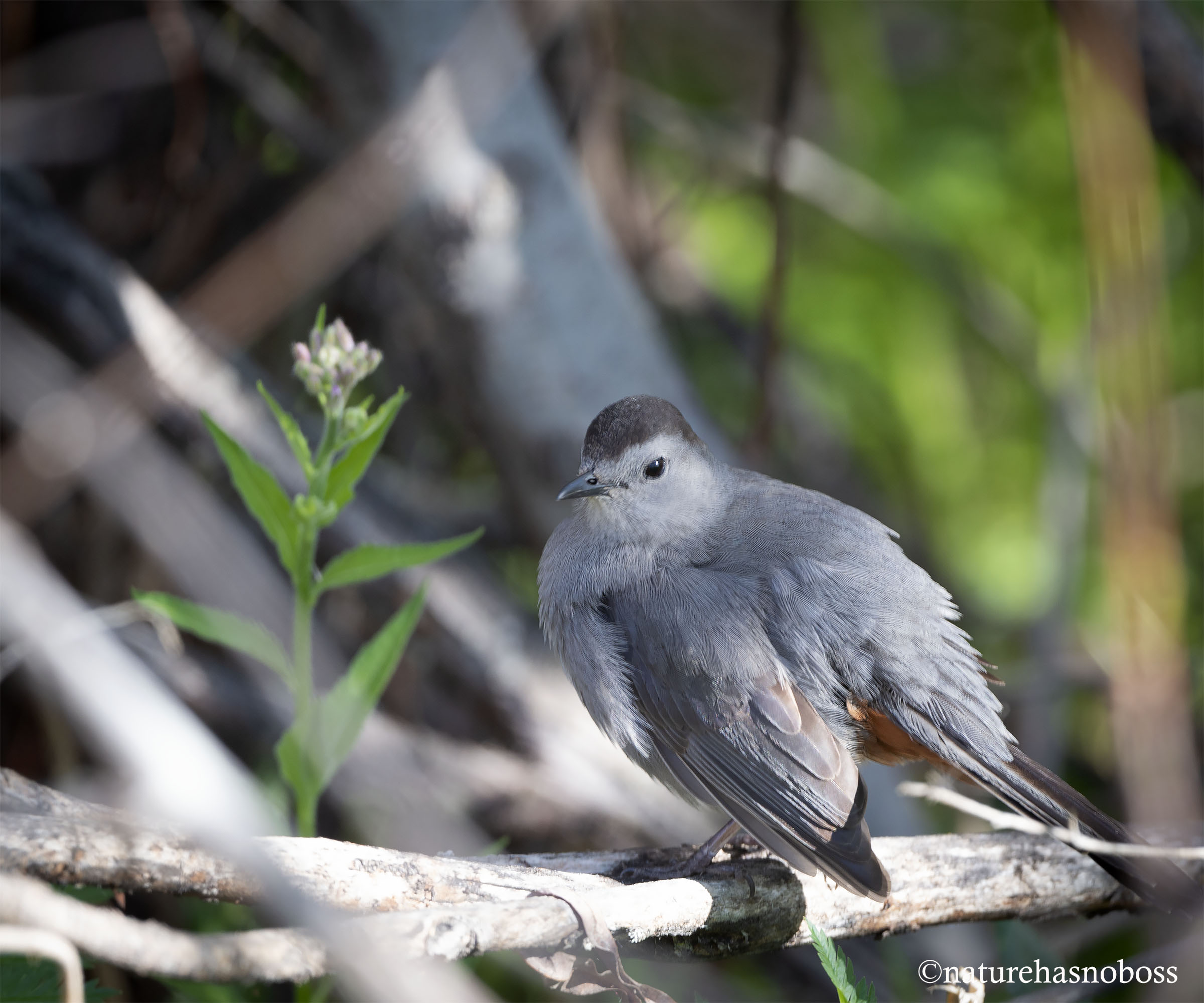
In altercations, Gray Catbirds may fluff up the breast and rump feathers, spread their tail
https://www.allaboutbirds.org/guide/Gray_Catbird/lifehistory
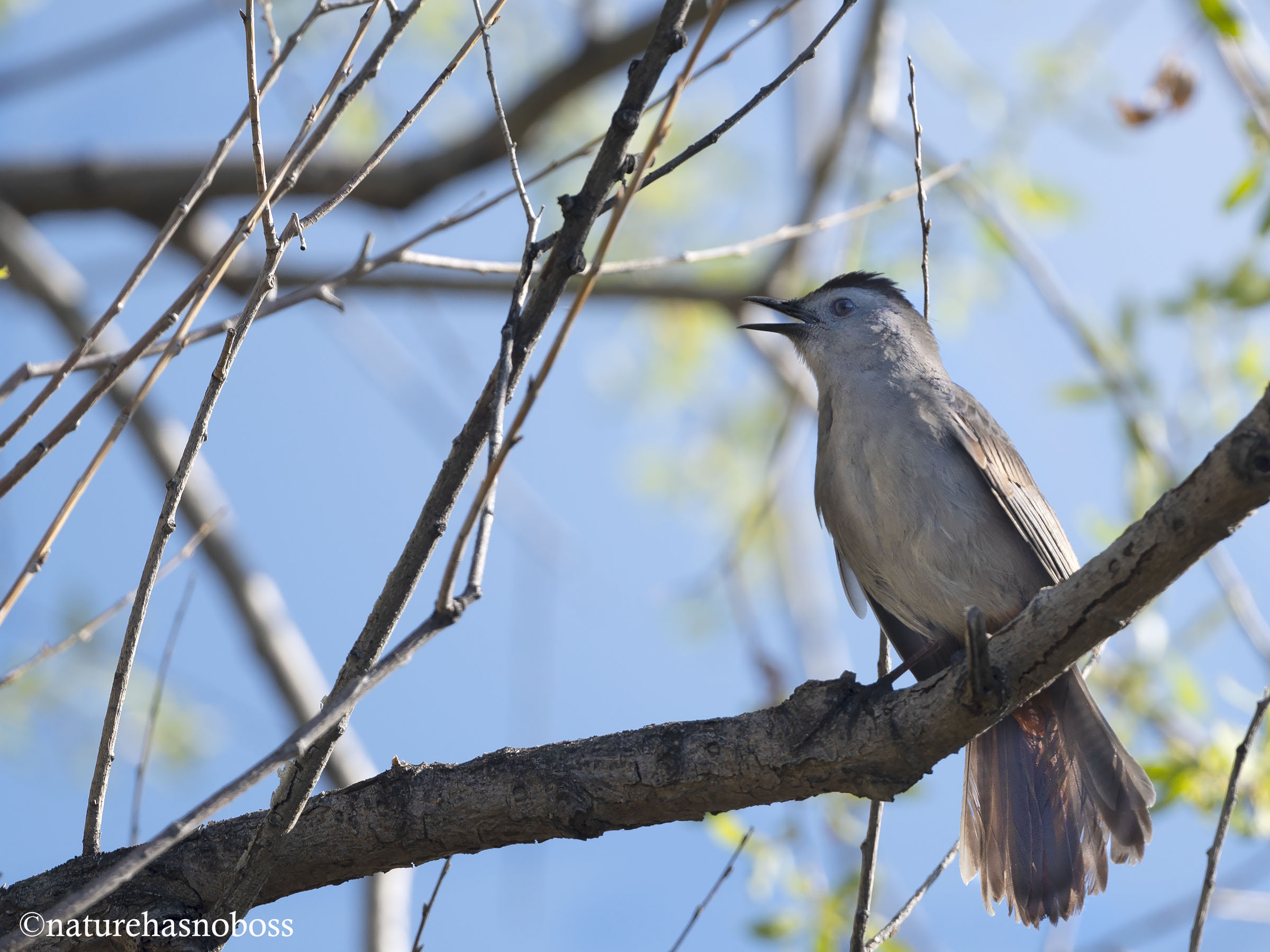
The real treat of the morning was listening to the extended song of the male. A wonderful mix of whistles, squeaks,various mimicry of other birds, forest creatures and even mechanical noises strung together in a rambling song lasting up to 10 minutes.
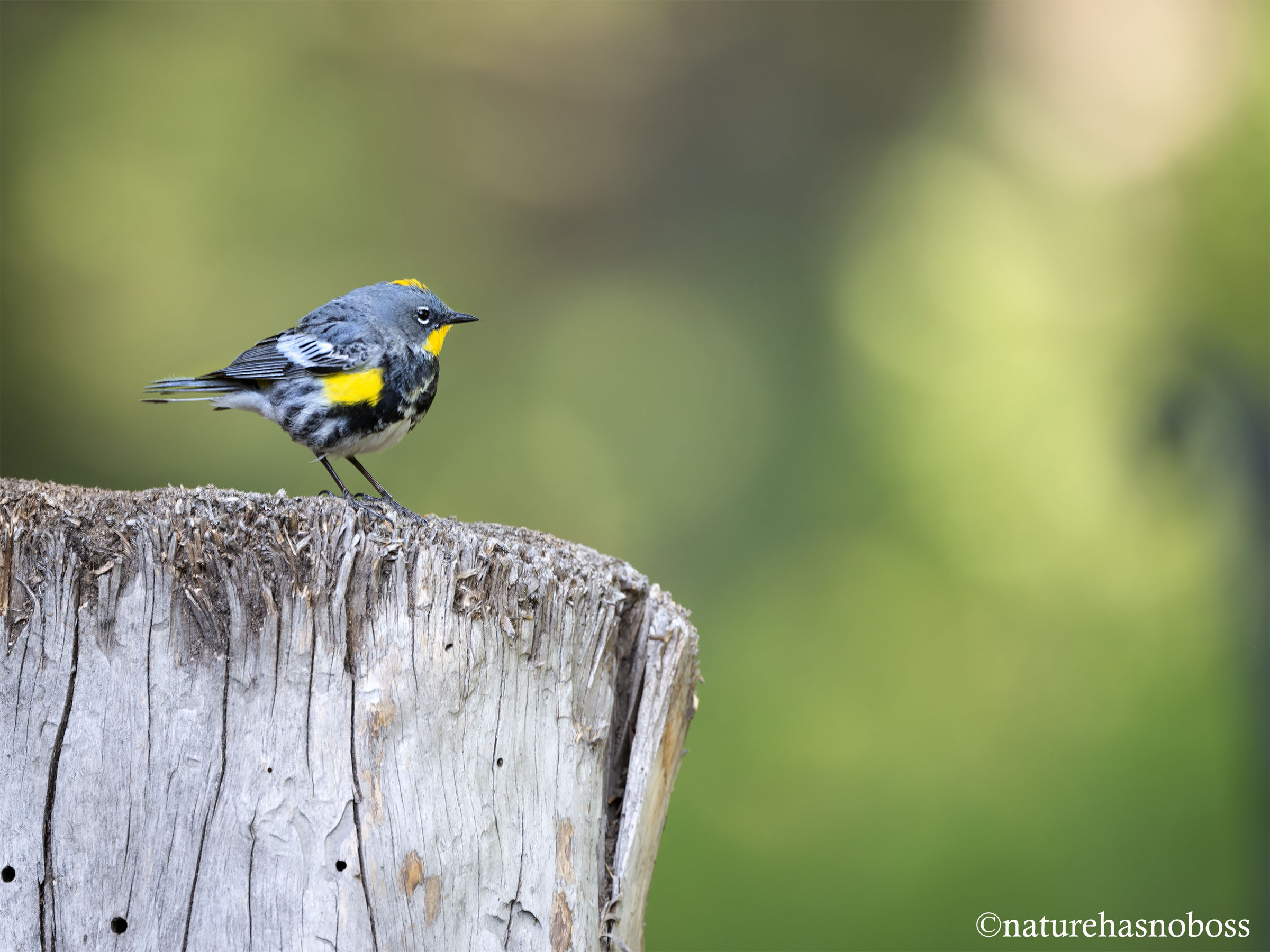
A male Yellow-rumped Warbler makes a rare appearance from the forest canopy to rest on the firewood chopping block. Although we here them all day long in the spring and early summer we only get glimpses of them moving in the canopy of the fir trees high above.
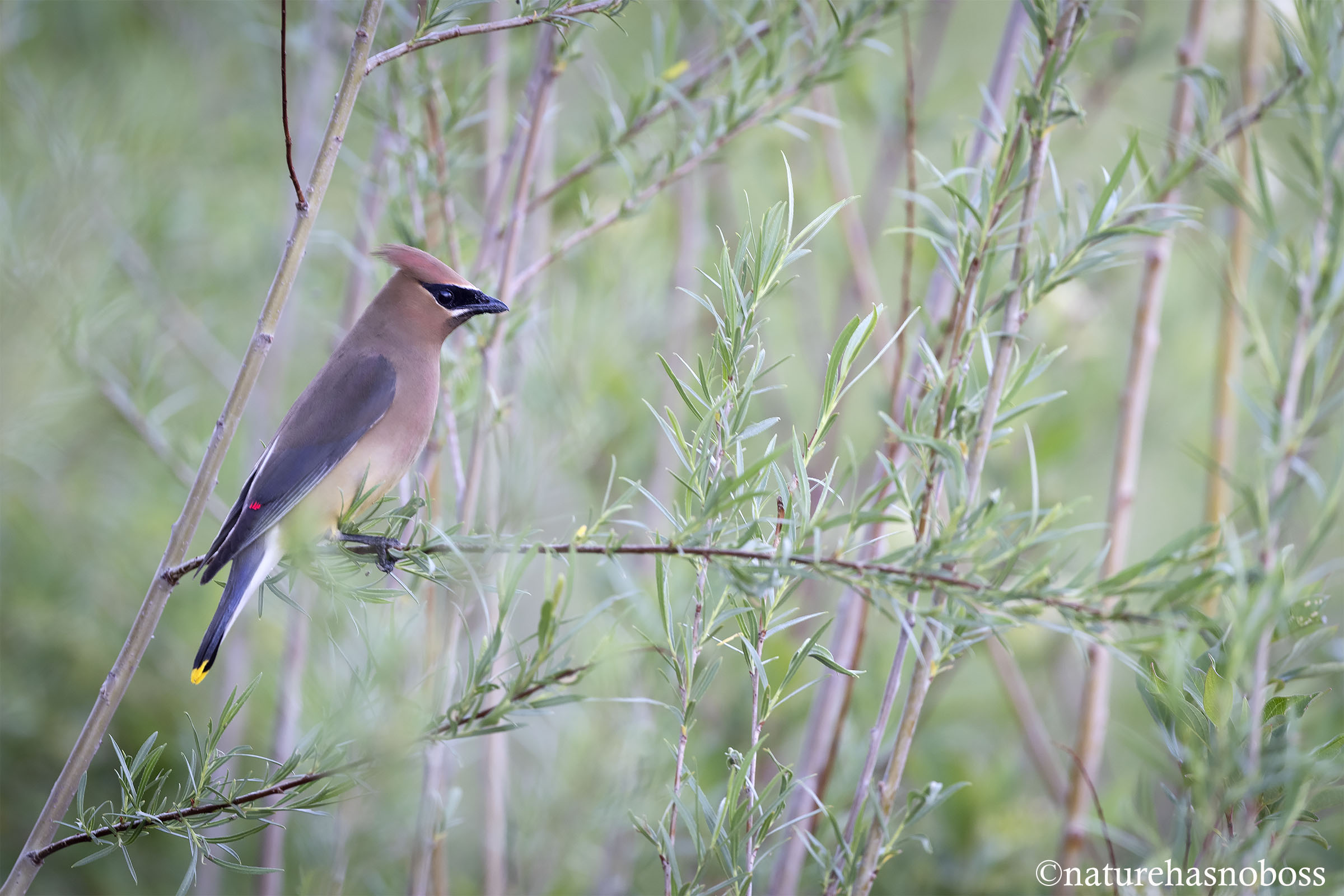
A Cedar Waxwing sits and peers out across the banks of the Missouri River. The Missouri is the longest river in the USA traveling from it’s beginning in the mountains close to home before traversing the landscape east and south for 2,341 miles. The Missouri has been a source of substance and transportation for up to 12,000 years. What a journey it must have been to travel this river before it was extensively dammed and wildlife abundant.
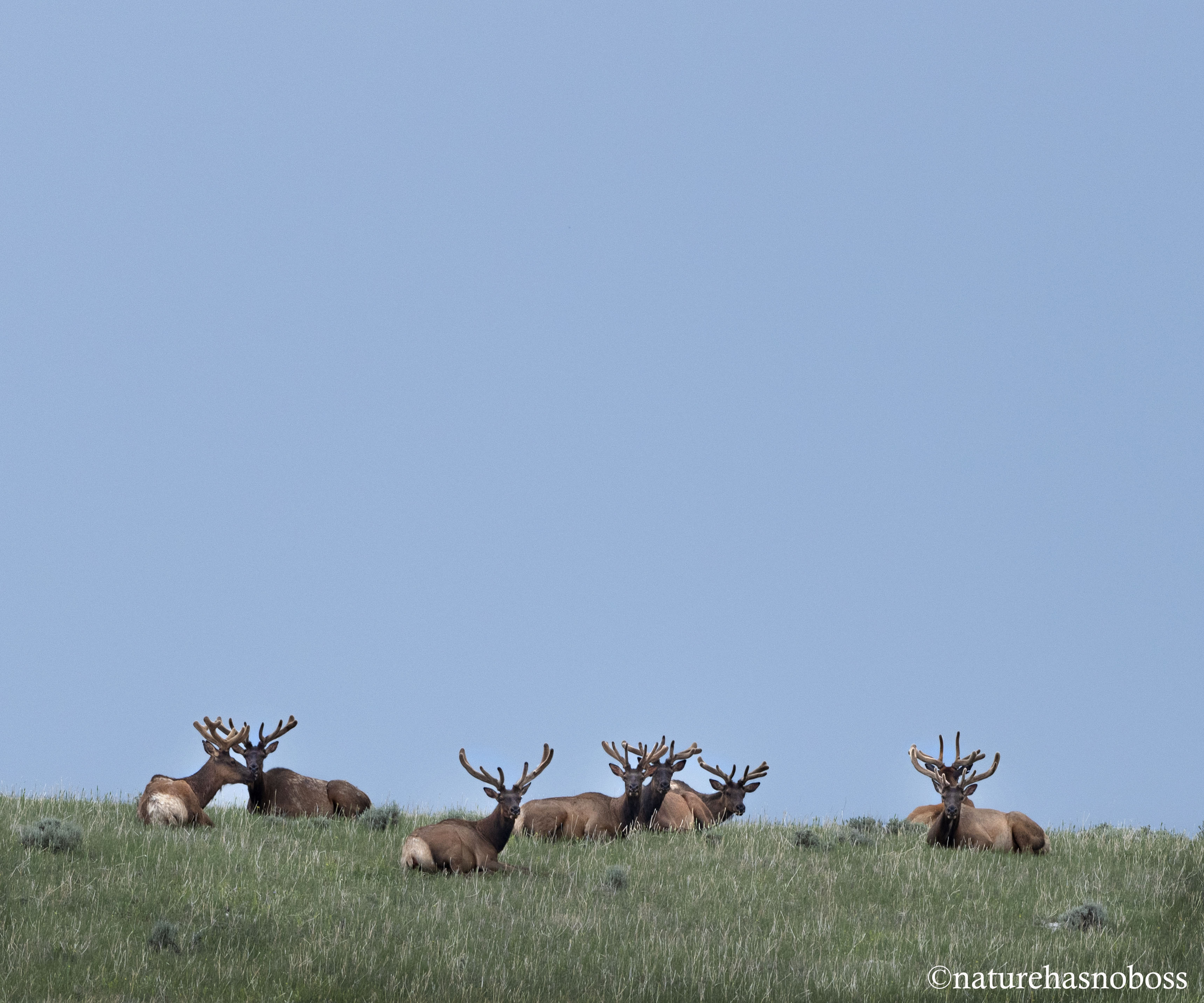
These male Elk seemed ok with sharing the title “king of the hill” this afternoon although it seems certain that will not be the case this fall.
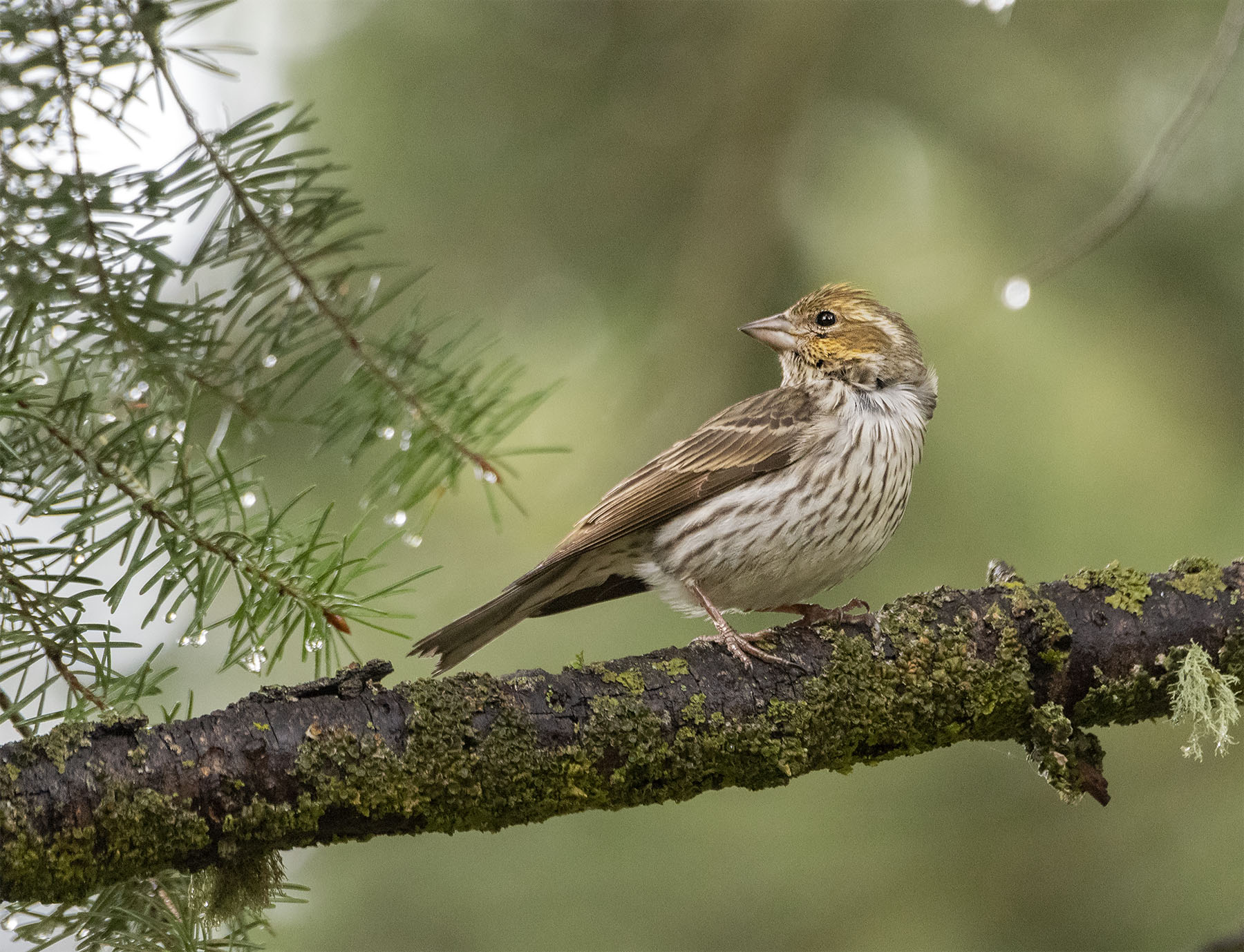
A female Cassin’s Finch finds ample shelter under a large spruce on a rain-soaked afternoon early this spring.
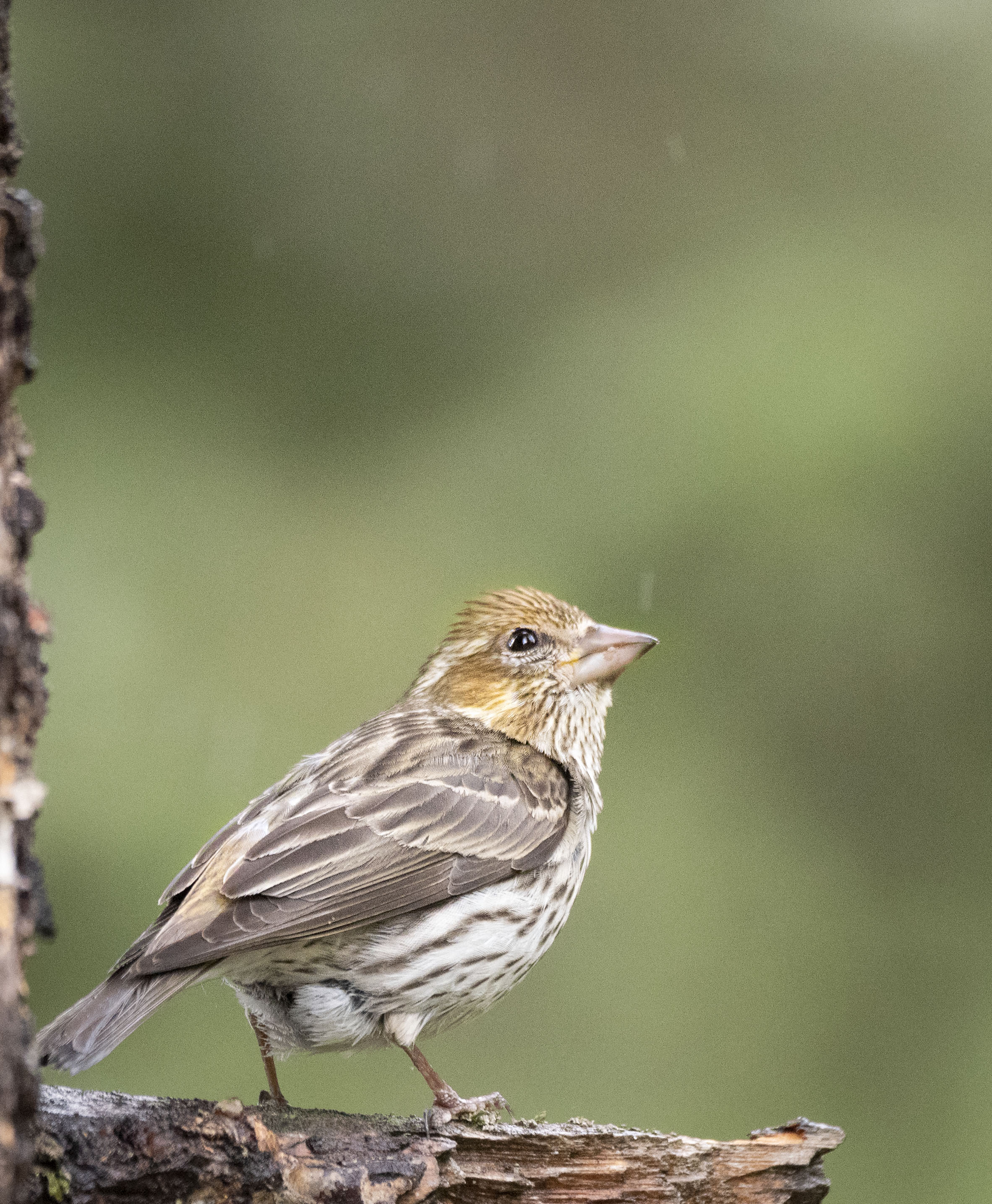
A quick look up and …hey the sky looks lighter to the west.
Although a sunny afternoon is always nice I would sure enjoy o week or so of those rainy days right about now.
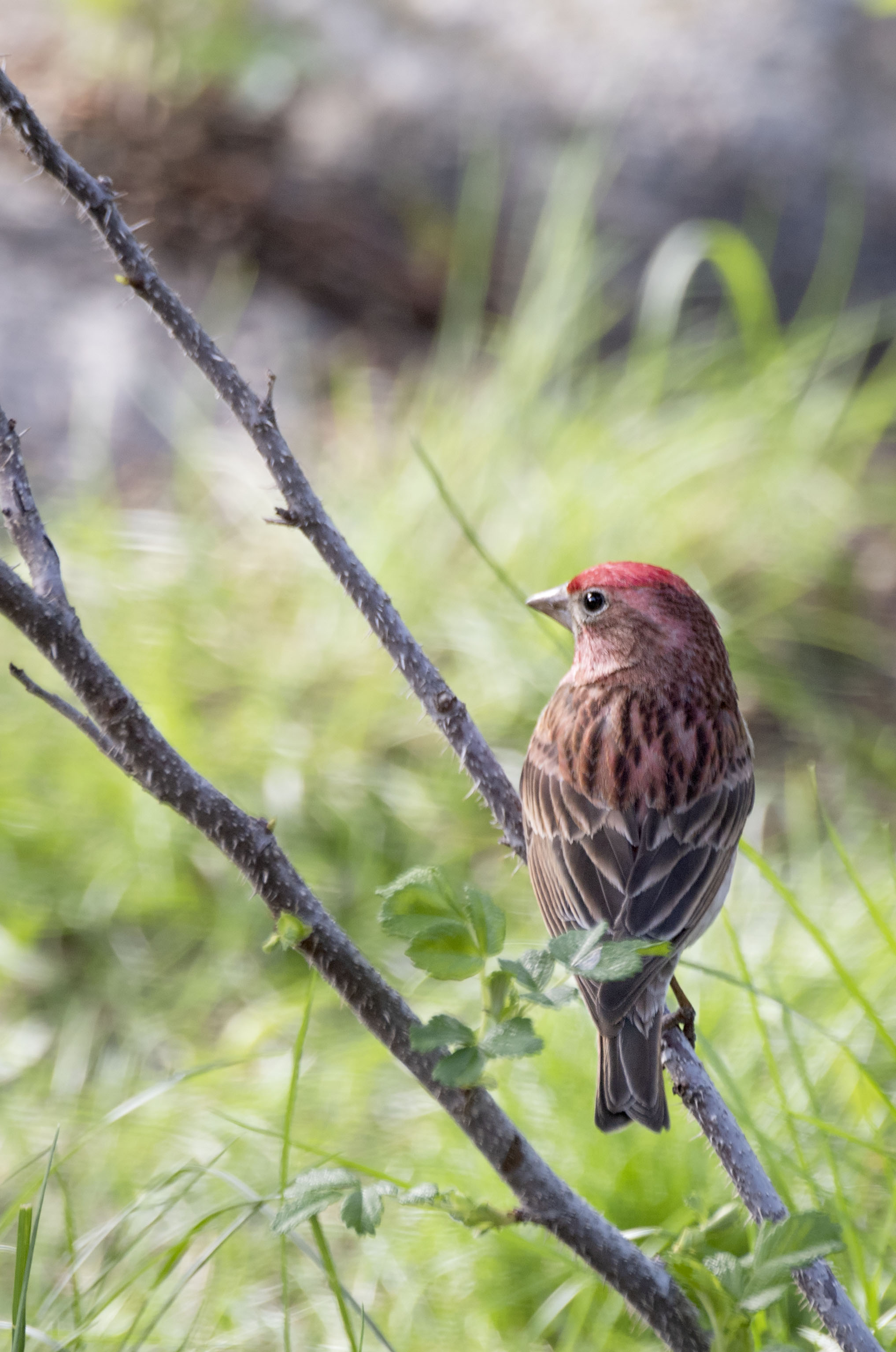
A male Cassin’s Finch enjoying an afternoon break on a small wild rose-bush. These guys have a wonderful song distinct from other small finches and a pleasure to the ear.
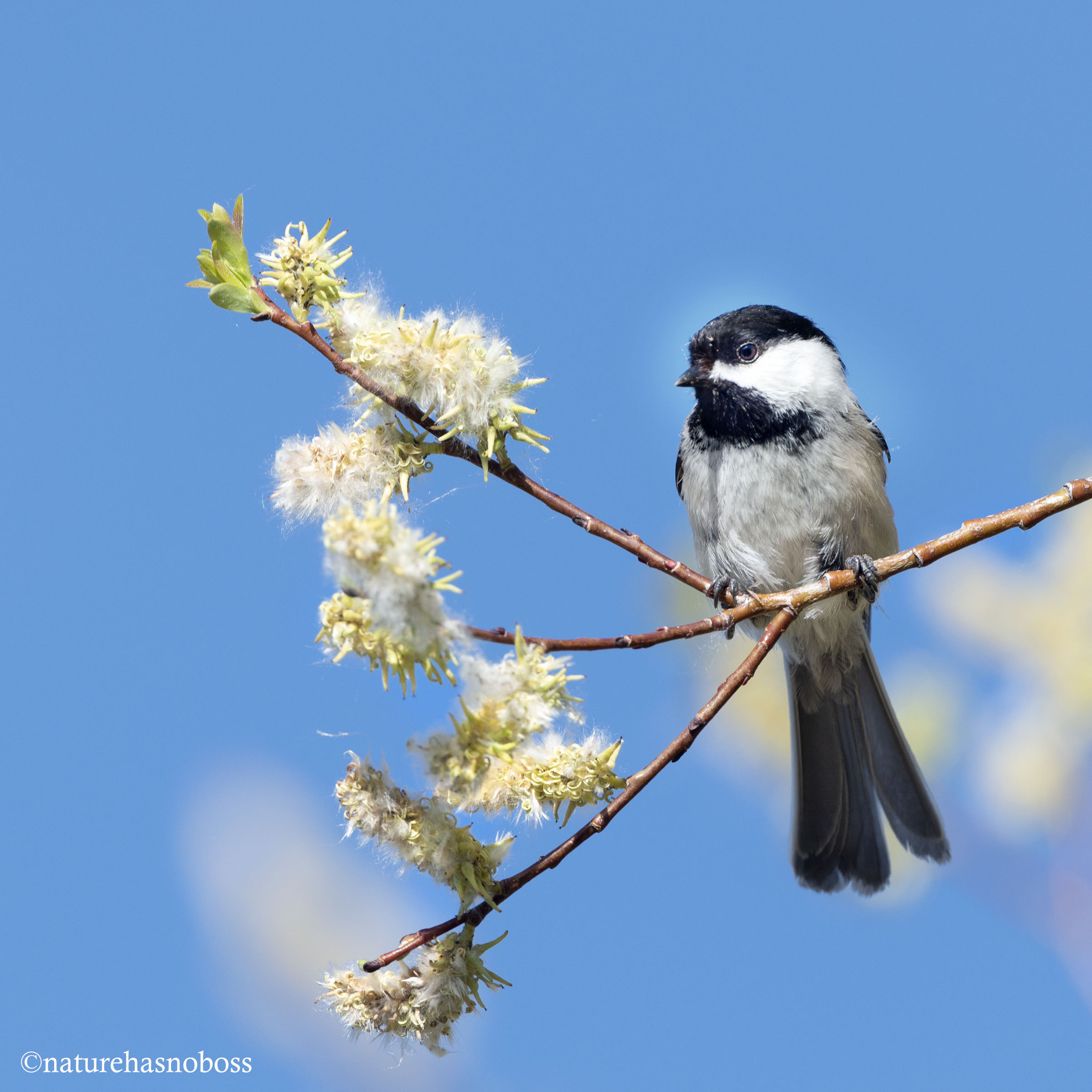
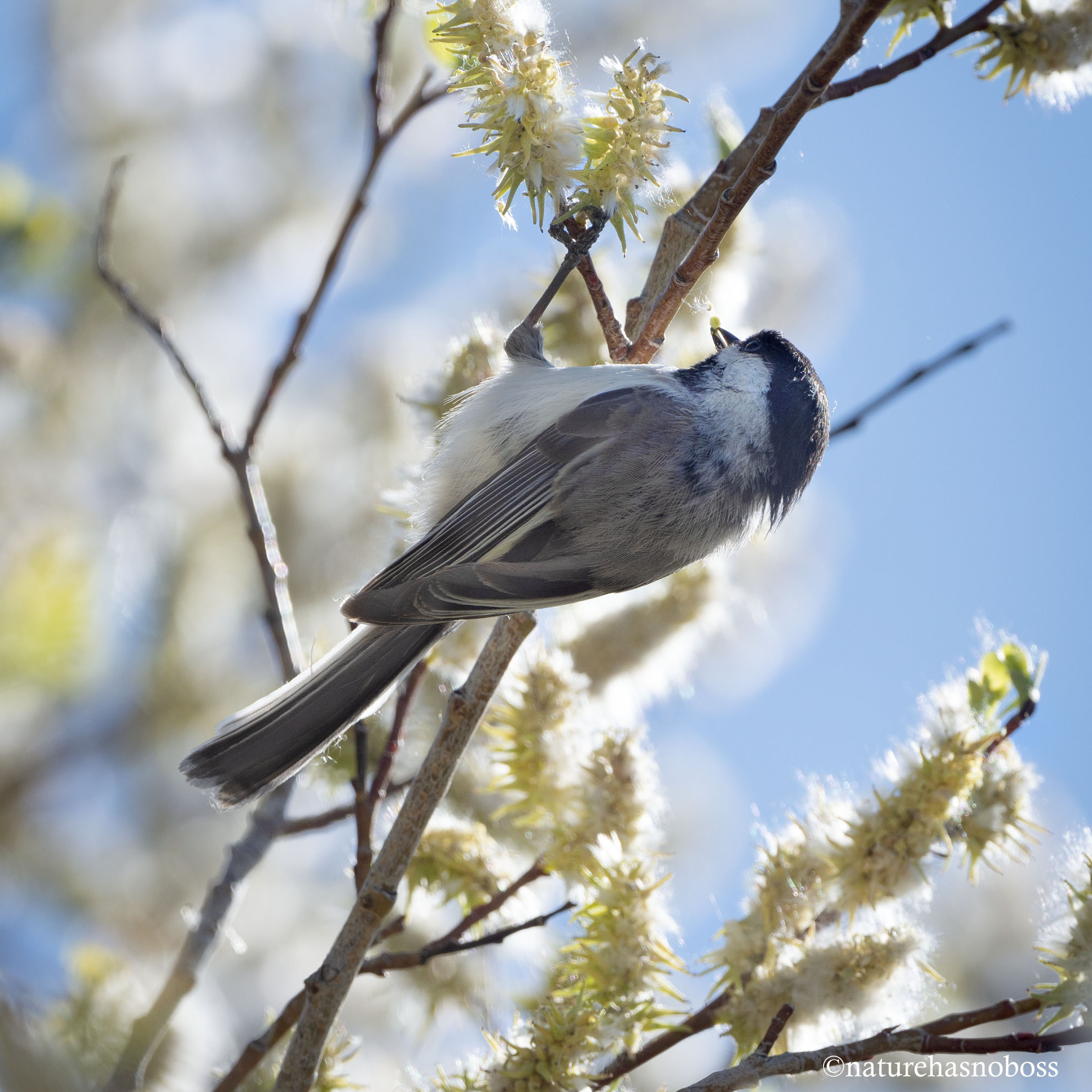
Sometimes right side-up and sometimes right side-down there was work to be done.

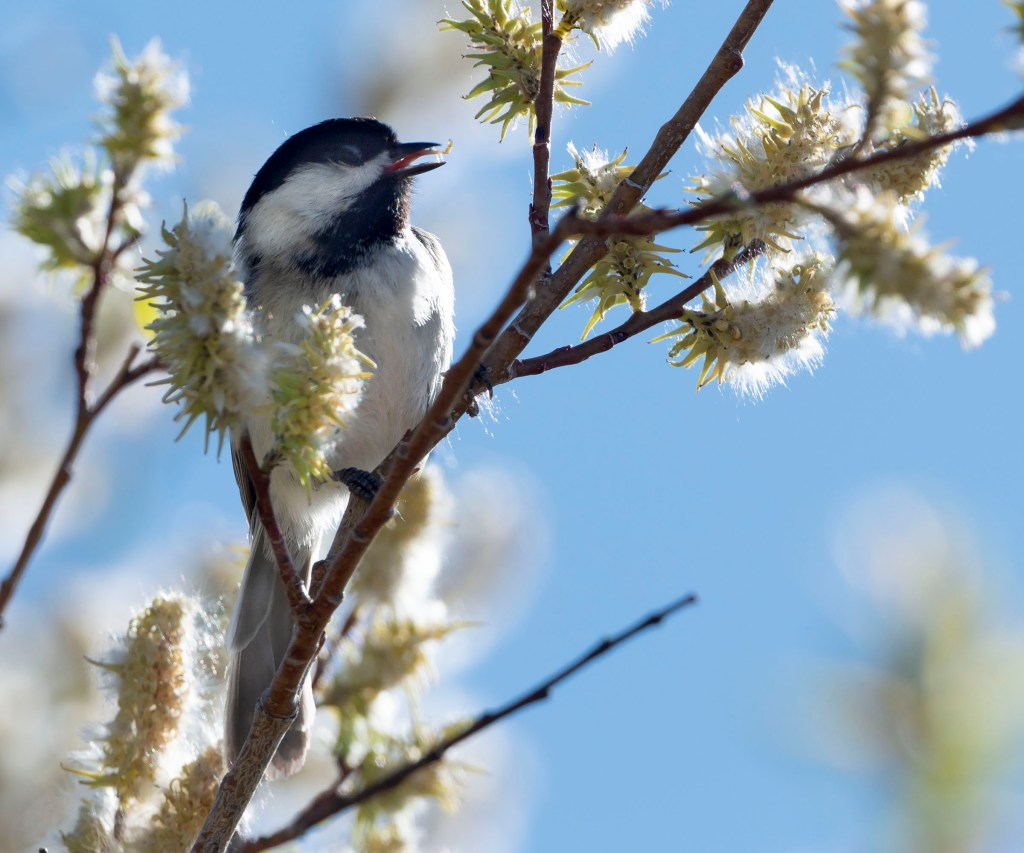
Wishing you good pickings and a wonderful weekend.
 nature has no boss
You must be logged in to post a comment.