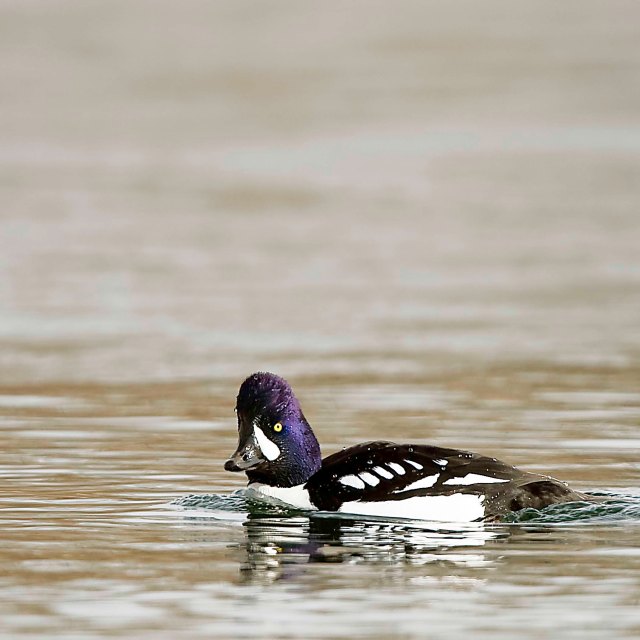
The local ponds are chock full of common Goldeneye but a Barrows Goldeneye is a rare visitor. Photographed along Clear Creek in Denver, CO.
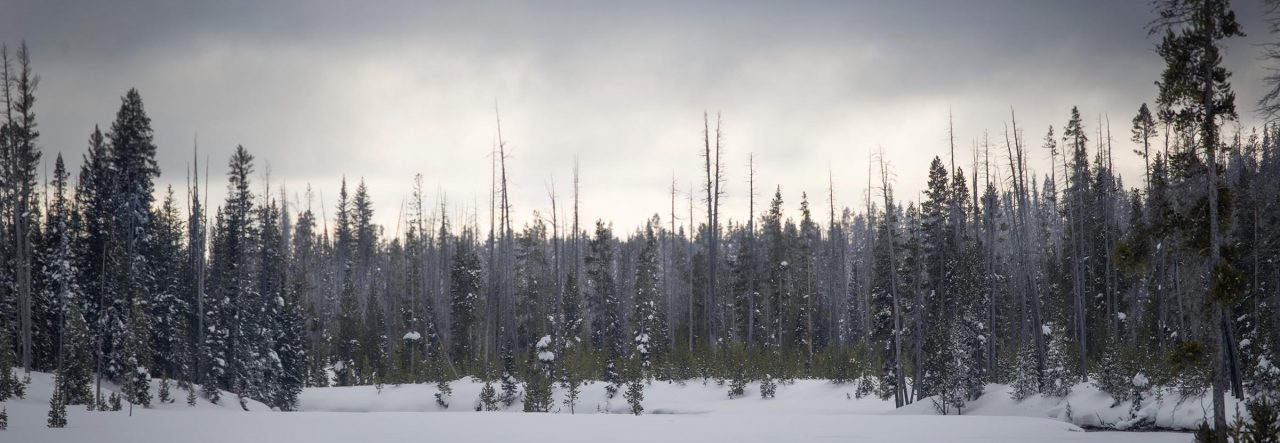
The local ponds are chock full of common Goldeneye but a Barrows Goldeneye is a rare visitor. Photographed along Clear Creek in Denver, CO.
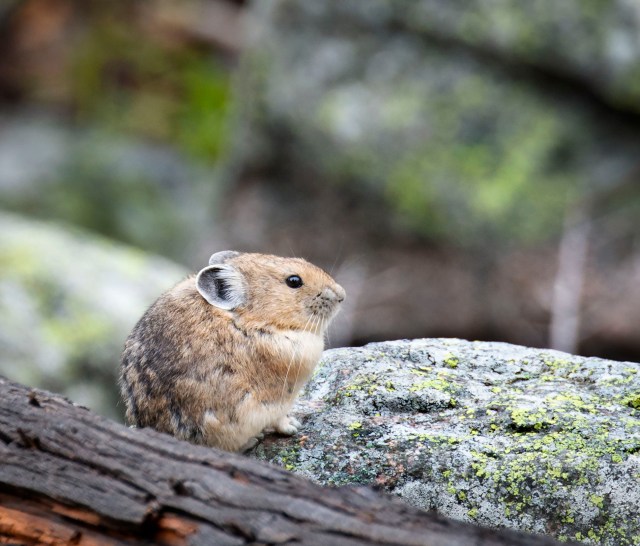
I never get disappointed when I hear the little chirp of a Pika moving about on the talus slopes. Always spotting us before we spot them. usually sitting still and looking out into their environment then scurrying off to collect plants for winter larder. The Pika is yet another species threaten by climate change and the focus of this short video in Smithsonian Magazine.
It is encouraging that some Pika may be showing behavior adaptation to a loss of habitat resulting from climate change but as the authors of a recent study concludes “while many species have a clear capacity to modulate behavior in relation to variations in climate parameters,much remains to be learned about the trade-offs, fitness implications, and limitations of behavioral flexibility in the context of novel climate dynamics.”
I sure hope these little guys are able to adapt to the new reality imposed upon them by our species. A walk on the talus slopes without them would be a lonely walk indeed.
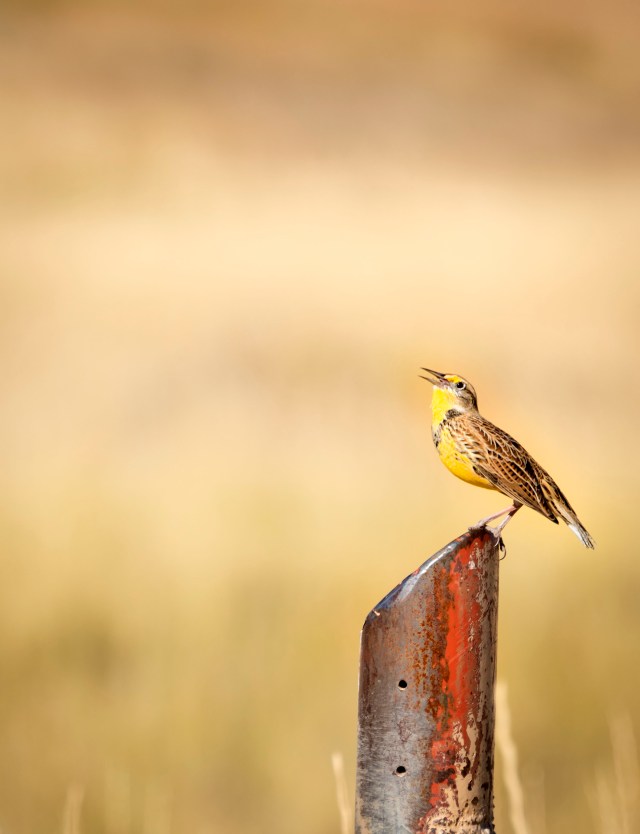
We recently linked to a study finding that over 3 billion birds have been lost from the ecosystem in North America as well as a study indicating that perhaps 66% of North American Birds are threatened with extinction resulting form anthropogenic climate change.
For those who are interested we just received an email informing us of an online presentation this Monday evening Nov, 4th at 7pm EST by Dr. Ken Rosenberg of the Cornell Laboratory of Orinthology titled “3 Billion Birds Gone: The Bird Crisis and What We Can Do About It“. Importantly it looks like this presentation will focus on the broader implication of the results of these findings beyond birds.
Looks to be an interesting presentation.
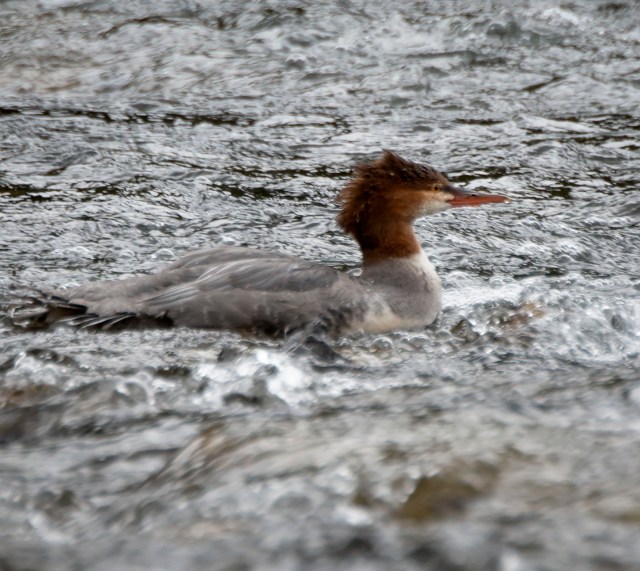
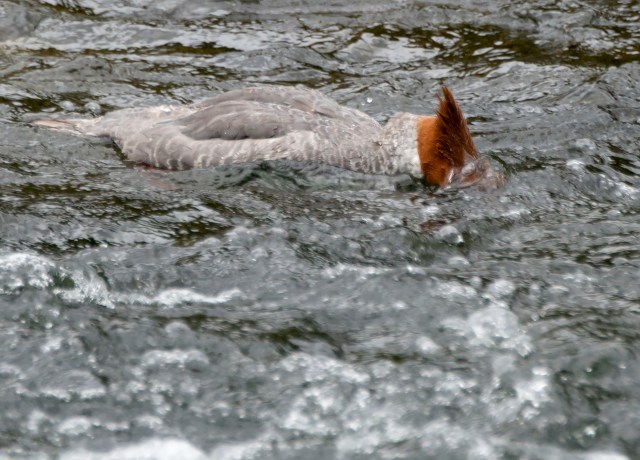
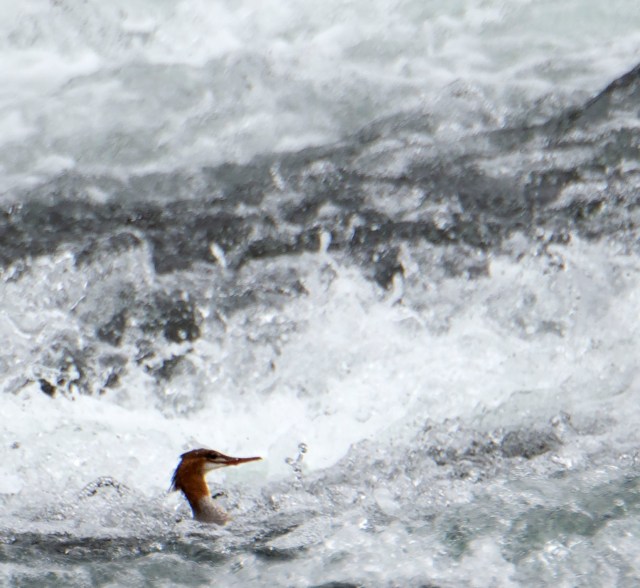
When the water gets rough you can always count on finding Common Mergansers riding the rapids, foraging and having a great time doing it.
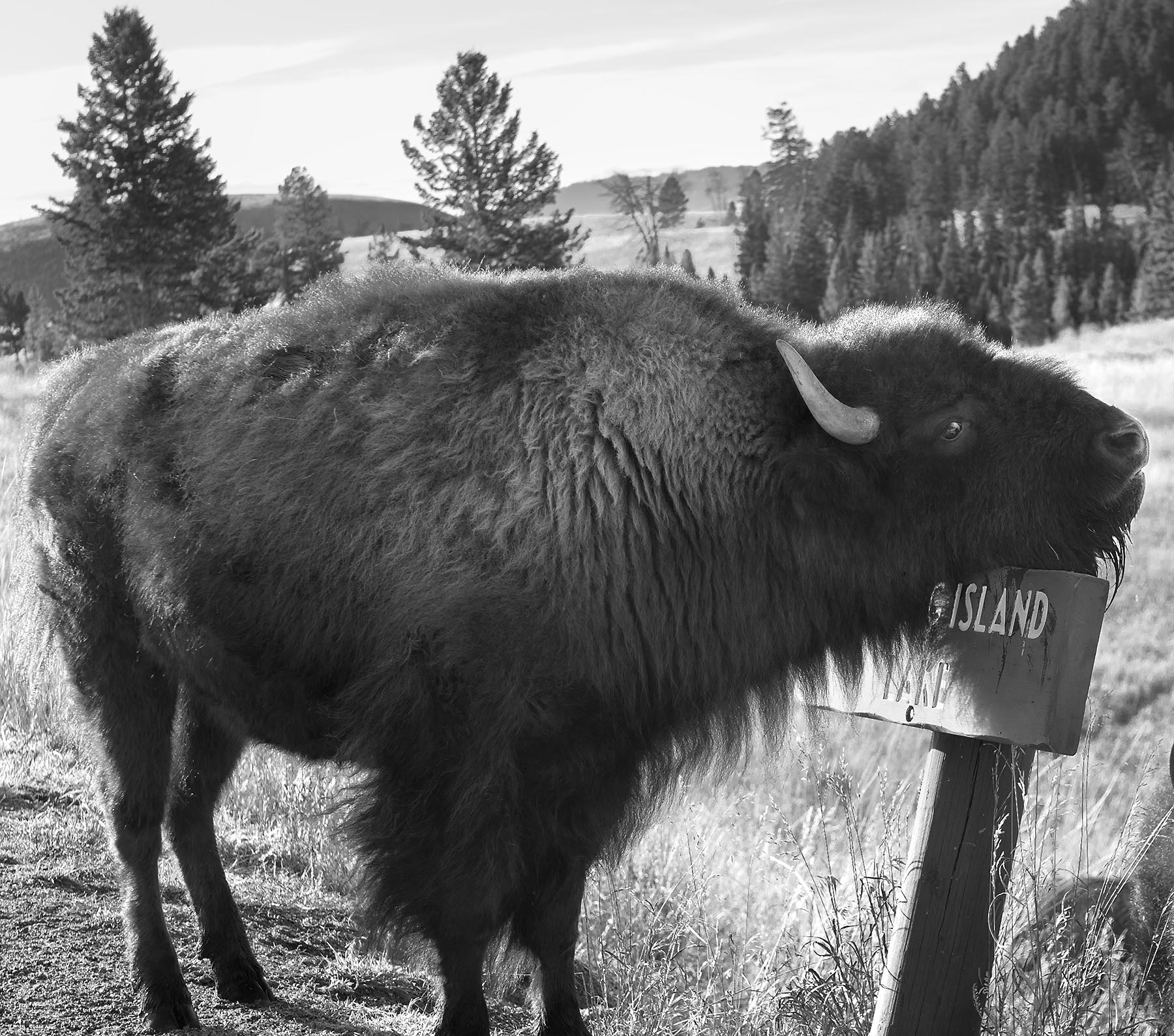
One of Yellowstone National Parks wonderful tour guides pointing out Floating Island Lake in the morning light. A little past due but November 1st was National Bison Day. We sure are lucky to still have these guys walking around free in a few spots on the globe.
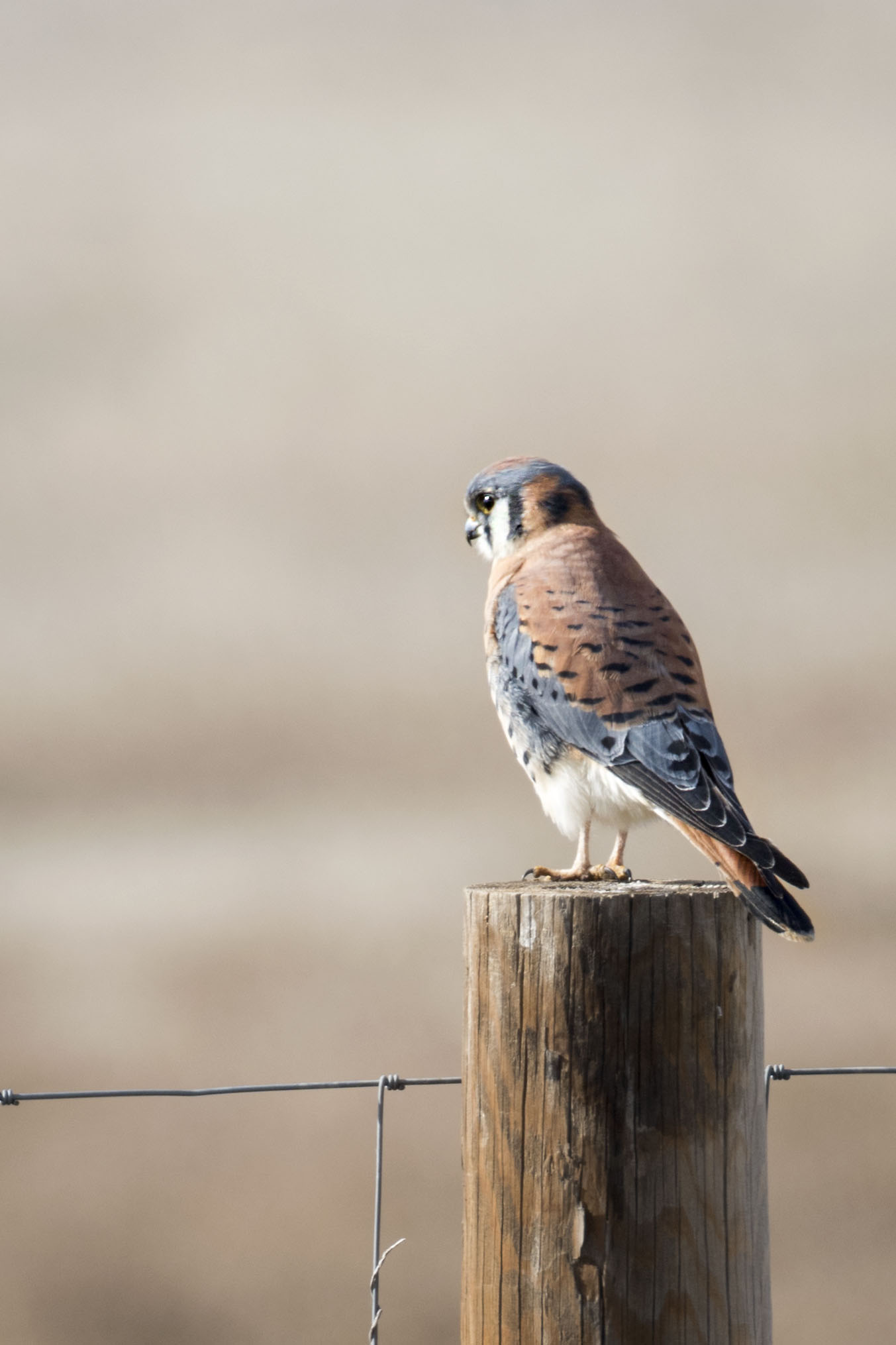
An American Kestrel sat quietly surveying the field on a late November day out in the Rocky Mountain Arsenal National Wildlife Refuge near Denver, CO.
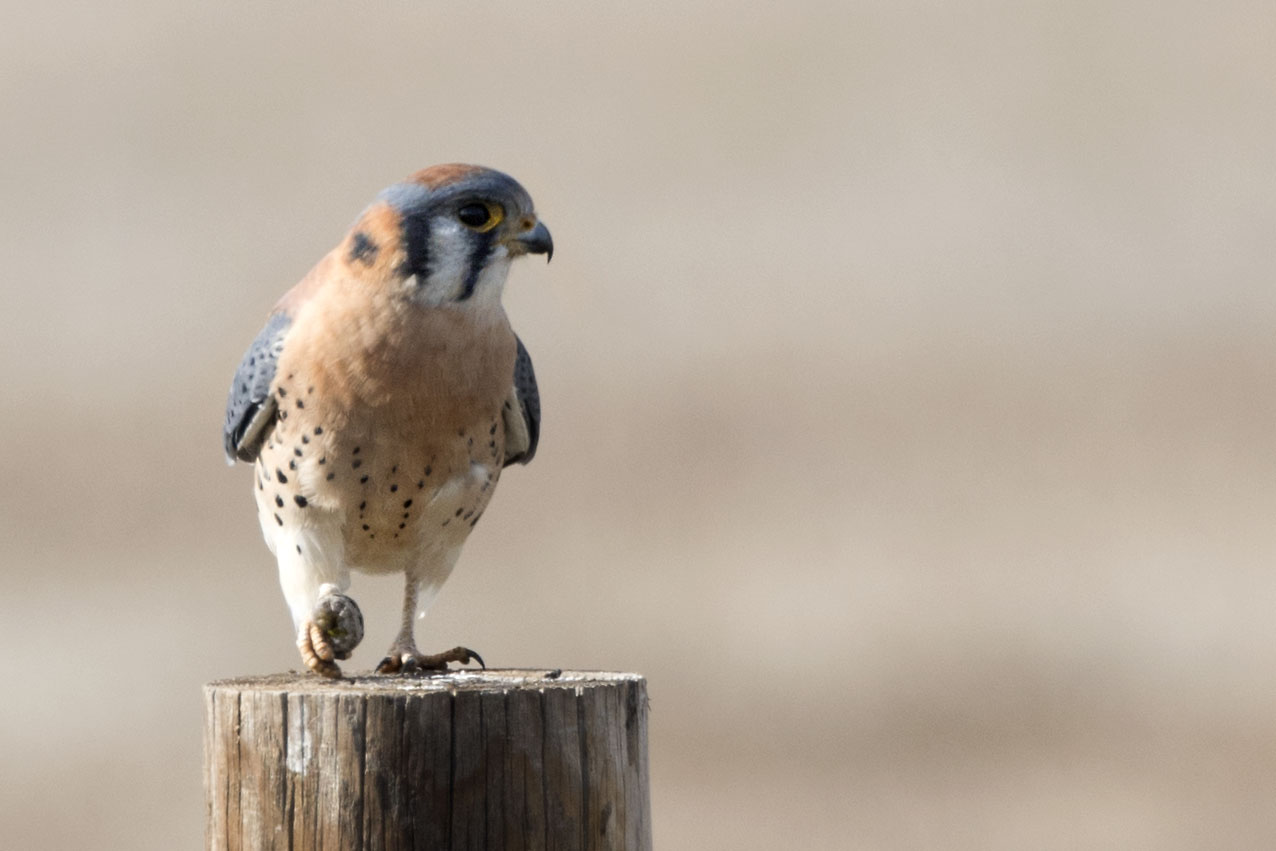
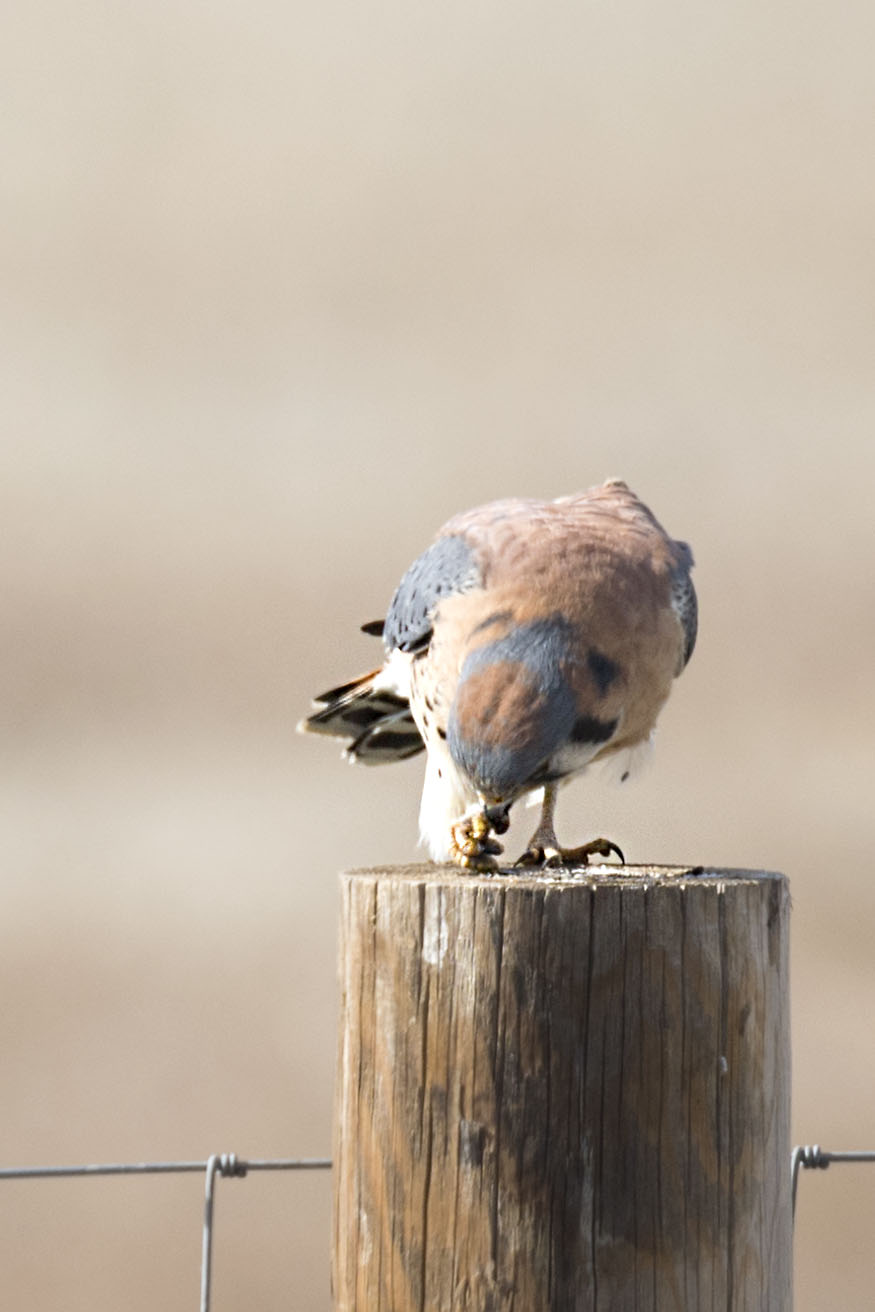
We watched as the Kestrel quickly swooped down into the dried brown fall grass and pulled up small juicy meals which looked to be caterpillars easily held in their toe.

After a few successful hunts from this one fence post the Kestrel glanced back to see how we had liked the show and then flew off down the road to find another hunting spot.
In place where there is still a smidgen of free range we enjoyed observing the Antelope go about their day.
Wishing you a wonderful weekend.
Click photo for slide show.


An interesting new study by V. B. Baliga, I. Szabo, D. L. Altshuler entitled Range of motion in the avian wing is strongly associated with flight behavior and body mass suggests that rather than the shape of a birds wing per se it is the range of motion in the elbow and wrist joints that determine how a bird swims though the air. Some birds glide smoothly like a bald eagle while other can hover like a hummingbird and this paper suggest range of motion in the joint is the key. A interesting read for those who are interested both in biomechanics and evolutionary biology.


You can find a short summary in Science Daily here.
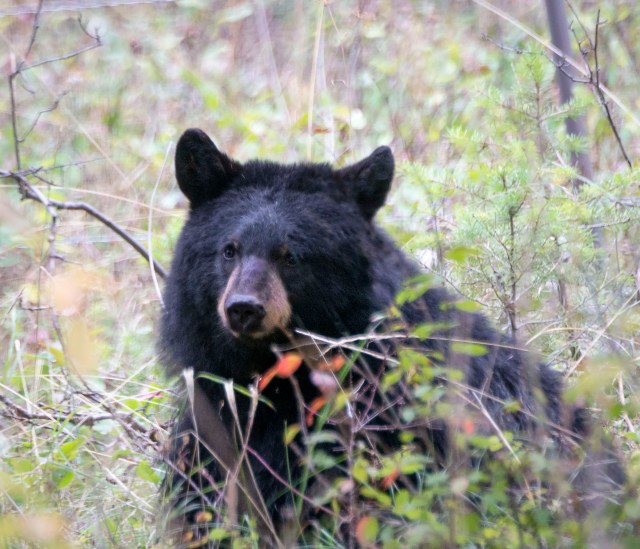
We watched as this little Black bear foraged through the forest nimbley picking Oregon Grape Berries. We did not know Bears ate these little berries but given most of the Choke Cheery bushes had been picked clean this little bear needed to find a few last meals before they retired for the winter and Oregon grape was on the menu that evening.
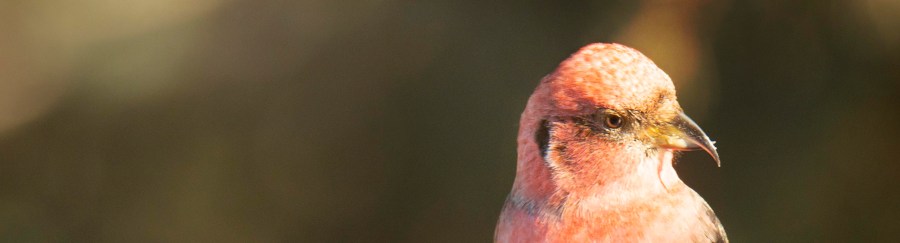
Earlier this fall it was reported that over 3 billion birds or almost 1/3 the bird population has been lost in North America due to human enterprises. A new report from the Audubon Society demonstrates that about 66% of bird species in North America may be threatened with extinction resulting from anthropogenic climate change. The full report can be found here. The findings of this study are bleak to say the least. When you consider the fact that this report only focuses on climate change and does not consider other anthropogenic factors such as habitat destruction, pollution etc. a dark picture of a world with no birds could certainly be painted. Mass extinction events like the one we are in typically don’t end well for most species humans included. The report indicates that if we take action ASAP to reduce the rate and extent of warming there may be a ray of hope. How do you feel about living in a world without birds?
Click photo for slide show.


 nature has no boss
You must be logged in to post a comment.