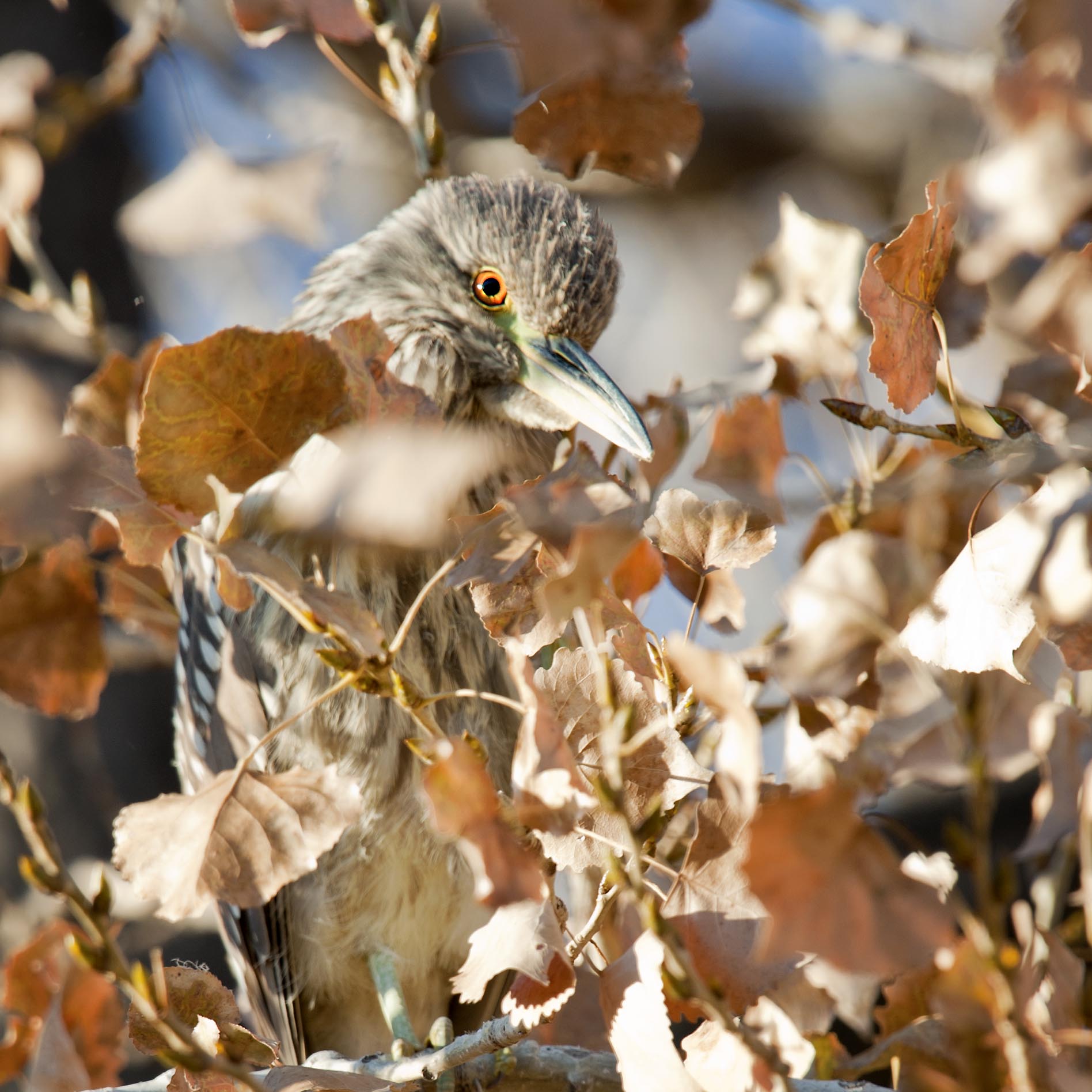
A juvenille Black Crowned Night Heron is taking a break from his fishing but still keeping an eye on the water below while perched in an old cottonwood tree along clear creek in Denver, CO. He sure looks good wrapped in those fall colors.
A juvenille Black Crowned Night Heron is taking a break from his fishing but still keeping an eye on the water below while perched in an old cottonwood tree along clear creek in Denver, CO. He sure looks good wrapped in those fall colors.
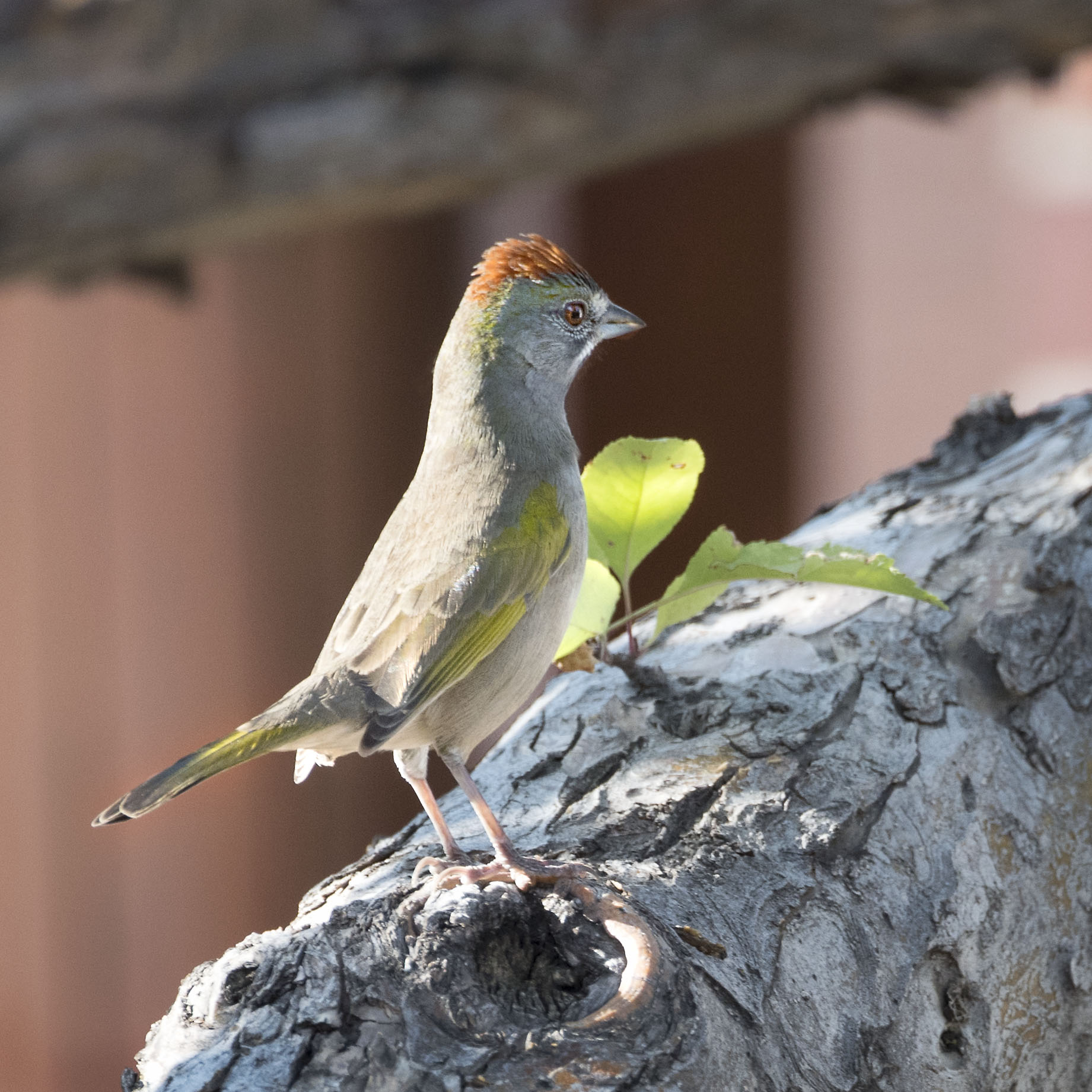
The Green Tailed Towhee spends most of its time in dense low thickets, where it forages on the ground. Like other towhees, it scratches in the leaf-litter with both feet as it searches for food. It is somewhat secretive and difficult to see so we were thrilled to get a quick glimpse at this bird when it quickly flew from a berry thicket and landed on this tree for a few seconds.
https://www.allaboutbirds.org/guide/Green-tailed_Towhee/id
http://www.audubon.org/field-guide/bird/green-tailed-towhee
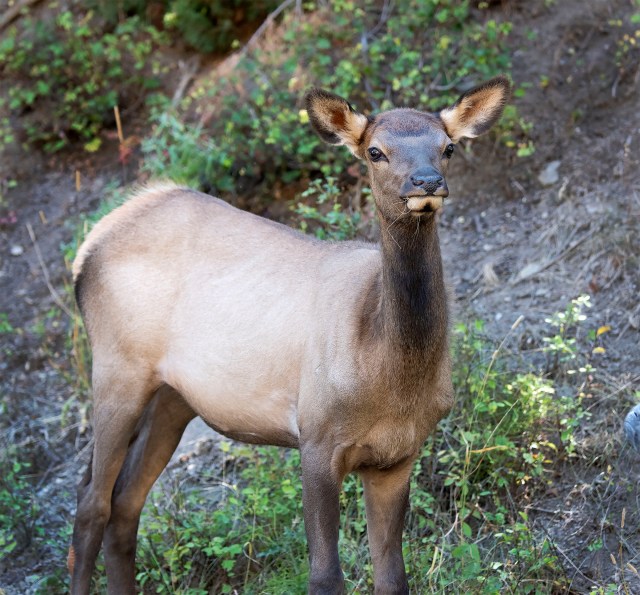
These kids made it through kindergarten and are now on to first grade. Elk and mule deer that were only Fawns and calves just a short time ago are heading into winter as the first snows have hit the ground.
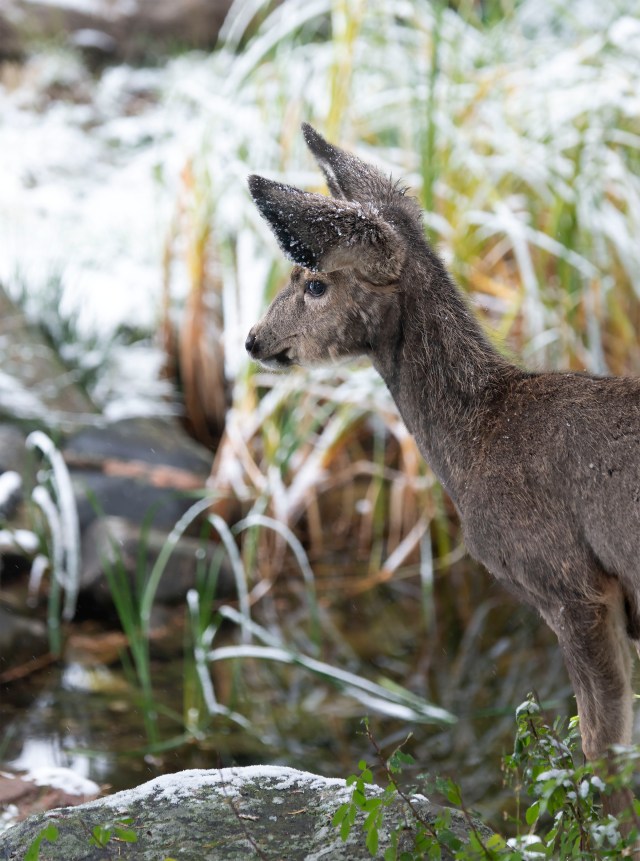
A young mule deer wondering what this white stuff is all about.
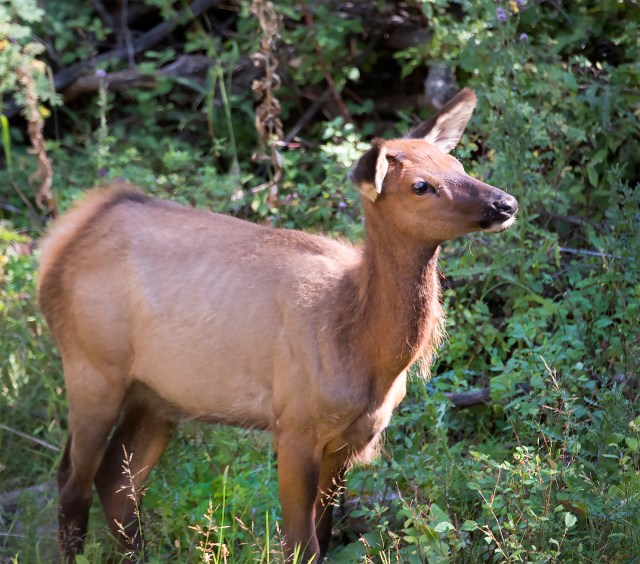
An elk calf ponders their next move just a short time ago when the plants still were rich with green.
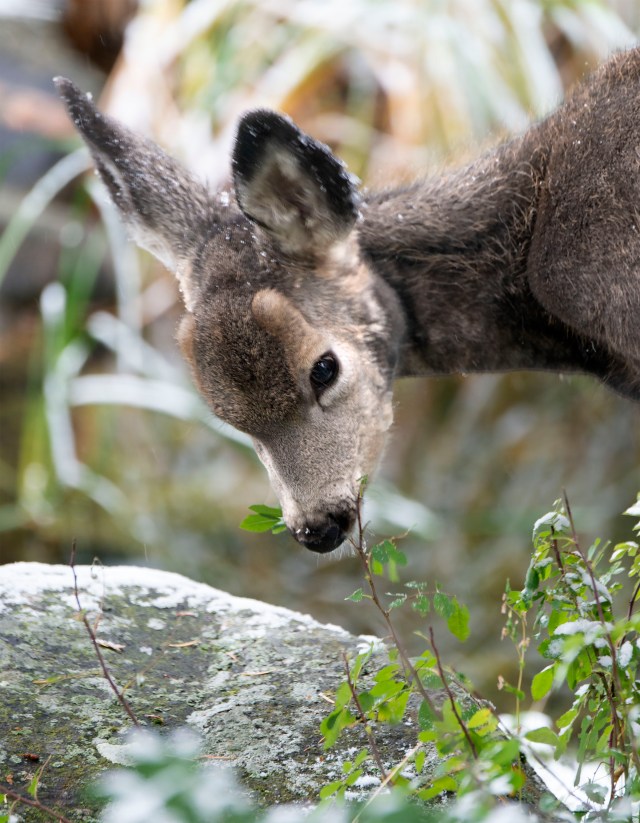
Perhaps a few leaves from this wild rose will do.
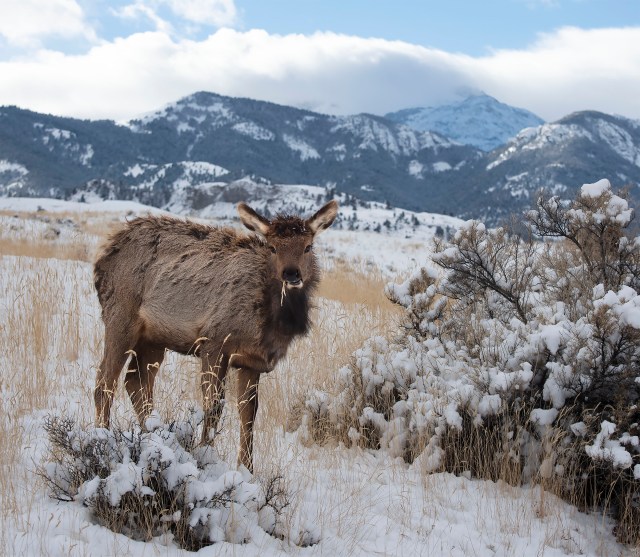
Good luck kids and we hope you make it to second grade next spring.
Happy weekend to all.
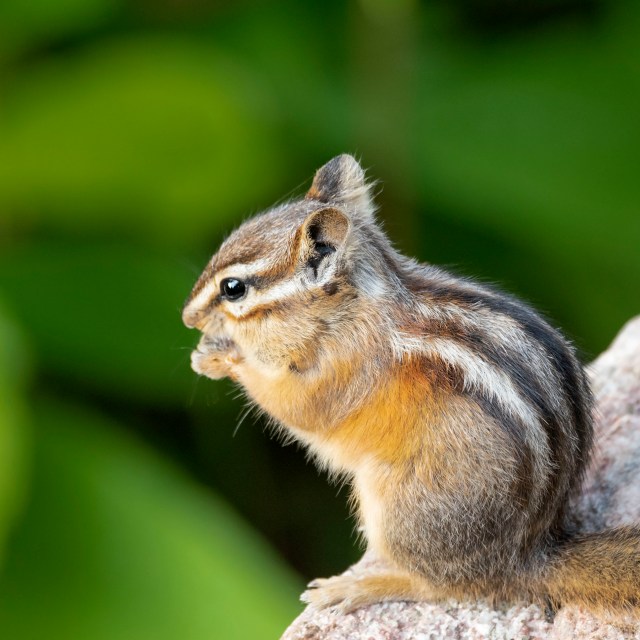
This year Chippy was a constant companion around the yard. Darting back and forth and to and fro collecting morsels to munch on and them finding the perfect perch to munch them on. We don’t see much of this guy as the temperatures cool and the flakes begin to fly so one last look was in order.
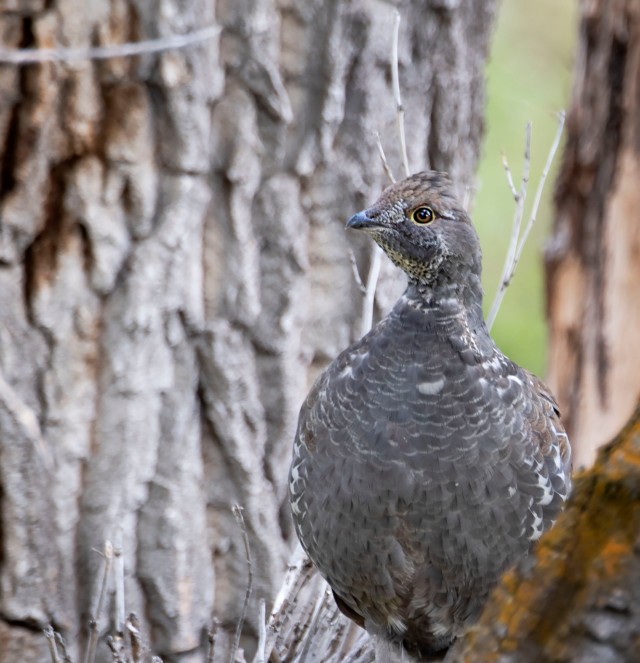
A Dusky Grouse keeping quiet while waiting for us to move along as we walked through the cottonwood trees in the creek bed. Seeing these birds move through the dry leaves and into the cottonwood trees with colors so similar to their own just makes a fall day feel…just like fall.
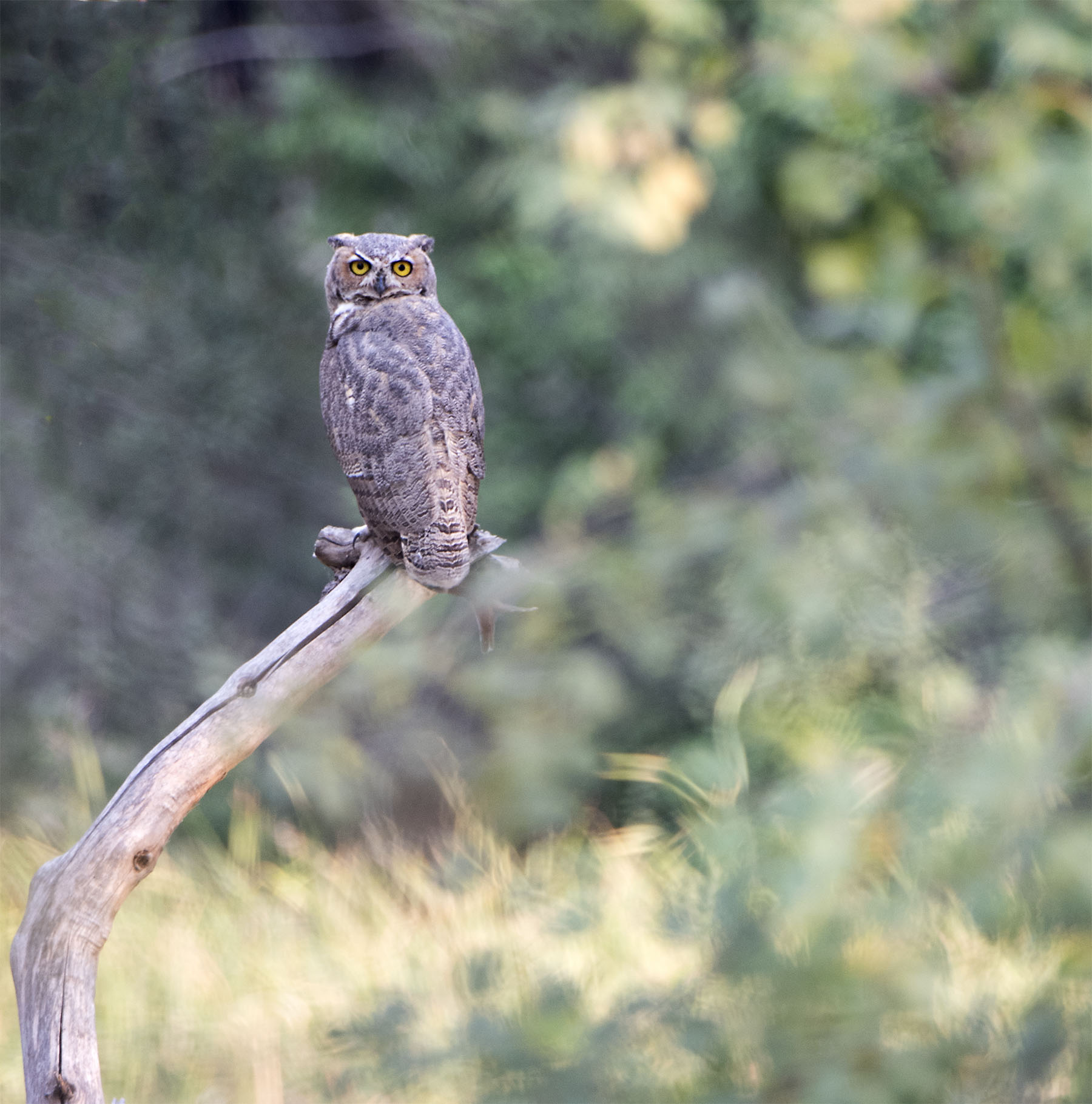
Quietly perched and giving us the 180 degree head turn like only an owl can give a Great Horned Owl waits in the early evening light for their day to begin.
Happy hunting to the owl and have a great weekend to all.
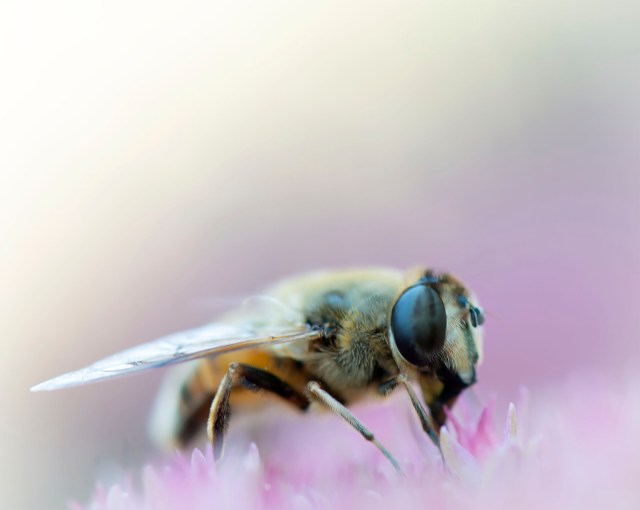
It is always a surprise when we look closely and find a flies eyes attached to what we thought was a bees body. Using Batesian mimicry to look like a bee when your really a fly a bee-fly mimic and yellow-jacket mmimic enjoy a sip of nectar from a late blooming sedum plant.
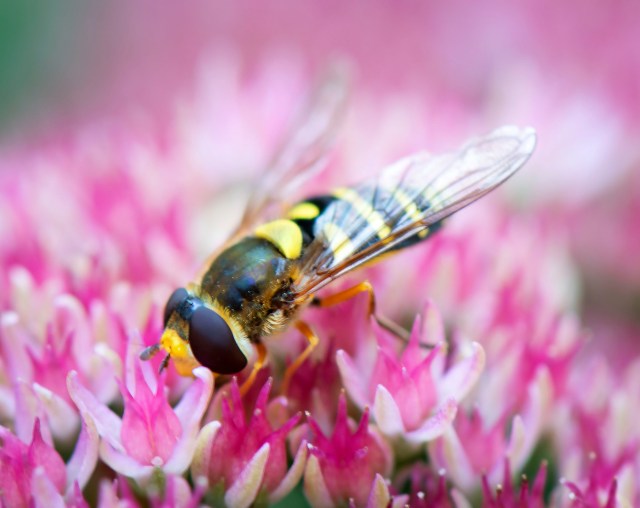
It is always a surprise and reason to take a closer look at the insects in the garden.
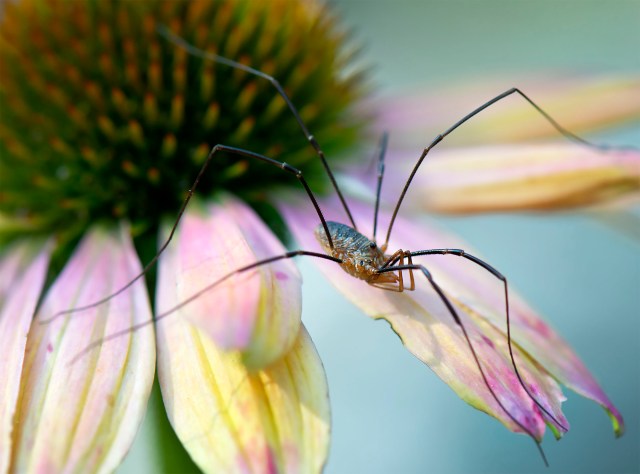
Hey daddy-o what’s up?
Just hanging out enjoying the flowers in the garden.
Given the huge number of species might explain why we see them running about everywhere in the yard and often in the house all the time.

Despite the fact that mornings are starting to dip below freezing, this little guy is still hanging in there and looking quite comfortable with his antennae blowing in the breeze on a colorful fall morning.

Looking not the least bit scruffy at all with clean beak and perfect feathers. This was one well kept Raven who was more than willing to pose for a a few photos as they enjoyed a sunny perch on a crisp autumn afternoon.
 nature has no boss
You must be logged in to post a comment.