Margay

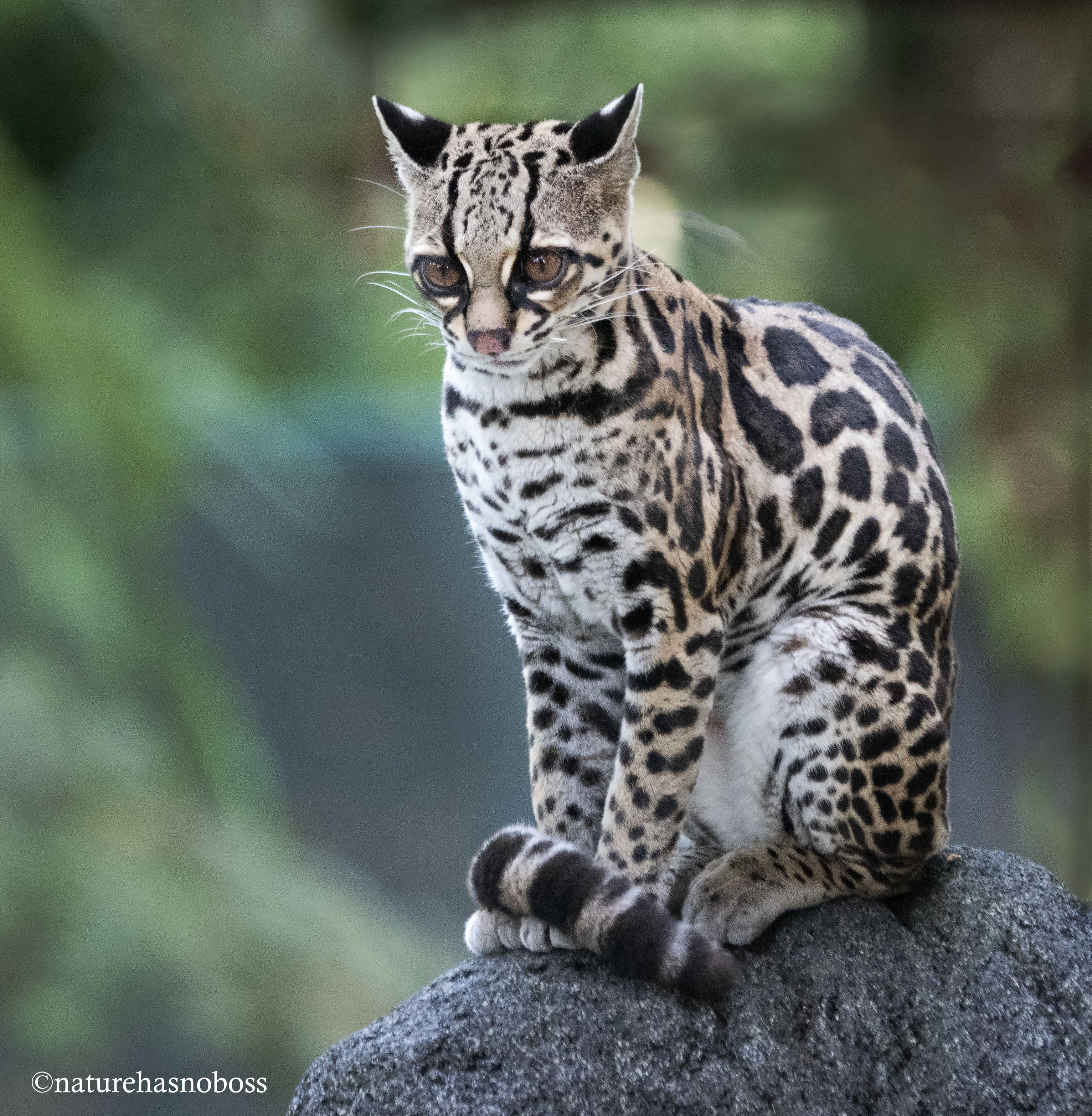
The Margay is small wild cat that inhabits much of Central and northern South America. It resembles an ocelot although smaller but with longer legs, tail and larger eyes. A skilled climber the Margay is capable of hunting in the tress. Although it’s range is now strictly limited to Central and South America the fossil record indicates it, or a close relative, was resident in Southern United States at one time.

This beautiful cat sat perched upon a rock at the forests edge and was quite a surprise to see.

A few fine fishermen

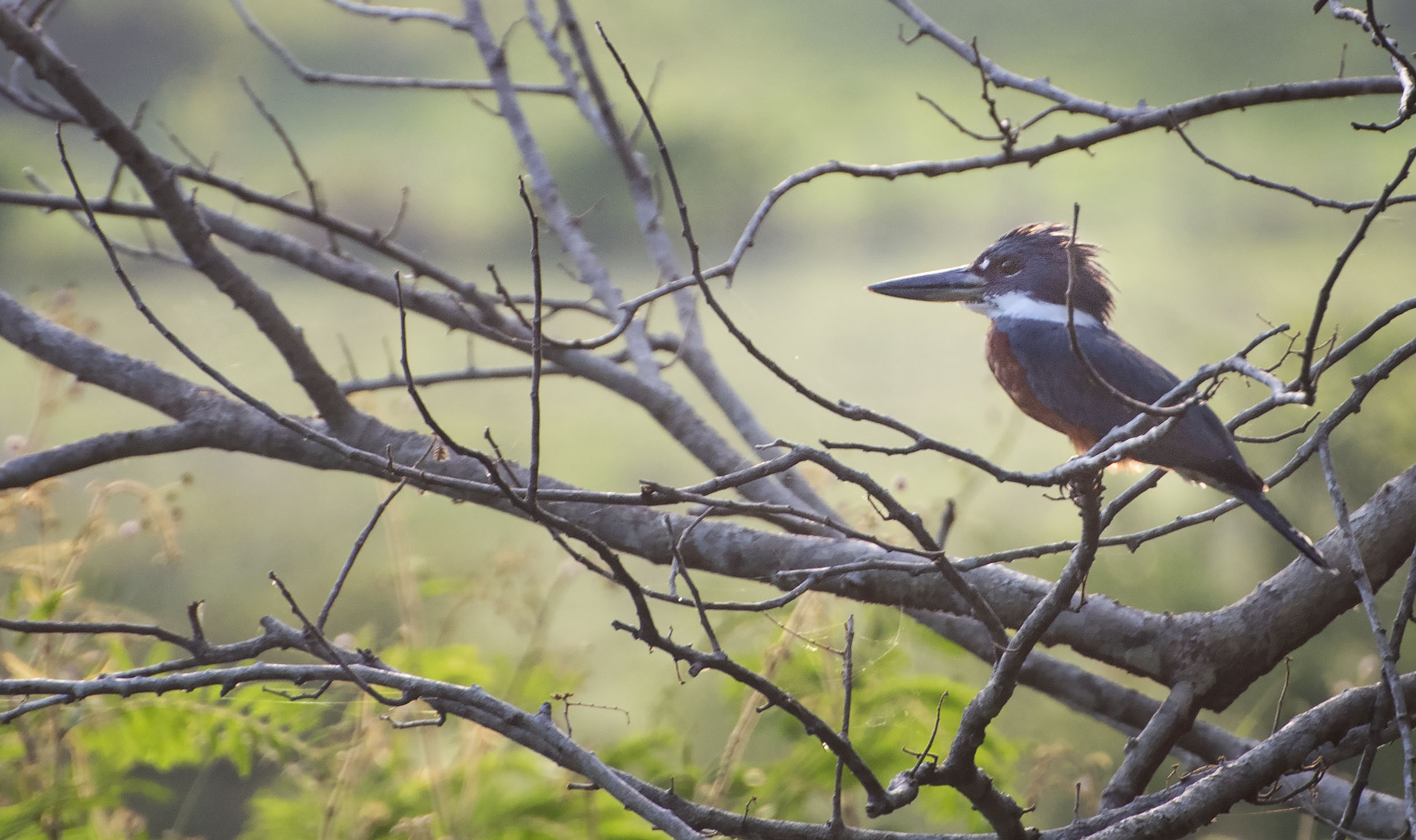
A couple of fine fishermen, just hanging out, doing what fine fishermen do. Waiting patiently and strike when the time is right. Above is the Ringed Kingfisher which is the largest species of Kingfisher in the Americas measuring about 16 inches making it about 2-3 inches larger than the similar looking Belted Kingfisher. The Ringed Kingfisher has gradually expended their habitat Northwards and now can be commonly seen along the lower Rio Grande in Texas.

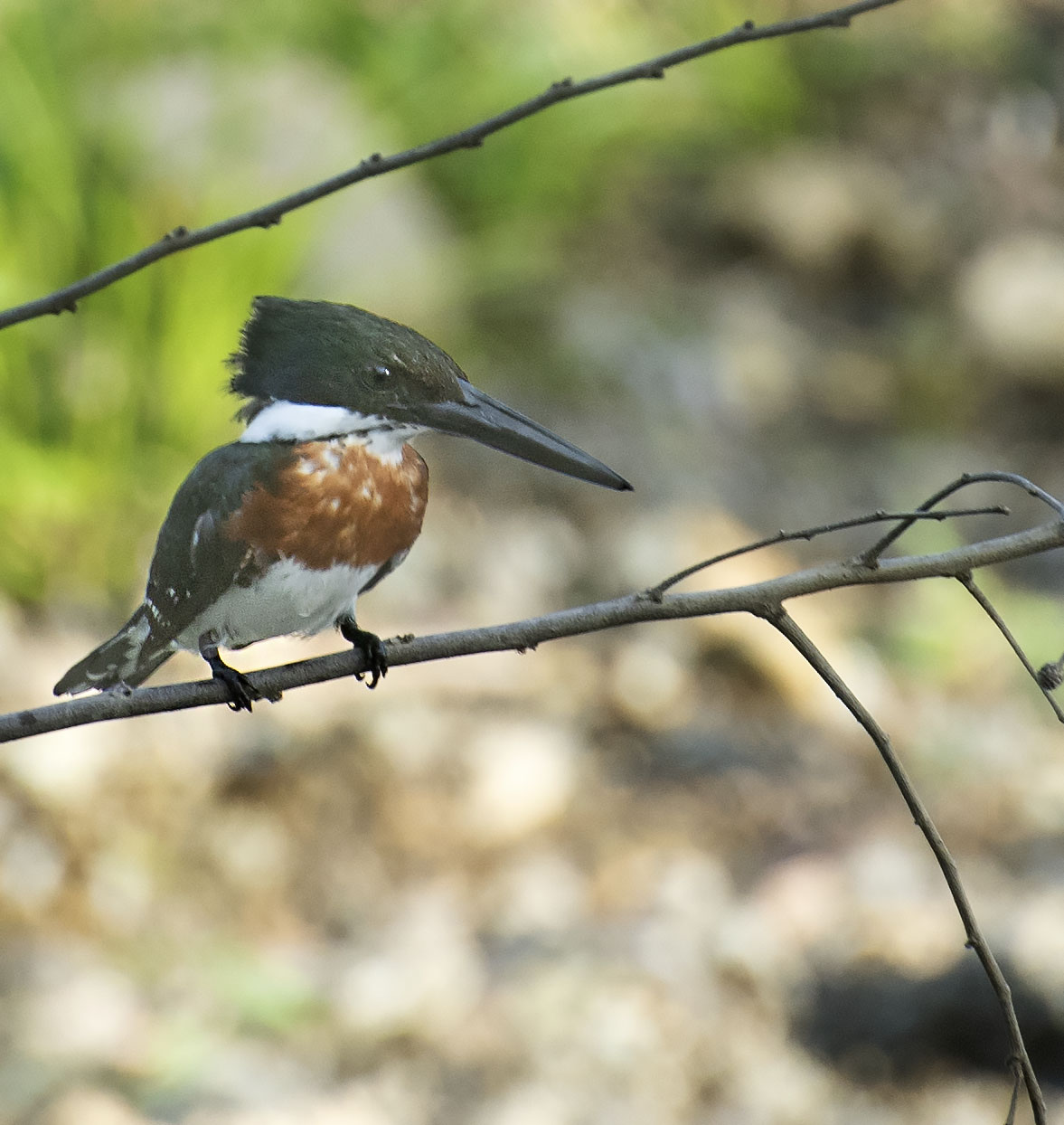
Another fine fisherman is the relatively small Green Kingfisher which is less than half the size of the Ringed Kingfisher photographed above. Unlike the Ringed Kingfisher the Green Kingfisher number may be on the decline as stream habitat is decreasing. A small bird with a large bill to say the least.

Black-bellied Hummingbirds

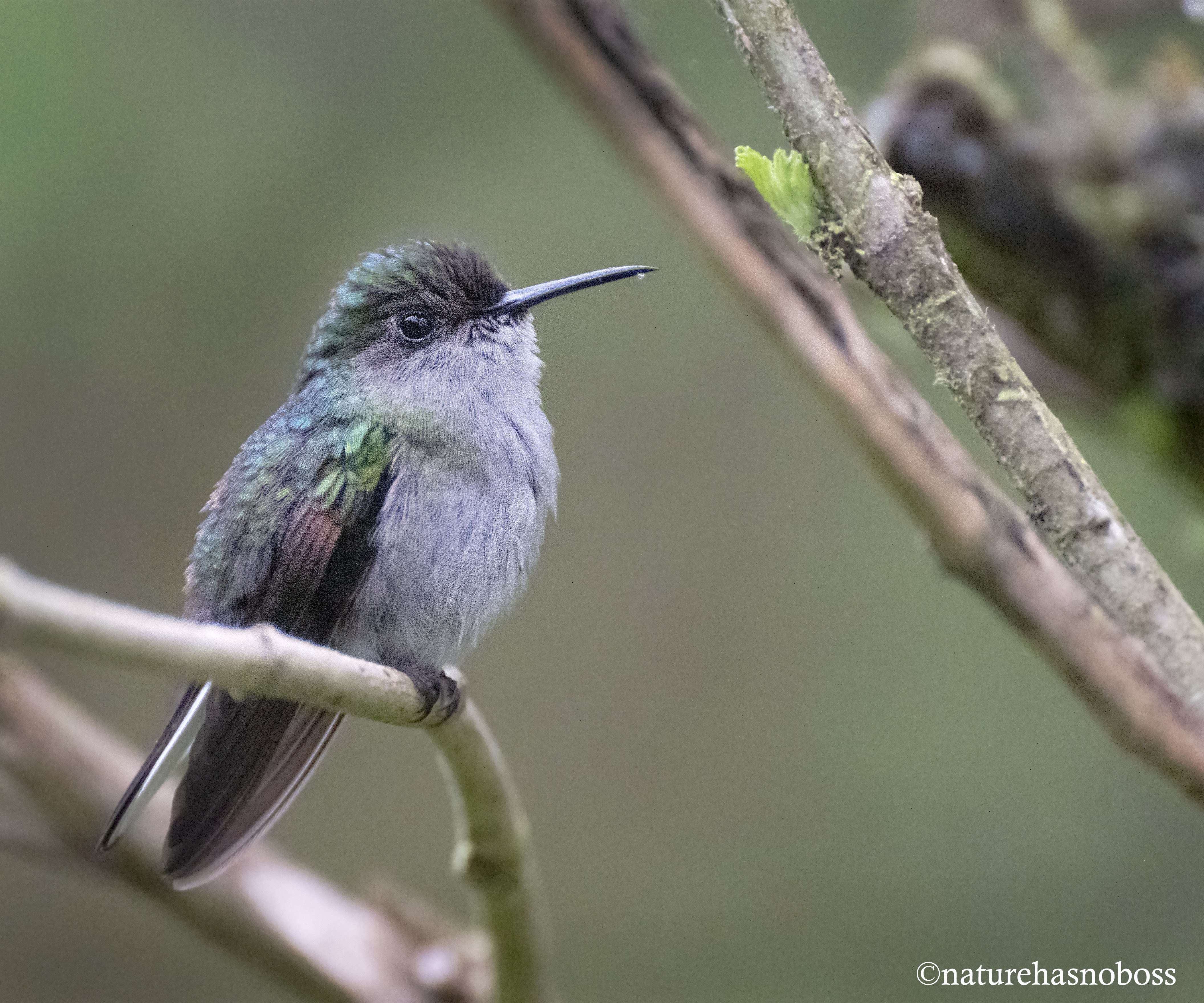
In this corner weighing in at 3.5 grams and a diminutive 7-8 centimeters in length is the Black-bellied Hummingbird. The female (above) lacks the distinctive black plumage that gives this Hummingbird it’s name. Black-bellied Hummingbirds are found in humid montane forests in Central America with males spending most of their time foraging in epiphytes in canopy whereas females are more frequently found along forest edges and garden clearings.

A male Black-bellied Hummingbird all puffed up on a cool morning.

Reference:

Schulenberg, T. S. and C. W. Sedgwick (2020). Black-bellied Hummingbird (Eupherusa nigriventris), version 1.0. In Birds of the World (T. S. Schulenberg, Editor). Cornell Lab of Ornithology, Ithaca, NY, USA. https://doi.org/10.2173/bow.blbhum1.01

White-necked Puffbird

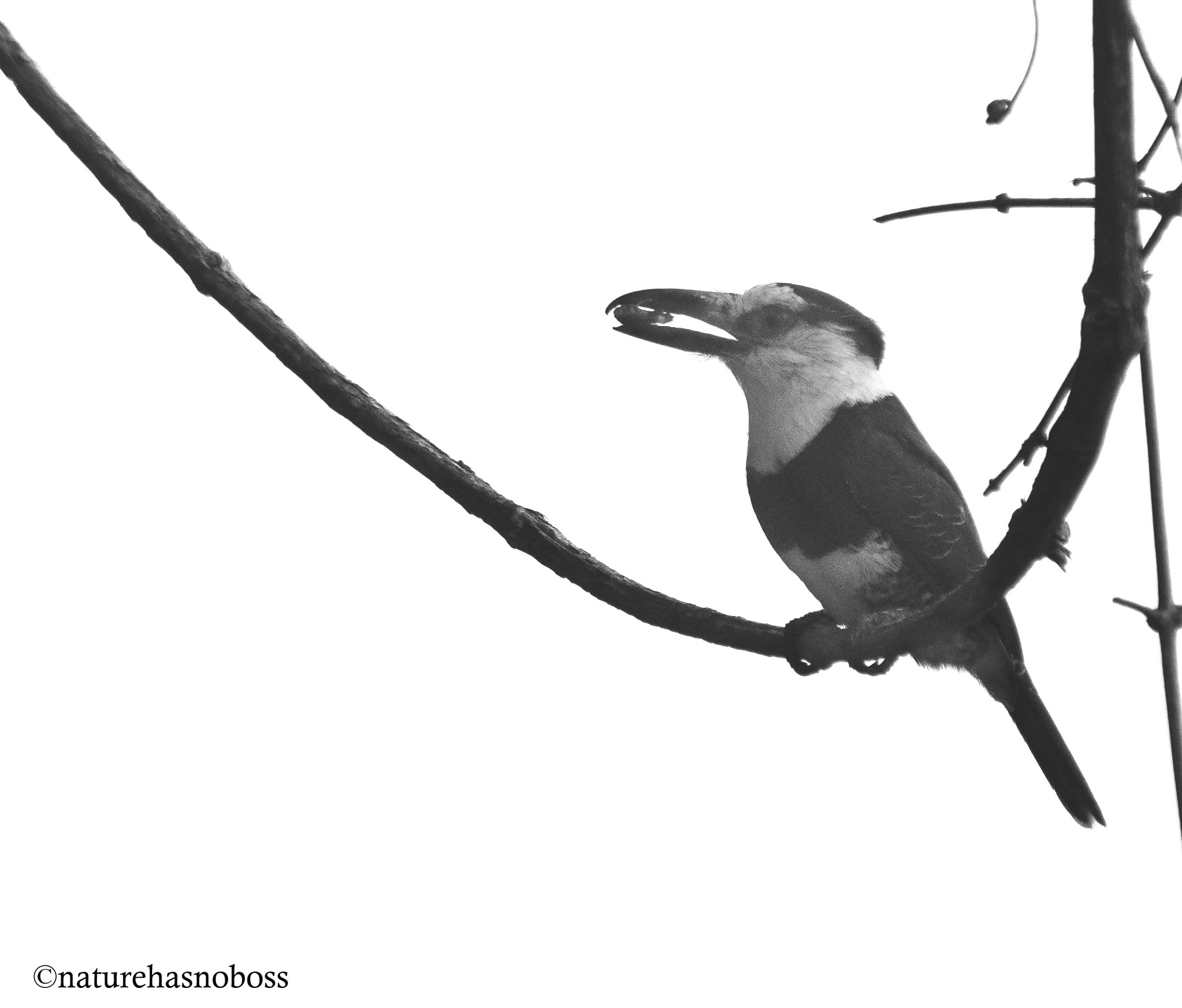
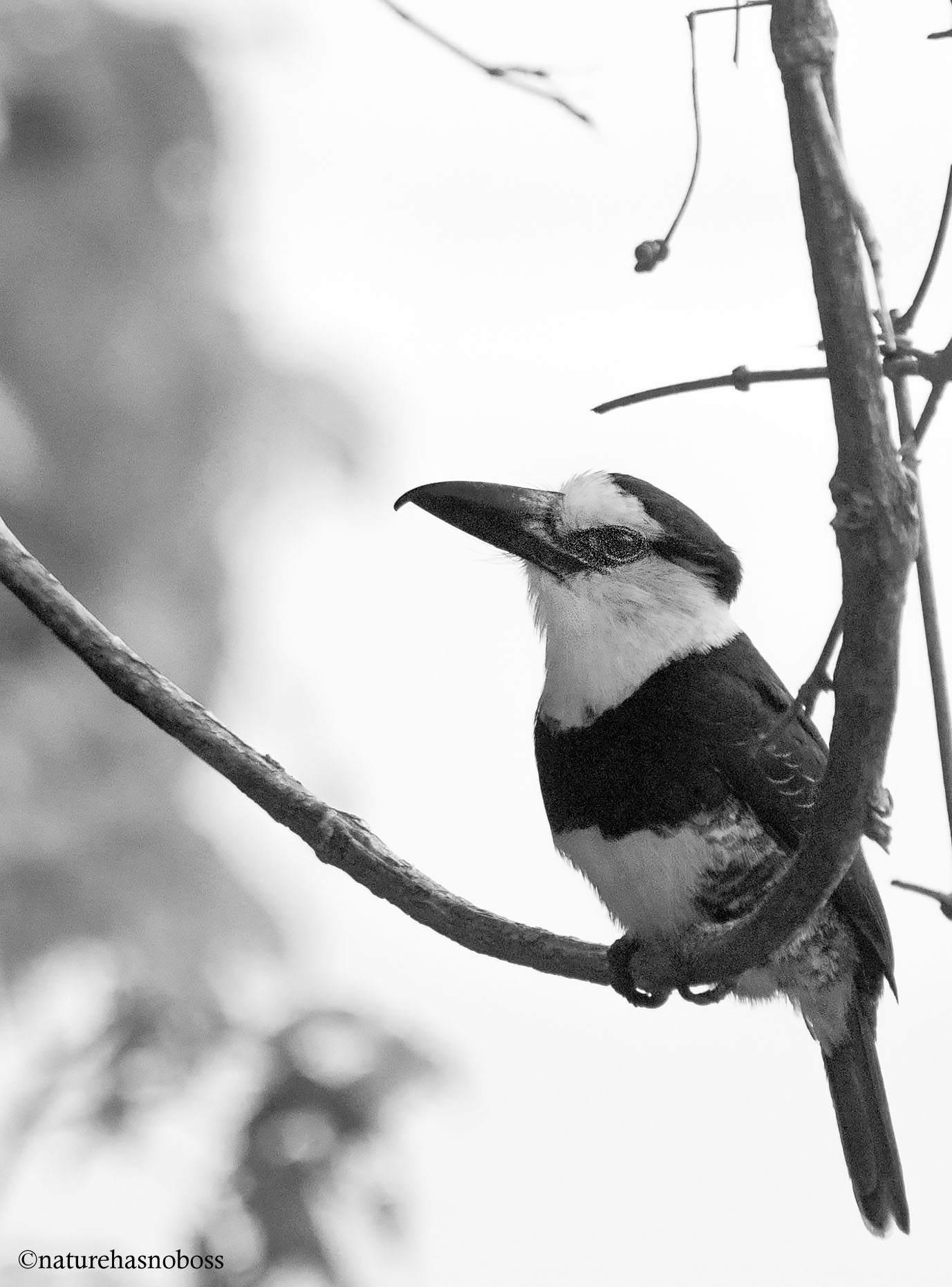
The White-necked Puffbird is one of the largest puffbirds to roam the forests from Southern Mexico all the way to Amazonia. While the White-necked Puffbird can be found from ground level to the top of the forest canopy it is more frequently found in the canopies making it more often seen than heard. The White-necked Puffbird forages mainly on insects although they will take both vegetable matter from time to time.

This bird was perched in the forest canopy and sallying out to forage. It was a very gray day and good light was not to be found but we had a good time trying to capture a photo or two of this interesting bird.

Reference:

del Hoyo, J., N. Collar, and G. M. Kirwan (2020). White-necked Puffbird (Notharchus hyperrhynchus), version 1.0. In Birds of the World (J. del Hoyo, A. Elliott, J. Sargatal, D. A. Christie, and E. de Juana, Editors). Cornell Lab of Ornithology, Ithaca, NY, USA. https://doi.org/10.2173/bow.whnpuf2.01

More Dried Fruit

dried_fruit_2

dried_fruit_3

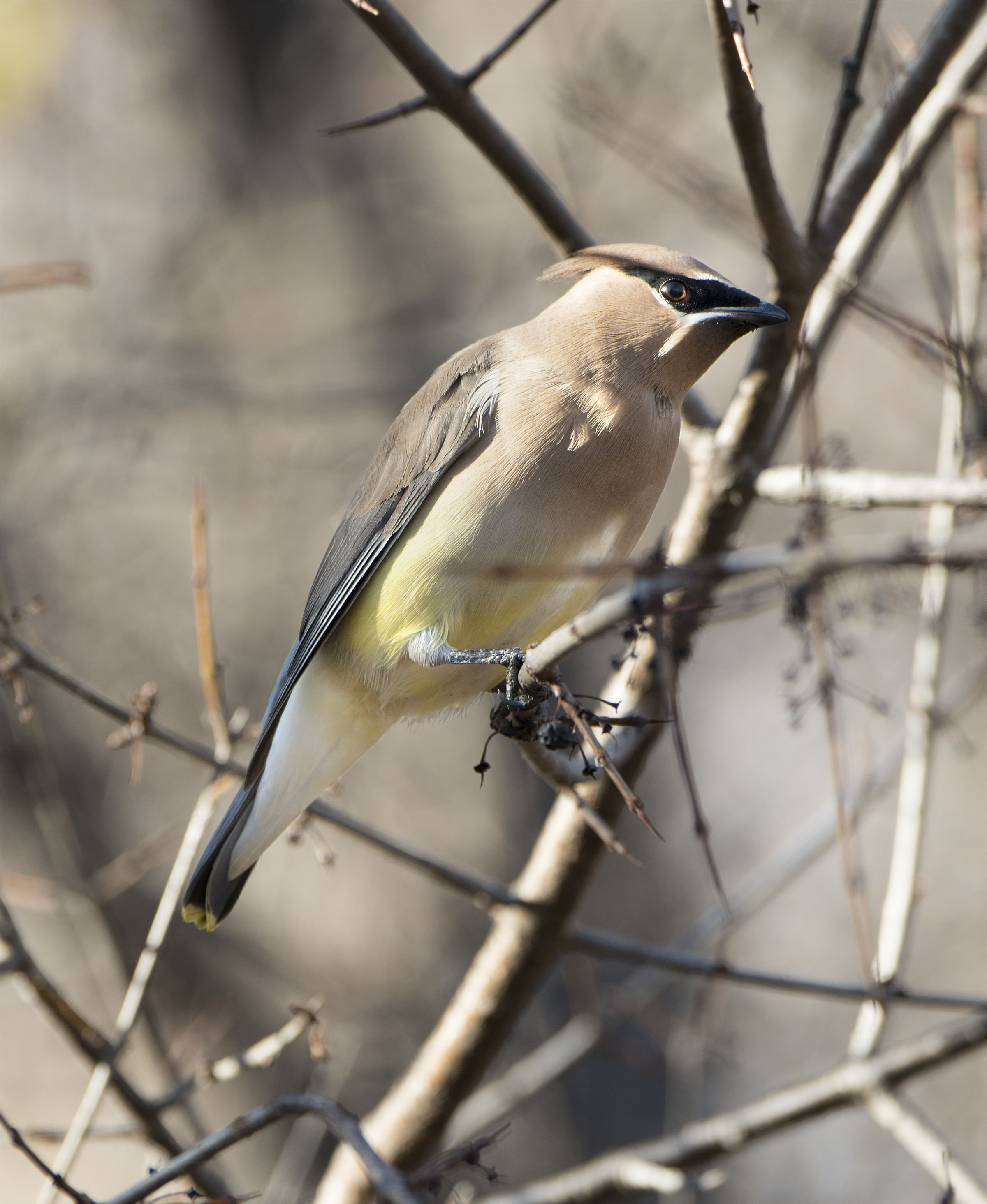
Cedar Waxwings picking over the same patch of dried berries that the Robins found appealing in yesterdays post. We only see the Waxwings for a week each year and only in the fall. This year they were right on schedule and arrived sometime during the last week of November and had departed by last weekends walk through the woods.