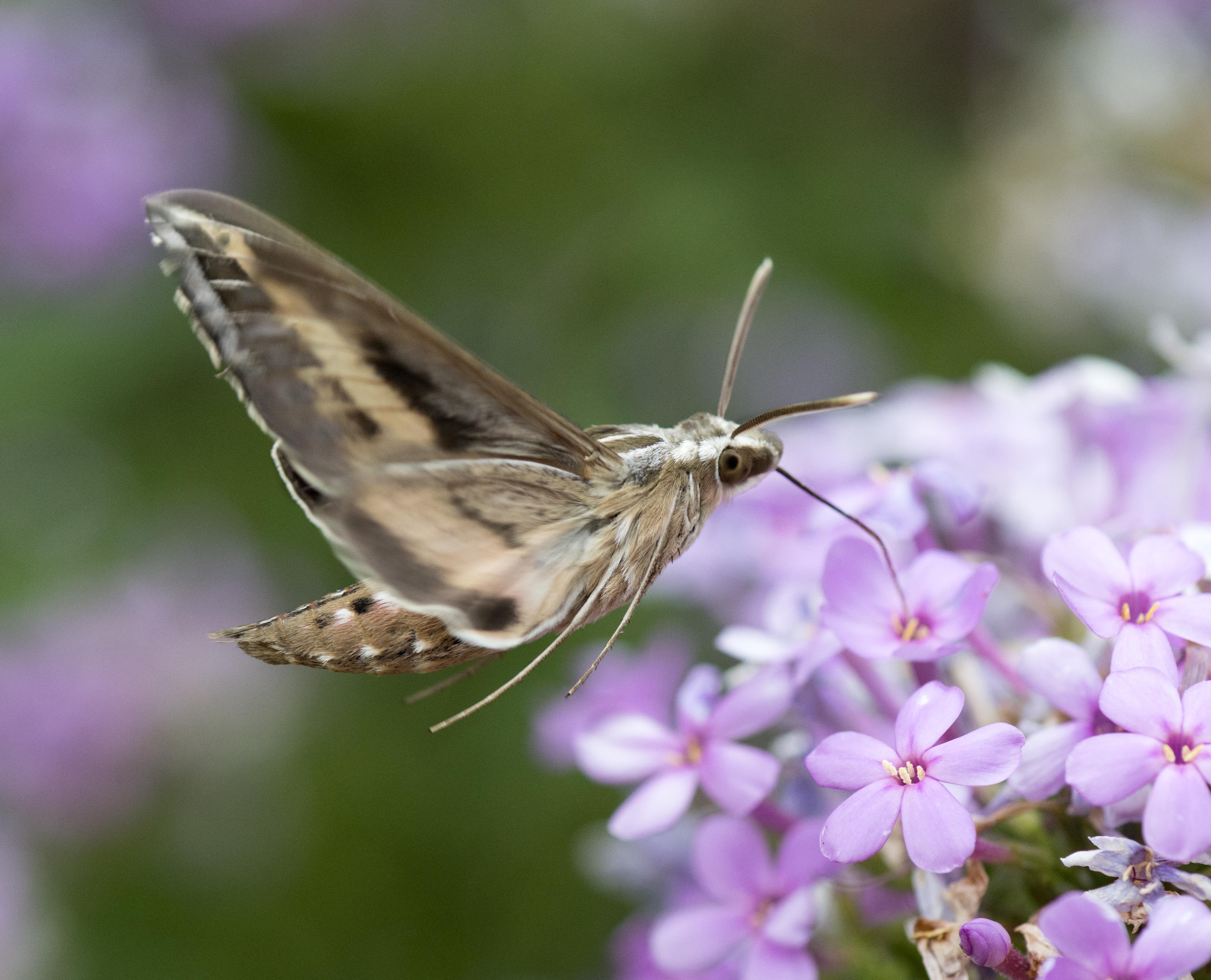
Well almost as big as a small hummingbird. A White Lined Sphinx Moth working it’s way around the flowers for a quick sip of nectar. The length of that tongue is amazing.
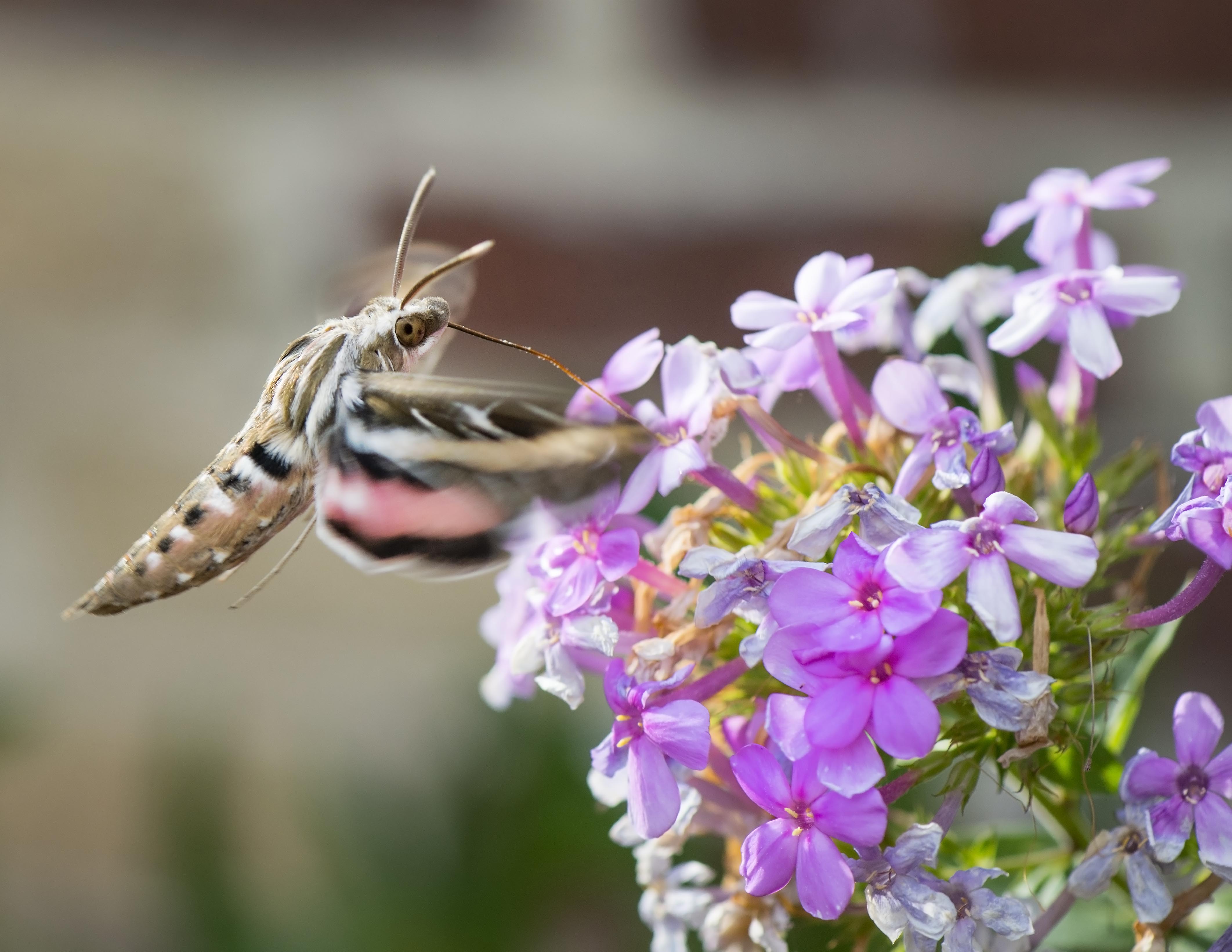
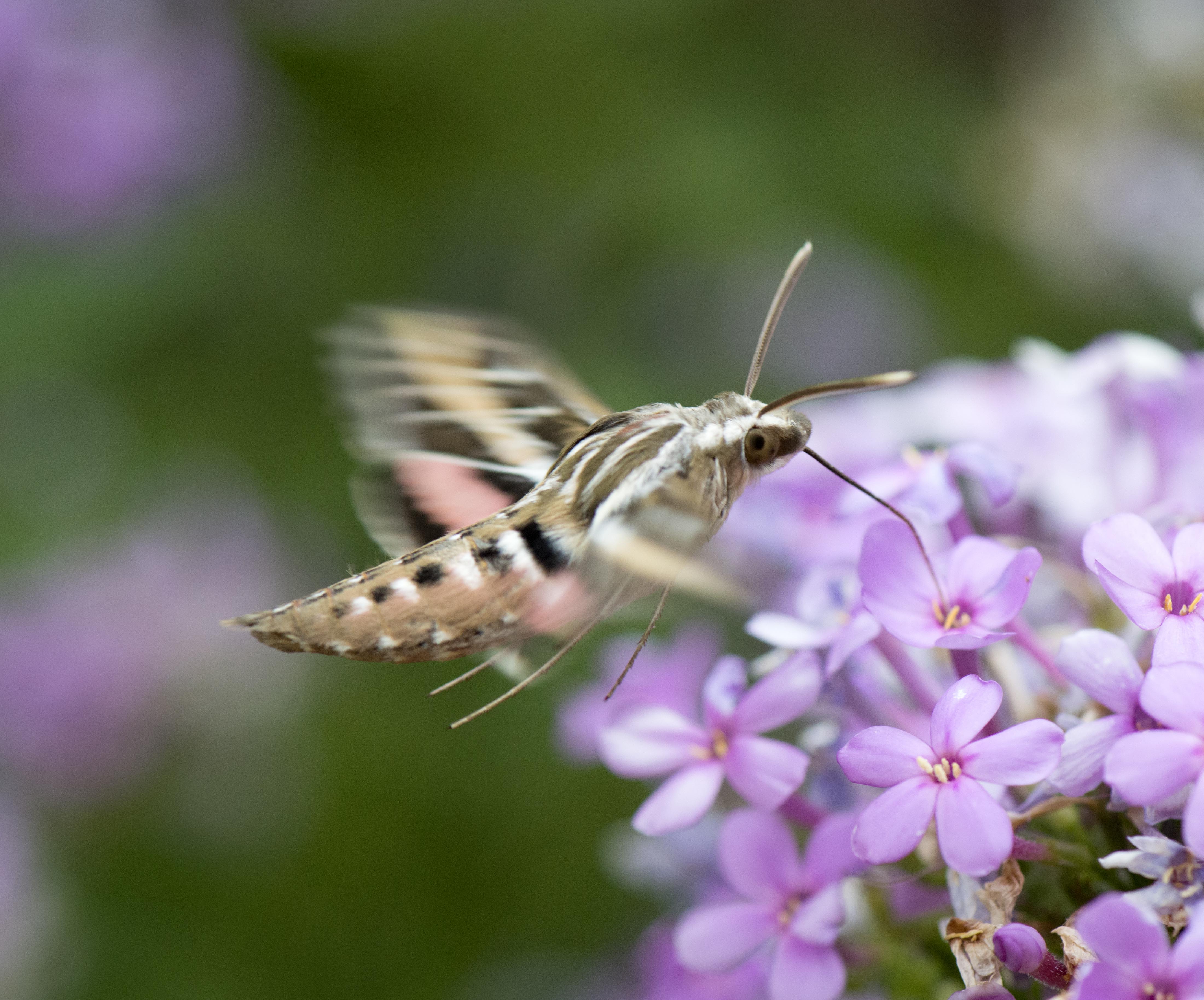
Well almost as big as a small hummingbird. A White Lined Sphinx Moth working it’s way around the flowers for a quick sip of nectar. The length of that tongue is amazing.
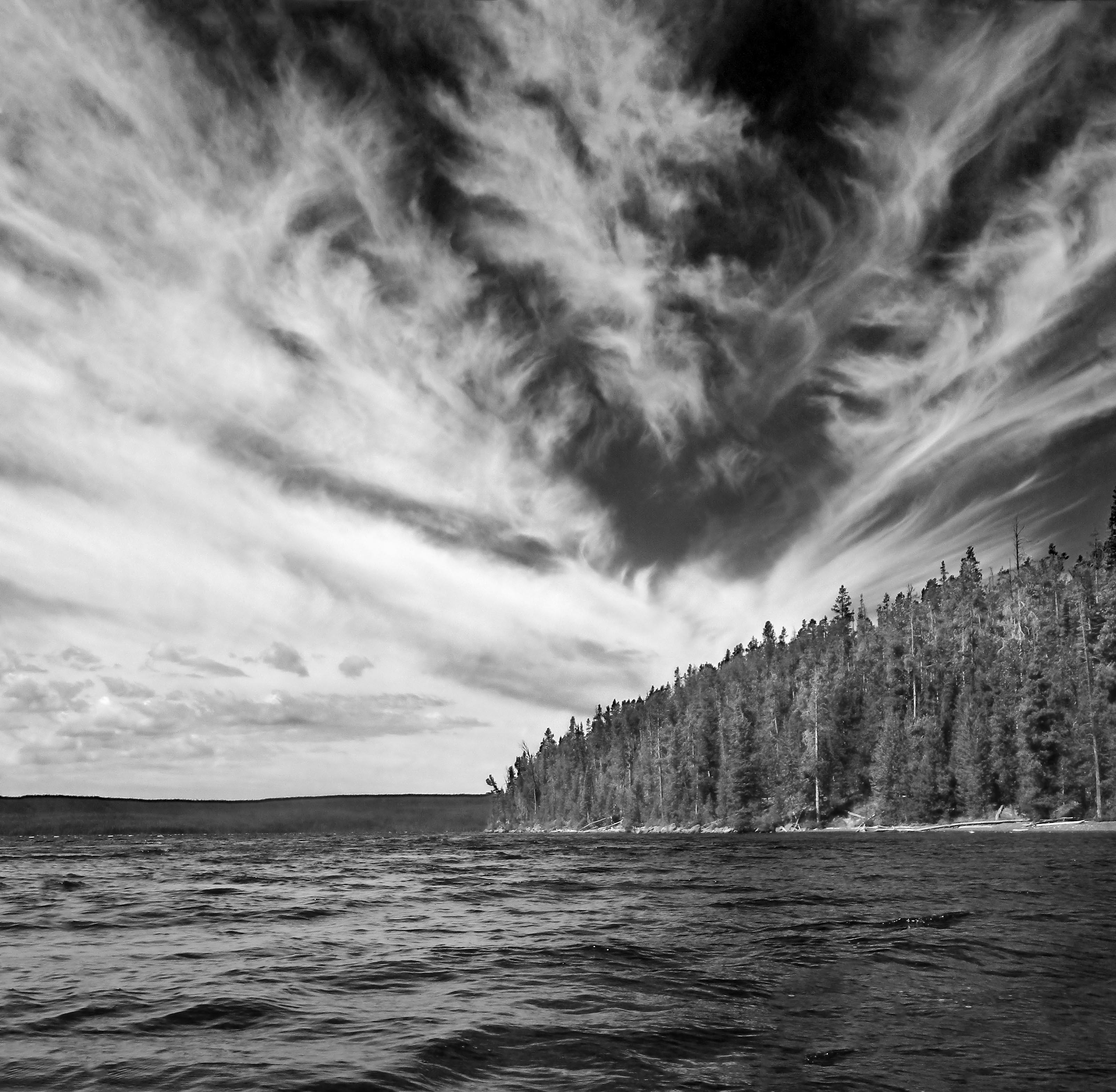
The clouds got interesting, as well as the waves, when the afternoon breeze kicked up. Photographed while kayaking on Shoshone Lake in Yellowstone NP.
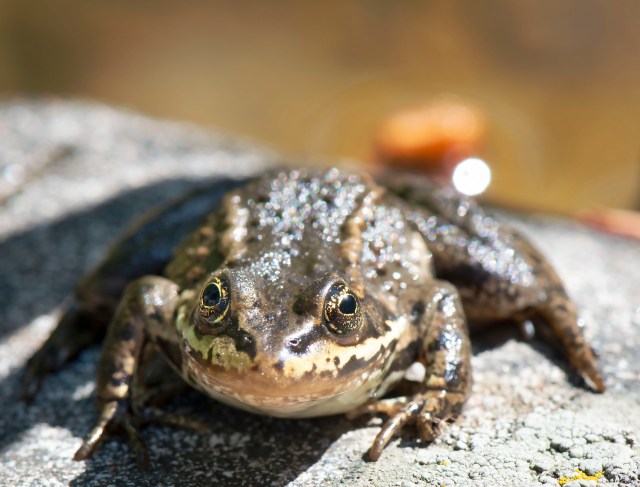
Frogs and Toads along the edge of the pond. Us looking at them. Them looking at us.
On that day we walked along the edge and counted eight frogs looking up enjoying an summer day. This little guy was especially curious and we spent a bit of time staring into each others eyes.
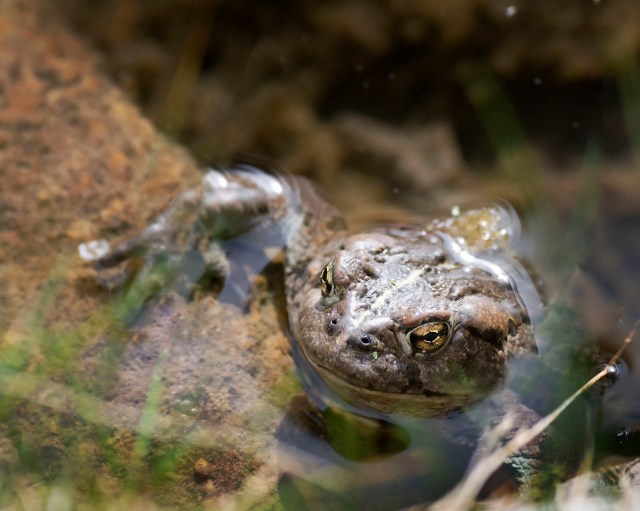
Next we came upon this Western Toad looking a bit cranky so just a quick hello and we moved along the edge until we came upon another toad.
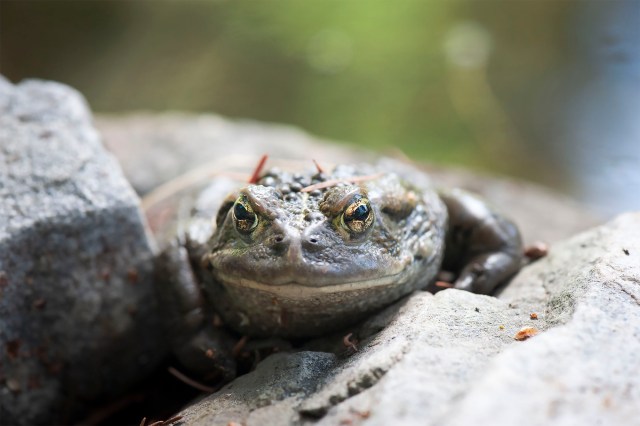
This guys was a bit less cranky but still with that full toad personality on display…”leave me alone I’m catching bugs can’t you see. ”
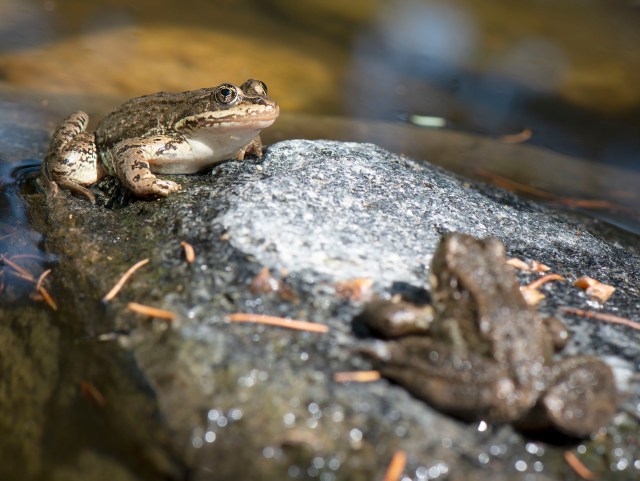
And we weren’t the only ones staring at the wildlife that day as these two little frogs were having quite a stare down upon a small rock.
Happy Friday and perhaps you can spend a bit of time along the edge of a pond this weekend.
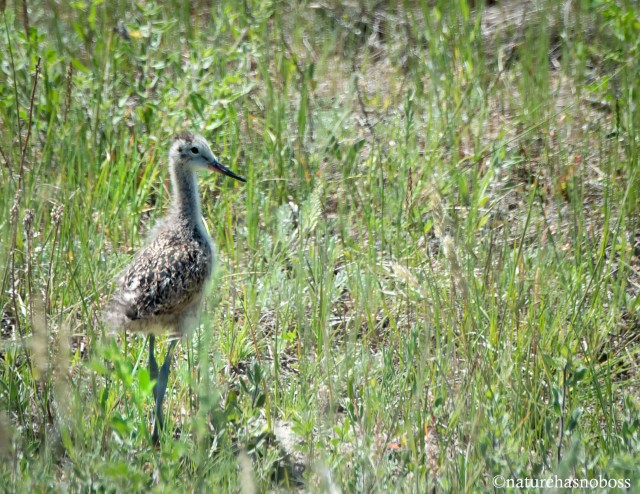
Above a Marbled Godwit chick, still a bit fuzzy, moves across the grasslands of the Northern Prairies under the guidance of Mom pictured below.
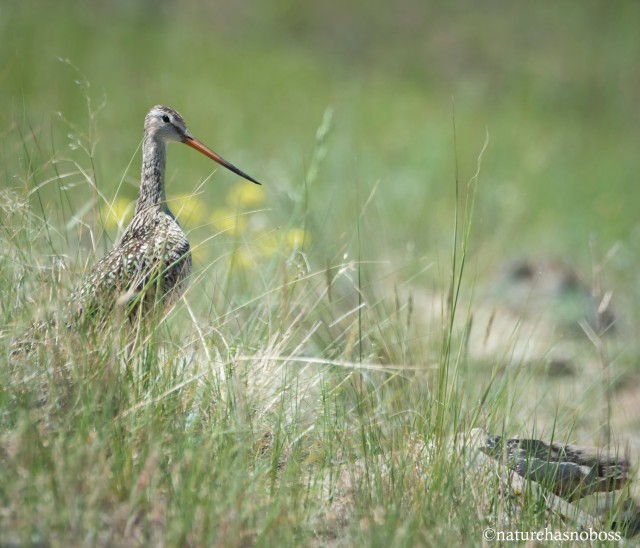
Shorebirds that nest on shortgrass prairies sometimes far from water. However, this families home was not too far from a nice body of water. The best of both worlds.
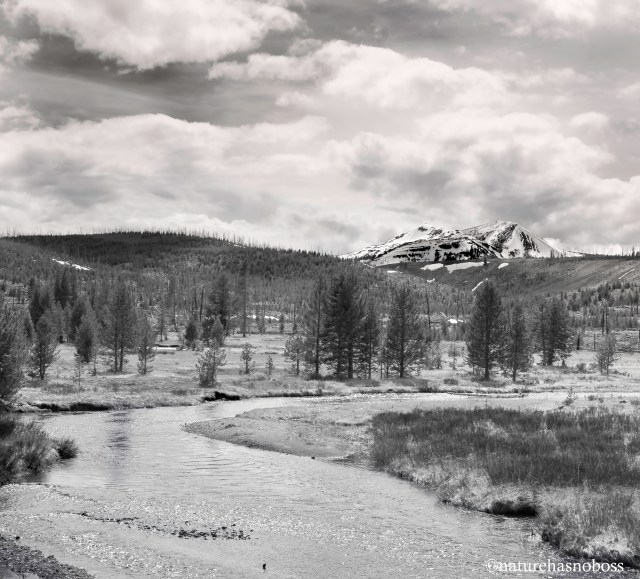
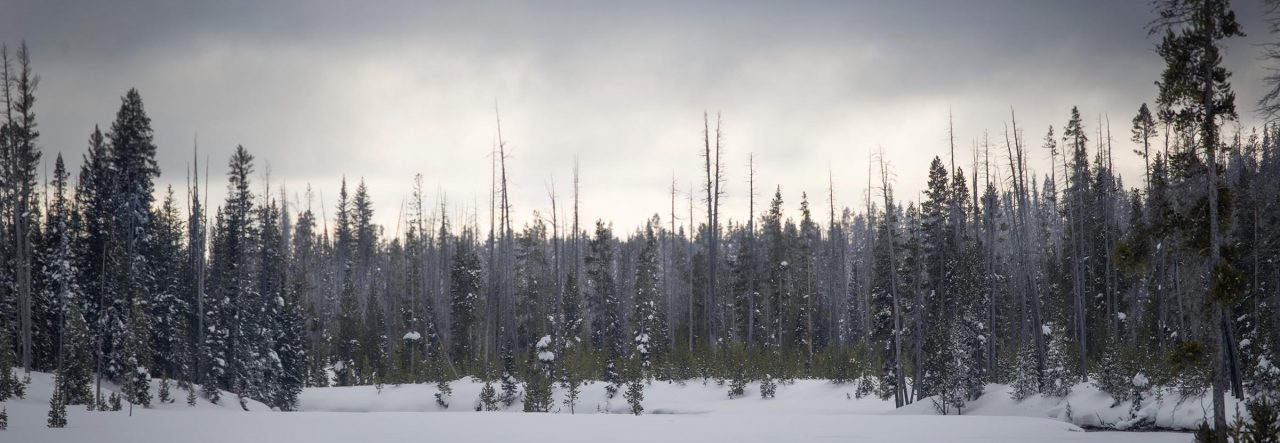
Summer speeding up as water flows from snow above.
Thunderstorms loom and the sun shines bright as July is ushered in.
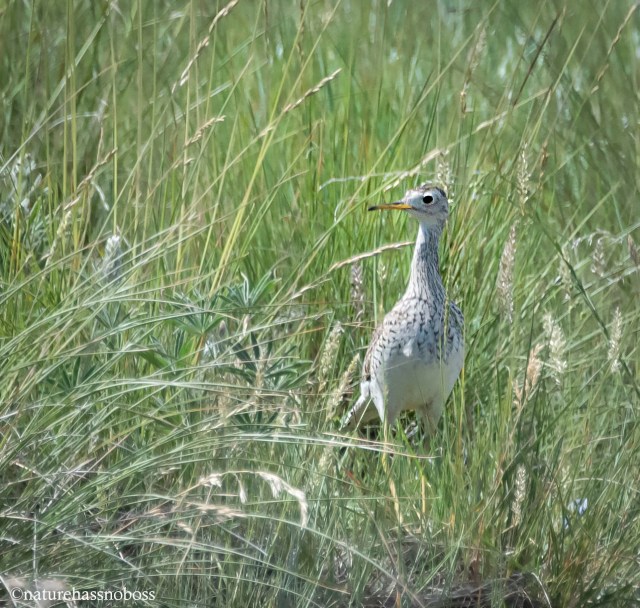
It’s hard to believe but the Upland Sandpiper will begin its journey south less than a month from now. Upland Sandpipers breed in the northern prairies yet spend most of the year (8 months or so) in Central and South America. Standing about a foot tall with that big eye and relatively short bill these birds forage on foot through short grass habitats looking for insects.
“Upland Sandpiper’s association with native prairie is so strong that scientists consider it to be an “indicator species,” along with Sprague’s Pipit and Baird’s Sparrow, that can indicate the quality a habitat. Thus, the absence of these three birds in a patch of prairie would indicate to biologists that there is likely a problem with the habitat.“1
We were thrilled to be able to watch this bird foraging for several minutes before they moved into the tall grass a short distance away and disappeared from sight. Now you see them now you don’t.
Reference:
1. All About Birds: Upland Sandpiper.
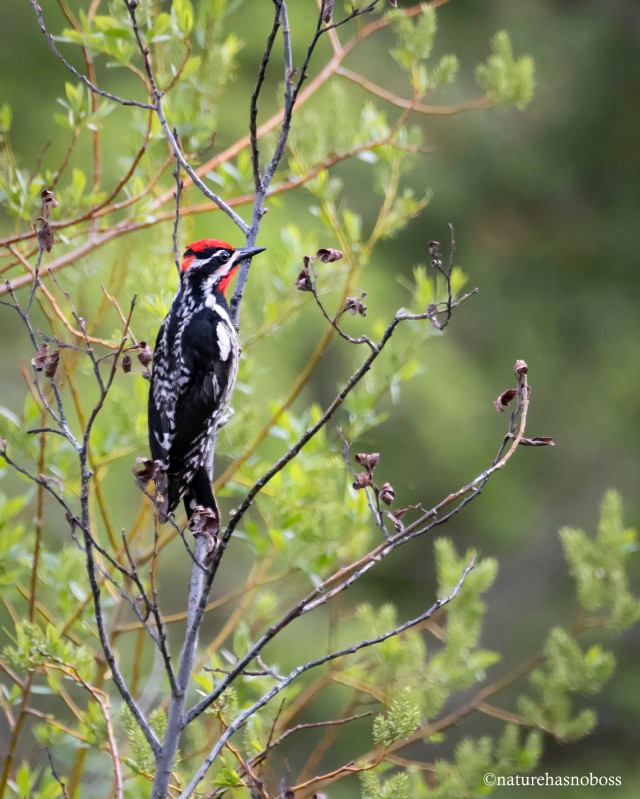
A Red-naped Sapsucker appeared out of the aspen forest to perch on the shrubs for just a moment before flying off into the forest.
“Red-naped Sapsucker nest holes make good homes for other species. Many species that nest in holes don’t have a specialized bill needed to carve out their own home, including Mountain Bluebirds, nuthatches, and chickadees. The small holes excavated by sapsuckers provide safe places for smaller hole-nesting birds to nest.“1
Reference:
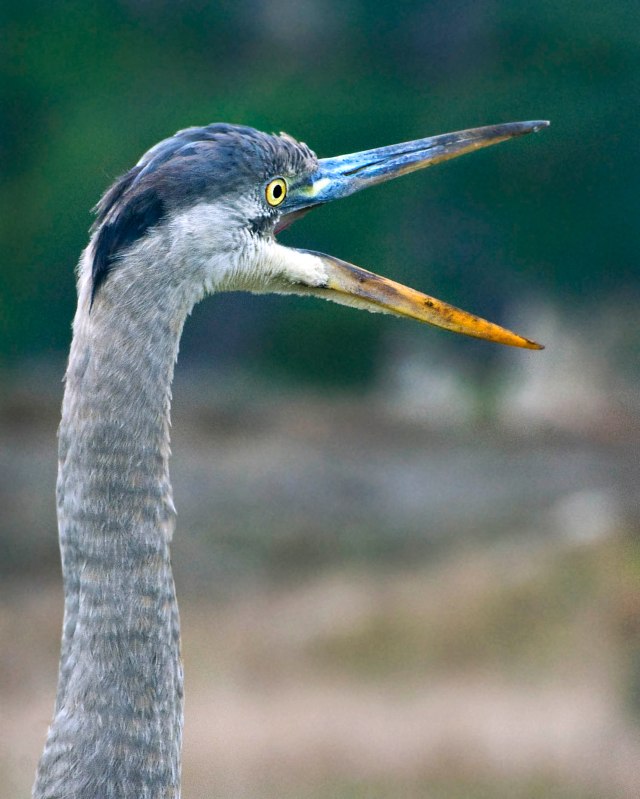
You kids get off my lawn. Happy Sunday to all.

In fields wet with moisture the wild iris are blooming like crazy this year. It is amazing how some years there are so few but when it rains more than usual they explode. They bloom for a few days then dry up and quickly disappear. Nature playing hide and seek.
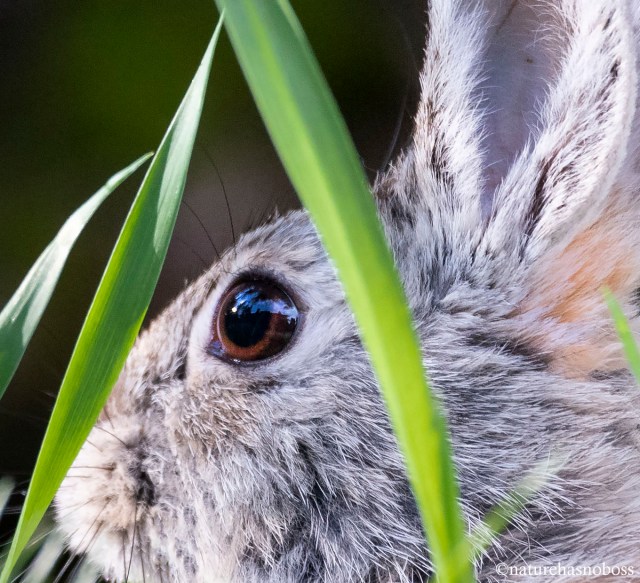
For each of the last several years there has been a place in a field close to home that we dubbed Bunnyville. Home to a family, or perhaps families, of Mountain Cottontail rabbits.
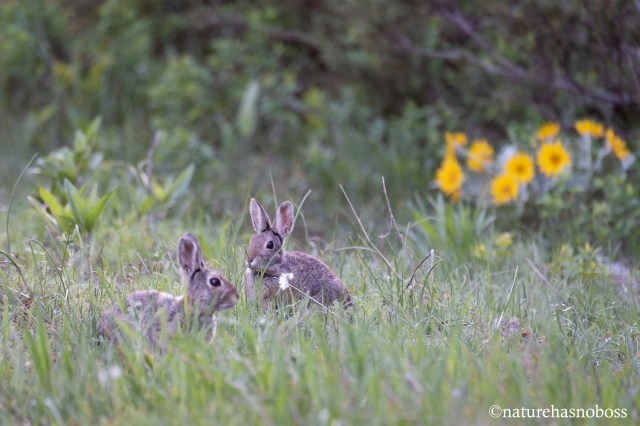
Each spring and summer a new batch of bunnies would appear like clockwork and inhabit the flower filled field and forest edges nearby.
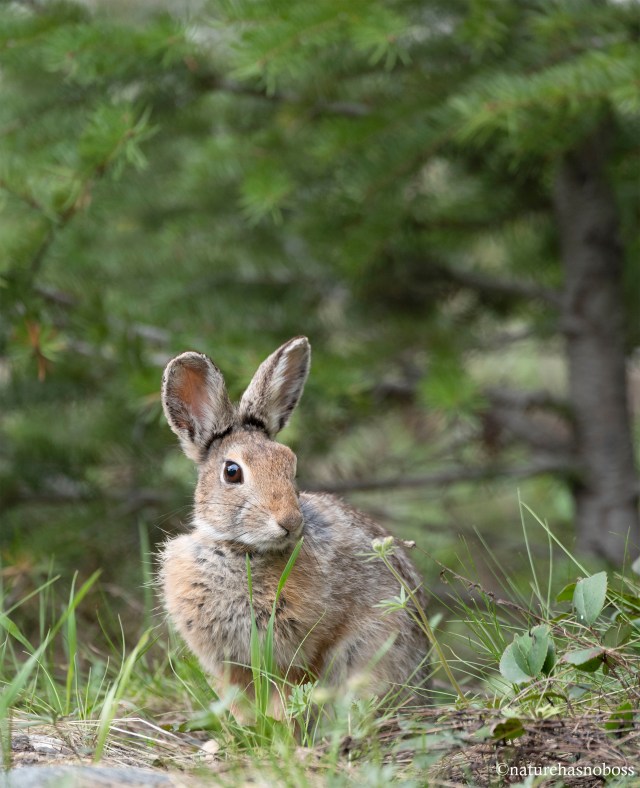
However this year we are Bunnyless! Predation by a cast of characters which include the Ermine, Golden Eagles, Bobcat, Coyote, and Foxes over the previous winter appear to decimated the Rabbit population in our area.
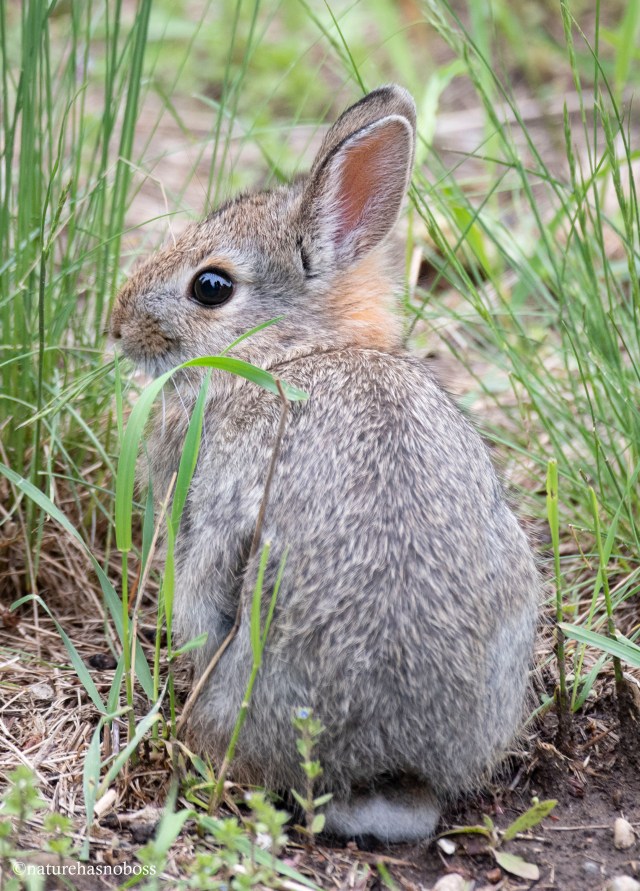
It is a strange thing to experience a summer without out the rabbits although the Penstemon in are garden are relived. Yet a summer without baby bunnies of groups of teenage rabbits frolicking in the fields is a stage thing indeed.
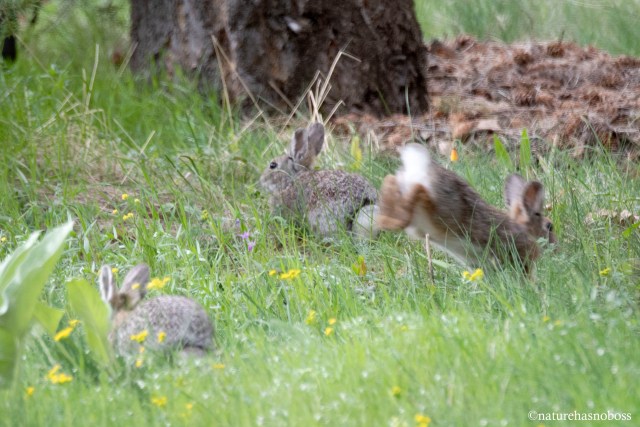
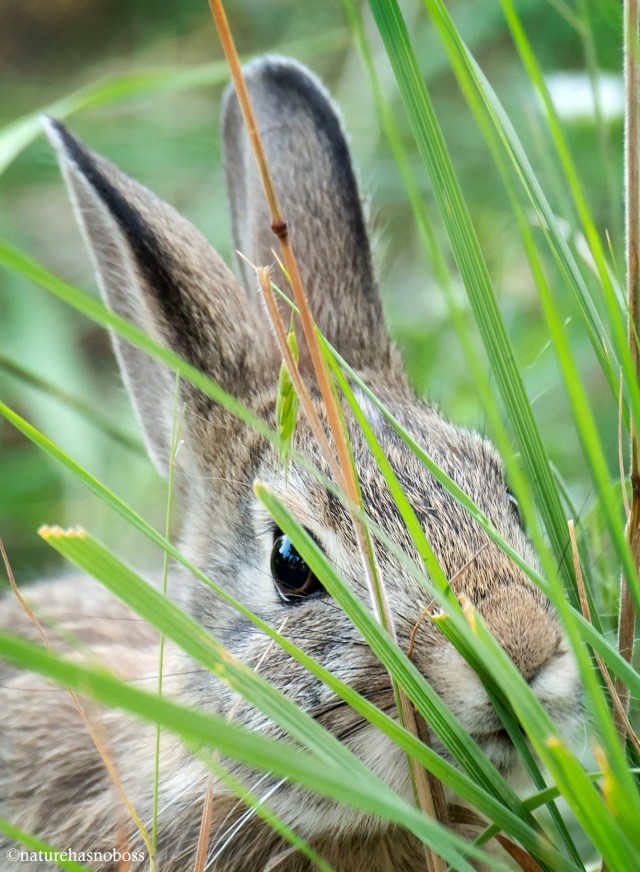
The grasses a growing longer without the natural lawnmowers….
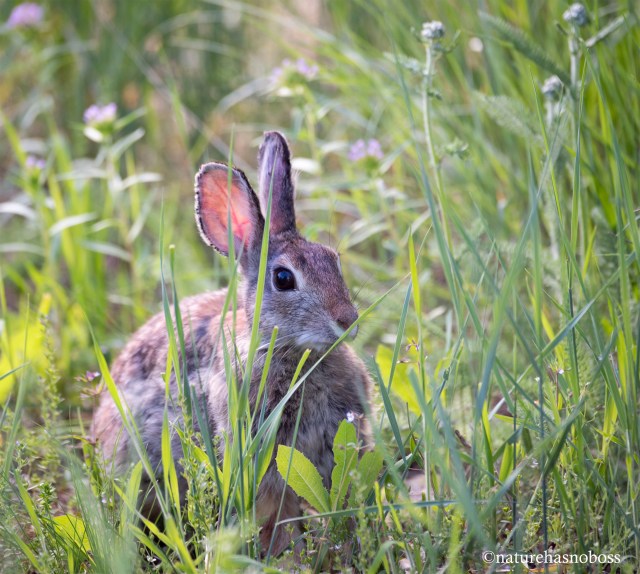
They always put a smile on our face and it is sad to realize the sun may have set on Bunnyville. There is always hope the rabbits will return after all it only takes a couple.
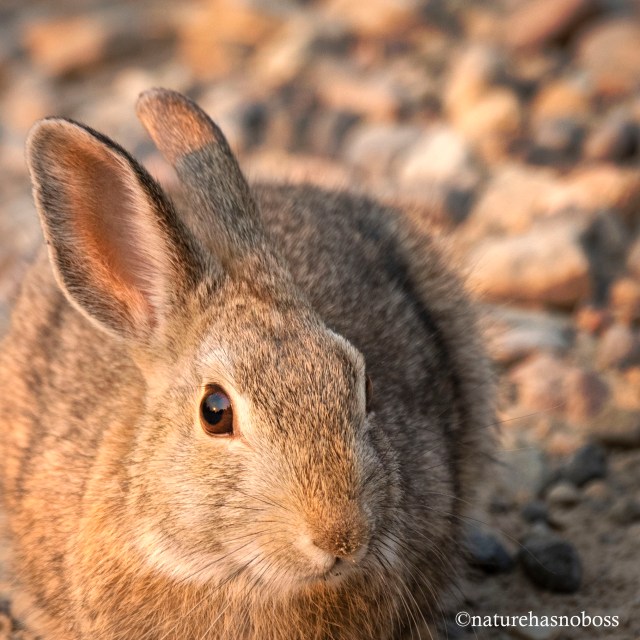
Wishing you a wonderful weekend and here’s to remembering Bunnyville.
 nature has no boss
You must be logged in to post a comment.