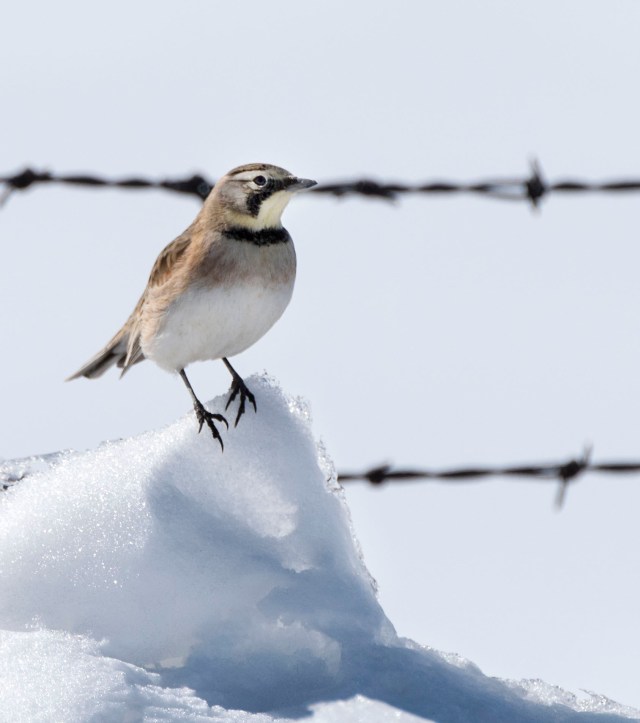
May not get the worm with all the snow covering the ground but it is sure nice to see the Horned Larks out and about on the backroads.
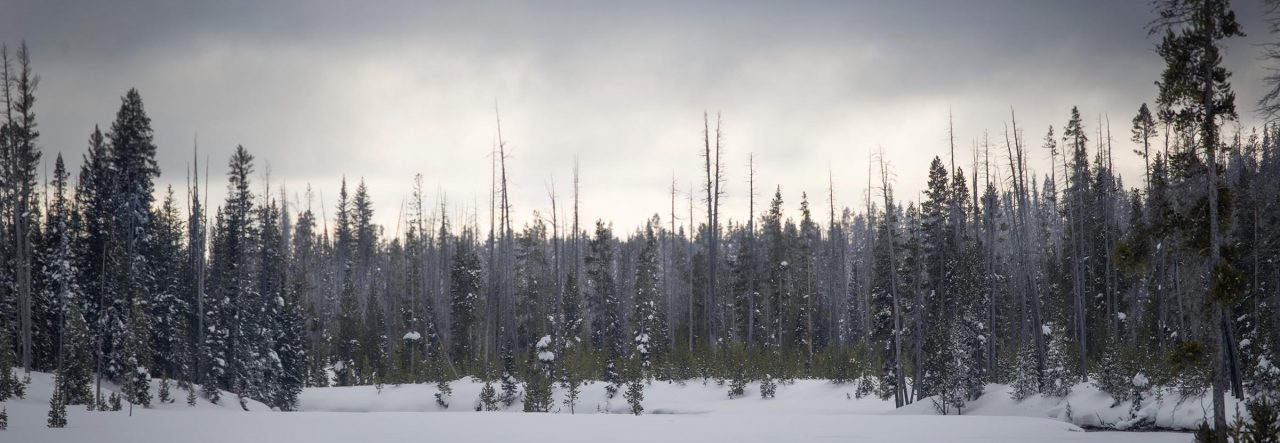
May not get the worm with all the snow covering the ground but it is sure nice to see the Horned Larks out and about on the backroads.
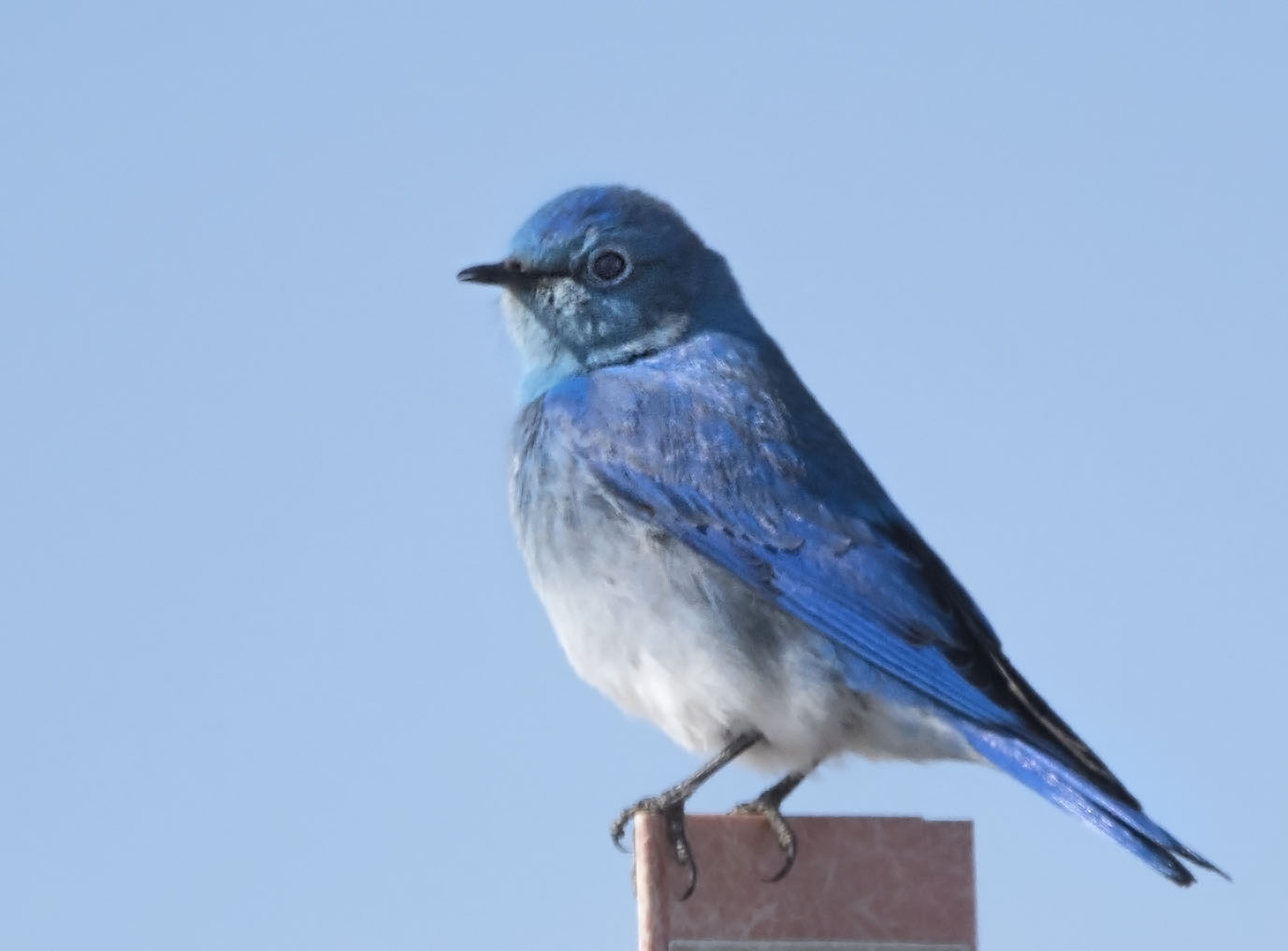
What a pleasant surprise to find that the male Mountain Bluebirds have started to arrive even with a significant amount of snow covering the ground in most places. This “first of the year” bluebird does indeed signal that spring has sprung and their arrival was indeed out of the blue.
Just look at all that blue it is amazing.

Seems like it is time again to bid the Goldeneyes farewell for the season. We all can sense spring is in the air and they have all abruptly left the local pond this week for their annual migration to the north. We may yet get a snow storm or two but the goldeneye migration is a natural calendar I can count on to tell me middle March is here.
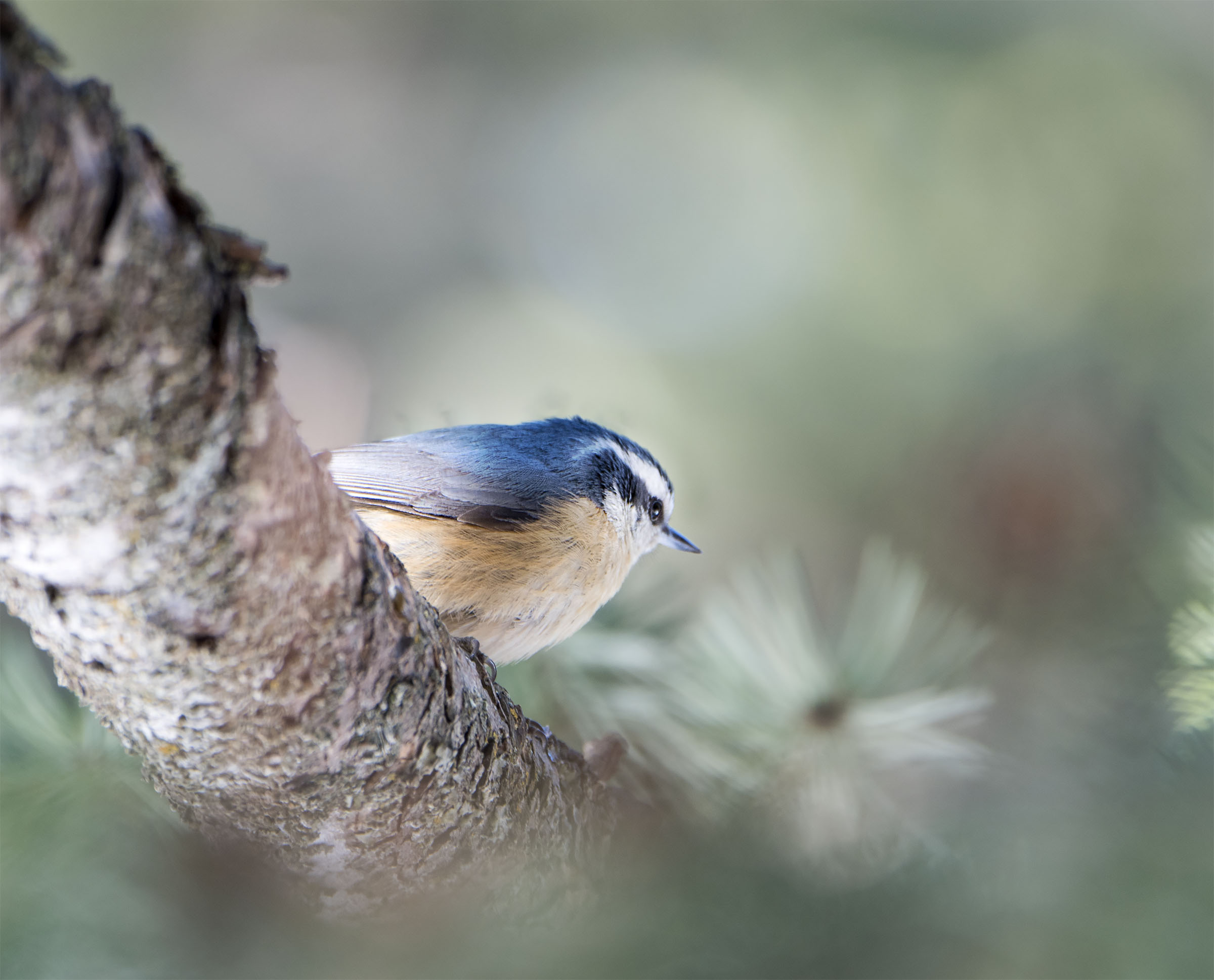
Just sitting enjoying the view and the daylight that now lingers on.
Hope you have a wonderful weekend.
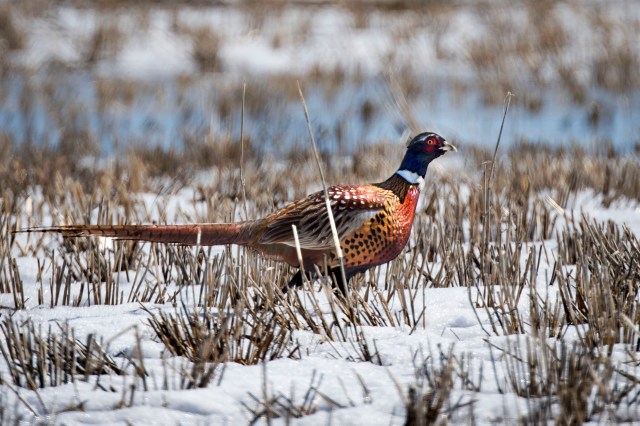
A male Ringed Neck Pheasant struts his stuff on a sunny March afternoon. A nice large group sure did add color to the rapidly melting grain field on a late winter day.
For such big birds in open fields these guys always seem tough to photograph. Always moving and understandably a bit skittish.
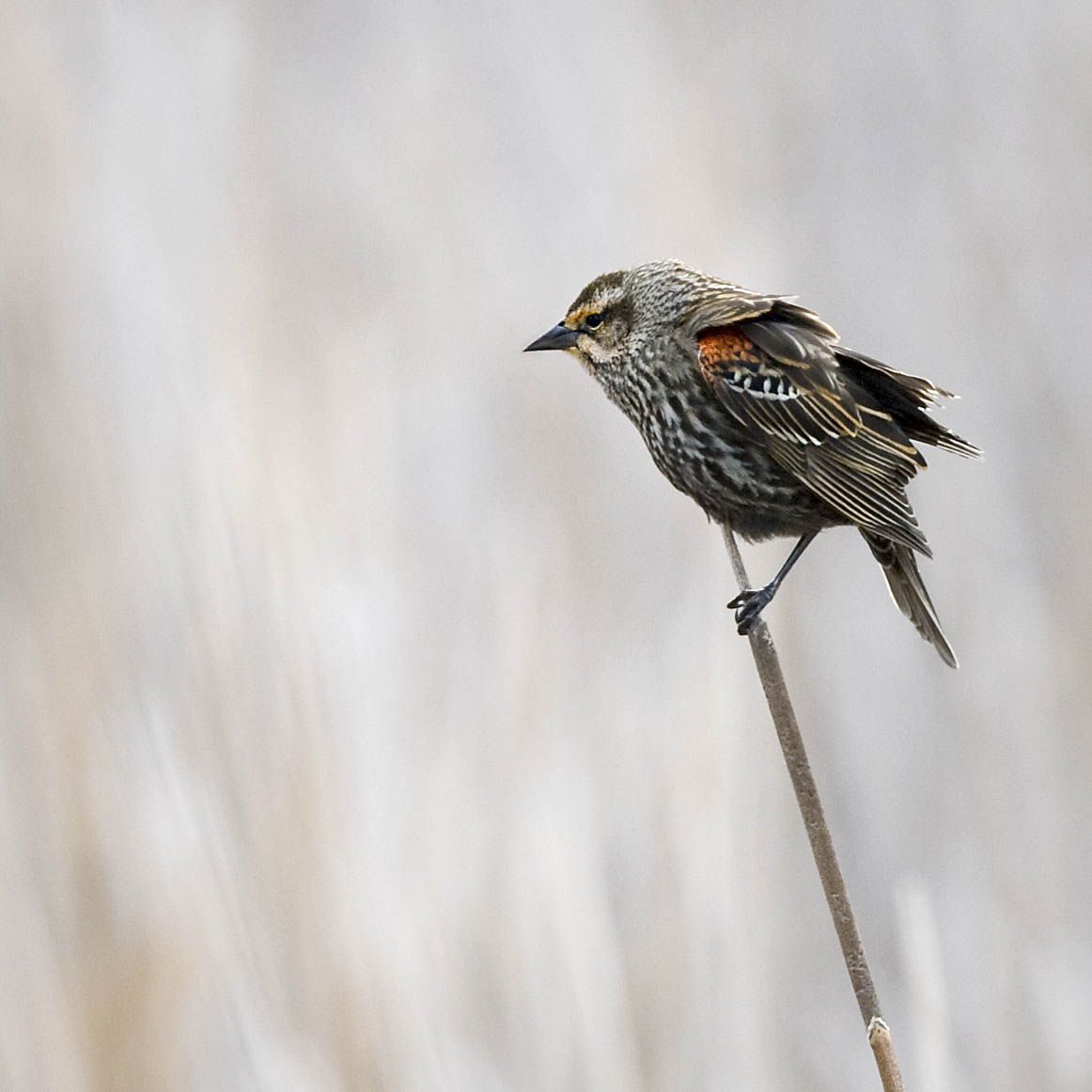
When the wind blows hard it’s all about holding on.
March tends to be a windy month and this day was no exception. A female Red Winged Blackbird holding on to a somewhat smallish cattail as the March wind blows. Looking forward to those April showers.
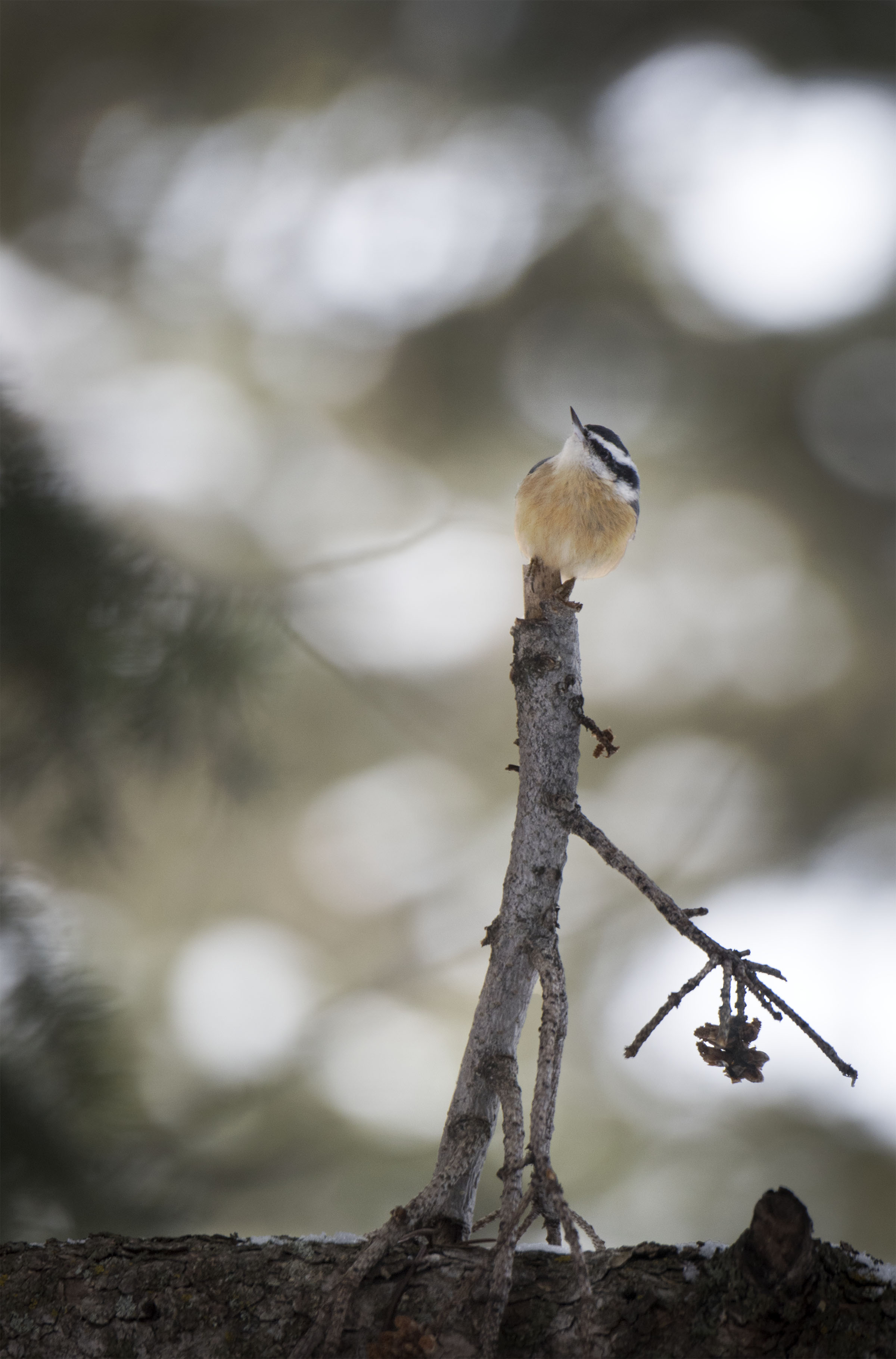
Yes, even little Red Breasted Nuthatches sit still and pose for the camera every now and again.
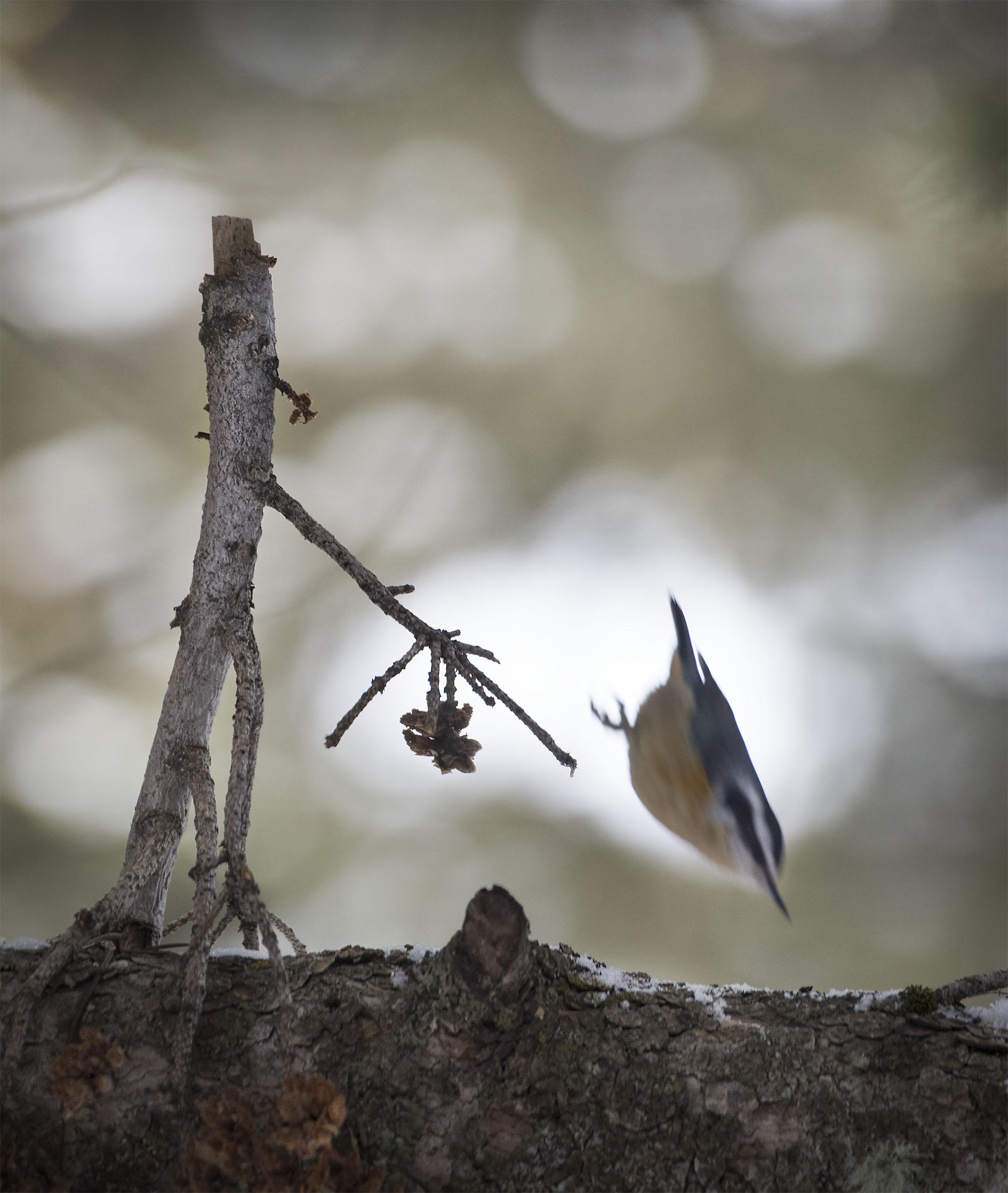
But not for very long.
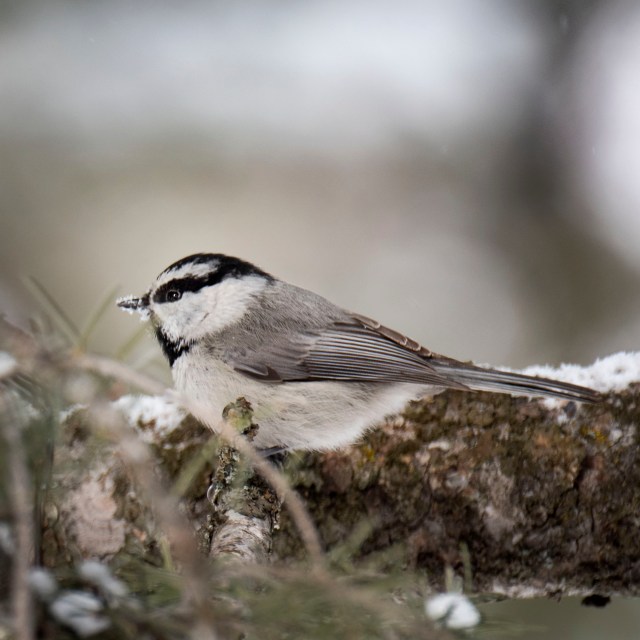
Peeking through the branches of a wonderful old spruce to get a glimpse of a Mountain Chickadee. With both Mountain and Black Capped busy buzzing the trees it is often difficult to tell them apart. So it was nice to get a glimpse of this one happily taking a break to get that positive ID.
https://www.allaboutbirds.org/guide/Mountain_Chickadee/overview
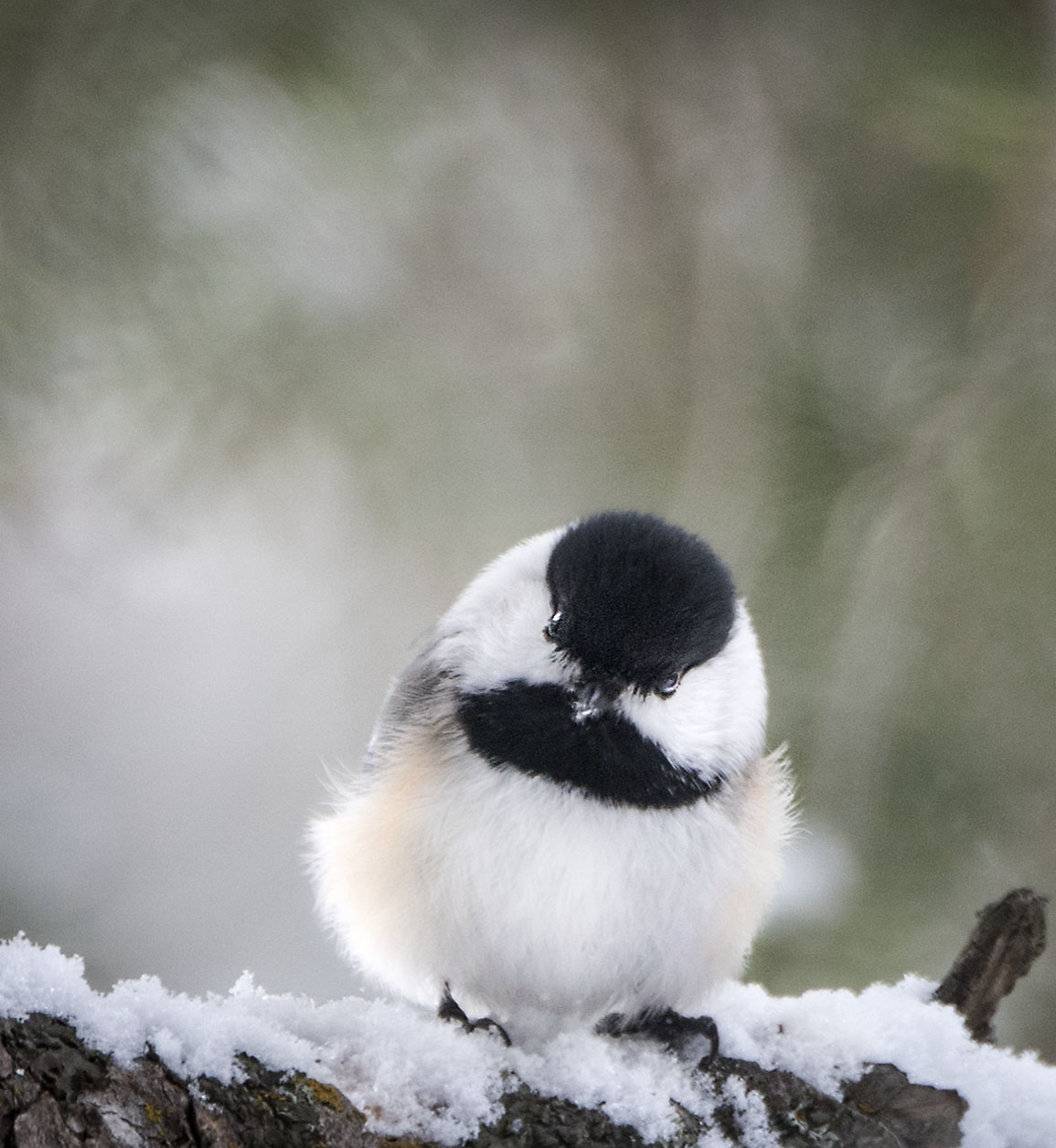
A little eye to eye with a Black Capped Chickadee on a chilly and snowy afternoon.
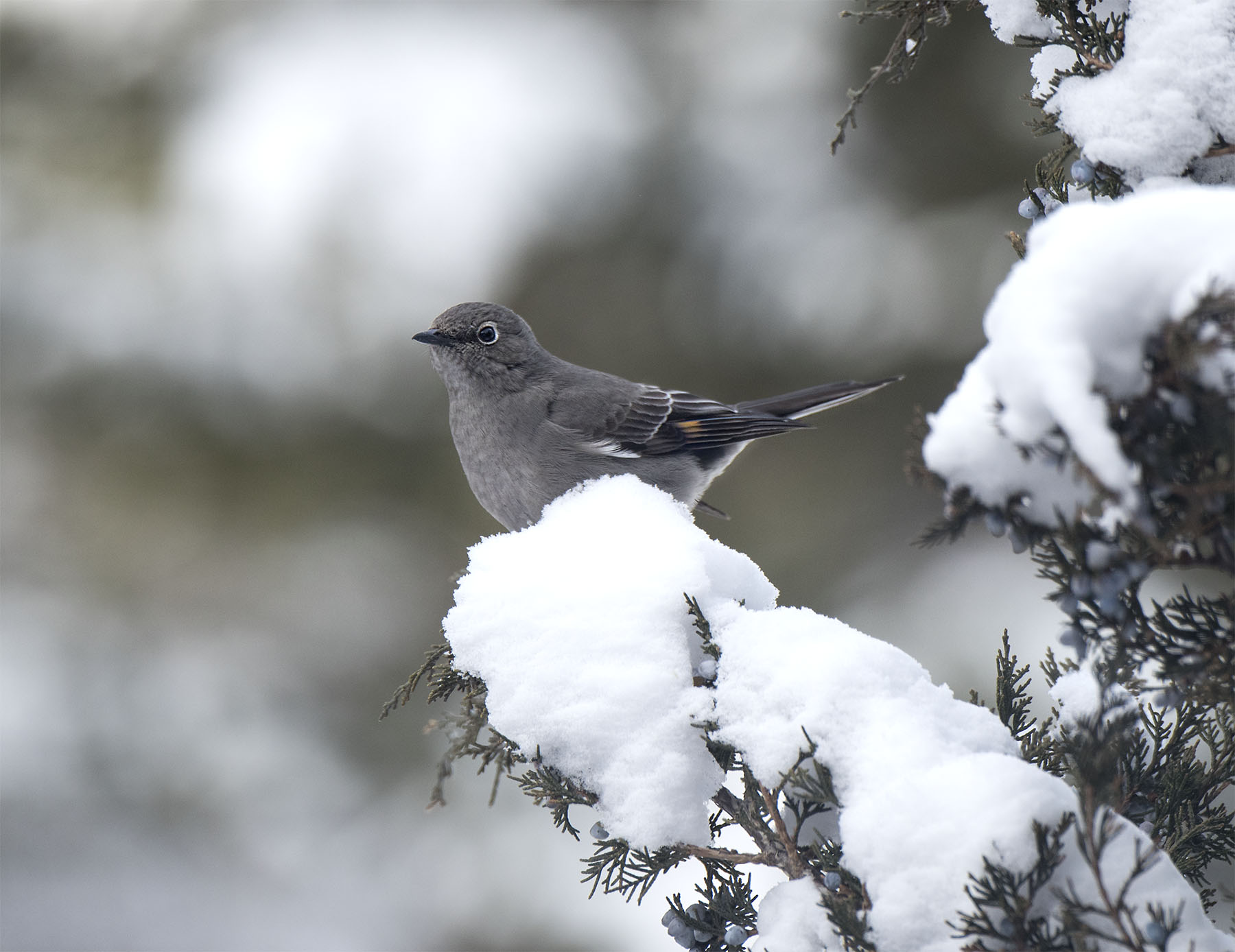
We watched as this Townsend’s Solitaire spent the better part of their day defending and consuming berries on a small patch of juniper trees.
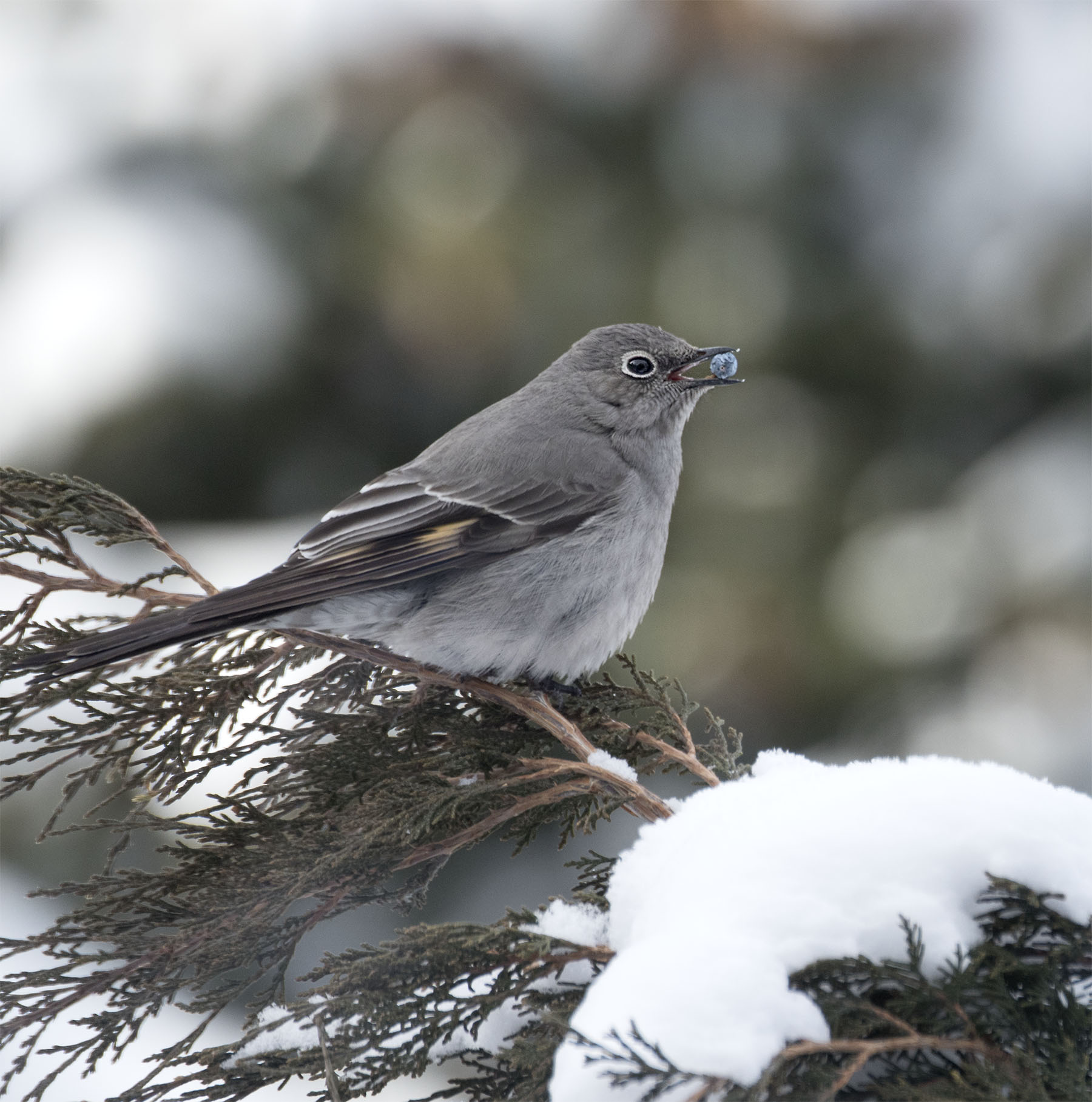
According to the Cornell Lab of Ornithology “During the winter, the male and female are both strongly territorial, defending patches of juniper trees against other solitaires and other birds. They feed largely or even exclusively on the juniper’s ripe, fleshy berries for the entire nonbreeding season.”
That sure appeared to be the case this day as this bird sat watch and every once in awhile darted into the tree and grabbed a berry.
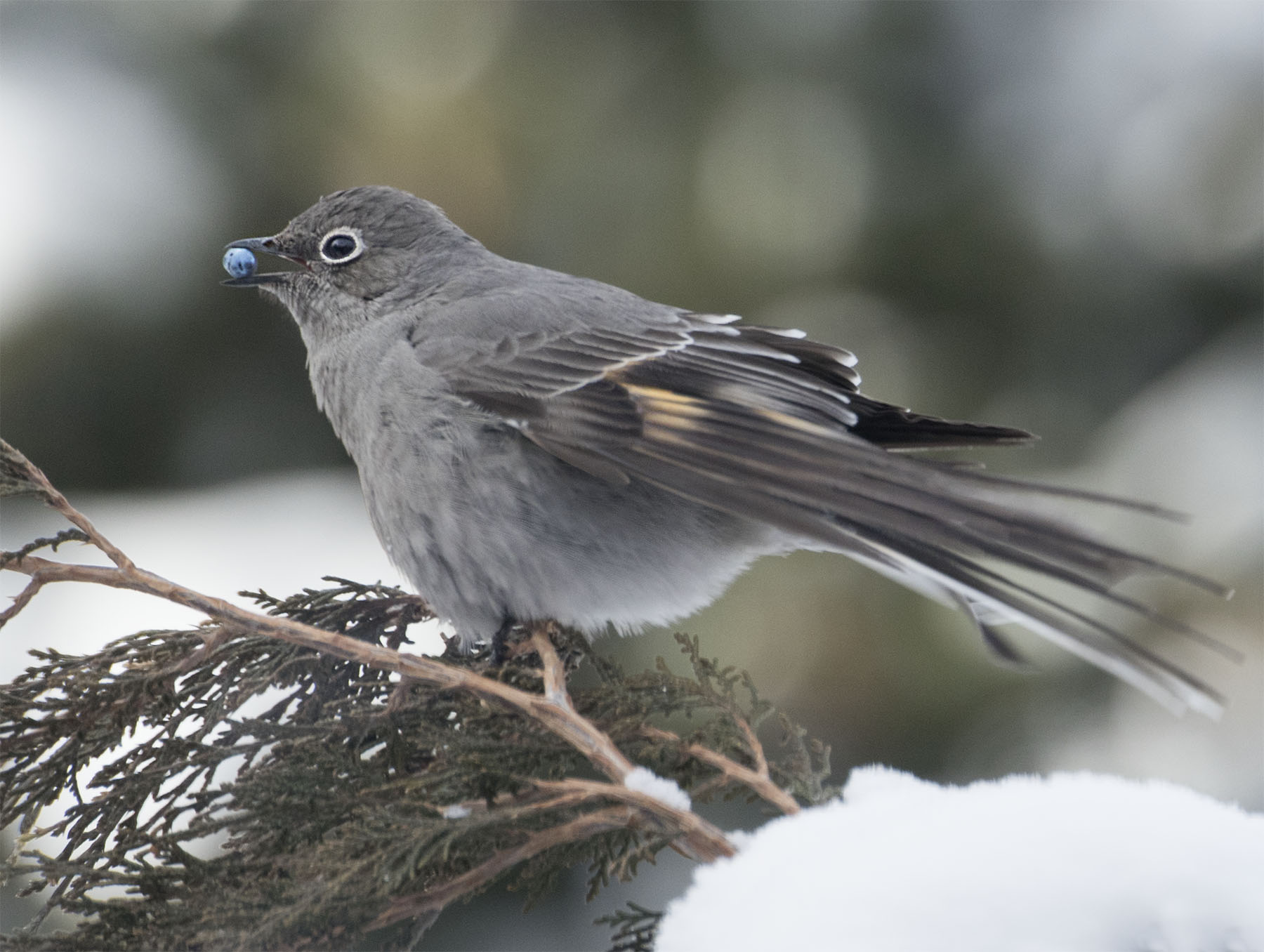
One study suggested a single Solitaire would need to eat between 42,000 and 84,000 juniper berries to survive the winter. I don’t think this small patch contained enough for this bird and sharing would be out of the question.

After a quick bite they were back perched and on the lookout. It has been observed that violent fights may break out in defense of the winter territory, because owners of large, berry-rich territories survive the winter at higher rates than solitaires on small territories with few berries. This day all was calm and the owner of this territory had it all to themselves.
To find out more about these inconspicuous but fascinating birds:
https://www.allaboutbirds.org/guide/Townsends_Solitaire/overview
http://www.audubon.org/field-guide/bird/townsends-solitaire
https://neotropical.birds.cornell.edu/Species-Account/nb/species/towsol/overview
 nature has no boss
You must be logged in to post a comment.