White-winged Crossbill

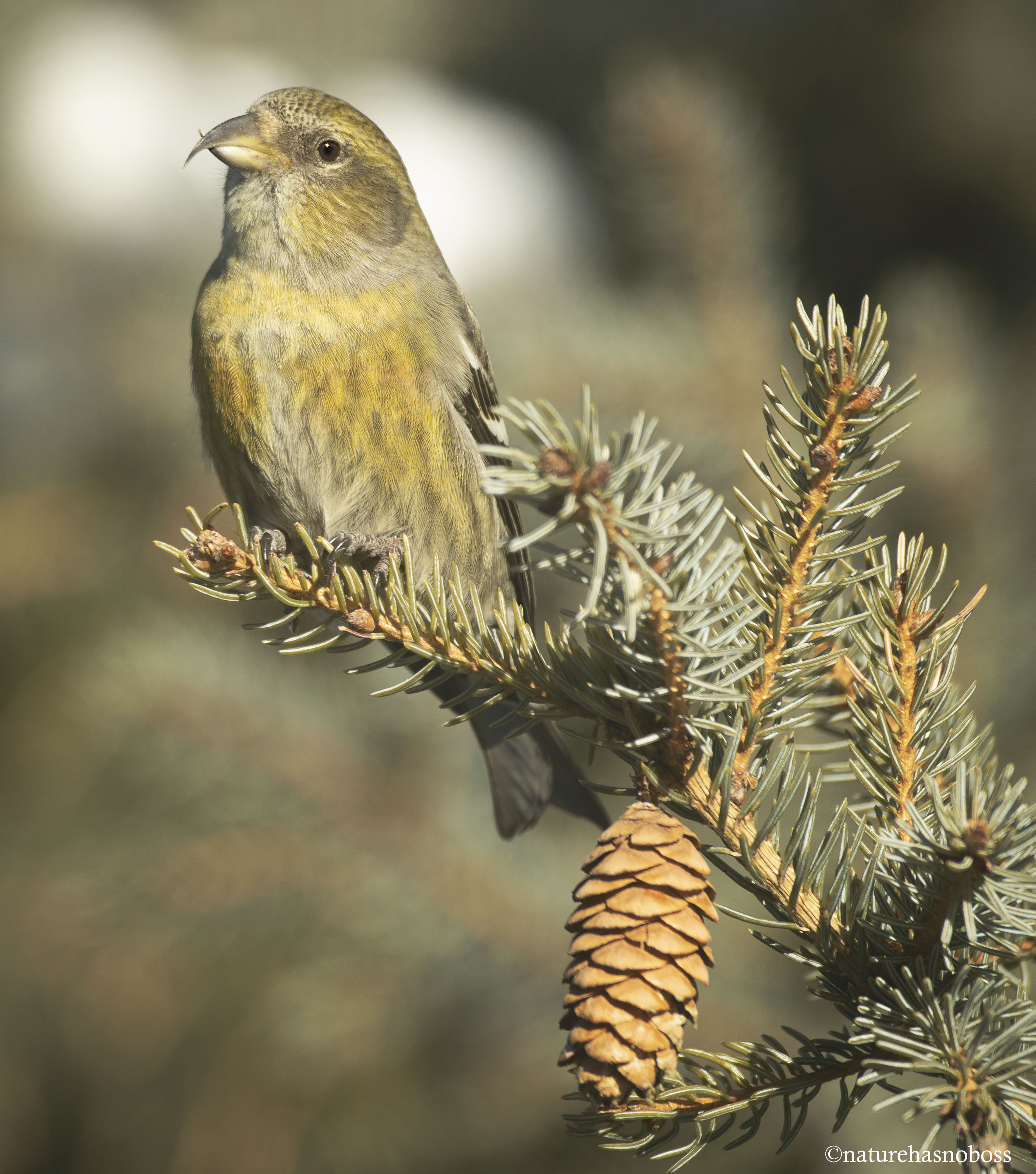
A female White-winged Crossbill rests close to their next meal on a fine winters day. Crossbill and their namesake bills are specialized to feed on conifer seeds. Prying open open the cone scales and then extracting the seeds with their tongues a single Crossbill can consume up to 3,000 seeds per day. Crossbill often travel in large flocks and seek out numerous species of conifer seeds just as they are ready to consume.
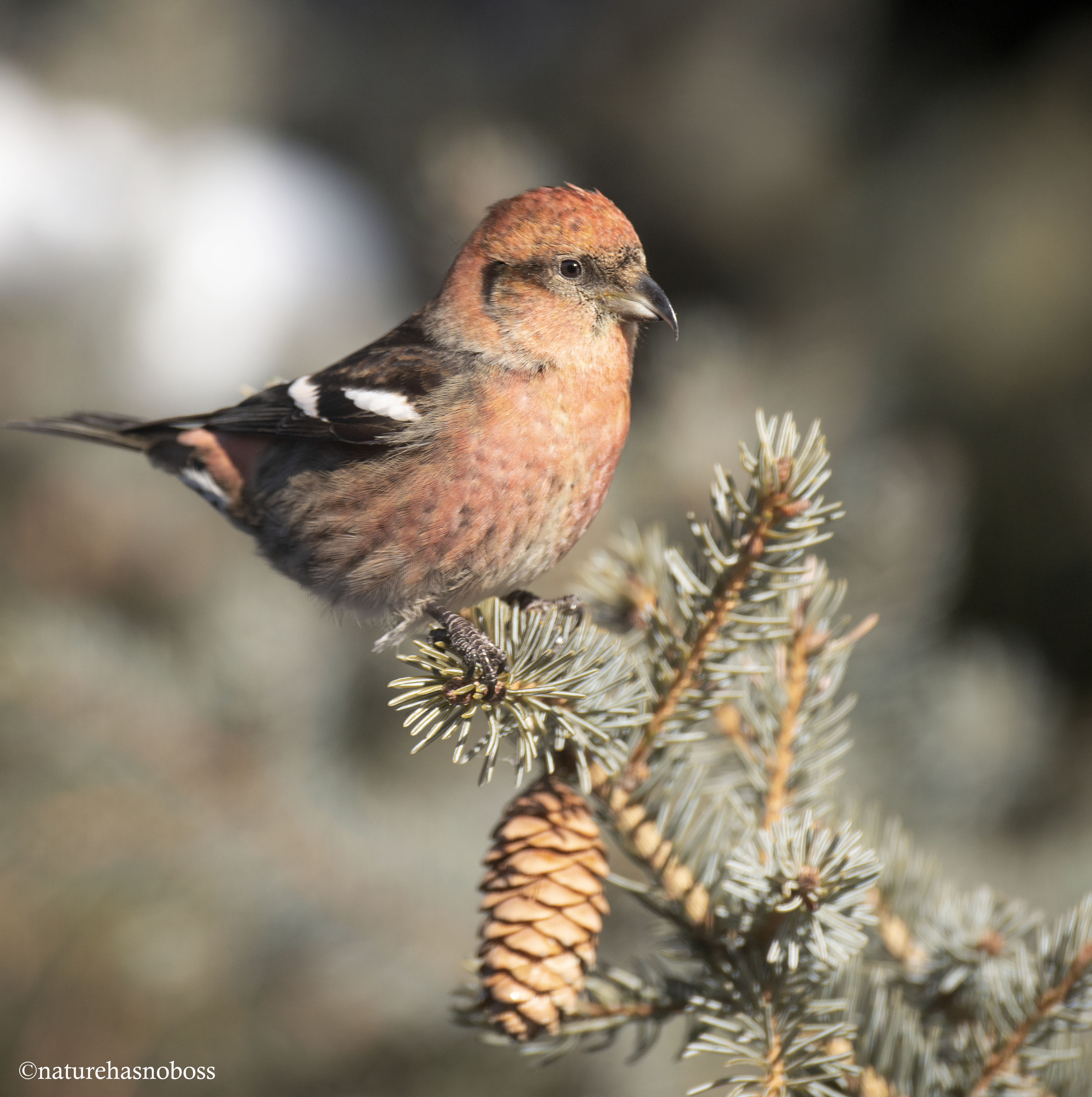
Crossbill typically are nomadic and wander across the boreal forests in search of food. Large Flocks containing up to 10,000 individuals have been reported to move through an area in a single day.

A wonderful and specialized bird and one in need of study as climate change descends upon the boreal forests they call home.

Reference:

 Benkman, C. W. (2020). White-winged Crossbill (Loxia leucoptera), version 1.0. In Birds of the World (S. M. Billerman, Editor). Cornell Lab of Ornithology, Ithaca, NY, USA. https://doi.org/10.2173/bow.whwcro.01
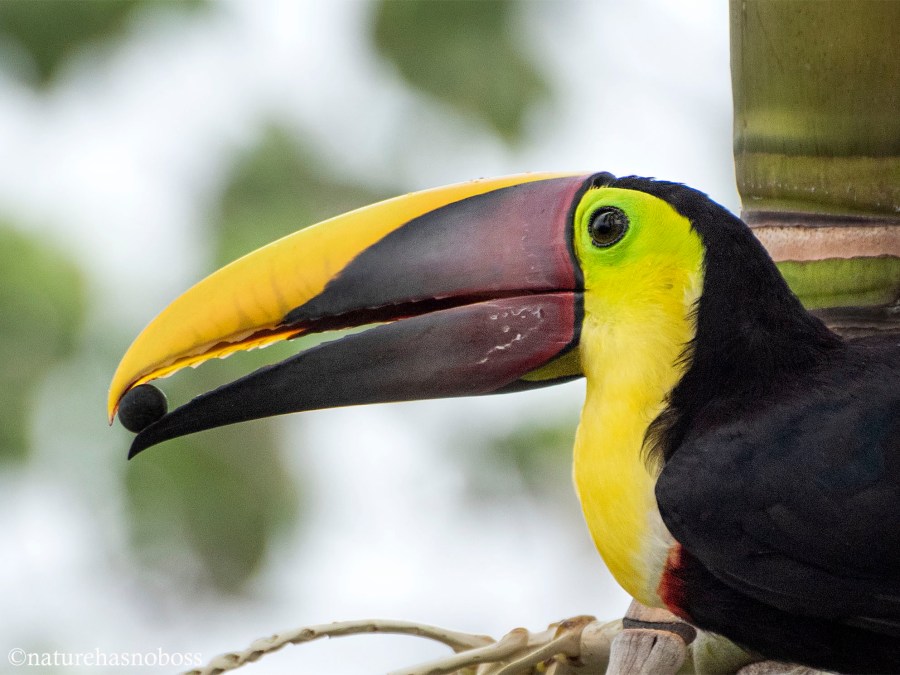
One by one.

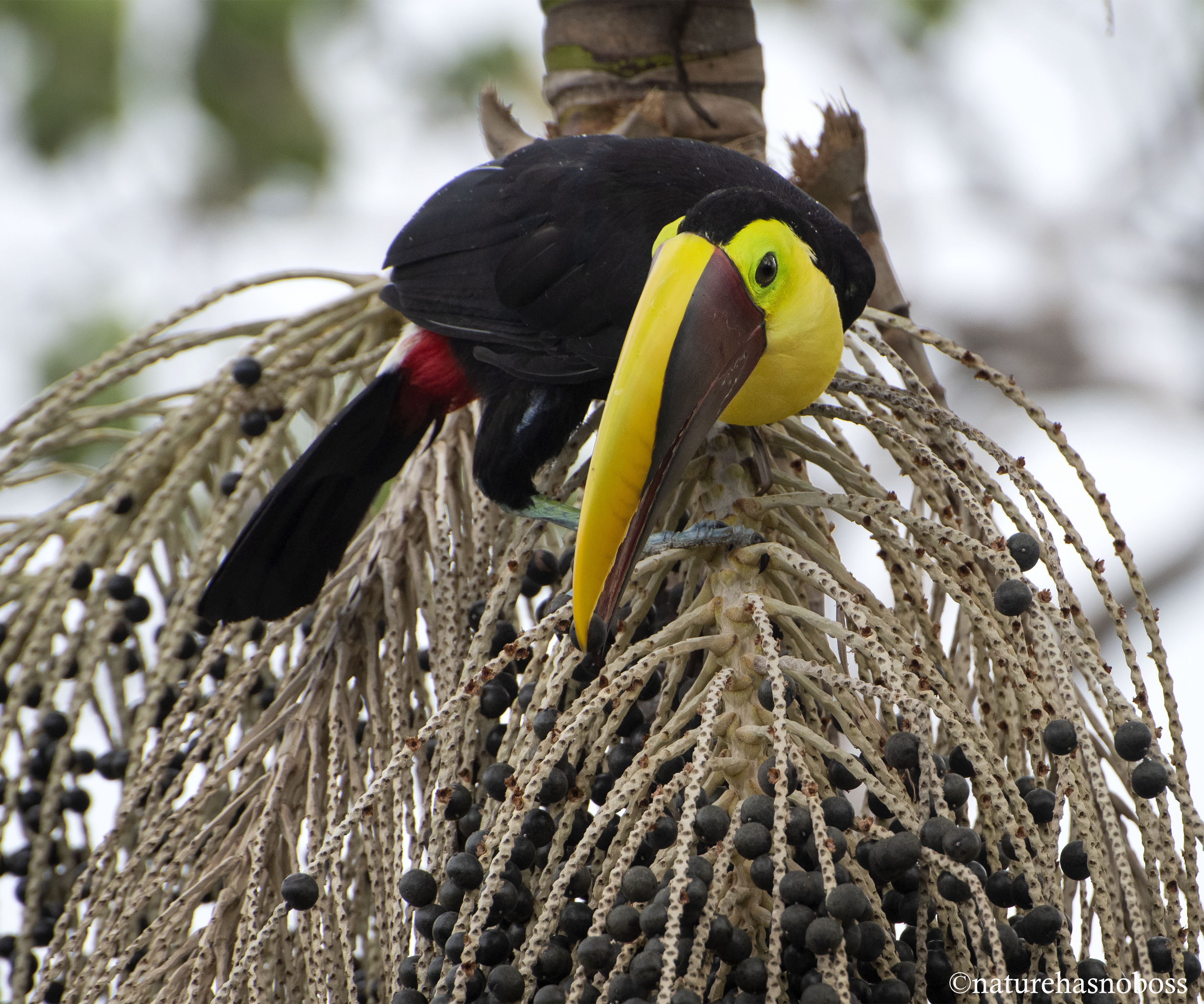
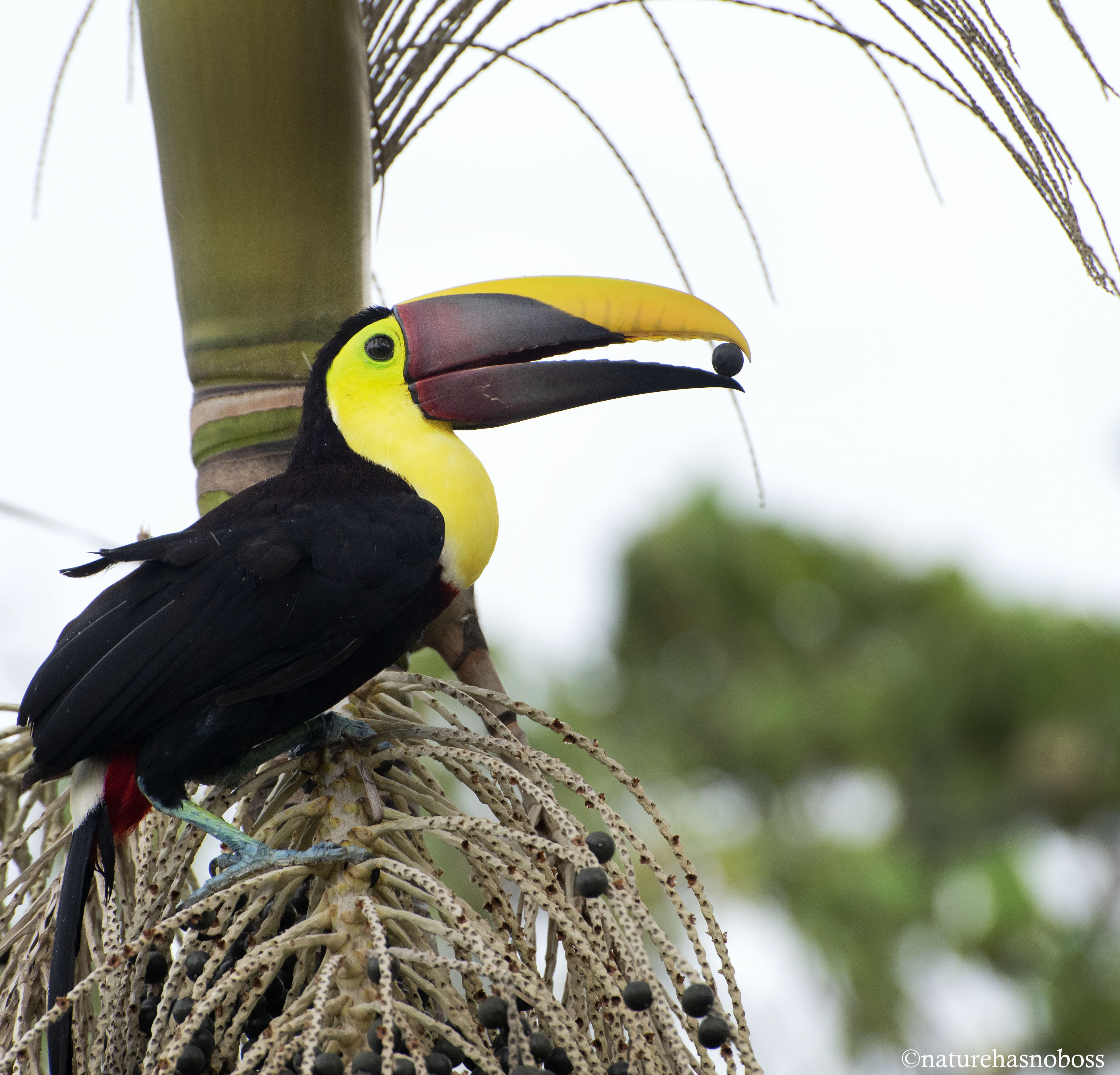
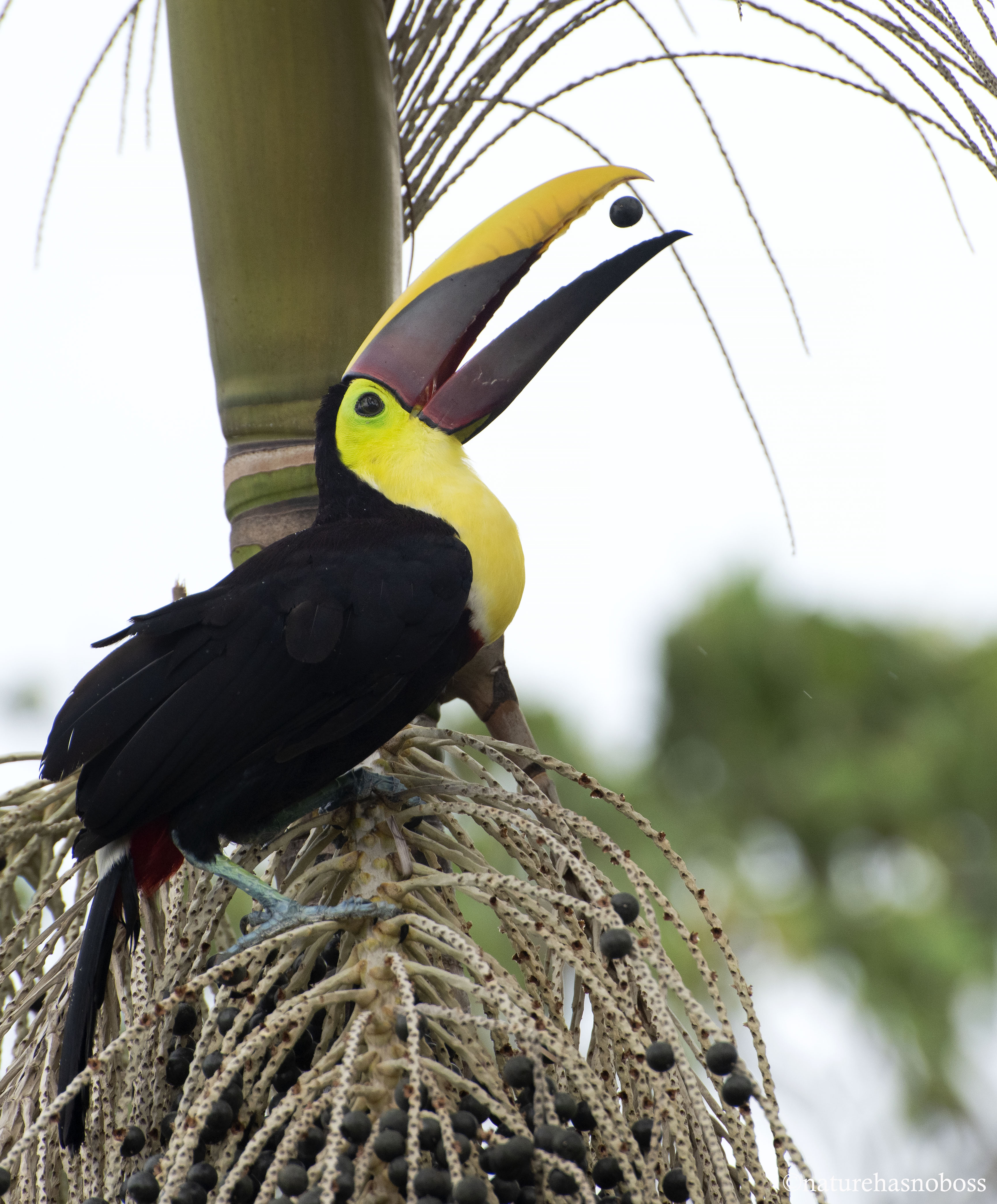
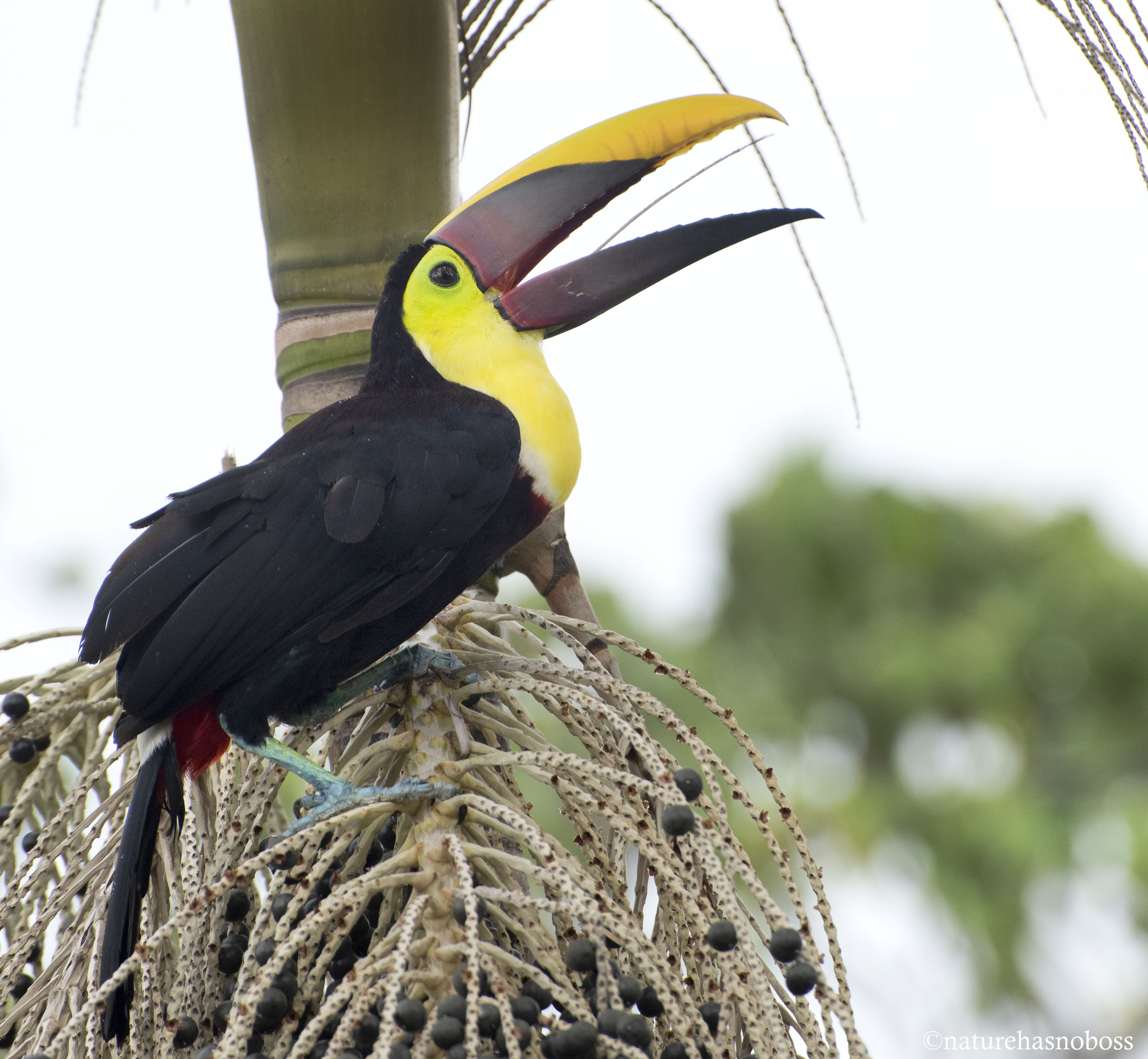
A Yellow-throated Toucan picking figs , although we took a fancy to calling them Milk-Duds, and knocking them back one-by-one.

Reach over and pluck a fig from the tree.

Looks like a good one.

Down the hatch it goes.

Quite tasty indeed. Perhaps I’ll have another.

We watched this one Toucan foraging for a good twenty minutes until they got their fill and boy, they could sure eat their fill indeed.

Yellow-crowned Night Heron

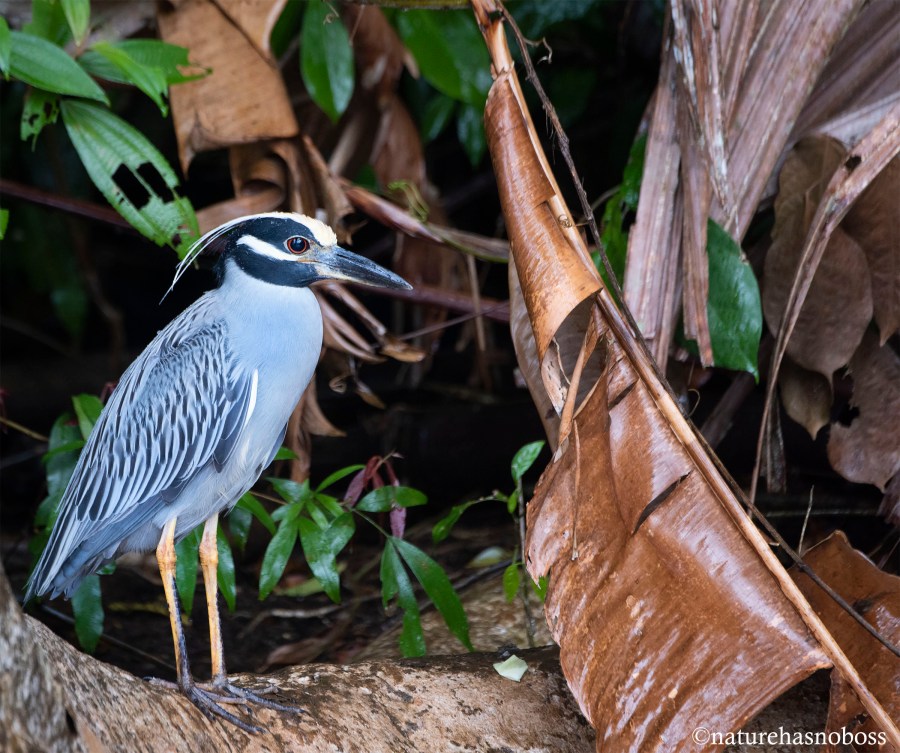
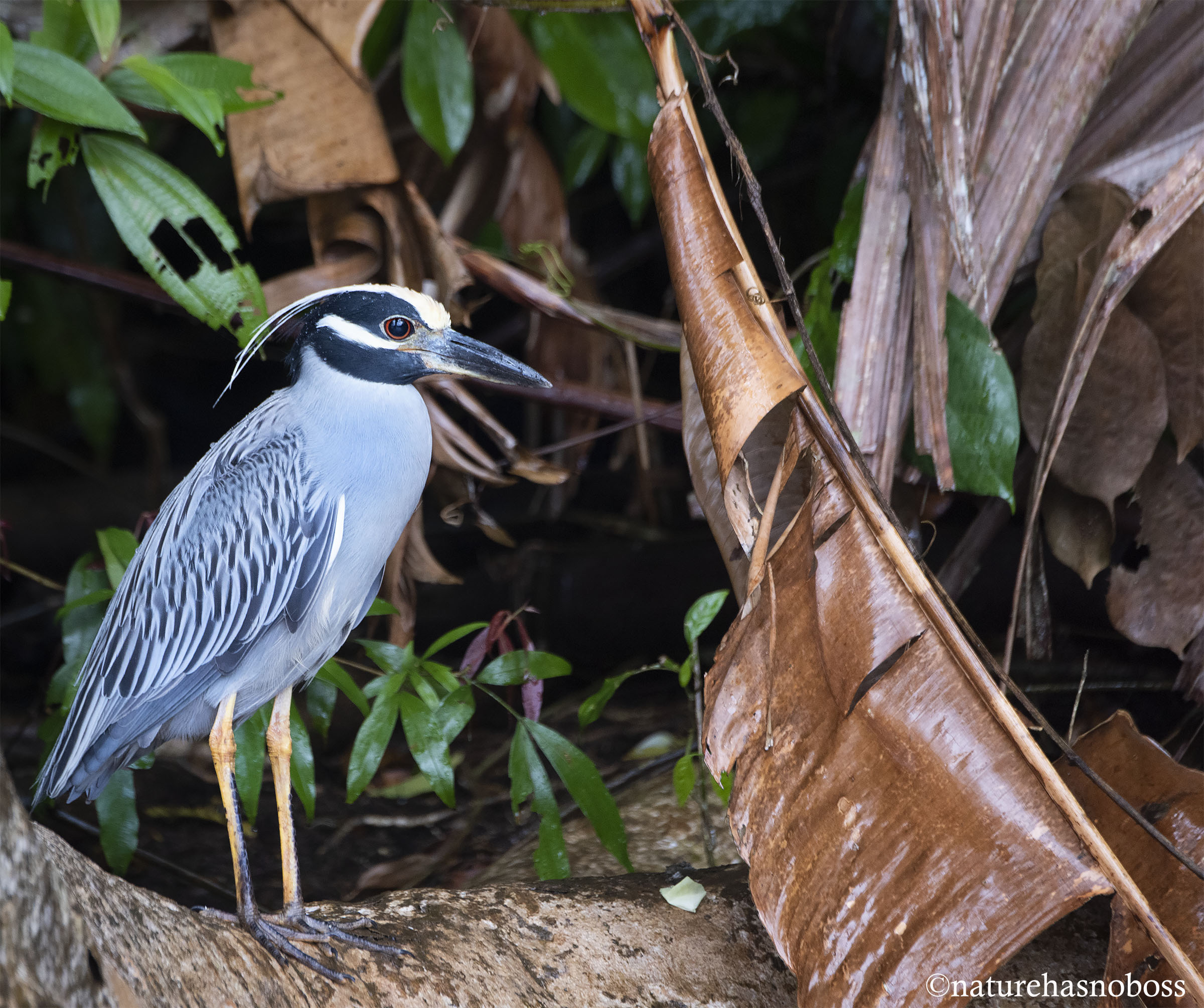
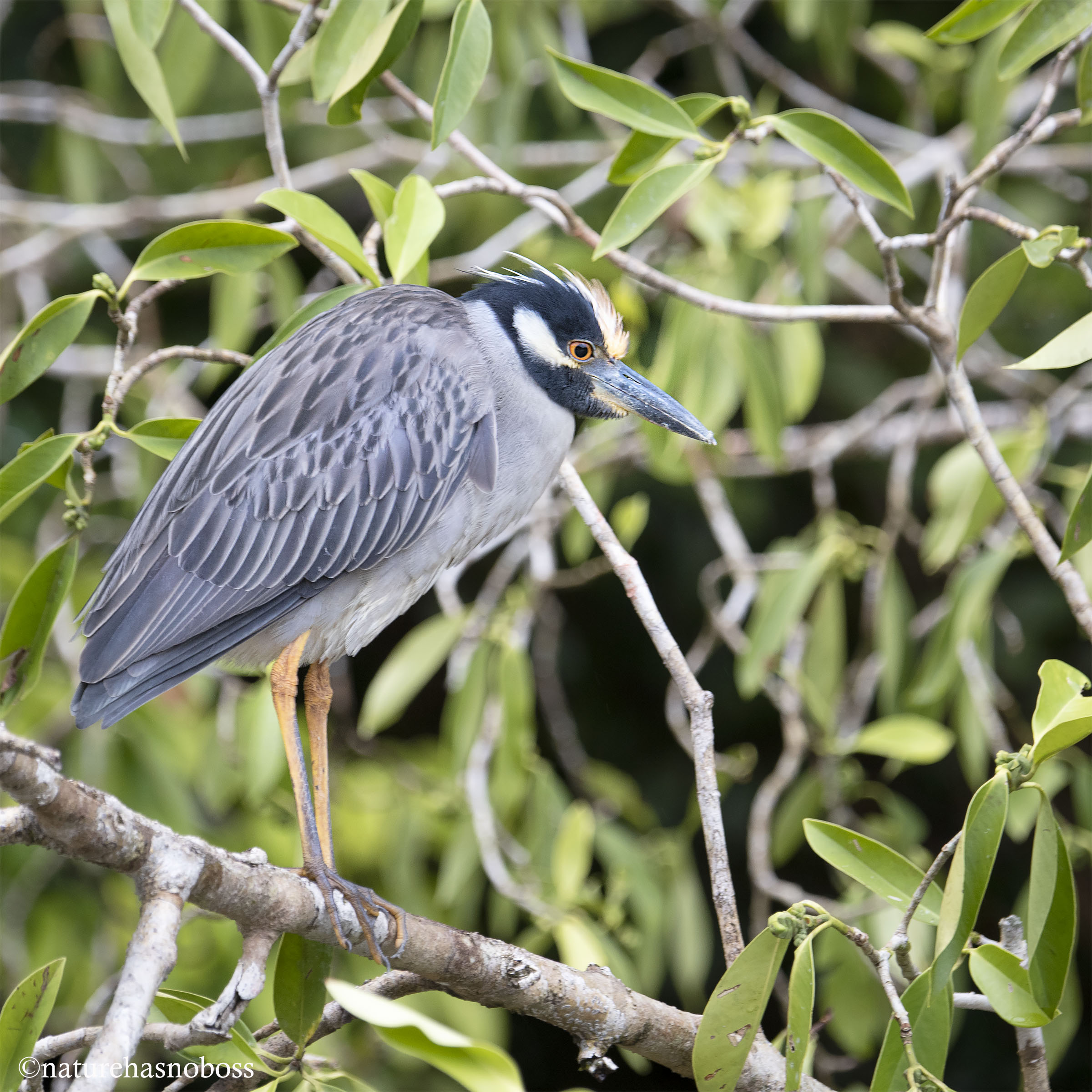
A dapper Yellow-crowned Night Heron along the edge of a costal marsh patiently waiting for their next meal (preferentially crab) to appear. These wonderful birds breed in coastal and inland lowlands, wooded swamps, mangroves, and lagoons. Feeding and foraging areas almost always are associated with high concentrations of crustaceans, their food of choice.

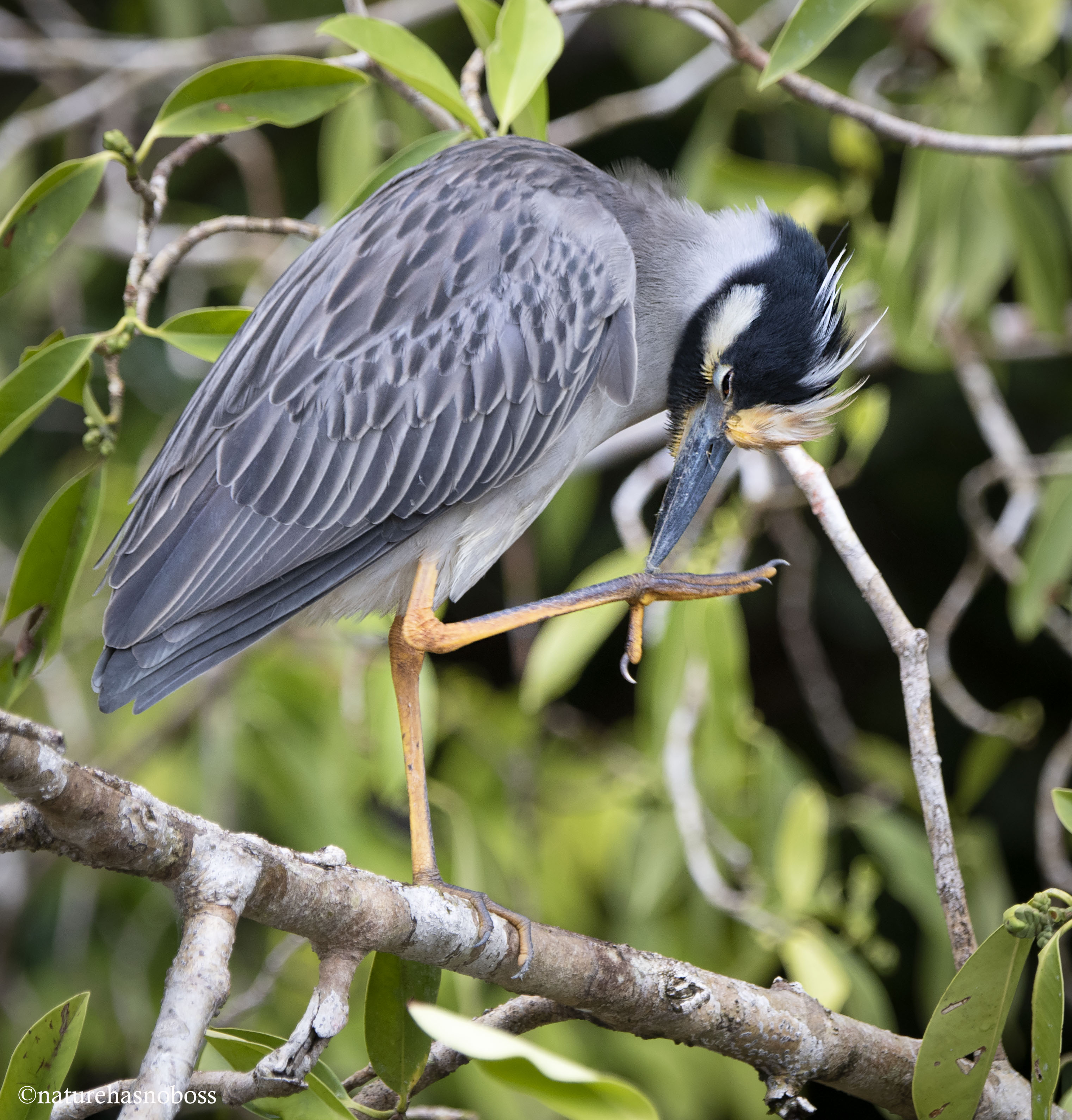
This bird preening which is a common behavior after foraging and feeding. Full adult plumage like that in birds we photographed this day may take 3-4 years to develop. Along the way Yellow-Crowned Night Herons may display 4-5 distinct plumages.

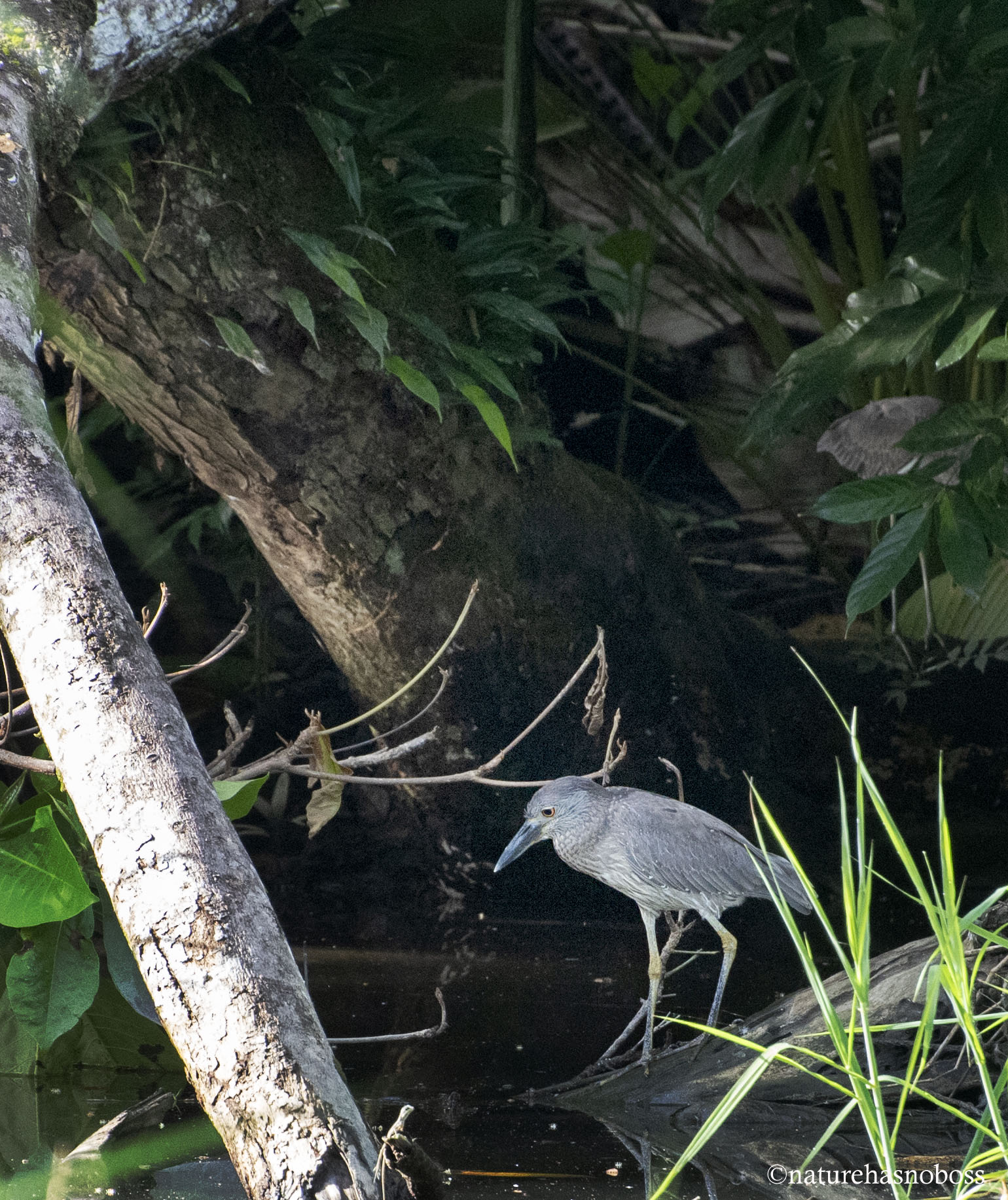
Juvenile Yellow-crowned Night Heron foraging in brackish waters.

Reference:

Watts, B. D. (2020). Yellow-crowned Night-Heron (Nyctanassa violacea), version 1.0. In Birds of the World (A. F. Poole, Editor). Cornell Lab of Ornithology, Ithaca, NY, USA. https://doi.org/10.2173/bow.ycnher.01

Bare-throated Tiger-Heron

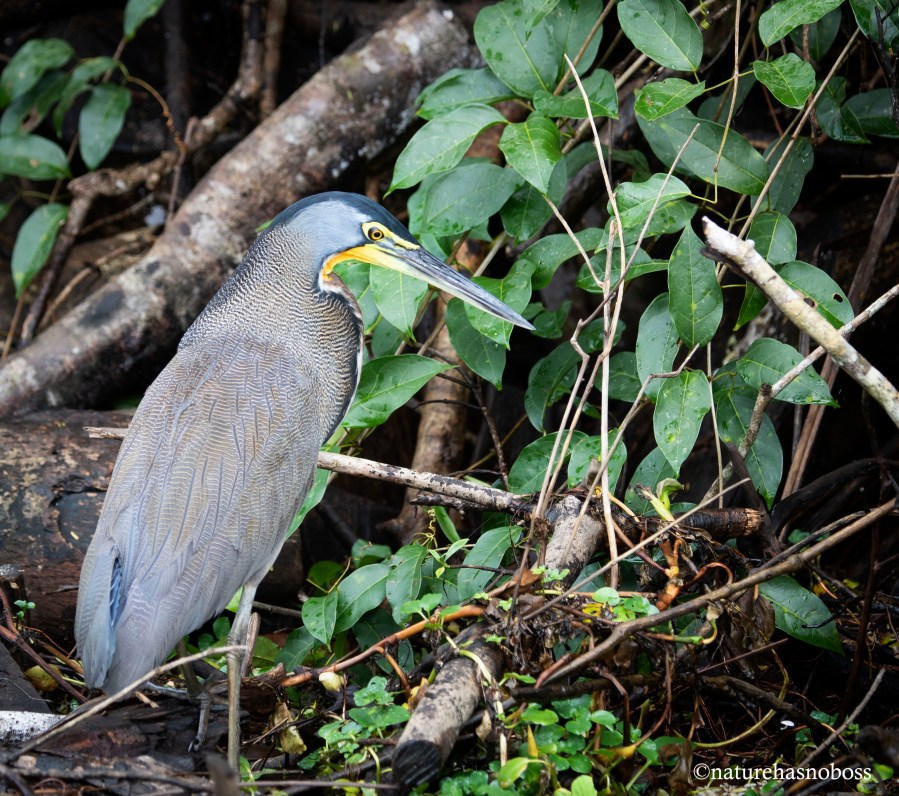
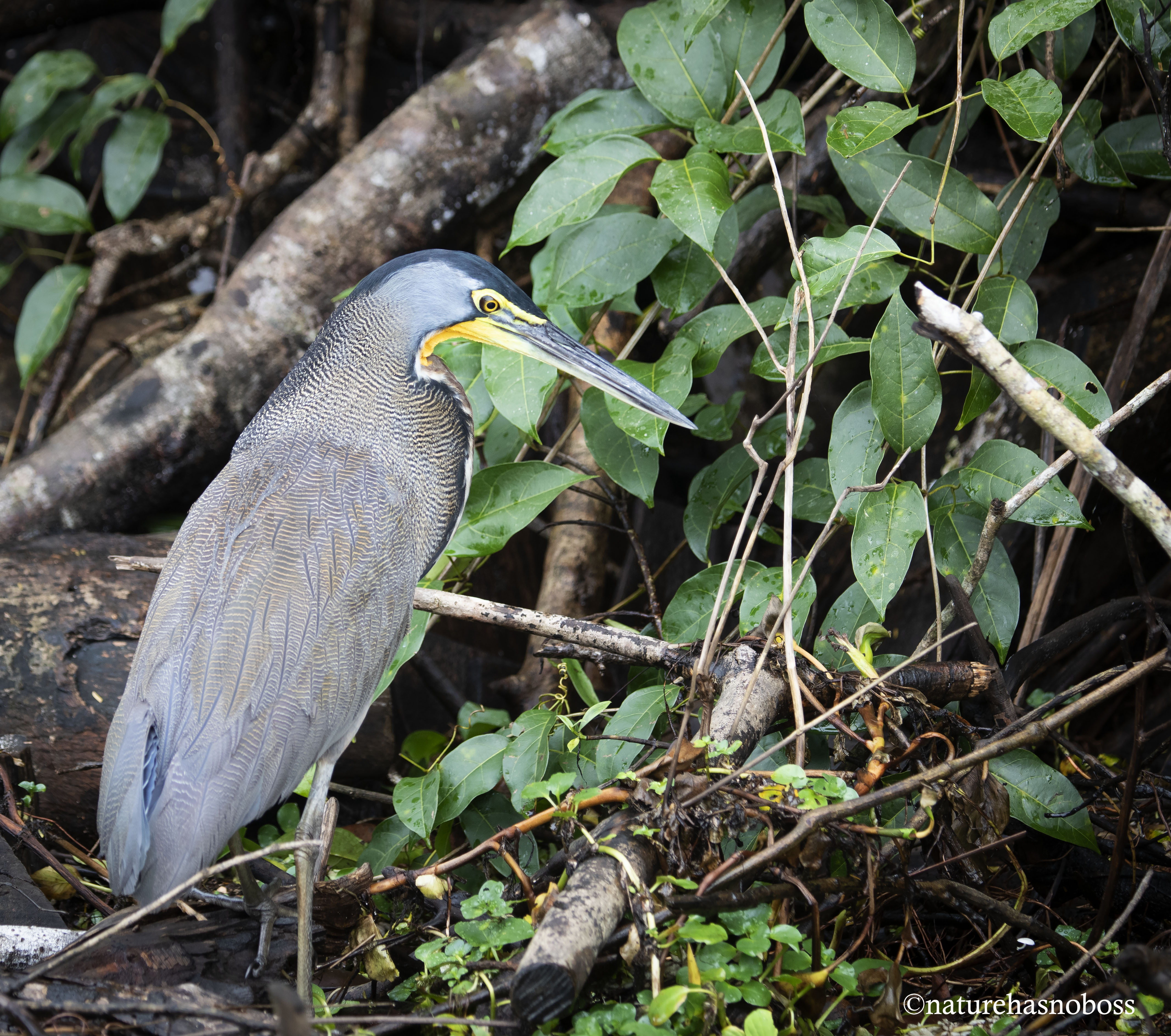
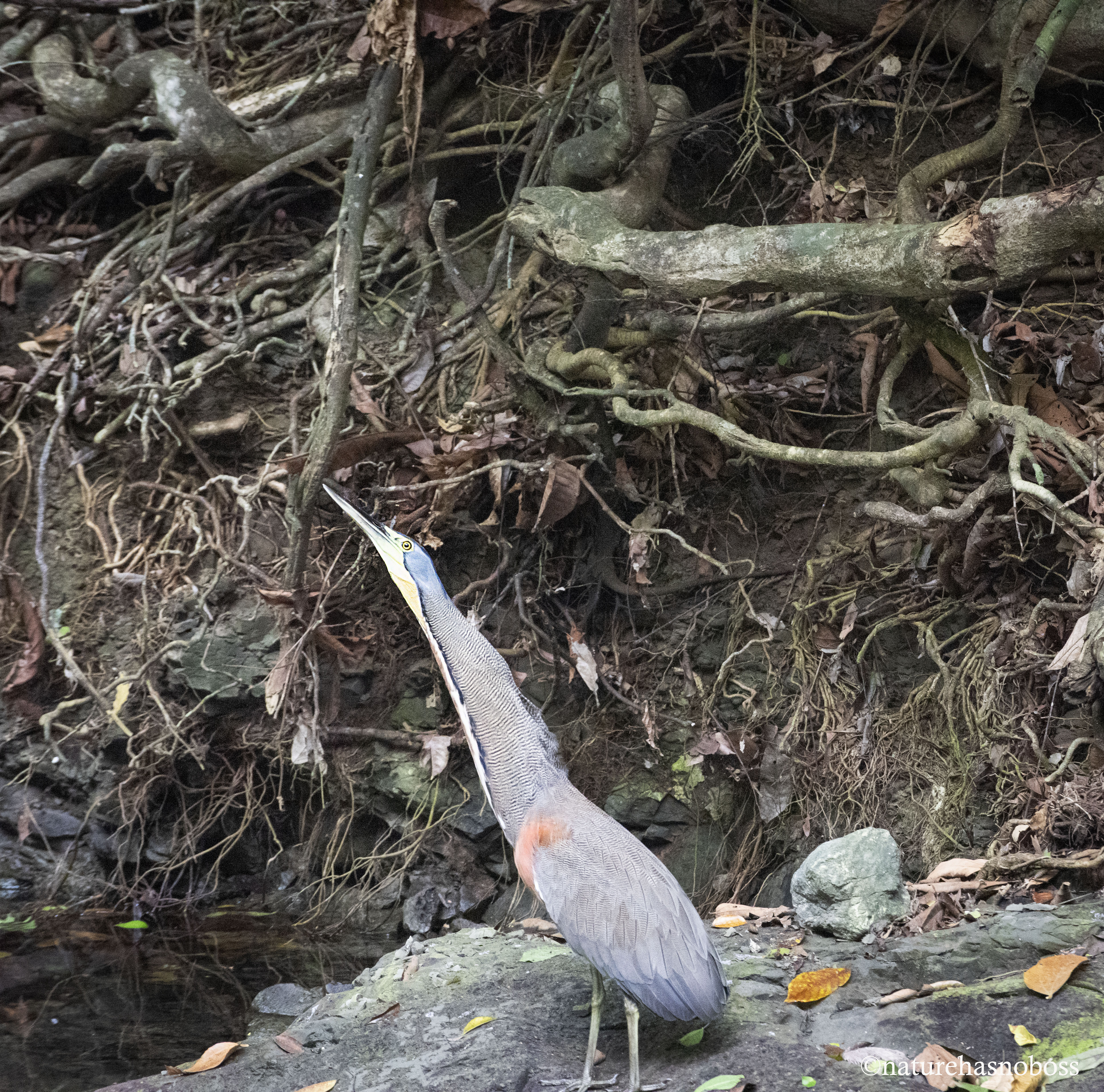
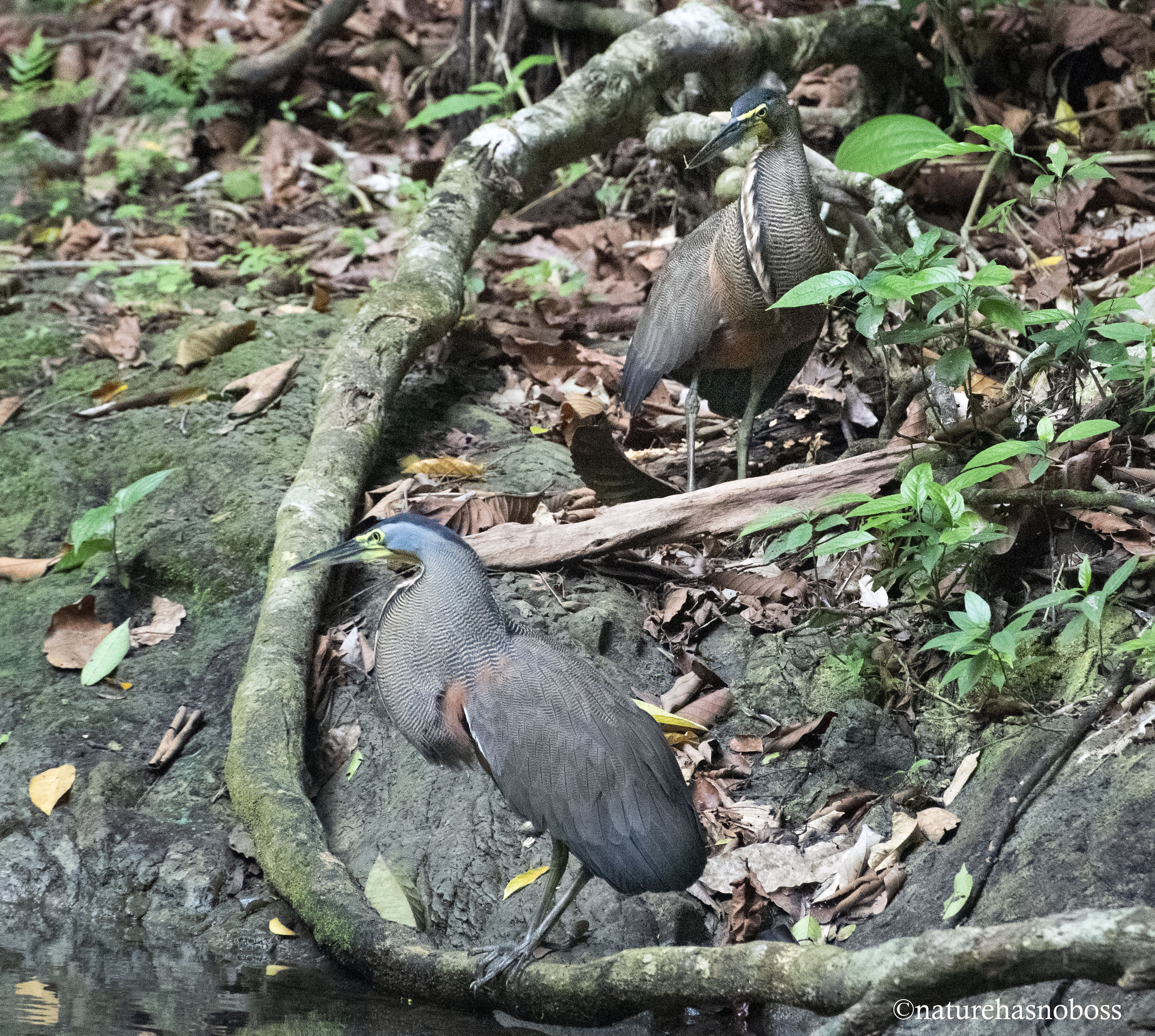
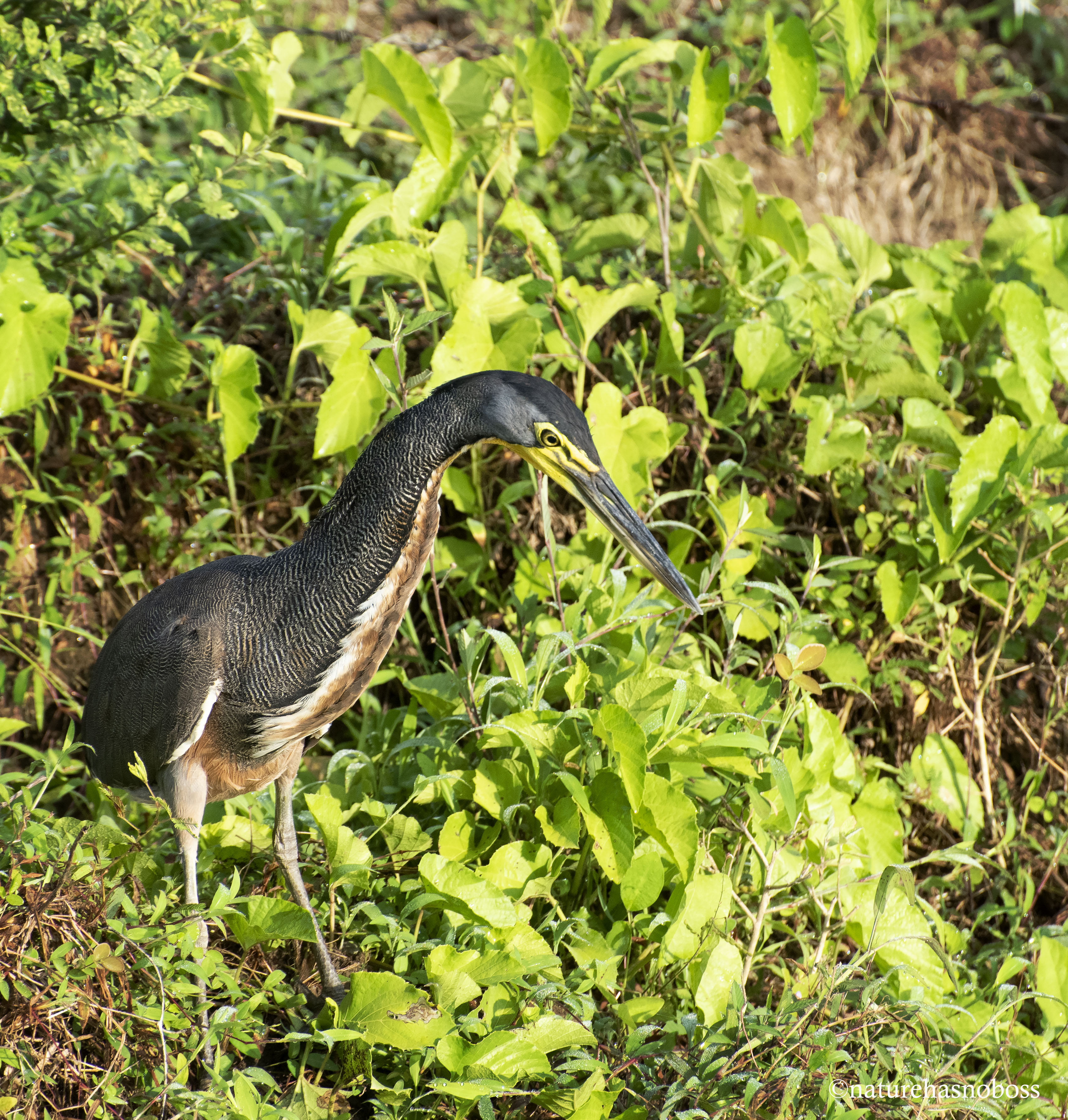
The Bare-throated Tiger Heron is a medium sized heron common to Central America. They are somewhat bulky and shaped a bit like a night-heron or Bittern with distinct baring and rufous on their breast.

This individual was displaying a behavior that indeed reminded us of the American Bittern.

The Bare-throated Tiger Heron forages along costal zones, brackish water and in inland marshes and swamps feeding mainly eating fish, frogs and crustaceans but has been known to consume small rodents.

Like many other Herons the bare-throated Tiger Heron hunts by remaining motionless and quickly striking when prey appears.

Reference:

Martínez-Vilalta, A., A. Motis, and G. M. Kirwan (2020). Bare-throated Tiger-Heron (Tigrisoma mexicanum), version 1.0. In Birds of the World (J. del Hoyo, A. Elliott, J. Sargatal, D. A. Christie, and E. de Juana, Editors). Cornell Lab of Ornithology, Ithaca, NY, USA. https://doi.org/10.2173/bow.btther1.01

Roadside Hawk

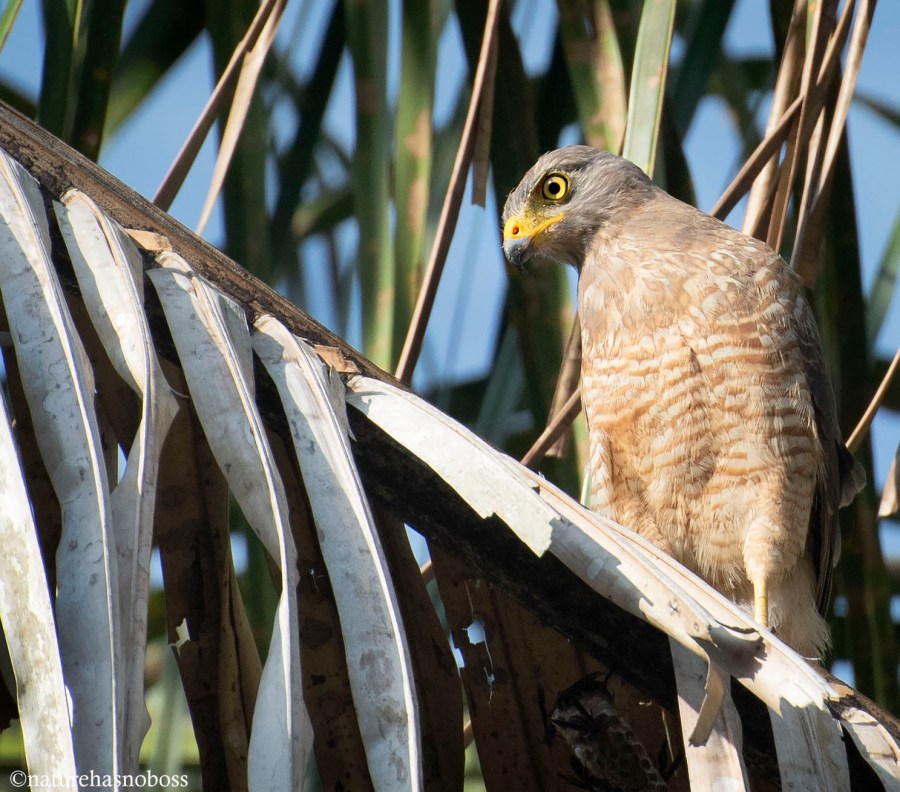
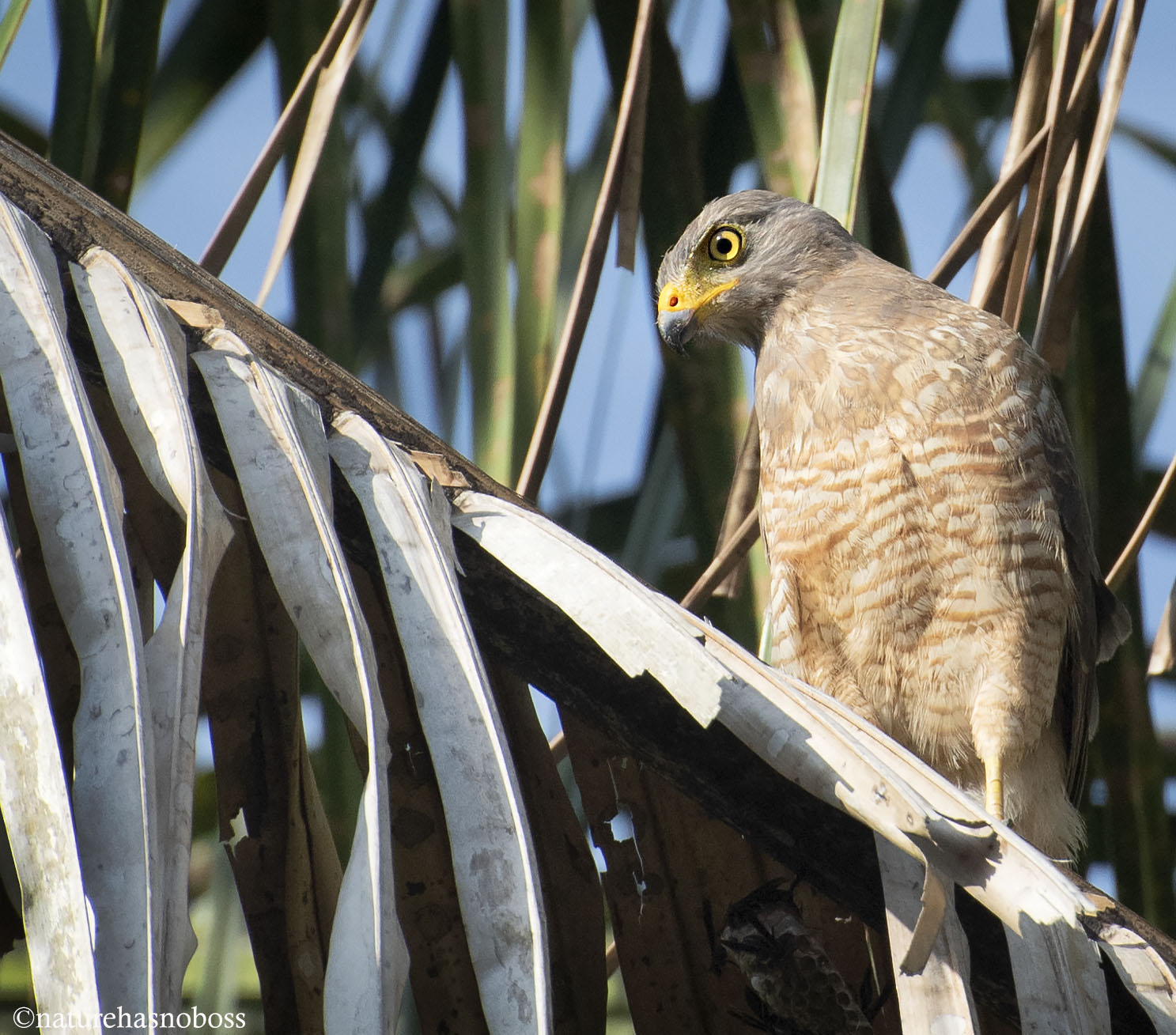
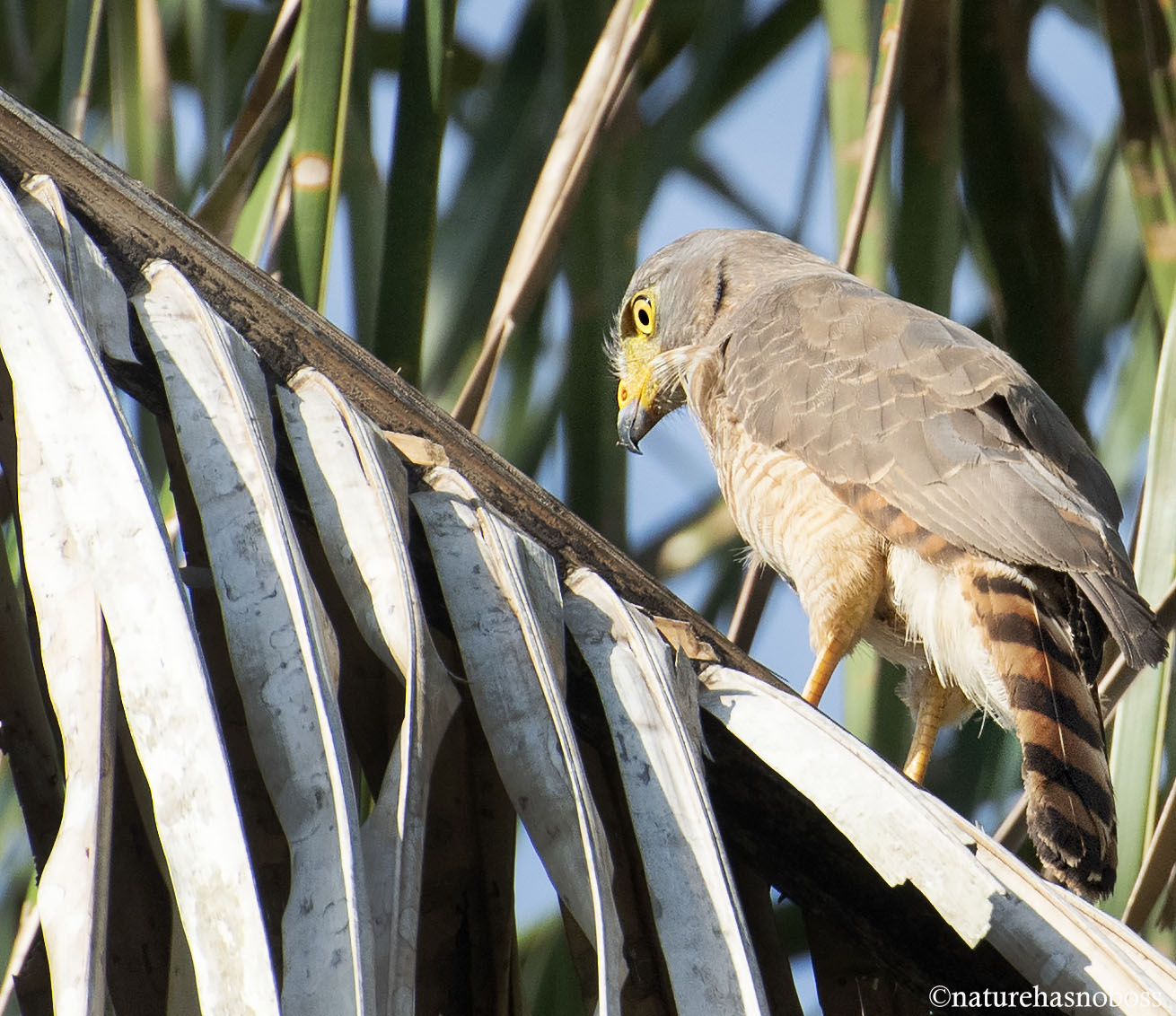
The Roadside Hawk is on the most common raptors encountered at the edge of forests and cleared fields ranging from Northern Mexico all the way south to Argentina. There are at least 12 subspecies with most being similar in appearance with a grey head, yellow cere, rufous banding across the breast and striped tail. The Roadside Hawk is opportunistic and hunts insects, reptiles and small mammals. We encountered this individual several years ago on a large palm tree peering out into some cleared pasture.

A intense looking hunter and a good look at the banded tail.

Reference:Bierregaard, R. O., P. F. D. Boesman, and G. M. Kirwan (2020). Roadside Hawk (Rupornis magnirostris), version 1.0. In Birds of the World (J. del Hoyo, A. Elliott, J. Sargatal, D. A. Christie, and E. de Juana, Editors). Cornell Lab of Ornithology, Ithaca, NY, USA. https://doi.org/10.2173/bow.roahaw.01

On the bull kelp

yellow_rumped_bull_kelp

A tiny Yellow Rumped Warbler found the bull kelp a perfect perch for hunting sand flies and other small insects on the beach. This girl would quickly dart down form the kelp to snag a small meal and quickly return to her perch. Seeing her sitting on the head of the bull kelp made us realize just how small she was. We watched a documentary about songbirds the other night called The Messenger.
It is a very timely reminder about what a world without song birds would be like.

Black-billed Magpies

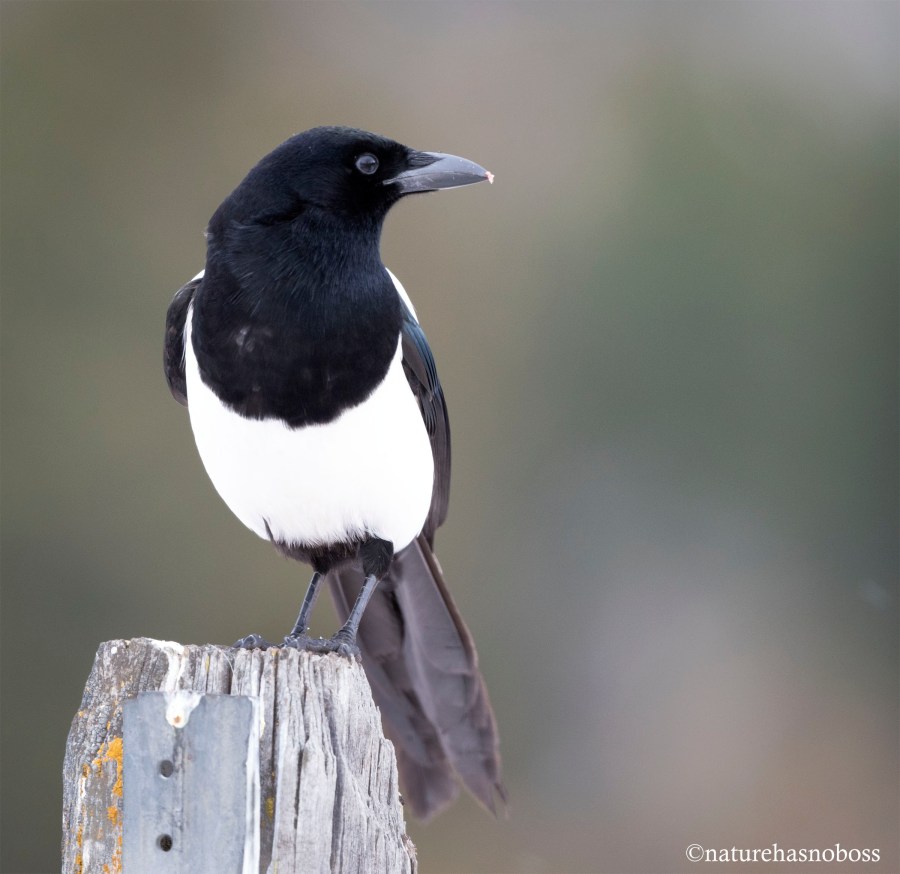
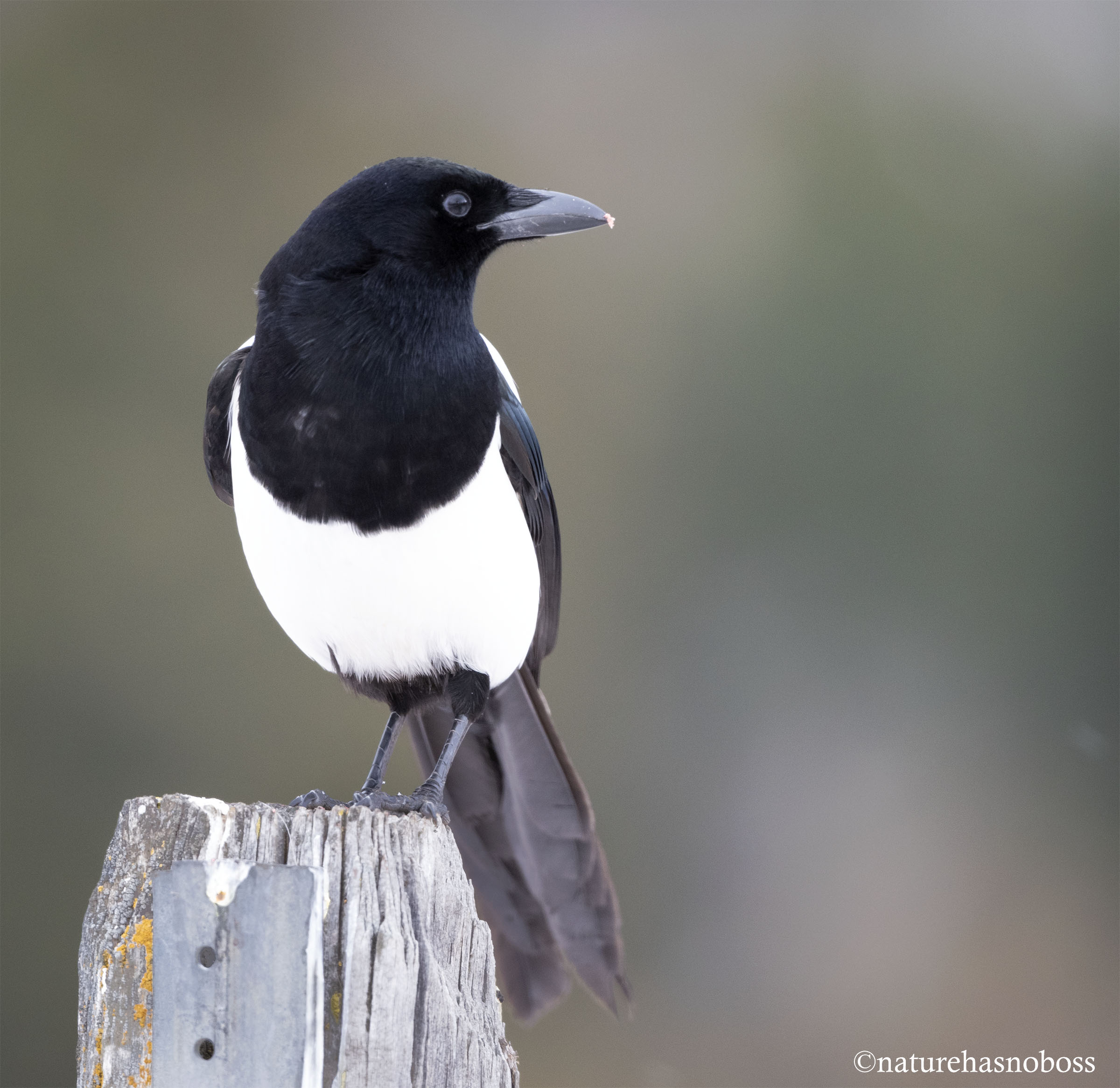
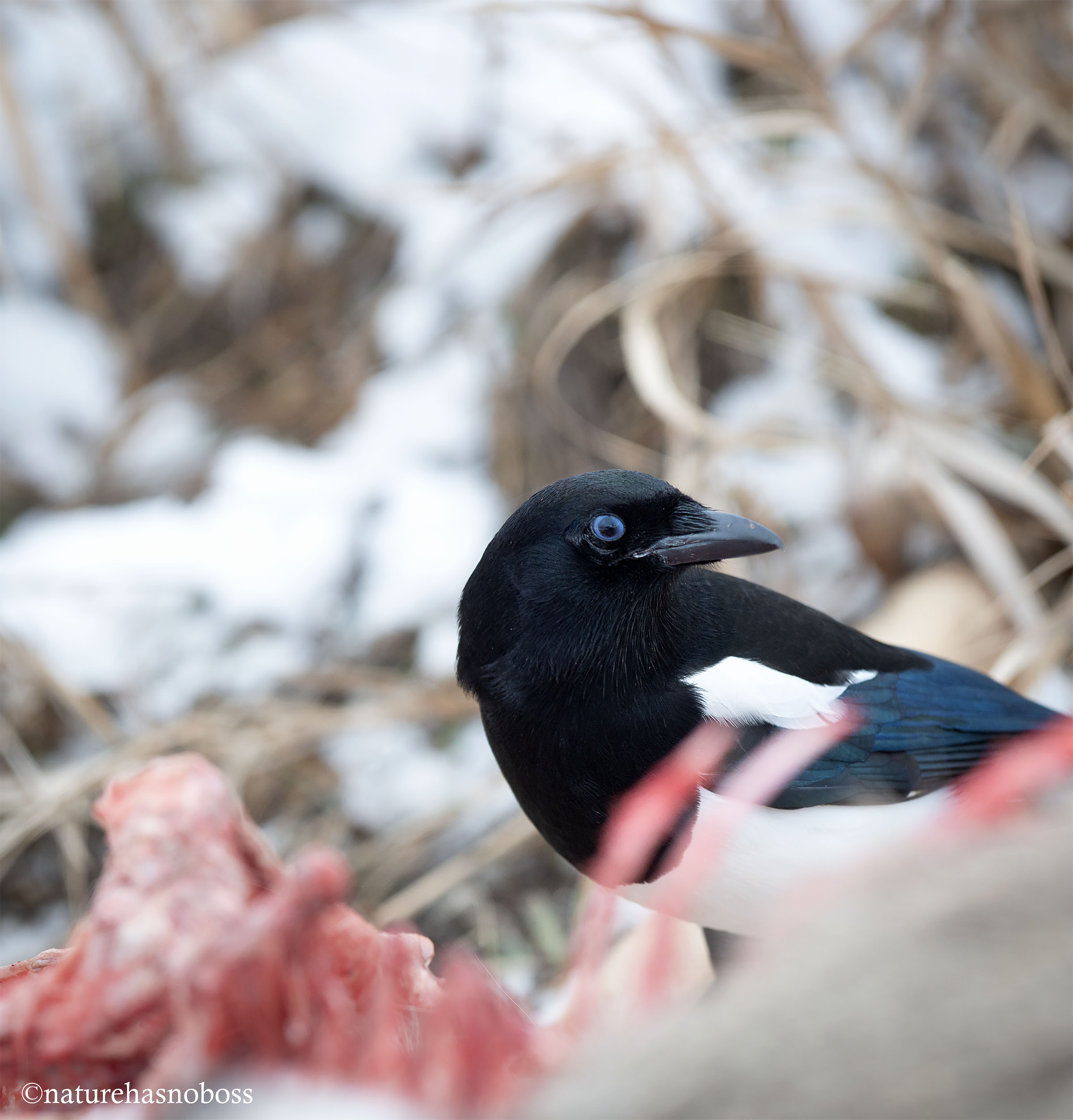
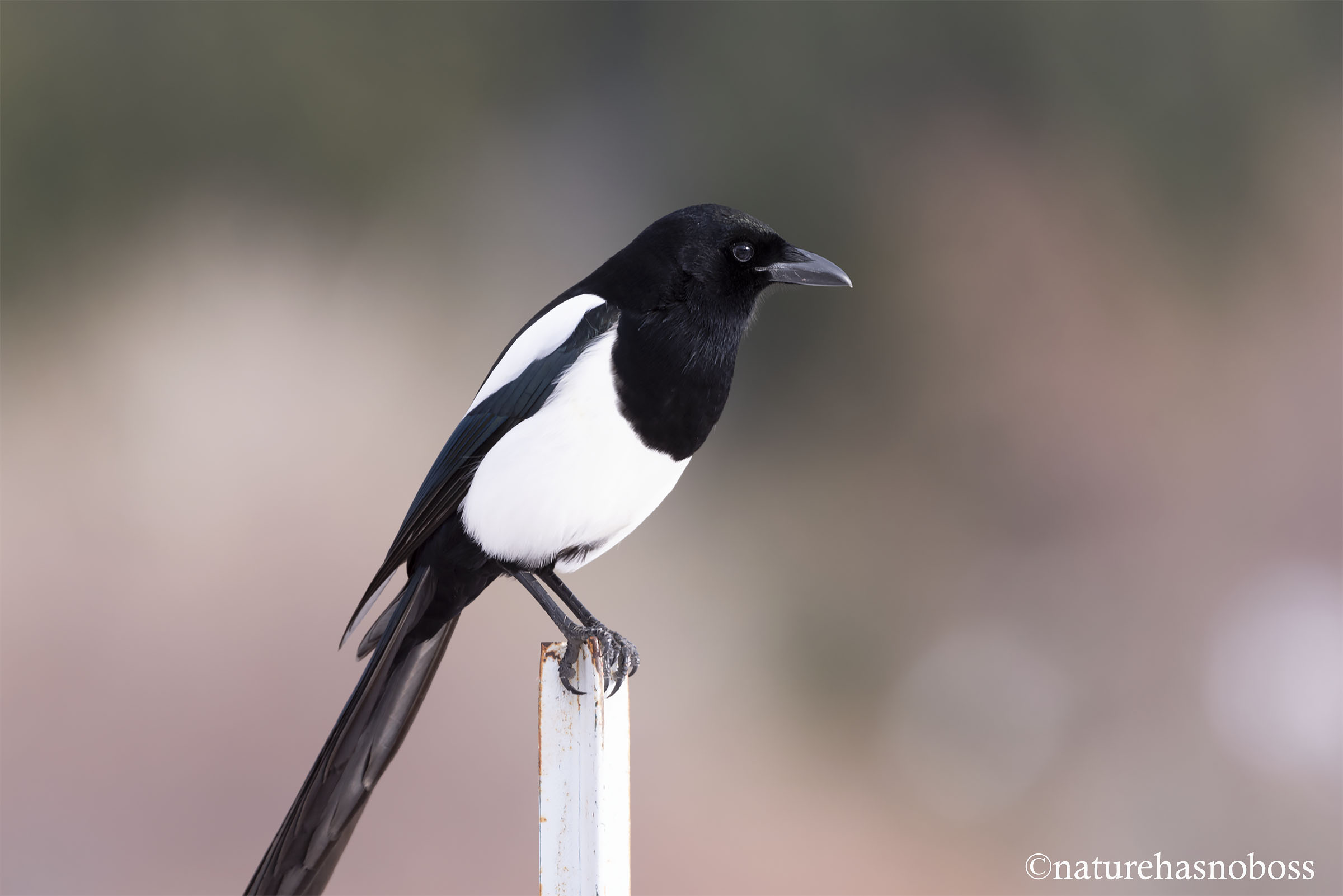
A Black-billed Magpie rests on a fencepost while over a dozen and perhaps more other Magpies feast on a Mule Deer Carcass nearby. In our neck of the woods Magpies are shy and typically fly off well before we can get a camera pointed on them. This day their attraction to the nearby feast overshadowed thier reluctance of humans and we got to observe them close-up for a significant amount of time.

We seldom see the blue in the eyes of magpies but this day was an excepting.

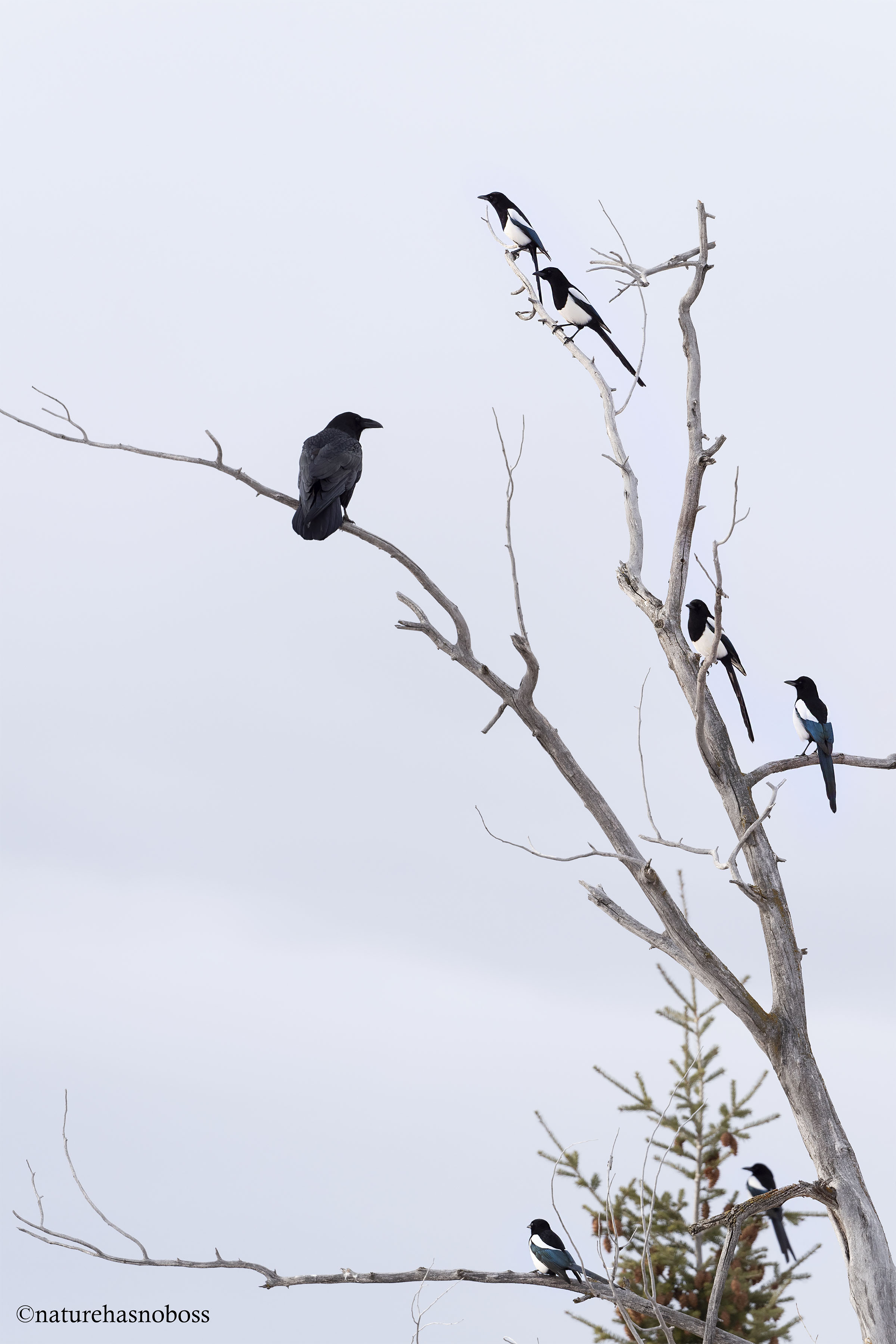
Seven Black-billed Magpies keep an eye out on a Corvid relative the Common Raven who also had an interest in the nearby Mule Deer carcass. Needless to say, a seven to one advantage kept the meal out of reach for the Raven.