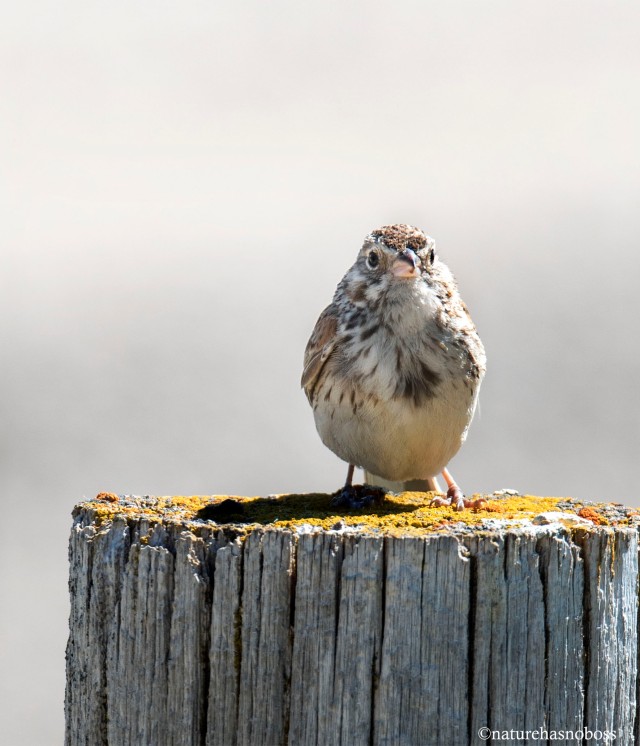
A lichen covered post seemed a suitable perch for this sparrow. Shades of brown, gray and orange all similar yet all distinct.
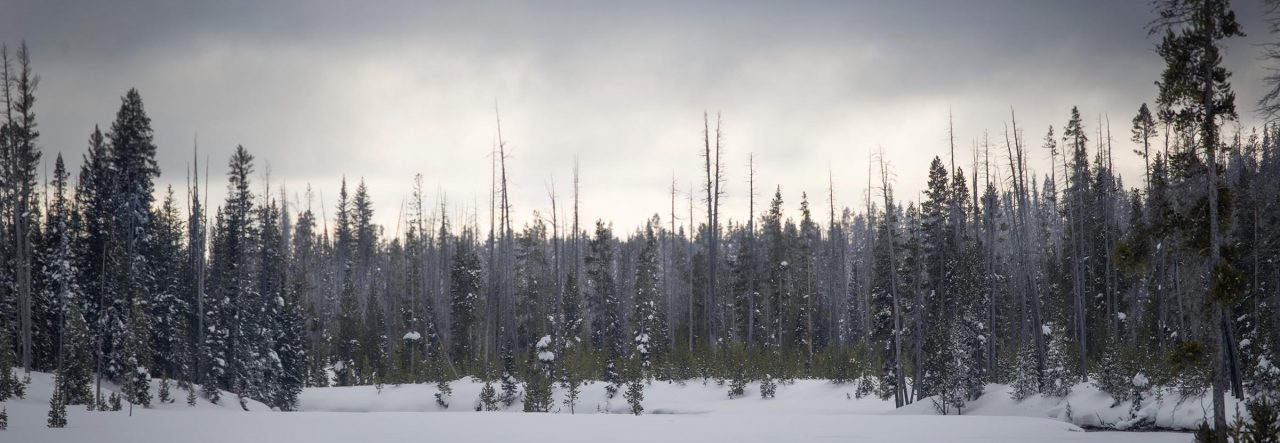
A lichen covered post seemed a suitable perch for this sparrow. Shades of brown, gray and orange all similar yet all distinct.
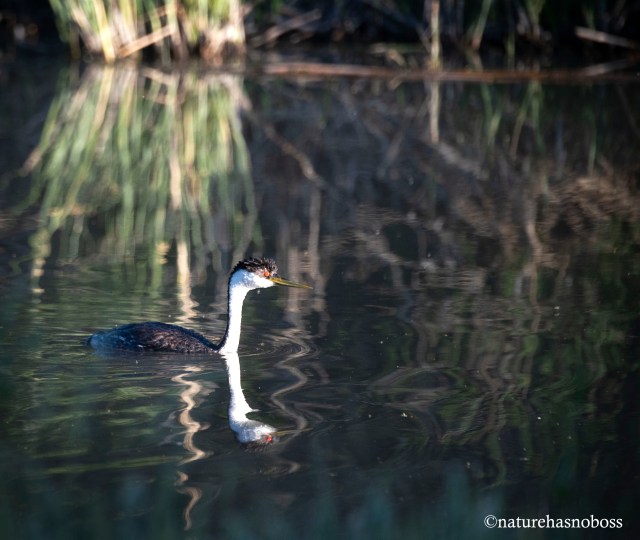
A Western Grebe swimming silently into the wonderful evening light.
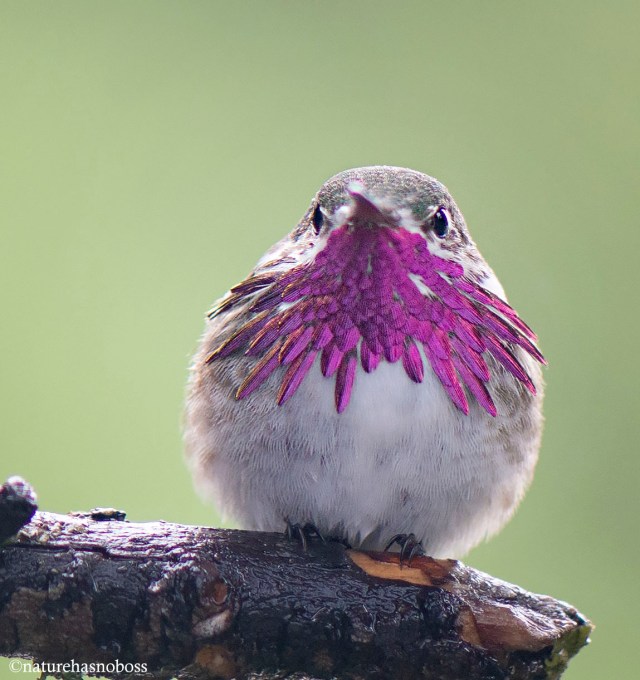
Getting face-to-face with a male Calliope Hummingbird who we affectionately call “Tiny”.
As in…… hey, Tiny is here, when we see them perched in the trees or at the hummingbird feeders.
Calliopes are smallest bird around yet unmatched in energy, spunk and attitude and this guy was no exception especially. Especially on attitude.
Named after Calliope the muse of eloquence and epic poetry “Tiny” is poetry indeed.
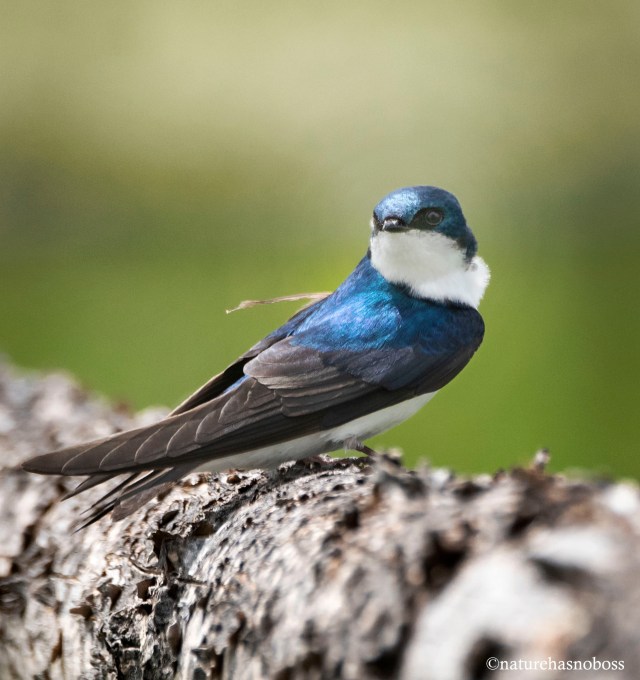
A Tree Swallow takes a break form their aerial acrobatics and hangs on tight along the fence line on a windy summer afternoon.Watching these birds forage on small flying insects is something we nice tire observing.
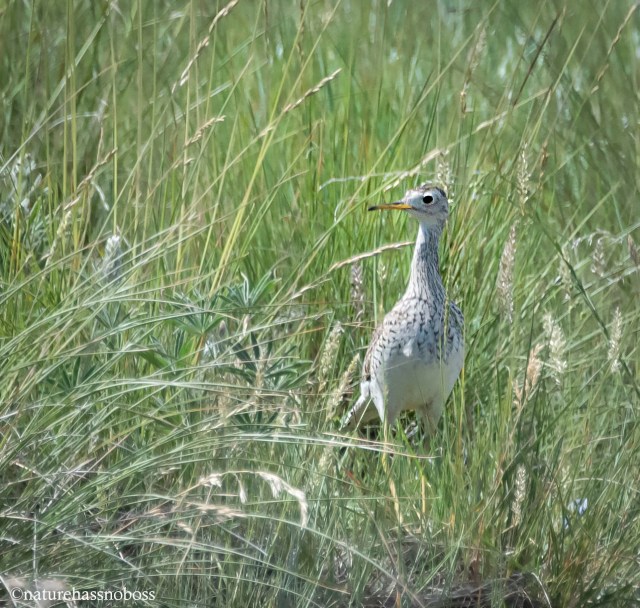
It’s hard to believe but the Upland Sandpiper will begin its journey south less than a month from now. Upland Sandpipers breed in the northern prairies yet spend most of the year (8 months or so) in Central and South America. Standing about a foot tall with that big eye and relatively short bill these birds forage on foot through short grass habitats looking for insects.
“Upland Sandpiper’s association with native prairie is so strong that scientists consider it to be an “indicator species,” along with Sprague’s Pipit and Baird’s Sparrow, that can indicate the quality a habitat. Thus, the absence of these three birds in a patch of prairie would indicate to biologists that there is likely a problem with the habitat.“1
We were thrilled to be able to watch this bird foraging for several minutes before they moved into the tall grass a short distance away and disappeared from sight. Now you see them now you don’t.
Reference:
1. All About Birds: Upland Sandpiper.
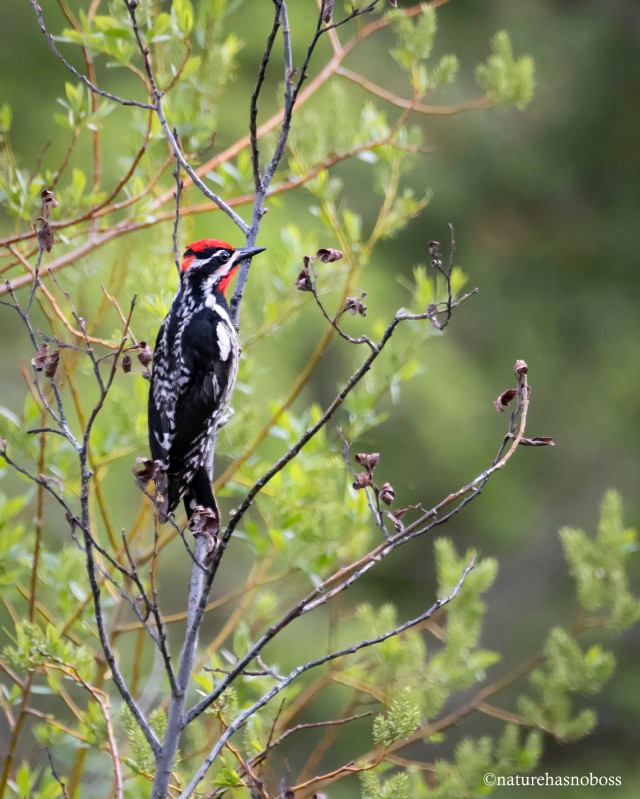
A Red-naped Sapsucker appeared out of the aspen forest to perch on the shrubs for just a moment before flying off into the forest.
“Red-naped Sapsucker nest holes make good homes for other species. Many species that nest in holes don’t have a specialized bill needed to carve out their own home, including Mountain Bluebirds, nuthatches, and chickadees. The small holes excavated by sapsuckers provide safe places for smaller hole-nesting birds to nest.“1
Reference:
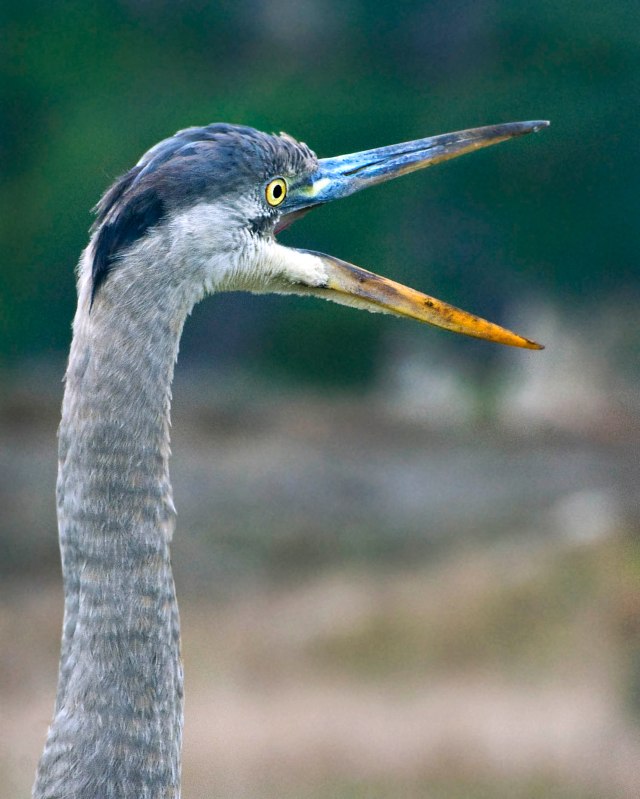
You kids get off my lawn. Happy Sunday to all.
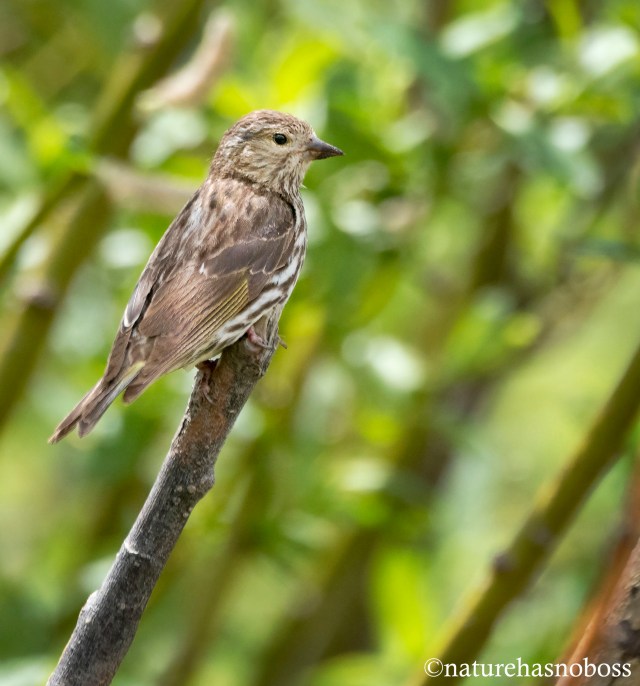
A little Pine Siskin relaxing on an early summer day. It’s hard to believe these guys can make such a load of chatter as this bird just sat so quiet and observed their surroundings. Like a Goldfinch disguised as a sparrow Siskin’s grace our forests in summer and sometimes winter as well we enjoy having them around.
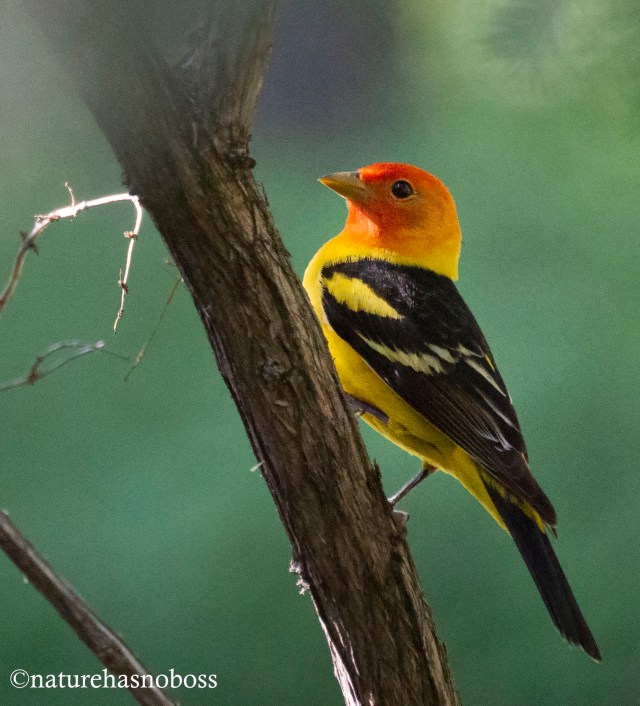
We hear the Western Tanagers calling every morning and evening from late May until early August and despite the brilliant colors of the males good looks are few and far between as they move quickly in the upper story of the conifers nearby.
The brilliant red color of the Males is unique.
“While most red birds owe their redness to a variety of plant pigments known as carotenoids, the Western Tanager gets its scarlet head feathers from a rare pigment called rhodoxanthin. Unable to make this substance in their own bodies, Western Tanagers probably obtain it from insects in their diet.”1
This day we got a nice look at this male, which we have fondly dubbed flame, perched in the midlevel of the trees. What a beautiful bird.
Reference:
1.https://www.allaboutbirds.org/guide/Western_Tanager/overview
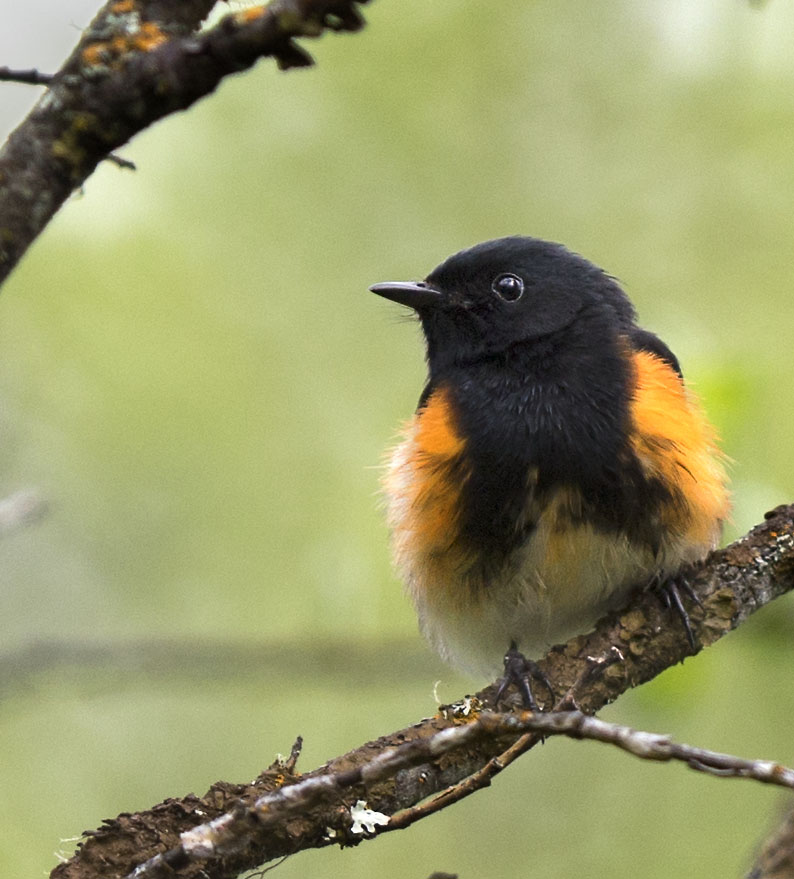
A male American Redstart full of color and song on a cool early summer afternoon. Never one to sit still for long this little guy was both a frustration and joy to watch and photograph.
 nature has no boss
You must be logged in to post a comment.