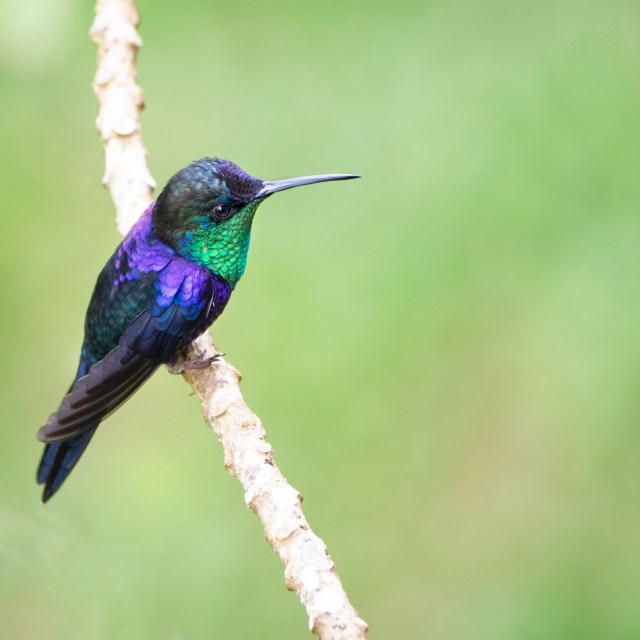
So much joy in such a small package.
A Crowned Woodnymph brightens the day. And we can all use just a smidgen of brightening to start this week off right.
Wishing you a wonderful week and one day at a time will be this week motto for us.
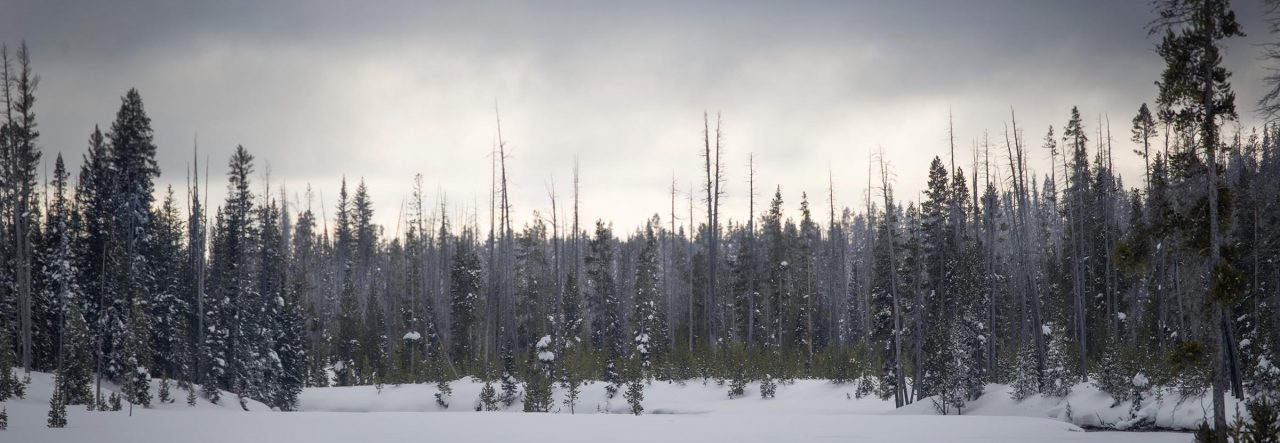
So much joy in such a small package.
A Crowned Woodnymph brightens the day. And we can all use just a smidgen of brightening to start this week off right.
Wishing you a wonderful week and one day at a time will be this week motto for us.
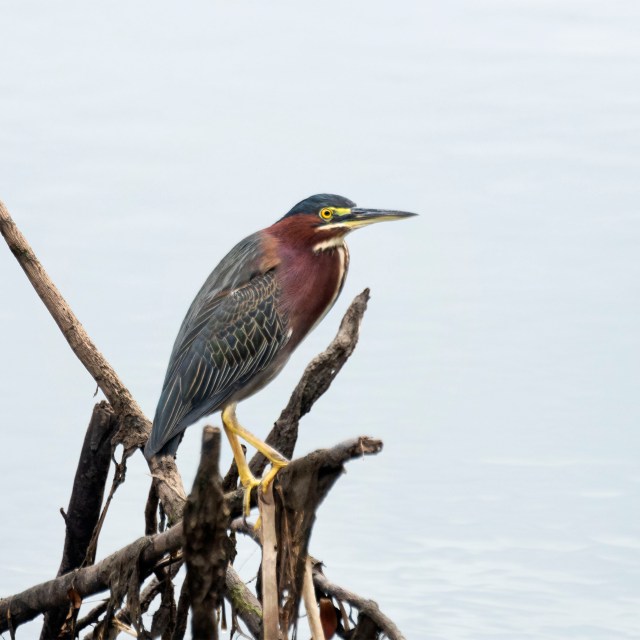
We sat and watched this Green Heron as they slowly moved along the river bank and while we could see them they maintained constant cover in a tangle of dead branches and roots. After about 20 minutes they flew out into the open and landed on this tangle of roots in the river.
Amazing birds in that they can use tools to catch fish.
That would be something amazing to see and something to keep an eye out for next time you spend some time observing one.
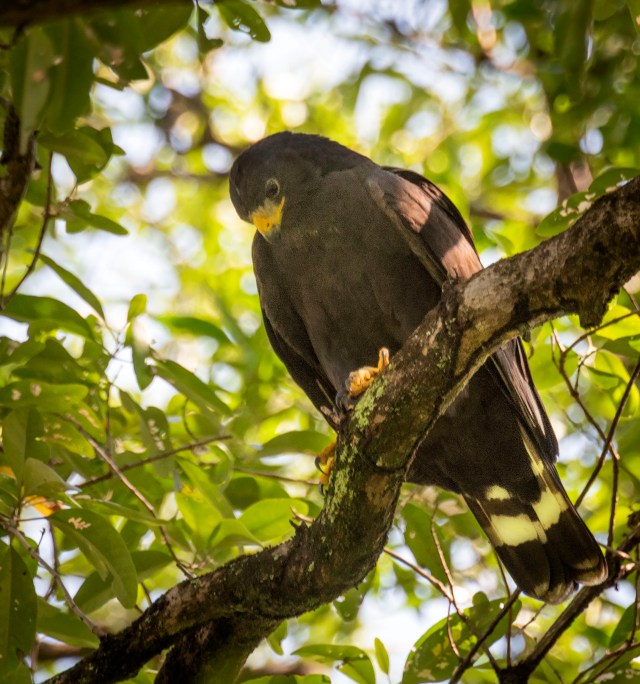
It is always amazing to us when we find raptors perched up high in the tree tops of a dense forest. This day a Common Black Hawk sits perched looking to the forest floor right above your heads looking for a potential meal. This bird only sat long enough for us to snap a quick photo before nimbly soaring off through the branches and dense foliage. An amazing sight indeed.
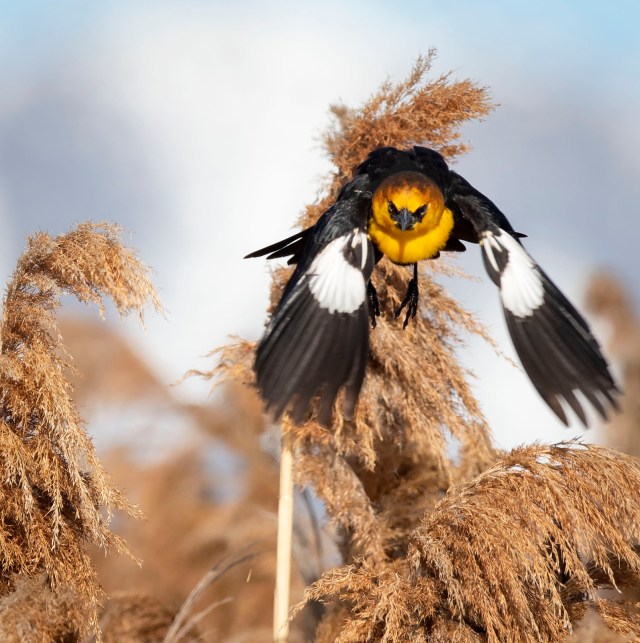
Good things are heading your way. In this case it’s a Yellow Headed Blackbird that has returned to the marsh and that means spring is sure to follow.
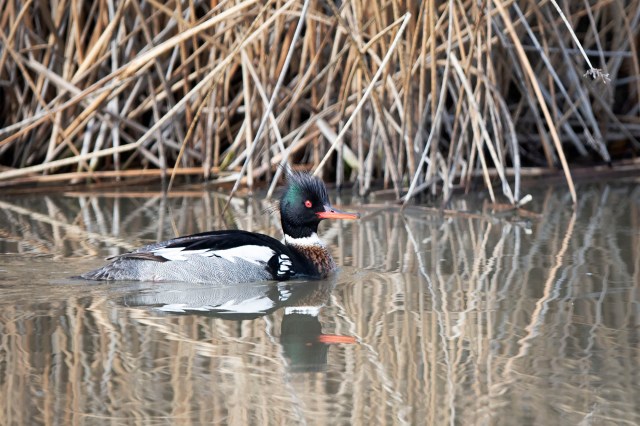
Looking fine as can be in his breeding plumage a male Red-Breasted Merganser swims quietly along in the cattails confidant he will attract a mate.
References:
1. The Cornell Laboratory of Orinthology, All about birds Website, https://www.allaboutbirds.org/guide/Red-breasted_Merganser/lifehistory
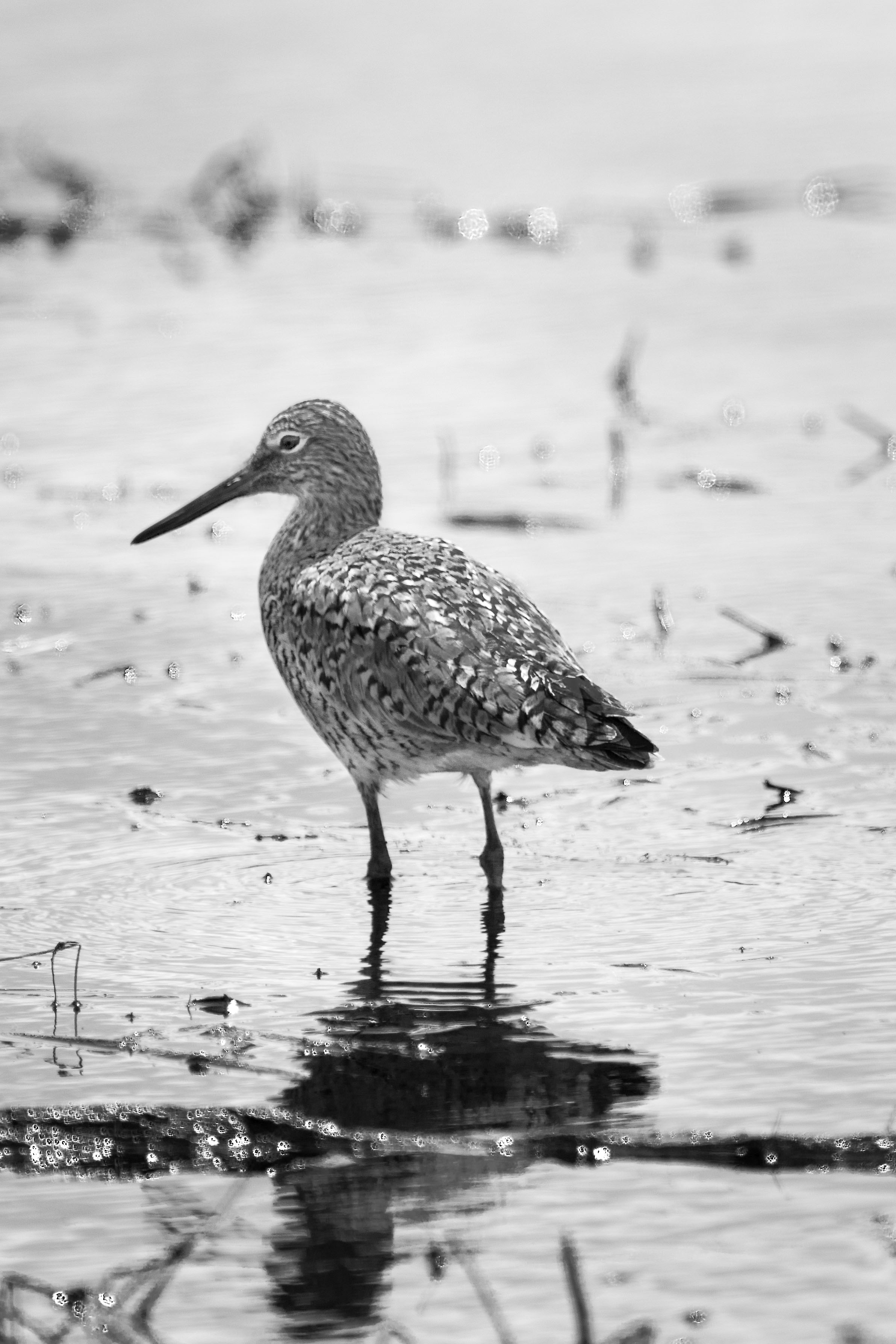
A Willet soaking up the warmth of the sun.
Every day it feels more like spring, yes, winter remains yet it’s grips has lost much strength.
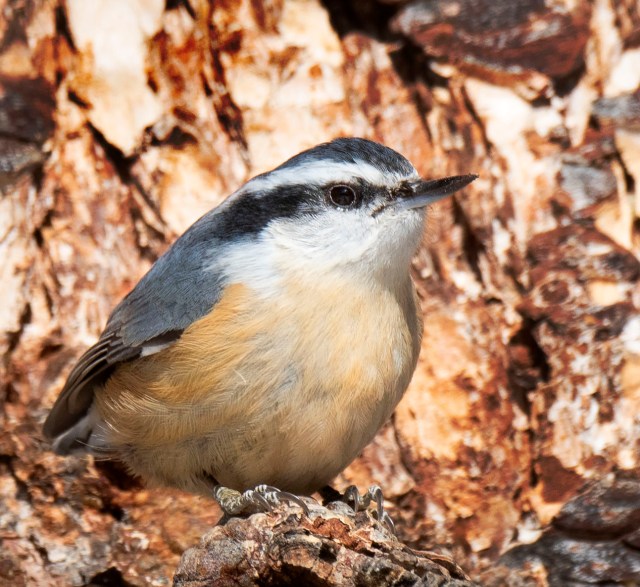
Earlier this week we featured the Mountain Chickadee who by our accounting is the most prevalent species hanging around our neighborhood this winter. A close second, and perhaps on some days the most prevalent species, is the Red-Breasted Nuthatch. Sitting quietly in an old spruce this particular Nuthatch presented us a nice photo opportunity on a warm March afternoon. It won’t be long before they scatter to higher grounds and prepare for breeding season but until then we savor the opportunity to listen to their honk-honk-honk from the trees nearby.
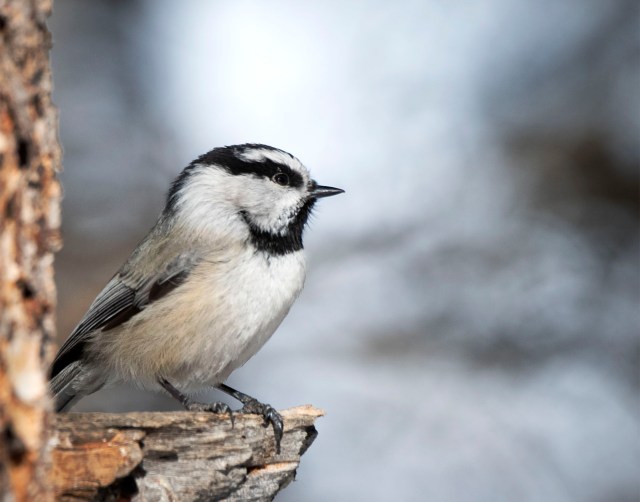
This winter the most numerous bird species hanging around our area is the Mountain Chickadee. They appear to make up the core of mixed flocks roaming the neighborhood and slightly outnumber the Red-Breasted Nuthatches and Black-Capped Chickadees. These guys have a wonderful feisty-spunky-gritty- character that makes them a real treat to have around on a winters day. As spring arrives they will move back up into the hills but for now we are thoroughly enjoying having the around.
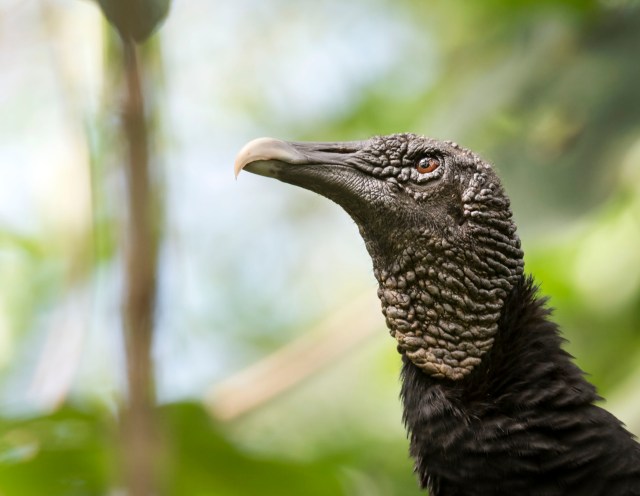
A beautiful Black Vulture presents their profile through a forest clearing. While not a local resident to the western United Staes Black Vultures have been slowly expanding their range and a now a common sight in the East and Southeaster US. Black Vultures are monogamous, staying with their mates for many years, and caring parents who feed thier young for up to 8 months. In addition, vultures contribute a wonderful clean-up service to the ecosystems they inhabit. It was nice to get a close-up view of a bird we usually see soaring on the thermal high above our heads.
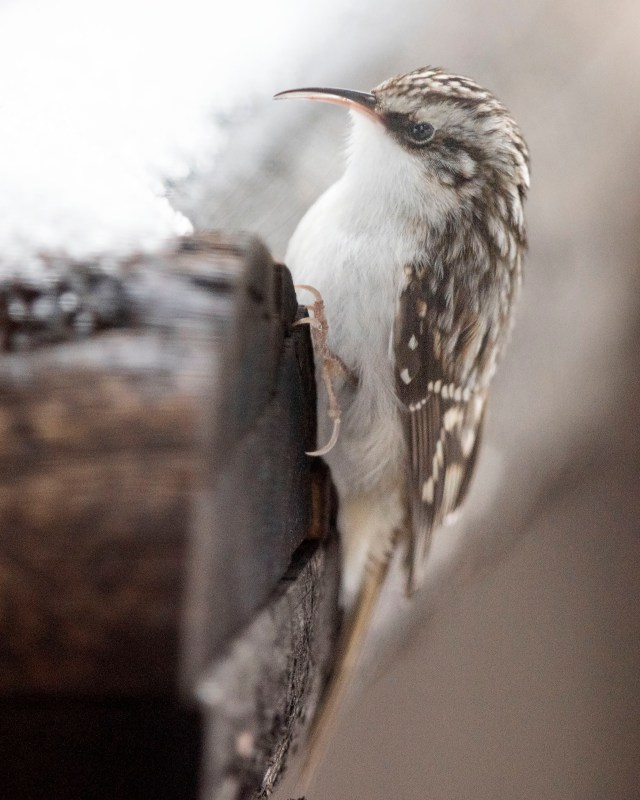
We have been lucky to have two and sometimes even three Brown Creepers hanging around the area this winter. They have been the first to arrive to the trees in the morning steadily working their way up and down the bark of the spruce and pines on their daily quest for sustenance. Tiny birds weighing on average seven grams and at most fine inches in length they are well camouflaged yet their presence looms large and is a welcome sight in the quiet of the winter forest.
 nature has no boss
You must be logged in to post a comment.