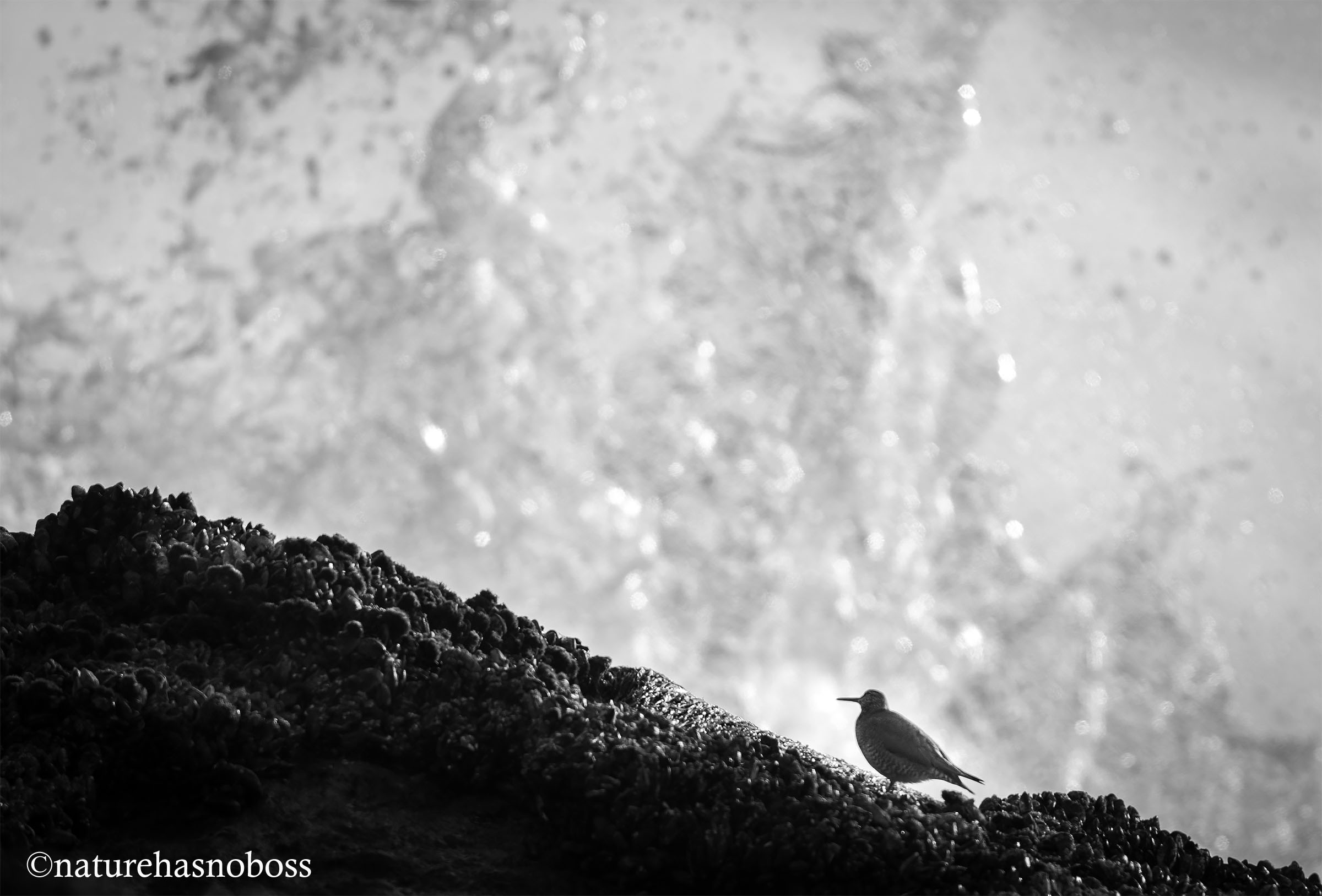
While the waves were breaking big on the rocks along the shore a Black Turnstone takes it all in stride while foraging on a mussel crusted rock.

While the waves were breaking big on the rocks along the shore a Black Turnstone takes it all in stride while foraging on a mussel crusted rock.

An male Common Grackle looking shiny and sleek spent some time foraging around in this cottonwood tree as afternoon shifted to evening. It’s always a treat when just the right light revels the amazing coloration in their feathers. What appeared a basically black bird is reveled to have a green-purple head and iridescent purple-bronze body. And who can forget that eye.
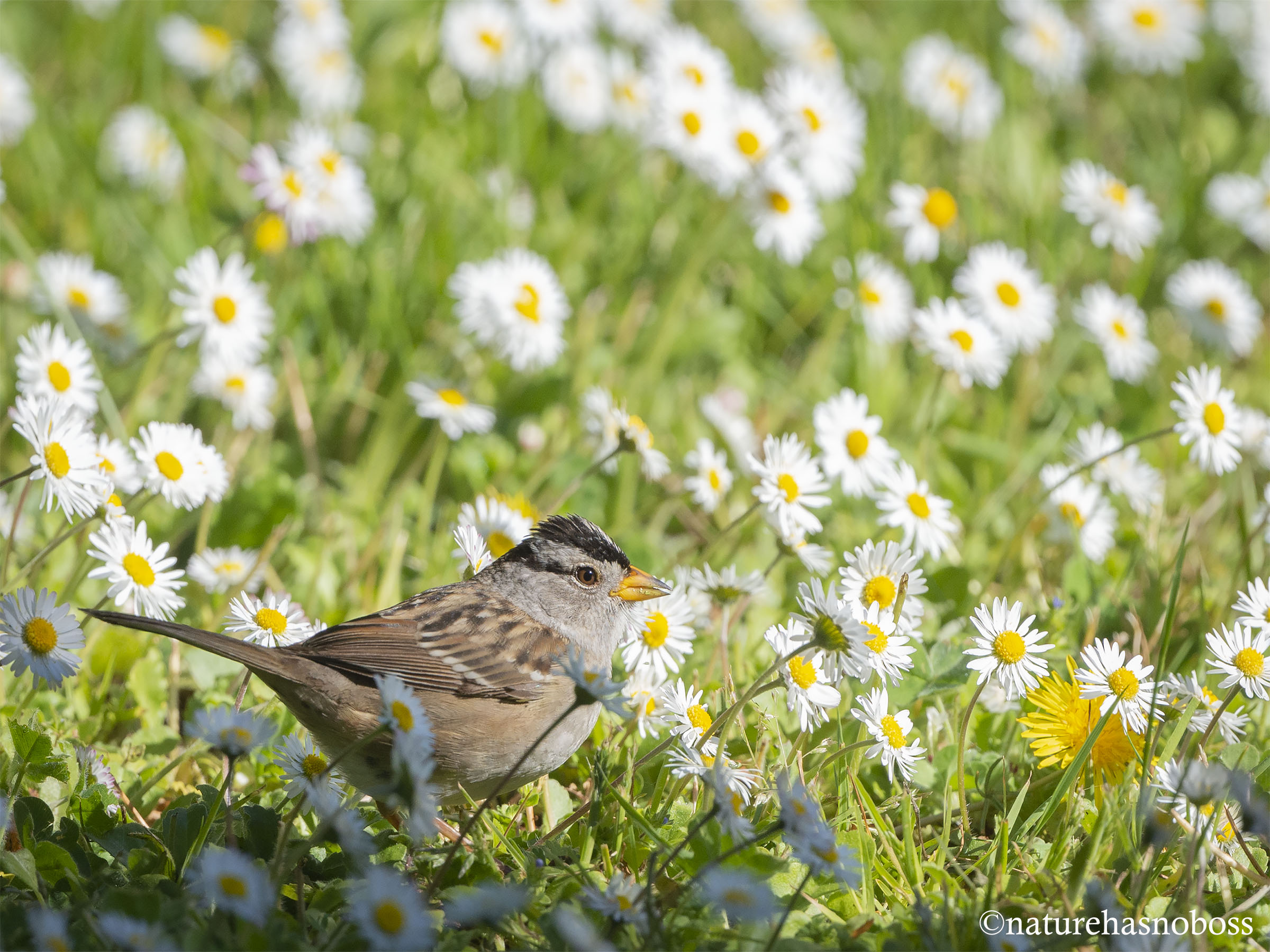
A field of white wildflowers with yellow centers welcomes a beautiful White Crowned Sparrow with yellow beak. Each right at home with each other.
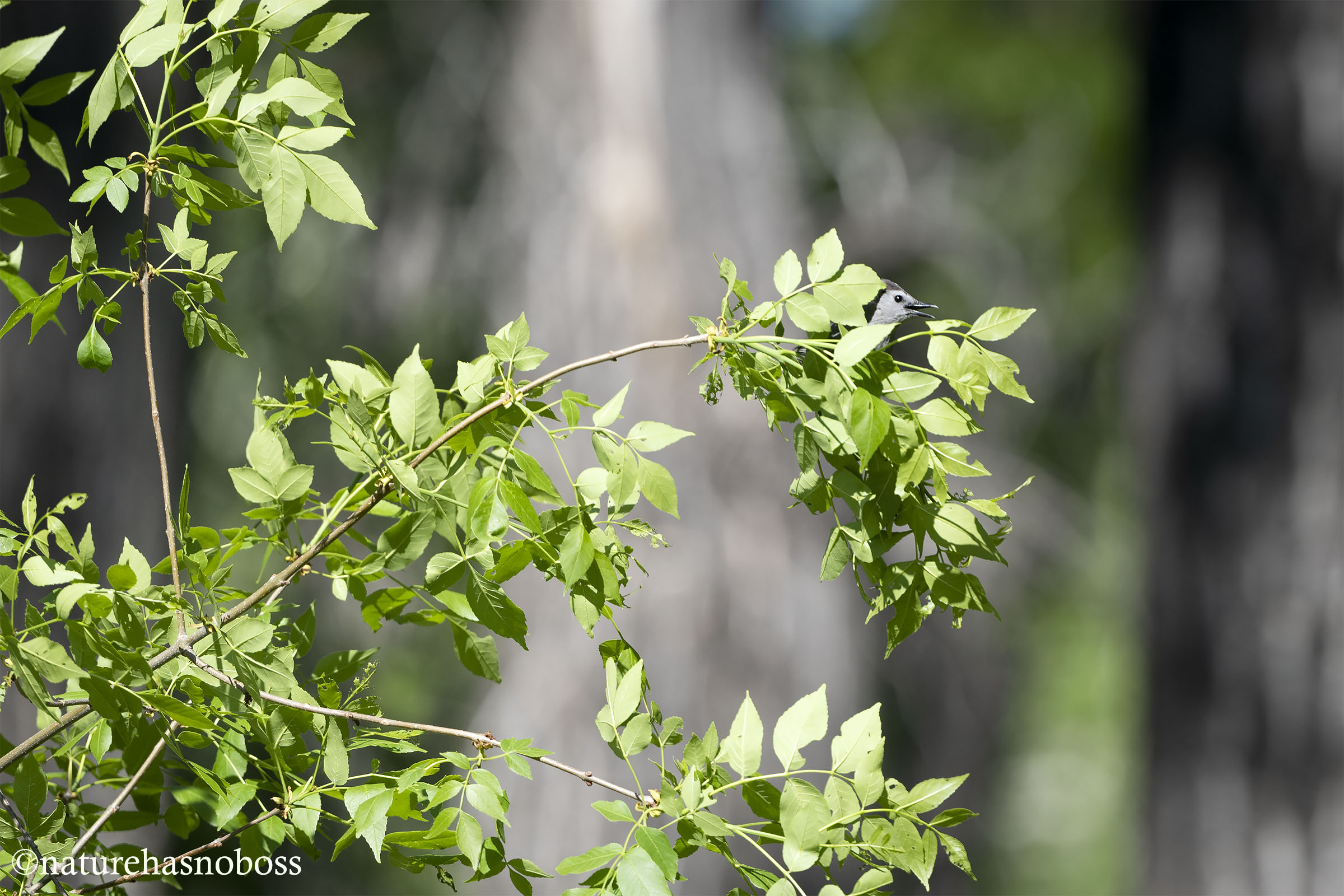
Peeking out from behind the leaves and doing it with their typical style we proudly present ….the Gray Catbird.
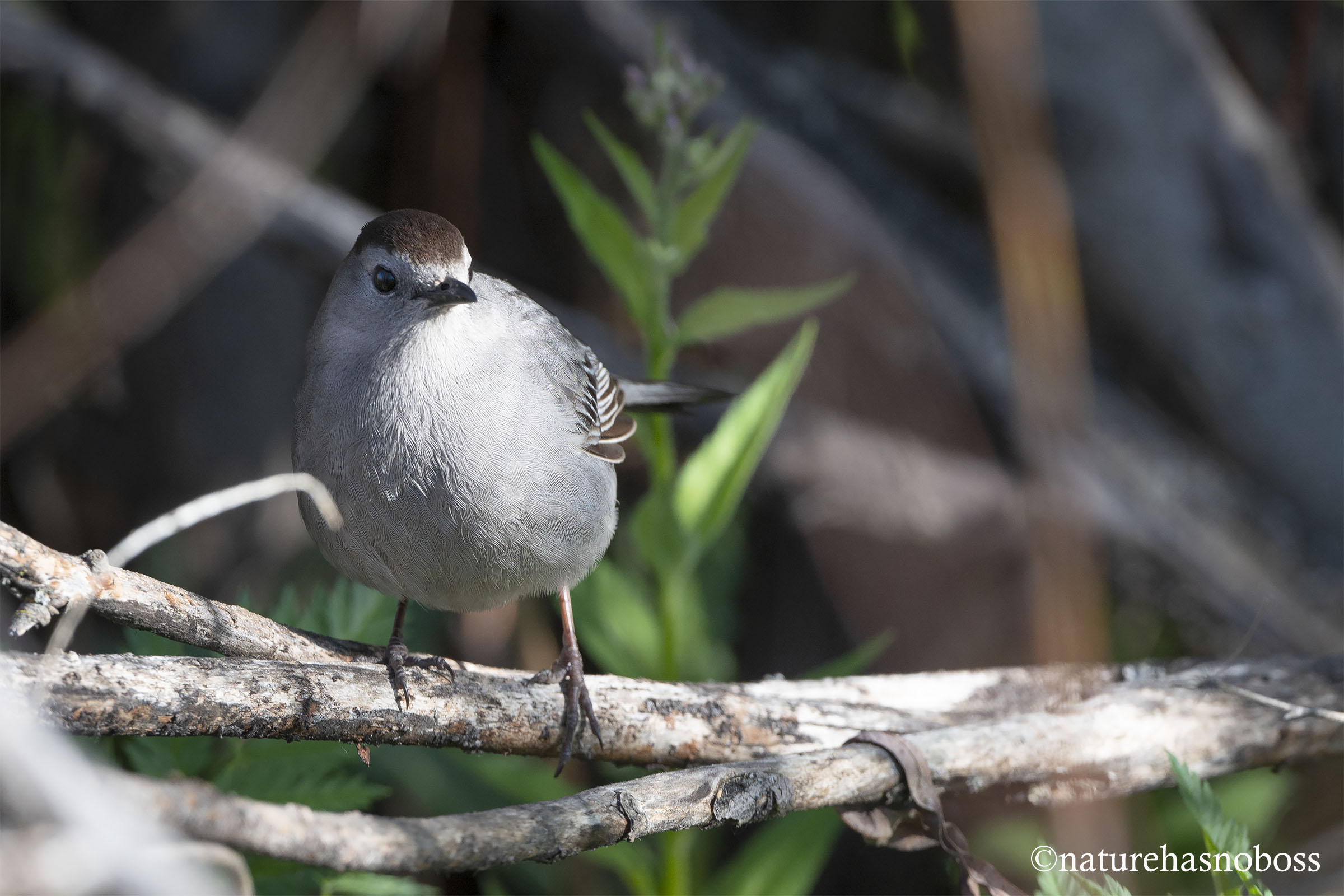
With it’s distinctive cat like mew call radiating out from the dense undergrowth we knew if we waited just a little bit we might get a nice look at one of our favorite songsters and with a little patience we were rewarded.
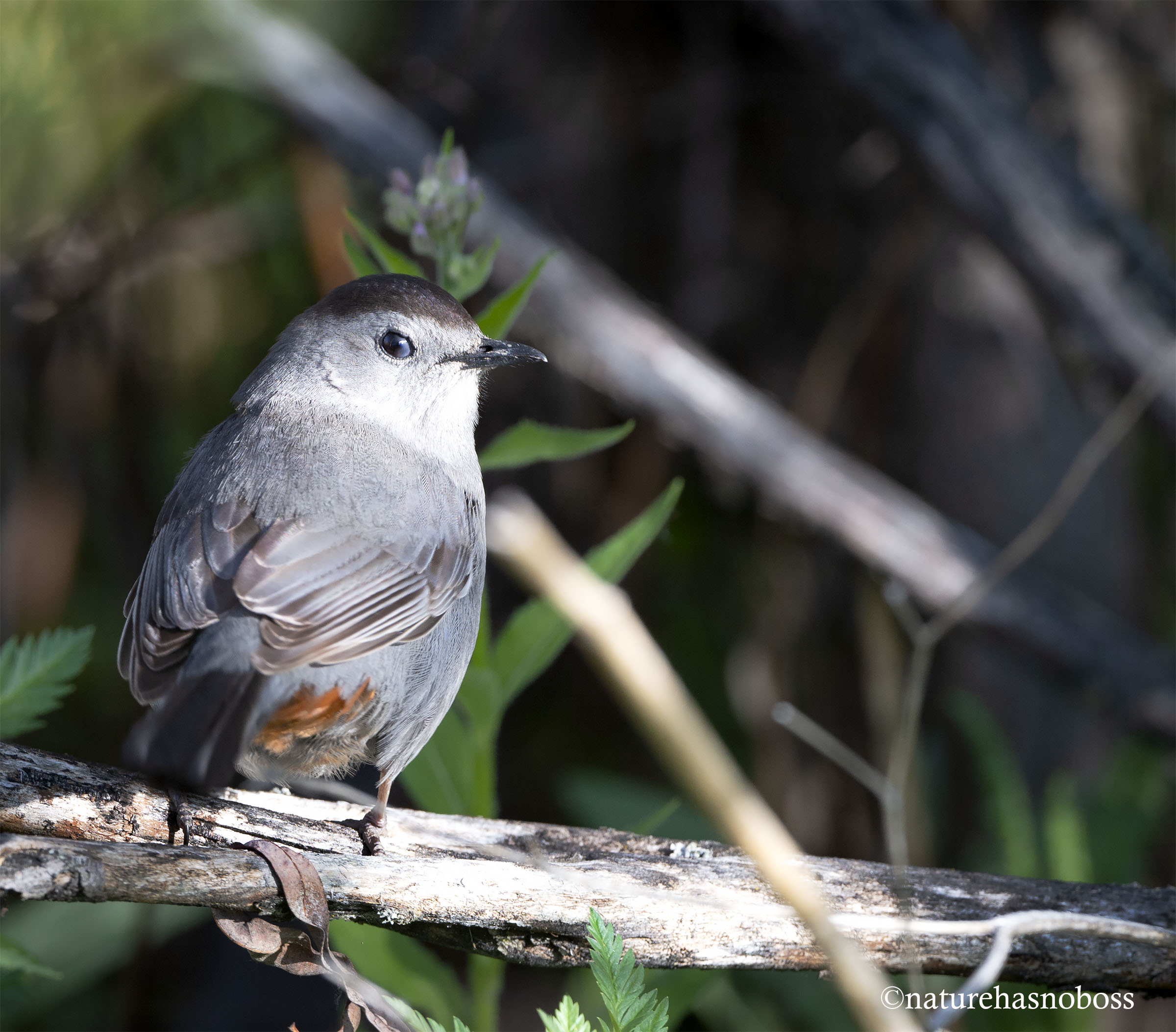
This morning a pair of Catbirds emerged from the thick undergrowth into a nicely lit clearing. Although from a distance these birds look completely gray a closer look reveals a black cap and black-tipped tail and a bit of rufous under the tail.
“The Gray Catbird belongs to the genus Dumetella, which means “small thicket.” And that’s exactly where you should go look for this little skulker.”1
https://www.allaboutbirds.org/guide/Gray_Catbird/overview
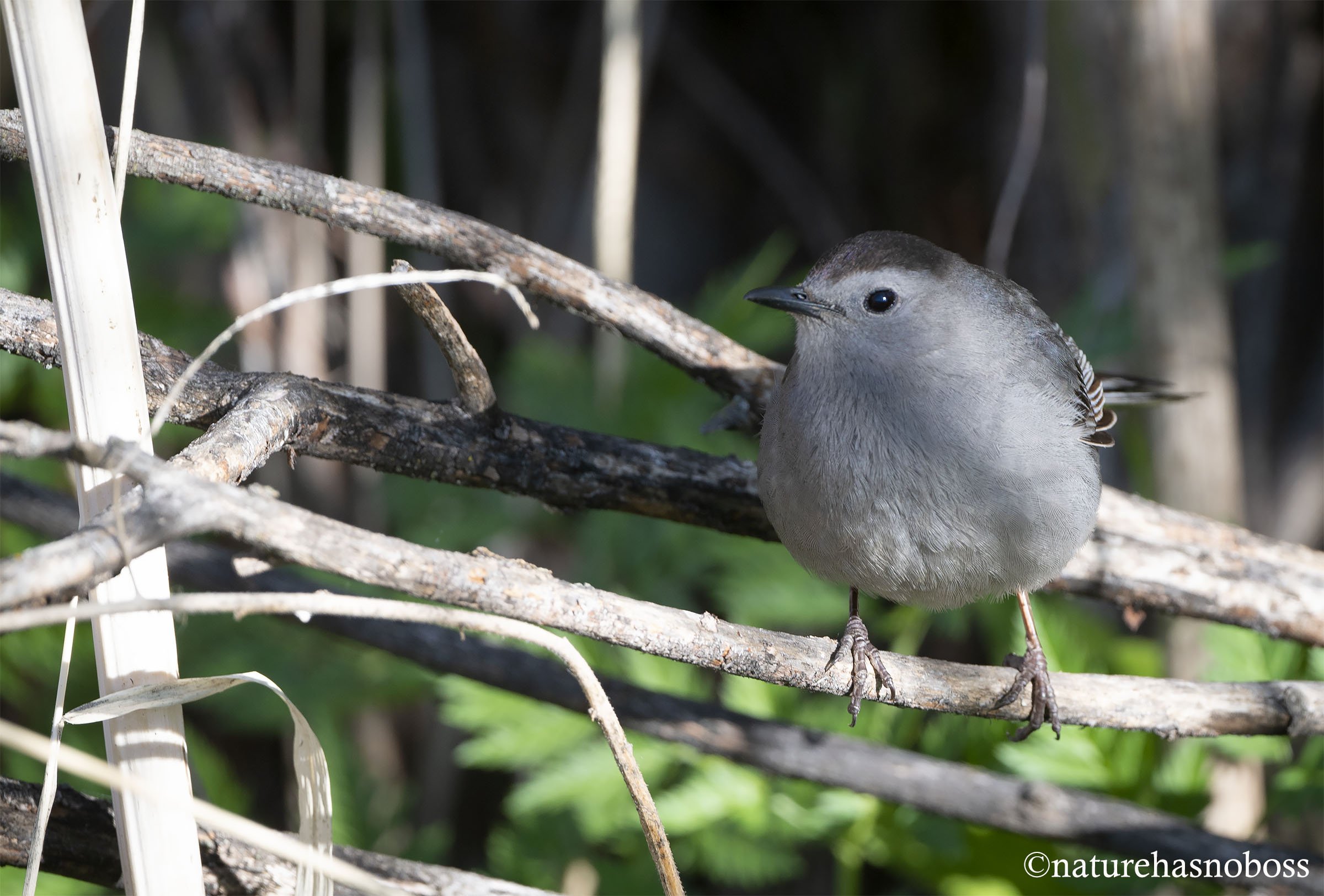
Perhaps this pair were building their nest in this tangle of benches as Catbirds regularly nest in deep tangles building open cup type nests lined with inner cup of tightly woven grass, hair and small rootletts of plants.The nest is then used to incubated between 1-6 eggs which typically hatch in 12-15 days.
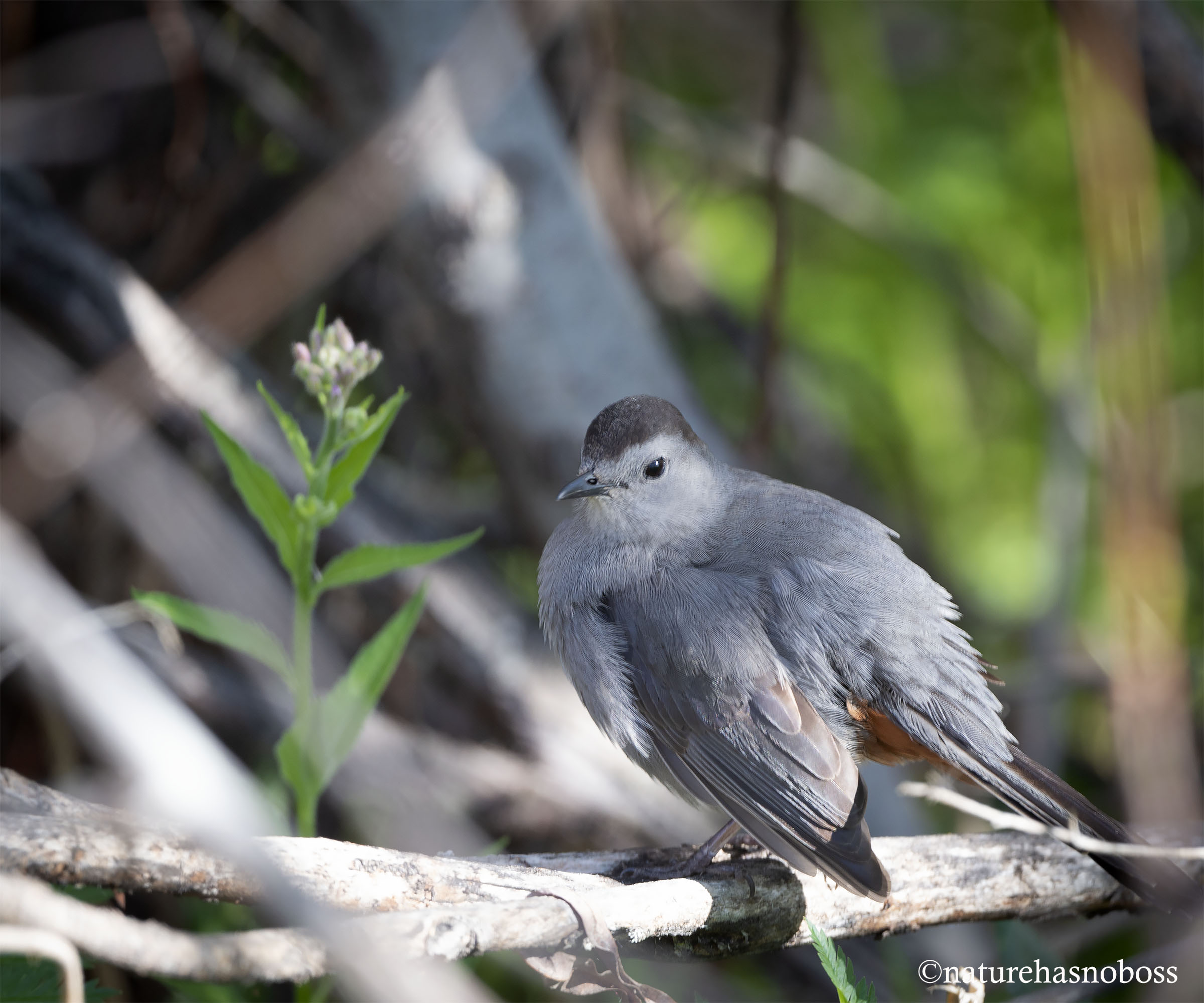
In altercations, Gray Catbirds may fluff up the breast and rump feathers, spread their tail
https://www.allaboutbirds.org/guide/Gray_Catbird/lifehistory
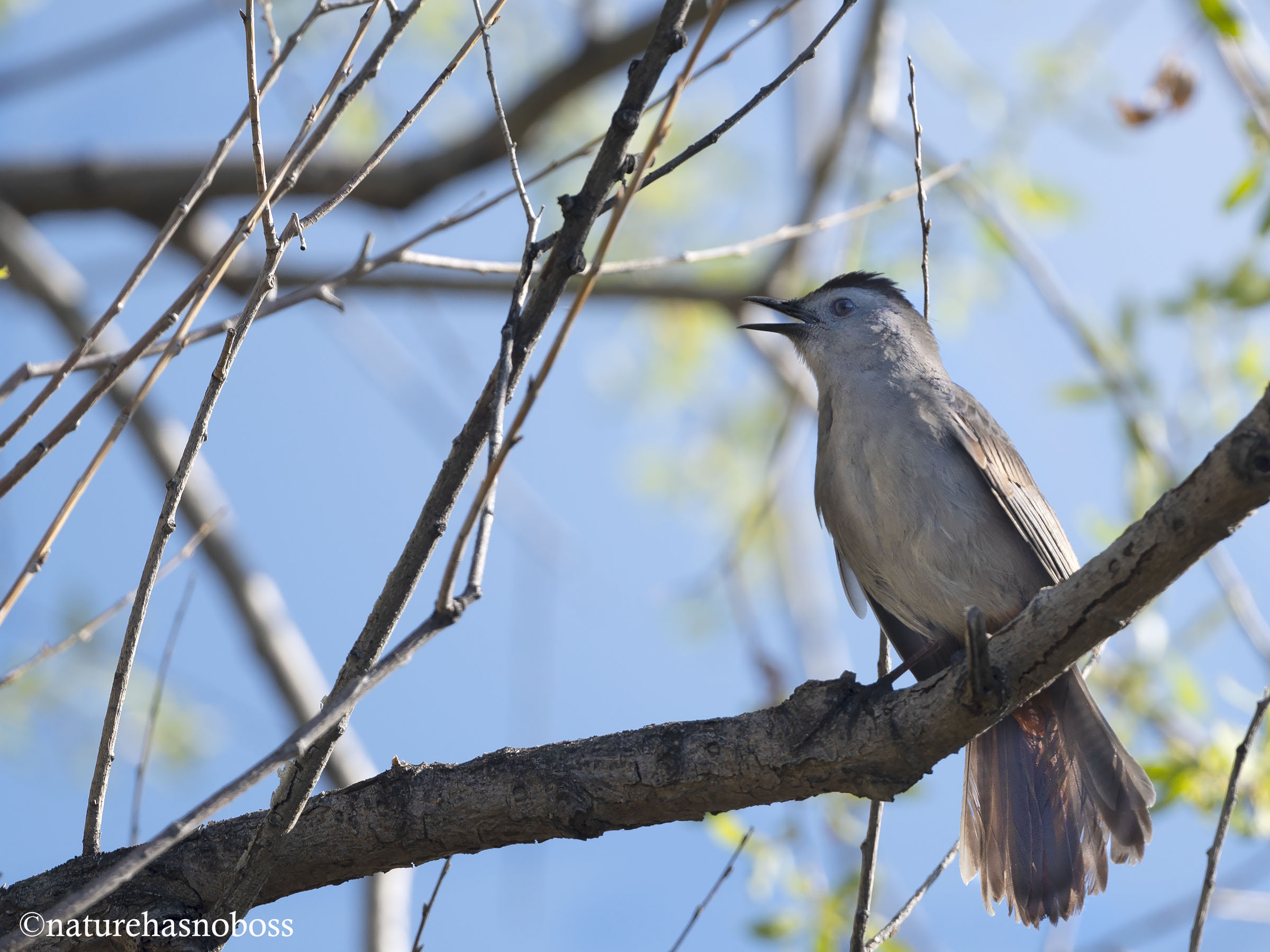
The real treat of the morning was listening to the extended song of the male. A wonderful mix of whistles, squeaks,various mimicry of other birds, forest creatures and even mechanical noises strung together in a rambling song lasting up to 10 minutes.
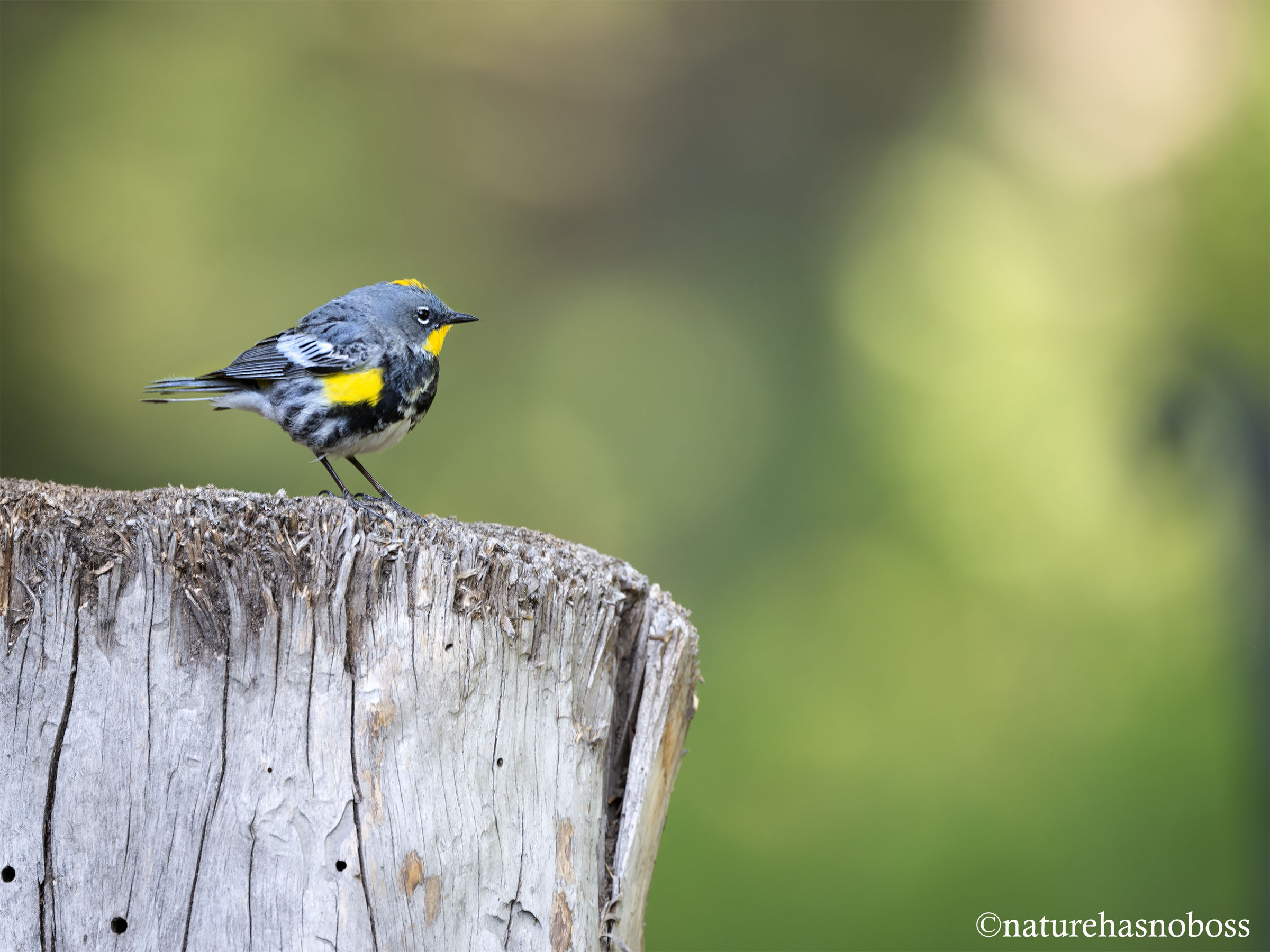
A male Yellow-rumped Warbler makes a rare appearance from the forest canopy to rest on the firewood chopping block. Although we here them all day long in the spring and early summer we only get glimpses of them moving in the canopy of the fir trees high above.
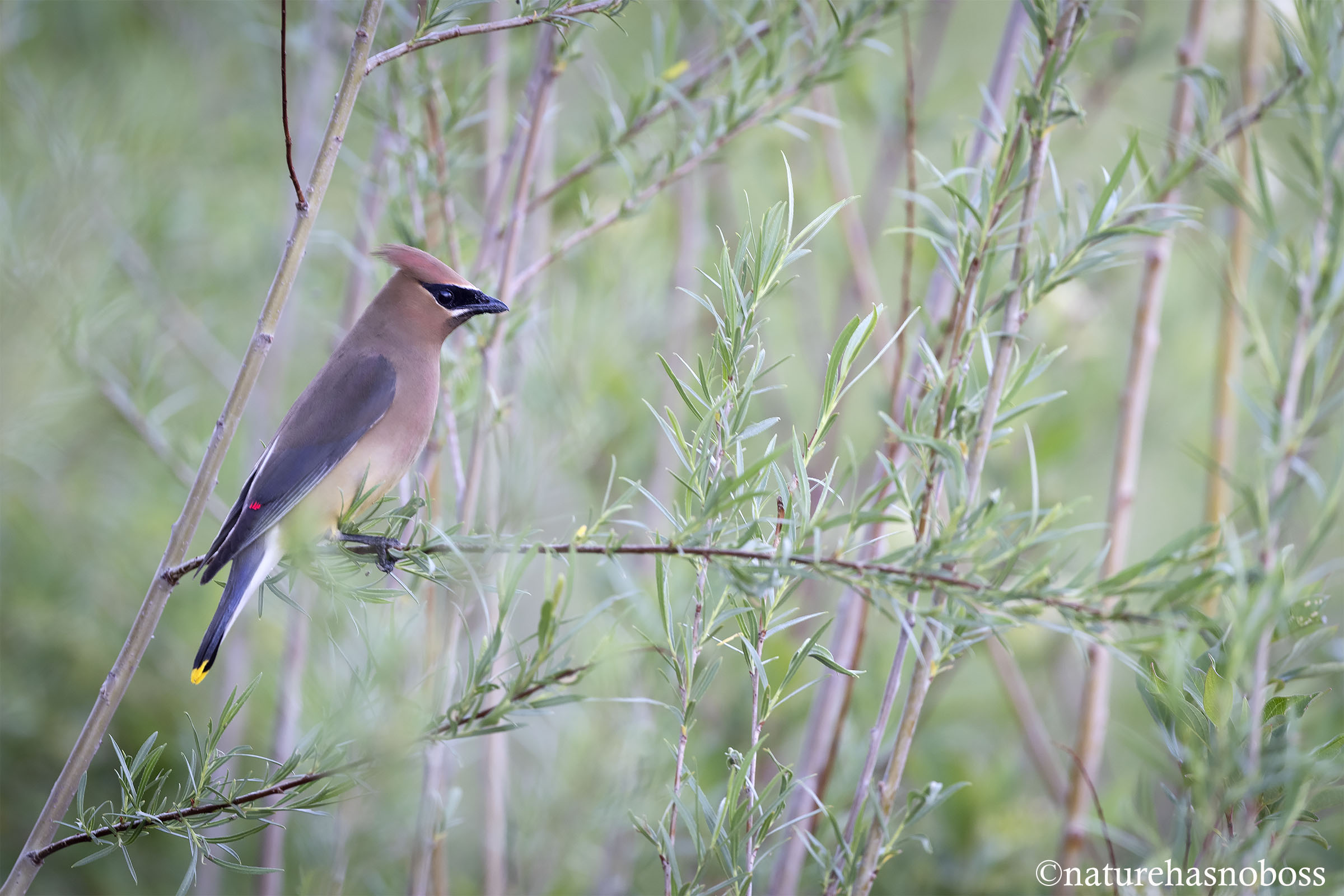
A Cedar Waxwing sits and peers out across the banks of the Missouri River. The Missouri is the longest river in the USA traveling from it’s beginning in the mountains close to home before traversing the landscape east and south for 2,341 miles. The Missouri has been a source of substance and transportation for up to 12,000 years. What a journey it must have been to travel this river before it was extensively dammed and wildlife abundant.
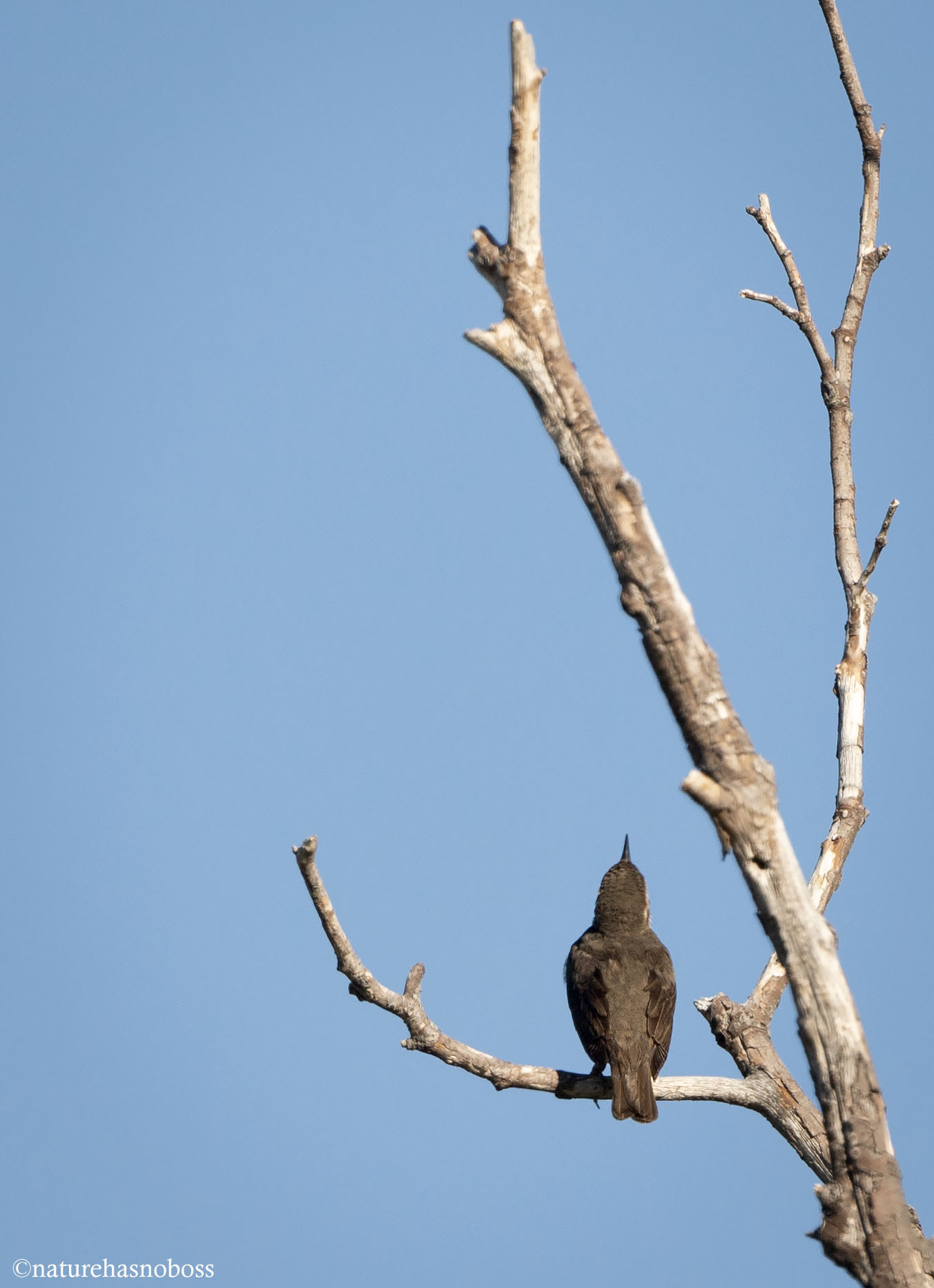
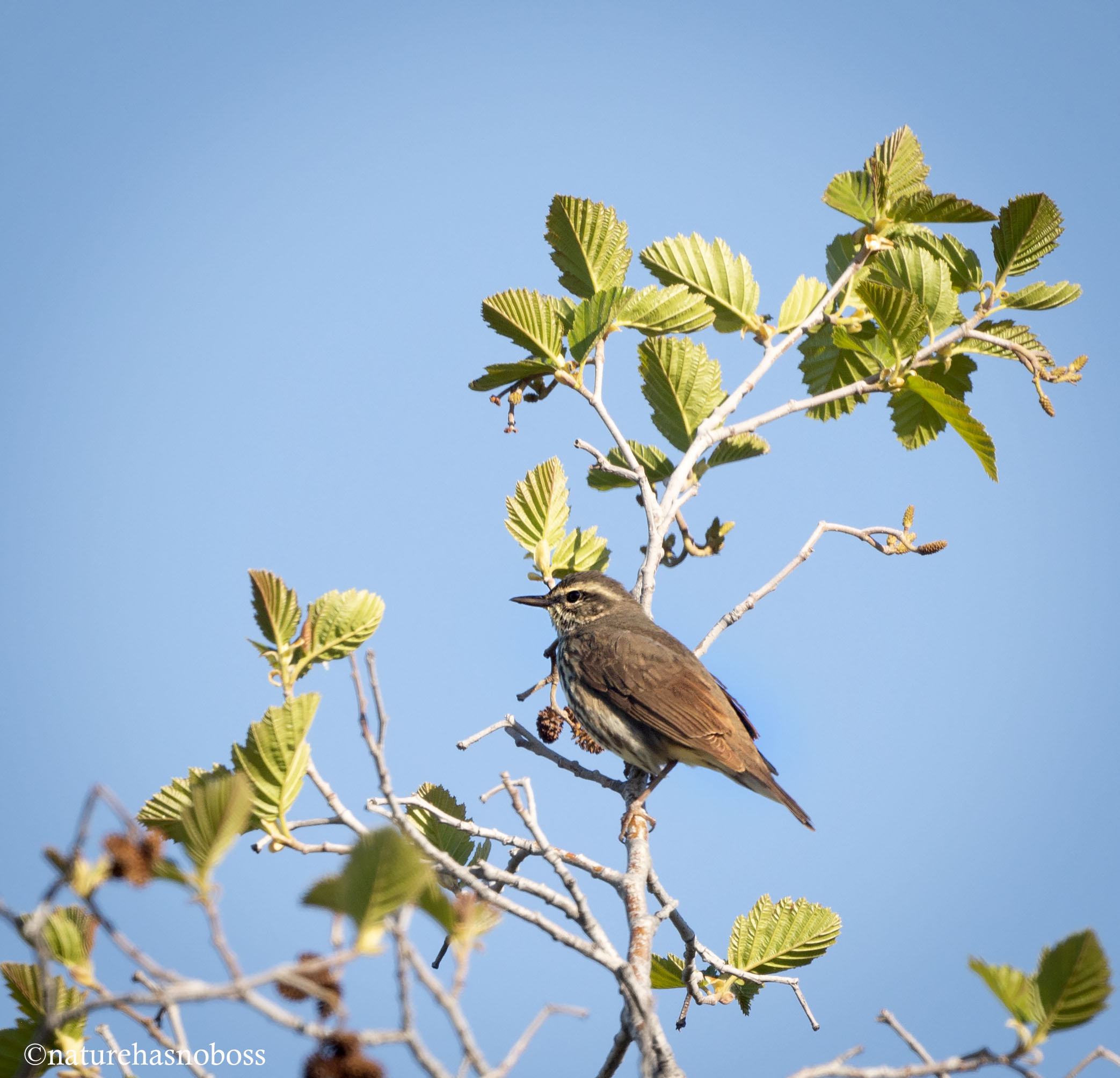
Although he had is back to us we could hear this Northern Waterthrush serenading the females across the creek from a fair distance as we walked through our small wetlands area one morning.
“The Northern Waterthrush is often an unseen singer whose rich, sweet whistles lure listeners into its attractive habitats, the wooded swamps and bogs of northern North America. These streaky brown songbirds lack the bold colors of many other warblers and don’t forage in forest canopies. They forage at the water’s edge in bogs and still water, where they hunt aquatic insects and small salamanders, all the while bobbing the rear of the body, much like a Solitary Sandpiper, another denizen of shady swamps.”1
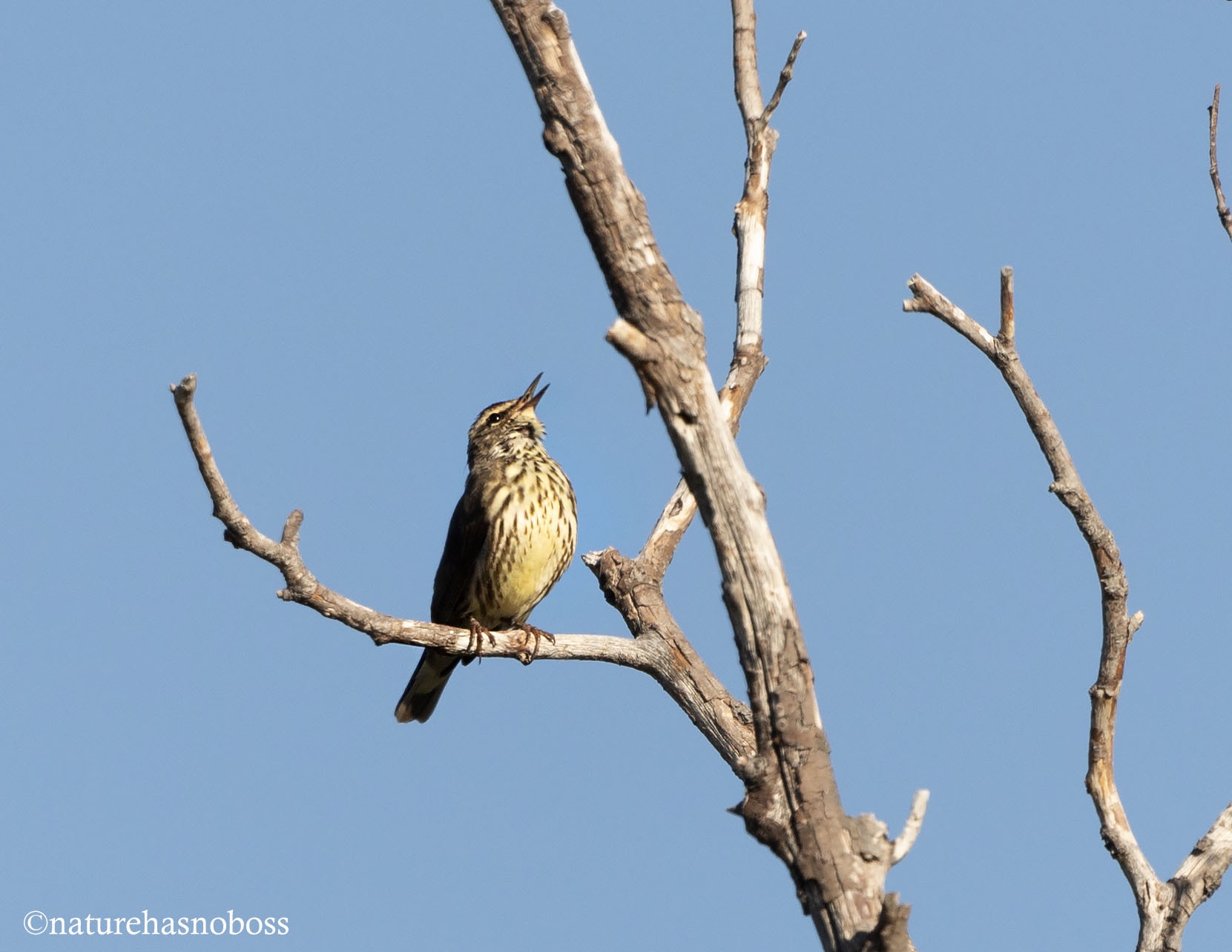
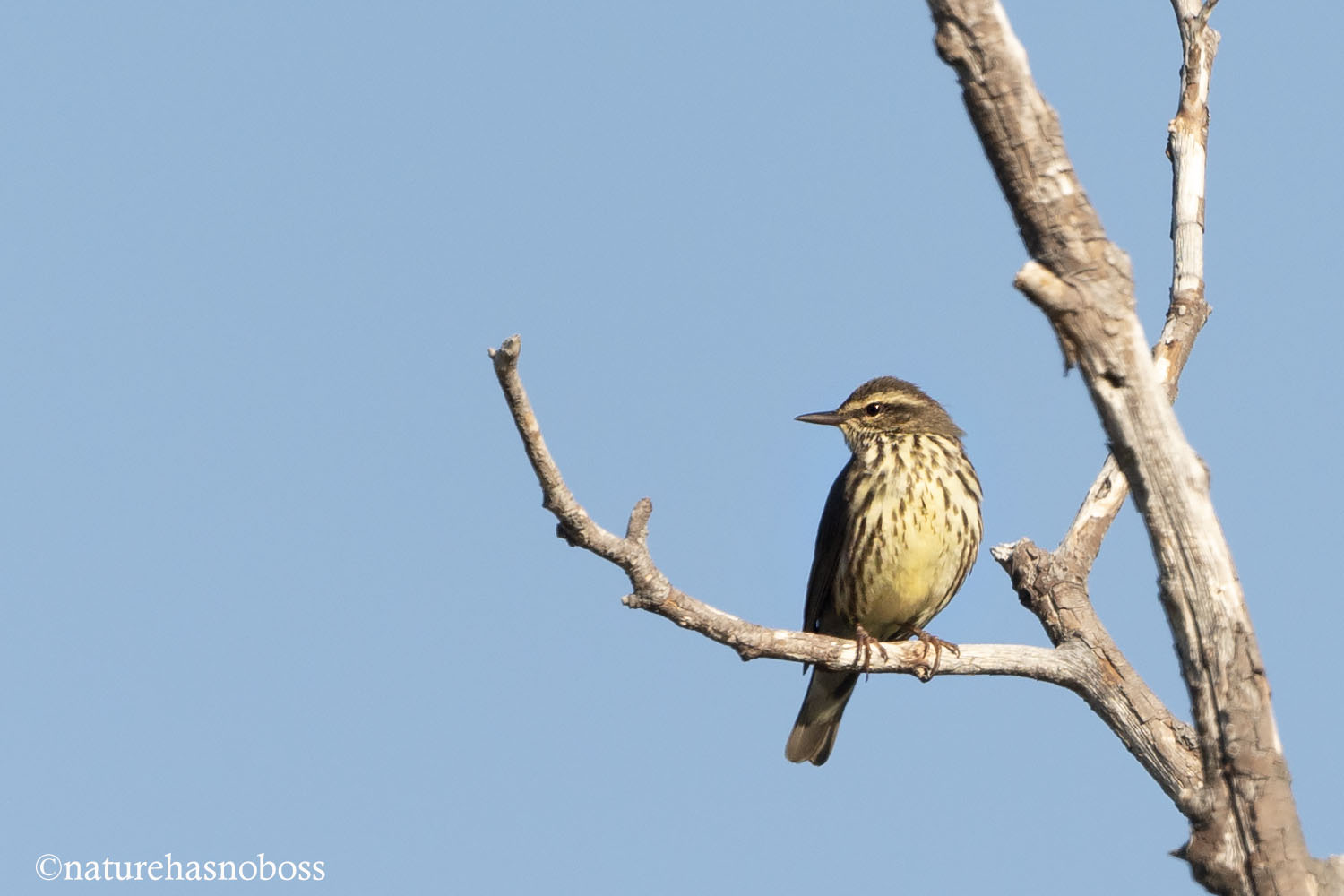
After about 20 minutes perched in one location they moved nearby for one final look.
Reference:
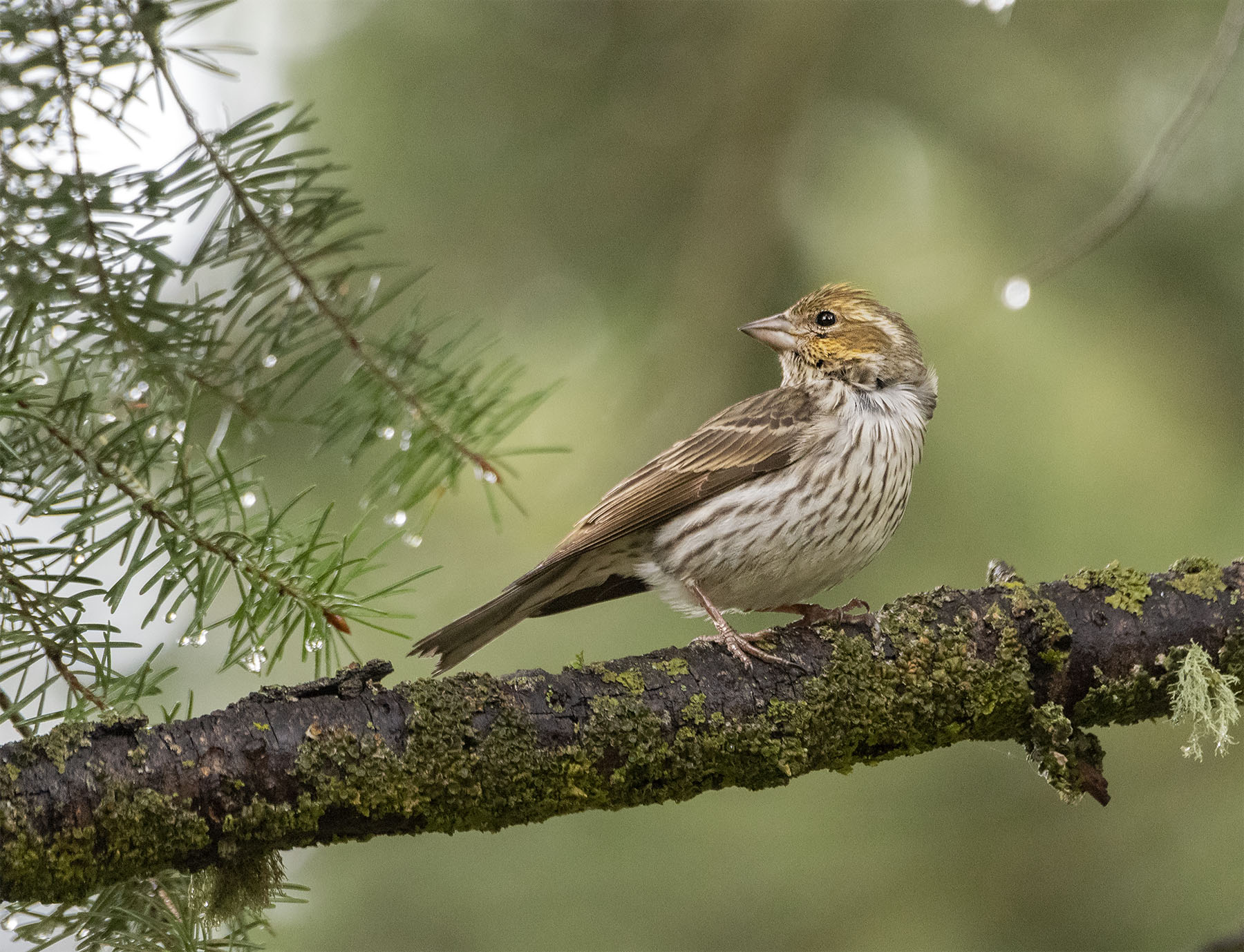
A female Cassin’s Finch finds ample shelter under a large spruce on a rain-soaked afternoon early this spring.
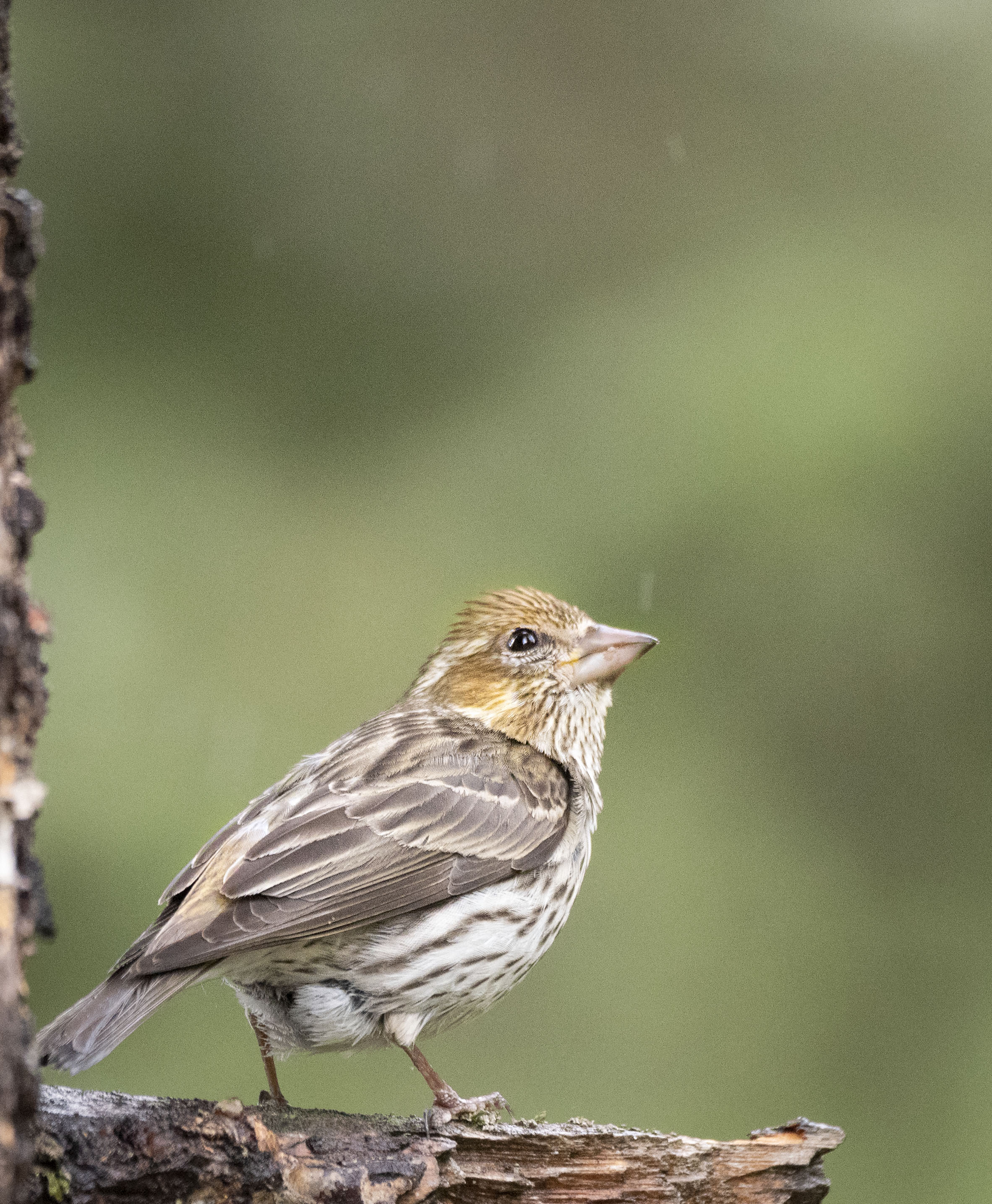
A quick look up and …hey the sky looks lighter to the west.
Although a sunny afternoon is always nice I would sure enjoy o week or so of those rainy days right about now.
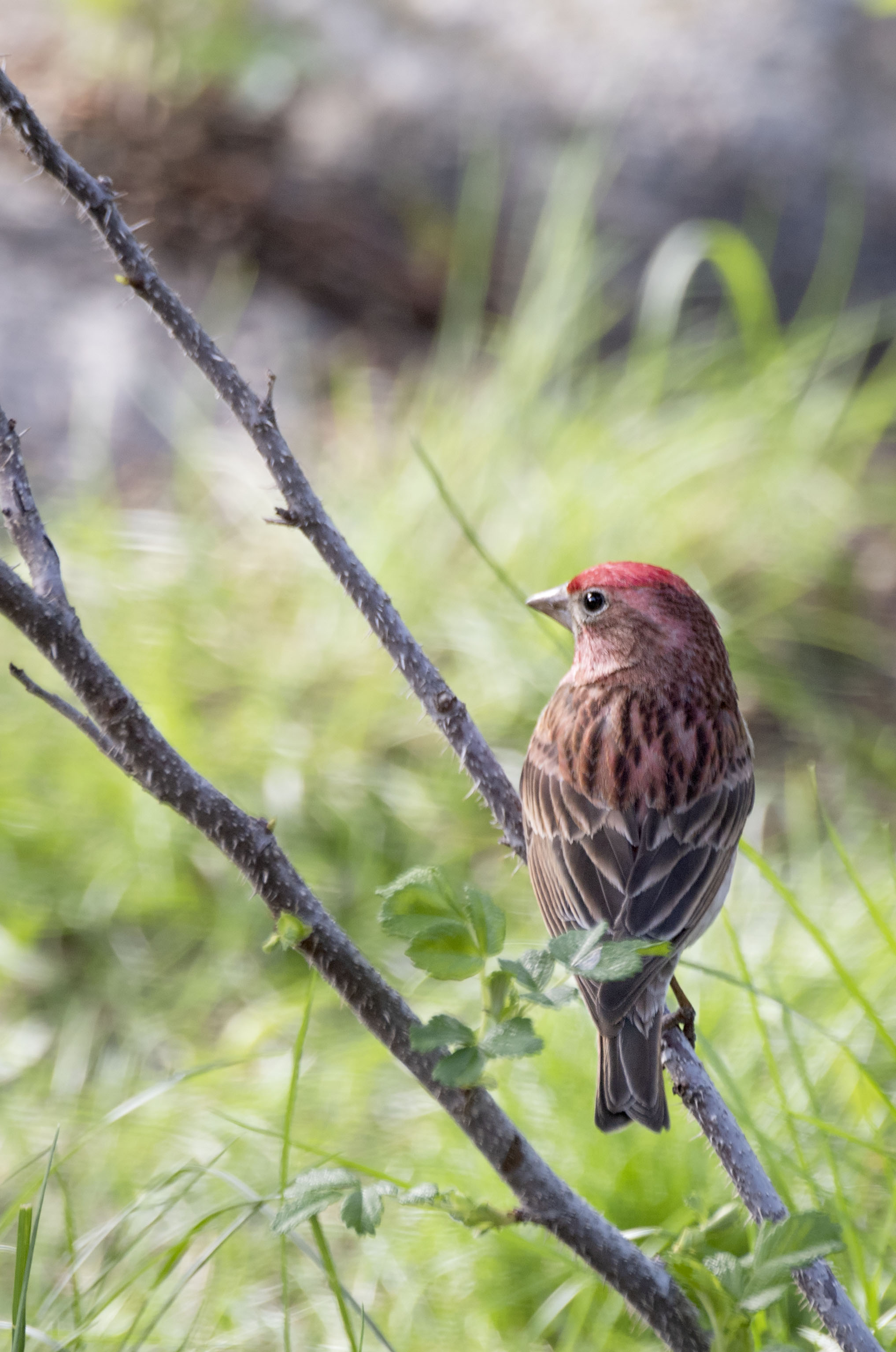
A male Cassin’s Finch enjoying an afternoon break on a small wild rose-bush. These guys have a wonderful song distinct from other small finches and a pleasure to the ear.
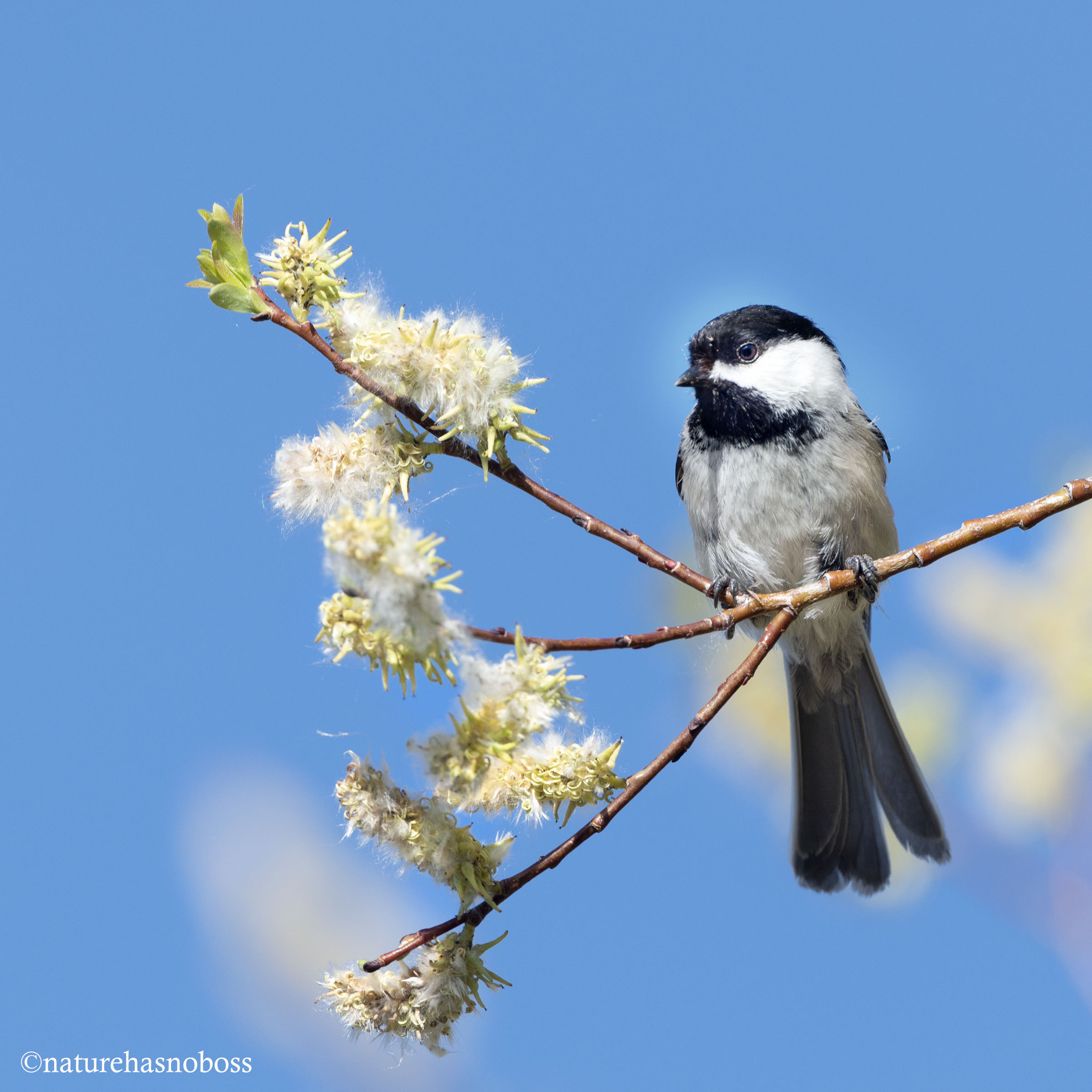
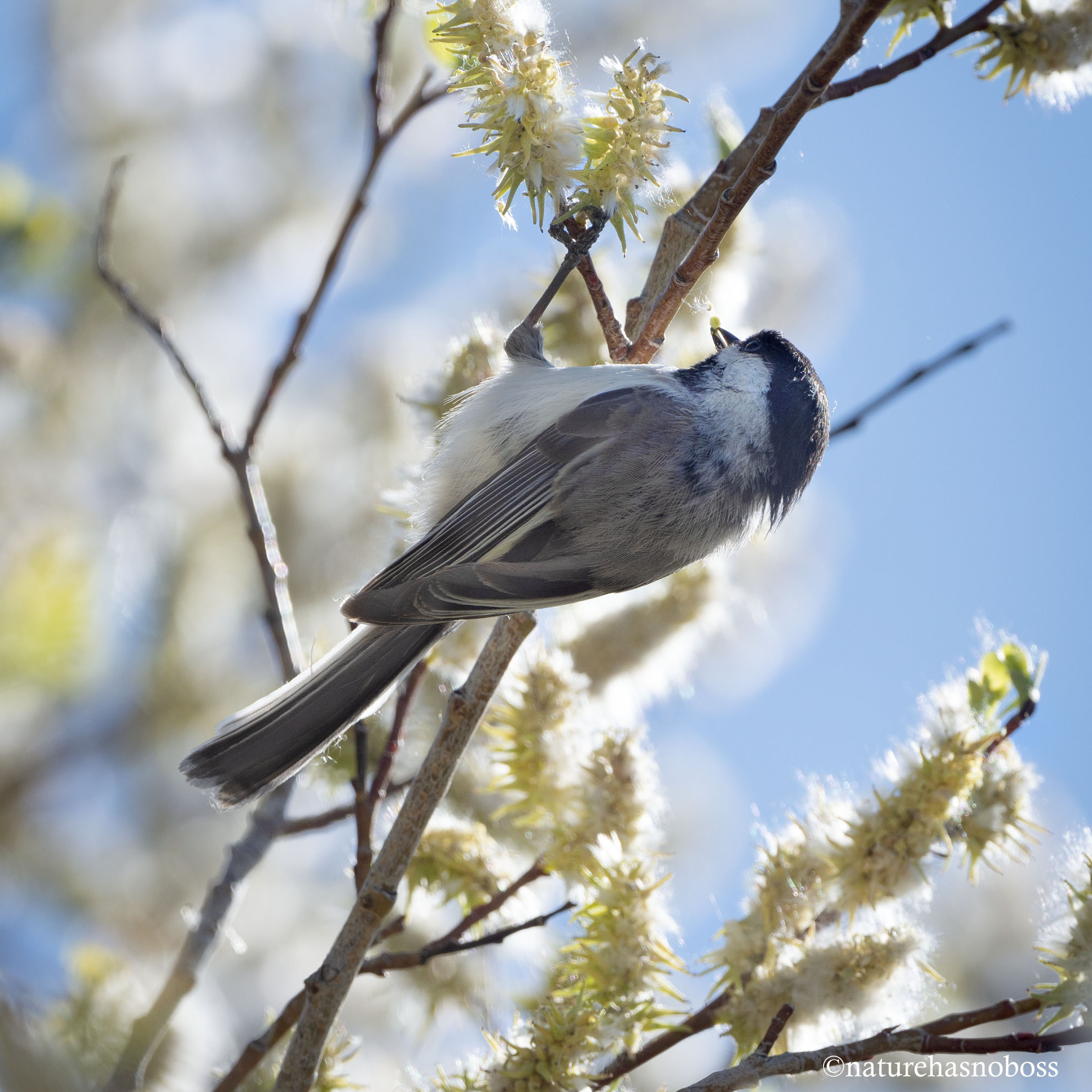
Sometimes right side-up and sometimes right side-down there was work to be done.

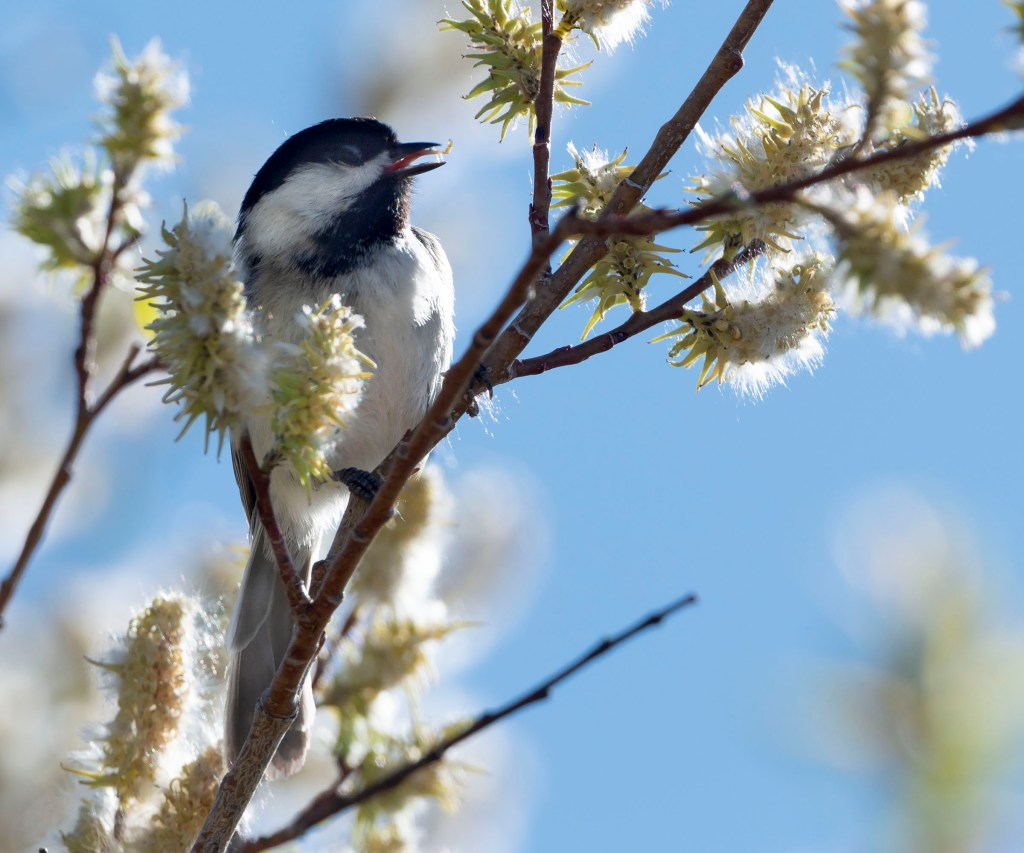
Wishing you good pickings and a wonderful weekend.
 nature has no boss
You must be logged in to post a comment.