New Discoveries

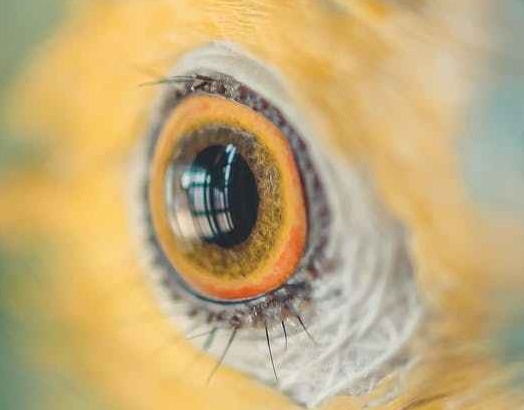
First sighted by birders in the lowland forests of Borneo  over a decade ago the Spectacled Flowerpecker has now been studied and classified as a new species. The species was studied by Chris Milensky and Jacob Saucier from the Smithsonian’s National Museum of Natural History while conducting a bird diversity survey. A specimen was captured in the groups mistnet enabling the scientists to collect a DNA sample and confirm that the bird is genetically distant from other known species of flowerpeckers. It is the first new bird species to be found in Borneo for 100 years and a reminder that there are still discoveries to be made.

A quote from Milensky is also a reminder that while there are indeed innumerable scientific discoveries to be made what enables these discoveries is intact habitat for species to exist.

“the discovery of the Spectacled Flowerpecker reflects the boundless biodiversity of the Bornean forests. “Birds are pretty well-studied compared to other organisms, so whenever you find a new bird, you realize just how little you know. Who knows how many insects and invertebrates and other things are still left to be discovered in these forests?” he says. “There are so many other organisms out there that we certainly don’t even know about, that really do require habitat preservation.” 

References:

1.  Jacob R. Saucier, Christopher M. Milensky, Marcos A. Caraballo-Ortiz, Roslina Ragai, N. Faridah Dahlan, David P. Edwards. A distinctive new species of flowerpecker (Passeriformes: Dicaeidae) from Borneo. Zootaxa, 2019; 4686 (4): 451 DOI: 10.11646/zootaxa.4686.4.1

2. https://www.si.edu/newsdesk/releases/first-scientific-description-elusive-bird-illuminates-plight-borneos-forests

3.https://www.sciencedaily.com/releases/2019/10/191017141049.htm
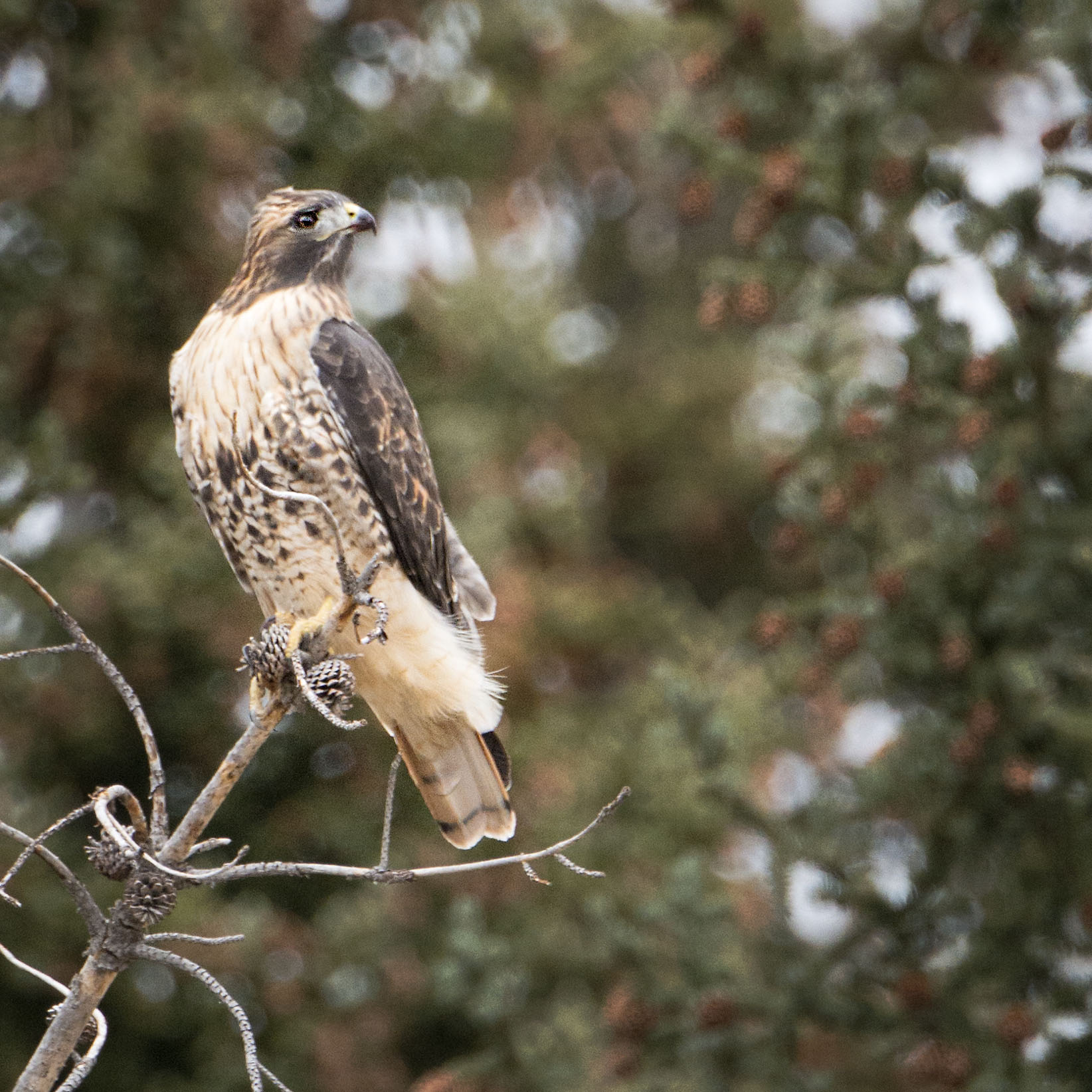
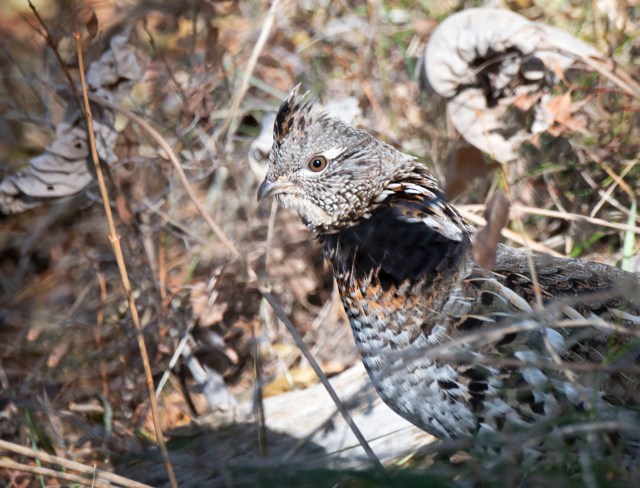
Male Ruffed Grouse: Bonasa umbellus

Male_ruffed_grouse_12094

We caught each other by surprise this afternoon. Both walking quietly through the woods me on the trail he through the brush. Once we eyed each other I reached for the camera and got a quick photo. Head held high gave me the once over before quickly flying off into the woods. A quick and satisfying encounter for me and given I was not a hunter for him as well.

According to the climate change model used by the Audubon Society this species is projected to shift mostly out of the conterminous 48 states if temperatures rise 3 degrees C.

Urge congress to take action on climate change.

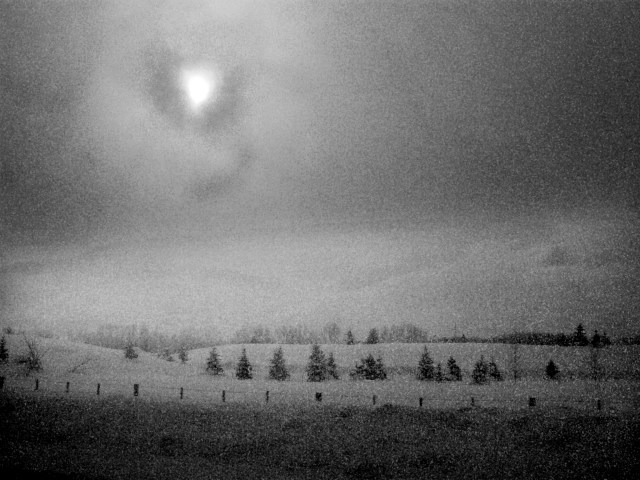
Under a full moon

Crested_butte_winter_2008

The moon was bright and full last night brightening the sky and even making the snow sparkle with color. Seeing the bright moonlight got us to wondering how moonlight nights might effect animal behavior.

There have been many studies effects so we thought it might be interesting to pass along just a few more recent observations we are aware of.

Several phenomenon related to animal behavior have been attributed to the full moon including increased spawning of corals and other reproductive behavior.

The Barau’s petrel, a tropical seabird species, uses the lunar cycle., unlike many other birds with use the sun or length of day, to time mating.

A recent study by Norevik et al. describes how the full moon synchronizes the initiation of the fall migration in the European Nightjar. The abstracts states:

We found that the daily foraging activity more than doubled during moonlit nights, likely driven by an increase in light-dependent fuelling opportunities. This resulted in a clear cyclicity also in the intensity of migratory movements, with occasionally up to 100% of the birds migrating simultaneously following periods of full moon. We conclude that cyclic influences on migrants can act as an important regulator of the progression of individuals and synchronize pulses of migratory populations, with possible downstream effects on associated communities and ecosystems.1

So as we enjoy another night of moonlight skies we can all ponder what other effects the lunar cycles have on the other inhabitants we share the planet with. So much to study and so much still unknown. Do we need to expand our ecosystem to include the moon? the show universe?

1) Norevik G, Åkesson S, Andersson A, Bäckman J, Hedenström A (2019) The lunar cycle drives migration of a nocturnal bird. PLoS Biol 17(10): e3000456. https://doi.org/10.1371/journal.pbio.3000456

Three Billion Birds: follow-up.

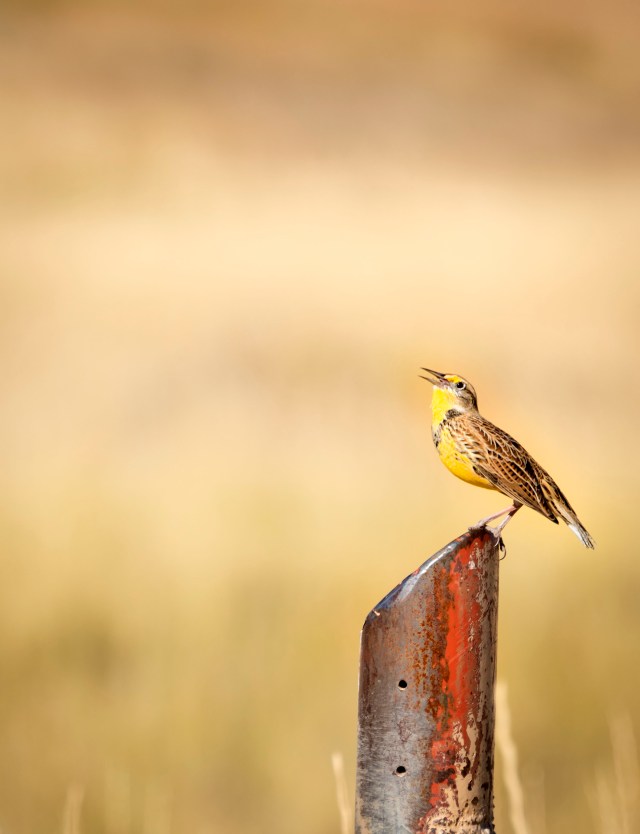
Fall_meadowlark_1

We recently linked to a study finding that over 3 billion birds have been lost from the ecosystem in North America as well as a study indicating that perhaps 66% of North American Birds are threatened with extinction resulting form anthropogenic climate change.

For those who are interested we just received an email informing us of an online presentation this Monday evening Nov, 4th at 7pm EST by Dr. Ken Rosenberg of the Cornell Laboratory of Orinthology titled “3 Billion Birds Gone: The Bird Crisis and What We Can Do About It“. Importantly it looks like this presentation will focus on the broader implication of the results of these findings beyond birds.

Looks to be an interesting presentation.