Ursus americanus: American Black Bear

As demonstrated by the shaded areas in the two range maps below Black Bears, which were once ubiquitous to most of North America, occupy only a small fraction of their historical range.

Due to habitat loss and other human factors Black Bears numbers are currently only a fraction of what they once were.

Historical Range:

Current Range:

Vaughan, M.R., and M.R. Pelton. 1995. Black bears in North America, pages 100-103 in E.T. LaRoe III, ed. Our Living Resources. USDI-NBS, Washington, D.C.

Imagine a time of abundance, no not not all you can eat buffets and free soda refills, but a time where animals we share the planet were more than occasional encounters.
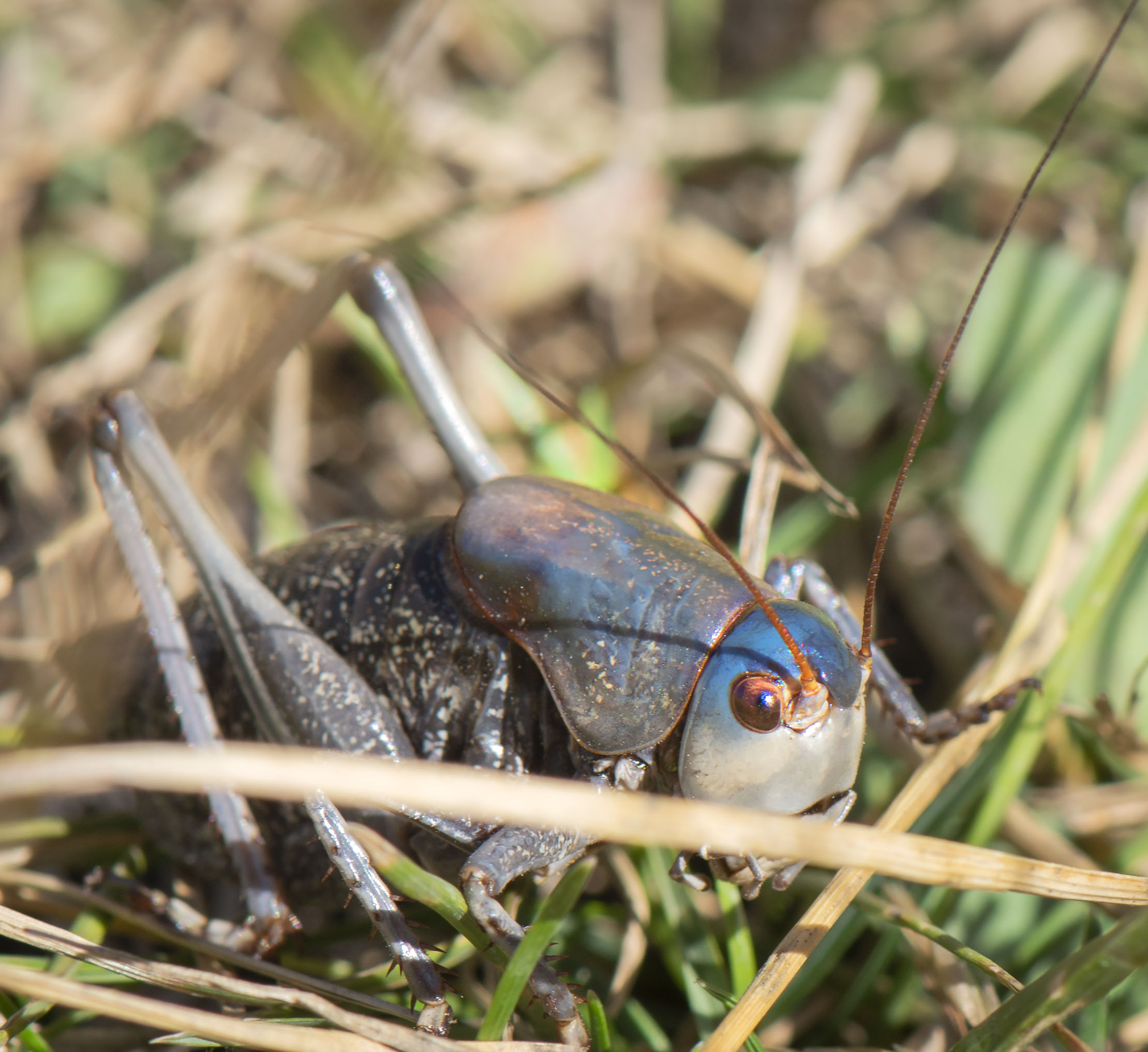
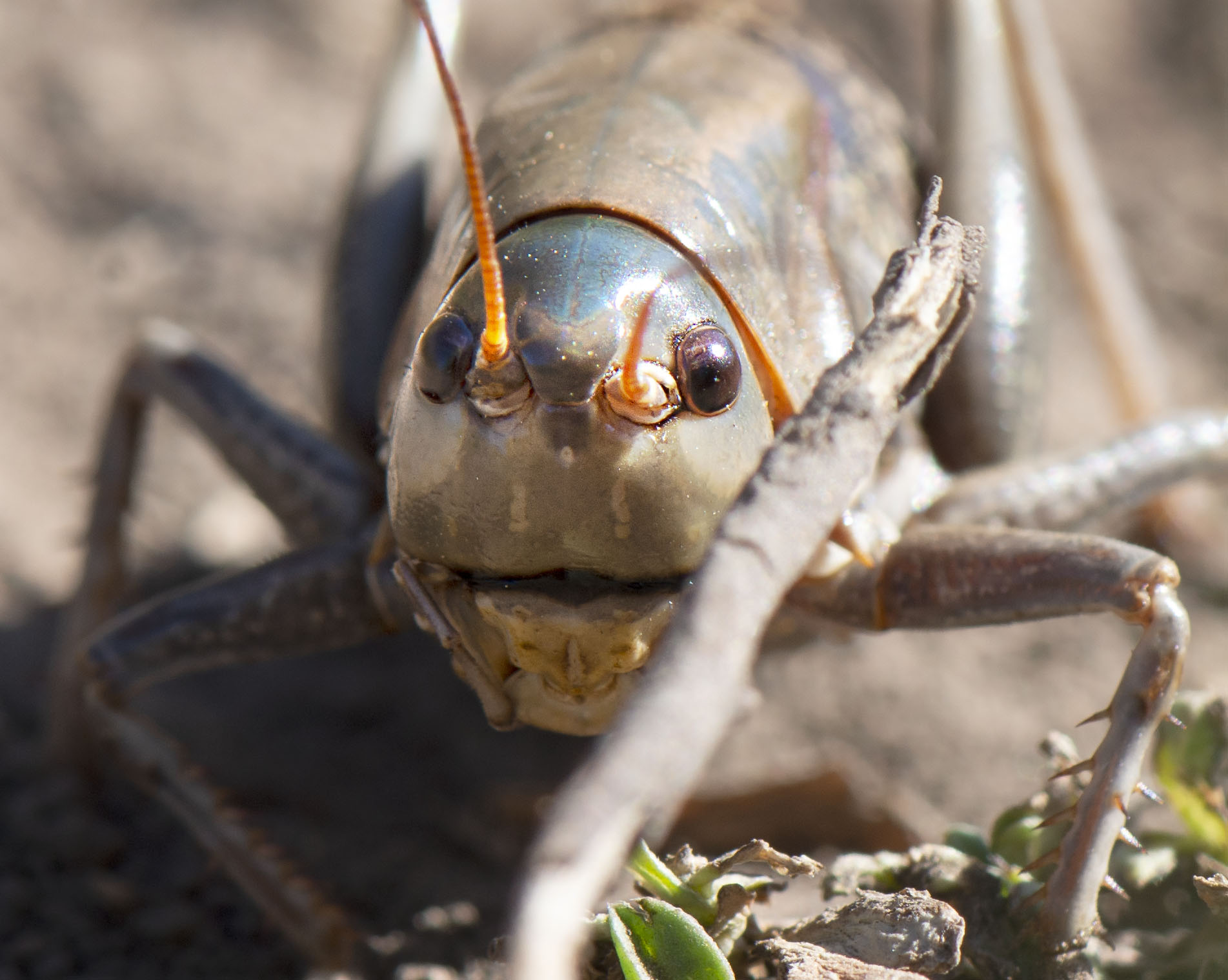
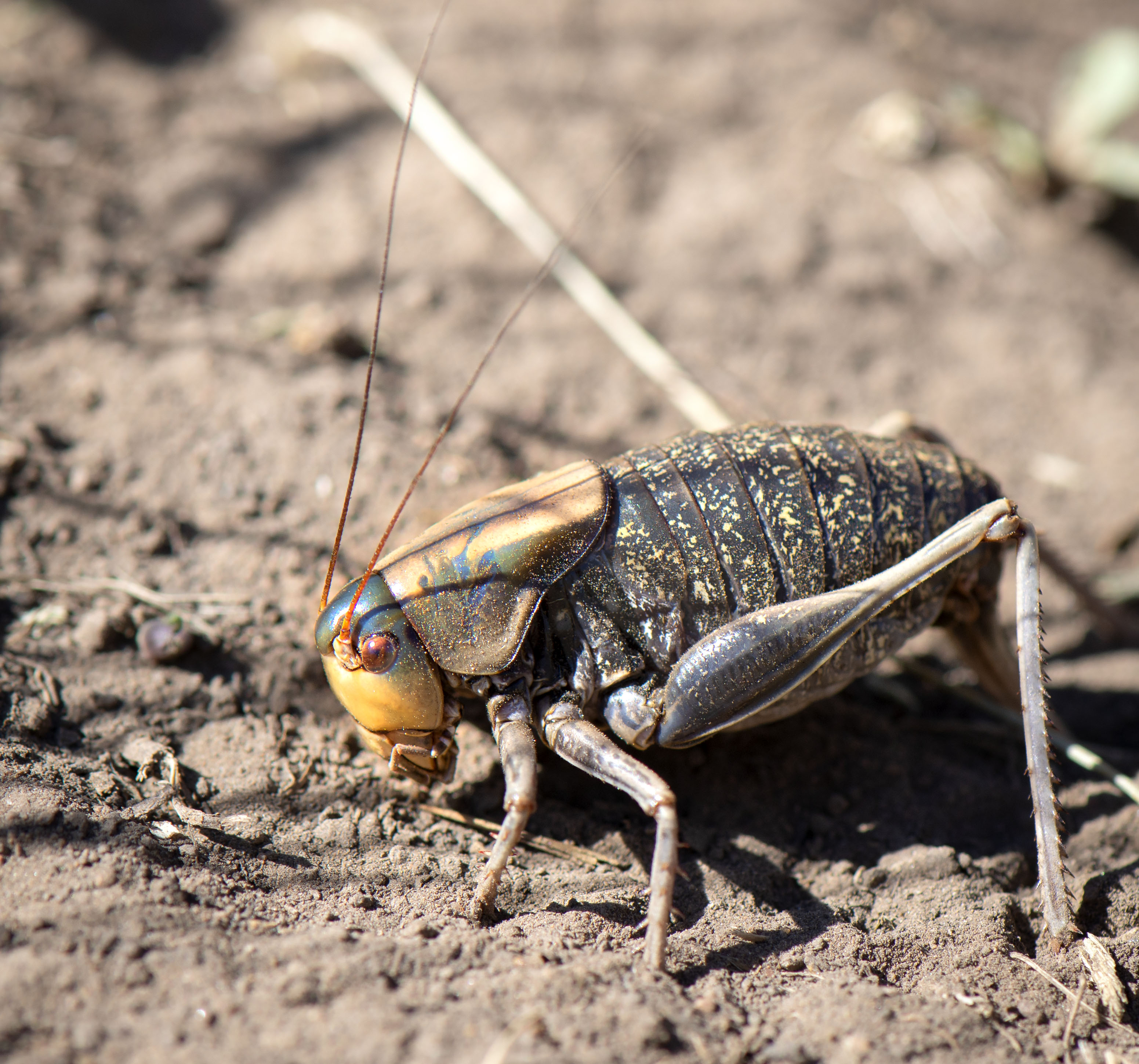
Mormon Cricket: Anabrus simplex

The Mormon cricket is actually not a true cricket, but rather a shield-backed katydid. The common name derives from an invasion of the crops of Mormon settlers in the Salt Lake area in the mid-1800s.

We ran across plenty of these katydids on a recent hike although not in the numbers depicted in this video https://www.youtube.com/watch?v=Yy3dQJYquoY. While these insects can be quite destructive to crops they do eat the grasses and plants in natural rangelands much as large grazing mammals do (or did). I also find them quite interning to look at as each has subtle color variations.

Given these were not marching across our hiking trail in plague proportions I enjoyed seeing them on a late fall afternoon moving through the already dry grasses.

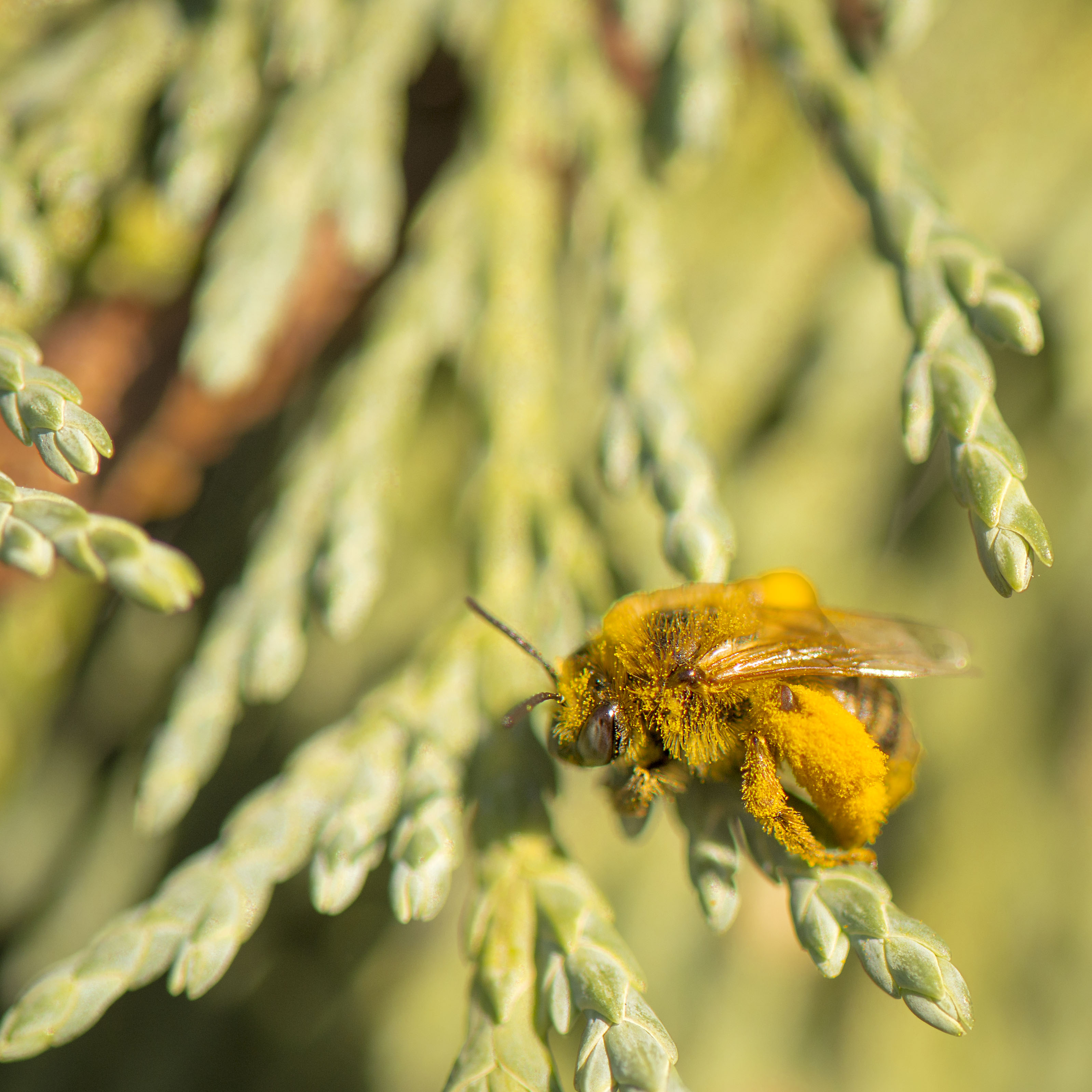
A job well done

The other day I saw a yellow flash land in a nice cedar tree. Thinking it was an unusual insect I quickly went over to get a look. Alas, it was not a new insect but a Honey Bee and to say this one was covered in pollen might be an understatement. This little bee could hard fly with the load they had acquired. After a few minutes of rest they slowly lifted off and headed back to the hive. A job well done.

In The Willows

BUll_moose_7

You never know what you will find hidden in the willows is what this guy was probably thinking when he noticed we were peeking in from the edge of his terrain. It always amazes me just how easy a creature the size of the moose can disappear from your sight with a simple step or two into the willows. Photographed near Cottonwood pass in Colorado.

Woodland Pinedrops: Pterospora andromedea

Earlier this summer we ran across a peculiar plant making its way up through the earth in the forest. A strange striped asparagus? No Woodland Pinedrops: Pterospora andromeda.

According to Wikipedia “Like all members of the Monotriopoidiae , Pterospora andromedea lacks chlorophyll (trace amounts have been identified, but not enough to provide energy for the plant or to color it. Plants exist for most of their life as a mass of brittle, but fleshy, roots. They live in a parasitic relationship with mycorrhizal fungi, in which plants derive all their carbon from their associated fungus, but the relationship is not yet well understood.”

This makes it similar to several of the orchids we have encountered along the trail.

Now that summer has passed and fall is in the air the plant looks like this.

Somewhat like a small tree full of small pumpkins decorating the autumn forest.