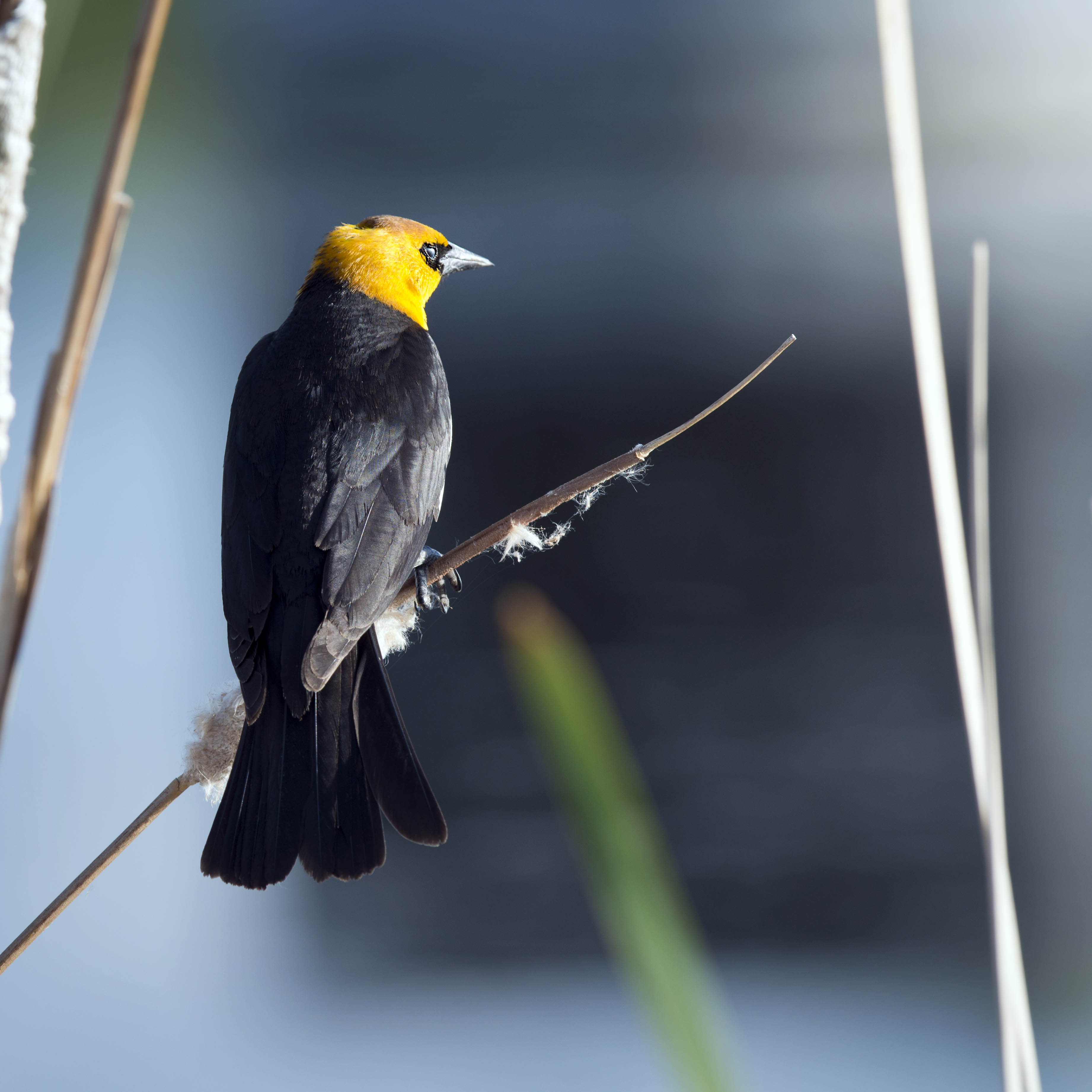
A male Yellow Headed Blackbird enjoying the evening light.
A male Yellow Headed Blackbird enjoying the evening light.
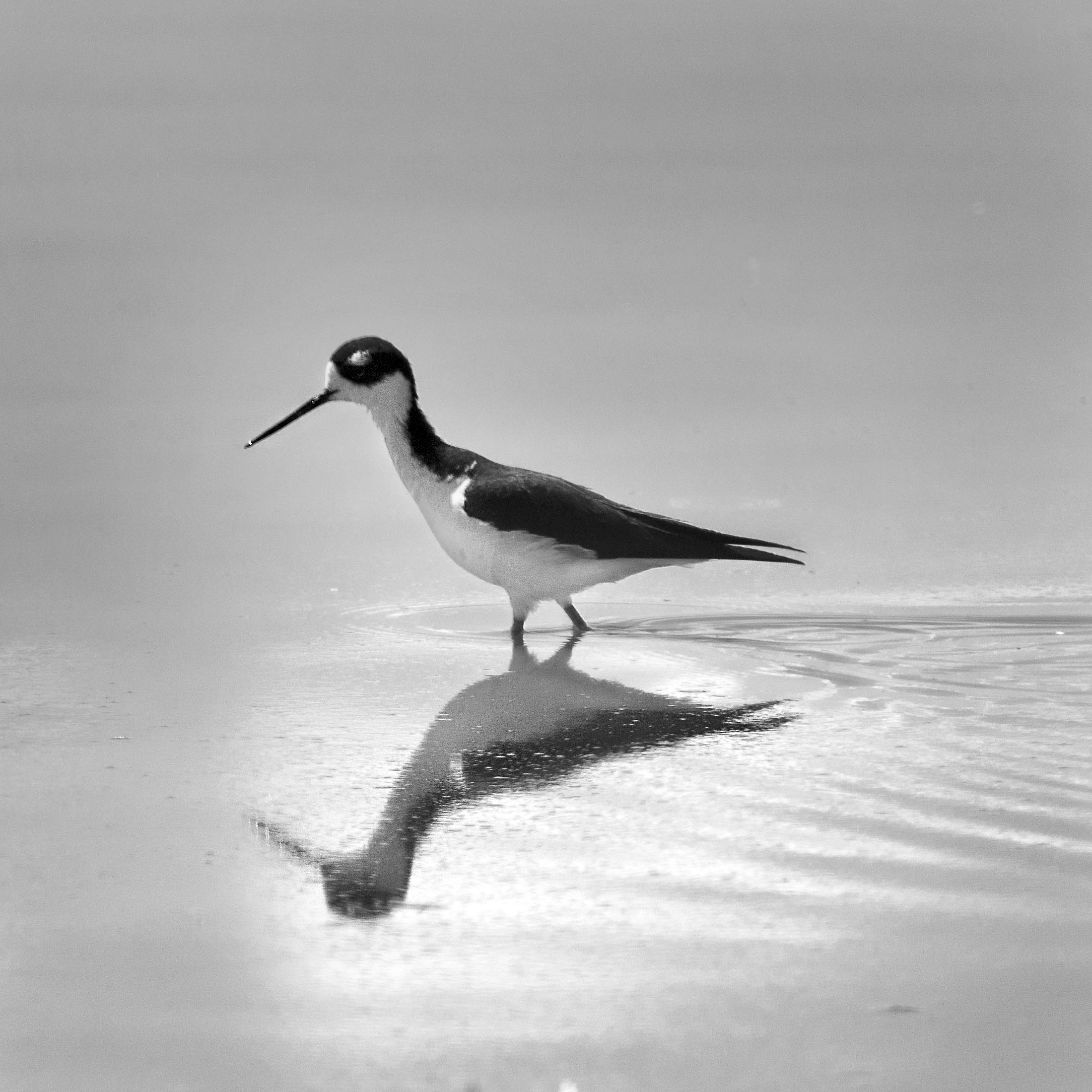
A Black Necked Stilt enjoying some quiet time alone in a temporary pond created by spring rains. Soon the pond will be gone and the Stilt will have moved on.
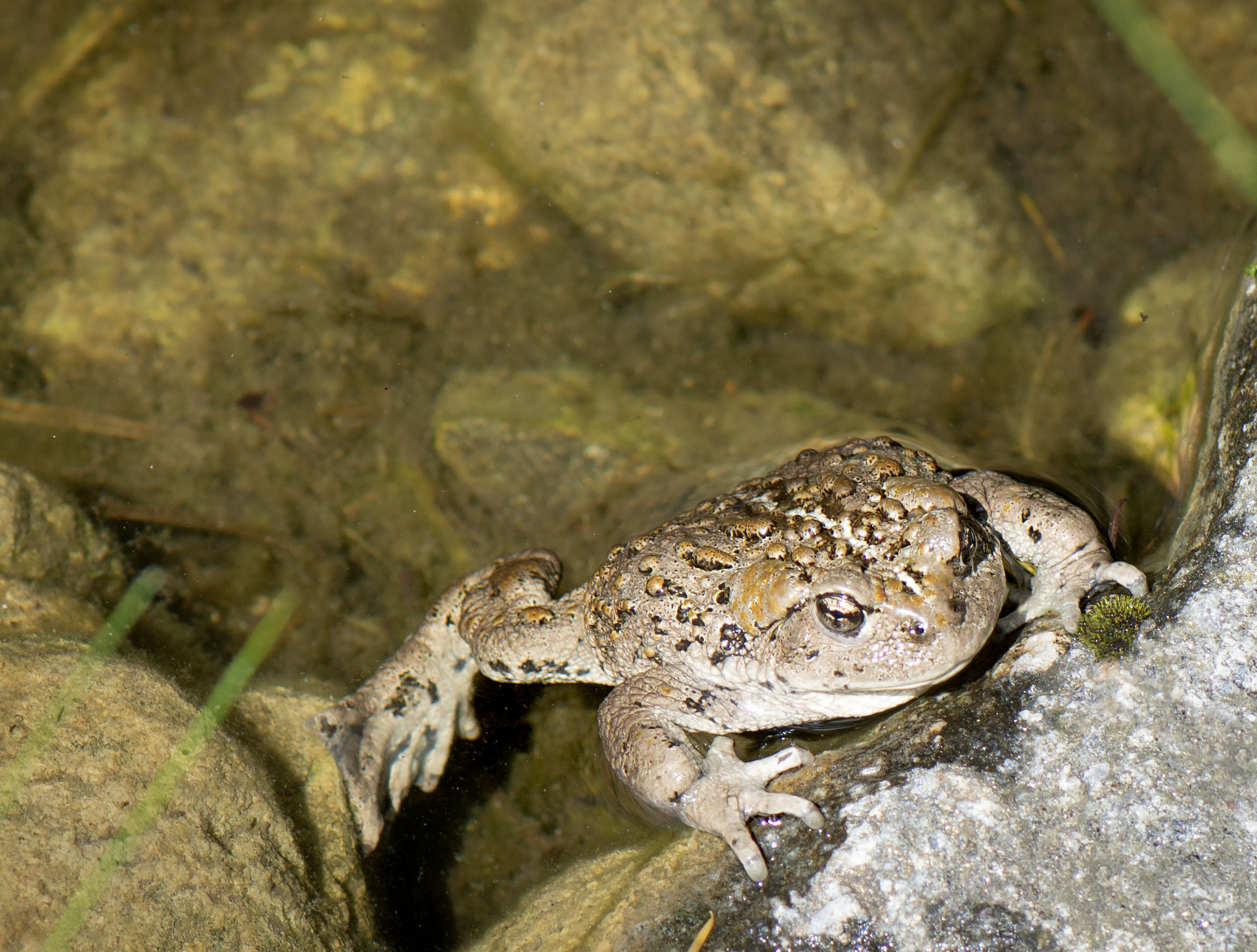
It always is a treat to see a toad or two while out on a hike. With published data in Britton, the USA and other places around the world all indicating toads, frogs and other amphibian populations are in serious decline.
This day we ran across the Western Toad: Anaxyrus boreas and we thrilled.
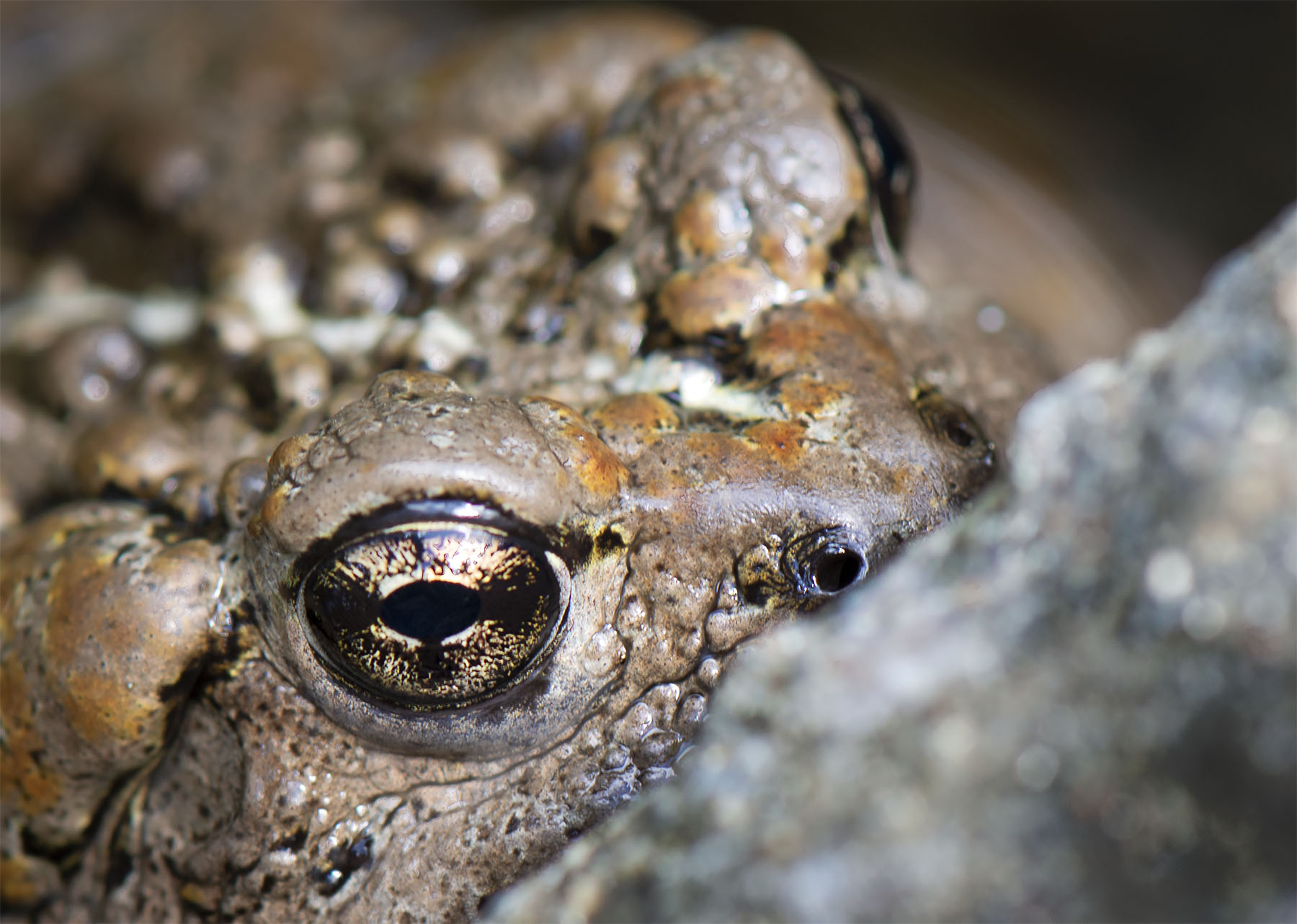

He sure is a bumpy little guy and was happy to let us photograph him around the edge of his pond.
A few days latter while out on hike we ran across another Western Toad just off the side of the trail resting in the tall grass.
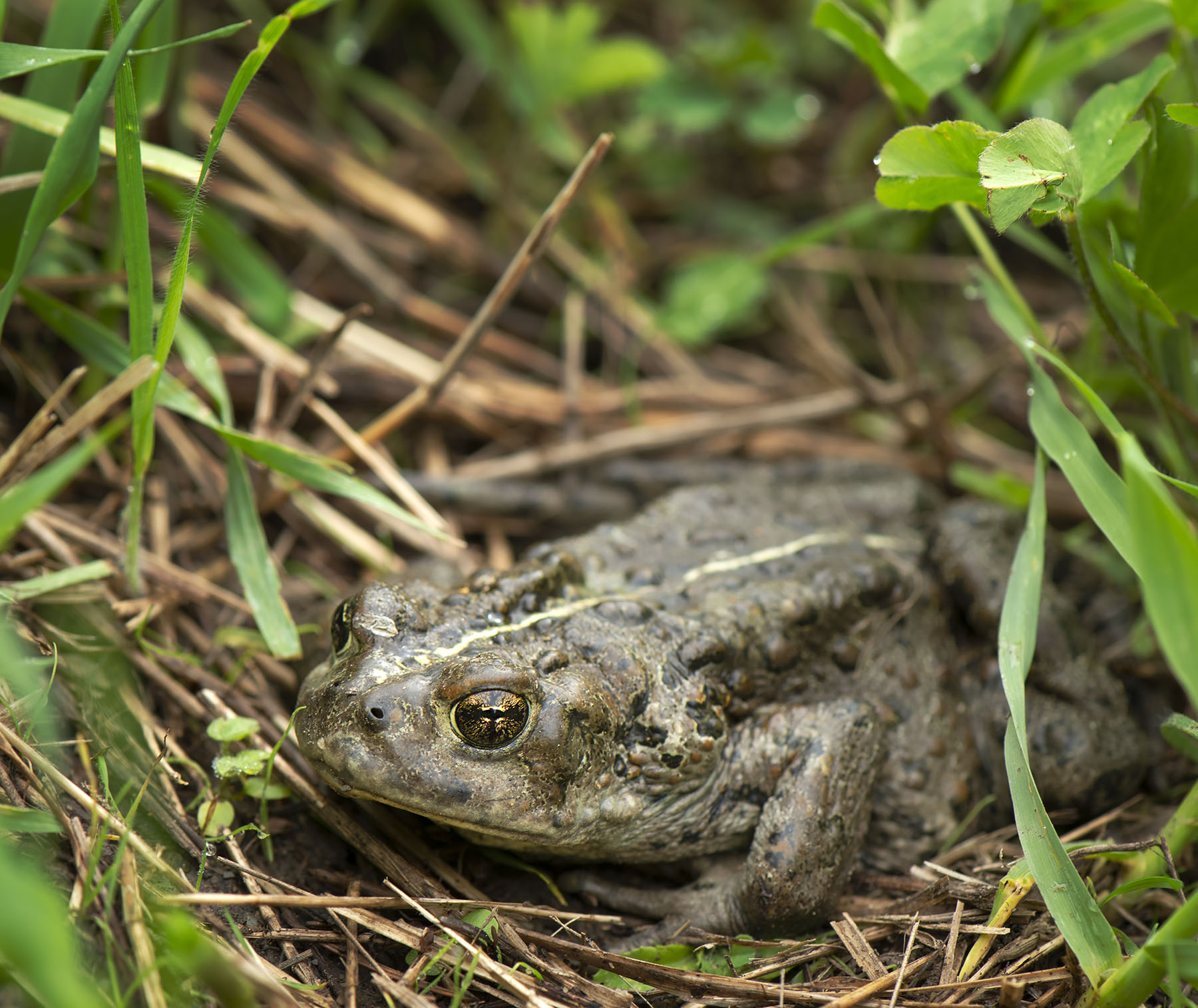
Although this statement may not apply to everyone, for me it feels eerily strange and quite foreboding that within our life times we now consider it special to experience amphibians that were once a common experience in our childhoods.
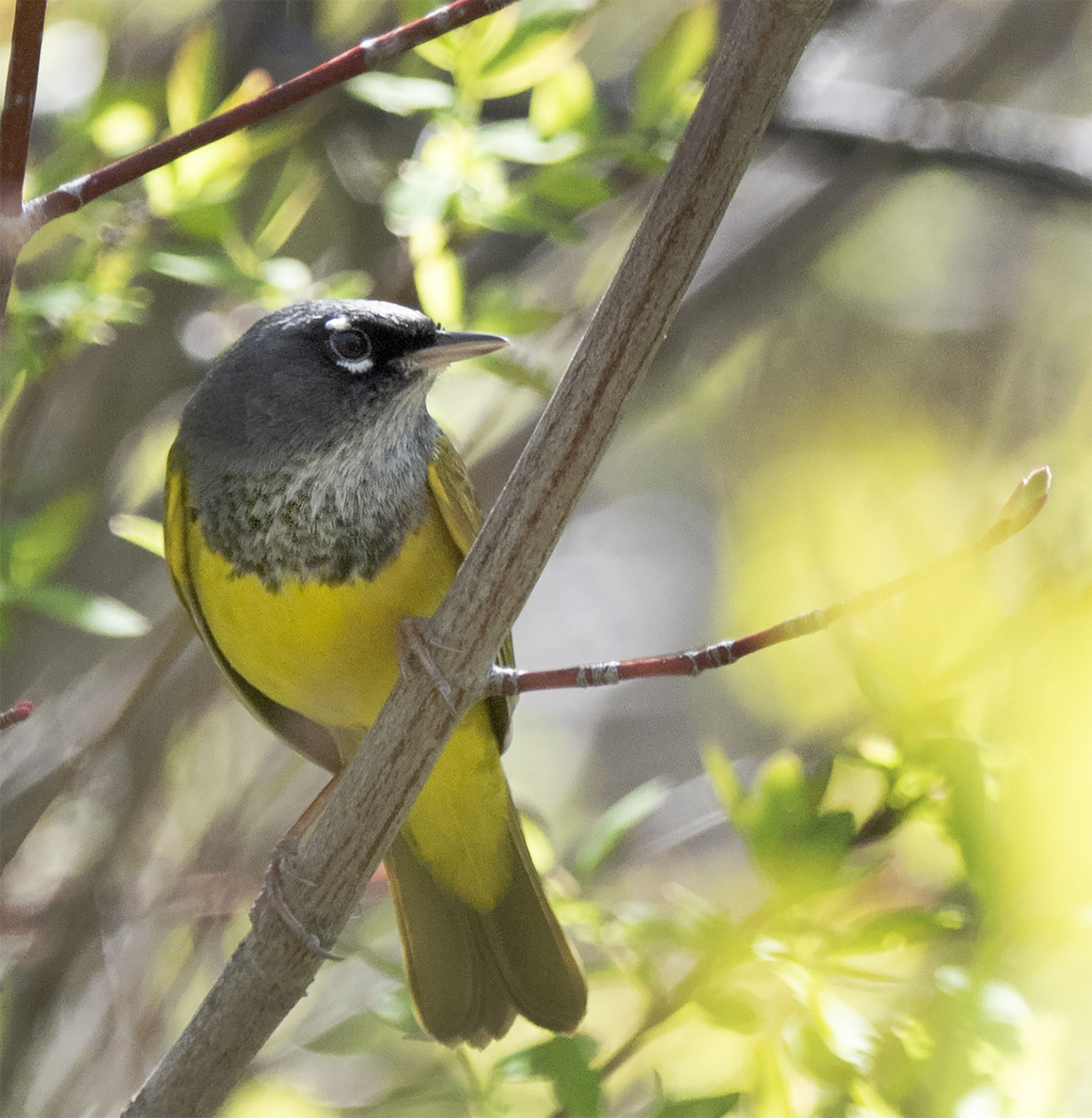
Near the end of a recent hike we came across several MacGillivray’s Warblers flying rapidly back and forth between willow bushes on each side of the trail we were hiking. These birds rarely took a second to sit still and when they did they were perched deep in the willows. Luckily with a bit of time spent sitting on nearby rocks we were able to get a few photos and a good look at these wonderful little warblers.
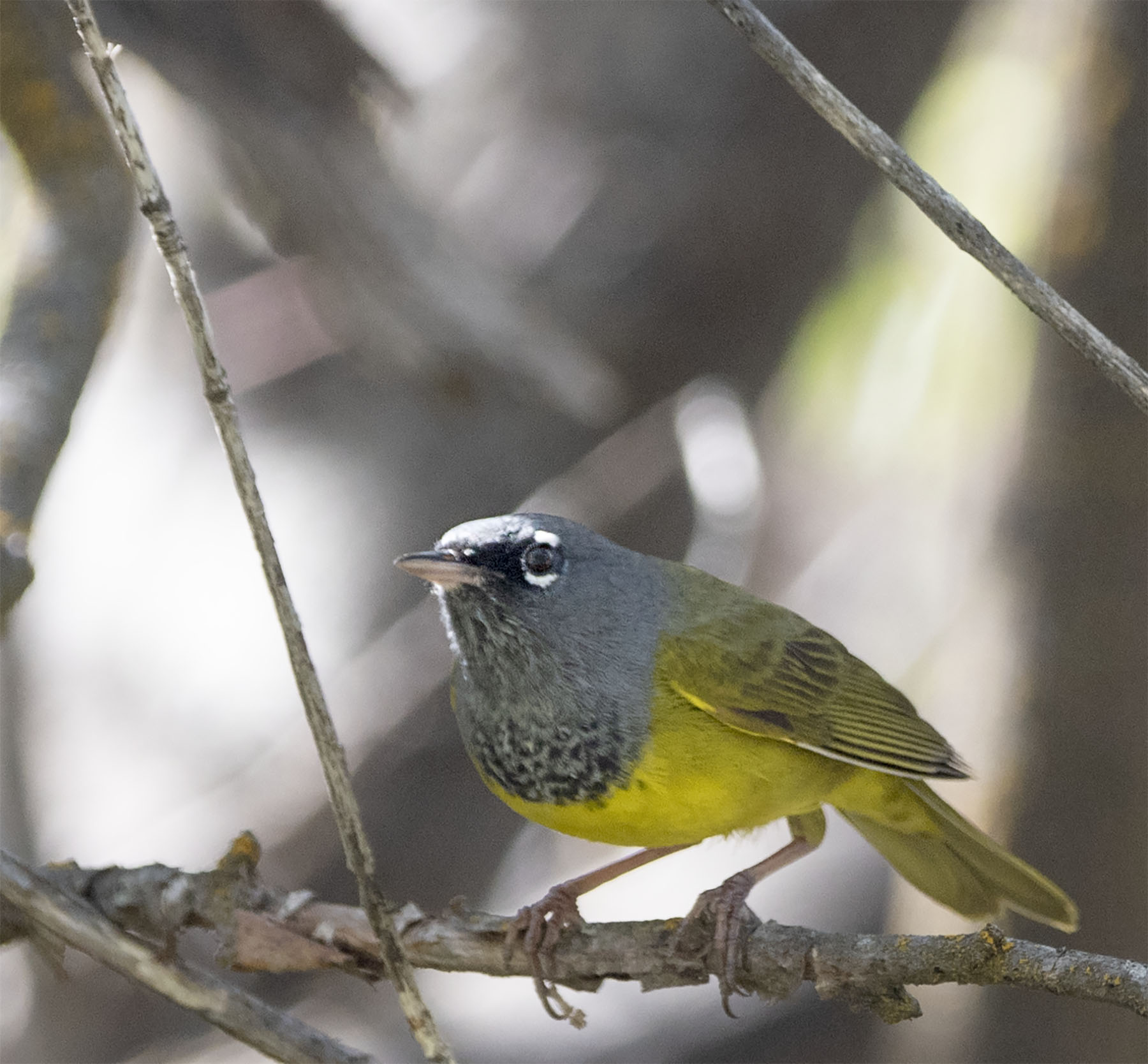
We have gone back to the same spot hoping to find them again but they must have just been passing by on their spring migration.
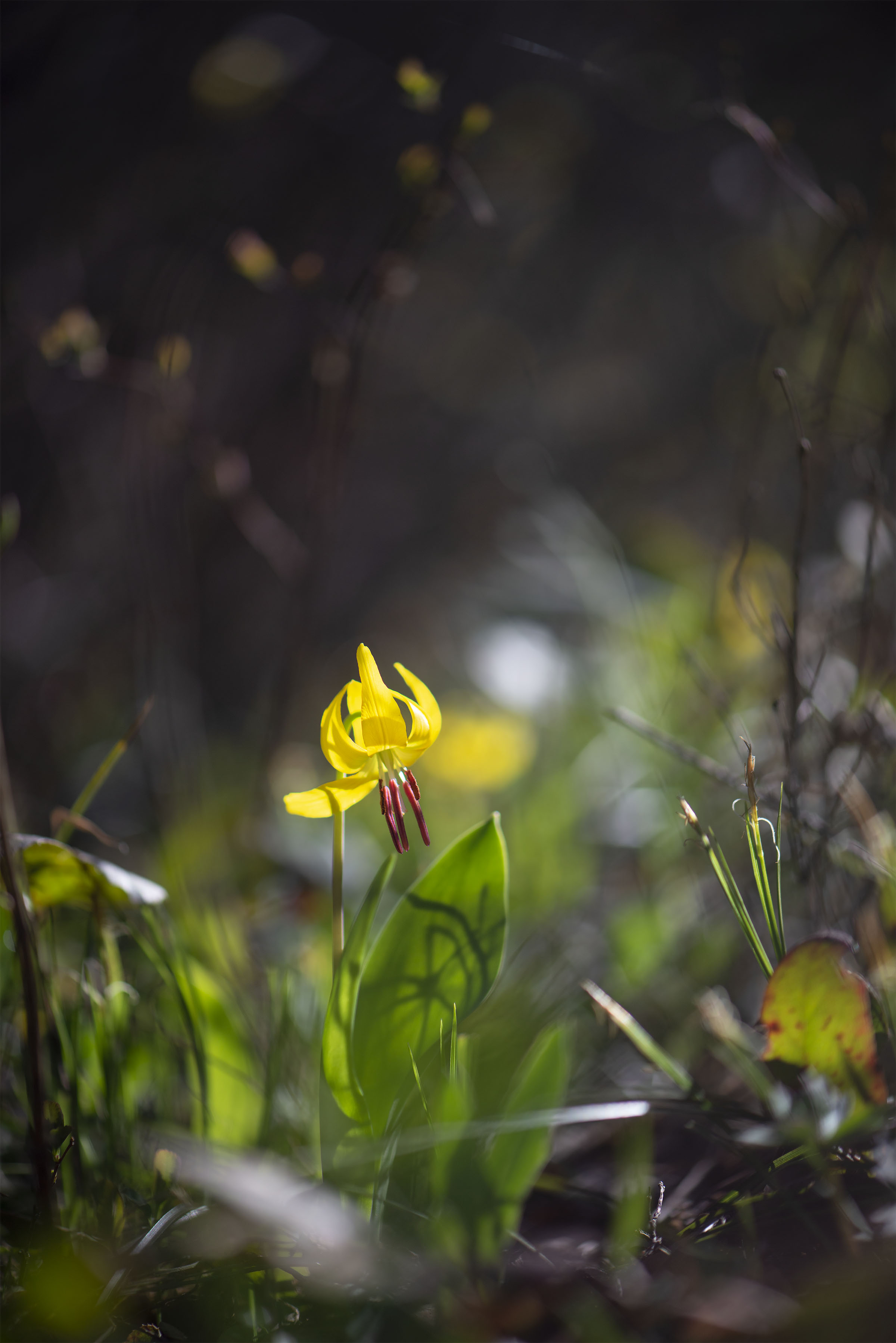
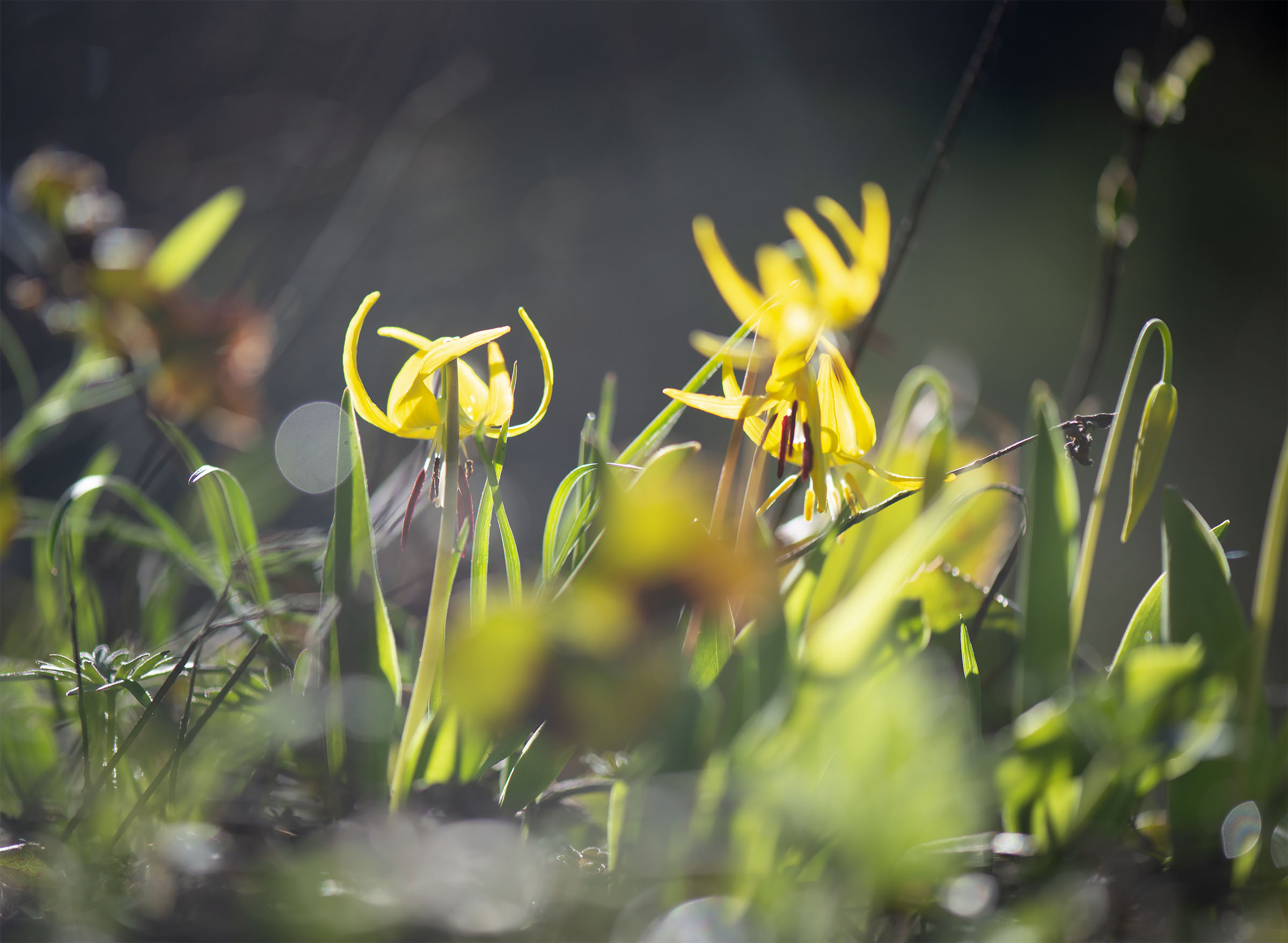
As quickly as the snow receded in early May the Glacier Lilies appeared to carpet the forest floor a beautiful yellow even before the grasses greened. Now only a month latter they have bloomed and done their thing. It’s hard to say how many photos we took of these wonderful flowers in just a few short weeks but they kept coming back to photograph them just a wee bit more more each and every day.
Here are a few chosen somewhat at random presented as a tribute to a wonderful wildflower.

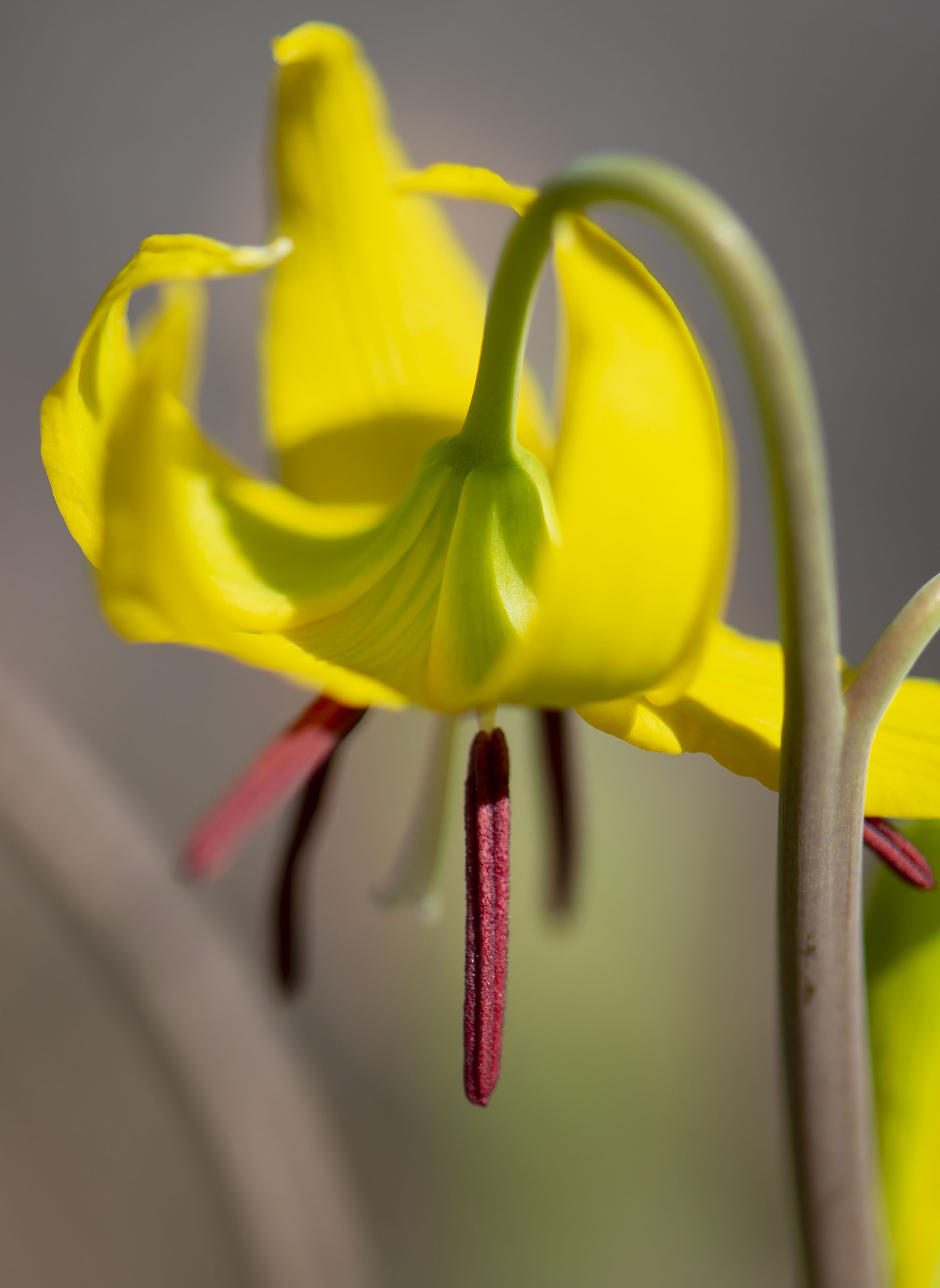
All through May they kept us company on rainy days
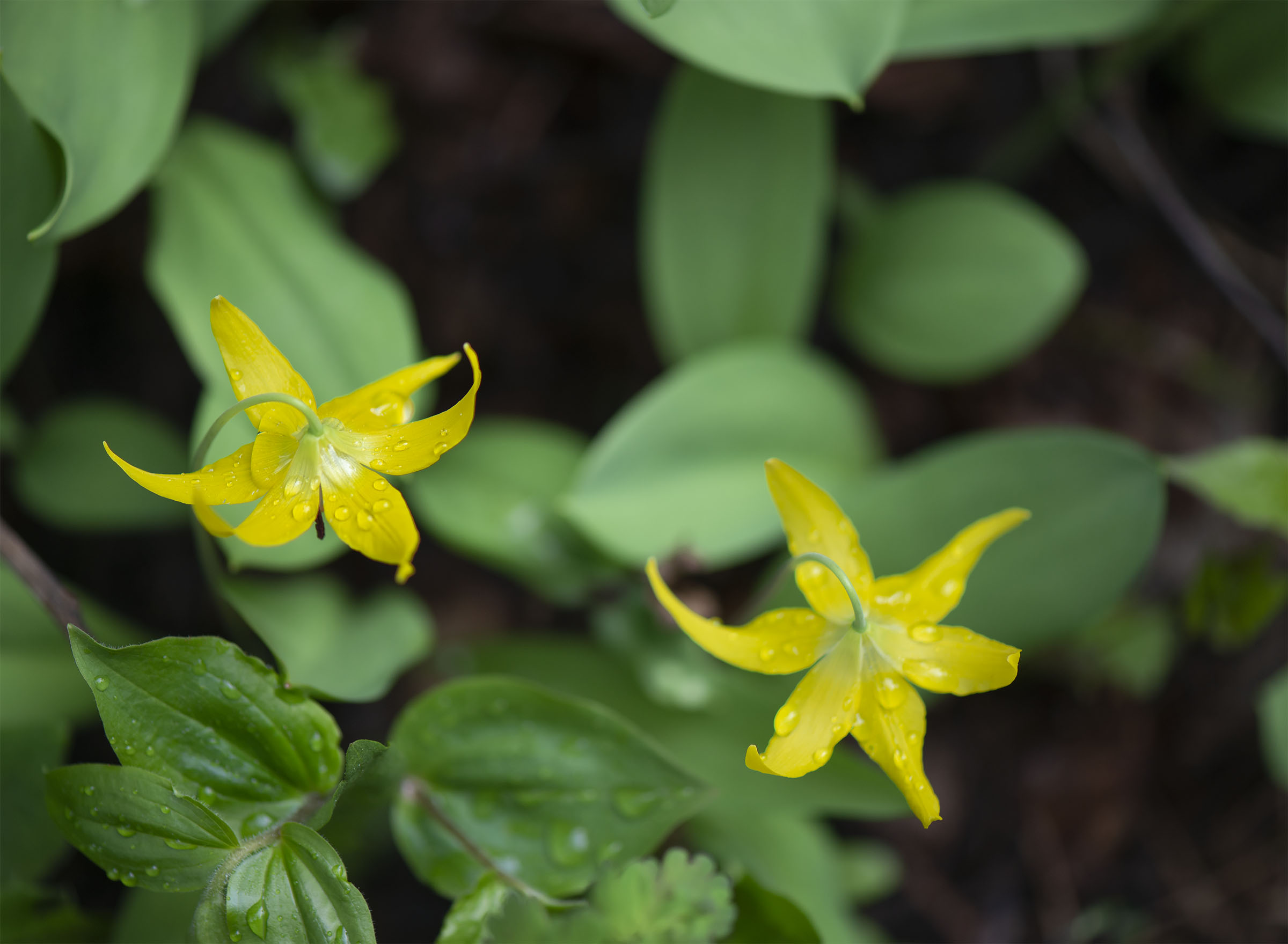
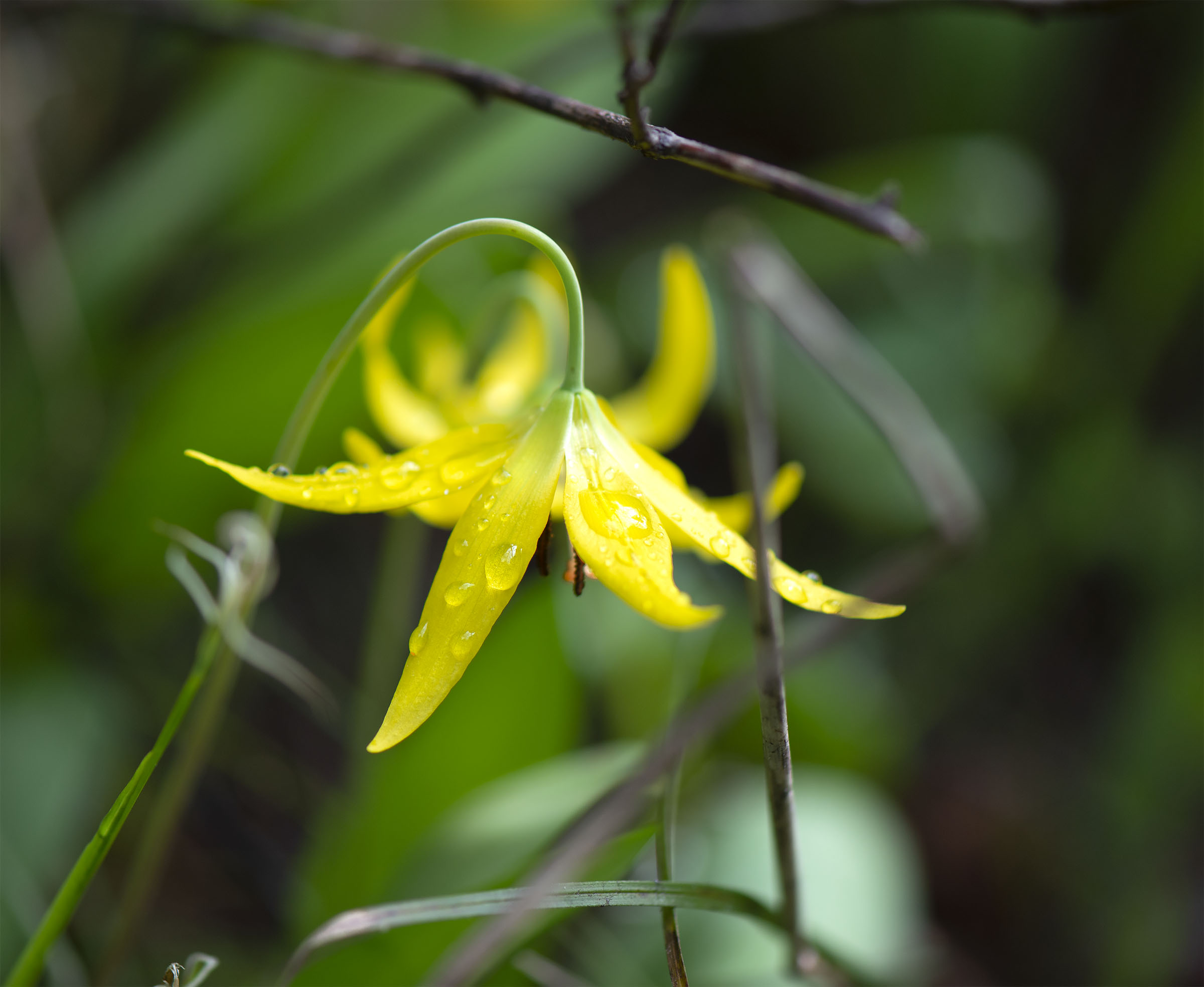
And sunny days as well.
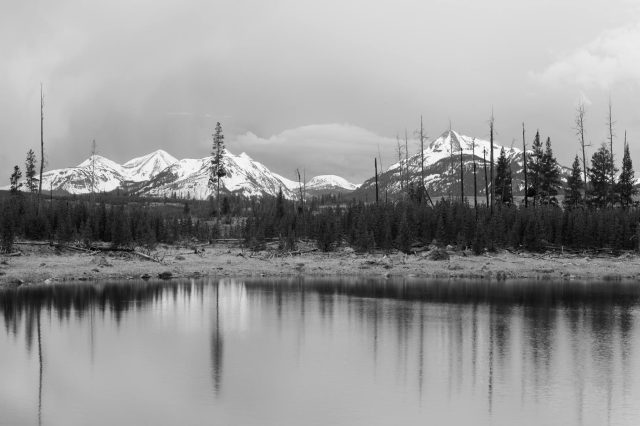
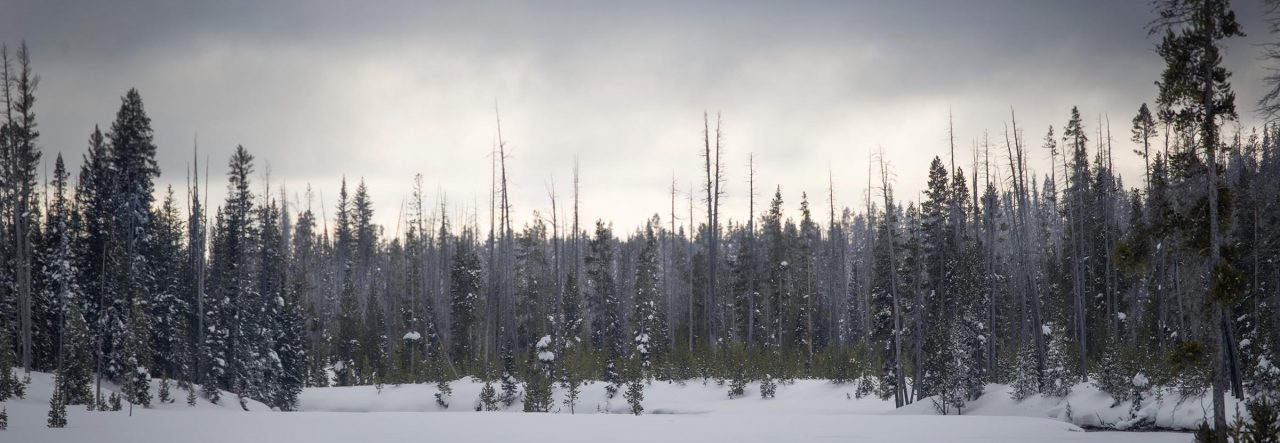
Early spring reflecting into calm water in Yellowstone National Park.
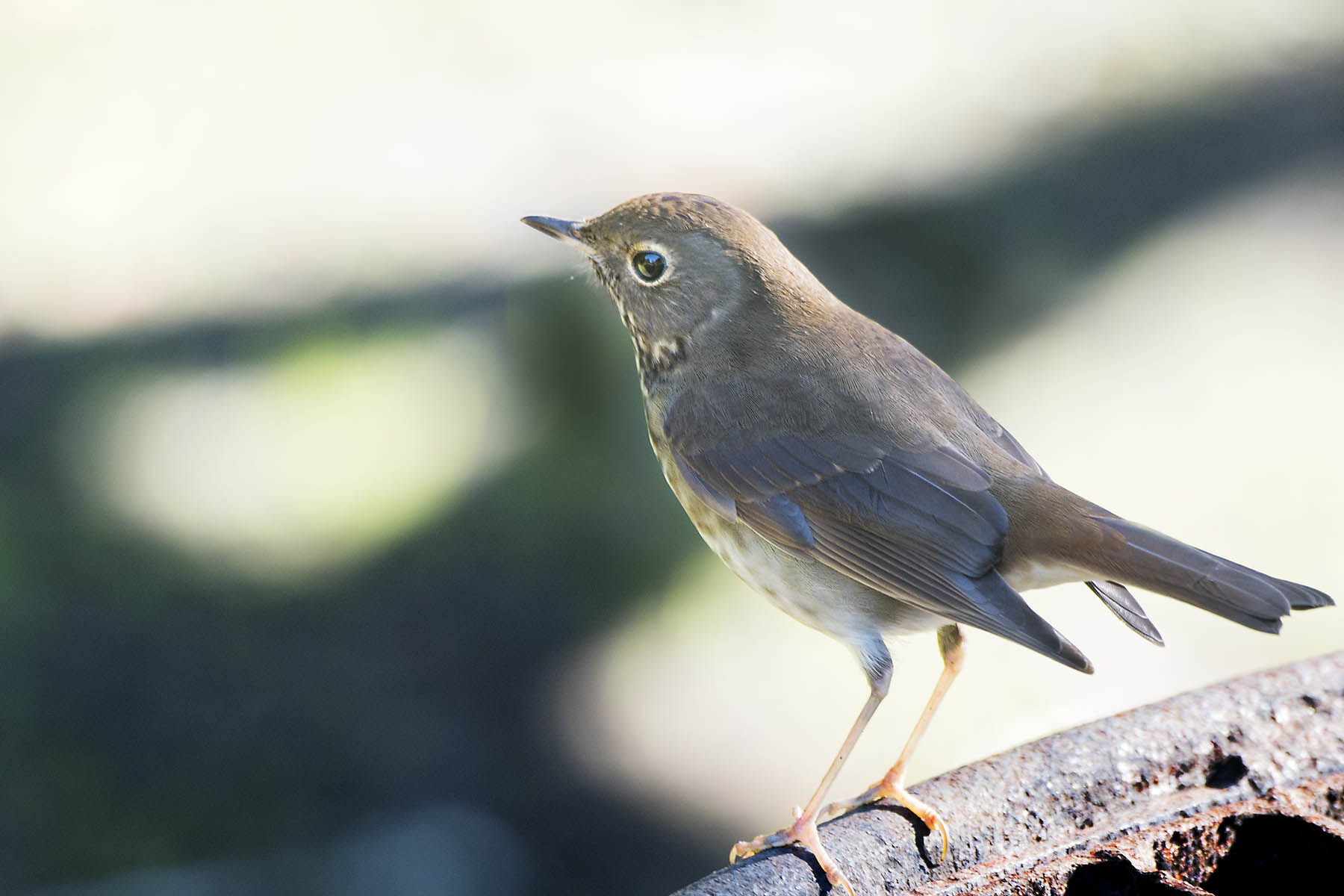
This Hermit Thrush made just a long enough appearance to allow us a quick photo before hopping back into the undergrowth of the forest. A nice treat to see a bird we usually only get to hear. It has such a wonderful song.
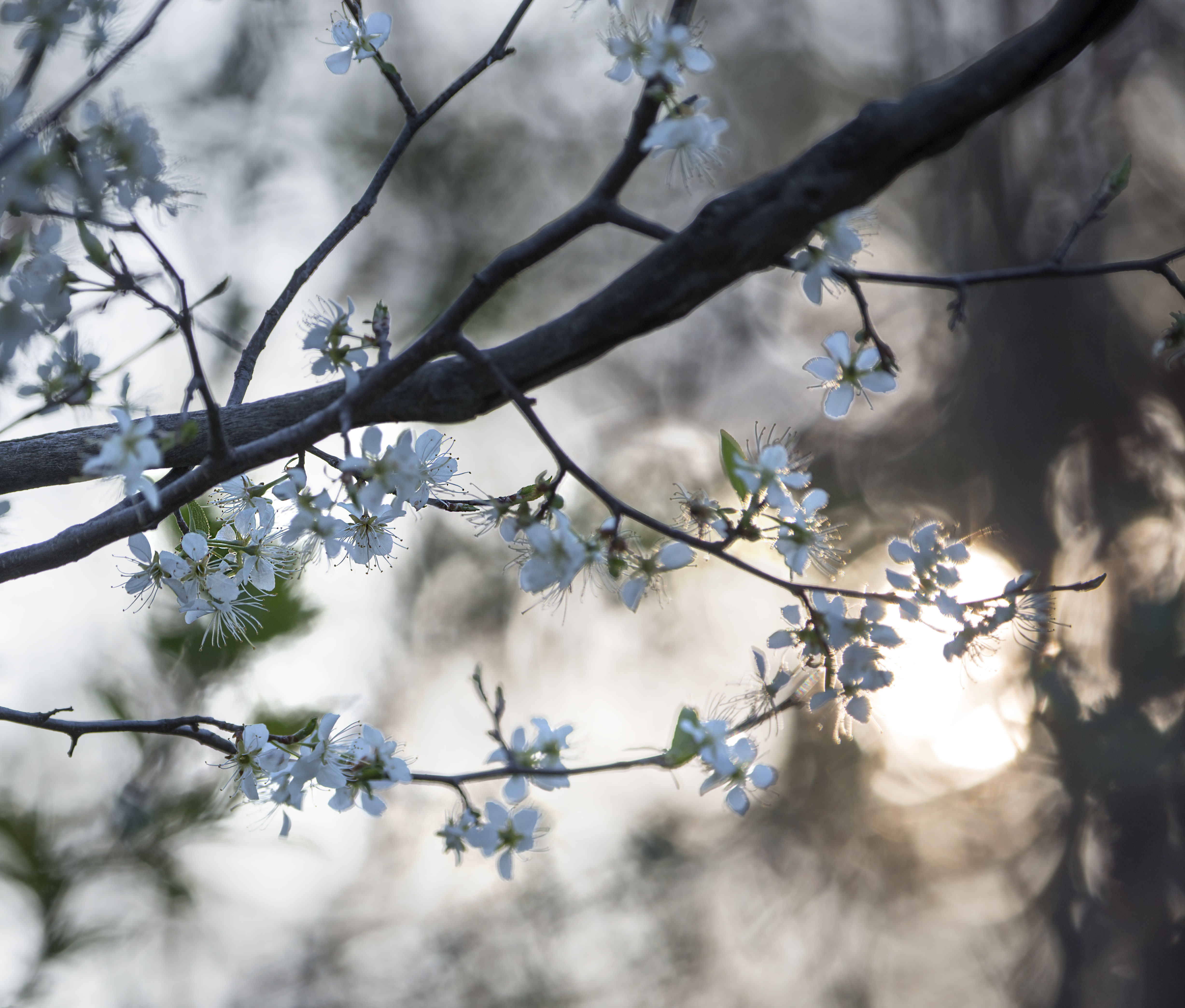
Fresh blooms and warm sunset say welcome to June.
Hope your June is wonderful and have a great weekend a well.
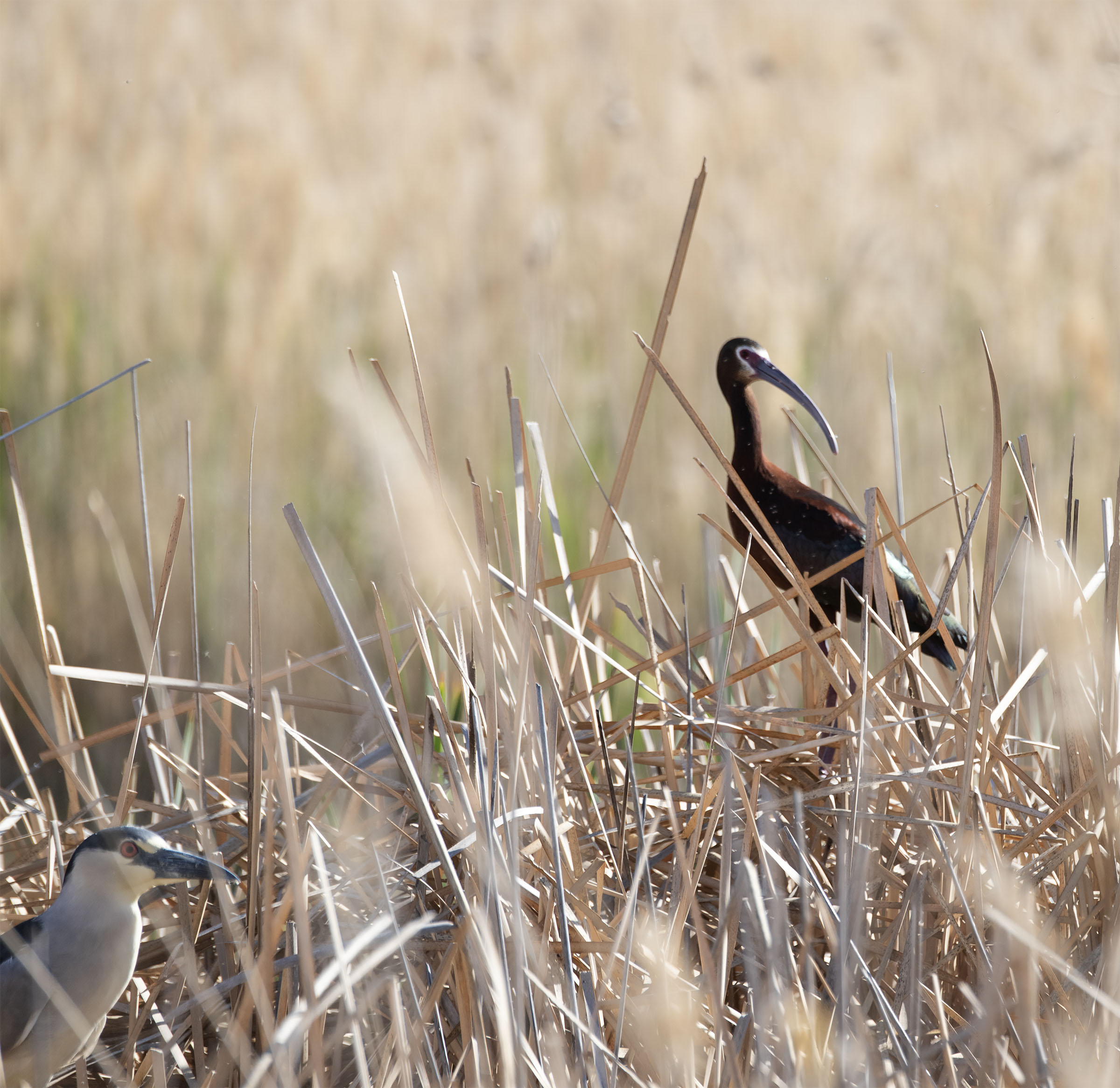
Not sure what I was missing out on but the White Faced Ibis and Black Crowned Night Heron were sure not looking at the camera as we peered into the cattails this afternoon.
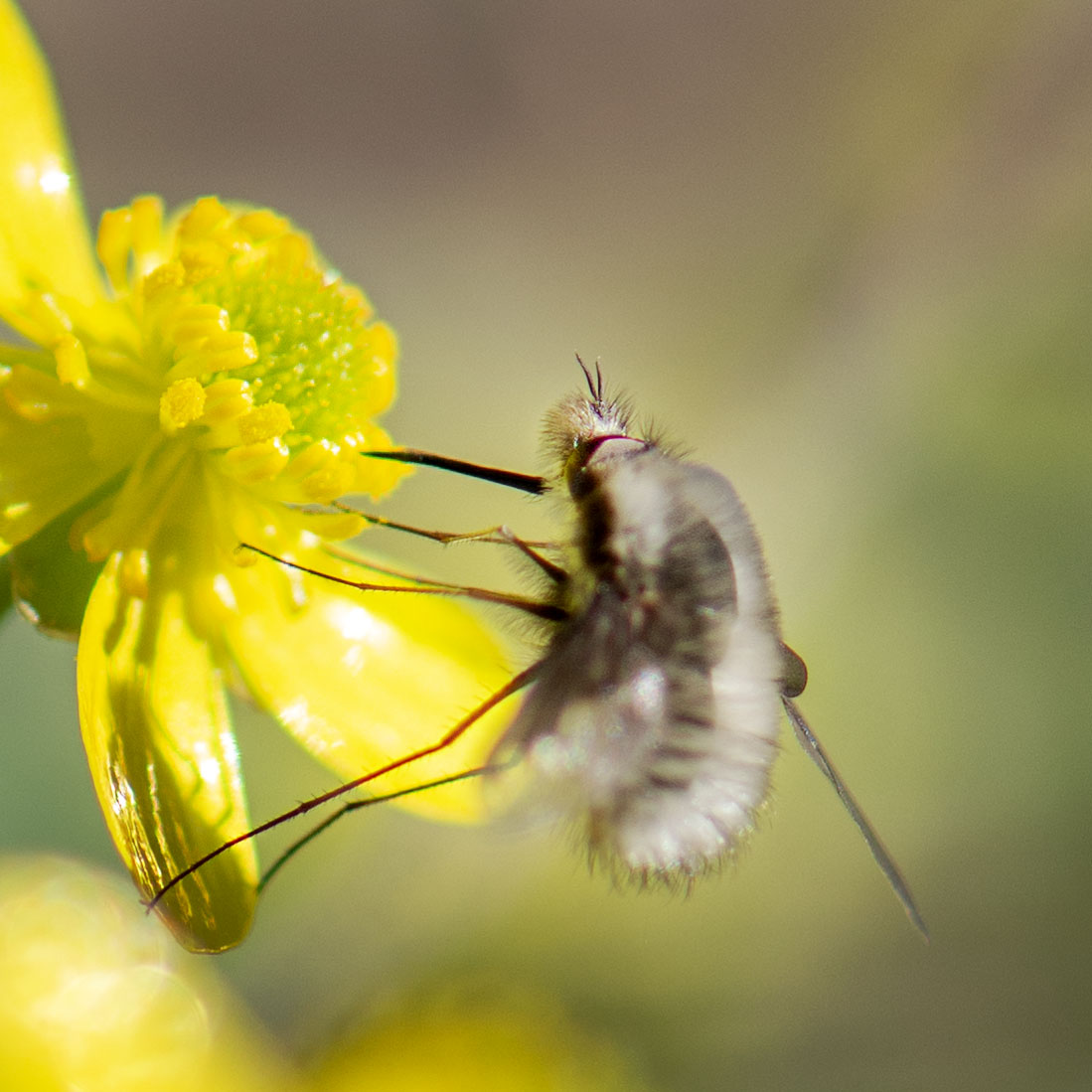
An early arrival as the first spring wildflowers spring is Bombylis major a bee-fly mimic. Bomblyis is about 1/2-3/4 inches long and fuzzy as a cuddly teddy bear. At first thought you might think that probosces is quite the stinger but it is harmless and used to collect nectar.
These guys move very quickly from flower to flower early in the spring and seem to be gone by July which coincides with the decrease ins spring wildflowers.
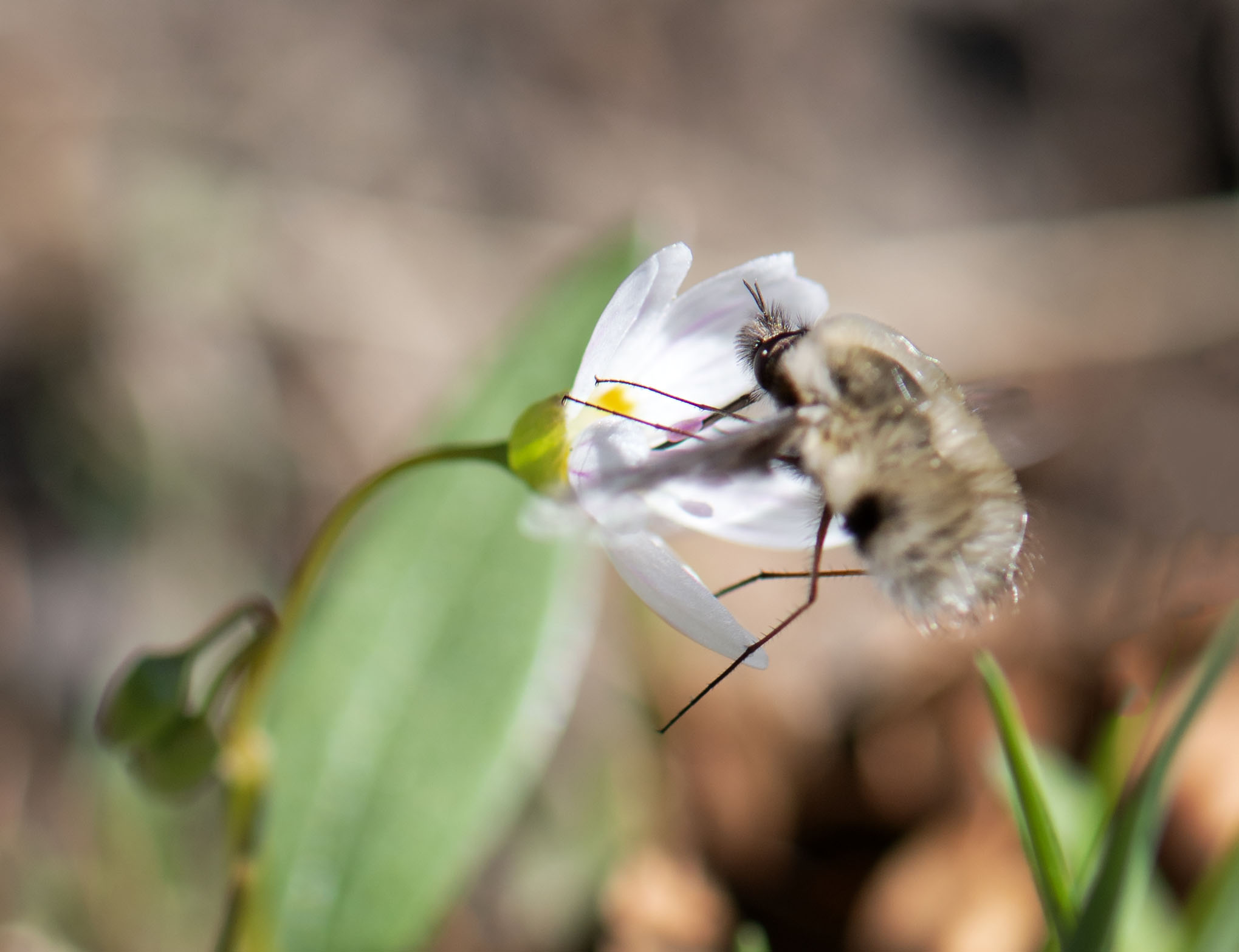
Gotta love these little guys with the long proboscis, spindly legs and fuzzball bodies pollinating the spring flowers.
 nature has no boss
You must be logged in to post a comment.